Month: November 2014

  • Yoga for Everyone!!

    Yoga for Everyone!!

    Yoga, a thought itself creates a grotesque, twisted pose in our mind, but do you people know what actually yoga is apart from these senseless thoughts. Yoga is much more than these weird poses. Yoga has derived its name from the word yoking together, which means yoking of body and mind. It is a physical and mental exercise which aims to present our body and mind to the new world. It has originated since from the time of pre-Vedic traditions and now it has become a part of this Western world in the form of spiritual practices. This is often referred to as Hatha Yoga. Yoga described human as a combination of three bodies along with the five sheets which controls the energy flowing through the channels.

    yoga2

    People usually considered yoga as the regimented method for accomplishing a goal. It is one of the well-organized techniques to control the mental and physical status of our body. It helps in the expansion of awareness and consciousness in our mind.  It is controlled course to omniscience. It is a practice which helps us to enter into other bodies and simultaneously generate numerous souls along with the attainment of supernatural powers.

    A yoga practice varies their meaning with the different types of religions. Every religion has its own beliefs like in Jainism it is known as the most spiritual practice which helps in self-realisation, attainment of salvation and provides complete freedom to our soul. It is a practice which keeps us apart from attachments and provides purity to our soul. It is broadly classified into Shukla Dhyana, Dharmya Dhyana and Raudra Dhyana. When we move on to Buddhism it is considered as the form of meditation which increases our concentrating powers and provide supernatural spirits in us. They regarded Yoga as a path leading to Nirvana and enlightenment.

    yoga1

    Yoga carries a various different meaning like combination, connection, contact, application, method etc. For example chakra-yoga means locating the position of the thigh, guna-yoga has a sense of contacting with the cord, pum-yoga is for showing relations with a person, Bhakti-yoga is a path of devotion, Raja-yoga is a sense of controlling our minds etc. It is a complete way of living life which balances our body and rejuvenates each and every nerve of our mind.

    Yoga is like a package which offers stress relief, weight loss, all-round fitness of our body, glowing skin like benefits to us. We misunderstood yoga and keep it limited to its poses, but in reality it is immensely involved in bringing our mind, body and breath together. Here are some benefits that yoga involves:

    Fitness: As it is a known fact that health is wealth. You are truly fit and healthy when you are emotionally and mentally balanced. Health is a combination of expressing how enthusiastic and loving you are and here comes the major role of yoga in providing all-round fitness to our body with the help of meditation, several different postures and pranayama. It provides a hidden healing power to our mind and soul. It keeps our body away from any heart diseases.

     Boost Immunity: Certain researchers found that there are various yoga practices that helps in boosting our immunity towards any disease. Yoga practices tend to change some gene expression when you are on the mat itself. When you breathe well, move well then the entire organ functions well. A small irregularity in our mind affects the overall functioning of our body and makes our body restless, so in such cases, yoga poses helps in strengthening our muscles and releasing stress from the mind. It provides immunity to asthma and relieve all mental stress.

    yoga3

    Provide flexibility:  Include yoga in your daily routine and make your body more flexible and strong. It stretches each and every part of your muscles and tone them. It helps in improving our postures while we stand, sleep, walk or sit. In turn, it helps in removing our body pain due to incorrect postures.  It helps in twisting our body into various shapes and find inner peace.

    Some of the best yoga poses are

    Malasana: It is also known as Yoga Squat which helps in relieving backache and stretches our thigh and calves. This is just a squatting position with heels in, toes out and hands are in a prayer position in front of our chest.

    malasana

    Camel Pose: this pose helps in improving our lungs capacity and stimulates thyroid and pineal glands. In this you have to stand up on your knees, keeping your hips apart. Your hands must rest on the lower back or on heels.

    camel

    Nostril Breathing:  this pose helps in maintaining the proper functioning of our respiratory system. In this you must be seated in a comfortable position to provide balance in both the branches of the nervous system. It helps in relieving stress and worries and refreshes our lymphatic system.

    So Yoga is a way of life and it aims to support you on that journey in an open environment…!!

  • The Food Invasion-Deciphered!
    The Food Invasion-Deciphered!

    India has had invasions for several centuries, and with each invasion certain cultures and traditions have been entrusted upon us. Each invasion brought its own languages, arts, religions and of course food! The foods from foreign lands have now become a part of our food palette and it is impossible to imagine biryani not being Indian. Indian foods have always been considered too spicy and unhealthy and it was the main reason for entry of foreign foods to the average Indian. These foods which were eaten as substitutes few years back have now become our staple food and are threatening to make the next generation obese and over dependant on foreign foods. Some of these foods are having high carbohydrate and fat content and making most of the urban children sluggish and overweight. Imported food items, both fresh and processed, are filling shopping bags in cities and towns as the global food trade zeroes in on India as a prime market.

    foreignfood1

    The urban, health conscious and educated Indian often sees foreign food with fancy packaging convince themselves it is nutritious and are eager to spend the extra bit on these foods without proper knowledge about them. Though there are several bad influences not all western food is bad. Some of them have positive effects on health and are actually quite good for us.

    foreignfood2

    The Good

    foreignfood3

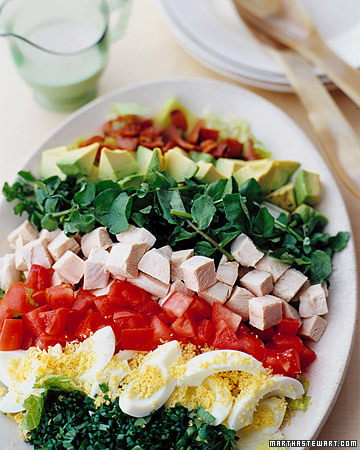
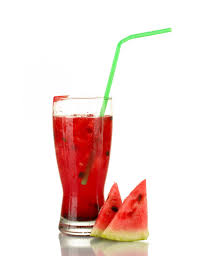
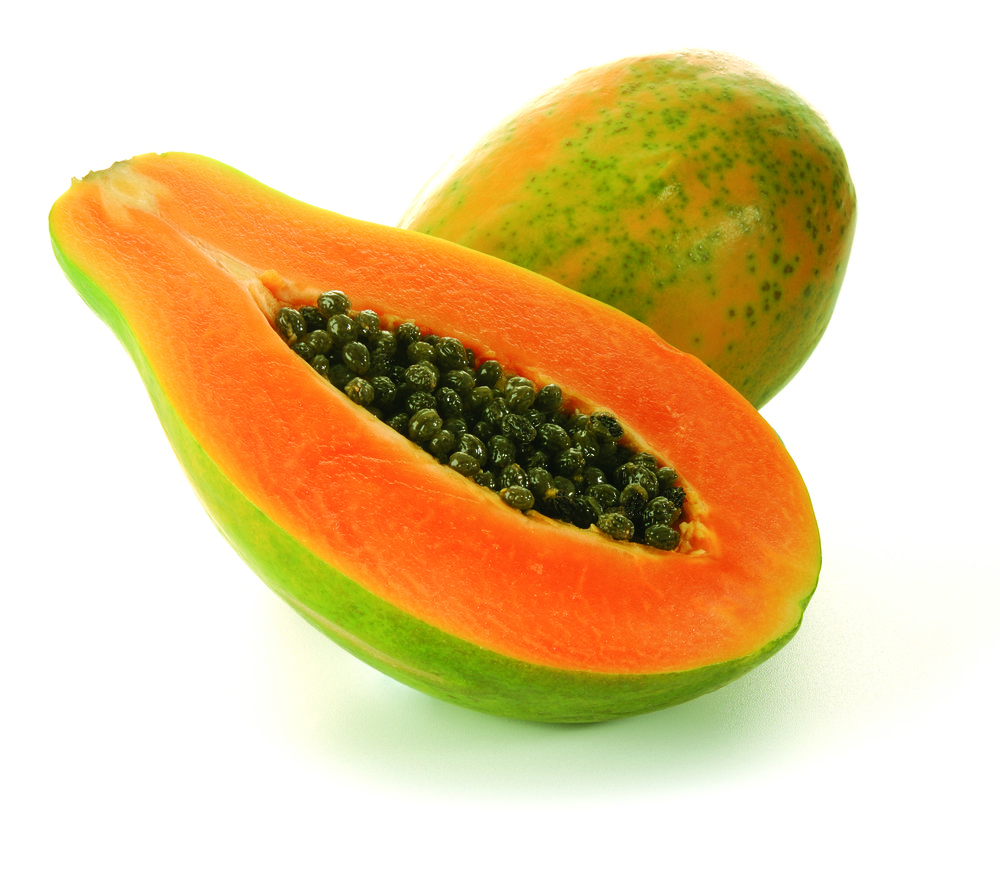
    There are few western foods which are undoubtedly good for health. The best example for positive influence of western diet would be the introduction of salads and different kinds of fruits like watermelons and papaya. Salads are healthy and delicious at the same time. Indian foods are mostly over cooked which remove most of the good ingredients and make them less healthy. Salads on the other hand are eaten raw, and manage to keep the proteins and vitamins intact. Salads also have a pleasing appearance and properly dressed salads can be a treat both to the eyes as well as your tummy. Salads also help in satisfying your midnight cravings and provide a healthy alternative to cookies and potato chips. The other great thing about salads is that they are not monotonous. It is not always about cucumbers and tomatoes, you can experiment with your salads and there are thousands of salad combinations which can be tried.

    foreignfood4

    Unlike certain foods, which are good for westerners but don’t suit Indians climate Salads are the perfect for the scorching heat in India. Since there is no cooking involved in salads you need not worry about adding heat from your oven!

    foreignfood5

    Another great foreign influence is the introduction of fruit juices and certain ice creams with fruit salads. Fruit juices and ice creams are perfect for our tropical climate and are advised by many doctors for patients and children with less appetite. Soups are a positive influence on our body and it is the perfect meal for sick people and also serves as a great appetizer.

    The Bad

    foreignfood6

    Everyone knows that Breakfast is the most important meal of the day. In most urban Indian families, cereals are the common breakfast foods given to children. Cereals are generally considered to be good for health and are served to the whole family. But in reality cereals are not exactly good. Some of them have heaps of sugar and salt which can entirely ruin your diet and might be a bad choice especially for kids. Instead of cereals the more sensible thing would be to eat oatmeal which is definitely one of the world’s healthiest breakfasts.

    foreignfood7

    Chocolate, especially the dark variety is often advertised as a healthy food which is true in the sense that it gives immediate energy but they also have a negative side. Chocolate contains large amount of butter, sugar and cream, which can hamper your diet negatively. Occasional chocolate consumption is fine but over reliance might cause severe problems.

    The Ugly

    foreignfood8

    There are certain western foods which are actually a curse and should never have been encouraged. Mcdonalds and Pizza outlets like Domino’s entered the Indian market in mid 90’s and have effectively been the primary source of making the next Indian generation predominantly fat and unhealthy, especially the middle class urban children. These fast foods have high fat content and a very high energy density. Energy density refers to the amount of calories an item of food consists in proportion to its weight. Foods with high energy density have a detrimental effect on the human brain. The human appetite was designed for low energy density foods and foods like Pizzas, Burgers and fries are extremely unnatural and has severe effects on the human body especially children. Our bodies were never designed to cope with high energy density foods and that is the reason why fast food is contributing to a major rise in obesity. Fast foods can also clog the arteries and can result in increased blood pressure and heart attacks. Fast foods are high in saturated fats and low quality fats.

    foreignfood9

    Our body requires fiber and other healthy fats. Fast foods represent a diet which is entirely unnatural and requires a serious consideration. They are as bad as smoking and drinking to health and should be restricted and curtailed before it becomes an epidemic.

    All foreign foods are not bad foods. But we have enough nutrients in our own food and it is important that we understand our own bodies and eat accordingly and lead a healthy and happy life!

  • Dealing with Food Inflation

    Dealing with Food Inflation

    What is Inflation?

    inflat

    Inflation is an economical scenario when there is a sustained increase in prices of goods and services over a period of time. When the general price level rises, each unit of currency buys fewer goods and services. Consequently, inflation reflects a reduction in the purchasing power per unit of money and it might vary geographically and sometimes with respect to time. Inflation is generally thought to be a negative impact on the economy, which is partially true because of the increase in the opportunity cost of holding money, uncertainty over future inflation which may discourage investment and savings. But on the other hand it can also ensure that central banks can adjust real interest rates, and encourage investment in non-monetary capital projects. Inflation may occur due to increased demand and limited supply, or due to increase in prices of raw materials.


    Food Inflation

    foodinf

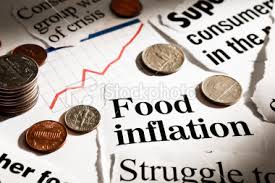
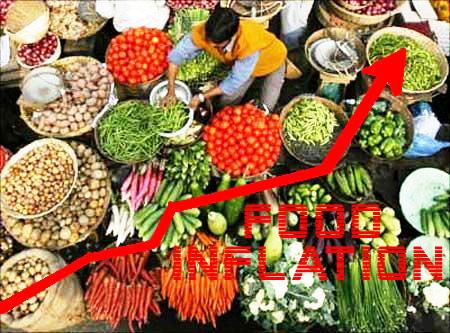
    Food inflation can be defined as a consistent rise in the price level of all agricultural food items. This rise in price level is neither seasonal nor sudden, it keeps on increasing over a period of time. Food inflation is generally volatile because of the nature of food and its dependence on external factors like climate and soil. Despite this inflation in food prices is a very worrying phenomenon, and one which tends to increase every year because of lower production of agricultural products and higher consumption rate due to increase in population. Agricultural lands have become real estate mines, and this has come back to haunt the economy. In India a booming economy has GDP expanding at 9% a year. Official inflation is around 7%, but, headline food inflation is more than double at 17.8% according to a survey in 2011. Food inflation is a headache to any economy, but more so in developing economy because it can be a matter of life and death for certain sections of the society.


    Causes of Food Inflation

    foodinf3

    Food inflation has two major causes,

    • Cost-Push Inflation
    • Demand Pull Inflation

    Food Inflation can increase because of natural causes like bad weather and destruction of crops due to natural calamities. For example, Sugarcane is in high demand in Tamil Nadu during the months of January and February and if there is a situation when the main sugarcane producing areas are affected by rain, and there is a decline in production the cost of Sugarcane is bound to increase because of excess demand and limited supply.

    foodinf1

    Another major reason for food inflation is the increase in demand for bio fuels, which results in agricultural lands being used for producing energy crops and cash crops. The fertile agricultural lands are often not used properly and are wasted. There is also the problem of insufficient utilization of available lands due to unskilled labor and lack of proper education.

    Rise in food prices cannot be put under these general issues always. There is a broader reason, which is the aversion the newer generation has towards agriculture which is mainly due to the migration to cities in search of better jobs, education and facilities. There is also lack of proper irrigation facilities and over 60% of India’s fertile land is not irrigated. There also black marketers and hoarders, who buy products at a lesser rate and sell it in the black market for much higher prices when demand increases.


    Effects

    onionstor

    Food inflation has adverse effects on the economy and prevents the Government to concentrate on other key issues. Food inflation makes certain basic commodities like fruits a luxury. People would rather spend the money on an evening meal rather than a banana or papaya. People will have to cut back their spending on other amenities as food is the basic necessity. Industries take a hit due to these cut backs. If the mere basic necessity of people, food and water are not provided adequately it is impossible for a nation to thrive successfully and prosper in various fields.


    Ways to tackle Inflation


    The most important thing is to avoid wasting food. According to UN, India wastes more food than any other country in the world. While the prices of onions are steeply increasing due demand supply mismatch hundreds and thousands tons of onions are being wasted due to lack of proper refrigeration and storage facilities. It is a fact that over the 30% of the onions produced every year are wasted. No wonder Onion prices are increasing! We are already living in high demand less supply environment and wastage due to improper storage should be avoided and controlled immediately. Storage does not refer to just dumping these vegetables onto bamboo stacks but actually providing proper ventilation and sunlight to these storage facilities.

    We can also tackle inflation by increasing the production according to increase in demand by providing a more constructive environment and convenient environment for farmers and encouraging them concessions and perks. They should also be educated about modern farming techniques and importance of proper storage.

    onioninf

    We have seen Governments tumble due to increase in vegetable prices and it is a very real and serious issue every citizen must be made aware of. Food inflation is a natural phenomenon but it is up to us to keep it under check and manageable. Sending space shuttles and moon missions might all turn out to be useless if people are still struggling for food and water.

  • Too much of healthy eating… A disorder?

    Too much of healthy eating… A disorder?

    eat-more-art

    When it comes to eating healthy foods, the answer is always yes. But do you know excess of pure and healthy foods and their consumption can be disorder. Though, it is well known that excess of everything is bad for health. Yes, It is right that we all are encouraged to eat healthy foods and munch on healthy diet but some people take it too far and having too much of it; Not a good idea. Excess of healthy eating falls in eating disorder category, when taken beyond to a certain point and this disorder is called as Orthorexia Nervosa, which refers to compulsion to eat nothing, but healthy. It is an obsessive compulsive disorder that creates severe phobias about eating impure unhealthy food, though it may seem counter-intuitive but limiting oneself to certain category of foods, termed as “healthy” can be dangerous. Eating disorder charities are reporting rise in number of people suffering from this serious psychological condition. This condition, Orthorexia Nervosa was named by Californian doctor, Steven Bratman, in 1997, and is described as a “fixation in righteous eating”. This tends to effect equal number of men and women but sufferers tend to of over 30, middle class and well-educated. Orthorexics are solely concerned about their diets and quality of foods they put in their body, refining and restricting their bodies according to their personal understanding of which foods are “pure”. They have rigid rules around eating like refusing to touch salt, sugar, soya, gluten, yeast, wheat, caffeine or any foods containing artificial additives are also out. This obsession of ‘good’ leads to malnourishment in them most of the time.

    Consultant lifestyle nutririonist Trupti Gupta says,”It’s a condition that stems from low self-esteem, or a need to be in complete control, even at the cost of punishing yourself.” If your life revolves around food and you cant plan your outing without specific meal availability, it can become a major concern for your family and friends. Moreover, due to this specificity, they also suffer from deficits as they take the reins of their meals in their own hands without seeking any professional advice. The most common issues faced by orthorexics are loneliness, depression, anxiety and failure. For those who can’t beat their obsession of clean green, healthy food, this is what it can lead to. To improve the condition, take emotional help from near and dear ones and watch carefully through these points;

    woman-with-vegetables-537x358

    Excessive Water intake: Water is excellent for health and drinking eight glasses every day is recommended. I know everyone has heard of it millions of times and no doubt follow it too. This is because water flush out the toxins from the body, but excess is not good, so you need to draw a line here too. As, one should not exceed their intake from eight glasses of water a day, because it leads to hyperhydration and which is not a sign of good health. It can lead to chemical imbalance in the body. So, keep check on your drinking amount.

    Don’t Overdo your Proteins: Deficiency of proteins is not good. True. Even, sometimes fitness experts say going high on proteins and reduce your intake of carbohydrates, but it is advised to use your discretion here too. Carbohydrates, being source of energy can give adverse effects if kept out of your diet. When you can’t get your energy from non-carb diet, then it will be taken from protein and fat, which will put pressure on liver. In place, protein supplements taken in excess can put a strain on kidney, which can prove to be detrimental to health, and even lead to weight gain if not accompanied by proper exercise.

    Check your Calcium intake: You must ensure that your calcium intake is upto the mark to maintain good good bone health. However, one should remember that excess of it in the body can affect your bones in a negative way. As, it can lead to the build-up of calcium deposits in the joints, causing pain in them and can also lead to stones in the kidney.

    Popping of Vitamin Pills: Being conscious about your vitamins is good but indiscriminate popping those pills to maintain your vitamin content of body is not recommended. Remember, an overdose of Vitamin B1 can lead to deficiency in Vitamin B2. It can be even fatal. As, excessive Vitamin A can damage your liver and is also harmful for the bones and in pregnant women, it may even end up having birth defects in the child. On the other hand, Excessive Vitamin C can lead to diarrhoea. It is but natural that high dose of such supplements can cause adverse effects, especially if they are fat soluble like Vitamin A, D, E and K. So, its better to moderate your vitamin intake.

    A body needs everything in moderation so that all the nutrients can be balanced according to their needs. The reverse of unhealthy eating habits, when fussing over health gets dangerous which is clear from many instances as above. Too much calorie calculation leads to psychological anorexia, further leading to many deficiencies. One should cut their quality of food of the basis of healthy eating with the perception of being healthy or losing weight as it may lead to malnutrition. Rather, one should measure our worth in laughter, peace and happiness not in weight or height. Moderation and Balanced diet is the key. So, eat healthy but don’t push yourself to healthy eating disorder.

  • Magic Maggi!

    Magic Maggi!

    Ma’s ‘magic maggi’. I remember getting it to school for lunch almost every week and my friends would finish it off in less than 5 minutes. They loved my mother’s ‘magic maggi’. I did too.  She fried it instead of simply boiling it. She gave a whole new dimension to it.

    Ma added eggs (a must), experimented with different veggies depending on the season of the year, sometimes threw in a couple of shredded chicken, tossed and turned the divine mixture – a bit of this, a bit of that – and voila the favourite food of the household was ready to be devoured.

    One needs to know the craft of making maggi and simply fall in love with its art.

    My sister-in-law loves maggi – quoting her, “During my college years, I had to stay in a hostel and you know how hostel food is. Yuck! I basically learnt to eat maggi for breakfast, lunch AND dinner. My Life Saviour! “

    She taught me a couple of tricks and different recipes to turn a simple maggi into a restaurant quality dish (almost). And being the awesome person that I am, I would love to share those recipes with you. We will start with something yummy yet simple, and move on to the dishes which require a bit more skill to make. So, here goes:

    Cheese and Corn Maggi

    maggi cheese and corn

    What you will need: 2 packets of Magic Masala Maggi, 2 and a half cups of Mozzarella Cheese (shredded), ½ cup boiled corn, 1 and a ½ cup of water, 2 tbsp butter, salt

    How to make it: Boil water in a pan. Break the cakes of Maggi into smaller bits. Add the Maggi. Stir gently. Add the Masala (spice mix). Stir. Add the boiled corn and some salt to the Maggi. Grease a baking tray with some butter and keep it aside. Once the Maggi is half-cooked, pour them in the baking tray. Add the shredded Mozzarella on top. Sprinkle the top with more cheese and herbs. Place the baking tray in a preheated oven (around 120 degree Celsius) for 5-6 minutes. Once the cheese melts, your Cheese and Corn Maggi should be ready.

    Maggi Sandwich

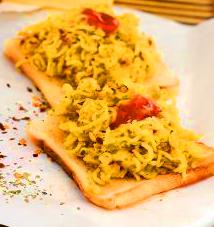
     maggi sandwich

    What you will need: 1 packet Magic Masala Maggi,2 toasted bread slices, 1cheese slice (cut them into small pieces),1/2 tsporegano (dried),1/2 tsp dry red chilli flakes

    How to make it: Boil 1 cup of water in a pan. Break the cakes of Maggi into smaller bits. Add the Maggi. Stir gently. Add the Masala (spice mix). Cook on a medium flame for 3 to 4 minutes. Stir occasionally.Add cheese, oregano and chilli flakes. Stir and mix well. Divide the mixture into 2 equal portions.Spread a portion of the mixture on each toasted bread slice.Serve hot.

    Veg Maggi Omlette

     maggi veg omelette

    What you will need: 1 small packet of Magic Masala Maggi, 1 cup besan, 1 cup semolina, 3 or 4 green chillies,  1/2 cup sprouted whole green gram, a bunch of coriander leaves, 1 medium sized onion, 1 tsp ginger and garlic paste,  1/4 cup carrot (grated), 1/4 cup coconut (grated , 1/2 cup olive oil , pinch of salt

    How to make it: Boil 2 cups of water in a pan. Break the cakes of Maggi into smaller bits. Add the Maggi. Stir gently. Add the Masala (spice mix).  In a bowl, put besan, semolina, salt, ginger garlic paste. Mix well.Take the Maggi, onions, grated carrot, grated coconut, coriander and green chillies and dip them in the besan mixture. Mix thoroughly. Add water to balance the consistency of the batter. Dab some oil on a pan. Heat it. Put some batter in the pan in the shape of an omlette. Add green gram sprouts over the omlette. Cover the pan with the lid and allow it to simmer. After 3 minutes, flip the omlette. Cook for another 2 minutes. Serve hot.

    Maggi Noodle Salad

    Maggi Noodle Salad

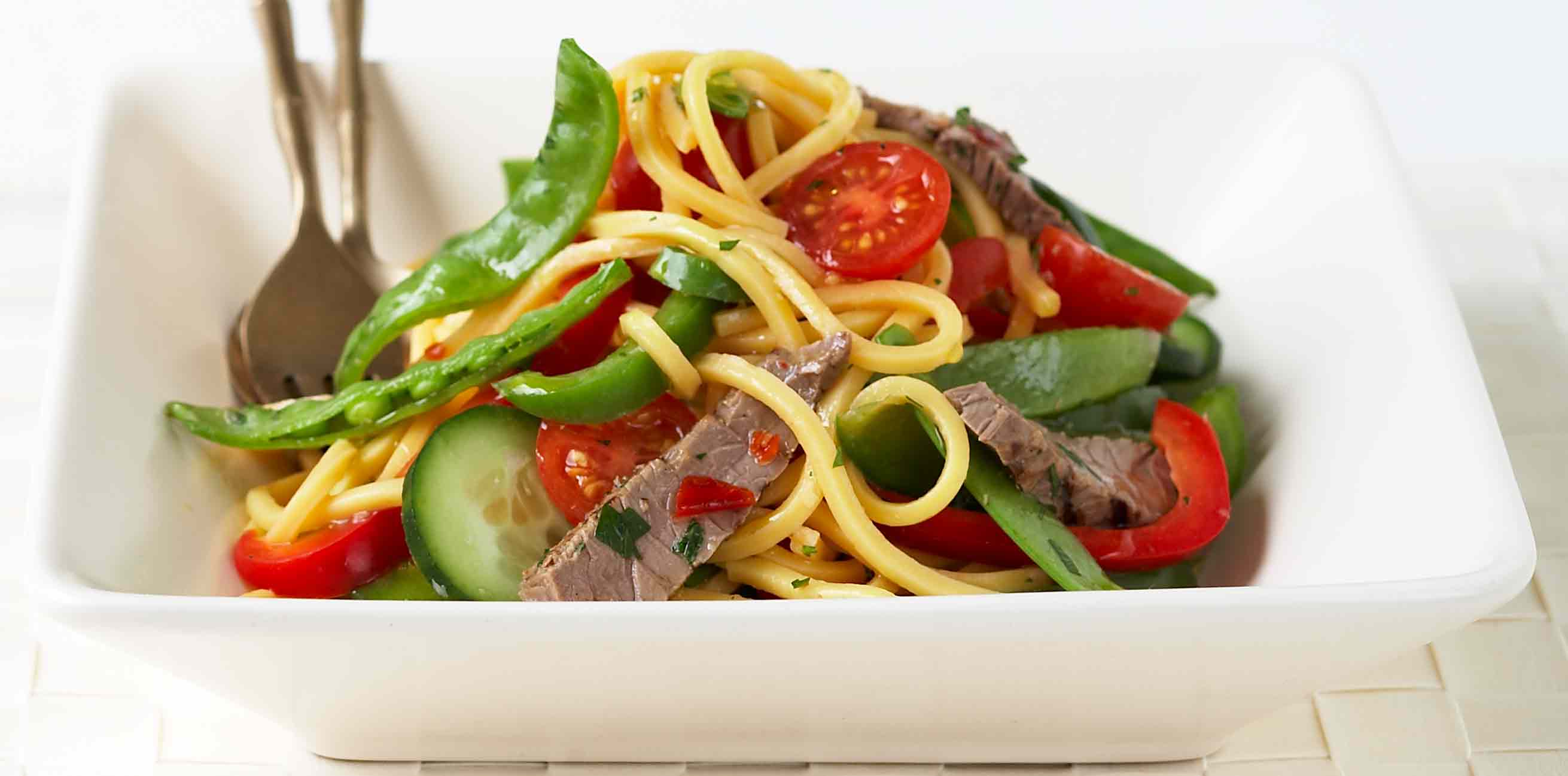
    What you will need: 1 packet of Magic Masala Maggi, 1 cucumber (diced), 1 onion (finely chopped), 1 tomato (finely chopped), 1 capsicum (diced), ½ tsp cumin (powdered), 3 garlic cloves, 2 pinches of rock salt, one pinch of salt, ½ tsp sugar (powdered), ¼ tsp chat Masala, 1 green chilli, a bunch of mint leaves (finely chopped), a bunch of coriander leaves (finely chopped)

    How to make it: Break the cakes of Maggi into smaller bits. Dry roast them in a pan until they are a soft brown colour. In a large bowl, mix vegetables such as, cucumber, tomato, capsicum and onion. Add crushed garlic, cloves and green chilli. Add rock salt, cumin, salt, chat masala, sugar. Mix well. Add the crushed roasted maggi noodles to the vegetable mix. Sprinkle some mint and coriander leaves on top. Serve immediately.

    The Maggi Magic does not end here. Obviously. Give it a northern twist. Add the southern zing. Spice it up. Or keep it simple. Listen to your heart. Put on your chef’s hat. Experiment with flavours and let your creation do the talking. Be the Maggi Chef. Be You.

  • KASHMIRI PANDITS- CULTURE AND CUISINE

    KASHMIRI PANDITS- CULTURE AND CUISINE

    Kashmiri pundits, also known as Kashmir Brahmins are the oldest inhabitants of the state of Jammu and Kashmir. They are the only Hindu community native to Kashmir. Through the years, many Hindus have migrated from different parts of the country. The history of the Kashmiri pundits is the history of Kashmir valley itself.

    CUISINE

    cuisine

    They have their own exquisite culture as well as food habits. They introduced the use of yoghurt, asafetida and turmeric powder to Indian cuisine. There is a heavy use of mutton in Kashmiri cuisine. Its use was prevalent throughout the history of Kashmir. There are about 30 different varieties of mutton in the cuisine. Normally pundits do not use meat but it has a prominent place in the cuisine of Kashmiri pandits. The use of beef is strictly prohibited in the cuisine of Kashmir.

    Meat is cooked in the households of Kashmiri pundits during festivals and it is part of their identity.

    NOTED DISHES

    1)      ROGAN JOSH

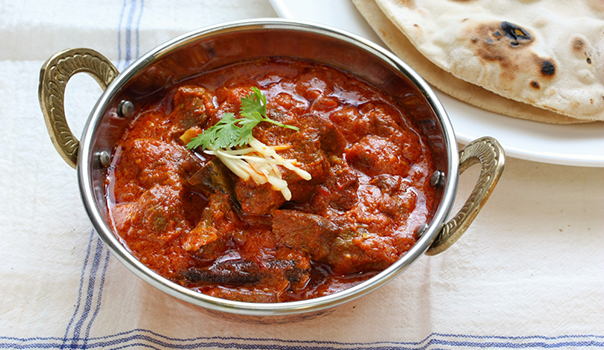
    lamb_rogan_josh

    It is a lamb based dish which is seasoned with Kashmiri chilies, ginger, asafetida and bay leaves. Asafetida is used by Pandits in place of garlic. Yoghurt is used instead of onions to make the dish thicker. It is a favourite dish in Kashmir and is cooked during special occasions. It is originated in Persia and is aromatic in nature. It is one of the signature dishes of Kashmiri cuisine. The word Rogan Josh means, “Cooked in oil at intense heat.” This dish was brought to Kashmir by Mughals. It is one of the main dishes in the multi- course dish of Kashmir known as ‘Wazwan.’

    There are many adaptations of this dish where different varieties of sauce are used.

    PREPARATION

    INGREDIENTS

    1)      1 kg  lamb mutton cut in 70gm. Pieces

    2)    ½ cup mustard oil

    3)    1 tbs ghee

    4)    ½ cup curd

    5)    ¼ tsp asafetida

    6)    ½ tsp cumin

    7)    6-8 pieces of half crushed cloves

    8)    2 bay leaves

    9)    2 tbs Kashmiri chili powder

    10)2 tbs fennel powder

    11)1 tsp dried ginger powder

    12)1 tbs salt

    13)1 tbs garam masala

    14)4 cardamom

    15)2 pieces of cinnamon

    16)3 pieces of big cardamom

    17)1 tbs ghee


    METHOD

    1)    Wash the mutton and drain off extra water.

    2)    Put mustard oil in a frying pan and keep it in a full flame till the smoke comes out. Remove it from the flame for 2-3 minutes.

    3)    Mix mutton with the curd and heat the pan on a full flame for frying.

    4)    Stir the mixture so that it won’t stick to the bottom of the pan and also the liquid produced by the pan dries up.

    5)    Now add asafetida, cumin, salt and cloves to it and heat it on a low flame till it becomes brown.

    6)    Now add chili powder to it and stir till deep red color appears.

    7)    Now add 2 glasses of water and bay leaves, fennel powder, ginger powder, cinnamon pieces, crushed cardamom and stir so that that the ingredients mix properly. Cover the pan with a lid and then heat the mixture on a low flame.

    8)    Add garam masala and ghee and boil it for two minutes.

    9)    Garnish the dish with coriander and serve it with boiled rice.


    2)      YAKHNI

    yakhni

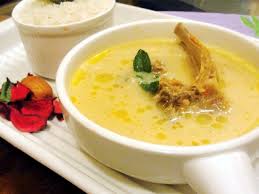
    This is another mutton dish from the lands of Kashmir. It is a yoghurt based mutton curry and it excludes the use of turmeric and chili powder. Other ingredients include bay leaves, cloves and cardamom leaves. It is often served with rice along with another spicy side dish.

    PREPARATION

    INGREDIENTS

    1.       1 kg mutton (chest pieces)

    2.       3 ladles of mustard oil.

    3.       2 table spoons of fennel powder

    4.       1 table spoon cumin

    5.       2 bay leaves.

    6.       ½ tea spoon asafetida

    7.       5 half crushed cloves

    8.       3 black cardamom

    9.       1 inch cinnamon

    10.   1 kg whipped curd.

    11.   1 spoon pure ghee


    METHOD


    1)      First wash the mutton and drain off excess water.

    2)      Heat oil in a pressure cooker and then add mutton, salt and asafetida to it. Start frying for five minutes in full flame.

    3)      Put ½ glass of water, fennel powder, crushed black cardamom, cinnamon and bay leaves and pressure cook it up to 3 whistles.

    4)      Put oil in a frying pan and heat it. Then cool it for three minutes and put cumin to it.

    5)      Put it on a low flame and stir the cumin for three minutes. Then add curd to it and put the pan on a high flame. Stir the mixture continuously so that it won’t curdle till it boils.

    6)      Add the boiling curd and pure ghee in the mutton and keep it on a low flame for five minutes.

    7)      Serve the dish with hot boiled rice.


    3)      WOZIJ CHAAMAN

    wozij chaaman

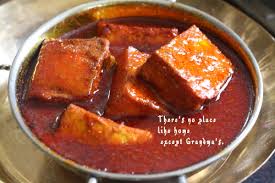
    It is an important vegetarian dish prepared in Kashmir during special occasions.

    INGREDIENTS

    1) 1 kg cheese

    2) 1 table spoon salt

    3) 2 table spoon red chili powder.

    4) 2 table spoon fennel powder

    5) 1 tea spoon ginger powder

    6) 1 tea spoon cumin

    7) 1/2 tea spoon black cumin.

    8) 1/4 tea spoon asafetida

    9)  4 crushed black cardamom

    10) 4 half cloves

    11) 2 bay leaves

    12) 2 small pieces of cinnamon

    13) 3 crushed cardamom

    14)  3-4 ladles mustard oil.


    METHOD


    1)    Cut the cheese into big pieces.

    2)    Put oil in a pan and fry the cheese in oil till they turn into brown color. Then add the cheese into a boiler.

    3)    Add 3 glasses of water and then salt to it. Also add fennel powder, bay leaves and cinnamon pieces in the boiler.

    4)    Turn the stove to low flame and add black cumin, cloves, asafetida, and red chili powder to it.

    5)    Add ½ glass of water in the pan containing rest of the oil and heat till the red color appears and water evaporates.

    6)    Empty the contents of the pan in boiler and cook it in low flame till some water evaporates.

    7)    Add cardamom and cumin to it and cook for 1 min.

    Now the dish is ready and can be served with chapatti or hot boiling rice.


  • Sweet Potato: Delicacies you cannot miss

    Sweet Potato: Delicacies you cannot miss

    SWEET POTATO DISHES

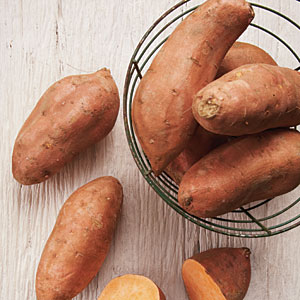
    Sweet potato is the healthier replacement of our beloved potatoes and it is loved by most of us. Packed with important vitamins and other nutrients, sweet potato helps us stay fit. They are also a good source of potassium and iron which are two most important minerals for our body. Sweet potatoes are not only delicious but they also come with long list of health benefits. So, head to the nearest grocery store now and grab some sweet potatoes. Here are a few dishes to get you started.

    -sweet-potatoes-m

    1. Sweet Potato Biscuits

    Ingredients:

    • 1/2 kg of all-purpose flour

    • 1/2 teaspoon salt •

    I cup butter

    • 1 sweet potato

    • 4 teaspoon baking powder

    • 1/2 cup buttermilk

    • 1/4 -1/2 cup unsalted butter

    • 3-4 tablespoon maple syrup

    Method:

    • Cook and mash the sweet potato.

    • Now, add buttermilk to mashed sweet potato and blend it well.

    • In another bowl add the all-purpose flour, baking powder and salt. Add the butter to this and mix it well.

    • Add the two mixtures and mix it well into soft dough.

    • Roll out the dough on a smooth surface to about a thickness of 1 inch. Use a biscuit-cutter to cut into your desired shapes.

    • Bake it for 15 minutes approximately and your sweet potato biscuits are ready.

    For the Maple Butter:

    • Mix the maple syrup with the butter to get a smooth mixture.

    • Serve with the warm biscuits.

    sweet potato biscuits


    2. Sweet Potato Patties

    Ingredients:

    • 4 sweet potatoes

    • 3 eggs

    • 1 cup of chopped onion

    • 1-2 teaspoons of chilli powder

    • 1 teaspoon salt

    • 1/2 teaspoon cumin seeds

    • 1 teaspoon pepper

    Method:

    • Grate the sweet potatoes and keep it aside.

    • In a pan, sauté the cumin seeds until brown.

    • Whisk the eggs and add the grated sweet potato, chopped onion, chilli powder, pepper, salt and the cumin seeds.

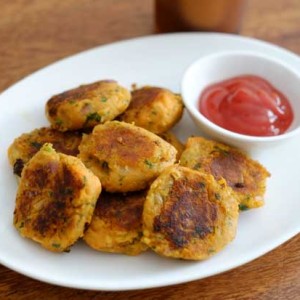
    • Heat oil in a frying pan. Now put spoonful of batter into it and fry until golden brown.

    • Serve it with sauce or chutney.

    sweet-potato-bites-300x300

    3. Sweet Potato Pancake

    Ingredients:

    • 1 cup wheat flour

    • 1 cup all-purpose flour

    • 1 sweet potato

    • 2 tablespoons sugar

    • 4 teaspoons baking powder

    • 2 cups of milk

    • 2 eggs

    • Butter

    • Maple Syrup

    Method:

    • Cook the sweet potato and peel it. Now, puree it and keep it aside.

    • Take a bowl and whisk the eggs. Add wheat flour, all-purpose flour, sugar, baking powder and milk.

    • Heat a pan and butter it properly. Cook a spoonful of the batter until golden brown on both the sides.

    • Serve the hot sweet potato pancakes with maple syrup and enjoy!

    4. Sweet Potato Pasta Ingredients:

    • 1 cup of whole wheat pasta

    •1 sweet potato

    • 1 red bell pepper (thinly sliced)

    • 1 cup diced tomatoes

    • 1 teaspoon crushed garlic

    • 1 tablespoon lemon juice

    • 2-3 tablespoons of chopped parsley

    • 1/2 cup cheese

    • Salt

    Method:

    • Peel and shred the sweet potato and keep it aside.

    • Cook the pasta until tender.

    • Take a skillet and add 1 tablespoon of oil along with garlic. Keep stirring until you get the aroma of the garlic. Now, add the sweet potato, tomatoes, bell pepper and water. Cook until the bell pepper is crisp and tender. • Drain the pasta but keep half of the water it was cooked in. Now, put the pasta back into the vessel and add the sweet potato mixture, 1 tablespoon oil, parsley, lemon juice, salt and cheese. Add the retained pasta water and combine the mixture well. Your delicious sweet potato pasta is ready!


    5. Sweet Potato Chocolate Pudding

    Ingredients:

    • 1 large roasted sweet potato

    • 1/4 cup unsweetened cocoa powder

    • 2-3 tablespoons maple syrup

    • 1/4 cup milk

    • 1/2 teaspoon vanilla extract

    Method:

    • Peel and puree the roasted sweet potato until smooth.

    • Combine all the ingredients and blend it well until smooth. It should in a puree form. Your easy-to-make sweet potato chocolate pudding is ready to serve!

    6. Sweet Potato Wedges

    Ingredients:

    • 2-3 sweet potatoes

    • Pepper

    • Salt

    Method:

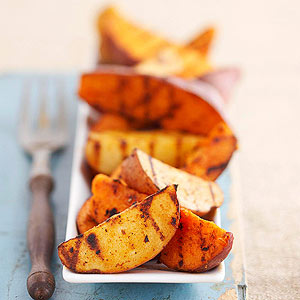
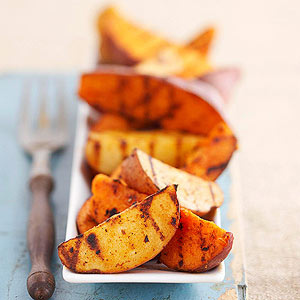
    • Peel the sweet potato and cut into wedges.

    • Mix the wedges with some oil, pepper and salt. Blend it well.

    • Roast the wedges in the oven for around 15 minutes until they turn golden brown.

    • Sprinkle some pepper on the top and serve them hot with ketchup.

    potato-wedges-

    7. Sweet Potato Soup

    Ingredients:

    • 1 sweet potato (peeled and diced)

    • 1 chopped onion

    • 1/2 teaspoon chopped garlic

    • 3-4 carrots (peeled and sliced)

    • 1 red pepper, sliced

    • 1 teaspoon ginger

    • 1/4 cup yogurt

    • 1 cup chicken broth

    Method:

    • Heat oil in a pan. Add chopped onion and garlic. Sauté for 2-3 minutes.

    • To this add the chicken broth and two cups of water. Stir well.

    • Now, add sweet potato, carrots, red pepper and ginger. Cook it well.

    • Once it is done, keep this mixture in the fridge for around 25 minutes. • Next, remove the vegetables from the mixture and puree them until thick.

    • Put this puree into the soup and blend them well. • Cook until the soup thickens. When it almost finished, add yogurt and mix it well. Serve and enjoy!

  • Canned fruits and veggies… Healthy or not?

    Canned fruits and veggies… Healthy or not?

    _font_b_Canned_b_font_font

    I know fresh fruits and veggies are always considered the best. When its organic, it is like cherry on the cake. But with changing lifestyle canned fruits have replaced the tree ripen fruits, ready to pluck and eat. Now there are ready to open cans having slices of fruits cut already and just needed to be eaten. Now, the concern here is if these are good to be consumed as they are, yes, they are good in saving time and just seem to be automatic to be eaten anywhere, any time. But, the concern arises when you think about the preservatives or chemicals used to keep the can food fresh. There is an idea among consumers that if it isn’t fresh it doesn’t count. But there is also findings saying that People need to be encouraged to eat more fruits and vegetables whether they may be fresh, frozen or canned, all do well. The only variable whatever form fits best and fits the pocket of consumer. When it comes to canned, all forms of fruits and vegetables matter; fresh, frozen, canned, sliced, dried and 100% juice. With so many options available and loads of variety, convenient packaging to make fruits and veggies easy to store and ready to serve, there is something in frozen, canned food that pleases everyone. Here are some quickie facts about canned stuff. Go through them and amaze yourself.

    Most of the frozen and canned foods are processed within hours of harvest, so that their flavor and nutritional value are preserved and saved.

    Studies show that foods prepared with canned foods have same nutritional value as that present in dish prepared with fresh and frozen ingredients.

    The only difference between fresh just cooked stuff and frozen food is that canned foods are ‘cooked’ prior to packaging, so they are recipe-ready.

    Frozen foods also require little initial preparation – washing and slicing for instance is already done.

    peaches

    Based on these facts, they say that all types of frozen foods count towards your daily dietary recommendation. Canned variety can be considered as healthy alternative. The good or bad in the canned fruit is determined here;

    According to USDA, adults should atleast eat 2 servings of fruit each day and canned fruits are just as healthy, if not more, than its fresh counterpart. You know this, when fresh fruit is stored for many days, the vitamin C content is diminished, as it is easily destroyed by exposure to fresh air. However, canned fruits still retain much of vitamin C, even when stored for months, which is a clear advantage. Also, many fresh fruits are stored in cold stores and shipped miles before being enjoyed which also leads to loss in their nutritional content. Also, when out of season, they cost you pretty penny, while canned is available year round, at the same price and you can even find discount coupon on them when order online.

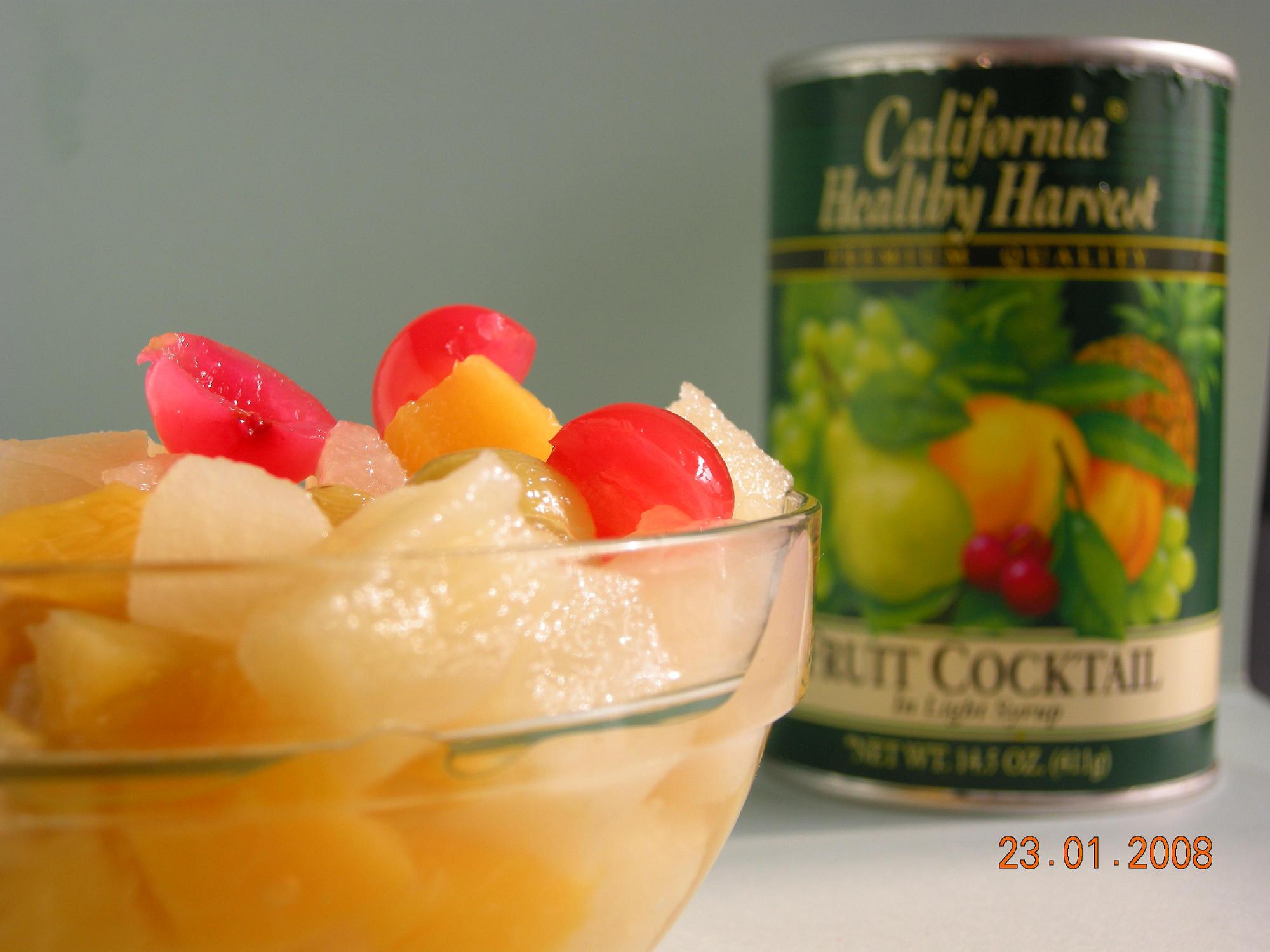
    But, if have to count on the bad aspects of canned stuff, here’s some issues of concern. For people who are diet conscious or disease-ridden, it may pose a problem, as canned fruits loaded and canned in heavy syrup coat, the pieces of fruit have loads of added sugar. One half-cup of pears packed in their own juice contains 60 calories and 12 grams of sugar. Though, fruit cocktail may seem to be healthy choice, but buyers should buy them mindfully as many varieties of canned fruits and veggies are packed in heavy and light syrup, plus those cherries often contain artificial colours. So, while choosing brands, look for those packed in juice and without any artificial color and then only trust the content. To avoid the risk of any illness or health problem, check properly while buying and avoid buying bloated, leaking or dented or cans with flawed seals. If you open a can and its funky or foamy odour, discard it immediately without tasting it as it may lead to serious repercussions.

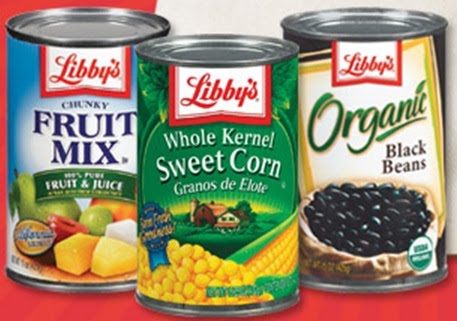
    libbys

    Basically, canned fruits can be a good source of nutrition, vitamins and minerals but check before buying the nutrition label to know what exactly you’re getting. Typically, canning reduces the levels of most vitamin B and C, compared to fresh fruits, minerals, fiber, potassium and vitamin A and E are roughly found in same levels as present in fresh fruit. Also, if you can’t afford fresh fruit or it isn’t readily available in your area, it is preferable to boost fruit consumption by adding canned fruit instead of completely carbing food out of diet. All the more, canned fruits and veggies are convenient when it comes to making desserts or last-minute breakfasts. Few last things you can consider; Frozen and dried fruit add to great wintertime option and unsweetened frozen fruit which is not packed in sugar, retains much of its nutritional value since it’s picked and processed rapidly. You can use it in everything ranging from baked foods to sauces and smoothies. The quality and variety of frozen food has really improved in recent years and is now used as a healthy alternative and easy option. The key thing is Canned food can certainly become part of your healthy diet plan but its really important to read labels and choose cans wisely.

    Healthy Eating. Happy Life.

  • The Salt Myth… Is it good or bad?

    The Salt Myth… Is it good or bad?

    Study-identifies-quick-and-simple-test-for-salt-levels-in-food

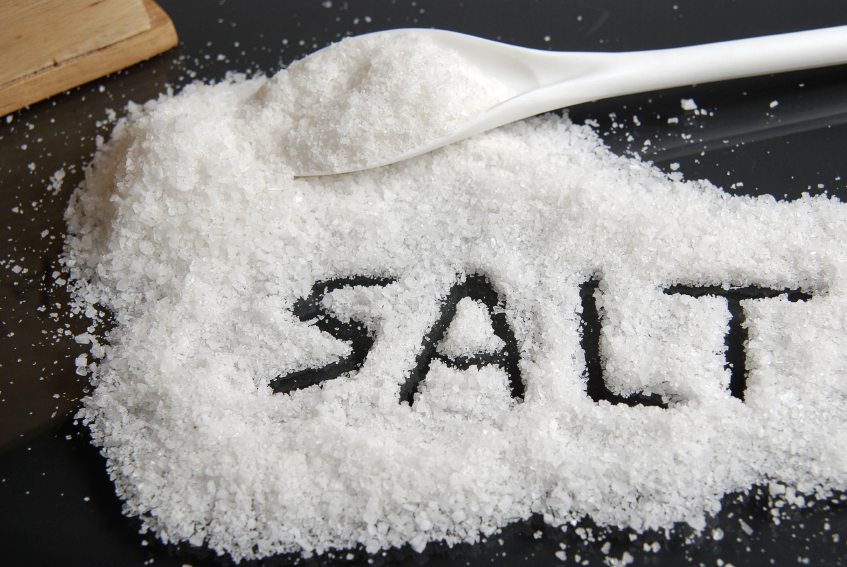
    Salt is something that contains sodium and sodium is something that is considered bad for health.. kind of like saturated fat. Much like cell phones and eggs, studies say salt is bad for you one day, but okay the next day. The reason being the sodium content as it is believed to increase blood pressure and the risk of heart stroke which is most common sources of deaths in middle and high- income countries. Salt is a chemical compound having 40 per cent sodium and 60 percent chloride. Yes, the body do need salt for the proper functioning. Salt is something we can say; Can’t do without it and definitely can’t do with too much of it. Also, studies have recommended that the upper limit of salt for adults is between 3.75 – 5 gm which actually measures upto just 1 teaspoon of salt every day. This is regarded as an ideal amount of salt by renowned health organisations for all healthy adults without diabetes or blood pressure or cardio-vascular diseases. But today consumption is more than that, and the reason being, most of it is coming from processed foods. If we have to strictly follow this intake, then serious and drastic changes are needed in lifestyle.

    However, the insight of all this stuff is if sodium is that bad? And more importantly, if there are benefits to sodium restriction, are they important enough to be worth the obvious reduction in pleasure, we derive from our (to be saltless, tasteless) foods? Let’s have a look on why we need it and what it serves to our bodies.

    Salt, contains sodium, which is a vital electrolyte in our body. It controls the fluid balance in our body and the working of our muscles and nerves. The sodium content is automatically regulated by our body, in a way like you have experienced you feel more thirsty after a Chinese meal because the sauces contain high salt content. So, if levels are too high, you will feel thirsty more often and drink more water as consumption of more water helps in eliminating the salt through our kidneys. Sodium is bad because if blood pressure is elevated, the heart has to work harder to push the blood throughout the body and this leads to increased strain on other arteries and other organs. And it is well known that high blood pressure is major risk factor for many serious diseases, like heart disease, stroke and kidney failure. Yes, this do gives us reason to cut back our salt intake, but it is a small to avoid overconsumption as already 75 percent of the salt we eat is present in everyday food item, like bread, breakfast, ketchups, pickles or canned foods. To balance your salt consumption, its good to avoid cheese, pickles, papads, salted nuts, tomato ketchup, mayonnaise and other sauces, breads, ready-to-made pastas, noodles, soups, wafers, chips and anything you feel like high salt content food in your daily life. The salt intake can also be balanced by these ways;

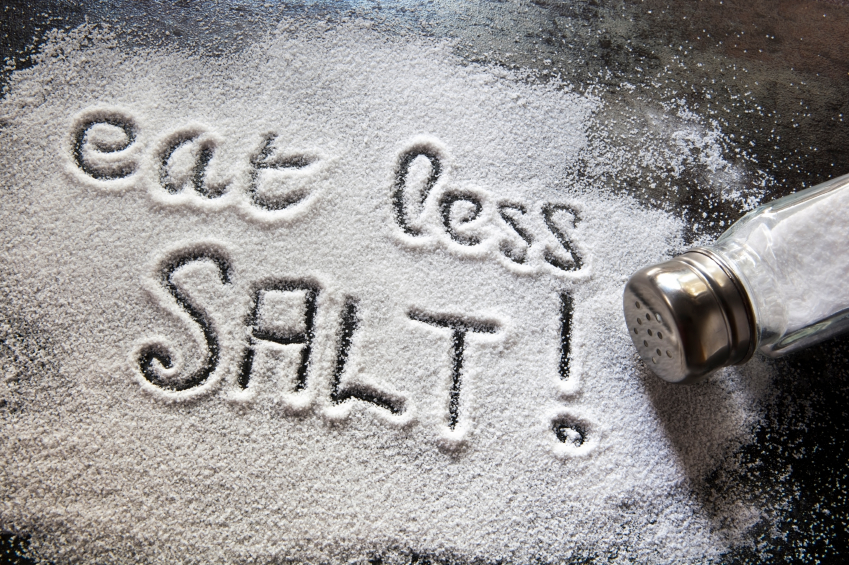
    Eat Less Salt

    Increase your water intake: the best way to flush out all the unnecessary toxins and excess sodium and maintain correct pH balance is to drink as much water. Avoid these aerated drinks, sodas, energy drinks as they can easily sabotage your efforts to maintain normal blood pressure. Also, if you are exercising and doing rigorous workout in very hot weather, you may lose fluids and electrolytes through sweat, in such a case, drink plenty of water during your workout regimen and increase your salt, sodium intake to compensate for heavy perspiration. As this will help in preventing the drop in your blood pressure.

    Rinse canned foods: The canned foods which needs to be stored for long time are generally packed in salt solution. Like, vegetables and meats that are packed in brine always increase the salt content in body. It better to rinse them in good manner to wash off the salt.

    Focus on potassium: Potassium is given importance because increase in the level of potassium lower the sodium levels, thus balancing blood pressure positively. One should eat potassium-rich fruits which are plum, peach, watermelon, muskmelon, avocados, orange, prunes, spinach, raisins and apricots to name a few.

    Replace salt with herbs: Its better that instead of reaching out to salt shaker to add that extra flavor, prefer to season your food with citrus juices, herbs and spices or organic stuff, available naturally. This will not only compensate your salt worries but also add value to your food stuff.

    Now, if you want to know why too much salt is bad for you, it is here as if binge on foods that are too salty, you will feel bloated and puffy after some hours, which is because eating too much salt causes your body to retain water and as a result blood volume is increased. This becomes the root of all the health problems that you know too much salt can cause as it leads to further excess pressure on blood vessels, thus demanding lot of hard work from heart in order to ensure smooth blood flow. It becomes main cause of high blood pressure and heart diseases. Other metabolic disorders associated with excess sodium and salt include osteoporosis, kidney stone, asthma. So, they key is to balance the salt intake as per your body requirements and take some precautions and necessary avoidances to maintain the proper balance of sodium in your body.

    Healthy Eating. Happy Life.