Category: Culture

  • Save The Food : Preservation At Home

    Save The Food : Preservation At Home

    Do you have those days in your life when you want to eat mangoes in winters? Or do you want to figure out a way of eating seasonal fruits and vegetables all year round? Well, preservation is the answer, a term that is often considered as infamous, because of its chemical ways that probably deprive the food of its nutritional value. But there are a number of natural and DIY preservation techniques which don’t make use of a single chemical agent !! Preservation is necessary for storing food items for a long time. You might think the ways i am talking about are just refrigerating the food, but, actually, there is much more to do than just refrigerating, when it comes down to preservation of food. That is why, for example, beans develop fungi even after keeping inside a fridge.

    freezer

    All foods don’t have a common preservation method, and they range from salting, dehydrating, to storing in air-tight containers etc. But the main key to preservation is – cleanliness. This means we should have clean hands, use clean utensils, surfaces and bottles. Also the food item should be fresh when you start preserving it, instead of being on the verge of deterioration.

    Every food has a unique and rather frustrating(for us!)  Characteristic of getting spoilt. If it shows signs like molding(growth of fungus), lumping(curdling), smelling(rotting), it means that the food is spoilt. There are, basically, two ways by which food can be spoilt – one, by action and growth of bacteria and fungi and two, by chemical reactions of various enzymes within the food item, which makes it rotten and lose its flavor and texture. Preservation not only retards the spoiling process but also maintains the aroma and flavor. The only thing you have to keep in mind is to choose the correct method of preservation for a particular food article. For this, here is a list of some common methods of preservation for commonly preserved food items :
     

    freezing

    Freezing:

    The easiest and simplest way of preserving food is to refrigerate it, as the temperature of the fridge is much below than that of surroundings and this helps to prevent activity and growth of micro-organisms. The colder a food is, the slower is its deterioration. While refrigerating reduces microbial activity, freezing stops it altogether.

    Vegetables should be balanced in boiling water first to destroy germs. To blanch, bring a pot of water to boil, dunk food for a brief time, then pat it dry and freeze it in the freezer inside freeze-proof containers. Herbs can be frozen too, in ice cube trays.


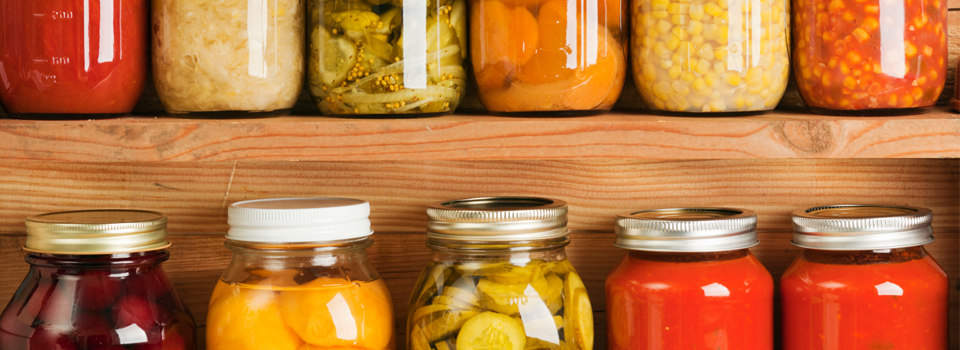
    canning

    Canning:

    This method is perfect for fruits and vegetables that have a high acidic content. The food is heated to a high temperature, which kills the bacteria. Foods like apples, tomatoes, raspberries, cherries and citrus fruits can be preserved by this method. While canning is safe and simple if proper instructions are followed, improper canning can result in a serious health hazard for us.


    vinegar

    Addition of natural preservatives :

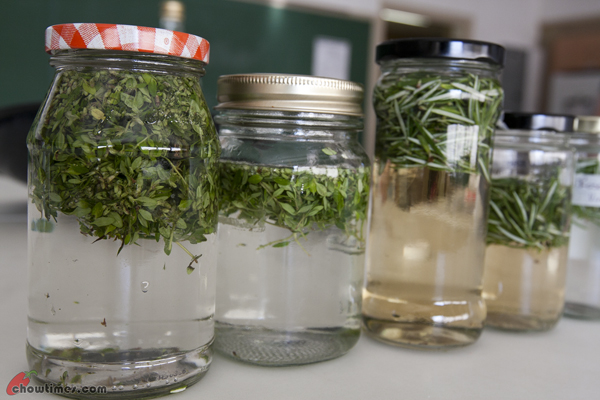
    Vinegar is the most common pickling liquid. It hardens food to such an extent that it becomes resistant to bacterial action. Foods like apples, beans, cucumbers etc. Can be preserved by adding vinegar.

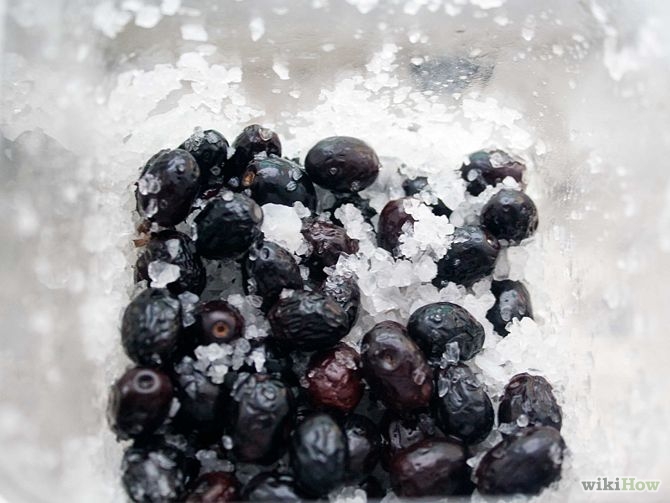
    Adding salt or sugar is another way of preservation, as such high concentration dries up the moisture and prevents growth of microbes, thus making the food safe. Foods that can be preserved by this method are tamarind, raw mango, amla, fish etc.

    Adding oils and spices can also be used to preserve food. While oil forms a layer on food, cutting its exposure to air, spices add flavor to the pickled food.
     

    drying

    Dehydrating or drying:

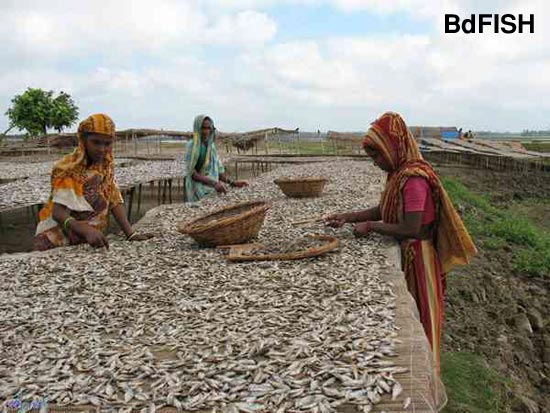
    Dehydrating food makes it less attractive to moisture-loving bacteria and dehydrating can be done either naturally using the sun or can be dried with the help of an oven. Some foods like plums, tomatoes are halfway dried and then stored in oil.

    Dried food takes up the least space in the refrigerator. Foods that can be preserved by drying or dehydrating are apples, peaches, grapes, apricots, potatoes, fried fish etc.

     

    ferment

    Fermentation:

    You can control spoilage with this comparatively new, and fascinating science called fermentation. Foods which are fermented will technically still spoil, but they will do so by the growth of beneficial and friendly microbes rather than the bad ones. Fermented foods are created by allowing one type of microbes to grow and act on a food substance and convert its contents to alcohol or acids. Cheeses, wines, yogurt, all are fermented foods, apart from chocolate, coffee, pickles etc.


    heating

    Sterilization by heating:

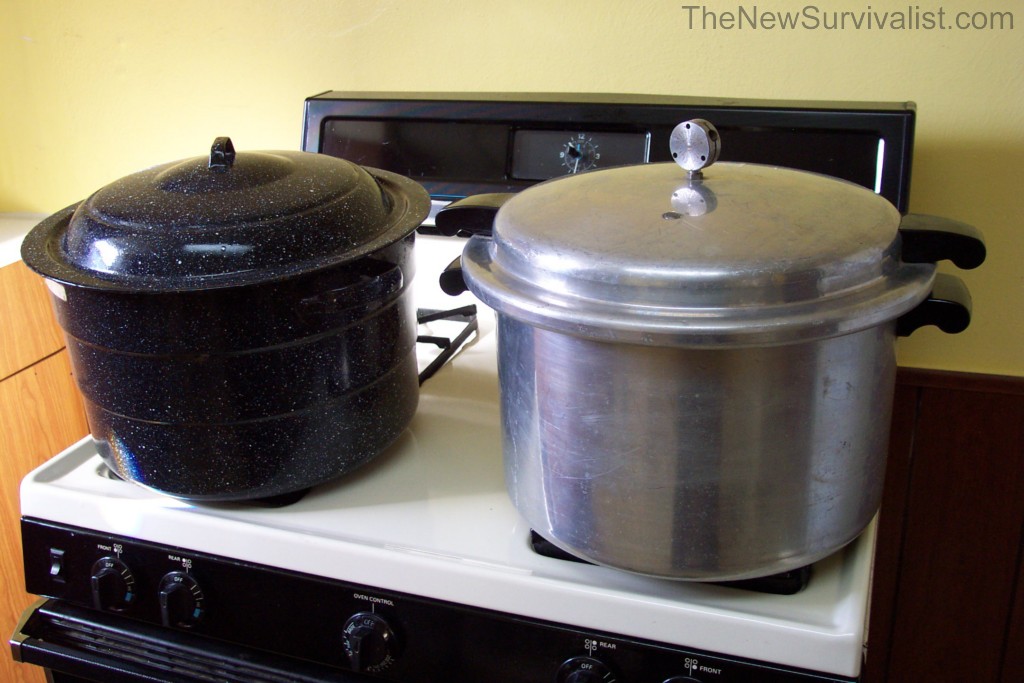
    Food is preserved by application of high temperature to prevent growth of micro- organisms. If the boiling temperature is maintained for a long period of time, all bacteria in the food get killed and this will result in good preservation.

     

    preservation

    Thus, foods can be preserved in healthy and hygienic ways which not only help to control spoilage, but also maintain the nutritional value of the foods. If not preserved properly, these foods can be houses of potential pathogens and can cause severe diseases if you consume them. So it is better to be safe than sorry and to preserve foods in a correct manner and enjoy them whenever you want all the year round.

  • Unveiling The World Of Food Fraud

    Unveiling The World Of Food Fraud

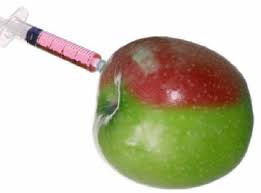
    Everybody knows that homemade food is best for our health. But if we step out of this illusion, then, we will find that even homemade food can be potentially harmful to us. This is not because of the cooking, it is because of the ingredients used in cooking. Those ingredients, even if are present as less as 1 tablespoon in our food, can turn the food into a poison. Adulteration has taken away the joy of eating. Today, we are exposed to harmful chemicals in almost everything that is not grown at home.

    Food fraud is a term that encompasses deliberate substitution, addition, tampering or misrepresentation of food, food ingredients or packaging. Adulterants are used to save money and to contaminate the food and the responsibility of safeguarding ourselves falls solely on us.


    download (4)

    From loose packed ground spices to wet produce like milk, everything has a potential of being adulterated these days, even if purchased from a reputable grocery retailer. Even the official systems set for food safety and prevention are constantly outdone by hidden and booming food adulteration business.

    But obviously, turning a blind eye to food adulterants is no solution, we have to plan and avoid the adulteration. Here is a list of commonly adulterated food stuff, so that next time when you buy them, you can be extra cautious.


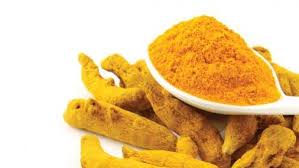
    turmeric

    Turmeric:

    The common adulterants in turmeric these days are a chemical known as metanil yellow and kesari dal, to enhance the yellow color of turmeric. The chemical is highly carcinogenic if consumed for a longer period of time and can also cause stomach disorders.


    green-chili-peppers3

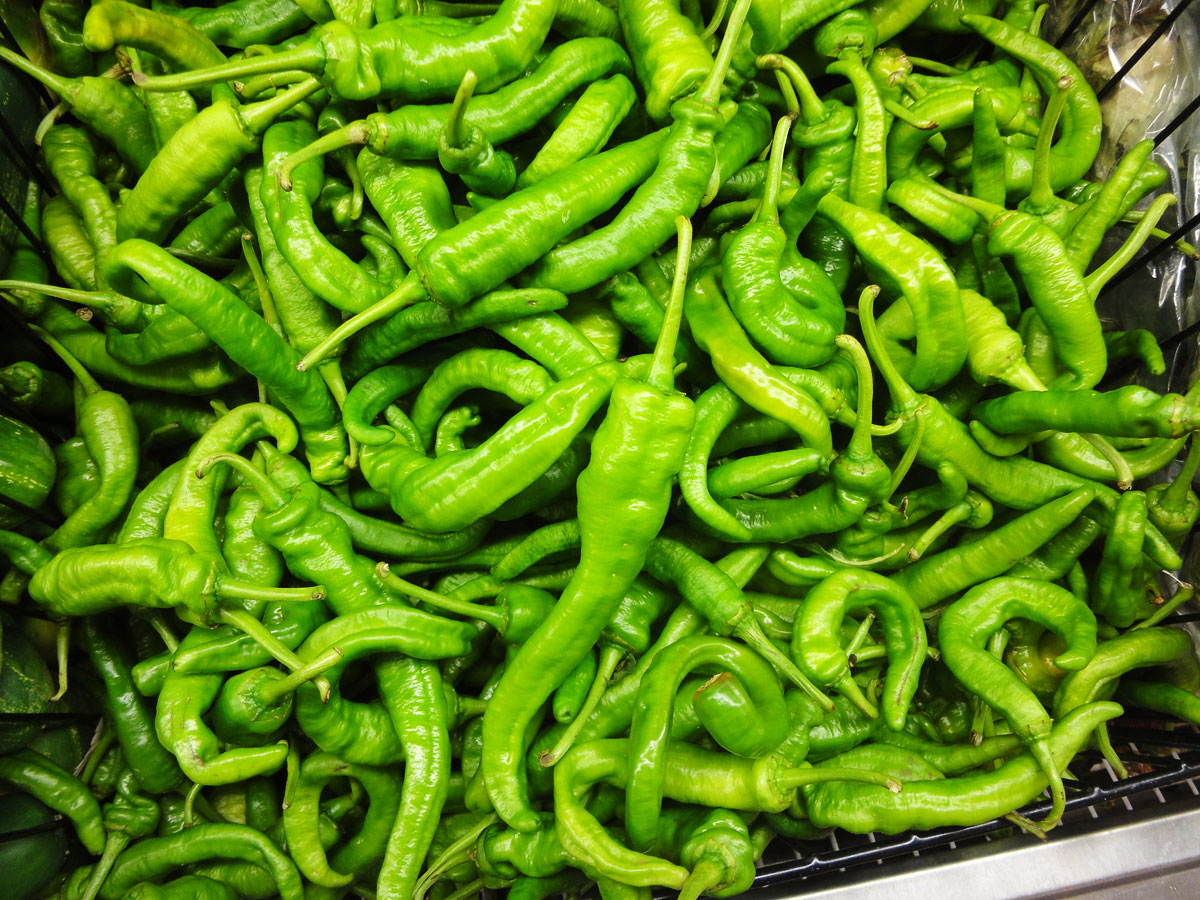
    Green chilies :

    Malachite green, a green colored dye that is often present in green chilies, has proven to be carcinogenic for humans, if consumed for a long period.


    milk

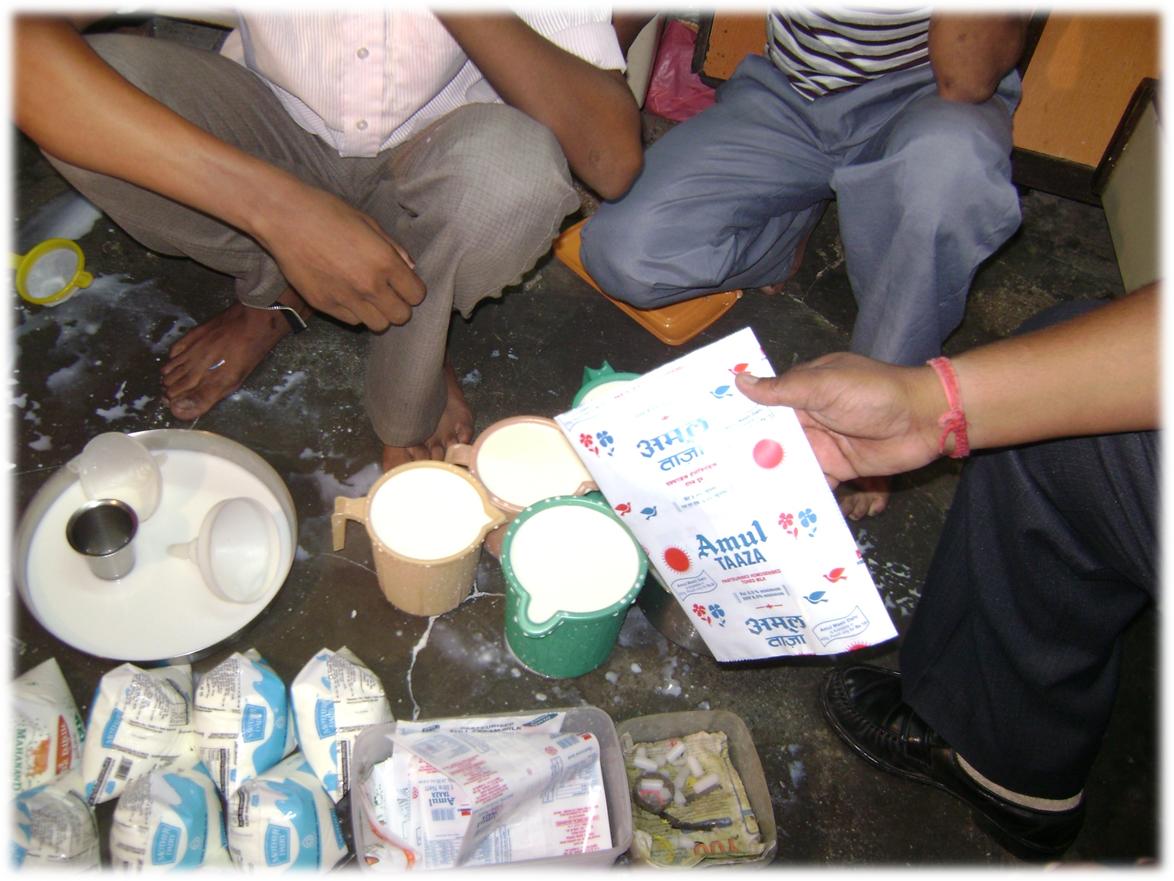
    Milk:

    Milk is a at the top of the food fraud list. Earlier it is used to be combined with water to increase the volume and decrease the nutritional value. Nowadays, even the water it is combined with, is contaminated. We also have higher levels of adulteration like starch, caustic soda, sugar, urea and lime, to give milk a thick texture. This can cause grave stomach disorders.


    ice crm

    Ice cream:

    Ice creams are adulterated with fatty substances when it is in the cold chamber, like pepperoni, ethyl acetate and washing powder. These substances are never mentioned on the packet of the ice cream; and are added to give beautiful white sheen and lightness of flavor to the ice cream, but instead cause stomach and liver disorders.


    coffeee  coffee

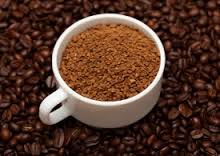
    Coffee:

    Do you know that your morning cup of coffee is not just coffee, it is a huge bag of sawdust, tamarind seeds and chicory powder and these ingredients cause more harm to us than the caffeine provided by coffee. They are added to provide bulk and color, and can cause diarrhea,  stomach disorders, giddiness and severe joint pains.


    seafood

    Seafood:

    The mercury content in sea food is something that is not hidden from the world. And we humans accumulate this carcinogenic mercury, not only by eating the seafood, but also by eating the birds which eat these fishes. Eating many such birds and fishes can cause cancer in our bodies.


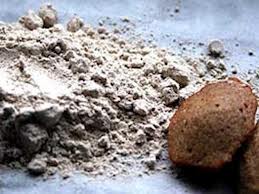
    flour

    Flour:

    Rice and wheat are India’s  staple food, and these are adulterated with starch to thicken them and leaves the consumer in the illusion that our diet is perfect. This, in reality costs us our life. Therefore, the process should be very carefully executed from cleaning of grains to grinding it.


    saffron

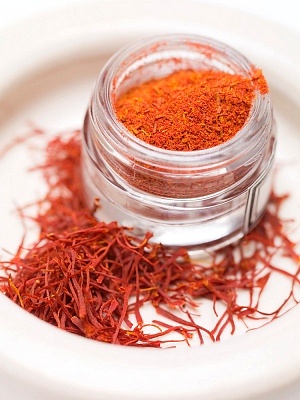
    Saffron:

    Given that it is the most expensive spice in the world, there’s no doubt it is a victim to adulteration. Sandalwood, dust, starch, yellow dye and gelatin are common adulterants in starch. The easiest way to detect adulteration in starch is to avoid deep red color ones and cheap ones while buying.


    honey

    Honey:

    The purest form of honey are nowadays only found when winnie the pooh sticks his hand in the honeycomb to lick out the honey. In markets, honey is adulterated with minerals, antibiotics that are not meant for human consumption, corn syrup etc. Moreover, the ultra filtration process done on honey bottles makes the adulterants undetectable.


    olive oil

    Olive oil:

    It is said that olive oil is one of the best fat-free oil for human consumption. Well, the truth is that when it is adulterated with cheaper cracked oil, deodorants, corn oil, hazelnut oil and palm oil, it deteriorates the health instead of improving. Sometimes, it is laced with mineral oil, which makes the matters even worse.

    So, next time when you buy this stuff, make sure it doesn’t have something that will land you in hospital. Take care that your food is authentic and there are minimal chances of you falling prey to the locus of adulterants; as your health is much more important in your life than anything else, and it is solely your responsibility to take care of it. So gear up, and say no to adulteration of food!

  • Probiotics : Teaming Up With Good Microbes

    Probiotics : Teaming Up With Good Microbes

    When Homo sapiens came into existence, the food they had, only came from plants. Gradually, people started eating animals. And today, we eat almost everything that is not harmful to us. That includes even the teeny- tiny micro-organisms, that are not even visible to us unless and until we have a good 40X microscope. When we think of these microbes, the first picture that comes to our mind is that of diseases; as they are the prime disease-causing agents in the environment. And if you’re told that having a microbe-rich food is quite beneficial for our digestive system and immunity, you’ll probably think of me as a crazy person. But, this is now scientifically proven. Everybody is not bad, even at the microscopic level. There are some good micro-organisms which, when consumed by us in adequate quantity, are very good for our health. And this is where I introduce a commonly-heard-yet-rarely-understood term- “PROBIOTICS“.  Probiotics are foods which have live micro-organisms, mostly bacteria and yeasts, which are very good for our health, specially for lactose-intolerant people and those who are on antibiotic dosage. Our gut harbors millions  of good micro-organisms and probiotics replenish them, when their balance gets disturbed. They also boost our immunity as our body teams up with these good microbes.

    2probiotics

    Fermented foods are a rich source of probiotics, as they are made by the growth of healthy micro-organisms in optimum conditions, like warm and moist environment. Fermented foods should be included in our diet as they are the most natural and healthiest way for consumption of probiotics.

    So, on the whole, for people who don’t know which probiotic foods to take, here’s a small list of some of the common ones:


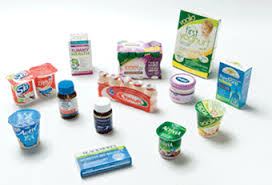
    fermented milk products

    Fermented milk and milk products:

    Fermented milk and its products are loaded with lactic acid bacteria, which are also found in yogurt. Live-cultured yogurt is one of the best known probiotic foods available. And because it comes from milk, we get a dose of animal protein ( about 9 grams per 6- ounce serving), and several other nutrients found in dairy foods, like calcium, vitamin B2 , vitamin B12 , potassium and magnesium. Other famous fermented milk product brands in India are Yakult and Dannon.

    miso soup

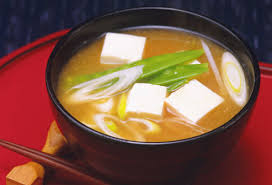
    Miso Soup:

    Popular in Japanese restaurants,  miso  is a tofu and vegetable broth soup, that is made by adding a tablespoon of miso to some hot water, which is low in calories and high on probiotics. It is a healthy and delicious break from the normal canned soup.


    sauerkraut

    Sauerkraut:

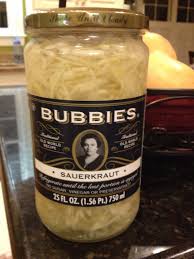
    It is a probiotic dish made from fermented cabbage or other vegetables. It is extremely rich in healthy live cultures and also reduces allergy symptoms. It is also rich in vitamins B, A, E, C. It is generally eaten as a side dish or with a hot dog.


    kefir

    Kefir:

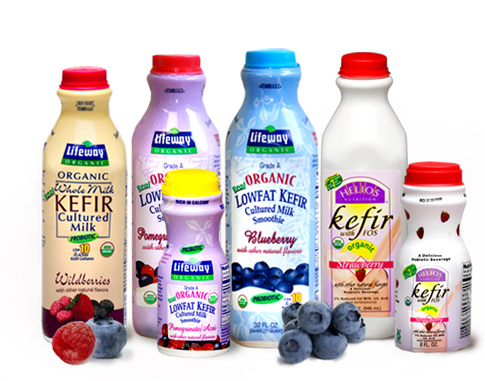
    It is a fermented dairy product and similar to yogurt. It is a combination of goat’s milk and fermented kefir grains. It is also rich in anti-oxidants. It is taken as a flavored or plain over healthy granola fruit, or as a smoothie-like drink.


    kombucha tea

    Kombucha Tea:

    It a type of fermented dark tea, that has lots of healthy gut bacteria. It increases your energy, enhances your well-being and also helps to lose weight. It can be tried hot or iced .


    tempeh

    Tempeh:

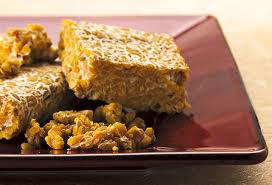
    Tempeh is a fermented, probiotic rich food made from soy beans, and is a great substitute for meat or tofu. It is a great source of vitamin B12. It can be sautéed, baked, or eaten crumbled on salads.


    kimchi 1

    Kimchi:

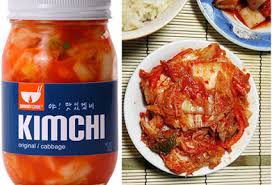
    It is an Asian form of pickled sauerkraut, and is an extremely spicy and sour fermented cabbage, typically served as side dishes in Korea. It is a great source of beta-carotene, calcium, iron, and vitamins A, C, B1 and B2, besides beneficial bacteria.

    Some really popular natural probiotics found in Indian cuisine are :


    dosa

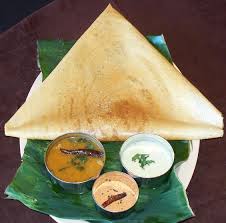
    Dosa:

    Dosa is a very famous South Indian dish which requires a perfect combination of rice and black lentils, in the form of a fermented batter. They have a crispy, savory crepe like texture and the sour kick comes from the lactic acid bacteria formed during the fermentation process. They are very easy on your tummy, even when you are feeling under the weather.


    dhokla

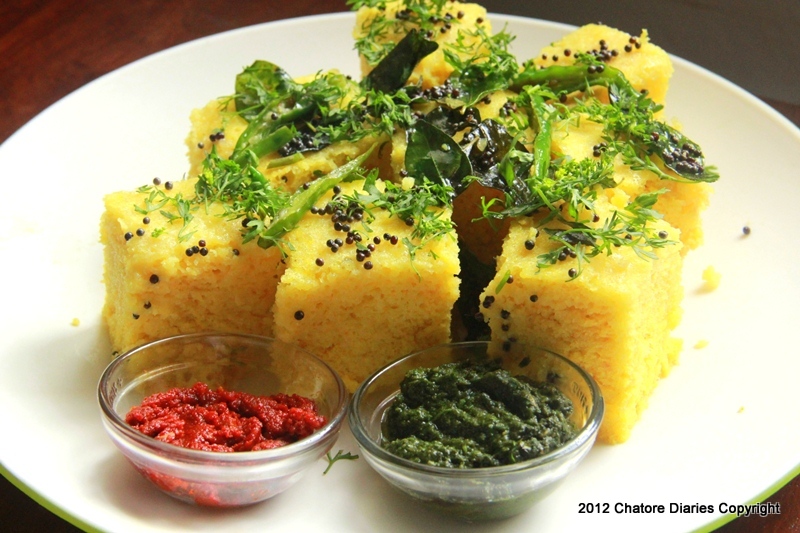
    Dhokla:

    Dhokla is an essential part of the cuisine of Gujarat, India. It is made by mixing lentil flour with buttermilk or yogurt followed by their fermentation overnight. These are then steamed and served chilled. Dhoklas  are very famous and healthy snack in India, specially Gujarat.


    idli

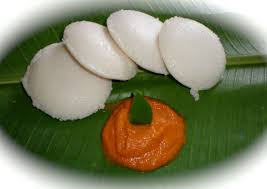
    Idli:

    Idli is a South Indian dish and a popular Indian snack, made by steaming the fermented batter of rice and black lentils. They are served with sambhar or as a part of salad, called idli salad.

    probiotics-are-the-good-guys-big

    If you don’t have access to these foods, then the best natural and easily available probiotic is homemade curd or buttermilk, which is a boon for our digestive system. It should be consumed at least once a day. Remember, we have a large biome of microbes in the gut flora and its very important to maintain a respectful relationship with them.

  • Coffee or tea which is better?

    Coffee or tea which is better?

    Coffee-vs.-tea-poll-pic

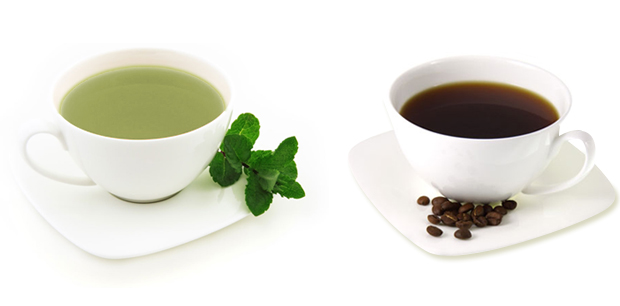
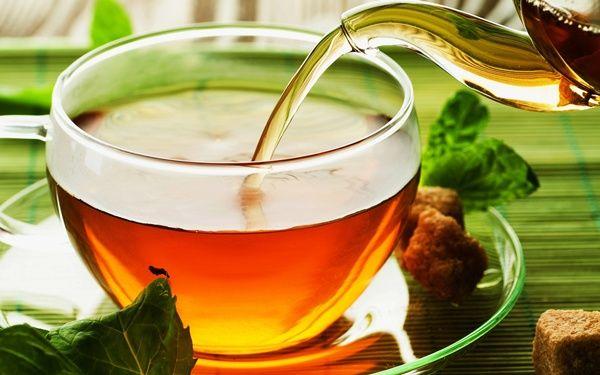
    In order to set off good start for the day, everybody wishes to drink a nice hot cup of coffee or tea. Ofcource the choice of the drink varies between different households and individuals. Most of the adult men and women feel that it is tea which actually energizes their body and makes them ready to carry out the work planned for the day while the younger generation prefers coffee.

    hot  coffee

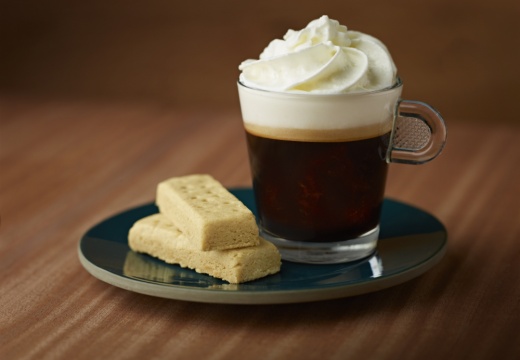
    Coffee is a beverage which is prepared from the roasted seeds of the evergreen shrub called coffea. Once the coffee berries are ripe, they are collected and dried and processed. The seeds inside the berries are then collected and roasted in different temperature, depending upon the flavour, taste and colour required before being grinded and brewed to create the final product. Coffee plantation takes place around the world but major contribution is given by Africa, Latin America followed by Southeast Asia. Research states that coffee cultivation originated in Arabia during the 15th century, where coffee was associated with both religious and rebellious political activities. According to Ethiopian culture it’s believed that Kladi, who was a goat herder, had first found the seeds when he noticed that his goats became excited after consuming the beans. Some of the Arabian culture attributes the discovery of coffee beans to Sheik Omar, who was known to have the ability to heal the sick and was exiled to a desert near Ousab. There he found the berries but were bitter in taste so he tried to roast them so it turned hard. It’s believed that Omar then boiled the berries to soften the seed which resulted in creation of a dark liquid. The liquid, when he drank it, it revitalized him sustained him through the period of exile. When Omar came back home, he had bought with him this miracle drug and that how coffee was introduced into Arab and travelled through Egypt and Yemen. Today coffee is considered an important agricultural product and also is regarded as an important export commodity.

    Vit_chai

    Tea on the other hand is prepared by simply mixing tea leaves into boiling water. Tea is considered to be the second best preferred drink after water. It’s cool and astringent flavour is what attracts so many people, making it the world’s most widely consumed beverage. Tea is considered to have its origin in china where it was used as a medicinal drink. According to the Chinese legend, the discovery of tea was done by a Chinese inventor named Shennong who invented a tea shredder. During the Tang and Qin dynasty, the popularity of tea was at its peak and also had spread to other regions of Japan, Korea and Vietnam. The Portuguese were introduced to tea when they were in china during the 16th century. The cultivation of tea together with jasmine and mallow gave it a distinct taste and aroma.  During the 17th century, the British started consuming tea and also introduced it in India. The practice of drinking tea in Britain was only seen during special occasions like marriages and anniversaries and religious festivals. It was mostly consumed by the royals as tea was expensive and could not be afforded by all. This gave rise to tea smuggling which made tea available for the lower section of the society as well. By the 19th century, tea was consumed by all the sections of the society. When the British had captured India, they wanted to cultivate tea and in order to do that they sent Robert Fortune to china to get some tea seeds. However the plan to cultivate them in India failed due to different weather conditions. However they later found that regions like Assam and the Northeast regions of the country could house the cultivation of this crop and so using the Chinese techniques of cultivation created a tea market in India from where tea was exported to other parts of the world. The price of tea in Europe began to fall with large import of tea from India.

    00-10063@2x

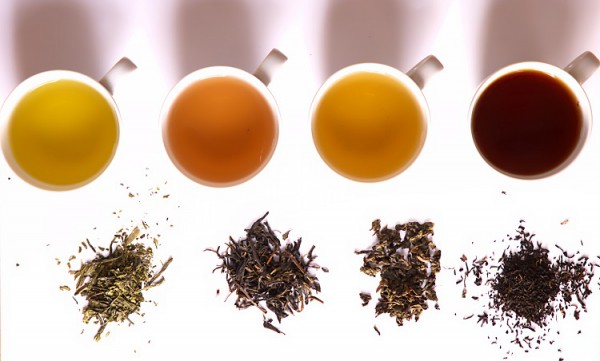
    After knowing so much about both the beverages we still don’t find ourselves in a position to decide which one’s a better choice. So in order to make our task a little simple let’s see which one’s better when it comes to our health and growth. Tea can be of two types, black or green tea. However both theses goods contain a high level of antioxidants called flavonoids. Antioxidants are chemicals which protect tissues from oxidants. Oxidants may damage cells and reduce the immunity. According to a survey done by American Dietetic Association, one in five adults in America prefer tea to other beverages; however these people gained 20 times more antioxidants than non tea drinkers. Other than the benefit of receiving antioxidants, drinking tea also helps in reducing cholesterol levels, blood clots and helps fight inflammation, cancer and various allergies. Green tea is considered the very healthy and is responsible for reducing breast cancer and death rates due to heart diseases.

    5b43c9b47218fff9342c0f4dfef660b62f0618a8

    Researchers claim that like tea, coffee also contains antioxidants and helps in lowering the risk of liver and colon cancer and diabetes. Some people believe that coffee might not be good for the heart, however it’s not been proved till now and further study in this field is required. Since caffeine content in coffee is high, it’s not recommended for pregnant women and even overdose among youngster may not be a healthy option.

    So according to me tea wins the battle to be a healthy choice when compared with coffee. But this does not mean that coffee can be completely rejected. Controlled quantities of coffee can be consumed for a healthy living.

  • Unparalleled Taste of the Awadhi Cuisine

    Unparalleled Taste of the Awadhi Cuisine

    The sumptuous meal that the city of Awadh has to offer is nothing short of magical. The royalty and the grandeur of it will leave you mesmerized. It will leave an everlasting impression on your taste buds. You’ll always want some more of it. You will get the Nawabi feel in every bite you take. Such is the magnificence of the Awadhi cuisine. The city is notably famous for the dum style of cooking. It originated in Awadh, or the present day Lucknow. This style of cooking goes back to the 16th century. The food is cooked over a slow fire in a closed container.  With the increased time of cooking, the entire flavour of the spices and herbs used, is released into the dish. This gives a distinct taste to the Awadhi cuisine. Sometimes cooking dough is used to seal the mouth of the container in which the dish is being prepared. This leads to aroma of the spices to seep through the dough, thus providing it with a flavour.

    Dumpukht

    Awadhi Dumpukht

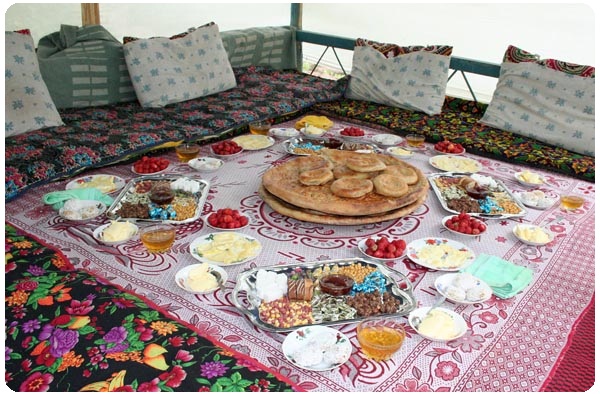
    Not just the style of cooking, but also the way in which the meal is spread out elaborately, will make your mouth water. The presentation of the food has a royal touch to it. When you sit down to eat, it will appear to you that you’re a king and everyone on the table is waiting for you to take the first bite! In the olden times, the spread was laid out in the centre and it was necessary for everyone to sit around and eat together. Such a spread is known as Dastarkhwan. It consists of a variety of dishes like kebabs, korma, biryani, roomali rotis, nihari kulchas, sheermal etc. Such practices can still be observed around the city. The menu of the Dastarkhwan changes with the seasons.

    Dastarkhan

    A typical example of the spread: Dastarkhwan

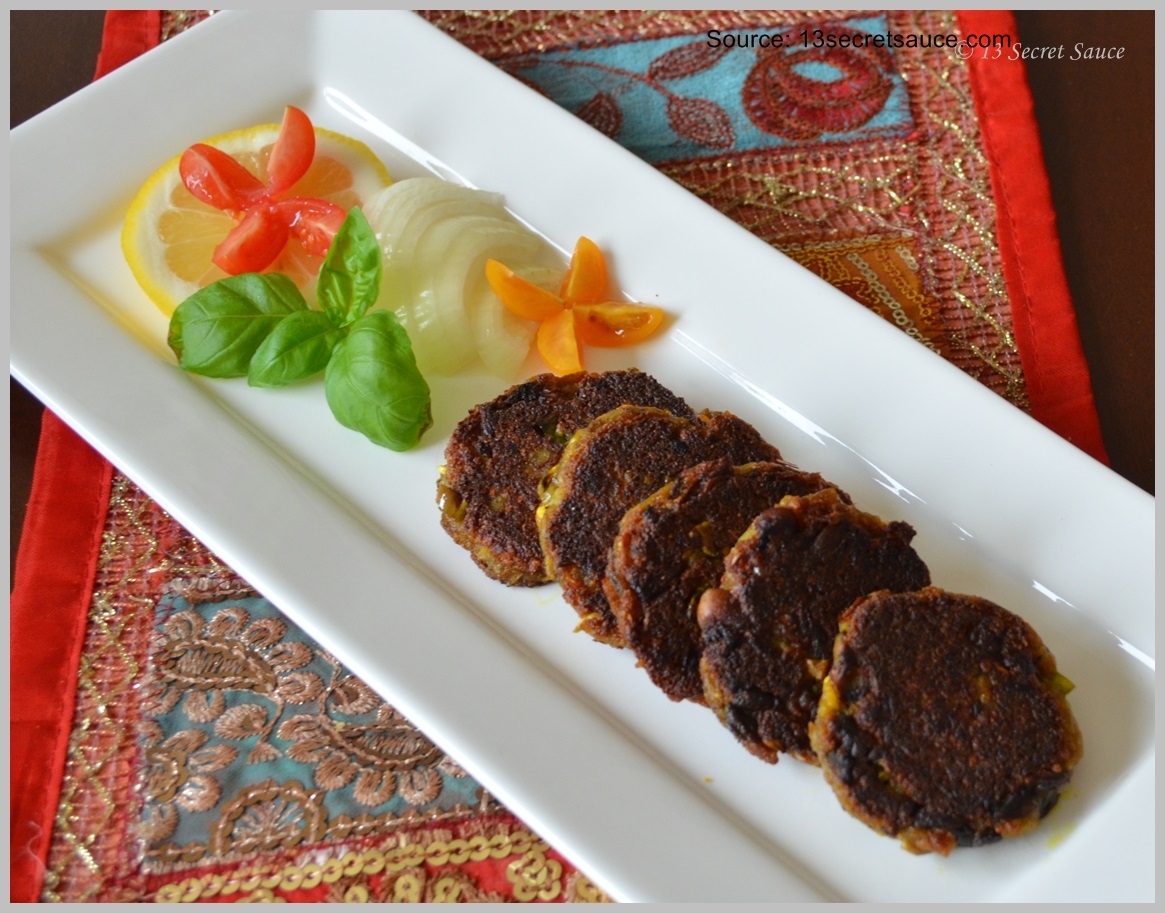
    The menu of winters is very different from that of spring. In winters, heat giving, rich meat is preferred. During spring, various kinds of crispy snacks are prepared. Similarly during summers, a variety of dishes and desserts are prepared using raw mangoes. Sewaiyan is another sweet dish which can be often seen in the houses during the pious months of Ramzan. The dishes that form a major part of the Awadhi platter are Kebabs, Biryani, Korma and a variety of breads. Kebab is the identity and pride of Lucknow. Kebabs are made from meat, fish or vegetables that are grilled on a chulha. Lucknow boasts a wide variety of Kebabs, namely, Kakori Kebabs, Seekh Kebabs, Galawat ke Kebabs, Ghutwa Kebabs, Shami Kebabs, and Boti Kebabs etc. Vegetarian kebabs are made using yam, kidney beans, jackfruit (kathal), peas and taro (arbi). The most famous shop for kebabs in Lucknow is the Tunde Ke Kabab. It is a 100 year old shop which serves the best kebabs in the city. It boasts of using 160 different homemade spices which is their trade secret. The who’s who of Bollywood come all the way to try out these kebabs. The list of the fans is endless. So many of the Bollywood biggies fly out the khansamas (cooks) from here to cater their functions. This is surely a feat to be proud of.

    Galouti kebab.png

    Galouti Kebabs

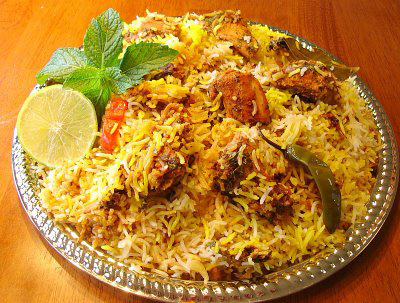
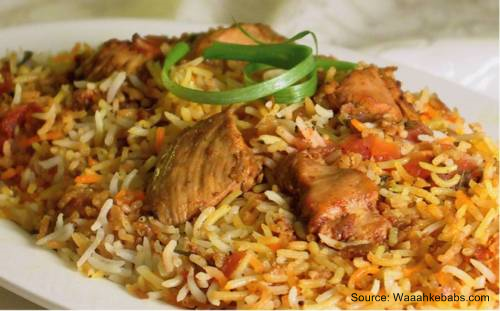
    Lakhnawi biryani is another dish that is famous worldwide. It is a special preparation of basmati rice with species, curd, meat and/or vegetables. It uses the method of layering. The meat and the rice are cooked separately. They are then layered on top of each other and baked. Vegetarian biryani is also very common.
    Biryani

    Biryani

    The various types of breads that are eaten are chapatis, pooris, parathas, naans, roomali roti, tandoori roti and sheermal (sweet naan). Korma is the curry used which is made by braising meat or vegetables in case of navratan korma. The Awadhi desserts have the perfect kind of sweetness and taste that is required after a meal. Kulfi is one such dessert which is famous among the masses. It is made from rich milk and cream. Prakash Ki Mashhoor Kulfi is the oldest known shop for kulfi. They offer the best falooda kulfi in the city. A type of halwa which is specially prepared in Lucknow is the sohan halwa.  Different cereals like gram flour, sooji, wheat etc. are used to prepare halwa. It is heavily garnished with rich dry fruits. The barfi, jalebi and rabri are some other desserts to look up to. After the meal, consumption of Paan is quite common. An evening without Paan is thought to be incomplete. Paan is made from betel leaf which is garnished with saffron, spices, silver foils and other condiments.

    Falooda Kulfi

    Falooda Kulfi By Prakaksh ki Mashoor Kulfi

    After boasting of the nawabi Awadhi cuisine, Lucknow still has a lot to show off in terms of street food. Be it Idris ki biryani or Shukla ki Chaat, be it Rahim ke Kulchey Nihari or Royal Café k paani-batashe, every single one of them is worth a try. And when you try them once, you’re surely going to be a fan. The originality of the taste will hold you spellbound. Paapdi chaat, tikki chaat, dahi bada, paani poori, sev poori etc., the names are enough to tickle your taste buds. Where else can you get eight different types of paani for the paani puri at one stall? That’s right, in this magical city which has a cuisine so quintessential!
    Shukla ki Chaat 

    Aaloo Tikki by Shukla ki Chaat

    The mouth-watering delicacies that this culture offers are just too many to name. Piece of advice, go try out some Awadhi cuisine, you are missing out on a lot. Trust me, you’ll be thankful!

  • The Business of Food

    The Business of Food

    Every business has a set of people who it targets, in some cases a particular group of society. They fight competition to satisfy their target customers and attract them with different marketing strategies. Every business might have a particular saturation point beyond which it is tough to expand or experiment. But, if there is one business which doesn’t have any such restrictions it is “The Business of Food”. The food business either small or large doesn’t have restrictions. You are free to explore, there is both scope and necessity for experimenting, and most importantly food has no seasons! Every business has one major goal which is “money” and you will be surprised with the amount of money involved in the food business.

    foodbus

    Recent Trends

    The Food business had not taken off until a few decades back in India, mainly because of the mindset of our people who were still not open to the idea of eating out. Indians love their home food and there were several caste restrictions when it came to eating out. But over the past two decades people have come out of their inhibitions, which have been helped by the number of people leaving their hometowns for studies and jobs.

    foodbus1

    India is the world’s second largest producer of food next to China. The total food production in India is likely to double in the next ten years and it gives immense opportunity and scope for people to invest money and effort in this huge yet budding industry.

    People have started realizing the possibilities, and it can be seen with the steady increase in the number of people getting involved in food business. The myth of family business has been broken and people from all walks of life are starting to invest on food, which includes setting up small restaurants or sometimes kiosks. The youngsters especially have started taking this seriously and it is not very uncommon to engineering graduates setting up restaurants these days.


    Scope

    frankie

    Scope and choices for food business are abundant and it requires much less effort and thought compared to most other jobs. There is immense scope since all you need for your business to shine, is to provide quality food and a few hungry people which is not very difficult to find.

    There is no one way to success but the favorite choices for people who are new entrants to food business have been:

    • Chat shops
    • Fresh juice shops
    • Ice cream parlors
    • Shewermas and khatti rolls

    frankie1

    These fast foods don’t require any huge investments in money or place. They require modest capital and just small kiosks in front of places like supermarkets and restaurants.

    Food business is not restricted to these fast foods and restaurants. The raw materials required for making food, packing and selling these raw materials are also an important part of the food industry.


    Employment


    India is an agricultural country and still more than 70% of the people in the country are farmers, the food business has kept the trend by employing over 10million people which includes food packaging, catering among other disciplines. Catering and Hotel Management which had very few takers until a decade back are some of the hottest courses for students these days, which is an obvious indication of the job opportunities.

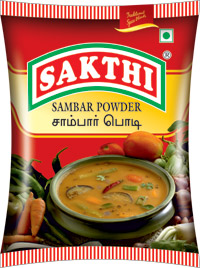
    sakthi

    “Sakthi Masala” a South Indian based masala and kitchen Materials Company has a distinction of having a workforce which consists of 27% people who are physically challenged. There are several other food packaging industries which are tapping on these disabled work forces.


    Food for Thought

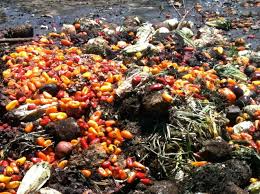
    foodwaste

    Despite the growing interest in food industry as a source of income and employment India still contributes only 1.4% in terms of food export which is behind even some of the under-developed countries. There is a lot of demand for Indian food materials in Middle-East and Western countries which is not being utilized properly.

    foowaste1

    In addition, it is said that India produces 250 million tones food every year out of which only 220 million is consumed, while the rest is wasted. According to WHO, India wastes about Rs.58,000 crore worth food every year which is the highest among all the nations. In a country where still millions of people go to bed hungry, these stats are mind-boggling and inhuman.

    The Bright Spots

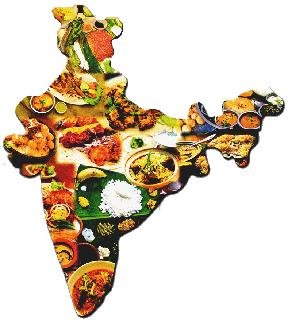
    indfood

    In spite of all these challenges, the Indian Food industry in a pure business point of view is a real source of inspiration because of its massive success and growth in such a short span of time. The food business has caught on like a house on fire with the people, and more people have started investing heavily on food and food-oriented businesses.

    There are several major business houses which are looking to enter the food business, the latest being the interest shown by Reliance’s Mukesh Ambani. These heavy investments will definitely boost the food business further.

    Most importantly unlike other businesses it is highly unlikely that the food business will face a recession because “Living well means Eating well” and there is never a bad day to satisfy your taste buds!


  • Doctor At Home – Kitchen To The Rescue

    Doctor At Home – Kitchen To The Rescue

    Not everybody is fortunate enough to be in a doctor’s family. So what? Each one of you can be a doctor at your home. Well, the kind of doctor I am talking about doesn’t need a medical degree, he/she just needs a kitchen with some of the regular stuff a typical kitchen should have. And having kitchen in your house, is not that big a deal (for those who don’t have it !!)..

    Your body can throw you for a loop anytime in your life. The day you have an important presentation to give, you might end up having a sore throat. The delicious sea- food salad you got from an amazing eatery can leave you with a grumbling indigestion. Or , you might overdo it at the gym and may arrive with a stiff neck. You won’t have your doctor or therapist to attend to aches and pains all the time, at your disposal.Here’s the next best thing : all natural, expert recommended ways to treat your ailments quickly, safely and effectively at home.

    So, here is a list of surprisingly effective kitchen stuff, which has a totally different use than just satisfying your taste buds.

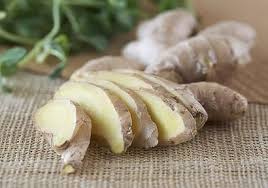
    frozen ginger chips

    Nausea

    For nausea, frozen ginger chips are a boon. You should first infuse fresh ginger in hot water and then strain and freeze the concoction in ice cube trays. Crush the cubes after a while and suck the icy chips to provide your tummy with a smooth dribble.

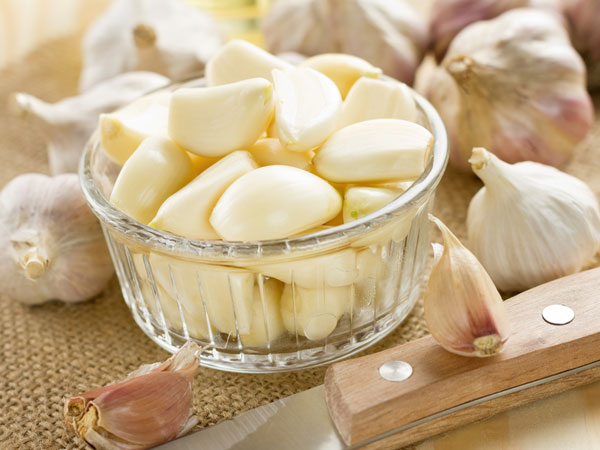
    garlic-juice

    Sore Throat

    Fresh garlic juice has anti-microbial properties that fight pain-causing bacteria. Mix 6 pressed garlic cloves into a glass of warm water and gargle with the solution. Follow this for 3 days. Warm liquid soothes inflamed tissue.

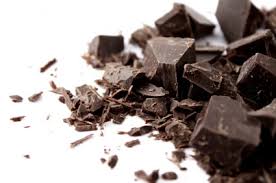
    dark chocolate

    Cough

    Have a square or two of dark chocolate. Chocolate has a compound theobromine which is much more effective than codeine at suppressing coughs that are persistent without exhibiting any side effects like drowsiness and constipation.

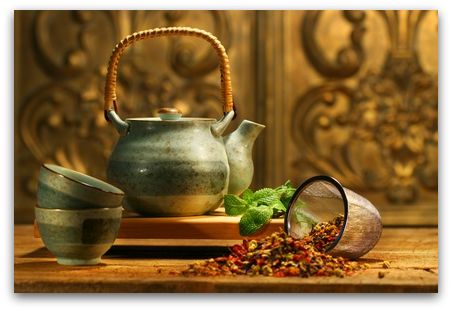
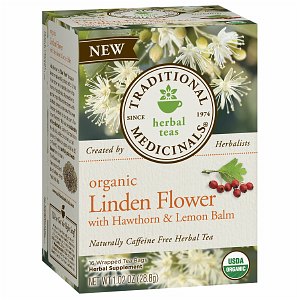
    linden flower   linden

    Fever

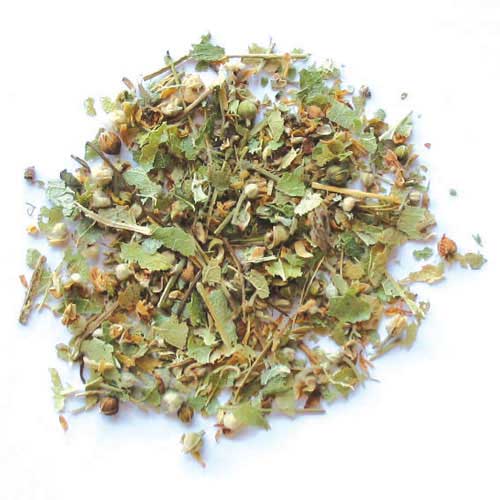
    Sipping linden flower tea stimulates the brain to control your temperature, and induces sweating. So add 1 tsp of this dried herb in a cup of water for 15 minutes, and sip it. Drinking this tea 3-4 times a day is really effective.

    aloe vera

    Burns

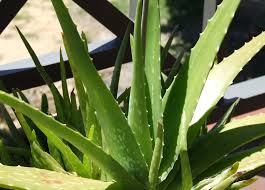
    Applying aloe-vera gel to the burnt area is very soothing. This anti-inflammatory gel creates a second skin to protect the skin lying underneath, from air, as the exposed skin would otherwise irritate nerve endings.

    lemon juice

    Cold

    Vitamin-C taken before the onset of cold shortens its duration and severity. So cut and squeeze half a lemon in a cup, add boiling water and honey to boost your immunity and to coat painful throat tissues. Sip this concoction 3-4 times a day.

    DIY teeth whitening

    Stained Teeth

    Mix a pinch of stain- removing baking soda into a few freshly cut strawberries to make a paste. Apply this mixture to a soft- bristled toothpaste and brush your teeth with it every three to four months. The astringent malic acid in strawberries buffs coffee and red wine stains from the teeth.

    pomegranate tea         pomegranate-tea

    Diarrhea

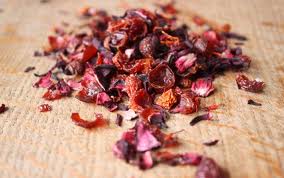
    Having bananas cures diarrhea in a few hours. Also, tea made from pomegranate skin helps an upset stomach.

    blck tea and burned toast

    Food Poisoning

    If you suspect food poisoning, couple a few pieces of burned toast with black tea. The tannic acid in tea and charcoal in the toast neutralizes the toxins and help you to recover quickly.

    tart cherry juice

    A Tough Workout

    Drink a bottle of tart cherry juice to repair any damage caused by tiny tearing of tissues and swelling. Tart cherries have anthocyanins, which are antioxidants and has anti- inflammatory properties that help sore muscles recover.

    healthy-pantry-cleanup

    See, it isn’t that tough to be your own doctor, is it? These things work miracles in the treatment of your everyday ailments. And if you don’t have them in your kitchen, then you should definitely clear some space in your refrigerator and kitchen shelves, as these things are pretty important for you.

  • The X-Men and their Origins

    The X-Men and their Origins

    idlydosa1

    The Title might be a little misleading. No we are not talking about the popular movie series X-Men but about the most important “men” read “food” for a typical Indian. Food is part of our identity. They say “We are recognized by the food we eat”. There are certain kinds of food which originated from our land and have been an important part of Indian lives. These staple foods are an integral part of every Indian’s diet, and they also have deep roots with our culture.

    Some of these dishes have history dating back to the 7th and 8th century and have been mentioned in several writings of yesteryears. Some of the most ancient foods which originated in India and still an important part of the everyday meal are South Indian dishes like Dosa, and idly. There is also a popular frozen desert called “kulfi” which is my personal favorite.It is often described as “traditional Indian Subcontinent ice-cream “and quite popular in places such as IndiaPakistan and the Middle East, and widely available in Indian restaurants in Australia, East Asia and North America.


    Idly


    idly1


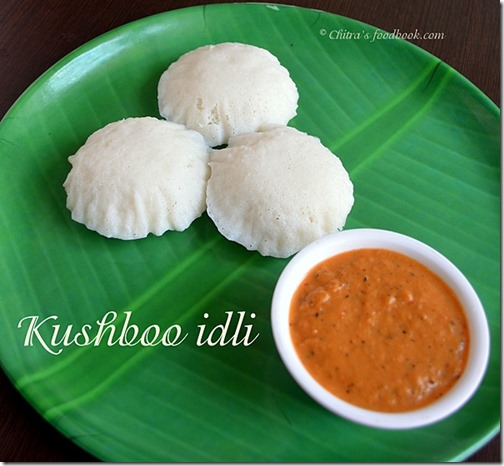
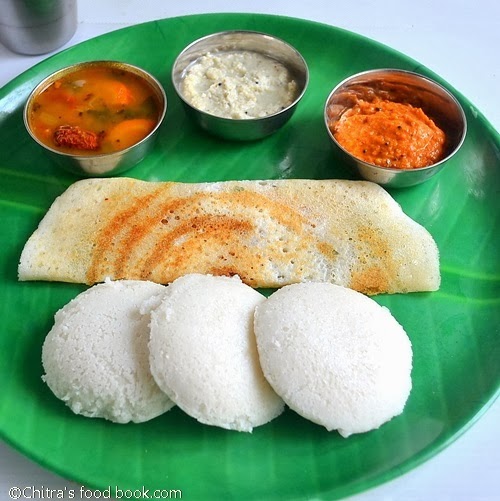
    Idly is a soft steamed cake which is very popular in Southern parts of India such as Karnataka, Andhra Pradesh and Tamil Nadu. These are small round, soft cakes which are prepared by steaming fermented black lentils and rice. The idly is considered to be the very healthy and it can be served to anyone from a new born baby to an ailing old person. Scientists have found that idly is one of the healthiest foods among the ones served for breakfast. The fermentation process involved in preparing idly helps in breaking the starch molecules thus making it easier for the human body metabolize.

    Idly is the most preferred breakfast in South India and are equally popular among the people of North India as well. Idly is not a monotonic dish as it may sound. There are several types of Idly’s like the “Rava Idly” and “Sanna Idly” are popular among people of different places.
     

    Origins

    Idly has been known to India since the 7th century and has been a constant in the diet among various people of India.Earliest mention of idly occurs in the Kannada writing called Vaddaradhane by Shivakotiacharya in 920 AD, and it seems to have started as a dish made only of fermented black lentil. The preparing pattern of idly’s have changed a lot over the years but the basic ingredients still remain the same. Tomake idly, place four parts uncooked rice to one part split black lentil in a pan and soak separately for at least four hours.Grind the rice to a coarse paste separately in a heavy stone grinding vessel. Mix both the lentil and rice paste thoroughly. Leave the paste to ferment overnight, until it has expanded to about 2½ times its original volume. In traditional methods a pure white cloth is placed on moulds and batter is poured over it after the dilly’s are cooked the trays along with cloth are inverted upside down in a plate & water is sprinkled on the cloth, then the cloth is pulled and the idly’s come out without sticking to the cloth. So that idly’s are prepared without a single drop of oil or ghee.


    Best Served with:

    Anyone who wishes to taste the traditional idly should visit “The Murugan Idly Shop” a chain of restaurants in Chennai which specialize in serving different types of Idly’s and its various side dishes. It is traditionally served with:

    • Sambhar
    • Coconut Chutney
    • Milagai Podi

    kushidly

    Dosa

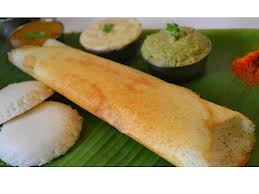
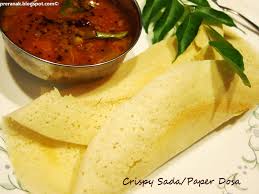
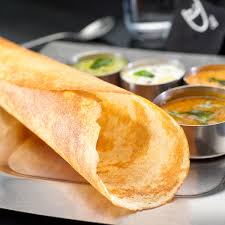
    Dosa is another famous South Indian dish and it is probably the most marketed Indian dish and it has a wide reach across the globe. You will probably find a restaurant serving Dosa in most of the European and North American countries. Dosa is similar to idly in many ways including the basic ingredients such as rice and black lentil. The paste obtained from fermentation of rice with black lentil is spread over a griddle. Itis spread out evenly with the base of a ladle or bowl to form a pancake. A dosa is served hot, either folded in half or rolled like a wrap.

    dosa1

    Dosa, like idly doesn’t contain any fat and is considered to be easy for the human body to metabolize. It is a very light dish and is most commonly served for breakfast in most Indian homes. There are several varieties of Dosa, but the favorite ones are Masala Dosa, Onion Dosa, Ghee Roast and Rava Dosa. There are restaurants which are entirely dedicated to Dosa and serve about 100 different varieties of Dosa.

    Origins


    “The Story of our Food”, a book written by K. T. Achaya, an eminent Indian food scientist and food historian, states that foods like Dosa and Adai were already known in ancient Tamil country around 1st century AD, as per references in Tamil Sangam Literature.

    dosa2

    Best Served with:

    Dosa can be stuffed with fillings of vegetables and sauces to make a quick meal. They are typically served with a vegetarian dish which varies according to regional and personal preferences. Common side items are:

    • Sambhar
    • Chutney and
    • Indian Pickles

    Kulfi

    kulfi1

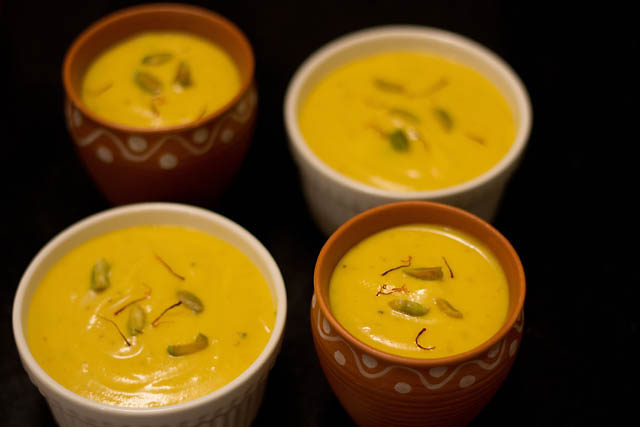
    The “kulfi” is an Indian frozen desert which is similar to an ice cream but a little creamier and topped with nuts like cashews, almond and pista. “Kulfi” unlike western ice creams is not whipped and hence has the ability to not melt for a longer time as compared to ice creams and it is similar to the traditional custard based ice creams.

    Kulfi is prepared from evaporated milk, sweetened condensed milk and heavy cream. Then sugar is added and the mixture is further boiled and cornstarch-water paste is added. This paste thickens the mixture, although it is boiled for an additional few minutes. Then flavorings, dried fruits, cardamom, etc. are added. The mixture is then cooled, put in moulds and frozen. If frozen in individual-portion custard bowls for service with a spoon, bowls are removed from the freezer 10–15 minutes before serving to allow for melting at the edges.

    kulfi2

    Kulfi’s are usually sold in four-wheeled carts and its specialty is that “kulfi” is usually sold during night times and the familiar sound of “kulfiwallhs” bell in itself pricks the taste buds making us crave for these delicious kulfi’s. Generally kulfi’s come in various flavors like pista, rose, mango but there also new variants like strawberry and even apple flavored ones.

    Origins

    This rich dessert is likely to have been introduced in the subcontinent of India and is found in neighboring countries in the Middle East. While history does not point to one specific inventor, Mughal emperors who reigned in the 16th to 19th centuries in India are thought to have originated kulfi. Inhabitants who lived near the Himalayas had come across freezing methods that included sweets or desserts.

    idldos2 mangokulfi11


    There has been a heavy influence of western cuisine in our everyday lives, with all these it is also important to remember these traditional dishes not only because they originated here, but also because they define who we are. Like language and ethnicity the food one eats describes a person’s roots and it is important to have a grasp of our roots. They really are our X-Men!


  • Cuisine of the Kings: Mughlai Food

    Cuisine of the Kings: Mughlai Food

    Mughlai food refers to the food which was prepared in the kitchen of the royals of the Mughal Empire. The cuisine is influenced by the Persian cuisine and in turn has affected the cooking styles all over India but especially seen clearly in regions like Punjab and Kashmir. Mughlai food belongs to the South Asian cuisine, where we find extreme variation in the taste and flavor from extreme spicy to extreme light. These varieties of dishes in the main course meal are also accompanied with various kinds of side dishes and the entire meal ends with mouthwatering deserts.
    biryani

    The rich preparation of Mughlai food consisting of various flavored sauces and masalas along with butter based curries is so tempting that food lovers die for more food. Even the names are so special that it enlightens people to try out different dishes. In the old times the kings used to dine with their queens and concubines, except on special occasions like festivals where the king dined with the nobles and the courtiers. The hakim or the royal physician used to overlook the preparation of various dishes to ensure that the royal family consumed food of the highest quality and also planned the menu for the day. Once the menu was decided, the preparation took a lot of time because a lot of dishes were presented in each meal along with sides’ dishes and desserts. The royal kitchen can be pictured as like a market place with a swarm of workers and cooks working hard to prepare the royal meals. The workers also included people who were responsible for bring vegetables and spices and others who were assigned for washing of utensils and other serving materials. The workforce included both men and women and we find that was a systematic division of labour. Historians claim that the water that was used for cooking was actually rainwater mixed with water bought from the Ganges, thus resulting in such tasty dishes. It was also found that the rice was covered by silver oil which aided digestion. Moreover the food given to cattle such as goat, chicken etc were also of high quality so that the medical properties could travel to the eater.

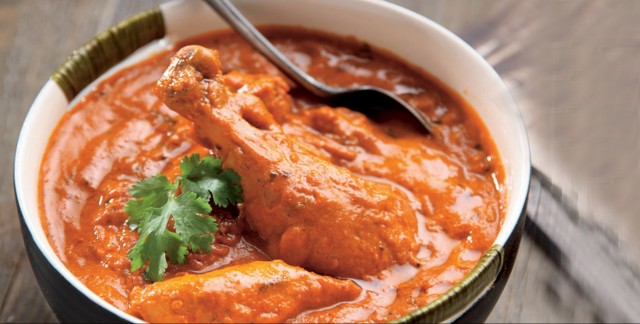
    chicken curry

    As the emperors changed, they bought in changes in the menu and style of cooking, influenced by Iranian, Afghani and Persian styles with a touch of Deccan. Each emperor had his favourite dish as well. Babur was a great fan of the various fish dishes which were prepared other than that he preferred the dishes available back home in Samarkand. Akbar was a vegetarian by taste only for three times a week and was known to have his own kitchen garden which he watered with rosewater so that the produce smelt good when cooked. During the reign of Shah Jahan, after he shifted his capital from Agra, he was informed that the water in the city was making his subjects sick and so he ordered that more of Haldi which is turmeric powder along with red chilies, cumin and coriander be used in the cooking process because of its medical properties, and the king was credited for adding new spices to the cuisine. Aurangzeb was considered to be a vegetarian for most of the time of his life however it was only later that it was found through a series of letters which he wrote to his son which spoke about his intense love for Qubooli which was a mega biryani rice with Bengal gram, died apricot, curd, basil and almond. The Mughal rulers were very particular about the food they ate and writings indicate various changes and additions they would with them, moreover it also talks about how the kitchen moved with the king when he had to go for wars.
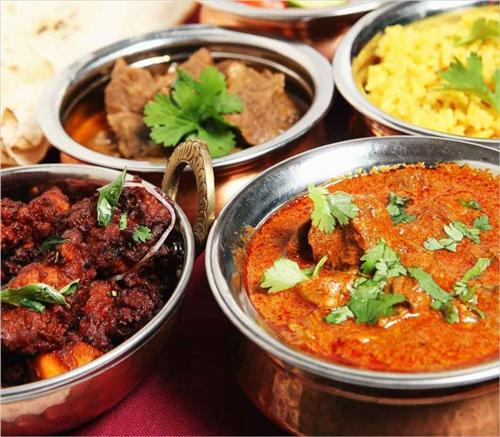
    mughlai


    In the 16th century the Mughal had invaded India thereby bringing power, majesty and prosperity in the land. They also bought in exotic spices, fruits and nuts to India giving us or teaching us new techniques in cooking which are followed till today. Among various Mughlai foods, biryanies, pulao and kormas are highly delicious and really loved by many. They basically reflect the Muslim style of cooking which has a lasting effect on the consumers. This type of cuisine is famous not only in our country but can also be seen in the foreign countries like the U.S.A and U.K where we find a huge fan club for this form of Indian cuisine, however back home it is prepared on a very large scale in Delhi, the capital of India. The common ingredients which are used in the preparation of this cuisine are cream and milk. Although there are many in the list but these two items find themselves in very Mughlai dish.

    Some of the popular dishes of Mughlai cuisine can be…

    • Aloo ka raita which is basically a mixture of curd with potatoes which are boiled and then chopped with various spices like salt and pepper.
    • Chicken biryani which a fried rice containing pieces of chicken and flavoured with various spices.
    • Chicken tikka and champ masalas where the former is a boneless chicken marinated with lime, curry powder, tomato paste, curd, finely chopped garlic cloves, paprika and baked in the oven while the latter is just a curry of lamb chops.
    • Other famous Mughlai dishes are palak panner where paneer is Indian cheese, naan, tandori chicken and kebabs etc.
    • Among the famous deserts we have the gulab jamun, kulfi, barfi and the shahi tukra which is nothing but a rice based bread pudding with cardamom and made rich with dry fruits which also stands as a personal favourite of many Indian till date.


    A must try cuisine which will make you want more and will force you to lick your fingers after you finish your meal.


  • Let’s Taste Assam

    Let’s Taste Assam

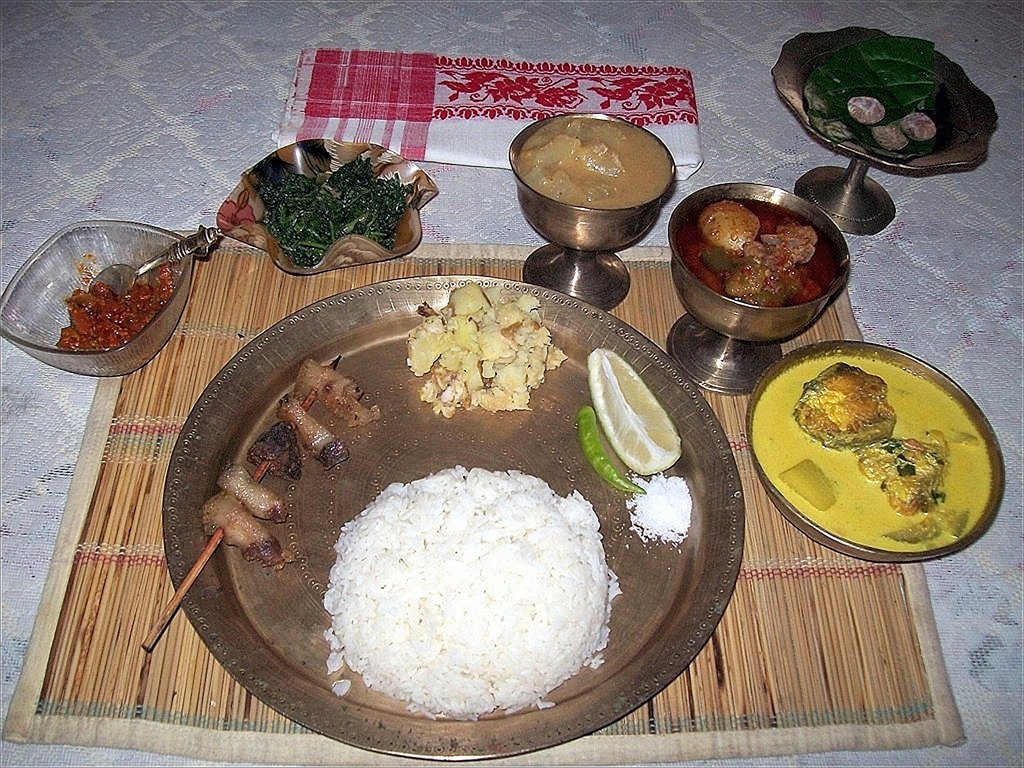
    There is one thing that strikes me every single time I come home to Assam: Assamese food, though little-known to people outside the valley, is more unique and distinct than given credit for. Assamese cuisine is a confluence of cooking habits of the hill folk that privilege fermentation and drying as forms of food preservation,and those from the plains that include the use of fresh vegetables and fish, found abundantly in its many rivers and ponds – both of which are centered on the main ingredient: rice. It is characterized by very minimal use of oil, little cooking over fire, and strong flavours due mainly to the use of endemic exotic fruits and vegetables that are fresh, dried, or fermented. Fish are popular, as are birds like chicken, duck, and squab. Preparations are rarely elaborate – the practice of Bhuna (the gentle frying of spices before the addition of the main ingredient) so common in North Indian cooking, is all but absent in the Assamese kitchen. There is a popular tendency to club Assamese cuisine together with Bengali cuisine, due to the prominence of rice and fish in both. However, if you consider the methods of preparation, as well as the other ingredients used, the differences are not easily missed.

    Assamese Thali

    Ingredients:

    • Rice

    As a staple, rice is eaten either steam boiled (ukhua) or sundried (aaroi). As a snack, it is roasted and ground (xandoh), boiled in its husk and flattened (chira), or puffed (akhoi). Rice is an indispensable part of all Assamese meals. A traditional breakfast consists of chira mixed with yogurt and jaggery. For other major meals, rice could be boiled, steamed or wrapped in leaves and roasted. A special class of rice preparations, called pithas, is generally made only on special occasions like Bihu. Usually made with soaked and ground glutinous rice, they could be fried in oil with a sesame filling (xutuli pitha), roasted in tender green bamboo over a slow fire (sunga pitha), or baked and rolled over a hot plate with a filling (kholasapori pitha).

    • Fish

    Fish, big and small, harvested from the many rivers, ponds, and lakes in the region, form an integral part of the Assamese diet. The most popular dish is, undoubtably, the tenga (fish sour). Another favorite is small fish roasted wrapped in banana leaves – patotdiaHukuti is a special fish dish prepared from dried small fish (puthi maas) pounded with arum stem and dried and stored in bamboo tubes, and roasted with lavish amounts of green chilli, tomato, ginger, and garlic; the ingredients are then pounded in a mortar to make a coarse paste and served with rice. Fish cooked with fermented bamboo shoot is also popular, as is fish is fried in mustard oil, or curried with bottle gourd or spinach.

    • Meat

    The Assamese enjoy a wide variety of meat – duck, chicken, squab, mutton, venison, turtle; although in recent times, the consumption of venison and turtle meat has been declared illegal. Assamese meat preparations are characterised by the sparing use of oil, and higher quantities of ginger, curry leaves, and lemon juice. Boiling is the basic method of cooking.

    • Greens and vegetables

    Green leafy vegetables, called xaak, are an important part of the cuisine. There is indeed a bewildering variety – both domesticated and wild – that is eaten by the people of the region. In fact, according to custom, one has to have a hundred different kinds of xaak during the Rongali Bihu celebrations.

    • Spices

    Among spices, ginger, garlic, onion, cumin seed, black cumin, black pepper, chilli, turmeric, coriander seed, cinnamon, cardamom, clove, fenugreek seed, white mustard seed, aniseed, and Malabar leaf find wide usage.


    Traditional Preparations:

    • Khar

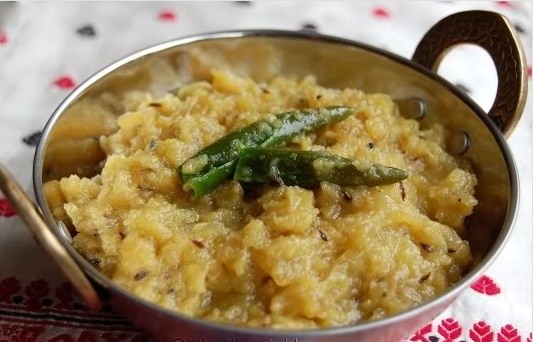
    Khar

    When you think of a typical Assamese meal, you invariable think of khar. Khar is a class of preparations named after the key ingredient, which is made by filtering water through the ashes of a banana tree. Popular khar dishes are made of raw papaya or pulses as the other main ingredient.

    • Tenga

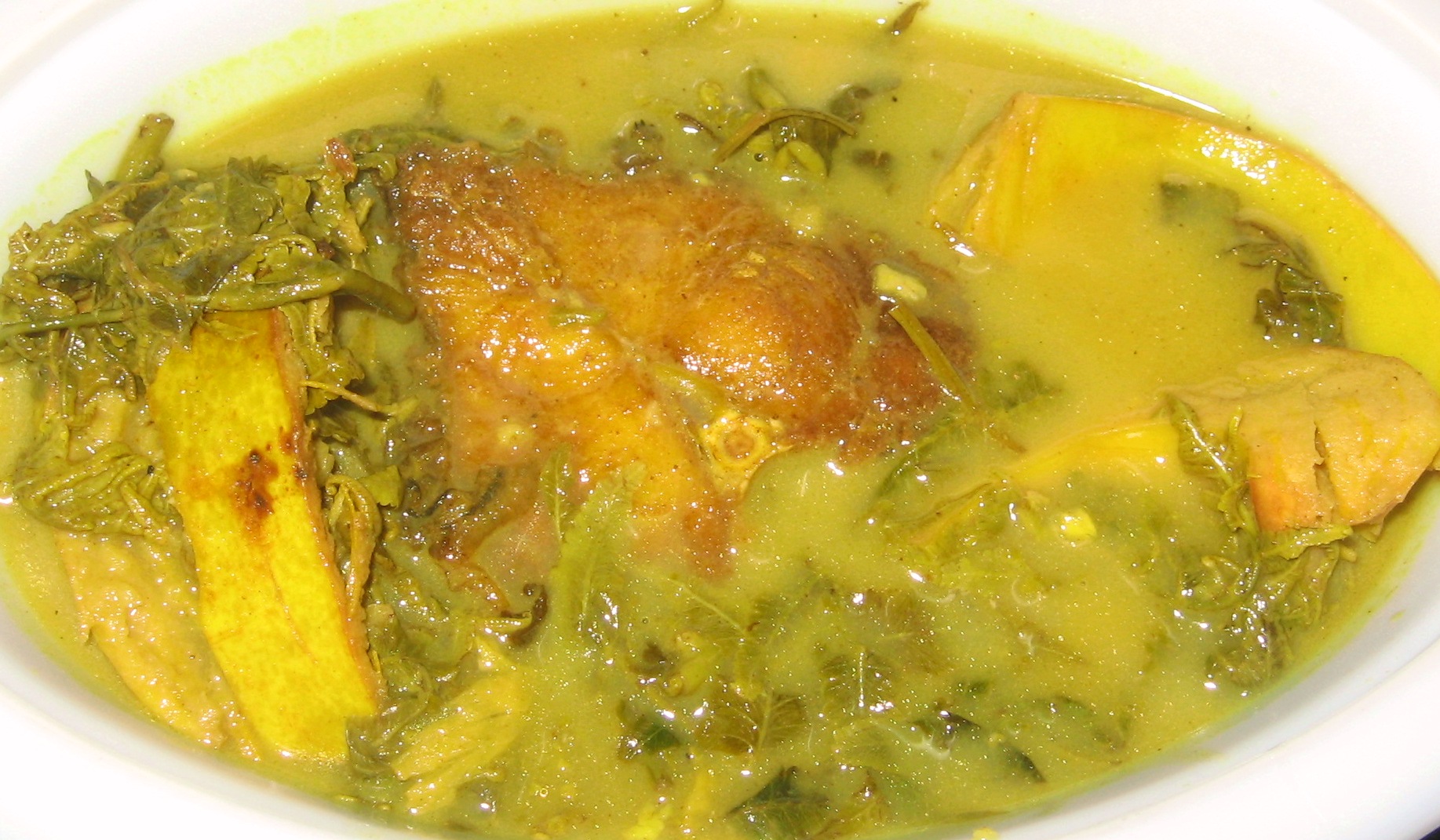
    Tenga

    The tenga is a light and sour fish preparation. The souring ingredient could be tomato, mangosteen, or lemon. Another tenga dish is prepared with matimah (urad bean) and outenga (elephant apple). However, mixing of tenga and khar is not recommended, the former being acidic and the latter alkaline.

    • Pura

    Pura

    This is the Assamese version of smoked or barbecued dishes. Different types of meat and fish are often served in this form.

    • Pitika

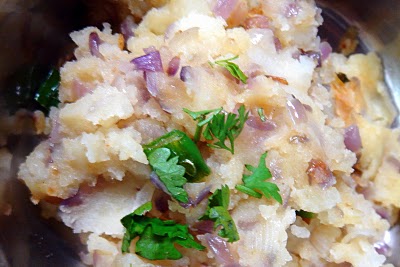
    Aloo Pitika

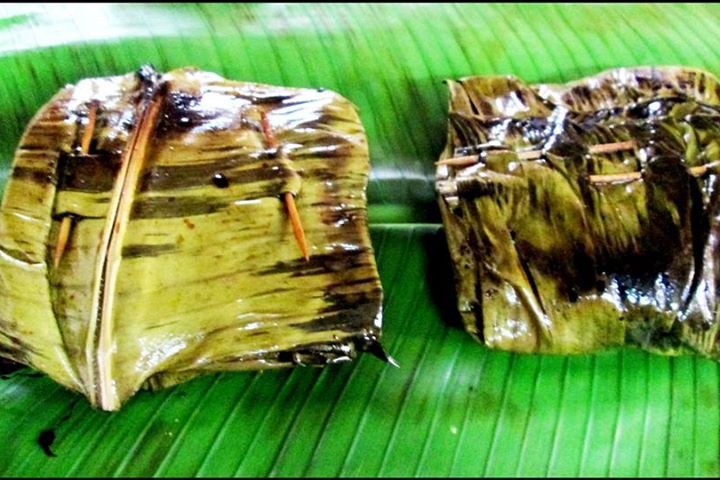
    Side dishes called pitika (mashes) is a signature characteristic of Assamese cuisine. Perhaps, the most popular is aloo pitika (mashed potatoes), garnished with raw onions, mustard oil, green chilli, and sometimes, boiled eggs. Khorisa tenga is mashed fermented bamboo shoot, pickled in mustard oil and spices. Fermented mashed mustard seed is eaten in the form of kharoli (when a khar is added) or kahudi (when an acidic agent, such as lemon juice or dried mangosteen, is added). Pitikas are also made from roasted or steamed vegetables, primarily tomato and eggplant. Small fishes are roasted, separately wrapped in banana leaves, and mashed into pitika along with mustard oil, salt, chilli, etc – a preparation traditionally called patotdia.

    Patotdia

    We talk of “Indian cuisine” as if it were a homogenous category. Of course some ingredients and methods of preparation find favour in recipes across regions, but the distinctive elements stand out far too prominently for a one-size-fits-all definition. For instance, four years of eating North Indian food in Delhi and I still miss the flavours back home! It’s true: you are what you eat.