Category: Spirituality

  • Hinduism and Food!

    Hinduism and Food!

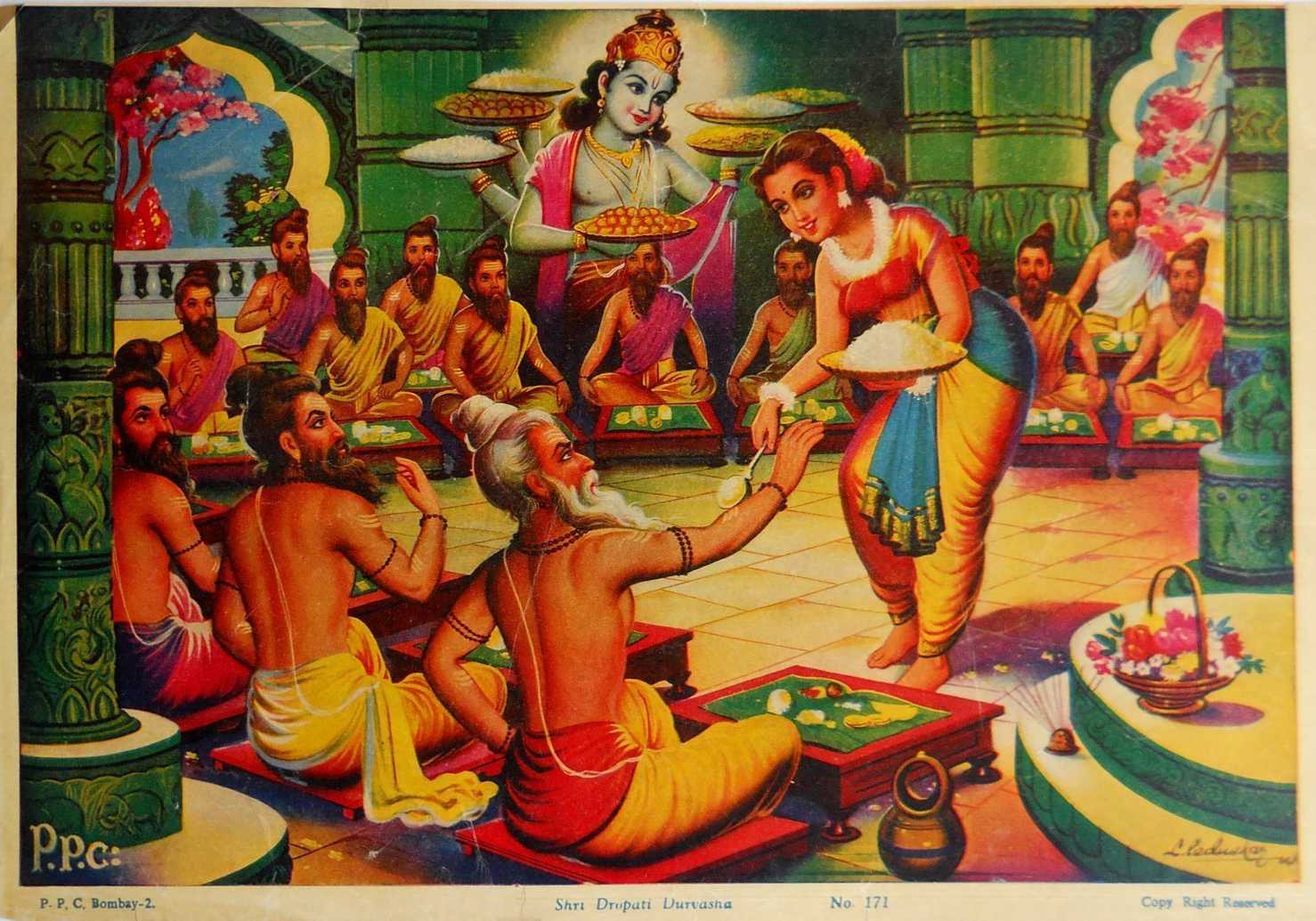
    There is a very prominent tale in Mahabharat where Draupadi had a bowl of plenty awarded to her by Sun god when she along with the Pandavas was in exile. She could take as much food from the bowl as she wanted until she herself has eaten.  One day sage Durvasa and his disciples arrived at her hut and asked Draupadi to feed them. Rishi Durvasa was known for his anger. To add insult to injury, she had already consumed food that day and knew that the pot would not yield any more eatables. She prayed to her Sakha, Lord Krishna for help. Incidentally, one grain of rice was left in the bowl. Lord Krishna took that grain and ate it up. To Draupadi’s surprise, Lord Krishna let out a belch as if just been fed with a sumptuous three-course meal. With him all the beings of the universe: the deities, yakshas , Gandharvas and also, Sage Durvasa and his disciples were satisfied.
    1

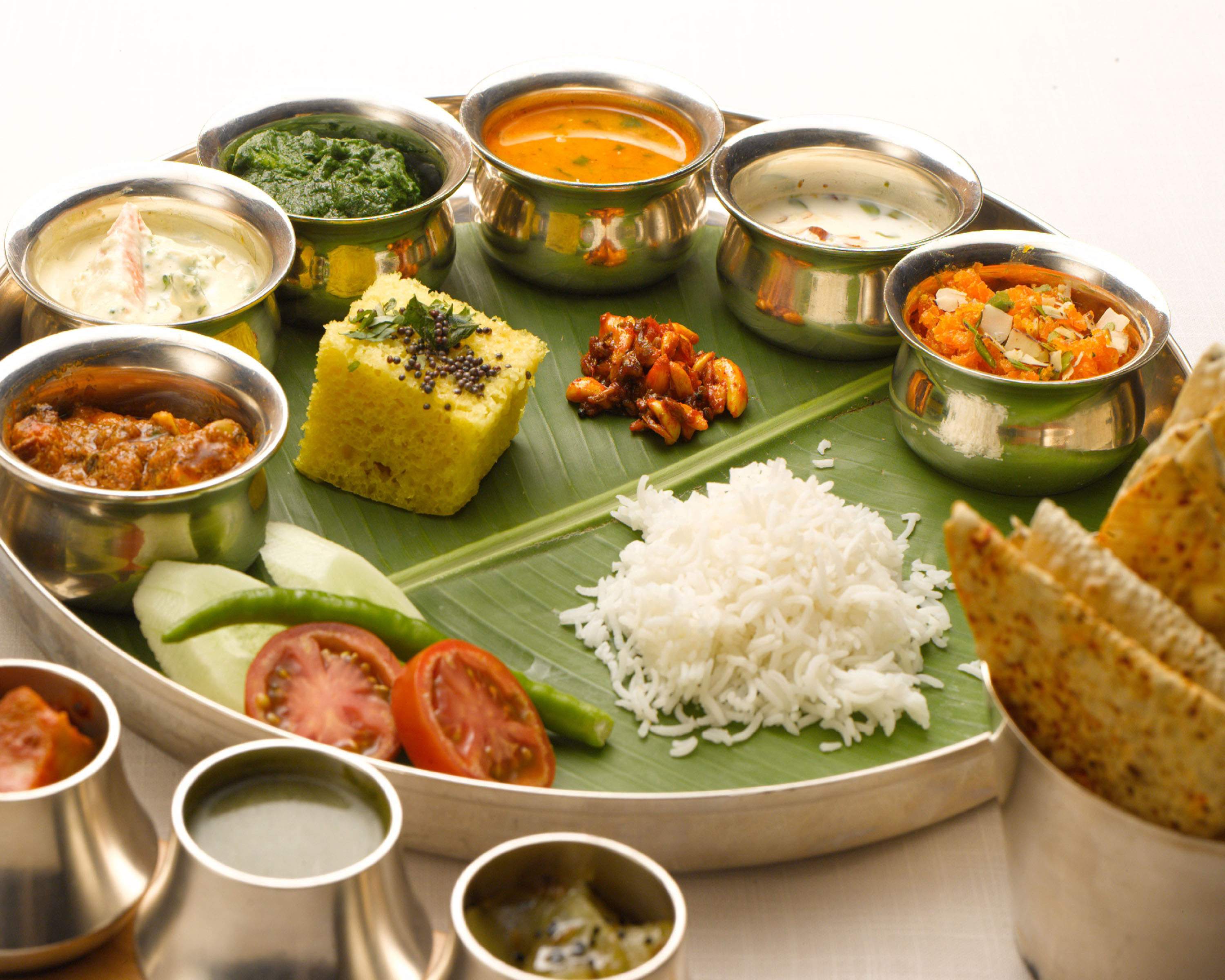
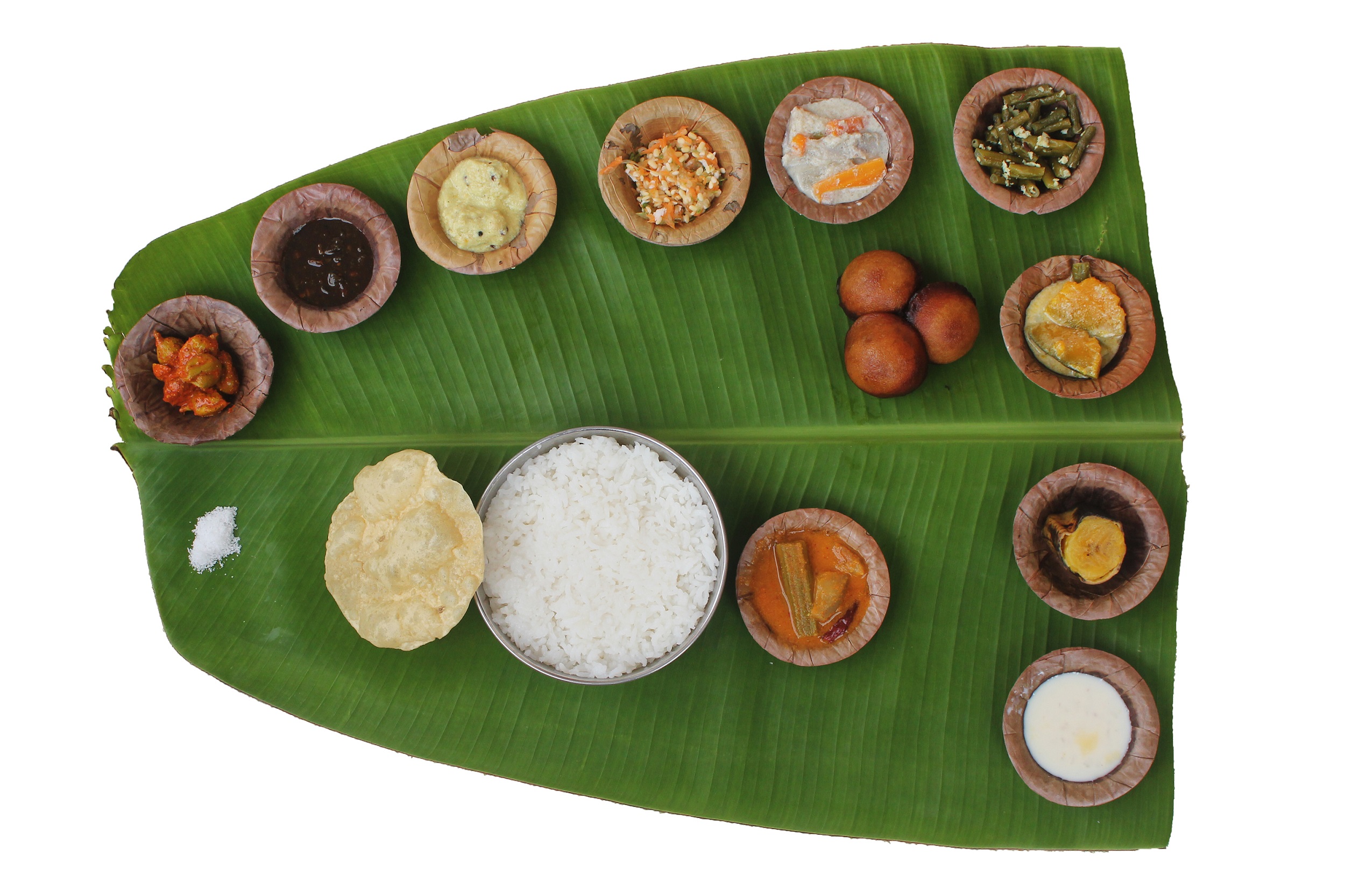
    This story indicates the importance of food in Hindu culture and mythology. In fact, food is central to almost all Hindu rituals and modes of worship. The Bhagavad Gita declares: “If one offers Me with love and devotion a leaf, a flower, a fruit, or water, I will accept it.” (9.26). The food is served in a clean place and before eating, water is sprinkled around the plate and vedic mantras are recited.  A little water is sipped before eating which is scientifically proven to be beneficial. The intension is that our mind and intellect remains inclined towards spirituality and virtues while doing everything, even, eating.

    Hindus believe that everything in the mortal world including, the five sense organs, the objects of the sense organs, elements, mind and intellect are essentially made of three qualities: Sattwa, Rajas and Tamas. Sattwa is associated with light, knowledge and purity; Rajas with activity and passion; and Tamas with ignorance, stagnancy and delusion. Consequently, different food items have different tendencies attached to them.
    3

    Foods which increase life, purity, strength, joy and cheerfulness and are savory, substantial and agreeable are Sattwic. This includes fruits, nuts, vegetables, milk and grains. The foods that are bitter, sour, saline, excessively hot, dry, pungent and burning are known as Rajasic. Onions and Garlics fall under this category and are believed to inspired passion in individuals. Tamasic food includes meat, alcohol, eggs, fish etc. Although, vegetarianism is encouraged in Hinduism, it is important to understand that these are mere guidelines that are provided to individuals to help aid the practice of meditation and there is no compulsion as far as adherence is concerned.

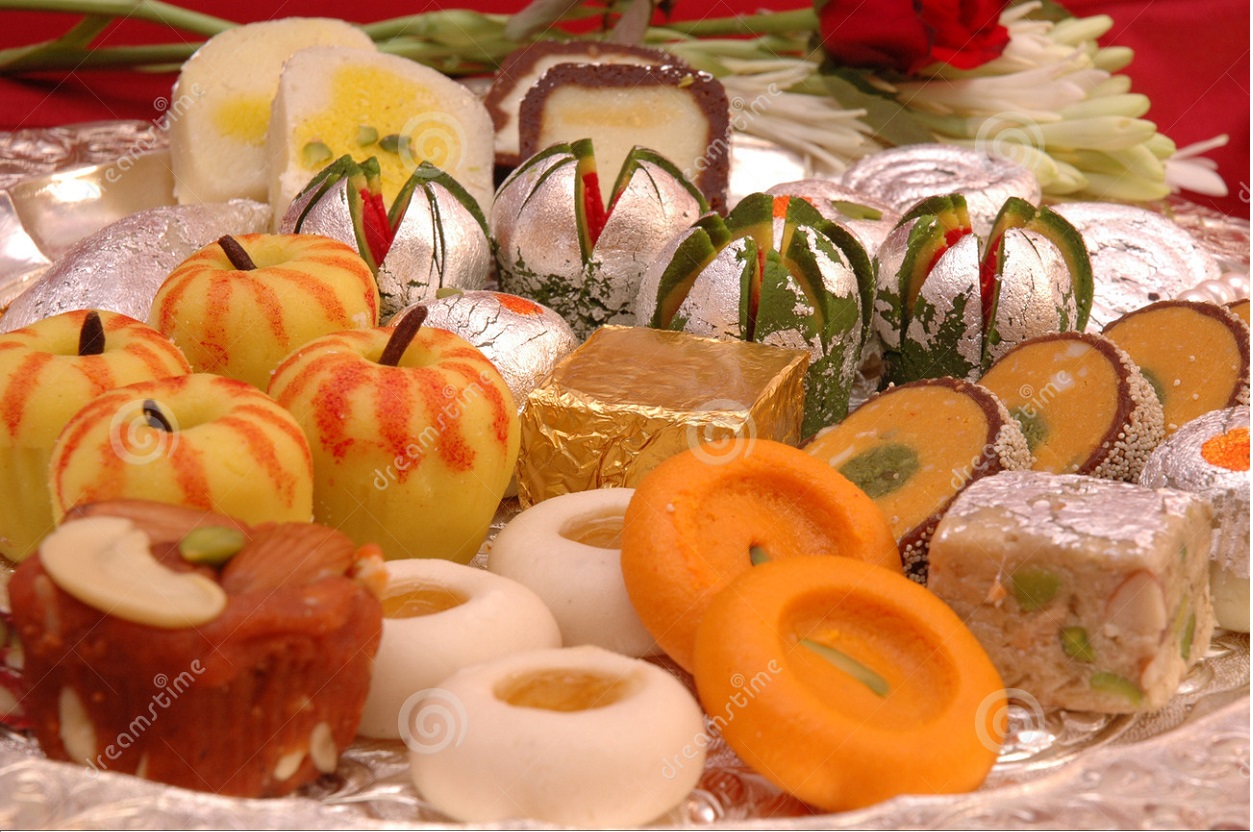
    Another important aspect of Hindu rituals is Prasad or the sacred food offering to the lord. Almost every Puja or worship is concluded by the distribution of Prasad i.e. the food that was offered to the lord during the worship. Prasad can include a variety of things such as jiggery, sweets, coconut, fruits, sweet rice, milk, tulsi leaves (Basil) etc.  The intension of the devotee is of prime importance here and not the material worth of the offering. Depending on one’s position and ability, one can offer anything with devotion. A few tulsi offered with a pure conscience will reap greater merit than gold offered with arrogance.
    4

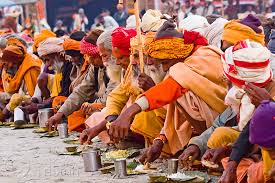
    Growing up in a Hindu household, I have vivid memories of being restless during the entire course of my mother’s daily prayers and waiting for the Prasad at the end. During Navratras, the nine day worship of the divine mother, Bhandaras are organized.  Bhandaras are spiritual gatherings where large quantities of food are prepared by the community and then distributed to everybody who attends it. This is a form of community service where poor and ailing are fed alongside  the affluent and thus establishing their equality in the eyes of the lord.
    3

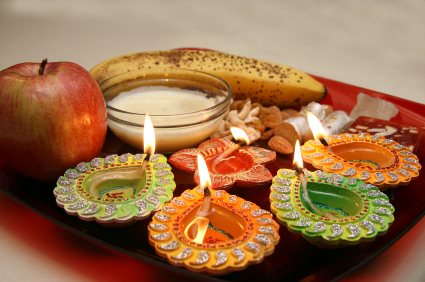
    Feast and fast, both are essential part of the Hindu experience. The festivals of Diwali, Holi, Dussehra  and Janmashtami are often associated with the preparation of delicious foods. People visit their friends and relatives and offer each other food. This helps in spreading harmony and unity in the community.  Hinduism offers a great deal of flexibility even in the case of fasting. Fasting can be complete, eating “purer” foods, adopting a completely vegetarian diet or it can be abstaining from favorite foods. It can be seen as a means of purification or as a sacrifice.
    3

    The Hindus are known to use hands to consume their food. The idea is to savor the food with as many sense organs as possible: the color and appearance of the food with eyes; its rich aroma with the nose; it’s delicious taste with the tongue and its texture with the hands. There is an interesting story regarding this. The Indian president, Dr. Radhakrishnan once met Britist Prime Minister Winston Churchill and they sat down for lunch. Before eating, Dr. Radhakrishnan washed his hands and when the food was served, took a morsel in his hands and began eating. Churchill told Dr. Radhakrishnan, “Why are you using your hands? Use spoon and fork, they are more hygienic”.

    Radhakrishnan’s repartee was, “Since nobody has used my hand to eat before, my hand is more hygienic than any spoon you can find.”

  • Meditating – The Third Eye

    Meditating – The Third Eye

    The attention is the outer expression of the soul. Most of the time our attention is drawn outside to the world through the senses. If we can withdraw our attention from the world outside and our body for a while and focus it at a point, known as the seat of the soul, we will find the inner light. The seat of  the soul is located between and behind the two eyebrows. This point has been called by  different names such as the third eye, the single eye, the shiv netra, the tenth door, the sixth chakra, the ajna chakra, or the mount of transfiguration.

    download (7)

    By concentrating our attention, the sensory currents that make us aware of sensation in our body withdraw. When these sensory currents are concentrated at the seat of the soul, we find light within.

    For this meditation process, we do not worry about our breathing or doing any difficult asanas or postures, or exercises. We do not touch the motor currents as they do in some yoga. The motor currents are those responsible for the automatic or involuntary processes in the body such as breathing, circulation, the heartbeat, and the growth of hair and nails. Instead, we withdraw the sensory currents. We do not worry about the breathing exercises. We let the breath go on naturally as we do when we perform the other functions of the life.

    images (5)

    To practice meditation, we sit in a pose most convenient in which we can remain still the longest. We close our eyes, and focus our attention on the field of darkness lying in front of us. By concentrating, the sensory currents withdraw to the third eye or single eye. When concentrated there, we find light. By absorption into the inner light, we transcend body consciousness and enter the inner realms beyond.

    download

    Once we pick a pose, we should close our eyes gently and concentrate on seeing what lies in front of us. There should be no pressure on the eyes. Our eyes should be as relaxed as they are when we go to sleep. Since these physical eyes are not those by which we see the inner realms, there is no need to turn our eyeballs upwards in the hope of seeing something there. We should not concentrate on our forehead, instead keep our eyeballs horizontal, as if looking straight ahead.

    If the eyeballs look or turn upward, we may feel a little pressure on the forehead, which may result in two problems. We may get a headache or we may generate heat in that area and our forehead will become hot. That will create problem for us, which will cause us to move, get up, do something to cool ourselves down. That will interrupt our meditation. So we should focus our attention few inches in front of us.

    download (1)

    When we close our eyes, we may first see darkness. That which sees the darkness is our inner eye. With the inner eye, gaze lovingly, sweetly, and penetrate deep into whatever is in front. We should be relaxed, but attentive as if watching a movie screen and waiting for the movie to begin. This is a process in which we do not worry about the world outside or what is going on in the body below. We are only trying to invert so as to reach the worlds within.

    In our body, we have our soul and our mind. The mind is a powerful entity whose main aim is to keep the soul in the body so that it does not reach the inner realms. The mind will try to entangle our attention in the physical world. It will do its best to prevent us from rising above this physical body and returning to god. We need to realize that soul is our real self- the part of us that is of the same essence as that of god. Unfortunately, we have been separated from God. If we can realize that our soul is covered by the mind and the body, and understand that the mind’s role is to keep us from knowing our soul, we will be better able to still our mind.

    images (6)

    For perfect concentration, we have to reach a state of no thoughts. If we have any thoughts, whether good or bad, they are all bad as far as meditation is concerned. Thoughts are like chains. The iron chains are our bad thoughts, but even if the good thoughts are the gold chains, they are still chains. Thus, good thoughts are still distractions and will not help us in meditation.

    There is a vistas of sight inside. We should be totally focused on what is before us. As we meditate more and progress, we will see inner vistas such as inner stars, moon and sun. As we gaze attentively into the middle of whatever we see, the power of God will guide us beyond the physical into the higher planes.

  • 4 Efficient methods to Meditate

    4 Efficient methods to Meditate

    The post informs about “4 Efficient methods to meditate” and is drafted after discussing all the Pros and Cons in the post before of why there is a need for meditation? For all the people down for it do need to know proper techniques and different types of meditation. As mentioned in the earlier post regarding meditation, it is not a onetime cure. It should be a lifelong habit. So after saying that, we should not be looking for any sorts of shortcuts to perform the task dutifully. Meditation is all about focusing your mind on anything that calms your mind, whether it may be listening to soft music or focusing your breath and stare on a burning flame. One can start either from baby steps to more focused approach or directly start with the demanding focused meditation.

    There is no measurement as in which technique is better as all lead to the same result, it all goes down to what technique is one comfortable in. Just as you would be the one to practice meditation, you should be sure which technique resonates with your lifestyle and you. This will make sure the continuity of the practice for life long.

    So, starting with listing below mentioned are some of the most efficient techniques to perform meditation mentioned in no particular order, But before that please not that information given here are just some brief introduction about different techniques and gist of the procedure.

    1. MINDFUL MEDITATION

    Mindfulness-MindMap

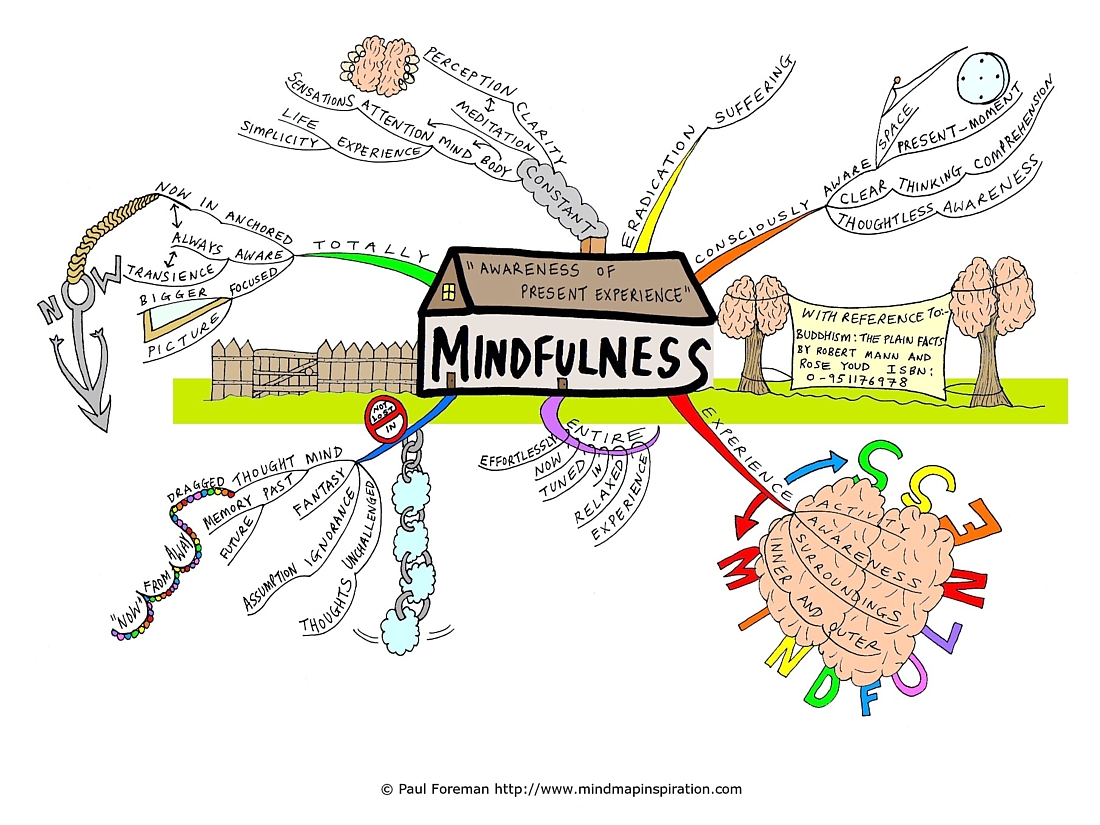
    One of the most popular meditation practices especially in the west, mindfulness meditation is about staying in the present moment.  Being aware of the moment and focusing only on one object while regulating your breath is what mindfulness meditation is all about.  Also known as Vipassana meditation, it is rooted from the Buddhist traditional practice. It is often used in psychological treatments to get rid of many mental conditions like OCD and anxiety.

    A person practicing this meditation needs to only focus on the ongoing happenings around and in his or her mind, like emotions and thoughts. This awareness sure has to be approached with no mental judgments whatsoever.

    1. TRANSCENDENTAL MEDITATION

    meditating

    Primarily originated from the Hinduism was later promoted extensively throughout the world for its deep spiritual approach. A very simplified practice rooted from the Vedanta, in Transcendental meditation a person needs to chant mantra or a sacred word and focus is on being uplifted from all that belongs to the material world.  Posture for the meditation is preferred to be sitting cross legged with back straight. This posture is known as “Lotus asana”, this asana is said to resemble a lotus and is said to encourage breathing proper to associated meditative practice and it also foster physical stability.

    1.  GUIDED MEDITATION

    Another excellent technique to pursue meditation for the beginners, guided meditation takes an individual to a journey of guided visualization of different imageries and situations. The guidance usually consists of stories and set of sceneries described in a narrative sense. This technique is very powerful to experience one’s own psyche and thinking pattern. A person can truly introspect their daily activities and keep track of their doings and if they are doing it right through the regular practice of guided meditation. This will help your subconscious to solve some of the tangled issues which seems impossible to rationally be handled by the conscious brain.  The meditation exercise starts with resting in any suitable and comfortable position, and then the person has to relieve all the stress stored in the different parts of the body from the head to toe. After the relaxed stage is reached, person is usually guided through stairs and doors to reach a peaceful place where colors and lights heal the self. Individual is allowed to relax there for few moments and asked to resolve any issues or find any required answers from the conscious life. It is believed that in this relaxed and calm state of the body the subconscious brain starts working which helps to increase our ability to see a situation from different perspectives; this resolves half of the problems.

    1. CHAKRA MEDITATION

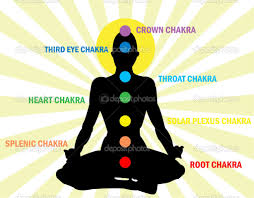
    According to Hindu beliefs “Chakras” are believed to be the energy centers or spots are located at the physical counterparts of the major plexi of arteries, veins and nerves in the human body.

    chakras

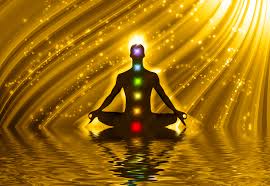
    So, it is believed that opening and activating chakras will contribute to overall well being of an individual. In chakra meditation focus is given to the breathing of the individual while he or she is visualizing a spinning light that is connected to each chakra. Start from the root or base chakra (Muladhara) and then slowly move your way up through to the crown chakra (Shasrara). Each chakra has their specific colors.

    At last, no method is difficult or easy to practice. They just differ in their approach. So, after finding the suitable type of meditation that relates to you, begin the practice! Meditation is not a onetime cure for anything and should be considered as a lifelong practice for the overall personality transformation.  It affects the society in general if the individuals in it practice the same. The increased awareness in the society is beneficial for everybody on our planet as the very process of meditation brings unity and brotherhood among people.

  • Sweet Dishes For Eid-ul-Fitr-

    Sweet Dishes For Eid-ul-Fitr-

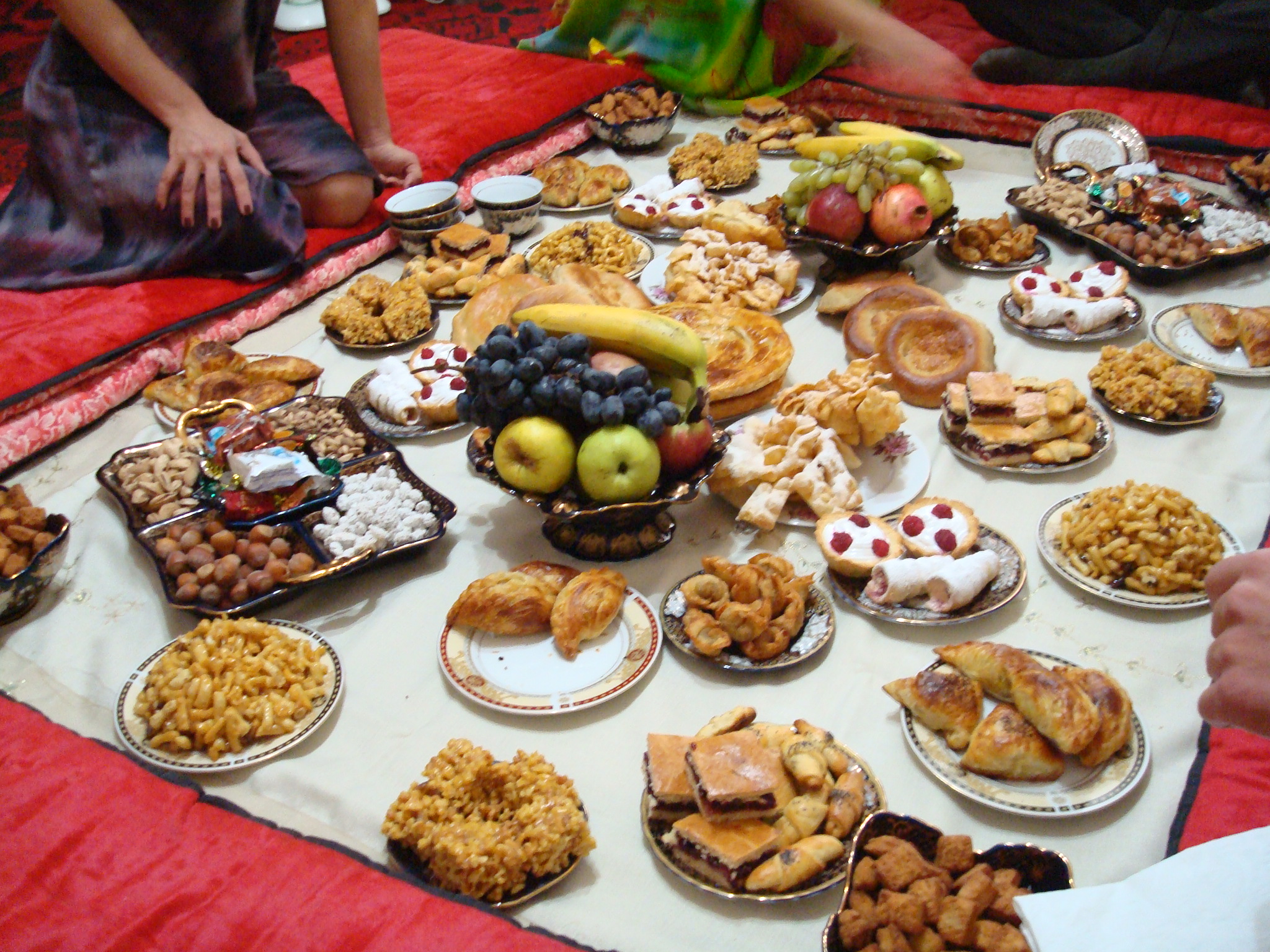
    Eid-ul-Fitr is the religious festival of Muslims that marks the end of the holy month of Ramadan during which they fast for 29 or 30 days from dawn to sunset. It is celebrated with great zest around the world and the greeting of “Eid Mubarak” (“Blessed Eid”) is exchanged between the merry-makers. According to some traditions, it is believed to have been initiated in Madinah after the migration of Muhammad from Mecca.

    Eid-ul-Fitr is known for the variety of delicacies prepared especially sweets earning it the name of “sweet Eid”. Depending on the region, the types and forms of the cuisine vary but always include sweet dishes. While local sweets such as Gulaab Jamun, Ras Malai etc have been promptly absorbed in the Eid cuisine in South Asia, Baklava and other types of pastry type sweets are eaten in Turkey. After a month of continuous fast, we believe people have earned this. So let us have a look at some of the wonderful desserts that are prepared in this amazing festival.

    1. SHEER KORMA 

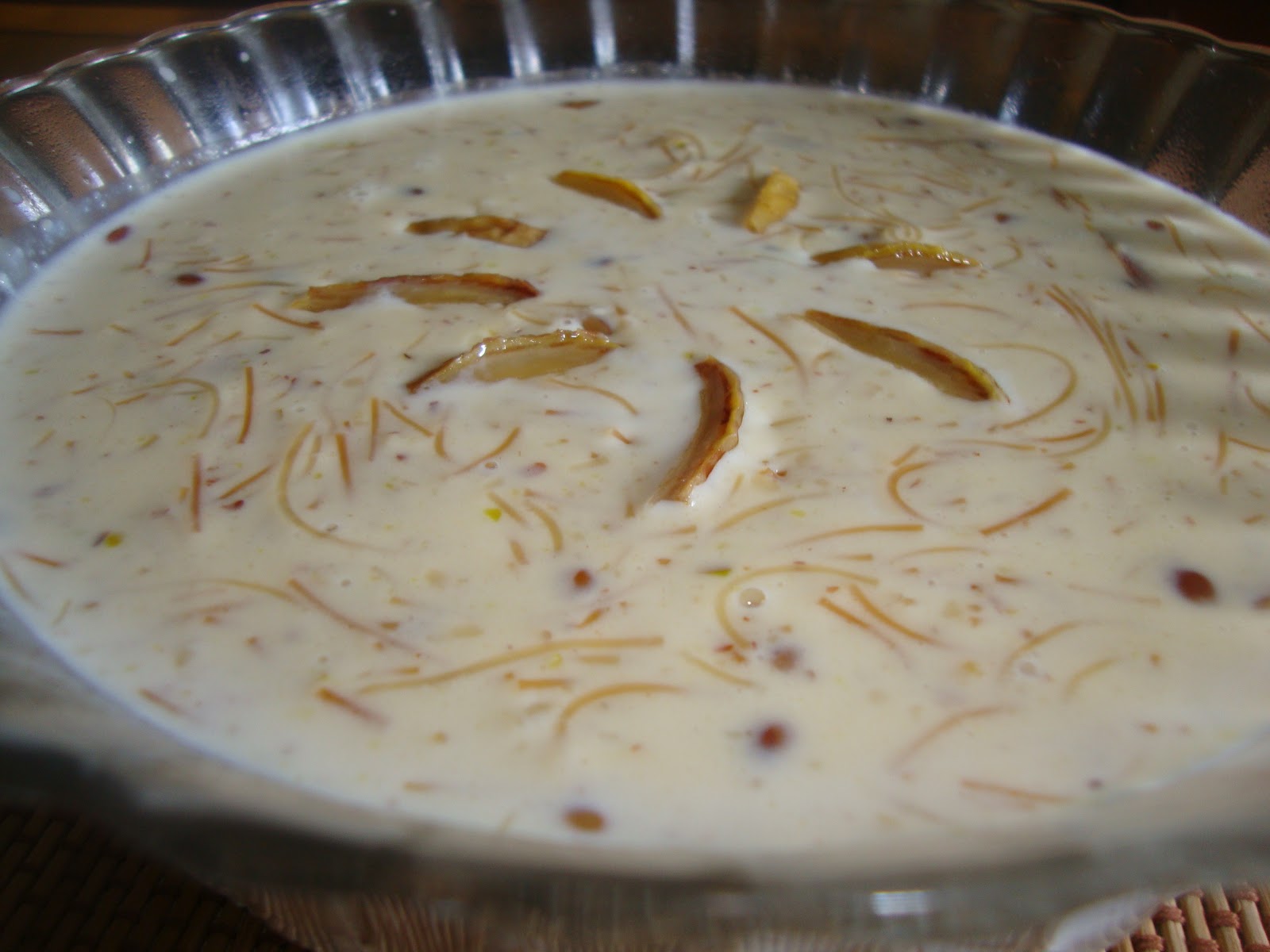
    Sheer Korma is a popular vermicelli (saviyaan) dish which is almost synonymous with Eid-ul-Fitr in India and Pakistan. It is served during the Eid morning after the prayer and then to the guests who arrive throughout the day.  Sheer is Persian for milk and Khurma is Persian for dates. It is simple and easy to prepare.

    1


    Ingredients

    1. 1 Packet vermicelli
    2. 500 ml Milk
    3. 1 cup sugar
    4. 1 tbsp butter
    5. ½ tsp flavoring agent like vanilla or rose water
    6. ½ cup raisins
    7. 20 whole cardamom pods
    8. ½ tsp cardamom powder
    9. 1 cup dry fruits like almond, cashews and pistachios
    10. ½ cup fresh cream
    11. ½ tsp saffron strands
    12. Dates cut in small pieces


    Method of preparation

    1. Melt butter in a pan and fry vermicelli in it till it turns beautiful brown. Make sure that you keep the heat low so that the vermicelli is not burnt. Once ready, the vermicelli will absorb all the butter. Alternatively, fried vermicelli is also available in the market.

    2. Mix ¼ cup sugar in it and then slowly add milk to it while constantly stirring the assembly. Increase the heat to bring the milk to boil.

    3. Now add the raisins, dry fruits, dates, cardamom pods and the remaining sugar and mix everything properly.

    4. Let the milk boil until it is reduced to half its original volume. Reduce the heat and thicken the korma to three-strand consistency.

    5. Quickly add your favorite flavoring agent and fresh cream. Cover it and let it simmer for 10 minutes.

    6. Garnish with saffron strands, and cardamom powder and serve it to the delight of friends, family and guests.

    2. BADAM PHIRNI

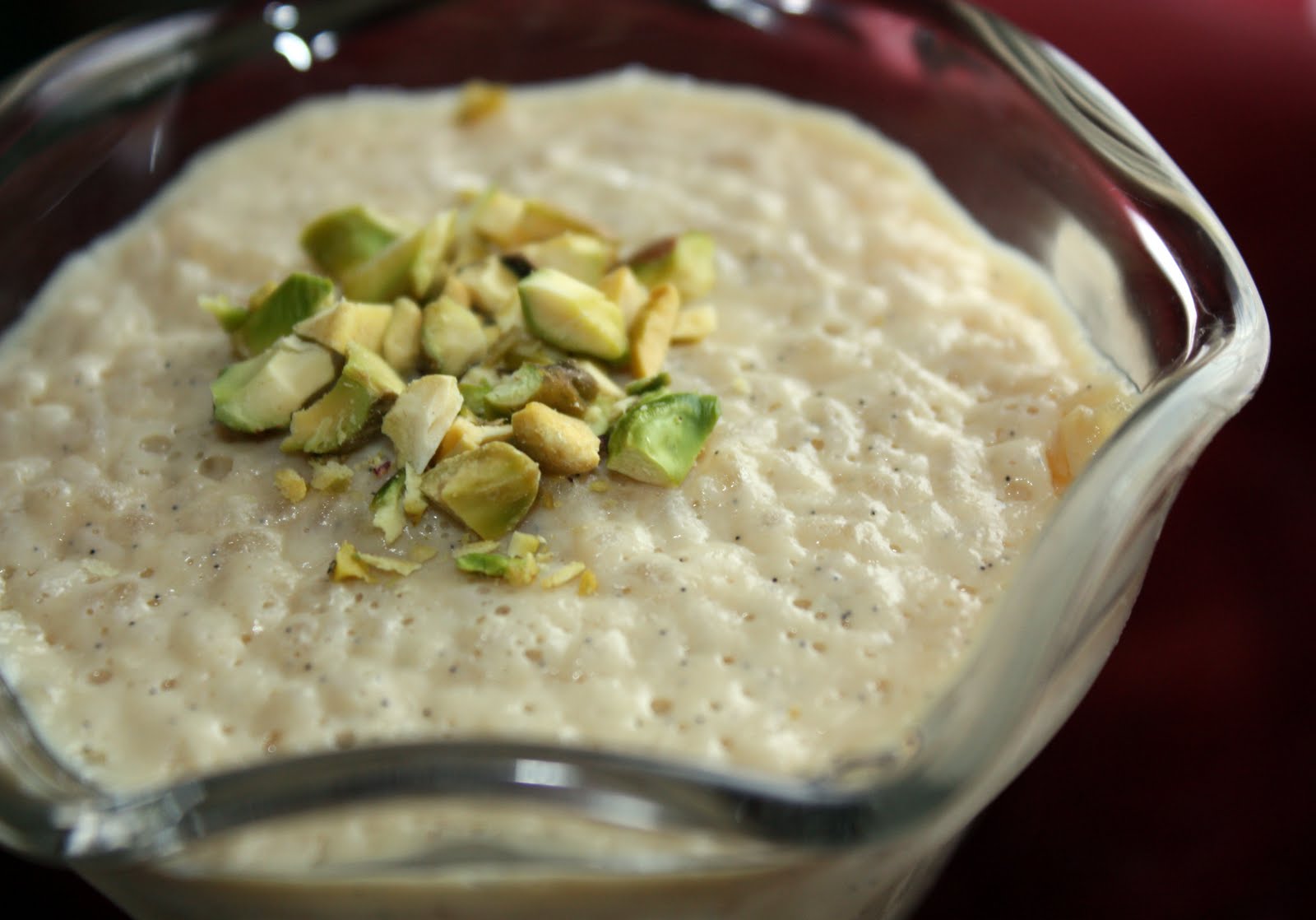
    Phirni is a very popular Indian dessert that is prepared on a variety of occasions including Eid, Diwali etc. There are more than a few versions of Phirni varieties available, for example, Gur aur Badam ki phirni (Jaggery and Almond Phirni), Sugar Badam Phirni etc. Here we will discuss the phirni that uses Sugar.

    2

    Ingredients

    3 cups Milk
    ¼ cup Rice
    2 tbsp Sugar
    1/4th Cup Blanched Almonds (sliced)
    ½  tsp Green Cardamom (crushed)
    1/2 tsp rose water

    Method of preparation

    1. Soak the rice in water few hours before the commencement of preparation. Grind the drained rice into a smooth paste and add a little boiled milk to it.

    2. Boil milk in a non-stick saucepan and bring it to boil. After boiling for a few minutes, reduce the heat to simmer.

    3. Increase the heat to moderate and add cardamom, sugar and rice paste to it while stirring constantly.  Allow it to thicken.

    4. Remove heat and add almonds.

    5. Put it in serving bowls and let it cool. Refrigerate it for some time and then serve.

    3. SUFI MALPUA

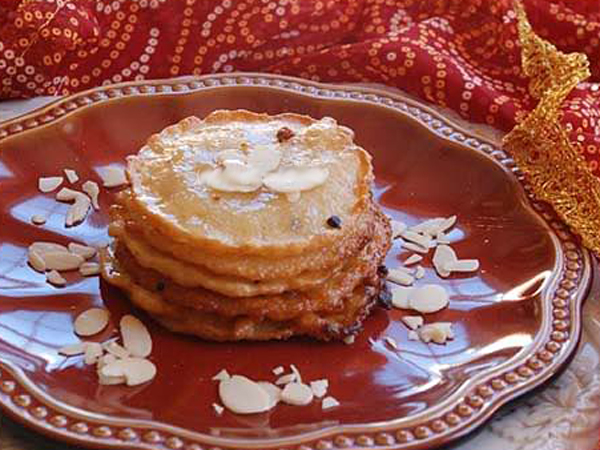
    The delectable Sufi Malpua is somewhat irresistible and that explains it popularity among the Muslim community around the world. It is not only served on the occasion of Eid but also throughout the holy month for iftar (meal to break the fast).  It is easy to prepare and requires but few ingredients.

    3

    Ingredients

    1 liter Milk
    1/4 cup Maida
    1/4 cup Suji
    Ghee
    Water

    Method of preparation

    1. Boil the milk till it reduces to half its original volume.

    2. Roast the suji on a pan on low heat till it turns brown. Take special care so that it does not burn and turn black.

    3. Add the roasted suji and maida to the milk while constantly stirring the mixture. Make sure that no lumps are formed and assembly is of smooth pouring consistency. Pour this batter in a big round bowl.

    4. Boil water in a separate saucepan and bring it to boil. Add sugar to the boiling water and let it brew till it transforms into syrup of 1 thread consistency.

    5. Heat ghee in a pan and pour the batter in it in the form of small pan cakes. Let it cook for a few seconds and then turn it over. Make sure that the Malpuas retain their fluffiness and softness and not turn too hard or crisp.

    6. Dip the Malpuas in the sugar syrup and leave them in it for few minutes so that they absorb the syrup completely. Finally take them out of the syrup and serve!!


  • Feng Shui! Some know-about-it facts!

    Feng Shui! Some know-about-it facts!

    Wikipedia defines Feng Shui as a Chinese philosophical system of harmonizing the human existence with the surrounding environment. It strikes up a correlation and creates a perfect balance between these elements of nature. The term Feng Shui literally translates into ‘wind-water’ in English. The practice of Feng Shui is one of the Five Arts of Chinese Metaphysics, among Chinese Astrology Bazi (Four Pillars of Destiny), Divination, Mian Xiang (Face reading) and the science of Chinese Medicine. It explains and discusses architecture along the lines of metaphorical terms of “invisible forces” that bind the universe, earth, and man together, known as Qi. This ancient art based on the principles of mathematics, geology, philosophy, psychology, intuition, astronomy and astrology, draws together an ideal mix of aesthetic and moral ideas. It can help you grow physically, morally, intellectually and spiritually in fields of profession/ career, academics, personal life, health etc.

    download (1)

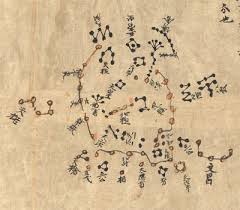
    The principles of Feng Shui have existed for millions of years and can be observed in cultural practices of Taosim, Buddhism, Shinto, Confucianism and Vaastu Shastra. As a matter of fact, India and China both lay claim to Feng Shui’s ancestry and origin. Archaeologists have found evidence that date around 5500 years ago to reinforce the presence of Vasstu Shastra (building science). As of present claims, Yangshao (a Neolithic culture that existed extensively along the Yellow River in China) and Hongshan (a Neolithic culture in northeastern China) cultures are said to have evidence of the earliest use of Feng Shui. Astronomy forms the basis of early practices of this ancient art. In 4000 B.C. during the Zhou Era, a constellation called Yingshi (the then Ding) was used to indicate the appropriate time to build a capital city. A grave at Puyang that contains mosaic which actually is a Chinese star map of the Dragon and Tiger asterisms and the Beidou (the Big Dipper) is oriented along a north south axis. The presence of both round and square designs in the Chinese architecture of these times suggest the presence of gaitian cosmography (the belief that Heaven was round and Earth was in the shape of a square) in the Chinese society and its’ influence on ancient Feng Shui.

    download

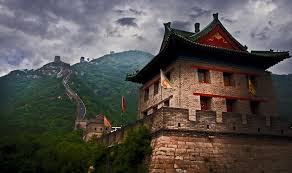
    The organized body of knowledge of Feng Shui was first studied and practiced in the Tang Dynasty in around 888 A.D. Another exemplary application of Feng Shui was seen during the Han Dynasty (206B.C. to 220A.D.) wherein the expansion of this empire incorporated a multitude of geological zones and climates keeping in mind the principles of Feng Shui. The Great Wall of China was built during 771-476 B.C. keeping in mind the ideas of Feng Shui.

    yangyunsungm55018adownload (3)

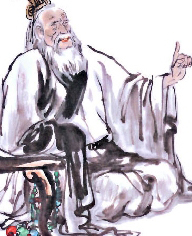
    One of the most famous Feng Shui masters is Master Yang Yun Sang, who left a legacy of many classical Feng Shui texts. He is said to be the founder of what is called the Landscape school of Feng Shui. In the nineteenth century AD, Yang Yun Sang collated the first ever physical compilation of Feng Shui principles, systematically describing the characteristics of land and water formations which then became the standard text of the Landscape (or Form) School of Feng Shui. His writings suggest the importance of selecting an auspicious site that has the dragon’s energy or the dragon’s breath and hence emphasizes on careful examination of land formations like hills, mountains, valleys and even water formations. This is because the vital energy or Qi (‘Ch’i) contained in specific parts of the Earth was described as finding the Dragon and it lair. The Form school is the oldest school of Feng Shui.

    download (6)

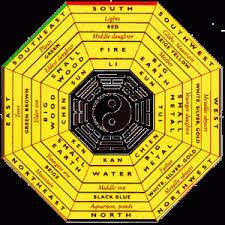
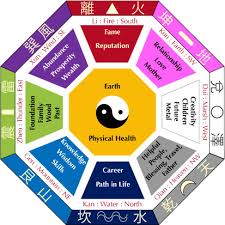
    Almost a century later, another school of thought called the Compass school of Feng Shui became popular. Master Wang Chih was the main influence in this school and he developed his teachings during the Song Dynasty (960 A.D.-1279 A.D.). The ideologies of this school of thought are based on the compass directions and the I-Ching trigrams arranged in the octagonal symbol of the Feng Shui energy map (the Bagua, meaning 8 areas). The Yin-Yang theory and the Theory of Five Elements are some of the other theories that were developed under this school of Feng Shui.


    download (4)

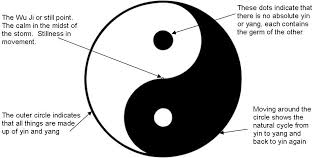
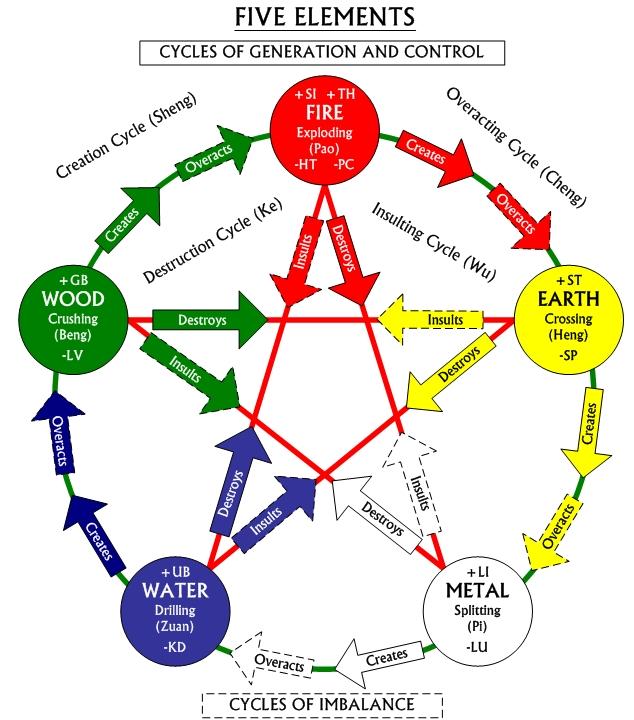
    The theory of Yin and Yang in Chinese philosophy indicates how opposite or contrary forces are actually relative and complementary to each other. Yin (the Moon; feminine) and Yang (the Sun; masculine) are the two opposing cosmic forces of nature that interact to form a dynamic environment of existence where the assembled model is greater than the individual constituents. Another basic principle of Feng Shui is the Theory of Five Elements viz. Wood, Fire, Earth, Metal and Water. These elements interact among themselves through processes what are known as the Productive and Destructive cycles. Colours (derivation of Light) are assigned to each elements and they are said to be identified as the expression of each elements. The colour correspondence of each elements is as follows:

    WOOD: Green, Brown

    FIRE: Red, Strong Yellow, Orange, Purple, Pink

    EARTH: Light Yellow, Sandy/Earthy, Light Brown

    METAL: White, Gray

    WATER: Blue, Black

    Some theories also identify the elements with shapes. The correspondence is as follows:

    WOOD: Rectangular

    FIRE: Triangular

    EARTH: Square

    METAL: Round

    WATER: Wavy

    FiveElementsCycleBalanceImbalance

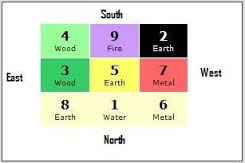
    Some other widely popular concepts of Feng Shui are the Lo-Shou square and the Kua number concept to name some. The Kua number concept was used to determine the most auspicious positions or directions based on the persons’ date of birth. The Lo-Shou square is an ancient theoretical and conceptual tool applied by Feng Shui practitioners till date. The square so mentioned is a 3×3 symmetric square with numbers 1-9 written in the unit squares as shown in the diagram below. Among various stories of the origin of this tool, also called the Magic Square, one of them is the most popular. It is said that Emperor Yu was walking along the river Lo, thus lending it the name. Lo Shou Square literally translates into the Scroll of River Lo. This legend dates back to 650 B.C., when the great floods had hit China.A turtle that emerged from the river had an unusual 3 x 3 pattern on its shell. This thus became the core idea of the Lo Shu Square, a mathematical grid where the sum of numbers from each row, column or diagonal is the same and equals 15 in any direction. As we see from the pattern of the numbers the even numbers (representing the Yin energies) are at the 4 corners of the square and with 5 in the centre, the odd numbers (the Yang forces) form a cross. Each number has a specific energy correspondence to it, say for instance, the number 9 carries a strong fire influence while 1 is a water-associated number.

    download (5)

    This art has thus influenced Asian architecture for millions of years and has now even reached the West. Some basic Feng Shui tips are:

    quote_corrected

    1.)    Declutter!

    If you can get rid of even half the unnecessary stuff in your home and office, it eases the flow of energy in the premises. This is the first step that should compulsorily be followed.

    2.)    Avoid working with your back facing a door.

    If your desk is positioned in a way that your back has to be towards a door, or if there is no way to alter the position, put a mirror above your desk or a reflective surface on your desk that enables you to see the door in the reflection. This fills the work or study atmosphere with positivity and moral strength and security. Also, it lets you concentrate better.

    3.)    Flora Cure!

    Plants symbolize culture, growth, freshness and life besides performing an excellent role in air purification. They also beautify the place. No harm in letting the plants grow where you stay. They always do you good!

    4.)    Keep the Toilet Seat covered!

    The Feng Shui perspective says that a toilet seat is a drain and it lets the good energy in your homes flow away through it. So, keep it covered. There is nothing appealing about an exposed toilet seat!

    5.)    Fix what’s broken!

    Broken things should not be kept at home or in the office as they would neither serve their purpose nor look good. So, try repairing them or if they are beyond repair, I’d suggest discarding them off and getting them replaced.

  • The World of Scarves

    The World of Scarves

    Be it the dull gloomy grey winters or the scorching heat of the Delhi summers, step out of your houses and you’ll see women and girls all covered up in scarves and stoles of varying colors and sizes. A must-have in your handbag, a style-statement, or a meter protection from the heat or the cold, the scarf is one humble piece of clothing that not many would like to miss.

    images (2)

    The history of scarves can be traced back to Rome where it was first used to help people keep clean. It was called a ‘sudarium’ and men would normally tie it around their neck or waist while they would go off for work. Although the dates and place of origin for the culture of scarves cannot be determined exactly, it is said that the Egyptian Empress Nefertiti would wear a woven silk scarf along with a conical head-dress back in 1350 B.C. Sculptures and literary evidences also suggest the use of scarves in the Chinese culture. Warriors of the Chinese Emperor Chang used to wear cotton scarves that would mark the designations and ranks.

    images (6)

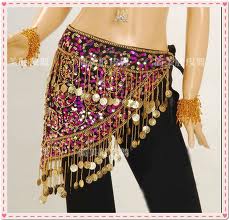
    The famous Egyptian form of dance, called the Belly Dancing used sequined and colored scarves, worn low around the hips as a part of their vibrant costumes. Back in the 1700s, the French used to wear colorful scarves called ‘Cravats’ to demonstrate political support by the color of ones’ scarf.  In early New England, it was a custom for the family of a deceased person to give scarves to the friends and community members at the funeral ceremony. It was later banned as an attempt to curtain the extravagance. In the Victorian Era, as proposed by Queen Victoria, these fanciful accessories were used to differentiate between the castes and classes of the society.

    images (5)

    Though the scarf has now translated into an ornamental piece of clothing, or a statement clothing or a fashion accessory as many fashion magazines call it, it has had a significant cultural, religious and social importance in various early societies. The evolution of scarves have epitomized the changes in art, culture and history. The book ‘Scarves’ by Nicky Albrechtsen highlights the fact that scarves in the early 20th century were not just a fashion accessory. They happened to be social artefacts that would walk one through the growth and evolution of art, fashion and social lifestyle. In the early 1930s with the invention of Rayon, women who could not afford a silk scarf would opt for this alternative to keep up with the requirements of the growing fashion world. In the 1940s, designers and manufacturers started experimenting with other fabrics and soon the silken-square of style could be found in various fabrics like cotton, fur, wool or linen.

    download (2)

    With time, this humble piece of clothing was attached to various historical events and important practices. During World War II, wearing a scarf became a necessity in some cases; women working in ammunitions factories during the war had to wear scarves on their heads, for their own safety to prevent their hair being caught in machinery. Knitting of scarves had become a patriotic war time duty in the United States. Later in the 1980s, the manufacturers would even print logos and commercial sketches on scarves that would even serve as a platform for advertising. It is also said that scarves were used as a travel souvenir in the 1960s. A scarf depicting the St. Tropez harbor (now the Marina Port Harbor) in France would have to be worn around the neck of well-travelled elite. Scarves were also used to hold account of excerpts and fragments of historical events. An interesting example of this is a scarf that had extracts from Winston Churchill’s speeches.

    custom

    Scarves were also produced to mark important sporting events, for instance, the 1953 Coronation Derby winner, Pinza, or the London Olympics in 1948. They have as well been used to commemorate royal occasions. Besides these, a scarf is often attached to various cultures and communities as a part of their legacy or the sentiment attached to the initial practices of wearing a scarf. Members of the student community in the UK traditionally wear scarves of distinctive stripes identifying their respective colleges or University. Scouting groups had scarves as an important part of their uniforms to differentiate their groups. Bhutanese men wear scarves called ‘kabneys’ on a formal visit to an office. These identify the designation of the person. Bhutanese women wear smaller scarves called ‘kiras’ that are hand woven and have fringes at the end.

    downloadimages (4)

    Till date scarves are incorporated as a part of the uniform in defense services in various countries around the world. Silk Scarves were used by pilots to protect themselves from the exhaust and smoke and to prevent neck chafing. Today, the military flight crews wear scarves imprinted with emblems to keep up the spirit and the age-old heritage.

    images (3)download (1)

    As stated above, Scarves are also an object of great religious significance. In the Muslim community, men and women are expected to dress up modestly. As a result, women are to cover their heads with a head scarf, commonly called the ‘hijab’. In Judaism, a Jewish prayer garment called the ‘Tallit’ compulsorily has fringes on all four corners and these fringes are commonly known as tzittzit. They symbolize the commandments that God spoke to Moses. The Tibetan tradition considers the practice of offering white silk scarves (khatas) during the beginning of new relationships, be it marital, business or political, as a symbol of ones’ good intentions. They are also offered to spiritual images and statues of Buddha, nuns, spiritual preachers, monks and leaders like Dalai Lama.

    images

    While walking through the gullies of Delhi street markets, one can see rows of scarves on display ready to be sold like hot buns. Girls and women of all ages and castes pick these beautiful squares of color to pull together their outfit. A bare essential in ones’ wardrobe, is not just a fashion accessory but serves the purpose of protection and also caters to various cultural and religious sentiments. Who would have ever thought that this simple piece of cloth has had its own share of historic significance? So grab a vibrantly hued or patterned scarf, roll it , wrap it, wear it like a tie or a turban with you regular outfit and you’re good to go!

  • Food of Gods

    Food of Gods

    Waking up to the smell of ghee and sweets! The heavenly aroma of sweet pongal or “paal guava” the milk based sweet which never fails to satisfy your taste buds and the hot vada’s and payasam the typical festival food in any South Indian home. The Gods are served with different types of foods and over the years, festivals are being identified by the food which is served. It is not diwali if there are no more than three varieties of sweets and not Christmas if you don’t have cakes or Ramzan if you can’t find the biryani! The practice of extensive cooking and baking on festivals is an age old practice. So what do God’s eat? Do they get hungry like us humans? According to people who study food cultures this basically started because it is on these occasions that families and friends get together and there is no good outing without good food.

    pongal

    What did Greek Gods eat?

    amborisa

    The Greek mythology revolves around its Gods and heroes. According to them, the Greek Gods walked, ate, fought and roamed the world just like humans. According to myths Greek Gods ate Amborisa the food, sometimes the drink, of the gods, often depicted as conferring immortality on who ever consumes it. Nectar is another drink derived from Latin nectar meaning drink of the gods, a sugar-rich liquid produced by plants.


    What do the Hindu Gods eat?

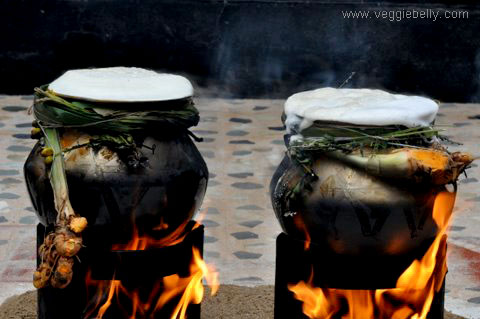
    In Hinduism, food plays an important role in rituals and worship, and the food offered to the gods is called prasada. The Sanskrit word “prasada” means “mercy,” or the divine grace of God. According to Hinduism, serving food to God is considered to be a kind of meditation and the food served is exclusively vegetarian as they feel any food obtained from pain caused to other living organisms cannot be served to God.

    prasadam

    Foods like Onion, garlic are also avoided as ancient Vedic scripts explain that these foods excite the more passionate elements of the human psycho-physical constitution. Another important thing is that food served to God cannot be tasted and are meant to be served pure.


    Lord Ganesha

    Modak:

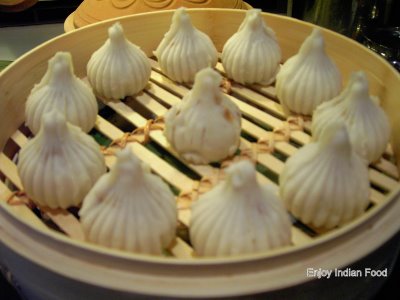
                                           Lord Ganesha is a complete foodie. The enormous pouches on his body leaves no doubt that Ganesha just loves food. So, the easiest way to Ganapati’s heart is through his stomach. Modak or Kozhukattai is a particular kind of sweet that looks like dumplings. They are Ganesha’s favorite sweets and must be offered to him on Ganesh Chaturthi.

    ganesh

    Fruits:

    Coconuts and bananas are Ganesha’s favorite fruits. Ganesha’s head is of an elephant and thus has a weakness for bananas and all parts of the plantain. His idols are usually surrounded by banana leaves and also the stem of the banana plain.


    Lord Krishna

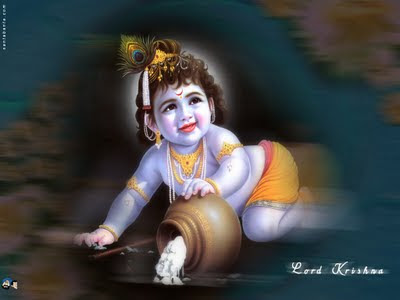
    In the Bhagavad-Gita, Lord Krishna states, “If one offers me with love and devotion a leaf, a flower, a fruit, or water, I will accept it.” From this verse it is understood that we can offer Krishna foods prepared from milk products, vegetables, fruits, nuts, and grains. Meat, fish, and eggs are not allowed though.

    krishna


    Islam

    In Islam offerings to God are not made as food. Offerings could include:

    ->Charities to the poor.

    ->Sacrificing animals only for Allah’s sake at different occasions or even without an occasion.

    Muslims have days of fasting and feasting. Fasting is considered an opportunity to earn the approval of Allah, to wipe out previous sins, and to understand the suffering of the poor. Fasting is also partly to be in control of appetite and to avoid food addiction. It is the fourth ritual observance in the Five Pillars of Islam.

    ramzan

    Fasting includes abstention from all food and drink from dawn to sunset. Voluntary fasting is common on Mondays and Thursdays. Ramadan, the ninth month of the Muslim calendar, is a mandatory fasting period that commemorates the period when the Qur’an was first revealed to Prophet Muhammad. Feast days include Eid al-Fitr (after finishing the fasting months of Ramadan), Eid al-Udha, and Maulud n Nabi.


    Christianity

    Like Muslims, Christians too don’t offer food to Gods, but Christians joyfully celebrate the goodness of food and drink as part of God’s glorious and abundant creation. They do not have any rules relating to food or drink which they are expected to keep.  They believe that freedom is the consequence of the salvation that Jesus has brought to men and women.  The freedom to eat and drink everything that is healthy is part of that.
    easter
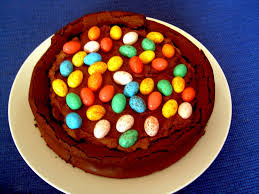
    From very soon after the life of Jesus his followers felt that they had been released from the restrictions that bound their fellow Jews.  However, they were insistent that they would not do anything that offended other people.  Instead of adhering to rules, they felt they should be led to do what is right by considering the impact they were having on others. In modern culture, Cakes are an important part of Christmas and Easter Eggs are synonymous with Easter.

    fudgod

    Every Religion has deep linking with food and these food habits and food offerings have a lot to do with where these religions originated. Most of the religions which originated in the Middle East encourage meat eating whereas the ones which originated in the sub continent have a vegan influence. Despite all the differences all of us are linked through one common thing- Food, especially good food.


  • Jainism Rituals and Principles

    Jainism Rituals and Principles

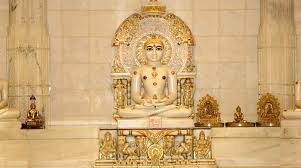
    Jainism, popularly entitled as Jain Dharma is one of the ancient Indian religions in the world. It believes in Ahimsa and follows the path of non-violence towards all human beings. It underlines the fact that all forms of life are equal. It basically derived from the root ‘ jin’ which means to conquer. Their history has been traced through the succession of the Tirthankaras.

    ahimsa

    Jainism is partitioned into two major sectors Svetambara and Digambara. There are about 4.2 million people in this religion. This is a small number so they are counted under minority community. There are various immigrants in Canada, Belgium, Hong Kong, Japan and United States. Though they are minority sector, but they possess highest literacy rate in India i.e. 94.1 %. They have the oldest manuscript libraries in the country.

    Jainism origin is not so clear, but during the 6th century BC twenty four great teacher known as tirthankaras revealed the existence of this religion. Mahavira is recognized as the founder of this religion. There is no evidence of the existence of these tirthankaras but Parsva, predecessor of Mahavira was found to exist somewhere in the 7th -9th century.

    jain2

    There are several principles that people in this religion follow. The fundamental principle of Jainism is related to a man’s personality. They believe that man has dual personality i.e. Spiritual and material. They consider that every soul is bounded by Karma, a delicate particle of matter. Our soul is attached to our Karma just like gold in any alloy which can’t be separated.

    Next principle is based on the imperfectness of the human soul. They believe that no soul is perfect and to attain perfectness, it must have four characteristics: infinite power, infinite knowledge, infinite bliss and infinite faith. After attaining these soul is said to be in its eternal state. Third principle states that material nature can be controlled by the spiritual nature of a man. To attain freedom and happiness there must be an entire suppression of matter. Control of thoughts ad senses would lead to the perfection of the soul. The last and fourth principle states that man is solely responsible for his happiness and his problems would not be affected by any other human being. He has to experience the fruits and results of his own actions, whether it may be good or bad. They believe that God has no concern with any of the happenings in the world. This principle makes Jainism different from Christians, Islam or Hindus.

    index

    Jain community is categorized into two main sects: Svetambara and Digambara. These two sectors belong to the same community but they are quite different in their culture and rituals. Digambara people believe that desire for materialistic things led to sorrows so they avoid wearing clothes. This is mainly for males and females are generally seen wearing white material and they are known as Aryikas. While Svetambara monks wear white clothes and believes that scriptures does not condemn wearing of these clothes. Females in this community are referred to as Sadhvi. Digambaras considers Mahavira to be unmarried while Svetambara considers them to be married. Svetambara is further partitioned into terapanthi, Sthanakavasi and Murtipujaka while Digambaras is divided into Kanjipanthi, Terapanthi, taranapanthi and Bisapanthi.

    jain3

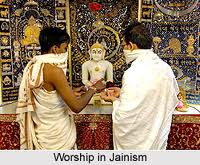
    The way of worshipping God is very different in Jainism. They start their worship with the Namokara Mantra. This is simple and fundamental prayer of this community which does not include reference to any of the Tirthankaras. They never believe in demanding any of the material things or personal favors from god. This prayer endowed a feeling of respect for other human beings in it and reminds them about their final goal i.e. moksha. The ultimate objective of their prayer to make their soul free from worldly desires and attachments towards material things. Jain has six duties to follow which is called as avahyakas. These are:

    • Samyika means practicing serenity
    • Vandan means respecting monks and teachers
    • Pratikramana means introspection
    • Kayotsarga means stillness
    • Pratyakhana means renunciation
    • Chaturvimshati means praising 24 tirthankaras
    • jain5

    The most significant festival they celebrate is Paryushana. It lasts for 10 days for Digambara and 8 days for Svetambara. Svetambara called it as Paryushana while Digambara called it as Das Lakshana. Paryushana literally means ‘coming together’. At the end of this festival they usually spend a day saying sorry for any wrong deeds to the other people and make a commitment that this will not be repeated in the near future. They say sorry in the form of Khamat Khamna or Michammi Dukadam. Mahavir Jayanti is celebrated in the month of Chaitra in each and every corner of the country. They do fasts on various occasions and sometimes they avoid eating anything for the whole day to reduce the effect of their negative karma. They also believe in meditation, which provides a feeling calmness for some time. This is known as Samayika. It is mainly done during the eight days of Paryushana. It helps in managing one’s passion and emphasize mainly on the control of our senses and thoughts. During this festival they avoid eating green vegetables and any sort of food item after sunset.


  • All That You Are Seeking Is Seeking You!

    All That You Are Seeking Is Seeking You!

    Spirituality is all about finding your true self, isn’t it? It’s that search for ultimate happiness after which you attain that absolute state of peace. Talking of spirituality, reminds me of a song from the movie ‘Rockstar’, where the protagonist is searching for his real self!

    Jab kahin pe kuch nahi
    bhi nahi tha
    Wahi tha wahi tha
    Wahi tha Wahi tha

    Who jo mujhme hai samaya
    who jo tujh mein samaya
    Maula wahi wahi maya

    sun in hands

    All our lives we’ve been searching for that one thing in life which will sweep us off out feet, that one thing after which everything will better, that one thing which will change your life from the very next moment after it happens. So today, I will tell you story which apparently happens to be my own.  It so happened that I thought “only if I managed to crack that ‘All India National Talent Search Examination’, will my life take the path which it had never travelled upon, and it so happened that I did crack that up!

    But wait! Nothing really happened. Some people who got to know about it, came forward to shake hands and say a ‘congratulations’ which their eyes didn’t reciprocate. And then after a couple years, I wished “only if I could get a CGPA 9’.

    I envisaged life changing for me from the very second I could manage to make that feat. I remember my heart pounding so hard the second I was sitting on my computer waiting for the CBSE site to open up after their ‘lines jammed’ message, I remembered the first row that appeared after I wrote in my eight digit roll number which is still on my tongue, and it happened that I got what I wanted. I imagined myself to be enthralled but did I really feel happy and for how long? It lasted for a day when cousins and aunties I had never met or spoken to gave me a ring asking me how’d I do, I remember saying  to myself  that “am I really a number?”. A couple of years passed again and this time ‘the big one’ class twelfth boards (as over rated as your aunties and uncles make it sound when they say “oh, iss saal toh boards hai beta”), I so remember my mother asking all her cousins in Kerala to pray for me as I wrote my first exam which was English Core.  The exams got over  soon and there I found myself  in the same place again as I were two years ago, sitting in front of the computer, the CBSE site saying ‘lines jammed’ again (and they will always say that) and waiting for that ninety percent that will change your life, as my mother said, as my teachers said and surprisingly it happened again, again it didn’t last beyond a day or two, then came the cut-offs I had made it to the interviews to St. Stephens College, could St. Stephens change my life…Maybe Yes! Maybe no. I would find out soon probably.

    You must realize that nothing outside of you can change your life. Now you may argue that maybe a job at Google or Goldman might, but that’s not the way it works. As Rumi once said “the angel is free because of his knowledge, the devil because of his ignorance, between the two remains the son of man to struggle”. All your life you look for that philosophers’ stone which would turn every metal to gold. My grandmother told me the story of king Midas, the king who had the wish that everything he touches turn into gold, granted to him by the Gods. He woke up and he touched his bed, which immediately turned to gold, and then he ran around his palace eagerly touching everything until he got exhausted and stopped to smell a rose in his garden, he touched the rose and it became gold. I would have to absorb the fragrance without touching the rose he thought to himself. He picked up a slice of bread and it also turned into gold. Suddenly he started to sense fear and his daughter came running to him and hugged him and there she turned into a beautiful golden statue. Despaired and fearful he raised his arms and prayed to God to take back his wish. The story of king Midas is a myth about the agony which follows when we look for happiness outside of our being. True happiness lies within us all, we just have to close our eyes and look within. Stop waiting for that one thing to sweep you off your feet and instead be the change and surprise yourself. You have been looking for the spectacles all over your house, not raise your hand and find it on your head. I would end with another quote by Rumi where he says, “You seek knowledge from books, ridiculous! You seek pleasure from sweets, ridiculous! You are the sea of knowledge hidden in a dewdrop; you are the universe hidden in a body three yards long”
  • 5 Things you gotta know about Meditation

    5 Things you gotta know about Meditation

    Whenever “MEDITATION” word crosses any where we tend to imagine Yogis or mental training. That doesn’t mean meditation don’t involve them in the picture, it’s just not the whole scenario. Yes! Meditation is needed. Why? It’ll be discussed further in the post, but let us first free ourselves from the preset definition of Meditation in our minds and start from the basic.

    One of the defining features for living beings as we all know is Sensitivity. What’s sensitivity? It involves ability to adapt after we sense our environment. Humans gain sensitivity through Consciousness. Consciousness means forming a perception or being aware, of ourselves and our surroundings. In other words, through our consciousness we sense around the environment and respond respectively.Robots or machines if called simplistically are made by humans; still there is scope for collaborating conscious into their intelligence which is called Artificial Intelligence. Hence, being conscious is a unique feature of us, Humans!

    Now, there are three states of consciousness: waking, dreaming and sleeping. When we are awake, we sense our surroundings and respond to the situations we encounter. But, if we just have a normal stimulus-response relationship with our environment, why do we encounter conditions like stress? Because, every day we wake up and try to do activities that pleases our senses. The fascinating thing about our senses is like any other system in our body its needs increases exponentially with time. So, we can never satisfy them and the exhaustion resulted from this pursuit results in most cases of stresses. In the world where competition weighs everything down, we aren’t in a situation to compromise with the best we can give. So, it all comes down to increasing your potential to be a better person than a second before.

    What do we need for that?

    Calm and composed mind gives clarity to the thoughts in our mind which facilitates decisiveness, Coherent while communicating and gaining Emotional stability, intuition are just some of the mention able benefits.

    So, Why Meditation?


    1. It calms the “Freak-ish” side of you.

    At situations when you don’t know why you were screaming at that person or flipping out or just runaway from there,snapping man

    reason behind them are some unsettled thoughts and emotions which had been buried or repressed for some reason. Point to be made is neither you nor others like this side of you. Meditation drifts mind from the chaotic state to more stable disposed one, in this state you are able to focus all your energy to relax your mind. The repressed thoughts and emotions are if not resolved then at least isn’t projected as anger or frustration. So, after you’re done with meditating for a while; the calm mind forgets about the happenings and is ready for a fresh start.


    1. You become Smarter!

    Yes, it’s true and sure is so much heard from our parents, elders or counselors.

    kid-smart

    Now, come on it’s not like you meditate once in a month or week and you expect to top your boards. Once you cultivate a regular habit of meditating, it increases an individual’s focusing power which improves attention. More you give attention to something, more you will be grasping that topic.

    1. You’ll be upgraded!

    upgrade

    Yeah, it has been found out that meditation increases an individual’s level of consciousness. The benefit of evolving your level of consciousness is that the amount of disorder or disturbances in the life seems to be negligible. This means that with regular assimilation of meditation trivial disappointments would last for like a moment for you, not occupying all of you, all day.


    1. Apart from mind, it’s good for your body too!

    Meditation has been found to stimulate parasympathetic nervous system that is responsible for fight or flight response for the body. It calms down the body from the provoked state. This reduces the anxiety level for the individual which in due course of time can even treat disorders like insomnia.

    Getting anxious


    It slows down the respiration making an individual take only longer and deeper breaths. Why is it important? Every breath we take in gets oxygen and supplies it to the lungs which get transported to rest of the body from and we know oxygen is pretty important for every organ and system in the body. So, shallower and faster breaths cut down the time for this procedure, resulting in hasty transportation of oxygen and carbon di oxide.


    1. Get rid of those blues.

    depressed

    Meditation balances the neuro-chemical system of the body which reduces not only anxiety but also depression and moreover increases your critical thinking power! How’s that?It also helps staying in the present moment and it affects all aspects of your life and relationships.

    Meditation does or so more than that, it transforms one’s personality for good. Individuals get to know more about themselves and this brings about thirst for discovering more about enigma of life. The questions encountered after that like “What is life? And Why I go in a circle of happiness and sadness round and round?” will take you into a different yet exciting journey altogether. This will only enrich your consciousness more and more resulting in you perceiving the whole universe as part of oneself.  However easy and insignificant it may sound, it’s important for a human to get the answers for the same in his or her lifetime.