Tag: sour

  • The Goodness of Bitter Gourd

    The Goodness of Bitter Gourd

    The bitter gourd or karela is a summer vegetable mainly found in the tropical areas.  It first originated in India and then by the 14th century began to be widely cultivated in Asian countries, Africa and the Caribbean islands.  The edible fruit of this vine is extremely bitter but is a storehouse of iron.  There are different varieties of the bitter gourd, and they vary in size and colour. The medicinal value and antiseptic qualities of this humble vegetable cannot be underestimated. Its juice is often recommended for controlling diabetes, healing stomach ailments and as a natural way to good health.

    The bitter gourd vine is herbaceous and has tendrils which help it to hold on to supports.  The leaves have rugged edges and grow alternatively on the tender stem.  The bright yellow flowers, both male and female are seen on the same plant.  After flowering in June the fruits usually start forming within a few months.  The fruit is oblong in shape, with a spiky outer surface which is bright green in colour.  Flat seeds are found inside the fleshy outer cover.  This vegetable has a watery texture, and is very bitter.  The skin is tender and edible and is eaten green.  When the fruit ripens, the skin becomes tough and bitter to taste and cannot be eaten raw.  On the other hand the pith which becomes dark red in colour is used raw in some salads.
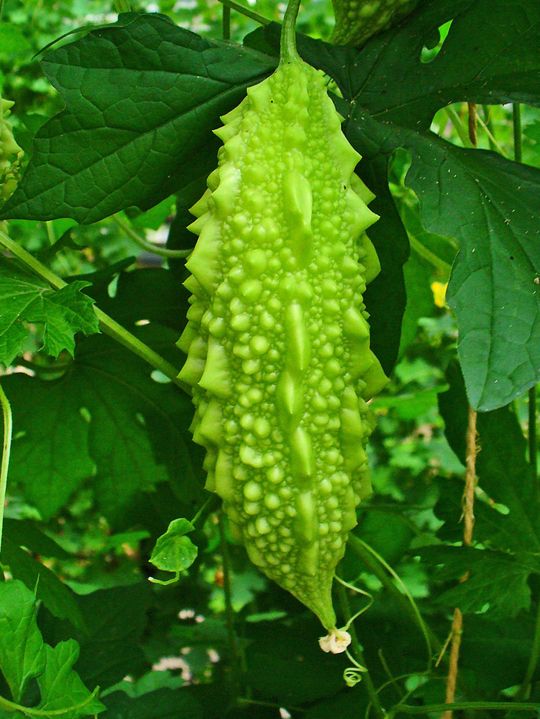
    karela

    The different varieties of bitter gourd carry the same properties although they vary in colour, size and appearance.  The white or light green variety is longer in size with less tapering ends and a moderately less spiky exterior.  The smaller, dark green variety with sharp spiky exterior is used as a stuffed vegetable and is popular in Pakistan, Nepal, India and the Asian sub-continent.  This green vegetable is generally eaten in a cooked state, while the young shoots and leaves can be eaten as greens.  The bitter flavour of the bitter gourd makes it an important ingredient in stir fries, soups and in the making of herbal teas and beers.

    In India bitter gourd is cooked differently in the south and north.  The people in north India sometimes cook it as a stuffed vegetable in oil, or cook it separately with tomatoes and potatoes as a subzi and eat it along with roti and curd.  In south India it is cooked using coconut oil, with lots of grated coconut as a thoran, or with fried coconut as a theeyal or pachhadi and is consumed with steaming brown rice.  In Tamil Nadu, the bitter gourd is made as a special dish using onions, lentil and coconut along with tamarind juice.  This is a very popular preparation and is called ‘kattu pagarkkai’. In most of the dishes, a lot of onions are used along with rich spices and tomatoes, which help to lessen the bitterness of the vegetable. The green vegetable is cooked in different forms. In many households, bitter gourd is cooked with meat, eggs, beef, pork or shrimps and use coconut milk for added flavour.  Pickles, soups, curries, stews, chutneys and stir-fries made using this wonderful vegetable are popular delicacies all around the world.
    bitter-gourd-benefits

    Bitter gourd is well known for its medicinal values also.  Since time immemorial it has been used in herbal medicine systems.  It is largely used as sure cure for various ailments, especially complaints of the gut stomach and intestines.  Research has proved that the concentrated extracts of the bitter gourd has hypoglycemic and hypolipidemic effects which make it popular as a widely used remedy for diabetes. The extract of the bitter gourd is also used as a dietary supplement for breast cancer patients because it exerts a significant effect against the growth of breast cancer cells.

    If we have leisure time and interest in cooking we can experiment and bring forth innumerable attractive and mouth watering delicacies. For example:

    Fried karela Boat
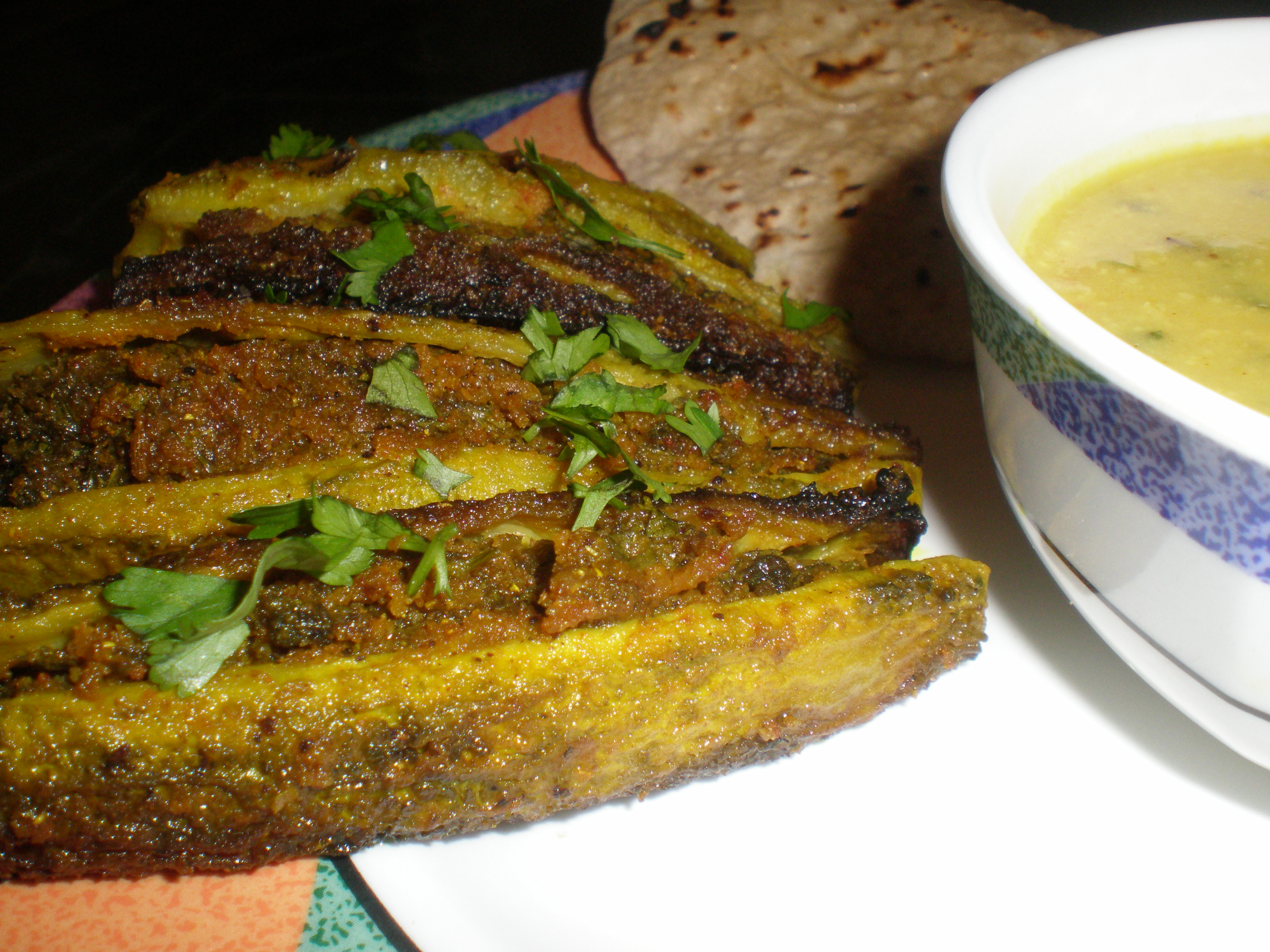
    OLYMPUS DIGITAL CAMERA

    Directions:

    • Slit open  8 long, slender karelas and clean out the inside
    • Half cook the karelas in salted water with a pinch of turmeric
    • Grind 5 green chillies and 100gms of roasted channa
    • Mix well with salt, garam masala and coriander powder
    • Add chopped coriander and stuff into the slit karela
    • Tie each karela ( boat) with a thin thread
    • Use a shallow pan and heat the oil well
    • Fry the karela on a slow flame and carefully keep turning them over till they turn into a golden brown colour.

    The dish can be served hot with tomato sauce or pudina chutney. This appetizing and spicy dish can be enjoyed with rice, parathas or rotis.

    Hot Karela Achar 
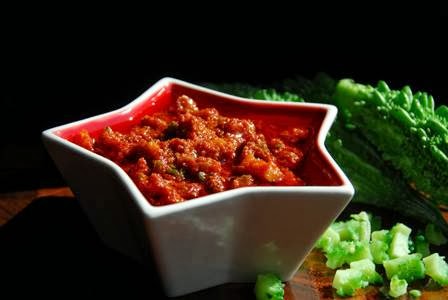
    karela achar   

    The bitter gourd can also be used to make a very tangy, sour pickle with many spices and condiments.  This “Hot Karela Achar” goes very well with rice or rotis and can be carefully preserved for some time.

    Directions:

    • Wash and dry karelas well
    • Cut the karelas and De-seed.
    • Chop karelas and few green chillies into very thin slices
    • Rub salt well, squeeze out water and sun dry for one day
    •  Heat one cup of oil, splutter mustard and lightly fry a few methi seeds.
    • Add the dried karela and green chillies, curry leaves and fry till crispy
    • Mix thoroughly with a pinch of asafetida powder and salt to taste
    • Store in dry glass jars when cool and fill oil till top
    • Keep for two days, mix oil well and then serve.

  • The King of Fruits

    The King of Fruits

    Mango is a fruit which belongs to the plant family Anacardiaceae. They are tropical fruiting trees which are mostly cultivated for edible fruits. The mangoes originated in South and Southeast Asia and were later adopted by the neighboring regions. With time it became one of the most cultivated fruits in the tropical regions.Major contributions to the production of mangoes are given by regions like Sumatra, Borneo and counties like Burma and India. Other than being the king of fruits, mango is the national fruit of Indian and the Philippines and the national tree of Bangladesh. Mangoes come in different varieties depends upon the method in which it is cultivated plus the weather conditions. In some cultures the fruit and leaves of this plant is used as decorations for wedding and other public and religious ceremonies.

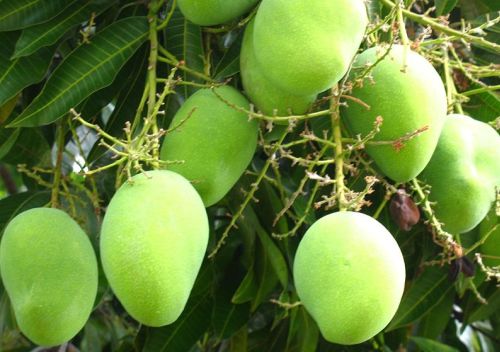
    green-mangoes

    Cultivation of mangoes have been taking place in Southeast Asia for thousands of years but the knowledge regarding its cultivation reached East Asia by the 5th century only. In East Africa mangoes were introduced after the 10th century. Mangoes later travelled to regions like West Indies Brazil and Mexico where appropriate climate contributed to its growth. Cultivation of mangoes can only be possible in a frost free tropical climate. Today almost half of the production in the world market is done by India with china being the second largest producer. Other regions such as Australia, Pakistan, north and Central America also account for the production of this fruit. Such as the Canary Islands in Spain is also a notable producer of this fruit. Though India is the largest producer, study sates that it accounts for only 1 percent in the international trade market for mangoes as it most of its produce is consumed domestically.

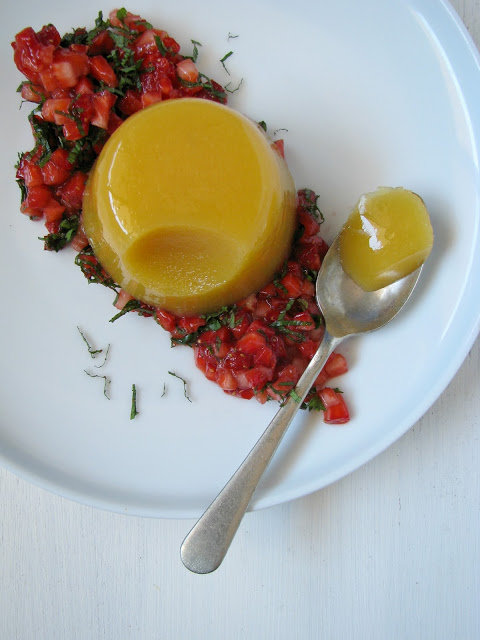
    5108f0481b71310e17d099a47425b94d_500

    Over the years so many different ways have been introduced for consumption of mangoes in the form of chutneys, pickles and milkshakes. In many households, mango pulp is used to make jellies and a special jam called mangada. The pulp is also is cooked with red gram and served with rice. In Andhra Pradesh mangoes are used to prepare dal while in Gujarati cuisines, mangoes are used to make chunda which is a grated mango dish. In many countries mangoes are used to prepare smoothies and ice creams where the mango nectar is used as a major flavouring and colouring agent. In Central America people consume green mangoes with salt, lime and black pepper along with a hot sauce. Traditionally roasted pumpkin seed along with chilli or soya sauce is eaten together with green mangoes. In Southeast Asia slices of mangoes are put over ice creams. It is also served as a desert with a special kind of rice cooked with coconut. Green mangoes are used as salads and served with fish sauce, rice vinegar and dried shrimp.

    025edit

    Mangoes are considered to be very beneficial for health as they are full of anti-oxidants which help in fighting different types of cancer such as breast, prostate and colon cancer. These anti oxidants also help in preventing leukemia and help in cell rejuvenation and repair. Acne is reduces as it helps in detoxifying the skin from inside. Mangoes are huge storehouses of vitamin A and C. vitamin A as we all know helps protect the eyesight and is responsible for endowing a glowing skin and maintaining a great complexion while vitamin C is responsible for boosting immunity.  The acidic content of vitamin C is further accompanied with acids like malic and tartaric acid which helps in maintaining the alkaline balance of the body. The thread like texture of the fruit is because of its high fibre content. Fibre further helps in lowering cholesterol levels in the body thereby playing a huge role in preventing diabetes. The skin of this fruit is a popular de-tanner and is extensively used as a part of many beauty regimes, including reduction of dark spots, acne, cleansing, exfoliation etc. The best part is, being a natural product it is safe to use across all skin types and is foolproof solution for fair smooth skin. Mangoes are also beneficial for the hair being an oasis of vitamins and minerals that nourish and encourage hair growth. As a part of many home remedies, mangoes are used as conditioners, for treating dandruff and reducing hair loss and graying of hair.

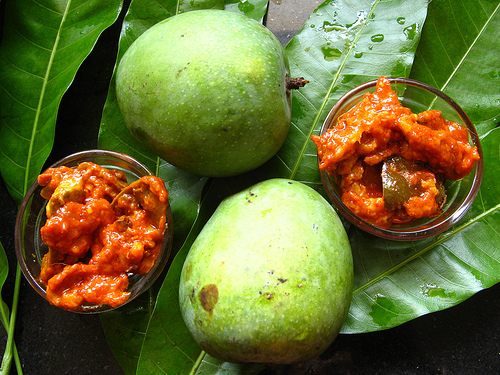
    mango-pickle-receipe

    To avail all these benefits, it is important that we, as consumers, select and store the fruit judiciously. Ofcource, the rules for selection remain the same; clean no marks on the external body and so on. But more importantly, mangoes with good aroma should be selected. Unripe mangoes are green in colour while ripe mangoes may have different colour like yellow, orange or red but one thing should be noted that the colour must not be seen as a basis for deciding the maturity of the fruit because there are some varieties of mangoes which retain their green colour even when they ripe. Once the mangoes are purchased care should be taken regarding the storage of this fruit which varies depending upon the variety of the mango. In order to ensure that mangoes remain fresh we can store them in the refrigerator. Freezing them may result in the blackening of their outer skin but the inside remains fresh. In case they are green in colour then they should be stored in a brown paper bag away from sunlight for a few days till they ripen.