Tag: Ayurveda

  • QUEEN OF HERBS- THE HOLY TULSI

    QUEEN OF HERBS- THE HOLY TULSI

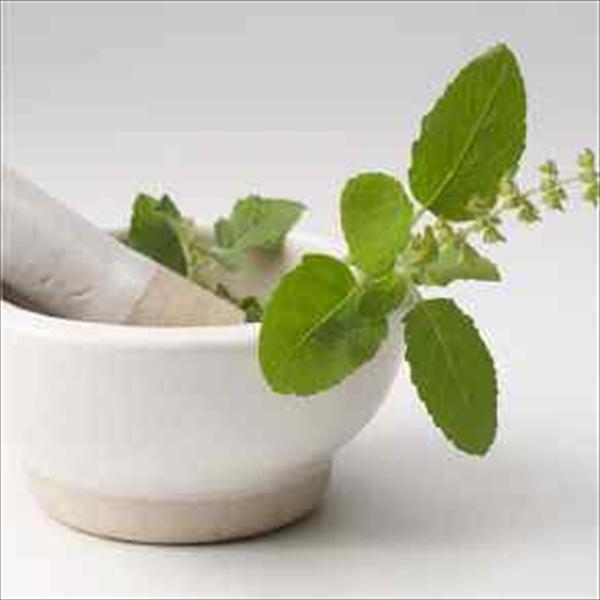
    Since time immemorial, the mankind has relied on the healing power of herbs. If we dig into our ancient past, we would find enumerable references of traditional herbs with numerous health benefits. One such plant, which finds it mention everywhere, is tulsi or basil.

    The holy tulsi, also known as the ‘ QUEEN OF HERBS ’ ,is the most sacred of all the herbs found in India. In Ayurveda, tulsi is regarded as a divine plant. The benefits of the plant are much beyond our knowledge and its mere presence can bring a change.
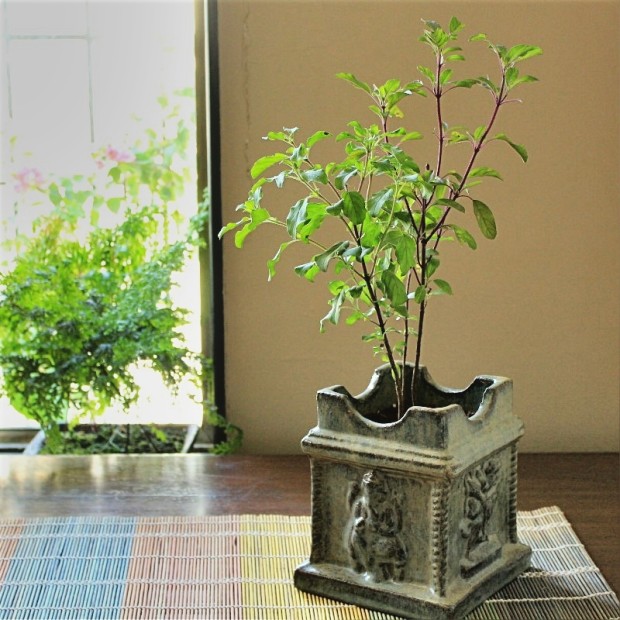
    Tulsi-Plant-620x620

    Dr. RM Gupta, a naturopath, says, “ tulsi is not only beneficial in curing cold and cough but it can also act as an anti-cancer and blood-purifying agent.”

    There are three types of tulsi mentioned in Ayurvedic texts – Rama tulsi, Shyama or Krishna tulsi and Vana tulsi, all having their own different benefits. According to Hinduism, it is regarded as Goddess Tulsi. Its leaves are offered during the worship of Lord Vishnu and his incarnations of Krishna and Vithoba.
    download

    Beauty benefits –


    Tulsi stems and roots are known for the making of the tulsi malas. Tulsi also known as skin rasayana, helps to stay healthy and supple as it is a good source of vitamin C, carotene, calcium and phosphorus.


    For hair, add a small amount of tulsi oil to coconut oil and massage well. Tulsi helps to improve blood circulation and keeps the scalp cool. Applying tulsi paste, keeps the scalp and roots clean and dandruff free.


    It has also been successfully tried by some naturopaths in treatment of leucoderma. Its anti-oxidant properties prevents the body from damages caused by free radicals, thus delaying the aging process and appearance of wrinkles and other signs of aging.
    images (1)


    Health focus-


    According to the reports published, an oily substance found in tulsi actively destroys tuberculosis bacilli. It is also used to prepare more than 300 medicines in Ayurveda and homeopathy. During eclipses, may people believe that if leaves of the tulsi plant are kept near the food items then it prevents any adverse effects on them


    It is claimed that tulsi promotes positive thoughts among people who come in contact with it. The plant has the ability to clear bad air, and therefore known to promote positive thoughts among people who come in contact with it.
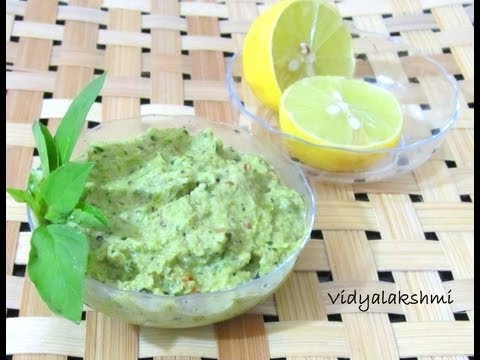
    tulsi chutney


    Medicinal value-


    Not only from the religious point of view but from a medicinal perspective also, tulsi has endless medicinal values and these are –


    1.  Swine flu– wonder herb tulsi not only keeps this dreaded swine flu away but also helps in fast recovery from it. Tulsi improves the body’s overall defense mechanism including its ability to fight viral diseases. It was successfully used in combating Japanese encephalitis. The juice of tulsi leaves, should be consumed twice a day with empty stomach as it reduces the chances of swine flu returning.


    1.   Cough– tulsi is one of the basic ingredient of almost all the Ayurvedic cough syrups                                                                                               and helps mobilize mucus in bronchitis and asthma.

    images

    1.   Eye disorders– tulsi juice is an effective remedy for sore eyes and night blindness   caused by lack of vitamin A.


    1.   Tooth disorders– tulsi is good for maintaining dental health and is an excellent mouth freshener and oral disinfectant as it destroys germs and bacteria found in mouth.


    1.   Radiation poisoning and cataracts– tulsi gives promising protection from radiation poisoning and cataracts.


    1.   Fever– during rainy season, when dengue and malaria fever prevail, tender leaves of tulsi, boiled with tea, acts to prevent these diseases. In case of acute fever, a decoction of the leaves boiled with powdered cardamom in approximately half-a-liter water, mixed with sugar and milk brings down the body temperature significantly. This should be repeated after every two or three hours.


    1.   Headaches– tulsi is used as an effective medicine for headaches. A decoction of the leaves twice a day can help get rid of headaches.

    images (2)

    1.   Respiratory disorders– the herb, tulsi is useful in treatment of respiratory system disorders. Tulsi leaves boiled in half-a-liter water, till half amount of water is left, added with ginger and honey is an effective remedy for asthma, bronchitis, influenza, cough and cold. This can also be given with cloves and common salt, to get immediate relief.


    Home remedies with tulsi-


    Tulsi strengthens the body to fight diseases caused by the deficiency of vitamin A and C. It also has the potential to cure feminine diseases.


    1.  In case of sore throat, boil tulsi leaves with water and drink twice a day. This water can be used to gargle.
    2.  Tulsi juice and honey are effective in curing hiccups.
    3.  Tulsi leaves provide relief in ear pain and infection. Put a few drops of tulsi leaves into the ear for relief.
    4.  To get relief from pain due to burns, apply tulsi juice mixed with equal amounts of coconut oil.
    5.  To get quick relief from itching, apply tulsi juice mixed with lemon on the affected portion.
    6.  Eating a few leaves of tulsi improves digestion, relieves acidity and gastric trouble.
    7.  Tulsi leaves boiled with water, and then cooled can be applied on acne-affected area and eliminates pimples.
    8.  A few leaves of tulsi chewed can cure ulcers and infections in mouth.
    9.  To cure malaria, take 5-6 leaves of tulsi with black pepper powder twice a day.
    10.  Using the powder of dry tulsi leaves, and brushing teeth with this powder can keep healthy gums and prevent bad breath.
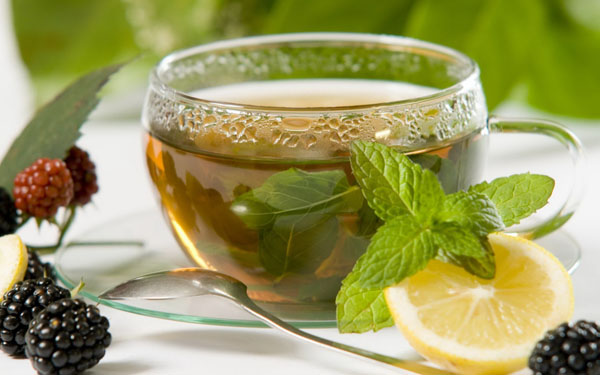
  • Tulsi

    Tulsi

    Tulsi-Plant-620x620

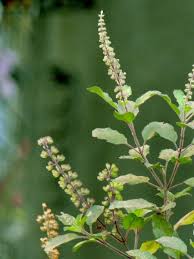
    Holy basil or Tulsi is an herb which is well known for its medicinal properties. An important ingredient in Ayurveda medicines, it has played a great role in the health system of India. Tulsi, a perennial shrub, belongs to the mint family called Labiates and is believed to have originated here in India. It can be grown from the seed or from the tip or root cuttings.

    09a455e0-fa9c-47be-a8f3-b93d8783eb63

    The Tulsi plants have a very important position in the Hindu culture. The plant is considered the most scared and holy of all other plants as it’s believed that it is the middle point between heaven and earth. The entire plant from shoot to root has been in connotation with various god and goddesses in the Hindu mythology. It’s believed that god Brahma lives in its branches and all pilgrimage centers are considered to be in the roots. The stems are leaves have the deities with the Vedas found in the upper branches of the plant. Therefore tulsi is considered as the central sectarian symbol of Hinduism. The plant is grown in every Hindu household especially in the houses of Brahmins. The structure where they are grown is called vrindavan which is a brick structure placed in the middle or front of the house. The daily worship of the plant is considered both holy and important and is mostly done by the females of the household. Though worship is not compulsory all through the week but Tuesdays and Fridays are important days of worship. The ritual of worship is also done in a particular style which involves watering of the plant followed by cleaning its surrounding with water and cow dung. Finally we have the offerings made in the form of flowers, fruits and incense and Ganga water. All this is done while chanting mantras simultaneously. In many houses we find pictures of gods and goddesses made near the foot of the structure. One of the beliefs is that a person can receive moksha or salvation just by watering and taking care the plant, even if he does not worship it. Hindu prayer beads are made out of tulsi steams and roots which are then used as a rosary. In many religious sites, garlands made of tulsi leaves along with food items with tulsi are given out as offerings to the gods. Even Shiva, is some areas is worshiped with tulsi leaves although it’s believed by most that bael leaves are offered to Lord Shiva. The Linga, an important symbol in Hinduism, is considered to have been originated from the black soil from the roots of the plant. Various communities use tulsi leave to protect themselves and their community from the attacks of evil spirits. The starting of the marriage season in India is also related to tulsi. A ceremony known as tulsi vivah which represents the wedding of tulsi with Vishnu as per the Hindu traditional method of marriage marks the end of the monsoon season which is not considered auspicious and the start of the marriage season.

    las-infusiones-mas-curativas

    Coming out of culture and tradition, there are other benefits that the plant offers. Tulsi is famous for its medicinal properties and is therefore used to cure different ailments. The leaves help in improving our memory and also help in strengthen our stomach. During the rainy seasons, we have high level of diseases like dengue, malaria and common cold. During such times it’s recommended to consume tulsi tea or juice which improves immunity and helps fight the disease. In case of cough and cold mixing tulsi leaves and powdered cardamom in water or milk or honey can be helpful in bringing down the temperature. Tulsi leaves with honey can help in giving relief for sore throat. There are many people around us suffering from kidney stones and various heart disorders, the main reason being the modern lifestyle with fast foods and low exercises. Doctors claim that the consumption of these leaves help in reduction of cholesterol levels and the juice taken with honey can help in curing the problem of stones. The herb is also beneficial in the treatment of respiratory disorders when taken after boiling in water with salt. Tulsi leaves are often called ‘adaptogen’ or anti-stress agent which is why many people believe in taking the leaves early in the morning. Many people have problems with bad breath; chewing tulsi leaves ensure a healthy and ulcer free mouth. Apart from this, chewing on tulsi leaves also promises excellent dental health by preventing detrimental effects on the gum and enamel quality. The leaves are beneficial in treating all kinds of skin diseases, insect bites and rashes when applied locally. It cools the skin and gives respite from redness and burning sensations. Further, the miracle leaves also help by providing an effective remedy for sore eyes and night blindness. Headaches, in some cases might be caused due to weakening of eyes; in such cases, a paste made of tulsi leaves and sandalwood when applied to the temples is known to provide much relief.

    chutney with samosa

    Although we can grow tulsi at home but still if we visit the market, the key to select best quality leaves is to choose leaves which are vibrant and deep green colored with no dark spots and is mostly advised to explore the local spice stores for purchasing purposes as the product found there is natural with no adulteration.