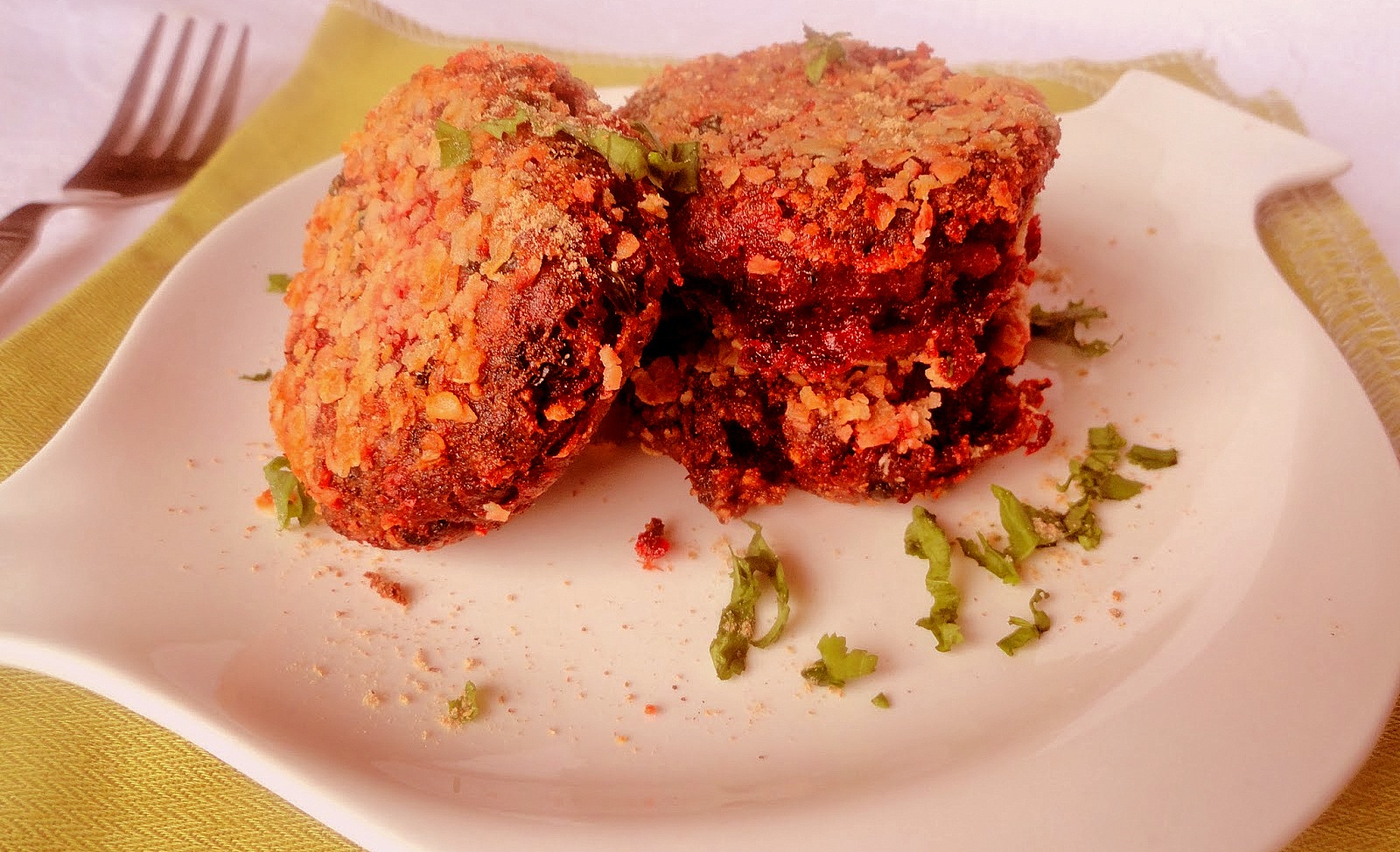
Tag: kebabs

  • Chandni Chowk – The Streets of Chaos, Hhistory and Wonder

    Chandni Chowk – The Streets of Chaos, Hhistory and Wonder

    The year before I completed school and slogged the entire summer giving competitive exams. I reluctantly left Delhi to pursue management in a prestigious institute nearly two thousand miles away. In those countless nights spent dreaming about home, what I missed most was my visits to Chandni Chowk with my mother. The streets of Chandni Chowk never fail to amaze me.

    Chandni Chowk can be traced to the time of the Mughal Empire. When Shah Jahan moved the capital from Agra to Shahjahanabad (Delhi), he built the magnificent Red Fort on the banks of River Yamuna. It was erected in the year 1650 AD as an accompaniment to the fort. Designed by his dearest daughter Jahaanara, it was a square(chowk) with a pool in the centre. The tale says that the square and the pool used to dazzle on a moonlit night- hence ‘Chandni Chowk’. Many say that it is named so after its silversmiths.

    For someone who’s been to Chandni Chowk a dozen times, it’s difficult to distinguish the dariba from the meena bazaar– It is truly a labyrinth! Located in central Delhi, The streets of Chandni Chowk are lined with several objects of fascination that draws everybody to it – right from fashion designers exploring beautiful fabrics and accessories for their creations to freezing Delhites seeking refuge from the unforgiving winters with delicious revdi and gajjak. And then there are those wide- eyed tourists caked with sunscreen, admiring the busy streets and clicking away curious onlooker. Despite the chaos, Chandni Chowk is a cosmos in itself.

    Chandni Chowk is home not just to several shops but also to several places of worship. The Jama Masjid attracts thousands of people every day. Sri Digambar Jain Lal Mandir is known for its bird hospital. The Sunehri Masjid and the Fatehpuri Masjid too retain their importance in present times.

    Chandni Chowk has seen several palatial havelis raised to the ground. The Chunamal Haveli, spread over nearly an acre and ten scores old, it houses several shops on the ground floor while Lal Chunamal’s fifth generation resides on the first floor. The Haksar Haveli, where Pandit Jawaharlal Nehru took his vows with Kamala Nehru is now a commercial complex. Our favourite action man Akshay Kumar (then Rajiv Bhatia ) spent his childhood there before making it big. It is quite common to find pictures of Akshay posing with the shopkeepers adorn the walls of many a shops in Chandni Chowk. “Bachpan ke dost the hum – ek saath patang udaya karte the hum” is the standard reply to any questions asked about those pictures. Akshay’s movie Chandni Chowk to China further put Chandni Chowk in the limelight.

    Chunnamal Haveli
    The Chunnamal Haveli

    The market comprises of different lanes known for different items. The Dariba is known for breathtaking, beautiful jewellery that attracts all brides-to-be and anyone looking for something. Most shops are more than a century old and yet are as sought after as they must be in their heydays. Right from glittering diamond necklaces to one time wear costume jewellery, the dariba has everything. Chandni Chowk is known for its silver, be it cute balis for school girls, jhumkas for casual college wear or expensive gift items such as chandi glasses, trays and coins that people have been exchanging on festivals and auspicious occasions. You can even get your grandmother’s tarnished silver jewellery polished and bring it back in fashion!  If not, then sell exchange/sell it for the new trendy pieces. There is a chance Chandni Chowk is named so after its sparkling silver!


    Traditional jewellery that you would spot only with your grandmother still sells like hot cakes among the more, recent fashionable kinds such as sparkling diamond sets. Meenakari jewellery that brides still swear by is very sought after. Magnificent kundan and  polki sets adorn the showcase, among a barrage of the kinds that are currently trendy. They are styled both in the antique and shiny finish. Be rest assured that everything you buy will stay on in your family for generations!


    The dariba is home to the renowned Gulab Johri Mal Shop. Found in 1819, the shop sells exquisite itras or perfumes made from actual extracts customised to your taste. You can explore their entire range of fragrances before settling for the sweetest smell. As exciting as it sounds, it is often impossible to pick and choose! To help compare fragrances better, you are advised to sniff coffee beans in between. Or better still, ask for the one that smells the most!

    The Kinari bazaar sells luxuriant  zardozi and zari material that can brighten any outfit. All brides flock to the market to get their hand on lovely lehengas and embroidered sarees that often inspire designer wear! What helps is that kaleeras, choodas and all other essential rite-d-passage items are found in one mile’s radius.

    Chandni Chowk is as much about food as it is about fashion. A visit to Chandni Chowk is incomplete without paranthas. The Paranthe Wali Gali is true paradise. Shallow fried in ghee, the delicious parantha is served with different kinds of sabzis, sweet and sour chutney and different kinds of pickle, nobody knew paranthas could be so much fun! Also try the sweet lassi served in small earthen pots known as kulhars. The thick, delicious rabri made from condensed milk is a must for those with a sweet tooth.
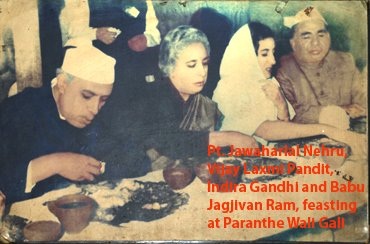
       

    Street food like chaat, moong pakodis are all over the place, with a chaatwala in every nook and cranny. For those with a craving for delicious Mughlai food, Karim’s is the place to visit. Opposite to Jama Masjid, it’s easy to find and inviting. The plain exteriors are in sharp contrast to the welcoming ambience of the restaurant. The Mutton burra and the sheermal, among other tantalising kebabs have been enjoyed by generations of loyal diners.

    Karim in Chandni Chowk
    Karim in Chandni Chowk
    Karim
    Amazing food at Karim’s

    Chandni Chowk leaves an everlasting impression on everyone who walks its streets.
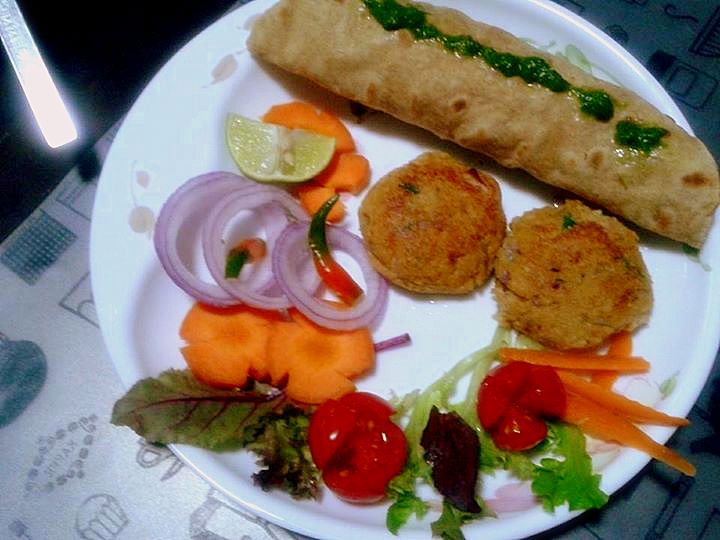
     

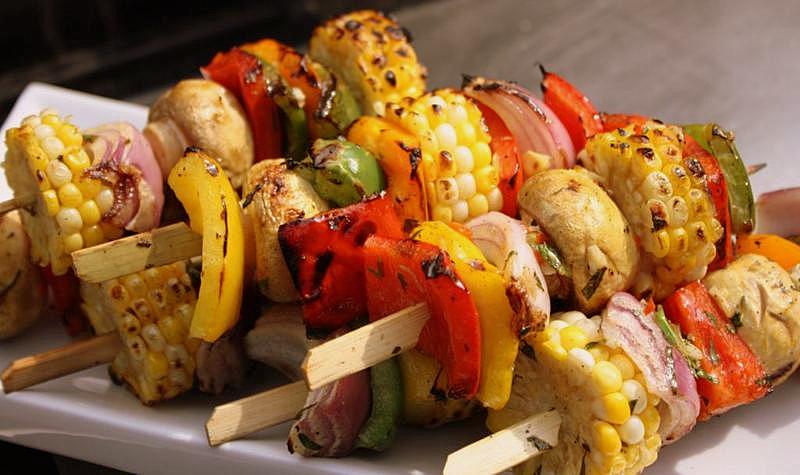
  • A Platter of Vegetarian Kebabs

    A Platter of Vegetarian Kebabs

    Originating in the coastal countries of the eastern Mediterranean area, kebab is a versatile dish made by roasting and grilling pieces of meat, fish, and vegetables, over a skewer or a spit. The dish quickly spread in popularity and consumption throughout the nations of the Middle East, and then central Asia. The kebab traces its historic roots to before the 17th century B.C., and even the ancient Greek poet Homer mentions an erstwhile archaic dish resembling the same, and enjoyed all over his country in his works. However, a Turkish script by Kyssa-i Yusuf which dates back to around 1377, first properly mentions the culinary concept of the word, which is derived from the Persian language, and literally means “fry”, and sometimes “fry and burn”. Legend has it that the kebab was invented by medieval Persian soldiers who grilled meat on their swords over open-air fires in the battlefield. It quickly gained favour of both the classes and the masses, being served as the royal fare in various Islamic states over the ages, and as a much sought after and easily accessible snack or main course dish for many commoners, and the trend continues even today.

    Although lamb is the traditional choice of meat for making the kebab, there are many variants available in different meats and vegetables all over India due to religious constraints and direct or indirect dietary restrictions. Indian kebabs, whether they are vegetarian or non-vegetarian, have a unique and popular flavour of their own, owing to the wide spectrum of masalas (spices) and herbs native to the subcontinent. Apart from the numerous Indian innovations in the art of kebab making, the sheesh, shammi, tikka, and shawarma, original types of kebabs are also available everywhere, and can be found easily in small roadside eating joints as well as in top notch restaurants and hotels. The cities of Lucknow and Hyderabad are famous all over the country, owing to their thousands of decades-old, local eateries and food establishments which sell different types of primarily meat kebabs, ranging from tunday to kalmi and tangdi to reshmi, and have thus contributed a lot to culture, food, tourism, and economy.

    While you can get non-vegetarian kebabs from anywhere, the vegetarian types are a rarity to find outside one’s house, and they are generally overpriced in the restaurants they are available in. Vegetarian kebabs can be easily made at home, with simple ingredients, and less elaborate methods than their non-vegetarian counterparts. This article will provide you with three novel recipes, all made wonderfully by my favourite chef in the world, my grandmother, for these lesser known variants, namely, shalgam ke kebab, kela chane kebab, and chukandar ke kebab.


    Shalgam ke Kebab (serves 4-6 people)

    Ingredients needed:

    • 7-8 bulbs of turnips
    • 2 tablespoons of roasted besan (gram flour)
    • Finely chopped onions
    • Finely shredded coriander, chilli, and ginger
    • 2 medium sized boiled potatoes
    • Salt to taste
    • 1 small teaspoon of garam masala powder
    • Vegetable oil

    Steps required:

    • Thoroughly wash the turnip bulbs, and then carefully peel their outer skins off.
    • Put the skinned turnips in a pressure cooker and steam thoroughly.
    • Once the turnips cool down, mash them and drain out the excess water.
    • Mash the boiled potatoes and mix them with the turnips. Add coriander, chilli, ginger, and onion to the mixture and be careful to make it consistent with dough.
    • Add garam masala and salt accordingly.
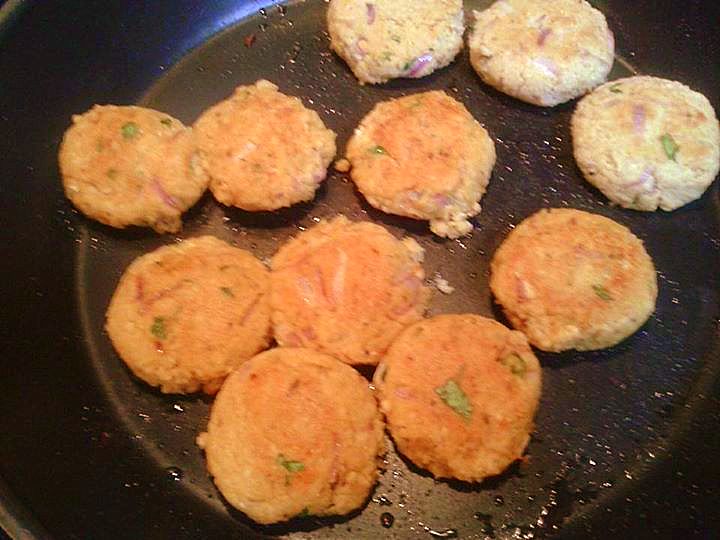
    • Make small balls of the prepared dough and flatten it into small cutlets or flattened disc shaped portions.
    • Shallow fry on a tawa (pan) until the kebabs are thoroughly cooked and are a rich golden-brown in colour.
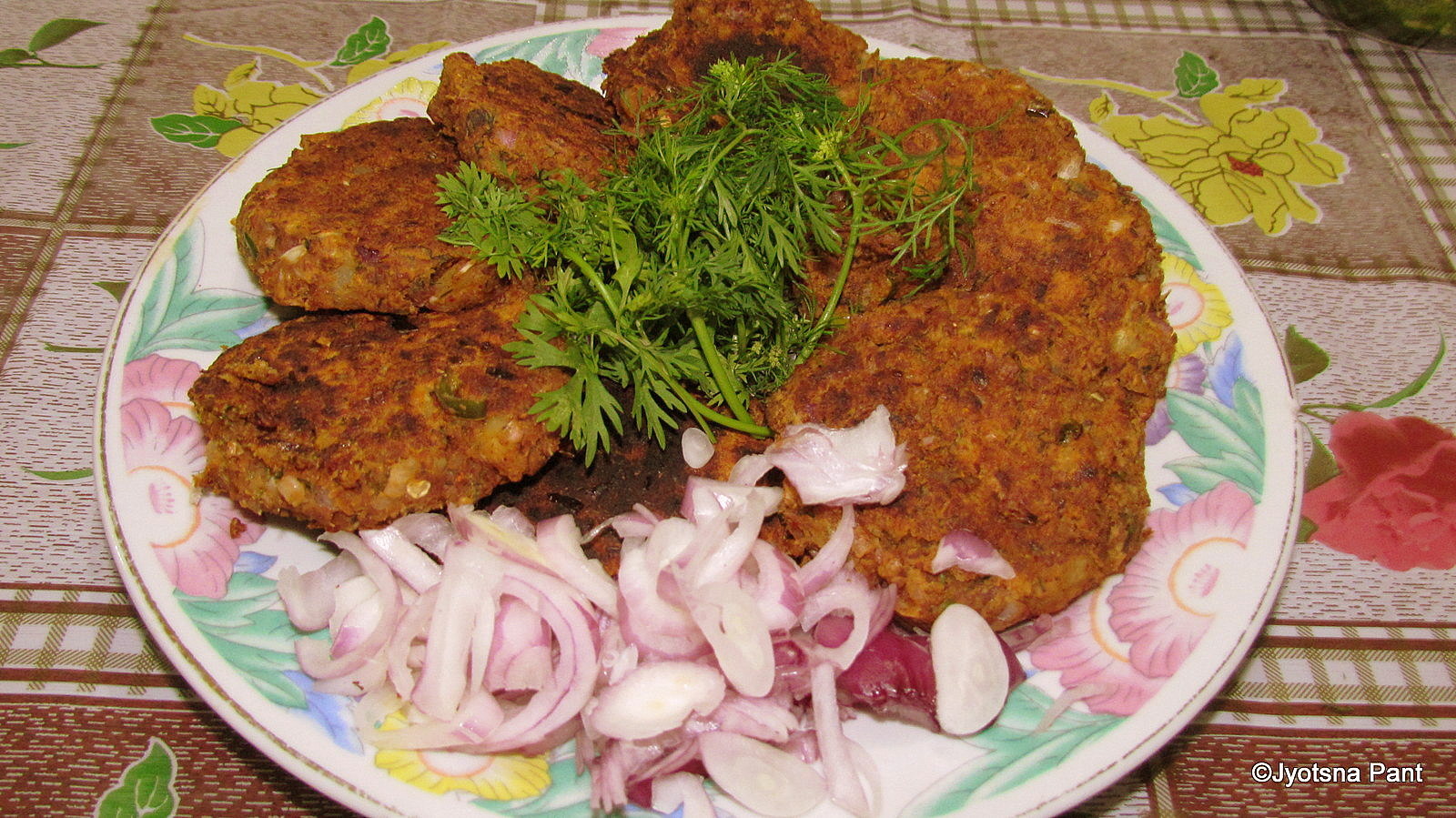
    • Top with sprigs of coriander and rings of onion. Serve hot, with a chutney of your choice.


    Kela Chane ke Kebab (serves 4-6 people)

    Ingredients needed:

    • 5 clean green unripe bananas
    • 1 bowl of soaked chana dal (gram beans)
    • Finely chopped onions
    • Finely shredded coriander, chilli, and ginger
    • Salt to taste
    • 1 small teaspoon of garam masala powder
    • Vegetable oil

    Steps required:

    • Make sure to wash the bananas thoroughly with fresh water before beginning. Once they are clean, steam them in a pressure cooker with their skins intact.
    • Steam the dal separately to a soft consistency.
    • Once both ingredients cool down, peel the bananas, and mash together with the dal to make a dough.
    • Add garam masala and salt. You can also add other spices such as red chilli powder if you prefer.
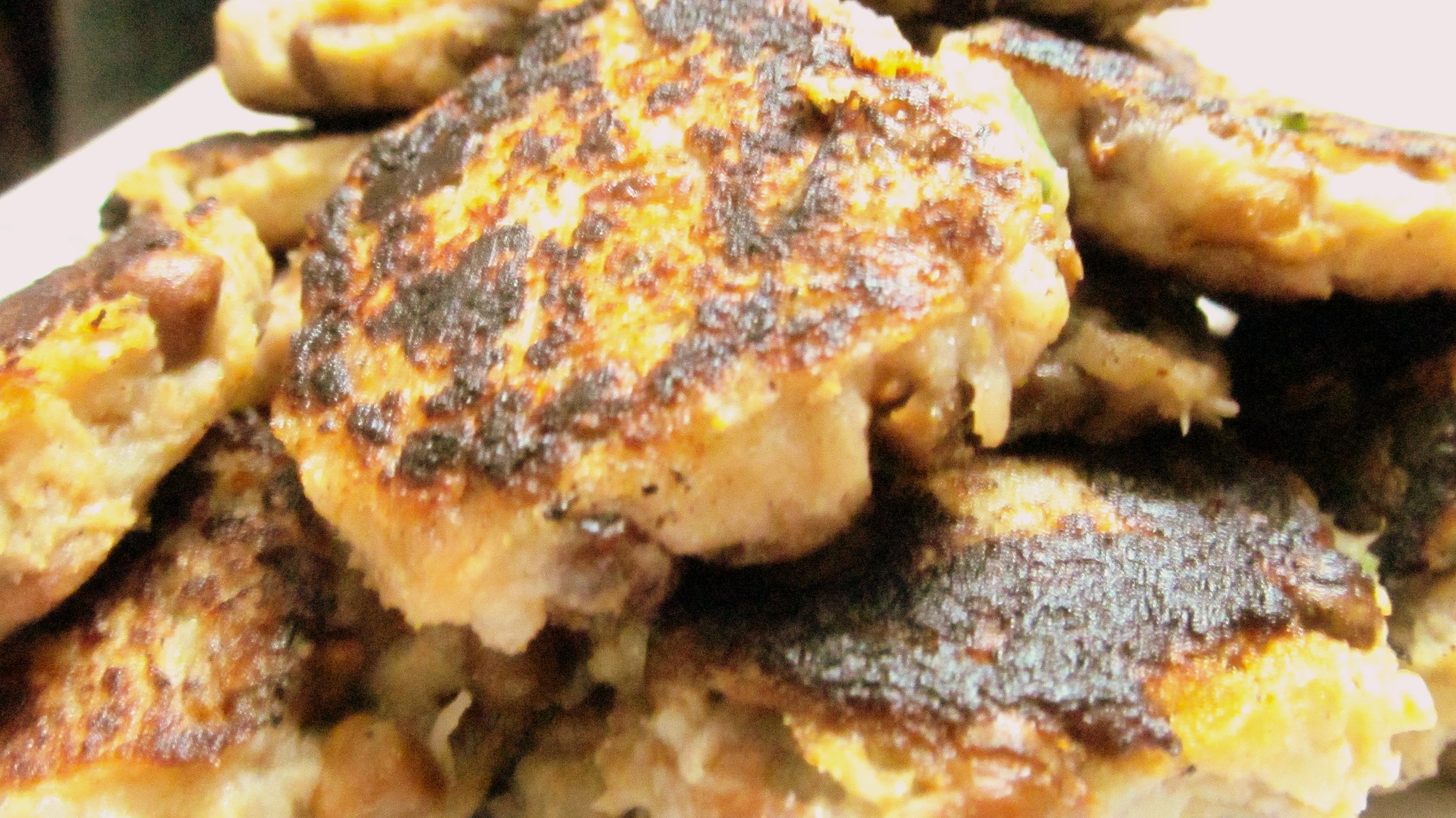
    • Shallow fry on a pan.
    • Garnish with sprigs of coriander, and serve with onions and chutney.


    Chukandar ke kebab (serves 4-6 people)

    Ingredients needed:

    • 7-8 beetroots
    • 2 tablespoons of roasted besan (gram flour)
    • 2 boiled potatoes
    • 250 grams of paneer
    • A few whole clean leaves of cabbage
    • Finely chopped onions
    • Finely shredded coriander, chilli, and ginger
    • Salt to taste
    • 1 small teaspoon of garam masala powder
    • Vegetable oil

    Steps required:

    • Steam the beetroots thoroughly after cleaning them.
    • Mash the beetroots to a dough-like consistency. If necessary, add a little bit of boiled potatoes as well. Add roasted besan to this mix.
    • In a separate bowl, mash potatoes and mix them with paneer chunks.
    • Add coriander, chilli, ginger, and onion to the beetroot dough.
    • Make miniature balls of the paneer and potato mix after adding salt and garam masala to it.
    • Wrap them in a leaf of cabbage.
    • Encase this in an even layer of beetroot dough. Make it firm with more besan if required.
    • Shallow fry on a pan until the kebabs are thoroughly cooked.
    • Cut the kebabs open from the centre, top with coriander, and serve hot with chutney.