Category: More

  • Donuts: Not a healthy Choice…

    Donuts: Not a healthy Choice…

    1336980356075

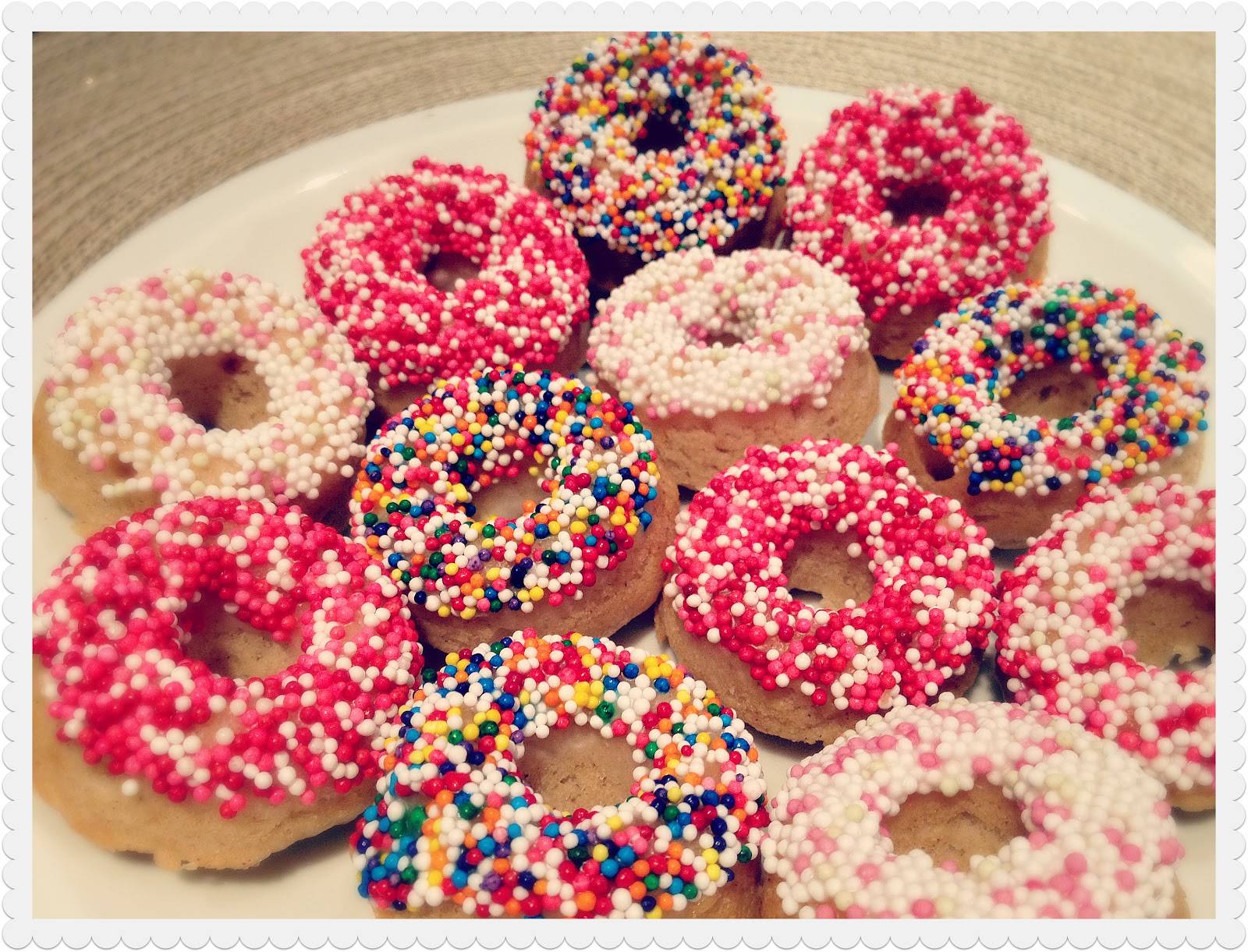
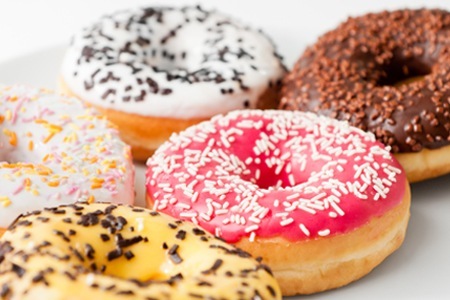
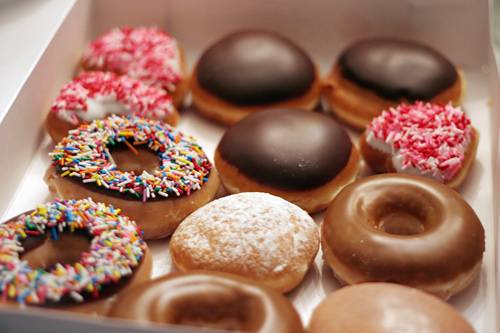
    In any shape or size, whether they are round, square or twisted, these deep fried snack is always appealing and keep us reaching for more. The beauty of donut make us fall prey for them and we just can’t resist it. So, you love Dunkin’ Donuts? Is it your favorite place to hang out? Well, think again, because Donuts aren’t considered as very healthy choice. For a breakfast, it’s a complete no! No. Obviously because it is sweet, piece of fried dough with all the creaminess and chocolaty content makes it a pack of calories. Nothing else. Yes, it is tasty, hell a lot, but still can’t be rated as healthy food. The fact that doughnuts aren’t good shouldn’t be a surprise, as of a fact, they are worse than many other snacks in the market. You can see a bag of chips have 260 calories and a small packet of cookies have 50 to 60 calories but a doughnut has not less than 300 calories making it such a unhealthy choice. With all the sugar, fats and other unhealthy ingredients, donuts can wreck a havoc on your health. Don’t believe me, just go through the list below and you will get an idea what kind of potential harm they can give;
    303004-dunkin-donuts-pink-donuts

    Risk of Weight gain: this round fried confectionery or dessert food, called doughnut has full lot of calories. What’s the point in ignoring other food and your cravings but just can’t resist donut and eat one or two and then more. Even a single donut a day can put you at risk of gaining weight over time. A crispy cream filed raspberry donut or any donut with different fillings has near about 300 calories. Doctors say if you consume even only one donut everyday and do not even exercise regularly to cut down the calories, you are likely to gain 1 pound every 10 donuts. So, now, its upto you how wisely you eat those sweet rounds.

    No Nutritional value: Doughnuts are unlikely to have any kind of food value because of so high sugar and calorie content. Also, the fried aspect of donuts makes it so unhealthy choice. Also, the main ingredient being white flour, a simple carbohydrate is what makes them a highly refined and highly processed food. Refined flour id close to no fiber and also there’s no whole wheat grain or any other natural healthy foods. Fiber is essential for anything to get a tag of healthy and to make you regular and also, it prevents colon cancer or maintains blood sugar, but donuts possessing nothing like this makes them all the more unhealthy.

    Heart Conditions: Ughh, such a bad choice for your heart. Just not ideal for your heart and specifically for heart patients. Being fried, it contains lots of saturated and trans fats which by all means are known to have very bad effect on the heart. A research shows that doughnuts have more trans fat than peanut butter, chocolate bars or even chips. Just a single donut can lend you trans fat for whole day but the truth people rarely eat one donut. If you start eating it once, you find it irresistible and that’s where the problem starts with. So, if I have to be concise I should quote, Say no to donut for a healthy heart.

    High blood sugar levels: Doughnuts are all about sugar and sweetness. Then, how come they won’t increase your blood sugar levels. For diabetic patients, they are like deadly food, that’s obvious. But even for normal beings, they aren’t prove to be good as of sugar is concerned. If you know, a single donut contains 5 tsp. of sugar and doctors recommend maximum of 6 tsp. of sugar a day and with one donut you had your requirement of day. This can give you idea how sugary and creamy donut can lead you to a problems with your blood sugar levels and erractic glucose levels in the blood. Only, solution be mindful and so some pre-thinking before you lend out your hand for a donut.

    Not a breakfast choice: Doughnut are among the most fattening breakfast choice ever. With all the unhealthy stuff, a donut poses you risk of weight gain and a bulge in your belly, which I know no one likes. Eating something so early in the morning with such a calorie content and no food value is not something that you would ideally want to commit yourself to. Breakfast, being the most important meal of the day doesn’t deserve to be started by such a thing called, doughnut. Next time, you pick up that plate of doughnut, try to be resistant and put it back.
    303001-dunkin-donuts-donuts

    The whole idea to convey here is that though Doughnuts are awesomely tasteful your tongue loves it, but be mindful while eating them and eat them little and occasionally, just as a snack and not as a proper food as there is no nutritional and food value attached to them. Control your cravings for donuts and try to replace them with some other healthy food altenative like creamy flavorful cup of youghurt or anything else of your liking. But if you like to munch on doughnuts all the time or most of the time, think again.

    Healthy Eating. Happy Life.
  • The Coolest Cucumbers!

    The Coolest Cucumbers!

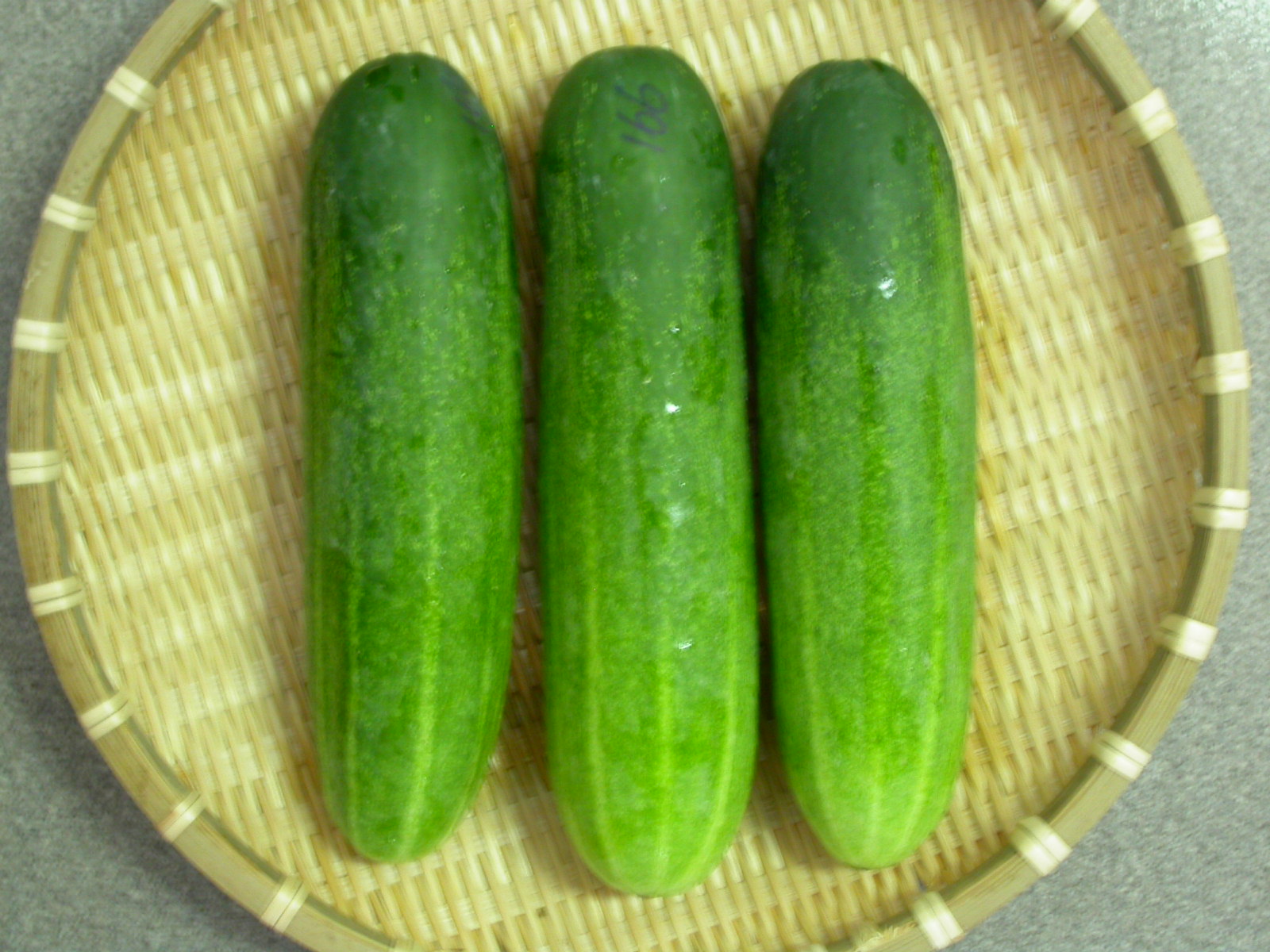
    Benefits-of-Cucumber

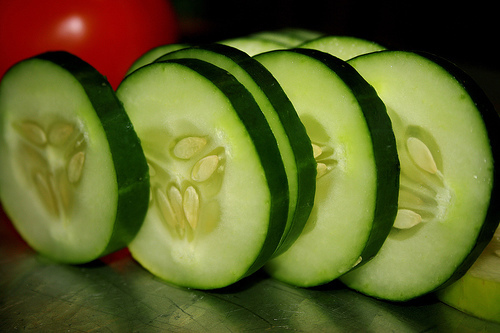
    The dark green, firm, cool cuke… cucumber which you just picked and put in your shopping basket is just miraculous for your health. This fruit is loaded with health benefits. Yes, I said fruit, because cucumber is not a vegetable but a fruit. I do know, that everyone knows well that cucumber is excellent for your body and is a must in salad. Heard this phrase, “Cool as Cucumber”. Probably Yes. So you can easily interpret the amount of freshness, cucumbers can deliever. Some may like it hot by baking or heating up in oil, but if not, then cool cucumber is for you, which can do wonders for you.

    Do you know, the inside of cucumber, growing in the hot sun on a vine is about 20 degree Celsius cooler than air. Scientifically known as Cucumis sativus, it belongs to the same botanical family as melons, zucchini or squash. Being the fourth most widely cultivated fruit, with its mild, refreshing flavor, cucumbers are 90% water but still manage to give so many health benefits. Cucumbers are an excellent source of vitamins, minerals, even bone building- managanese, potassium, magnesium, also possess infection fighting, vitamin C, anti-inflammatory Vitamin K. The fresh extracts of cucumber have been shown to have both antioxidant and anti inflammatory properties. Also, the presence of unique polyphenols in plants with lignans, this health benefiting substance is research upon extensively in cruciferous vegetables like cabbage and allium vegetables like onion and garlic. Cucumbers have three lignans which are known to have positive cardiovascular effects and reduces cancer risks, including prostate, breast, uterus cancers. They also contain an enzyme that breaks protein and helps clean the intestines and also are good for detoxification of body.

    cucumbers2

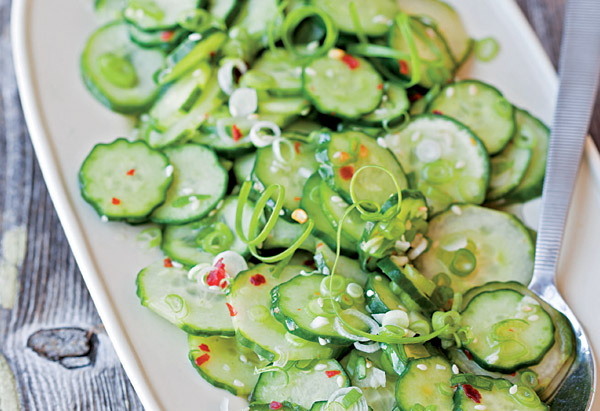
    To choose from the whole lot of cucumbers, they are eaten green or under ripe. Choose the shorter, dark green cucumbers, which are firm and feel heavy, so always go for shorter, medium sized cucumbers. As, long cucumbers can be bitter and show that they are ripe. For getting the optimal nutrition and nourishment from your cucumbers while minimizing your health risk, you can choose organic grown cucumbers over conventionally grown varieties. Cucumber are mostly used in salads and eaten raw and very few people cook it like other vegetables. The cucumber is refreshing and gives crunch to the salad and is perfect diet snack and cucumber salads are prepared just before serving to retain the crispness. Eating raw cucumbers is what is known best by most of the people. However, they can be cooked, stuffed and mixed with herbs. Stuff cucumbers with feta cheese or cream by slicing it lengthwise. Though, most people prefer eating diced cucumber with some sprinkled salt and pepper. You can even grate the cucumber and add it in yoghurt with other veggies like onions, tomatoes, and sprinkle some salt and pepper and it will become a delicious raita with all the crunchiness. Have it with parantha or eat it as it is, as you like. For cooked cucumbers, you can google it and you’ll be surprised by so many recipes and suggestions. Now, let’s have a look on how cucumbers add value to our daily diet;

    Keeps you hydrated: Drink enough water and munch on cucumbers, you daily dose of hydration is fulfilled. Moreover, detoxification is done automatically. They are the best substitute for water and are fully compensate if you are too busy to cater your drinking requirements. Just have some and you are healthy.

    Awesome for skin and eyes: Cucumbers are just awesome for maintaining skin health. Obviously, when they are known to flush out toxins from body and have such a high water content, they will do all the good for skin. Also, having vitamins and minerals, they are good for eyes too. Moreover, not to mention, they are just too popular to remove under eye dark circles when used regularly and treats many skin and eye problems.

    Helps in weight loss: For diet conscious and weight loosing people, cucumber and eating its sticks is favorite as a snack. Crunchy cucumber sticks dipped in creamy non-fat yoghurt is just too tasty and interesting. Enjoy cucumber in your salads and soups daily and enjoy the results.

    Stabilizes blood pressure: Patients of high or low blood pressure, often feel that eating cucumber brings relief and helps in stabilizing the blood pressure to much extent. Also, it refreshes the mind and body and smoothen the blood flow, thus making the BP patients feel good.

    Antioxidant and anti-inflammatory benefits: Cucumber, loaded with so many nutrients and water content is very powerful antioxidant product and also possess anti-inflammatory properties. It includes Vitamin C, beta carotene, manganese and numerous flavonoid antioxidants.

    Anti-Cancer Benefits: A group of cucumber phyto-nutrients known to provide anti-cancer benefits are its lignans, which is because the role of these plant lignans in cancer protection involves the role of bacteria in our digestive tract and therefore, there is reduced risk of estrogen-related cancers, including prostate, breast, ovary cancers, that has been associated with intake of dietary lignans from plant foods like cucumbers.

    201205-orig-salad-cucumber-600x411

    Love cucumber? It will love you back in all the ways. Just be regular with consumption or application of cucumber and see the difference in your life.

    Healthy Eating. Happy Life.

  • How your Fridge can Save you Money!

    How your Fridge can Save you Money!

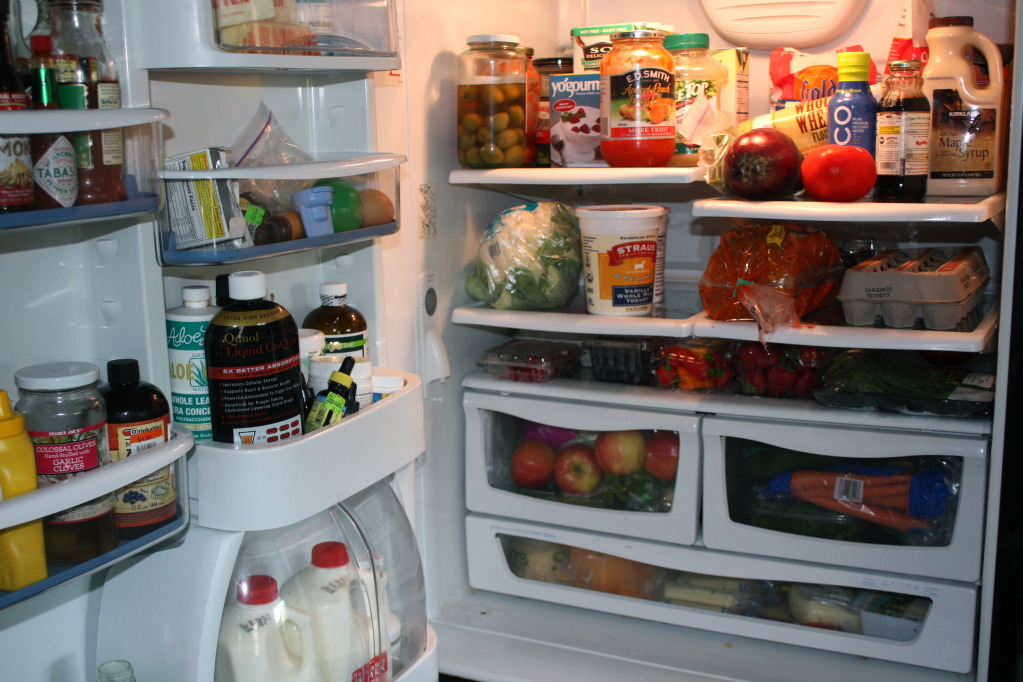
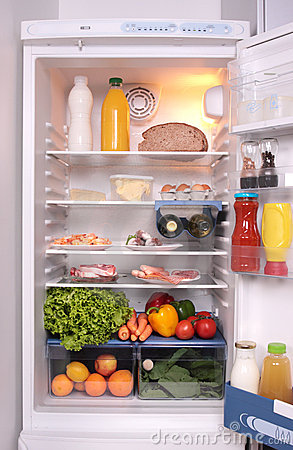
    full-fridge

    I know fridge is something you love to look at whenever bored or hungry. Fridge is exciting, full of food and all the variety. They help in food preservation and keep it fresh. Our fridge has everything from drinks to fruits and veggies to icecreams to frozen food to cheese to left out foods to what not. We love food, so we love our Refrigerators.

    If we love them so much and keep our dearest food items in it, why not to make better use of domestic freezers and fridges so that food last longer resulting in less waste. In fact, if you learn to use it efficiently, you can save loads of money if we all used fridges to store certain foods and lowered the temperature. Even the food remains fresh for longer period of time and is healthy for consumption. Cleaning your refrigerator regularly with simple and easy techniques is also important so that preservation is upto the mark. Do you know what temperature your refrigerator is set to right now? If not, you could be wasting so much of cash and wasting electricity. See, such a awareness can save your money to such a great extent. The new research report by WRAP claims that lowering your refrigerator’s temperature to 39 degrees Fahrenheit or between 0 to 5 degrees Celsius can keep food from spoiling quickly and help preserve food for longer and in turn saves up your money. The report claims that maintaining the right temperature helps food to stay fresh for three days after its expected expiration date. By lowering down the temperature, the bacteria growth is slowed down and foods stays fresh for longer. Also, don’t overload your fridge, keep it no more than 3 quarters full with space in between to allow good amount of air circulation. This way all the food inside it is cooled evenly. Just simply Adjusting the temperature of fridge wont ensure the prolonged shelf life, but still its good way to start if you want to cut out the grocery bills and is also beneficial. Alongwith, cleaning the shelves of refrigerator and bins every 2 to 3 months will disinfect the surfaces and food will be healthy and delicious as you want it to be. Let’s jot down some points to make it an interesting task;

    refrigerator-full-some-kinds-food-11895048

    Store leftovers Smartly: After dinner, if you are left with too many food, instead of dumping it in a large container, rather store it efficiently in small clear containers or transparent bags. It will be good if you ration them in individualized portions. These leftover food can be consumed from two to three days whenever you like. At least you will be having something to eat in case of emergency or for a change of taste.

    Keep fruits and Veggies Separate: Most fridge come with two separate drawers, so it is better if you keep the fruits in drawer and vegetables in other to ensure the maximum longevity. Because, like peaches and apples which have high amounts of ethylene can prematurely ripen and can spoil vegetables. So, it is recommended to place them seperately in fridge. Also, don’t wash vegetables until you’re ready to use. Better to place them in fridge straightway after fetching it from grocery store and wash them nicely when you want to use them. This is because prewashing of veggies can reduce the shelf life of veggies.

    Maximize the Shelf Space of Fridge: The nicely organized fridge is always lovely to see and easy to handle. The shelf space should be consumed for eatables which actually need to be put in and requires cooling. If something doesn’t need to be kept cold, it can be kept out of fridge. It is a very good tip to not to overstuff your fridge, as proper keeping with some spaces will allow air circulation and keep things fresh in the fridge.

    Keep appropriate things in the door shelf: The doors are warmest part of fridge so keep store-bought products like ketchup, mustard, soy sauce, water bottles or some tonics with long shelf life in the doors. Generally, the foods that don’t require cooking to be kept at top shelves like leftovers or yoghurt. Since, the bottom of the fridge is coldest, use this part to store sea foods, meat that need to be kept coldest and is cooked at high temperatures. Keeping the important and readymade things at door will also make more space for other things. The key is placing the things in fridge mindfully.

    whenever-i-feel-sad-i-just-go-to-my-happy-place-the-fridge-quote-1

    After being going through all the above listings, you will be well aware about how fridge is not important for food perspective but can also help in savings. You can see how an Organized fridge can cut down on your so many worries. Just little organization and mindful keeping of fridge can change all this. Start with top and work your way down. Though, it may seem like daunting task at first, but when you put your mind in it, and have put a fixed time and planning into organizing it, you will be fascinated by the results, as it not saved money for you but also lots of time where dinner is concerned.

  • Culture of Nepal

    Culture of Nepal

    Nepal has a unique culture which  has evolved since many years.It’s culture is greatly influenced by religion, architecture, music and literature.In Nepal, we can find various temples, churches, monasteries and many other religious buildings.There are many ethic groups, tribal and social groups in Nepal.Different type of festivals and practices are seen in Nepal.Nepal got its name from the Kathmandu valley as the founder of the  nation established a capital there in eighteenth century itself.

    Culture of Nepal
    Culture of Nepal

    Geography:

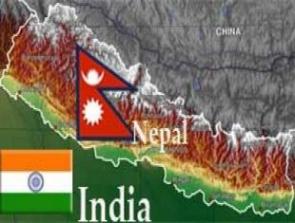
    The country is spread over an area of 381,200 square kilometers.It is surrounded by three Indian states on south, west and east whereas the north border is shared by Tibet.Most of the Himalayan mountain ranges are in Nepal, including the Mt.Everest.The country is divided into three horizontal zones which are: the high mountains, the lush central hills, and the flat region with low water levels in the south.The trade factor has influenced the ethnic groups.There are more than thirty six ethnic groups and over fifty languages in Nepal.According to 1977 ,the population of Nepal is nearly 22.6 million.As the birth rate is gradually increasing in rural areas, people are migrated  to cities.This lead to over population in Kathmandu, at present it is holding more than seven Lakh people.

    Geography of Nepal
    Geography of Nepal

    Ethnic relations:

    Nepal consists of many cultural, racial, linguistic groups, that are mainly divided into three categories.Indo Napelese, Tibeto Nepalese and Indigenous Nepalese.Since centuries, they were practicing Hinduism and people speak Indo-Aryan languages.Most of these people settle in lower hills and river valleys.The second type is Tibeto Nepalese who have generally Mongolian features and they speak Tibeto Burmese languages.These people reside in hills and mountain areas.Different groups under Tibeto Nepalese practice Buddhism, Hinduism.Later these ethnic groups fell into single caste hierarchy.The first and the top most caste is Hindus, second is Matwalis who are generally alcohol drinking people.Bottom are the untouchable Hindu castes.Higher caste people buy lands and enjoy political and economic privileges whereas lower caste people are far from these opportunities.Untouchable castes were not permitted to own land.We know that the caste system is illegal, but it has not disappeared in many places.Most of the posts like civil services, army and police were selected by the higher caste people only.

    Different Ethnic relations of Nepal
    Different Ethnic relations of Nepal

     Food:

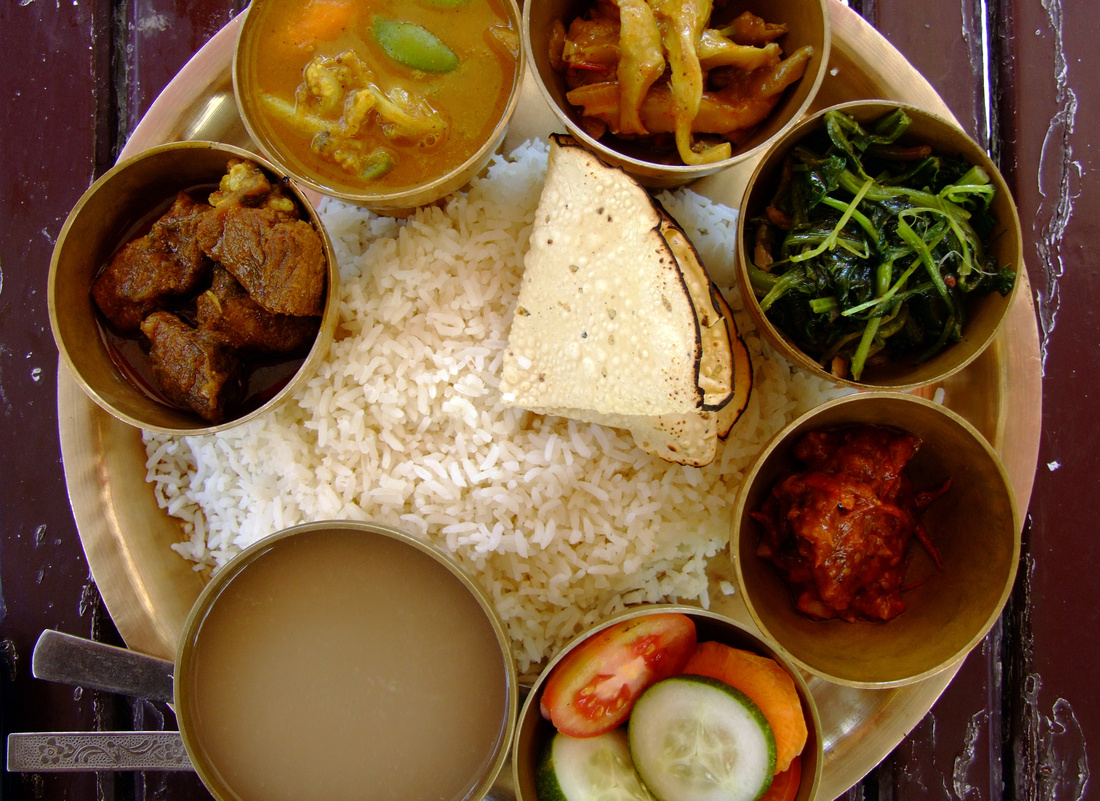
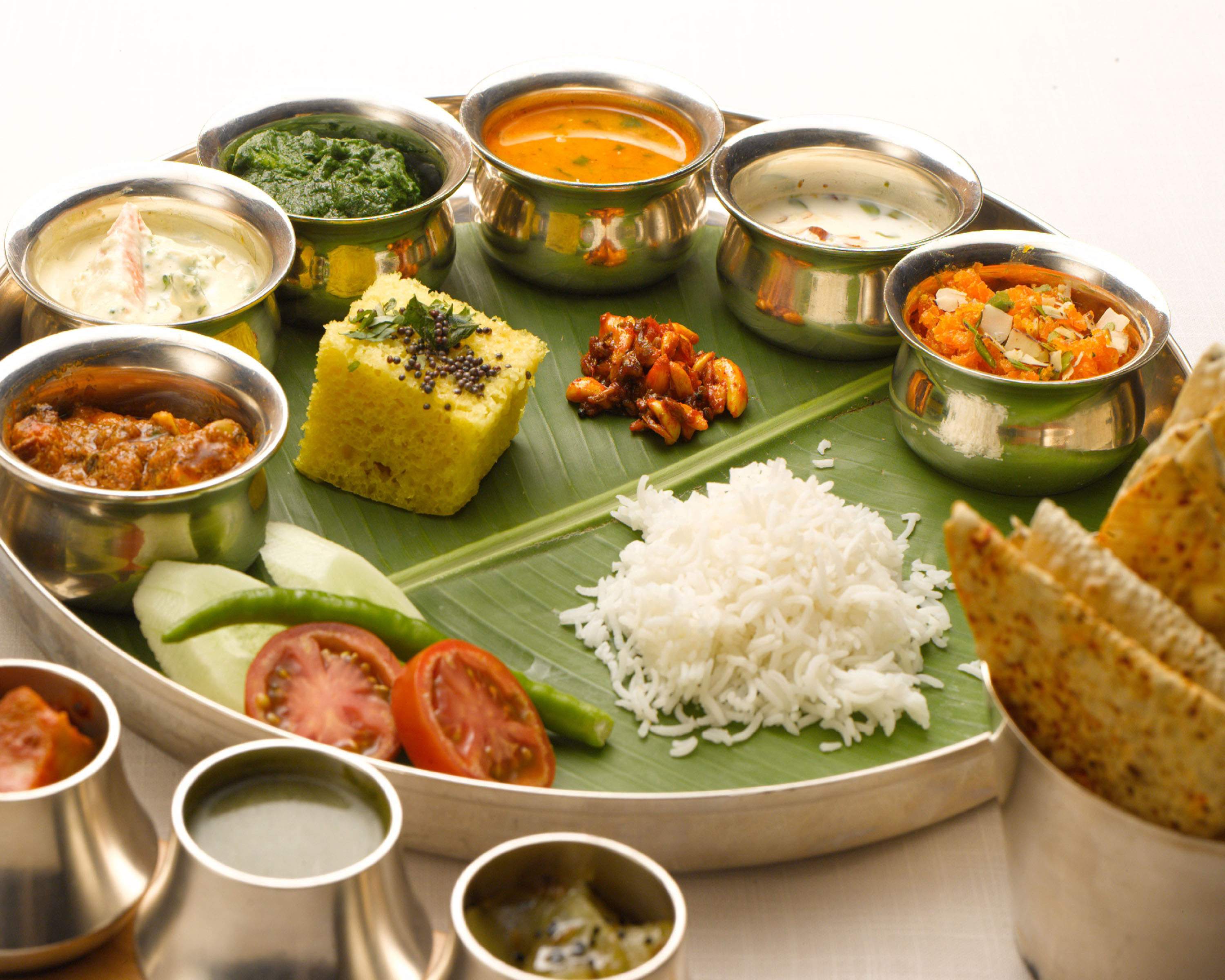
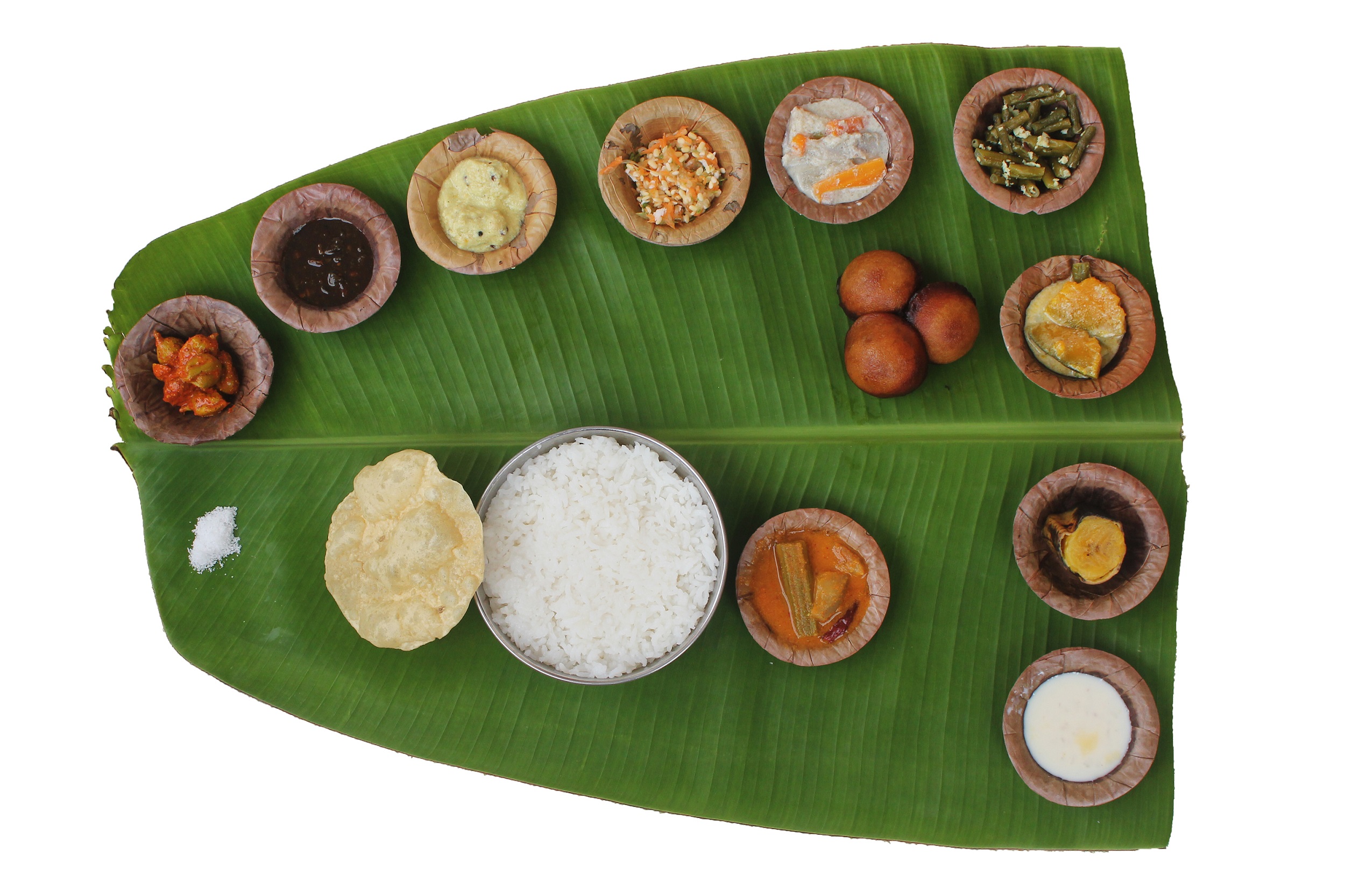
    Nepalese enjoy different food items that are generally hot, spicy and nutritious.Newari and Thakali cuisines are the original taste of Nepal.Generally Nepalese cooking style is influenced by both Indian cuisine and Tibetan cuisine.Nepalese staple food is daal bhat tarkari.Most of the tourists who visit Nepal like to have hot and spicy meat curries that are cooked in their style.The meal includes different varieties of food items and also pickle that is made out of fruits or vegetables are served.Most families eat from individual plates while seated on the floor.It is more common to eat food with hands rather than utensils.In Nepal, high caste people only eat vegetarian and do not take alcohol whereas other caste people may drink alcohol, eat pork and even beef.People of higher caste do not show interest to eat food that is prepared by strangers.

    Food of Nepal
    Food of Nepal

    Industries:

    In Nepal there was no industrial development till the middle of the twentieth century.The industrial development is accomplished with the help of countries like India, China and Soviet Union.With the abundant availability of minerals, industrial development is made possible in Nepal.The major industries focused on was of  jute, tea and sugar.Manufacturing of brick, tiles, construction materials, paper making, vegetable oil extraction, sugar refining and many more industries are established in Nepal.

    Industrial textile factory
    Industrial textile factory

    Trade:

    The trade of Nepal mostly depends on the neighboring countries -India and China.Major of the goods are imported from India.Goods transportation is limited by the terrain.Nepal import gold, machinery and other equipment.In Nepal although roads and modern transport are available, much of the country goods are transported by porters and pack animals.Generally this type of transport is used where landslides and flooding is more.Not only imports ,but Nepal is also famous for exports of goods like carpets, clothing, leather goods, jute, and grain.Apart from these, Nepal is famous for tourism which is another primary export.

    Nepal trade with the neighboring countries
    Nepal trade with the neighboring countries

    Medicine and health care:

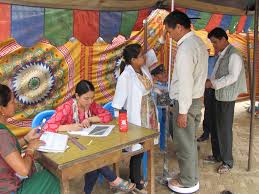
    Nepal suffers from malnutrition, infant mortality,respiratory and intestinal diseases.In Nepal, average expectation of life span is fifty seven years.Being very poor , unhygienic and lack of health care, the hospitals are available only in urban areas.But these hospitals are also poorly equipped and unhygienic.Few medicines are also not available in rural areas.There are few western hospitals, but the poor cannot afford them because of high costs.People still believe in religious practitioners and they approach them if they have any health problems.Hence, few people look at Ayurvedic medicines.As they think that illness is caused due to the imbalance of body hormones, they try to balance them using proper diet.Recently malaria is eradicated in Nepal.So at present, health development is concentrated on immunization, birth control, and basic medical care.

    Health care services in Nepal
    Health care services in Nepal
  • Uniqueness of Chinese Culture

    Uniqueness of Chinese Culture

    China was known as Middle Country in ancient period and is recently one of the largest countries across the world. China follows a single time zone, even though it is spread over five geographical regions with varying time zones. Chinese culture and tradition quite, quite complex as the lifestyles of Chinese people quite differ from one region to another. One of the most important reasons for this mysterious culture is various ethnic groups followed across the country. This country comprises of different religion and it would not be surprising to commit that these religions are the pillars of Chinese society. Buddhism, Taoism and Confucianism play a vital role in making this Chinese culture, a prominent culture across the world.

    chin2

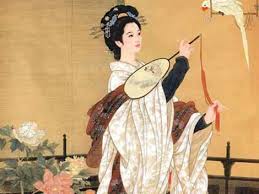
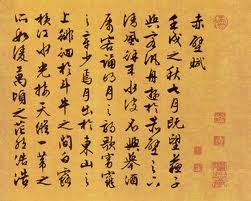
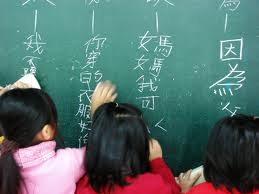
    When we talk about its art and language, then undoubtedly you will find the most innovative people in this society.  All the initiatives and invention begins from this society and in the consequences they are leading the world in many different fields. Their creativity is shown by the invention of paper, gunpowder, compass and printing technology. They have expanded their innovative and artistic ideas in pottery, painting, music and literature too. Along with so many inventive practices they are well capable of managing their tradition in today’s world. The most exclusive part you will find in this culture is its language. The Chinese language is known to be one of the oldest languages which needed only small modifications till today’s time. The unique part of this language is the use of symbols without any phonetic value. Chinese culture consists of 292 living languages with one extinct language. ‘Mandarin’ is known to be the official language in the country. During the ancient times Cinnabar ink and brushes were used for writing and drawing.

    art

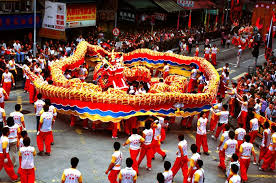
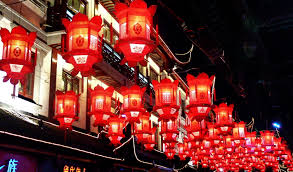
    Chinese culture is a mixture of different ethnic groups. So you will find different types of rituals and customs followed during the festivals. When we talk about the Chinese New Year which is like a Christmas in the country and is celebrated in February after the beginning of Gregorian calendar. People mark the beginning of this festive season by cleaning their houses and decorating the area with red ribbons and also give the blessing in the form of decoration. They also organize a family get together with appetizing meal. After this they all gather in their gardens or playgrounds for the fireworks which basically exorcise all the evil spirits from their soul and surroundings. It is the most adumbrative custom of Chinese people coming from the ancient time. Lantern festival shows the uniqueness of this culture. It is celebrated to mark the start of spring season. Large size lanterns are suspended on the streets and houses. Several performances like lion dances, lantern dances are organized for the people to enjoy in different areas. On this day rice dumplings and yuanxiao are the only part of their meal.

    lan

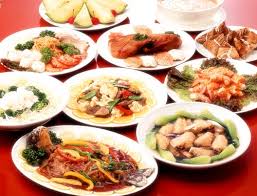
    There is a famous saying in Chinese:  ”Eating is the utmost important thing in life” so while discussing the Chinese Culture how could we forget about Chinese Cuisine. As we all know Chinese food needs no description. It is most popular and admired food all over the world. Chinese noodles, beans and rice accompanied with fish, vegetables (cabbage and peas) and meat is the most loved combination. Without Chopsticks this cuisine is incomplete. According to the geographical region the choices vary. Southern people prefer their meal being spicier and must include chili and pepper in it while northern people want ginger and vinegar to be the part of their meal.  The Chinese tea culture makes this cuisine an exclusive cuisine as tea is served there on certain special occasion and it is like a ritual which needs to be followed. There are eight families of dishes in China i.e.  Hui (Anhui), Min (Fujian), Yue (Cantonese),  Yang (Jiangsu), Xiang (Hunan), Lu (Shandong), Zhe (Zhejiang),  Chuan (Szechuan). There are four different styles in China, i.e. The Beijing, the Shanghai, the Sichuan/Szechuan and the Cantonese.

    food

    The most essential part of any culture is how the people are dressed up. So when we go through the attire of these Chinese people, then it varies with their social ranks. Silk Clothing is put on by the royal class while another wears clothes of hemp or ramie. The traditional Chinese clothing were pien-fu which means a two piece ceremonial costume, changshan means a long dress and shen-i  means a long robe having long and loose sleeves.  Padded clothes are seen during the winter season. Their clothing is generally seen with the different embroidery designs.

    chin1

    During the period of Zhou dynasty several national schools were established by the Chinese scholars for the training of children. A person belonging to Confucianism started encouraging people for private education. They also established various private schools which define and demarcate their own philosophy to the students. Men of this society are highly educated as compared to women as their education is only limited around the books which defines their duties towards women.

    edu

    This is all about Chinese culture which represents its uniqueness all around the world..!


  • TOO MUCH OR TOO LITTLE: GET THE RIGHT AMOUNT OF SALT

    TOO MUCH OR TOO LITTLE: GET THE RIGHT AMOUNT OF SALT

    s1

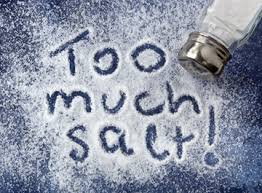
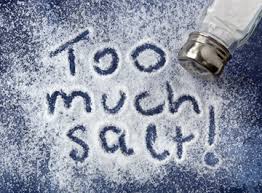
    Humans evolved for millennia on diets that were naturally very low salt; hunter-gatherers probably ate less than one gram of salt a day. Then about 6000 years ago, the Chinese began using salt to preserve food, and ever since it’s been a major ingredient in our diet worldwide. Today the high salt content of many processed foods have pushed average consumption up to 8 gm a day- double the recommended level of 4 gm a day. Even 4 gm is way more than our bodies are designed for. High intake of salt pushes up our blood pressure, there are two theories explaining this. The first states that high intake of salt causes our body to make more fluid, thus causing high blood pressure. This raised blood pressure may damage the arteries connected to heart. It will reduce the amount of blood reaching the heart. This may lead to angina (sharp pains in the chest when being active). The result is- the heart cells stop working properly because they are not receiving oxygen and nutrients. Lowering the blood pressure may remove some of the problems and help to reduce the risk of greater damage. If you still continue to eat too much salt, then the impact of extra blood pressure will become so high that it can burst the arteries and become completely clogged. The result is a heart attack. Too much salt can lead to muscle cramps, dizziness or electrolyte disturbance which can cause neurological problems. Death can occur by ingestion of large amounts of salt in a short time. Insomania is another health problem related to excessive intake of NaCl ( sodium chloride or the common salt)

    On the other hand there are arguments in the favor of salt which are raising eyebrows. Our body naturally maintains a constant balance of salt and water, with our kidneys keeping the equilibrium by filtering the reabsorbing salt. Any excess is expelled in the urine. A range of hormones perform this balancing act. In young people, restricting salt is likely to have little effect on blood pressure, it is significant in older ages.

    Too Little Salt-

    A diet low in sodium may put people with chronic illness or the elderly at risk for hyponatremia. Hyponatremia, also known as low blood sodium, is difficult to diagnose unless a blood test is administered. Symptoms usually include nausea, headaches, confusion, lethargy and loss of consciousness. The elderly are more at risk of developing hyponatremia as the aging body may not metabolize sodium as efficiently as it once did. Difficulty with sodium absorption can be exacerbated for those on pain medications, antidepressants, and diuretics. Other risk factors for developing hyponatremia include chronic illnesses such as Addison’s Disease, cirrhosis, dehydration, hypothyroid and heart or kidney failure. It is very important to listen to your body and take note of any symptoms—and to contact a medical professional if needed.

    Too Much Salt-

    s2

    For those with high blood pressure or hypertension no more than 1,500 mg per day of sodium is recommended. Research has shown that a diet with 1,500 mg of daily sodium intake or less not only keeps blood pressure from rising, but also allows blood pressure medicines to work more efficiently. Consuming too much salt can worsen high blood pressure symptoms, such as swelling, shortness of breath—and can cause weight gain.

    The easy way to reduce the salt intake

    s3

    • Choose low salt products(less than 120 mg of sodium per 100-gm serve).
    • Cut back on salt slowly so you don’t notice the difference. After a while your normal diet will taste very salty.
    • Flavor food with herbs, spices, garlic, and chilli, instead of salt.
    • Taste your food before you add salt.
    • If you crave a packet of salty chips, then have it. Just cut back on salt elsewhere that day.
    • Choose natural rather than processed foods-fruit, vegetables and meat are all naturally low salt.
    • Avoid food that have hidden salt-think soya sauce, stock cubes, bacon and flavoured noodles.
    • Read the nutrition label of the food you buy and make yourself aware with the terms.

    One should rely on flavor not on salt ! here is the perfectly balanced recipe to suit your taste using the natural flavors.

    Farfalle with mushroom and spinach

    Ingredients-

    • 6 ounces dried farfalle (bow-tie pasta)
    • 1 tablespoon olive oil
    • 1 medium onion, chopped
    • 1 cup sliced fresh mushroom
    • 2 cloves garlic
    • 4 cups thinly sliced fresh spinach
    • 1 teaspoon snipped fresh thyme
    • 1/8 teaspoon pepper
    • 2 tablespoon shredded parmesan cheese

    Directions-

    Cook pasta according to packet directions and drain well. Meanwhile in a large skillet, heat oil over medium heat. Add onion, mushroom and garlic; cook and stir for 2-3 minutes or until mushroom are nearly tender. Stir in spinach, thyme and pepper, cook 1 minute or until heated through and spinach is slightly wilted. Stir in cooked pasta; toss gently to mix. Sprinkle with cheese. Make 4 side dish serving.

    Since many of us consume too much salt, the following recommendations and tips are a good way for the average person to reduce their salt intake.

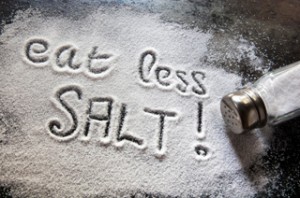
    Avoid adding salt to foods at the table or during cooking, such as cooking noodles, rice and hot cereals in salted water. Instead use spices and herbs for flavor.

  • Hinduism and Food!

    Hinduism and Food!

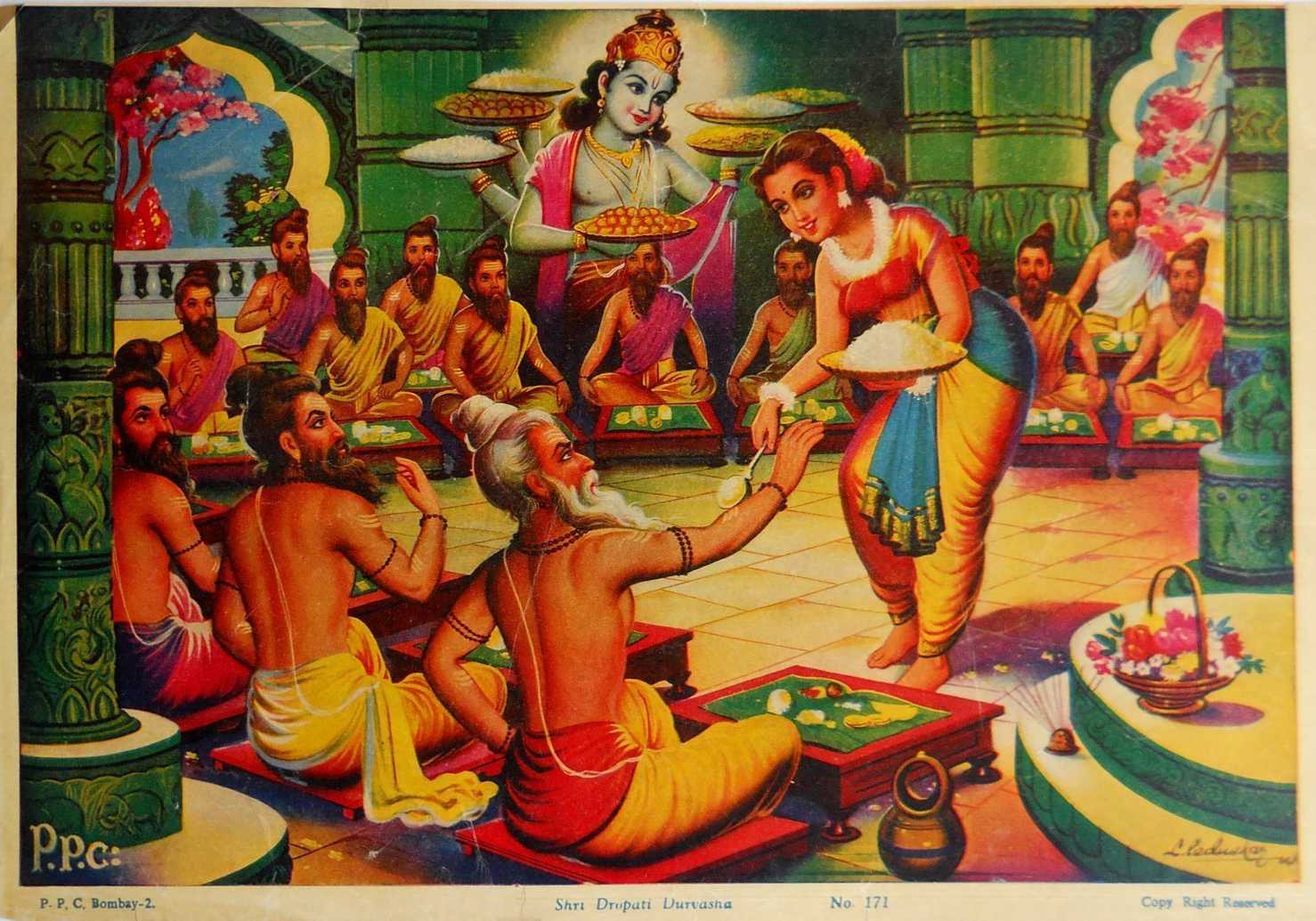
    There is a very prominent tale in Mahabharat where Draupadi had a bowl of plenty awarded to her by Sun god when she along with the Pandavas was in exile. She could take as much food from the bowl as she wanted until she herself has eaten.  One day sage Durvasa and his disciples arrived at her hut and asked Draupadi to feed them. Rishi Durvasa was known for his anger. To add insult to injury, she had already consumed food that day and knew that the pot would not yield any more eatables. She prayed to her Sakha, Lord Krishna for help. Incidentally, one grain of rice was left in the bowl. Lord Krishna took that grain and ate it up. To Draupadi’s surprise, Lord Krishna let out a belch as if just been fed with a sumptuous three-course meal. With him all the beings of the universe: the deities, yakshas , Gandharvas and also, Sage Durvasa and his disciples were satisfied.

    1

    This story indicates the importance of food in Hindu culture and mythology. In fact, food is central to almost all Hindu rituals and modes of worship. The Bhagavad Gita declares: “If one offers Me with love and devotion a leaf, a flower, a fruit, or water, I will accept it.” (9.26). The food is served in a clean place and before eating, water is sprinkled around the plate and vedic mantras are recited.  A little water is sipped before eating which is scientifically proven to be beneficial. The intension is that our mind and intellect remains inclined towards spirituality and virtues while doing everything, even, eating.

    Hindus believe that everything in the mortal world including, the five sense organs, the objects of the sense organs, elements, mind and intellect are essentially made of three qualities: Sattwa, Rajas and Tamas. Sattwa is associated with light, knowledge and purity; Rajas with activity and passion; and Tamas with ignorance, stagnancy and delusion. Consequently, different food items have different tendencies attached to them.

    3

    Foods which increase life, purity, strength, joy and cheerfulness and are savory, substantial and agreeable are Sattwic. This includes fruits, nuts, vegetables, milk and grains. The foods that are bitter, sour, saline, excessively hot, dry, pungent and burning are known as Rajasic. Onions and Garlics fall under this category and are believed to inspired passion in individuals. Tamasic food includes meat, alcohol, eggs, fish etc. Although, vegetarianism is encouraged in Hinduism, it is important to understand that these are mere guidelines that are provided to individuals to help aid the practice of meditation and there is no compulsion as far as adherence is concerned.

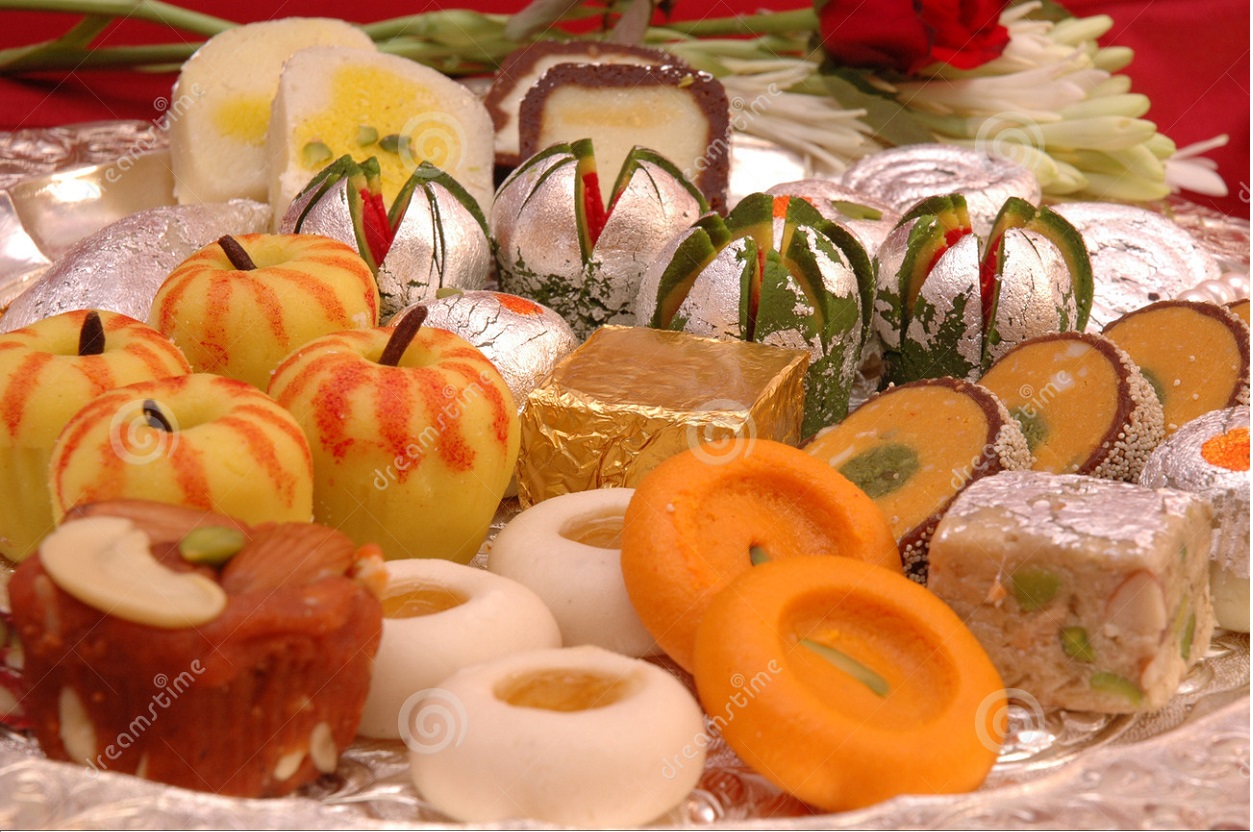
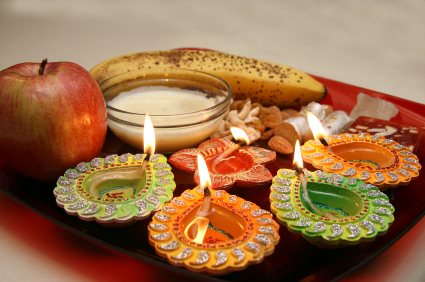
    Another important aspect of Hindu rituals is Prasad or the sacred food offering to the lord. Almost every Puja or worship is concluded by the distribution of Prasad i.e. the food that was offered to the lord during the worship. Prasad can include a variety of things such as jiggery, sweets, coconut, fruits, sweet rice, milk, tulsi leaves (Basil) etc.  The intension of the devotee is of prime importance here and not the material worth of the offering. Depending on one’s position and ability, one can offer anything with devotion. A few tulsi offered with a pure conscience will reap greater merit than gold offered with arrogance.

    4

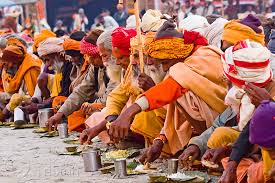
    Growing up in a Hindu household, I have vivid memories of being restless during the entire course of my mother’s daily prayers and waiting for the Prasad at the end. During Navratras, the nine day worship of the divine mother, Bhandaras are organized.  Bhandaras are spiritual gatherings where large quantities of food are prepared by the community and then distributed to everybody who attends it. This is a form of community service where poor and ailing are fed alongside  the affluent and thus establishing their equality in the eyes of the lord.

    3

    Feast and fast, both are essential part of the Hindu experience. The festivals of Diwali, Holi, Dussehra  and Janmashtami are often associated with the preparation of delicious foods. People visit their friends and relatives and offer each other food. This helps in spreading harmony and unity in the community.  Hinduism offers a great deal of flexibility even in the case of fasting. Fasting can be complete, eating “purer” foods, adopting a completely vegetarian diet or it can be abstaining from favorite foods. It can be seen as a means of purification or as a sacrifice.

    3

    The Hindus are known to use hands to consume their food. The idea is to savor the food with as many sense organs as possible: the color and appearance of the food with eyes; its rich aroma with the nose; it’s delicious taste with the tongue and its texture with the hands. There is an interesting story regarding this. The Indian president, Dr. Radhakrishnan once met Britist Prime Minister Winston Churchill and they sat down for lunch. Before eating, Dr. Radhakrishnan washed his hands and when the food was served, took a morsel in his hands and began eating. Churchill told Dr. Radhakrishnan, “Why are you using your hands? Use spoon and fork, they are more hygienic”.

    Radhakrishnan’s repartee was, “Since nobody has used my hand to eat before, my hand is more hygienic than any spoon you can find.”

  • MAXIMIZE YOUR HEALTH

    MAXIMIZE YOUR HEALTH

    When we are talking of health, it is not just about a healthy body but also about sound mental health. Good health can be described as the condition where both our body as well as our mind are functioning properly. The main causes behind poor health conditions are diseases, improper diet, injury, mental stress, lack of hygiene, unhealthy lifestyle, etc. Over the past few years, our lifestyle has changed and we often tend to ignore the importance of healthy living in one way or the other.

    h1


    When to make the smartest health moves- from scheduling a pap to popping a vitamin.

    TO SHARPEN YOUR BRAIN

    k1

    • Play sudoko or do a crossword between 10 and 11 AM or 8 and 9 PM: try not to waste a minute- the brain boost lasts only for about an hour.
    • Take a nap at 2 PM: the sip in body temperature that helps ease you into sleep at night also occurs mid day, which is why afternoons can be so unproductive. But if you can catch a catnap around 2 PM (the slumps usually hit between 1 and 3’o clock), it should boost your alertness for several hours. Ten minutes will do the trick- nod off for more than 20 and you may wake up feeling groggy. If a nap is out of the question, eat plenty of protein at lunch, which will give you longer lasting energy.
    • Mid afternoon is also a good time for “strategic caffeine use”. If you don’t exceed a cup or two per day, caffeine works phenomenally well at increasing your alertness.

    TO BOOST YOUR ENERGY

    • Follow a sleep schedule: several studies suggest that obeying your alarm clock can help relieve day time fatigue. And sleep researchers are finding that people who get at least 7 hours of sleep a night are much less likely to be obese and weight gain can act as an energy drain. Going to bed and getting up at the same time every day also keeps your biological clock on schedule. This clock regulates your body temperature, hormones, blood pressure and other important functions.
    • Head to bed at least 2.5 hours after eating dinner: it ensures more efficient digestion and because eating too much food before sleeping can cause heart burn or deeper sleep. If you want a drink have it early to give your body plenty of time to metabolise the alcohol.

    TO POWER UP YOUR PILLS

    • Swallow your multi vitamins with a meal: your body absorbs vitamins better when you take them with food. This will minimise the potential for stomach upset, too and make you more likely to remember your multi vitamin every day.
    • Take heart pills before bed: if you take blood pressure medication before turning in, it will still be working by early morning, which is a time associated with a 30 to 50% increased risk of heart attacks and strokes. And because the liver revs up cholesterol production overnight, you’ll maximise the lipid lowering ability of statins if you take them before hitting the sack.

    TO GET MORE FROM YOUR WORKOUTS

    • Do your cardio exercise early in the morning: ultimately, the best time to exercise is when you’ll actually do it. That’s the reason for scheduling it early in the day. You have fewer distractions and if some does interfere, you can reschedule for the afternoon or evening. If you exercise outdoors, mornings are better because air pollution is lowest at that time. And research demonstrates that working out boosts brain activity afterward- a great way to begin your day. Experts say it is not good to exercise on an absolutely empty stomach.
    • Learn or practice a skill sport between 4 and 6 PM: hand-eye coordination is highest then, so it’s a good time for any form of exercise that requires a high degree of skill, like a tennis lesson or dance class.
    • Start exercising in February: with impending university and school exams students and parents are busy, so are officials and corporate with the financial year drawing to a close, attendance at sports club or gym is low so you are likely to get more attention from the trainer.
    • Begin your diet in June: you’ll naturally lose a kilo or two because of lack of appetite in this weather. Capitalize on that initial loss by starting a full-fledged diet and exercise program. All the fresh fruits and veggies will make it easier to eat right without feeling deprived.

    TO PROTECT YOUR PEARLY WHITES

    • Brush at night: if you can only fit in one brushing session per day, your teeth will benefit most if you do it before going to bed.
    • Have a root canal after 2 PM: pain medications used in dentistry typically last 8 to 10 hours, so you’ll stay comfortably numb until you’re ready to hit the sack.

    TO MAXIMIZE YOUR MEDICAL CARE

    k2

    • Get the first appointment of the day: early in the morning doctors are more attentive and alert, so make the most of it with an early appointment. You encounter less traffic on your way to the doctor.
    • Test your cholesterol and triglyceride levels twice a year: to get a complete picture of your lipid levels have them checked once in the summer and then again in December. Research shows that these levels especially those of triglycerides fluctuate between the seasons and generally tend to peak in mid winter, especially in women.
    • Arrange your elective surgery for winter or: avoid July, august and September, when the hot moist weather in most parts of the country makes for ideal conditions for infections. The operation theatre may be sanitised, but once the patient is out of operation theatre, chances of secondary infection is high. Of course much depends on the kind of surgery.
  • The Culture of Convenience

    The Culture of Convenience

    The purrs of smooth engines and the coughs of not-so-smooth engines on the city streets makes for a perfect cacophony—the concrete jungle. With the hustle and bustle of modern-day living, it doesn’t take Einstein to realize that the modern youngsters are looking for convenience.

    Be it in grocery shopping, entertainment, housing, travel, relationships or even food; the one thing that would make up any rotten day is some convenience! And why not? After all the time we’ve invested in securing a future and perfecting our lifestyles, a little ‘ease-to-access’ doesn’t seem like too much of a demand. Whether we are from a bloodline of Nawabs or just another part time worker, we do quite a few things based on their convenience, or ease. How effectively it can be done seems to take a backseat on the priority bus.

    Consider a couple chit-chatting away in a quaint little coffee shop. The man, being the man and to impress the lady leans back stylishly and gestures a call with two fingers

    “Waiter!” He calls as if he owns the place.

    The waiter, in his anxious rush, trots over to the table to take their order.

    Now think about it for just a minute, what is the role of the waiter in the first place?

    It is to wait on the customers.

    Why do the customers need to be waited on when they are perfectly capable of collecting their orders themselves, using their own two hands?

    That’s right, folks; because it’s just easier that way. As long as the work doesn’t pile up on us, we’re golden! Figuratively, of course. Now certainly, it’s no crime to want for things to be convenient—it’s more of a culture; which we’ve developed over the years of evolution.

    During ancient times, it was no trouble to walk ten miles past the woods, round the mulberry bushes and beyond the wasteland to get to the river and fetch potable water. Definitely, people would call it “stupidity” if someone were to do so now, with all the plumbing and the pumps and whatnot. Certainly better this way, isn’t it? Because it’s just more convenient.

    images

    Progress and time saving are two very useful outcomes of adopting new and convenient methods. We get more work done, in lesser time, and sometimes, with a lot more efficiency. It gives us a chance to do so much more. This “convenience culture”; which every breathing being has adapted to, is helping the word move to greater heights.

    We see so many examples of day-to-day things, innovatively made easier. Moving assembly lines, digital cameras, smartphones, portable Wi-Fi, canned drinks, electricity, cars, bikes, social networking, and the list is never ending. Look to the first thing you see and think about its earlier ‘versions’. If you see a digital clock, think about when it used to be just a pendulum clock, occupying the opposite wall. If you see a suitcase with rollers, think about when it used to be a bulky wooden trunk that one had to heave around.

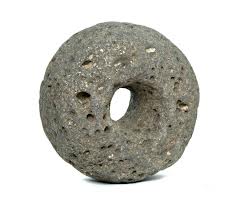
    See a Ducati? Those wheels used to be stone rollers.

    images (4)

    Technological advancements have played a crucial role. Work has become lesser a burden and people find more time for life.
    Another beautiful example was one that I came across a few days ago, in Chennai, near a bus stand. My father and I were starved and miles from home, when we spotted a nicely lit place with wooden-panelled walls on the inside. Past the glass doors, we saw touch-screens that clearly read “pick your order” and some queer looking conveyer belts. We looked at each other for a moment, than up at the billboard.
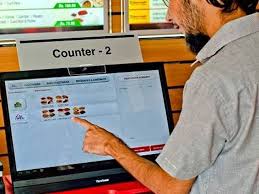
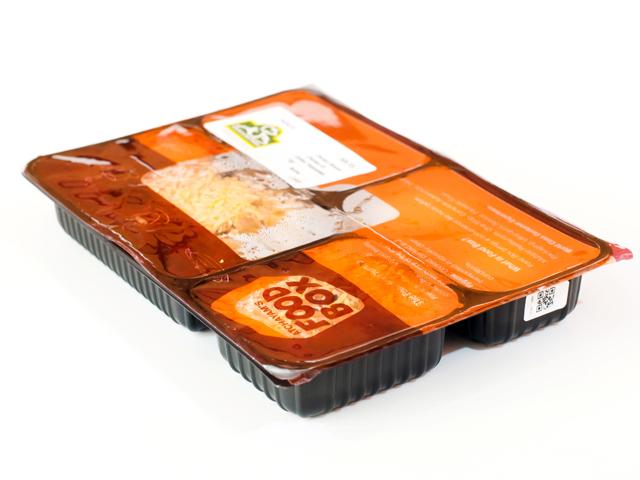
    It read Food Box—A convenience like never before.

    Dad and I were obviously scratching our heads, wondering why there were conveyer belts at some usual food court. Then, deciding to follow our senses and let our curiosity wander, we walked in past the glass doors and let the cool air greet us. We did as told and placed our orders by selecting them from the touch screen and waited.

    images (3)

    The conveyer moved.

    On it, came travelling a tray, sealed shut with a plastic cover, with steaming food on the inside. What was more was the fact that the order was delivered in less than ninety seconds! Now that was quick, considering we had only twenty minutes to finish up and board the next bus home.

    funded-by-mostly-friends-and-family

    It was a refreshing experience, and we had a long chat on the bus about how something like this could put the usual fast food chains out of business! The innovation had a lot of potential. People could grab their food—from a large variety—and rush out. It might not sound as exciting while reading about it but, it truly was convenient and saved us a whole lot of time.


    Taking the shortcut, however, doesn’t always make life easier. As the saying goes; too much of a good thing isn’t good. Ironically, that is very true. Despite the apparent positives that “convenience culture” brings, there is a huge load of negatives. If everyone keeps up with this want of not doing anything that’s difficult, or challenging, as spectacular it sounds, it would actually kill our mental capabilities and decrease our physical strength.

    For example, when an astronaut spends over a month in space and returns to earth, it is observed that he has lost his bone density. The explanation to this is that the lack of gravity in space makes it easier for the astronaut to move around—convenient? Seemingly so but, when you think that you’d lose your bone density, the idea of walking in zero-gravity doesn’t seem so appealing.

    The challenges we face in everyday life are like gravity. They weigh us down, yes, but only so we can grow stronger. A very disastrous side-effect of the “easy way out” is laziness. Instead of decreasing bone density, we face decreasing brain density.

    The choice is ours, really. Just because something is easy doesn’t mean that it will make us stupid, but just because something is hard doesn’t mean that it shouldn’t be done. Of course, one could argue that simplifying complexities is a key sign of intelligence, but either way, one does have to challenge the situation first.


  • Dieting or Die-Eating?

    Dieting or Die-Eating?

    Dieting_

    Oh, no. It looks as though you’ve had a row with the weighing machine. Again.

    What was it this time? The needle pointed five kilos ahead? What other options are there apart from running, yoga, swimming and various other exercises?

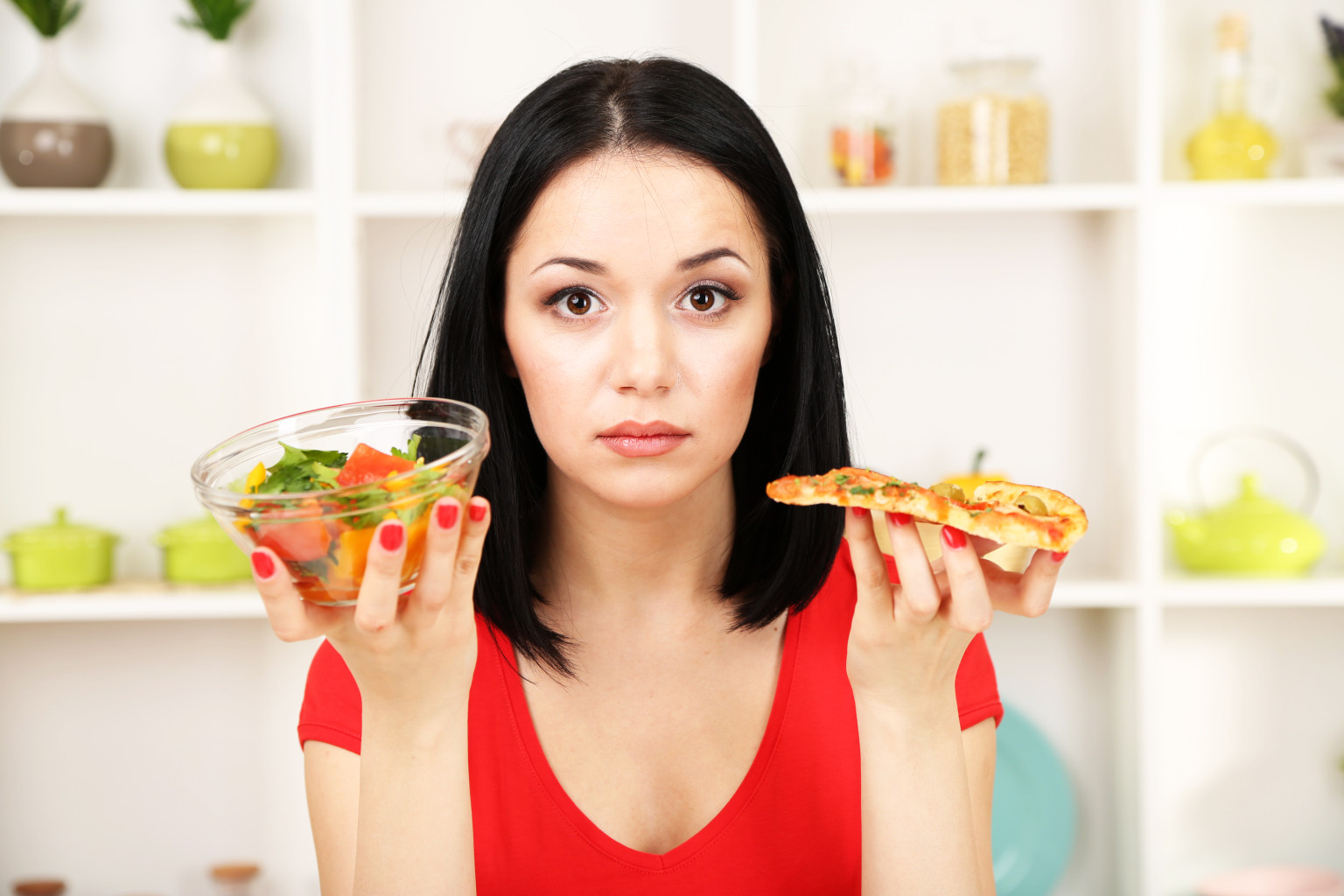
    Dieting, you say? Cutting down your food intake to a minimal? Are you sure you know the difference between dieting and starving?

    Unfortunately, many don’t understand what dieting truly is.

    The common misconception is that Dieting refers to controlling the amount of food or calories you ingest, in order to lose weight.

    However, the truth runs along these lines:

    Dieting is the practice of eating food in a regulated fashion to decrease, maintain, or increase body weight. That’s right, folks. Dieting doesn’t mean cutting down on your nutrition intake–it means balancing it.

    To determine a proper diet for yourself, it is suggested that you visit a dietitian and have them plan it out for you, based on your body type, weight, eating habits, height, etc.

    However, if you’re more of the future planner, it would help to know some of the long term effects of dieting

    The Long Term Effects of Dieting:

    “Success” in dieting methods has been generalized as weight loss. This implies that losing weight will lead to improved health, and yet, health outcomes are not  included in diet case studies. Do weight-loss diets lead to improved cholesterol,  systolic and diastolic blood pressure, and fasting blood glucose? 

    The question is not whether or not one should diet, but what exactly is it that dieting achieves.

    In most case studies dieting persons show minimal improvements in the above mentioned health criteria, while none correlate with weight change.

    Shocking, but true. Though weight-loss dieting might help shed those extra pounds, it only does so temporarily. In the long run, however, case studies reported that, the majority of individuals had gained almost all of the weight that was lost after dieting, if not more, regardless of continuity in their diet or exercise program. It was also revealed that after two years of dieting, up to two-thirds of dieters were even heavier than they were, prior to beginning their program!

    The “Taboo” Foods

    Certainly, when you are put under a weight loss dietary program, there are certain foods you would be required to give up or cut down on. These include, but are not limited to:

    drinksSoft_Drinks_in_Glass_with_Bottles_926f0c15-b214-4abb-9bea-2dfe2f519478-prv

    • Salad Dressings
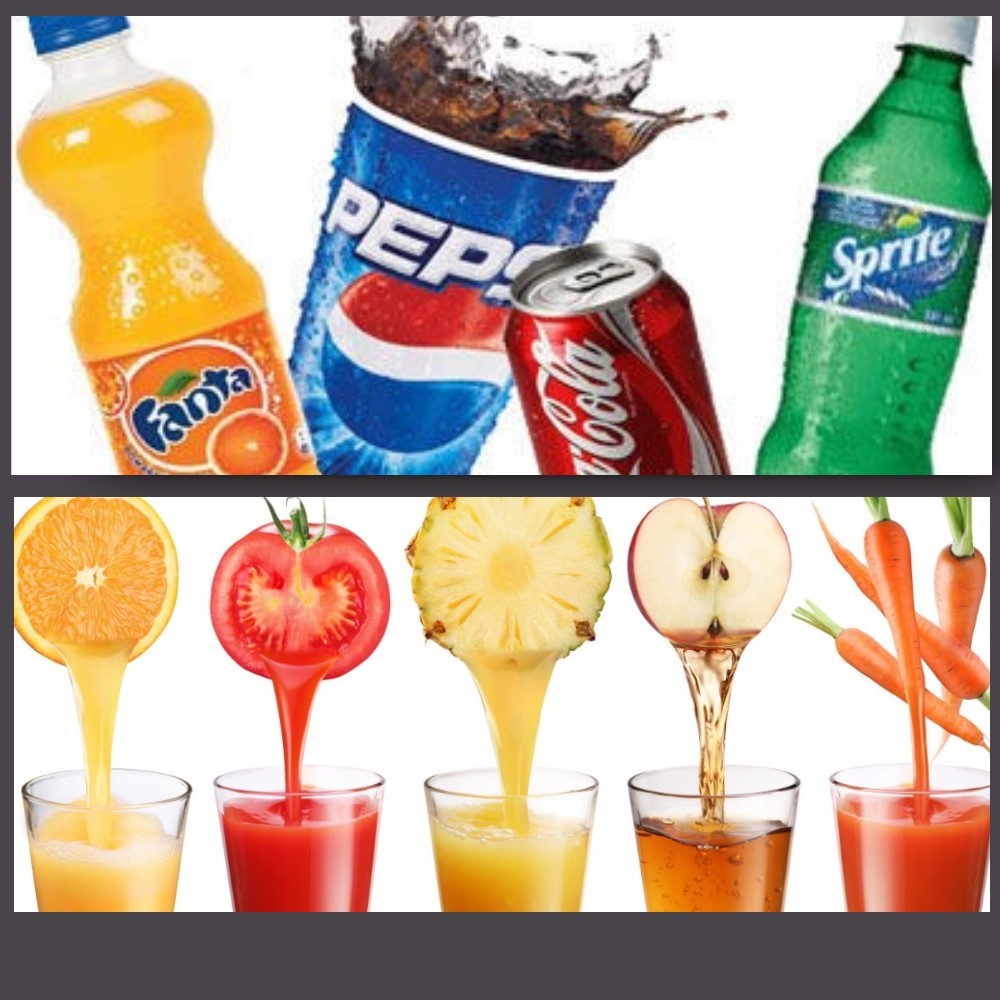
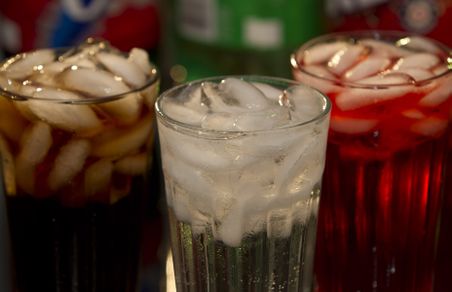
    • Beverages like alcohol, smoothies, coffee with cream and sugar, sweetened juices, teas, and sodas
    • Certain meats like Bacon, grilled Chicken
    • Cheese
    • Croutons
    • Burgers
    • Chocolates
    • Doughnuts
    • Cookies
    • Tortillas
    • French fries
    • Potato chips

    The list could go o forever, but to sum it up, anything with carbohydrates or fats becomes a taboo. Though it is true that not all dietitians advise that you ban these foods, or tell you to cut down on their quantity, could you really live with feeling guilty every time you pass a packet of Lays, in a shop?

    Think about what we saw earlier, about how dieting isn’t really all rainbows and ponies in the long run, and ask yourself: is all the effort really worth it? Is it honestly worth it to drown in shame every time you take a bite out of something sweet, only to find out that you’ll gain the same weight, or probably more, two years down the lane, despite your efforts?

    Doesn’t seem smart.

    chips 2processed meat

    The Ignored Side Effects

    Every day, it seems there’s a new “it” diet. But now, it seems as though there’s a whole new reason not to try them all: It turns out, switching diets can drastically affect your intestinal health.

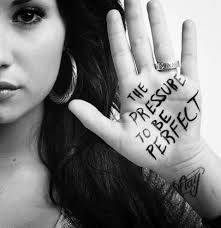
    While there are studies that show the health and medical benefits of weight loss, a study in 2005 of around 3000 Finns over an 18-year period showed that weight loss from dieting can result in increased mortality, while those who maintained their weight got the best. It has also been found that in most cases, a low fat diet causes constipation. Is that something you want to deal with? I think not. In adolescents, it is noted that along with physical ones, dieting can inflict psychological and emotional harms. The stress of being thinner usually leads to eating disorders like Anorexia and low self esteem in teenagers. Sadly though, these ill effects are shadowed by the supposedly ‘fantastic’ results of dieting, that last no more than six months after the completion of your regime.

    images (2)

    The Consequences

    In many cases, normal dieting doesn’t seem to be satisfactory. Not because you’re not doing it right, but just because it isn’t normal and your body is not ready to accept such changes as you inflict on it during the course of your diet. Sadly, these simple signs are misunderstood and dieters are lead to believe that their diet lacks severity.

    As a result, they monitor their eating habits even more strictly than they did before and needless to say, this only leads to more harm.


    1. Binge Eating: Binge eating is sometimes the outcome of having gone too long without necessary nutrition and calories. If you consistently skip meals when on a diet, it is possible to feel deprived and eat many more calories late at night, especially if you’re unable to fall asleep from intense hunger.                                                                                                                                                             download (2)
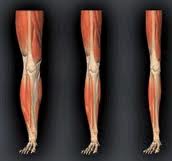
    2. Muscle Loss: Unhealthy dieting practices that don’t produce enough protein can lead to unwanted muscle loss. Your body needs protein to build and repair tissues, and carry out a large number of processes. When you don’t consume enough protein in your diet, your body will consume its own muscle mass. Ouch!                                                                                                                        muscle-loss-in-legs
    3. Fatigue and Nausea: Some unhealthy dieting practices include extreme calorie reduction. Juice fasts where you go for weeks without consuming solid foods often result in horrible side effects. Fatigue, nausea, dizziness and headaches are common consequences of these unhealthy diets.
    4. Challenge to mental Health: Unhealthy dieting is challenging for your mental health. Many people feel grumpy and irritable when they are hungry. Not getting enough calories, not having enough energy to carry out daily tasks, feeling dizzy and nauseous can all combine to push some extreme dieters into feelings of deep sadness or even depression.                                

     download (3)

    The Final Conclusion

    After having thoroughly read about dieting and it’s true colours, can you really say that it is the most natural way to lose unwanted weight?

    The challenge with weight loss diets is that they usually cannot be maintained in the long term. You may be able to survive on a short term basis on an extremely low-calorie diet, but eventually you will have to resume eating regular meals.

    The ball is in your court then. Do you prefer dieting? Or happily Die-Eating?