Tag: brain

  • 10 Food Items That Keeps Your Brain Active

    10 Food Items That Keeps Your Brain Active

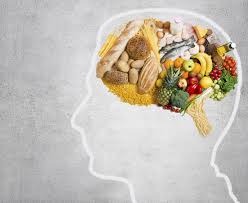
    Health is wealth..!! When our health is concerned, we have to see its physical and mental aspects both. Along with hearts, joints, brain also needs certain special nutrients for its proper functioning. So here is the list of food items that keeps your brain active and stable:

     Instead of wine, eat purple grapes:

    images (1)

    To prevent circulatory diseases, various doctors prescribe you to drink more and more wine. But simultaneously this affects our respiratory system in a very harmful ways. Now you must be confused what to do?? The best possible ways is to avoid intake of wine and start eating purple grapes. Purple grapes are the rich source of phytonutrient resveratol which help in providing proper circulation. By eating purple grapes they easily fulfil the demand for resveratol. They maintain the level of oxygen and nutrients by preventing our body to suffer from dementia. It helps to prevent blockage and keeps our blood vessels healthy. They also decrease the amount of bad cholesterol and increase the amount of good cholesterol. So avoid drinking wine and make a habit of eating purple grapes in your breakfast.

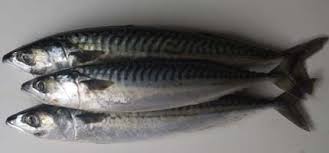
    Have some oily fish:
    fish


    Our body has a certain demand for fatty acid and it is essential to fulfil this demand through our diet. Though our body is capable of making fatty acids, but the level is difficult to achieve. Our brain needs omega-3 fats, which are naturally present in oily fish. There are various other sources of this acid like soya bean oil, linseed oil, walnut oil or soya beans. Oily fish is very helpful for proper functioning of brain, heart and joints. This fish contains ready-made DHA and EPA so that body can use this easily. If our body contains less amount of DHA then the risk of having memory loss and Alzheimer’s disease increases. The most essential sources of these are trout, salmon, sardines, kippers etc.

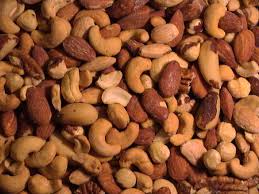
    Sprinkle the topping of nuts:
    nuts

    To prevent cognitive impairment intake of vitamin E in our diet is necessary. Nuts are the main source of Vitamin E. So double the toppings of nuts on your food items and enjoy its benefits.

    Try some Avocado:

    avocado

    Avocado is basically known for its fat content. They are the main source for carrying oleic acid in our body. This fatty acid helps in building a coat of insulation, which is referred as myelin. Myelin is a matter which helps in providing information at the fast speed, approximate 200 miles in an hour. Without myelin the brain process information at a slow speed. Apart from avocado there are some other ways too with which we can include some fatty acid in our diet, but being so much smooth and creamy in nature they are preferred more. So, avocados are mainly an important source for providing fast speed and response.

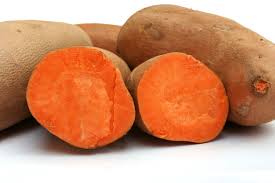
    Get some sweet potato in your diet:
    sweet potato

    Sweet potato contains Carotenoids, which act as antioxidants and prevent our cells from damage. As we know sweet potatoes contain less sugar than white ones. So always prefer food items which contain low sugar so that the level of glycemic index can be maintained.

    Go for whole grains:
    grain

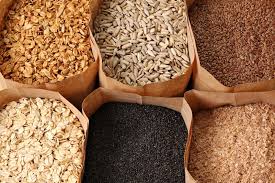
    As it is well known that for proper functioning of the brain, it needs energy. There is a need of full concentration and focus and this all comes when there is an adequate amount of energy in our body. Energy is provided in the form of glucose to our brain. Glucose is provided to our blood when there is a regular intake of whole grains in our diet. This release of glucose into our body helps in decreasing our response time and keeps us alert throughout each activity. You can go for brown pasta, granary bread and brown cereals. When we talk about brown cereals we are mainly concerned with brown rice. Vitamin-B is the secret source of energy which is highly present in brown rice.

    Add more and more vitamins in our body:

    To reduce the amount of homocysteine in our body increase the level of vitamin B6, B12 and folic acid. With increasing homocysteine in our body the risk for Alzheimer’s disease, stroke and cognitive impairment also increases. Certain researches show that with increases the content of these vitamins in our diet the cases for brain shrinkage decreases.

    Eat green vegetables:
    green

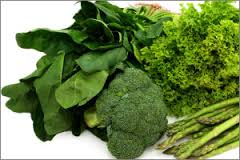
    It is the known fact that a small amount of green vegetable in our diet can do wonders. But when the brain is considered a handful of spinach can do this work. Spinach contains vitamin-B and folate which mainly helps in maintaining circulation of blood. Folate helps in forming neurotransmitters for learning and thinking process.

    Open Sesame:
    sesame

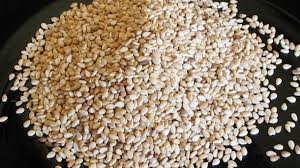
    Sesame seeds are the richest source of zinc. This is the most important needed in our brain for proper learning, memory and development of our brain. Zinc is also needed for our defense system for providing immunity and balance.

    Increase your learning with lentils:

    These lentils are a good source of iron and this iron helps in the formation of myelin. With this myelin information is processed quickly and enhances our learning process. Iron also helps in the formation of dopamine, which controls our mood.

    Take these food items and keep your brain healthy..!!

  • MAXIMIZE YOUR HEALTH

    MAXIMIZE YOUR HEALTH

    When we are talking of health, it is not just about a healthy body but also about sound mental health. Good health can be described as the condition where both our body as well as our mind are functioning properly. The main causes behind poor health conditions are diseases, improper diet, injury, mental stress, lack of hygiene, unhealthy lifestyle, etc. Over the past few years, our lifestyle has changed and we often tend to ignore the importance of healthy living in one way or the other.

    h1


    When to make the smartest health moves- from scheduling a pap to popping a vitamin.

    TO SHARPEN YOUR BRAIN

    k1

    • Play sudoko or do a crossword between 10 and 11 AM or 8 and 9 PM: try not to waste a minute- the brain boost lasts only for about an hour.
    • Take a nap at 2 PM: the sip in body temperature that helps ease you into sleep at night also occurs mid day, which is why afternoons can be so unproductive. But if you can catch a catnap around 2 PM (the slumps usually hit between 1 and 3’o clock), it should boost your alertness for several hours. Ten minutes will do the trick- nod off for more than 20 and you may wake up feeling groggy. If a nap is out of the question, eat plenty of protein at lunch, which will give you longer lasting energy.
    • Mid afternoon is also a good time for “strategic caffeine use”. If you don’t exceed a cup or two per day, caffeine works phenomenally well at increasing your alertness.

    TO BOOST YOUR ENERGY

    • Follow a sleep schedule: several studies suggest that obeying your alarm clock can help relieve day time fatigue. And sleep researchers are finding that people who get at least 7 hours of sleep a night are much less likely to be obese and weight gain can act as an energy drain. Going to bed and getting up at the same time every day also keeps your biological clock on schedule. This clock regulates your body temperature, hormones, blood pressure and other important functions.
    • Head to bed at least 2.5 hours after eating dinner: it ensures more efficient digestion and because eating too much food before sleeping can cause heart burn or deeper sleep. If you want a drink have it early to give your body plenty of time to metabolise the alcohol.

    TO POWER UP YOUR PILLS

    • Swallow your multi vitamins with a meal: your body absorbs vitamins better when you take them with food. This will minimise the potential for stomach upset, too and make you more likely to remember your multi vitamin every day.
    • Take heart pills before bed: if you take blood pressure medication before turning in, it will still be working by early morning, which is a time associated with a 30 to 50% increased risk of heart attacks and strokes. And because the liver revs up cholesterol production overnight, you’ll maximise the lipid lowering ability of statins if you take them before hitting the sack.

    TO GET MORE FROM YOUR WORKOUTS

    • Do your cardio exercise early in the morning: ultimately, the best time to exercise is when you’ll actually do it. That’s the reason for scheduling it early in the day. You have fewer distractions and if some does interfere, you can reschedule for the afternoon or evening. If you exercise outdoors, mornings are better because air pollution is lowest at that time. And research demonstrates that working out boosts brain activity afterward- a great way to begin your day. Experts say it is not good to exercise on an absolutely empty stomach.
    • Learn or practice a skill sport between 4 and 6 PM: hand-eye coordination is highest then, so it’s a good time for any form of exercise that requires a high degree of skill, like a tennis lesson or dance class.
    • Start exercising in February: with impending university and school exams students and parents are busy, so are officials and corporate with the financial year drawing to a close, attendance at sports club or gym is low so you are likely to get more attention from the trainer.
    • Begin your diet in June: you’ll naturally lose a kilo or two because of lack of appetite in this weather. Capitalize on that initial loss by starting a full-fledged diet and exercise program. All the fresh fruits and veggies will make it easier to eat right without feeling deprived.

    TO PROTECT YOUR PEARLY WHITES

    • Brush at night: if you can only fit in one brushing session per day, your teeth will benefit most if you do it before going to bed.
    • Have a root canal after 2 PM: pain medications used in dentistry typically last 8 to 10 hours, so you’ll stay comfortably numb until you’re ready to hit the sack.

    TO MAXIMIZE YOUR MEDICAL CARE

    k2

    • Get the first appointment of the day: early in the morning doctors are more attentive and alert, so make the most of it with an early appointment. You encounter less traffic on your way to the doctor.
    • Test your cholesterol and triglyceride levels twice a year: to get a complete picture of your lipid levels have them checked once in the summer and then again in December. Research shows that these levels especially those of triglycerides fluctuate between the seasons and generally tend to peak in mid winter, especially in women.
    • Arrange your elective surgery for winter or: avoid July, august and September, when the hot moist weather in most parts of the country makes for ideal conditions for infections. The operation theatre may be sanitised, but once the patient is out of operation theatre, chances of secondary infection is high. Of course much depends on the kind of surgery.