
Tag: diseases

  • TOO MUCH OR TOO LITTLE: GET THE RIGHT AMOUNT OF SALT

    TOO MUCH OR TOO LITTLE: GET THE RIGHT AMOUNT OF SALT

    s1

    Humans evolved for millennia on diets that were naturally very low salt; hunter-gatherers probably ate less than one gram of salt a day. Then about 6000 years ago, the Chinese began using salt to preserve food, and ever since it’s been a major ingredient in our diet worldwide. Today the high salt content of many processed foods have pushed average consumption up to 8 gm a day- double the recommended level of 4 gm a day. Even 4 gm is way more than our bodies are designed for. High intake of salt pushes up our blood pressure, there are two theories explaining this. The first states that high intake of salt causes our body to make more fluid, thus causing high blood pressure. This raised blood pressure may damage the arteries connected to heart. It will reduce the amount of blood reaching the heart. This may lead to angina (sharp pains in the chest when being active). The result is- the heart cells stop working properly because they are not receiving oxygen and nutrients. Lowering the blood pressure may remove some of the problems and help to reduce the risk of greater damage. If you still continue to eat too much salt, then the impact of extra blood pressure will become so high that it can burst the arteries and become completely clogged. The result is a heart attack. Too much salt can lead to muscle cramps, dizziness or electrolyte disturbance which can cause neurological problems. Death can occur by ingestion of large amounts of salt in a short time. Insomania is another health problem related to excessive intake of NaCl ( sodium chloride or the common salt)

    On the other hand there are arguments in the favor of salt which are raising eyebrows. Our body naturally maintains a constant balance of salt and water, with our kidneys keeping the equilibrium by filtering the reabsorbing salt. Any excess is expelled in the urine. A range of hormones perform this balancing act. In young people, restricting salt is likely to have little effect on blood pressure, it is significant in older ages.

    Too Little Salt-

    A diet low in sodium may put people with chronic illness or the elderly at risk for hyponatremia. Hyponatremia, also known as low blood sodium, is difficult to diagnose unless a blood test is administered. Symptoms usually include nausea, headaches, confusion, lethargy and loss of consciousness. The elderly are more at risk of developing hyponatremia as the aging body may not metabolize sodium as efficiently as it once did. Difficulty with sodium absorption can be exacerbated for those on pain medications, antidepressants, and diuretics. Other risk factors for developing hyponatremia include chronic illnesses such as Addison’s Disease, cirrhosis, dehydration, hypothyroid and heart or kidney failure. It is very important to listen to your body and take note of any symptoms—and to contact a medical professional if needed.

    Too Much Salt-

    s2

    For those with high blood pressure or hypertension no more than 1,500 mg per day of sodium is recommended. Research has shown that a diet with 1,500 mg of daily sodium intake or less not only keeps blood pressure from rising, but also allows blood pressure medicines to work more efficiently. Consuming too much salt can worsen high blood pressure symptoms, such as swelling, shortness of breath—and can cause weight gain.

    The easy way to reduce the salt intake

    s3

    • Choose low salt products(less than 120 mg of sodium per 100-gm serve).
    • Cut back on salt slowly so you don’t notice the difference. After a while your normal diet will taste very salty.
    • Flavor food with herbs, spices, garlic, and chilli, instead of salt.
    • Taste your food before you add salt.
    • If you crave a packet of salty chips, then have it. Just cut back on salt elsewhere that day.
    • Choose natural rather than processed foods-fruit, vegetables and meat are all naturally low salt.
    • Avoid food that have hidden salt-think soya sauce, stock cubes, bacon and flavoured noodles.
    • Read the nutrition label of the food you buy and make yourself aware with the terms.

    One should rely on flavor not on salt ! here is the perfectly balanced recipe to suit your taste using the natural flavors.

    Farfalle with mushroom and spinach

    Ingredients-

    • 6 ounces dried farfalle (bow-tie pasta)
    • 1 tablespoon olive oil
    • 1 medium onion, chopped
    • 1 cup sliced fresh mushroom
    • 2 cloves garlic
    • 4 cups thinly sliced fresh spinach
    • 1 teaspoon snipped fresh thyme
    • 1/8 teaspoon pepper
    • 2 tablespoon shredded parmesan cheese

    Directions-

    Cook pasta according to packet directions and drain well. Meanwhile in a large skillet, heat oil over medium heat. Add onion, mushroom and garlic; cook and stir for 2-3 minutes or until mushroom are nearly tender. Stir in spinach, thyme and pepper, cook 1 minute or until heated through and spinach is slightly wilted. Stir in cooked pasta; toss gently to mix. Sprinkle with cheese. Make 4 side dish serving.

    Since many of us consume too much salt, the following recommendations and tips are a good way for the average person to reduce their salt intake.

    Avoid adding salt to foods at the table or during cooking, such as cooking noodles, rice and hot cereals in salted water. Instead use spices and herbs for flavor.
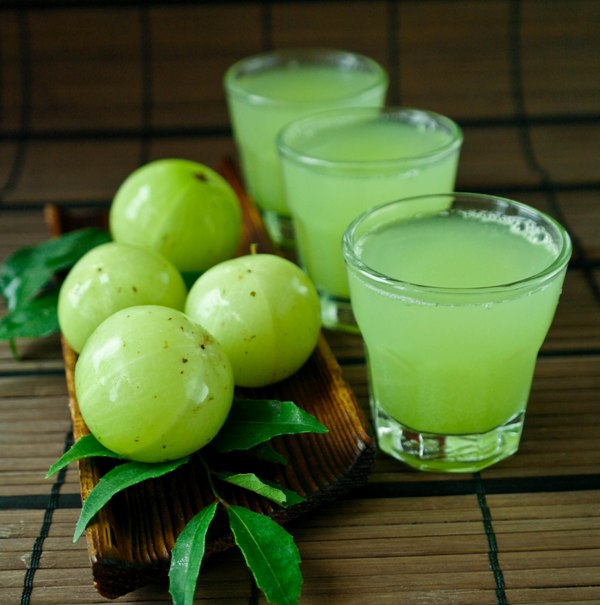
  • AMLA has it all…

    AMLA has it all…

    amla

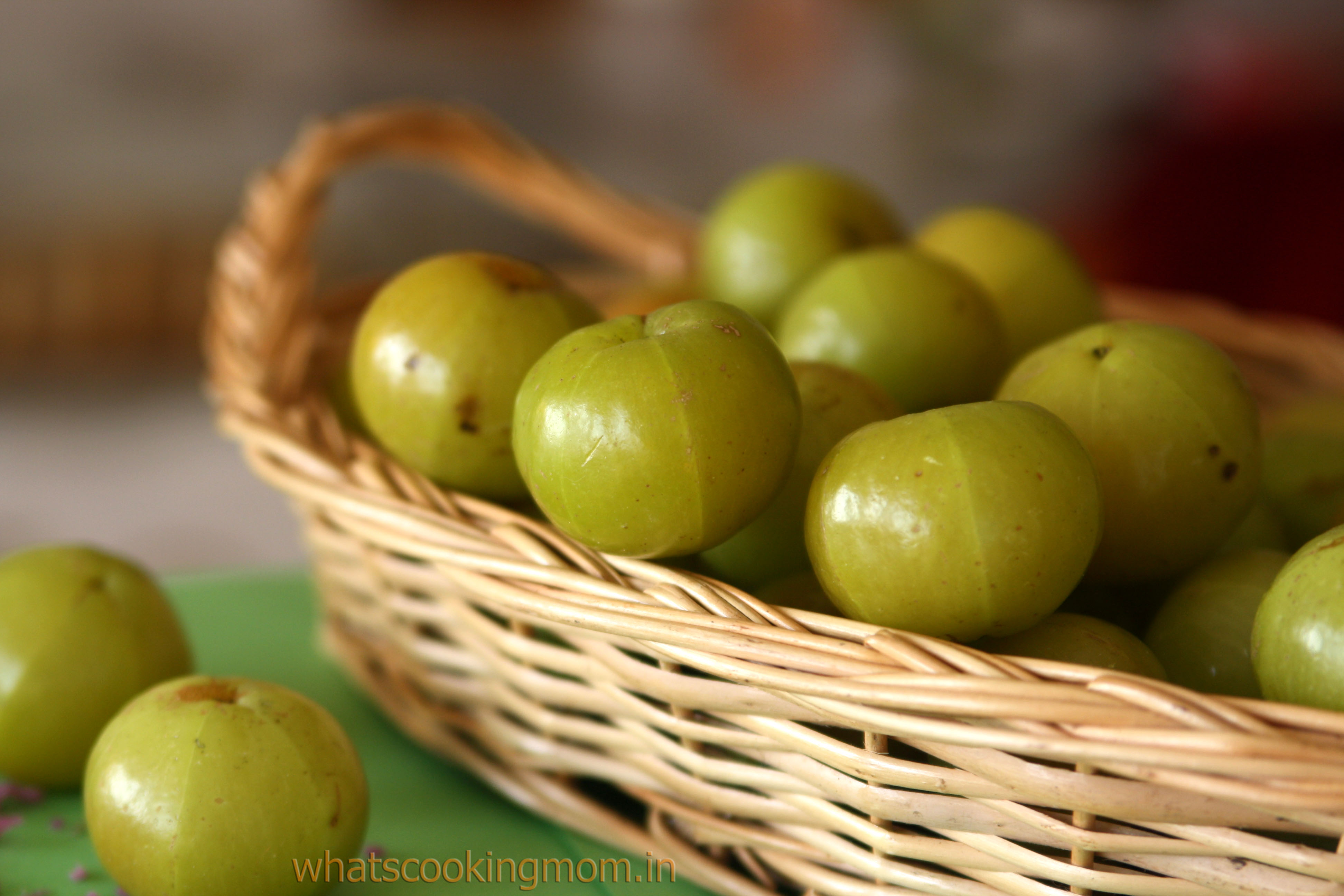
    The well known fruit Amla is something that can be considered as a food for fitness. It is a powerhouse of Vitamin C and many other nutrients. The benefits of amla can never be undermined and are always well recognized by its sour, succulent taste and vibrant green colour. Indian Gooseberry, being English name of amla and Phyllanthus emblica being scientific name, this fruit has many versatile uses in Indian kitchen. It is famous because of its anti viral and anti microbial properties and has achieved great recognition in Ayurveda. Grown on deciduous trees, this astringent, sour tasting fruits is consumed as an ingredient in sweets, juices or pickles or chutneys or it is taken in raw form. It is flavourful and really healthy food with very low calories of only 60 calories for 100 grams. It is a very rich source of dietary fiber, Vitamin C, carbohydrates and have minerals like iron, calcium, phosphorus and is also contains antioxidants.

    Well, if you wonder why it is recommended to eat atleast one amla or its dish every day, here are some key benefits it can provide you with. Amla is such a superawesome fruit, fulfilled with all the wonderful benefits. Just go through it and you will be amazed;

    Amla promotes healthy eyes and skin: Many eye diseases can be prevented by its use. Because it is rich in vitamins A and C and has antioxidants, which helps in protecting the retina from oxidative damages and also prevents cataract and nearsightedness. The regular use of amla can even avoids the age related eyesight problems. In addition, amla is excellent for maintaining skin health and makes it glowy and soft. The vitamin C present in amla helps in flushing out toxins, which results in reducing blemishes, acne and also rejuvenates the skin. So, amla is something that is really good for eyes and skin health.

    Amla is good for hair too:  Indian markets are flooded with products containing amla calling it, amla hair oil, amla hair shampoo and many other because of its superb benefits for healthy, lustrous hair. Eating raw amla or in any other form or making a home-made amla shampoo or amla conditioner for your hair will do the wonder and makes your hair awesome looking.

    Amla protects your heart: Regular consumption of amla or a glass of amla juice daily will prove to be super awesome for your heart health. It is a great remedy for many heart problems as it makes heart muscles strong and enable the heart to pump blood easily and also reduces the cholesterol and helps in monitoring any heart disease. It actually reduces the risk of strokes or heart attacks as, being rich in iron and fiber, it is very effective in controlling the oxidation of LDL(bad cholesterol) and thus maintain the cholesterol levels , thereby reducing the risk of heart disease.

    Amla controls Diabetes: It has beneficial effects on secretion of insulin, it controls the blood sugar levels. Amla, a polyphenol-rich fruit has properties that can assist in absorbing the insulin which leads to drop in the blood sugar in diabetics patients. It protects the body from oxidative properties of high blood sugar. Amla variants, if taken regularly or amla juice taken with turmeric powder and honey helps in controlling diabetes and keeps check on blood sugar levels.

    Amla protects from Cancer: Due to the anti-oxidant properties of amla, it prevents the formation of free radicals and thus protects the body from cancer. It even inhibits the further growth of cancerous cells and has the potential to protect the body from harmful effects of chemical which are carcinogenic and thus reduces the risk of cancer.

    Amla is great blood purifier: Amla juice is something that acts as a blood purifier by flushing out the toxins and thus detoxifying the body. This detoxification is very necessary, in order for the organs to function well. Also, regular intake of juice purifies the blood and increases the haemoglobin.

    Amla protects your liver and prevents gastric problems: In order to keep your liver safe and healthy, amla has properties that t can heal the damaged liver from the oxidative damage from alcohol or smoking. Also, amla having fiber, polyphenol and water content combined with inflammatory properties is a great antidote for upset stomach and acidity.

    With so many perks of amla, let’s have a look on this simple recipe having all the nutrition of amla so that you can avail all these benefits and keep diseases at bay.

    amla-juice

    AMLA JUICE RECIPE:

    Ingredients: 1 cup sugar, pinch of salt, pinch of cardamom powder and turmeric powder, 1 cup amla cut into pieces.

    Method: Wash the amlas and dry them and keep them in a bowl. Place this bowl in a pressure cooker having 1 ½ cup of water and remove the pressure cooker from gas after one whistle.

    Now, remove the bowl from cooker when there is no pressure and touch the amlas to see if it has become soft and has cooled down.

    Then, Press the amlas with hands to remove the seeds and break them into pieces and then grind them with little sugar and salt into a fine powder.

    Now, to prepare the amla juice concentrate, mix this amla paste with sugar powder and salt and can place this concentrate in the freezer.

    You can add 2-3 teaspoons of this paste in water and make a juice of it and drink regularly. You can add cardamom or turmeric powder as per your taste for some flavor.

    Drinking this amla juice regularly can keep you away from many health problems. Because AMLA, the Indian Gooseberry has it all; yes, all the nutrition.

    Healthy Eating. Happy Life.