Tag: proteins

  • Maple Syrup: Is It Healthy or Unhealthy for your Body?

    Maple Syrup: Is It Healthy or Unhealthy for your Body?

    Maple syrup is one of the widely used sweeteners today. The manufacturers claim that it is 100 % natural and is in fact far healthier than the regular sugar that we use. They also claim that maple syrup is also better in terms of the nutrition provided to the human body. Believing these claims, people have started to use it in their day to day life without even making any efforts in authenticating if the claims made are genuine or not. Maple syrup is actually manufactured using the sap of the maple trees. These saps are actually sugary fluid which comes out of the maple trees. Its use has been mentioned in various history books making it one of the food items consumed for many centuries now. Currently Canada is the country which produces almost 80 % of the total maple syrup used in the whole world.

    3

    There is a two-step process involved in the manufacturing of the maple syrup. Firstly a hole is made in the trunk of the maple tree and the sugary fluid circulating is collected in these holes. Then the next step involves the process in which this syrup is boiled till the water present in it evaporates and sugary syrup which is thick in nature is left behind. Then with the help of the filtration, the impurities present in them are removed. Now depending upon the color of the final syrup obtained, the maple syrup is then classified into Grade A and Grade B. In the Grand A variety, we further have the Light, Medium and Dark Amber category. The Grade B category maple syrup is the darkest syrup obtained and so they have the strongest flavor. This is the reason they are generally used for baking while the Grade A category ones are directly used as the syrup. The darker maple syrup or the Grade B maple syrup is generally manufactured using the sap obtained in the harvesting seasons. It is very important to have prior knowledge before buying the maple syrups from the market. You should select the actual maple syrup and not the flavored maple syrups as they offer more health benefits. Moreover the flavored maple syrup is loaded with the fructose corn syrup or the refined sugar which not only affects your health but also invites various diseases towards your body.

    5

    The reason why maple syrup is preferred over the refined sugar is the presence of many essential nutrients, minerals and antioxidants. A fresh and pure 100 grams of maple syrup contains the following minerals. Potassium: 6% of RDA, Zinc: 28% of RDA, Calcium: 7% of RDA, Iron: 7% of RDA and Manganese: 165% of RDA. Further the 100 grams of pure maple syrup also has 67 grams of table sugar. This high percentage of the sugar is not at all appropriate as they can lead you to type 2 diabetes, obesity and heart related diseases. If you go for the maple syrup considering that it has good amount of minerals in it and ignore the sugar content, then it is not a wise step and you need to think again on your decisions. The only other healthy way by which you can get the right quantity of minerals is by eating the real foods as they are not adulterated and are perfectly natural. Choose a balanced diet of both the plants and animals and you will surely be protected against the diseases.

    4

    But if you are anyway going to eat the artificial sweeteners  then maple syrup is the best option in front of you as they have about 1/3rd sugar content compared to the refined sugars available these days. Another good thing about the maple syrup is that its glycemic index is 54 which is less than the table sugar and is a good sign. The table sugar has the glycemic index of 65. This low level of glycemic index helps in maintaining the blood sugar level inside the human body. The less the glycemic index, the better it is for your health. Another advantage of using the maple syrup is the presence of the 24 different varieties of the antioxidants. Yes, this is absolutely right. They have 24 varieties of antioxidants. The oxidative damage inside the human body makes it prone to the diseases and also fastens the process of aging. Actually there are some of the unwanted chemical reactions which happen inside the body involving the free radicals that harms you severely and these chemical reactions are called by the name of the oxidative damage. The antioxidants present in the maple syrup helps in neutralizing these free radicals which eventually helps in getting rid of these oxidative damages. The darker maple syrups have more percentage of antioxidants in them than the lighter ones and so you should opt for the darker ones.

    2

    The final verdict is that although the maple syrup contains the nutrients and essential antioxidants, it also has the high amount of sugar content in it which is not good for your health. You can call maple syrup as slightly better than the actual sugar. So its use should be limited so that you stay protected. Do not use it regularly as it may harm your health.

  • THE 10 TIPS HEALTH EXPERTS BEG YOU NOT TO SKIP

    THE 10 TIPS HEALTH EXPERTS BEG YOU NOT TO SKIP

    1. GO AHEAD- Drink more coffee

    coffee

    It’s a scientific mystery how a simple cup of coffee work its wonder in the body, large epidemiological studies repeatedly verify its astonishing benefits. Some recent research highlights:

    • More than three cups a day lowers women’s risk of developing melanoma- a type of cancer on the rise among the light-skinned.
    • More than six cups a day cuts men’s risk of dying from prostate cancer by 60%.
    • Drinking at least one cup of coffee a day lowers women’s risk of stroke by at least 25%.
    • Consuming at least two cup daily reduces women’s chances of becoming depressed by up to 20%.

    2. Eat protein in the morning

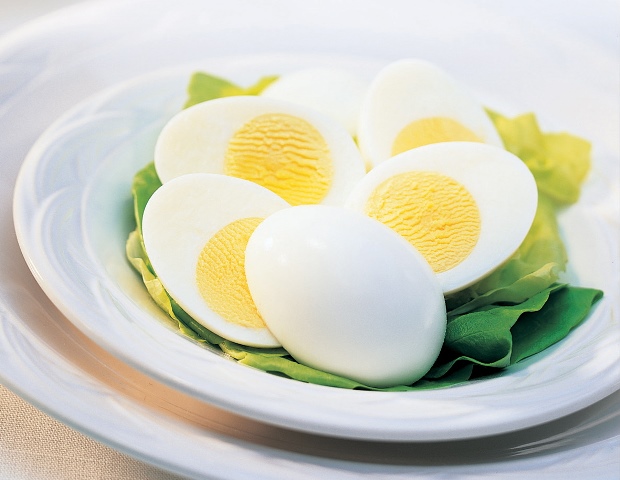
    Protein helps persuade your brain and stomach that they’re well nourished and satisfied; skimp on it and your hunger. In a recent study, volunteers whose daily protein consumption falls below 15 percent of their total calories were far hungrier after breakfast and ate more snacks throughout the day than those whose protein level exceeded that amount. An important takeaway: don’t save your protein for dinner. One track is to eat almonds in the morning. Other prevalent (and portable) high-protein options: hard boiled eggs and hung curd.

    3. Stand up and count to 60

    Another good reason to be a stand up guy or gal: it does not matter how hard you hit the gym after work; if you are spending much of your day sitting down, you’re sabotaging your dutiful efforts. People who take the most standing breaks throughout the day- even as short as a minute- have slimmer waist, lower cholesterol those who take the fewest, regardless of how much other exercise they get. Epidemiologists say hopping to your feet regularly also protects against cancer. Standing up while talking on phone is a great place to start.  At first, people who try this say, ‘ this is the dumbest thing ever.’ Then after a month they say,” I have lost 2 kilos”.

    4. Early to bed, early to eat

    People who stay up late and sleep late- specifically, they get more than half their sleep after 5:30 AM- also tend to eat more fast food and consume more of their calories after 8 pm than do normal sleepers. One of the easiest things anyone on a diet can do to improve his results is to go to bed and wake up at the same time every day.

    5. Beware of sugar free candy

     sugarfree

    Don’t assume sugar free confections are easy on your teeth. Sour and fruit flavourings in candy can interact with sugar-free sweeteners to create an acidic mix in your mouth that weakens and yellow teeth. The worst culprits are fruit flavoured lollipops because they dissolve slowly, giving acid more time to attack teeth. Chewing gum is the least destructive, since it stimulates a flow of saliva that washes away the harmful acids.

    6. Pick up some sleep glasses

    The blue light emitted by your computer screen, smart phone and television stimulates your brain, making it harder to fall asleep. Blue light filtering glasses act as a solution to them. Put them on if you’re using the computer before bed, and you’ll sleep much better.

    7. Hit he yoga mat to relieve pain

    As a treatment for back pain, regular yoga has advantageous over more conventional methods, like physical therapy.  The ancient practice has also been shown to soothe other aches as well, probably because of the way it connects your mind, your breathing and the movements of your body. Yoga works the whole body not just one part. When a person is in chronic pain, usually the whole body changes and treating only the part that was originally injured or is hurting is not enough.

    8. Kick your day with chocolate

    Chocolate

    A square of chocolate has just the right amount of theobromine (a cousin to caffeine) to wake you up but not enough to cause a crash later. It’s also chock full of antioxidants, may decrease heart attack risks, lifts mood- and taste delicious. Try it as a mind morning snack!

    9. Eat more quinoa

    Rich in protein, fibre and hard to get magnesium, which protect against hypertension, quinoa has well-deserved reputation as a super food. (a typical serving has twice as much protein and eight times as much fibre as a serving of white rice.) But some people find that it can taste a little bland. Restaurant chefs have a secret that’s not included in the directions of the box. Simply spread quinoa on a tray and place it in a 350-degree oven for eight to ten minutes, until its golden brown, then cook it up in a pot according to instructions.

    10. Pump up your potassium

    The new mantra among heart specialist, improve your sodium-potassium ratio, by either lowering your sodium or raising your potassium- or, better yet, by doing both. That’s because potassium blunts the blood pressure raising effects of sodium. The latest research finds that people with unhealthiest ratios are more than twice as likely to die from a heart attack as those with lowest. Another study reveals that raising your daily potassium intake by 1600 mg will lower your risk of stroke by 21 percent. New guidelines recommend 4700 mg daily. Other good sources include cocoa, dried apricots, fish, spinach, curd and potatoes with the skin.

  • Health Benefits of Eating Eggs

    Health Benefits of Eating Eggs

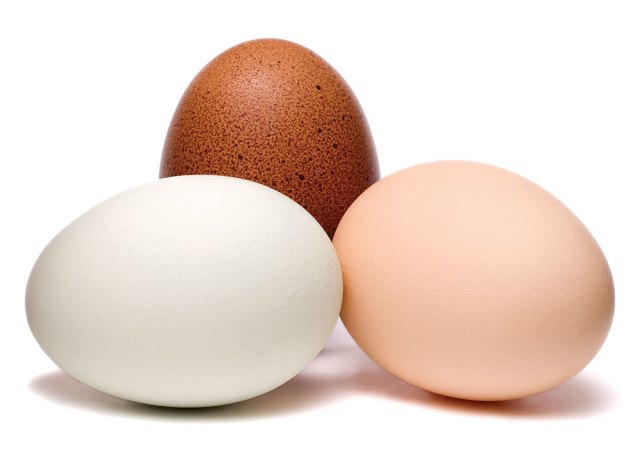
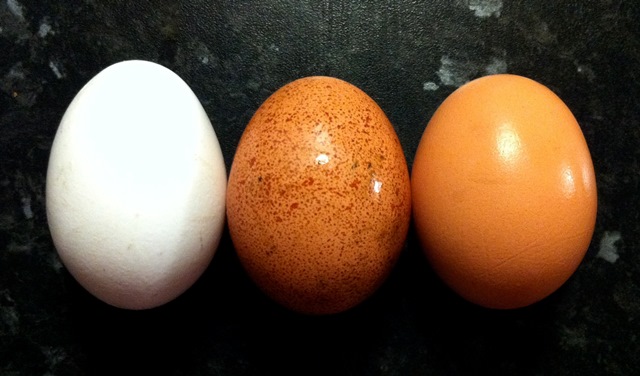
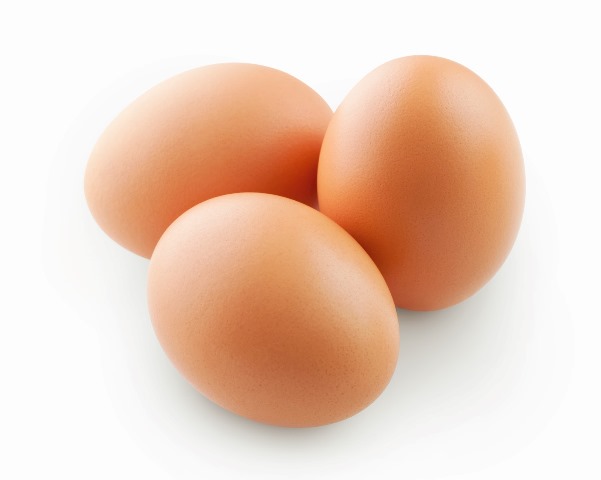
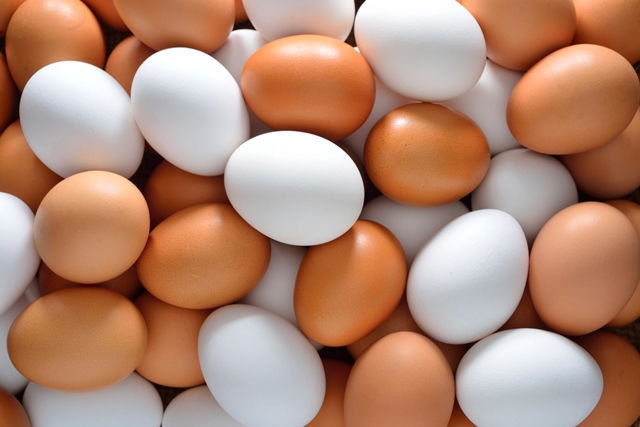
    Eggs are excellent source of vitamins which helps the body in functioning appropriately and so doctors often recommend people to start eating egg regularly. Not only vitamins, eggs are also rich in essential nutrients which are very much required for the proper growth and development of the human body. You should daily eat eggs to stay healthy. Some people just eliminate the yellow yolk which is present inside the egg and eat only the outer whitish portion. This is not a good as the yolk is the only one which provides the essential fats, vitamins and nutrients to the human body. But that does not mean that the whitish portion of the egg is not important. They provide the proteins to the body.

    5

    A normal large egg contains the following: Selenium (22 % of the RDA), Vitamin A (6 % of the RDA), Vitamin B5 (7 % of the RDA), Vitamin 2 (15 % of the RDA), Vitamin B12 (9 % of the RDA), Vitamin E, iron, Folate, calcium, potassium, manganese, zinc and many others essential nutrients. Just imagine a single eggs is how much beneficial. If you eat eggs regularly then you are surely not going to get deficiency of any of the above mentioned vitamins and minerals. Further a single large egg also has 77 calories, carbohydrates and 5 grams each of fats and proteins.

    4

    Much people are not aware of the Choline, which is a very important nutrient considering the fact that it is responsible for the growth of the brain. It is often named with the B-complex vitamins. Egg is a tremendous source of Choline. This nutrient is required for various metabolism processes that go inside a human body. The synthesis of the neurotransmitter acetylcholine is only possible if the body has adequate amount of Choline in it. If your body is deficit of Choline, then you are prone to cardiovascular and liver diseases. Also there are chances that you may suffer from neurological disorders. All these can be avoided if you eat egg as one egg contains about 113 mg of Choline. So go for it and stay away from these life threatening diseases.

    6

    One egg has about 212 mg of cholesterol in it, so often people have this doubt in their mind that it will affect their body in negative way. In a human body it is the responsibility of the liver to maintain the amount of cholesterol. If you consume less cholesterol food then liver compensates for it and if you are eating foods such as eggs which are rich in cholesterol, then liver produces less cholesterol. One of the biggest advantages of eating egg is that it raises the level of the HDL cholesterol which is very much required by the body and reduces the LDL cholesterol which is responsible for the various diseases that occurs in the body. This will in turn helps in keeping the cardiovascular disease away from you.

    1

    We have not mentioned about the antioxidants which are present in the egg so far. So let me tell you egg is a wonderful food item which has two most essential antioxidants required by the human body and they are Zeaxanthin and Lutein. Both of them are present in the yolk of the egg and are excellent for the proper functioning of the eyes. In the recent times cataracts is one such disease because of which many people have lost their eyesight. These antioxidants which we have mentioned here reduce the risk of cataract by providing power and stamina to the eyes.

    7

    You must have read it in your books that proteins are must for the human body as they are considered as to be the building blocks and performs several work in the human body which is very essential for its proper growth. There are 21 amino acids which the human body requires and out of these 21, there are quite a few which the body cannot produce on its own and so the protein rich foods are eaten to compensate for them. Egg provides all those amino acids which the body requires. In short if you want to stay healthy, then continue eating eggs regularly.

    3

    If you daily eat eggs in your breakfast then it can help you in losing your body fat and you can easily become fit and slim. When measured on the Satiety scale, an egg gets a reading of 19 which is quite high. This proves that eggs helps in shedding weight and improving the body mass index by a whopping 61 percent. If you have obesity problem and you do not eat eggs then this is one such food item which you should start eating. With so many health benefits that it provides and considering the fact that it is easily available and pocket friendly food item, one should include eggs in their diet chart. Moreover there are so many egg recipes available, so just try them and stay protected.

  • SNACK WITHOUT GUILT

    SNACK WITHOUT GUILT

    DSC_1699

    Until recently the common wisdom on snacking was that it was bad; something you must be guilty about. Don’t eat between meals, you were told. It will ruin your teeth, make you gain weight and spoil your appetite. Far from true! “The word snack has a negative connotation, but it can be a good thing.” Dieticians, nutrition and fitness experts now say the best way to keep healthy is by eating small frequent meals. It keeps you from overeating at mealtimes and fires your metabolism.

    Why we need to snack

    Intake of food and breakdown of it during metabolism releases glucose-the simplest form of sugar. This glucose is taken up by insulin and used to regulate the body’s energy levels. All this takes place in the spleen. Twice a day a healthy person’s blood sugar dips when the glucosein the blood gets used up. This brings on lethargy. This is when snacks come in handy. It is essential to get it right.

    The right time, right pace

    It is generally two hours after breakfast and a couple of hours after lunch that you need to pump your blood sugar, these are the high activity zones of our day when maximum energy is consumed either at work or while doing chores at home. A feeling of lethargy, lack of concentration, compulsive eagerness to get over with work and head over coffee machine indicates tumbling sugar level but very often we confuse the need for a break with the need to snack. We end up munching out of boredom.

    What to eat, what to drop 

    Look for foods with complex carbohydrates (wholegrain breads or fiber-filled vegetables). Combine them with protein rich stuff like low fat cheese. High protein snacks keep you full longer and may reduce the amount you eat next time. The ideal break up for a person should be:

    carbohydrates: 10 to 12 grams

    Proteins: 5 to 6 grams

    Fats and oils: 3 to 5 grams

    You could get this from:

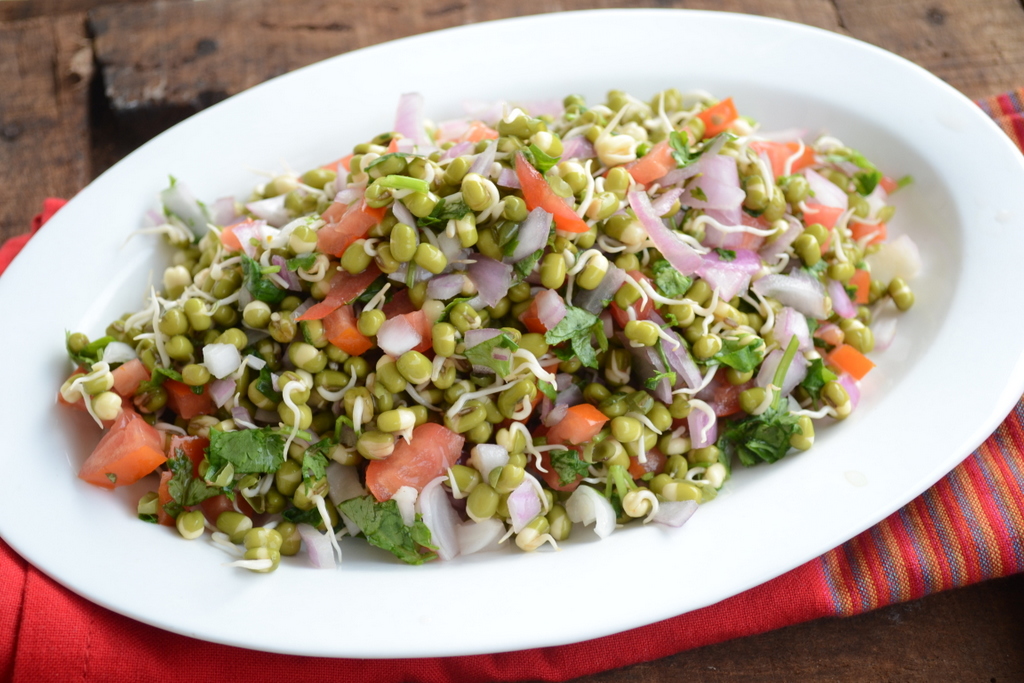
    A cup of tea with whole wheat bread, sandwich (skip the mayonnaise), try low-fat cheese or a glass of sweet lassi with a bowl of upma or poha or fresh juice with medium sized sprouts.

    Snack smart

    healthy_snacks

    DO’S

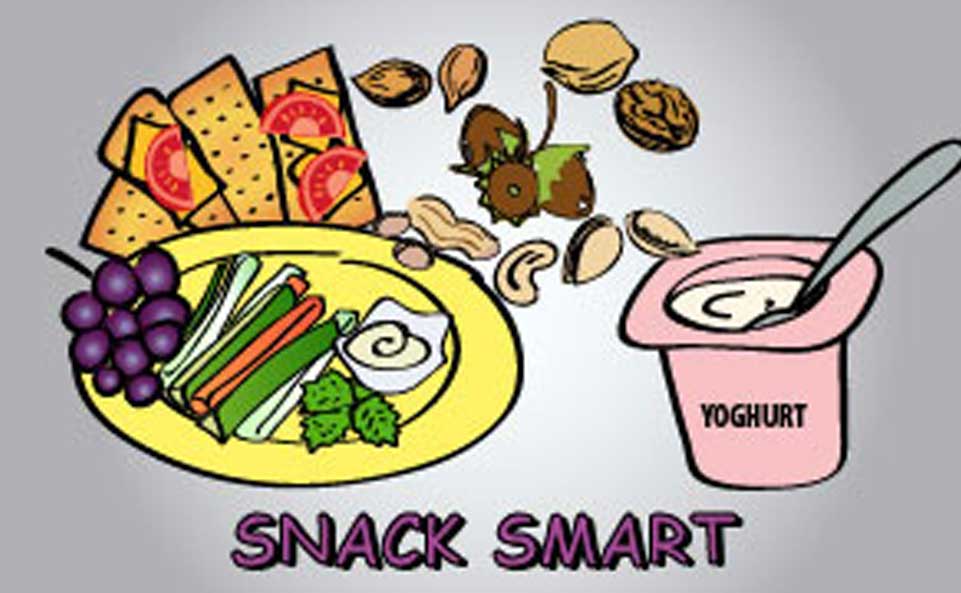
    • Balancing snacks with meals is a clever idea. If you had a carbohydrate rich breakfast and no protein, at snack time pick up low cal flavored yogurt.
    • Eat a variety of foods with different food groups and tastes to fill up on nutrition deficit.
    • If you are self confused sweet lover, try to replace a few sugary snacks with more healthy ones. It may not be very difficult.

    DON’Ts

    • Snacks by definition are quickies but that does not mean you stuff them in a speed. Eat your food slowly. The brain transmits the message of food satiation when you chew leisurely.
    • Do not couple foods of the same food group together. To get maximum value from nutrients, select food from different groups.
    • When ordering out, remember that you needn’t eat the entire portion. Go for pooled snacks share them with friends.

    The right drinks

    Avoid coffee, tea and colas. Packaged juices have high sugar level but the added vitamins and minerals make them preferable to drink.  Stick to calorie free drinks such as iced tea or club soda with a twist of lime. But remember nothing beats a glass of cool freshly squeezed fruit juice.

    Snacking strategies

    We never plan for snacks simply because the idea of impending lunch or dinner is too overwhelming both for cooking and eating. Being a smart snacker is not that tough it only needs you too understand the logic of healthy snacking planning and buying groceries wisely.

    At home

    • Go for steamed veggies or cut salads accompanied by a yogurt or mint dip.
    • Toast small pieces of whole wheat bread. Dip them in olive oil, flavored with some oregano and chili flakes.
    • A bowl of cut fruits is great idea. Different fruits for breakfast and snack time should be your mantra
    • Satisfy cravings in a healthier ways. Get a chilled milkshake, stirred with drinking chocolate.

    At work

    • Dip into a cup of yogurt. There is a huge variety in the market. Carry them along with you if you don’t get them in the office canteen.
    • Pack some light snacks. Sprouts, cut vegetables, fruits or idlis. Prepare them the previous evening and store them in the fridge for office next day.
    • Simply nibbling on a cucumber works!

    When out shopping

    • Identify juice and salad bars. Ask for fruit and vegetable juices. They are nutritious and filling.
    • Stop over cafes and takeaways that give you a break from oily stuff.
    • Go for a yogurt smoothie and gelato.
    • Carry a pack of roasted grams and nuts in your bag. They give you an instant energy boost.
    • Avoid steamed corn (they are frozen and packaged). Always look out for a freshly roasted corn.

    Pacing your snacks with your meals is all important and required for a healthy living. Many of us watch what we eat through the day-only to lose control at the end of the day if we have been starving. If you catch yourself eating in large quantities, grabbing chips and digging into ice creams, watch out!!