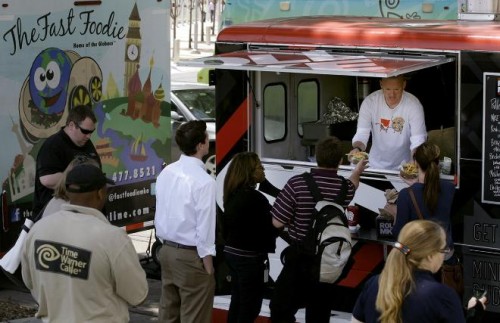
In simple terms, street food can be defined as the food available in the streets. It’s basically ready-to-eat food which is prepared by local venders and then sold to the consumers. The business is carried out in a food truck or a cart where the food is prepared. Mostly regional in nature however there are a lot many venders who venture out into different cuisines in order to expand their market. Since the investment to start this business is comparatively less, the price of the food items is also cheap however we have no guarantee regarding the quality of the food. Many venders believe that quality matters a lot because if the food is tasty but not hygienic then the business might not run well and so in some cases special care is taken regarding safety and hygiene. Earlier street food was not so popular due to quality reasons and secondly people did not have the facility of bringing the kitchen out in the streets or having a mobile kitchen which can both cook and travel to different locations. However over the years lifestyle has changed and people are finding ways to do things in a quick and smart way. This formula was applied to food as well. Due to long working hours and busy schedules, people rely on street food and other fast food joints which relieve them from preparing food at home after work. Moreover with quality standards being established, faith in street food has improved over the years. Today people demand food for a number of reasons such as delicious food at cheap price or for many it’s a way of knowing what other cuisines have to offer while for others it’s an excuse to get holiday from the kitchen. People who look for convenience at cheap prices may not be concerned much about hygiene or sanitation. According to a study done in 2007 by the Food and Agricultural Organization, about 2.5 billion people consume street food every day.
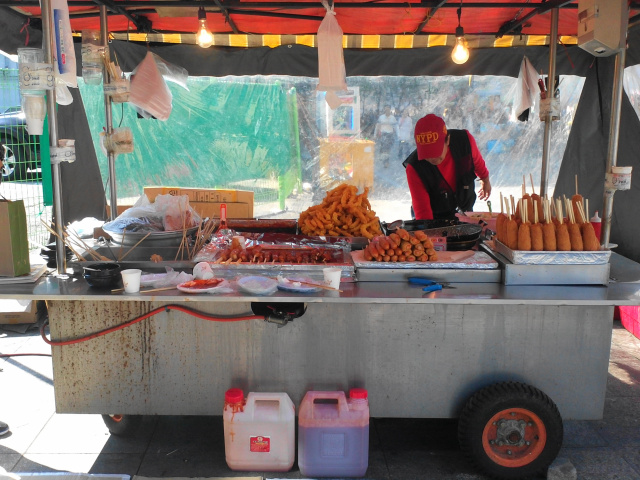
There is no proper evidence which tells us who or how the idea of street food was introduced however it’s found that street food was basically concentrated for the poor who did not have the proper facilities for cooking for example in Rome. In china, street food was for the servants and the lower strata of the society. Wealthy households used to send their servants to buy street food for themselves while they ate rich home cooked food. Many of the African settlers made a living by selling street food in America. The products they sold ranged from cakes and biscuits to coffee, tea, soups and other light foods such as snacks. Venders when found a base in the society expanded their business and started offering food items such as grilled and fried beef, oysters and other meat items which attracted more people. French fries which had been introduced as a street food became very famous among the public and also started being offered in very well established hotels and restaurants. In Thailand Street food had not found its popularity until the 1960s when urbanization occurred rapidly and home cooked food was displaced with street food.
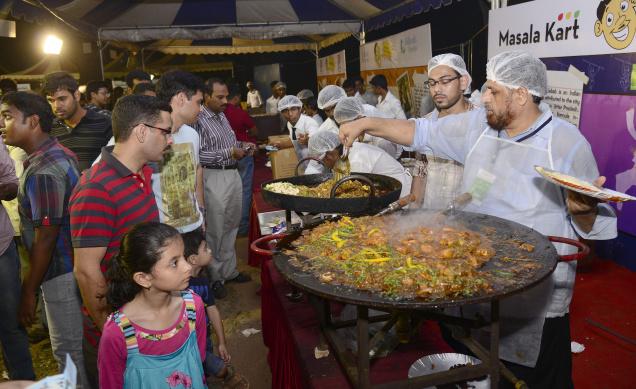
The contribution done by these street venders was neglected or unnoticed by the government for a long time. However when a study was done it was found that in Indonesia about US$67 million was generated in the economy through street food sales alone while in Malaysia it was found to be about US$2.2 million per annum. Since all these revenues are earned by the vendors itself, it’s in a way helping the economy to be self sufficient. Being a part of the informal sector can be one reason why it was never given much importance because it was always viewed that the formal sector was the engine of growth of the economy however over the years planners have seen that with limited employment opportunities available in the formal sector along with high level of competition, the importance of informal sector is coming into the picture. There are many people who due to various economical or social backwardness, fail to get in the formal sector however find work easily in this industry. The International Labour Organization reveals that about 29 percent of the labour force is employed in street food industry where the vendors earn three to ten times more than the minimum wage rate. In many countries the monthly wages earned by these vendors is almost equal to the wages earned by people involved in the formal sector. Women participation has also increased in this business over the years with 90 percent increase in Philippines and 40 percent increase in Indonesia.
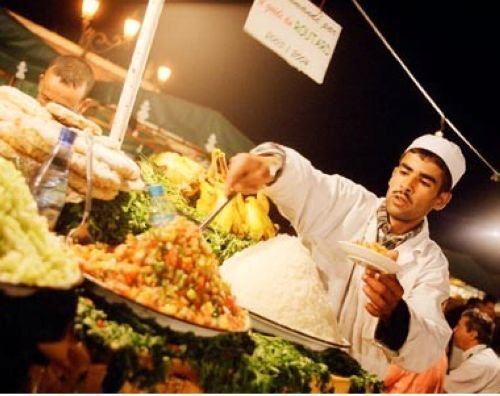
With advantages such as delicious food at cheap rates, better employment opportunities, self- sufficiency, women participation etc, there are some disadvantages as well that follows. Contamination of food followed by the use of additives and colouring agents are some of the biggest issues associated with it. However study reveals that it is not the ingredients which go inside rather it is the quantity of these chemicals which we consume that matters. Moreover the water used in preparation of food also affects its quality. Therefore it is suggested that snacks which are fried and food which is hot is safe as they are consumed immediately and since it’s hot, kills most of the microorganisms. There are many other incidents which question the quality of food provided by these vendors for example in 2011, a Pani Puri seller in thane was filmed urinating into the container which was used to serve the consumers. Secondly there are many hawkers who sell without proper permit from the municipality. As a result of which in 2007 the Supreme Court ordered the municipality to demolish and remove all hawkers and food joints which did not have the required permit or did not approve to the quality standards.
With increasing globalization and tourism, the safety of street food has become an important concern for government. There are many ways such as training programs or rewarding programs for vendors which can help in improving the quality as well as build up confidence in street food resulting in the growth of both the industry and the economy.