Author: bhavya sharma

  • TOO MUCH OR TOO LITTLE: GET THE RIGHT AMOUNT OF SALT

    TOO MUCH OR TOO LITTLE: GET THE RIGHT AMOUNT OF SALT

    s1

    Humans evolved for millennia on diets that were naturally very low salt; hunter-gatherers probably ate less than one gram of salt a day. Then about 6000 years ago, the Chinese began using salt to preserve food, and ever since it’s been a major ingredient in our diet worldwide. Today the high salt content of many processed foods have pushed average consumption up to 8 gm a day- double the recommended level of 4 gm a day. Even 4 gm is way more than our bodies are designed for. High intake of salt pushes up our blood pressure, there are two theories explaining this. The first states that high intake of salt causes our body to make more fluid, thus causing high blood pressure. This raised blood pressure may damage the arteries connected to heart. It will reduce the amount of blood reaching the heart. This may lead to angina (sharp pains in the chest when being active). The result is- the heart cells stop working properly because they are not receiving oxygen and nutrients. Lowering the blood pressure may remove some of the problems and help to reduce the risk of greater damage. If you still continue to eat too much salt, then the impact of extra blood pressure will become so high that it can burst the arteries and become completely clogged. The result is a heart attack. Too much salt can lead to muscle cramps, dizziness or electrolyte disturbance which can cause neurological problems. Death can occur by ingestion of large amounts of salt in a short time. Insomania is another health problem related to excessive intake of NaCl ( sodium chloride or the common salt)

    On the other hand there are arguments in the favor of salt which are raising eyebrows. Our body naturally maintains a constant balance of salt and water, with our kidneys keeping the equilibrium by filtering the reabsorbing salt. Any excess is expelled in the urine. A range of hormones perform this balancing act. In young people, restricting salt is likely to have little effect on blood pressure, it is significant in older ages.

    Too Little Salt-

    A diet low in sodium may put people with chronic illness or the elderly at risk for hyponatremia. Hyponatremia, also known as low blood sodium, is difficult to diagnose unless a blood test is administered. Symptoms usually include nausea, headaches, confusion, lethargy and loss of consciousness. The elderly are more at risk of developing hyponatremia as the aging body may not metabolize sodium as efficiently as it once did. Difficulty with sodium absorption can be exacerbated for those on pain medications, antidepressants, and diuretics. Other risk factors for developing hyponatremia include chronic illnesses such as Addison’s Disease, cirrhosis, dehydration, hypothyroid and heart or kidney failure. It is very important to listen to your body and take note of any symptoms—and to contact a medical professional if needed.

    Too Much Salt-
    s2

    For those with high blood pressure or hypertension no more than 1,500 mg per day of sodium is recommended. Research has shown that a diet with 1,500 mg of daily sodium intake or less not only keeps blood pressure from rising, but also allows blood pressure medicines to work more efficiently. Consuming too much salt can worsen high blood pressure symptoms, such as swelling, shortness of breath—and can cause weight gain.

    The easy way to reduce the salt intake

    s3

    • Choose low salt products(less than 120 mg of sodium per 100-gm serve).
    • Cut back on salt slowly so you don’t notice the difference. After a while your normal diet will taste very salty.
    • Flavor food with herbs, spices, garlic, and chilli, instead of salt.
    • Taste your food before you add salt.
    • If you crave a packet of salty chips, then have it. Just cut back on salt elsewhere that day.
    • Choose natural rather than processed foods-fruit, vegetables and meat are all naturally low salt.
    • Avoid food that have hidden salt-think soya sauce, stock cubes, bacon and flavoured noodles.
    • Read the nutrition label of the food you buy and make yourself aware with the terms.

    One should rely on flavor not on salt ! here is the perfectly balanced recipe to suit your taste using the natural flavors.

    Farfalle with mushroom and spinach

    Ingredients-

    • 6 ounces dried farfalle (bow-tie pasta)
    • 1 tablespoon olive oil
    • 1 medium onion, chopped
    • 1 cup sliced fresh mushroom
    • 2 cloves garlic
    • 4 cups thinly sliced fresh spinach
    • 1 teaspoon snipped fresh thyme
    • 1/8 teaspoon pepper
    • 2 tablespoon shredded parmesan cheese

    Directions-

    Cook pasta according to packet directions and drain well. Meanwhile in a large skillet, heat oil over medium heat. Add onion, mushroom and garlic; cook and stir for 2-3 minutes or until mushroom are nearly tender. Stir in spinach, thyme and pepper, cook 1 minute or until heated through and spinach is slightly wilted. Stir in cooked pasta; toss gently to mix. Sprinkle with cheese. Make 4 side dish serving.

    Since many of us consume too much salt, the following recommendations and tips are a good way for the average person to reduce their salt intake.

    Avoid adding salt to foods at the table or during cooking, such as cooking noodles, rice and hot cereals in salted water. Instead use spices and herbs for flavor.

  • YOUR BODY ON SUGAR

    YOUR BODY ON SUGAR

    s1

    Contrary to what was previously believed-that all it really caused was tooth decay- new research maintains that the sweet stuff is so bad for our health, some experts want it regulated like a drug.

    Is sugar worse for you than, say, cocaine? Studies show that too much sugar (both in the form of natural sucrose and high-fructose corn syrup) not only helps make us fat, it also wreaks havoc on our liver, mucks up our metabolism, impairs brain function and may leave us susceptible to serious ailments. Experts say raising awareness isn’t enough, especially when so many of our food options contain sugar. It’s like watching a train wreck in slow motion. Nevertheless, after hearing the news, many of us shrugged and turned back to our cupcakes. Yet we may already be feeling the effects of too much sugar without even realizing it. Here’s how to beat the most common issues to prevent long term damage and feel your best right now.

    STRESS EATING

    For a pick-me-up, you may inhale a bag of toffees or gobble up a box of cookies. But the impulse goes deeper. To examine the hold sugar can have over us, substance-abuse researchers have performed brain scans on subject eating something sweet. What they have seen resembles the mind of a drug addict: when subject tastes sugar, the brain lights up in the same regions as it would in an alcoholic drinking a bottle of gin. A cookie a couple of times a week is fine, but on most days, go for a bowl of oats with no more than a table spoon of brown sugar.  The whole grains fill you up, and the sweetness can satisfy you while raising serotonin slightly.

    BRAIN FOG

    s3

    Blanking out in the middle of the meeting? Too much sugar forms free radicals in the brain and compromises nerve cells ability to communicate. This could have repercussions on how well we remember instructions, process ideas, and handle our moods. The fixes stay under the American Heart Association limit of nine tea spoon a day for men, five for women. Read labels and nutrition information and make wiser choices. A black coffee and plain yogurt with walnuts, sweetened with a tea spoon of honey is definitely better than a regular latte and donut.

    AGING SKIN

    Sugar contributes to pre mature aging, just as cigarettes and ultra violet rays do. When skin support structures collagen and elastin break down from sun or other free radical exposures, cells try to repair themselves. But this process slows down with age. And when sugar is present in the skin, it forms cross links with amino acids that may have been damaged by free radicals. These cross links jam the repair mechanism and, over time, leave you with prematurely old looking skin. THE FIX: once cross links form, they won’t unhitch, so keep sugar intake to as close to zero as you can. Avoid soft drinks and processed pastries, and trade sugar packets for cinnamon for your coffee- it seems to slow down a crossing linkage, as do cloves, ginger and garlic.

    A SLUGGISH WORKOUT

    Muscles mostly use carbohydrates for fuel because they break down into glucose, a simple sugar that can kick start your morning jog. But pre packaged snacks touting “natural sweeteners” may contain just fructose, a type of sugar mostly metabolized in the liver, not the muscles. This can result in bloating or even diarrhea. THE FIX: have a glucose packed snack with minimal fructose before exercise. Try a sports drink or an energy bar with a modest amount of sugar an hour before a vigorous workout.

    SWEET SHOCK: IS SUGAR MAKING US OBESE?

    s2

    Yes, in recent years, sugar – more so than fat – has been receiving the bulk of the blame for our deteriorating health. Most of us know we consume more sugar than we should.  Let’s be honest, it’s hard not to. Sugar does more damage to our bodies than we originally thought.  It was once considered to be just another marker for an unhealthy diet and obesity. Now sugar is considered an independent risk factor for cardiovascular disease, as well as many other chronic diseases. Sugar has adverse health effects above any purported role as ‘empty calories’ promoting obesity.  Research suggests that the sugar has unique metabolic properties that prime your body to gain weight, especially dangerous belly fat linked to heart disease and diabetes. Your liver metabolizes much of the sugar you eat and converts excess to fat. Too much fat in the liver accelerates insulin resistance. Too much sugar doesn’t just make us fat; it can also make us sick. Individuals that get strong cravings for sugar and are unable to quit or reduce their consumption despite negative physical consequences (such as weight gain) are sugar addicts. Too much added sugar, from sweetened sodas, cakes, cookies and candy, increases your risk of death from heart disease.

    Added sugars, according to most experts, are far more harmful to our bodies than naturally-occurring sugars.  We’re talking about the sugars used in processed or prepared foods like sugar-sweetened beverages, grain-based desserts, fruit drinks, dairy desserts, candy, ready-to-eat cereal and yeast breads. Your fruits and (natural) fruit juices are safe.


  • MAXIMIZE YOUR HEALTH

    MAXIMIZE YOUR HEALTH

    When we are talking of health, it is not just about a healthy body but also about sound mental health. Good health can be described as the condition where both our body as well as our mind are functioning properly. The main causes behind poor health conditions are diseases, improper diet, injury, mental stress, lack of hygiene, unhealthy lifestyle, etc. Over the past few years, our lifestyle has changed and we often tend to ignore the importance of healthy living in one way or the other.

    h1


    When to make the smartest health moves- from scheduling a pap to popping a vitamin.

    TO SHARPEN YOUR BRAIN

    k1

    • Play sudoko or do a crossword between 10 and 11 AM or 8 and 9 PM: try not to waste a minute- the brain boost lasts only for about an hour.
    • Take a nap at 2 PM: the sip in body temperature that helps ease you into sleep at night also occurs mid day, which is why afternoons can be so unproductive. But if you can catch a catnap around 2 PM (the slumps usually hit between 1 and 3’o clock), it should boost your alertness for several hours. Ten minutes will do the trick- nod off for more than 20 and you may wake up feeling groggy. If a nap is out of the question, eat plenty of protein at lunch, which will give you longer lasting energy.
    • Mid afternoon is also a good time for “strategic caffeine use”. If you don’t exceed a cup or two per day, caffeine works phenomenally well at increasing your alertness.

    TO BOOST YOUR ENERGY

    • Follow a sleep schedule: several studies suggest that obeying your alarm clock can help relieve day time fatigue. And sleep researchers are finding that people who get at least 7 hours of sleep a night are much less likely to be obese and weight gain can act as an energy drain. Going to bed and getting up at the same time every day also keeps your biological clock on schedule. This clock regulates your body temperature, hormones, blood pressure and other important functions.
    • Head to bed at least 2.5 hours after eating dinner: it ensures more efficient digestion and because eating too much food before sleeping can cause heart burn or deeper sleep. If you want a drink have it early to give your body plenty of time to metabolise the alcohol.

    TO POWER UP YOUR PILLS

    • Swallow your multi vitamins with a meal: your body absorbs vitamins better when you take them with food. This will minimise the potential for stomach upset, too and make you more likely to remember your multi vitamin every day.
    • Take heart pills before bed: if you take blood pressure medication before turning in, it will still be working by early morning, which is a time associated with a 30 to 50% increased risk of heart attacks and strokes. And because the liver revs up cholesterol production overnight, you’ll maximise the lipid lowering ability of statins if you take them before hitting the sack.

    TO GET MORE FROM YOUR WORKOUTS

    • Do your cardio exercise early in the morning: ultimately, the best time to exercise is when you’ll actually do it. That’s the reason for scheduling it early in the day. You have fewer distractions and if some does interfere, you can reschedule for the afternoon or evening. If you exercise outdoors, mornings are better because air pollution is lowest at that time. And research demonstrates that working out boosts brain activity afterward- a great way to begin your day. Experts say it is not good to exercise on an absolutely empty stomach.
    • Learn or practice a skill sport between 4 and 6 PM: hand-eye coordination is highest then, so it’s a good time for any form of exercise that requires a high degree of skill, like a tennis lesson or dance class.
    • Start exercising in February: with impending university and school exams students and parents are busy, so are officials and corporate with the financial year drawing to a close, attendance at sports club or gym is low so you are likely to get more attention from the trainer.
    • Begin your diet in June: you’ll naturally lose a kilo or two because of lack of appetite in this weather. Capitalize on that initial loss by starting a full-fledged diet and exercise program. All the fresh fruits and veggies will make it easier to eat right without feeling deprived.

    TO PROTECT YOUR PEARLY WHITES

    • Brush at night: if you can only fit in one brushing session per day, your teeth will benefit most if you do it before going to bed.
    • Have a root canal after 2 PM: pain medications used in dentistry typically last 8 to 10 hours, so you’ll stay comfortably numb until you’re ready to hit the sack.

    TO MAXIMIZE YOUR MEDICAL CARE

    k2

    • Get the first appointment of the day: early in the morning doctors are more attentive and alert, so make the most of it with an early appointment. You encounter less traffic on your way to the doctor.
    • Test your cholesterol and triglyceride levels twice a year: to get a complete picture of your lipid levels have them checked once in the summer and then again in December. Research shows that these levels especially those of triglycerides fluctuate between the seasons and generally tend to peak in mid winter, especially in women.
    • Arrange your elective surgery for winter or: avoid July, august and September, when the hot moist weather in most parts of the country makes for ideal conditions for infections. The operation theatre may be sanitised, but once the patient is out of operation theatre, chances of secondary infection is high. Of course much depends on the kind of surgery.
  • 9 FAT FIGHTING MEALS

    9 FAT FIGHTING MEALS

    Best-Fat-Fighting-Foods

    Mix and match these low-cal, energising options to create your own perfect meal plan that’ll slim you down. By letting you choose from a spread of meals that deliver health per day, drop kilos, makes you feel satisfied and get to enjoy your favourite foods. Every meal contain a fat fighting dose of fibre (an average of 25 grams a day), the nutrient that slims you down by filling you up. The meals are also loaded with bone-building calcium (about 1200 mg a day), which has been found to kick start the body’s fat burning engines. Here’s how the plan works: each day, choose a breakfast (400 calories each), lunch (550 calories), dinnenr(650calories). Combine the plan with some exercise. They get into those slim fit capris or skinny jeans. Your new body will be ready for them.

    TAKE YOUR PICK: BREAKFAST (400 CALORIES)

    m1

    • The five minute breakfast

    Toast two slices 100% whole wheat bread and spread with 1 table spoon peanut butter. Serve with 1 cup low fat plain yogurt and 1 cup chopped medium mango. (To create your own yogurt, hang toned curd for 2 hours to drain excess water, mix sugar and whip to a smooth paste)

    NUTRITIONAL INFO: 432 kcal, 10.72 gm fat, 4g chol, 8.5g fibre

    • Sweet peach smoothie

    In blender, mix 1 medium banana, 1 cup fresh peaches, 160ml yogurt, 2 table spoon orange squash, 1 table spoon toasted wheat germ/wheat bran. Have a fistful of walnuts and raisins.

    NUTRITIONAL INFO: 405 kcal, 11.38g fat, 10mg chol, 8.5g fibre.

    • Dalia porridge

    Heat 1 tablespoon oil in a pan and add a green cardamom. Reduce flame and add 50g dalia. Roast till light brown. Add water, 100ml milk and sugar to taste. Cook on slow fire till dalia is soft. Sprinkle 1 teaspoon chopped almonds and 1 teaspoon raisins. On the side have a cup of chopped ripe mango.

    NUTRITIONAL INFO: 405 kcal, 11.38g fat, 10mg chol, 8.5g fibre.

    TAKE YOUR PICK: LUNCH (550 CALORIES)

    • Tomato sandwich with cucumber salad

    Spread 2 slices of whole wheat bread with 1 tablespoon low fat mayonnaise. Top with 4 thick slices of tomato. ¼ cup fresh basil leaves, 1 teaspoon mixture of extra virgin olive oil, fruit vinegar, salt and black pepper to taste. On the side, serve with 1 cup diced melon and cucumber salad: toss 1 cup diced cucumber, 2 tablespoon pomegranate seeds, 2 tbsp vinegar seasoned with chopped mint, sugar and salt. Sprinkle with chopped walnuts.

    NUTRITIONAL INFO: 527 kcal, 34.2g fat, 10mg chol, 9.08g fibre.

    • Kaala channa with brown rice

    Boil 50g previously soaked channa. In a pan, heat 2 tbsp oil, add 125g grated onion, 200g blanched and chopped tomatoes. When done, add 1 ½ tsp ginger garlic paste and cook for 3 minutes. Add spices (1 tsp each of dhania and jeera powder, ½ tsp each of haldi and chilli powder) and salt and fry for 2 minutes. Add channa and cook. Use water as per curry requirement and cook on slow fire for 15-20 minutes. Have it with 50g boiled brown rice.

    NUTRITIONAL INFO: 557 kcal, 18.8g fat, 4.5g fibre.

    • Stuffed roti with pudina raita

    Prepare dough with 80g wheat flour, pinch of salt, water to knead and 2 tsp oil. Divide it in two. Roll out each portion to 5” diameter. Place a filling of 50g boiled, mashed, mixed vegetables (beans, carrot, potatoes and seasonal vegetables), ¼ tsp jeera powder, pinch of garam masala, chopped green chillies to taste, ½ tsp chopped fresh dhania and salt.  Roll carefully and cook on a hot tawa. Brush each side with ½ tsp of oil and lightly brown. Serve hot with potato and mint raita: 100ml dahi seasoned with ½ tsp roasted jeera, ½ tsp powdered sugar, black salt to taste and 1 tsp chopped mint and 40g boiled and diced potato.

    NUTRITIONAL INFO: 547 kcal, 16.9g fat, 6mg chol, 12.6g fibre.

    TAKE YOUR PICK: DINNER (650 CALORIES)

    • Pesto pasta

    Toss 1 ½ cup cooked linguini or any whole wheat pasta; ½ cup sliced baby corn; 20g boiled rajma; 1 cup fresh diced tomatoes; 2 cloves garlic; 1 ½ tbsp pesto sauce; and 1 tbsp grated parmesan cheese. Serve eith 1 ½ cup cooked broccoli. For dessert have fruit salad with syrup and ice cream; 150g mixed fruits (apple, peaches, litchis, cherries); syrup: 80ml water and 1 tsp sugar boiled together. Add a few drops of rose essence. Pour over fruit and serve with a scoop of vanilla ice-cream.

    NUTRITIONAL INFO: 632 kcal, 8g fat, 4mg chol, 17.1g fibre.

    • Grilled coconut masala fillet

    Wash and dry 200g fish and Make shallow slits on both sides and rub with ¼ tsp salt and 1/8 tsp haldi. Leave for a few minutes and then rub 1 tsp oil on both sides of the fish. Grill till brown. Grind to a paste 1 green chilli, 2 cloves garlic, 1g ginger, 2-3 peppercorns, ¼ tsp jeera. Mix this in ¾ cup coconut milk. Add ¼ tsp haldi, salt and few curry leaves and cook till the gravy is thick. Add the grilled fish and cook for 5-8 minutes. Before serving add a few drops of lemon juice. Serve with 50g brown rice.

    NUTRITIONAL INFO: 679 kcal, 36.6g fat, 9mg chol, 4.3g fibre.

  • RECIPE AND RESTAURANT SURVIVAL GUIDE

    RECIPE AND RESTAURANT SURVIVAL GUIDE

    r1

    We have come a long way since the days when veggies meant overcooked carrot and a lump of stodgy potato. It’s a great treat to have the list of food choices we enjoy nowadays. But the pretentious language that’s built up around dinning is enough for us to grind our teeth so hard that whatever we choose to eat will soon need to be consumed through a straw.

    Celebrity chefs need to take a large share of blame. Who cares if back in the kitchen (preferably a closed kitchen, out of eye line and ear shot of the dinning table); they call the meaty component of a dish “the protein”? Thanks to legions of professional cooks fleeing the kitchen to bask in the glow of TV studios, we all have seen this. But when the suburban cooks start talking about balancing the protein, something’s gone awry. By all means, the chef, ask your apprentice to “check the protein on the grille,” if you must; by the time it makes it to my table, I want to hear it as a chop. If ostentatiously basic terms are annoying, the absurdly florid ones are positively infuriating. Even the fast food chains aren’t above trying to co-opt the English language to confer prestige upon themselves: the staffs who prepare food at Subway are officially known as “sandwich artists.” It’s time for a return to reality.

    Even the street restaurants these days offer you a list of dishes and drinks with the names and information which go straight over our heads, with this they try to show you the intelligence and ability of the chefs, this makes really hard to even order what you desire.

    Here, then is the restaurant survival guide to get you through your next meal.

    r2

    Haute barnyard- 

    Not satire, nor a criticism, but a tern coined by New York magazine’s Adam Platt to describe basic, good quality seasonal ingredients served up at hugely inflated prices in high- end restaurants. These are rare and very specific in their taste.

    Deconstructed-

    Translation: if you didn’t know what it was meant to be, you’d never recognize it. For example, for serving a boiled egg we mix core ingredients such as tuna, green beans and olive. In a deconstructed version, the egg might be infused with tuna; green beans might be mere smear of sauce on the plate, and the olives might se served separately, possibly to the neighboring plate. This is like experimenting with the ways of serving and mixing the ingredients.

    Mouthfeel-

    A highly technical and self important way of describing the way food feels in your mouth. This word requires you to give feedback of your taste buds through your expressions after having the food.

    EVOO-

    Short for “extra virgin olive oil.” Believe it or not this word has actually made into at least one dictionary. It’s also the priciest version of OO-prompting the new extra virgin coconut oil.”

    Compote-

    you’ve probably been eating compote since you were a child, you just didn’t know it. Its fruit stewed in sugar syrup. Yes, just like mother used to make, but at a price she’d assume was a misprint.

    Wilted-

    This used to be a bad thing-who would want to eat wilted veggies? Now it describes: a) greens that have been lightly cooked; and b) diners who have admitted defeat in the face of chef’s pretensions.

    Muddled-

    Cocktail ingredients, such as fresh lime or mint, which have been bashed about a bit with a pestle rather than chopped or blended.

    Molecular gastronomy-

    Molecular gastronomy is commonly used to describe a style of cuisine in which chefs explore culinary possibilities of borrowing tools from science lab and ingredients from food industry. All cooking relies on the change that heat produces in molecules, so “molecular gastronomy” (MG) is technically a redundancy. But that hasn’t stopped being taken up by the chefs and foodies around the world, who use it as an umbrella term to mean “cooking” but not as you and I would recognize it.

    Sous vide-

    Beloved of MG enthusiasts, this is long, super slow cooking in a low temperature water bath or in a temperature controlled steam environment for longer than normal cooking times. The intention is to cook the item evenly, ensuring that the inside is properly cooked without overcooking the outside and retain the moisture. It has become a common feature in television cooking shows. And for mere $900 a home version of the equipment could be yours.

    “Chef’s special sauce” (what are all the others- ready-mix in a jar?), and “pan-fried.” (As opposed to waiting for the pavement outside to get hot enough, perhaps?)

    The worst part of it all is that this overdone approach is unnecessary-sometimes the truly great chefs know. As acclaimed British restaurateur Alastair Little once put it, “you don’t want to read that your squash blossoms were handpicked underwater by Panamanian virgins. All you need to know are the primary ingredients, the main method of cooking and perhaps where the food has come from.” His compatriot Fergus Handerson shows how it should be done, at the acclaimed St Jones Bar and Restaurant in London. Sample entries from the bar menu: “Gull’s Egg and Celery Salt”; “Cheese and chutney sandwich”; Cured beef, Beetroot and Red Cabbage.” Now that’s appetizing.

  • INDOOR HOMEGROWN HEALINGS

    INDOOR HOMEGROWN HEALINGS

    room-plants

    The right amount of greenery in the right rooms can make your life healthier and happier. There’s no denying that plants modify and improve the aesthetic value of our world, quality of air we breathe in, and the clarity of our thoughts. Indeed, studies go even further: a number of them link plants growing indoor to reduction in stress, fatigue and illness. Communities with designated green space experience peace of mind, less crime, plant-filled classrooms seem to help kids pay more attention and cutting flowers can inspire creativity in adults. Even a tiny little flower-plant placed at the window of our bedroom, when seen with the sunlight coming through the window can provide a scenic charm and peace to our mind whole day long. We all can’t live in a rain forest for the scenic charm of our eyes, but we can place plants strategically at our homes for reaping their benefits.

    For the biggest payoff, here’s your room-by-room guide to greenery and good health.

    KITCHEN

    Kitchens are the heart of the home, everyone uses them differently. Growing plants in kitchen is beneficial in many ways. Coriander and mint are those herbs which can be potted easily in the kitchen.

    • CORIANDER- If the wisdom of the centuries is proof enough, coriander is a must grown herb. This exceptional anti-inflammatory herb is rich in iron, manganese and magnesium besides essential chemicals or phytonutrients like camphor, elemol, limonene and carvone. It speeds up digestion, gives your pancreas pep to increase more insulin and reduces harmful lipids or fats. It is an excellent dietary fibre that tones up your digestion and with its amazing anti-bacterial skills, fights bugs that may otherwise play hookey. Dodecenal found in both leaves and seeds of coriander, may even fight salmonella twice as effectively as antibiotics.
    • MINT- Mint known as pudina is precious and invaluable for summers. It contains menthol, a digestive aid that also has anesthetic and anti-inflammatory properties, which is why mint juice offers relief when applied to itchy skin. Adding mint is a great way to add flavor to a dish or beverage without adding extra calories. Mint is easier to grow, use a sharp knife and cut gently. Using a dull knife will bruise the herb and much of the flavor will be displaced
      An Indian kitchen unless it has an efficient chimney, may be a little stuffy for plants. So, try growing the herbs on a window sill.

    BEDROOM

    • JASMINE BOUDOIR- Few flowers are as soothing and romantic as jasmine. Reason enough to place a tub of jasmine, pruned regularly into a shrub. Jasmine is recommended for those with insomnia, depression, stress and exhaustion. It is also an expectorant it works wonders for those with breathing problems. Jasmine can be used to flavor herbal tea, which improves digestion.  It is also a very good antiseptic and disinfectant. Jasmine essentials oil calms down the body, mind and soul while bringing positive emotions.

    WORKPLACE

    • KEEP FRESH CUT FLOWERS- The benefits of keeping plants at workplace are both physical and psychological, evidenced in numerous scientific studies, that is why the biggest and not so big corporates grow or rent plants. Some of them are peace lily, ivy and aloe. Plants soften the typical harsh look of metal cabinets and add moisture to air and keep the temperature low which will make you feel comfortable. Plants also reduce the noise between work areas and act as a sound barrier. No amount of chrome or glass can push up productivity, pretty up the workplace and reduce stress as can plants. Flowers on our working desk give us a relaxation which boosts our productivity.

    BATHROOM

    Bathrooms inspire more than singing, they are the think tank for everyone running hard in their lives.

    • POTHOS- It is arguably the easiest houseplant to grow, also known as devils ivy; this common climber removes formaldehyde, a carcinogen. A little staking and regular watering are all it asks for. Pothos thrives in a moist place –ideal reason to trail it along the bathroom window. Although it does well even in a bottle of water if you are using it as a potted plant, go easy on watering: too many leaves falling off mean too much water. To keep it from growing scraggly, pinch the tip so that the growth stops at the end and the plant throws forth stems from the sides.

    GROWING TIPS

    • You’ll need a bright space, such as a large sunny window.
    • Almost any pot or container at least 6 inches or larger can be used for growing herbs as long it has drainage holes.
    • Use a fast-draining potting mix as garden soil will compact in containers.
    • Water needs will vary according to the size and type of the plant.
    • Once herbs start actively growing in spring, you will need to feed them with a liquid fertilizer every four weeks.
    • If plant starts to look leggy you may need to move them to a new location

    House plants turn a house into home. The right amount of greenery can make your life healthier and happier. One house plant per 100 sq feet of living area is enough to wield the magic.

  • THE 10 TIPS HEALTH EXPERTS BEG YOU NOT TO SKIP

    THE 10 TIPS HEALTH EXPERTS BEG YOU NOT TO SKIP

    1. GO AHEAD- Drink more coffee

    coffee

    It’s a scientific mystery how a simple cup of coffee work its wonder in the body, large epidemiological studies repeatedly verify its astonishing benefits. Some recent research highlights:

    • More than three cups a day lowers women’s risk of developing melanoma- a type of cancer on the rise among the light-skinned.
    • More than six cups a day cuts men’s risk of dying from prostate cancer by 60%.
    • Drinking at least one cup of coffee a day lowers women’s risk of stroke by at least 25%.
    • Consuming at least two cup daily reduces women’s chances of becoming depressed by up to 20%.

    2. Eat protein in the morning

    Protein helps persuade your brain and stomach that they’re well nourished and satisfied; skimp on it and your hunger. In a recent study, volunteers whose daily protein consumption falls below 15 percent of their total calories were far hungrier after breakfast and ate more snacks throughout the day than those whose protein level exceeded that amount. An important takeaway: don’t save your protein for dinner. One track is to eat almonds in the morning. Other prevalent (and portable) high-protein options: hard boiled eggs and hung curd.

    3. Stand up and count to 60

    Another good reason to be a stand up guy or gal: it does not matter how hard you hit the gym after work; if you are spending much of your day sitting down, you’re sabotaging your dutiful efforts. People who take the most standing breaks throughout the day- even as short as a minute- have slimmer waist, lower cholesterol those who take the fewest, regardless of how much other exercise they get. Epidemiologists say hopping to your feet regularly also protects against cancer. Standing up while talking on phone is a great place to start.  At first, people who try this say, ‘ this is the dumbest thing ever.’ Then after a month they say,” I have lost 2 kilos”.

    4. Early to bed, early to eat

    People who stay up late and sleep late- specifically, they get more than half their sleep after 5:30 AM- also tend to eat more fast food and consume more of their calories after 8 pm than do normal sleepers. One of the easiest things anyone on a diet can do to improve his results is to go to bed and wake up at the same time every day.

    5. Beware of sugar free candy

     sugarfree

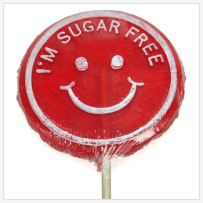
    Don’t assume sugar free confections are easy on your teeth. Sour and fruit flavourings in candy can interact with sugar-free sweeteners to create an acidic mix in your mouth that weakens and yellow teeth. The worst culprits are fruit flavoured lollipops because they dissolve slowly, giving acid more time to attack teeth. Chewing gum is the least destructive, since it stimulates a flow of saliva that washes away the harmful acids.

    6. Pick up some sleep glasses

    The blue light emitted by your computer screen, smart phone and television stimulates your brain, making it harder to fall asleep. Blue light filtering glasses act as a solution to them. Put them on if you’re using the computer before bed, and you’ll sleep much better.

    7. Hit he yoga mat to relieve pain

    As a treatment for back pain, regular yoga has advantageous over more conventional methods, like physical therapy.  The ancient practice has also been shown to soothe other aches as well, probably because of the way it connects your mind, your breathing and the movements of your body. Yoga works the whole body not just one part. When a person is in chronic pain, usually the whole body changes and treating only the part that was originally injured or is hurting is not enough.

    8. Kick your day with chocolate

    Chocolate

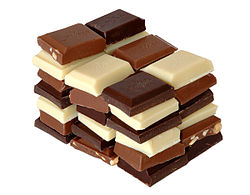
    A square of chocolate has just the right amount of theobromine (a cousin to caffeine) to wake you up but not enough to cause a crash later. It’s also chock full of antioxidants, may decrease heart attack risks, lifts mood- and taste delicious. Try it as a mind morning snack!

    9. Eat more quinoa

    Rich in protein, fibre and hard to get magnesium, which protect against hypertension, quinoa has well-deserved reputation as a super food. (a typical serving has twice as much protein and eight times as much fibre as a serving of white rice.) But some people find that it can taste a little bland. Restaurant chefs have a secret that’s not included in the directions of the box. Simply spread quinoa on a tray and place it in a 350-degree oven for eight to ten minutes, until its golden brown, then cook it up in a pot according to instructions.

    10. Pump up your potassium

    The new mantra among heart specialist, improve your sodium-potassium ratio, by either lowering your sodium or raising your potassium- or, better yet, by doing both. That’s because potassium blunts the blood pressure raising effects of sodium. The latest research finds that people with unhealthiest ratios are more than twice as likely to die from a heart attack as those with lowest. Another study reveals that raising your daily potassium intake by 1600 mg will lower your risk of stroke by 21 percent. New guidelines recommend 4700 mg daily. Other good sources include cocoa, dried apricots, fish, spinach, curd and potatoes with the skin.

  • SNACK WITHOUT GUILT

    SNACK WITHOUT GUILT

    DSC_1699

    Until recently the common wisdom on snacking was that it was bad; something you must be guilty about. Don’t eat between meals, you were told. It will ruin your teeth, make you gain weight and spoil your appetite. Far from true! “The word snack has a negative connotation, but it can be a good thing.” Dieticians, nutrition and fitness experts now say the best way to keep healthy is by eating small frequent meals. It keeps you from overeating at mealtimes and fires your metabolism.

    Why we need to snack

    Intake of food and breakdown of it during metabolism releases glucose-the simplest form of sugar. This glucose is taken up by insulin and used to regulate the body’s energy levels. All this takes place in the spleen. Twice a day a healthy person’s blood sugar dips when the glucosein the blood gets used up. This brings on lethargy. This is when snacks come in handy. It is essential to get it right.

    The right time, right pace

    It is generally two hours after breakfast and a couple of hours after lunch that you need to pump your blood sugar, these are the high activity zones of our day when maximum energy is consumed either at work or while doing chores at home. A feeling of lethargy, lack of concentration, compulsive eagerness to get over with work and head over coffee machine indicates tumbling sugar level but very often we confuse the need for a break with the need to snack. We end up munching out of boredom.

    What to eat, what to drop 

    Look for foods with complex carbohydrates (wholegrain breads or fiber-filled vegetables). Combine them with protein rich stuff like low fat cheese. High protein snacks keep you full longer and may reduce the amount you eat next time. The ideal break up for a person should be:

    carbohydrates: 10 to 12 grams

    Proteins: 5 to 6 grams

    Fats and oils: 3 to 5 grams

    You could get this from:

    A cup of tea with whole wheat bread, sandwich (skip the mayonnaise), try low-fat cheese or a glass of sweet lassi with a bowl of upma or poha or fresh juice with medium sized sprouts.

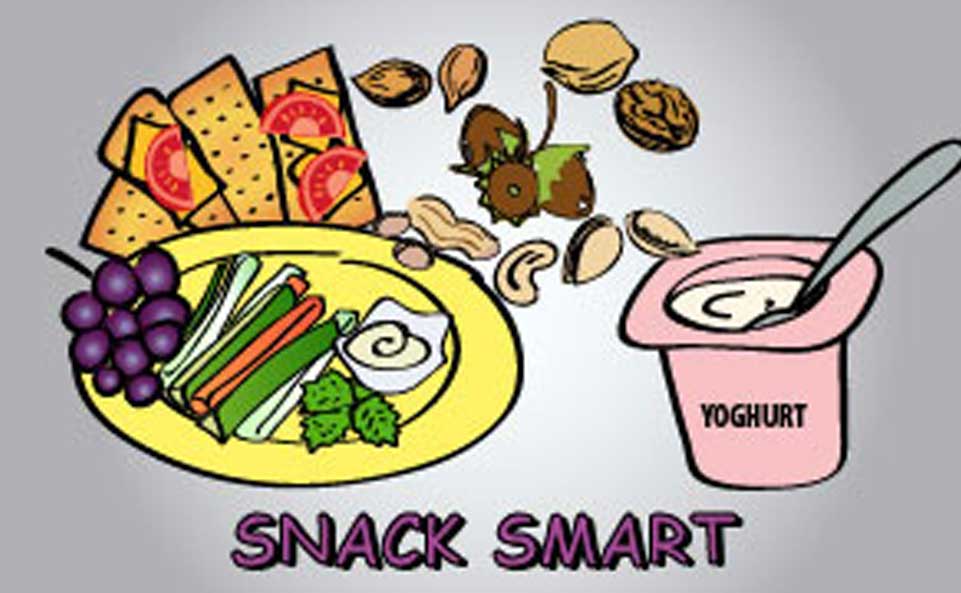
    Snack smart

    healthy_snacks

    DO’S

    • Balancing snacks with meals is a clever idea. If you had a carbohydrate rich breakfast and no protein, at snack time pick up low cal flavored yogurt.
    • Eat a variety of foods with different food groups and tastes to fill up on nutrition deficit.
    • If you are self confused sweet lover, try to replace a few sugary snacks with more healthy ones. It may not be very difficult.

    DON’Ts

    • Snacks by definition are quickies but that does not mean you stuff them in a speed. Eat your food slowly. The brain transmits the message of food satiation when you chew leisurely.
    • Do not couple foods of the same food group together. To get maximum value from nutrients, select food from different groups.
    • When ordering out, remember that you needn’t eat the entire portion. Go for pooled snacks share them with friends.

    The right drinks

    Avoid coffee, tea and colas. Packaged juices have high sugar level but the added vitamins and minerals make them preferable to drink.  Stick to calorie free drinks such as iced tea or club soda with a twist of lime. But remember nothing beats a glass of cool freshly squeezed fruit juice.

    Snacking strategies

    We never plan for snacks simply because the idea of impending lunch or dinner is too overwhelming both for cooking and eating. Being a smart snacker is not that tough it only needs you too understand the logic of healthy snacking planning and buying groceries wisely.

    At home

    • Go for steamed veggies or cut salads accompanied by a yogurt or mint dip.
    • Toast small pieces of whole wheat bread. Dip them in olive oil, flavored with some oregano and chili flakes.
    • A bowl of cut fruits is great idea. Different fruits for breakfast and snack time should be your mantra
    • Satisfy cravings in a healthier ways. Get a chilled milkshake, stirred with drinking chocolate.

    At work

    • Dip into a cup of yogurt. There is a huge variety in the market. Carry them along with you if you don’t get them in the office canteen.
    • Pack some light snacks. Sprouts, cut vegetables, fruits or idlis. Prepare them the previous evening and store them in the fridge for office next day.
    • Simply nibbling on a cucumber works!

    When out shopping

    • Identify juice and salad bars. Ask for fruit and vegetable juices. They are nutritious and filling.
    • Stop over cafes and takeaways that give you a break from oily stuff.
    • Go for a yogurt smoothie and gelato.
    • Carry a pack of roasted grams and nuts in your bag. They give you an instant energy boost.
    • Avoid steamed corn (they are frozen and packaged). Always look out for a freshly roasted corn.

    Pacing your snacks with your meals is all important and required for a healthy living. Many of us watch what we eat through the day-only to lose control at the end of the day if we have been starving. If you catch yourself eating in large quantities, grabbing chips and digging into ice creams, watch out!!