Author: Richa Tripathi

  • The Culture of Convenience

    The Culture of Convenience

    The purrs of smooth engines and the coughs of not-so-smooth engines on the city streets makes for a perfect cacophony—the concrete jungle. With the hustle and bustle of modern-day living, it doesn’t take Einstein to realize that the modern youngsters are looking for convenience.

    Be it in grocery shopping, entertainment, housing, travel, relationships or even food; the one thing that would make up any rotten day is some convenience! And why not? After all the time we’ve invested in securing a future and perfecting our lifestyles, a little ‘ease-to-access’ doesn’t seem like too much of a demand. Whether we are from a bloodline of Nawabs or just another part time worker, we do quite a few things based on their convenience, or ease. How effectively it can be done seems to take a backseat on the priority bus.

    Consider a couple chit-chatting away in a quaint little coffee shop. The man, being the man and to impress the lady leans back stylishly and gestures a call with two fingers

    “Waiter!” He calls as if he owns the place.

    The waiter, in his anxious rush, trots over to the table to take their order.

    Now think about it for just a minute, what is the role of the waiter in the first place?

    It is to wait on the customers.

    Why do the customers need to be waited on when they are perfectly capable of collecting their orders themselves, using their own two hands?

    That’s right, folks; because it’s just easier that way. As long as the work doesn’t pile up on us, we’re golden! Figuratively, of course. Now certainly, it’s no crime to want for things to be convenient—it’s more of a culture; which we’ve developed over the years of evolution.

    During ancient times, it was no trouble to walk ten miles past the woods, round the mulberry bushes and beyond the wasteland to get to the river and fetch potable water. Definitely, people would call it “stupidity” if someone were to do so now, with all the plumbing and the pumps and whatnot. Certainly better this way, isn’t it? Because it’s just more convenient.

    images

    Progress and time saving are two very useful outcomes of adopting new and convenient methods. We get more work done, in lesser time, and sometimes, with a lot more efficiency. It gives us a chance to do so much more. This “convenience culture”; which every breathing being has adapted to, is helping the word move to greater heights.

    We see so many examples of day-to-day things, innovatively made easier. Moving assembly lines, digital cameras, smartphones, portable Wi-Fi, canned drinks, electricity, cars, bikes, social networking, and the list is never ending. Look to the first thing you see and think about its earlier ‘versions’. If you see a digital clock, think about when it used to be just a pendulum clock, occupying the opposite wall. If you see a suitcase with rollers, think about when it used to be a bulky wooden trunk that one had to heave around.

    See a Ducati? Those wheels used to be stone rollers.

    images (4)

    Technological advancements have played a crucial role. Work has become lesser a burden and people find more time for life.

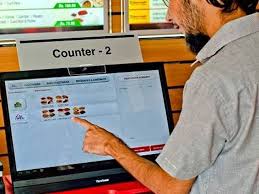
    Another beautiful example was one that I came across a few days ago, in Chennai, near a bus stand. My father and I were starved and miles from home, when we spotted a nicely lit place with wooden-panelled walls on the inside. Past the glass doors, we saw touch-screens that clearly read “pick your order” and some queer looking conveyer belts. We looked at each other for a moment, than up at the billboard.

    It read Food Box—A convenience like never before.

    Dad and I were obviously scratching our heads, wondering why there were conveyer belts at some usual food court. Then, deciding to follow our senses and let our curiosity wander, we walked in past the glass doors and let the cool air greet us. We did as told and placed our orders by selecting them from the touch screen and waited.
    images (3)

    The conveyer moved.

    On it, came travelling a tray, sealed shut with a plastic cover, with steaming food on the inside. What was more was the fact that the order was delivered in less than ninety seconds! Now that was quick, considering we had only twenty minutes to finish up and board the next bus home.
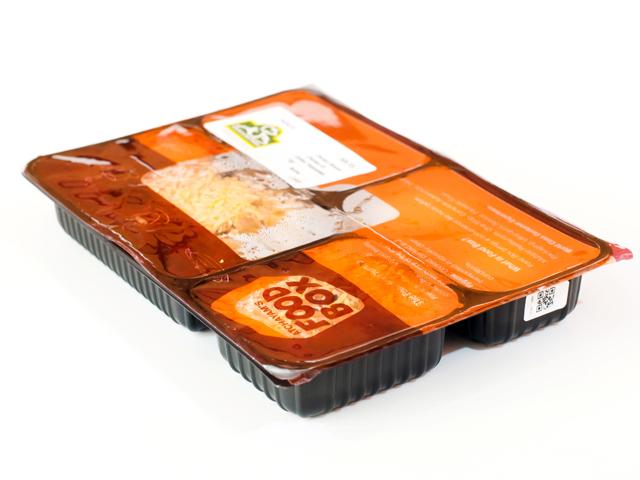
    funded-by-mostly-friends-and-family

    It was a refreshing experience, and we had a long chat on the bus about how something like this could put the usual fast food chains out of business! The innovation had a lot of potential. People could grab their food—from a large variety—and rush out. It might not sound as exciting while reading about it but, it truly was convenient and saved us a whole lot of time.


    Taking the shortcut, however, doesn’t always make life easier. As the saying goes; too much of a good thing isn’t good. Ironically, that is very true. Despite the apparent positives that “convenience culture” brings, there is a huge load of negatives. If everyone keeps up with this want of not doing anything that’s difficult, or challenging, as spectacular it sounds, it would actually kill our mental capabilities and decrease our physical strength.

    For example, when an astronaut spends over a month in space and returns to earth, it is observed that he has lost his bone density. The explanation to this is that the lack of gravity in space makes it easier for the astronaut to move around—convenient? Seemingly so but, when you think that you’d lose your bone density, the idea of walking in zero-gravity doesn’t seem so appealing.

    The challenges we face in everyday life are like gravity. They weigh us down, yes, but only so we can grow stronger. A very disastrous side-effect of the “easy way out” is laziness. Instead of decreasing bone density, we face decreasing brain density.

    The choice is ours, really. Just because something is easy doesn’t mean that it will make us stupid, but just because something is hard doesn’t mean that it shouldn’t be done. Of course, one could argue that simplifying complexities is a key sign of intelligence, but either way, one does have to challenge the situation first.



  • Dieting or Die-Eating?

    Dieting or Die-Eating?

    Dieting_

    Oh, no. It looks as though you’ve had a row with the weighing machine. Again.

    What was it this time? The needle pointed five kilos ahead? What other options are there apart from running, yoga, swimming and various other exercises?

    Dieting, you say? Cutting down your food intake to a minimal? Are you sure you know the difference between dieting and starving?

    Unfortunately, many don’t understand what dieting truly is.

    The common misconception is that Dieting refers to controlling the amount of food or calories you ingest, in order to lose weight.

    However, the truth runs along these lines:

    Dieting is the practice of eating food in a regulated fashion to decrease, maintain, or increase body weight. That’s right, folks. Dieting doesn’t mean cutting down on your nutrition intake–it means balancing it.

    To determine a proper diet for yourself, it is suggested that you visit a dietitian and have them plan it out for you, based on your body type, weight, eating habits, height, etc.

    However, if you’re more of the future planner, it would help to know some of the long term effects of dieting

    The Long Term Effects of Dieting:

    “Success” in dieting methods has been generalized as weight loss. This implies that losing weight will lead to improved health, and yet, health outcomes are not  included in diet case studies. Do weight-loss diets lead to improved cholesterol,  systolic and diastolic blood pressure, and fasting blood glucose? 

    The question is not whether or not one should diet, but what exactly is it that dieting achieves.

    In most case studies dieting persons show minimal improvements in the above mentioned health criteria, while none correlate with weight change.

    Shocking, but true. Though weight-loss dieting might help shed those extra pounds, it only does so temporarily. In the long run, however, case studies reported that, the majority of individuals had gained almost all of the weight that was lost after dieting, if not more, regardless of continuity in their diet or exercise program. It was also revealed that after two years of dieting, up to two-thirds of dieters were even heavier than they were, prior to beginning their program!

    The “Taboo” Foods

    Certainly, when you are put under a weight loss dietary program, there are certain foods you would be required to give up or cut down on. These include, but are not limited to:

    drinksSoft_Drinks_in_Glass_with_Bottles_926f0c15-b214-4abb-9bea-2dfe2f519478-prv

    • Salad Dressings
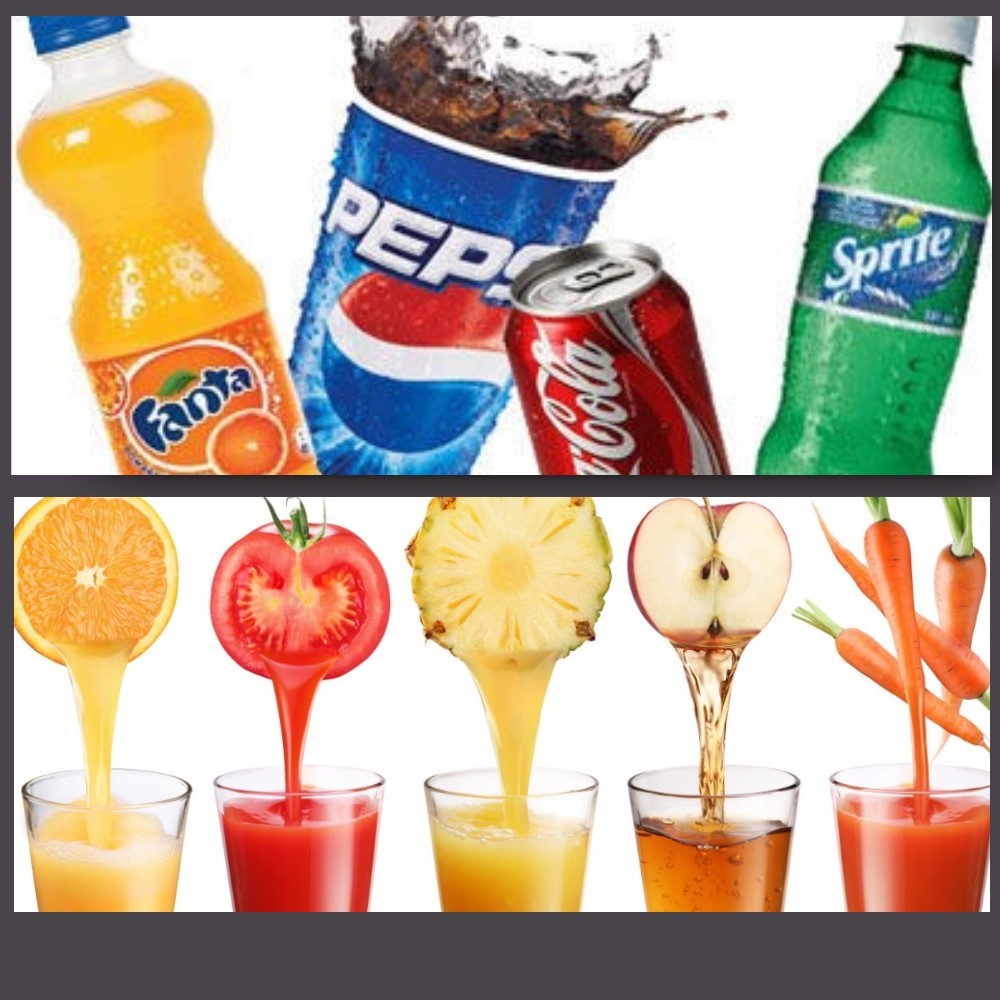
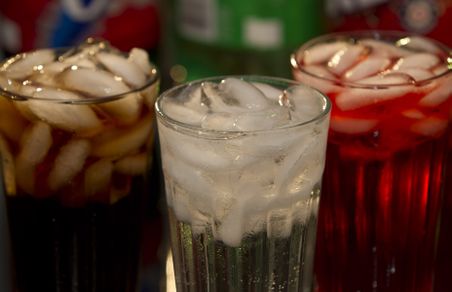
    • Beverages like alcohol, smoothies, coffee with cream and sugar, sweetened juices, teas, and sodas
    • Certain meats like Bacon, grilled Chicken
    • Cheese
    • Croutons
    • Burgers
    • Chocolates
    • Doughnuts
    • Cookies
    • Tortillas
    • French fries
    • Potato chips

    The list could go o forever, but to sum it up, anything with carbohydrates or fats becomes a taboo. Though it is true that not all dietitians advise that you ban these foods, or tell you to cut down on their quantity, could you really live with feeling guilty every time you pass a packet of Lays, in a shop?

    Think about what we saw earlier, about how dieting isn’t really all rainbows and ponies in the long run, and ask yourself: is all the effort really worth it? Is it honestly worth it to drown in shame every time you take a bite out of something sweet, only to find out that you’ll gain the same weight, or probably more, two years down the lane, despite your efforts?

    Doesn’t seem smart.

    chips 2processed meat

    The Ignored Side Effects

    Every day, it seems there’s a new “it” diet. But now, it seems as though there’s a whole new reason not to try them all: It turns out, switching diets can drastically affect your intestinal health.

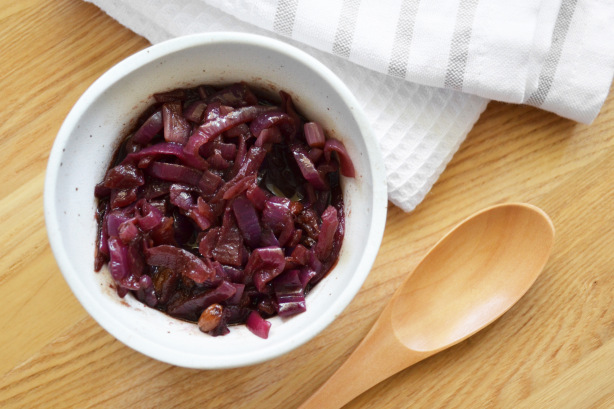
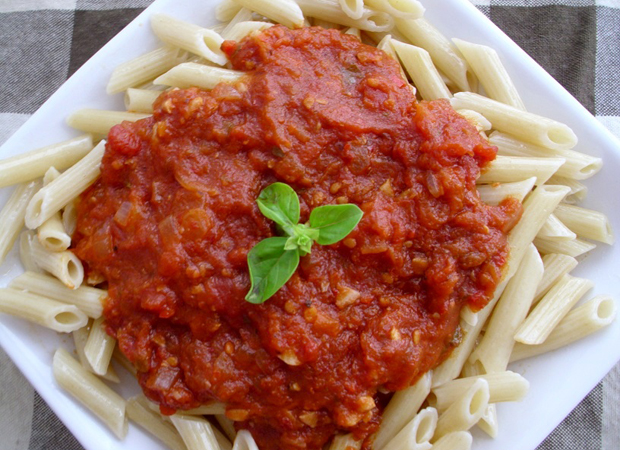
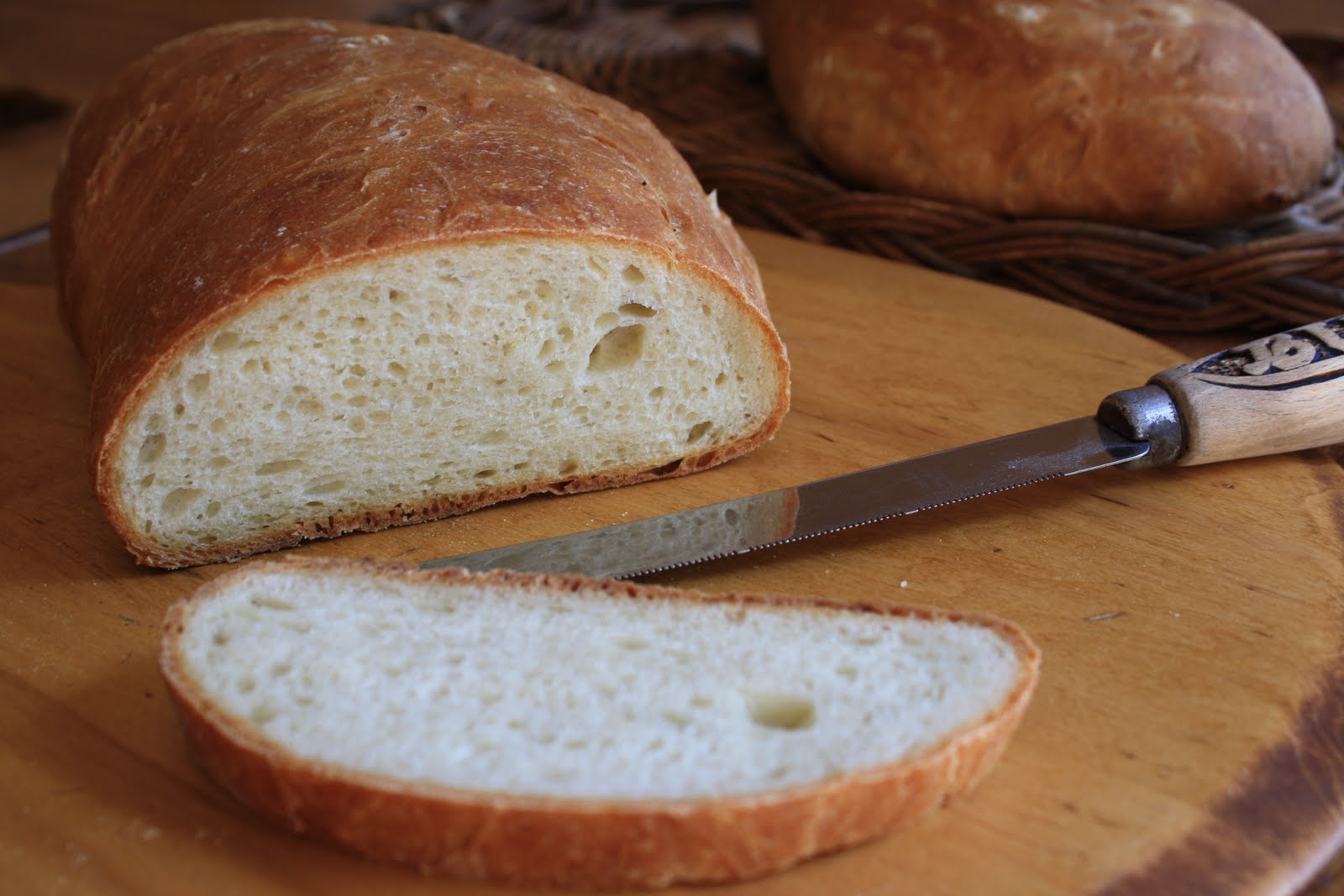
    While there are studies that show the health and medical benefits of weight loss, a study in 2005 of around 3000 Finns over an 18-year period showed that weight loss from dieting can result in increased mortality, while those who maintained their weight got the best. It has also been found that in most cases, a low fat diet causes constipation. Is that something you want to deal with? I think not. In adolescents, it is noted that along with physical ones, dieting can inflict psychological and emotional harms. The stress of being thinner usually leads to eating disorders like Anorexia and low self esteem in teenagers. Sadly though, these ill effects are shadowed by the supposedly ‘fantastic’ results of dieting, that last no more than six months after the completion of your regime.
    images (2)

    The Consequences

    In many cases, normal dieting doesn’t seem to be satisfactory. Not because you’re not doing it right, but just because it isn’t normal and your body is not ready to accept such changes as you inflict on it during the course of your diet. Sadly, these simple signs are misunderstood and dieters are lead to believe that their diet lacks severity.

    As a result, they monitor their eating habits even more strictly than they did before and needless to say, this only leads to more harm.


    1. Binge Eating: Binge eating is sometimes the outcome of having gone too long without necessary nutrition and calories. If you consistently skip meals when on a diet, it is possible to feel deprived and eat many more calories late at night, especially if you’re unable to fall asleep from intense hunger.                                                                                                                                                             download (2)
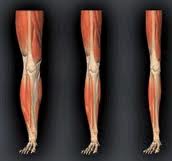
    2. Muscle Loss: Unhealthy dieting practices that don’t produce enough protein can lead to unwanted muscle loss. Your body needs protein to build and repair tissues, and carry out a large number of processes. When you don’t consume enough protein in your diet, your body will consume its own muscle mass. Ouch!                                                                                                                        muscle-loss-in-legs
    3. Fatigue and Nausea: Some unhealthy dieting practices include extreme calorie reduction. Juice fasts where you go for weeks without consuming solid foods often result in horrible side effects. Fatigue, nausea, dizziness and headaches are common consequences of these unhealthy diets.
    4. Challenge to mental Health: Unhealthy dieting is challenging for your mental health. Many people feel grumpy and irritable when they are hungry. Not getting enough calories, not having enough energy to carry out daily tasks, feeling dizzy and nauseous can all combine to push some extreme dieters into feelings of deep sadness or even depression.                                

     download (3)

    The Final Conclusion

    After having thoroughly read about dieting and it’s true colours, can you really say that it is the most natural way to lose unwanted weight?

    The challenge with weight loss diets is that they usually cannot be maintained in the long term. You may be able to survive on a short term basis on an extremely low-calorie diet, but eventually you will have to resume eating regular meals.

    The ball is in your court then. Do you prefer dieting? Or happily Die-Eating?

  • Monsoon Treats

    Monsoon Treats

    The Monsoon brings with it the chilly winds and pleating rain. The beautiful weather, accompanied with just the right food, can make your day perfect. Here’s a list of the stuff you can hog, without having to worry about your health, and how it can be made!

    Hot Soups:

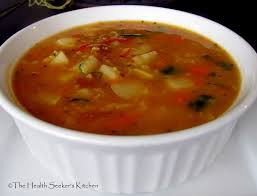
    Vegetable soups are a great option to indulge in the rainy season. Warm nutrition-packed veggie soups will not just help you stay away from cold and flu, but also help you stay healthy and hydrated.

    Vegetable soups are also the easiest thing to cook, among other soups.

    2a61fabc06e455def80cd998988ebbf6


    Ingredients:

    1 tablespoon of olive oil

    1 onion, diced

    3 cloves of garlic, minced

    2 potatoes, diced

    2 carrots, diced

    1 cup of green beans, cut into smaller pieces

    2 cups of spinach*

    1 can of diced tomatoes

    2 tablespoons of tomato passata

    4 cups of chicken stock

    Salt and pepper

    Sour cream (optional)

    There are no hard and fast rules.Quantities of vegetables can be adjusted according to your taste and requirement and you are allowed to use any vegetables that you have on hand.


    Method:

    1. In a big saucepan on low to medium heat, add oil and saute the onion for a couple of minutes

    2. Add garlic, saute for a further minute

    3. Put heat up to medium and add all the vegetables to the saucepan, saute for five minutes

    4. Add diced tomatoes and passata, stir through for a minute

    5. Add chicken stock and bring it to the boil

    6. Turn down the heat and let it simmer on low to medium heat for 25-30 minutes – add salt and pepper to taste

    7. Serve with crusty bread and a dollop of sour cream (optional)


    Tea:

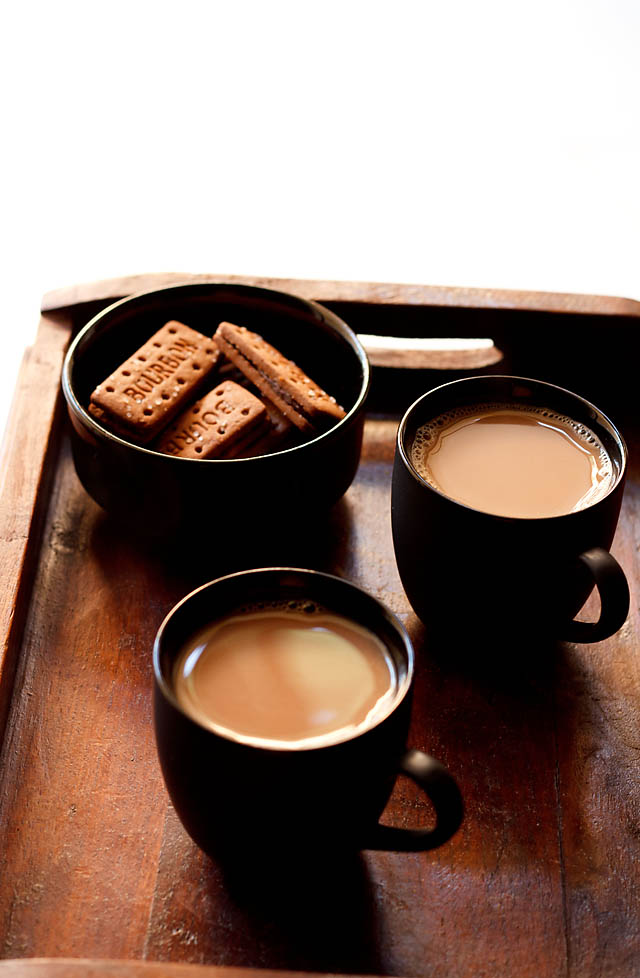
    Have tea, especially herbal ones- this will keep bouts of influenza away. Herbal teas are also good for digestion. Now there are two methods you can use. One of them is to buy herbal tea bags, in which case, all you have to do is dip them in hot water and add milk and sugar as per instructions.

    Ginger tea, however, is another easy alternative.

    ginger-tea-recipe

    Ingredients

    • 4 cups water
    • 3-4 black tea bags or 3-4 tsp black tea leaves
    • 2 inch ginger for a strong taste or 1 inch ginger for a milder taste, peeled & either crushed or grated.
    • 3-4 cardamom, crushed or powdered in a mortar-pestle(optional)
    • ½ to ¾ cup regular milk or cashew milk or soy milk – add more if you want a milky tea
    • 8 tsp unrefined organic cane sugar or add more for more sweetness

    Instructions

    1. In a saucepan or kettle, add the water, crushed ginger and crushed cardamom with the peel.
    2. boil this water-ginger-cardamom mixture for a good 6-7 minutes, till the color of the water changes to a mild yellowish hue. the ginger releases its juices and flavors in the water and thus the color of the water changes.
    3. add sugar and simmer for a more of 1-2 minutes.
    4. now add the tea leaves or tea bags and simmer for 2-3 minutes till the water gets a deep hue of red.
    5. add milk. simmer the tea for 2-3 minutes if using regular milk or soy milk.
    6. if using cashew milk or almond milk, then just stir the cashew milk with tea and remove from pan as otherwise heating further would cause the cashew or almond milk to become slimy and separate.
    7. strain the tea through a strainer right into the cups.
    8. serve the hot ginger tea or chai or adrak chai with indian snacks like pakoras or samosas. you could also serve the ginger tea with biscuits or cookies.

    Pakoras:

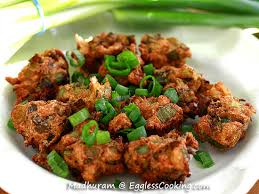
    Mouth watering pakoras are yet another dish that are a must have during the rainy season. A cup of hot tea and a plate of pakoras are an unbeatable combination. You can choose from various kinds of pakoras ike onion pakora, spinach pakora, potato pakora, paneer pakora, green chili pakora and it goes on. Here’s how you can make Onion Pakoras.

    images

    Ingredients

    • 2 to 3 medium sized onions
    • 2 cups gram flour or besan
    • ½ tsp red chilli powder
    • ½ tsp garam masala powder
    • ¼ tsp turmeric powder/haldi (optional)
    • ¾ tsp ajwain or carom seeds
    • A pinch of asafoetida/hing
    • Oil for shallow frying or deep frying – sunflower oil or any neutral flavored oil
    • water as required
    • salt as required


    Instructions

    1. Peel the onions.
    2. Rinse and slice them thinly.
    3. Add the chilli powder, garam masala powder, asafoetida, salt and chick pea flour to the sliced onions.
    4. Add water and mix it to a thick and smooth consistency.
    5. Add little water in the beginning as the onions will release water later and so the batter becomes too watery.
    6. The pakoras won’t turn out good if the batter becomes watery.
    7. You can add more besan if you feel the batter is not thick and smooth. You can always adjust the content of besan and water by adding it more if you feel you have not got the right consistency.
    8. Now heat the oil in a deep frying pan. Take a teaspoonful of the onion batter and add it in the oil. On a medium heat fry the onion pakoras till golden brown.
    9. Serve onion pakoras hot with tomato sauce, green chutney and bread or pav.


    So go ahead and make your taste buds dance this monsoon!

    .

  • Sway the Ballroom Way!

    Sway the Ballroom Way!

    Dance is a way of life! People are rarely wrong when they say this, as dance expresses many lively aspects and emotions. Be it love, anger, disputes, chastity,  entertainment, surprise, bliss, sadness; dance can represent every shade of human emotion.   The movement to a rhythm is emotionally soothing and one confers a sense of accomplishment. Dance helps one to build confidence and express oneself; two things that every individual finds essential.

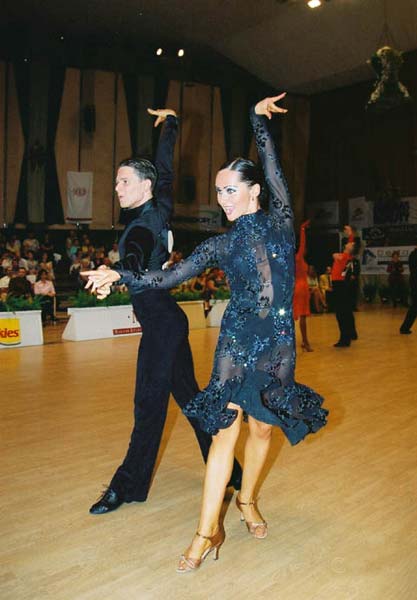
    The more romantic sort of a dance, however, is a ballroom dance. Ballroom dances are partner dances enjoyed socially and competitively worldwide. Love is an expression that can be shown beautifully in almost any ballroom dance form. Be it aggressively, possessively, intimately, softly, or delicately, a ballroom dance can show it all. It is considered an art form.

    It is bodily movement synchronized with a rhythm provided by some form of musical instrument. While the music is itself an art form, in dancing one takes advantage of the rhythm. Through tradition certain rhythms that are synchronized with selected patterns of body and foot movement are adopted. These patterns are then given names such as Mambo, Waltz, Cha Cha or Tango.

    download (2)download (3)ballroomdancing

    Jive:


    Jive is a dance style that originated in the United States from African-Americans in the early 1930’s. It was originally presented to the public as ‘Jive’ in 1934 by Cab Calloway. Jive is one of the five International Latin dances. In competition it is danced at a speed of 176 beats per minute, although in some cases this is reduced to between 128 and 160 beats per minute. It is a lively form of Swing dance, and a variation of the Jitterbug. While there are many complicated versions of jive, some of which involve flipping the female dance partner, the basic dance is well controlled, with a six count foot pattern.

    Jive

    Paso Doble


    Paso Doble in Spanish, literally means double step. It is a traditional dance in Spain and is danced to the kind of music played when the bullfighter enters the bullfighting ring (Paseo) or during the passes(Faena) before the final kill, during a bullfight. Paso Doble is a lively style of dance to the duple meter march-like Paso Doble music. It is modeled after the sound, drama, and movement of the Spanish and Portuguese bullfight. Famous bullfighters have been honoured with Paso Doble tunes named after them.

    Pasodoble2


    Cha Cha


    The Cha Cha is danced to; a little obvious, Cha Cha music, introduced by Cuban composer and violinist Enrique Jorrín in 1953. Styles of the Cha Cha dance may differ in the rhythmical structure. The original Cuban and the ballroom Cha Cha count is “two, three, chachacha” or “four-and-one, two, three”. The dance does not start on the first beat of a bar, though it can start with a transfer of weight to the lead’s right. Partners work together to synchronize each movement in perfect alignment.

    cha-cha


    Mambo


    The Mambo is one of the most sensual and emotional Latin American ballroom dances. Swaying hip movements, facial expressions, arm movements and holds all add to the sensuality of the dance. Mambo music was invented during the 1930’s by Arsenio Rodríguez, developed in Havana by Cachao and made popular by Dámaso Pérez Prado and Benny Moré. In the late 1940’s, Perez Prado came up with the dance for the mambo music and became the first person to market his music as “mambo”. Prado moved his music to Mexico, where his music and the dance was adopted. The original mambo dance was characterized by freedom and complicated foot-steps. Some Mexican entertainers became well known dancers like Tongolele, Adalberto Martínez, Rosa Carmina, Tin Tan and Lilia Prado.

    Mambo

    Rumba


    The Rumba is considered by many to be the most romantic of all Latin ballroom dances. It is often referred to as the “Grandfather of the Latin dances.” It is one of the ballroom dances which occurs in social dance and in international competitions. Among the five international Latin dances, Rumba is the slowest. It was derived from a Cuban rhythm and dance called the bolero-son;  a genre of slow-tempo Latin music and its associated dance.

    Rumba1

    Tango


    Tango, in Latin, means touch. This sensual ballroom dance originated in South America in the early twentieth century. It is one of the ballroom dances which is most fascinating to watch. The Tango consists of a variety of styles that developed in different regions and eras of the world. The dance developed in response to many cultural elements, such as the crowding of the venue and even the fashions in clothing. The styles are mostly danced in either open embrace, where the dancers have space between their bodies, or close embrace, where the dancers connect either chest-to-chest (Argentine tango) or in the upper thigh, hip area (American and International tango).

    tango-lesson


    Waltz


    The Waltz is one of the oldest of ballroom dances, dating from the mid-Eighteenth Century. The German “Lander”, which is a folk dance, is supposed to be its predecessor. The name; “Waltz” is a developed form of “Waltzer”, which was derived from the Latin “Volvere”, which means rotation. When The Waltz was first introduced to the world in the early Nineteenth Century, it was treated with resentment because it was the first dance where the couple was in close contact. The man’s hand was to be wound around the lady’s waist and they were to dance so close that their faces almost touched. This is called a Closed Position in dance terminology. Waltz dancers appear to glide around the floor with almost no effort, showing its grace and elegance.

    Waltz


    Samba


    Samba is a Brazilian dance, which originated in Bahia, Brazil. Around the world, it is known as the symbol for Brazil and the Brazilian Carnival. It has also become the symbol of Brazilian national identity and is considered to be one of the most popular Brazilian cultural expressions. Traditionally, the samba is played by strings and various percussion instruments such as tambourine. Influenced by American orchestras in vogue and the cultural impact of US music post-World War II, Samba began to use trombones, trumpets, flutes, and clarinets.

    Samba

  • London Street-eats!

    London Street-eats!

    So you’re strolling around one of the most profound cities in the United Kingdom. Maybe you’re on a tour, maybe you’re new and just lost. Either way, a time comes when the stomach pangs demand you to do their bidding. Grab a bite to eat. Thus far, you’ve seen the Big Ben, The London Eye, The Thames River and even the Buckingham Palace, but if you don’t sit down to eat, you won’t be able to see more. The problem is, it’s a new place! You don’t know where the good stuff is and settling for the not-so-good stuff isn’t worth it if you want to really know the city, is it? Plus, you’ve got a tight schedule and so much more to discover. Your budget might not support the fancy restaurants either.

    Save yourself the trouble. Some of the best food in London isn’t found in those fancy hotels; it’s found, in the streets. That’s right, folks. It’s the streets that harbor the good stuff. Admittedly it’ll be on paper plates or between napkins, but as long as the food is good, it doesn’t really matter, does it?

    Street Kitchen:

    When and Where: Covent Garden Piazza (WC2), Mon – Fri 11.30am-2.30pm, Finsbury Avenue Square (EC2), Mon – Fri 11.30am – 2.30pm, and The Hatch (nr. Ransome’s Dock, SW11), Mon – Fri 12pm – 2pm.

    What They Serve: A range of fish, meats and a mix of vegetarian dishes cooked to perfection. They then wrap it up in a takeaway box. Any beef or chicken dish, or anything with potatoes is their speciality.The flavor and portion size are perfectly compatible, ensuring that you have a delicious time.

    Churros Garcia:

    When and Where: Portobello Road Market (W11), Sat 9am-6pm, Broadway Market (E8), Sat 9am-4pm, and at The Real Food Market (London Southbank, SE1), every Fri, Sat & Sun 10am-8pm.

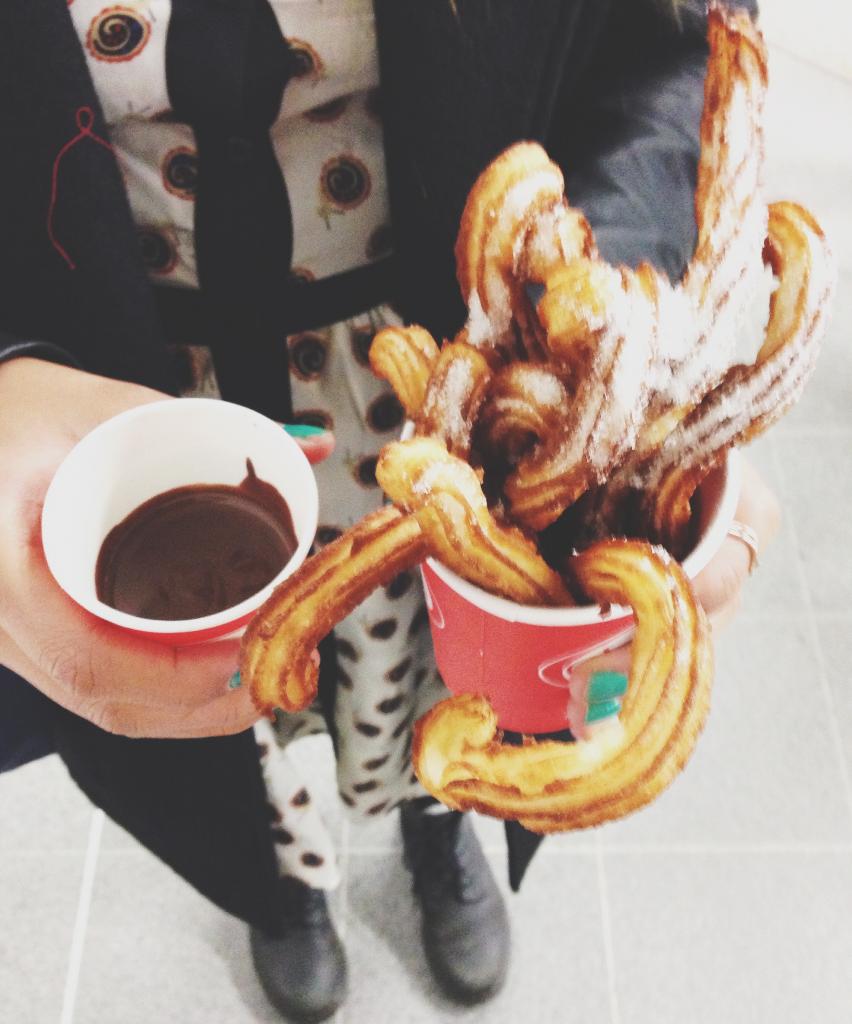
    What They Serve: Delicious crispy, chewy and sweet churros (spanish doughnuts). They’ve been doing so for over forty years – since the owner’s mother ( Encarnacion Garcia Fuenteseca) bought her first churros oven. They’ve been in the business long enough to be almost perfect!These sugar-coated Spanish doughnuts are generally served with chocolate or cinnamon. They were also finalists in the 2010 Street Food Awards!

    photo41

    Daddy Donkey:

    When and Where: Pitches 100-101, Leather Lane Market, London, EC1 7TE, 7.30am-4pm.

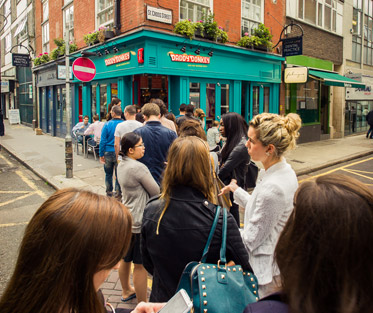
    What They Serve: Kick-ass Mexican grill – as they call it. In other words, the biggest burritos you would have ever come across. Their best meal is their breakfast burrito; filled with coriander-lime rice, black beans, sausage, egg, cheese, guacamole and topped with any salsa you like. Hopefully, you’ll be able to finish it. Be sure to excuse yourself after a much satisfied burp!

    slide_ll3

    Jamon Jamon:

    When and Where: Always at Portobello Road Market (W11), Sat 12pm-6pm. They pop up at eat.st on King’s Boulevard (N1), Thurs and Fri 10am-4pm and The Real Food Market (London Southbank, SE1), Fri & Sat 12pm–10pm and Sun 12pm–6pm.

    What They Serve: Paella Valenciana (chicken) or Seafood Paella, using local ingredients wherever possible – and always providing excellent quality. There are vegeatarian options too, if you’re more of a green eater.The Seafood Paella is irresistible. Made with garlicky saffron rice, decorated with tiger prawns, squid, and green-lip mussels. It’s like a  disco and the flavors dance.

    Big Apple Hot Dogs:

    When and Where: Their “Headquarters” are in Old Street (239 Old St, near the station) but they pop up all over the city, including at Street Feast in Dalston and Portobello. They are also providing little quantities of their handiwork at Edinburgh Fringe.

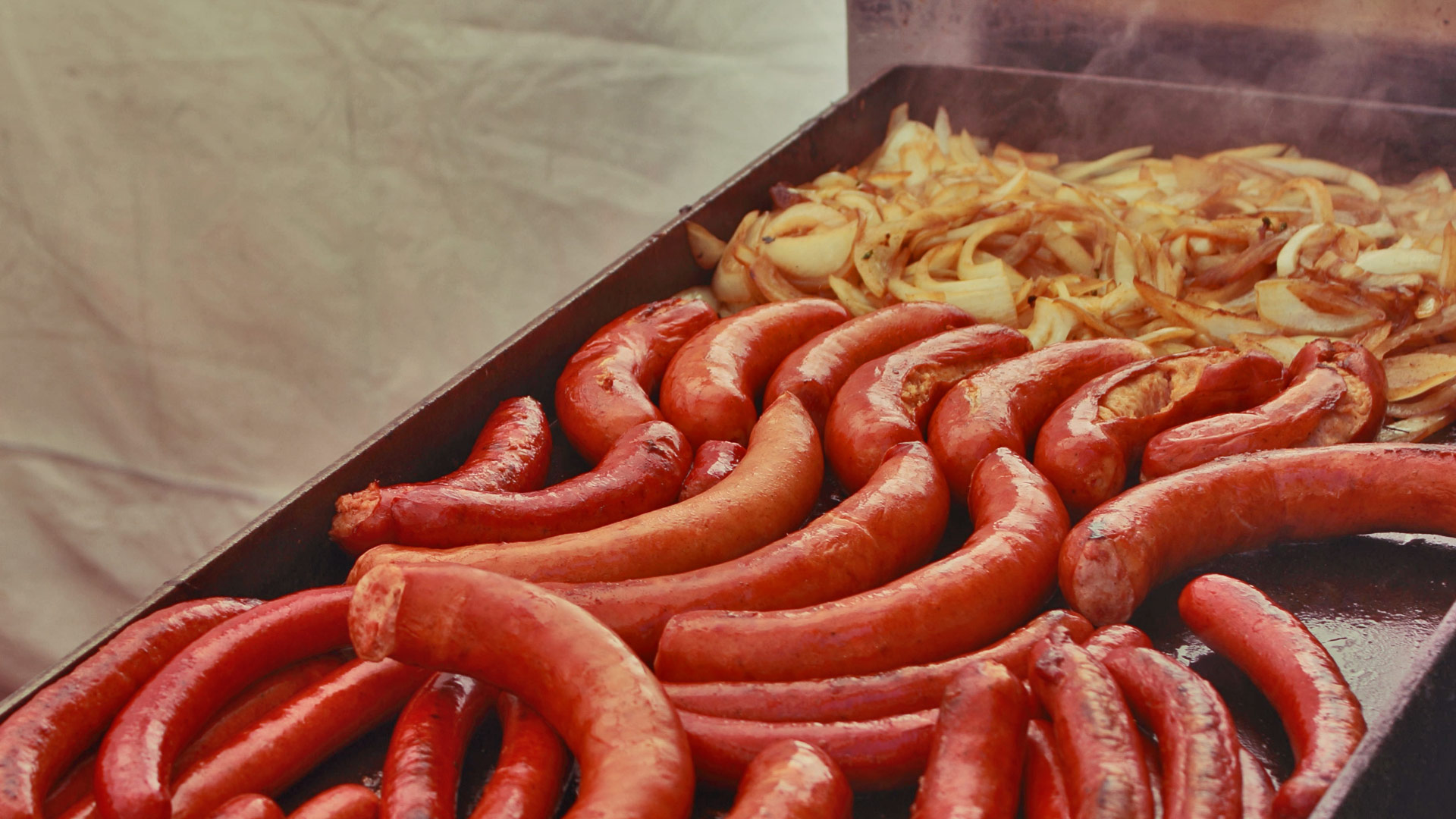
    What They Serve: Artisan hot dogs made with freshly-baked buns and out-of-this-world sausages, expertly smoked by a Polish sausage man. “Inspired by New York. Made in the heart of London”. Their Hot dogs are handmade in London and they use only natural castings and quality ingredients. Their dogs are gluten free, so no need to worry about the disgusting bits found in other sausages. They use free range pork and freshly baked bread. The blend of pork and beef in their sausage is flavoured with marjoram, garlic and black pepper.

    BigApple_big_01

    Home Slice:

    When and Where: The Sebright Arms (E2), Mon 7pm-11pm, London Fields Primary School (nr. Broadway Market, E8), Sat 11am-5pm and Ridley Road Market Bar (E8), Sun 6pm-11pm.

    What They Serve: Despite being made in the back of the van, you wouldn’t have tasted a better Pizza anywhere else. The base is amazingly crispy and they have an exciting range of toppings to try. Their franchise began with a home built mobile wood fired oven, and continues to delight your tastebuds. Dishes are seasonal and cooked with expertise. Nothing on their menu is a downer.

    5388_143904_large

    Yum Bun:

    When and Where: London Fields Primary School (nr. Broadway Market, E8) every Saturday 10am-4pm, they also occasionally pop up at eat.st on King’s Boulevard (N1).

    What They Serve: Soft steamed, hand made buns that are filled with a variety of complimenting ingredients like pork belly, cucumber and hoisin sauce. The bread is as soft and fluffy as a cloud.

    download

    The Dogfather:

    When and Where: The cart is located on Northcross Road, East Dulwich, Saturdays from 11am.

    What He Serves: He calls them ‘Haute Dogs’ since he uses 100% Kosher beef hot dogs and a scrumptious combination of sauces to make your dog Haute. The range is available in vegetarian hot dogs too. The Mexican Elvis Dog’, ‘The Snoop Dog’ and ‘The Slum Dog’ are some of the classics you will find at this cart.

    download (1)

    The Honest Carrot:

    When and Where: Borough Market (SE1), Thurs 10am-5pm, Fri 10-6pm, Sat 8am-5pm, The Oval Farmers’ Market (SE11), Sat 10am-3pm, Alexandra Palace Farmers’ Market (N8), Sun 10am-3pm, Brockley Food Market (SE4), Sat 10am-2pm, Venn Street Market (SW4), Sat 10.30am-4pm – plus see their website for monthly pop ups.

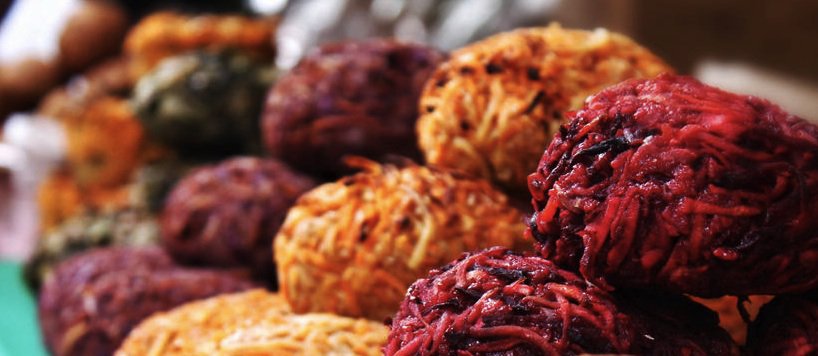
    What They Serve: Gluten-free yummies and all kinds of animal-friendly food, both vegetarian and vegan. Burgers, pies and roasts – all vegan. It’s a difficult task to choose one dish because all of them are perfect and attractively colourful, but if you have to choose, their London Roasts are a good choice – Delicious beetroot balls with potato, carrot, apple, parsnips and spices for a filling snack or healthy meal.

    xhonest,P20selection,P20crop.jpg.pagespeed.ic.f_Ur-EO1Ix

    Keeping these wonderful locations in mind, go ahead and stuff your face!

  • La Cucina Romana

    La Cucina Romana

    When in Rome, do as The Romans do.  Meaning it is polite, and possibly advantageous, to stand by the customs of a society when one is a visitor. But of course, if you’d rather literally do as The Romans do, whether or not in Rome, the best place to start is food.

    Tasting the various flavours of the place you are visiting is one of the best ways of saying “I come in peace” and also, the best way to enjoy. All you need to know is what you are eating and all you need to do is try to find out how it is made.

    Roman cuisine is the cuisine of the city of Rome, in Italy. Rome is city that is generally referred to as an empire. Though size has a major role to play in that title, it is also so called due to the widely spread culture. Roman food has grown through centuries of social, political, and cultural changes. The city became a chief gastronomic centre during the ancient times. Since Rome was, in many ways, a derivative of Greece, ancient Roman cuisine was highly influenced by Ancient Greek culture. The empire’s constant and enormous expansion exposed its people to new culinary habits and cooking techniques.

    The most original and traditional Roman food can still be found in Testaccio Rione. Gladly, you needn’t go all the way.


    rome-banner


    PASTA

    Pasta is one major constituent of Roman food. There are various shapes of pasta, the most common being Spaghetti. There are others like Fusilli, Gemelli, Lasagna, Linguine, Macaroni, Orecchiette, Penne, Ravioli, Riccioli, Rotini, Tortellini, Tripolini, Vermicelli, Tubini, Zitti and many, many more.

    However, the diversity in pastas doesn’t come from their shape alone, but also from their sauces.

    Agrodolce is a traditional sweet and sour sauce. Its name comes from “agro” meaning “sour” and “dolce”, meaning “sweet”. Agrodolce is made traditionally using vinegar and sugar. Sometimes, additional flavouring is added, such as wine, fruit, or even chocolate. It is served over rigatoni or wide noodles, such as pappardelleand can also be served with salmon or lamb meat.

    agrodolce


    INGREDIENTS

    • 2 tablespoons olive oil
    • 2/3 cup balsamic vinegar
    • 1 teaspoon sugar
    • 1 tablespoon unsalted butter


      METHOD

    1. Heat 2 tbsp of oil in a large skillet over medium-high flame till it shimmers
    2. Sauté onions until they turn golden brown and crisp-tender. This takes 6 to 8 minutes.
    3. Stir in vinegar, sugar, and 1/2 tsp salt
    4. Cook until sauce is syrupy. This usually takes about 2 minutes.
    5. Remove from heat and stir in butter.


    Arrabbiata sauce is a pasta sauce meaning “angry sauce” in Italian. It is so named because of its spicy nature.

    Arrabbiata sauce with Penne pasta
    Arrabbiata sauce with Penne pasta

    INGREDIENTS

    • 1 tsp Olive Oil
    • 1 cup chopped onion
    • 4 cloves garlic, minced
    • 3/8 cup red wine
    • 1 tbsp white sugar
    • 1 tbsp chopped fresh basil
    • 1 tsp crushed red pepper flakes
    • 2bsps tomato paste
    • 1tbsp lemon juice
    • ½ tsp Italian seasoning
    • ¼ tsp ground black pepper
    • 4 peeled and diced tomatoes
    • 2 tbsps chopped fresh parsley


    METHOD

    1. Heat oil in a large saucepan over medium heat. Sauté onion and garlic in oil for 5 minutes.
    2. Stir in wine, sugar, red pepper, basil, lemon juice, tomato paste, Italian seasoning, black pepper and tomatoes. Bring mixture to boil. Simmer uncovered for about 15 minutes.
    3. Stir in parsley.
    4. Serve with the hot cooked pasta of your choice.


    It is a myth to think that Roman cuisine consists of pasta alone. Sure, they eat pasta all the time, but not as a main course. In Italy, pasta is actually more of a starter (primo). It is eaten in very little quantities, followed by the main course (secondo).


    BREADS

    In Rome, bread varies in quality depending on the flour, which depends on the grain used, the setting of the millstones and the distinction of the sieves. The very best bread is made from wheat flour and the very worst is from bran alone. Traditionally, bread loaves were cylindrical yet somewhat flat, like a coffee cake, but shape is hardly a fixed parameter now.

    Italian Bread

    The types of bread include

    1. Libae—small rolls
    2. Panis Primus—cheap, coarse grain bread
    3. Panis Secondus—Bread one step above Panis Primus
    4. Panis Plebeius—Common Bread
    5. Panis Castrensis— Army Bread
    6. Panis Sordidus—Dark Bread
    7. Panis Rusticus— Country Bread
    8. Siligineus— White Bread.


    Legumes like beans, green peas, chick peas, lentils, etc. were also added to bread.


    FRUITS AND VEGETABLES

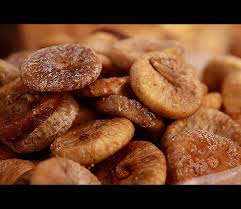
    The common fruits eaten by Ancient Romans are almonds, plums, walnuts, apple, figs, pomegranates, filberts, quinces, grapes, chestnuts, pears. Fruits were generally eaten raw, dried, preserved, and cooked. They were generally dried and preserved for winter. However, this is not the case in modern Rome. Nowadays, all sorts of fruits are eaten all over the world and Rome is no exception. Vegetables were eaten in variety too—artichokes, garlic, beans, lentils, onions, parsnips, peas, pumpkins, radishes, melons, cabbages, cucumbers, lettuce etc.

    dried figs


    BEVERAGES

    Wine was a major beverage, considered as a symbol of richness and prosperity. It was always watered down. Romans never drank wine straight. It was taken in small quantities with breakfast and in moderately large quantities during the main meal—Cena. Cena was taken between lunch and supper. Supper was generally a light affair, but wine was mostly taken during Cena.

    Other beverages included:

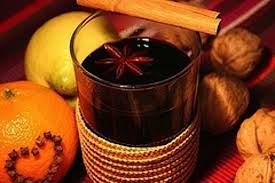
    1. Calda, which was a mixture of warm water and wine laced with spices. It was typically a winter drink.
    2. Mulsum; honeyed wine.
    3. Posca; Vinegar diluted with enough water to make it potable. It was a soldier’s or a slave’s drink.

    calda


    MEAT AND FISH

    Roman meats included Beef & Veal, pork, lamb, sausage, snails, sucking pig, hare, goat kid, venison, mutton, boar, mackerel, mullet, crab, eel, flounder, hake, lobster, rays, octopus, oysters, perch, duck, swordfish, flamingo, fig-peckers, dove, partridge, peacock, pigeon, thrushes, crane, goose, ostrich, etc.

    The poor Romans could seldom afford meat. Out of the listed, pork was considered a great delicacy. Peacocks were served to impress guests at dinner parties and you were considered a happy guest if you belched loudly. It was a “polite” gesture, stating that you enjoyed your meal.

    Well, after having read the scrumptious list of foods the Romans savoured, all one can say is Buon Appetito!