Category: More

  • Tips And Tricks For Easy Baking

    Tips And Tricks For Easy Baking

    Baking is a science, though not a complicated one; it relies quite heavily on accuracy. Everyone can bake, but like most things, a little know-how goes a long way. Even the little of the littlest mistakes in baking can mean the difference between the cake that rises and the one that sinks; the cookies that are perfectly golden brown and the ones that have burnt bottoms.

    We all want to impress others. If we bake, we want the dish to come out exactly as we intended it to be. We all want our cakes to look good, but that doesn’t mean it has to follow an elaborate procedure for baking. Baking a cake or pastry with a simple recipe that is convenient to follow and use at home can do wonders for you.

    But unlike other types of cooking, we can’t cheat on baking. We can’t alter the amount and type of ingredients according to our choice and availability. If you think you can make small careless mistakes while baking and it won’t affect anything, then you are gravely mistaken. This is the main reason for people shying away from baking by thinking it is a tedious, unsatisfying work to do. But actually, it is not so. You just have to take care of the small things for the big things (here, cake/pastry/cookies) to fall right into place.

    Here are 6 common baking tips that people need to know, and those that form the foundation of baking. These fundamentals if followed accurately, can save your cake from sinking down, or your cookies from getting burnt.

     

    Devilishly-moist-chocolate-cake-ingredients

    1.Choosing A Good Recipe :

    If you don’t have a good recipe to start with, the results aren’t likely to be delicious. Always remember, bad recipe is equal to bad result. A bad recipe is confusing and has a disproportionate and odd combination of ingredients. A good recipe is always easy to follow, and is created with tweaks and turns to the standard one to suit your convenience.

    You should always choose a recipe that matches your baking abilities and the type of ingredients you have. Also, you should also follow the recipe accurately from start to finish, and check the results time to time, and make sure they match with those written in the recipe. Do not substitute the ingredients or alter the recipe until you feel confident enough.
    organize         food.191204046_std

    2.Preparing For The Baking Process:

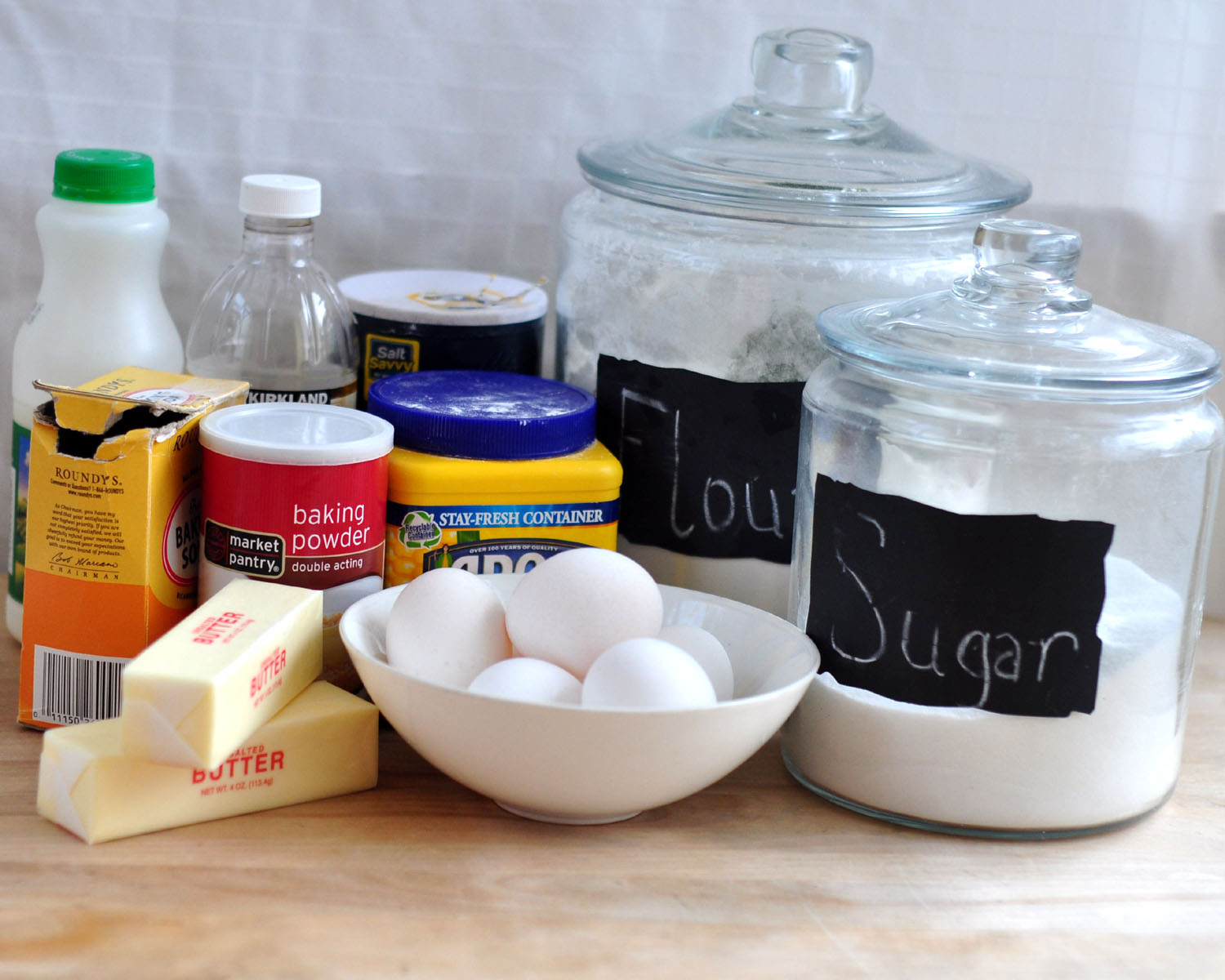
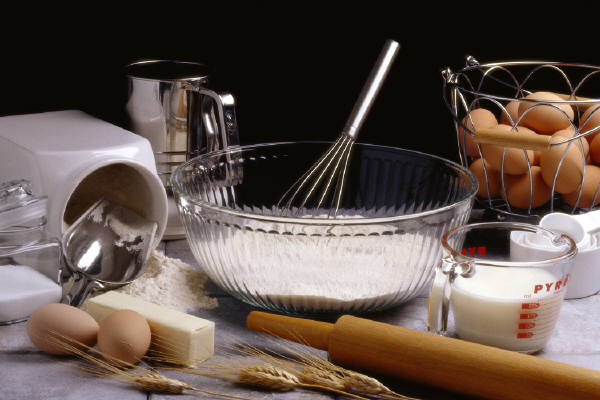
    You should always get organized before you start baking. It doesn’t take long to get the ingredients sorted before you start the baking procedure. Getting out all ingredients and equipments beforehand, makes the baking efficient, and saves you extra time for collecting and gathering ingredients afterwards.

    Also, you should adjust the oven racks beforehand, so that they are at the right level for the particular cake to be baked, and there is enough space for the cake to rise.

    Apart from this, you should prepare your cake tins or baking trays by greasing them with oil or lining/dusting them with flour (as per mentioned in the recipe), for the cake to come out of the tin/tray smoothly. There is nothing more frustrating than the cake sticking to the cake tin from its base and sides, as it spoils the shape and look of the cake.

    preheat

    3.Preheat The Oven :

    You should always preheat the oven, at least 10-20 minutes before you put the cake batter inside it. This is one of the most important steps which should definitely not be forgotten, otherwise it will result in a cake that is undercooked or not risen properly.
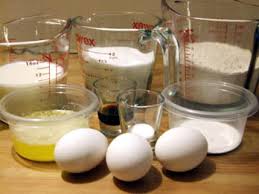
    measuring    measure

    4.Measuring The Ingredients:

    You should never underestimate measuring of the ingredients, specially the dry ones. Use reliable and apt jugs, spoons, cups and bowls to measure your ingredients. Also, the dry and wet ingredients should be measured separately. More so, the size of the cake tins should be appropriate for the amount of cake batter so that the cake rises nicely.

     

    time

    5.Keeping Track Of Time:

    Always keep the time in mind for which the cake is inside the oven. Set a timer if necessary. Follow the time strictly as per written in the recipe. When three quarters of the time has passed, wait near the oven and test the cake by inserting a toothpick in the middle of the cake and the moment it comes out clean, switch off the oven.
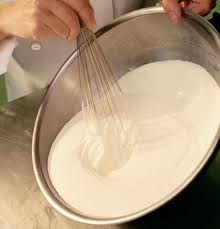
     

    mixing

    6.Mixing The Contents Well:

    Properly mix the ingredients of the batter. The dry ingredients should be sifted together really well. Once the dry ingredients are mixed, add the wet ones and mix properly again. Refrain from over mixing the batter as it will result in a tough cake due to hardening of gluten and will give a chewy taste.

    These are simple 6 rules, which, if followed religiously, can guarantee the cake to be perfect when it is baked. Following these tips will make you go through an easy an efficient baking experience, and will save you from avoiding baking the next time you have a party or a get together is held at your house. You just have to go by these tips and Voila! A beautiful cake will be ready in a very less time which will be a treat to your taste buds.

  • Chocolates

    Chocolates

    inspimo-thumb.com-macro-photography-inspiration-77


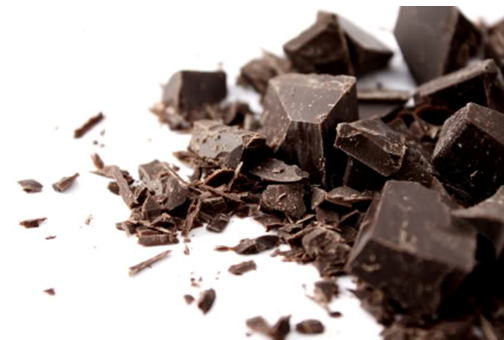
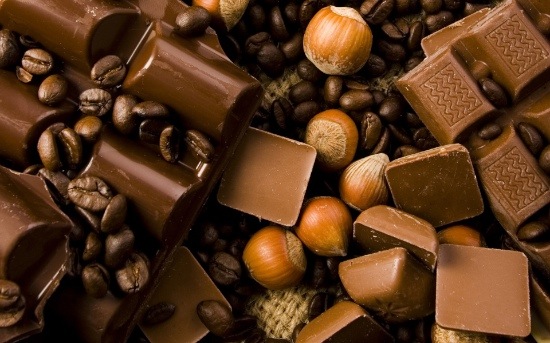
    A chocolate, a favourite of many, is a brown colour sweet which is basically cacao seeds, roasted and often flavored with vanilla. The nature and colour of chocolates may vary depending upon the colour of the seeds and the process of preparation used. Cacao has been cultivated in many cultures for years now dating back to 1900 BC. It’s believed that earlier these seeds were used to make beverages and were termed as ‘bitter water’ because of the bitter taste in these seeds and in order to get the real flavour, further fermentation was required. After this the seeds are cleaned, dried and then roasted. The shell is then removed and grounded to create cacao mass.  Chocolate liquor is the liquid form of this cacao mass. The liquor can be further processed into two forms namely cocoa solids and cocoa butter. When we wish to buy chocolates, we have so many types to choose from. The black chocolate we find is prepared from cocoa solids and cocoa butter. While the normal chocolates, the sweet ones, are basically the mix of sugar, cocoa solids, cocoa butter and other ingredients like nuts, milk etc. There are three main varieties of cocoa beans which are Criollo, forastero and trinitario. Criollo is the most rarest and expensive of all the others because they are difficult to grow due to environmental threats and therefore yield per tree is low. Forastero is the most common bean which is used to produce chocolates and is mainly found in the African regions. Trinitario is a product which results from the mix of Criollo and forastero and mainly comes from Trinidad.

    chocolate

    Going back to the history of chocolates, we find that it was initially used as a form of drink rather than the bars we consume today. The vessels used to prepare these beverages indicate that the white pulp around the beans were a rich source of fermentable sugars used for the preparation of an alcoholic drink. During the period of the Mayans, it’s found that chocolate was also used in for ceremonial purposes. The Aztecs, who existed in the period around the 15th century, also show indications of how important chocolate was in the daily life. Other than a form of drink, cocoa beans were also used as a form of currency. Since the Aztecs could not cultivate beans in their farms, it was mostly imported and was a luxury good only used by the higher section of the society.

    During the 16th century, when Columbus had made a visit to America, that was his fourth or fifth visit, he found cacao beans when he captured a native canoe along with other goods which were brought back to his home country. Initially when Columbus had introduced chocolate in Spain, it was not readily accepted until when it was introduced in the Spanish courts as a form of a drink and soon proved to be a court favourite. Chocolate was imported to Europe where it was still served as a drink however when it comes to Spanish consumers, they add sugar and honey to remove the natural bitterness. Both the men and the women were said to be greedy for this drink and consumed it in various manners, some hot some cold while other put in other ingredients like milk, nuts and even chili. By 1662, chocolate had been declared that it was safe to drink and that it was not an obstacle to any religious fasts, which then led to an increase in the market for chocolates. The growing market of chocolate shad brought with it a growing slave market as well. The growth and production of chocolate was done by poor wage labours and African slaves, however the final product still remained a good for the high class of the society. With the passage of time, new techniques of production were introduced and new ways of using chocolates were also introduced.

    chocolate

    In various religious cultures like in Christianity, chocolates were used during festivals like Easter where chocolate eggs and in some cases chocolate rabbits were produced which were used as sweets and offered to relatives and friends. Chocolates also took the form of gifts which were used during events like valentines’ day or birthdays and marriage anniversaries along with cards. Earlier affordable only by some, today almost a major portion of the society has access to this delicacy. The use or reference of chocolates has also been seen in many books and movies like the children’s novel Charlie and the chocolate factory and is also seen in the story named Like water for chocolate by Laura Esquivel. In the present times we see chocolate being used in designing dresses as well as in other products like perfumes etc.

    article-2474768-18F2796500000578-304_634x822 - Copy

    Coming to the health side, we find that chocolates have both negative and positive effects on health. Different studies have been conducted on chocolates which show that they have the ability to improve the circulatory system and also reduce blood pressure in adults. Dark chocolates contain high levels of chemical called flavonoids which are helpful in reducing the problem of diarrhea. Chocolates can also help in reducing the risk of cancer, cough and various diseases related to the brain. Among the negatives we have obesity which tops the list followed by allergic reactions seen in children. It is found that chocolates can cause lead poisoning and osteoporosis as well.

    Chocolate is something which never had a substitute and became popular with time. Even though it has some negatives the positives overcome it making it the only sweet commodity which gives us satisfaction with the least side effects attached to it.

  • APPLES

    APPLES

    apple


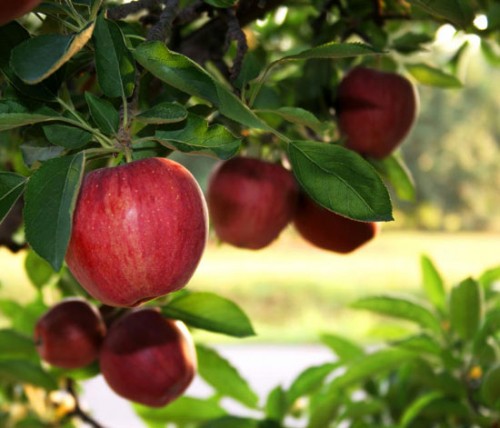
    The apple belongs to the rose family (Rosaceae) and is a derivative of its wild variety, Malus sieverslli, still grown and consumed in Central Asia. It is a Pome fruit, which means it is a fleshy fruit with a thin skin and the seeds are contained within the fruit. The apple blossoms are pink and gradually turn white as they mature. It comes in various colours and sizes and has a variation even in taste, ranging from sour to sweet. This quality of the fruit makes it a culinary specialty as it can be served in various ways – cooked and uncooked. The apple has ruled the health business for years owing to its immense qualities and benefits. Right from being on the teacher’s table to the platter of the healthy eater, the apple has continued its journey for thousands of years without compromising or losing out on its popularity as being the king of all fruits.

    Historically, apples have known to be an integral part of ancient mythologies. Extending to countries and continents all across the globe, the fruit has found favour and acceptance by both old and young, rich and poor, the famous and infamous and has even been associated with gods and goddesses. According to the famous English scholar, H.R. Ellis Davidson, apples have been linked to religious practices in Germanic paganism. Offerings of apples to gods and goddesses have known to be made in exchange for eternal youthfulness and fertility. The Germans have long believed that apples are no less than a life giving fruit that has found favour even with celestial beings.

    apple 1

    Among the Greeks, the fruit is a part of many religious traditions and is often looked upon as the ‘mystical’ or ‘forbidden’ fruit. The apple is considered to be sacred to the Greek goddess of love, Aphrodite. To throw an apple at someone was symbolic to professing one’s love and to catch the apple was an expression of acceptance of that love.

    Popular Christian belief has held that it was an apple with which Eve (the first woman) coaxed Adam (the first man) to commit the first sin of disobedience against God. As a result, the apple became symbolic of knowledge and immortality as well as of temptation and sin. Also, following the story, the larynx in the human throat came to be called as the Adam’s apple because of the notion that Adam never really swallowed the forbidden fruit and it remained in his throat.

    Apples have been grown and consumed for thousands of years now. Study reveals that there are about 7500 cultivators around the world contributing to different varieties of apple on the basis of colour taste and use. The reason for breeding apples may vary from cooking to eating or for cider production.  Domestic apples can be produced either naturally through seeds or through grafting. Apple trees are prone to a lot of fungi, bacteria and pests and so special care is taken by cultivators. In the year 2010 itself, 69 million tones of apples were produced around the world with China and the United States being the major contributors producing about 10% and 6% of the produce respectively. The third position was gained by Turkey followed by Italy and India.

    Apple-Nutrition

    ‘An apple a day keeps the doctor away’. This is not just a statement but also an advice given by the doctors to individuals across all age groups. The statement, however, may not really be as precise as it claims, but with a host of nutritional benefits, apples are a smart choice to munch your way to health. It’s believed that the apple is one unique fruit richly endowed with nutrients and activated enzymes which if consumed, helps in building up the body and improves its immunity, thus, making it possible that we remain healthy and free from diseases. The antioxidants in the fruit help in neutralization of potentially harmful free radicals that are known to cause cellular damage.

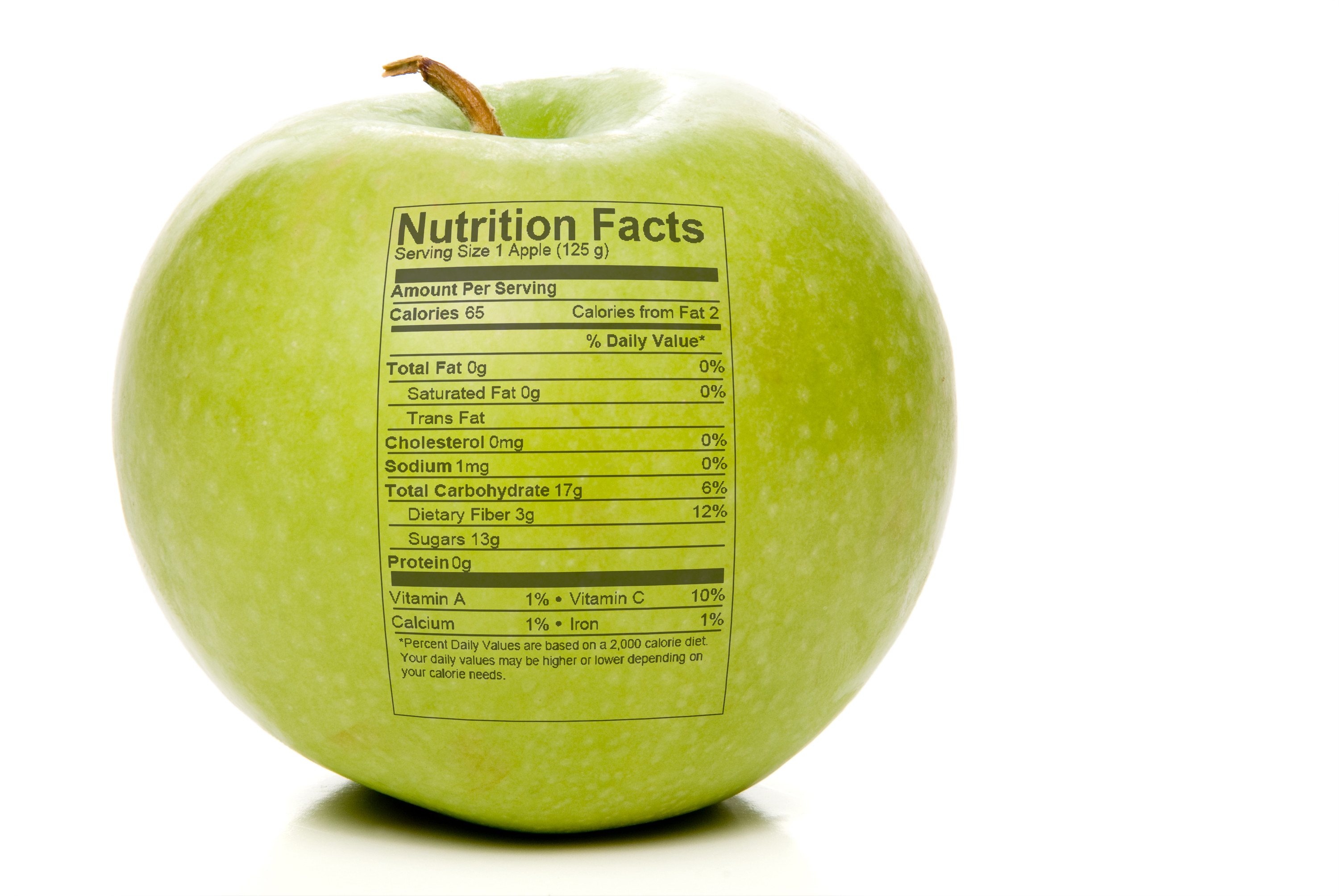
    Not just that, apples are a popular choice among the health and diet conscious being extremely low on calories. A whole medium unskinned apple has calories equivalent to 100 units which is about 5% of an average daily calorie intake. The smaller varieties have a lower calorific value. This means, one could enjoy an apple based dessert without disturbing one’s calorie budget; one would just need to scale down or scale up the size of the fruit as per need. It’s both a healthy as well as a wise choice. The fruit is a rich source of fiber as well. A medium unskinned apple provides with approximately 4gms of fiber. Fiber, as we all know, helps maintain a healthy weight and is crucial for waste elimination from the body. Daily consumption of an apple may also reduce LDL or bad cholesterol levels, thanks to the apple fiber.

    apples

    There are, however, a few negative attributes associated with the famous fruit. Apples are a rich source of the naturally occurring sugar, fructose. A medium sized apple would contain sugar equivalent to 16-20 grams. The sugar content may, however, vary depending on the size, type and quality of the fruit consumed. In such cases, individuals suffering from lifestyle diseases like diabetes must ensure that consumption of the fruit is done only after consulting a doctor. Apart from this, individuals who have problems digesting fiber, or have a weak digestive system following gastrointestinal issues, may find it difficult to digest the high fiber content in the apple resulting in loose stools. Another matter of concern is toxification of the fruit by harmful pesticides, which can be eliminated by washing the fruit well before consumption. One could also resort to organic varieties which would further reduce the problem.

    All this must not stop you from including an apple in your daily diet. Not only is it a healthy option, but, having an apple daily is also a wise decision. It will not only keep diseases at bay, but would also ensure you healthy nutrients as you go through the day

  • Beat The Booze : Curing Hangover At Home

    Beat The Booze : Curing Hangover At Home

    Partying hard is something that comes naturally to youngsters these days. It is the new trend that is gaining momentum all over the world. But it comes with its own bag of after-effects. And the worst of them all is a hangover and due to this, after an awesome evening of indulgence, it is hard to keep that awesome feeling going in the morning.

    Hangover is the experience of various physiological and psychological effects following consumption of alcoholic beverages, and is characterized by severe discomfort, that may last more than 24 hours. It is caused due to accumulation of alcohol inside the body and occurs when intoxicating effect of alcohol begins to wear off the next morning. The symptoms include headache, drowsiness, fatigue, nausea, stomach problems, sweating , dry mouth etc.


    what-does-the-doctor-say-about-hangover-cures1

    When you wake up the next morning after partying, your main aim is to cure the piercing headache and the lingering hangover. Normally, you just pop in a powerful painkiller or some other medicine to curb the headache, without knowing the side effects. And the condition becomes worse, when you are a regular party- goer because you can’t just pop in those tablets day after day. This is where natural remedies have a role to play.

    There are some easy food items in your kitchen which help to cure that hangover without any worries about side-effects. They even detoxify your body by removing toxins from your liver, and thus reduce the effect of those hard drinks. So using these simple home remedies for curing the hangover is very beneficial for you as they don’t harm your body.


    water

     Water :

    Drinking water is one of the best cures for a hangover,as it rehydrates the body which is dehydrated by the alcohol. Drink 6-8 glasses of water a day to treat that hangover.


    tea

       Tea:

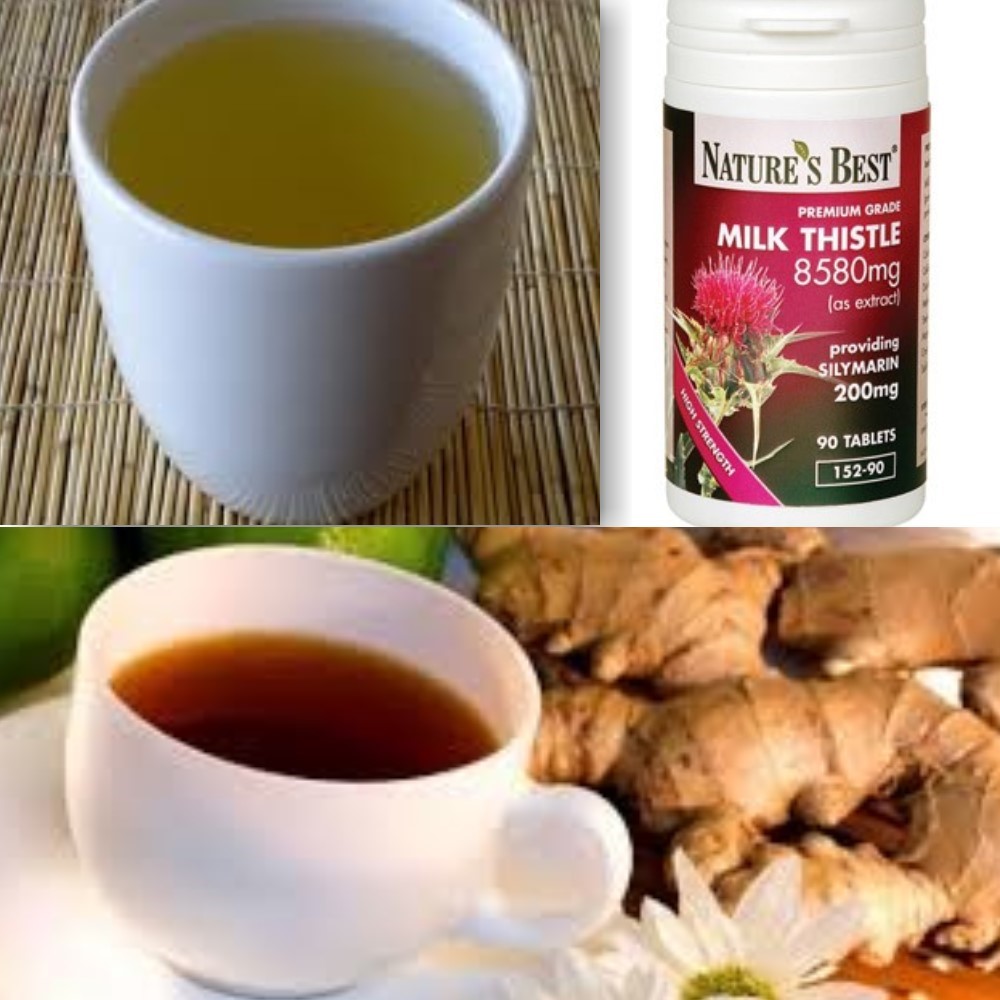
    Being mostly water, tea is a great agent for rehydration. Green tea is a great source for detoxification of body as it is packed with anti-oxidants. Also, ginger tea can be used to cure a hangover because ginger has long been used to treat nausea and stomach sickness, which are one of the symptoms of a hangover. By combining 10-12 freshly cut ginger root pieces with 4 cups of water, this ale can be quite effective for curing a hangover.

    Apart from this, milk thistle tea can also be taken as it cleanses the liver of the harmful toxins in alcohol. To make milk thistle tea, add a tablespoon of milk thistle seeds to a cup of hot water and have it.


    coconut wtr


    Coconut water :

    coconut water contains potassium which will help you feel better in no time if you are suffering from a hangover. It also hydrates your body much more effectively than simple water.


    juices


    Juice:

    Tomato juice is a great cure for hangover as long as it is not Bloody Mary induced, as it acts as an anti-inflammatory agent and replenishes the lost nutrients in the body. Orange juice is also a great way to cure a hangover as it raises your blood sugar levels and helps to lose some of the symptoms. But, you should skip acidic juices (like orange juice) if your stomach is upset and have apple juice instead.


    Lemon-and-Honey1

    Honey and lemons:

    Have a classic hot drink of honey and lemon mixed with water, as it replenishes fluids and sugar lost to hangover. Lemon replenishes the vitamins you need and honey has fructose which competes with alcohol metabolism, which in turn helps to expel alcohol from the body. For curing a hangover, boil 1 cup water and mix honey and lemon juice and have it several times a day.


    48760-Banana-Milkshake-Hangover-Cure


    Bananas:

    When you are drunk, lots of potassium is lost from the body and eating a banana will surely give you a giddy-up and go, as it is loaded with potassium.


    potato n milk


    Potatoes with milk :

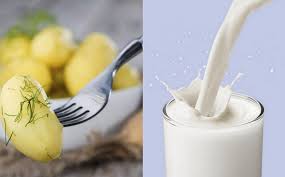
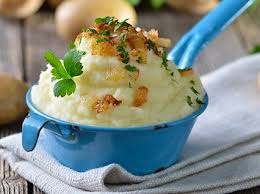
    Eating potatoes is another way of replenishing the body’s potassium levels, and if taken along with milk, there is a great boost to your calcium levels as well. Thus, this is a perfect combo to reduce the hangover.


    Apart from this, you should have foods which are light and easy to digest, like rice, soup or toast. Eating something solid will help to cure the headache and stomach problems. If you have a very bad headache, you can also compress your forehead with an ice pack, or just rinse a washcloth under cold water and put it on your forehead for some time, to get significant relief.


    ohyouhaveahangovertellmemoreabouthowyourenevergoingtodrinkagain

    So if you take these natural things to treat your hangover, then it will be easier for your body to endure those cocktails and hard drinks. Keeping all things apart, most of all, you should follow the mantra of “prevention is better than cure” in your life. Excessive drinking may be curable at first, but it can cause long term effects if consumed like an everyday affair. So controlled drinking is advisable for all-the-time-hangover-stricken people in the first place, blended with these simple and fruitful home remedies, which nullify the extremely harmful effects of alcohol on your body by its cleansing and detoxification.

  • Quicker Meals For A Quick Life

    Quicker Meals For A Quick Life

    Cooking is a lovely, satisfying, stress busting task. But when it becomes a duty, it seems exhaustive rather than recreation from exhaustion. And all the homemakers, wives, and people who have to make food everyday three times, will agree with me. No matter how much you love cooking, there will be a time, when you’ll start getting sick or bored of this 3-times-a-day duty.

    In every household, the person who has to cook everyday has a secret dream that every meal’s food should magically appear, specially the working people. This is because cooking is not what everybody wants to do after a tiring day at work, and making dinners by starting from a scratch seems a daunting task specially to these people. Well, people like them, now have an advantage because of the evolving cooking techniques and skills.

    Today we can find many instant food materials that can be substituted in the place of items that involve tedious cooking. But these instant options have many preservatives and therefore are meant to be occasionally used.

    But again, the food industry has come to our rescue. We now have a bunch of instant foods that are healthy and get ready in over 15-30 minutes. For the people who are not aware of these foods, here’s a list of foods that can be quickly cooked and are high on the health quotient as well.


    white instant rice           brown instant rice


    Instant rice:

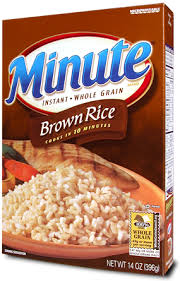
    Rice, specially brown rice, is a healthy and versatile grain that is a delicious ingredient in stir fries, soups and rice puddings. You can save a lot of time with this instant rice, as it takes quarter of the time taken to make regular rice. Therefore, it is a great way to get this grain in your meals.


    eggs


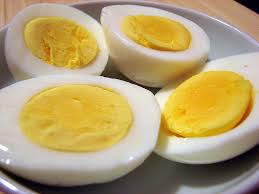
    Eggs:

    Eggs are protein rich foods and one of those foods that take very less time to cook, be it scrambled, fried, baked or poached.. The best thing about eggs are that all these types are delicious to eat and can take up any combination of flavors that you wish to add. Thus, these re a great alternative as a meal.


    corn

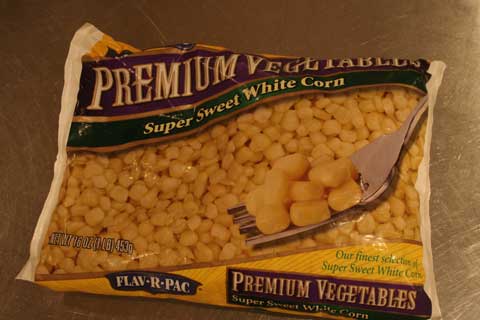
    Frozen corn:

    Frozen corn is just as nutritious and tasty as fresh corn, and is way more convenient to eat than the fresh corn. They can be added into soups, salads, fries, sandwiches with great ease and this saves tons of time; as unlike fresh corn, they don’t have to be plucked from fresh kernels.


    fresh pasta


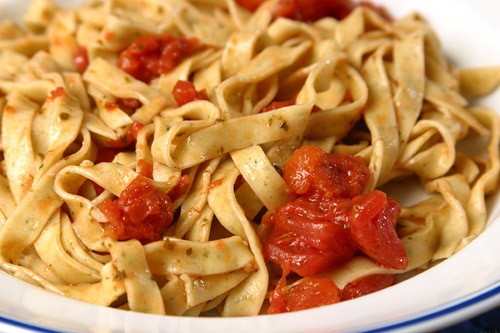
    Fresh pasta:

    If you are from a regular pasta eating family, then fresh pasta is surely a boon for you to have as a meal, specially dinner. Dried pasta cooks quickly, but fresh pasta takes half the time as compared to dried pasta. Fresh pasta, like ravioli, comes in more varieties than dried pasta and also comes with tasty cheese and meatball fillings, which can bring a tasty change to the regular pasta meal. It can also be used n combination with soup, as a quick cooking ingredient.


    quinoa

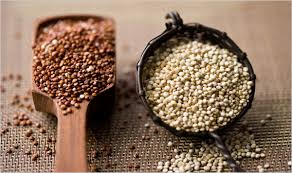
    Quinoa:

    Quinoa is an awesome ingredient for people in a hurry. It cooks in minutes in boiling water, comes in many colorful varieties, and tastes just great with meat, veggies and seasonings. Plus, it is rich in proteins and nutrients, which doesn’t make you worry about the health factor.


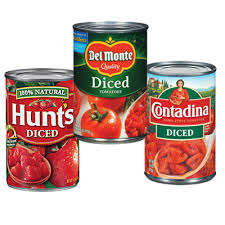
    canned tomatoes


    Canned tomatoes:

    Canned tomatoes are an essential ingredient in pastas, soups, stews, chilies and sauces. The best thing about them is that they become a dish in no time, and save you from the extra work of peeling, seeding, dicing, or chopping or simmering them.


    pie crust


    Refrigerated pie crust :

    Refrigerated pie, is incredibly easy to work with as it is pre-made. It is very convenient to use for sweet recipes. If you want to whip up a quick dessert or make a tart or a pot pie, the time needed is just the time that is used up in baking the dish, that is 15-20 minutes, and your dish is ready.


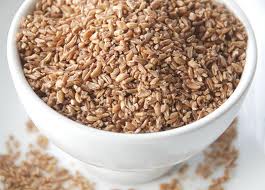
    bulgur wheat

    Bulgur wheat:

    Bulgur wheat is a grain salad that is not only a great option to use as a side dish with meat, fish or chicken, but is hearty enough to be a tasty vegetarian dish, all on its own. It makes a fluffy or filling base, because it is parboiled before being dried and packaged for sale. And therefore, it takes only 10-15 minutes to cook and is surely a tasty treat.


    Thus, these are some quick ingredients that are not only healthy, but take very less time to cook, so that you can have a fun relaxing and easy meal with family. Using these at home will never get you bored or sick of cooking. And these ingredients are so healthy that you do not have to worry about preservatives and artificial flavors.


    S506_cookingisfun

    So, this should definitely be your pick if you plan to have a tasty, filling healthy, and at the same time, a quickly prepared meal on the dining table and to make your cooking fun.


  • Colors of Food

    Colors of Food

    Everyday Importance of Colors


    Most people have a preferred color when it comes to making choices. It varies from person to person and some people have a lucky color which they never let go off. I had a friend who swears by red and everything from his car to his room paint to his shirt is red or shades of red. For some people color is a matter of luck and they feel that things never go wrong when they wear that particular color. Colors in general are fascinating and we cannot deny the fact that sometimes the color changes our mood. A bright colored room is generally considered to give a more energetic atmosphere rather than a dull one.

    colors1

    Impact of colors on food


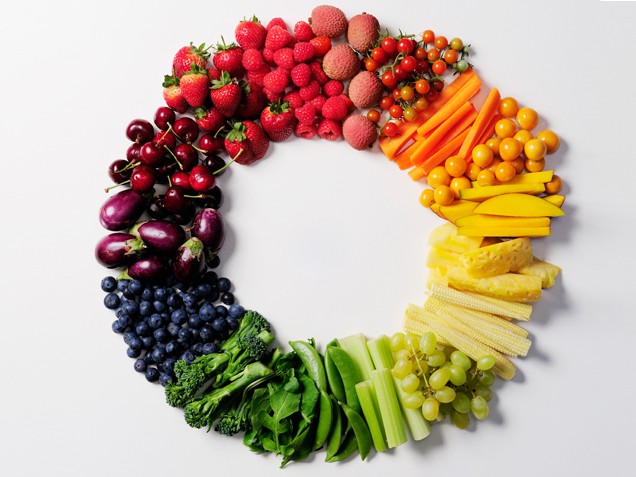
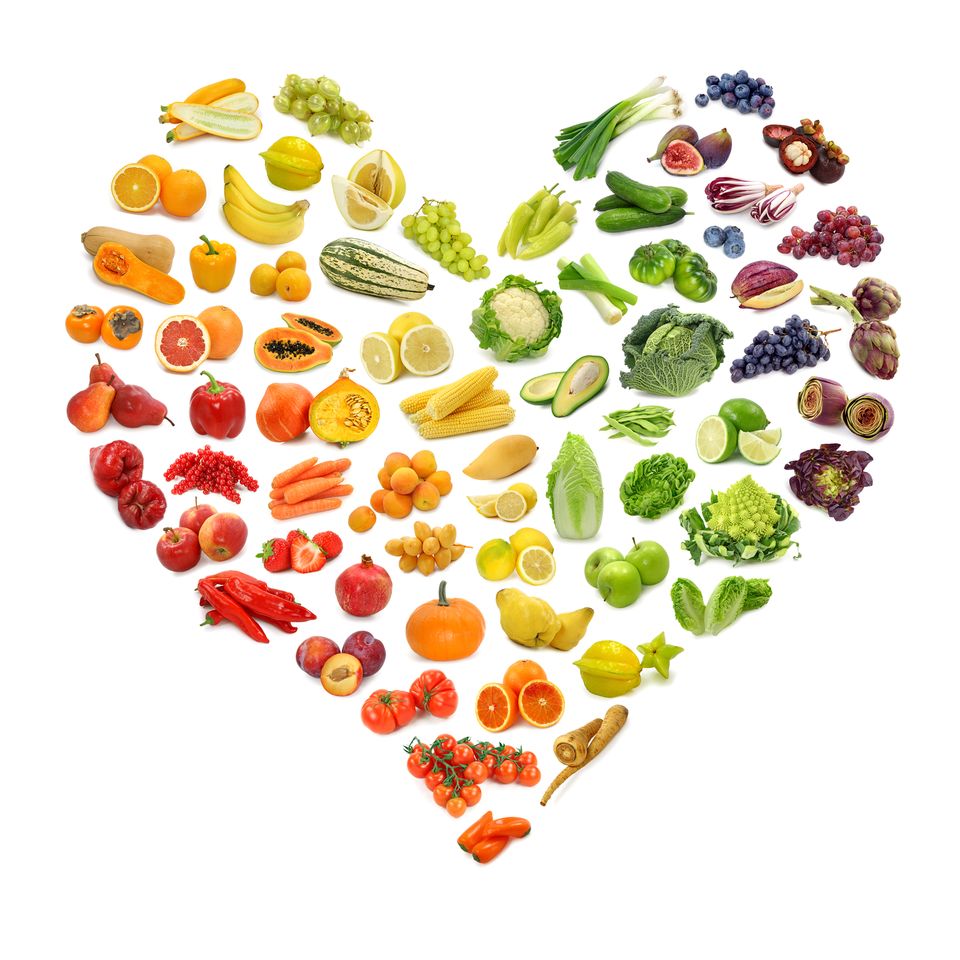
    But you might be surprised to know that the color of our food impacts us as much as the taste or calories present in our food do. Every color has its own distinct feature we don’t realize generally but these colors can alter our food habits massively. Scientists have gone to the extent of saying “people who wish to lose weight should use a blue colored plate”, as the color blue is a unappetizer and so is black. A variety of colors in your plate is necessary for a proper and balanced diet.

    bluefood

    Colors and their meanings


         Greens:

    A great source of vitamins, they also provide minerals and fiber. Some green foods like spinach contain lutein and zeaxanthin, compounds from a group of antioxidants known as carotenoids that can protect aging eyes from developing cataracts and macular degeneration. They may also help protect against blockages of the carotid arteries in the neck. Cabbages help in reducing the risk of cancer.

    Our mind interprets any green food as healthy food and there are generally no qualms when it comes to eating green foods.This is because ‘safe’ foods used to be green, such as lettuce, apples and cucumber. It was quickly established that most green foods could be eaten without a big risk of death.

    green

         Oranges/Yellows:

                                                        Sweet potatoes, carrots, mangoes, apricots and other yellow or orange fruits and vegetables are also rich in carotenoids and other antioxidants that protect the body from oxidative stress. Orange fruits and vegetables also give you vitamin C and folate, needed to reduce the risk of heart disease and prevent certain birth defects.

    Yellow food is very appetite simulating and it is the reason why most restaurants have yellow lights, paint and decorations. It gives a very homely atmosphere and encourages us to eat more.

    Manhattans Restaurant  tourism destinations

        Reds:

    Tomatoes, watermelon, papaya, and pink grapefruit are among the red pigmented fruits and vegetables that contain lycopene. This powerful antioxidant helps prevent the development of heart disease and some types of cancer, particularly prostate cancer. The lycopene in tomatoes is more available to the body when you cook them, especially in a little olive oil.

    Red food (as well as the color red itself) is also appetite stimulating, creating feelings of intimacy and energy. If you are having a problem with your appetite, bring in some red into your kitchen!

    tomato

       Whites:

    Garlic and onions contain allicin, a phytochemical that may help lower cholesterol and blood pressure. Raw garlic is a potent antibiotic that is especially active against fungal infections.

    whitefood

      Blues:

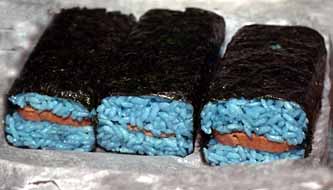
    Blue food is generally considered to be a no-no on the food plate. Traditionally we have never been exposed to much of blue colored food and there are no blue leafy vegetables or blue meats. The human mind is naturally averse to blue colored food.Million years ago, when our earliest ancestors were foraging for food, blue, purple and black were “color warning signs” of potentially lethal food.

    blue1

    Despite the natural aversion, there are certain blue foods which are very good for us.  Blueberries are especially potent: a half cup provides antioxidant activity equivalent to five servings of peas, carrots, apples, squash or broccoli. Blueberries also give you almost three grams of fiber per half-cup serving. It comes with the advantage of delicious taste.

    Color Appeal:

    Color is very closely related with the appeal of food. In a research, subjects were served food in dark and were asked to eat their food in complete darkness. They said that the food lacked something which they couldn’t explain. For a person with eyesight, food is recognized by its appearance and the look of the food is very important in savoring its taste. Most of the foods in market lose out even before they are tasted because of its appearance. A platter of food with proper dressing, and even distribution of attractive colors is likely to have more takers than the one with monotonous appearance.

    mcpacka

    The McDonalds packaging is considered by many as the best because of its clever use of colors. Both red and yellow are appetizing colors and they are also very friendly colors, which helps in increasing the consumer’s appetite. Most restaurants use yellow and red as their packaging colors because of its natural appeal as a food appetizer.

    So the next time you decide to cook or serve or eat make sure you use the proper colors because the human brain is like a little kid and it is bound to get influenced by appearances. Make your food colorful and in case you are a person who can’t resist hunting the fridge for food try putting a blue bulb inside your fridge. It is likely to reduce you craving for food!


  • Spices: The Heartbeat Of Indian Cuisine

    Spices: The Heartbeat Of Indian Cuisine

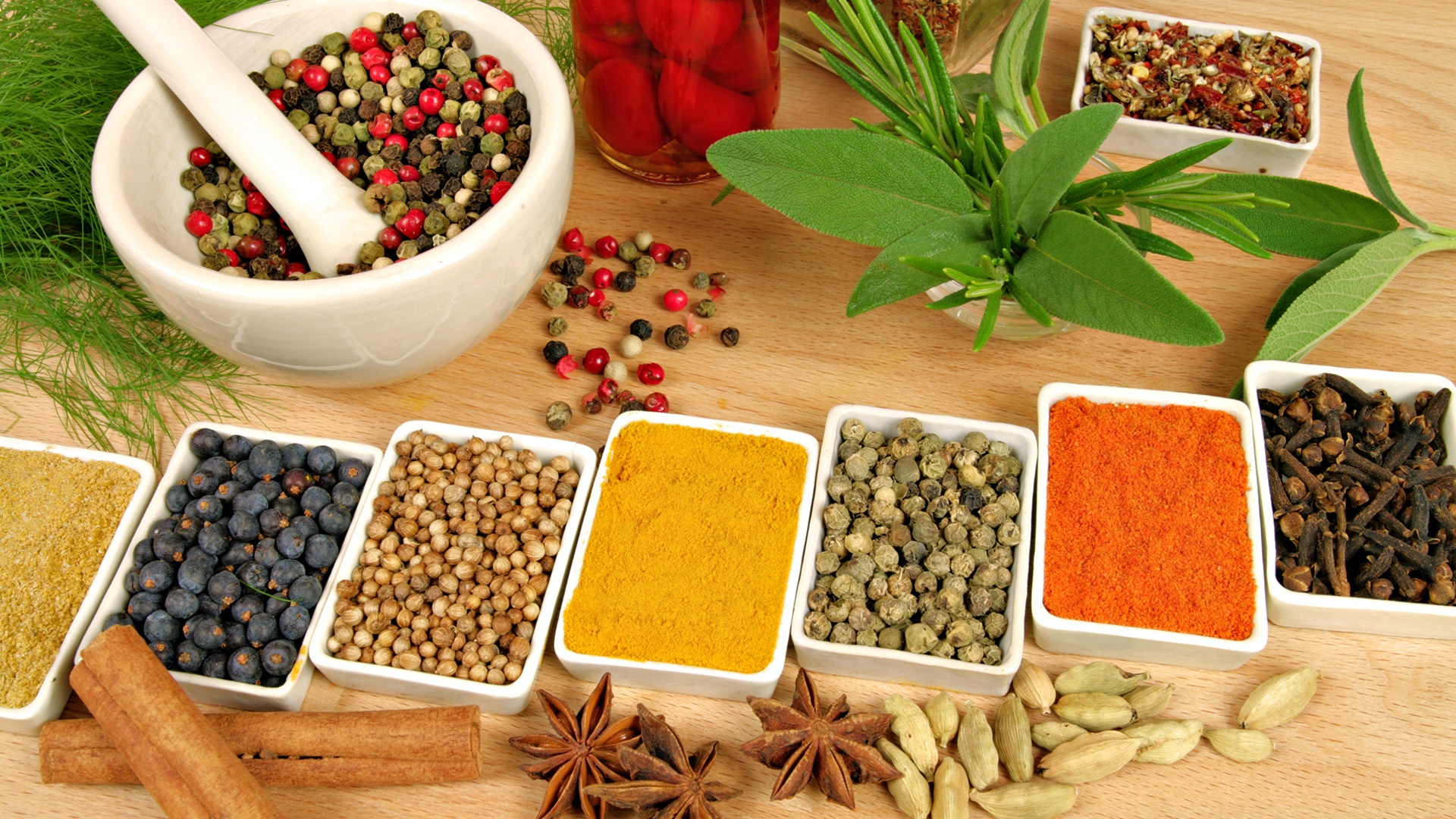
    Indian cuisine is known for its spicy food and extensive use of spices in every dish. Indian spices make the dish complete in every way, and they have ruled the hearts of every man and woman in India. They are used to flavor the food, making each dish distinct and amazingly aromatic. Each spice gives a unique aroma and flavor, and the combination of multiple spices give each dish its unique aroma and flavor. Also many spices are used for medicinal purposes, to prevent diseases and also to preserve food.

    Some spices find extensive use in North India but not in South India and vice versa, but all kinds of spices are available everywhere across the country. Without spices, no one can enjoy Indian dishes.

    Here’s a list of most commonly used spices in India:


    green cardamom

    Green cardamom:

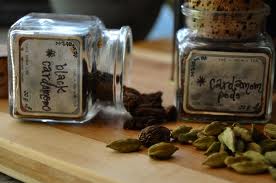
    It is one of the most expensive spices found in an Indian kitchen, and is green in color from outside, having black seeds inside its pod. Having a nice string aroma and taste, it is often used to  flavor tea, desserts and dishes. For best effects, the pod is opened at the time of use and the seeds are crushed properly and then added to the dish or tea. Cardamom is also found in black color and mainly used in main course dishes.


    cinnamon

    Cinnamon:

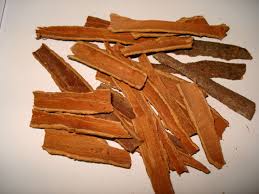
    Cinnamon is native to India and is the bark of an evergreen tree and is yellowish brown in color. It is used as a flavoring agent and for medicinal purposes. It is used mainly in dishes like pulaos, curries  and biryanis. Cinnamon oil is also found prepared from cinnamon bark which is effective in killing mosquitoes. The bark is used in powdered form as well as a dry stick in cooking.


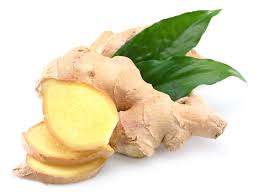
    ginger

    Ginger:

    Ginger is the stem of the plant, has a unique smell and is known for its medicinal properties. It is a boon for cough, cold and tonsils. It has a special place in the kitchen and is used extensively in almost all parts of India. Fresh ginger is used in cookies whereas dried ginger is used as medicine.


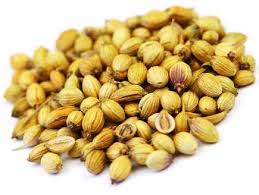
    coriander seeds

    Coriander seeds:

    Coriander seeds are obtained from the dried leaves of coriander, and are greenish golden in color, hollow in shape and have a fresh, crunchy taste. Normally, the seeds are in powdered form, and it loses its smell and taste if kept for some time in air. So they should be stored in air-tight containers. It is one of the main ingredients of garam masala.


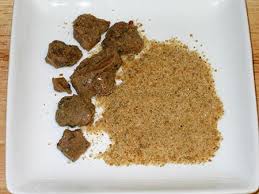
    asafetida

    Asafoetida:

    It is a sap of the stem or root of a plant and dried to get hard resin like substance, which is broken by hammer and used in the powdered form. It has a dark amber color and pungent smell, and that is why it is also known as devil’s dung or stinking  gum. A little amount of this spice is used for giving a seasoning and tempering  flavor to the food. Apart from this, asafoetida is effective in curing gastric problems.


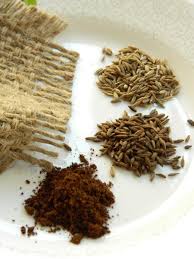
    cumin

    Cumin seeds:

    Native to Mediterranean Sea, cumin seeds belong to parsley family and used in the Indian kitchens as a flavoring agent. They have a strong earthy aroma, and are also used as a medicine for curing digestive problems and helps in reducing acidity. It is packed with iron and is advisable for anemic people and lactating mothers.


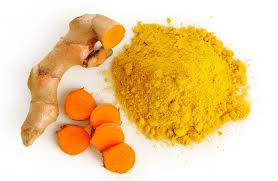
    turmeric

    Turmeric:

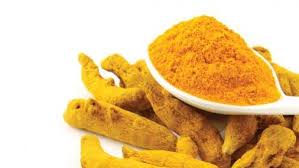
    Turmeric is a ginger like rhizome in raw state and is deep yellow to orange in color, and is an important part of Indian spices. It has many medicinal properties as well, and is used in coloring, dyeing and cosmetic industry. It has anti-inflammatory properties and acts as a healing agent for liver disorders and other digesting problems. It can be grated or used in a powdered form in cooking.


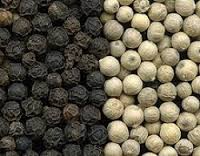
    pepper

    Pepper:

    Pepper is found in white and black form and is derived from pepper tree, and is round in shape. Dried berry of the tree forms black pepper whereas the seed forms the white pepper. It is used in a powdered as well as whole form, and helps in reducing cholesterol. It has a unique taste and smell and used in salads , curries and main courses.


    red chili

    Red chili:

    Red chili is the king of spices. Specially Indian cuisine is incomplete without red chili powder. It not only adds spicy taste to the dish, but also beautiful red color to the dish. It is either used in powdered form to sprinkle on the food or as a whole form. It is rich in multivitamins and potassium and helps to control diabetes and cholesterol with its analgesic and anti-bacterial nature.


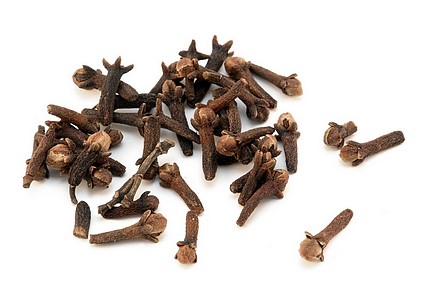
    Dried clove - isolated on white

    Cloves:

    Cloves are dried up flower buds. The fully grown, unopened buds are dried in the sun till they become dark brown and are then used for culinary and medicinal purposes. It is expensively used in Indian cooking, and imparts strong and warm flavor to the dish. It is a part of garam masala as well.
     

    These spices are available all around the India, and in Indian stores all around the world. A huge variety in the already diverse cuisine on India. Spices are one of the most important things that attract people to India. So, they truly are the heartbeat of Indian cuisine and Indian cuisine is incomplete without them.

  • Save The Food : Preservation At Home

    Save The Food : Preservation At Home

    Do you have those days in your life when you want to eat mangoes in winters? Or do you want to figure out a way of eating seasonal fruits and vegetables all year round? Well, preservation is the answer, a term that is often considered as infamous, because of its chemical ways that probably deprive the food of its nutritional value. But there are a number of natural and DIY preservation techniques which don’t make use of a single chemical agent !! Preservation is necessary for storing food items for a long time. You might think the ways i am talking about are just refrigerating the food, but, actually, there is much more to do than just refrigerating, when it comes down to preservation of food. That is why, for example, beans develop fungi even after keeping inside a fridge.

    freezer

    All foods don’t have a common preservation method, and they range from salting, dehydrating, to storing in air-tight containers etc. But the main key to preservation is – cleanliness. This means we should have clean hands, use clean utensils, surfaces and bottles. Also the food item should be fresh when you start preserving it, instead of being on the verge of deterioration.

    Every food has a unique and rather frustrating(for us!)  Characteristic of getting spoilt. If it shows signs like molding(growth of fungus), lumping(curdling), smelling(rotting), it means that the food is spoilt. There are, basically, two ways by which food can be spoilt – one, by action and growth of bacteria and fungi and two, by chemical reactions of various enzymes within the food item, which makes it rotten and lose its flavor and texture. Preservation not only retards the spoiling process but also maintains the aroma and flavor. The only thing you have to keep in mind is to choose the correct method of preservation for a particular food article. For this, here is a list of some common methods of preservation for commonly preserved food items :


    freezing

    Freezing:

    The easiest and simplest way of preserving food is to refrigerate it, as the temperature of the fridge is much below than that of surroundings and this helps to prevent activity and growth of micro-organisms. The colder a food is, the slower is its deterioration. While refrigerating reduces microbial activity, freezing stops it altogether.

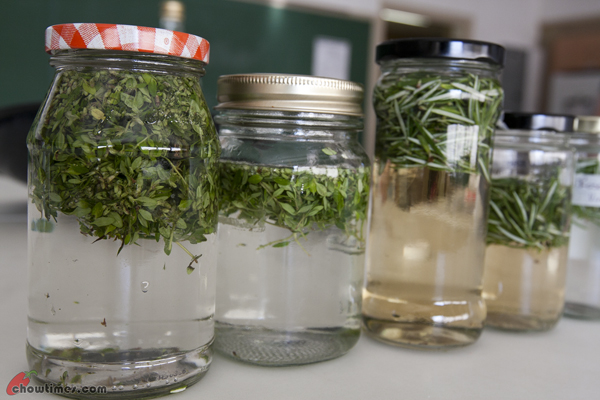
    Vegetables should be balanced in boiling water first to destroy germs. To blanch, bring a pot of water to boil, dunk food for a brief time, then pat it dry and freeze it in the freezer inside freeze-proof containers. Herbs can be frozen too, in ice cube trays.


    canning

    Canning:

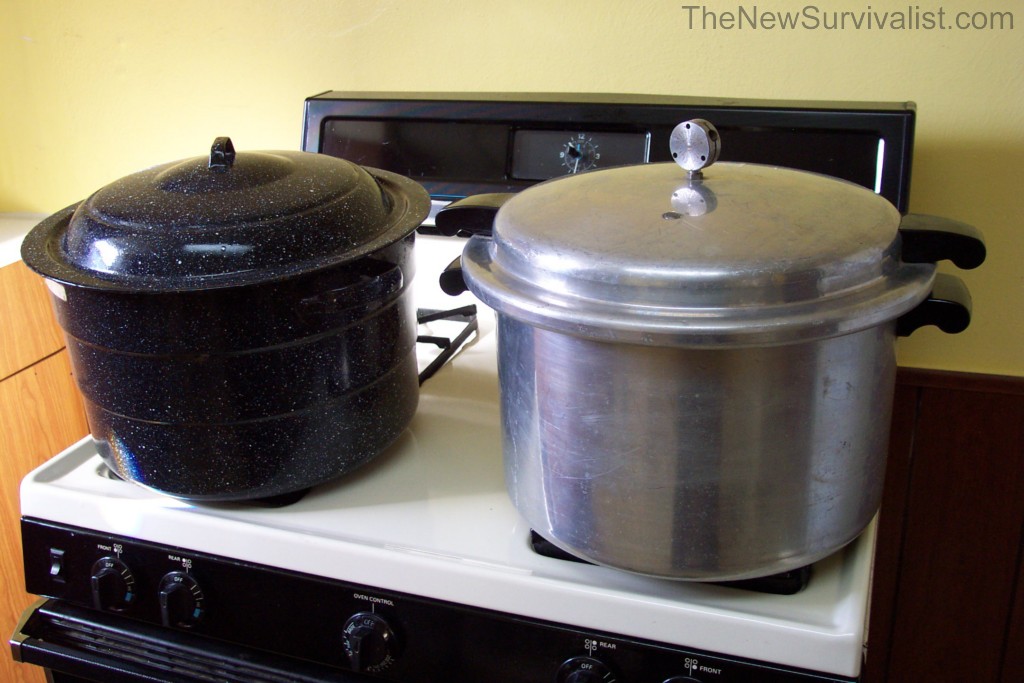
    This method is perfect for fruits and vegetables that have a high acidic content. The food is heated to a high temperature, which kills the bacteria. Foods like apples, tomatoes, raspberries, cherries and citrus fruits can be preserved by this method. While canning is safe and simple if proper instructions are followed, improper canning can result in a serious health hazard for us.


    vinegar

    Addition of natural preservatives :

    Vinegar is the most common pickling liquid. It hardens food to such an extent that it becomes resistant to bacterial action. Foods like apples, beans, cucumbers etc. Can be preserved by adding vinegar.

    Adding salt or sugar is another way of preservation, as such high concentration dries up the moisture and prevents growth of microbes, thus making the food safe. Foods that can be preserved by this method are tamarind, raw mango, amla, fish etc.

    Adding oils and spices can also be used to preserve food. While oil forms a layer on food, cutting its exposure to air, spices add flavor to the pickled food.


    drying

    Dehydrating or drying:

    Dehydrating food makes it less attractive to moisture-loving bacteria and dehydrating can be done either naturally using the sun or can be dried with the help of an oven. Some foods like plums, tomatoes are halfway dried and then stored in oil.

    Dried food takes up the least space in the refrigerator. Foods that can be preserved by drying or dehydrating are apples, peaches, grapes, apricots, potatoes, fried fish etc.


    ferment

    Fermentation:

    You can control spoilage with this comparatively new, and fascinating science called fermentation. Foods which are fermented will technically still spoil, but they will do so by the growth of beneficial and friendly microbes rather than the bad ones. Fermented foods are created by allowing one type of microbes to grow and act on a food substance and convert its contents to alcohol or acids. Cheeses, wines, yogurt, all are fermented foods, apart from chocolate, coffee, pickles etc.


    heating

    Sterilization by heating:

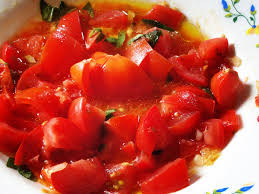
    Food is preserved by application of high temperature to prevent growth of micro- organisms. If the boiling temperature is maintained for a long period of time, all bacteria in the food get killed and this will result in good preservation.

     

    preservation

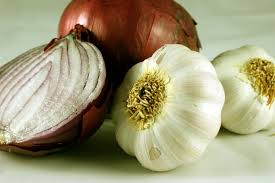
    Thus, foods can be preserved in healthy and hygienic ways which not only help to control spoilage, but also maintain the nutritional value of the foods. If not preserved properly, these foods can be houses of potential pathogens and can cause severe diseases if you consume them. So it is better to be safe than sorry and to preserve foods in a correct manner and enjoy them whenever you want all the year round.

  • Unveiling The World Of Food Fraud

    Unveiling The World Of Food Fraud

    Everybody knows that homemade food is best for our health. But if we step out of this illusion, then, we will find that even homemade food can be potentially harmful to us. This is not because of the cooking, it is because of the ingredients used in cooking. Those ingredients, even if are present as less as 1 tablespoon in our food, can turn the food into a poison. Adulteration has taken away the joy of eating. Today, we are exposed to harmful chemicals in almost everything that is not grown at home.

    Food fraud is a term that encompasses deliberate substitution, addition, tampering or misrepresentation of food, food ingredients or packaging. Adulterants are used to save money and to contaminate the food and the responsibility of safeguarding ourselves falls solely on us.


    download (4)

    From loose packed ground spices to wet produce like milk, everything has a potential of being adulterated these days, even if purchased from a reputable grocery retailer. Even the official systems set for food safety and prevention are constantly outdone by hidden and booming food adulteration business.

    But obviously, turning a blind eye to food adulterants is no solution, we have to plan and avoid the adulteration. Here is a list of commonly adulterated food stuff, so that next time when you buy them, you can be extra cautious.


    turmeric

    Turmeric:

    The common adulterants in turmeric these days are a chemical known as metanil yellow and kesari dal, to enhance the yellow color of turmeric. The chemical is highly carcinogenic if consumed for a longer period of time and can also cause stomach disorders.


    green-chili-peppers3

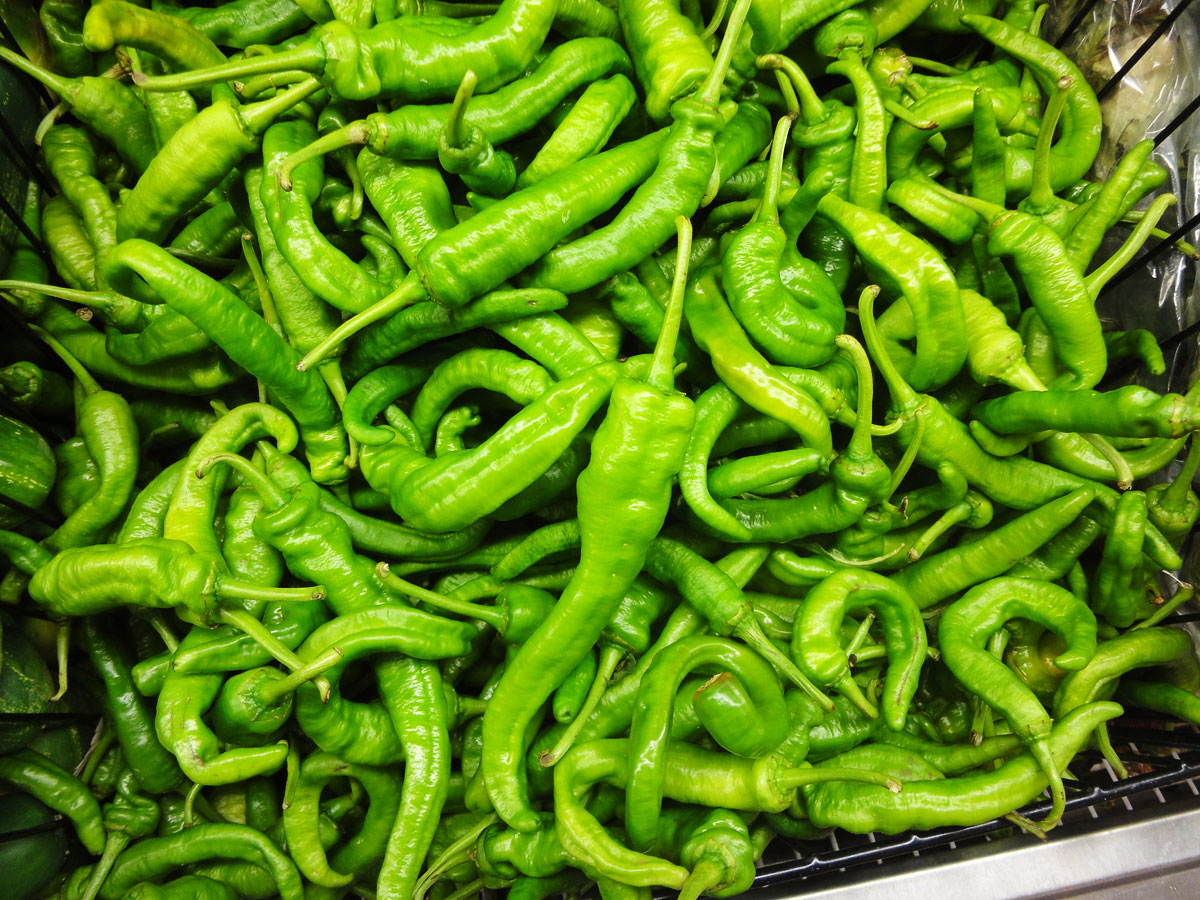
    Green chilies :

    Malachite green, a green colored dye that is often present in green chilies, has proven to be carcinogenic for humans, if consumed for a long period.


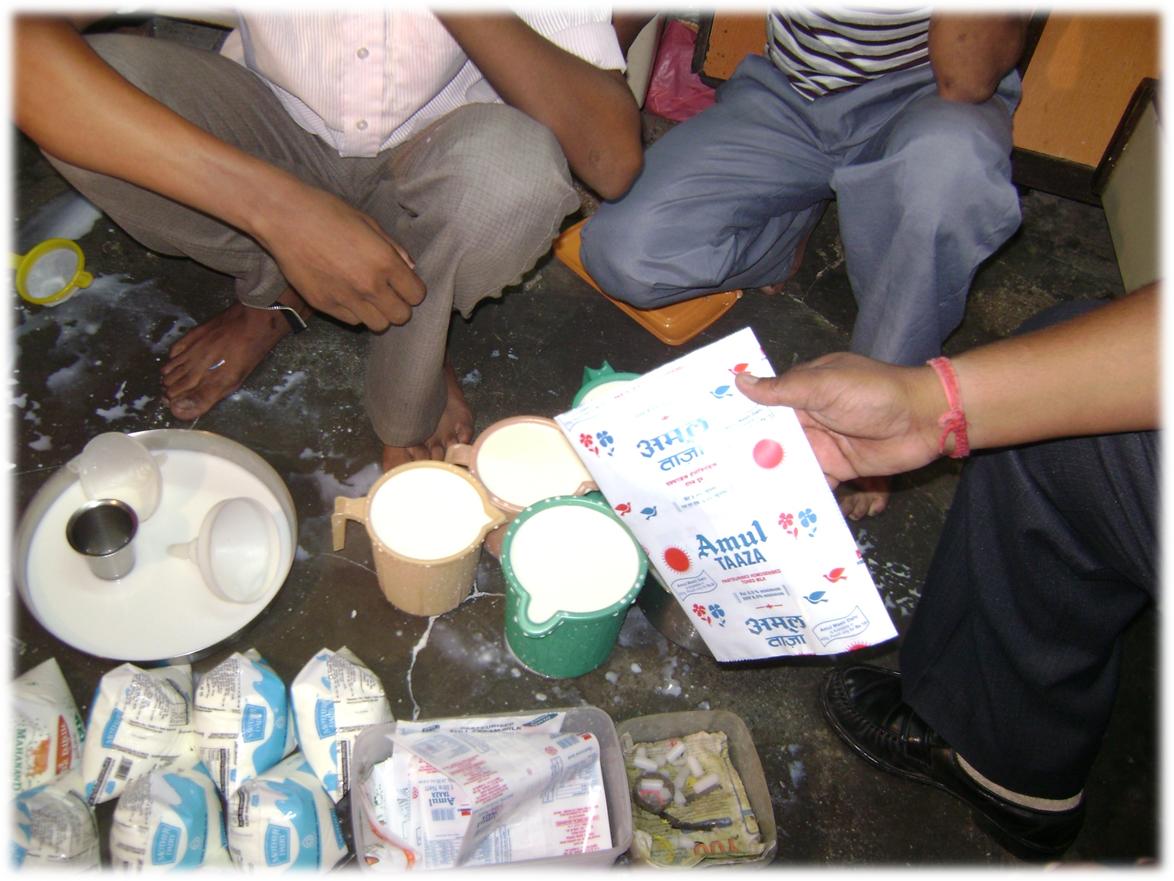
    milk

    Milk:

    Milk is a at the top of the food fraud list. Earlier it is used to be combined with water to increase the volume and decrease the nutritional value. Nowadays, even the water it is combined with, is contaminated. We also have higher levels of adulteration like starch, caustic soda, sugar, urea and lime, to give milk a thick texture. This can cause grave stomach disorders.


    ice crm

    Ice cream:

    Ice creams are adulterated with fatty substances when it is in the cold chamber, like pepperoni, ethyl acetate and washing powder. These substances are never mentioned on the packet of the ice cream; and are added to give beautiful white sheen and lightness of flavor to the ice cream, but instead cause stomach and liver disorders.


    coffeee  coffee

    Coffee:

    Do you know that your morning cup of coffee is not just coffee, it is a huge bag of sawdust, tamarind seeds and chicory powder and these ingredients cause more harm to us than the caffeine provided by coffee. They are added to provide bulk and color, and can cause diarrhea,  stomach disorders, giddiness and severe joint pains.


    seafood

    Seafood:

    The mercury content in sea food is something that is not hidden from the world. And we humans accumulate this carcinogenic mercury, not only by eating the seafood, but also by eating the birds which eat these fishes. Eating many such birds and fishes can cause cancer in our bodies.


    flour

    Flour:

    Rice and wheat are India’s  staple food, and these are adulterated with starch to thicken them and leaves the consumer in the illusion that our diet is perfect. This, in reality costs us our life. Therefore, the process should be very carefully executed from cleaning of grains to grinding it.


    saffron

    Saffron:

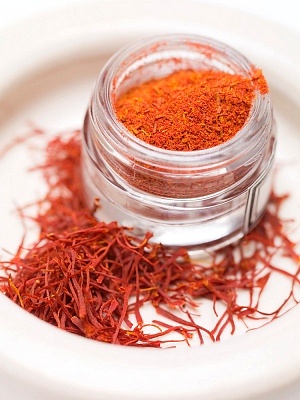
    Given that it is the most expensive spice in the world, there’s no doubt it is a victim to adulteration. Sandalwood, dust, starch, yellow dye and gelatin are common adulterants in starch. The easiest way to detect adulteration in starch is to avoid deep red color ones and cheap ones while buying.


    honey

    Honey:

    The purest form of honey are nowadays only found when winnie the pooh sticks his hand in the honeycomb to lick out the honey. In markets, honey is adulterated with minerals, antibiotics that are not meant for human consumption, corn syrup etc. Moreover, the ultra filtration process done on honey bottles makes the adulterants undetectable.


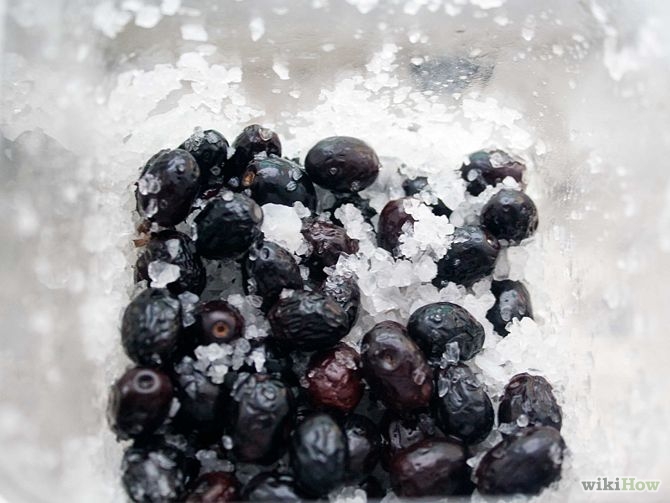
    olive oil

    Olive oil:

    It is said that olive oil is one of the best fat-free oil for human consumption. Well, the truth is that when it is adulterated with cheaper cracked oil, deodorants, corn oil, hazelnut oil and palm oil, it deteriorates the health instead of improving. Sometimes, it is laced with mineral oil, which makes the matters even worse.

    So, next time when you buy this stuff, make sure it doesn’t have something that will land you in hospital. Take care that your food is authentic and there are minimal chances of you falling prey to the locus of adulterants; as your health is much more important in your life than anything else, and it is solely your responsibility to take care of it. So gear up, and say no to adulteration of food!

  • Therapeutic Modification of the Normal Diet – Their Uses in Dietary Treatment

    Therapeutic Modification of the Normal Diet – Their Uses in Dietary Treatment

    1. INTRODUCTION

    A therapeutic diet is a meal plan that controls the intake of certain foods. It’s a practice followed in many hospitals as part of the treatment of a medical condition and are normally prescribed by a physician and planned by a dietician. A therapeutic diet is usually a modification of a regular diet. Diets are modified for consistency, nutrition and new methods of making regular dishes.

     The normal diet may be modified:

    • to provide a change in the constituents of the diet.
    • to maintain, restore or correct nutritional status
    • to include all nutrients in the diet
    • to increase or decrease the energy value of the diet
    • to provide foods bland in flavour.
    • to modify the intervals of feeding.

     1.1 MODIFICATION IN CONSISTENCY

    These diets are used in the treatment of gastro intestinal tract. These diets can range from a very low residue diet to a very high fibre diet. Method of feeding is oral.

     a. DIETS WITHOUT SOLIDS

     (i) Liquid Diets

    3

    Liquid diets consist of foods that are liquid at room temperature and are used in:

    • Febrile states (acute fever)
    • Post operative conditions

    b. DIETS WITH SOLIDS

     (i) Soft and Low Fibre Diets

    2

    Soft diet is between liquid diet and normal diet. Soft diet includes both liquid and solid foods which contain restricted amount of indigestible carbohydrates and no tough connective tissue. The diet can be made soft by cooking, mashing, pureeing the foods used in a diet under normal conditions. One could also use of refined breads, cereals, vegetables and fruits. This diet is soft in texture and bland to taste.

     (ii) Low Residue Diets

    4

    The diet is made up of foods which can be completely absorbed, leaving little or no residue for faeces formation. This diet is low in its mineral and vitamin content. Such diets need to be supplemented and foods high in fibre should be omitted. Two cups of milk may be permitted on a daily basis. Fruits and vegetables without skins are allowed. Meat should be tender or ground to reduce connective tissue. The diet is usually used in severe diarrhoea, acute diverticulitis, post operations etc.

     (iii) High Fibre Diets

    6

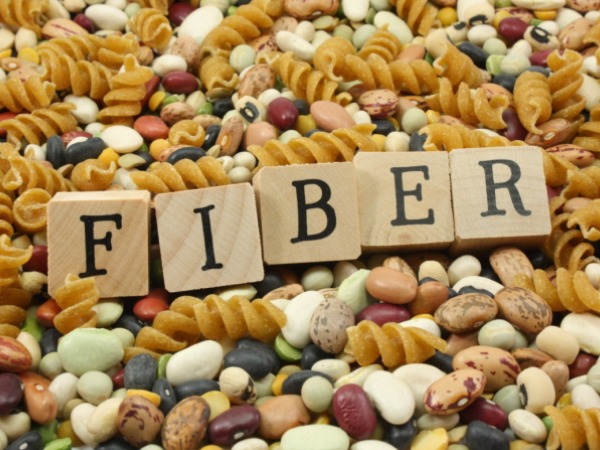
    Dietary fibre plays a significant role in colonic function. A high-fiber diet includes foods that have a high fiber content. Fiber is essentially the outer crust of fruits, vegetables, and grains that is not broken down by the body. It helps in excretion of body wastes. Its also well known that fiber regulates the cholesterol levels. Oats, beans, peas, and certain fruits and vegetables (oranges, pears, brussels sprouts, and carrots) are rich sources of fiber. Recommended in case of constipation, or high cholesterol. This is a normal diet with fibre increased to 15–20 gms daily.

     1.2 MODIFICATION IN NUTRIENTS

    Modification or change in the nutrient composition of the diet to increase or decrease the availability of nutrients to suit the body requirements / limitations of a person.

     a. High Calorie Diets

    7

    This is a normal diet with an increase in the calorie level to 3000 or more. If appetite is poor, small servings of highly reinforced foods are given. The diet may be modified in consistency and flavour, according to specific needs. Excessive amounts of foods that have a low calorific value and fried foods which disturb the appetite should be avoided. These diets are prescribed for

    • Weight loss
    • Fever
    • Hyperthyroidism
    • Burns

    b. Low Calorie Diet

    8

    These diets controls calories, carbohydrates, proteins and fat intake in balanced amount to meet the nutritional needs and control blood sugar and weight. This is a normal diet with energy values reduced to 1500, 1200 or 1000 calories. Protein levels should be at 65 to 100 gms. Supplements of Vitamin A and thiamine are usually required for diets below 1000 calories.

     These diets are prescribed for reducing body weight in

    • Diabetes Mellitus
    • Cardiovascular diseases
    • Hypertension
    • Gout
    • Gall bladder disease
    • Preceding surgery.

     c. High Protein Diet

    9

    These are diets high in plant and animal proteins; used to treat malnutrition or to increase muscle mass. High protein diet of 100 – 125 g per day may be prescribed for a variety of conditions like

    • Fever
    • Hyper thyroidism
    • Burns
    • After surgery
    • Diarrhoea
    • Elderly
    • Alcoholics.

     d. Low Protein Diet

    11

    low-protein diet is a diet in which people reduce their intake of proteins. Such a diet is often prescribed to people with kidney or liver disorders. Low protein diets are usually prescribed for conditions like

    • Hepatic encephalopathy
    • Acute and chronic glomerulonephrites
    • Nephroslerosis
    • Acute and chronic renal failure
    • In-born errors of metabolism.

    In severe liver disorders, when protein cannot be synthesized, excess ammonia cannot be converted to urea for excretion and the patient develops hepatic coma. In this situation protein levels must be decreased or completely restricted for a few days. Patients with Kidney require low protein diets since the kidney cannot excrete nitrogenous wastes. Diets containing 18 to 22 gms of high biological value protein may be needed for the chronic uremic patients who is not being dialysed. Low protein diets are also prescribed for patients with in-born errors of metabolism that result from lack of enzymes of the urea cycle.

     d. Fat Controlled Diet

    12

    Fat controlled diets regulate the amount and type of fat allowed. The total calories from fats should give about 30% and 35% of the total calories with 10% from saturated fat and 12 – 14% from poly-unsaturated fats. Even the intake of cholesterol also is reduced from the average daily intake of 600 to 300 mg. Usually fat controlled diets are prescribed for—

    • Gall bladder diseases
    • Nontropical sprue
    • Celiac disease
    • Cystic fibrosis
    • Atherosclerosis
    • Myocardial infarction
    • Hyperlipidemisa etc.

     e. Low Sodium Diet

    13

    The mineral content of the diet may also be modified. Four levels of sodium restriction are used — 250, 500, 1000 and 2400 mgs. The diet excludes excess salty foods and salt in cooking and at the table. This diet is used both to prevent and treat edema. Therefore, it is prescribed for congestive heart failure, hypertension, liver and renal diseases. Then sodium must be added back by means of the diet.

    Georgie Rajan