Tag: coffee

  • Unveiling The World Of Food Fraud

    Unveiling The World Of Food Fraud

    Everybody knows that homemade food is best for our health. But if we step out of this illusion, then, we will find that even homemade food can be potentially harmful to us. This is not because of the cooking, it is because of the ingredients used in cooking. Those ingredients, even if are present as less as 1 tablespoon in our food, can turn the food into a poison. Adulteration has taken away the joy of eating. Today, we are exposed to harmful chemicals in almost everything that is not grown at home.

    Food fraud is a term that encompasses deliberate substitution, addition, tampering or misrepresentation of food, food ingredients or packaging. Adulterants are used to save money and to contaminate the food and the responsibility of safeguarding ourselves falls solely on us.
     

    download (4)

    From loose packed ground spices to wet produce like milk, everything has a potential of being adulterated these days, even if purchased from a reputable grocery retailer. Even the official systems set for food safety and prevention are constantly outdone by hidden and booming food adulteration business.

    But obviously, turning a blind eye to food adulterants is no solution, we have to plan and avoid the adulteration. Here is a list of commonly adulterated food stuff, so that next time when you buy them, you can be extra cautious.
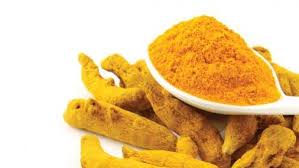
     

    turmeric

    Turmeric:

    The common adulterants in turmeric these days are a chemical known as metanil yellow and kesari dal, to enhance the yellow color of turmeric. The chemical is highly carcinogenic if consumed for a longer period of time and can also cause stomach disorders.
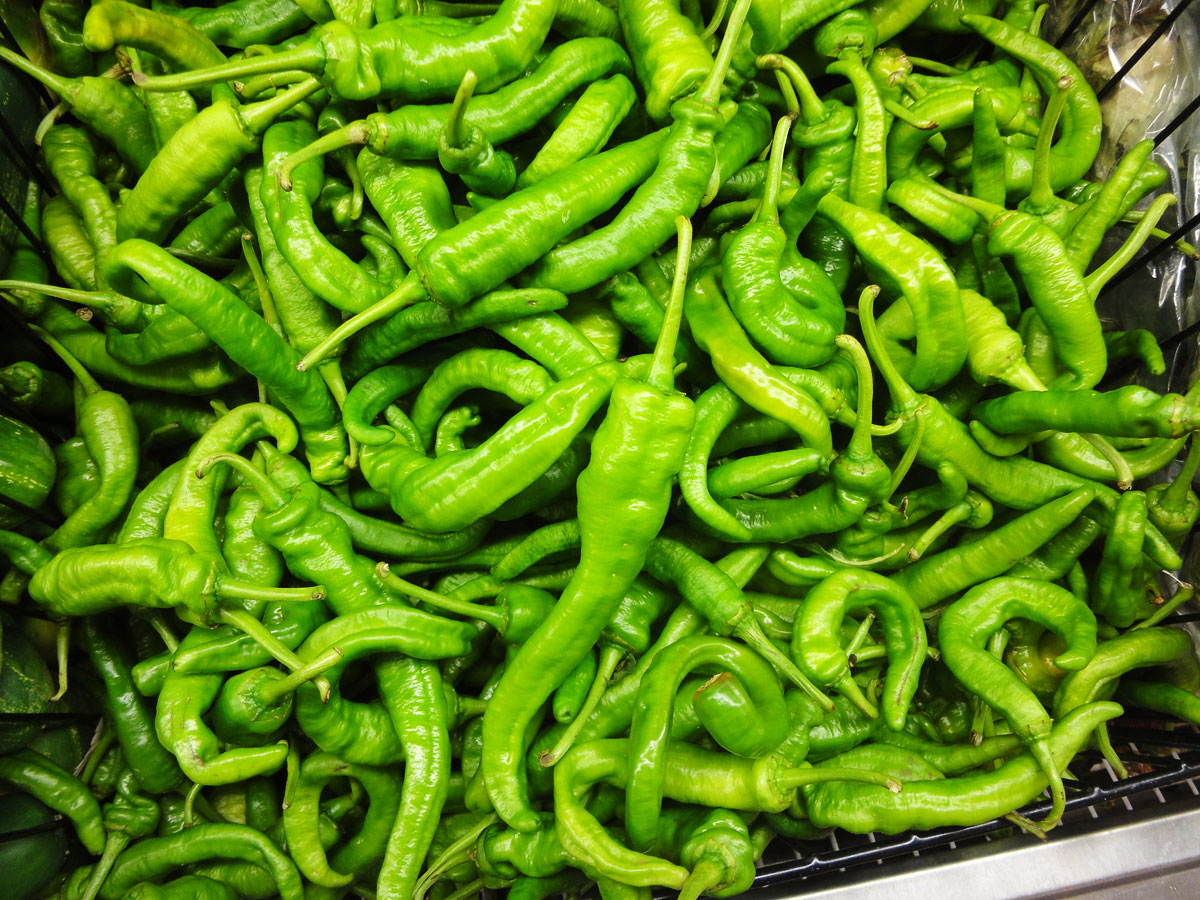
     

    green-chili-peppers3

    Green chilies :

    Malachite green, a green colored dye that is often present in green chilies, has proven to be carcinogenic for humans, if consumed for a long period.
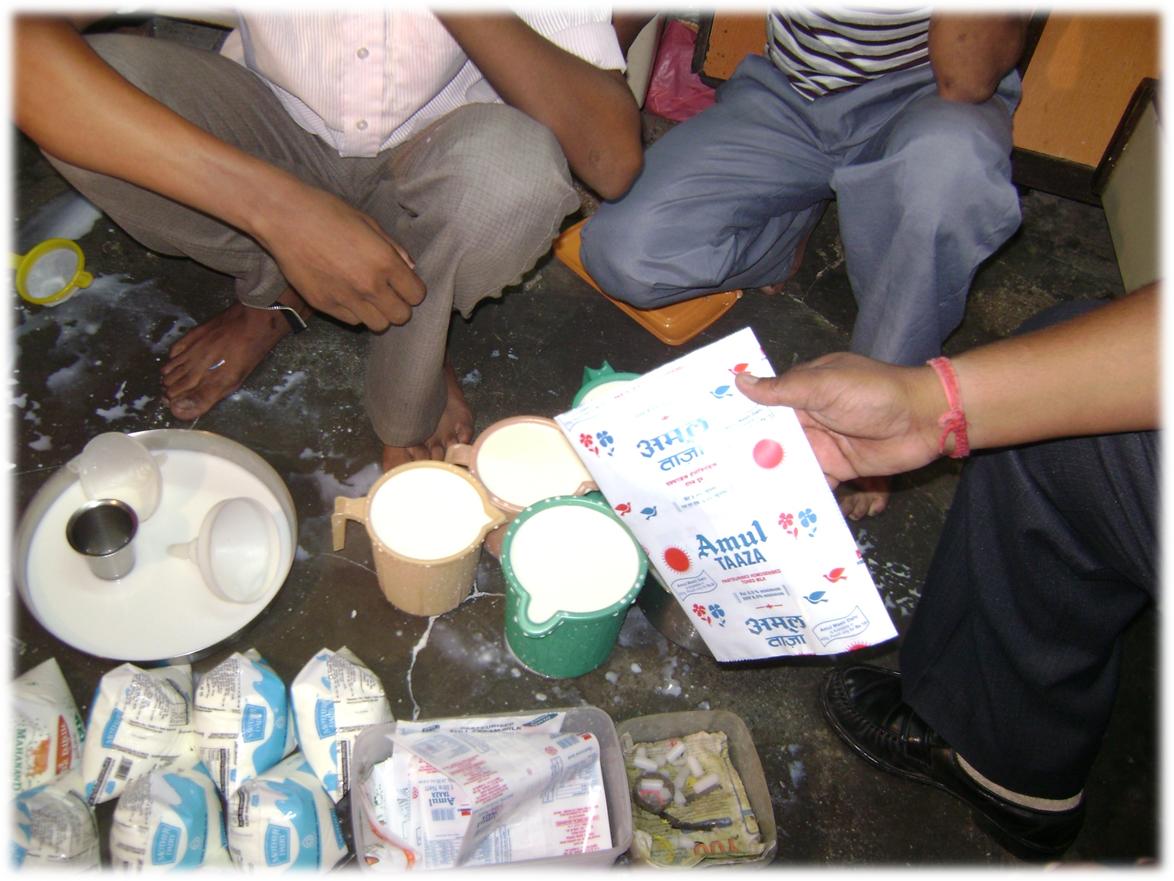
     

    milk

    Milk:

    Milk is a at the top of the food fraud list. Earlier it is used to be combined with water to increase the volume and decrease the nutritional value. Nowadays, even the water it is combined with, is contaminated. We also have higher levels of adulteration like starch, caustic soda, sugar, urea and lime, to give milk a thick texture. This can cause grave stomach disorders.

     

    ice crm

    Ice cream:

    Ice creams are adulterated with fatty substances when it is in the cold chamber, like pepperoni, ethyl acetate and washing powder. These substances are never mentioned on the packet of the ice cream; and are added to give beautiful white sheen and lightness of flavor to the ice cream, but instead cause stomach and liver disorders.
     

    coffeee  coffee

    Coffee:

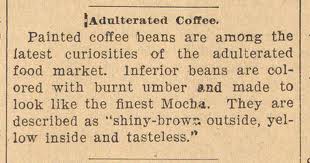
    Do you know that your morning cup of coffee is not just coffee, it is a huge bag of sawdust, tamarind seeds and chicory powder and these ingredients cause more harm to us than the caffeine provided by coffee. They are added to provide bulk and color, and can cause diarrhea,  stomach disorders, giddiness and severe joint pains.
     

    seafood

    Seafood:

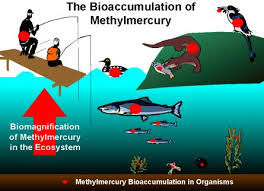
    The mercury content in sea food is something that is not hidden from the world. And we humans accumulate this carcinogenic mercury, not only by eating the seafood, but also by eating the birds which eat these fishes. Eating many such birds and fishes can cause cancer in our bodies.
     

    flour

    Flour:

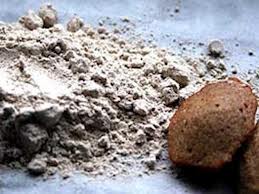
    Rice and wheat are India’s  staple food, and these are adulterated with starch to thicken them and leaves the consumer in the illusion that our diet is perfect. This, in reality costs us our life. Therefore, the process should be very carefully executed from cleaning of grains to grinding it.
     

    saffron

    Saffron:

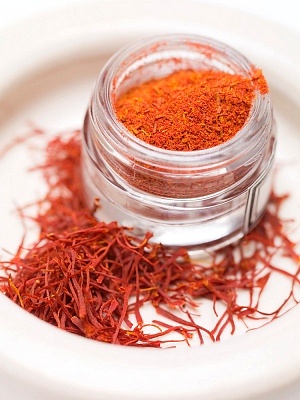
    Given that it is the most expensive spice in the world, there’s no doubt it is a victim to adulteration. Sandalwood, dust, starch, yellow dye and gelatin are common adulterants in starch. The easiest way to detect adulteration in starch is to avoid deep red color ones and cheap ones while buying.
     

    honey

    Honey:

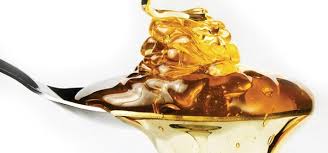
    The purest form of honey are nowadays only found when winnie the pooh sticks his hand in the honeycomb to lick out the honey. In markets, honey is adulterated with minerals, antibiotics that are not meant for human consumption, corn syrup etc. Moreover, the ultra filtration process done on honey bottles makes the adulterants undetectable.
     

    olive oil

    Olive oil:

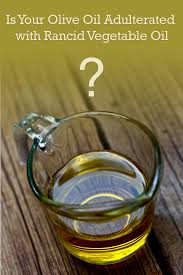
    It is said that olive oil is one of the best fat-free oil for human consumption. Well, the truth is that when it is adulterated with cheaper cracked oil, deodorants, corn oil, hazelnut oil and palm oil, it deteriorates the health instead of improving. Sometimes, it is laced with mineral oil, which makes the matters even worse.

    So, next time when you buy this stuff, make sure it doesn’t have something that will land you in hospital. Take care that your food is authentic and there are minimal chances of you falling prey to the locus of adulterants; as your health is much more important in your life than anything else, and it is solely your responsibility to take care of it. So gear up, and say no to adulteration of food!
  • Coffee or tea which is better?

    Coffee or tea which is better?

    Coffee-vs.-tea-poll-pic

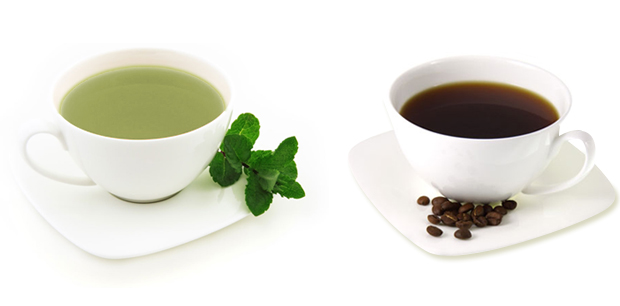
    In order to set off good start for the day, everybody wishes to drink a nice hot cup of coffee or tea. Ofcource the choice of the drink varies between different households and individuals. Most of the adult men and women feel that it is tea which actually energizes their body and makes them ready to carry out the work planned for the day while the younger generation prefers coffee.

    hot  coffee

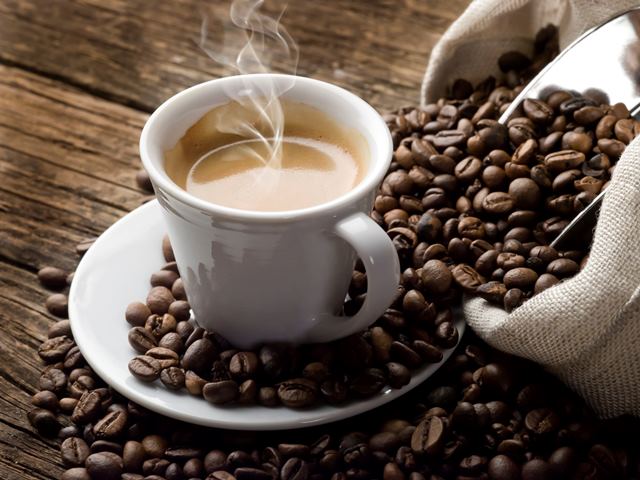
    Coffee is a beverage which is prepared from the roasted seeds of the evergreen shrub called coffea. Once the coffee berries are ripe, they are collected and dried and processed. The seeds inside the berries are then collected and roasted in different temperature, depending upon the flavour, taste and colour required before being grinded and brewed to create the final product. Coffee plantation takes place around the world but major contribution is given by Africa, Latin America followed by Southeast Asia. Research states that coffee cultivation originated in Arabia during the 15th century, where coffee was associated with both religious and rebellious political activities. According to Ethiopian culture it’s believed that Kladi, who was a goat herder, had first found the seeds when he noticed that his goats became excited after consuming the beans. Some of the Arabian culture attributes the discovery of coffee beans to Sheik Omar, who was known to have the ability to heal the sick and was exiled to a desert near Ousab. There he found the berries but were bitter in taste so he tried to roast them so it turned hard. It’s believed that Omar then boiled the berries to soften the seed which resulted in creation of a dark liquid. The liquid, when he drank it, it revitalized him sustained him through the period of exile. When Omar came back home, he had bought with him this miracle drug and that how coffee was introduced into Arab and travelled through Egypt and Yemen. Today coffee is considered an important agricultural product and also is regarded as an important export commodity.

    Vit_chai

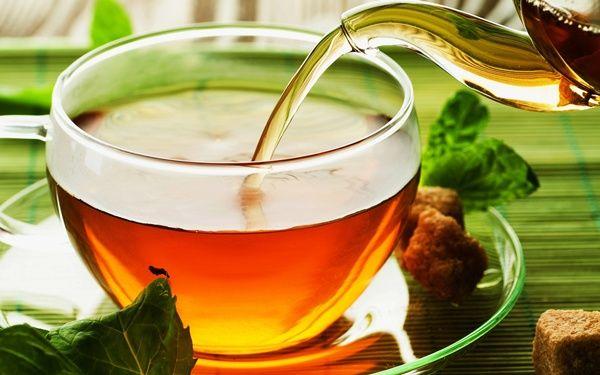
    Tea on the other hand is prepared by simply mixing tea leaves into boiling water. Tea is considered to be the second best preferred drink after water. It’s cool and astringent flavour is what attracts so many people, making it the world’s most widely consumed beverage. Tea is considered to have its origin in china where it was used as a medicinal drink. According to the Chinese legend, the discovery of tea was done by a Chinese inventor named Shennong who invented a tea shredder. During the Tang and Qin dynasty, the popularity of tea was at its peak and also had spread to other regions of Japan, Korea and Vietnam. The Portuguese were introduced to tea when they were in china during the 16th century. The cultivation of tea together with jasmine and mallow gave it a distinct taste and aroma.  During the 17th century, the British started consuming tea and also introduced it in India. The practice of drinking tea in Britain was only seen during special occasions like marriages and anniversaries and religious festivals. It was mostly consumed by the royals as tea was expensive and could not be afforded by all. This gave rise to tea smuggling which made tea available for the lower section of the society as well. By the 19th century, tea was consumed by all the sections of the society. When the British had captured India, they wanted to cultivate tea and in order to do that they sent Robert Fortune to china to get some tea seeds. However the plan to cultivate them in India failed due to different weather conditions. However they later found that regions like Assam and the Northeast regions of the country could house the cultivation of this crop and so using the Chinese techniques of cultivation created a tea market in India from where tea was exported to other parts of the world. The price of tea in Europe began to fall with large import of tea from India.

    00-10063@2x

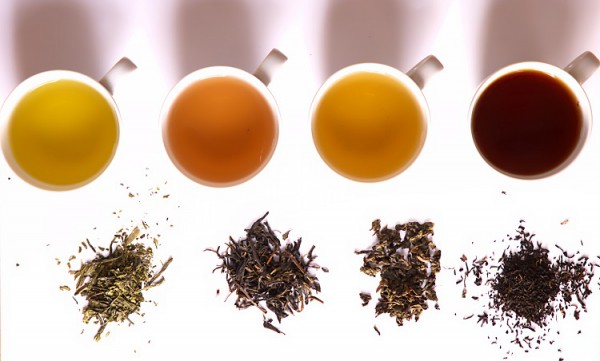
    After knowing so much about both the beverages we still don’t find ourselves in a position to decide which one’s a better choice. So in order to make our task a little simple let’s see which one’s better when it comes to our health and growth. Tea can be of two types, black or green tea. However both theses goods contain a high level of antioxidants called flavonoids. Antioxidants are chemicals which protect tissues from oxidants. Oxidants may damage cells and reduce the immunity. According to a survey done by American Dietetic Association, one in five adults in America prefer tea to other beverages; however these people gained 20 times more antioxidants than non tea drinkers. Other than the benefit of receiving antioxidants, drinking tea also helps in reducing cholesterol levels, blood clots and helps fight inflammation, cancer and various allergies. Green tea is considered the very healthy and is responsible for reducing breast cancer and death rates due to heart diseases.

    5b43c9b47218fff9342c0f4dfef660b62f0618a8

    Researchers claim that like tea, coffee also contains antioxidants and helps in lowering the risk of liver and colon cancer and diabetes. Some people believe that coffee might not be good for the heart, however it’s not been proved till now and further study in this field is required. Since caffeine content in coffee is high, it’s not recommended for pregnant women and even overdose among youngster may not be a healthy option.

    So according to me tea wins the battle to be a healthy choice when compared with coffee. But this does not mean that coffee can be completely rejected. Controlled quantities of coffee can be consumed for a healthy living.

  • Homemade and Healthy

    Homemade and Healthy

    Too much fast food is not good for your health. Even at home, we usually aimlessly settle for the fat-rich food while snacking – for the simple reason that it looks (and sounds) more appealing and is way tastier. I’m not going to argue about the taste but in this age, where most of us are suffering from obesity or simply trying to stay fit, the high calorie and high fat delicacies does not help.

    So what’s the alternative?

    I’m not asking you to give up your favourite meal but you could try to make it a tad bit healthier. Then a tad more. And then a bit more.  Adapt and adjust (if only for your own good).

    Truly speaking, it’s quite a win-win situation.

    So, here’s your stairway to a low-fat Biriyani, a feel good soup and a much lighter dessert:

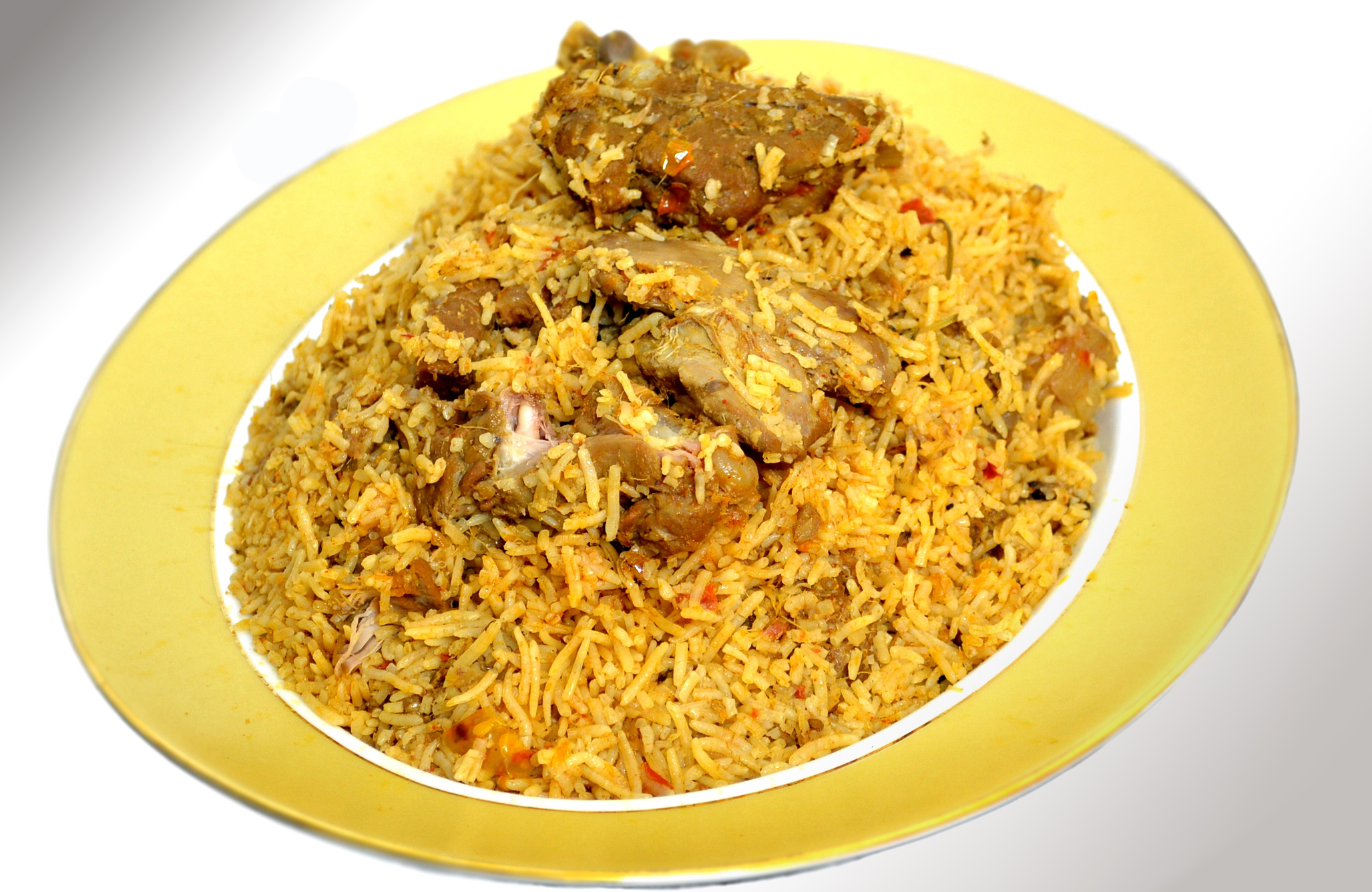
    Low-fat Chicken Biriyani

    biriyani

    Time – 2 hours

    Serves – 4

    Ingredients – 3 garlic cloves (finely grated), 2 tsp finely grated ginger, ¼ tsp ground cinnamon, 1 tsp turmeric, 5 tbsp natural yogurt, 600g boneless chicken breasts (cut into 4 cm pieces), 2 tbsp semi-skimmed milk, good pinch saffron, 4 medium onions, 4 tbsp rapeseed oil, ½ tsp chilli powder, 1 cinnamon stick (broken in half), 5 green cardamom pods (lightly bashed to split), 3 cloves, 1 tsp cumin seeds, 280g basmati rice, 700ml chicken stock, 1 tsp garam masala, handful chopped mint and coriander leaves

    Method – In a mixing bowl, stir together the garlic, ginger, cinnamon, turmeric and yogurt with some pepper and ¼ tsp salt. Tip in the chicken pieces and stir to coat. Cover and marinate in the fridge for about 1 hour. Warm the milk to tepid, stir in the saffron and set aside. Heat oven to 180C. Slice each onion in half lengthways, reserve half and cut the other into thin slices. Pour ½ tbsp of the oil onto a baking tray, scatter over the sliced onion, toss to coat, then spread out in a thin, even layer. Roast for about 40 to 45 minutes, stirring halfway, until golden. When the chicken has marinated, thinly slice the reserved onion. Heat 1 tbsp oil in a large frying pan. Fry the onion for 5minutes until golden. Stir in the chicken, a spoonful at a time, frying until it is no longer opaque, before adding the next spoonful. Once the last of the chicken has been added, stir fry for a further 15 minutes until everything looks juicy. Scrape any sticky bits off the bottom of the pan, stir in the chilli powder, then pour in 100ml water, cover and simmer on a low heat for 15 minutes. Remove and set aside. Cook the rice while the chicken simmers. Heat 1 tbsp oil in a large frying pan, then drop in the cinnamon stick, cardamom, cloves and cumin seeds. Fry briefly until their aroma is released. Tip in the rice and fry for 1 min, stirring constantly. Stir in the stock and bring to boil. Lower the heat and simmer, covered, for about 8 minutes. Remove from the heat and leave with the lid on for a few minutes. Stir the garam masala into the remaining 1 ½ tsp oil and set aside. When the onions are roasted, remove and reduce oven to 180C. Spoon half the chicken and its juices into an ovenproof dish, then scatter over a third of the roasted onions. Remove the whole spices from the rice, then layer half of the rice over the chicken and onions. Drizzle over the spiced oil. Spoon over the rest of the chicken and a third more onions. Top with the remaining rice and drizzle over the saffron- infused milk. Scatter over the rest of the onions, cover lightly with foil and heat through in the oven for about 25 minutes. Serve scattered with the mint and coriander.


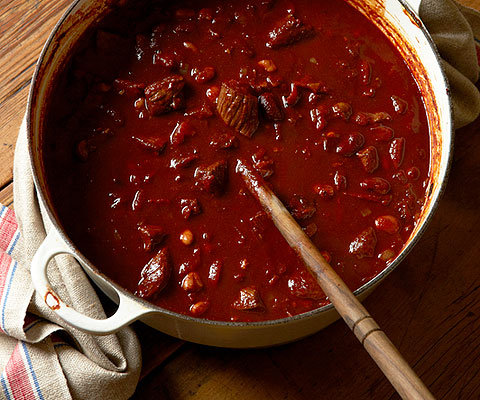
    Three bean and Chilli Soup

    1652568_orig

    Time – 25 minutes

    Serves – 4

    Ingredients – 1 chopped red onion, 1 tbsp olive oil, 1 finely diced red chilli, 1 tbsp dried oregano, 400g can chopped tomatoes, 2 x 400g cans drained mixed beans, 800 ml vegetable stock

    Method – Fry chopped onion in olive oil in a large saucepan for 5 minutes. Add the chilli and cook for 5 minutes. Add oregano, tomatoes, mixed beans and vegetable stock. Bring to the boil and simmer for 20 minutes. Season and then serve.


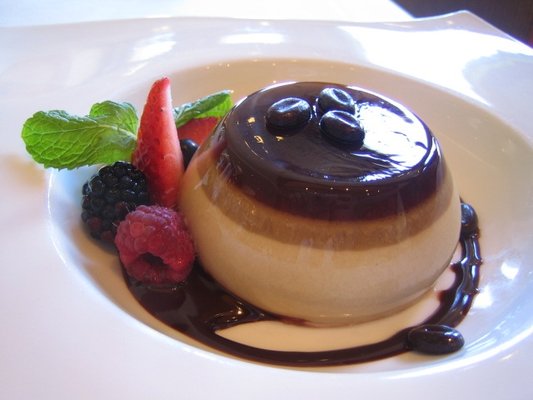
    Coffee Panna Cotta

    l

    Time – 15 minutes

    Serves – 4

    Ingredients – 125ml  whipping cream, 50g golden caster sugar, ½ vanilla pod (slit lengthways), 2  small gelatine leaves, 2 tsp instant coffee granules, 150g full-fat Greek Yogurt, 150 ml buttermilk, sifted cocoa powder (for dusting)

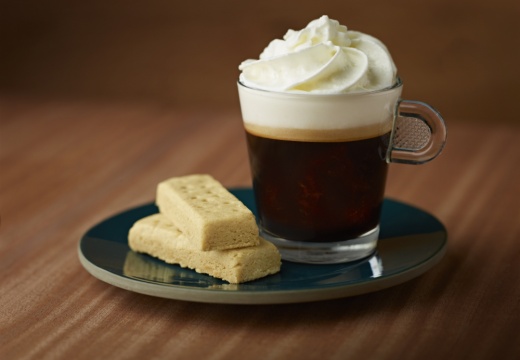
    Method – Put the cream and sugar in a small saucepan. Scrape thin the seeds from the vanilla pod and then drop in the pod. Stir over a low heat until the sugar has dissolved. Bring the mixture just to the boil, then remove from the heat and leave to infuse for 5 minutes. Meanwhile lay the gelatine leaves in a shallow dish and pour over enough cold water to cover them. Soak for 4 to 5 minutes. Remove the gelatin leaves from the water, then stir the leaves into the cream until dissolved. Stir in the coffee granules until they are also dissolved. Leave the mixture to become cold, stirring occasionally. Keep checking so that you can catch it before it starts to set. Discard the vanilla pod. Beat the yogurt and buttermilk together in a large bowl, then gradually pour and beat in the cold coffee mixture. Transfer it to a jug, then pour into 4 small dariole moulds. Chill for 4 to 5 hours. When ready to serve, dip each mould into a bowl of very hot water for a few seconds only, then turn each dessert out onto a small plate. Serve with a light dusting of cocoa.


    HAPPY EATING!!


    Recipe Courtesy – bbcgoodfood.com

    Image Courtesy – daawat-a-biriyani.com, aurorasgypsycafe.com, yelp.com