Tag: fresh food

  • Chutneys are Yummy! Part 2

    Chutneys are Yummy! Part 2

    Chutney (also translated as Chatney or Chatni) is a family of condiments mainly associated with South Asian cuisine that usually contain some mixture of spice(s), vegetable(s), and/or fruit(s). Chutneys may be either wet or dry, and can have a coarse or fine texture. There are various types of chutneys.

    Traditionally, chutneys are ground with a mortar and pestle made of stone or an ammikkal . Spices are added and ground, usually in a particular order; the wet paste thus made is sauteed in vegetable oil, usually gingelly (sesame) or groundnut (peanut) oil. Electric blenders or food processors can be used as labor-saving alternatives to stone grinding.
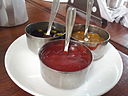
    Chutney

    Let’s explore two new mouth-watering recipes of Chutneys which one can make easily at home!

    • Garlic Chutney:

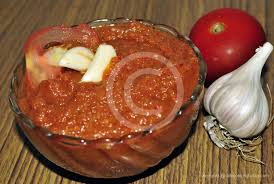
    garlic chutney

    This is a fiery-spicy chutney made from garlic cloves and red chilies. It is a taste-enhancing must-have accompaniment for South Indian dishes like Dosa, Idli, etc. In this customized Indian Garlic Chutney recipe, garlic, soaked red chillies and coconut are first sautéed in oil, and then crushed with tamarind pulp to make delicious Chutney having a complex hot, sour and spicy taste altogether.

    • Ingredients:

    1)  8 chopped garlic cloves (skin removed).
    2)  2 whole dry red chillies, seeded and broken into pieces.
    3)  ½ cup grated fresh coconut.
    4)  1 teaspoon tamarind pulp.
    5)  ¼ cup water.
    6)  2 teaspoons oil.
    7)  Salt according to taste.

    • Directions:

    1)  Heat 1 teaspoon oil in a pan. When the oil is hot enough, sauté the chopped garlic over a low flame for a minute and then transfer to a plate.
    2)  Heat the remaining 1 teaspoon oil in the same pan and sauté the dry red chillies over a low flame for 20-30 seconds. Again, transfer them to the same plate.
    3)  Let the sautéed garlic and dry red chillies cool for about 3-4 minutes. Transfer the garlic and the dry red chillies to the chutney jar of a grinder or food processor. Grind them until a medium coarse paste is formed.
    4) Add the grated coconut, the tamarind pulp, ¼ cup water and salt (according to taste) to the jar.
    5)  Grind them till a medium coarse paste is formed. Tasty South Indian Garlic Chutney to be enjoyed along with Dosa and Idli is ready to be served!

    • Tips:

    1)  You can also use 2 teaspoons of the red chilli powder in place of the usual dried red chillies.
    2)  Dry Kashmiri red chillies are specially added to get that nice red color and also to make a less spicy Chutney when compared to other varieties of chillies as such.
    3)  Replace the tamarind pulp with 1 teaspoon of lemon juice for a slight variation in the overall taste of the Garlic Chutney.

    • Preparation Time: 5 minutes.
    • Cooking Time: 5 minutes.
    • Servings: 6 (½ cup).


    • Pudina Chutney:

    pudina chutney

    Pudina (Mint) is an herb known for its medicinal benefits for indigestion, acidity, headache, dental and skin diseases. It is an integral part of Indian cuisine as well. This Pudina Chutney recipe makes for an extremely flavorsome and tempting Chutney prepared right from fresh mint and coriander leaves. However, its main taste comes from the tamarind paste which is added to give a nice tang to its spiciness. The whole texture of the Chutney is derived from the fresh coconut.

    • Ingredients:

    1)  ¼ cup fresh Pudina (mint) leaves.
    2)  1 cup chopped coriander leaves.
    3)  ½ cup grated fresh coconut.
    4)  2 chopped green chillies.
    5)  ½ inch piece ginger, chopped.
    6)  2 teaspoons tamarind pulp or lemon juice.
    7)  1 teaspoon sugar (optional).
    8)  Salt according to taste.
    9)  ½ cup water.

    • Note:

    This recipe requires tamarind pulp as an ingredient. You can easily find ready-made tamarind pulp to be bought in the market. If the tamarind pulp is not available, then you can also prepare it at home by simply following the directions which are given below-

    1)  Soak the tamarind in hot water for roughly 1 hour.
    2)  Remove the seeds of the tamarind.
    3)  Strain the whole mixture to prepare fresh and homemade tamarind pulp.

    • Directions:

    1)  Clean the mint leaves and the coriander leaves well by running them under fresh tap water.
    2)  Grind the fresh coconut, green chillies, ginger, sugar and salt together in the chutney jar of a mixer or a food processor until a very smooth paste is formed.
    3)  Add the mint leaves, the coriander leaves, the tamarind pulp (or the lemon juice) and ½ cup water. Grind again until a very smooth consistency of chutney is arrived at.
    4)  Fresh Pudina Chutney is ready to be served along with your favorite condiments!

    • Tips:

    1)  Replace the tamarind pulp with an alternative of lime juice for an even more delicious tang of the Pudina Chutney.
    2)  Store it in an airtight container in refrigerator for up to 3-4 days. You can then use as and when it is required.
    3)  You can always add more water and adjust the spices according to your own tastes so as to make the Pudina Chutney more diluted and thin, or of a concentrated and strong flavor.

    • Preparation Time: 10 minutes.
    • Servings: 8 (1 cup chutney).

    So there you are – two delicious Chutneys which you can easily make at home by following some simple instructions. These are very good from the health point of view. They also acts as excellent taste enhancers.

    Keep watching this space for more delicious recipes!

  • Stay healthy during monsoon

    Stay healthy during monsoon

    Rains are awaited by all and it certainly creates a wonderful environment. Rainy season is a kind of relief from hot and sunny days. Every single person cherishes the rains. But there are some areas that need our attention. With rains come health irritations like aversions, illness and stomach problems. The level of humidity is increased during the rainy season that affects the digestion. But nothing to get worried about as certain changes in our diet and nourishment can surely solves the problem.  So it is very essential to keep an eye on what we eat during the monsoon to stay perfectly healthy.

    rains

    Drink lot of water: It is necessary to take in extra amount of water in rainy days as the humidity level increases and it becomes difficult for the sweat to get evaporated. Consequently, the body heat is not released properly. It has been also found out that drinking water prevents the various skin problems. As a result it is recommended to keep ourselves hydrated during the rainy seasons. Carbonated and gaseous liquids should be avoided because they can result in indigestion. Drinks like tea can work as a great substitute of it. So during this monsoon do not forget to possess a water bottle with yourself all the time.

    Drink lot of water

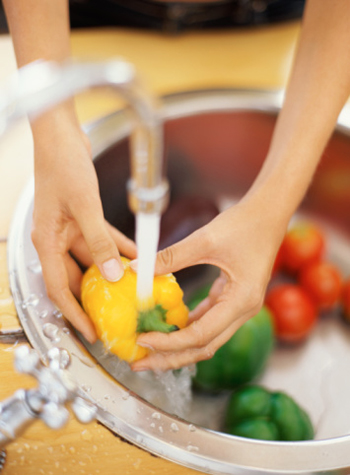
    Go for fresh and hygienic foodstuff: Keep in mind to wash every single fruit before eating them. While cooking, the vegetable should be washed thoroughly and steam them to destroy the microbes which are present on them. Filthy and unclean food stuff is harmful for the body and can result in sickness. It is advisable to take in cooked foodstuff rather than eating them as raw. Soups are too very beneficial during the rainy days as it provides the body with needed nutrition. Therefore always try to go for recently cooked food stuff.

    stk310109rkn

    Say no to outside food: This particular point is of great importance. You should keep yourself away from eating the street food.  Street foods are quite enticing to all of us but they could possibly hold many germs which results in stomach diseases.  Hence take a firm decision of not eating out.

    Stay away from oily food: It is greatly recommended to stay away from the oily and fatty food items. The digestion in the body gets weaker during the rainy days as the humidity level goes up. Hence the ability of body to digest the oily food items becomes feeble and thus upsetting the stomach. Therefore, try to eat light and less oily food items.

    Stay away from oily food

    Reduce the consumption of dairy items: The dairy foods have the supreme tendency of getting contaminated by germs. As a result the consumption of the dairy products must be low. It is better to consume curd rather than milk even if the milk is filled with all the desired nutrients. Apart from that, one should try to boil and disinfect the water before drinking it.

    curd

    Intake of balanced diet: As we know that digestion is weak throughout the rainy days therefore it is advised to eat reasonably. Stop taking in food stuff even when you are not starving. Perfect balanced diet is much needed to stay from stomach problems at the time of monsoon.  Fruits such as apples, litchis as well as bananas must be consumed. Along with them include carrots in your diet too.  Spice up the food with pepper, turmeric as they advance the resistance of the body and supports ingestion.

    Avoid drinking juices: Make sure you don’t drink juices especially from outside as they may apply water which is not filtered. It is greatly recommended to drink at once the juices prepared at home.

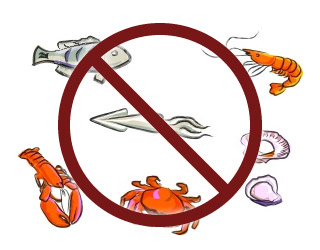
    Sea food can be harmful: During the rainy season, make sure that you stay away from the sea foodstuff. Give more attention to fishes as well as prawns and greatly avoid eating them as rainy season is the propagating season for them. Even if you are taking in the sea food make it certain about its freshness as well as cleanness.

    Sea food can be harmful

    No spicy foodstuff: There are many people who deal with skin infections throughout this season. It is advisable for them to stay away from the spicy foodstuff, as the spicy items arouse the temperature of the body that certainly results in skin illness and infections. It is better to visit to a doctor if the infection stays for long.

    Some more tips: Food items such as barley as well as oats are found out to be very beneficial for the stomach during the rainy season. Garlic is also very valuable as it enhances the immunity of the body. Fruits are considered as the supreme source of energy. But make sure that you don’t eat watermelons during the monsoon. Instead of watermelons try to eat apples, pears more. It is said that taking anything in extra amount is bad for health so avoid doing that.

    With the assistance of these advices try to stay healthy and strong during the monsoon and at the same time relish the rains of the monsoon.