Tag: Jainism

  • Yoga for Everyone!!

    Yoga for Everyone!!

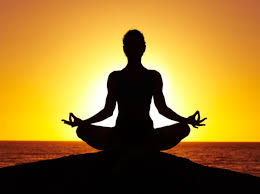
    Yoga, a thought itself creates a grotesque, twisted pose in our mind, but do you people know what actually yoga is apart from these senseless thoughts. Yoga is much more than these weird poses. Yoga has derived its name from the word yoking together, which means yoking of body and mind. It is a physical and mental exercise which aims to present our body and mind to the new world. It has originated since from the time of pre-Vedic traditions and now it has become a part of this Western world in the form of spiritual practices. This is often referred to as Hatha Yoga. Yoga described human as a combination of three bodies along with the five sheets which controls the energy flowing through the channels.
    yoga2

    People usually considered yoga as the regimented method for accomplishing a goal. It is one of the well-organized techniques to control the mental and physical status of our body. It helps in the expansion of awareness and consciousness in our mind.  It is controlled course to omniscience. It is a practice which helps us to enter into other bodies and simultaneously generate numerous souls along with the attainment of supernatural powers.

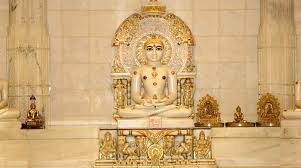
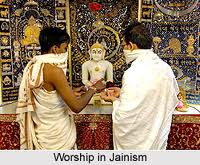
    A yoga practice varies their meaning with the different types of religions. Every religion has its own beliefs like in Jainism it is known as the most spiritual practice which helps in self-realisation, attainment of salvation and provides complete freedom to our soul. It is a practice which keeps us apart from attachments and provides purity to our soul. It is broadly classified into Shukla Dhyana, Dharmya Dhyana and Raudra Dhyana. When we move on to Buddhism it is considered as the form of meditation which increases our concentrating powers and provide supernatural spirits in us. They regarded Yoga as a path leading to Nirvana and enlightenment.

    yoga1

    Yoga carries a various different meaning like combination, connection, contact, application, method etc. For example chakra-yoga means locating the position of the thigh, guna-yoga has a sense of contacting with the cord, pum-yoga is for showing relations with a person, Bhakti-yoga is a path of devotion, Raja-yoga is a sense of controlling our minds etc. It is a complete way of living life which balances our body and rejuvenates each and every nerve of our mind.

    Yoga is like a package which offers stress relief, weight loss, all-round fitness of our body, glowing skin like benefits to us. We misunderstood yoga and keep it limited to its poses, but in reality it is immensely involved in bringing our mind, body and breath together. Here are some benefits that yoga involves:

    Fitness: As it is a known fact that health is wealth. You are truly fit and healthy when you are emotionally and mentally balanced. Health is a combination of expressing how enthusiastic and loving you are and here comes the major role of yoga in providing all-round fitness to our body with the help of meditation, several different postures and pranayama. It provides a hidden healing power to our mind and soul. It keeps our body away from any heart diseases.

     Boost Immunity: Certain researchers found that there are various yoga practices that helps in boosting our immunity towards any disease. Yoga practices tend to change some gene expression when you are on the mat itself. When you breathe well, move well then the entire organ functions well. A small irregularity in our mind affects the overall functioning of our body and makes our body restless, so in such cases, yoga poses helps in strengthening our muscles and releasing stress from the mind. It provides immunity to asthma and relieve all mental stress.
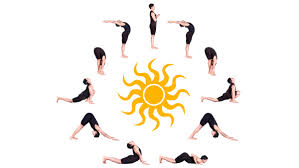
    yoga3

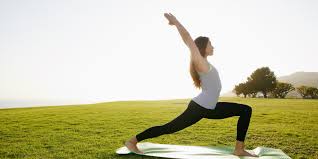
    Provide flexibility:  Include yoga in your daily routine and make your body more flexible and strong. It stretches each and every part of your muscles and tone them. It helps in improving our postures while we stand, sleep, walk or sit. In turn, it helps in removing our body pain due to incorrect postures.  It helps in twisting our body into various shapes and find inner peace.

    Some of the best yoga poses are

    Malasana: It is also known as Yoga Squat which helps in relieving backache and stretches our thigh and calves. This is just a squatting position with heels in, toes out and hands are in a prayer position in front of our chest.
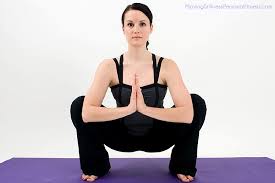
    malasana

    Camel Pose: this pose helps in improving our lungs capacity and stimulates thyroid and pineal glands. In this you have to stand up on your knees, keeping your hips apart. Your hands must rest on the lower back or on heels.
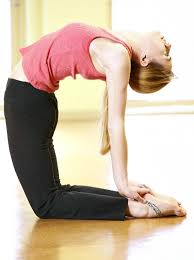
    camel

    Nostril Breathing:  this pose helps in maintaining the proper functioning of our respiratory system. In this you must be seated in a comfortable position to provide balance in both the branches of the nervous system. It helps in relieving stress and worries and refreshes our lymphatic system.

    So Yoga is a way of life and it aims to support you on that journey in an open environment…!!
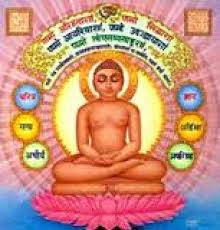
  • Jainism Rituals and Principles

    Jainism Rituals and Principles

    Jainism, popularly entitled as Jain Dharma is one of the ancient Indian religions in the world. It believes in Ahimsa and follows the path of non-violence towards all human beings. It underlines the fact that all forms of life are equal. It basically derived from the root ‘ jin’ which means to conquer. Their history has been traced through the succession of the Tirthankaras.

    ahimsa

    Jainism is partitioned into two major sectors Svetambara and Digambara. There are about 4.2 million people in this religion. This is a small number so they are counted under minority community. There are various immigrants in Canada, Belgium, Hong Kong, Japan and United States. Though they are minority sector, but they possess highest literacy rate in India i.e. 94.1 %. They have the oldest manuscript libraries in the country.

    Jainism origin is not so clear, but during the 6th century BC twenty four great teacher known as tirthankaras revealed the existence of this religion. Mahavira is recognized as the founder of this religion. There is no evidence of the existence of these tirthankaras but Parsva, predecessor of Mahavira was found to exist somewhere in the 7th -9th century.

    jain2

    There are several principles that people in this religion follow. The fundamental principle of Jainism is related to a man’s personality. They believe that man has dual personality i.e. Spiritual and material. They consider that every soul is bounded by Karma, a delicate particle of matter. Our soul is attached to our Karma just like gold in any alloy which can’t be separated.

    Next principle is based on the imperfectness of the human soul. They believe that no soul is perfect and to attain perfectness, it must have four characteristics: infinite power, infinite knowledge, infinite bliss and infinite faith. After attaining these soul is said to be in its eternal state. Third principle states that material nature can be controlled by the spiritual nature of a man. To attain freedom and happiness there must be an entire suppression of matter. Control of thoughts ad senses would lead to the perfection of the soul. The last and fourth principle states that man is solely responsible for his happiness and his problems would not be affected by any other human being. He has to experience the fruits and results of his own actions, whether it may be good or bad. They believe that God has no concern with any of the happenings in the world. This principle makes Jainism different from Christians, Islam or Hindus.

    index

    Jain community is categorized into two main sects: Svetambara and Digambara. These two sectors belong to the same community but they are quite different in their culture and rituals. Digambara people believe that desire for materialistic things led to sorrows so they avoid wearing clothes. This is mainly for males and females are generally seen wearing white material and they are known as Aryikas. While Svetambara monks wear white clothes and believes that scriptures does not condemn wearing of these clothes. Females in this community are referred to as Sadhvi. Digambaras considers Mahavira to be unmarried while Svetambara considers them to be married. Svetambara is further partitioned into terapanthi, Sthanakavasi and Murtipujaka while Digambaras is divided into Kanjipanthi, Terapanthi, taranapanthi and Bisapanthi.

    jain3

    The way of worshipping God is very different in Jainism. They start their worship with the Namokara Mantra. This is simple and fundamental prayer of this community which does not include reference to any of the Tirthankaras. They never believe in demanding any of the material things or personal favors from god. This prayer endowed a feeling of respect for other human beings in it and reminds them about their final goal i.e. moksha. The ultimate objective of their prayer to make their soul free from worldly desires and attachments towards material things. Jain has six duties to follow which is called as avahyakas. These are:

    • Samyika means practicing serenity
    • Vandan means respecting monks and teachers
    • Pratikramana means introspection
    • Kayotsarga means stillness
    • Pratyakhana means renunciation
    • Chaturvimshati means praising 24 tirthankaras
    • jain5

    The most significant festival they celebrate is Paryushana. It lasts for 10 days for Digambara and 8 days for Svetambara. Svetambara called it as Paryushana while Digambara called it as Das Lakshana. Paryushana literally means ‘coming together’. At the end of this festival they usually spend a day saying sorry for any wrong deeds to the other people and make a commitment that this will not be repeated in the near future. They say sorry in the form of Khamat Khamna or Michammi Dukadam. Mahavir Jayanti is celebrated in the month of Chaitra in each and every corner of the country. They do fasts on various occasions and sometimes they avoid eating anything for the whole day to reduce the effect of their negative karma. They also believe in meditation, which provides a feeling calmness for some time. This is known as Samayika. It is mainly done during the eight days of Paryushana. It helps in managing one’s passion and emphasize mainly on the control of our senses and thoughts. During this festival they avoid eating green vegetables and any sort of food item after sunset.