Tag: saffron

  • Food and Mood… like Body and Soul!

    Food and Mood… like Body and Soul!

    food-intolerance-getty

    Food is heaven! I know that twinkling eyes when you see your food coming and the joy of relishing all the more tasty food. Have you seen many people are depressed and anxious and why are they?! Yes, maybe the stress of their life probably, but the magic wand which presents food will always likely to make them happy. You know, A lot of it comes down to food. But if you get people eating the right food, they start to feel good instantly. Of course, this is mentioned in conjunction with moderate exercise and overall healthy diet. The foods that boosts level of serotonin levels in our blood forms an important part of achieving balanced mind and body. And the best part is most of the food that makes us happy aren’t that boring as you might think. Surprised, eh?! Read on to get an idea what blissful meals you can when you’re feeling blue;

    Chocolate: Yes, you heard it right. Let’s start with most loved, Chocolate. This might be great news for you as Chocolate actually alleviates your mood. Many studies have shown that people tend to feel better after having small piece of dark chocolate. It reduces stress and experts believe that this is due to the antioxidants it contains. When you indulge, don’t take too much of it, as there are calories too but yes, little for some while is a good idea.

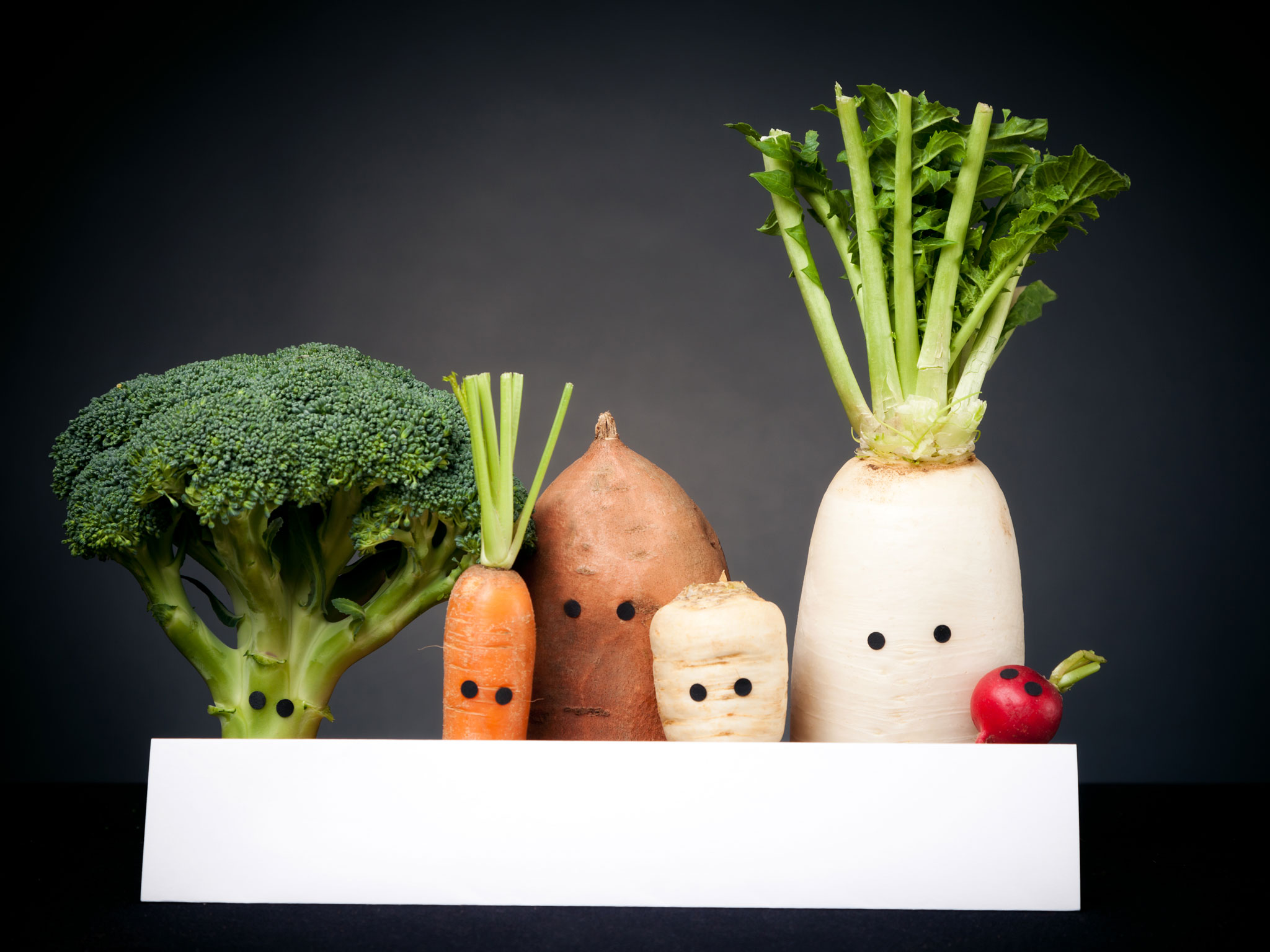
    Fruits and veggies: Do you know experts recommend 4 to 11 bananas per week for optimal happiness. This is because potassium rich bananas are rich in tryptophan and it stimulates the ‘feel good’ hormone, called serotonine. Its not just this fruit but other fruits include blueberries, avocados, pineapple, citrus, beans or dark green vegetables. These are considered good because they contain B vitamins and folate. They give our hormones a boost. These blueberries, avocados are really important because of their antioxidants content, which helps in reducing inflammation and risk of many diseases including cancer. Also, it is well known to eat whole foods to be healthy. So, don’t think twice while having these fruits and veggies.

    Seafood: Fish are a Superfood. Wondering why! Well, because they are full of Omega-3s, which as we know are wonderful for our health. Seafood is generally full in Omega 3s, which is known to reduce inflammation and actually makes a large part of brain and if you consume them more, you are less likely to suffer from depression. Eating oily fatty fish like sardines, tuna will really boost up your mood. So, munch on seafood whenever you like.

    Coconut: The scent of coconut can really de-stress you and blunt your fight or flight response. It is proved by researchers that inhaling a pleasant scent of coconut really enhances alertness alongwith soothing our response to stress. Go, have coconut and smell it and feel the freshness.

    Low fat-dairy products: Dairy foods are excellent source of Vitamin B, D, proteins and minerals including magnesium and zinc and the good part is they contribute to the creation of serotonin in the brain. The cheese you try to avoid because of calorie issues, do you know, is particularly high in amino acids, which generates tryptophan to make serotonin and eventually boost up your mood.

    Saffron: Well, saffron is something loveliest of all and yes, the expensive one too. But I’m sure you won’t know this part that saffron is historically used for depression in Persian traditional medicines and is really effective. It is reported by researchers that women when take pinch of saffron in their menstrual cycles helps in reduction of PMS symptoms by half like depression, mood swings, anxiety etc. Saffron really has antidepressant effect, proven by many studies. Researchers believe that the spice works by same mechanism, helping to make feel good neuro transmitters , serotonin, more available to the brain.

    Legumes and Beans: Eating legumes is like all time recommendation to anyone as they are really healthy. They are like superfood, full of proteins, have no fat and clean your intestines. Legumes such as chickpeas, kidney and bertolli beans helps in maintaining blood sugar levels and which in turn maintains an even temper. Generally, what happens is people eat foods which are readily available and has lot of refined sugars, wheat, cakes, pies and sweets. Legumes, however, slow down the body’s absorption of carbohydrates, also lay off hunger pangs and thus the resultant mood swings that come from not eating right.

    Carbohydrates: You heard it right, I’m talking about carbs. They can make you happy. It holds true that highly refined carbs like cakes, pastas, bread can bring up mood highs and lows, it is still essential to have good carbohydrates in your diet, rather than completely avoiding it. Despite persistent myths, I’m mentioning here that carbs don’t make you fat and can boost up your mood. Researchers have found that carbs promote the production of serotonin levels, so assign yourself this high carb, low-fat dairy, whole grain, beans and fruits. While, following low-carb diet strictly can really affect your mood negatively.

    Basically, food is the perfect solution for a bad day, bad mood. No matter what you have faced the whole day, relishing a good food can uplift your mood in no time. Whatever the challenges are, its easier to cope up when your spirits are high, And it’s hard to be in good mood if you are lacking in some key nutrients or feeling hungry constantly. So, never skip a meal and have food whenever you feel like. Who says healthy is boring. The above listed ones are delicious and most of us love the seafood or chocolate or carbs and the most loved, saffron. Munch as much as you want and enjoy the happiness. Because eating is happy and healthy.
    eat happy

    Healthy Eating. Happy Life.

  • The crowning glory of the Ruby red- Saffron

    The crowning glory of the Ruby red- Saffron

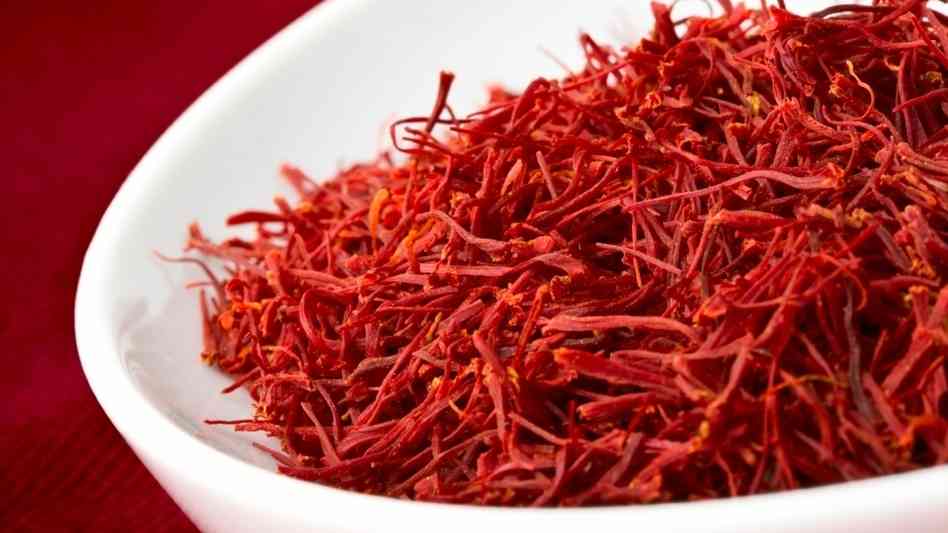
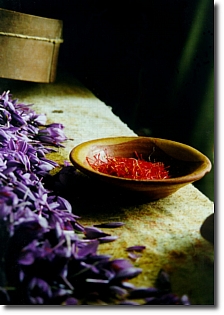
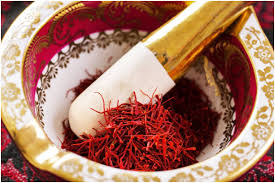
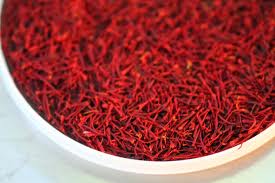
    Call it ‘Saffron’, ‘Zafran’, ‘Kesar’ or ‘Zafferano’, this spice definitely is a prized possession for professional chefs and home cooks alike. The most expensive spice on your kitchen shelf and in the world is also titled as the ‘King of Spices’ or ‘The Golden Spice’. Not everyone knows that Saffron is the stigma along with the style of the flower of Crocus Sativus, commonly known as the rose of saffron. The plant grows up to 30 cm in height and bears about three to four flowers each with three different crimson stigmas. These crowning glories of the rose of saffron are dried and then used as what we know as the strands of Saffron.

    cosecha2

    The crop is native to Southwest Asia and Greece, where it was first cultivated. It was then propagated and cloned in Eurasia and was later brought to parts of North and South America. Iran now accounts for 90 percent of the total world saffron production. Today, this spice is globally used and is an undisputed rock star for all taste buds, irrespective of ethnicity, cultures or regions.

    3855122_orig

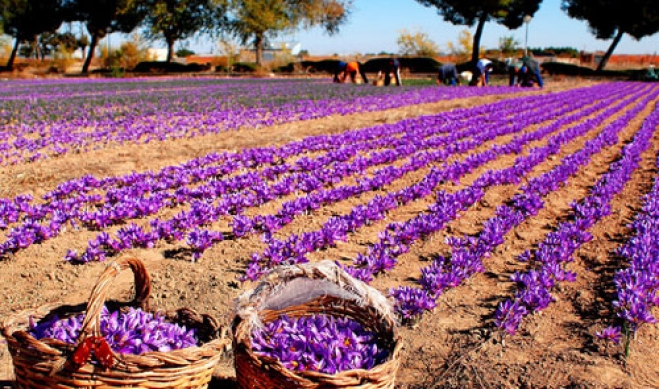
    Evidences claim that saffron is not just of culinary significance. It holds a cultural and economic importance for many civilizations while it is socially significant for many of them too. Most of the modern-day cultivation of saffron is done in India, Iran, Spain and Greece. The balmy Mediterranean and the mountainous Kashmir are responsibly the breeding baskets of the best quality Zafran. Other parts of the planet except Antarctica are minority producers. The cultivation of saffron needs a lot of patience and effort as manually plucking the minute stigmas from each flower is a tedious job. Also, since an overwhelmingly high number of flowers is required to produce a marketable amount of saffron, the costs by weight automatically go up. Besides, the relatively low production and the importance of this spice, make trading it a primary source of wealth for many areas like the hinterlands of Birjand, Ghayen, Ferdows in South Khorasan Province, along with areas abutting Gonabad and Torbat-e Heydarieh in Razavi Khorasan Province, which are the key cropping areas.

    220px-Man_gathering_saffron_Knossos_Crete_crocus_sativus_fresco

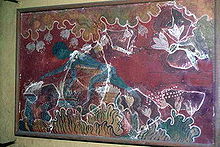
    Some civilizations hold this spice in such high regard that they have literature paintings and legends attached to it. Ancient Greek legends hold accounts of brazen sailors who would embark on tiring long voyages to the land of Cilicia to procure the most valuable crocus crop according to them. The most famous of these legend is that of Crocus and Similax, where in the handsome young Crocus was in pursuit of the beautiful Similax, expressing his idyllic love to Similax who soon outgrew his affection. While he continued his pursuit, she bewitched him and transforms him into Saffron Crocus whose blazing crimson stigmas were symbolic of his undying and unrequited love. Saffron was also honored as a sweet smelling spice three millennia ago in the Hebrew Tanakh (Song of Solomon). Asian legends including those of Kashmir, China and Afghanistan have relics, fables, legends and tokens of tribute dedicated to the Crocus Sativus.

    download (1)

    The uses of saffron in the modern day societies extend from culinary flavoring to medicinal properties and even cosmetics and fabric dyes. Ancient Buddhist legends account the use of saffron soaked in water to yield a gorgeous golden-yellow hue that was appreciated so much so to be made the official colour of the robe and mantle for Buddhist Monks. It has been found that Persian saffron threads have been woven into ancient carpets and funeral shrouds. The brilliant yellow uniform colour that it produces makes it an apt substitute for chemically synthesized dyes. Besides this, it has an interesting sweet grassy aroma that has been used to aromatize wine, food and is even used as an air freshner. It is said that courtesans would use saffron to attract and lure nobles towards themselves. Saffron also has proven medicinal properties that work wonders on a multitude of issues- blood disorders, stomach upsets, eye problems, heart diseases and paralysis to name some of them. The ancient Persians and Egyptians used saffron an aphrodisiac, a general-use antidote against poisoning, a digestive stimulant, and a tonic for dysentery and measles. Medieval Europeans also used this spice as a cure for various respiratory diseases and cold and flu. It was used for its carminative (suppressing cramps and flatulence) and emmenagogic (enhancing pelvic blood flow) properties.

    The cosmetic applications of saffron dates back to the time when the Egyptian queen, Cleopatra used saffron infused in milk or water in her daily bath. This expensive spice contains some volatile but vital essential oils that have therapeutic and beautifying properties for the skin. Rich in carotenoids (anti-oxidants), saffron makes an excellent recipe for good health and brilliant skin. Those who long for a brighter complexion, fairer skin or those suffering from skin problems like acne, can depend on it to find amazing results.

    images (1)

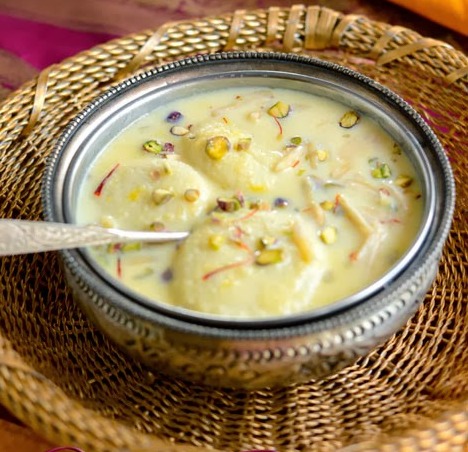
    As we all know, saffron has an impeccable exotic flavor to offer to whatever cuisine it is added to. It finds a significant place in European, North-African and Asian cooking. Be it the Kashmiri dum-biriyani or the Swedish lussekatt (a rich yeast dough bun that is enhanced with saffron, along with cinnamon or nutmeg and currants), Saffron has a delectable delicate flavor that you would not want to miss. Indian desserts are one place this spice finds a significant spot despite its high cost. One such dessert is the favourite-of-all Rasmalai. With discs of cottage-cheese, cooked in sugar syrup that melt in the mouth, the saffron coloured milk sauce is what stands out. Here is a simple recipe of this toothsome sweet-dish.

    rasmalai

    RASMALAI

    For the paneer discs:

    Ingredients-

    1.) Homemade paneer (cottage-cheese) – 110 grams (make paneer from 1 liter of milk)

    2.) Semolina/rava (any rava) – 1 tsp

    3.) Cardamom – 1/4 tsp

    4.) Sugar (for the discs) – 2 tsp

    5.) Water – 2 1/2 cup

    6.) Sugar (for the syrup) -1 cup

    Procedure-

    a.) Knead paneer/ homemade cottage cheese, with rava (semolina), cardamom powder and sugar, into a soft dough and make small equal-sized balls out of the dough.

    b.) Flatten them gently and place them on a maida (flour)-dusted plate.

    c.) Meanwhile, cook the sugar and water on low flame to make a thick syrup.

    d.) When the solution comes to a rolling boil, lower the temperature and gently drop the discs into the syrup. The discs shall swell up and almost double up in size.

    For the saffron-milk sauce:

    Ingredients-

    1.)    Milk – 2 1/2 cups or 1/2 liter

    2.)    Sugar – 1/3 cup

    3.)    Cardamom powder -1/4 tsp

    4.)    Saffron -7-8 strands

    5.)    Pistachios -chopped – 2-3 tbsp

    6.)    Almonds (blanched and thinly sliced/slivered) -3-4 tbsp

    Procedure-

    a.) Boil the milk over low flame till it reduces to half. Keep stirring to prevent it from burning.

    b.) Soak the strands of saffron in about 2 tablespoons of milk and keep it aside.

    c.) Add all the ingredients except the nuts and the saffron and cook the milk mixture till the sugar dissolves.

    d.) Next, add the almonds and pistachios, saving some for the garnish and mix well. Add the saffron solution and stir till the colour spreads uniformly.

    e.) Take it off the flame and let it cool down. Drop the discs into this milk sauce while it is still warm and let it chill in the refrigerator.

    f.) Garnish with almonds and pistachios before serving chilled.

    Hope you like the recipe and enjoy the flavor of the delectable spice that is the hero of this dessert.

    Make sure you store your saffron strands in a dry and cool place. It can be preserved longer this way and can be used for 4-5 years without losing its colour, aroma or flavor.