Day: July 22, 2014

  • Health Benefits of Turmeric and Curcumin

    Health Benefits of Turmeric and Curcumin

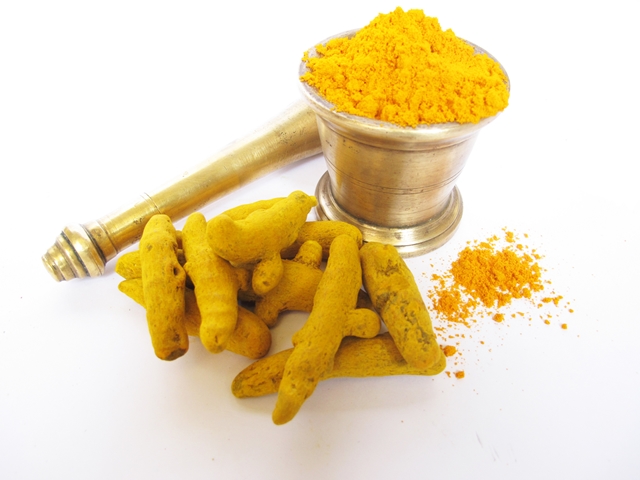
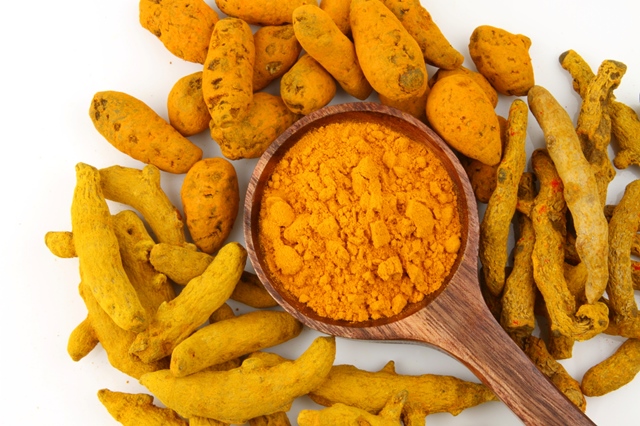
    Right from the ancient times turmeric has been used in our society. A lot of thesis has been written in the Indian mythology about the benefits of Turmeric. Most of the people in our society know turmeric as a spice used in cooking various dishes. Its addition gives the yellow color to the curry. It is not only used as a spice but also as a wonderful medicinal herb. Since turmeric offers lots of health benefits it is considered as one of the best nutritional supplements that we have. Most of the researches made in this regard prove the same. It has several medicinal properties in it which is very much beneficial for the human body. Out of all the compounds present in this herb, the most essential and beneficial is curcuminoids i.e. Curcumin. Curcumin is considered as one of the most active compound which is present in turmeric. Its anti-inflammatory and antioxidant property plays a major role in keeping the body fit and healthy.
    5

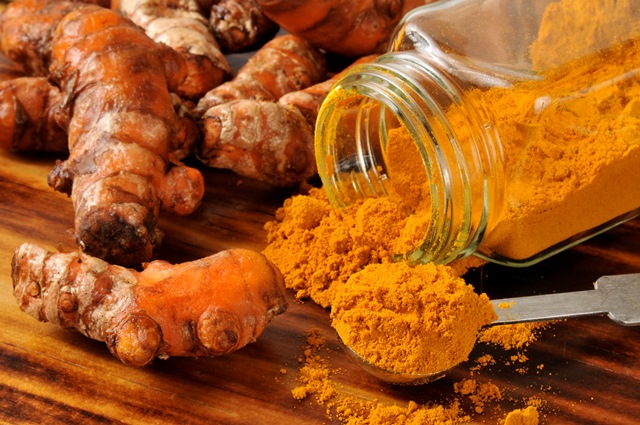
    Usually turmeric has 3 % of Curcumin by weight. So it is also consumed as a supplement. Since the human body does not absorb the Curcumin properly, it is taken along with black pepper. The black pepper contains piperine which increases the absorption of the Curcumin inside the human body by whopping 2000 %. Moreover you can also take it along with the fatty meals as Curcumin is a wonderful fat soluble agent.
    4

    In a healthy body inflammation plays one of the most important roles. It helps the body in fighting the germs and bacteria that could cause serious damage and moreover also helps in repairing the damaged parts of the body. If the process of inflammation does not take place, the pathogens can easily attack our body and harm us. The inflammation process needs serious attention. While the acute or the short term inflammation inside the human body is very much necessary, the long term or the chronic inflammation causes damage to the tissues and so it should be controlled otherwise you can get diagnosed with cancer, various heart diseases, Alzheimer’s condition and metabolic syndrome. Here the use of Curcumin which is found inside turmeric comes handy. Curcumin has anti-inflammatory property which is way better than most of the anti-inflammatory drugs which we have in the market these days. It directly targets the inflammatory pathway at the lowest level by blocking the NF-kB molecules. This NF-kB molecule is the one which travels into the cell and turns on the process of inflammation. Without getting into further deep knowledge about the processes inside the body, let’s just remember that Curcumin is important for the fight against the chronic inflammation.
    3

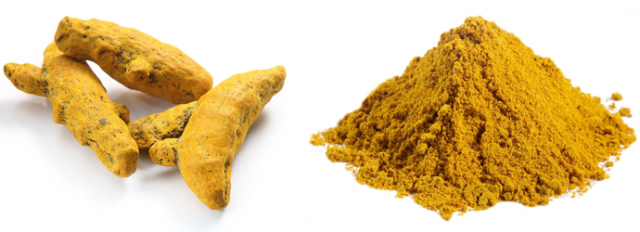
    Oxidative damage is one of the major reasons why people get diagnosed with so many chronic diseases. The process of aging also gets affected. All this processes include unpaired highly reactive molecules and free radicals. This free radical causes most of the damage. It reacts with proteins, fatty acids and DNAs inside the body and forms harmful compounds. Here comes the need of the strong antioxidants. The antioxidant helps in neutralizing the structure of the free radicals. Again turmeric here has strong antioxidant properties and so is Curcumin. They simply increase the antioxidant enzymes inside the human body and protect it from the oxidative damages.
    2

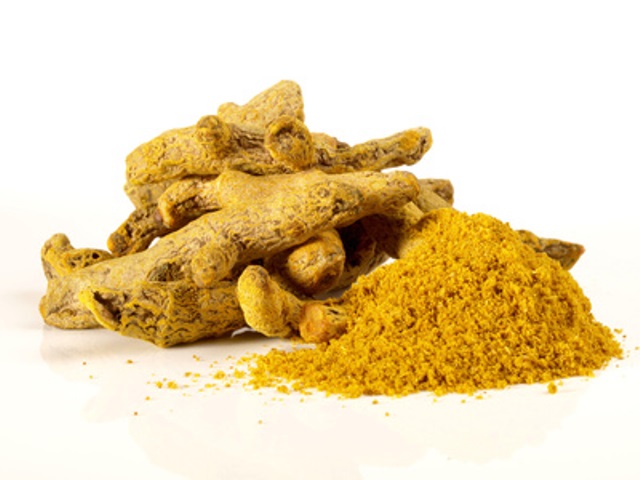
    It has been reported that turmeric can be highly beneficial in treating the cancer disease in which there is uncontrolled growth of the affected cells. Since Curcumin affects the molecular structure of the human body, it is believed that it can be very much useful in controlling the growth and spread of this disease at the lowest level. It reduces the growth of the new blood vessels inside the tumors and also starts the metastasis process. Both of them play a major role in getting rid of the cancerous cell. While it has been tested on the animals, the test on the human beings is still going on. But one thing which is sure is that the colorectal cancer can be prevented with the help of Curcumin.
    1

    Curcumin further boosts the brain-derived neurotropic factor which improves the functioning of the brain. The neurons do develop in the later stages of the life and forms the new connections which are required in proper and smooth functioning of the brain. The presence of the Curcumin inside the human body is very much important to fight against the several degenerative processes which happen inside the brain. If you regularly eat turmeric then you are very much protected against the brain diseases. The Curcumin inside the turmeric makes sure of that. There is a never ending list of the benefits of the Curcumin of the human body. It plays a vital role in reversing the steps which leads you to the chronic heart diseases. Curcumin repairs the lining of the blood vessels which is called as endothelium and helps it in its proper functioning. The risk of the heart attack decreases by 65 % if you regularly eat turmeric in your diet. I guess the above mentioned reasons are enough for anybody to get convinced and start eating this wonderful herb.
  • Delicious cake recipes

    Delicious cake recipes

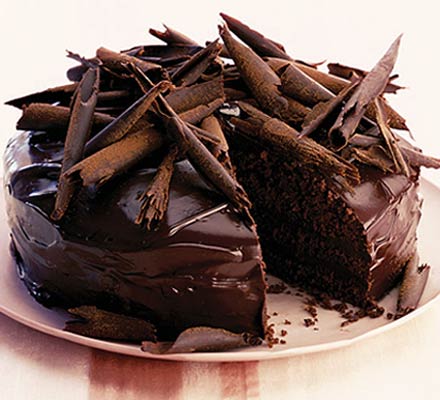
    choco cake

    A party without an amazing and delicious appearing cake will feel incomplete irrespective of whether you are celebrating for a child or an adult. Kids specially await the arrival of the cake and when you have a unique and amazing idea, it adds more and more fun to the entire party. Birthday cakes can be prepared in any shape, flavor or size according to your wish at your home. As it is said “best birthday gift is the cake which is made by your mom, wife or sister”. So here are some recipes for making cakes on your own.

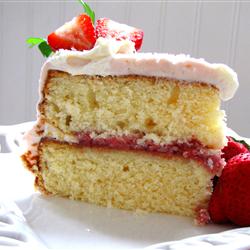
    SIMPLE WHITE CAKE-

    white cake

    Ingredients-

    2 eggs, 2 teaspoon vanilla extract, 3/4 teaspoons baking powder, 1 cup white sugar, 1/2 cup butter, 1/2 cup all-purpose flour, and 1/2 cup milk.

    Recipe- Preheat the oven to 350 degrees F (175 degrees C). Flour and grease a 9×9 inch pan or line a muffin pan with paper liners. In a medium sized bowl, cream together the butter and sugar. Beat in the eggs, one at a time, then stir them in the vanilla. Combine flour and baking powder and then add them to the creamed mixture and mix well. Finally stir in the milk until batter becomes smooth. Pour or spoon batter into the prepared pan. Bake for 30 to 40 minutes in the preheated oven. In order to make cupcakes, bake 20 to 25 minutes. Cake is done when it springs back to the touch.

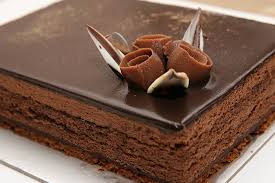
    CHOCOLATE CAKE-

    chocolate cake

    Ingredients-

    2 eggs, 2 tablespoon softened butter, 50gm cocoa powder, 1 teaspoon vanilla essence, 1/2 teaspoon baking powder, 1/4 teaspoon salt, 175gm plain chocolate chips, 200gm caster sugar, 250gm vegetable oil, 125ml buttermilk, 275gm plain flour, 1/2 teaspoon bicarbonate of soda, 250ml boiling water.

    For Chocolate Icing- 125gm softened butter, 50gm cocoa powder, 2 tablespoons milk, 125gm icing sugar, 1 teaspoon vanilla extract, 1 tablespoon strong brewed coffee.


    Recipe- Add the following ingredients in a large mixing bowl one at a time and beat them well after each addition, caster sugar, eggs, 2 tablespoons butter, oil, 50g cocoa, buttermilk and vanilla. Sift the baking powder, flour, bicarbonate of soda and salt, add them to the sugar and egg mixture. Blend well and fold in the boiling water. Place batter in two greased and floured 20cm round cake tins. Divide the chocolate chips in half and sprinkle them over each pan. Bake at 180 degrees C for 25 minutes and then let it cool. To make the icing, begin by beating together 125g butte, 50g cocoa and icing sugar. Now add 1 teaspoon vanilla, milk and coffee. Beat until the mixture becomes very smooth. Add more icing sugar until you obtain the consistency you want. Spread on the cooled cake.

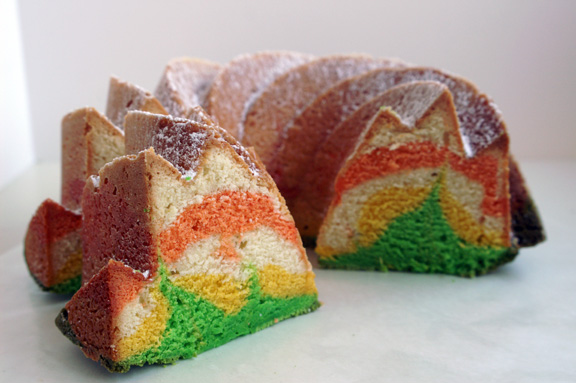
    RAINBOW CITRUS CAKE-

    KONICA MINOLTA DIGITAL CAMERA

    Ingredients-

    3  1/2 cups of all-purpose flour, 1 teaspoon salt, 2  1/4 cups white sugar, 1/2 cup milk, 2 teaspoons grated lemon zest, 2 teaspoons grated lime zest, 2 drops orange food coloring, 5 teaspoons baking, 3/4 cup shortening, 4eggs, 2 teaspoons vanilla extract, 2 teaspoons grated orange zest, 2 drops yellow food coloring, 2 drops green food coloring.


    Recipe- Preheat the oven to 350 degrees F (175 degrees C). Grease and flour three 9-inch pans. Sift together baking powder, flour and salt. Set aside. In a large bowl, cream together the shortening and sugar until they become light and fluffy. Beat in the eggs one at a time, and mix them until each egg is incorporated, stir in the vanilla. Beat in the flour mixture alternately with the milk. Divide batter into 3 bowls. In the first bowl, stir in lemon zest and yellow food coloring, pour into prepared pan. In the second bowl, stir in orange food coloring and orange zest, pour into second prepared pan. In the last bowl, stir in the lime zest and green food coloring, pour into third prepared pan. Bake in the preheated oven until a toothpick inserted into the center of each cake layer comes out clean, about 30 minutes. Let cool in pan for 5 minutes, then turn out onto a wire rack and cool completely. Assemble the cake and stack the layers together with the Lemon Filling in between the layers. Frost sides and top with Orange Cream Frosting. Refrigerate until serving.

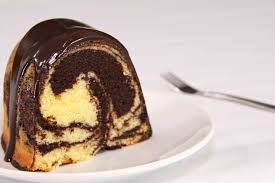
    CHOCOLATE MARBLE CAKE-

    chocolate marble cake

    Ingredients-

    200gm unsalted butter, 100gm caster sugar, 4 large eggs, 1/2 teaspoon baking powder, 100ml milk, 1 teaspoon instant coffee granule, 1 teaspoon cocoa powder, 150gm chunky or smooth peanut butter, 125g light brown sugar, 250g plain flour, 1/4 teaspoon salt, 100g chocolate chips, chopped smaller, 1 heaped tablespoon of Camp coffee essence.

    Recipe- Preheat oven to 180 degrees C. Slightly grease and flour a 25cm /10″ cake tin. Combine peanut butter, butter and both types of sugar in a mixing bowl. Beat them until they become light and creamy, about 3-5 minutes on low. Add eggs one at a time, beating well after each addition. Sift together the baking powder, flour and salt. Gradually fold the sifted flour and milk alternately, into the egg mixture, stir them well after each addition. Divide the mixture into two equal portions. Add chocolate chips to one portion and mix. Blend the essence, coffee granules and cocoa together and mix lightly until the ingredients are well-blended to get a mocha-flavour and add this to the other portion. Put a ladleful of choc-chip batter into the prepared tin, top this with a ladleful of mocha-flavored batter and alternate the two steps until both portions are used up. To get a marble effect, draw a wooden skewer through the batter, and take care not to touch the bottom of the tin. Lightly shake the tin to get rid of any air bubbles.Bake in a preheated oven for 25 mins and then turn the oven temp down to 160 degrees C. Continue cooking for another 25 minutes. To test the cake, touch it lightly with the fingertips. If it is cooked through, the cake should spring back immediately when touched. Cool the cake in the mould for 5 to 10 minutes before turning it out onto a wire rack. Leave it cool before srving.


  • Forget love, I’d rather fall in Chocolate!!!

    Forget love, I’d rather fall in Chocolate!!!

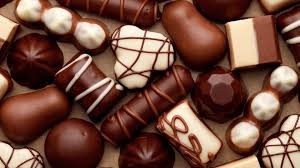
    From children to elderly people, everyone LOVES chocolate. It can be in the form of a bar, syrup, cake, candy, even hot, molten chocolate; the craving is insatiable. I know people who still dream to be able to go to Willy Wonka’s Chocolate Factory one day, just to be able to experience the magic that it takes to transform a single, bitter cocoa bean into a bar of sweet, glossy and silky chocolate.

    12

    Just imagining me with my favorite chocolate instantly uplifts my mood. However, for now let us learn something about the history of chocolate. Earliest usage of chocolates, dates back to 1900 BC in the form of chocolate beverages. Usage of chocolates was prevalent in the Mayan and Aztec civilizations, where chocolate beverages under the name of Xocolatl were popular. Xocolatl literally means bitter water and was named so because t e beverages were drunk without sweetening. In fact, cocoa beans were so important to the Aztecs that it was used as a form of currency.

    In the later 16th century, when Henry Cortes invaded the Aztec empire, he was acquainted with cocoa beans and introduced it to Europe. The Spanish added sweeteners to it to counter its bitter taste and soon chocolate started gaining popularity amongst the European nobility.

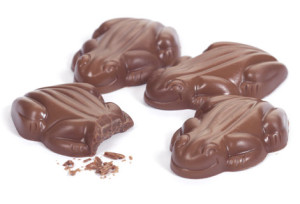
    frog

    There are various types of chocolates, some of which are mentioned below:

    • White chocolate:  White chocolate does not contain any cocoa beans but contains milk solids, sugar and cocoa butter. For this reason, it does not contain theobromine and is safe to be consumed by animals.
    • Milk chocolate:  Milk chocolate is sweet chocolate that contains milk in the form of powder or condensed milk. Throughout Europe the minimum amount of cocoa solids present in this chocolate must be 25%, with the exception of UK and Ireland where it is 20%.
    • Dark Chocolate:  Dark chocolate has added fat and sugar to the cocoa mixture and has a distinct bittersweet taste to it. European standards specify that the chocolate must contain at least 35% cocoa solids.
    • Bittersweet chocolate: Sugar (typically a third of the total quantity) has been added along with cocoa butter, vanilla and sometimes lecithin to chocolate liqueur.
    • Semi-sweet chocolate: It is another variation, which is dark chocolate with low sugar content.
    • Unsweetened chocolate: Also known as baking chocolate it is mainly chocolate liquor without any sweetening agent. It imparts a deep, rich, strong flavour when added to food stuff
    • Raw chocolate: Raw chocolate is dark, has a minimum of 75% cocoa, and is a more nutritive than any other form of chocolate.

    All of us have a sweet memory of digging into a bar of chocolate that our fathers might bring when they came home from work. The brands were numerous, the products countless. From Kit-Kat to Perk, from Dairy Milk to the little Chocolate Éclairs, everyone has a favourite kind of chocolate.


    The list of the most famous chocolate producers from around the world includes Cadbury, a name known to and loved by every kid. The most famous chocolates given to us by Cadbury include Dairy Milk, Crème Egg, Bourneville, Perk… the list goes on. This British company is also the largest manufacturer of chocolate in the world. We also have names like Guylian, which makes its famous chocolate Sea Shells and Lindt, known for its Chocolate Truffle and Chocolate Easter Bunnies, not to forget its sophisticated packaging.

    4


    Then we have our very own The Hershey Company, the largest chocolate manufacturer in North America.  The most loved products include Hershey’s Bar and Hershey’s Kisses. The milk chocolates produced by this giant chocolate manufacturer often have nuts such as almonds and raisins, which add to their unique taste. Mars Incorporated is a large privately owned chocolate manufacturer and produces M&M’s, Mars Bars, Milky Way, Twix and Snickers, all of which featured in our childhood fantasies. Nestle has a special place here as it owns Rowntree’s and thus markets Kit-Kat and Smarties. However, it has made its own place in the Indian market by bringing out products like Munch, Milky Bar, Bar-One and Classic.


    Talking about Indian Market, India has now become the fastest growing market for adult consumption of chocolates and candies. The chocolate market in India is estimated at around Rs.3000 crore. The surprise factor here is that the organised confectionery market is around Rs 2,000 crore. The overall chocolate market is growing 15% a year, while the growth in modern retail is almost double of that.

    This has caught the attention of many well-known chocolate brands like ITC, Mondelez, Mars, Nestle, Perfetti Van Melle and Parle, with the result that they are launching many new products designed keeping in mind not only children but also adults. We now have sugar-free chocolate for the calorie conscious, lollipop that help people combat depression, chocolates known to boost immunity, and so on.

    Chocolates also have health benefits, as opposed to the popular notion that they just adversely affect our bodies. Consumption of chocolate not only positively affects our circulatory system but also helps in maintaining blood pressure and reduces the risk of cardiovascular problems. It can help lower BMI and cholesterol in adults and produce anti-oxidants in our body. Eating dark chocolate can instantly uplift your mood and relieve you of stress.

    So what are you waiting for, go ahead and buy your favourite chocolate. Unwrap it and revel in the joy that it brings to you. After all, you deserve it. 🙂

  • India wedding  food

    India wedding food

    A wedding is a ceremony or gathering of people where all the relatives, neighbors are united.As there are many cultures and traditions in India, there are different styles in wedding.Depending on the countries and religions it varies.Most of the couples and their respective families exchange gifts, rings, symbolic item, flowers, money,cars , bikes, flats and many more in a wedding.Special and new garments are worn by everyone who attended the marriage.Just after the day of marriage there will be a special function.Depending on the region, religion and status the cultural events in the wedding varies.But music, poetry, prayers, dance programs and few more are also commonly seen in many of the marriages.

    wedding in India
    wedding in India

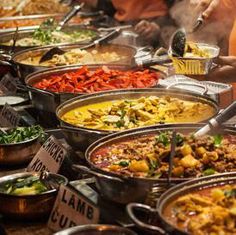
    Food is considered as a very special and integrated part of any occasion in India.In any persons life marriage is a special occasion and one will remember it in his/her lifetime.Along with the grand decorations and arrangements made, the food menu in a wedding will be very grand with lots of specials and the food is simply delicious.Many of the people from the family side, neighbors everyone will talk about the grand feast even after the marriage is completed.The type of food and dishes provided depends on the couples, religion, tradition, state and many other factors.However, the basics items remain same in any part of the country, but the additional items may vary.Now we can see more varieties of food items in weddings around India.

    Indian wedding food:

    North:

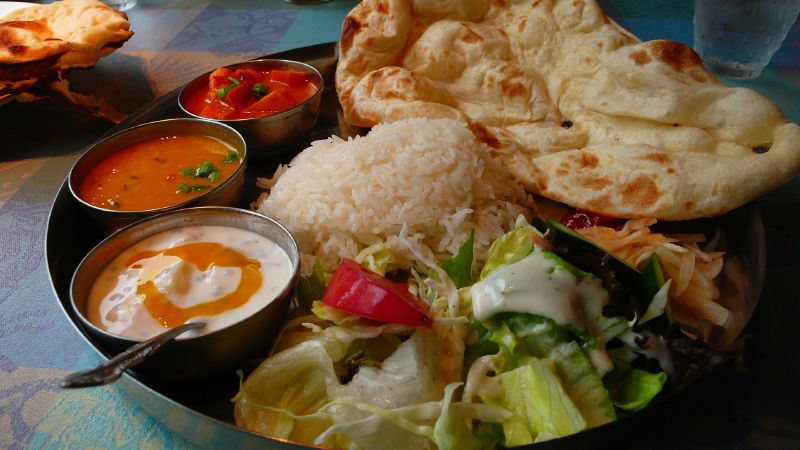
    In the north Indian weddings we can find lot of lavish food varieties.The guests are given most priority and are welcomed with most interest.As soon as the guests enter the wedding they are served with finger foods and snacks.After that they are also served with drinks like soft drinks, coffee, soups, juices, mocktails, etc.In some weddings, mostly Punjabi weddings liquor is also served.This goes on till the pheras, after which the wedding is complete.After the completion of this, main dishes are served.Later delicious deserts and fruit salads are offered.The most usual things that we can find almost every marriage we appear is the Dal Makhani, Shahi Paneer, Pulao, Mixed Veg and Chicken.Apart from these the main feast includes some of the other north Indian varieties as well.

    Wedding food in North India
    Wedding food in North India

    West:

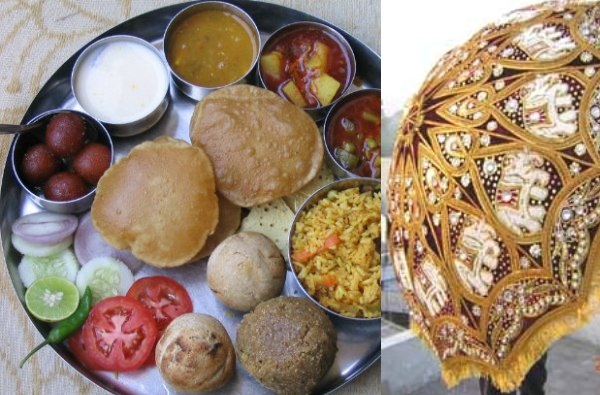
    While coming to the wedding in west.In a traditional Maharashtrian wedding, the food is served on freshly washed banana leaves.The guests at the dining place will be seated on chatais or wooden planks while eating.In their wedding meal no onion or garlic is used in cooking.The dishes in Maharashtrain wedding are completely vegetarian.Apart from the meals different varieties of desserts like basundi, jalebi and few more are served.The main dish is finally ended by taking butter milk and paan.Whereas in Gujarati wedding snacks and drinks are followed by the main meal.The main meal consists of Rotli, daal, rice and sabzi, apart from other dishes.The dessert is served in the end.

    West Indian food in marriages and occasions
    West Indian food in marriages and occasions

    East:

    The main feast of the Bengali wedding consists of snack, finger foods and drinks.The veg dishes consists of Poto Posto, Begun, Bhaja and the non vegetarian dishes consists of Muri Ghonto and few more.As most of the eastern states consume large amounts of fishes in fish is a part of their main meal.The Bengali dishes consists of Macher Kaalia and it contains sweets like Roshogulla and Mishti Doi.If we consider Bihari wedding feast, it contains lots of sweets, in snacks as well as main course.After that both vegetarian as well as non vegetarian dishes are served along with rice.In Bihari wedding rice is the main highlight.There wont be any alcoholic drinks in the Bihari wedding.

    East India wedding food
    East India wedding food

    South:

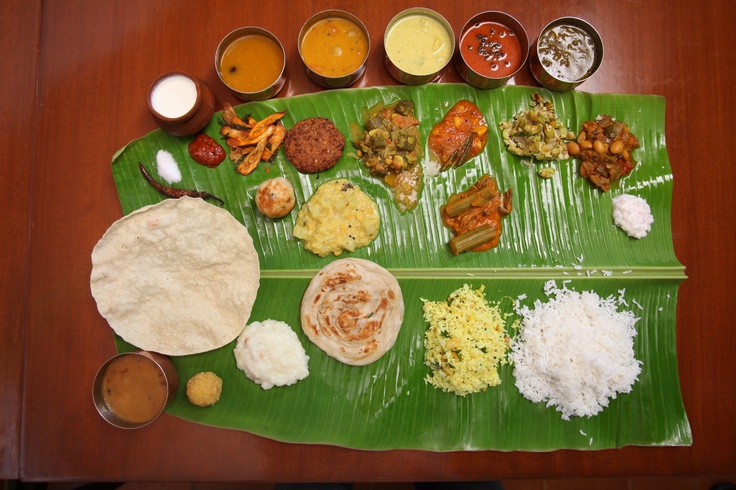
    In most of the south Indian marriages the wedding ceremony is conducted early in the morning.In this region also the guests are served finger foods, along with the drinks, like nimboo pani, fresh juice, coffee, etc.After the marriage is completed i.e., when the bride and groom are declared husband and wife, the main food is served.Like in Maharashtrian wedding,the food in south India is served on banana leaves, with the guests sitting on the floor.After the completion of the main meal dessert and fruit salad are served.After their meal is completed they wish the newly married couple once again, bless them and take their leave.

    South Indian wedding food
    South Indian wedding food

    North East:

    The wedding feast in the Northeastern side includes large amount of non vegetarian dishes along with the finger foods, snacks.In the non vegetarian varieties we can find at least one fish variety especially in case of weddings in Tripura and Assam.Apart from that, you will be offered to a few vegetarian dishes also.In vegetarian food one of the variety will be containing bamboo shoots.The dishes that are made up of rice are highlight of the feast.In most of the marriages that are held in India rice is a common dish.After the main meal is completed the people at the wedding are served with different varieties of desserts.After that drinks are served which might include noodle soup and also usual juices and soft drinks.

    North East wedding food
    North East wedding food
  • The Wonder Ingredient that is Jaggery!

    The Wonder Ingredient that is Jaggery!

    With just a few days left for my college to reopen and consequently me having to leave home for hostel, I am being treated to a multitude of Bengali cuisines. And since, we hail from the City of Joy, happiness comes to us in the form of food and more than that desserts and sweets. So, my mom made this, what I call her best work till date, ‘Patishapta’ or Indian crepes with a coconut and jaggery stuffing. This brings me to the note that jaggery forms one of the most inevitable ingredient of most Indian desserts.

    images

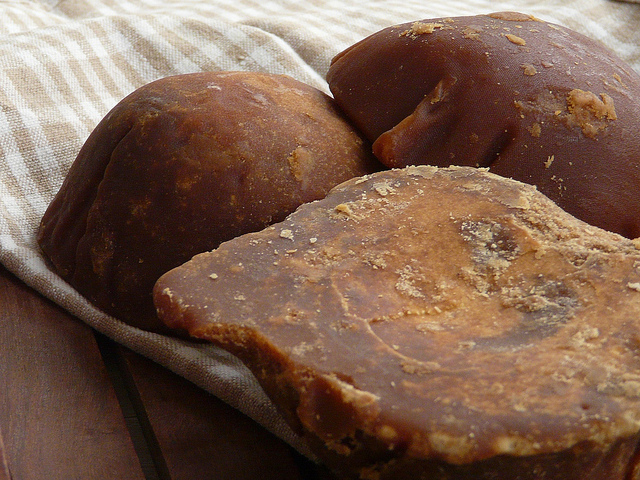
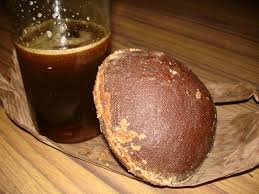
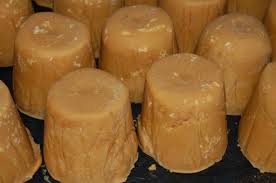
    Jaggery, or ‘gud’ as most of us would know it as in India, is a traditional unrefined form of sugar. This un-centrifuged derivative of sugar is a concentrated product of date, cane syrup or palm sap without separation of molasses and crystals. The color varies from a golden brown to a dark brown hue. Jaggery is used widely in Asian and African cuisine, sweet as well as savoury! The taste of this ingredient will remind of you of the ashy flavor of cooked sugar while the mild sweetness of the melting rocks of this product will make you fall in love with it immediately. Gud is available in the markets in the form of blocks or in a liquefied form, packed in jars.

    download

    Jaggery is produced extensively in all sugarcane growing areas. West Bengal, South India, Bangladesh, Sri Lanka and Pakistan use coconut palm to produce the best quality jaggery. Maharashtra is the largest producer and consumer of jaggery (called gul here). The Kolhapur district here in the Maratha-land is a paradise for jaggery-fans, owing to the quality of jaggery found here. Muzzafarnagar in Uttar Pradesh has the largest jaggery market in the world, followed by Anakapali in Andhra Pradesh. Mandya in Karnataka is also known for its’ jaggery production.

    images (2)images (1)

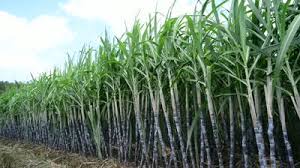
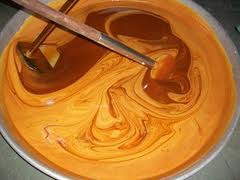
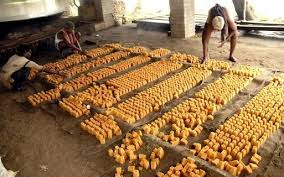
    Jaggery is made of products of sugarcane and the palm tree. The sugar made from the date palm sap is highly prized and is claimed to make the most flavorful and best quality gud, often called as ‘nolen gud’ or ‘patali gud’ in Bengali. Preparation of jaggery is a long process, right from the cultivation of the sugarcane crop to the final product packaging. The cut and cleaned sugarcane is put into power driven crushers and the juice is extracted in large containers. Some quantity of the juice is transferred to a smaller vessel for heating it over a furnace. Some lime is added to the juice while boiling it, so that the wood particles of the crushed sugarcane collect on the top in a froth. The froth is skimmed off time to time during this entire process. After over an hour of heating, the juice thickens and is reduced to approximately a third of its initial volume. The hot syrup thus formed is golden brown is color. The thickened syrup is then poured into shallow flat-bottomed concrete tanks to cool down and solidify. The tanks are large enough to let the hot liquid spread out in a very thin layer over a large area to facilitate quick cooling. After cooling down, the jaggery turns into a soft solid that can be molded into desirable shapes and packaged to be sent into the market.

    download (1)

    The chemical composition of jaggery indicates that it is comprised of 50% sucrose, around 20%  invert sugars and up to 20% moisture with the remainder containing wood ash, proteins and bagasse fibers. The quality of jaggery is determined by the color and texture. A good quality pure jaggery will be golden brown in color and will be relatively softer to cut through. A deeper brown indicates presence of impurities. So make sure you get those golden yellow blocks of jaggery that would melt in the mouth, next time you plan to buy some.

    download (2)

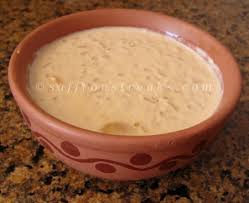
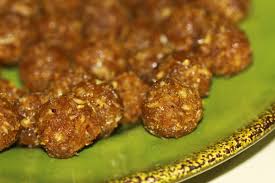
    Jaggery is widely used in many South Asian delicacies. Bengalis use it in their desserts and world-famous sweets, be it the humble ‘roshogolla’, ‘payesh’ (rice pudding) or ‘naadu’ (coconut or til laddus), we like to have that delectable flavor of ‘gud’ in all of these. Similar preparation of sweets have been practiced in the neighboring states like Assam. In some villages of Assam, people drink salty reed tea with a cube of jaggery, more popularly known as cheleka-chah (licking tea) in the local language. In Odissa, cakes or ‘pithas’ contain jaggery.

    download (3)

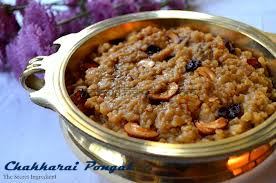
    South-India is a fan of this delicious ingredient too.  Tamil Nadu’s biggest festival Pongal offers a plethora of sweets and interesting dishes to taste. A dish called ‘chakkarai pongal’ uses jaggery as one of the main ingredients. Payasam (sweetened milk) and fruit salads are some other dishes where jaggery is used as a sweetener. In many rural areas across South India, palm jaggery is still used to sweeten beverages. It is sometimes added to sambhar or rasam to add mild sweetness. In Andhra Pradesh, it is used to make ‘Arisalu’, an authentic dish of the state during Sankranthi. Gujarati cuisine uses this ingredient to add sweetness to balance the spice and salty flavor of lentil soups (dal). Puran Poli is a famous Maharashtrian dish made with ‘gul’. Burmese and Sri Lankan dishes also use jaggery extensively as a flavoring agent and sweetener. Jaggery is combined with nuts, peanuts, spices to make toffees or even alcoholic beverages like palm wine.

    download (4)

    Jaggery is not just a mere food-ingredient for most Indian cultures. It is also used as a home-remedy for various ailments. It is used to stir body-heat and stimulate sweating so as to cool down the body. It is also said to aid digestion and is thus consumed in a small amount after meals by many. It also minimizes asthma, joint pains and purifies the blood thus keeping skin problems at bay. It is a great energy booster and can be a healthy source of energy in the middle of a busy day! It even has its own share of religious significance. Jaggery is considered auspicious and is eaten raw in many parts of India, before the beginning of an important work. The ‘kuchh meetha ho Jae’ notion in India is often celebrated using jaggery in many parts of India. It is also offered to deities in various festivals.

    Before I leave, I would definitely like to share the simple yet interesting recipe of the mouthwatering Patishaptas that I had.

    kheerer_patishapta

    PATISHAPTAS

    Ingredients:

    For the crepe-batter:-

    1 cup refined flour (maida)

    1/2 cup semolina (sooji)

    1/4 cup rice flour

    1.5 to 2 cups milk

    Oil, to cook the patishapta

    For the filling:-

    3 cups grated coconut

    2 Tbsp.  Date-palm jaggery

    3-4 green cardamoms

    8-9 pistachios for garnishing.

    Procedure:

    For the filling:-

    1.)    In a wok, mix the grated coconuts with jaggery and place it over low flame.

    TIP: you could also use ‘khoya’ instead of grated coconuts. While making the stuffing using khoya, remember to add milk while cooking it with jaggery.

    2.)    Add cardamom to the mixture and keep stirring till it becomes sticky.

    3.)    Keep the stuffing aside for around 20 minutes, to let it cool.

    For the crepes:-

    1.) Put the semolina in a large bowl. Sift the maida and the rice flour into it.

    TIP: you could add a small amount of sugar as per your taste if you wish to.

    2.) Add milk part by part and mix carefully making sure, no lumps are formed. Keep the batter aside for around 30 minutes.

    3.) Heat some oil in a non-stick pan and pour a thin layer of the uniform mixture on it and spread it carefully before it sets.

    4.) Put the prepared filling at the centre of this crepe lengthwise. Roll the crepe and let it cook till it turns light brown in colour.

    5.) Garnish with the crushed pistachios. Serve it hot or cold.

    TIP: You could serve these with a drizzle of condensed milk over it, especially if you did not add any sugar in the crepe-batter.

    Try this simple recipe and you’ll surely have some lip-smacking ‘patishaptas’ to eat and offer to the guests too.