
Author: georgie rajan

  • Tulsi

    Tulsi

    Tulsi-Plant-620x620

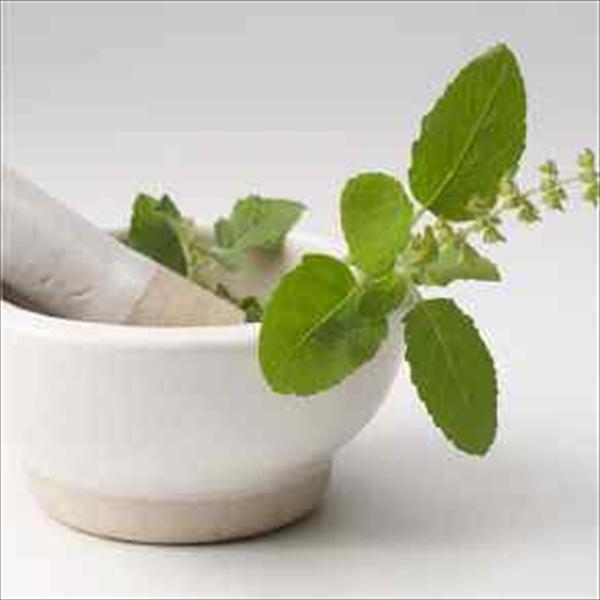
    Holy basil or Tulsi is an herb which is well known for its medicinal properties. An important ingredient in Ayurveda medicines, it has played a great role in the health system of India. Tulsi, a perennial shrub, belongs to the mint family called Labiates and is believed to have originated here in India. It can be grown from the seed or from the tip or root cuttings.
    09a455e0-fa9c-47be-a8f3-b93d8783eb63

    The Tulsi plants have a very important position in the Hindu culture. The plant is considered the most scared and holy of all other plants as it’s believed that it is the middle point between heaven and earth. The entire plant from shoot to root has been in connotation with various god and goddesses in the Hindu mythology. It’s believed that god Brahma lives in its branches and all pilgrimage centers are considered to be in the roots. The stems are leaves have the deities with the Vedas found in the upper branches of the plant. Therefore tulsi is considered as the central sectarian symbol of Hinduism. The plant is grown in every Hindu household especially in the houses of Brahmins. The structure where they are grown is called vrindavan which is a brick structure placed in the middle or front of the house. The daily worship of the plant is considered both holy and important and is mostly done by the females of the household. Though worship is not compulsory all through the week but Tuesdays and Fridays are important days of worship. The ritual of worship is also done in a particular style which involves watering of the plant followed by cleaning its surrounding with water and cow dung. Finally we have the offerings made in the form of flowers, fruits and incense and Ganga water. All this is done while chanting mantras simultaneously. In many houses we find pictures of gods and goddesses made near the foot of the structure. One of the beliefs is that a person can receive moksha or salvation just by watering and taking care the plant, even if he does not worship it. Hindu prayer beads are made out of tulsi steams and roots which are then used as a rosary. In many religious sites, garlands made of tulsi leaves along with food items with tulsi are given out as offerings to the gods. Even Shiva, is some areas is worshiped with tulsi leaves although it’s believed by most that bael leaves are offered to Lord Shiva. The Linga, an important symbol in Hinduism, is considered to have been originated from the black soil from the roots of the plant. Various communities use tulsi leave to protect themselves and their community from the attacks of evil spirits. The starting of the marriage season in India is also related to tulsi. A ceremony known as tulsi vivah which represents the wedding of tulsi with Vishnu as per the Hindu traditional method of marriage marks the end of the monsoon season which is not considered auspicious and the start of the marriage season.
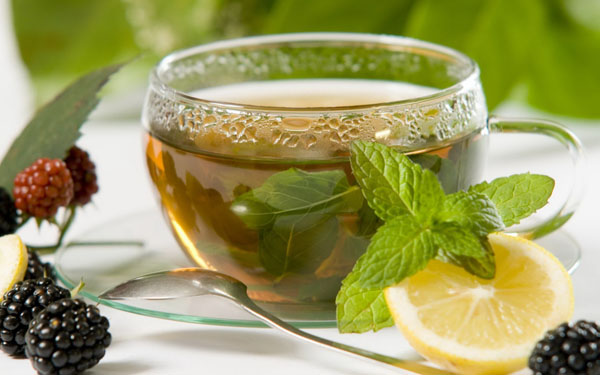
    las-infusiones-mas-curativas

    Coming out of culture and tradition, there are other benefits that the plant offers. Tulsi is famous for its medicinal properties and is therefore used to cure different ailments. The leaves help in improving our memory and also help in strengthen our stomach. During the rainy seasons, we have high level of diseases like dengue, malaria and common cold. During such times it’s recommended to consume tulsi tea or juice which improves immunity and helps fight the disease. In case of cough and cold mixing tulsi leaves and powdered cardamom in water or milk or honey can be helpful in bringing down the temperature. Tulsi leaves with honey can help in giving relief for sore throat. There are many people around us suffering from kidney stones and various heart disorders, the main reason being the modern lifestyle with fast foods and low exercises. Doctors claim that the consumption of these leaves help in reduction of cholesterol levels and the juice taken with honey can help in curing the problem of stones. The herb is also beneficial in the treatment of respiratory disorders when taken after boiling in water with salt. Tulsi leaves are often called ‘adaptogen’ or anti-stress agent which is why many people believe in taking the leaves early in the morning. Many people have problems with bad breath; chewing tulsi leaves ensure a healthy and ulcer free mouth. Apart from this, chewing on tulsi leaves also promises excellent dental health by preventing detrimental effects on the gum and enamel quality. The leaves are beneficial in treating all kinds of skin diseases, insect bites and rashes when applied locally. It cools the skin and gives respite from redness and burning sensations. Further, the miracle leaves also help by providing an effective remedy for sore eyes and night blindness. Headaches, in some cases might be caused due to weakening of eyes; in such cases, a paste made of tulsi leaves and sandalwood when applied to the temples is known to provide much relief.
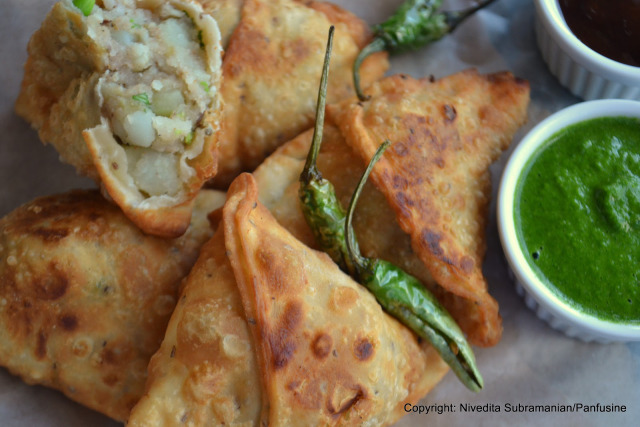
    chutney with samosa

    Although we can grow tulsi at home but still if we visit the market, the key to select best quality leaves is to choose leaves which are vibrant and deep green colored with no dark spots and is mostly advised to explore the local spice stores for purchasing purposes as the product found there is natural with no adulteration.
  • Popeye’s Secret to Strength

    Popeye’s Secret to Strength

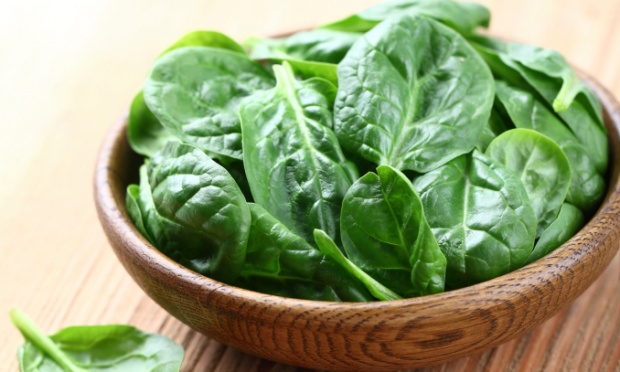
    Spinach is a flowering plant which comes from the family of Amaranthaceace. Mostly found in central and southwest Asia, it’s a plant which can survive throughout the year. The leaves come in various shapes and sizes with leaves of a bigger size found in the base and small leaves found in the higher stems. There are basically three types of spinach which we use. Savoy is a dark green, curly leaf, found in bunches in our local markets. A hybrid variety of savoy is the semi-savoy. The leaves of this variety are curled as well and are grown for both fresh as well as processed industries. Other varieties include the flat and smooth spinach which has broader leaves than savoy. It is grown sold as processed and canned foods, cold soups, baby foods etc.

    saude-curiosidades-espinafre-68341

    Spinach finds its origin in Persia and the neighboring counties. In India it was introduced by Arab traders who had travelled here for other spices. The spinach was a popular vegetable among the Arabs and so they introduced them in all the regions they travelled. By the 12th century, this vegetable had reached Spain which then found its way to France and England by the 14th century. The reason why people became so found of this vegetable is that it grew during the time of spring when vegetables were scarce and Lenten dietary was discouraged. Spinach became an important ingredient in the dishes served to the royals and during wars soldiers were given wine and spinach juice when they suffered from hemorrhage.

    Screen-Shot-2012-12-12-at-9.42.19-PMThe-Benefits-of-Spinach

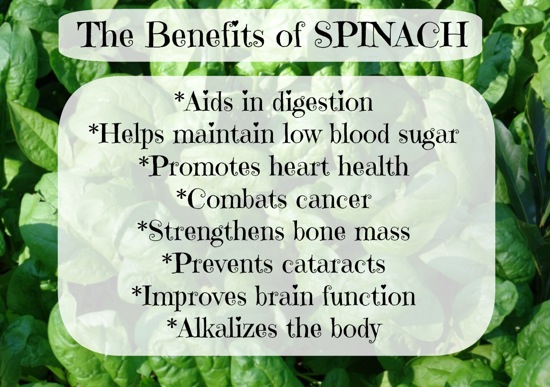
    The fresh green spinach leaves is storehouse of vital minerals and vitamins. Vitamin C which is very essential for proper body functioning is largely found in the leaves that are dark green and vibrant. Vitamin K1 , which is also found in the leaves helps in maintenance of bone health. When we consume spinach, the friendly bacteria found in our intestines convert vitamin K1  present in the leaves to vitamin K2  which then produces osteoclasts which is a non collagen protein found in the bone. These acts like anchors and holds on to the calcium molecules in the bones making it stronger. Sunlight is mainly used by leaves during photosynthesis to form the green material or chlorophyll which is something which we studied in school. However what happens further is that this forms the major portion of the molecules called glycoclycerolipids which are rich in health supportive nutrients. According to certain studies, Spinach like other green vegetables like broccoli and cabbage has anti-cancer qualities. They also help to protect and maintain the digestive track, arrest inflammation and strongly prevent the occurrence of prostate cancer. The spinach leaves also contain an abundant supply of some very unique qualities of anti cancer carotenoids called epoxyxanthophylls. It has very powerful anti-oxidant protective qualities and is highly concentrated in beta carotin, luteinzeaxanthen and flavonoids, the main phytonutrient which helps in promoting health. The spinach therefore undoubtedly tops the list of the most nutrient rich healthiest vegetable in the world and having said that it is therefore important to make this an important part of your diet. According to nutritionist, it will be beneficial if we consume spinach 1-2 times per week.

    spinach

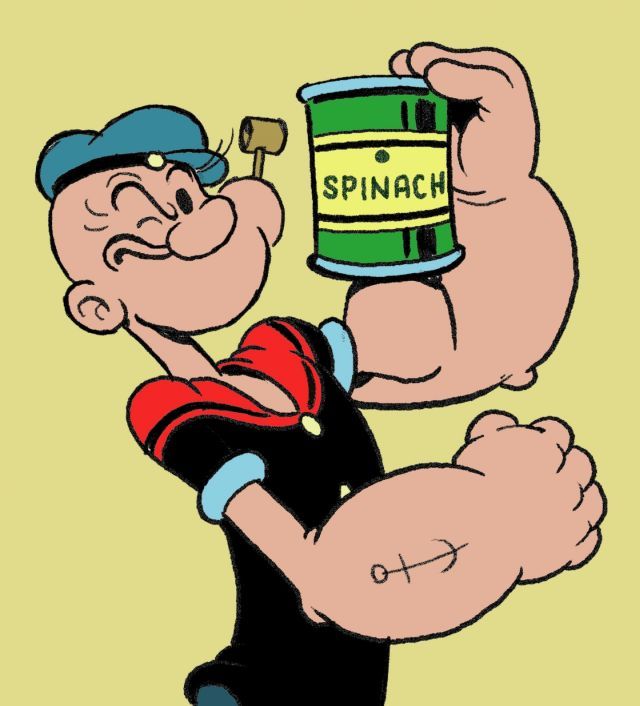
    We would all be familiar with the popular cartoon Popeye the sailor man. The story line of the cartoon was very simple where we have a sailor who works in the docks and is mostly mocked and disturbed by a fellow sailor Brutus who is jealous of him and always finds ways to hurt him or degrade him so that olive chooses Brutus over Popeye as he looks more strong and healthy. The plot is set in such a way that Popeye falls in the trap set by Brutus and by the time pope tries to get out, he kidnaps Olive. Popeye tries his best to rescue himself and Olive but when his out of power and becomes sick and weak fighting the traps laid down for him. When no other way seems useful he takes out a can containing fresh spinach leaves and starts munching and eats them whole. Popeye always carries a can with him and its contents are shown as some kind of power boosters.  As the spinach enters his body he is all power up and his energy reaches the highest possible level and now with all the power back again he fights  Brutus and safes his dear ones. The use of spinach in this cartoon made it famous throughout the world such that it became an important ingredient in the kitchen of every household. Children who earlier did not like spinach started eating them thinking they would became as strong as Popeye and fight their enemies.

    The reason why the cartoonist used spinach in his cartoon was based on a popular belief in those days that spinach had a high quantity of iron and so the cartoonist wanted to show that iron makes the body strong due to which he used spinach in his cartoon. However later it was found that this notion was a mistake done by German scientist Emil von Wolff who due to some miscalculations gave a value for iron which was ten times more than the original content value. This faulty measurement was finally found out and corrected in 1930. However the bottomline fact that spinach made you stronger was always correct.

    Strawberry-and-Avocado-Spinach-Salad1

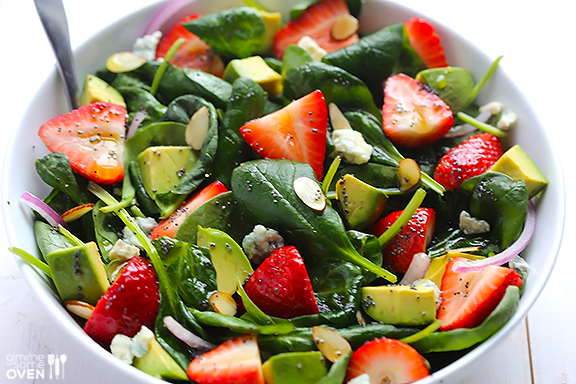
    Today we see that the popularity of spinach has grown so much more than it was before and also find so many ways in which spinach is being used both in salads as well as mouth watering dishes.

  • Therapeutic Modification of the Normal Diet – Their Uses in Dietary Treatment

    Therapeutic Modification of the Normal Diet – Their Uses in Dietary Treatment

    1. INTRODUCTION

    A therapeutic diet is a meal plan that controls the intake of certain foods. It’s a practice followed in many hospitals as part of the treatment of a medical condition and are normally prescribed by a physician and planned by a dietician. A therapeutic diet is usually a modification of a regular diet. Diets are modified for consistency, nutrition and new methods of making regular dishes.

     The normal diet may be modified:

    • to provide a change in the constituents of the diet.
    • to maintain, restore or correct nutritional status
    • to include all nutrients in the diet
    • to increase or decrease the energy value of the diet
    • to provide foods bland in flavour.
    • to modify the intervals of feeding.

     1.1 MODIFICATION IN CONSISTENCY

    These diets are used in the treatment of gastro intestinal tract. These diets can range from a very low residue diet to a very high fibre diet. Method of feeding is oral.

     a. DIETS WITHOUT SOLIDS

     (i) Liquid Diets

    3

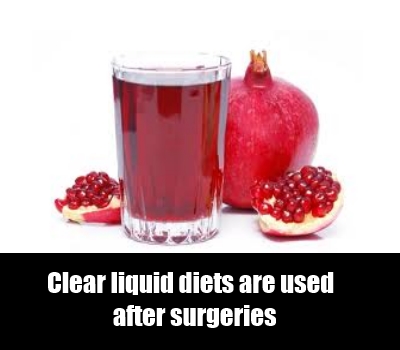
    Liquid diets consist of foods that are liquid at room temperature and are used in:

    • Febrile states (acute fever)
    • Post operative conditions

    b. DIETS WITH SOLIDS

     (i) Soft and Low Fibre Diets

    2

    Soft diet is between liquid diet and normal diet. Soft diet includes both liquid and solid foods which contain restricted amount of indigestible carbohydrates and no tough connective tissue. The diet can be made soft by cooking, mashing, pureeing the foods used in a diet under normal conditions. One could also use of refined breads, cereals, vegetables and fruits. This diet is soft in texture and bland to taste.

     (ii) Low Residue Diets

    4

    The diet is made up of foods which can be completely absorbed, leaving little or no residue for faeces formation. This diet is low in its mineral and vitamin content. Such diets need to be supplemented and foods high in fibre should be omitted. Two cups of milk may be permitted on a daily basis. Fruits and vegetables without skins are allowed. Meat should be tender or ground to reduce connective tissue. The diet is usually used in severe diarrhoea, acute diverticulitis, post operations etc.
     (iii) High Fibre Diets

    6

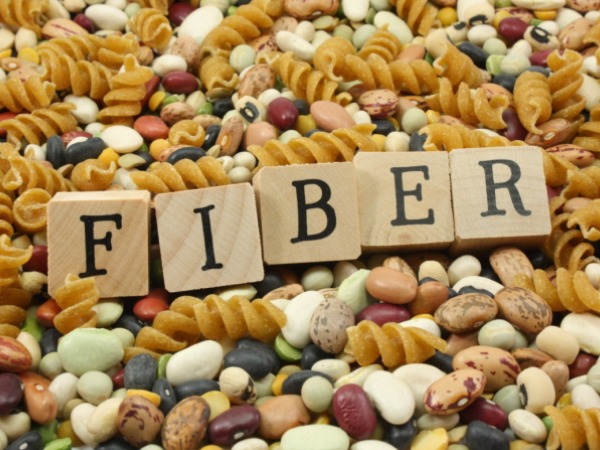
    Dietary fibre plays a significant role in colonic function. A high-fiber diet includes foods that have a high fiber content. Fiber is essentially the outer crust of fruits, vegetables, and grains that is not broken down by the body. It helps in excretion of body wastes. Its also well known that fiber regulates the cholesterol levels. Oats, beans, peas, and certain fruits and vegetables (oranges, pears, brussels sprouts, and carrots) are rich sources of fiber. Recommended in case of constipation, or high cholesterol. This is a normal diet with fibre increased to 15–20 gms daily.
     1.2 MODIFICATION IN NUTRIENTS

    Modification or change in the nutrient composition of the diet to increase or decrease the availability of nutrients to suit the body requirements / limitations of a person.

     a. High Calorie Diets

    7

    This is a normal diet with an increase in the calorie level to 3000 or more. If appetite is poor, small servings of highly reinforced foods are given. The diet may be modified in consistency and flavour, according to specific needs. Excessive amounts of foods that have a low calorific value and fried foods which disturb the appetite should be avoided. These diets are prescribed for

    • Weight loss
    • Fever
    • Hyperthyroidism
    • Burns

    b. Low Calorie Diet

    8

    These diets controls calories, carbohydrates, proteins and fat intake in balanced amount to meet the nutritional needs and control blood sugar and weight. This is a normal diet with energy values reduced to 1500, 1200 or 1000 calories. Protein levels should be at 65 to 100 gms. Supplements of Vitamin A and thiamine are usually required for diets below 1000 calories.

     These diets are prescribed for reducing body weight in

    • Diabetes Mellitus
    • Cardiovascular diseases
    • Hypertension
    • Gout
    • Gall bladder disease
    • Preceding surgery.

     c. High Protein Diet

    9

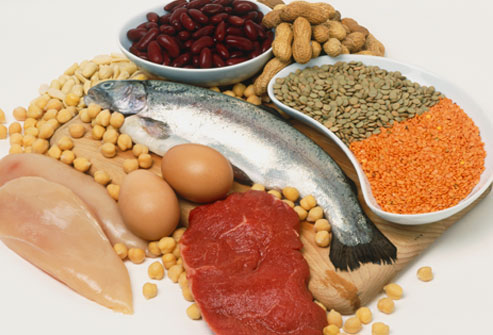
    These are diets high in plant and animal proteins; used to treat malnutrition or to increase muscle mass. High protein diet of 100 – 125 g per day may be prescribed for a variety of conditions like

    • Fever
    • Hyper thyroidism
    • Burns
    • After surgery
    • Diarrhoea
    • Elderly
    • Alcoholics.

     d. Low Protein Diet

    11

    low-protein diet is a diet in which people reduce their intake of proteins. Such a diet is often prescribed to people with kidney or liver disorders. Low protein diets are usually prescribed for conditions like

    • Hepatic encephalopathy
    • Acute and chronic glomerulonephrites
    • Nephroslerosis
    • Acute and chronic renal failure
    • In-born errors of metabolism.

    In severe liver disorders, when protein cannot be synthesized, excess ammonia cannot be converted to urea for excretion and the patient develops hepatic coma. In this situation protein levels must be decreased or completely restricted for a few days. Patients with Kidney require low protein diets since the kidney cannot excrete nitrogenous wastes. Diets containing 18 to 22 gms of high biological value protein may be needed for the chronic uremic patients who is not being dialysed. Low protein diets are also prescribed for patients with in-born errors of metabolism that result from lack of enzymes of the urea cycle.

     d. Fat Controlled Diet

    12

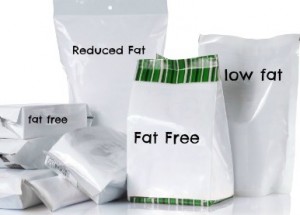
    Fat controlled diets regulate the amount and type of fat allowed. The total calories from fats should give about 30% and 35% of the total calories with 10% from saturated fat and 12 – 14% from poly-unsaturated fats. Even the intake of cholesterol also is reduced from the average daily intake of 600 to 300 mg. Usually fat controlled diets are prescribed for—

    • Gall bladder diseases
    • Nontropical sprue
    • Celiac disease
    • Cystic fibrosis
    • Atherosclerosis
    • Myocardial infarction
    • Hyperlipidemisa etc.

     e. Low Sodium Diet

    13

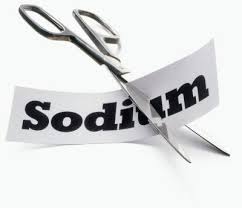
    The mineral content of the diet may also be modified. Four levels of sodium restriction are used — 250, 500, 1000 and 2400 mgs. The diet excludes excess salty foods and salt in cooking and at the table. This diet is used both to prevent and treat edema. Therefore, it is prescribed for congestive heart failure, hypertension, liver and renal diseases. Then sodium must be added back by means of the diet.

    Georgie Rajan

  • Food Myths- The Secret Revealed

    Food Myths- The Secret Revealed

    Myths surrounding foodstuffs are like UFOs, one can always hear about them but nobody really knows whether there is any truth to them! There is no shortage of food myths floating around on the web. It wouldn’t be wrong to say that behind most food and nutrition myths, there is a kernel of truth. But what is the reality behind these myths? Are they authentic enough for us to believe and follow? Let’s find out the truth behind some of the world famous food myths that have been around for ages.

    1

    MYTH 1: Drinking water in between meals is not good

    While drinking water has been considered essential, having the life giving elixir while during meals is often said to do more harm than good. This is one myth that has been passed down from generations. The truth, however, is that though drinking water fills you up, it does no damage to your digestive process. Infact, it might even do your system a world of good. So, keep that glass of water nearby and see that you are drinking enough through the day.

    2

    MYTH 2: Carbohydrates make you fat.

    Contrary to popular belief, there’s nothing inherently fattening about carbohydrates, says Jean Harvey-Berino, from the Department of Nutrition and Food Sciences from the University of Vermont and co-author of The Eating Well Diet (Countryman, 2007). The real reason behind people getting obese is the large volume of calories that they consume on a daily basis and second is lack of exercises.

    3 (2)

    MYTH 3: Radiation from microwaves makes food unsafe for consumption

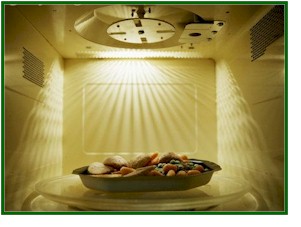
    The term “Radiation” may bring images of nuclear plants in one’ mind, but in reality, these refer to simple energy waves. The microwaves used to cook foods are weak in nature according to Robert Brackett, who is the director of the National Centre for Food Safety and Technology at the Illinois Institute of Technology. The changes brought about in the food are from the heat generated in the food, not by the microwaves used to heat the foodstuff. However, a check has to kept on the kind of container used for cooking while exposing the food to microwaves.

    4

    MYTH 4: The desire to consume particular food items is a sign of nutrient deficiency of nutrients provided by that food

    Nope, in reality food cravings happen more or less to satisfy one’s emotional needs. Cravings are the mind’s way of distracting one from an otherwise restricted or boring diet.

    5

    MYTH 5: Mini meals help you control your weight better than having large meals

    The body metabolism boosts up slightly every time we munch on something to eat. This is a bodily reaction to what we’ve consumed. By having many small meals instead of fewer, larger ones, it’s true that we shift our metabolism upstream and burn a few more calories. But the calorie difference is minimal and does not add up to a large value. Having said that, munching on snacks in between meals, may help some by keeping them from getting hungry often and consuming too many calories.

    6

    MYTH 6: Fruit skins are waste

    This is by far one of the most ludicrous myth! While fruit peels may not seem appetizing to many, it is in fact known to have a higher concentration of antioxidants than the flesh! However, a word of caution here. To make most fruits appear attractive, they are waxed and polished to give them a rich shiny exterior, thereby making them attractive. To avoid consuming the wax, wash and rinse the fruits well in warm water.

    7

    MYTH 7: Eating after 7 pm will make you fat

    No it wouldn’t. It is true what health expert’s claim – that it’s healthy to have an early dinner. In other words, it is a part of a healthy lifestyle to have an early dinner. This helps and gives the body time to digest food before you sleep. Experts claim that  it’s not when you eat that makes you fat; it is infact what you eat and the amount of calories you consume that makes you fat. Late night snacking might only affect the amount of sleep .

    8

    MYTH 8: Having milk immediately after eating fish is bad

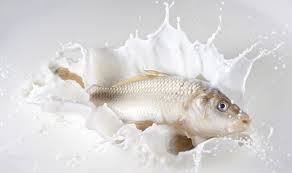
    According to some people, having milk with a meal comprising of fish as a major ingredient will make you sick and may also cause white spots or discolouration in the skin . however we find  no scientific reason, however, backing the above myth. You can very well have fish and milk together without having any kind of adverse effects on health or your skin. To add, as a note of relief, and also a well known fact, there are many mouth watering and healthy recipes around the globe which combine the goodness and taste of  fish and milk. So, go ahead, have your favourite two ingredients in a go without worrying about the myth.

    9

    MYTH 9: Chocolate causes acne

    Whoever passed on this statement is definitely not a chocolate lover!! The myth found its origins in the late 90’s and it became so popular and common that most teenagers and their parents believed it!  No conclusive scientific evidence backing this claim has been found though till now. Acne is caused due to irregular oil gland secretions and clogged pores aggravated by oily foods. Different foods may cause acne in different people and for some people that food just had to be chocolate. This does not mean the poor chocolate be blamed entirely for it!! Have your favourite bar; it is known to have more health benefits than you can think of. As for the zits, avoid oily foods, have enough water and cleanse your skin often to get rid of them.

    10

    MYTH 10: Having saffron during pregnancy makes your baby fair

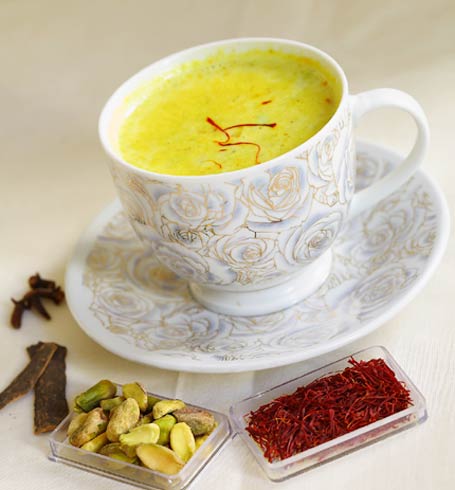
    Sure!! Saffron or kesar is considered beneficial for pregnant women (when taken in small quantities) owing to its properties. But following a belief that having saffron with milk when you are pregnant, will make your baby fair, is nothing but outrageous. First of all, colour of the skin must never be a matter of such concern. The important matter is that the baby must be healthy. The complexion of a person is in no ways related to how much saffron you consume. True, both milk and saffron are good for health, but it’s not going to make the baby fair as scientifically, the colour of the skin depends entirely on the gene pool of the child and this, is a proven fact!!

    Georgie Rajan

  • Coffee or tea which is better?

    Coffee or tea which is better?

    Coffee-vs.-tea-poll-pic

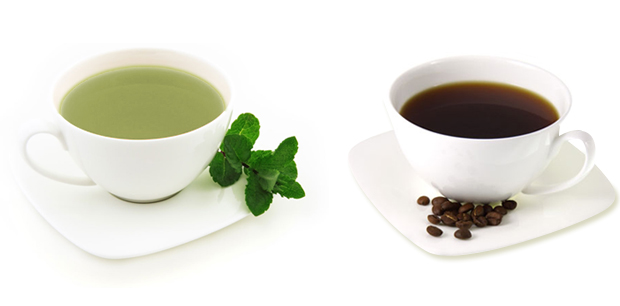
    In order to set off good start for the day, everybody wishes to drink a nice hot cup of coffee or tea. Ofcource the choice of the drink varies between different households and individuals. Most of the adult men and women feel that it is tea which actually energizes their body and makes them ready to carry out the work planned for the day while the younger generation prefers coffee.

    hot  coffee

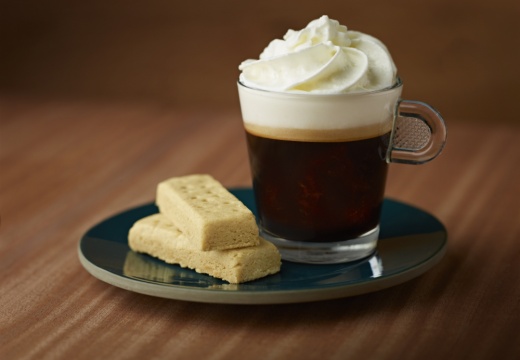
    Coffee is a beverage which is prepared from the roasted seeds of the evergreen shrub called coffea. Once the coffee berries are ripe, they are collected and dried and processed. The seeds inside the berries are then collected and roasted in different temperature, depending upon the flavour, taste and colour required before being grinded and brewed to create the final product. Coffee plantation takes place around the world but major contribution is given by Africa, Latin America followed by Southeast Asia. Research states that coffee cultivation originated in Arabia during the 15th century, where coffee was associated with both religious and rebellious political activities. According to Ethiopian culture it’s believed that Kladi, who was a goat herder, had first found the seeds when he noticed that his goats became excited after consuming the beans. Some of the Arabian culture attributes the discovery of coffee beans to Sheik Omar, who was known to have the ability to heal the sick and was exiled to a desert near Ousab. There he found the berries but were bitter in taste so he tried to roast them so it turned hard. It’s believed that Omar then boiled the berries to soften the seed which resulted in creation of a dark liquid. The liquid, when he drank it, it revitalized him sustained him through the period of exile. When Omar came back home, he had bought with him this miracle drug and that how coffee was introduced into Arab and travelled through Egypt and Yemen. Today coffee is considered an important agricultural product and also is regarded as an important export commodity.

    Vit_chai

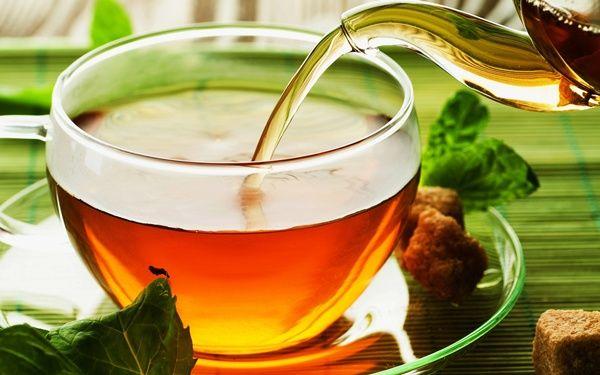
    Tea on the other hand is prepared by simply mixing tea leaves into boiling water. Tea is considered to be the second best preferred drink after water. It’s cool and astringent flavour is what attracts so many people, making it the world’s most widely consumed beverage. Tea is considered to have its origin in china where it was used as a medicinal drink. According to the Chinese legend, the discovery of tea was done by a Chinese inventor named Shennong who invented a tea shredder. During the Tang and Qin dynasty, the popularity of tea was at its peak and also had spread to other regions of Japan, Korea and Vietnam. The Portuguese were introduced to tea when they were in china during the 16th century. The cultivation of tea together with jasmine and mallow gave it a distinct taste and aroma.  During the 17th century, the British started consuming tea and also introduced it in India. The practice of drinking tea in Britain was only seen during special occasions like marriages and anniversaries and religious festivals. It was mostly consumed by the royals as tea was expensive and could not be afforded by all. This gave rise to tea smuggling which made tea available for the lower section of the society as well. By the 19th century, tea was consumed by all the sections of the society. When the British had captured India, they wanted to cultivate tea and in order to do that they sent Robert Fortune to china to get some tea seeds. However the plan to cultivate them in India failed due to different weather conditions. However they later found that regions like Assam and the Northeast regions of the country could house the cultivation of this crop and so using the Chinese techniques of cultivation created a tea market in India from where tea was exported to other parts of the world. The price of tea in Europe began to fall with large import of tea from India.

    00-10063@2x

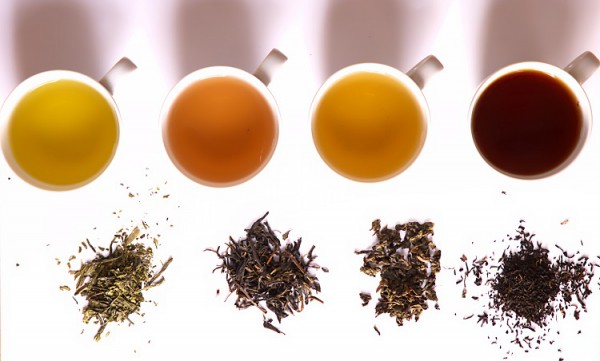
    After knowing so much about both the beverages we still don’t find ourselves in a position to decide which one’s a better choice. So in order to make our task a little simple let’s see which one’s better when it comes to our health and growth. Tea can be of two types, black or green tea. However both theses goods contain a high level of antioxidants called flavonoids. Antioxidants are chemicals which protect tissues from oxidants. Oxidants may damage cells and reduce the immunity. According to a survey done by American Dietetic Association, one in five adults in America prefer tea to other beverages; however these people gained 20 times more antioxidants than non tea drinkers. Other than the benefit of receiving antioxidants, drinking tea also helps in reducing cholesterol levels, blood clots and helps fight inflammation, cancer and various allergies. Green tea is considered the very healthy and is responsible for reducing breast cancer and death rates due to heart diseases.

    5b43c9b47218fff9342c0f4dfef660b62f0618a8

    Researchers claim that like tea, coffee also contains antioxidants and helps in lowering the risk of liver and colon cancer and diabetes. Some people believe that coffee might not be good for the heart, however it’s not been proved till now and further study in this field is required. Since caffeine content in coffee is high, it’s not recommended for pregnant women and even overdose among youngster may not be a healthy option.
    So according to me tea wins the battle to be a healthy choice when compared with coffee. But this does not mean that coffee can be completely rejected. Controlled quantities of coffee can be consumed for a healthy living.

  • Paneer: The Indian Cheese

    Paneer: The Indian Cheese

    Paneer or Indian cheese is nothing but curd cheese which is a resultant of curdling milk with vinegar, lime juice or any other types of food acids. For hundreds of years man is being using milk and other types of milk products as a part of his meal as well as drinks. Used by our forefathers, these dishes have travelled through time only to have been used in newer and better ways which are beneficial for us. Cheese is something which is known all around the world and over the years has evolved into so many forms that today when we say cheese we need to specify which type of cheese. Some of the famous types are mozzarella, stilton, Gouda and ricotta and the types go on. We also have a form named cottage cheese which is a famous form found is South Asian dishes. Cottage cheese is known to be a rich source of calcium and protein and so mostly finds its place in the menu of every royal household and a health conscious person because of its nutritional benefits.

    Paneer

    The history of cheese consumption goes back to more the thousands of years where many believed that the discovery of cheese was by accident. It was during a journey in which an Arabian traveler placed milk in a container made from sheep’s stomach. After some time when he saw the container, he was surprised to see that the milk had converted into cheese. In those ages, people thought of it as magic or a miracle of nature however science says that it was probably the result of the combination of the heat generated by the sun and rennin which is an enzyme found in the body of the animal. Since then there was no looking back as cheese found its popularity in many cultures and cuisines around the world. It was believed that the Romans had separate rooms for the preparation of cheese and was used only in special occasions like marriages and other political meetings. Around the middle ages many centers opened up wherein the skill of cheese making had reached its threshold like Limburger, which is famous and producing best quality cheese till date. In the 19th century various technological advancements were introduced which allowed for large scale production of cheese.

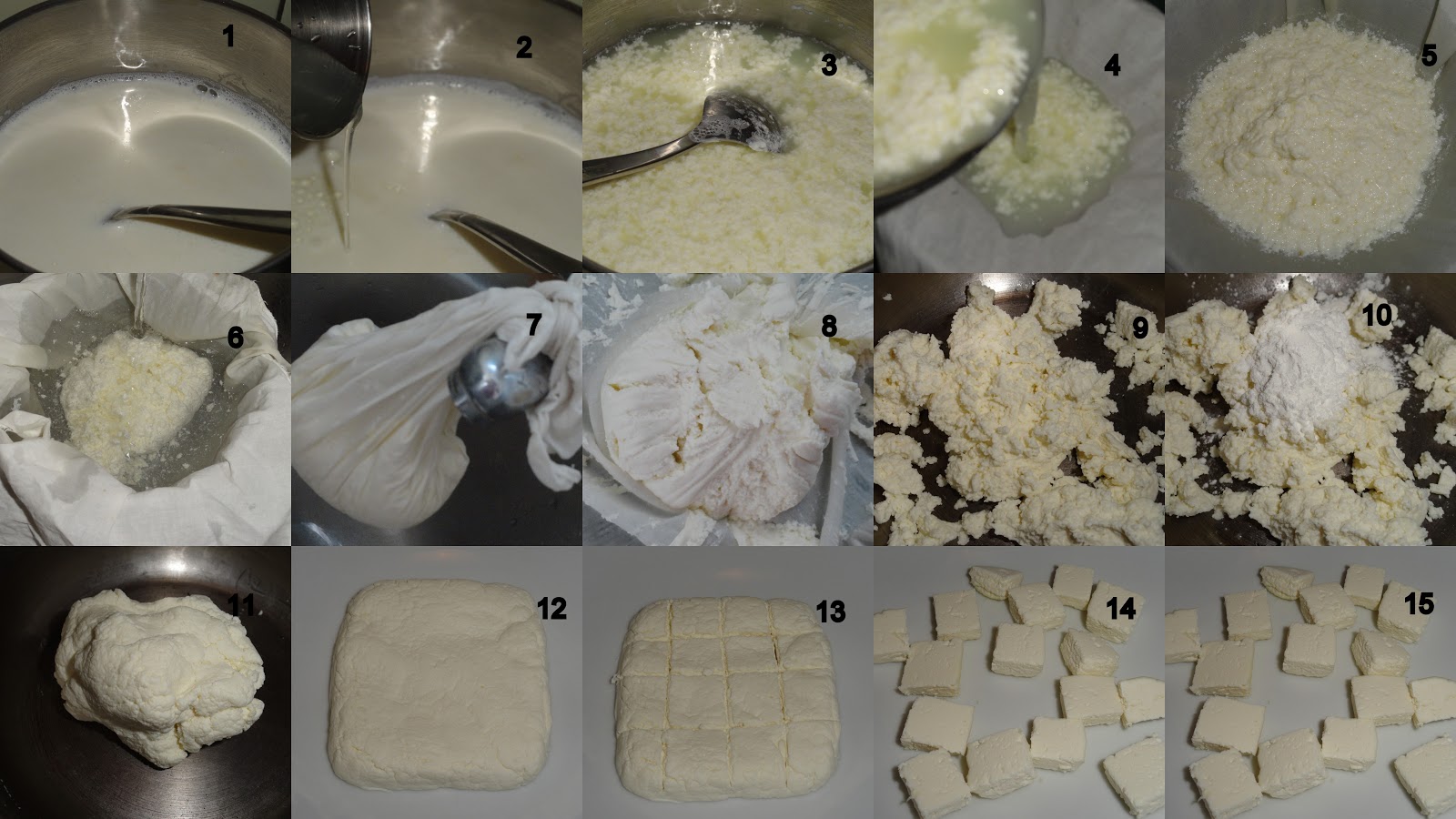
    Paneer cubes preparation


    The preparation of cheese is quiet simple. You just need:-


    Milk – 8 cups

    Lime juice – ¼ cup

    The method of preparation is as follows…


    • Bring the milk to a boil in a container
    • While stirring the milk slowly add the lime juice and continue stirring
    • After a period of 10 to 15 seconds the milk will start to separate from the whey
    • This process of separation when the whey turns to a light greenish colour
    • As soon as this happens off the gas and keep the container to cool
    • Line a colander with thin cotton cheese and place it over a bowl
    • Pour the contents in the container into the colander
    • Then take the two ends of the cloth and tie them together lifting the cloth out of colander
    • Use a large spoon, across the top of the bowl and hang the cloth with the cheese from the spoon handle in such a way that the paneer bundle should be hanging inside the bowl. Salt can be added during this process to the paneer.
    • Remove the bundle from the bowl after almost 30 minutes and then open it by opening the knot and then fold the cloth across the paneer
    • Place a heavy weight on top of the paneer and then Open the cloth after 30 mins and there you have the final product fresh and ready to be used.

    In many cases instead of the lime juice, vinegar is used to separate the milk and the whey. The whey can be used for other purposes as well such as stock for curries and soups.


    palak-paneer-500x500


    Consumption of cottage cheese has a lot of benefits among which are many health benefits as well. Cottage cheese is believed to be helpful in maintaining a good dental health as it is a rich source of calcium and vitamin D which help in making the teeth strong and also helps in prevention of cavities and breaking down of tooth enamel. Since the lactose content is also low, it also prevents against harmful sugars. The calcium available in cheese is also help in growth and development of bones. Osteoporosis is a disease which is related to a fall is bone mass or density which makes a person prone to bone breakage and fracture. Consumption of paneer can help in reduction of this disease because of the huge protein, calcium and vitamins content in the product. Vitamin B helps in strengthening of cartilage and is mainly prescribed for growing children and pregnant women. We mostly talk about obesity and find fat people who wish to be thin and slim, however there are people who are so weak and slim and wish to gain weight and how much ever they try, they don’t see that extra kilo adding up. For such people consumption of this dairy product is recommended. Cottage cheese or paneer is also known to improve blood formation and makes the liver strong and is a effective instrument in curing cancer to some extent.
    sidedish

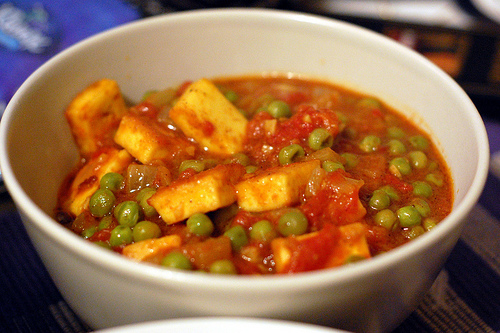
    Some of the famous food items related to paneer can be shahi paneer, palak paneer and khoya paneer and surprisingly it is also used in making sweets such as rasgulla. So give it a try if you have not before and I’m sure you’ll enjoy every bit of it.

  • Cuisine of the Kings: Mughlai Food

    Cuisine of the Kings: Mughlai Food

    Mughlai food refers to the food which was prepared in the kitchen of the royals of the Mughal Empire. The cuisine is influenced by the Persian cuisine and in turn has affected the cooking styles all over India but especially seen clearly in regions like Punjab and Kashmir. Mughlai food belongs to the South Asian cuisine, where we find extreme variation in the taste and flavor from extreme spicy to extreme light. These varieties of dishes in the main course meal are also accompanied with various kinds of side dishes and the entire meal ends with mouthwatering deserts.
    biryani

    The rich preparation of Mughlai food consisting of various flavored sauces and masalas along with butter based curries is so tempting that food lovers die for more food. Even the names are so special that it enlightens people to try out different dishes. In the old times the kings used to dine with their queens and concubines, except on special occasions like festivals where the king dined with the nobles and the courtiers. The hakim or the royal physician used to overlook the preparation of various dishes to ensure that the royal family consumed food of the highest quality and also planned the menu for the day. Once the menu was decided, the preparation took a lot of time because a lot of dishes were presented in each meal along with sides’ dishes and desserts. The royal kitchen can be pictured as like a market place with a swarm of workers and cooks working hard to prepare the royal meals. The workers also included people who were responsible for bring vegetables and spices and others who were assigned for washing of utensils and other serving materials. The workforce included both men and women and we find that was a systematic division of labour. Historians claim that the water that was used for cooking was actually rainwater mixed with water bought from the Ganges, thus resulting in such tasty dishes. It was also found that the rice was covered by silver oil which aided digestion. Moreover the food given to cattle such as goat, chicken etc were also of high quality so that the medical properties could travel to the eater.

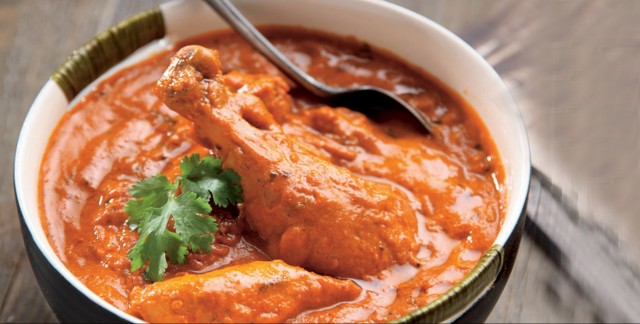
    chicken curry

    As the emperors changed, they bought in changes in the menu and style of cooking, influenced by Iranian, Afghani and Persian styles with a touch of Deccan. Each emperor had his favourite dish as well. Babur was a great fan of the various fish dishes which were prepared other than that he preferred the dishes available back home in Samarkand. Akbar was a vegetarian by taste only for three times a week and was known to have his own kitchen garden which he watered with rosewater so that the produce smelt good when cooked. During the reign of Shah Jahan, after he shifted his capital from Agra, he was informed that the water in the city was making his subjects sick and so he ordered that more of Haldi which is turmeric powder along with red chilies, cumin and coriander be used in the cooking process because of its medical properties, and the king was credited for adding new spices to the cuisine. Aurangzeb was considered to be a vegetarian for most of the time of his life however it was only later that it was found through a series of letters which he wrote to his son which spoke about his intense love for Qubooli which was a mega biryani rice with Bengal gram, died apricot, curd, basil and almond. The Mughal rulers were very particular about the food they ate and writings indicate various changes and additions they would with them, moreover it also talks about how the kitchen moved with the king when he had to go for wars.

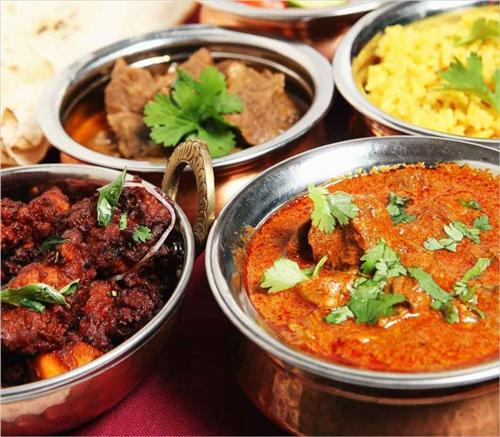
    mughlai


    In the 16th century the Mughal had invaded India thereby bringing power, majesty and prosperity in the land. They also bought in exotic spices, fruits and nuts to India giving us or teaching us new techniques in cooking which are followed till today. Among various Mughlai foods, biryanies, pulao and kormas are highly delicious and really loved by many. They basically reflect the Muslim style of cooking which has a lasting effect on the consumers. This type of cuisine is famous not only in our country but can also be seen in the foreign countries like the U.S.A and U.K where we find a huge fan club for this form of Indian cuisine, however back home it is prepared on a very large scale in Delhi, the capital of India. The common ingredients which are used in the preparation of this cuisine are cream and milk. Although there are many in the list but these two items find themselves in very Mughlai dish.

    Some of the popular dishes of Mughlai cuisine can be…

    • Aloo ka raita which is basically a mixture of curd with potatoes which are boiled and then chopped with various spices like salt and pepper.
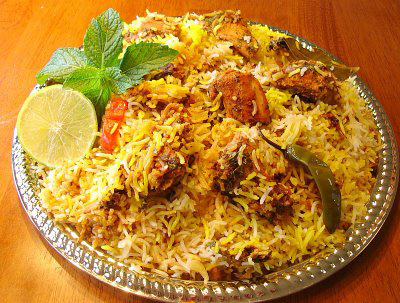
    • Chicken biryani which a fried rice containing pieces of chicken and flavoured with various spices.
    • Chicken tikka and champ masalas where the former is a boneless chicken marinated with lime, curry powder, tomato paste, curd, finely chopped garlic cloves, paprika and baked in the oven while the latter is just a curry of lamb chops.
    • Other famous Mughlai dishes are palak panner where paneer is Indian cheese, naan, tandori chicken and kebabs etc.
    • Among the famous deserts we have the gulab jamun, kulfi, barfi and the shahi tukra which is nothing but a rice based bread pudding with cardamom and made rich with dry fruits which also stands as a personal favourite of many Indian till date.


    A must try cuisine which will make you want more and will force you to lick your fingers after you finish your meal.


  • Junk Food – In and Out

    Junk Food – In and Out

    junk collective


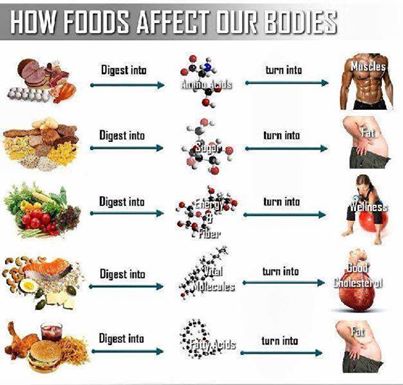
    Junk food is a term we are all familiar with and is associated with food items I bet taste well but is not considered healthy. It is believed that the term junk food was first used by a person named Michael Jacobson who was the director of the Center for Science in Public Interest. Under the heading of junk food come a lot of different types of food items namely snack foods, candy, burgers, fried fast foods and carbonated beverages. Many foods such as pizzas or tacos may or may not be termed as junk, depending upon the way they are prepared. The surprising factor here is that even though these food items are termed junk, inspite of that the demand for these things is huge and as a result they are now available 24*7 all around the world with very country putting its own twist in the taste and adding new items in the list every day. Therefore it is not wrong to say that junk food has now gone global.

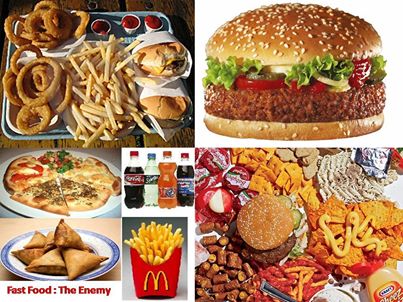
    junk info

    Now that we know the fact that some food items give us more satisfaction and joy than the others, then why to term them as junk??

     A recent study done on the effects of  junk food on health reveals that because such foods have low satiation value, people don’t feel full when they consume them and so end up overheating which adds to the problem of obesity. Secondly because the taste is so mouth watering people usually tend to substitute them with other nutritious food which might be good for health but not satisfying to the taste buds, like preferring for chips or cookies rather than fruits and vegetables. Thirdly, the contribution to calories from these snack foods between the period of 1977 to 1996, increased by about 30% among children who were aged between 2 and 5 years.

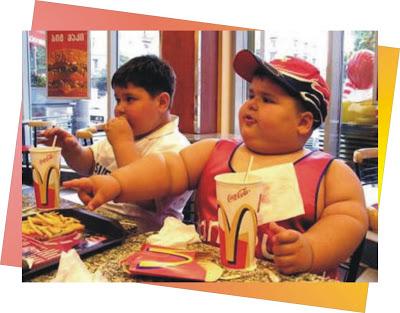
    junk kid

    According to Women and Children Health Network, the type of food that children consume effects their growth and development and eating junk food from a small age will affect their energy levels and the ability to concentrate for long period of time. As we all know the importance of physical activities in the life of a student, wrong eating habits depletes the body’s energy levels thus making them lazy, less focused and not interested in sports or other physical activities and even if they are encouraged to play, they feel tired and sick very quick because of low stamina in their bodies. Moreover experts blame junk food for the high level of chronic illness like high blood pressure, diabetes and stroke seen in children today. According to the Center for Food Safety, a survey done on 2012 reveals that obese children where likely to develop cholesterol and become prone to various heart diseases at a very young age and if necessary changes were not taken into account then it would result in premature deaths, this findings were later confirmed by the Women and Children Health Network. Finally imagine a child who is more plum than other children of his age and because of this huge body mass finds it difficult to perform tasks which other children do very easily and therefore is mostly teased and ill treated by his classmates and also many of the elders. This child grows up with low self esteem and low self confidence which leads to problems like depression as he grow older. According to the journal namely, The American Family Physician, depression is very dangerous for children and has negative effects on growth and development of the child which can lead to a fall in performance and in many cases can also lead to suicides.

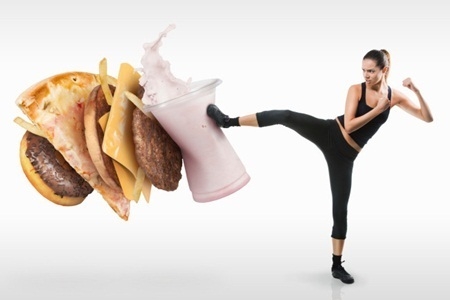
    fit away from junk

    With the world coming together to fight against smoking and tobacco consumption, a United Nation Official claimed that junk food is as dangerous and said that it’s as bad as tobacco or smoking is for the global health. He also said that its time that we create a framework convention on adequate and quality diets. He stated that inspite the fact that the World Health Organization implemented its global strategy on diet physical activity and health, still obesity continues to prevail along with diabetes, heart disease and other health issues among the general public. With various measures being decided such as taxation on unhealthy foods, regulation on fats and sugar food items and reduction of advertisements that promote junk food, the after effects would reveal how much of these measures were successful.

    The government has decided a lot of measures to help improve the health of the nation, however the success of which depends on us changing our attitude and eating habits. According to experts there are many DO-IT YOURSELF steps or measures through which we can help ourselves and the government to help in its task of a healthy nation. These methods are simple and if performed with some determination can surely help a junk addict to convert to healthy eating. The first step to do in the list is to get rid of all the junk food items in your environment like home, office and even your car. Secondly while cooking, make sure you cook healthy foods and concentrate on using nutritious ingredients such as fruits and vegetables and whole grains etc. there are various recipes and online video which tell step by step procedure for preparing food. Save recipes of favourite dishes you come across and pass it on to your friends and family. The leftovers can then be packaged in airtight containers for later consumption. And lastly, avoid eating from out as much as possible. It’s not that you completely let go of dining outside. Many a times occasions arise when you have to spent time with your family and friends outside and during such situations eating outside is the only option. So what you can do at such times is to order food which seems to be the healthiest.

    If you actually love yourself, you’ll love your body as well and would make sure that you take proper care of it. Knowing how to shift from plump to fit is not the final step, there are many out there who might need your help so take a step forward to help the people around you as well.

    Georgie Rajan


  • Fruit Juice Better than Soft Drinks – Myth or Reality

    Fruit Juice Better than Soft Drinks – Myth or Reality

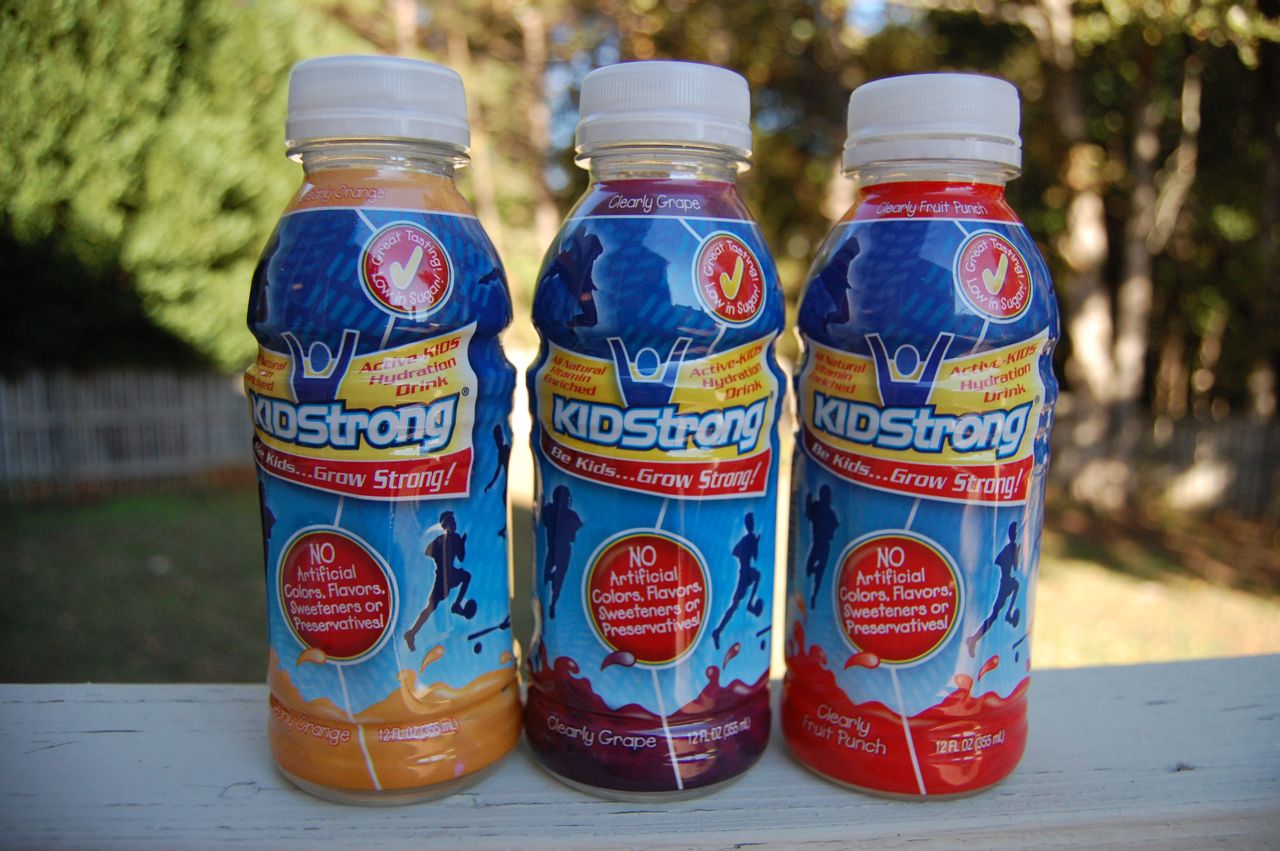
    We mostly hear from health expert and parents that soft drinks are not good for health and as a substitute for that recommend fruit juices which are in comparison fresh and good for the body as they do not have any preservatives in them but in reality apart from a few vitamins and minerals there is not much of a difference between the two beverages as both give you almost the same calorie and sugar hit. However it is not correct to see both the drinks in the same platform as fruit juices have few redeeming health benefits that make it better than soft drinks, for example, Prune juice can remove or slowdown issue of constipation while cranberry juice helps lower the risks urinary infections.

    One of the biggest assumptions regarding fruit juice is that it is healthier than soft drinks because of its natural sugar content. Even though the above statement is true, it does contain natural sugars which are a composition of fructose, sucrose and glucose, but the sugar quantity is much more than in soft drinks which are not good for humans. Moreover study states that this ‘natural sugar’ is also found in soft drinks in the form of sucrose because it comes from sugar cane. The difference here is in the quantity of sugar we consume which more in proportion in fruit juice than in soft drinks.

    According to the ‘National Diet and Nutrition Survey’ young people aged between 11-19 years intake about 47% sugar from fruit juices, cereals bars, biscuits and should therefore limit their juice consumption to once in a day because of its high calorie content. Secondly children below or equal to 10 years of age exceed the acceptable limit of sugar intake to about 34% and as a result in the long run when these children would grow up to become adults but do not bring any change in their eating habits, about 48% of them would suffer from obesity, higher levels of cholesterol and type 2 level of diabetes.

    Another study conducted a similar research by comparing the calorie content in three components namely juices, soft drinks and coconut water and came with the conclusion that as previous study states, drinking juices is definitely not a healthy option as the fructose content makes the glucose level in the blood rise above the acceptable level, however being said this it should be also noted that rather than preferring for juice, consuming the whole fruit itself is a much healthier option. Study of coconut water reveals that the drink contains only 46 calories which is far less than other fruits and definitely less than the soft drinks and therefore is a nature’s energy drink provided to man to keep him hydrated.

    Next time you check your weight and find it has increased, study claims fruit juice might have contributed to this increase. According to a study conducted by Deakin University   among a group of school children, it found that children who consumed more fruit juice were overweight than those who did not consume. The reason behind this observation was given as when we drink juice rather than eating the fruit as a whole, we miss out on the fibre. Fibre is an important component which controls body weight and keeping the digestive track clean and healthy. Fibre also protects against colorectal cancer, the second biggest cancer killer after lung cancer. The World Cancer Research Fund show that there is high correlation between foods containing fibre with protection against various forms of cancer and therefore for someone struggling to reduce weight, drinking a lot of fruit juice or soft drinks would not help rather usage of water is the best remedy and instead of juice preference of the fruit itself is a better option.

    Talking only about juices does not give us any clear picture. Coming to the other side, soft drinks also do not seem so good friends after all. According to a study done in the Imperial College London, drinking carbonated beverage a day results in an increase in your chances of suffering from diabetes by 20%. In addition to this we also have issues of weight gain and an increase in insulin resistance. The soft drink issue when discussed in court, the Supreme Court of India directed the Food Safety and Standards Authority of India to check and monitor all carbonated drinks and to regulate the drinks to protect the public from its ‘deleterious effects’. According to Professor Barry Popkin from the University of North Carolina, other risks associated with consumption of such items can also increase the kidney and liver failure and development of cancer. Studies also have shown a positive correlation between soft drink consumption and increased heart disease and hypertension risks. The sugar content  recommended for adult men is 37.5grams per day and for women its 25grams per day, however a 350ml of soft drink might contain 31.5gram of sugar. So its upon us to see whether we are within the limits or exceeding it.

    Now that we know about the effects does this change our consumption pattern?? The answer is no for many and the reason behind this is that most of the adults and children are influenced by the advertisements done by these companies, who are very much successful in attracting the public by using their favorite movie stars or sportsmen for promotional purposes. However one thing is clear, the claim that fruit juice are better than soft drinks is not true to some extent as various studies show that both the beverages have more harm than benefits and that a check should always be kept on the amount of consumption of these food items especially in the case of children.

    Georgie Rajan

  • VEG/NON-VEG: THE BIG DEBATE

    VEG/NON-VEG: THE BIG DEBATE


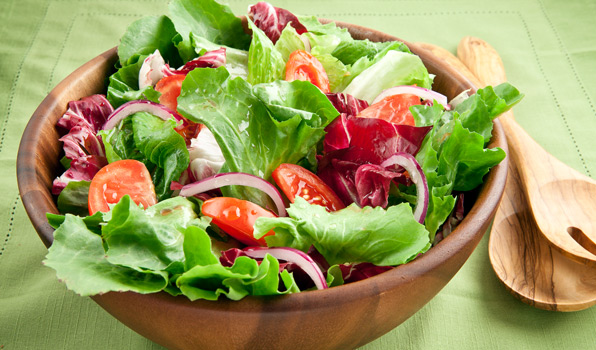
    Salad2026-thumb-596x350-136535  chicken-drumsticks-from-grill2


    In this world we live in, we find differences or classification in everything we set our eyes on like the rich and the poor, the developing and the developed countries, normal and inferior goods etc. and between all these differences, we also have some related to food items namely vegetarian and non vegetarian. Believed by many, vegetarian cuisine is considered far better, healthy and nutritious than the non veg items which mostly include meat. However, on the other hand, many also claim that consuming only vegetarian food makes us no different from herbivores and moreover lacks variety and taste as well making people bored up very soon. These ideas and views from two sides gives rise to a debate regarding which group is better and/or is there any difference between the two forms when it comes to calorie and nutrition intake.

    We humans, unlike animals, are creatures who look for comfort, satisfaction and also show some amount of stubbornness. People get sick of doing the same kind of work again and again; while some look for change others accept it as their fate. The same formula applies to food as well. According to WHO or the World Health Organization, the cost incurred on medical facilities for diabetes and heart diseases in India alone come up to $210 billion per annum with an expectation of an increases to about $335 billion in the next ten years. So this means, an average person has high chances of dying from various lifestyle issues than from a road accident or from an infectious disease like dengue.

    A study done on the diet plans of both the groups reveals the positive and negative attached to both, that is, no one group is complete and an adequate mix of both is required.

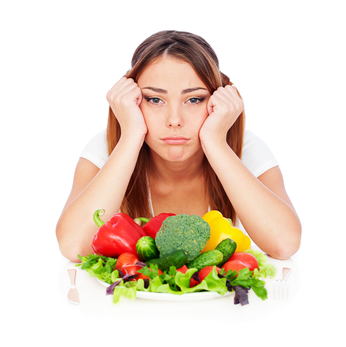
    sad woman with vegetablesThe study reveals that vegetarians show an increased risk of iron, zinc and vitamin B12 deficiency. However, if they consume a variety of foods in the right quantities, basically a diet meeting the requirements of all nutrients with special focus on items rich in calcium, zinc and vitamin B12, then an optimal healthy diet can be achieved. Ofcource the weightage of exercise cannot be forgotten which adds to the list of most wanted for a better physical condition.

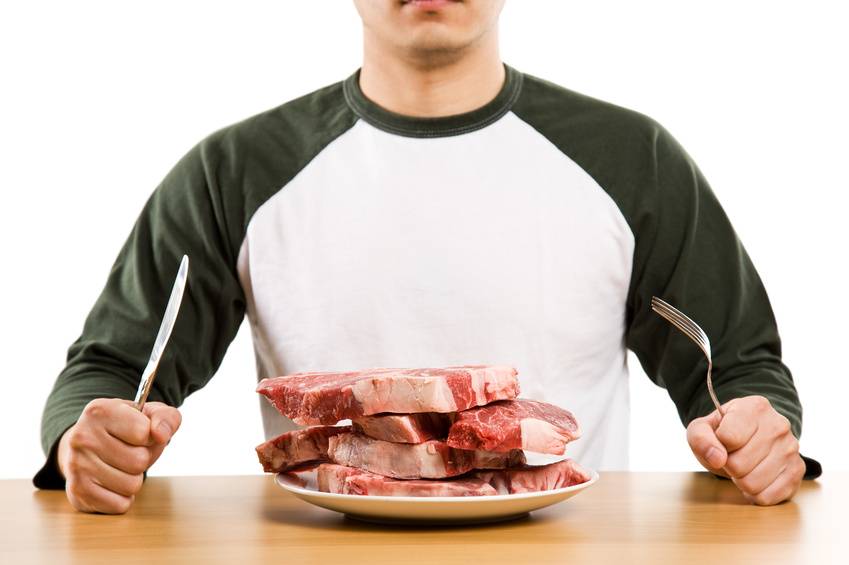
    man-eating-meat


    Coming to the other side, the study reveals that non vegetarians have a shorter life span and are more vulnerable to chronic diseases and on an average have more cases of heart diseases, hypertension and diabetes. Studies on the other hand, have however revealed, that the cases of heart diseases does not arise from the consumption of chicken and fish but arise when the same food items are deep fried in partially hydrogenated oil.

    According to the study, in America alone the quantity of consumption of high fat content chicken, beef and seafood was more than the quantity consumed by the same locals the previous year. The conclusion which was finally made by this study states that both the diets can help us achieve the optimal health level and also prevent nutritional deficiencies and other chronic diseases if special consideration is given to a diet which includes items in the right quantity and quality with adequate exercise a change in attitude.

    0tumblr_lhp6lslqS01qzrvd9

    On the spiritual front, some cultures believe that consumption of non vegetarian food is a sin, we incur a sin by killing innocent animals in factory farms and slaughterhouses. Many cultural/religious leaders claim that people who work in such factories incur 70% of the sin while the consumers incur 30%. Surprisingly many also claim that the prodders or workers in slaughter houses are possessed by ghosts because of their callous or carefree attitude towards animals. The sin by killing a cow is considered to be of the highest level. Vegetarians can also be seen as killers as plants are also considered living creations of god, however the sin in killing plants is much less than animals because in case of plants the feeling of pain is far less due to their rudimentary intellect and mind.  Adding to the list of spiritual beliefs, it’s also believed that people who like to consume rare meat are likely to attract ghosts, demons and other negative energies. Rare meat is close to raw meat and this type of meat is usually a preference of demons. The paradoxes for the communities who both slaughter and consume meat increase the spiritual impurity of the meat. All such beliefs are superstition or reality depends on our own thinking however such sayings have shown their effect with many rural communities shifting from non veg to veg consumers.

    With all such arguments given against non veg food items, the group for its defense asks a simple question that if meat was not made available for man, then why we have canine teeth.  Is it not meant for consumption of meat???

    The answer for which was given by the proponents by saying that the function of the teeth is for tearing of food. Saying that the provision of canine teeth is for consumption of meat solely is just like saying that the provision of tongue is for cleaning like animals, which cannot be seen as a strong argument.

    Thus we have seen various arguments and beliefs brought forward by different studies and the members of the two groups. To choose which group is better still is a difficult task but if someone asks me, I would say that, what we eat does not matter provided that we know what we are consuming and maintaining our physical condition through regular exercise and avoiding to a large extent junk and oily food items.