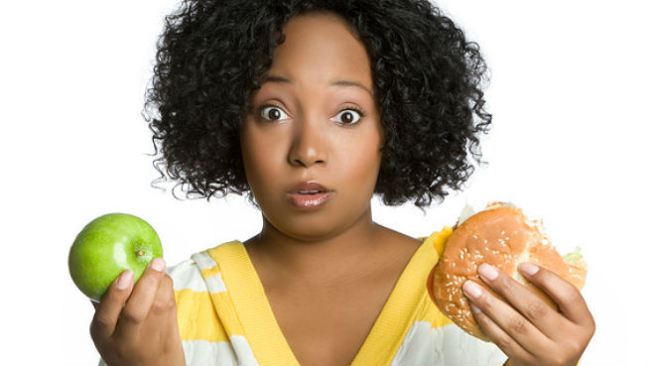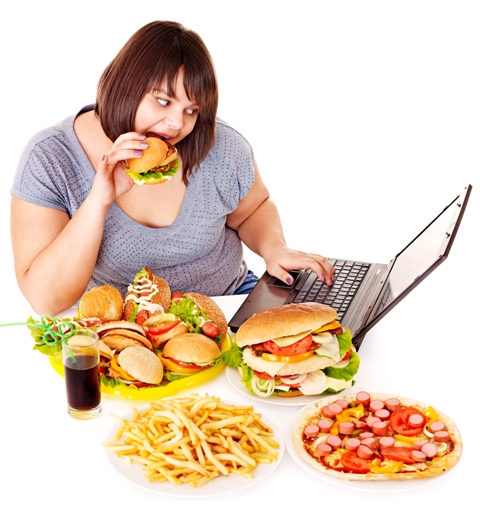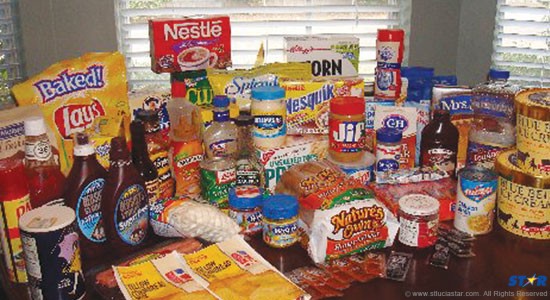

These cravings… oh! They really ruin the diet schedule. Sometimes, we are bored or other times we are emotional, and these food cravings manifest into consciousness. Seriously, we cant ignoreit , so hard to resist and if that yum, delicious food is readily available, it just goes out of control. Unfair, no? But, if controlled , its better for health in some way. If we understand why these occur and what can be the alternatives and how can it be under control through very little efforts, we will obviously put our sleeves up and go through the silly cravings.
Picture this. It’s five o’clock and you are at your desk , sitting on your couch or out running tasks and suddenly you get this pang– an overwhelming need to eat. You have the dreaded feeling of craving and you just cant feel right until you grab that bag of chips, or a chocolate bar or lot of icecream, soda. Unfortunately, one thing is for sure, whatever we reach for is almost never a healthy choice. The question is why are these late night cravings or afternoon cravings are so intense and how they can be prevented by best of our healthy intentions.
It is justified that our body requires a certain suitable amount of daily nourishment, but it is important to be able to distinguish between eating for physical nourishment or eating for emotional nourishment. Really evaluate whether you are hungry or not. If you are truly and completely hungry, fabulous, then eat, I will tell you how to do it right.
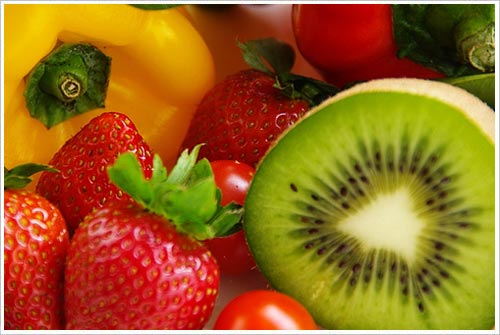
Get out of the cravings mindset : Think and figure out if you want something crunchy or smooth, hot or cold or sweet. There are healthy options that will actually calm your cravings. If you want something salty and crunchy , your mind will automatically go to potato chips, but think about it, when has bag of potato chips satisfied your hunger? Processed potato, oil and salt have no nutritional value. Its better to go for organic peanut butter, celery or peas with soy sauce which will prove to be best options instead. If you want something creamy , opt for yoghurt or an avocado rather than icecream. For something sweet, try fruits or smoothie or weet vegetables like sweet potato or squash instead of cookies and candy. When we are hungry and crave for certain food, it means our bodies are actually deficient of that nutrients. If you are craving something sweet, it indicates that your body needs glucose to perform its daily functions and tasks. Salt cravings occur when you lack in minerals found in natural unrefined salt. Potassium, magnesium and calcium are actually removed from table salt in the refining process. When you are craving something salty, you are not likely to satisfy that craving by finishing off a bag of Lays. Instead season your food with some sea salt and munch on some raw vegetables or go for sprouted beans or eat flax seeds (alsi) in little amount. You can also sprinkle it on your plate of raw veggies, making it an awesome and healthy choice. If you are craving for meat, you probably need some iron in your diet. If you are craving icecream, you probably need some more fat. Essentially, if you crave it (and you are hungry), eat it but opt for the natural healthy version of what you are dying for.
Does your mood fluctuate with what you eat? Learn how to strike a balance: If you have a craving, but aren’t hungry, you are probably looking to fulfill an emotional need. We frequently reach for food because it is easy and cheap instant fix. Remember, it is only temporary, and all your feelings are going to rush right back. If you’re sitting at your desk, suddenly feel a craving, you might just need a break and maybe some excitement. Try going for a walk around the office or striking up some conversation with co-worker . After 10 minutes, your craving will be a distant memory as you distract off your mind. If you have spent all evening alone and you have started to dream about that gallon of chocolate, vanilla icecream, leave the icecream in freezer and pick up the phone and call a friend and keep talking. Usually, when we want something sweet, it is because we need some pleasure in our lives. Go, get a ten minute massage or a manicure, pick up a romantic novel, take a long bath or start chatting. Anything makes you like goddess.
Get a dose of sunshine with Vitamin D: So next time you get a craving, don’t feel like your body is wrecking you, or that you have to use your will power to overcome it. Try to understand the messages your body is sending you. When you can learn to deconstruct your cravings and listen to your body, cravings can actually prove to be very healthy, helpful tool.
Wow! Isn’t this great to know what exactly your body is craving for and not interpreting the actual needs. This will really help to sort out and maintain our healthy regime simultaneously. When it sounds so good, it feels too.
So, next time you feel craving for this junk food, try to figure out and use an alternative. After all, we have so many!
Happy Craving, happy eating. Happy Life!
Category: Food
-

Food Cravings: Reclaim your control
-

Save The Food : Preservation At Home
Do you have those days in your life when you want to eat mangoes in winters? Or do you want to figure out a way of eating seasonal fruits and vegetables all year round? Well, preservation is the answer, a term that is often considered as infamous, because of its chemical ways that probably deprive the food of its nutritional value. But there are a number of natural and DIY preservation techniques which don’t make use of a single chemical agent !! Preservation is necessary for storing food items for a long time. You might think the ways i am talking about are just refrigerating the food, but, actually, there is much more to do than just refrigerating, when it comes down to preservation of food. That is why, for example, beans develop fungi even after keeping inside a fridge.

All foods don’t have a common preservation method, and they range from salting, dehydrating, to storing in air-tight containers etc. But the main key to preservation is – cleanliness. This means we should have clean hands, use clean utensils, surfaces and bottles. Also the food item should be fresh when you start preserving it, instead of being on the verge of deterioration.
Every food has a unique and rather frustrating(for us!) Characteristic of getting spoilt. If it shows signs like molding(growth of fungus), lumping(curdling), smelling(rotting), it means that the food is spoilt. There are, basically, two ways by which food can be spoilt – one, by action and growth of bacteria and fungi and two, by chemical reactions of various enzymes within the food item, which makes it rotten and lose its flavor and texture. Preservation not only retards the spoiling process but also maintains the aroma and flavor. The only thing you have to keep in mind is to choose the correct method of preservation for a particular food article. For this, here is a list of some common methods of preservation for commonly preserved food items :
Freezing:
The easiest and simplest way of preserving food is to refrigerate it, as the temperature of the fridge is much below than that of surroundings and this helps to prevent activity and growth of micro-organisms. The colder a food is, the slower is its deterioration. While refrigerating reduces microbial activity, freezing stops it altogether.
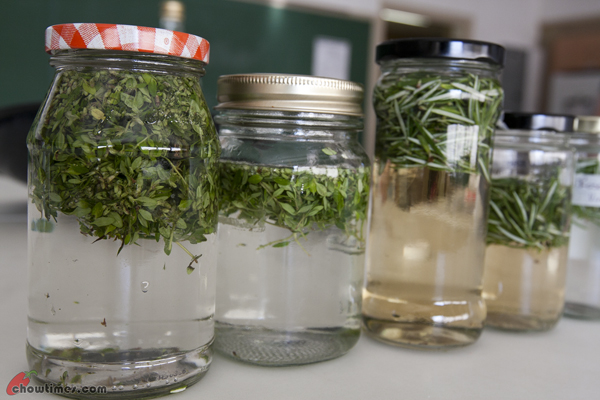
Vegetables should be balanced in boiling water first to destroy germs. To blanch, bring a pot of water to boil, dunk food for a brief time, then pat it dry and freeze it in the freezer inside freeze-proof containers. Herbs can be frozen too, in ice cube trays.
Canning:
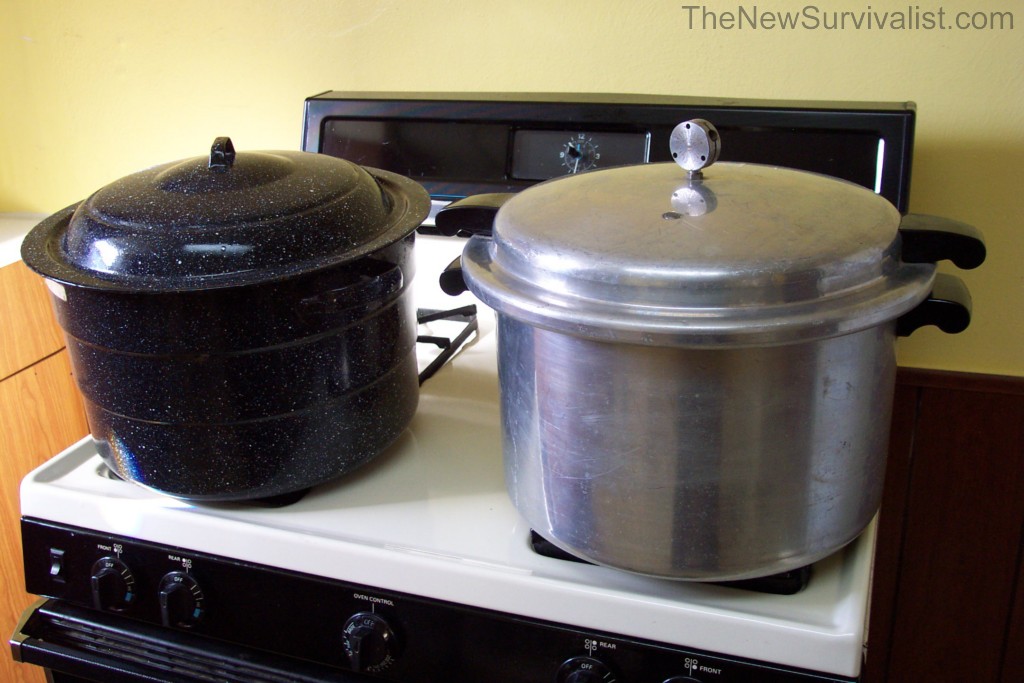
This method is perfect for fruits and vegetables that have a high acidic content. The food is heated to a high temperature, which kills the bacteria. Foods like apples, tomatoes, raspberries, cherries and citrus fruits can be preserved by this method. While canning is safe and simple if proper instructions are followed, improper canning can result in a serious health hazard for us.
Addition of natural preservatives :
Vinegar is the most common pickling liquid. It hardens food to such an extent that it becomes resistant to bacterial action. Foods like apples, beans, cucumbers etc. Can be preserved by adding vinegar.
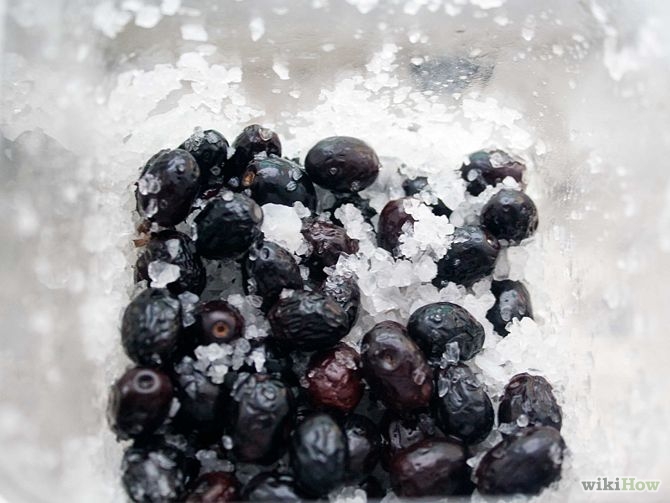
Adding salt or sugar is another way of preservation, as such high concentration dries up the moisture and prevents growth of microbes, thus making the food safe. Foods that can be preserved by this method are tamarind, raw mango, amla, fish etc.
Adding oils and spices can also be used to preserve food. While oil forms a layer on food, cutting its exposure to air, spices add flavor to the pickled food.
Dehydrating or drying:
Dehydrating food makes it less attractive to moisture-loving bacteria and dehydrating can be done either naturally using the sun or can be dried with the help of an oven. Some foods like plums, tomatoes are halfway dried and then stored in oil.
Dried food takes up the least space in the refrigerator. Foods that can be preserved by drying or dehydrating are apples, peaches, grapes, apricots, potatoes, fried fish etc.
Fermentation:
You can control spoilage with this comparatively new, and fascinating science called fermentation. Foods which are fermented will technically still spoil, but they will do so by the growth of beneficial and friendly microbes rather than the bad ones. Fermented foods are created by allowing one type of microbes to grow and act on a food substance and convert its contents to alcohol or acids. Cheeses, wines, yogurt, all are fermented foods, apart from chocolate, coffee, pickles etc.
Sterilization by heating:
Food is preserved by application of high temperature to prevent growth of micro- organisms. If the boiling temperature is maintained for a long period of time, all bacteria in the food get killed and this will result in good preservation.
Thus, foods can be preserved in healthy and hygienic ways which not only help to control spoilage, but also maintain the nutritional value of the foods. If not preserved properly, these foods can be houses of potential pathogens and can cause severe diseases if you consume them. So it is better to be safe than sorry and to preserve foods in a correct manner and enjoy them whenever you want all the year round.
-

Unveiling The World Of Food Fraud
Everybody knows that homemade food is best for our health. But if we step out of this illusion, then, we will find that even homemade food can be potentially harmful to us. This is not because of the cooking, it is because of the ingredients used in cooking. Those ingredients, even if are present as less as 1 tablespoon in our food, can turn the food into a poison. Adulteration has taken away the joy of eating. Today, we are exposed to harmful chemicals in almost everything that is not grown at home.
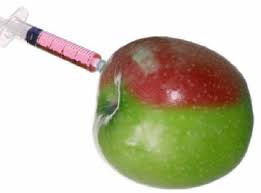
Food fraud is a term that encompasses deliberate substitution, addition, tampering or misrepresentation of food, food ingredients or packaging. Adulterants are used to save money and to contaminate the food and the responsibility of safeguarding ourselves falls solely on us.
From loose packed ground spices to wet produce like milk, everything has a potential of being adulterated these days, even if purchased from a reputable grocery retailer. Even the official systems set for food safety and prevention are constantly outdone by hidden and booming food adulteration business.
But obviously, turning a blind eye to food adulterants is no solution, we have to plan and avoid the adulteration. Here is a list of commonly adulterated food stuff, so that next time when you buy them, you can be extra cautious.
Turmeric:
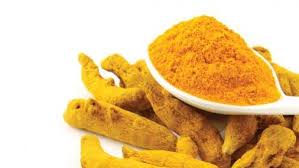
The common adulterants in turmeric these days are a chemical known as metanil yellow and kesari dal, to enhance the yellow color of turmeric. The chemical is highly carcinogenic if consumed for a longer period of time and can also cause stomach disorders.
Green chilies :
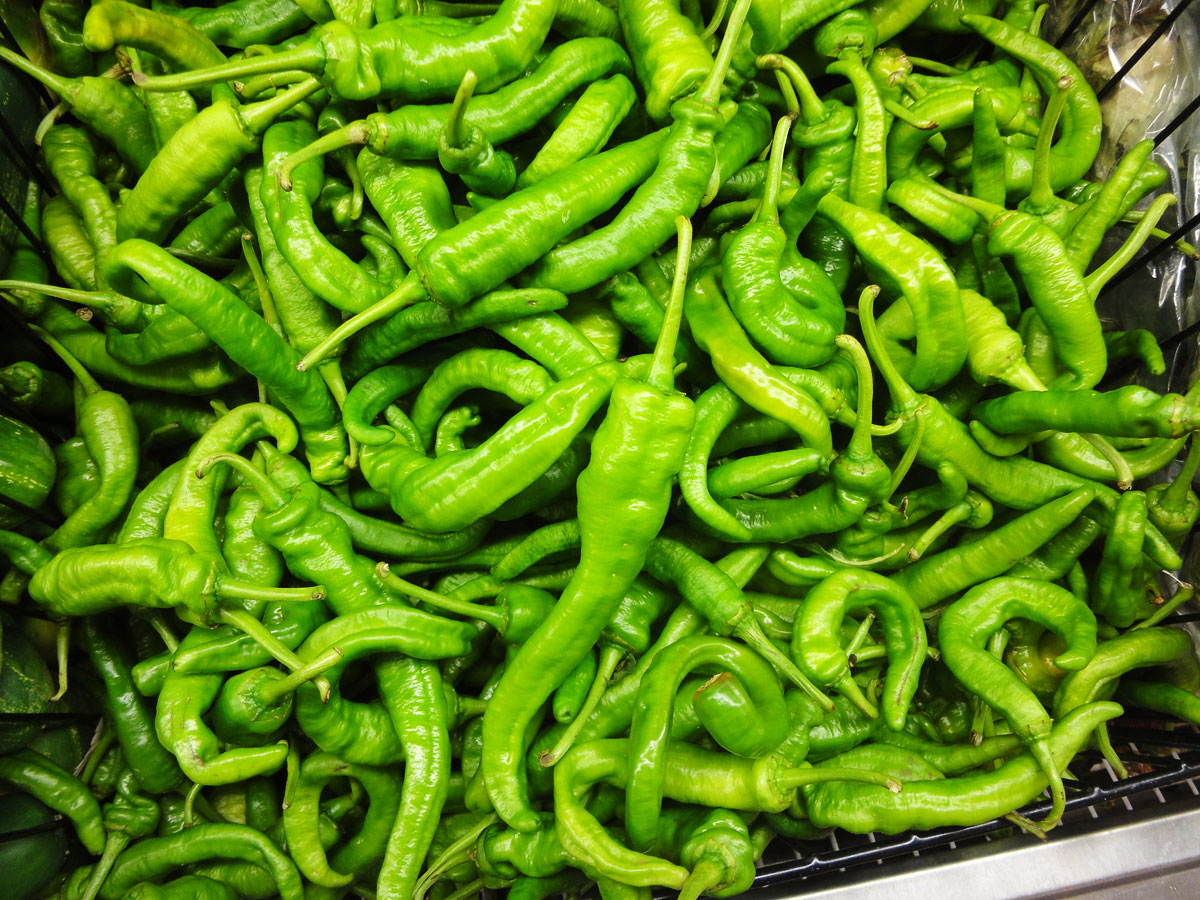
Malachite green, a green colored dye that is often present in green chilies, has proven to be carcinogenic for humans, if consumed for a long period.
Milk:
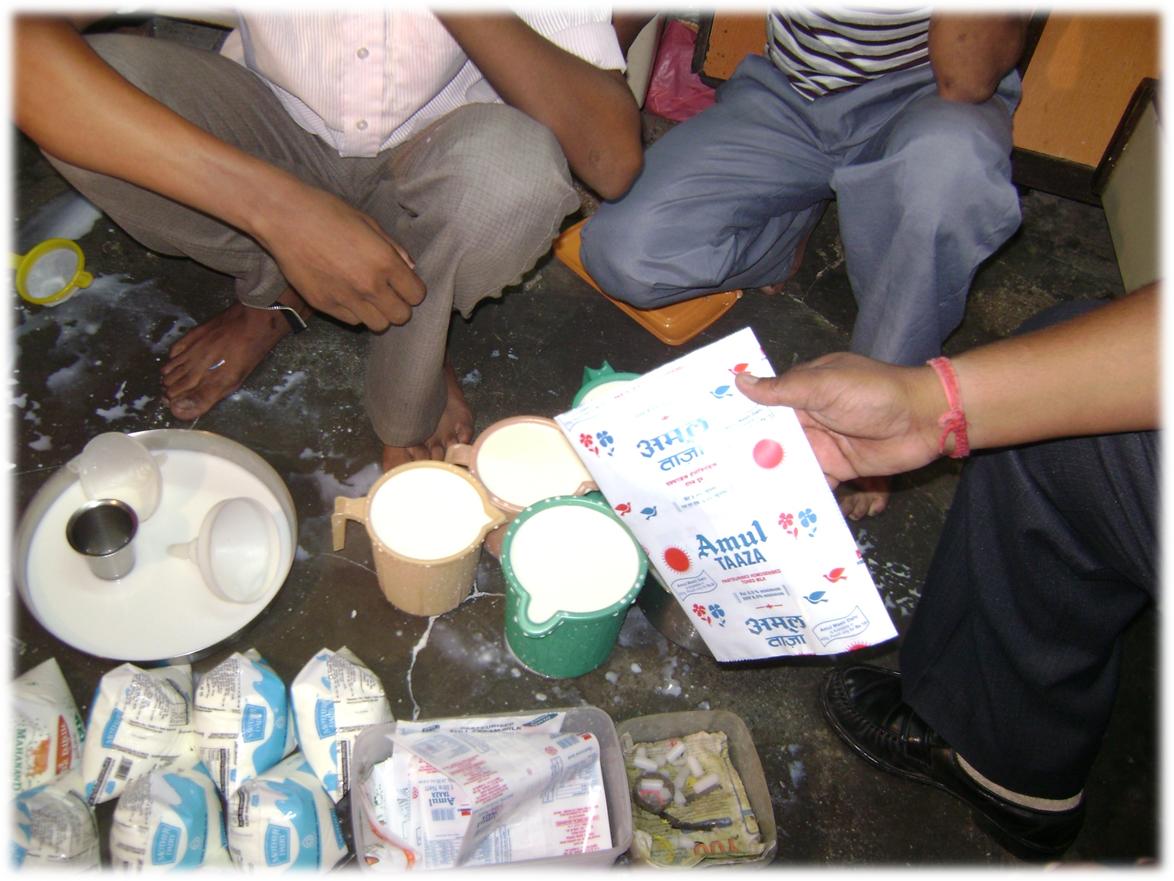
Milk is a at the top of the food fraud list. Earlier it is used to be combined with water to increase the volume and decrease the nutritional value. Nowadays, even the water it is combined with, is contaminated. We also have higher levels of adulteration like starch, caustic soda, sugar, urea and lime, to give milk a thick texture. This can cause grave stomach disorders.
Ice cream:
Ice creams are adulterated with fatty substances when it is in the cold chamber, like pepperoni, ethyl acetate and washing powder. These substances are never mentioned on the packet of the ice cream; and are added to give beautiful white sheen and lightness of flavor to the ice cream, but instead cause stomach and liver disorders.
Coffee:
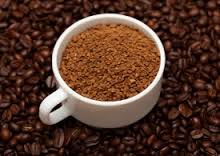
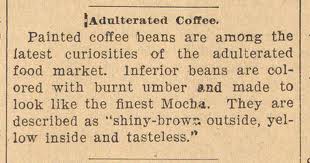
Do you know that your morning cup of coffee is not just coffee, it is a huge bag of sawdust, tamarind seeds and chicory powder and these ingredients cause more harm to us than the caffeine provided by coffee. They are added to provide bulk and color, and can cause diarrhea, stomach disorders, giddiness and severe joint pains.
Seafood:
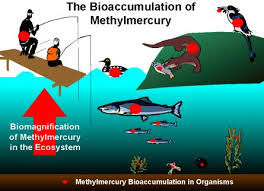
The mercury content in sea food is something that is not hidden from the world. And we humans accumulate this carcinogenic mercury, not only by eating the seafood, but also by eating the birds which eat these fishes. Eating many such birds and fishes can cause cancer in our bodies.
Flour:
Rice and wheat are India’s staple food, and these are adulterated with starch to thicken them and leaves the consumer in the illusion that our diet is perfect. This, in reality costs us our life. Therefore, the process should be very carefully executed from cleaning of grains to grinding it.
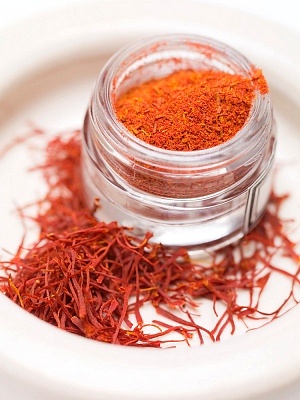
Saffron:
Given that it is the most expensive spice in the world, there’s no doubt it is a victim to adulteration. Sandalwood, dust, starch, yellow dye and gelatin are common adulterants in starch. The easiest way to detect adulteration in starch is to avoid deep red color ones and cheap ones while buying.
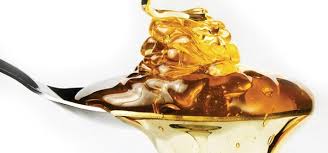
Honey:
The purest form of honey are nowadays only found when winnie the pooh sticks his hand in the honeycomb to lick out the honey. In markets, honey is adulterated with minerals, antibiotics that are not meant for human consumption, corn syrup etc. Moreover, the ultra filtration process done on honey bottles makes the adulterants undetectable.
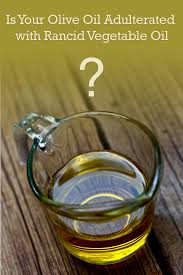
Olive oil:
It is said that olive oil is one of the best fat-free oil for human consumption. Well, the truth is that when it is adulterated with cheaper cracked oil, deodorants, corn oil, hazelnut oil and palm oil, it deteriorates the health instead of improving. Sometimes, it is laced with mineral oil, which makes the matters even worse.
So, next time when you buy this stuff, make sure it doesn’t have something that will land you in hospital. Take care that your food is authentic and there are minimal chances of you falling prey to the locus of adulterants; as your health is much more important in your life than anything else, and it is solely your responsibility to take care of it. So gear up, and say no to adulteration of food!
-

Food is Yumminess!
Yum!… Delicious.. wow! #iwantmore! … Are words completely connected with Food. Food, really tickles our taste buds. People love food, even food love people. Eyes and tongue work hand in hand for food. Though, people are crazy out there for lovely, tasty food. But, the food habits needs to be governed. Healthy food is in all way a boon but these trending junk eatables are in no way good food. These not-so healthy exquisite appetizers are not ought to be consumed every day. Their intake must be checked. But in this technology –driven era, everything is ready in 5 minutes, just needed to be put in microwave. Is this lifestyle so nice to continue or require some attention? Yes, it does. In my sense of understanding, it is good to experience everything which we like, but it needs genuine attention also. It’s true, they are tempting, but self-control is important, dear. Otherwise, results are nasty. Everyone is familiar and well-aware of the facts of over-consumption of junk food which can be obesity, anxiety,diabetes, high cholesterol, hypertension, heart attack, cancer etc. as they contain bad fats and usually have high contents of cholesterol, sodium, sugars, and other preservatives, emulsifiers. They generally never contain antioxidants or fibre content or good vitamins and minerals.
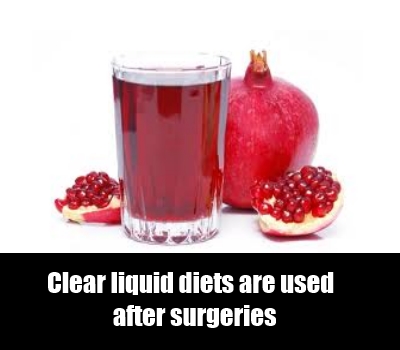
We are so persuaded to buy this food as they are readily available and also affordable and people buy it out of the promises, these advertisements make about the nutrition these foods provide us with, which is just an attempt to encourage customers to buy their products. They do not give any health benefits to our body and skin, but still there is never ending temptation and we fall prey to them simply because of their taste, price and ready to cook quality, ignoring their ill-effects. Because of this high consumption of processed foods in the recent years, our fat intake is increased by 20 percent along with an increase in sugar intake by 40 percent. This is the reason that there are more cases of obese children, diabetes, heart attacks, arthritis etc.
It is justified that even if you try your level best, unhealthy foods, fast foods cannot be avoided. Junk food and their advertisements are seen everywhere, from tv to our way to work and workplaces, grocery stores, from inside to outside of homes. Though, to avoid fast food completely from our routines and lifestyle is not practically possible , but atleast cravings for such junk food can be minimized by replacing them with healthier substitutes. These can be:
Sprouts: They can be the ultimate source of nutrition. The sprouted beans, nuts, legumes, grains are a great replacement of these namkeens, chips which have no nutritional value. They are rich in Proteins which make amino acids and provide energy to our body. While chips cannot provide any benefit but these sprouts are the best way to keep control on weight, having good skin, good amount of proteins with numerous other benefits .So, Go.. grab some recipes of sprouts on youtube and start living healthy!
Dark Chocolate: It is much better to consume Dark chocolate than regular bar of chocolates or milk chocolates because generally these contain high calories, sugars and saturated fats. While Dark chocolate with 80 percent cocoa content contain antioxidants, which are good for maintaining skin and healthy body. It is recommended to eat some amount of dark chocolate everyday . So, don’t forget to pick a box of dark chocolate, next time you visit your grocery store.
Lime water with honey : It is an awesome drink having all the qualities of an tasty, healthy drink . It is rich in Vitamin C with a good amount of sweetness and is perfect to prevent obesity and help flush out fats from the body and also gives good skin. Its better to drink it every morning or just consume it in place of your colas and aerated drinks which has just fizz.
Consume whole wheat , Brown bread: That white bread you pick out of habit is of no good. It just contains flour(maidaa) , while a loaf of brown bread has some good qualities of wheat , has less calories and is a healthy alternative for your stomach in comparison to the white breadEat Cornflakes : Breakfast is necessary, we all know that. Its better if you eat cornflakes in milk with some nuts and flax seeds and honey rather than jumping onto that milk mixers which gives artificial flavor and taste to your milk.
Drink Green tea: Green Tea, something with innumerable benefits for us. It just can’t be ignored. So before getting Tea, coffee in your hand. Go for some green tea. It is far better than having that caffeine content drink with no value and is a main cause for irritability, tooth decay, nervousness and anxiety. Green tea, rich in antioxidants is an excellent drink for heart patients and for teenagers as it maintains good skin and provide freshness. Next time, you feel the need to relax , grab a cup of green tea . It can be any, chamomile, lemon and honey, tulsi green tea. Any is better than none.
Above are enlisted some of the best foods . There’s another that is gaining popularity now-a-days which is, Organic foods. Because of their so good properties , that they are grown naturally with no use of fertilizers, pesticides, herbicides, insecticides and do not have adulteration issues. Organic farmers abide by strict standards of growing fruits and vegetables and have more food value. If eating healthy and keeping environment green and clean is your priority, then you can opt for organic foods. Also, avoiding junk food and adopting healthy lifestyle with exercise, yoga and meditation is the need of the hour if we want our future to be healthy and full of yumminess!Good Food , Good Life. Keep eating. Keep healthy.
-

A Bowlful of Comfort: Healthy Soups for You
I was out this evening and it suddenly started to pour. That’s how it is in these parts – unpredictable heavy showers are a fact of life. I arrived home all drenched. An hour later, I was sneezing: I’d come down with a bad cold. That’s when mom came up with just what I needed – like moms always do – a bowlful of delicious, warm soup. As the warm, tempting aroma filled my senses, I started feeling better already – at least in my head.
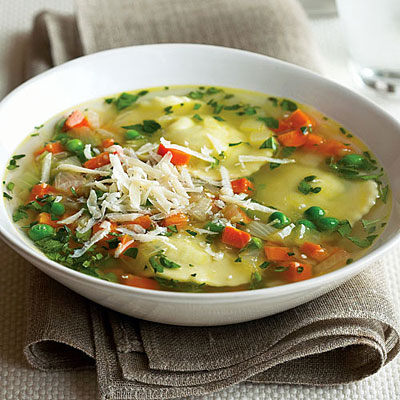
It’s true: soups are the ultimate comfort food – warm, nourishing, and you don’t even have to chew them. What’s more, they can be amazingly healthy! Nutritionists urge us to eat five portions of fruit and vegetables a day, but it can be difficult to hit these targets. A bowl of soup is an excellent way to make sure you are getting at least two of those portions. A mixed vegetable or minestrone soup will also ensure you get a good mix of minerals, nutrients, and phytochemicals – antioxidants found in plants that destroy harmful chemicals in your body. Soups with beans and pasta provide slow-release carbohydrates to give you energy throughout the day. In fact, researchers in Thailand and Japan have now discovered that a certain soup could help prevent cancer! This is the Thai Tom Yum Gung soup – speculated to be a hundred times better at cancer prevention than any other food. If the speculation is true, then a delectable mix of shrimps, coriander, lemon grass, and various chillies may be just about the tastiest way to fight cancer!
However, if you think all kinds of soup are good for you – think again. Cream-based ‘luxury’ soups in restaurants pack in more fat and calories than you might be prepared to bargain for. Besides, store-bought instant soups contain higher-than-recommended levels of sodium – intended to prolong their shelf life. The solution is simple, though. Make your own healthy soup with the goodness of ingredients you choose. Here are a few simple recipes for all you soup enthusiasts to try out.
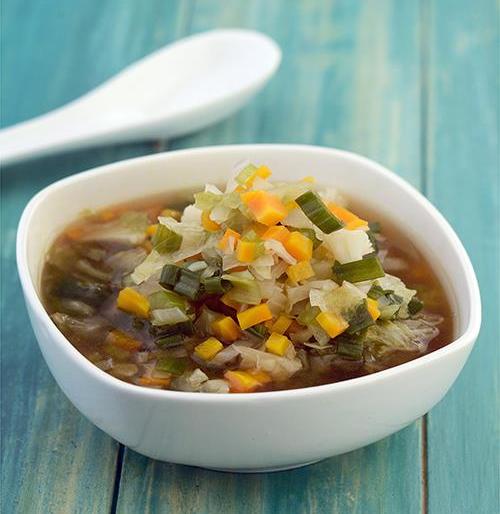
Chinese Clear Vegetable Soup
This soup utilizes the technique of stir-frying the veggies to ensure minimum lose of nutrients during cooking: it’s health in a bowl.
Ingredients:
- 1 carrot, thinly sliced
- ¾ cup cabbage
- 3 lettuce leaves
- 3 spring onions with greens
- 3 sticks of celery
- 50 g sliced cauliflower
- 2 tbsp oil
- A pinch of baking powder
- A pinch of citric acid
- 2 tsp soy sauce
- Salt to taste
- Chillies in vinegar
- Chilli sauce
Directions:
- Tear the cabbage and lettuce leaves.
- Chop the spring onions with the leaves.
- Cut the celery into pieces about 12 mm in length.
- Heat the oil thoroughly. Add the vegetables, baking powder, and citric acid and cook on a high flame for 3 to 4 minutes.
- Add 5 teacups of boiling water, soya sauce and salt. Boil for 3 to 4 minutes.
- Serve hot with chillies in vinegar and chilli sauce.
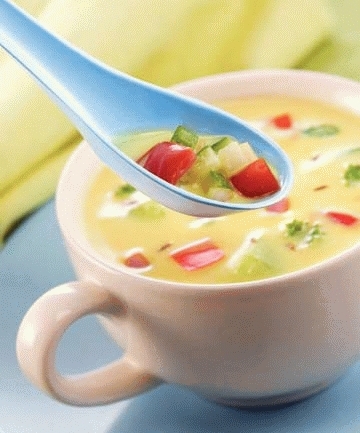
Curd Shorba:
This is classic combination of protein-rich ingredients brought together in a delicious Indian-style soup. If you are a fan of creamy soups but want to keep the calorie count in check, this is the soup for you. All you need to do is set the curd the previous day, and you’ll be able to make the soup in a snap.
Ingredients:
- 4 cups fresh low-fat curd
- 1 tsp plain flour
- ¼ tsp turmeric powder
- 2 tbsp. skimmed milk
- 1 tsp. oil
- ½ tsp. cumin seeds
- ¼ cup finely chopped onions
- 2 green chillies, finely chopped
- ½ tsp. grated ginger (optional)
- 2-4 tsp. finely chopped tomatoes
- 1 tbsp. finely chopped cucumber
- 1 tbsp. chopped coriander (for garnishing)
Directions:
- Beat the curd, plain flour, turmeric powder, and milk together.
- Heat the oil in a deep non-stick pan and add the cumin seeds.
- Add the onions, green chillies, and ginger. Sauté for a minute.
- Add the curd mixture and salt. Mix well and boil for a few minutes.
- Add the tomatoes and cucumber, mix well and cook for 1 more minute.
- Serve hot garnished with coriander.
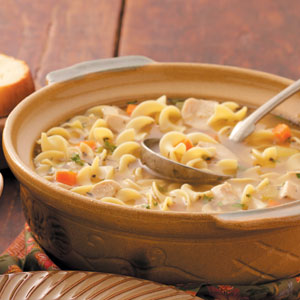
Chunky Chicken Noodle Soup
Hard-core non vegetarian? Here’s a tasty, healthy soup for you. Research suggests that chicken noodle soup may help counter inflammation. Either way, it offers proteins and helps relieve congestion. What’s more: it’s lower on calories and sodium than your canned or packet options.
Ingredients:
- 1 (3-pound) broiler-fryer, cut up and skinned
- 4 cups water
- ¾ teaspoon poultry seasoning
- A pinch of dried thyme
- 3 celery tops
- 2 cups water
- 2 ounces uncooked medium egg noodles
- ½ cup sliced celery
- ½ cup sliced carrot
- ½ cup sliced green onions
- 2 tbsp. minced fresh parsley
- 2 tsp. chicken-flavored bouillon granules
- ¼ tsp. coarsely ground black pepper
- 1 bay leaf
- Additional coarsely ground black pepper (optional)
Directions:
- Combine first 5 ingredients in a Dutch oven; bring to a boil. Cover, reduce heat, and simmer 45 minutes or until chicken is tender. Remove chicken from broth, discarding celery and reserving broth.
- Skim fat from broth. Add 2 cups water and next 8 ingredients to broth; bring to a boil. Cover, reduce heat, and simmer 20 minutes.
- Bone and chop chicken; add to broth mixture. Cook 5 minutes or until thoroughly heated. Discard bay leaf. Ladle soup into bowls, and sprinkle with additional pepper, if desired.
There, you have the recipes. Try these out and create some of your own. Enjoy your bowlful of warmth and health!
I just finished mine.
(Recipe sources: TarlaDalal.com, FitnessMagazine.com)
-

BISQUE:THE WIZARD OF DINING AND BAKING
The simmering sound of the sizzler arriving,oozing with a lingering trail of smoky scent and barbecue sauce ,a platter full of continental goodness reaches you loaded with oven fresh bread with butter melting on it,plenty of crispy sauteed vegetables decorated on its sides,pepper and mushroom dip,delectable potato wings and sitting in the center of it all,the maharaja,a thick,well done boneless chicken steak brimming with the choicest of sauces,crisp on the crust,soft and juicy at the core.This continental beauty can be ordered at the Bisque,DLF phase 2,Gurgaon.ATTENTION !ALL THE SIZZLER LOVERS,inhabitants of NCR ! Board the metro,or take a cab,but this sizzler here is worth going the distance!

I am not exaggerating at the sheer enormity of the serving size of this much loved continental cuisine.Your stomach may indicate that you are full,though the taste is so marvelous that you may just not be able to set your fork and knife down!
Not to forget ,there is a special vegetarian sizzler as well.You might be wondering that what possibly could they serve except cottage cheese to do justice to one’s appetite that is strictly anti meat.Well yes,they do serve a Paneer sizzler,but let me tell you,it is as tempting as the chicken version!A pure cuboid of paneer ,doused with sauces and butter,that threatens to melt right in front of your eyes as you cut off the first slice.And the wonders it does to your palate!I know the amount of butter and sauces mentioned here and served there are not a very healthy picture according to many,though here is its solution,the vegetables served alongside each of the sizzlers form a humongous portion and help cut out on the harmful effects of eating such a loaded meal.They effectively counterbalance the calories by adding up on the roughage.Mind you,they do not “ruin”the taste in any manner whatsoever!Unlike the childhood presumptions of regarding beans,brocoli and cauliflower as spoilers of good taste,they are prepared in such a manner that they accentuate the taste to a great deal.
Bisque also has a considerably good menu comprising of amazing varieties of Pastas and salads,giving you the full liberty to pamper yourself the low carb and calorie way.Their salad bar has every possible topping you may require to make your own salad if you wanted to.Refreshing and filling,these salads are served in really good amount to appease your palate without overdoing the taste of the sauces or the veggies.A must try if you look forward to healthy dining that also satisfies your pangs of hunger.Coming to the pastas,well,the finnese with which each plate of pasta is prepared,bearing its own unique flavour ,completely justifying its name and origin,is absolutely remarkable.

What is really worth the mention,is its doughnuts.Fresh baked,straight out of the oven,beatific and mouthwatering in appearance and titillating to the taste buds.
The Bisque can accommodate at the most fifteen to twenty people at a time in its diner,not so grand,this humble diner has its own warmth and comfort that is much liked by its customers,the food itself a favorite of all those who have ever eaten at bisque.In its ever increasing band of patrons,a major chunk belongs to those people who take a special interest in the bakery items they prepare.Breads of all kinds,be it low fat low calorie,be it garlic and cheese,the Bisque has a vast variety.You name it and they have it.The mouth watering muffins,the ‘melt in your mouth’ bread rolls,soup sticks,cal zones,cookies and what not !They even have expertise in baking cakes on order!Heavenly doughnuts that cater to all levels of sweet tooth and flavour preferences,this not so big diner never ceases to amaze with its quick service and variant types of edibles and cuisines it has to offer.Adding to its credibility is their ice cream.Rich ,creamy and loaded with flavour,maintaining a pitch perfect balance between the taste and the sweetness.Their sundaes and brownies are a must order after any meal.Tempting as they are,they possess the undiluted goodness of wholesome taste.Irrespective of its capacity for accommodation,it functions with a capability that is set to take you by surprise.With each visit,it has never escaped my eye,that the taste and the balance of flavours,the way each dish and preparation seems to be juggling so efficiently ,has never changed.Persistent and with an amazing consistency,the Bisque takes you on a savory ride. Adding to the society in their own small way,the Bisque gives away all it’s day’s produce to a stranger’s home.no matter how many loaves of bread go untouched and unsold on its shelves,they happily give it all away,charging absolutely nothing.Two men enter with empty bags and sacks,and move out with whatever is left unsold,thanking the manager,leaving with a smile.
Living up to its promise of quality food and great taste,the Bisque duly fulfills the greater humanitarian goal as well.Without a doubt,the prosperity and business is well deserved,the name upheld by the persistent quality of its food ,products and service.
A Must try if you ever happen to visit Gurgaon!BON APPETITE! -

Therapeutic Modification of the Normal Diet – Their Uses in Dietary Treatment
1. INTRODUCTION
A therapeutic diet is a meal plan that controls the intake of certain foods. It’s a practice followed in many hospitals as part of the treatment of a medical condition and are normally prescribed by a physician and planned by a dietician. A therapeutic diet is usually a modification of a regular diet. Diets are modified for consistency, nutrition and new methods of making regular dishes.
The normal diet may be modified:
- to provide a change in the constituents of the diet.
- to maintain, restore or correct nutritional status
- to include all nutrients in the diet
- to increase or decrease the energy value of the diet
- to provide foods bland in flavour.
- to modify the intervals of feeding.
1.1 MODIFICATION IN CONSISTENCY
These diets are used in the treatment of gastro intestinal tract. These diets can range from a very low residue diet to a very high fibre diet. Method of feeding is oral.
a. DIETS WITHOUT SOLIDS
(i) Liquid Diets
Liquid diets consist of foods that are liquid at room temperature and are used in:
- Febrile states (acute fever)
- Post operative conditions
b. DIETS WITH SOLIDS
(i) Soft and Low Fibre Diets
Soft diet is between liquid diet and normal diet. Soft diet includes both liquid and solid foods which contain restricted amount of indigestible carbohydrates and no tough connective tissue. The diet can be made soft by cooking, mashing, pureeing the foods used in a diet under normal conditions. One could also use of refined breads, cereals, vegetables and fruits. This diet is soft in texture and bland to taste.
(ii) Low Residue Diets
The diet is made up of foods which can be completely absorbed, leaving little or no residue for faeces formation. This diet is low in its mineral and vitamin content. Such diets need to be supplemented and foods high in fibre should be omitted. Two cups of milk may be permitted on a daily basis. Fruits and vegetables without skins are allowed. Meat should be tender or ground to reduce connective tissue. The diet is usually used in severe diarrhoea, acute diverticulitis, post operations etc.
(iii) High Fibre Diets
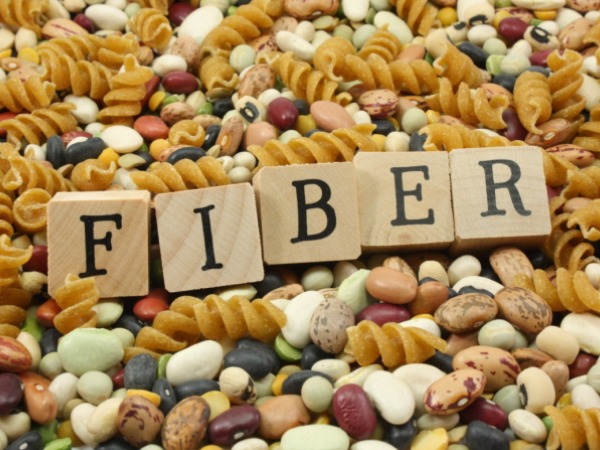
Dietary fibre plays a significant role in colonic function. A high-fiber diet includes foods that have a high fiber content. Fiber is essentially the outer crust of fruits, vegetables, and grains that is not broken down by the body. It helps in excretion of body wastes. Its also well known that fiber regulates the cholesterol levels. Oats, beans, peas, and certain fruits and vegetables (oranges, pears, brussels sprouts, and carrots) are rich sources of fiber. Recommended in case of constipation, or high cholesterol. This is a normal diet with fibre increased to 15–20 gms daily.
1.2 MODIFICATION IN NUTRIENTS
Modification or change in the nutrient composition of the diet to increase or decrease the availability of nutrients to suit the body requirements / limitations of a person.
a. High Calorie Diets
This is a normal diet with an increase in the calorie level to 3000 or more. If appetite is poor, small servings of highly reinforced foods are given. The diet may be modified in consistency and flavour, according to specific needs. Excessive amounts of foods that have a low calorific value and fried foods which disturb the appetite should be avoided. These diets are prescribed for
- Weight loss
- Fever
- Hyperthyroidism
- Burns
b. Low Calorie Diet
These diets controls calories, carbohydrates, proteins and fat intake in balanced amount to meet the nutritional needs and control blood sugar and weight. This is a normal diet with energy values reduced to 1500, 1200 or 1000 calories. Protein levels should be at 65 to 100 gms. Supplements of Vitamin A and thiamine are usually required for diets below 1000 calories.
These diets are prescribed for reducing body weight in
- Diabetes Mellitus
- Cardiovascular diseases
- Hypertension
- Gout
- Gall bladder disease
- Preceding surgery.
c. High Protein Diet
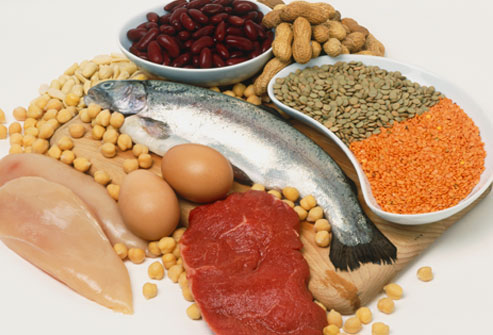
These are diets high in plant and animal proteins; used to treat malnutrition or to increase muscle mass. High protein diet of 100 – 125 g per day may be prescribed for a variety of conditions like
- Fever
- Hyper thyroidism
- Burns
- After surgery
- Diarrhoea
- Elderly
- Alcoholics.
d. Low Protein Diet
A low-protein diet is a diet in which people reduce their intake of proteins. Such a diet is often prescribed to people with kidney or liver disorders. Low protein diets are usually prescribed for conditions like
- Hepatic encephalopathy
- Acute and chronic glomerulonephrites
- Nephroslerosis
- Acute and chronic renal failure
- In-born errors of metabolism.
In severe liver disorders, when protein cannot be synthesized, excess ammonia cannot be converted to urea for excretion and the patient develops hepatic coma. In this situation protein levels must be decreased or completely restricted for a few days. Patients with Kidney require low protein diets since the kidney cannot excrete nitrogenous wastes. Diets containing 18 to 22 gms of high biological value protein may be needed for the chronic uremic patients who is not being dialysed. Low protein diets are also prescribed for patients with in-born errors of metabolism that result from lack of enzymes of the urea cycle.
d. Fat Controlled Diet
Fat controlled diets regulate the amount and type of fat allowed. The total calories from fats should give about 30% and 35% of the total calories with 10% from saturated fat and 12 – 14% from poly-unsaturated fats. Even the intake of cholesterol also is reduced from the average daily intake of 600 to 300 mg. Usually fat controlled diets are prescribed for—
- Gall bladder diseases
- Nontropical sprue
- Celiac disease
- Cystic fibrosis
- Atherosclerosis
- Myocardial infarction
- Hyperlipidemisa etc.
e. Low Sodium Diet
The mineral content of the diet may also be modified. Four levels of sodium restriction are used — 250, 500, 1000 and 2400 mgs. The diet excludes excess salty foods and salt in cooking and at the table. This diet is used both to prevent and treat edema. Therefore, it is prescribed for congestive heart failure, hypertension, liver and renal diseases. Then sodium must be added back by means of the diet.
Georgie Rajan
-

Food Myths- The Secret Revealed
Myths surrounding foodstuffs are like UFOs, one can always hear about them but nobody really knows whether there is any truth to them! There is no shortage of food myths floating around on the web. It wouldn’t be wrong to say that behind most food and nutrition myths, there is a kernel of truth. But what is the reality behind these myths? Are they authentic enough for us to believe and follow? Let’s find out the truth behind some of the world famous food myths that have been around for ages.
MYTH 1: Drinking water in between meals is not good
While drinking water has been considered essential, having the life giving elixir while during meals is often said to do more harm than good. This is one myth that has been passed down from generations. The truth, however, is that though drinking water fills you up, it does no damage to your digestive process. Infact, it might even do your system a world of good. So, keep that glass of water nearby and see that you are drinking enough through the day.
MYTH 2: Carbohydrates make you fat.
Contrary to popular belief, there’s nothing inherently fattening about carbohydrates, says Jean Harvey-Berino, from the Department of Nutrition and Food Sciences from the University of Vermont and co-author of The Eating Well Diet (Countryman, 2007). The real reason behind people getting obese is the large volume of calories that they consume on a daily basis and second is lack of exercises.
MYTH 3: Radiation from microwaves makes food unsafe for consumption
The term “Radiation” may bring images of nuclear plants in one’ mind, but in reality, these refer to simple energy waves. The microwaves used to cook foods are weak in nature according to Robert Brackett, who is the director of the National Centre for Food Safety and Technology at the Illinois Institute of Technology. The changes brought about in the food are from the heat generated in the food, not by the microwaves used to heat the foodstuff. However, a check has to kept on the kind of container used for cooking while exposing the food to microwaves.
MYTH 4: The desire to consume particular food items is a sign of nutrient deficiency of nutrients provided by that food
Nope, in reality food cravings happen more or less to satisfy one’s emotional needs. Cravings are the mind’s way of distracting one from an otherwise restricted or boring diet.
MYTH 5: Mini meals help you control your weight better than having large meals
The body metabolism boosts up slightly every time we munch on something to eat. This is a bodily reaction to what we’ve consumed. By having many small meals instead of fewer, larger ones, it’s true that we shift our metabolism upstream and burn a few more calories. But the calorie difference is minimal and does not add up to a large value. Having said that, munching on snacks in between meals, may help some by keeping them from getting hungry often and consuming too many calories.
MYTH 6: Fruit skins are waste
This is by far one of the most ludicrous myth! While fruit peels may not seem appetizing to many, it is in fact known to have a higher concentration of antioxidants than the flesh! However, a word of caution here. To make most fruits appear attractive, they are waxed and polished to give them a rich shiny exterior, thereby making them attractive. To avoid consuming the wax, wash and rinse the fruits well in warm water.
MYTH 7: Eating after 7 pm will make you fat
No it wouldn’t. It is true what health expert’s claim – that it’s healthy to have an early dinner. In other words, it is a part of a healthy lifestyle to have an early dinner. This helps and gives the body time to digest food before you sleep. Experts claim that it’s not when you eat that makes you fat; it is infact what you eat and the amount of calories you consume that makes you fat. Late night snacking might only affect the amount of sleep .
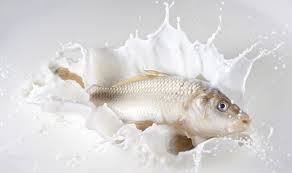
MYTH 8: Having milk immediately after eating fish is bad
According to some people, having milk with a meal comprising of fish as a major ingredient will make you sick and may also cause white spots or discolouration in the skin . however we find no scientific reason, however, backing the above myth. You can very well have fish and milk together without having any kind of adverse effects on health or your skin. To add, as a note of relief, and also a well known fact, there are many mouth watering and healthy recipes around the globe which combine the goodness and taste of fish and milk. So, go ahead, have your favourite two ingredients in a go without worrying about the myth.
MYTH 9: Chocolate causes acne
Whoever passed on this statement is definitely not a chocolate lover!! The myth found its origins in the late 90’s and it became so popular and common that most teenagers and their parents believed it! No conclusive scientific evidence backing this claim has been found though till now. Acne is caused due to irregular oil gland secretions and clogged pores aggravated by oily foods. Different foods may cause acne in different people and for some people that food just had to be chocolate. This does not mean the poor chocolate be blamed entirely for it!! Have your favourite bar; it is known to have more health benefits than you can think of. As for the zits, avoid oily foods, have enough water and cleanse your skin often to get rid of them.
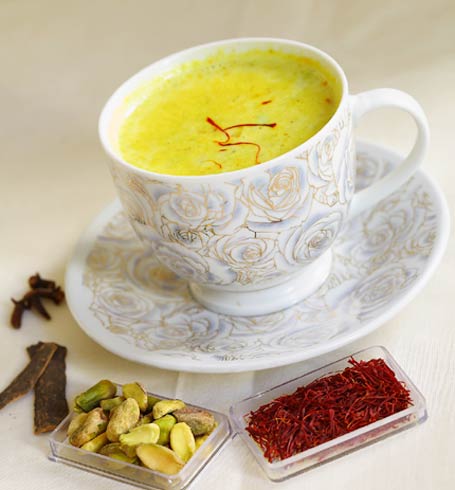
MYTH 10: Having saffron during pregnancy makes your baby fair
Sure!! Saffron or kesar is considered beneficial for pregnant women (when taken in small quantities) owing to its properties. But following a belief that having saffron with milk when you are pregnant, will make your baby fair, is nothing but outrageous. First of all, colour of the skin must never be a matter of such concern. The important matter is that the baby must be healthy. The complexion of a person is in no ways related to how much saffron you consume. True, both milk and saffron are good for health, but it’s not going to make the baby fair as scientifically, the colour of the skin depends entirely on the gene pool of the child and this, is a proven fact!!
Georgie Rajan
-

Probiotics : Teaming Up With Good Microbes
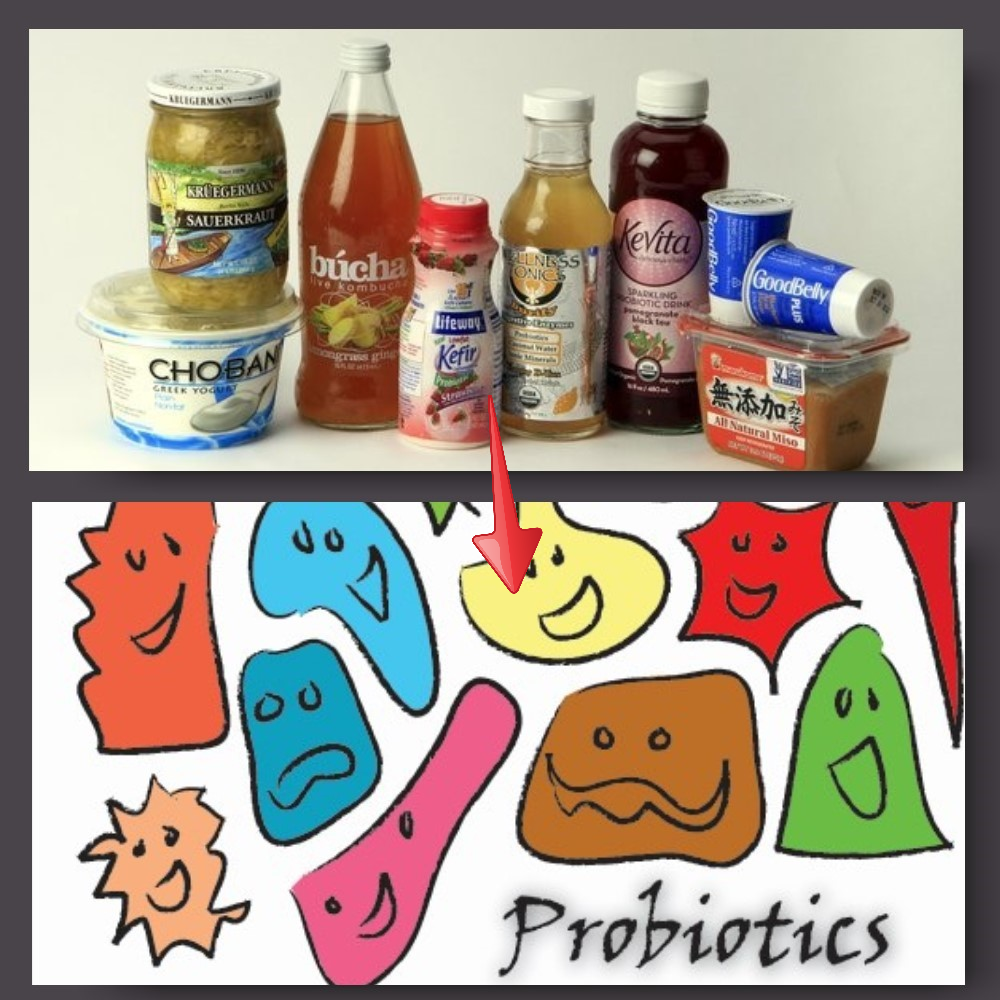
When Homo sapiens came into existence, the food they had, only came from plants. Gradually, people started eating animals. And today, we eat almost everything that is not harmful to us. That includes even the teeny- tiny micro-organisms, that are not even visible to us unless and until we have a good 40X microscope. When we think of these microbes, the first picture that comes to our mind is that of diseases; as they are the prime disease-causing agents in the environment. And if you’re told that having a microbe-rich food is quite beneficial for our digestive system and immunity, you’ll probably think of me as a crazy person. But, this is now scientifically proven. Everybody is not bad, even at the microscopic level. There are some good micro-organisms which, when consumed by us in adequate quantity, are very good for our health. And this is where I introduce a commonly-heard-yet-rarely-understood term- “PROBIOTICS“. Probiotics are foods which have live micro-organisms, mostly bacteria and yeasts, which are very good for our health, specially for lactose-intolerant people and those who are on antibiotic dosage. Our gut harbors millions of good micro-organisms and probiotics replenish them, when their balance gets disturbed. They also boost our immunity as our body teams up with these good microbes.
Fermented foods are a rich source of probiotics, as they are made by the growth of healthy micro-organisms in optimum conditions, like warm and moist environment. Fermented foods should be included in our diet as they are the most natural and healthiest way for consumption of probiotics.
So, on the whole, for people who don’t know which probiotic foods to take, here’s a small list of some of the common ones:
Fermented milk and milk products:
Fermented milk and its products are loaded with lactic acid bacteria, which are also found in yogurt. Live-cultured yogurt is one of the best known probiotic foods available. And because it comes from milk, we get a dose of animal protein ( about 9 grams per 6- ounce serving), and several other nutrients found in dairy foods, like calcium, vitamin B2 , vitamin B12 , potassium and magnesium. Other famous fermented milk product brands in India are Yakult and Dannon.
Miso Soup:
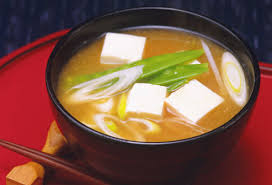
Popular in Japanese restaurants, miso is a tofu and vegetable broth soup, that is made by adding a tablespoon of miso to some hot water, which is low in calories and high on probiotics. It is a healthy and delicious break from the normal canned soup.
Sauerkraut:
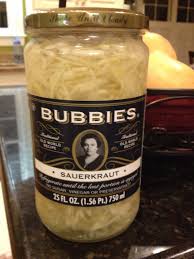
It is a probiotic dish made from fermented cabbage or other vegetables. It is extremely rich in healthy live cultures and also reduces allergy symptoms. It is also rich in vitamins B, A, E, C. It is generally eaten as a side dish or with a hot dog.
Kefir:
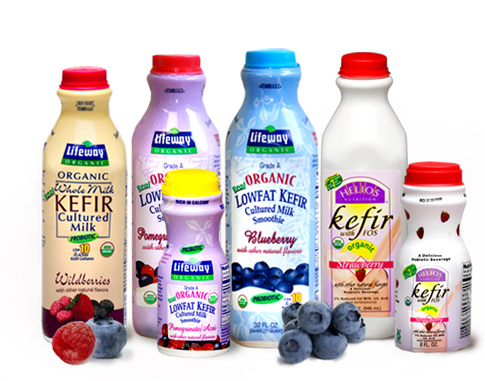
It is a fermented dairy product and similar to yogurt. It is a combination of goat’s milk and fermented kefir grains. It is also rich in anti-oxidants. It is taken as a flavored or plain over healthy granola fruit, or as a smoothie-like drink.
Kombucha Tea:
It a type of fermented dark tea, that has lots of healthy gut bacteria. It increases your energy, enhances your well-being and also helps to lose weight. It can be tried hot or iced .
Tempeh:
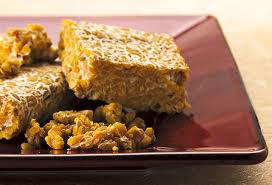
Tempeh is a fermented, probiotic rich food made from soy beans, and is a great substitute for meat or tofu. It is a great source of vitamin B12. It can be sautéed, baked, or eaten crumbled on salads.
Kimchi:
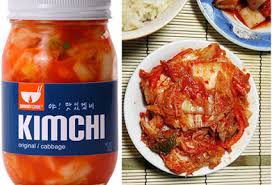
It is an Asian form of pickled sauerkraut, and is an extremely spicy and sour fermented cabbage, typically served as side dishes in Korea. It is a great source of beta-carotene, calcium, iron, and vitamins A, C, B1 and B2, besides beneficial bacteria.
Some really popular natural probiotics found in Indian cuisine are :
Dosa:
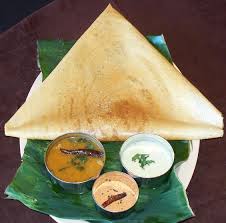
Dosa is a very famous South Indian dish which requires a perfect combination of rice and black lentils, in the form of a fermented batter. They have a crispy, savory crepe like texture and the sour kick comes from the lactic acid bacteria formed during the fermentation process. They are very easy on your tummy, even when you are feeling under the weather.
Dhokla:
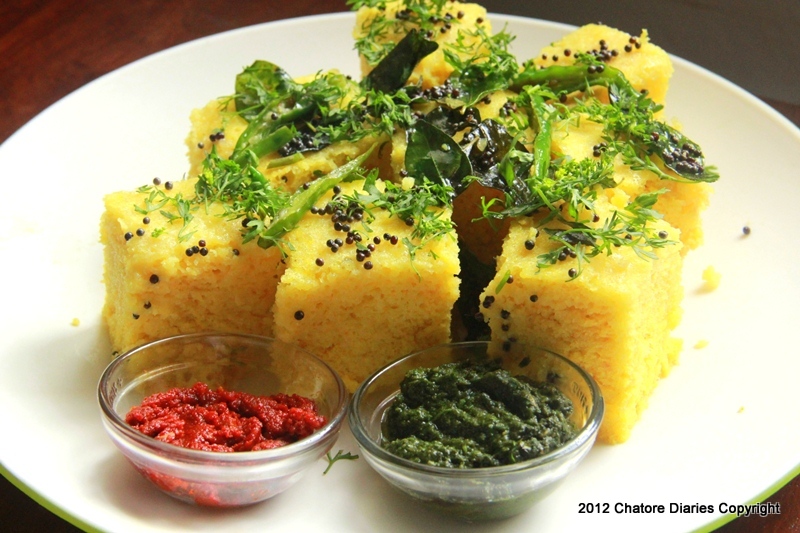
Dhokla is an essential part of the cuisine of Gujarat, India. It is made by mixing lentil flour with buttermilk or yogurt followed by their fermentation overnight. These are then steamed and served chilled. Dhoklas are very famous and healthy snack in India, specially Gujarat.
Idli:
Idli is a South Indian dish and a popular Indian snack, made by steaming the fermented batter of rice and black lentils. They are served with sambhar or as a part of salad, called idli salad.
If you don’t have access to these foods, then the best natural and easily available probiotic is homemade curd or buttermilk, which is a boon for our digestive system. It should be consumed at least once a day. Remember, we have a large biome of microbes in the gut flora and its very important to maintain a respectful relationship with them.
-

Food For Thought : Boosters and Busters
Ever thought about how food can affect how you feel and behave? Think about thanksgiving, that hearty meal that leaves you as sleepy as a dose of valium. Or think about a cup of mocha latte, there’s nothing like a foamy cup containing 2 caffeine saturated drinks, is there? And when you are feeling low, because of frustrating reasons like you run out of cash or you have exams, you don’t reach out for a bowl of spinach, do u ? You just grab a chocolate, because that is what makes you feel good.
Certain foods have mind-altering effects on you, which is why we crave for different foods in different situations or moods of our life. Some foods make us feel content, calm, happy or boosts our spirits, whereas some foods make us aggressive, sad or lazy.
It is still difficult to classify foods which influence your moods. So here is a simple list of foods that may boost or bust your mood, without filling you out.
Edible pick-ups for boosting your mood:
Berries:
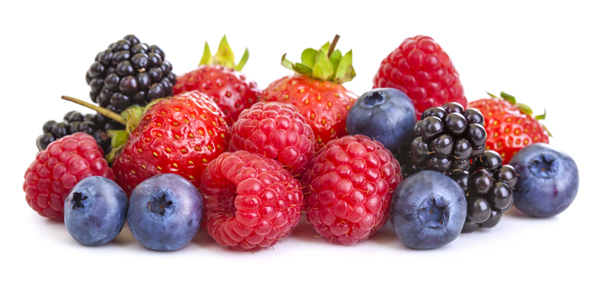
Berries like blueberries, purple- berries, are loaded with vitamin -C, which acts as a great stressbuster. These berries also have anthocyanins, which are a type of antioxidants which uplift your mood and memory functions.
Cottage cheese:
Cottage cheese has tryptophan, which is a sleep inducing amino acid, that relaxes entire body and mind and helps to remove restlessness. You can also find tryptophan in soymilk, tofu and lentils.
Chocolate:
When you put a piece of chocolate in your mouth, it melts on your tongue and you can literally feel stress leave you and bliss greet you. Chocolate is a joy stimulant. Cocoa boosts brain serotonin levels, which acts as an anti-depressant. Chocolates also have a neurotransmitter that temporarily blocks feelings of pain and depression. This is why chocolate has been referred to as the new anti anxiety drug. Also, eating dark chocolate reduces stress hormones specially cortisol. When you do indulge in chocolate for busting your stress, make sure you have 1.4 ounces of it.
Protein:
A high quality source of protein- like organic eggs, a piece of Gouda cheese or almonds- can keep your blood sugar levels at bay along with enhanced energy and mood.
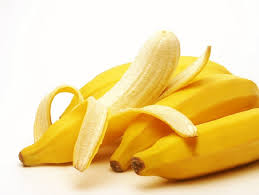
Banana:
Banana has vitamin B, specially B6 and magnesium which soothes the nervous system. It also has dopamine, which is a great mood booster, and induces feelings of happiness in the mind.
Coffee:
Coffee affects our general sense of well-being and improves brain health due to release of a chemical substance called BNDF, which also helps in synthesis of neurons( brain cells).
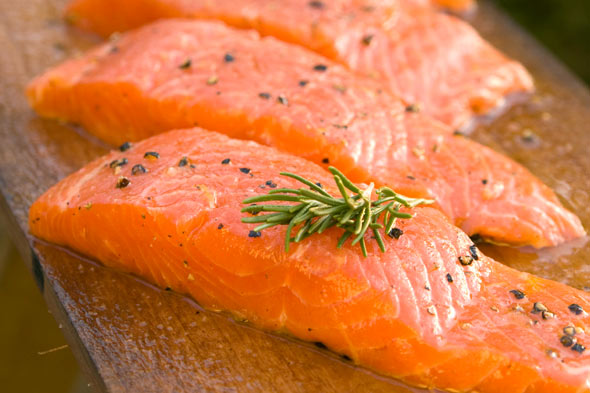
Fish:
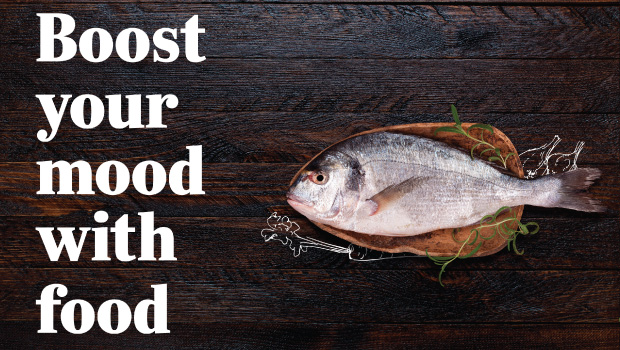
Eating fishes like salmon, tuna, sardines, rainbow trout will provide you omega-3-fatty acids, which are very good for our health, and specially, heart. Omega 3 fatty acids alter brain chemicals, which are linked with mood, like serotonin and dopamine, which decrease depression, aggression and give a feeling of happiness.
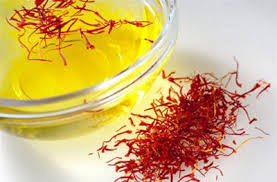
Saffron:
Saffron is a spice derived from the flower of saffron crocus. It has long been used in the treatment of PMS symptoms, like mood swings and depression. Now saffron has proved to be a potential anti-depressant , by helping to make the feel-good neurotransmitter serotonin available to the brain.
Coconut:
When you are stressed, the smell of coconut may blunt your adrenaline response, by slowing your heart rate. The scent of coconut lowers our blood pressure and enhances alertness and soothes our response to stress.
Just as foods can uplift your mood, they can also bring it down. Eating a lot of spicy foods can make you mad at little things as they heat up your body. Here’s a list of foods that trigger a negative mood.
Mood busting foods to avoid-
Sugar:
Abnormal sugar intake can lead to fluctuations in blood sugar levels, which can cause mood swings. Sugar causes insulin and leptin resistance and impaired signalling. Sugar also suppresses activity of BNDF, which deteriorates brains health by stopping synthesis of neurons. Also, sugar triggers a chain of chemical reactions which promote chronic inflammation.
Gluten:
Gluten is a protein found in grains like wheat, rye etc. and it negatively impacts mood and brain health. It can promote depression and have detrimental effect on our brain.
Processed foods:
Apart from sugar and gluten, food may also have trans fats, artificial colors, monosodium glutamate (MSG), artificial sweeteners, and synthetic ingredients, which cause irritability and poor mood.The list of potentially mood busting ingredients is a long one.
So basically, the science of food’s effect on mood is based on the changes it can bring to our brain structure(chemically and physiologically), which can lead to altered behavior. To sum up, foods can have immense impact on your brain and body, and having balanced meals with all kinds of nutrients is the best way to support your mental and physical health. But if you are in a bad mood, you should look into your kitchen or fridge for countering it, instead of your medicine box.