Category: Food

  • Every Plate of Food has a Story to Tell

    Every Plate of Food has a Story to Tell

    Everyone knows that there are two types of people in the world when it comes to food – those who eat to live and those who live to eat. If you’re the type that lives to eat, then you would know that nothing in the world sounds better than the “ping” announcing that your food is ready. That ping can be the ping of your oven or the ping at a fast food joint, it doesn’t matter. You would know that those clichés where people say that their favorite thing to do is to curl up in the bed with some chocolate pudding and a book or a movie are all true. You would know that if there’s one thing in this world that has the power to make you smile, it’s food.

    The biggest dilemma in the life of a foodie who knows to how cook is whether to go out to eat or to stay at home and cook. I’m a foodie. I love cooking. I made my first chapatis when I was six and I woke up in the middle of the night with my stomach rumbling. I didn’t want to wake my mother up so I went into the kitchen and found some left overs, but there were no chapatis. So my six year old self decided that she really wanted to have warm, soft, chapatis and she made them. Of course they were hard and crisp and slightly burnt but that was when I realized that cooking was exciting. After that, I often used to wait for my mother to go take her afternoon nap so that I could go into the kitchen and cook something for myself. I thought one day I would surprise my mother by cooking a meal for her all by myself. That never happened because the first time I cut my finger, I ran to her crying. Nonetheless, almost everyone who is passionate about food and about cooking remembers the first time they made something and how amazing and excited they felt.

    Food brings happiness to us in many ways. It’s not just the eating part that makes people happy; it’s also the cooking part. Having a chocolate cake that you baked yourself sure feels amazing. But it feels even better when you’re eating it with a bunch of people who love it and they tell you so.

    So when you know how to cook amazing food, which isn’t a difficult thing to do, and you enjoy it, why would you want to go out and eat? I’ll tell you. When you go out and you order something new and you eat it, it gives you a rush because you can’t wait to get home and try making it. Often, you might fail to reproduce that dish. After a point, you even give up. So you go out and back to that place to eat the same thing again and again because that place makes that one particular dish perfectly. And this way, over time, you label places with particular dishes that they make and if someone wants to eat that thing, you know the perfect place to take them to.

    A foodie knows that there should be no discrimination between a roadside vendor and fancy restaurant. A nice little dhaba tucked away in some corner has the potential to serve as good food as that fancy place near the fancy mall. The only thing that should matter is hygiene. Not all dhabas are unhygienic and not all restaurants are hygienic. Also, if you’re a student and you keep dining at pricey places, your parents will soon realize that the extra pocket money you’re asking for, is not for ”research material” and that, my friend, is not a good thing. It’s not difficult to get addicted to good food so you need to keep in mind that those pricey places with the orgasmic food are a luxury. They should be treated like the occasional cigarette. You plan on ahead and save up for weeks to eat there. Or you spend the money you were given to buy shoes to eat there and walk around with your toes poking out of your shoes as a punishment. (If, in case, that does happen, you have my sympathies.)

    Another golden rule when it comes to food – never waste food. You have a little too much food and none of it can go in the fridge? There are plenty of men, women and children out there who need it. Take a walk after your meal, a healthy habit too, and give it to someone who needs it. Can’t find someone? Put it out with a bowl of milk and the Dog Fairy will make sure it vanishes by the time morning rolls around.

    Food, books, pets – to each, their own. Or some people prefer to have a combination of any two or even all three in their lives to be able to call it a perfect and happy life. Whatever the combination be, you need food in there to be happy – or even to simply survive. If you eat to live, slow down once and think about the taste of the food you’re eating, think about the texture, the feel of it and think about the story behind that plate of food because be it the burnt chapatis I made when I was six or be it the chef’s signature dish at a restaurant every plate of food has a story to tell.
  • What to NOT Feed Kids

    What to NOT Feed Kids

    I’m sure you’re a responsible parent/grandparent/aunt/uncle/babysitter. While that once-in-a-while trip to McDonalds’ is all right, you make sure that your kids do not feed on hamburgers, French fries, pizza, and coke day in and day out, much as they’d love to. While cutting the obvious junk out of your kids’ everyday diet is a great idea, you may be surprised as to what scientific studies have to reveal about a number of popular food items marketed as “healthy for kids”. Here is a list to help you make an informed choice.

    Breakfast Cereals for kids:

    sugary cereals

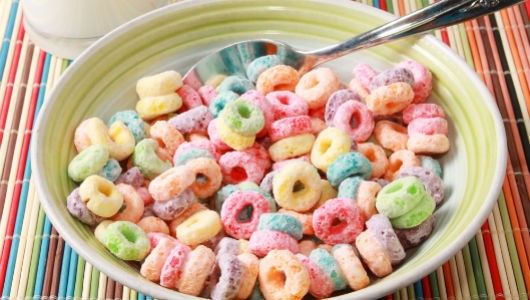
    Breakfast cereals for kids are amongst the most begged for foods in the supermarket. They are colourful, they are sugary, and their boxes display a variety of popular cartoon characters. Your kid loves them! And so do you. They boast of a whole lot of vitamins and minerals on the label, and they are tasty, which means your kid does not make a fuss on the breakfast table. However, the sour truth that these sweet cereals hide is that when you consider the amount of sugar and processed ingredients per serving, the miniscule amount of nutritional value they offer doesn’t count for much. Nutritionists recommend that when you shop for a suitable cereal, go for brands that contain at least 3-grams of fiber per serving and less than 10 grams of sugar. The best morning cereal that you can serve your kid hooked is whole grain oatmeal. It’s high on fiber, vitamins, and minerals. Sprinkle on some berries and mix it with yogurt, or a dab of honey or real maple syrup, and junior will love it just as much as he loves his froot loops.

    Processed Meats:

    processed meat

    Bologna and smoked ham may sound like lunchbox staples, but experts suggest that if your child eats a sliced meat sandwich every day, you may be packing her a toxic lunch. Processed meats contain saturated fat, high levels of sodium, and artificial preservatives like nitrates — all things that threat your child’s health. Nitrate, in particular, has been found to increase risks of heart disease, diabetes, and colon cancer in children. If your kids love lunch meats, opt for preservative-free varieties, or better yet, make your own by thinly slicing chicken at home.

    Juice Boxes

    Juice Boxes

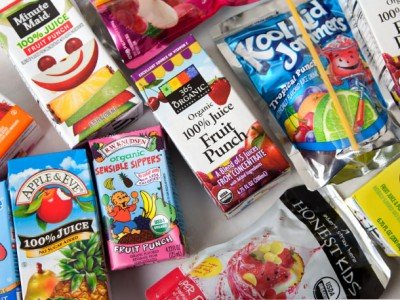
    We know your kid loves her pack of chilled Mango Frooti after school or play hours. But according to food experts, irrespective of what their labels say, juice boxes don’t really pack any nutritional value. Not only do they contain high levels of sugar, most commercial juices lack any fiber and vitamin content. If your child loves her cold beverages, try blending up a batch of fruit smoothies with whole fruits, yogurt, and ice as a nutritious after school snack.


    Snack Cakes:

    Snack Cake

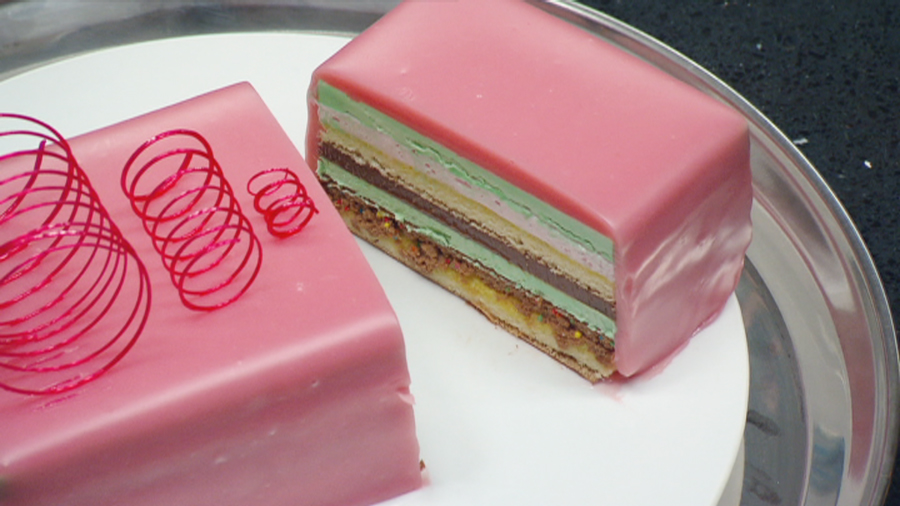
    Your child probably looks forward to that Swiss-roll in her lunchbox every day. But as much as you love treating your kid, you should consider that most processed snack cakes are packed with trans fats, the most unhealthy processed fat known.  So if packing in something sweet ensures that your child finishes her lunch at school, go for berries and grape or bake cookies or squares from scratch using natural ingredients.

    Kids’ yogurt

    Kids Yogurt

    This might be a shocker to you. Yogurt is a wonderfully healthy food for kids; kids’ yogurt, not so much. The reason is that it is so loaded with artificial colors and sugar that it negates any health benefits the original food might contain. So your kid does not like plain yogurt? Just buy the plain variety and sweeten it with frozen fruit, raisins, or honey.

    Microwave popcorn

    Microwave Popcorn

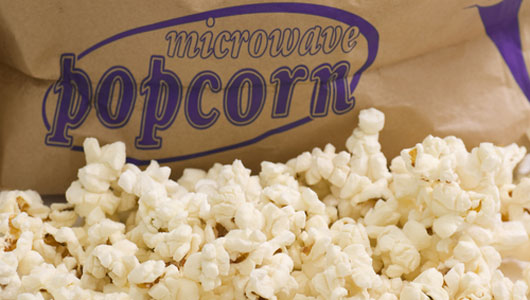
    Many parents opt for microwave popcorn as a hassle-free “healthier” alternative to packaged and/or deep fried chips and snacks. However, here’s an ugly truth. Bags of microwave popcorn are lined with a chemical called perfluorooctanoic acid, or PFOA, so that they do not catch fire while microwaving. While nobody wants a flaming microwave, what sets the alarm bells ringing is that PFOA has been linked to cancer, delayed puberty, thyroid abnormalities, and high cholesterol in children. It might be worth the while to steer clear of the microwave versions and make your own popcorn.


    Granola Bars

    Granola Bars

    Contrary to popular belief, food experts are of the opinion that granola bars do not really make a healthy snack for kids. In fact, most store-bought granola bars marketed to kids are lower on nutritional value than the brands for adults: they are loaded with sugar and added ingredients like chocolate chips, marshmallows, candy, high fructose syrup, and artificial dyes. If your kid is a fan of energy bars, try whipping up a batch at home with natural ingredients like almond, peanut butter, raisins, coconut, whole grain cereal, honey, and dried fruit and nuts.

    Sports drinks

    Sports Drinks

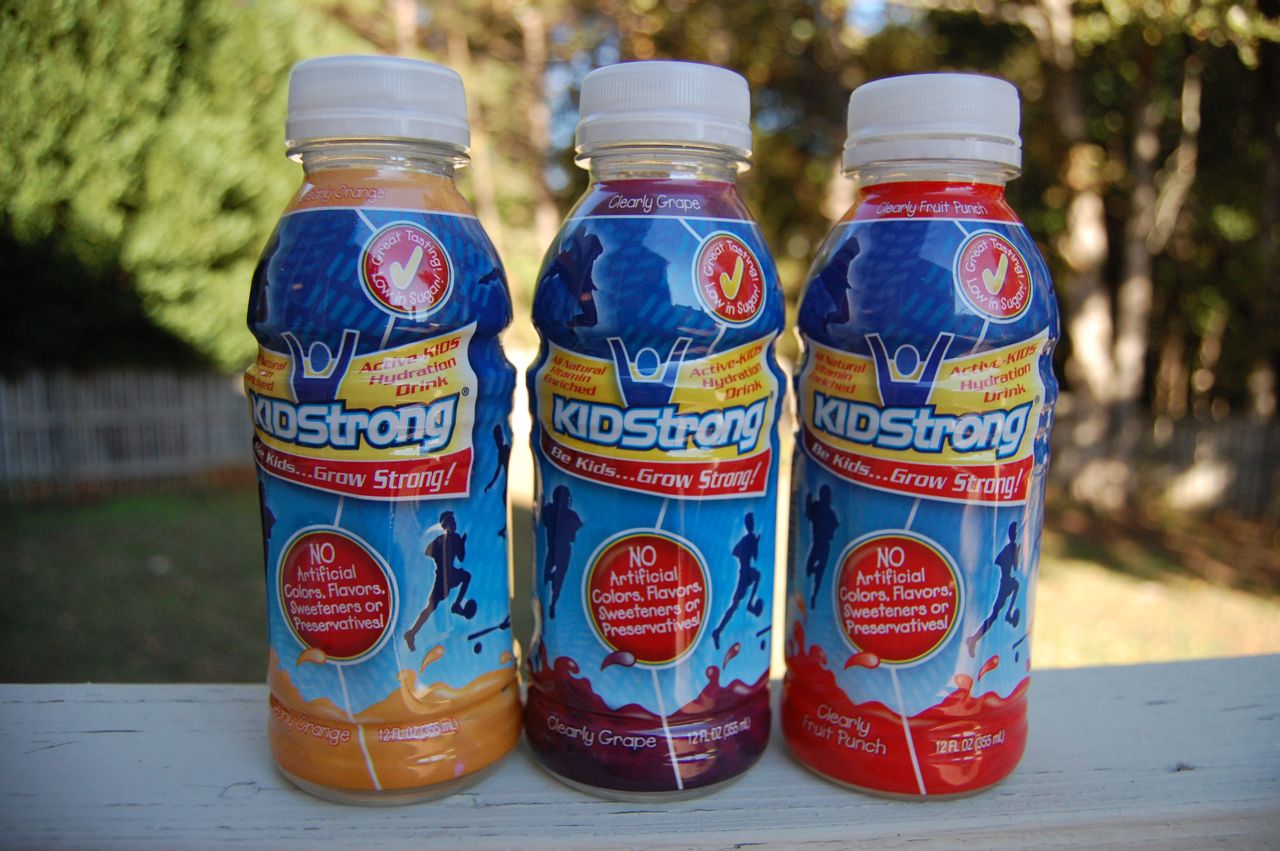
    You may think they are a healthy choice, but unless your kids are exercising heavily on a hot day, there really is no need for them to drink a sports drink. Experts say that regular consumption of sports drinks make children develop a kind of tolerance that makes them less likely to choose water over these drinks even at other times of day, simple because it will taste bland in comparison. If your kid is thirsty, offer water. For a great post-game recovery drink, try chocolate milk — it has the perfect blend of carbohydrates and protein to help little bodies repair and replenish.

    While this list should help you get started, I’m convinced it’s far from comprehensive. There is a number of unhealthy products in shiny packs that are sure to attract your kid while you navigate through the aisles of your local supermarket. The trick is to not be fooled by friendly-looking cartoons assuring you of a “mouthful of health”. Read the nutritional information and scan the ingredients with care. When in doubt, consult your nutritionist or pediatrician. Your smart choices prepare your child for a healthy life healthy.

  • It’s Choco-Orange Season!

    It’s Choco-Orange Season!

    When Adriano Zumbo’s lolly-bag cake made an appearance on Masterchef, I was intrigued. It was colorful and it boasted of a variety of flavors. It was also one of the trickiest and most complicated recipes I have ever come across. Naturally, the little chef in me was excited to try it out. However, after spending two weeks hunting for the ingredients in the city, I had to give up. Not everything was available and I could only handle so much disappointment.

    zumbo_lollybag_cake

    To lift up my mood, I decided to bake something else but something unique. I decided I needed an ice-cream to tickle my creativity. I picked up a choco-orange bar from a stall and that is when inspiration hit me. I loved the choco-orange ice-cream and I loved chocolates with orange essence in it. It is an interesting and emerging trend and it’s delicious. Why not try a cake which had those same flavors?

    Coming up with a good way to mix those two flavors was difficult. I wanted something eccentric but something that tasted good. After a lot of failures, I realized that eccentric wasn’t going to work and I had to settle for classic. So I went ahead and baked a triple layered choco-orange-choco cake with dark chocolate ganache.

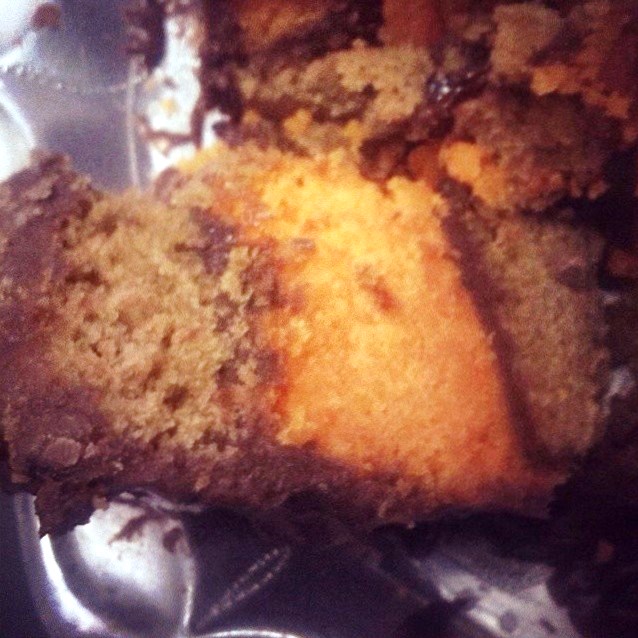
    If you like to bake and you like the new and trendy choco-orange flavor then this is something that you really should try because it tastes really good and is fun to make. It has two layers of chocolate with the layer of orange flavored cake in the middle.

    For the chocolate layers of the cake, you will need:

    1 ¾ cups all-purpose flour
    2 cups sugar
    ¾ cup cocoa powder
    1-1 ½ teaspoons baking powder
    1-1 ½ teaspoons baking soda
    1 teaspoon salt
    2 eggs
    1 cup milk
    ½ cup vegetable oil
    2 teaspoons vanilla extract

    Once you have all the ingredients, what you need to do is –

    Heat the oven to 350°F. Grease and flour two round baking pans. Alternatively, you can bake one huge cake and cut it through the middle into two cakes.

    Mix sugar, flour, cocoa powder, baking powder, baking soda and salt (dry mixture). Keep it aside.

    In a bowl, mix the butter, eggs, vegetable oil, and the vanilla extract. Beat together till it forms a light and fluffy mixture

    Add the dry mixture and the milk to it alternating between one part of the mixture and one part of the milk.

    Pour the batter into the pans and bake for 30 to 35 minutes or until wooden pick inserted in center comes out clean.

    Once it’s out of the oven, cool the cakes for ten minutes before removing them from the pans to the wire racks. Set it aside to cool.

    For the orange layer of the cake, you will need:

    1 cup butter
    1 cup sugar
    2 medium eggs
    1 teaspoon baking powder
    ¼ teaspoon baking soda
    ¼ teaspoon vanilla extract
    ¾ teaspoon orange extract
    1 teaspoon orange zest
    1 cup flour
    ½ cup orange juice


    After gathering all the ingredients, you need to –


    Soften the butter by leaving it out for some time. Whisk the softened butter. Cream butter and sugar together until fluffy. Add the eggs and beat until even lighter and fluffier but make sure not to overdo it.

    Add the baking powder, the baking soda, the vanilla extract, the orange extract and the orange zest. Mix well. Add the flour and mix it until the batter is uniform. Add the orange juice and mix it until it’s smooth and well blended.
    Flour and grease a pan and line it with parchment paper. Pour the batter into the cake pan.

    Bake at 350°F for 30 minutes or until golden and the cake is pulling away from the edges of the pan. Try the toothpick method.  Allow the cake to cool in the pan for 10 minutes then transfer it to a cooling rack.

    For the ganache, you will need –

    200ml Fresh cream
    400gm Dark chocolate

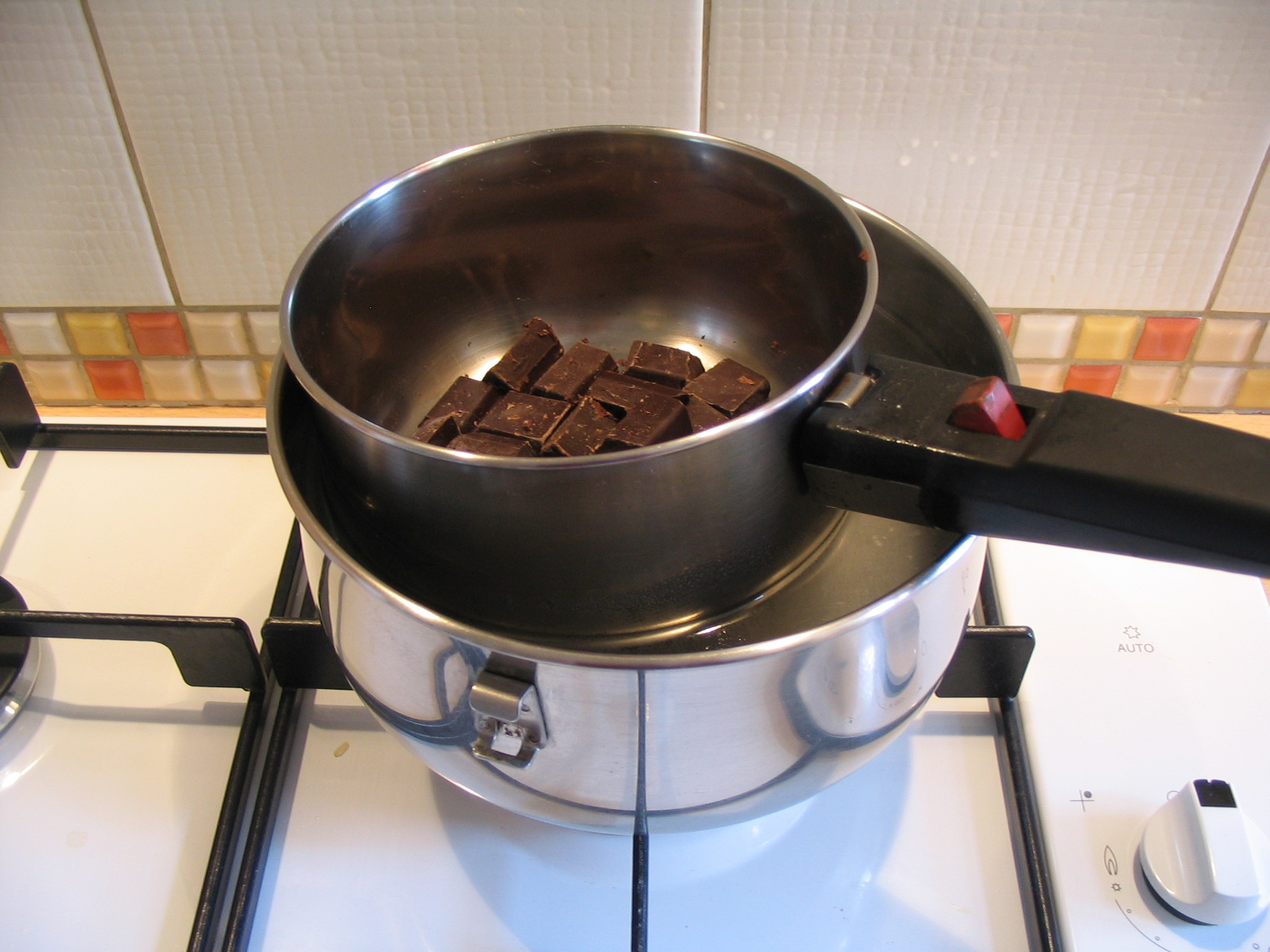
    Grate or chop the chocolate into pieces and melt it either in a microwave or in a bain-marie (shown in the picture below). Heat the fresh cream until bubbles form on the edges. Pour the heated cream over the melted chocolate. Make sure the temperature of the cream is higher than that of the chocolate or else the chocolate will form granules. Leave it for three to four minutes. After three to four minutes, mix them together well and the ganache is ready.

    Bain-marie

    Place one chocolate cake and apply the ganache on top of it. Leave the sides bare. Place the orange cake over it. Make sure it doesn’t slide off. Once it’s settled, apply ganache on top of the orange cake and put the second chocolate cake on top of it. After letting it settle for a few minutes, apply ganache over the whole surface. Grate/chop some chocolates and spread it on top of the cake. Pop on a few candles because having made this cake is reason enough to celebrate, and you’re good to go.

    The dark chocolate ganache and the slightly citrus flavor of the orange cake balances the sweetness of the two layers of chocolate cake and it provides you with a new, different, tasty treat to enjoy.

    choco_orange_centre

    Bon appetite!

  • VEG/NON-VEG: THE BIG DEBATE

    VEG/NON-VEG: THE BIG DEBATE


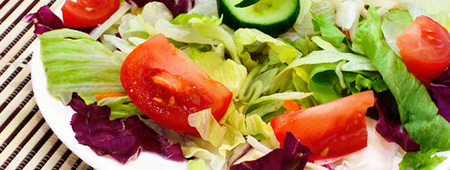
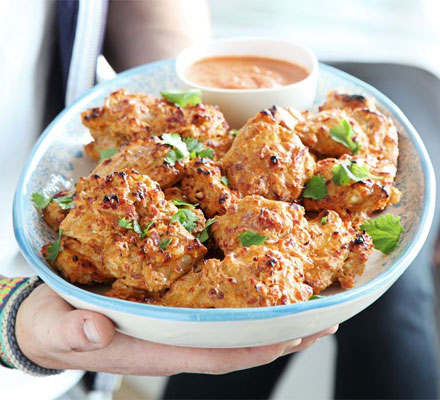
    Salad2026-thumb-596x350-136535  chicken-drumsticks-from-grill2


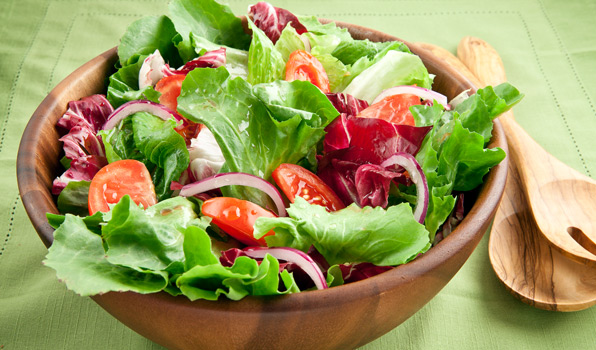
    In this world we live in, we find differences or classification in everything we set our eyes on like the rich and the poor, the developing and the developed countries, normal and inferior goods etc. and between all these differences, we also have some related to food items namely vegetarian and non vegetarian. Believed by many, vegetarian cuisine is considered far better, healthy and nutritious than the non veg items which mostly include meat. However, on the other hand, many also claim that consuming only vegetarian food makes us no different from herbivores and moreover lacks variety and taste as well making people bored up very soon. These ideas and views from two sides gives rise to a debate regarding which group is better and/or is there any difference between the two forms when it comes to calorie and nutrition intake.

    We humans, unlike animals, are creatures who look for comfort, satisfaction and also show some amount of stubbornness. People get sick of doing the same kind of work again and again; while some look for change others accept it as their fate. The same formula applies to food as well. According to WHO or the World Health Organization, the cost incurred on medical facilities for diabetes and heart diseases in India alone come up to $210 billion per annum with an expectation of an increases to about $335 billion in the next ten years. So this means, an average person has high chances of dying from various lifestyle issues than from a road accident or from an infectious disease like dengue.

    A study done on the diet plans of both the groups reveals the positive and negative attached to both, that is, no one group is complete and an adequate mix of both is required.

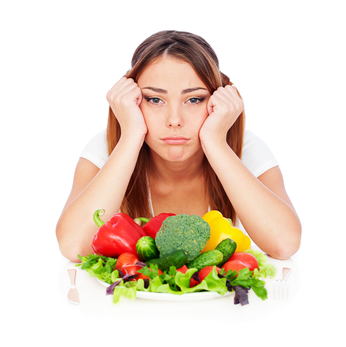
    sad woman with vegetablesThe study reveals that vegetarians show an increased risk of iron, zinc and vitamin B12 deficiency. However, if they consume a variety of foods in the right quantities, basically a diet meeting the requirements of all nutrients with special focus on items rich in calcium, zinc and vitamin B12, then an optimal healthy diet can be achieved. Ofcource the weightage of exercise cannot be forgotten which adds to the list of most wanted for a better physical condition.

    man-eating-meat


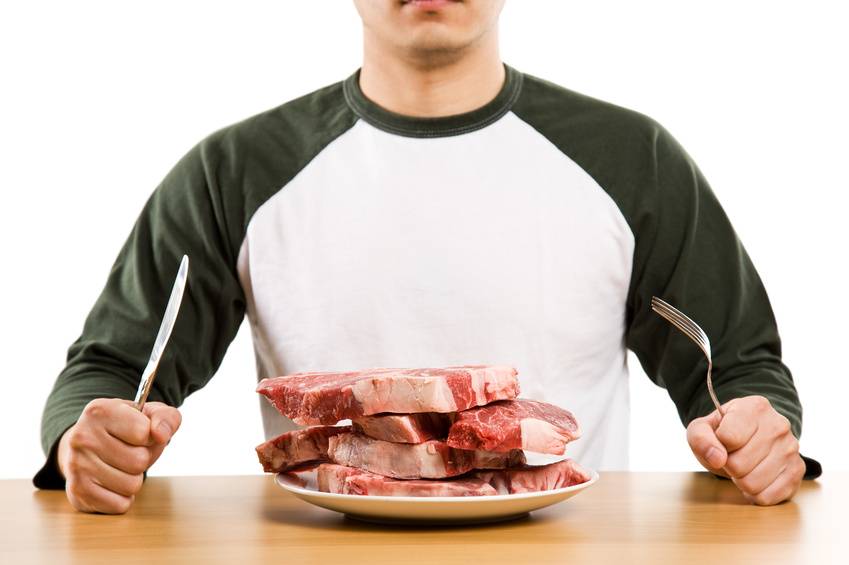
    Coming to the other side, the study reveals that non vegetarians have a shorter life span and are more vulnerable to chronic diseases and on an average have more cases of heart diseases, hypertension and diabetes. Studies on the other hand, have however revealed, that the cases of heart diseases does not arise from the consumption of chicken and fish but arise when the same food items are deep fried in partially hydrogenated oil.
    According to the study, in America alone the quantity of consumption of high fat content chicken, beef and seafood was more than the quantity consumed by the same locals the previous year. The conclusion which was finally made by this study states that both the diets can help us achieve the optimal health level and also prevent nutritional deficiencies and other chronic diseases if special consideration is given to a diet which includes items in the right quantity and quality with adequate exercise a change in attitude.
    0tumblr_lhp6lslqS01qzrvd9

    On the spiritual front, some cultures believe that consumption of non vegetarian food is a sin, we incur a sin by killing innocent animals in factory farms and slaughterhouses. Many cultural/religious leaders claim that people who work in such factories incur 70% of the sin while the consumers incur 30%. Surprisingly many also claim that the prodders or workers in slaughter houses are possessed by ghosts because of their callous or carefree attitude towards animals. The sin by killing a cow is considered to be of the highest level. Vegetarians can also be seen as killers as plants are also considered living creations of god, however the sin in killing plants is much less than animals because in case of plants the feeling of pain is far less due to their rudimentary intellect and mind.  Adding to the list of spiritual beliefs, it’s also believed that people who like to consume rare meat are likely to attract ghosts, demons and other negative energies. Rare meat is close to raw meat and this type of meat is usually a preference of demons. The paradoxes for the communities who both slaughter and consume meat increase the spiritual impurity of the meat. All such beliefs are superstition or reality depends on our own thinking however such sayings have shown their effect with many rural communities shifting from non veg to veg consumers.

    With all such arguments given against non veg food items, the group for its defense asks a simple question that if meat was not made available for man, then why we have canine teeth.  Is it not meant for consumption of meat???

    The answer for which was given by the proponents by saying that the function of the teeth is for tearing of food. Saying that the provision of canine teeth is for consumption of meat solely is just like saying that the provision of tongue is for cleaning like animals, which cannot be seen as a strong argument.

    Thus we have seen various arguments and beliefs brought forward by different studies and the members of the two groups. To choose which group is better still is a difficult task but if someone asks me, I would say that, what we eat does not matter provided that we know what we are consuming and maintaining our physical condition through regular exercise and avoiding to a large extent junk and oily food items.

  • Artificial Sweeteners: Sweet or Sour?

    Artificial Sweeteners: Sweet or Sour?

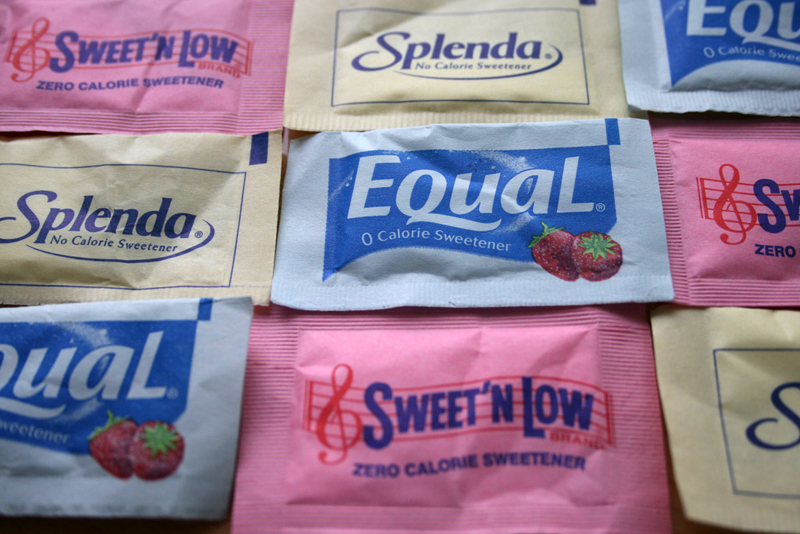
    When renowned chef Sanjeev Kapoor comes on TV, urging you to quit sugar and switch to Sugar Free, I’m sure it feels like a beacon of hope to those of you trying to watch your weight. You aren’t alone. With health associations the world over giving a nod, albeit cautiously, to the use of artificial sweeteners in place of sugar, diabetics and diet-conscious people the world over are turning to them as a pro-health choice. By offering the taste of sweetness without any calories, artificial sweeteners seem like they could be the one answer to effective weight loss and diabetes-management. Now you can finally eat your fill of jalebis and laddoos and neither your family nor your conscience dare stop you, because what you’re eating is sugar-free, and therefore healthy. Right? Actually, there is more to the story than that.

    The Food and Drug Administration (FDA) has approved five artificial sweeteners: saccharin, acesulfame, aspartame, neotame, and sucralose. How the human body responds to these chemicals, however, is complex and not yet completely understood. While they are not without their benefits, they also pose serious threats to your health. This article aims to present before you the pros and cons of artificial sweeteners to help you make an informed choice.


    What contributes to their growing popularity?

    • Weight control:

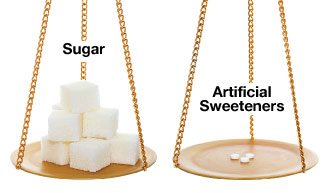
    One of the most appealing aspects of artificial sweeteners is that they are non-nutritive — they have virtually no calories. In contrast, each gram of regular table sugar contains 4 calories – a teaspoon of sugar is about 4 grams. For perspective, consider that the average 12-ounce can of sugar-sweetened soda contains about 130-150 calories, almost all of them from sugar. The same amount of diet soda, sweetened with artificial sweeteners, delivers zero calories. If you’re trying to lose weight or prevent weight gain, the choice seems like a no-brainer.

    • Diabetes management:

    Artificial sweeteners are an attractive alternative to sugar for people with diabetes. Unlike sugar, artificial sweeteners generally don’t raise blood sugar levels because they are not carbohydrates. However, because of concerns about how sugar substitutes are labeled and categorized, it is advisable that you consult your doctor or dietitian before using any sugar substitute if you are diabetic.

    • Dental care

    Because they do not contain any trace of sugar, artificial sweeteners, while providing you with the much craved-for sweet taste, do not contribute to tooth decay and cavities.


    What are their possible health hazards?

    Artificial sweeteners have been the subject of intense scrutiny for decades. Why? Critics of artificial sweeteners invoke a variety of health problems, including cancer. This is largely because of studies dating to the 1970s that linked saccharin to bladder cancer in laboratory rats. In fact, saccharin once carried a warning label that it may be hazardous to your health. However, the National Cancer Institute and other health agencies have ruled out scientific evidence for potentially cancer-causing properties of any of the artificial sweeteners approved for use by the FDA. As a result of such newer studies, the warning label for saccharin was dropped.

    Dr. Joseph Mercola, a world-renowned physician and New York Times bestseller author, in his book, Sweet Deception: Why Why Splenda®, Nutrasweet®, and the FDA May Be Hazardous to Your Health, points out the harmful effects of aspartame. According to him, the lab animals tested for aspartame safety were found to have developed tumors in their bodies, which were misleadingly labeled “normal swelling” in the FDA-published in August 1977. Dr. Mercola also mentions that human reports to FDA, too, have associated aspartame to minor adverse reactions and life-threatening conditions that include migraines, changes in vision/heart rate/sleep patterns, nausea and vomiting, seizure, depression, memory loss, abdominal and joint pains, and even brain cancer. While it may be possible to question these conjectures, it may be worth the while to at least ponder over them.

    Dr. David Ludwig, an obesity and weight-loss specialist at Boston Children’s Hospital, points out other more subtle yet potentially adverse effects of artificial sweeteners. He contends that people who use artificial sweeteners may replace the lost calories through other sources, possibly offsetting weight loss or health benefits. This has mainly to do with our very human tendency to fool ourselves: “I’m drinking diet soda, so it’s okay to have cake.” Another concern is that these products possibly change the way we taste food. Dr. Ludwig explains, “Non-nutritive sweeteners are far more potent than table sugar and high-fructose corn syrup. A miniscule amount produces a sweet taste comparable to that of sugar, without comparable calories. Overstimulation of sugar receptors from frequent use of these hyper-intense sweeteners may limit tolerance for more complex tastes.” This implies that people who routinely use artificial sweeteners may start to find less intensely sweet foods (e.g. fruit) less appealing and non-sweet foods (e.g. vegetables) downright unpalatable. In other words, regular use of artificial sweeteners can make you shun healthy, filling, and highly nutritious foods, and crave more artificially flavored foods with less nutritional value. But you can control your cravings, you say? Don’t be too sure. Studies suggest that artificial sweeteners can be addictive. In studies of rats who were exposed to cocaine and saccharine, then given a choice between intravenous cocaine and oral saccharine, most chose saccharine.

    sugar-vs-artificial-sweeteners

    We do not aim to scare you or de-popularise artificial sweeteners. While “sugar-free” desserts after every meal might be cause for worry, a small helping of artificially sweetened pudding once in a while is more than all right. As has been mentioned before, artificial sweeteners do have their benefits, and when used judiciously, do not generally produce adverse health implications. Like so many other things in life, for artificial sweeteners, too, moderation is the key.

  • Importance of a Balanced meal

    Importance of a Balanced meal

    Health is defined as the complete social physical and mental well being of a Human being, physical fitness being the most important one. Everyone agrees that to have good physical health several factors have to be taken care of from regular exercise to a well balanced meal. A common problem faced by the people today is obesity which is basically a medical ailment in which there is excess accumulation of fat in the body.This disease is extremely wide spread and causes several life threatening diseases such as diabetes and also certain types of cancer not to mention it reduces life expectancy greatly.


    Accumulation of excess fat happens due to consumption of too many calories but not enough of exercise, calories provide energy but when the body is inactive and the calories don’t get used the body converts them into fat and stores it.

    A persons consumption of calories on a daily basis should be according to age, level of activity and gender. An average child needs only about 1200 calories while women roughly need 2400 calories and average men need 2800 calories however it depends greatly on level of activity for example an athlete needs much more calories consumption than a person with a desk job, however people often don’t keep track of their calories and don’t end up creating a balance between their exercise level and calorie consumption. There are several food items which provide us with what is known as empty calories, empty calories are calories derived from food which provide only calories and no nutrition, nutrition is very important for the body and if adequate nutrition is not provided the body will be unable to perform simple functions such as repair of tissues.

    images (1)

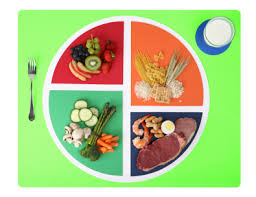
    The main cause of obesity is a poor diet and overeating, yes we all love food but we should know when to stop. Balance is essential in life weather it is in life or in your diet, they say too much of anything is not good and this is absolutely true especially in terms of food ,It is utmost important to have a correct well balanced meal in order to prevent obesity and other such health issues also a balanced meal provides your body with nutrition needed for growth and repair of tissues for prevention of infection. But the questions arises what exactly is a balanced meal, according to its definition a balanced meal is one which involves all of the five main food groups. A balance meal should have a proportionate amount of the five main food groups which are

    • Dairy products – these products include milk, cheese, curd and other milk based products, these products are rich in calcium which is extremely important for our bones. Deficiency of calcium can lead to weak bones and various bone related diseases such as osteoporosis in women.
    •  Fruit group – fruits are extremely essential as they provide us with several minerals and vitamins for example bananas provide us with potassium, oranges provide us with citric acid and apples provide us with Vitamin A which is utmost important for the eyes and in general fruit consumption prevents several health risks
    • Vegetable group – the vegetables are important as they too provide us with several nutrients for example spinach makes us strong and carrots are good for eye sight.
    • Grains – Grains such as rice are needed for a meal to be complete they prevent several diseases and are very important for a well balanced meal.
    •  Proteins – Proteins can be gotten from several products such as animal meat, eggs, nuts and soy. Proteins are vital for formation of bones muscles and tissues.They also help form hormones and enzymes.

    These five food groups together when consumed proportionally in a meal help the body fight diseases. While deciding our meals we should also try our best to avoid extra calories as much as possible we can do this by watching what we eat and the following ways

    • Replace your milk with low fat or skimmed milk
    • In tea and coffee try putting honey instead of sugar
    • When hungry eat a bowl of fruits and vegetables instead of chips
    • Avoid sugary drinks such as colas and junk food instead eat naturally sweet food
    • Avoid consuming foods high in salt and processed foods

    following few of these easy steps we can ensure we don’t consume extra calories and we can now focus on creating a balance in our meals to provide ourselves with only the best. In our busy schedule it is often hard to find time to actually bother with a balanced meal and it seems like an awful effort and lets not mention the amount of time it takes right? I mean its way easier to just pick up a packet of chips or stop at a fast food joint on the way back without giving it second thought but what we don’t realise how adversely it affects our health but what we don’t realise is that a balanced meal is also effortless and there are several recipes which provide a balanced meal in under thirty minutes and having a balanced meal is much easier if we follow 4 simple steps

    •  Understanding and Identifying the elements that make a balanced meal, that is the 5 main food groups
    •  Scrutinize every meal, see what it lacks and try to include those elements into your meal
    •  Ensure that you maintain balance in all your meals not just dinner but also breakfast, lunch and even mid-evening snacks
    •  Plan your meals in advance to ensure you don’t miss out on anything important

    Thus a little planning and efficiency can help us have balanced meals which not only improve our chances of battling several health risks but also ensure that we have a good health and thus a bright future.

  • The World’s Food Festivals

    The World’s Food Festivals

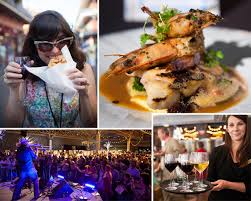
    foodfest1

    Travelling is a stress-buster for many people. They cherish going to new places, meeting new people, knowing new cultures, listening to new languages and their nuances, and of course trying new and exotic cuisines. Eating while travelling is a high for most foodies but the chance to travel to eat is as irresistible as it can get.

    Food Festival is one such alluring event where we travel to an entirely new place, sometimes a new country to taste the authentic bites as well as some of the best international foods which are showcased by the best in the business. Food Festivals happen round the year in all parts of the world but there are certain food festivals in the world which are known for their uniqueness as well as for their wide range of mouth-watering cuisines showcasing some of the best foods in the world specially prepared by the best chefs.

    There are several food festivals across the globe, and some of the most unique and popular one’s are listed here :


    1.Mendzona Wine Harvest Festival, Argentina, South America

     mendoza

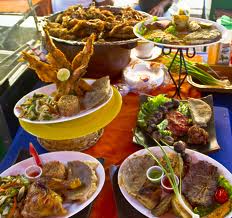
                   Food is such an important part of South America’s culture such that most festivals in South America would include lots of food, fun and party. There is a saying that in the Latin America “You will never go home hungry”. South America boasts of some of the world’s most colorful carnivals and food festivals, especially in Argentina, Brazil, Peru, Uruguay and Bolivia. Among these festivals, The Mendzona Wine Harvest Festival is one of the most popular food festivals in all of South America. This annual harvest festival in Argentina’s wine province is an opportunity for its eighty communities to come together and celebrate the food and harvest season which makes this event very special. It is a festival that is celebrated over all the 18 departments which make up the Mendoza Province. The event begins in December and goes on until the first weeks of March.

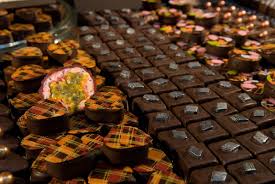
    Here, you can spend the day wandering the grounds trying some of the most fabulous wine you will ever get to taste and the wine chocolates are a specialty of this festival. The food festival has a carnival atmosphere and there is a lot more to look out for during this festival

    2.Taste of Melbourne, Australia

    tasteofmel

    Australia has one of the world’s most cosmopolitan societies and the “Taste of Melbourne” highlights this fact even more. Every year thousands of food lovers visit Melbourne to take part in the annual food festival “Taste of Melbourne”. The people come here to enjoy the brilliant sunshine, have a drink or two and walk around the thousands of stalls which are lined up serving food from some of the city’s best restaurants and also some of the world’s favorite dishes prepared by the best chefs themselves.

    This is a three day event which takes place during the month of November during which the city develops a special craving for food and many people can be seen visiting these food festivals with family and friends. The taste of Melbourne’s success has resulted in springing up of many new food festivals in other major cities like “The Taste of Sydney”, “The Taste of Perth” and so on. The food and wine varieties in these festivals are abundant and are a must for any foodie who visits Australia during the months of November.

    3.The New Orleans Food and Wine Experience, USA

    neworleans1

    The New Orleans often called the most “unique” city in USA is located in the state of Louisiana. The New Orleans Wine and Food Experience is called a feaster’s fantasy by many people because of the out of the box eatery options provided to the people during these festivals. They include eating in food trucks and sipping glasses of grape in a typical street party atmosphere.

    neworleans2

    The Mardi Gras of food fest, this May marks New Orleans’ 22nd annual foray into food and wine with “The New Orleans Food and Wine Experience”. This event unlike other food festivals which offer just different types of food adds a whole new perspective by organizing seminars about food and also organizes events like “The Big Gateaux Show” display which shows the areas affinity for desserts.

    4.Versoix Chocolate Festival, Switzerland

    chocfest

    The Versoix Chocolate Festival, Switzerland is definitely one of its kind. The entire festival is dedicated to chocolates and it is a dream for any chocolate lover. There are two different areas to the festival. As you walk out of the Versoix train station you head into a tunnel and at the end of this tunnel you can either take a left or a right. The left turn heads downhill to the Favarger chocolate factory while the right turn heads to a White tent of chocolaty goodness. There are other vendors outside the tent for those who seek substantial food in addition to the sugar overload.  I think the vendors end up selling more water and items to drink than food, as it is a necessity to have something after a few minutes of consistent chocolate tasting.  The festival provides an excellent opportunity to sample the different varieties of chocolate available from the many chocolate makers in the Geneva area. You also enjoy seeing the many different Easter bunny creations made by these shops.

    The fact that Switzerland is known for its chocolates is known, but the Versoix Chocolate festival is a rich experience and one which should not be missed by anyone who has a “sweet-tooth” for chocolates.

    Festival of Happiness

    foodfest

    Festivals generally bring a lot of joy and happiness to people, and it reminds us of the special festival sweets and savories our mom’s make. But if the festival itself is dedicated to FOOD, then there can’t be a greater happiness. Enjoy the food, Enjoy the festival and when they come together never miss them.

  • A Dinner at Kenyan Shore of Lake Victoria

    A Dinner at Kenyan Shore of Lake Victoria

    Well, if you had expected this piece of writing to talk about the restaurants alongside the shore of Lake Victoria, then you might be getting wrong!! Kenya, one of the major hubs for tourism sport and wildlife safaris in Africa, is well known for its exotic culture and lifestyle. However it may turn out to one’s dismay to know that none of the restaurants in Kenya serve its traditional dishes. To taste them, you would have to visit the local Kikuyu, Abaluhya and Luo tribes. If that sounds too difficult a task, then here’s the easy way – learn the recipe and DIY….. Now that sounds exciting, doesn’t it – an evening dinner prepared by yourself at the lakeshore!!


    A traditional Kenyan dinner can be separated into two menus – one with the Irio as the main course, and the other with the Ugali as the main course.  The first menu is as follows –

    The starter, The Oyster Mombasa

    Steak and Irio with sauce dishes and salad relish

    The dessert, Coupe Mt. Kenya

    Kenyan tea or coffee

    The second menu also called the Abaluhya menu has the Ugali as the main dish with the Maziwa Ya Kuganda (sour skimmed milk) as the dessert.  Here’s how each of these recipes are made:

    THE OYSTER MOMBASA

    oyster mombasa

    Ingredients:

    3 dozen oysters (smallest available)

    Wine garlic sauce:

    ½ cup melted butter

    4 cloves garlic, finely minced

    1 cup Chablis (French white wine)

    4 tbsp chopped parsley

    1 tsp salt

    1 tsp freshly ground pepper

    Few drops Tabasco (hot sauce made from Tabasco peppers, vinegar and salt)


    Method of preparation:

    Open 32 small oysters, leave them on the half shell and place on baking sheets.

    To prepare wine garlic sauce, combine melted butter, minced garlic, Chablis wine, chopped parsley, salt, pepper and Tabasco sauce.

    Ladle half of the above sauce on each of the oysters.

    Bake at 350’F for 6 to 8 minutes.

    Ladle the remaining sauce over the oysters again.

    Serve immediately with lemon wedges.


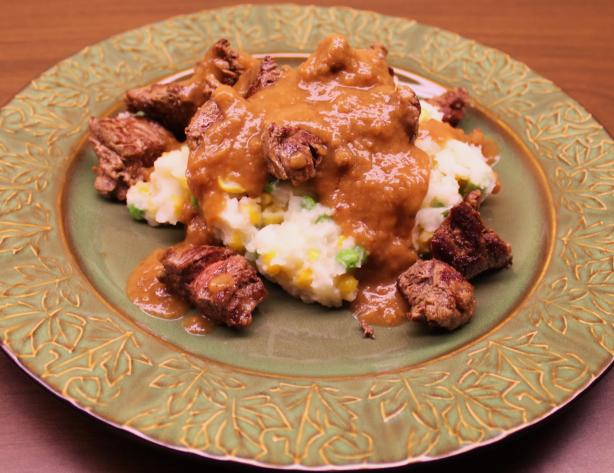
    STEAK AND IRIO

     steak-irio

    Method of preparation

    Drain peas and measure the liquid.

    Put the peas through a vegetable mill or sieve to make a puree.

    Drain kernel corn and add the liquid to that of the peas.

    In a 2-quart saucepan:

    Prepare 4 cups instant mashed potatoes following package directions and using the vegetable liquors as part of the required liquid.

    Add 3 tbsp butter, 1 tsp salt and ¼ tsp pepper.

    Blend the puree of peas into the mashed potatoes until a smooth green color results.

    Fold in the drained kernel corn.

    The consistency should be that of firm mashed potatoes.

    The Steak:

    In a large skillet:

    Cut 3 lbs fillet mignon (or any steak) in 2 x 1/2 x 1/2-inch strips.

    Sauté in 4 tsp margarine oil until lightly browned.

    Remove the steak from the skillet.

    Blend in 6 tbsp flour to make a roux.

    Add 2 cups onion soup made from a packaged mix and cook to medium-sauce consistency.

    Correct the Seasoning with salt, pepper, and a little Tabasco.

    Return the steak to the sauce.

    Make a large mound (about 1 cup) of Irio in center of dinner plate.

    Form a hole in the center about 2 inches in diameter.

    Fill the hole with 1/2 cup of the sautéed steak and gravy.

    Smooth around edges of the Irio so it looks like a volcano.


    EAST AFRICAN SALAD RELISH

    saladi

    Method of preparation

    Combine  2 cups cabbage, finely shredded with ½ cup carrots in very, very thin slices, ½  cup sweet onions (Bermuda or Spanish or scallions), and ½  cup green pepper in fine strips.

    Fluff the mixture up.

    Fill small sauce dishes, allowing about 1/3 cup per person.


    COUPE MOUNT KENYA

    coupe-mount-kenya

    Method of preparation

    Any fruit ice cream will serve for the Coupe Mount Kenya, especially peach ice cream. Fruit sherbet may also be used. Canned pineapple may be substituted for the fresh, but it does not have the same zing.

    Mash 4 or 5 ripe mangoes, peeled and pitted. There should be 2 cups.

    Whip 1 cup heavy cream with ½ cup sugar until stiff.

    In a bowl, combine 2 cups mashed mangoes, 2 tbsp lemon peel cut in tiny ribbons, ½ cup condensed milk, and ½  tsp salt.

    Fold in the whipped cream.

    Pour into freezer trays or a 6-cup mold and freeze.

    PINEAPPLE RUM SAUCE

    In a 1-quart sauce pan,

    Simmer 1 cup pineapple juice (canned) and 1 cup sugar until it dissolves and syrup is formed.

    Add 1/2 cup white rum. Let to cool.

    In a 2-quart bowl:

    Cut 3 cups fresh pineapple in ½ inch dice.

    Pour the Pineapple Rum Sauce over the pineapple.

    Marinate for several hours.

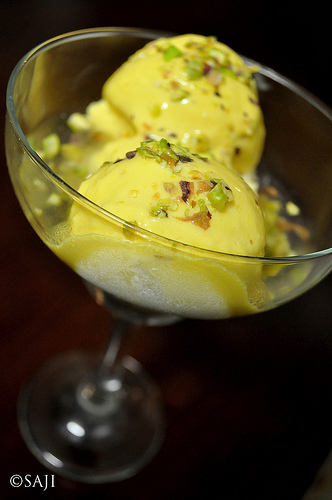
    Place 1 scoop mango ice cream in a wine glass.

    Top with pineapple rum mixture

    Garnish with 1 tbsp pistachio nuts, coarsely chopped.


    UGALI

    ugali

    Measure and bring to boil 4 cups of water in the saucepan.

    Add the corn flour slowly while stirring with a wooden cooking utensil. This can involve a 10 to 20 minute process of slowly adding cornmeal and stirring, then adding more as needed.

    Continue adding corn flour while still stirring to a thickened consistency. Use the cooking utensil frequently as the dough thickens.

    Cook to a desired texture. The texture is usually thicker than mashed potatoes and is best cooked until the dough pulls from the side of the pot. Take care, as it can be very hot.

    Turn the cooked ugali onto a serving plate. Use a wooden spoon to transfer it.


    With its beautiful rock-lined shore and sparkling lake view, an evening meal at Lake Victoria should not be missed from your list of to-dos while holidaying in  Kenya!


    (Recipe sources from  http://www.africa.upenn.edu)

  • Breaking the Myth: How to Make Indian Cooking Healthy

    Breaking the Myth: How to Make Indian Cooking Healthy

    What is the first thing that comes to your mind when you think of Indian cooking? Hot, spicy, rich? Yet your taste buds respond to Indian food like nothing else. An Indian who can pass on a stack of ridiculously good Aloo Paranthas in favour of a Caesar salad would be difficult to come by. So what do you do? Shrug and accept the compromise on health as an inevitability of Indian living? Or coerce yourself to develop a liking for healthier, relatively bland continental food made with ingredients that are not only difficult to source but also burn a hole in your pocket? We have good news for you: you need do either.

    Today, Indian chefs and food enthusiasts the world over are endeavouring to break the one myth that has always been associated with Indian cuisine: Indian food is unhealthy. True, we like our Butter Chicken, ghee laden Naans, and spicy curries, but to dismiss Indian food as inherently unhealthy is not really justified. Indian cuisine has evolved in response to the diverse climatic conditions of our subcontinent, ranging from tropical to alpine, which has resulted in the availability of a broad spectrum of ingredients that are potentially packed with vitamins and fibre, while the array of vegetarian choices available provides low saturated fat options, as long as they are cooked without the lashings of clarified butter and cream so favoured in the restaurant versions of Indian dishes. To help you discover the sheer delight that is wholesome Indian cooking, we have here a few basic tips and tricks:


    Swap your staples:

    Staple - chapati

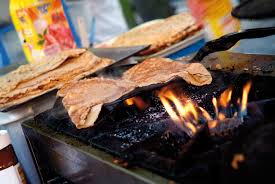
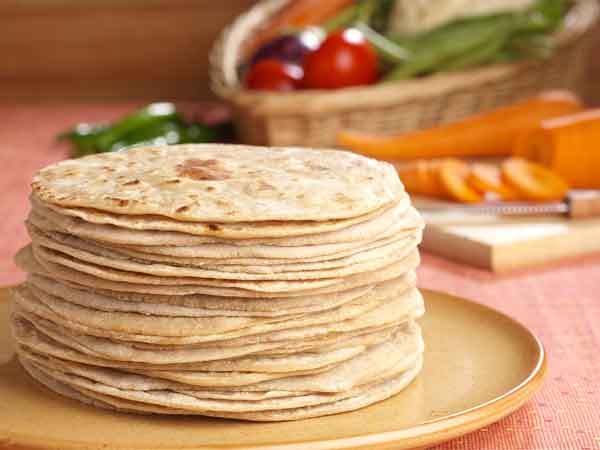
    Simple changes like opting for wholemeal flour instead of plain flour when making chapatis or paranthas and swapping white rice for brown Basmati rice can go a long way towards balancing your daily carbohydrate intake.

    Watch the oil:

    Cooking oil

    Avoid cooking in ghee or butter as far as possible. Try using sunflower, rapeseed, and olive oils instead. You will be surprised at how well they work with spices. However, bear in mind that olive oil has great health benefits but should only be used for stir-frying or pan-frying, when just a small splash is needed. It is not recommended for deep-frying when a large quantity of oil is required. Using non-stick cookware can help you limit the use of oil.

    Free yourself from frying:

    Tandoori chicken

    Avoid frying wherever possible. Grill, boil, steam, roast, and bake instead. Tandoori grilling is a great way to cook. It requires minimal or no oil and the intense heat cooks the food quickly, sealing in all the nutrients.

    Cut down on the cream:

    Cream

    While coconut milk and cream are not without their health benefits, the fat content is usually above levels recommended for daily consumption. For adding richness to a dish, try using skimmed milk, cashew nut paste, or poppy seed paste instead of the regular coconut milk or cream. For bases, opt for low-fat yogurt or tomato sauces rather than cheese-based ones. Use margarine instead of butter.

    Be Ingredient-Wise:

    Greens

    Indian cooking offers a wide choice of ingredients. Go for lots of greens and healthy legumes such as sprouted beans and lentils. Privilege chicken or seafood over red meats.

    Know your spices:

    Spices

    Whether it is the instant heat of chilli or the slow mellow burn of ginger, spices feature prominently in almost all kinds of Indian cooking. As such it is a good idea to know about the properties of the spices you use every day. We have here a list of spices that pack health benefits for you when used in moderation:

    • Garlic has been shown to lower cholesterol, have antibiotic properties, assist in the removal of excess mucus, and stop platelets in blood from sticking together and creating blockages. It is also effective against fungal, yeast, bacterial, and viral infections.
    • Turmeric is a digestive aid, an analgesic, an antiseptic, and an anti-inflammatory agent. It also a potential cancer deterrent.
    • Cumin seeds, which are often ground for cooking, aid digestion and also relieve flatulence, stomach cramps, and diarrhoea.
    • Coriander has been tested to have aphrodisiac properties. It helps ease migraines and intestinal complaints.
    • Ginger has been proven through clinical trials to be effective against nausea. It can potentially treat indigestion and flatulence.
    • Chilli is known to relieve pain and aid blood circulation. It is also suggested that the heat stimulates the body to produce endorphins which not only speed up metabolism but could be a contributory factor to our enjoyment of a good curry: the ‘high’ produced is addictive!

    Above all, know that healthy eating is a matter of choice. Like all other cuisines, Indian cuisine too comes with its healthy and unhealthy options. It is important to choose right. Opt for Papad instead of Samosa, Chicken Tikka instead of Korma, curries with a vegetable or dal base instead of curries made with coconut milk cream, cauliflower lightly fried with peas and tomatoes instead of Pakora, Matar Pulao instead of Palak Paneer, steamed rice instead of sauced rice, chapati or plain Naan instead fried or stuffed breads, and so on. Be smart, be resourceful, be informed. Enjoy your adventure in the kitchen. Go, taste India!

  • Famous Indian Desserts

    Famous Indian Desserts

    It is a custom, or you might call it a tradition or an etiquette or whatever it may be, to finish a meal with a dessert. This is especially applicable if one is feasting at a wedding, or if one is having dinner at restaurant. If the dinner is at a friend’s or relative’s place, it is mandatory that a dessert be there as a part of the meal. Desserts are liked by everyone, and nowadays to satisfy the needs of a diabetics taste, ‘sugarless’ desserts are available. We, Indians, have mastered the art of dessert making, and the Wikipedia page shows a variety of Indian desserts to be chosen from.

    Kheer/Payasam

     badam-kheer-recipe15

    This is one of the desserts which are prepared widely throughout India. It is basically thickened milk, with the addition of rice, sago and vermicilli. Thickener is added for extra taste and density. Spices such as saffron, cardamom and clove are added to enhance the flavor of the Kheer. In South India, Kheer is known as Payasam, and the same procedure is usually followed. An added addition to South Indian Kheer is that they sometimes employ the use of jaggery instead of milk, since jaggery is considered as the best offering for deities.

    Basundi

     DSC00830

    Another milk sweet (and one of my favorites), this takes a lot of time for preparation. One should constantly heat the milk until it gets thickened. Thickeners are not usually used because that would result in the loss of taste of milk, and this is the main reason why it takes so much time. This constant thickening results in the formation on malai, the milk fat. Sugar is added at regular intervals, and it is best served chill with almonds, pista, etc. This rich milk dish is available even in South India nowadays.

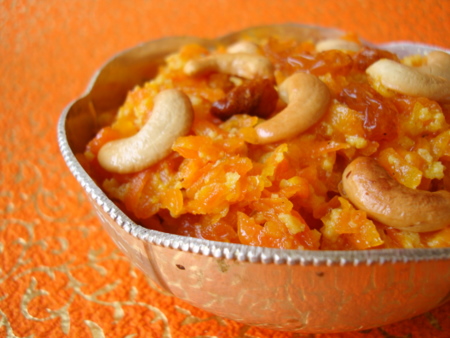
    Carrot Halwa

    gajar-ka-halwa

    Another sweet which isn’t concentrated in a particular region but is famous throughout India, this is prepared from carrots, as the name suggests. Grated carrot is boil to softness and milk and sugar are added accordingly. This is an easy-to-make sweet, and variations include people consuming Carrot Halwa with vanilla ice-cream, if available. Carrot Halwa is topped with various dry nuts as dressing and for better taste.

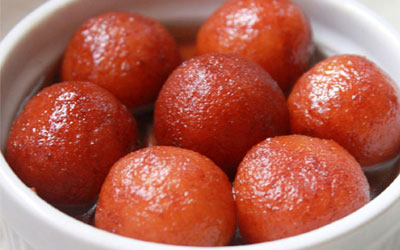
    Gulab Jamun

     gulabjamun-recipe_082713075042

    A famous sweet, again, Gulab Jamun is loved by both adults and kids. Gulab Jamun reminds us about the famous MTR Gulab Jamun ad, with the kid hogging Gulab Jamun, while revealing the secret of his ‘winning’, for which the mother has prepared the Gulab Jamun. Gulab Jamun are basically small dumplings of milk solids and maida dipped in sugar syrup flavored with cardamom and rose water. Just like carrot halwa, this is also eaten with ice-cream, most preferably vanilla or butterscotch.

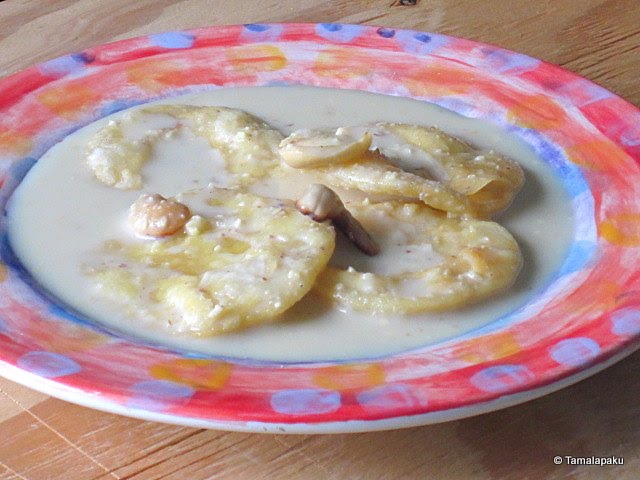
    Pathir Pheni

     Pheni-2

    Pathir Pheni is an exclusive South Indian dessert. Pathir Pheni is either a vermicilli or maida discs, and sweetened thick milk is poured over for enhancing the sweetness. It sure is a messy eat, but it is extremely delicious. Made only during rare occasions, since the making of the vermicilli discs are difficult, this is a must try at South Indian restaurants just to know how it really is like.

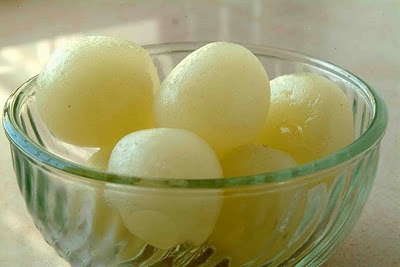
    Rasagulla

     rasgulla2-tif

    An authentic Bengali sweet made only with milk solids, and dipped in sugar syrup, this is a favorite among many, and dessert is very famous. Despite being exclusively Bengali, it is available everywhere, either in preservative cans or by being prepared by cooks who mastered the are of making Rasagulla sell them all over India.

    Kulfi

     kulfi 2

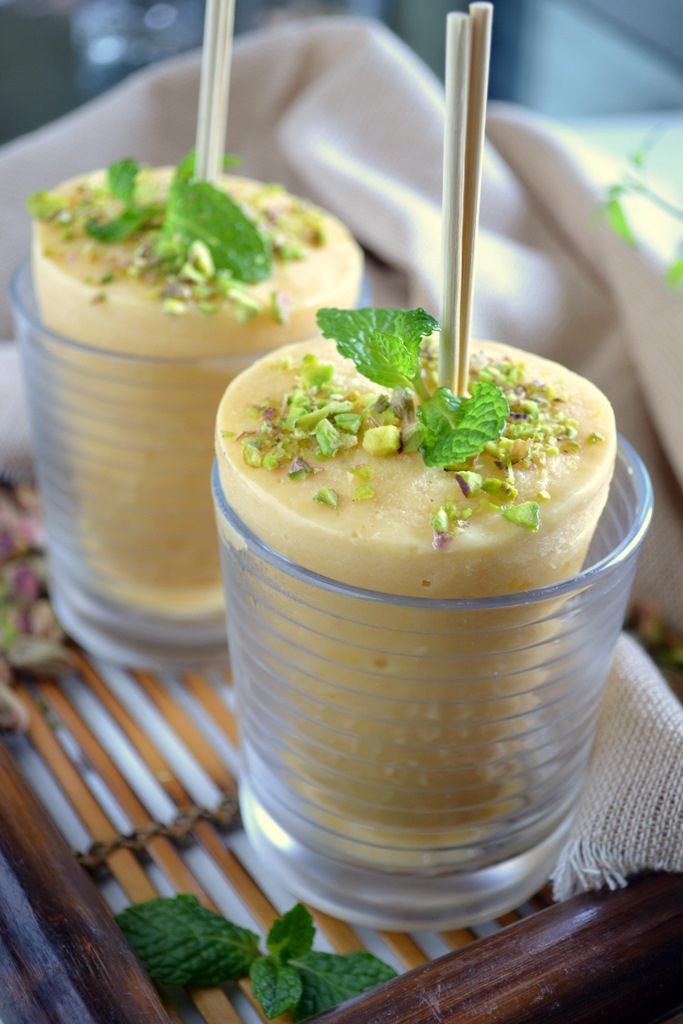
    Another favorite dessert favored by many, Kulfi is based from Punjab. It is frozen milk, sweetened and garnished with saffron, nuts and initially sold on sticks like popsicles. Sometimes they are even sold in earthen pots which enhances the flavour of the sweet. Nowadays, there are various flavors of Kulfi available, like the chocolate, gulkhand etc. Kulfi reminds us of a the summer nights when bells rung outside our homes and shouts of ‘Kulfi! Kulfi!’ fills our ears.

    Lassi

     m veg bewarages2

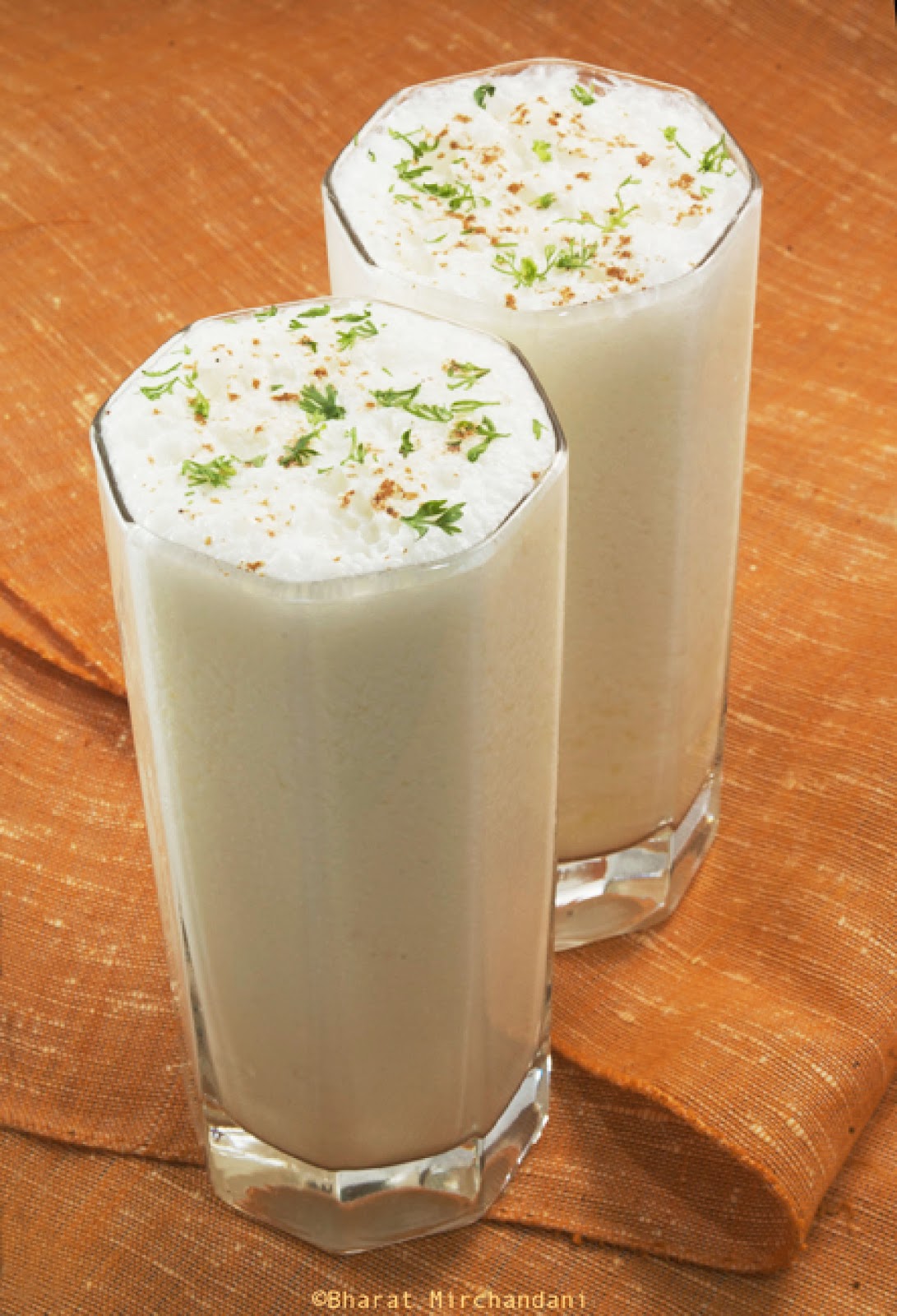
    Yet another delicacy from Punjab, and prepared in every household in India, it very easy to make, delicious and healthy. Made from curd, by beating it and adding sugar, topping it with cut nuts, this is best when drunk in the summer. There are many variations in Lassi, the most famous being the Mango Lassi.

    Go ahead and experiment with this non-exhaustive list of desserts this summer!