
Category: Religion

  • Hinduism – A Way of Living!

    Hinduism – A Way of Living!

    OUM


    Hinduism is one of the most ancient religions that exist today. The words “Hindu” and “Hinduism” have Sanskrit roots and were given by the invaders of the Indian subcontinent to the people they encountered when they reached the Indus Valley plains. The religion is gradually expanding in the west, and hence its texts are being translated into English and various other languages. But as we all know, meanings cannot easily be adapted from one language to another. To quote some facts, Hinduism is the third largest religion in the world- only behind Christianity and Islam – with more than one billion followers. It is not based on a particular holy book or some set rules and teachings. The books that have been available in bookshops in the West are written by scholars who aren’t Hindus. They are scholarly and have tried to dissect the texts to understand them but sometimes without an insight. This has been a major problem in the West to understand Hinduism as they approach the texts in a very different way than a Hindu would. It is obvious that a Christian, Islamic or a Jewish approach would be different toward Hinduism than the approach of a Hindu toward his or her religion.

    With time, a lot of false ideas have plagued the religion and people seem to bear a lot of misconceptions in their mind as far Hinduism is concerned. There are a thousand myths about Hinduism that people believe in and today, I am making an effort to clear a few of them.

    Myth Number 1: Hindus worship idols.

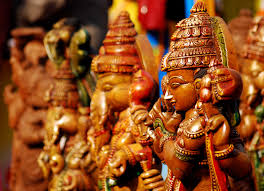
    No! That isn’t true. When you ask a Hindu about idol worshipping, he/she would absolutely condemn the usage of the term ‘idol worship’. The fact is that Hindus believe in a physical manifestation of the Almighty because it helps them focus on a particular kind of prayer or mediation. For example, a person who has an investment firm would worship Goddess Laxmi, the deity who is believed to bring wealth and prosperity.

    IDOL

    Myth Number 2: Hindus are cow-worshippers.

    Cow is looked at as a gentle, maternal being that provides one with milk and other dairy products. Though Hindus believe that every living being contains a soul, cow holds a special place. Hence, Hindus refrain from eating beef. Basically, cows are honoured and not worshipped.

    Myth Number 3: All Hindus are vegetarians.

    Hell NO! How can that be possibly true? More than 1 billion followers and none eat meat! That is such a false notion. In fact, 70% Hindus are meat eaters. The religion stems from the fundamental principle of AHIMSA that is the principle of non-violence. And since all the life forms are a part of the united One, they believe that eating animals could disturb the natural balance of the universe.

    Myth Number 4: There are more than 630 million Hindu gods!

    (And not the just 630 million, some great people take it to a thousand million gods).  But none of this holds true. There is one supreme God. But the Hindus try to give it forms that they can relate to so that they can feel closer to the greater being. They are encouraged to give any form to a deity which in any way that suits them best. So basically, there is just ONE SUPREME GOD and rest all the forms that are worshipped are just manifestations of that one form.
     

    idols

    Myth Number 5: Women fall at a lower rank in the social hierarchy than men according to Hinduism.

    In reality, it is the only religion that that gives feminine forms to the Almighty. The Goddess of strength and valour, Shakti is revered which is form of God’s energy and vitality in a feminine form. Women in India may not take occupy the same stature as the men in the society but this is not because of the religion. It’s because people use religion to look down upon women and keep them at a subservient position.

    Myth Number 6: The ‘red dot’ on the forehead of Indian women symbolizes marriage.
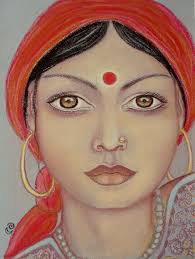
     

    red bindi

    A ‘bindi’ or the ‘red dot’ as it is popularly known as in the West, was once a symbol of marriage. But today, it is usually worn for decorative purposes. It has become almost a fashion statement to carry a bindi with Indian ethnic wear.

    Myth Number 7: Karma advocates Fatalism.

    No it is not. It’s untrue when people say that karma would always make you see terrible consequences. The truth is that Hinduism believes in the ideology that ‘you reap what you sow’. Each one has control over his or her present actions which is why you have the all the control over the repercussions that you will face tomorrow. Good deeds will always result in good outcomes and so good karma will bring fruitful results too.


    It is important to note that more than a religion; it is a way of life or ‘dharma’. Dharma means the law that controls all actions. It is about letting people find a purpose for their existence rather than defining that existence.

  • Wicca: The Mysterious Religion

    Wicca: The Mysterious Religion

    Wicca, even though treated as a religion, can also be termed as a school of thought or philosophy. A nature-based religion Wicca was brought into the limelight by retired British civil servant Gerald Gardner around 1950s. Wicca is the infamous witchcraft practice and the female followers of the beliefs of this religion call themselves as witch, but basically they are regarded as neo-pagans.

    Wicca is a religion shrouded in mystery with no central authority or figure defining it. It is diverse in nature with various traditions, each having its own structural organization and level of centralization. The religion is quite controversial as well with the unknown facts of what actually constitutes Wicca. Being typically duotheistic, Wiccans celebration follows eight seasonally based festivals known as Sabbats.

    Wicca often involves ritual practice of magic which is the core of discussion in this article.

    The Use of Magic in Wicca

    wicca1


    Wicca is regarded as the mysterious religion majorly for the use of magic in it. The magic is widely regarded as black magic or a manipulative force exercised through the practice of witchcraft or sorcery. Wiccans majorly believe in the definition of magic given by magician Aleister Crowley who says that “magic is the science and art of causing change to occur in conformity with will”. Wiccans firmly believe magic to be a law of nature, and regrets that it is being misunderstood by the society by large and the contemporary science as something supernatural and is often being feared of. They believe that magic is the simple way to use the five senses with concentrated and pure soul in order to achieve surprising result. For example, if you are feeling depressed wiccans would suggest to light some scented candles in a dark room and resign from the outer world to look within. In this way a person would come close in contact with his/her five senses to eventually reach a state of relaxation. Or else they could also suggest on to welcome any spirit in order to get out from the depressed state.

    Wiccan ritual practices are often staged in a sacred circle involving cast of various spells like dragon spell, moon spell, and nature spell, actually intending to bring changes in the physical world.

    wicca2


    Dichotomy of White-Black Magic

    Ancient Wiccans such as Alex Sanders, Sybil Leek and Doreen Valiente preferred to call their practice as white magic, might be in order to refer their work as serene and in the hope of recognition in the world; since their work was widely considered as something ominous and termed as black magic, purposed only to bring forth evil. Though in their words they say black magic is completely different from their kind of work and is related to pure evil and Satanism. Some modern Wiccans have however stopped using the white-black magic dichotomy arguing the skeptical theory that the color black should not be essentially attached with evil.

    Days and Dates of Celebration

    The magic used in Wicca ranges from the “low” or “folk” magic to a more complex rites and rituals influenced by ceremonial magic of Western Hermetic Tradition.

    Apart from being performed rites in a sacred circle, the Wiccans celebration of Sabbats include fix days and dates for the celebration. Often these are carried out in the nights of full moon.

    wicca3


    wicca4

    And in some cases during new moon known as an Esbat.


    The Magical Tools in Wicca

    wicca5

    The casting of spells involves the invocation of Guardians of the cardinal points along with the respective natural elements: earth, fire, water, and air. These rites often include a special set of magical tools such as a knife, known as athame; a wand, a pentacle, and a chalice. Other tools include the infamous and usually portrayed broomstick known as a besom, a cauldron, candles, incense sticks and a carved blade known as boline.
    Sacred Attires Worn in Wicca

    One of the aspects of Wicca includes working or performing the rites nude, something which is typical in Gardnerian and Alexandrian school of Wicca, known as skyclad. The practice is apparently being derived from a line in Aradia, Charles Leland’s supposed record of Italian witchcraft.
    Other traditions involve attires like robes with cords tied around the waist worn while performing the rites.

    wicca6


    Sex Magic

    Another theme which makes Wicca a controversial and mysterious religion is the theme of Sex Magic. In certain traditions of Wicca ritualized Sex Magic is performed and is often termed as the Great Rite. In this a High Priest and a High Priestess invoke the God and the Goddesses to be seen before them performing the sexual intercourse. Wiccans believe that the energy that is being involved during the intercourse is completely pure and is powerful. The energy is thus believed to raise the power bar of the spell work making the spell more effective. In this rite the athame is used to symbolize the male organ while a chalice is used to symbolize the female womb.


    Therefore it can be concluded that the use of magic in Wicca is like any other ritual and is nothing extraordinary. The Wiccan religion itself is as pious as any other religion. Like every religion has its own way of performance and execution Wicca too follows its own practices. Even though it is not a recognized religion yet but there are many groups such as Coven Celeste and The Aquarian Tabernacle Church in Canada has successfully campaigned against the British Columbian government which confined them to practice their religion. In India, Ipsita Roy Chakraverti is the sole Wiccan priestess who came out to call herself as a witch after the completion of her studies on Wicca without any apprehension. Even though this was opposed by the late Bengal CPM leader Jyoti Basu, Ipsita Roy Chakraverty has achieved a greater level of applause while administrating Wiccan ways of healing in the remote villages, and also in major cities like Kolkata in India.

  • Madurai: Symbol of Tamil Culture

    Madurai: Symbol of Tamil Culture

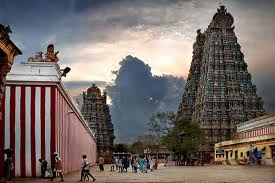
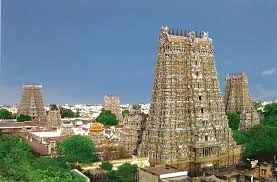
    History of Meenkashi temple :

    images (3)

    madurai menakshi

    • Meenakshi Amman temple  is an ancient temple which is located on the banks of river Vaigai in Madurai district  of Tamil Nadu.
    •  Meenakshi Amman Temple is also called as Meenakshi Sundareshwar Temple. This temple is more than 2500 years old. This temple is dedicated to the deities mainlyMeenakshi who is the modern avatar of goddess Parvathi and Sundareshwar as Lord Shiva.
    • The temple was originally built during 7th century by the first Pandya’s .


    • Malayadwaja Pandya who was one of the kings who ruled Madurai, in South India.Meenakshi was the daughter of the king  Malayadwaja Pandya and queen Kanchanamala.
    • Meenakshi was a miracle child gift given by god to both the king and queen after their sincere performance of yagna to have children’s , as they din’t have children’s from many days.
    • Meenakshi was a brave girl who was thought the art of war and martial arts. She got married to Lord Shiva . So Meenakshi temple was built after her and Madurai city was formed around the temple.
    • (more…)

  • New Food Trend : Organic Is The Way

    New Food Trend : Organic Is The Way

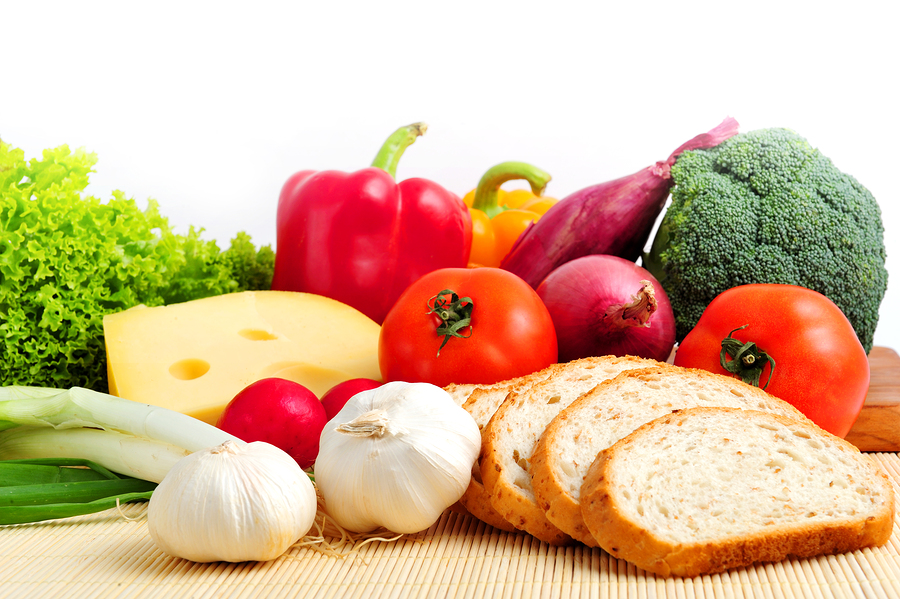
    Food is something without which we can’t live. As population has risen over the years, the demand for food has increased manifold too. This leads to extensive industrial farming, with the usage of chemicals and artificial ways to produce cheap and huge quantity of food. But are they nutritious? The answer is a big no. By eating this  food we are poisoning our body and destroying nature, ecosystem and our environment. The only solution to this is buying organic products as much as possible. Every food has an organic counterpart, but the problem is that may not be available everywhere and is costlier than the normal, chemical-stricken food. And if you are on a budget, the matter just becomes all the more worse.


    keep-calm-and-go-organic

    So while you love to buy 100% organic all the time, that is not always possible. So here’s a guide to help you decide as to what foods should be on your priority list for going organic.


    download

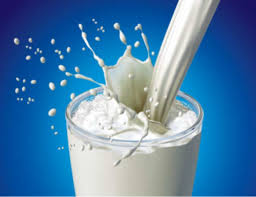
    Milk:

    Dairy cows are usually fed hormones, antibiotics and pesticide-covered grains, which increase their milk production capacity. But these really harmful and carcinogenic chemicals end up in our bodies through the milk they produce. And the higher is the fat level of milk, the higher is the amount of pesticides. And this becomes a major problem because milk is fed to babies and toddlers, and it may result in retarded growth. So the absolute number one priority in your household should be organic milk for kids.


    apples

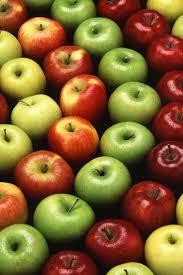
    Apples:

    Apples are at the top of the high pesticide level list. It is always correctly said that an apple a day keeps the doctor away, provided that the apples are organic, especially if you and your family are a regular applesauce eater, because it is swimming in several different pesticides. Apples, these days are contaminated with thiabendazole, a possible carcinogen. So switch to organic varieties of apples, to get the fiber that they provide and to keep your digestive system in shape.


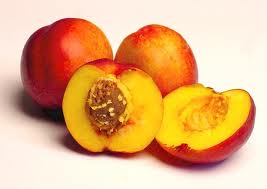
    nectarines

    Nectarines:

    About 97 percent of nectarines are found to contain pesticides and carcinogens like iprodiene. You should buy them organic to enjoy the nutrients that they provide to keep your eyes and skin healthy.


    grapes

    Grapes:

    Grapes have more pesticides than any other fruits. Grapes contain 64 different pesticides. If they are bought organic, they offer a variety of vitamin and mineral health benefits as they are a great source of calcium, iron and manganese that are essential for production of healthy tissues.


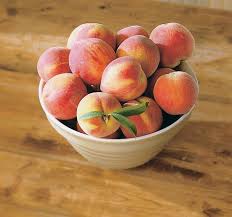
    peaches

    Peaches:

    Peaches are loaded with antioxidants and they are a great source of fiber. But these days they can contain almost 62 chemicals that are carcinogens, pesticides, neurotoxins and reproductive toxins. That is more than most fruits and veggies, so make sure your peaches are always organic.


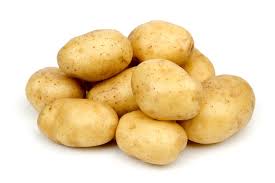
    potato

    Potato:

    Potatoes are a great source of fiber and potassium and a great source of energy. But lately, they are found to be containing neurotoxin chemicals and cause mental and emotional changes, vision loss and weakness or numbness in arms and legs. Almost 80% of potatoes contain pesticides which are sometimes no removed even after peeling or washing them. So buying organic potatoes is a very good option.


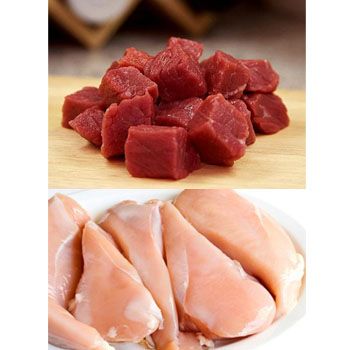
    white_and_dark_meat

    Meat:

    If you eat meat, it is important to be aware that conventional meat contains hormones, antibiotics and pesticides. And the use of antibiotics in foods contributes to rise in antibiotic-resistant bacteria. Organic meats can be expensive, but they offer good nutritional benefits, for  example the protein, iron and zinc  packed in the red meat.


    So these were the organic foods which are definitely worth paying more for. Organic food is safe, friendly, and highly nutritional, and is, in correct terms, the tastier and healthier food. Going organic is beneficial for the environment in more ways than you can imagine. It provides protection to the farm workers as there is no usage and inhalation of toxic and harmful pesticides. It promotes agricultural diversity .and is better even for wildlife and domestic animals as the foods are free of chemicals. Buying organic food balances the natural resources of environment as it is free of any genetic modification. And as they are away from all these bad things, they are obviously good to taste and are the most nutritional food stuff and surely, away from diseases. These foods protect the future generation as well, as they avoid the mutations in them due to the lack of carcinogenic and mutagenic chemicals. It is also a way of creating a better, greener and sustainable future for the generations to come. So make the powerful decision of nourishing your personal and mental health by going organic!!

  • Beauty of the feast!

    Beauty of the feast!

    World consists of human divided by infinitesimal differences by region, religion, nation, race, caste, color, creed and what not. Things like globalization would be impossible to think of if we would not have been able to find the common binding factor among the differences. India here very well stands for its world known diversity which had stood as one against the tests of time. Apart of being multicultural from the very roots of it, Indians tend to employ these differences to propagate brotherhood among them. Sharing of cultural elements like native food, religious practices, festivals and language has only helped us to bind together.  Thinking of food, how many of us really look for what’s in the platter is more than just a meal?

    Every culture has their own essence and it can very well be witnessed by their local cuisine. As the saying by Adelle davis goes “We are indeed much more than what we eat, but what we eat can nevertheless help us to be much more than what we are.” holds true when we think of food more than mere nutrition provider. Nowadays food has become an art, there are nutritionists and health inspectors their careers based on the quality of food served to masses.  People like Tarla Dalal and Sanjeev Kapoor are superheroes of kitchens in India as they redefined the culinary art altogether and who can miss Masterchef series? They all prove that food is a serious deal and as fine and detailed the fine arts are, same is for the food or culinary arts.

    Beauty of food is celebrated in every cuisine around the world like Chinese and Indian food are tangy and spicy where Italian cuisine is comparatively less zesty and prefer involving more of herbs. If we come to think of it, whenever we go to a new place and one of the first things that we look for is food available there. It makes a whole lot of impact on how we perceive that place for the rest of the time. I think that most would agree to the fact that we tend to look for our native flavors in the new region, so goes with the food. How much ever we buy pizzas and subs it won’t suffice the appetite of an Indian living overseas finding tikkas and kebabs.

    Food does so much more than calming the hunger; it crosses boundaries of region and religion. In India especially during festivals which occur more than Sundays in the whole year, we have a pre-planned menu set for each one. The cooking of all the sweets gives the real pleasure of an occasion for the mothers in the household and children’s by making sure to consume every bit of them. The sharing of sweets signifies sharing part of happiness that had come with the festivals.

    Festival sweets

    For a culture rich country like ours, food holds more meaning and there are regulations and provisions regarding cuisines in any religion, state e.t.c. Like in a Brahmin household usage of onion and garlic is avoided and in Christianity communion involves having bread and wine (or other substitutes) to represent the body and blood of Jesus Christ. When a dietary practice is preserved by religious dogma it is given additional force, and if observed it tends to promote a balanced diet! It may be one of the reasons behind many of our grandma’s and grandpa’s resistance against diseases and allergies.

    Food has many nutrients and a person should contain just the right amount for their age in their meals. Leafy vegetables as we all are very familiar of carries infinite benefits like building up one’s resistance to diseases, helping in one’s “weight management program” more like dieting? They are also known to lower the risk of cardiovascular disease and Type 2 diabetes. Like in all seriousness, vegetables no matter how much we despised them as kids do have a hand over pizzas!

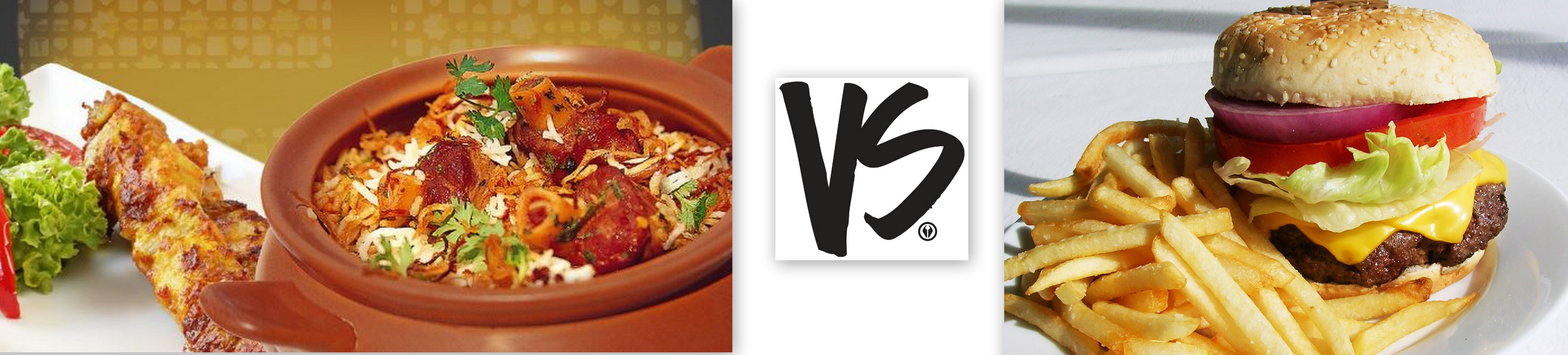
    Talking about pizzas, who doesn’t like having a large size ordered along with coke on a Friday? The fact that we had become conscious about our fast food intake is because of the general awareness regarding cholesterol related diseases like obesity, hypertension e.t.c.

    Fat gained by fast foods

    Fast foods are source of saturated fats also known as “Bad fats” and are often linked with diseases like cardiovascular and coronary heart diseases as well as stroke. Nowadays many healthy choices regarding even the basic in groceries like flour and edible oils are available in the market. Once in a month or few weeks surrendering to the craving for fast foods is okay I guess, but the fact doesn’t change that dieting and refraining from them is the solution for the above problems. Yes! Exercise! Obesity is another much discussed disorder caused by the negligence of the individual’s choice of meals, caution should be taken where something can appeal to the taste buds doesn’t necessarily goes well with the rest of body. Moreover the skipping of meals in order to “diet” is a pointless thought as we can see an obvious difference visible between men who had his meals and who didn’t, the stark lethargy and dreariness is hard to miss. In the other words, skipping meals over a period of time without regarding with a nutritionist would only make you look like a zombie strolling in workplace out of the series “Walking Dead”!

  • Tulsi

    Tulsi

    Tulsi-Plant-620x620

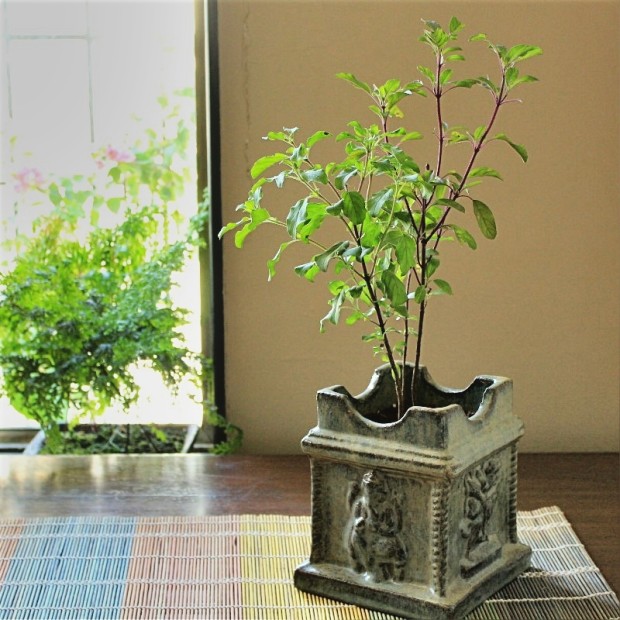
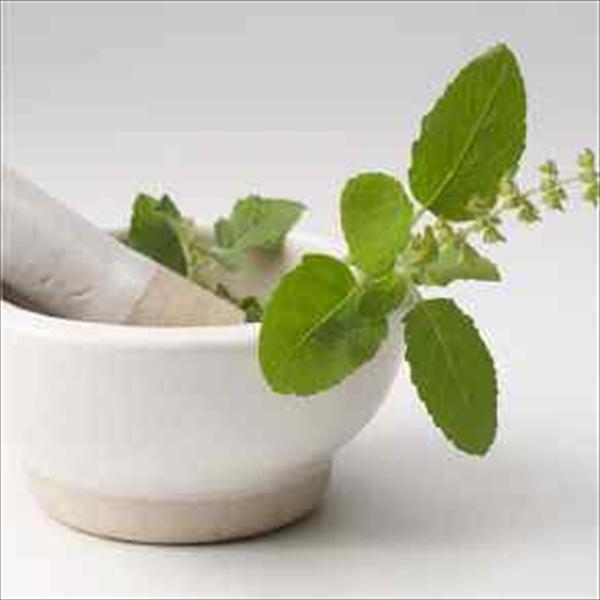
    Holy basil or Tulsi is an herb which is well known for its medicinal properties. An important ingredient in Ayurveda medicines, it has played a great role in the health system of India. Tulsi, a perennial shrub, belongs to the mint family called Labiates and is believed to have originated here in India. It can be grown from the seed or from the tip or root cuttings.

    09a455e0-fa9c-47be-a8f3-b93d8783eb63

    The Tulsi plants have a very important position in the Hindu culture. The plant is considered the most scared and holy of all other plants as it’s believed that it is the middle point between heaven and earth. The entire plant from shoot to root has been in connotation with various god and goddesses in the Hindu mythology. It’s believed that god Brahma lives in its branches and all pilgrimage centers are considered to be in the roots. The stems are leaves have the deities with the Vedas found in the upper branches of the plant. Therefore tulsi is considered as the central sectarian symbol of Hinduism. The plant is grown in every Hindu household especially in the houses of Brahmins. The structure where they are grown is called vrindavan which is a brick structure placed in the middle or front of the house. The daily worship of the plant is considered both holy and important and is mostly done by the females of the household. Though worship is not compulsory all through the week but Tuesdays and Fridays are important days of worship. The ritual of worship is also done in a particular style which involves watering of the plant followed by cleaning its surrounding with water and cow dung. Finally we have the offerings made in the form of flowers, fruits and incense and Ganga water. All this is done while chanting mantras simultaneously. In many houses we find pictures of gods and goddesses made near the foot of the structure. One of the beliefs is that a person can receive moksha or salvation just by watering and taking care the plant, even if he does not worship it. Hindu prayer beads are made out of tulsi steams and roots which are then used as a rosary. In many religious sites, garlands made of tulsi leaves along with food items with tulsi are given out as offerings to the gods. Even Shiva, is some areas is worshiped with tulsi leaves although it’s believed by most that bael leaves are offered to Lord Shiva. The Linga, an important symbol in Hinduism, is considered to have been originated from the black soil from the roots of the plant. Various communities use tulsi leave to protect themselves and their community from the attacks of evil spirits. The starting of the marriage season in India is also related to tulsi. A ceremony known as tulsi vivah which represents the wedding of tulsi with Vishnu as per the Hindu traditional method of marriage marks the end of the monsoon season which is not considered auspicious and the start of the marriage season.

    las-infusiones-mas-curativas

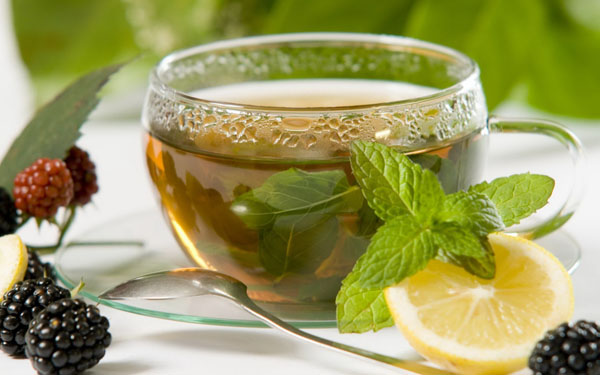
    Coming out of culture and tradition, there are other benefits that the plant offers. Tulsi is famous for its medicinal properties and is therefore used to cure different ailments. The leaves help in improving our memory and also help in strengthen our stomach. During the rainy seasons, we have high level of diseases like dengue, malaria and common cold. During such times it’s recommended to consume tulsi tea or juice which improves immunity and helps fight the disease. In case of cough and cold mixing tulsi leaves and powdered cardamom in water or milk or honey can be helpful in bringing down the temperature. Tulsi leaves with honey can help in giving relief for sore throat. There are many people around us suffering from kidney stones and various heart disorders, the main reason being the modern lifestyle with fast foods and low exercises. Doctors claim that the consumption of these leaves help in reduction of cholesterol levels and the juice taken with honey can help in curing the problem of stones. The herb is also beneficial in the treatment of respiratory disorders when taken after boiling in water with salt. Tulsi leaves are often called ‘adaptogen’ or anti-stress agent which is why many people believe in taking the leaves early in the morning. Many people have problems with bad breath; chewing tulsi leaves ensure a healthy and ulcer free mouth. Apart from this, chewing on tulsi leaves also promises excellent dental health by preventing detrimental effects on the gum and enamel quality. The leaves are beneficial in treating all kinds of skin diseases, insect bites and rashes when applied locally. It cools the skin and gives respite from redness and burning sensations. Further, the miracle leaves also help by providing an effective remedy for sore eyes and night blindness. Headaches, in some cases might be caused due to weakening of eyes; in such cases, a paste made of tulsi leaves and sandalwood when applied to the temples is known to provide much relief.

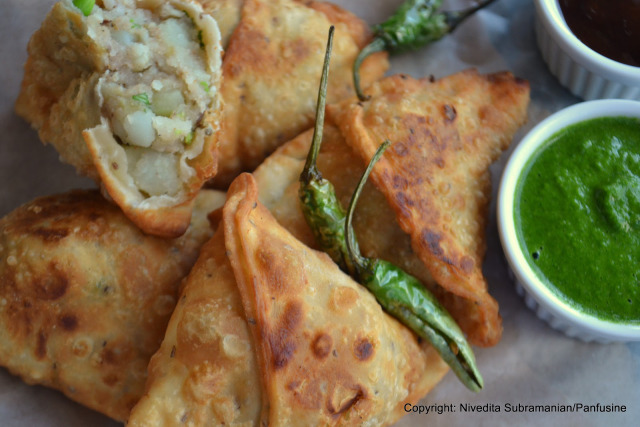
    chutney with samosa

    Although we can grow tulsi at home but still if we visit the market, the key to select best quality leaves is to choose leaves which are vibrant and deep green colored with no dark spots and is mostly advised to explore the local spice stores for purchasing purposes as the product found there is natural with no adulteration.

  • Spices: The Heartbeat Of Indian Cuisine

    Spices: The Heartbeat Of Indian Cuisine

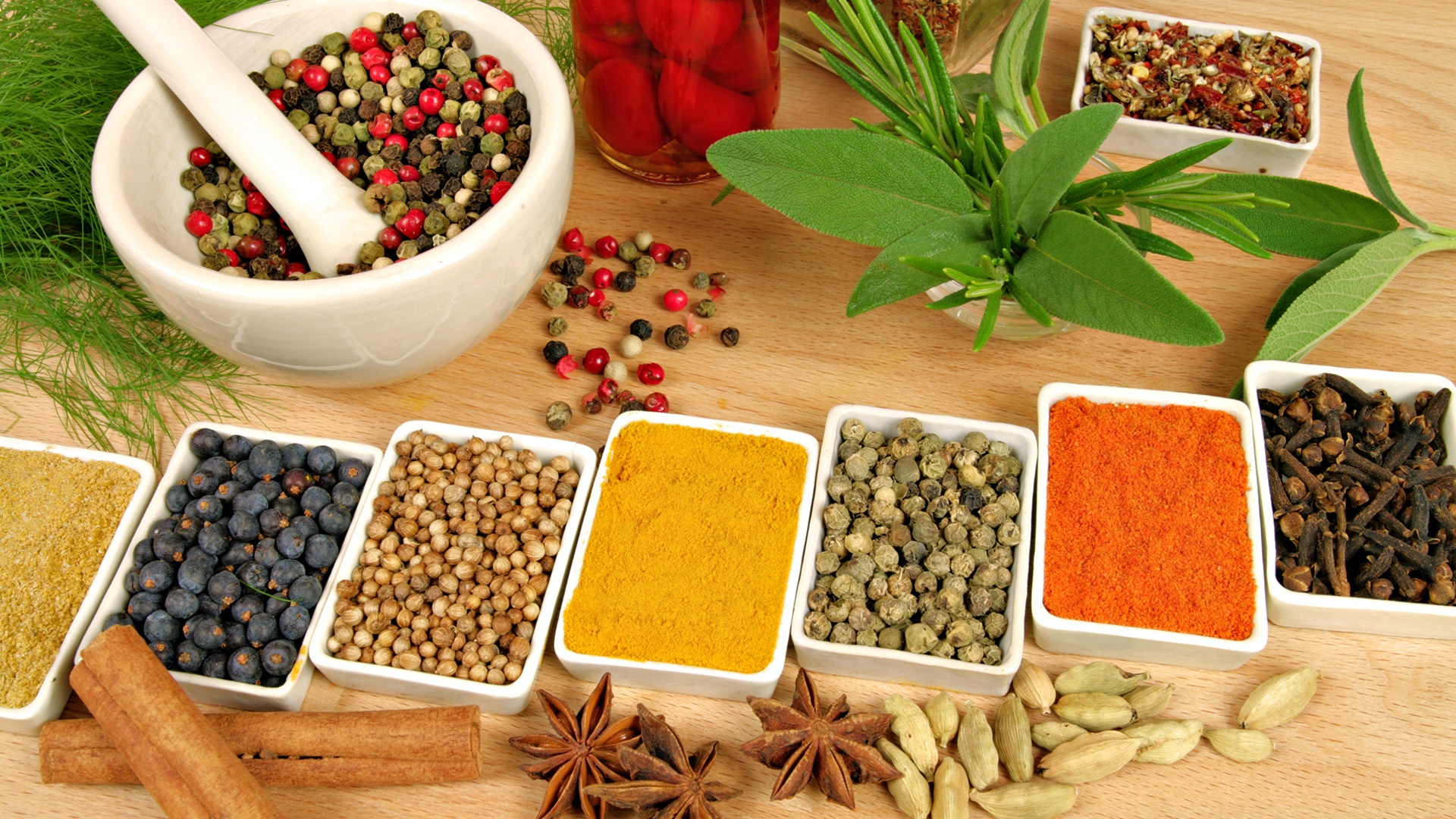
    Indian cuisine is known for its spicy food and extensive use of spices in every dish. Indian spices make the dish complete in every way, and they have ruled the hearts of every man and woman in India. They are used to flavor the food, making each dish distinct and amazingly aromatic. Each spice gives a unique aroma and flavor, and the combination of multiple spices give each dish its unique aroma and flavor. Also many spices are used for medicinal purposes, to prevent diseases and also to preserve food.

    Some spices find extensive use in North India but not in South India and vice versa, but all kinds of spices are available everywhere across the country. Without spices, no one can enjoy Indian dishes.

    Here’s a list of most commonly used spices in India:


    green cardamom

    Green cardamom:

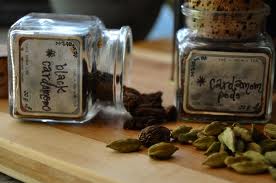
    It is one of the most expensive spices found in an Indian kitchen, and is green in color from outside, having black seeds inside its pod. Having a nice string aroma and taste, it is often used to  flavor tea, desserts and dishes. For best effects, the pod is opened at the time of use and the seeds are crushed properly and then added to the dish or tea. Cardamom is also found in black color and mainly used in main course dishes.


    cinnamon

    Cinnamon:

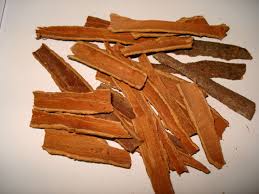
    Cinnamon is native to India and is the bark of an evergreen tree and is yellowish brown in color. It is used as a flavoring agent and for medicinal purposes. It is used mainly in dishes like pulaos, curries  and biryanis. Cinnamon oil is also found prepared from cinnamon bark which is effective in killing mosquitoes. The bark is used in powdered form as well as a dry stick in cooking.


    ginger

    Ginger:

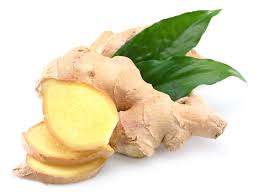
    Ginger is the stem of the plant, has a unique smell and is known for its medicinal properties. It is a boon for cough, cold and tonsils. It has a special place in the kitchen and is used extensively in almost all parts of India. Fresh ginger is used in cookies whereas dried ginger is used as medicine.


    coriander seeds

    Coriander seeds:

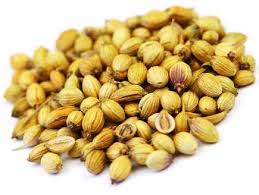
    Coriander seeds are obtained from the dried leaves of coriander, and are greenish golden in color, hollow in shape and have a fresh, crunchy taste. Normally, the seeds are in powdered form, and it loses its smell and taste if kept for some time in air. So they should be stored in air-tight containers. It is one of the main ingredients of garam masala.


    asafetida

    Asafoetida:

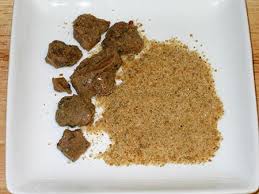
    It is a sap of the stem or root of a plant and dried to get hard resin like substance, which is broken by hammer and used in the powdered form. It has a dark amber color and pungent smell, and that is why it is also known as devil’s dung or stinking  gum. A little amount of this spice is used for giving a seasoning and tempering  flavor to the food. Apart from this, asafoetida is effective in curing gastric problems.


    cumin

    Cumin seeds:

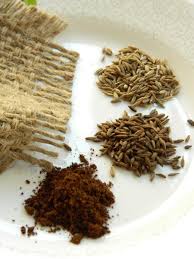
    Native to Mediterranean Sea, cumin seeds belong to parsley family and used in the Indian kitchens as a flavoring agent. They have a strong earthy aroma, and are also used as a medicine for curing digestive problems and helps in reducing acidity. It is packed with iron and is advisable for anemic people and lactating mothers.


    turmeric

    Turmeric:

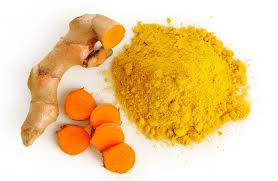
    Turmeric is a ginger like rhizome in raw state and is deep yellow to orange in color, and is an important part of Indian spices. It has many medicinal properties as well, and is used in coloring, dyeing and cosmetic industry. It has anti-inflammatory properties and acts as a healing agent for liver disorders and other digesting problems. It can be grated or used in a powdered form in cooking.


    pepper

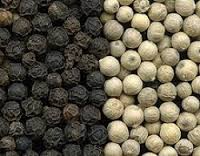
    Pepper:

    Pepper is found in white and black form and is derived from pepper tree, and is round in shape. Dried berry of the tree forms black pepper whereas the seed forms the white pepper. It is used in a powdered as well as whole form, and helps in reducing cholesterol. It has a unique taste and smell and used in salads , curries and main courses.


    red chili

    Red chili:

    Red chili is the king of spices. Specially Indian cuisine is incomplete without red chili powder. It not only adds spicy taste to the dish, but also beautiful red color to the dish. It is either used in powdered form to sprinkle on the food or as a whole form. It is rich in multivitamins and potassium and helps to control diabetes and cholesterol with its analgesic and anti-bacterial nature.


    Dried clove - isolated on white

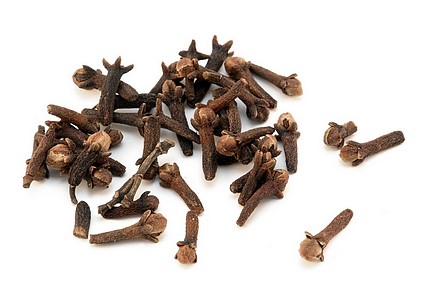
    Cloves:

    Cloves are dried up flower buds. The fully grown, unopened buds are dried in the sun till they become dark brown and are then used for culinary and medicinal purposes. It is expensively used in Indian cooking, and imparts strong and warm flavor to the dish. It is a part of garam masala as well.


    These spices are available all around the India, and in Indian stores all around the world. A huge variety in the already diverse cuisine on India. Spices are one of the most important things that attract people to India. So, they truly are the heartbeat of Indian cuisine and Indian cuisine is incomplete without them.