Author: Shivangi Borah

  • The Homecoming

    The Homecoming

    Delhi is almost home. I have been living here for long now: first as an undergrad at St. Stephen’s College between 2010 and 2013, and then as a graduate student at JNU since. I love the buzz of the capital. And I absolutely love the freedom of life in a hostel. I can stay up till 5 in the morning – reading, watching a movie, or simply trolling about on the web. And of course, I love my friends: they are like family. But every few months, there comes a time when I pack my bags, say goodbye to my friends and the unchecked (and often irresponsible) routine of hostel living, and leave the almost-home for home.

    The moment the plane lands, I’m expected to switch on my phone and call mum. She gets anxious otherwise. Ever noticed how parents trust their kids (20-something year olds included, unless married – that’s a whole different story) to be responsible and keep safe when in another city, but worry themselves sick when those same kids are out with friends while in the home-city? In any case, the moment I emerge from the exit at Lokapriya Gopinath Bordoloi Airport, I am greeted by the much-familiar ring of Assamese words in the air. Once home with mum, it’s like I’d never left. The relaxed conversations, the very vernacular jokes, and the comfort of my bed (seriously, why are beds in hostel rooms never like the ones at home??) – all make the time away dissolve into nothingness. It’s only when mum brings in my lunch that I realise how much I had missed home!
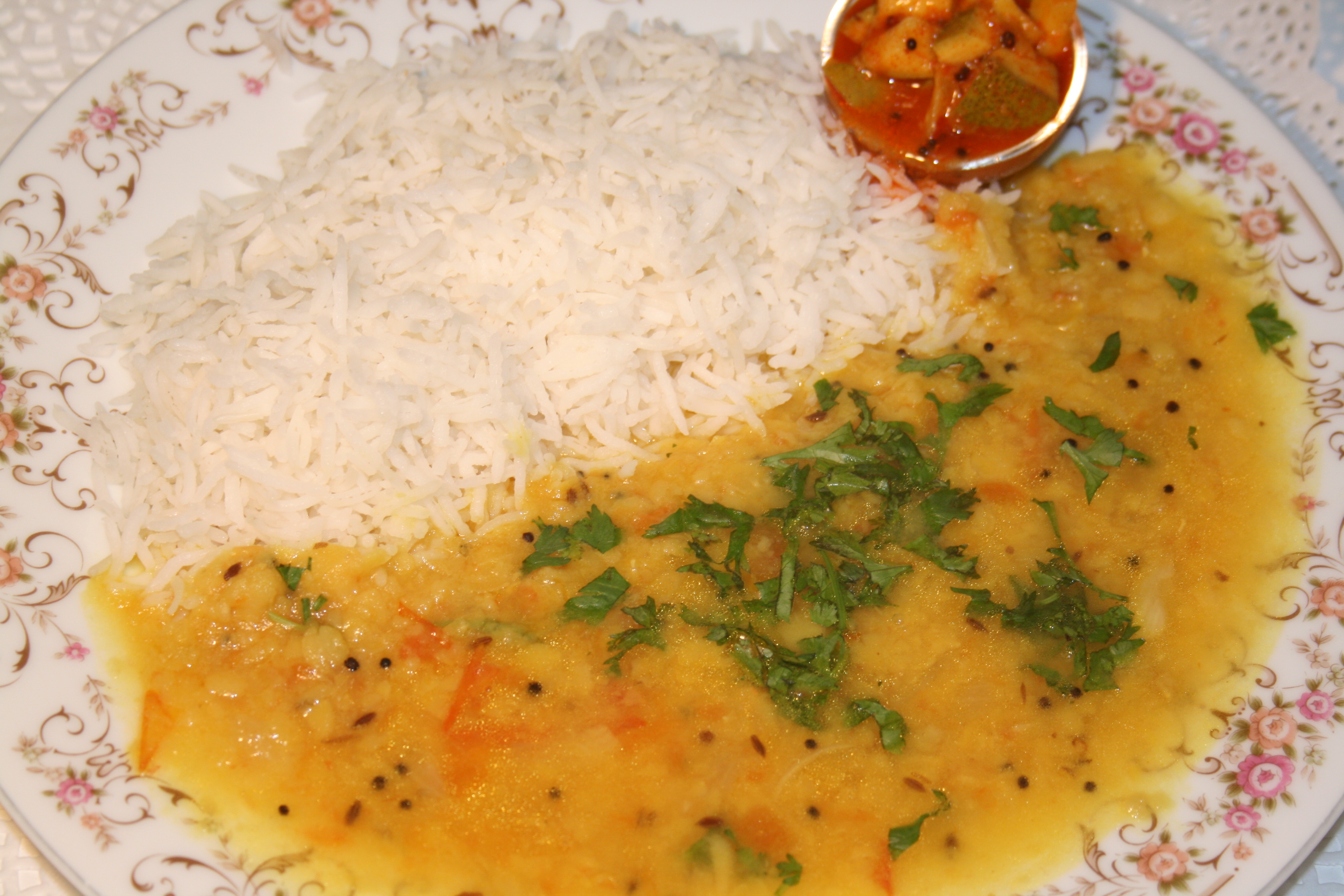
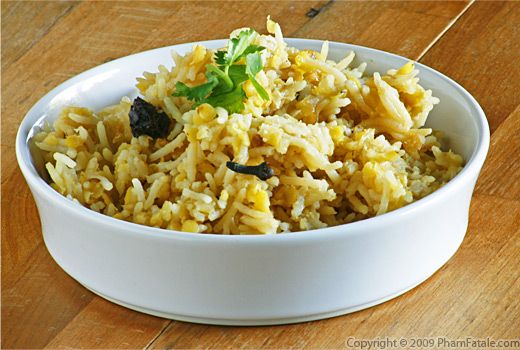
    dal-chawal

    When I’m in Delhi, lunch is a casual affair. More often than not, “lunch” is a quick samosa and a glass of nimbu paani at the canteen between classes. On days off, I have to drag myself to the hostel mess to feed on the less than palatable dalchawalsabzi served. The seemingly-harmless decision to take a catnap at noon and the subsequent failure to respond to the alarm may cost me a whole day of hunger-pangs. Home now, mum is religious about a good, hearty, no-nonsense lunch. The plate she brings in is laden with a generous serving with aromatic Basmati rice, dal, sabzi tailored to my taste, healthy home-made chicken stew, and papad. The first spoonful feels like a mouthful of health – the smell, the taste, the unparalleled delight of food prepared with love and care.

    The one thing that never fails to make me feel blessed when home is the sheer abundance and easy availability of food. In order to truly appreciate this, you need to understand how the mess system in my hostel works. Breakfast is served between 8:00 and 9:30 in the morning, lunch between 12:30 and 2:00 in the afternoon, and dinner between 7:30 and 9:00 in the evening. Heavens forbid you feel hungry in the hours in between (and you often do between lunch and dinner), satiation would cost you some amount of money, and a walk in the sun to the dhaba or general store. One way around might be to stock up on fruits. But fruits aren’t easily available and don’t stay fresh for long in summer, the luxury of refrigeration not being available. Another option might be crackers and snack-cakes. But there’s only so much compromise your health and conscience can take. Besides, there are those days when your taste buds throw a tantrum: they need to be pampered with cooked food. How I’ve craved mum’s poha on those long, hungry evenings when I’m rushing to finish an assignment or am simply, utterly broke (yes, people in hostels go broke sometimes when they are careless in the first weeks of the month)! At home, any time that I feel hungry even in the slightest, I need look no further than the refrigerator or the kitchen shelf for some snack more wholesome than the deep fried pakoras or Masala Maggi available at the dhaba a good 10 minutes’ walk away from my hostel.
    Poha

    Besides, meal-time at home does not involve the stress of weighing your options. If the breakfast table has macaroni and cornflakes on it, I do not have to choose between the two – I can have a bit of both. At lunch or dinner, I do not have to decide whether foregoing my chicken curry in favour of the gulaab jamun that only comes with the paneer is a good idea. If there’s Roohafza on offer, mum does not deny me a glassful because I chose the egg curry instead of the sabzi.

    I understand that every hostel mess offers choices so as to better accommodate diverse tastes and food-related beliefs of the students, and restrictions in choices of food are exercised so as to make the system economically viable. No complaints about that. But it’s an absolute pleasure to be liberated from these rules every once in a while – and by providing that opportunity, home just feels that much homelier. Every single time I come home for the holidays, I realise how real the connection between “home” and “food” is in my mind. Home is where the food feels right. You have to give it to George Bernard Shaw: there really is no love sincerer than the love for food.
  • What to NOT Feed Kids

    What to NOT Feed Kids

    I’m sure you’re a responsible parent/grandparent/aunt/uncle/babysitter. While that once-in-a-while trip to McDonalds’ is all right, you make sure that your kids do not feed on hamburgers, French fries, pizza, and coke day in and day out, much as they’d love to. While cutting the obvious junk out of your kids’ everyday diet is a great idea, you may be surprised as to what scientific studies have to reveal about a number of popular food items marketed as “healthy for kids”. Here is a list to help you make an informed choice.

    Breakfast Cereals for kids:

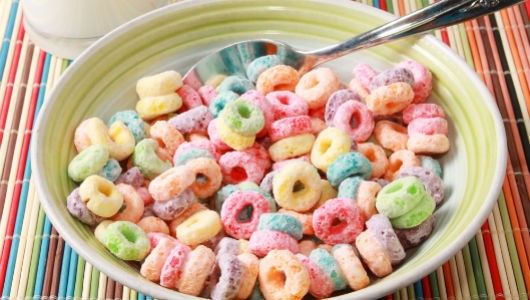
    sugary cereals

    Breakfast cereals for kids are amongst the most begged for foods in the supermarket. They are colourful, they are sugary, and their boxes display a variety of popular cartoon characters. Your kid loves them! And so do you. They boast of a whole lot of vitamins and minerals on the label, and they are tasty, which means your kid does not make a fuss on the breakfast table. However, the sour truth that these sweet cereals hide is that when you consider the amount of sugar and processed ingredients per serving, the miniscule amount of nutritional value they offer doesn’t count for much. Nutritionists recommend that when you shop for a suitable cereal, go for brands that contain at least 3-grams of fiber per serving and less than 10 grams of sugar. The best morning cereal that you can serve your kid hooked is whole grain oatmeal. It’s high on fiber, vitamins, and minerals. Sprinkle on some berries and mix it with yogurt, or a dab of honey or real maple syrup, and junior will love it just as much as he loves his froot loops.

    Processed Meats:

    processed meat

    Bologna and smoked ham may sound like lunchbox staples, but experts suggest that if your child eats a sliced meat sandwich every day, you may be packing her a toxic lunch. Processed meats contain saturated fat, high levels of sodium, and artificial preservatives like nitrates — all things that threat your child’s health. Nitrate, in particular, has been found to increase risks of heart disease, diabetes, and colon cancer in children. If your kids love lunch meats, opt for preservative-free varieties, or better yet, make your own by thinly slicing chicken at home.

    Juice Boxes

    Juice Boxes

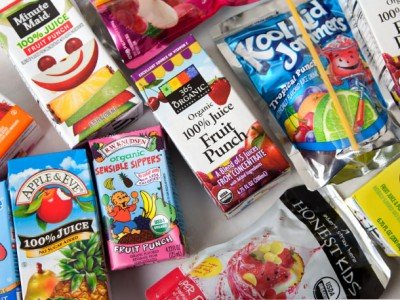
    We know your kid loves her pack of chilled Mango Frooti after school or play hours. But according to food experts, irrespective of what their labels say, juice boxes don’t really pack any nutritional value. Not only do they contain high levels of sugar, most commercial juices lack any fiber and vitamin content. If your child loves her cold beverages, try blending up a batch of fruit smoothies with whole fruits, yogurt, and ice as a nutritious after school snack.


    Snack Cakes:

    Snack Cake

    Your child probably looks forward to that Swiss-roll in her lunchbox every day. But as much as you love treating your kid, you should consider that most processed snack cakes are packed with trans fats, the most unhealthy processed fat known.  So if packing in something sweet ensures that your child finishes her lunch at school, go for berries and grape or bake cookies or squares from scratch using natural ingredients.

    Kids’ yogurt

    Kids Yogurt

    This might be a shocker to you. Yogurt is a wonderfully healthy food for kids; kids’ yogurt, not so much. The reason is that it is so loaded with artificial colors and sugar that it negates any health benefits the original food might contain. So your kid does not like plain yogurt? Just buy the plain variety and sweeten it with frozen fruit, raisins, or honey.

    Microwave popcorn

    Microwave Popcorn

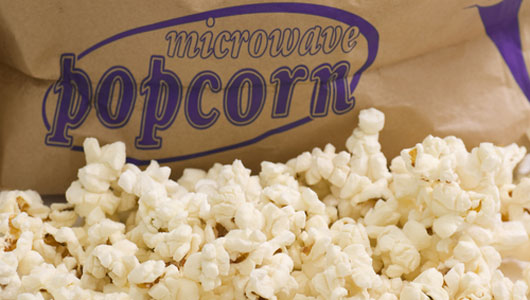
    Many parents opt for microwave popcorn as a hassle-free “healthier” alternative to packaged and/or deep fried chips and snacks. However, here’s an ugly truth. Bags of microwave popcorn are lined with a chemical called perfluorooctanoic acid, or PFOA, so that they do not catch fire while microwaving. While nobody wants a flaming microwave, what sets the alarm bells ringing is that PFOA has been linked to cancer, delayed puberty, thyroid abnormalities, and high cholesterol in children. It might be worth the while to steer clear of the microwave versions and make your own popcorn.


    Granola Bars

    Granola Bars

    Contrary to popular belief, food experts are of the opinion that granola bars do not really make a healthy snack for kids. In fact, most store-bought granola bars marketed to kids are lower on nutritional value than the brands for adults: they are loaded with sugar and added ingredients like chocolate chips, marshmallows, candy, high fructose syrup, and artificial dyes. If your kid is a fan of energy bars, try whipping up a batch at home with natural ingredients like almond, peanut butter, raisins, coconut, whole grain cereal, honey, and dried fruit and nuts.

    Sports drinks

    Sports Drinks

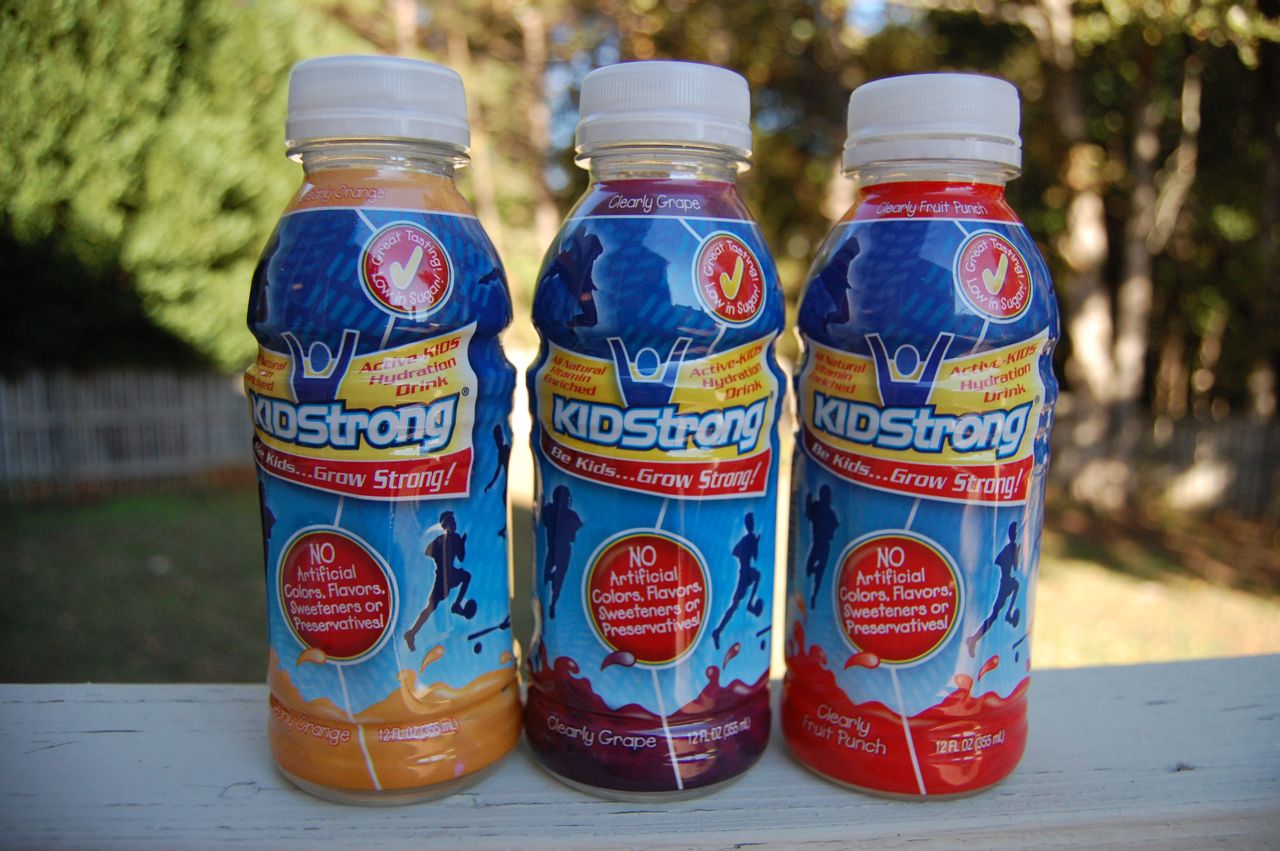
    You may think they are a healthy choice, but unless your kids are exercising heavily on a hot day, there really is no need for them to drink a sports drink. Experts say that regular consumption of sports drinks make children develop a kind of tolerance that makes them less likely to choose water over these drinks even at other times of day, simple because it will taste bland in comparison. If your kid is thirsty, offer water. For a great post-game recovery drink, try chocolate milk — it has the perfect blend of carbohydrates and protein to help little bodies repair and replenish.

    While this list should help you get started, I’m convinced it’s far from comprehensive. There is a number of unhealthy products in shiny packs that are sure to attract your kid while you navigate through the aisles of your local supermarket. The trick is to not be fooled by friendly-looking cartoons assuring you of a “mouthful of health”. Read the nutritional information and scan the ingredients with care. When in doubt, consult your nutritionist or pediatrician. Your smart choices prepare your child for a healthy life healthy.

  • Artificial Sweeteners: Sweet or Sour?

    Artificial Sweeteners: Sweet or Sour?

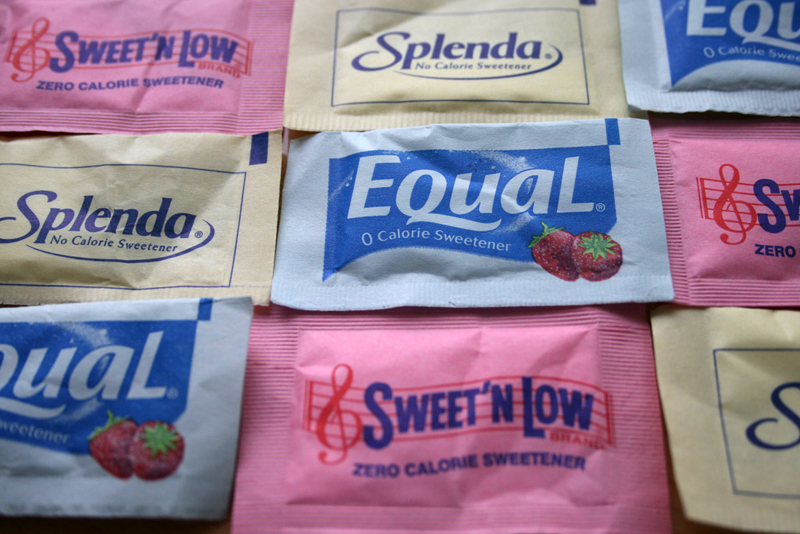
    When renowned chef Sanjeev Kapoor comes on TV, urging you to quit sugar and switch to Sugar Free, I’m sure it feels like a beacon of hope to those of you trying to watch your weight. You aren’t alone. With health associations the world over giving a nod, albeit cautiously, to the use of artificial sweeteners in place of sugar, diabetics and diet-conscious people the world over are turning to them as a pro-health choice. By offering the taste of sweetness without any calories, artificial sweeteners seem like they could be the one answer to effective weight loss and diabetes-management. Now you can finally eat your fill of jalebis and laddoos and neither your family nor your conscience dare stop you, because what you’re eating is sugar-free, and therefore healthy. Right? Actually, there is more to the story than that.

    The Food and Drug Administration (FDA) has approved five artificial sweeteners: saccharin, acesulfame, aspartame, neotame, and sucralose. How the human body responds to these chemicals, however, is complex and not yet completely understood. While they are not without their benefits, they also pose serious threats to your health. This article aims to present before you the pros and cons of artificial sweeteners to help you make an informed choice.


    What contributes to their growing popularity?

    • Weight control:

    One of the most appealing aspects of artificial sweeteners is that they are non-nutritive — they have virtually no calories. In contrast, each gram of regular table sugar contains 4 calories – a teaspoon of sugar is about 4 grams. For perspective, consider that the average 12-ounce can of sugar-sweetened soda contains about 130-150 calories, almost all of them from sugar. The same amount of diet soda, sweetened with artificial sweeteners, delivers zero calories. If you’re trying to lose weight or prevent weight gain, the choice seems like a no-brainer.

    • Diabetes management:

    Artificial sweeteners are an attractive alternative to sugar for people with diabetes. Unlike sugar, artificial sweeteners generally don’t raise blood sugar levels because they are not carbohydrates. However, because of concerns about how sugar substitutes are labeled and categorized, it is advisable that you consult your doctor or dietitian before using any sugar substitute if you are diabetic.

    • Dental care

    Because they do not contain any trace of sugar, artificial sweeteners, while providing you with the much craved-for sweet taste, do not contribute to tooth decay and cavities.


    What are their possible health hazards?

    Artificial sweeteners have been the subject of intense scrutiny for decades. Why? Critics of artificial sweeteners invoke a variety of health problems, including cancer. This is largely because of studies dating to the 1970s that linked saccharin to bladder cancer in laboratory rats. In fact, saccharin once carried a warning label that it may be hazardous to your health. However, the National Cancer Institute and other health agencies have ruled out scientific evidence for potentially cancer-causing properties of any of the artificial sweeteners approved for use by the FDA. As a result of such newer studies, the warning label for saccharin was dropped.

    Dr. Joseph Mercola, a world-renowned physician and New York Times bestseller author, in his book, Sweet Deception: Why Why Splenda®, Nutrasweet®, and the FDA May Be Hazardous to Your Health, points out the harmful effects of aspartame. According to him, the lab animals tested for aspartame safety were found to have developed tumors in their bodies, which were misleadingly labeled “normal swelling” in the FDA-published in August 1977. Dr. Mercola also mentions that human reports to FDA, too, have associated aspartame to minor adverse reactions and life-threatening conditions that include migraines, changes in vision/heart rate/sleep patterns, nausea and vomiting, seizure, depression, memory loss, abdominal and joint pains, and even brain cancer. While it may be possible to question these conjectures, it may be worth the while to at least ponder over them.

    Dr. David Ludwig, an obesity and weight-loss specialist at Boston Children’s Hospital, points out other more subtle yet potentially adverse effects of artificial sweeteners. He contends that people who use artificial sweeteners may replace the lost calories through other sources, possibly offsetting weight loss or health benefits. This has mainly to do with our very human tendency to fool ourselves: “I’m drinking diet soda, so it’s okay to have cake.” Another concern is that these products possibly change the way we taste food. Dr. Ludwig explains, “Non-nutritive sweeteners are far more potent than table sugar and high-fructose corn syrup. A miniscule amount produces a sweet taste comparable to that of sugar, without comparable calories. Overstimulation of sugar receptors from frequent use of these hyper-intense sweeteners may limit tolerance for more complex tastes.” This implies that people who routinely use artificial sweeteners may start to find less intensely sweet foods (e.g. fruit) less appealing and non-sweet foods (e.g. vegetables) downright unpalatable. In other words, regular use of artificial sweeteners can make you shun healthy, filling, and highly nutritious foods, and crave more artificially flavored foods with less nutritional value. But you can control your cravings, you say? Don’t be too sure. Studies suggest that artificial sweeteners can be addictive. In studies of rats who were exposed to cocaine and saccharine, then given a choice between intravenous cocaine and oral saccharine, most chose saccharine.

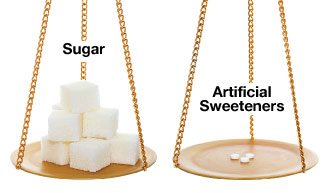
    sugar-vs-artificial-sweeteners

    We do not aim to scare you or de-popularise artificial sweeteners. While “sugar-free” desserts after every meal might be cause for worry, a small helping of artificially sweetened pudding once in a while is more than all right. As has been mentioned before, artificial sweeteners do have their benefits, and when used judiciously, do not generally produce adverse health implications. Like so many other things in life, for artificial sweeteners, too, moderation is the key.

  • Breaking the Myth: How to Make Indian Cooking Healthy

    Breaking the Myth: How to Make Indian Cooking Healthy

    What is the first thing that comes to your mind when you think of Indian cooking? Hot, spicy, rich? Yet your taste buds respond to Indian food like nothing else. An Indian who can pass on a stack of ridiculously good Aloo Paranthas in favour of a Caesar salad would be difficult to come by. So what do you do? Shrug and accept the compromise on health as an inevitability of Indian living? Or coerce yourself to develop a liking for healthier, relatively bland continental food made with ingredients that are not only difficult to source but also burn a hole in your pocket? We have good news for you: you need do either.

    Today, Indian chefs and food enthusiasts the world over are endeavouring to break the one myth that has always been associated with Indian cuisine: Indian food is unhealthy. True, we like our Butter Chicken, ghee laden Naans, and spicy curries, but to dismiss Indian food as inherently unhealthy is not really justified. Indian cuisine has evolved in response to the diverse climatic conditions of our subcontinent, ranging from tropical to alpine, which has resulted in the availability of a broad spectrum of ingredients that are potentially packed with vitamins and fibre, while the array of vegetarian choices available provides low saturated fat options, as long as they are cooked without the lashings of clarified butter and cream so favoured in the restaurant versions of Indian dishes. To help you discover the sheer delight that is wholesome Indian cooking, we have here a few basic tips and tricks:


    Swap your staples:

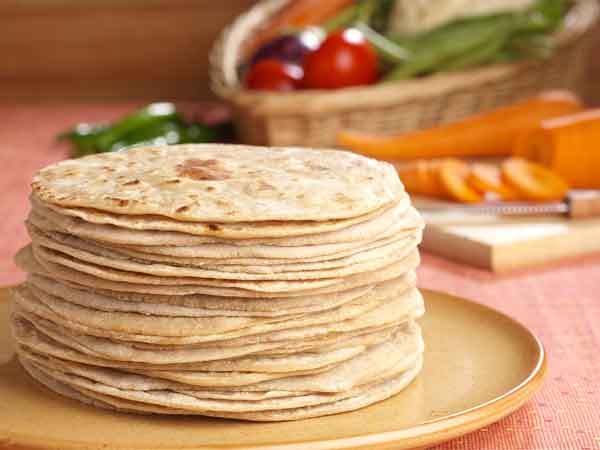
    Staple - chapati

    Simple changes like opting for wholemeal flour instead of plain flour when making chapatis or paranthas and swapping white rice for brown Basmati rice can go a long way towards balancing your daily carbohydrate intake.

    Watch the oil:

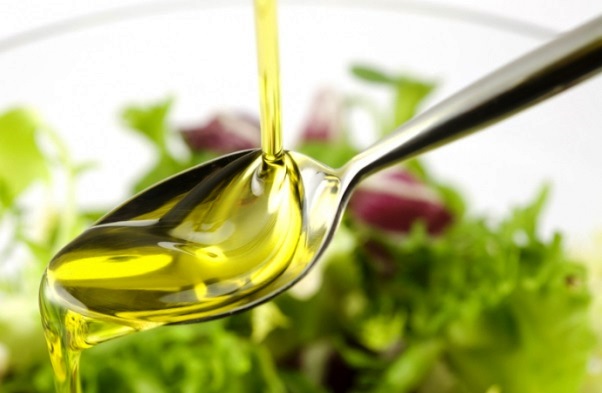
    Cooking oil

    Avoid cooking in ghee or butter as far as possible. Try using sunflower, rapeseed, and olive oils instead. You will be surprised at how well they work with spices. However, bear in mind that olive oil has great health benefits but should only be used for stir-frying or pan-frying, when just a small splash is needed. It is not recommended for deep-frying when a large quantity of oil is required. Using non-stick cookware can help you limit the use of oil.

    Free yourself from frying:

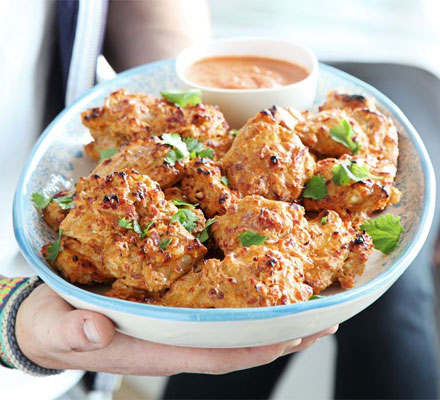
    Tandoori chicken

    Avoid frying wherever possible. Grill, boil, steam, roast, and bake instead. Tandoori grilling is a great way to cook. It requires minimal or no oil and the intense heat cooks the food quickly, sealing in all the nutrients.

    Cut down on the cream:

    Cream

    While coconut milk and cream are not without their health benefits, the fat content is usually above levels recommended for daily consumption. For adding richness to a dish, try using skimmed milk, cashew nut paste, or poppy seed paste instead of the regular coconut milk or cream. For bases, opt for low-fat yogurt or tomato sauces rather than cheese-based ones. Use margarine instead of butter.

    Be Ingredient-Wise:

    Greens

    Indian cooking offers a wide choice of ingredients. Go for lots of greens and healthy legumes such as sprouted beans and lentils. Privilege chicken or seafood over red meats.

    Know your spices:

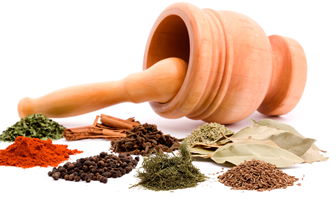
    Spices

    Whether it is the instant heat of chilli or the slow mellow burn of ginger, spices feature prominently in almost all kinds of Indian cooking. As such it is a good idea to know about the properties of the spices you use every day. We have here a list of spices that pack health benefits for you when used in moderation:

    • Garlic has been shown to lower cholesterol, have antibiotic properties, assist in the removal of excess mucus, and stop platelets in blood from sticking together and creating blockages. It is also effective against fungal, yeast, bacterial, and viral infections.
    • Turmeric is a digestive aid, an analgesic, an antiseptic, and an anti-inflammatory agent. It also a potential cancer deterrent.
    • Cumin seeds, which are often ground for cooking, aid digestion and also relieve flatulence, stomach cramps, and diarrhoea.
    • Coriander has been tested to have aphrodisiac properties. It helps ease migraines and intestinal complaints.
    • Ginger has been proven through clinical trials to be effective against nausea. It can potentially treat indigestion and flatulence.
    • Chilli is known to relieve pain and aid blood circulation. It is also suggested that the heat stimulates the body to produce endorphins which not only speed up metabolism but could be a contributory factor to our enjoyment of a good curry: the ‘high’ produced is addictive!

    Above all, know that healthy eating is a matter of choice. Like all other cuisines, Indian cuisine too comes with its healthy and unhealthy options. It is important to choose right. Opt for Papad instead of Samosa, Chicken Tikka instead of Korma, curries with a vegetable or dal base instead of curries made with coconut milk cream, cauliflower lightly fried with peas and tomatoes instead of Pakora, Matar Pulao instead of Palak Paneer, steamed rice instead of sauced rice, chapati or plain Naan instead fried or stuffed breads, and so on. Be smart, be resourceful, be informed. Enjoy your adventure in the kitchen. Go, taste India!

  • Fast and Smart: How to Pick Healthier Fast Food Options

    Fast and Smart: How to Pick Healthier Fast Food Options

    Remember that day back in school when, while walking down the street with your mum, you had suggested that you be allowed to snack on a McChicken burger and skip the daal-chawal waiting at home? Mum had probably responded with a firm “NO”. Yes, fast food is unhealthy. That’s possibly one of the most repeated of the lessons we learn as kids. Yet, it comes with its own attractions: prompt dine-in service, speedy home deliveries, affordable and great-tasting options on the menu, etc. Given the sheer convenience, it is often only too easy to compromise with your conscience (and maybe, an expanding waistline) and find yourself at your nearest McDonald’s or Domino’s outlet. So what do you do then? The solution is simple: pick your fast food smartly.

    Thankfully, smart fast food eating is not the myth you may think it is. With growing global concern over obesity and heart diseases ensuing from unhealthy eating, fast food chains the world over are making an effort to include healthier options in their menus. Besides, there are ways to make sure that that occasional treat at a fast food restaurant does not turn into the unhealthy grease fest that it has every potential to be. Here are a few simple tips:


    Downsize your portion:

    Super-sized portions of fast food usually cost you only a little extra: they are marketed as “value for money meals”. But while they may gratify your economic mind, they can pack a whopping nutritional blow to your body. Research shows that larger the serving in front of us, the more food we tend to eat even beyond satiation. Bear in mind: double the portion equals double the calories. If you’re almost principally opposed to passing on a meal deal, you could try splitting the large portion with a friend.


    Design your own meal:

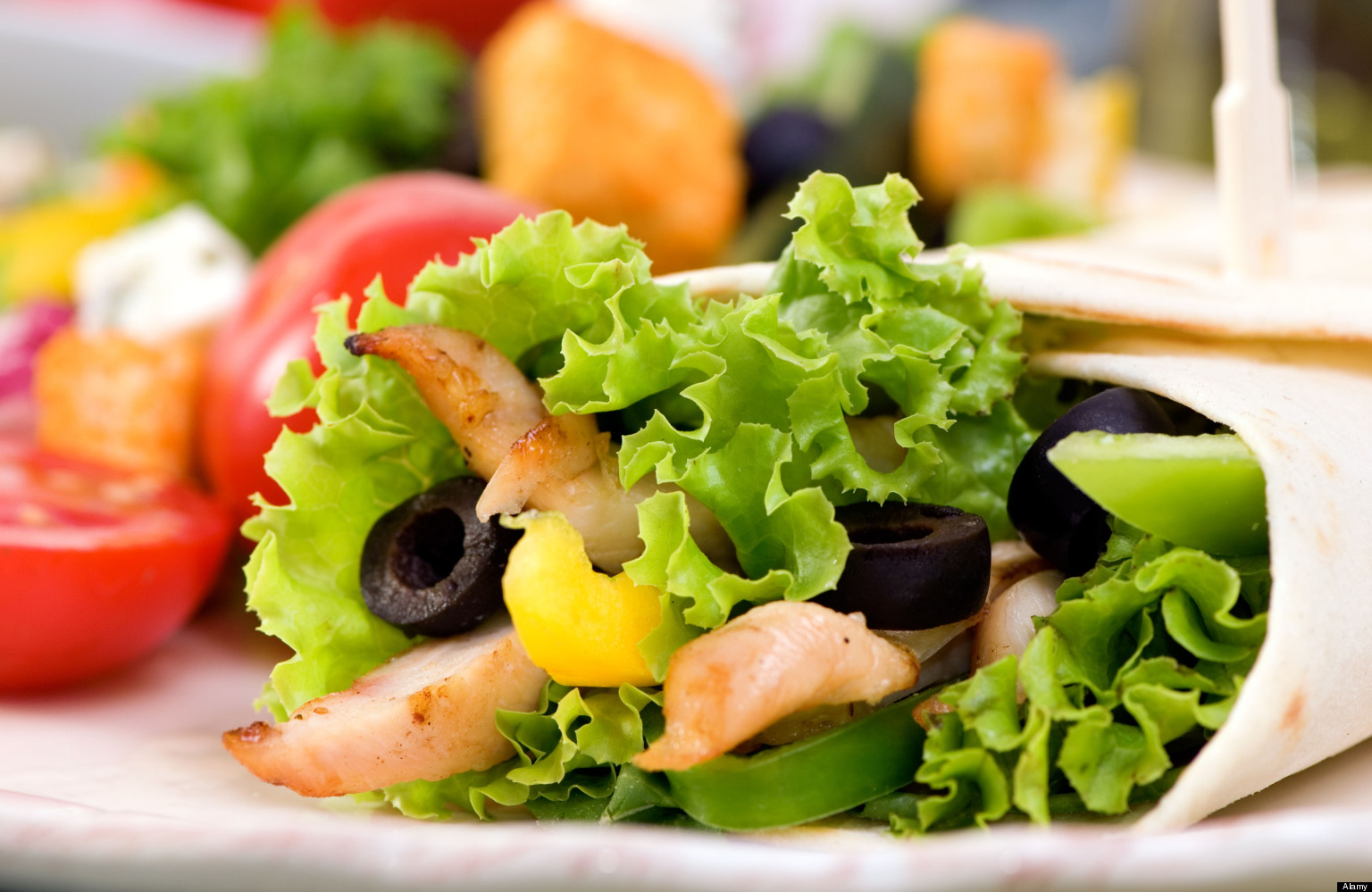
    Healthy Fast Food 2

    Choosing your own meal constituents gives you the opportunity of keeping the calories, sodium, and fat content in check, while boosting the fibre content. Opt for made-to-order fast food options, wherever possible. Ask for whole grain breads, buns, wraps, and pizza crusts. When choosing your fillings or toppings, try to include plenty of fresh vegetables, fruit, and legumes (dried beans, lentils, and peas). Privilege leaner fresh cooked meats such as roast beef, chicken, or turkey breast. Avoid processed deli meats such as salami and bologna. Choose low-fat milk products: steer clear of the extra cheese option.


    Watch the “extras”:

    Those little “extras” like salad dressings, sandwich sauces, mayo, spreads, and gravies that you add to your meal to indulge your taste buds can infuse your meal with more fat, calories, and salt than you had bargained for. Opt for lower-fat condiments such as ketchup, salsa, mustard, and relish. However, use them sparingly, since even these condiments have higher sodium content than recommended levels. Make it a point to ask for the “extras” on the side rather than a huge dollop on top, so that you can use small amounts as and when required.


    Be salad savvy:

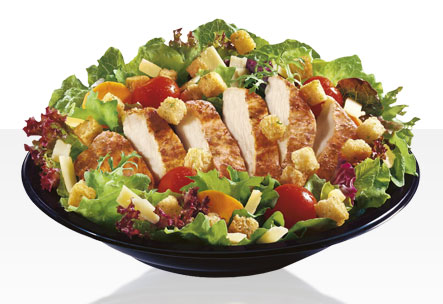
    Healthy Fast Food 3

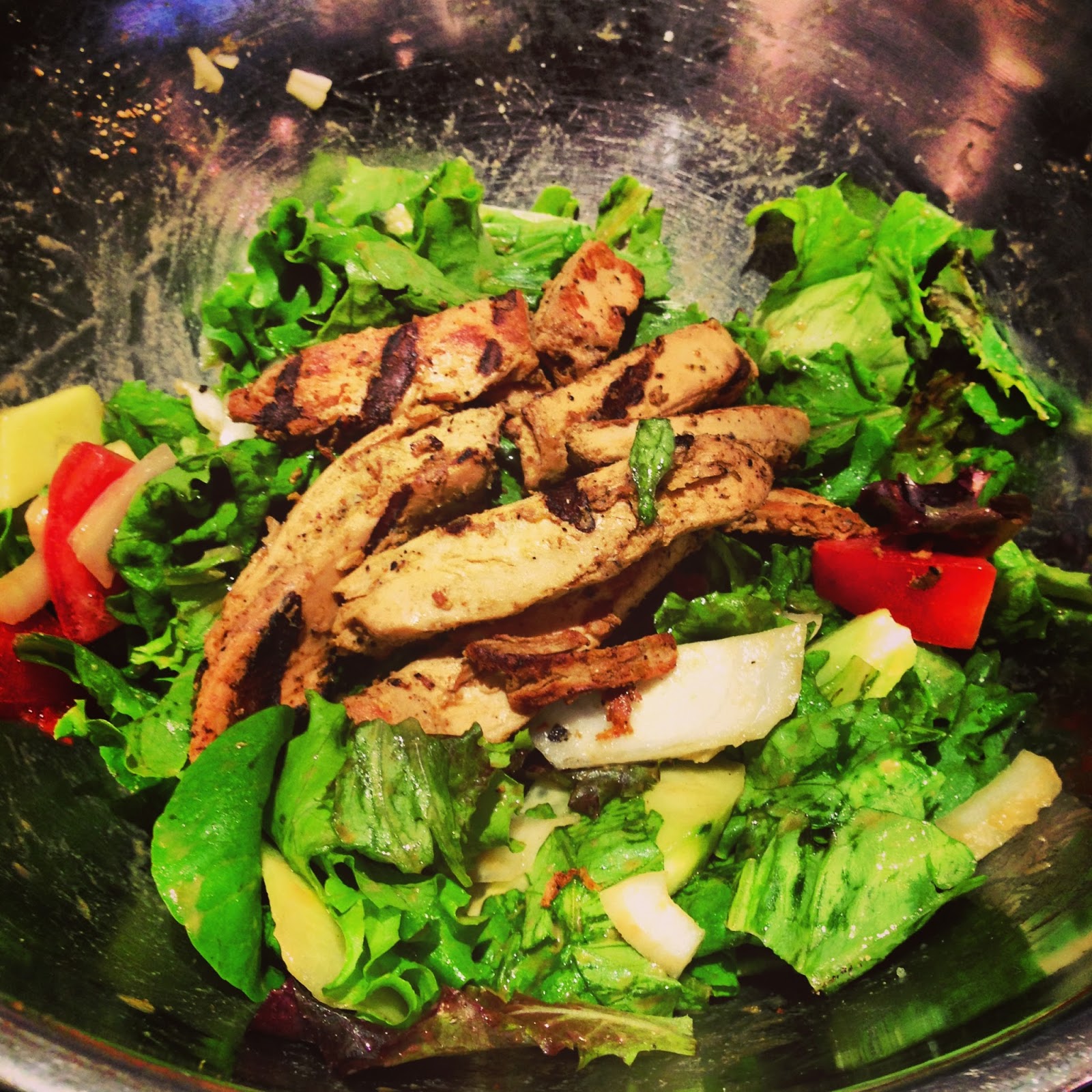
    Salads are popularly hailed as healthy meal options. But beware: not all salads are equally, or even necessarily, healthy. For instance, a chicken Caesar salad laden with mayo can have about as many calories and as much fat as a deep fried chicken sandwich. When ordering your salad, go for leafy green ones. Religiously skip the croutons, bacon bits and fried noodles or tortillas; they are heavy on fat, calories, and sodium, while offering few good-for-you nutrients.


    Drink Smart:

    If you’re thirsty after a meal, there is nothing like water. If you want a filling beverage, skimmed milk is a great choice. Virgin fruit juices are a healthy beverage option, though not readily available. Try to avoid aerated drinks as far as possible. If you are craving a sugary drink, order the smallest size; a large glass can contain as many calories as a whole meal. In fact, milkshakes often contain more calories than most other items on the menu. Adding flavoured syrups or whipped cream to your beverage may increase its calorie content by 200-300. Adding milk instead of cream to your tea or coffee is a healthier choice.


    Be Dessert-Wise:

    Healthy Fast Food 4

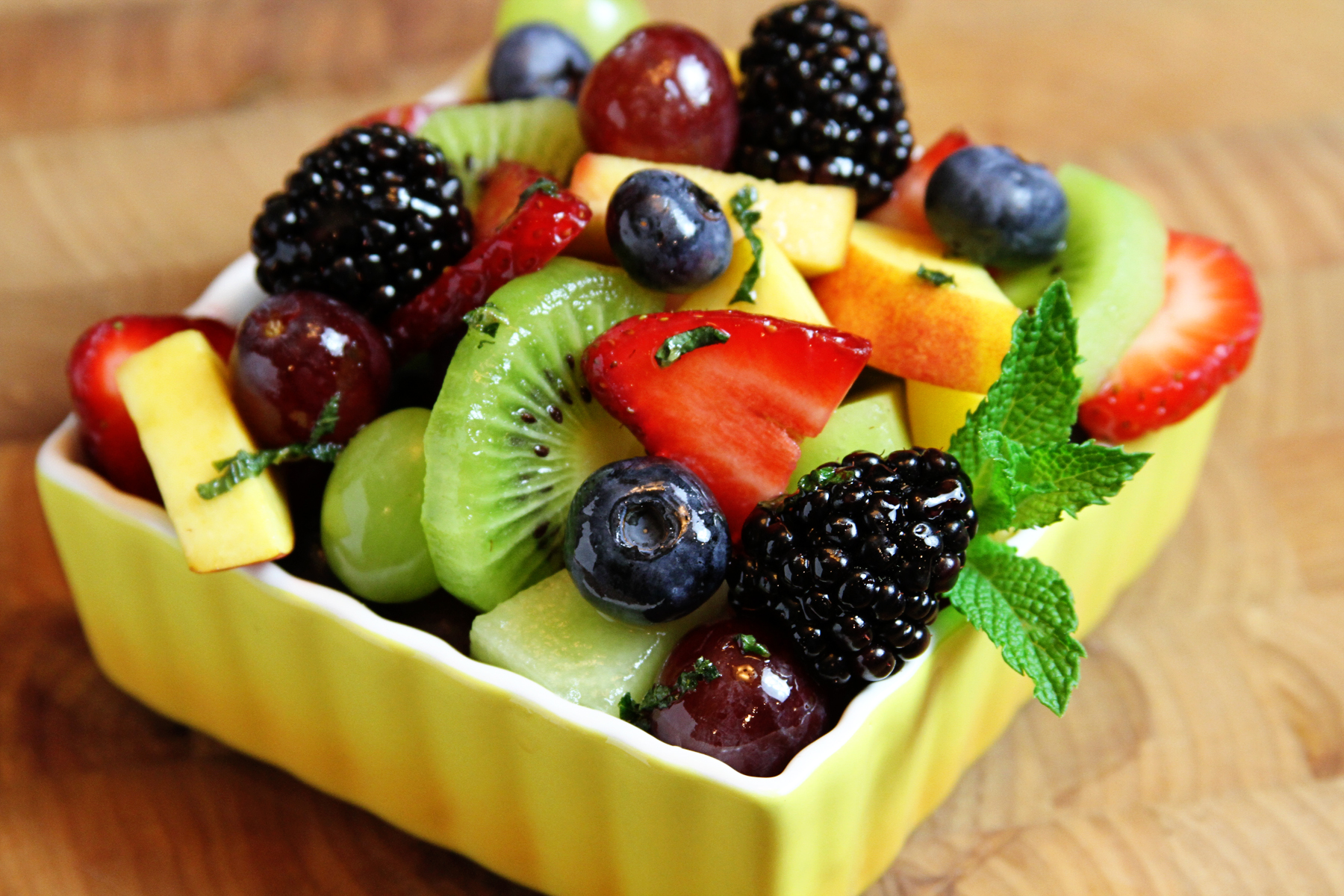
    When it comes to desserts think fresh and light. Fresh fruit, plain frozen yogurts, and sorbet are healthier options than ice cream and cakes. When in the mood to indulge your sweet tooth, watch your portions. Some large cookies may contain as many as 400 or more calories. An acceptable compromise might be to order one dessert and ask for many spoons to share with friends or family.


    Don’t compromise on your breakfast basics:

    We know how tempting it might be to quickly grab a McEgg burger during those rushed mornings, but it is important to remember that breakfast is your most important meal. You depend on your breakfast choices to give you the energy and nutrients you need through the day. Opt for oatmeal, fruit, yogurt, or whole grain bagels with peanut butter. Limit high fat options like doughnuts, pastries, muffins, croissants, bacon, sausages, and fried hash browns.


    Fetch your Facts:

    Make an informed choice. Before placing your order at a restaurant, ask for the nutrition profile of the meal ordered. Compare the percentages of calories, fat, sodium, sugar, fibre, and key nutrients – you may be surprised.

    These quick tips should help make your occasional fast food experience healthier. Above all, remember that healthy eating is a matter of balancing your food choices over time. So if you overindulge at one meal, remember to compensate by eating wholesome, healthy food at your next meal.

  • Mock Meat – Eating for the Newly Vegan

    Mock Meat – Eating for the Newly Vegan

    If you are recently vegan, congratulations! Mother Earth will thank you, and so will all the animals that would have otherwise ended up on your platter or been tortured in high-temperature cells to provide you with your daily egg or glass of milk. Besides, you have made an excellent choice for your health: a vegan diet goes a long way in reducing risks of chronic degenerative disorders such as obesity, corollary artery disease, high blood pressure, diabetes, and cancers of the colon, the prostate, the stomach, the esophagus, and the breasts.

    Given the benefits, making the transition is not really the ordeal it might appear to be to the hard-core meat-eater. With a large number of people the world over looking to veganism as an ethical and responsible way of living, a multitude of vegan products and places have sprung up to cater to this audience. Whether you are navigating through the aisles of your local supermarket or walking down the street during your lunch break, finding great-tasting and healthy vegan food is a breeze. If you are eating out, almost all restaurants have great selections of vegan options on their menus. For inspiration in the kitchen, you need look no further than the internet or your local bookstore for ideas on how to create mouth-watering vegan masterpieces.

    We are sure veganism has been spiritually fulfilling for you so far. But what about those times when you have an intense meat craving? You wake up one morning and the usually dormant carnivore in you is insatiable. Would you give in? Or would you compromise with your taste buds? Thankfully, you don’t have to do either. With a range of mock-meats, nondairy cheeses/butters, and faux poultry products available in the market today, there is a way to fool your mouth into thinking that it’s getting its share of “non-vegetarian” delight, while your conscience remains spotless. A little bit of creativity is all you need! To help you get started, we have furnished here a few easy recipes that should help indulge your inner non-vegetarian.

    BREAKFAST: Mock Sausage

    Mock Sausage

    Requirements:

    • 1 ½ cups boiling water
    • 2 tbsp. soy sauce
    • 1 cup dry textured vegetable protein granules
    • 1 ½ cups mashed firm tofu
    • 2 tsp. crumbled sage leaves
    • 1 tsp. marjoram
    • ½ tsp. garlic granules
    • 1 ½ tsp. onion power
    • ½ tsp. thyme
    • ½ tsp. salt
    • ½ tsp. red pepper flakes
    • Black pepper to taste
    • ½ cup unbleached flour

    Procedure:

    Pour the water and the soy sauce over the textured vegetable protein in a bowl. Let it soften. Next, add all the other ingredients, spare the flour, and mix well. Once the mixture is cool, add the flour and mix well again. Now shape the mixture into 10 patties or 20 small “sausage links”. In a lightly oiled heavy frying pan, steam-fry the patties/sausage links in two batches over medium heat, covered, for at least 20 minutes, until firm and brown. Your mock-sausages are ready to eat. You can also refrigerate them for later consumption. To reheat, simply place in a covered, lightly oiled skillet with a few tablespoons of water and cook over high heat until the water evaporates.

    LUNCH: ‘Chicken’ with Artichokes and Olives

    Faux Chicken with Artichokes and Olives

    Requirements

    (makes 6 – 8 servings)

    • 3 tbsp. flour
    • 3 tbsp. quick-cooking tapioca
    • 1 ¼ cups vegetable broth
    • 8 oz. frozen artichokes hearts
    • ½ cup chopped white onion
    • 3-4 oz. sliced olives
    • 2 tsp. curry powder
    • ¾ tsp. dried thyme, crushed
    • ¼ tsp. salt
    • ¼ tsp. pepper
    • 1 ½ lbs. (about ½ kg) faux chicken, shredded (try brands like Beyond Meat or Morningstar Farms)

    Procedure:

    In a bowl, whisk together the flour, tapioca, and broth. Add the mushrooms, tomatoes, artichoke hearts, onions, olives, and faux chicken. Stir in the curry powder, thyme, salt, and pepper. Cover and cook on high until soft and blended (estimated time of cooking: about 90 minutes). Serve with hot steamed rice.

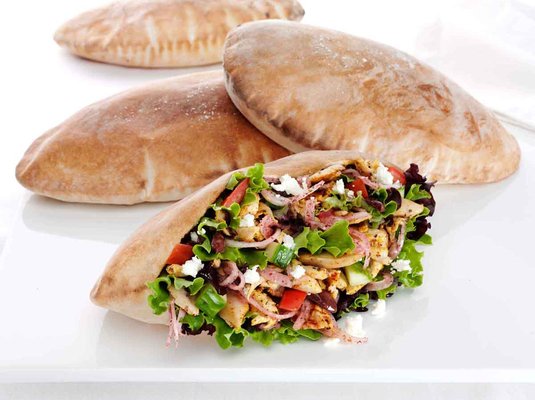
    DINNER: VeggieChicken’ Salad in Pita Pockets

    Pita Pockets

    Requirements:

    (makes 3-4 servings)

    • 1 ½ lbs. faux chicken
    • 1 small jar of veggie mayo
    • Pickles, diced
    • Jalapenos, sliced
    • Mushroom, diced
    • 1 tomato, chopped
    • A few leaves of lettuce
    • 1 onion, sliced
    • Black pepper to taste
    • ½ tsp. salt (optional)
    • 6-8 pita pocket shells


    Procedure:

    Cut the faux chicken into small pieces. Combine the pickles, jalapenos, mushroom, lettuce, tomato, onion,  (or any other vegetable/fruit of your choice). Add some mayo and mix well. Lightly sprinkle with pepper and salt. Let the salad mixture stand for about 10 to 15 minutes. Next, fill the pita pockets with the mixture and serve cold.

    DESSERT: Cherry Cheese Cake

    cherry cheese cake

    Requirements:

    (makes 8 servings)

    • 2-8 oz. containers plain, nondairy cream cheese, softened (Try Tofutti for brand)
    • 1 cup sugar
    • Juice of 1 Lemon
    • A dash of vanilla
    • 1 graham cracker crust
    • 1 can cherry pie filling

    Procedure:

    Preheat the oven to 350°F. Mix the nondairy cream cheese, sugar, lemon juice, and vanilla, and pour into the graham cracker crust. Bake until the top layer is golden (estimated time: about 60 minutes). Refrigerate overnight. Spread the cherry pie filling evenly on top. Serve chilled.

    So now you know that unlike a lot of other responsible choices, veganism does not have to include a compendium of compromises. It’s easy, it’s healthy, and it’s fun. Give yourself a pat on the back, all you vegans!


    (Recipes sourced from www.peta.org)