Category: Religion

  • Go Nuts about Nuts! (Part 1)

    Go Nuts about Nuts! (Part 1)

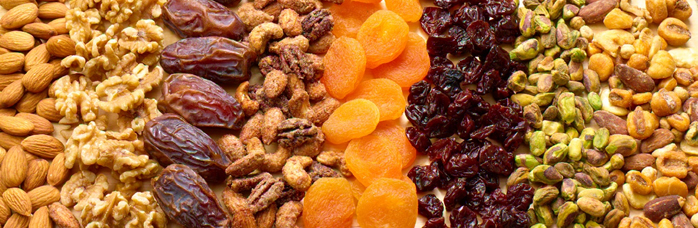
    With high nutritive value and a deliciously sweet taste, dried fruit is fruit from which the majority of the original water content has been removed either naturally, through sun drying, or through the use of specialized dryers or dehydrators. Nuts are edible fruits as well, anatomically different from the rest because of their soft internal kernels enclosed within a hard shell. Both dried fruits and nuts possess high shelf life, and have been in use throughout centuries in every part of the world. Today, they form an integral part of our culture and cuisine, and have an irreplaceable importance in our daily lives.


    1. Khajoor
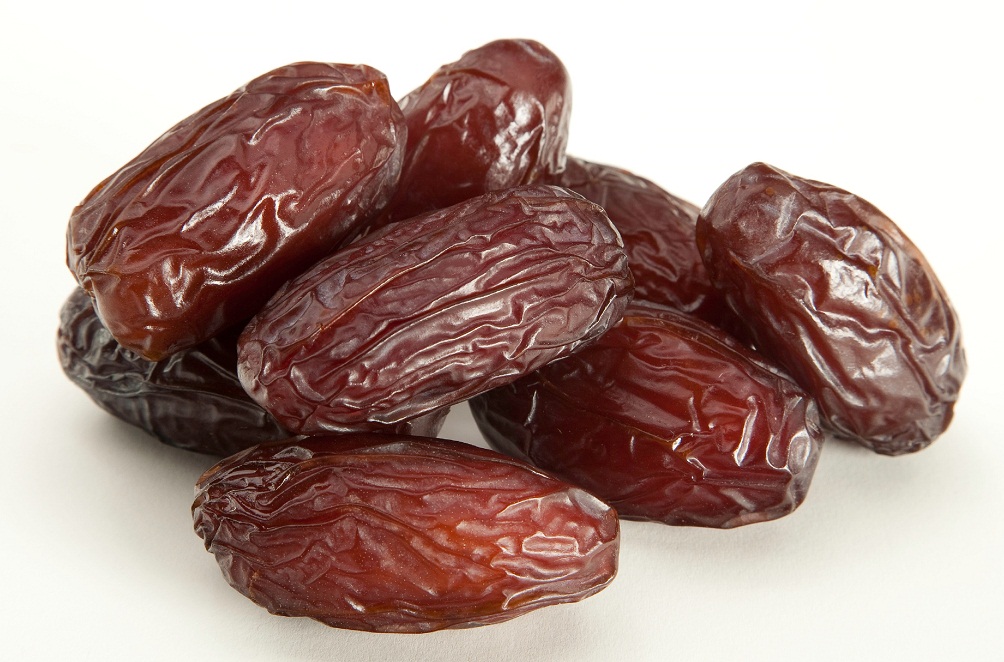
    Khajoor, or the rather generic term, dates are the fruits of palm trees. Named Phoenix dactylifera in the binomial classification system of living organisms, both these names are derived from the Greek word for “finger”, dáktulos, because of the fruit’s elongated shape. What is interesting about the date palm, which produces this particular fruit, is that the male and female plants are separate and independent of each other, and only the female is capable of bearing fruit. The male plants only produce pollen, which is vital for the fertilization of the female and the subsequent production of dates. In most cities in India, dried dates are available easily at every fruit seller’s and vendor’s, and you can find those yellowish, deep red fruits packaged in small cylindrical plastic casings. Dates are extremely high in their carbohydrate content, and a hundred grams of dates will provide you with over three hundred calories. Dates contain minimal protein content, and an abundance of simple sugars which get easily absorbed in the bloodstream, and hence should be mostly avoided by obese and overweight people.


    2. Dried figs
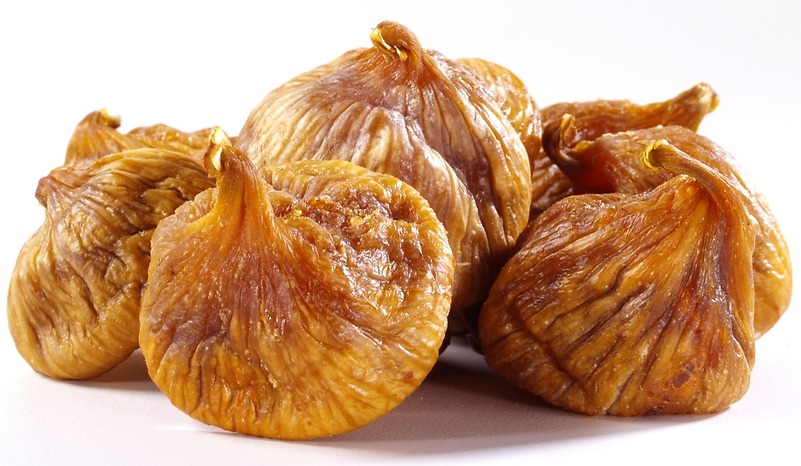
    Figs (Ficus carica) are native to the countries of the Middle East and western Asia, and have been used for both ornamental and consumption purposes over the course of many centuries. One of the first edible plants cultivated by humankind, figs are mentioned in many historical accounts and incidents, one of the most famous being the suicide of the Egyptian queen Cleopatra, who apparently got herself bit to death by an asp smuggled in a basket of figs instead of surrendering to the erstwhile Roman Empire. The small, green-skinned fruit contains many smaller drupelets, or one-seeded fleshy fruit components, and can be eaten fresh, after drying, and in numerous other preparations ranging from jam to ice cream. Known by the vernacular term anjeer in most of the Indian subcontinent, figs are extremely high in their carbohydrate content as well. Dried figs contain rich amounts of sugar, and hence have high calorific content, making it an unhealthy dietary component for obese, overweight people with cardiac risks.


    3. Almonds
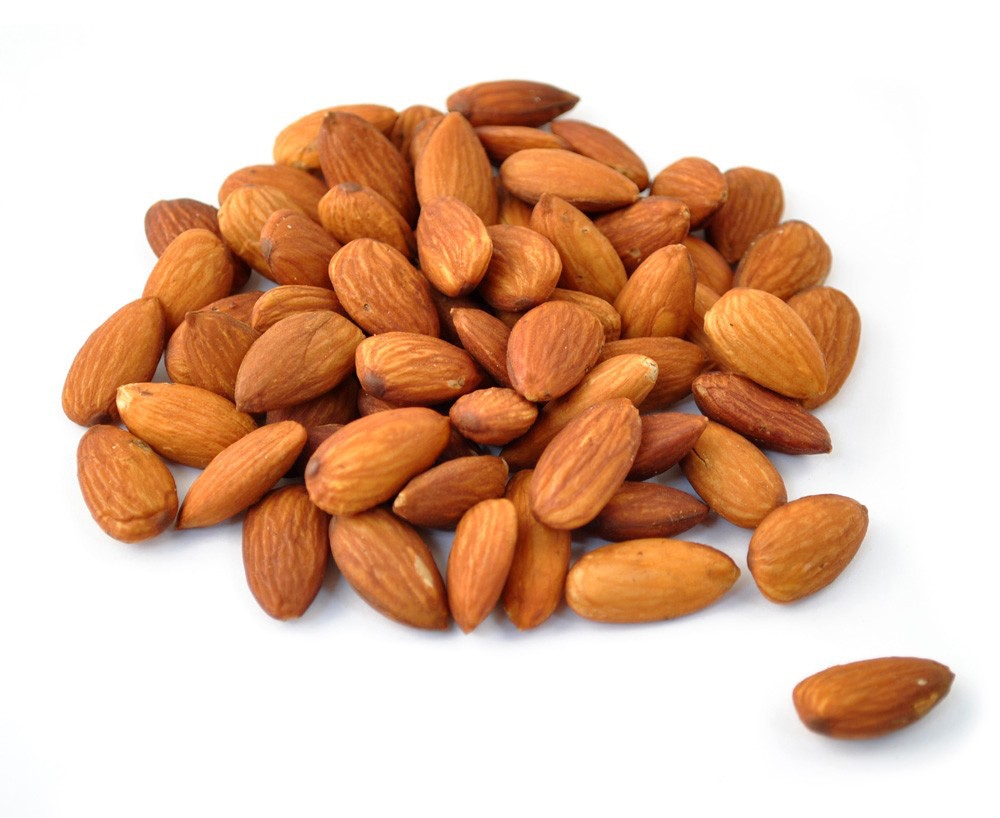
    Almonds, popularly known by their Hindi name badam in the northern states of India, are the seeds of a tree (Prunus dulcis) originally found in the Middle East and South Asia. Closely related to the peach family, the almond fruit also look rather like small green peaches, and are available in both sweet and bitter varieties. Etymologically speaking, the word is derived from countless variations and modifications of the Latin amandula, the Greek word amygdala, and the Old French almande or allemande over the ages. Apart from being eaten in its raw, roasted, and blanched forms, almonds are also used in your daily breakfast muesli as well as while making many delicacies such as cakes, nougat, marzipan, and macaroons in Europe and America, and badam halwa, barfi, biscuits, and flavoured milk in India. Extremely nourishing in nature, almonds are valued as a good muscle and body building substance, in addition to boosting the brain’s grey matter. Used for making oil, almonds also have high calorific value, with every hundred grams of almonds giving over six hundred and fifty calories, and sixty grams of almond fat giving nearly twelve teaspoons of oil.


    4. Peanuts
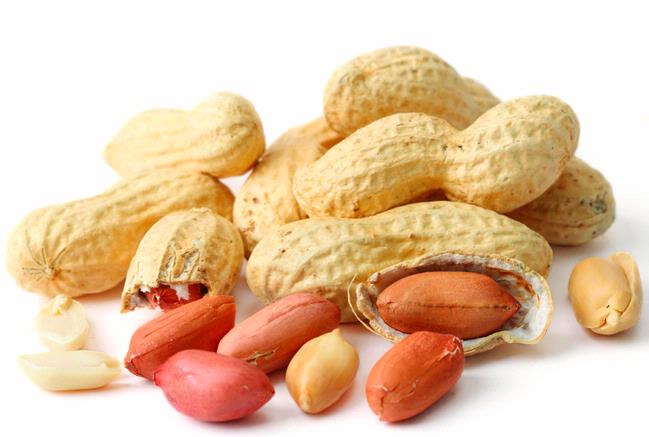
    Peanuts, or groundnuts (Arachis hypogaea) as they are mostly called in India, belong to the leguminous beans family, and was first cultivated in the red soils of Paraguay. The species name as according to taxonomist Carl Linnaeus hypogaea has Latin roots and literally means “under the earth”. Apart from being eaten in their raw, salted, roasted, and even boiled forms, peanuts are used to make countless basic cooking ingredients such as flour and oil, as well as many complex delicacies. They also have many applications outside the realm of the kitchen, such as their usage in the manufacture of solvents, industrial non-edible oil, textile materials, and both allopathic as well as herbal medicines. American botanist George Washington Carver is credited with hundreds of peanut recipes and related products, peanut butter being one of his most famous patents of all time. In India, groundnuts alone make a wonderful evening snack in winters, and you can find them being sold at very cheap prices at any roadside vendor. Groundnut oil is very healthy and is used in many households as a cooking medium. They are also a major component of chikki, a popular north Indian snack made by boiling and solidifying jaggery, sugar, peanuts, and til (sesame seeds) in long sheets. Though groundnut resembles other pulses in general nutritive value, they are very rich in fat, with a hundred grams of groundnut will yield almost forty grams of oil worth more than five hundred calories.


    5. Cashews
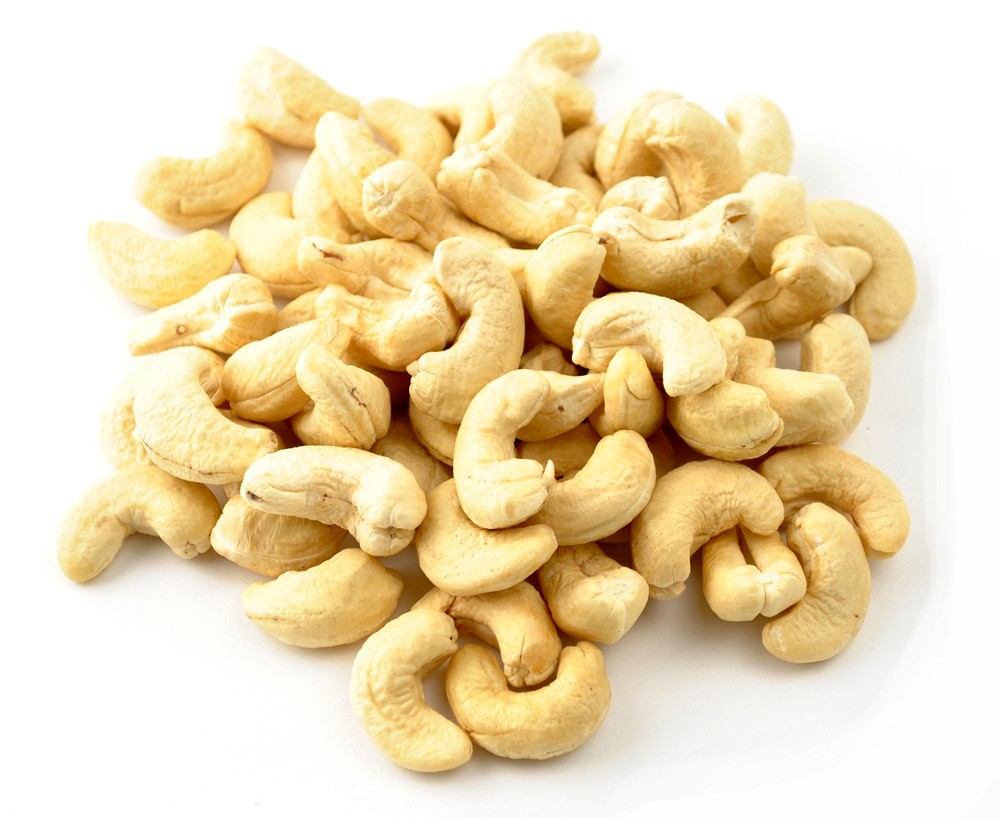
    Cashewnuts are derived from the cashew tree (Anacardium occidentale) which also bears the cashew apple. White, sweet, kidney-shaped, and extremely versatile as far as their culinary uses are concerned, cashews can be salted, roasted, creamed into gravies, made into liquor and oil, and are also used in the preparation of many sweet dishes. The word cashew has been derived from the Portuguese word caju which has been in turn derived from acajú of the indigenous Tupi language, and literally translates to the “nut that produces itself”. Cashews are used for making many Indian curries, such as korma and shahi dishes, and sweetmeats such as kaju katli. Because of their high starch content, cashews serve as good emulsifying agents and are used for thickening soups, syrups, curries, and the works. Boiling them in oil or salting them makes them harder to digest so they are best eaten in their natural, raw state. They go best with acidic fruit and non-starchy vegetables rather than sweet fruit and heavy starch. They are good body builders and easily digested when raw, and hence, help in cases of emaciation and in building good teeth. Like all nuts, cashews contain a great deal of unsaturated fatty acids, mostly in the form of oleic acid. On consuming a hundred grams of cashew nuts, you gain nearly fifty grams of fat, and a hundred grams of cashew oil, which amounts to around ten teaspoons, yields 600 calories.
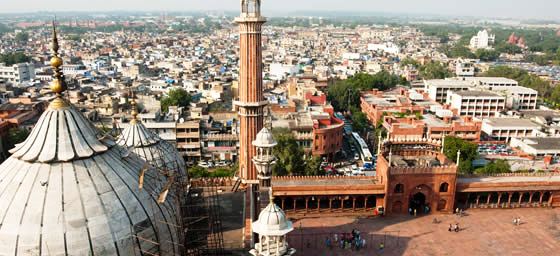
  • What makes Delhi, Dilli – 2

    What makes Delhi, Dilli – 2

    In the last tour de Delhi, we hopped onto some of the binges of Delhi, how the love affair of the nation started with Delhi, the great repertoire of Architectural marvels in Delhi and a touched the tip of the iceberg as to what makes you melt with love, when you hear the word Delhi. Today, we explore more.

    The Bedmi and Nagori:

    be

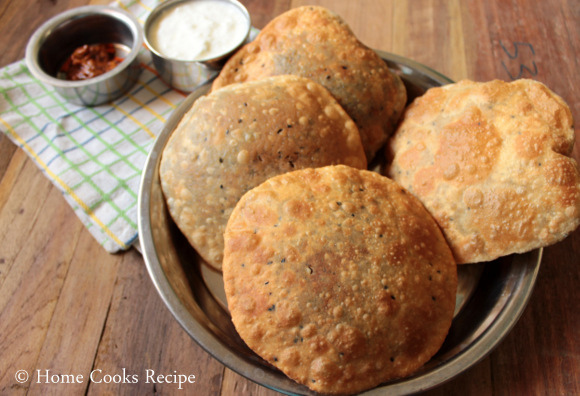
    One relatively less known delicacy but nevertheless enjoyed to its zenith by the  few loyal customers, the bedmi is a variety of Khasta Kachori smaller in size and more khasta by all means. This is what one could call the Kachori’s  younger cousin. Filled in the epicentre with Semolina, carom seeds and grated peas, this delicacy melts in your mouth. Served along with our beloved aloo ki sabzi and halwa, you might have an oddity treat and might as well try mixing the two side dishes (The halwa and the aloo ki sabzi). This queer combination will make you reminiscent of the sweet and sour soup gone terribly wrong, but it’s a taste nevertheless. The Nagori is the youngest of the brood of Kachoris and more closely resembles the papadi that you get at a chaat stall. This also served along with aloo ki sabzi and halwa will give you plentiful of energy (And not to mention a truckload of calories) to roam the rest of Chandni Chowk with me.

    The Punjabi Diaspora:

    bangla

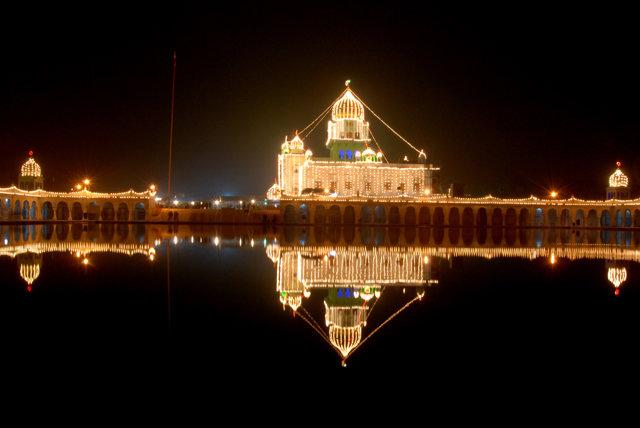
    Delhi is borderline Punjab. Geographically and literally. Once you enter Delhi, you’ll see an equal number of turbans as you will see bare heads. That because, there was a huge exodus from the Punjab region during Delhi’s early industrialization days and also during the Punjab conflict periods. Thus there’s a mini Punjab residing in Delhi. And with their amazing good humor and tantalizing cuisines come along the mighty and revered Gurudwaras. Gurudwaras are the worship place for Sikhs. Here Sikhs spend quite a lot of time serving other people as they faithfully believe in the quote “ Service to mankind is Service to God.” There are a plenty of Gurudwaras in and around Delhi and the best part of visiting them is the tasteful  ‘Langar’.  Langar is the lunch that is served in Gurudwaras to everyone who visits them. Large langars are organized where people sit on elongated jute mats on the floor and eat out of leaf plates. The langar, anywhere, in any gurudwara is something to be DEFINITELY had if you ever get the lucky chance to visit Delhi. Daal is a must in every Langar. Along with it Halwa, aloo ki sabzi and poori make your lunch hearty and eventful. There are two large Gurudwaras in Delhi to which people flog on from places far and beyond. These are The SeesGanj Sahib and The Bangla Sahib. Both are lakes of tranquillity and you will feel emancipated from all your worries and ill humoured feelings, once you enter the complex. Visit these if you are looking for serenity and a meal full of love and affection.

    Kareem’s and Khan Chacha:

    Chicken = Kareem’s.              Kareem’s = Chicken.

    Chicken = Khan Chacha.     Khan Chacha = Chicken.

                         Kareem’s = Chicken = Khan Chacha.


    tn_6284_khan1-1374305008

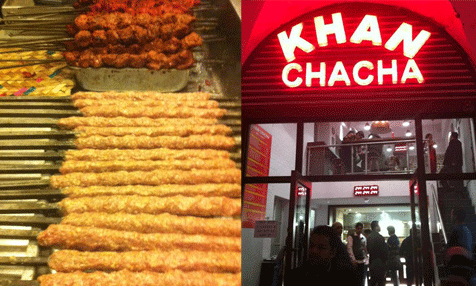
    One’s trip to Delhi will be wasteful, if he goes to Delhi but does not visit any of the above mentioned place. Both these places have been established in Delhi for the last 100 years or so and have been constantly providing the people of Delhi with an indispensable service ever since. The service of good food. Or more specifically, the service of Great Chicken. Khan Chacha and Kareem’s both are known for their Mughal style Chicken which they both offer in Chandni Chowk. The shop is tiny but the crowd of buyers: mammoth. Both of them provide exceptional Tandoori Chicken and Kebabs. Their extraordinary skills lie in providing with dry chicken variety. They specialize in Seekh kebab, Shammi kebab, mutton burra kebab, mutton stew and the rann (goat’s leg). These leave you with the exact smoky flavour that should be left after having a tandoori meal and also bestows upon you the feel of the grill.

    Connaught Place:

    cp-650_081714012910

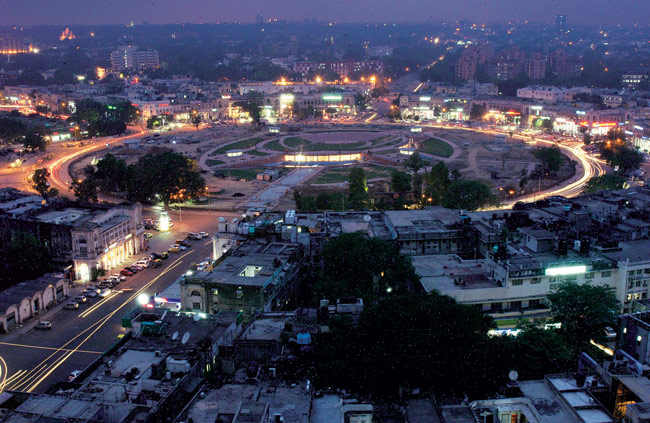
    What makes Delhi, Dilli you ask. One of the reasons of Delhi’s uniqueness is Connaught Place. Two British Built market places in circular shape around a gigantic park in between. Sounds confusing? Well, it is. But in earnest Connaught Place is one stop destination for all the top notch brands anywhere in the world. Until one hasn’t a shop in Connaught Place, he/she is too amateur to go global. A beautiful set of buildings all dressed up in white just like a catholic wife-to-be in circular shape mark the inner circle and the outer circle. A market place to take a stroll ith your friends or go bridal shopping; A day to enjoy Delhi in one glance and a hurried shopping session; everything happens at Connaught Place.

    ‘THE’ Palika Bazaar:

    pal

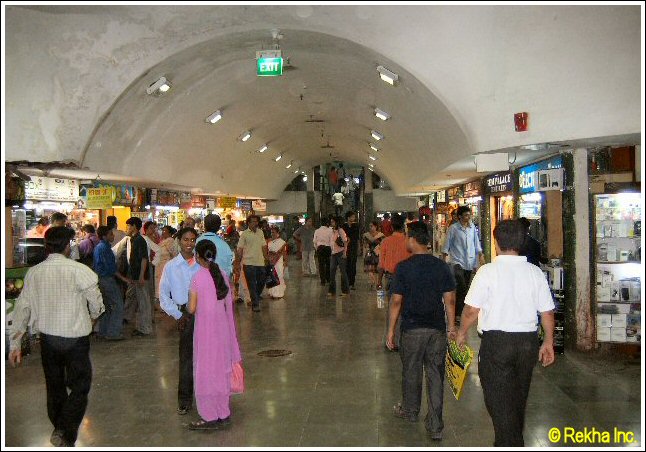
    Ever heard of an underground market place? Palika is one. No, it is not underground as in illegal, it is underground as in, it is literally 400 bunch of shops UNDER-the –GROUND. Remember how the Connought Place is circled around a gigantic park? Well this is a market place under that gigantic park. Palika is every women’s dream destination. Because you get the best of fashion labels at throw away prices. Loads of accessories, clothing, body tattoo shops throng the Palika. Men, don’t be disappointed. There’s something for you too, down there. Palika has men’s fashion outlets too, but more amazingly it has an entire bunch of shops that sell cheap China built Electronics gadgetry. So, next time you want a pen camera or a big grizzly transforming car, you can always go to the underground market.

    So, we made a tiny bit of progress in learning about Delhi. But don’t get tired yet, there’s more of Delhi to come.. Stay tuned.

  • Go Nuts about Nuts! (Part 2)

    Go Nuts about Nuts! (Part 2)

    With high nutritive value and a deliciously sweet taste, dried fruit is fruit from which the majority of the original water content has been removed either naturally, through sun drying, or through the use of specialized dryers or dehydrators. Nuts are edible fruits as well, anatomically different from the rest because of their soft internal kernels enclosed within a hard shell. Both dried fruits and nuts possess high shelf life, and have been in use throughout centuries in every part of the world. Today, they form an integral part of our culture and cuisine, and have an irreplaceable importance in our daily lives. In the second segment of this listicle, there is more to learn about our favourite ones.


    6. Walnuts

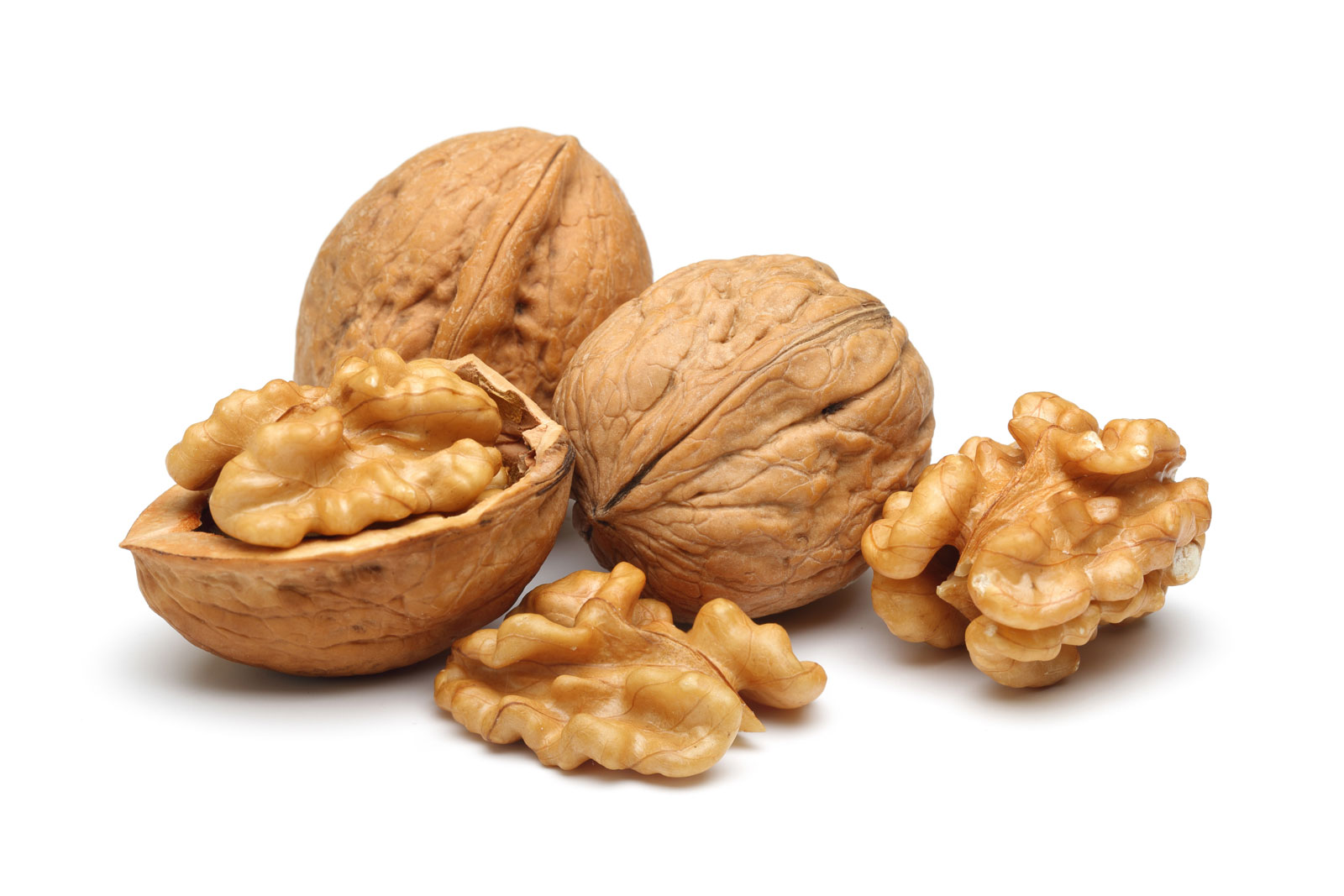
    Walnuts are derived from the Persian and English walnut trees (Juglans regia) and its soft edible kernel resembles the human brain. In etymological terms, the word is derived from the Germanic wal and the Old English wealhhnutu, meaning “foreign nut”. The shells are thin with a faint sheen and crack neatly into half, revealing the twisted, curly shaped nut. Versatile in the kitchen, walnuts can be candied and pickled in addition to being eaten raw or in their roasted form. Walnuts also form an integral part of many dishes, particularly desserts like chocolate brownies and even breakfast mueslis. You can also find them in many a salad, as their slightly bitter taste balances out the overall sweetness of the rest of the dish. Walnuts are very rich in protein and also contain a small amount of Vitamin B. They are rich in antioxidants and are curative for many minor diseases such as eczema. In fact, the oil obtained from the kernel has been found of great help in skin diseases. The green unripe walnut is useful for expelling worms from the stomach. They are also good for treating constipation because of their proven laxative qualities. Walnuts also possess many other non-culinary qualities, some of them being in the areas of cleaning agents, inks and dyes, and even anti-cancer drugs. Although walnuts are highly rich in protein and are very good for the brain, they yield nearly seven hundred calories and seventy grams of fat in just a hundred grams.


    7. Pistachios

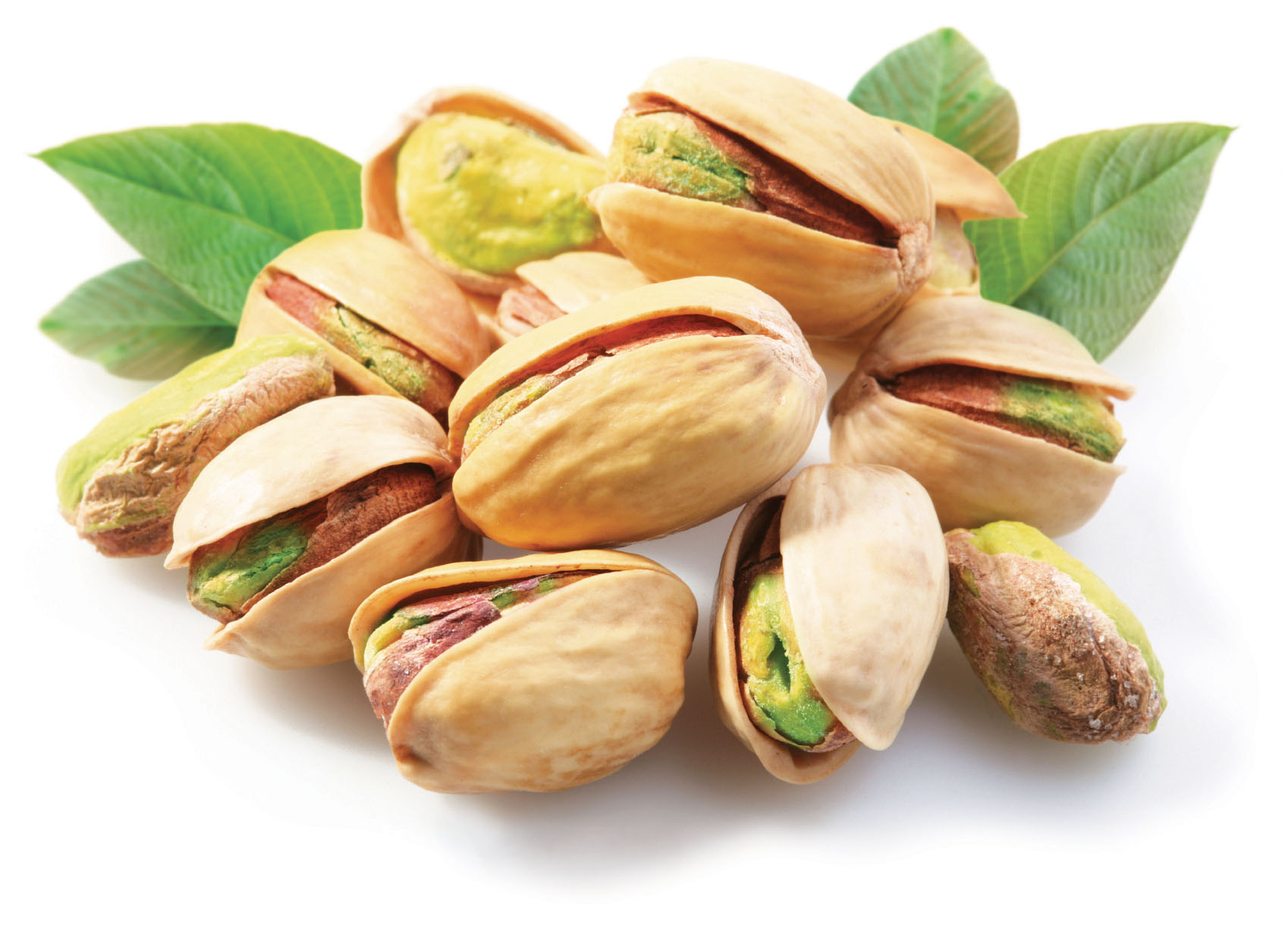
    Pistachios belong to the cashew family and are obtained from small pistachio trees (Pistacia vera) which originated from the countries of Central Asia and the eastern part of the Mediterranean coast. The word pistachio comes from the medieval Italian pistacchio, which has been derived from the classical Latin pistacium, which in turn has its origin in the ancient Greek pistákion and the Persian pistákē. The kernel of the pistachio nut is consumed, and the non-edible beige coloured shells also find many uses in non-culinary areas, such as fuel and composting purposes. Pistachios formed a common part of the diet of ancient human civilizations, with notable mentions in ancient texts dating back to centuries before the advent of the Christ. Slightly sweet in taste, pistachios are eaten raw, roasted, salted, and also as a part of desserts such as the Indian kulfi, cold salads, Italian biscottis, Turkish delights, and ice cream. Pistas, as they are commonly called in India, are very high in calories and thus should be avoided by obese and overweight people with diligence. According to dietary charts, a hundred grams of pistas yield more than six hundred calories.
     

    8. Fenugreek

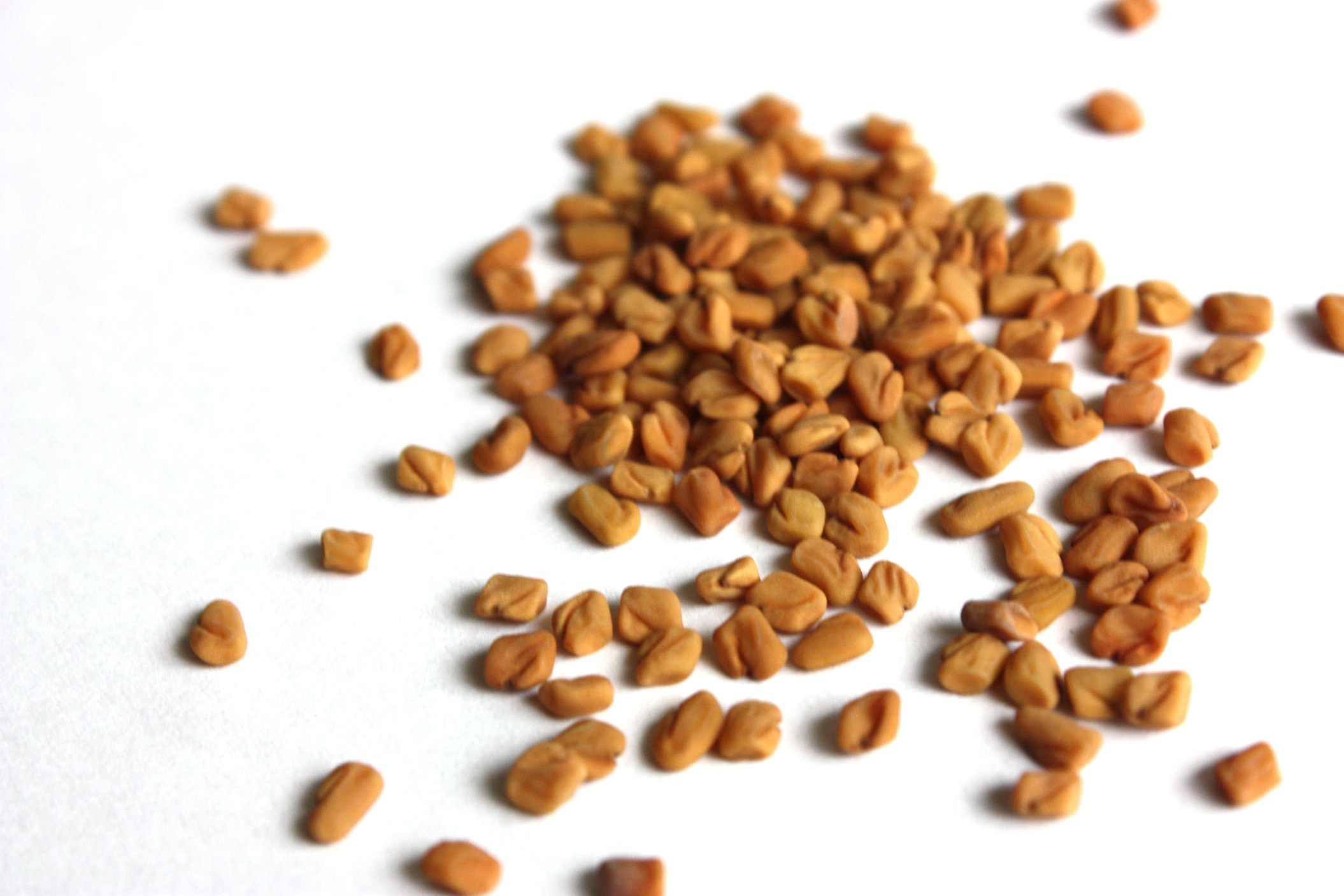
    Fenugreek seeds are obtained from the small herbaceous fenugreek plant (Trigonella foenum-graecum), and are usually called methi by most people in the Indian subcontinent. Originating from Egypt and other countries of Western Asia, fenugreek and its various parts are used as herbs, spices, and vegetables. The word has its origins in the Latin faenugraecum, literally meaning “Greek hay” and dates back to the ancient Roman era where the dried fenugreek plant was used as fodder. Hard lentils by biological classification, fenugreek seeds are a dark fawn in colour and possess an astringent aroma. Containing around five percent of bitter fixed oil, the seeds are usually broken to down to obtain the same. The oil is bitter in taste, smells like celery, and is used in small quantities in seasoning Indian dishes like sambhar and kadhi. Rajasthani people even make curry out of fenugreek. Fenugreek oil greatly improves the flavour and quality of pickles, and is mostly used in cooking with sour substances so as to balance out the taste. It is particularly beneficial to non-insulin dependent diabetics as it helps them to regulate their blood glucose levels by their significant hypoglycaemia-inducing properties. It is also used in buttermilk to treat dysentery.


    9. Mustard

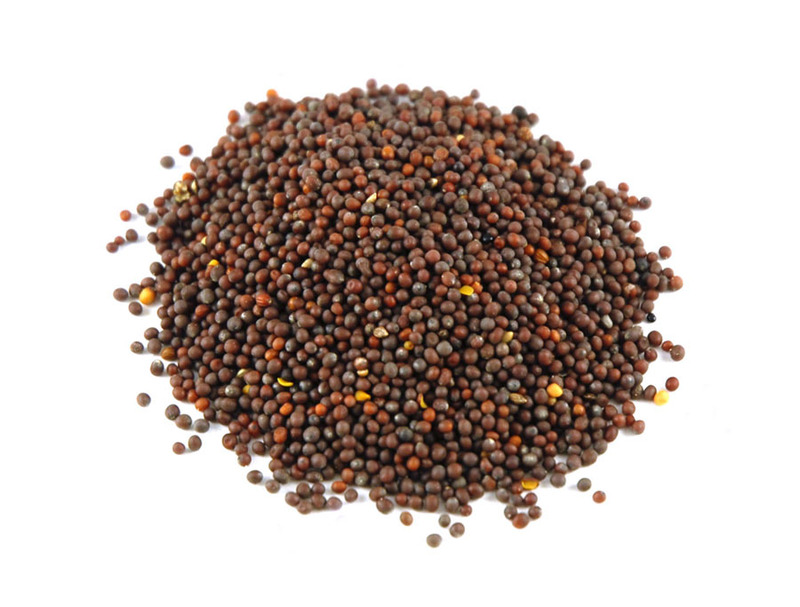
    Mustard seeds are derived from the mustard plant (Brassica juncea) and are generally advised to be consumed in moderate amounts. They are small in size, stretching no more than two millimetres in diameter, and are usually reddish-black in colour. Mentioned in many ancient religious texts, mustard holds an important historicity in Hinduism, Judaism, Christianity, and Buddhism. Generally called by their Urdu term sarson in most parts of northern India, mustard has its etymological origins in the Old French mostarde and the Latin mustum which means “new wine”. The leaves are consumed as vegetable, the skinned seeds are used for making pickles, and its oil is used as a cooking medium. The pungent taste and tear-producing properties of mustard seeds are due to nitrogen and sulphur containing compounds called isothiocyanates. Mustard seeds are used in treating rheumatism, arthritis, acidity, kidney and bladder ailments, bronchial inflammation, and are also recommended particularly for pregnant women. Nursing mothers are advised to take mustards due to its detoxifying properties. Mustard greens are rich in Vitamins A, B, and C, and contain fibre in bulk, which produces a mildly laxative effect.


    10. Coconut

    September52011022

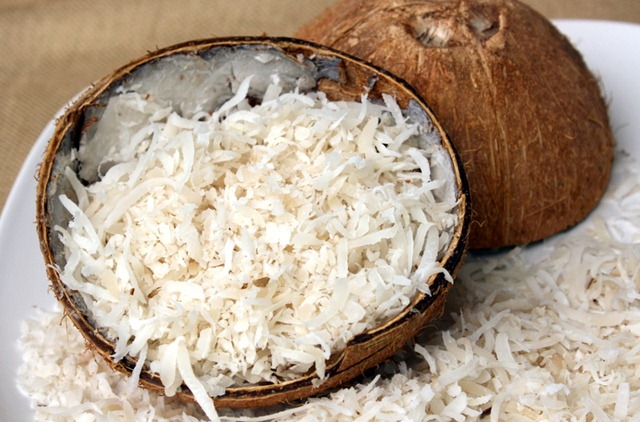
    Dried coconut is obtained from the coconut palm tree (Cocos nucifera) and is ideally found in coastal and tropical areas where the hot temperature and slightly arid soil contribute to its growth. The coconut has even been mentioned in old fiction, such as in “The One Thousand and One Nights” story by Sindbad the Sailor. Derived from the Spanish word coco which literally means “grinning face” and refers to the three-holed humanoid appearance of the fruit, coconuts have important uses all over the world. Primarily used in the southern states of India for its oil, coconut is a vital part of the local cuisine, and an inseparable ingredient of many delicacies. It is also used in the north as a part of many sweetmeats, with coconut milk a favourite summer beverage throughout the country, and fermented coconut being used to make toddy, an alcoholic beverage native to South Asia. Rich in Vitamins A, B, and C, this tropical wonder food is also a rich source of potassium, sodium, calcium, magnesium, iron, phosphorus, and sulphur. While the carbohydrate and protein content is moderate, the fat content is quite high, with a hundred grams of oil yielding nearly seven hundred calories.
  • Know Your Christian Festivals!

    Know Your Christian Festivals!

    With the year drawing to a close, Christmas has already come and gone. But apart from the 25th of December, how many other important days of the Christian calendar do we really know of? Here is a small list of some of the major Christian festivals celebrated all over the world:


    1. Epiphany (also known as Twelfth Night)

    epiphany-around-world

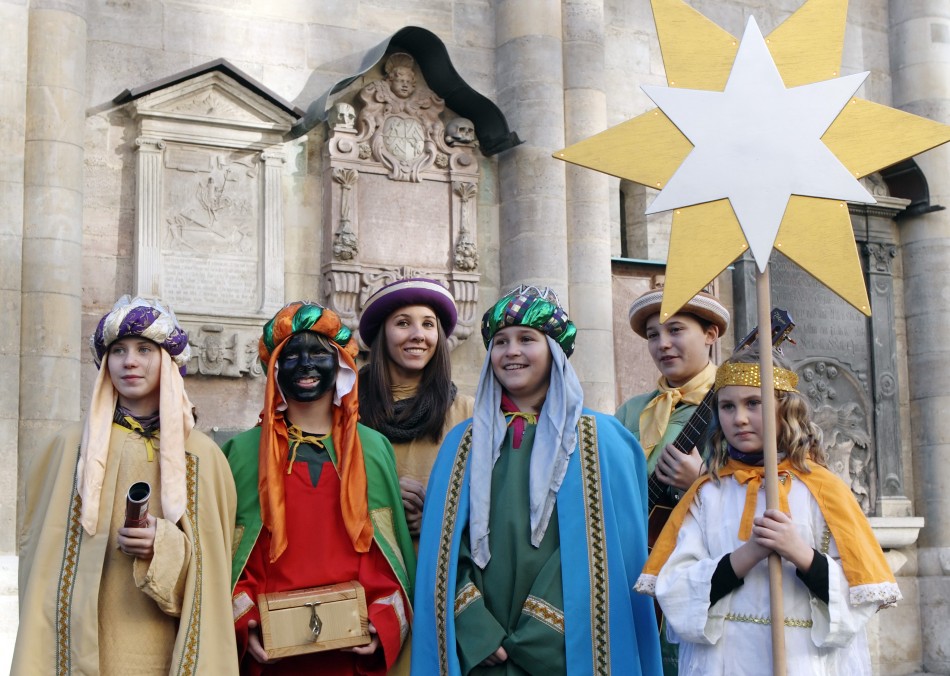
    The 6th of January every year all over the world, with the exception of 18th January in Russia and 1st February in Ethiopia, is celebrated as Epiphany. The word itself is derived from the Greek word epiphaneia which literally means manifestation. This day celebrates three events that are all thought to have happened on this very same day, namely, the first appearance of Jesus Christ as a newborn to the Magi, the three wise men; the baptism of Jesus, when God acknowledged his son; and the first public miracle by the Christ, when he turned water to wine in Galilee.


    2. Ash Wednesday

    The first day of Lent, Ash Wednesday is a day of repentance for Christians, when they make amends for the year’s sins before the culminating period of fast in the Lent. It occurs forty-six days before Easter and can fall as early as the 4th of February or as late as the 10th of March. Anglican and Roman Catholic churches hold ceremonies at which the foreheads of churchgoers are marked with crosses using ash. Many other Christians, such as Lutherans, Presbyterians, and Methodists also hold this day in great reverence and celebrate it with equal fervour.


    3. Shrove Tuesday (also called Mardi Gras)

    85011240MC002_Choristers_At

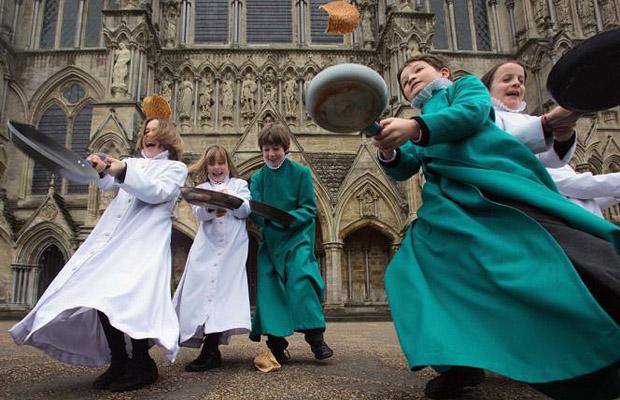
    The day before the start of Lent is known as Shrove Tuesday or “Fat Tuesday”, when Christians traditionally eat up any leftover animal products (often in the form of pancakes) as these cannot be eaten during Lent. Generally held in the month of February, the exact date of Mardi Gras varies according to the Easter schedule. The phrase is derived from the word shrive which means “confess”. It is widely considered by many Christians as a special time of introspection, during which they consider what sins they need to repent, and what areas of life and spiritual growth need amendments and God’s help.


    4. Lent

    Procession_St_Spulcre

    The forty four days before Good Friday, including Sundays, Lent is a period of fasting when Christians identify with the suffering of Jesus Christ. Lasting for a period of approximately six weeks, the traditional purpose of Lent is the preparation of the believer through prayer, penance, repentance, almsgiving, atonement, and self-denial. This festival is celebrated in commemoration of the same amount of time taken by the Christ to fast in the desert all the while resisting the temptation of evil from Satan, as mentioned in the Gospels of Matthew, Luke, and Mark, three of Christ’s favourite disciples.


    5. Palm Sunday

    palm-sunday

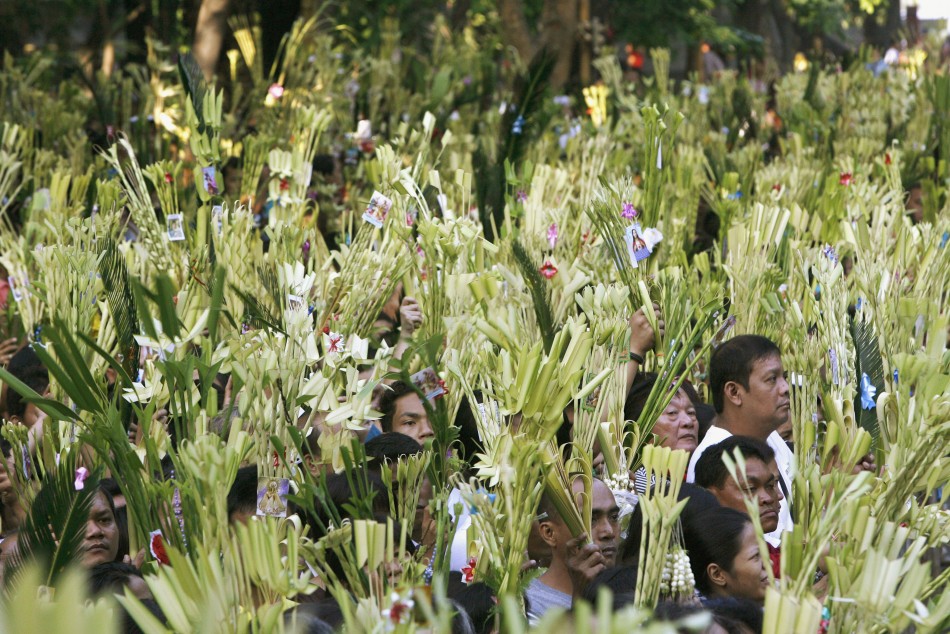
    The Sunday before Easter Sunday and the first day of Holy Week (the period of one week before Easter), Palm Sunday commemorates the arrival of Jesus Christ in Jerusalem, where the crowd threw palm leaves in front of his donkey and cheered his triumphal entry. This important event has been mentioned with much emphasis in all the Gospels of the Bible. Later that week, many in the devoted crowd of worshippers were calling for the execution of the Christ.


    6. Maundy (also known as Holy Thursday)

    holy_thursday_2

    The Thursday before Easter Sunday, Maundy Thursday commemorates the Last Supper, which established the ceremony of the Holy Communion, when bread and wine came to be respectively identified with the body and blood of the Christ. It was also the day when Jesus washed the feet of his disciples. At a Roman Catholic church services on Maundy Thursday, the priest ceremonially washes the feet of twelve people during mass. Maundy is the fifth day of the Holy Week, and is usually falls between the 19th of March and the 22nd of April.


    7. Good Friday

    Good-Friday-Vatican

    The Friday before Easter Sunday, Good Friday is spent in remembrance of the day when Jesus Christ was crucified by the Romans. The “good” in Good Friday is its form in Early Modern English and means “holy”. The symbol of the cross is an important part of church services on this day, and churchgoers read the psalms and the gospels to remember the Christ’s painful experience. Good Friday sometimes coincides with the Jewish festival of Passover, and is a time of solemn prayer and charity for Christians.


    8. Easter Sunday

    Easter_eggs_-_straw_decoration

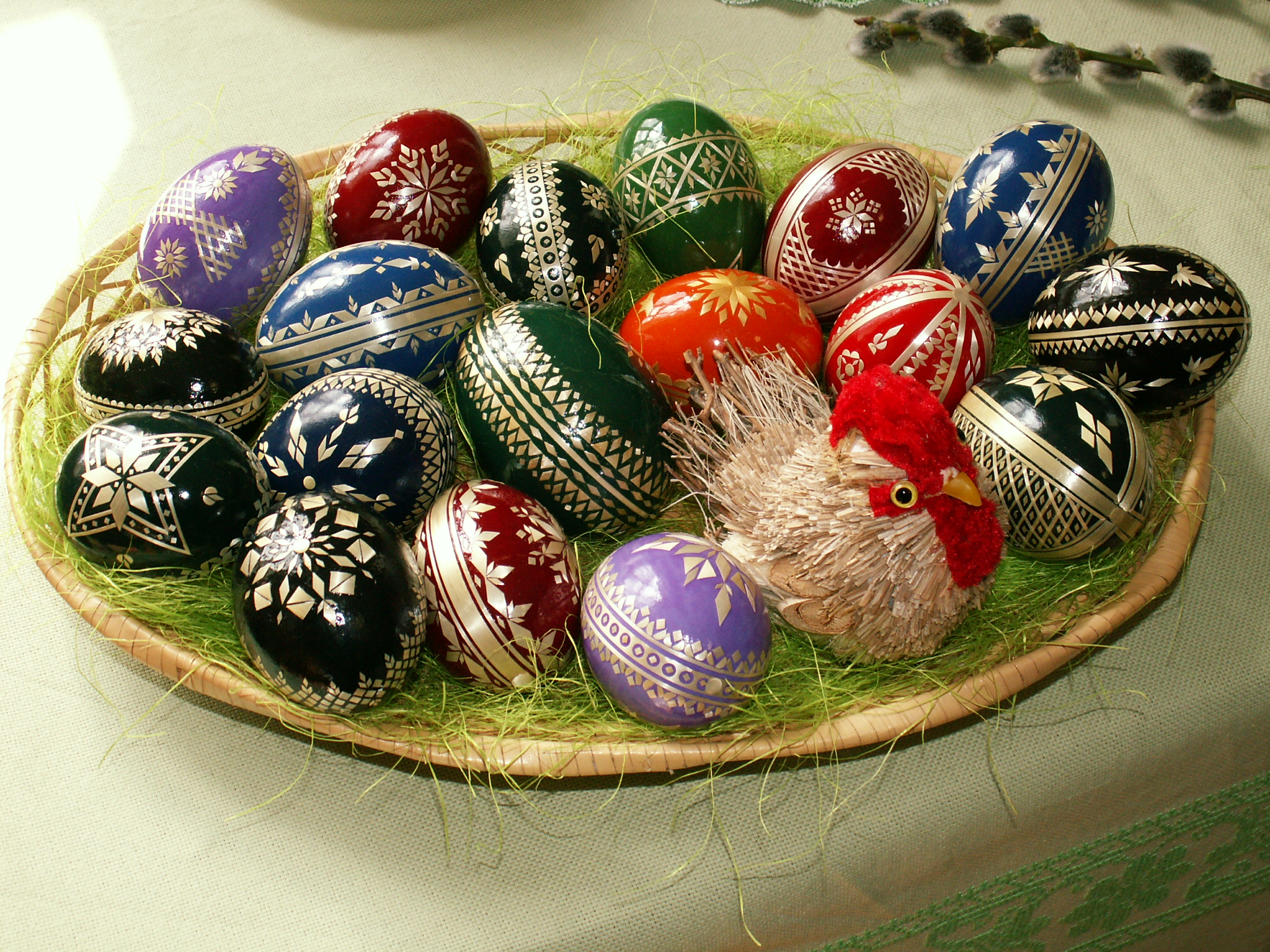
    The Sunday that follows the first full moon after the 21st of March (which is also the spring equinox), Easter always falls between 22nd of March and 25th of April in the Western calendar. Easter is up to two weeks later in Orthodox Churches. Easter Sunday is the most important day in the Christian calendar, as it celebrates the resurrection of Jesus Christ from the dead. Sunday is a joy of Christians. Easter is a joyful time, with family gatherings and festive meals, along with the distribution and consumption of Easter egg candies and other gifts.


    9. Pentecost (also known as Whitsunday)

    photos-pentecost

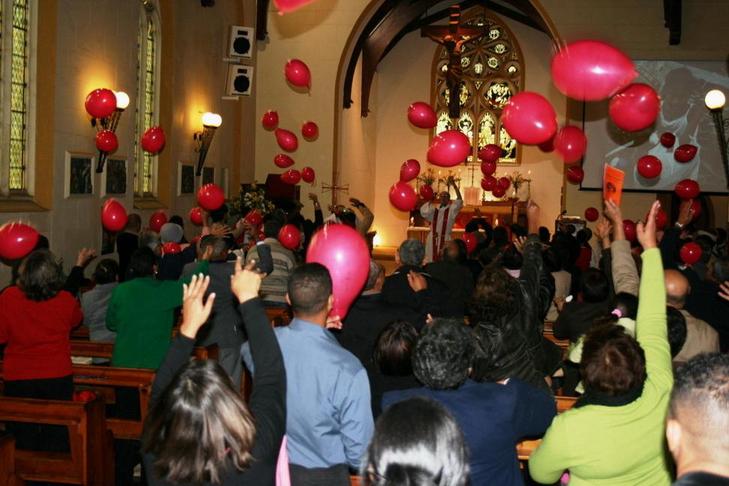
    Fifty days after Easter Sunday, Pentecost celebrates the day the Holy Spirit entered the Apostles, enabling them to speak many new languages and spread the word of God. This event is considered by most Christians to mark the birth of the Church. Massive church processions, festive meals, and the holy ceremonies of Confirmation, Ordination, and Communion mark this festival. In some countries, folk customs such as dancing, woodland rites, and ethnic clothing ceremonies are also observed.


    10. Christmas

    Beautiful_christmas_tree

    The celebration of the birth of Jesus, Christmas falls on the 25th of December every year, with the exception of the 6th of January in Russia and the 17th of January in Ethiopia. It is arguably the biggest Christian festival of the year, as most of us know. The word itself is derived from the Old English Crīstesmæsse, literally meaning “Christ’s mass” and is also referred to as the Yule and Nativity. Christmas trees and stars are symbolic of this occasion, and carols are sung in churches decorated with holly and mistletoe. The jolly old figure of Santa Claus is associated with the Yuletide traditions of wish-making and gift-giving. It is a season to be merry, indeed, with all its feasts and warmth.

  • Is There more to Hinduism?

    Is There more to Hinduism?

    We are all very too familiar with our pantheon of gods and each day, we find youngsters rejecting the idea of religion especially when it comes to Hinduism since they find it absolutely impossible the existence of so many gods in such weird forms. ‘Weird forms’ is what we label these bodily eccentricities seen in our myths and legends. But, take a moment and just try to think outside the box.
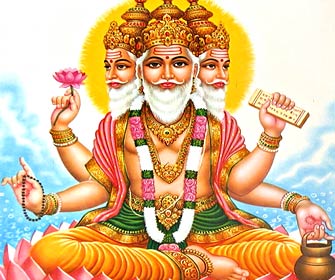
    Firstly to all my non-hindu readers out there, I would like to inform you all that Brahma is called the creator and is shown to have four heads placed perpendicularly to one another along with four faces and four arms. He is supposed to have CREATED our world.

    Brahma the creator

    Saraswati, the goddess of wisdom and knowledge is said to have originated from his tongue. Vishnu, he is the one who preserves what has been created and he is said to rest on top of a many headed serpent called the Shesha naga in the milky ocean ‘Palazhi’. He has many arms like Brahma and Saraswati. Shiva is the destroyer; he destroys everything thus completing the circle. And the rest of the gods are all subordinate to these superior three. Here itself, we can see that the circle of creation-preservation-destruction is not a silly idea and it carries the underlying meaning of recycling energy and matter. Yes, this is something that we can guess about as it sounds like a random coincidence. But the interesting facts are yet to come.

    The city of Dwaraka, the kingdom of Krishna (another avatar of Vishnu), lies submerged in the waters and also the city of Ayodhya, kingdom of Rama, also exists. Since there is some kind of evidence like this, it is not right to completely do away with the fact that they might have existed. They could have been celebrated kings and stories might have been written in such a manner that it elevated them into the position of gods. These kings might have possessed some frightfully advanced weapons and those were being called ‘Vimanas’ and ‘Astras’. Believe it or not, the scriptures have detailed explanations of the description of these objects!

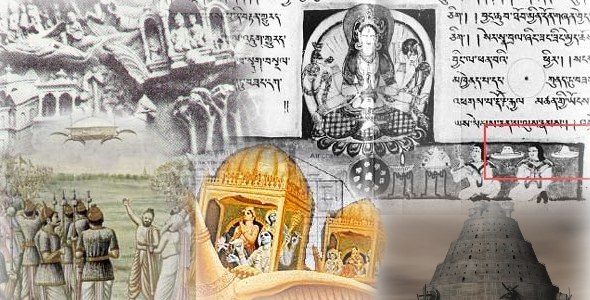
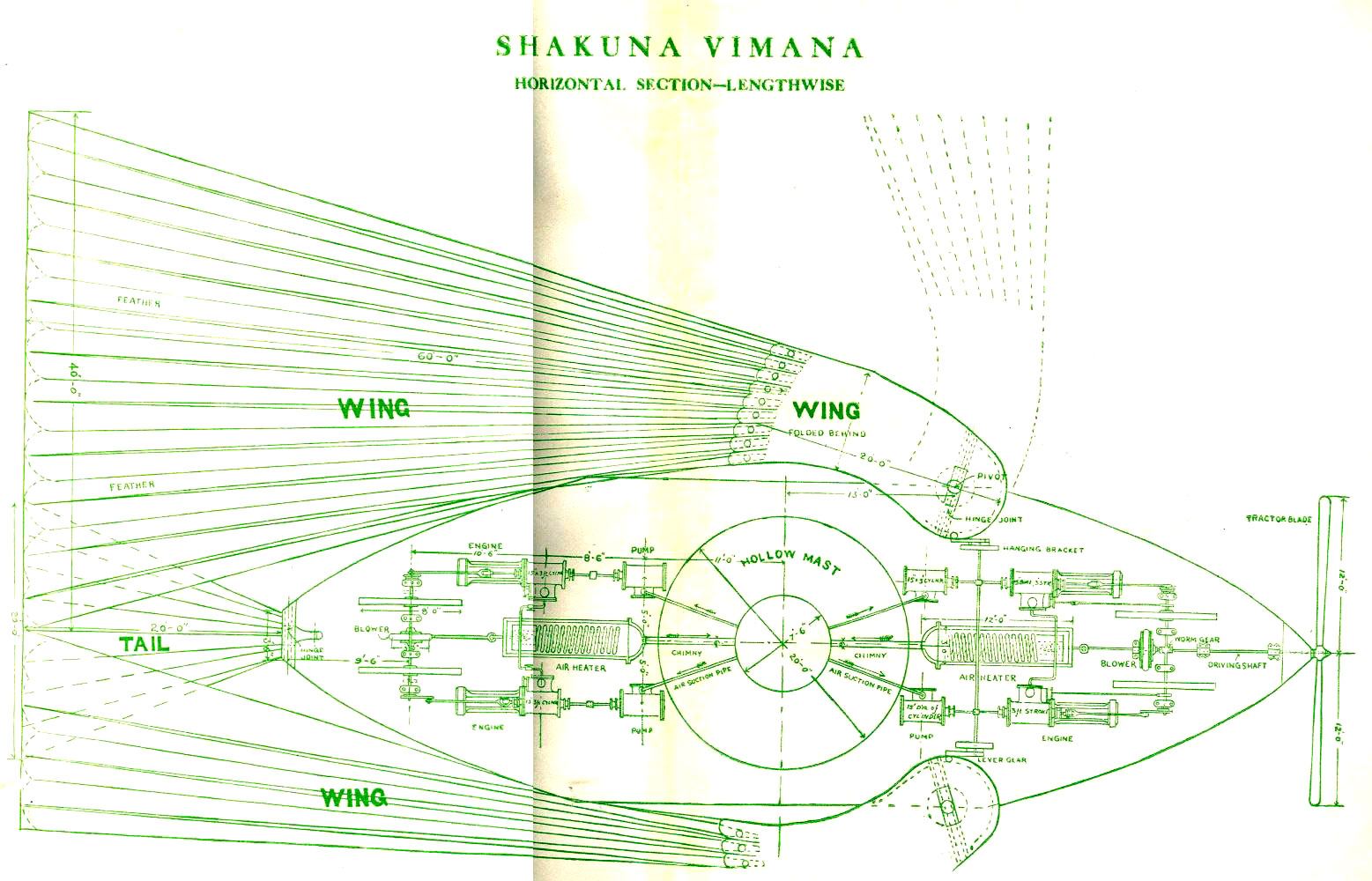
    In the Sanskrit Samarangana Sutradhara, it is recorded ”Strong and durable must the body of the Vimana be made, like a great flying bird of light material. Inside one must put the mercury engine with its iron heating apparatus underneath. By means of the power latent in the mercury which sets the driving whirlwind in motion, a man sitting inside may travel a great distance in the sky. The movements of the Vimana are such that it can vertically ascend, vertically descend, move slanting forwards and backwards. With the help of the machines human beings can fly in the air and heavenly beings can come down to earth”. The instructions are very precise; loads of sanskrit texts on these topics are lying untranslated. Both the epics, Ramayana and Mahabharata carry various evidences in them which describes the weapons in the most fascinating manner. Indra, the king of gods, has a powerful astra which when aimed at anyone, consumes the victim with its beam of light. Doesn’t this frighteningly remind you of lasers?

    Moreover, the Ramayana has a detailed description of a trip to the moon itself in the Vimana! It is unbelievable. Thousands of years ago, they had already discovered how to go to the moon and it goes on to furthur describe a fight there. These descriptions are plush with scientific words and based on the idea of anti-gravity. They also claim to fight the pull of gravity with the help of mind’s power. That’s a bit of spiritual mix there. Also, there were four types of vimanas followed with detailed descriptions; basically Vimanas are cylindrical (sometimes circular) with a dome and porthole; it is said to emit a melodious humming noise while travelling at the speed of wind. Apart from Vimanas, Valmiki is seen to be teaching Rama two kinds of use of electricity (shushka and aardra) which when literally interpreted says – Continuous motion between poles will create electricity that can be transmitted through a metallic wire and it should have a mechanism to stop and start for smooth functioning.

    Shakuna Vimana

    Did you know that not just in our epics, but the Babylonians also have mentions of the flying machines?

    Truly remarkable, isn’t it? The historians have it recorded that when Alexander had tried to invade India, his army was driven away by the sheer sight of ‘fiery, flying shields’. There is no more evidence about this spotting and we are left to guess it out. Many years later, they say that the Nazis got the idea of pulse-jet engines for their buzz bombs from our scriptures since information regarding various propulsion sources such as pulse-jets and combustion engines. Our scriptures seem to informed about so many scientific facts which means people of those times were far more brilliant that we ever presumed!

    Many years later, King Ashoka had put together the scientific information from all the Vedic scriptures and compiled a series of books. Since he was against violence, those books were fiercely guarded from other blood thirsty kings. One of the books dealt with gravity and it was called ‘The secrets of Gravitation’. It also talks about interstellar space travel with the help of the power of  ego in man’s physiological makeup called laghima which is “a centrifugal force which can counteract the gravitational pull” and this “laghima” enables a person to levitate.

    The best part is yet to come. The portrayal of the war in Mahabharata is so realistic that it literally sounds like a nuclear war. It is said that ”The hair and nails fell out; pottery broke without apparent cause, and the birds turned white – after a few hours all foodstuffs were infected – to escape from this fire, the soldiers threw themselves in streams to wash themselves and their equipment”. This sort of thing is exactly the aftermath of a nuclear war. Water is the only thing which can save us. To top this all, the skeletons excavated from Mohenjodaro have been found to be highly radioactive! The Indus valley civilization (Mohenjodaro and Harappa) were the first ones in the world. If you look closely, you can imagine that the end of our epics were brought upon by a nuclear war between extremely powerful kings with some strikingly advanced artillery.

    So what if the Hindu gods actually were great kings of the bygone era? Their power was so great that people made them gods. We may not have large amounts of evidence but I believe plenty of our manuscripts are yet to be translated from the old Sanskrit and that may hold the answer to all the mysteries because our Vedic scriptures are much vast and informative than anybody can ever imagine.
    After all it is true that absence of evidence is not evidence of absence. So guys, try to ponder on this and let your imagination run wild! We should not let our beautiful, rich heritage with its invaluable scriptures go undiscovered!
    Hinduism is more than what meets the eye. It is more than a myth.

  • A Visit to Akbar’s Tomb, Sikandra

    A Visit to Akbar’s Tomb, Sikandra

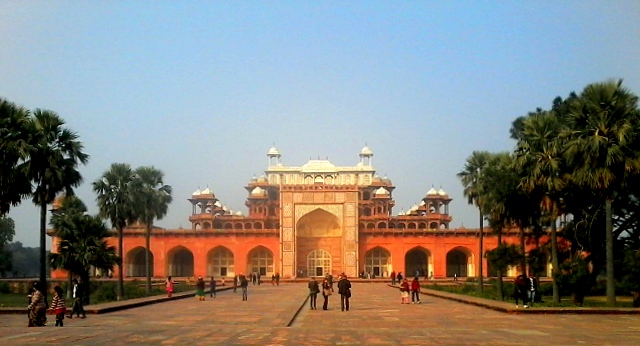
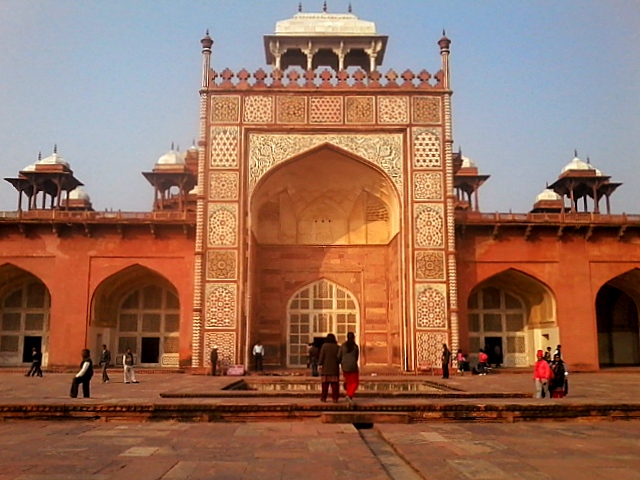
    A few days ago, I had the good fortune of visiting the tomb of the famous Mughal emperor, Akbar the Great. Located in Sikandra, a small suburb on the outskirts of the city of Agra, Akbar’s Tomb goes by much unnoticed by large hordes of tourists, just like the plethora of the city’s numerous other monuments as compared to the universally popular Taj Mahal. Jalaluddin Muhammad Akbar, widely known to be the greatest Mughal emperor by far and one of the most magnanimous rulers of the country prior to its democratic independence, reigned over his vast kingdom from 1555 A.D. to 1605 A.D. At the time of his death, the Mughal Empire stretched from Kabul in the west to Assam in the east, and from Kashmir in the north to Ahmednagar in the south.

    Under Akbar’s rule, the country was united under a peaceful and safely secular co-existence, as he was responsible for abolishing the jiziya tax targeted towards non-believers of his religion, Islam, and bringing in more opportunities for all classes and castes under new, novel institutions, such as the mansabdari system. He united the country under a uniform, cultural, political, and administrative system, accepting its varied diasporas of religions, traditions, cultures, and customs with great tolerance and respect, thus earning the honorary title of “Chakravartin” from the masses, and the epithet of “Akbar the Great” from historians of every age. While Shah Jahan built the Taj and has been remembered by generations for the marvellous creation, the third Mughal emperor was just as illustrious a builder, and is credited with restoring and expanding the Agra Fort as we know it today, and the fabled city of Fatehpur Sikri with all its palaces, massive lawns, and various other royal structures in it, apart from many other monuments.

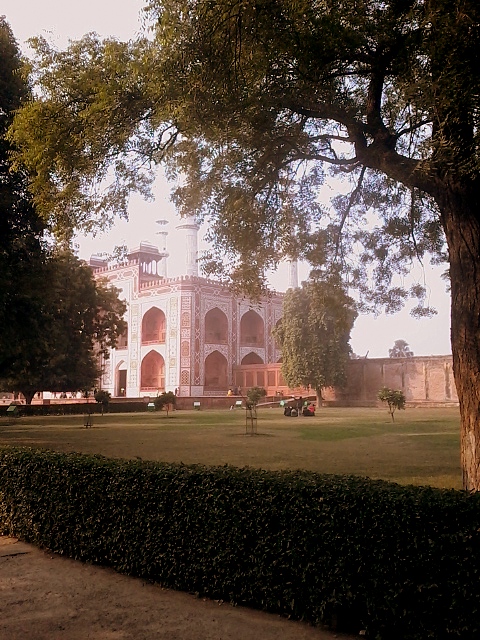
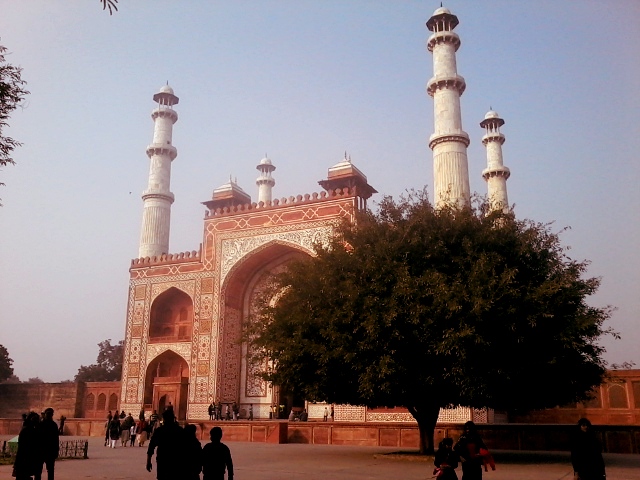
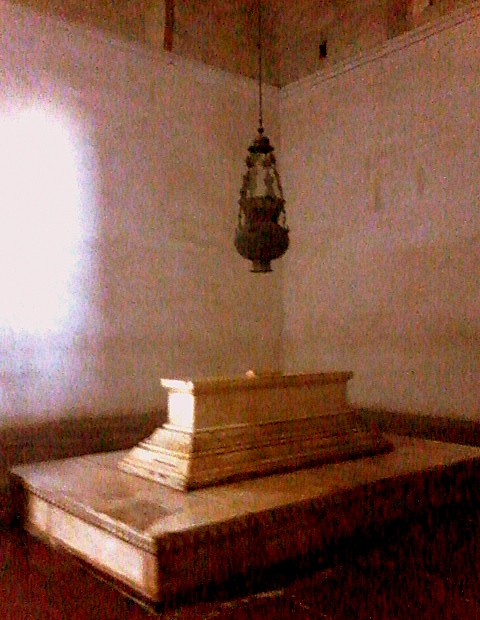
    Set in over a hundred and twenty acres of open, fertile land, near the Jamuna River, the tomb commenced building in 1605 under Akbar’s behest only after he chose the site and renamed it “Bihishtabad”, which means heavenly abode. Akbar died later that same year, and his son and heir apparent, Jahangir built the monument of deep, red sandstone, as according to plan after that, completing its construction in 1613 A.D. The tomb is planned in the centre of a vast garden enclosed by walls on all sides, with a gigantic gateway on each side. The southern gateway is the largest and most intricate in its design, with two storeys, and four, circular, tapering minarets made from white Makrana marble of Rajasthan. The entrance portal here is 61 feet in height, and is flanked by double alcoves. Just the like the gateway to the Taj, this gateway also possesses Persian scriptures gorgeously furnished in marble relief, and an inlay of precious stones and gems in various designs. The twelve inscribed couplets eulogize Akbar and his tomb, and also reflect his philosophical views, apart from briefly mentioning Abdul Haq Shirazi, the head calligrapher on the project, and the date of the monument’s completion, 1605. The chhatri-styled tower incorporations have been inspired from the Char Minar in Hyderabad, which was built in 1591 A.D. by Muhammad Quli Qutb Shah.

    The internal premises reflect the symmetrical charbagh (four gardens) architectural, which was a hit with the Mughal rulers, and true to its name, the garden is divided into four equal quarters, each separated by a high terrace or a causeway of stone masonry, 75 metres in width with a small water channel running in the centre and raised walkways on its sides. Distinctly raised from the present day deer-populated garden, these walkways can be accessed by staircases, which are accompanied by cascades and lily ponds. However, owing to the issue of devastating wildlife endangerment, the garden area is strictly off-limits for all visitors. In a distinguishing departure from most Mughal architectural pieces, Akbar’s Tomb does not feature any cypress avenues or flowerbeds rising from the causeways. This uniqueness is reflective of character, which is full of dignity, sobriety, and thoughtfulness, and peace, rather than the usual splendour, gaiety, delicacy, and superiority, associated with other Mughal monuments, and has thus been made in accordance with the personality of Akbar.

    The main building is square in its outlay, and has five receding storeys. The ground floor has spacious chambers, with an elaborate marble entry portal to access each. The southern entrance of the tomb leads directly into the vestibule that opens to the main grave chamber. Austere in appearance, this chamber features Quranic verses in stucco and painting, an octagonal tower superimposed by an eight pillar chhatri (roof) and numerous arches. While the monument has been built mostly in sandstone by Akbar, as per old Mughal tradition, Jahangir’s architectural style is also reflected in the seamless incorporation of white marble in the gate minarets, entry portals, and the top storeys of the main building.

    The upper floors of the monument have been cordoned off from the general public, and while it is not visible to the naked eye from the ground, tourist guides also mention a huge open-air square court on the top storey, 70 metres long on each side, and covered by arches. A cenotaph has been placed on the platform in the court, and has 36 Persian couplets praising Akbar carved on it. The tomb building is a four-tiered pyramid, surmounted by a marble pavilion containing the false tomb. The true tomb, as in other mausoleums, is in the basement. Apart from Akbar’s grave, many others of his family were also buried here, including a number of his queens and children, just like other Mughal mausoleums such as the Taj Mahal which contains the graves of both Shah Jahan and his queen, Mumtaz Mahal, for whom it was built. The tomb was severely damaged in the 16th century and was consequently restored by the Archaeological Survey of India between 1902 and 1911.


  • Various New Year Day Celebrations in Different Regions of India

    Various New Year Day Celebrations in Different Regions of India

    New Year Celebrations
    New Year Celebrations

    Christians celebrate January 1st as New Year.India celebrates New Year by both solar and lunar calendar system.Most of these New Year festivals are celebrated based on Hindu calendar that follow by the movement of the moon.In India, different places celebrate New Year in different times of the year.As India is having multiple cultures, celebration of New Year may also vary distinctly.Most of the states in India celebrate this festival at the time of harvesting of crops.These days are celebrated with different names as Ugadi, Gudi Padwa, Baisakhi, Puthandu, Bohag Bihu, Pohela Boishakh, Bestu Varas, Vishu, Losoong, Navreh, Hijri and Cheti Chand.

    Ugadi:

    UGADI-Festival-celebrations
    UGADI-Festival-celebrations

    In Andhra Pradesh, this day is dedicated to Lord Brahma,the creator of this world, as he has started creating the world on this day itself gaining significance for this day.It is also a belief in Hindus that Lord Vishnu has appeared in Matsya avatar on this day.This celebration includes cleaning of the houses and surroundings, decorating entrances with green mango leaves and wearing new clothes.On this day, people wake up early in the morning and have some oil massage to the body followed by head bath and visit temples to offer prayers.

    Ugadi festival celebration in Karnataka
    Ugadi festival celebration in Karnataka

    In Karnataka, this festival is considered as New Year to the people and believe that this day bring new hopes and happiness in life.On this day, people wake up early in the morning, have bath and visit temple to offer prayers to god with sincerity while the priests chant mantras.On this occasion, people wash their houses, paint them and decorate the entrances with mango leaves. Ugadi pachadi, lemon rice and many varieties of dishes are prepared on this special day.

    Gudi Padwa:

    Gudi Padwa celebrations
    Gudi Padwa celebrations

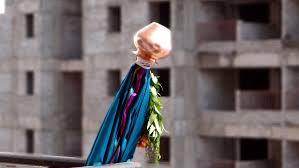
    Gudi Padwa is celebrated on the first day of the Chaitra month of the Hindu calendar.This is celebrated as New Year by Maharashtrians and Hindu Konkanis’.According to Brahma purana, Gudi Padwa is the time when  Lord Brahma has started creating the world.On this day, people hang Gudi on the right side of the main entrance of the houses.Gudi is a cloth tied to the end of the bamboo and a copper pot is placed inverted on the stick along with a garland.Festive cards and wallpapers are shared among friends and dear ones on this occasion.People offer prayers to god and prepare delicious mouth watering dishes on this occasion.

    Baisakhi:

    Baisakhi-celebration
    Baisakhi-celebration

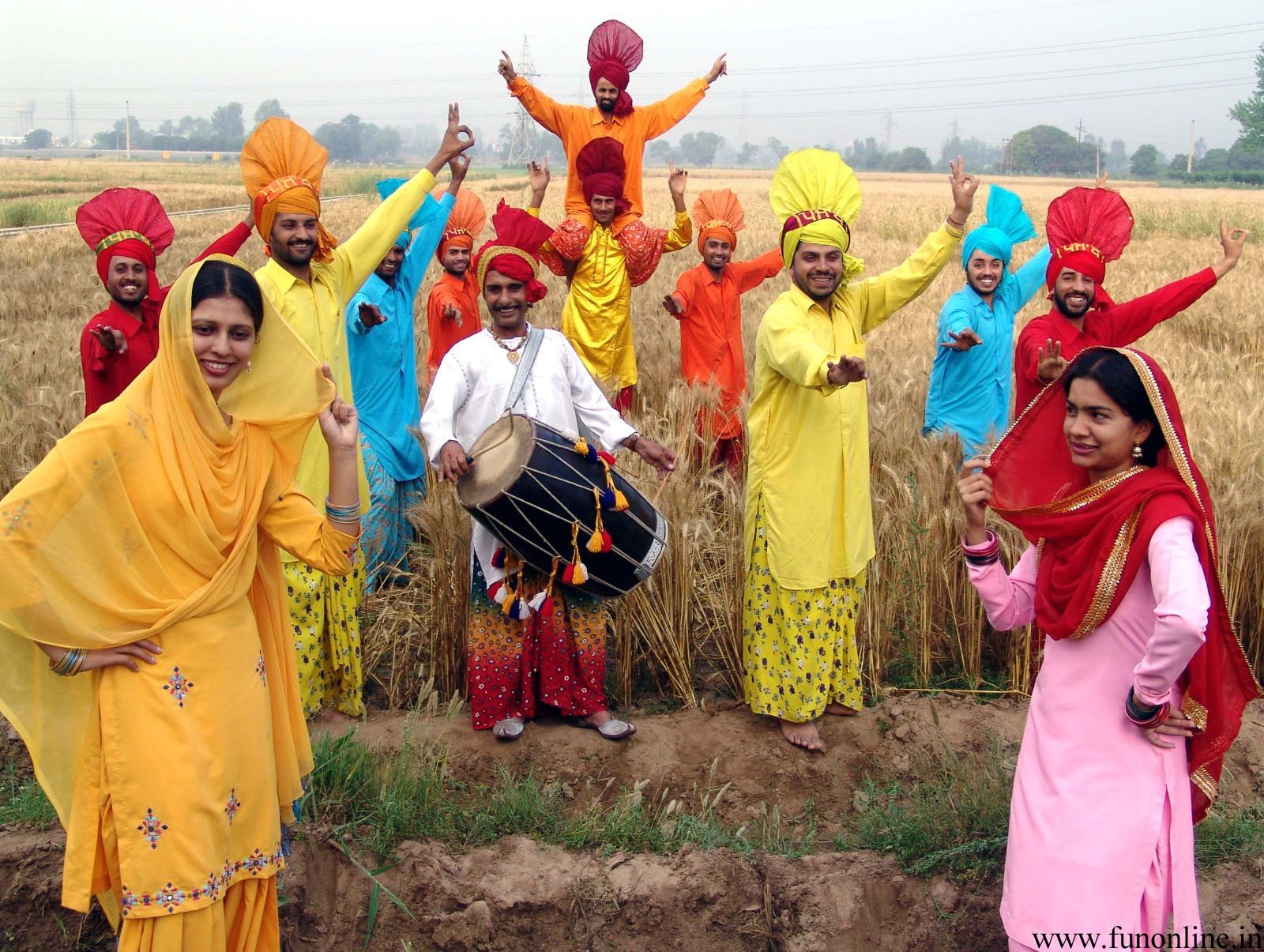
    Baisakhi is a New Year day celebrated in Punjab and Haryana. This  festival is generally celebrated on 13 April.Baisakhi is the major festival of Sikhs and is celebrated to denote the arrival of the harvest season.On this occasion, people wear new clothes, prepare halwa and other delicious dishes at home.

    Puthandu:

    Puthandu-Tamil Nadu
    Puthandu-Tamil Nadu

    Puthandu is the New Year day of Tamil Nadu celebrated on the first day of Chithirai, the first month in Tamil calendar.Puthnadu is also known as Varusha Pirappu  and usually falls on 13th or 14th of April.On this occasion, women decorate the house with colorful kolam  patterns and the center of the kolam is decorated with lamp.On this occasion, people wear new clothes and eat maanga pachadi which is a symbol of this festival.

    Bohag Bihu:

    BIHU_Assam
    BIHU_Assam

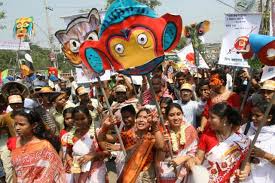
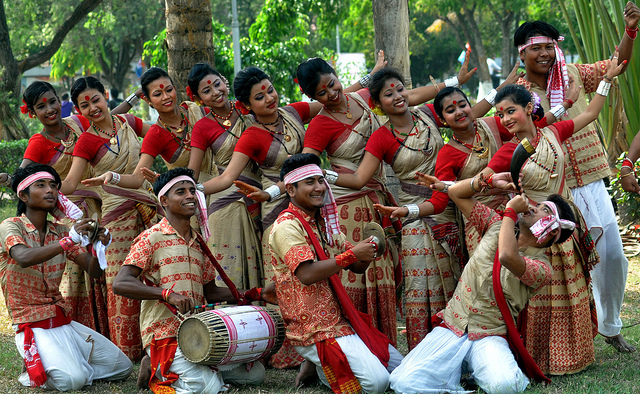
    Bohag Bihu is a major agricultural festival celebrated in Assam.Songs and dances play a vital role in  Bihu celebrations.The festival revolves around agriculture and the changes in the seasons.Bihu is celebrated three times in an year namely, Bohag Bihu( also called as Rongali Bihu ),Kati Bihu ( also called as Kangali Bihu ) and the Magh Bihu ( also called as Bhogali Bihu ).The first one Bohag Bihu is the most important one among the three.This is a spring festival that usually falls in the mid of April.

    Pohela Boishakh:

    Pohela Boishakh festival
    Pohela Boishakh festival

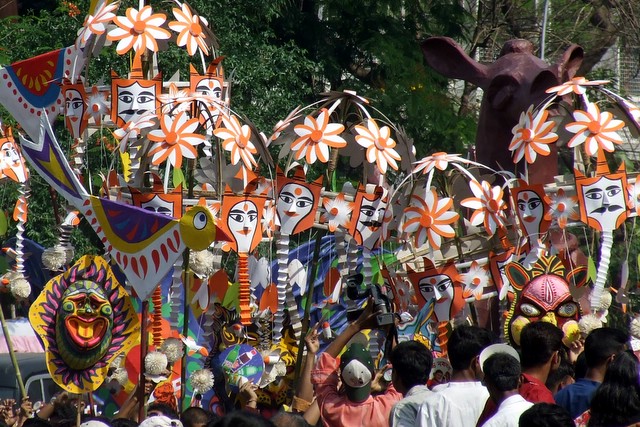
    Pohela Boisharkh is the festival celebrated on the first day of Bengali calendar.This festival is celebrated in both West Bengal and Bangladesh.On this occasion, people clean their houses,wear new clothes and offer prayers to god with sincerity.People spend with friends and relatives on this day and prepare various kinds of food items.This festival generally falls on the mid of April.

    Bestu Varas:

    Bestu Varas festival
    Bestu Varas festival

    Bestu Varas is the festival celebrated on the first day of Gujarati calendar.This festival usually falls after Diwali.People greet each other on this day saying “Nutan Varsha Abhinandan” or “Saal Mubarak”.This festive day starts early in the morning by firing plenty of crackers.On this day, people decorate their houses with marigold torans and  draw colorful rangolis at their doorstep.People wear new clothes,visit temples and greet their friends and relatives a happy and a prosperous new year.

    Vishu:

    Vishu Festival
    Vishu Festival

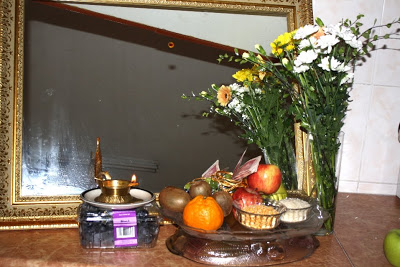
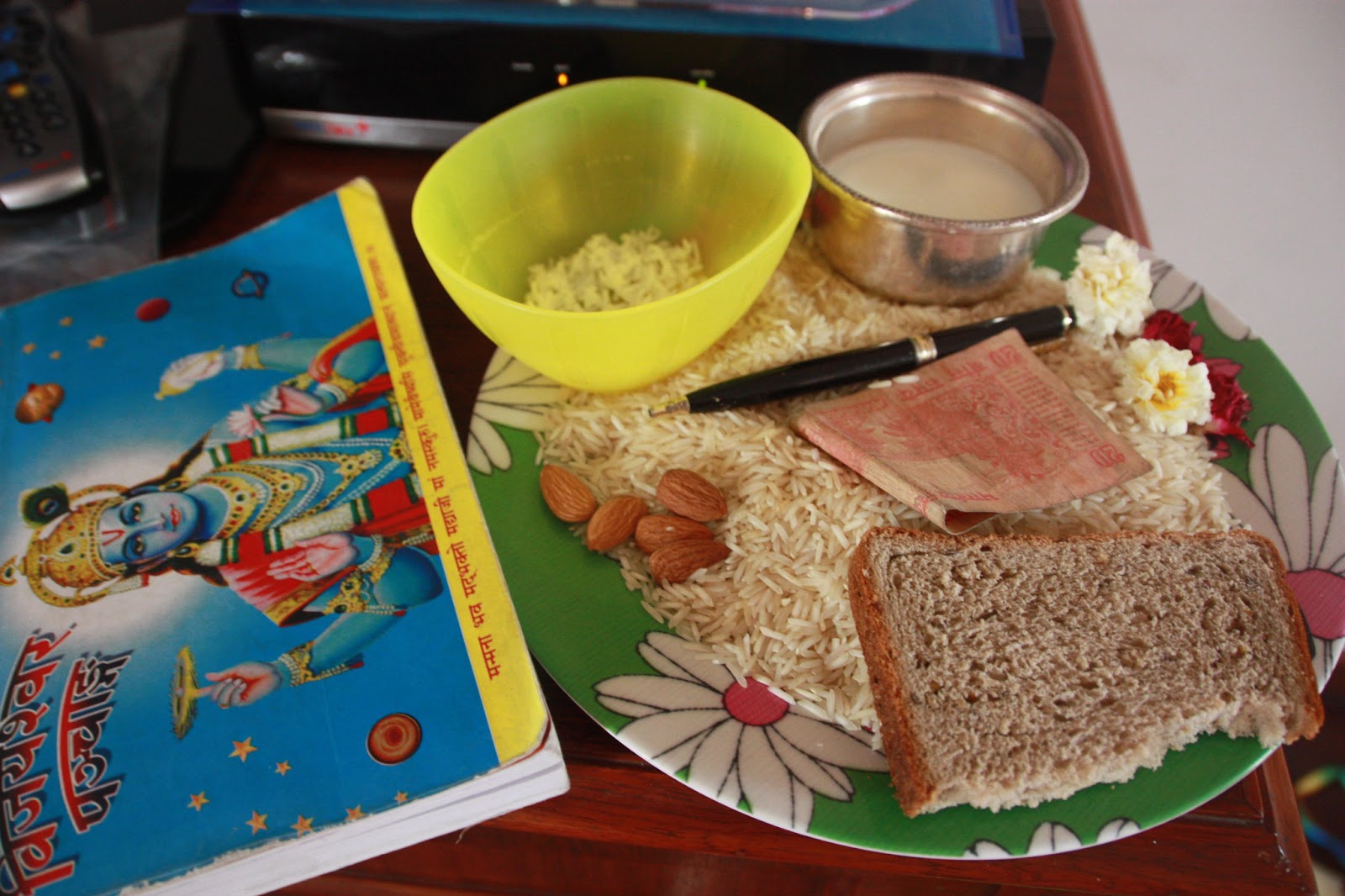
    Vishu is a  festival celebrated on the first day of Malayalam month of Medam.This festival is usually celebrated on 14 April of Gregorian calendar.The festival is defined by the offerings to the god called Vishukanni. This consists of the auspicious articles like rice, linen,cucumber, betel leaves, matal mirror and uruli.All these arrangements are completed by the women the night before Vishu celebrations.On the  day of Vishu, people must wake up with eyes closed and go to the pooja room, so that the first thing a person can see is the Vishukanni.

    Losoong:

    Losoong festival
    Losoong festival

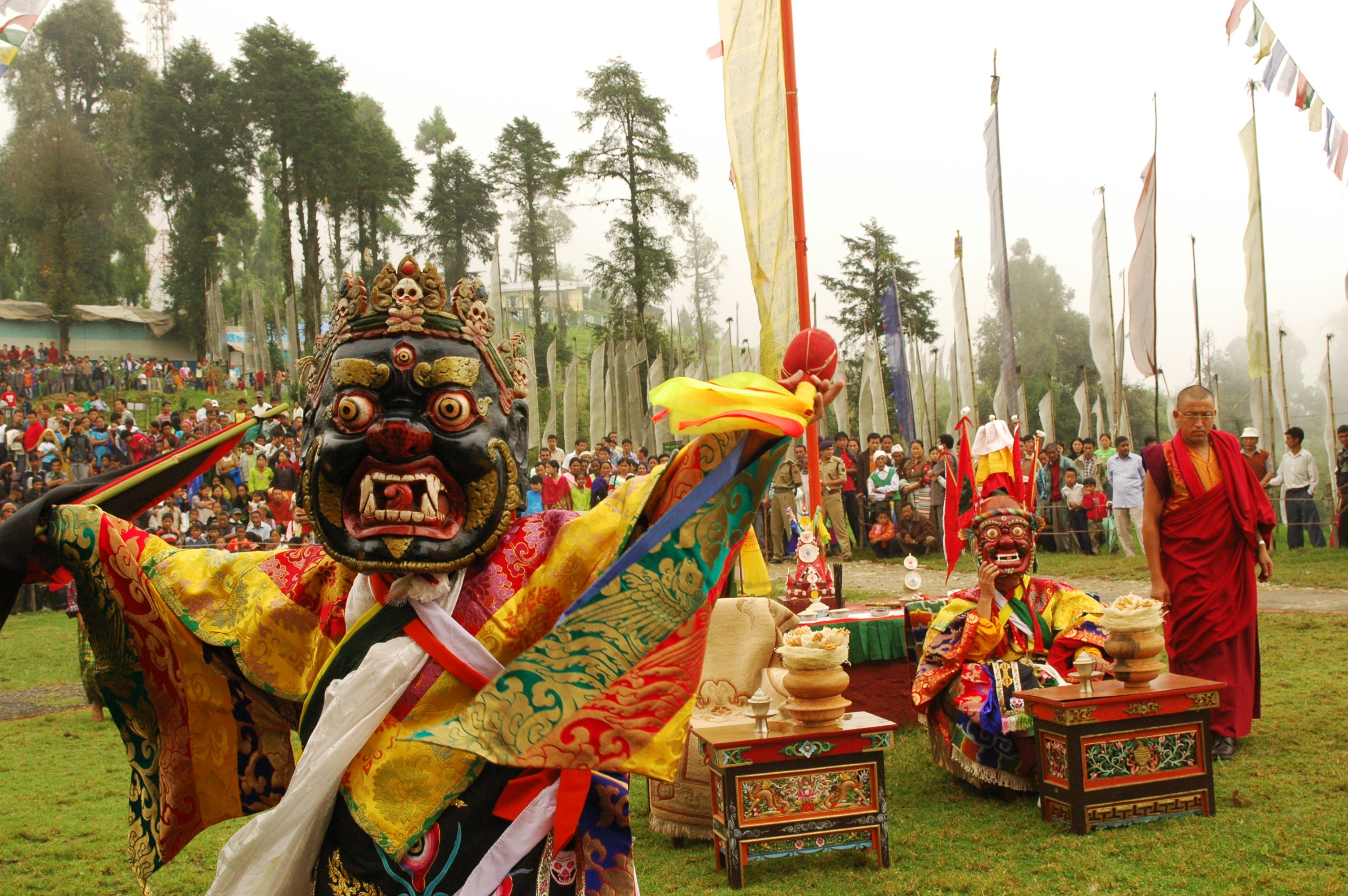
    Loosong is one  of the most famous and old festival of Sikkim celebrated in the month of December.This festival is usually celebrated at the end of harvesting season.This is also considered as the farmers’ New Year festival.On this occasion, Chham dance is  one of the major attraction.

    Navreh:

    Navreh festival
    Navreh festivals

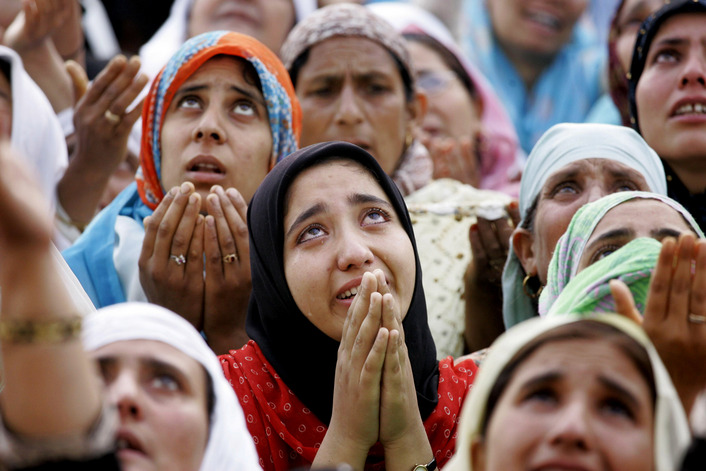
    Navreh festival is celebrated in Kashmir as New Year.This festival usually falls on the first day of Chaitra  Navratri and is generally referred as Shivratri.

    Hijri and Cheti Chand:

    Hijri festival
    Hijri festival

    Hijri is the Islamic New Year celebrated on the first day of Muharram.The Islamic calendar does not depend  on the Gregorian calendar so it may vary depending on the Lunar calender.This  festival is celebrated with unique customs and traditions.

    Cheti Chand festival
    Cheti Chand festival

    Cheti Chand is the festival celebrated on the second day of Chaitra masa by Sindhi community.The people of Sindhi community celebrate this festival as a honor to the birth of Jhulelal.

  • Christmas Celebrations in Different Parts of India

    Christmas Celebrations in Different Parts of India

    Christmas is a festival that falls in the month of December.The whole world will be eagerly waiting for this festival till the end of the year.In India, people from different parts celebrate this festival in different manners.Christmas celebrations in India is similar to western countries, but it has its own flavor.Here are the few places in India and the way the Christmas festival is celebrated.

    Christmas celebrations in Goa:

    Christmas celebrations in Goa
    Christmas celebrations in Goa

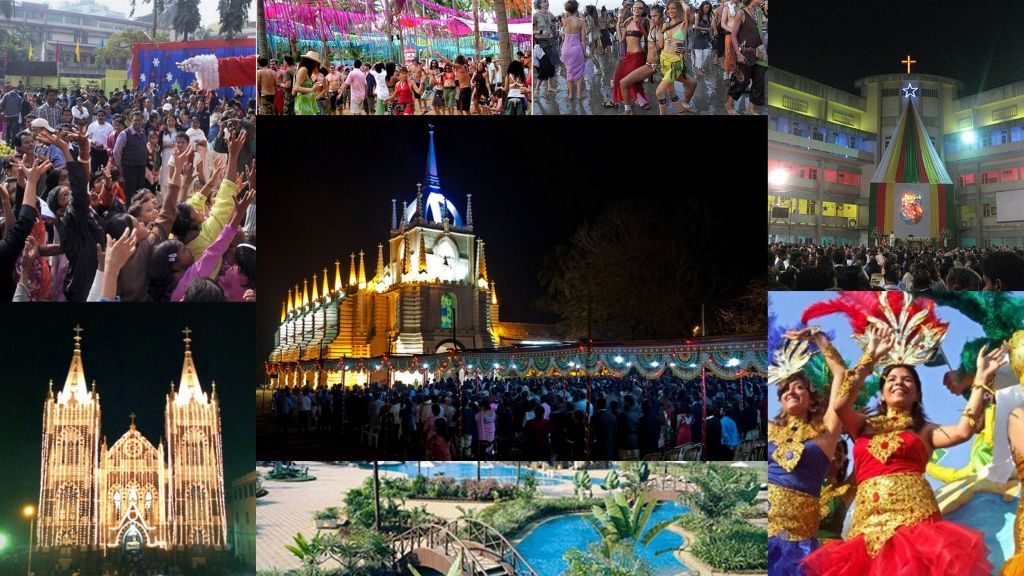
    Goa,situated on the western coast of India is also called as Beach Paradise of India.It is one of the best place in India for Christmas celebrations.During Christmas time the whole city,homes,cathedrals and churches are fully decorated with lights and flowers.On these special days,beach shacks and restaurants serve special western dishes and also play live festive music which is an additional attraction for many tourists.Beaches like Anjuna,Mapusa and Candolim are known for long night parties.Goa also hosts internationally acclaimed sunburn festival during this festive season and New Year.For this sunburn festival,many music lovers around the country come here to watch DJ’s live performances.By providing all these exciting features,Goa is an excellent place to visit during Christmas.

    Christmas celebrations in Mumbai:

    Christmas celebrations in Mumbai
    Christmas celebrations in Mumbai

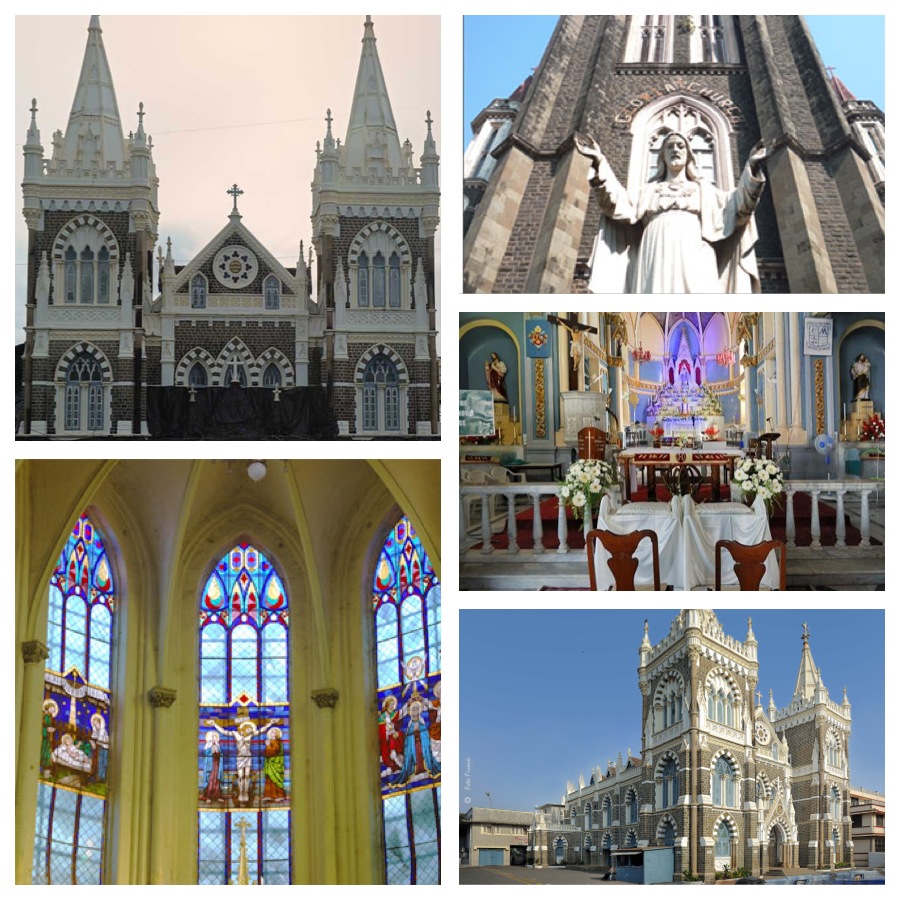
    Mumbai, also known as Financial Capital of India is one of the biggest party hubs during Christmas.During Christmas season,the hill road is fully decorated with lights and Christmas trees are spotted on the sidewalks.In Mumbai,there are many popular churches which host midnight masses.Bakeries in the city are filled with goodies and all the city malls are decorated well to give a festive feel to the customers.After Christmas,there are firework celebrations at Marine lines on the night of New year.It is one of the best place to visit during Christmas.

    Christmas celebrations in Pondicherry:

    Christmas-in-Pondicherry
    Christmas-in-Pondicherry

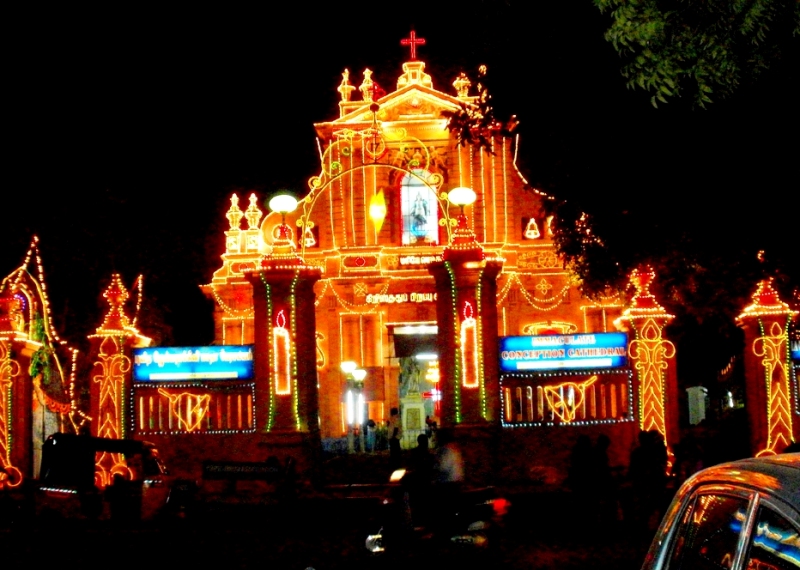
    Pondicherry ,also known as India’s Little France.The spectacular beaches,beautiful buildings and pleasing French Cuisine makes it one of the best tourist destinations.There are many old churches in Pondicherry which include the magnificent churches like ‘The Church of Our Lady of Immaculate Conception’ and ‘The Sacred Heart of Jesus Church’.These are the most interesting places to visit during festive time.The city is filled with French style monuments and buildings.During the festive season, the city looks bright and excitement and joy are found everywhere in the city.

    Christmas celebrations in Kerala:

    Churches in Kerala during Christmas
    Churches in Kerala during Christmas

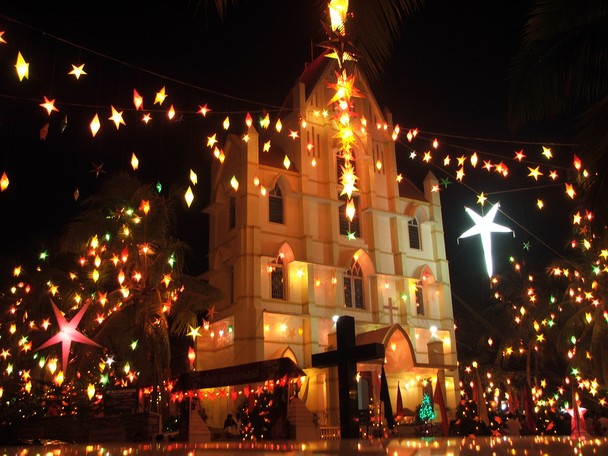
    Kerala is a perfect place to visit during Christmas season.In Kerala, there are vast number of churches that celebrate this festival with lot of dedication and interest.Streets are fully decorated and Churches remain open almost all night.On these festive days,restaurants provide discounts on food and drink for customers.The beautiful beaches,beach resorts,boat houses are fully decorated on these festive days.It is a beautiful place to enjoy Christmas along with the family.

    Christmas celebrations in Manali:

    christmas-places-in-manali
    christmas-places-in-manali

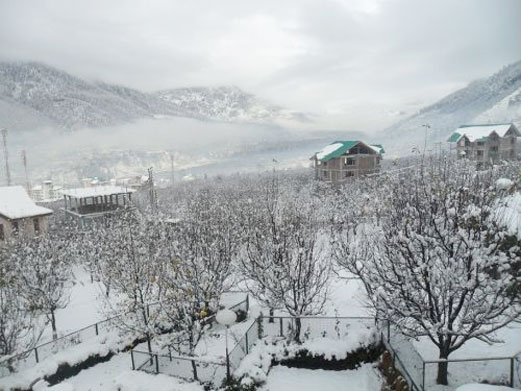
    Manali is one of the beautiful hill stations in India.During Christmas season,the snow fall takes place and when the snowfall is moderate people enjoy playing snow fights and build castles with their friends and family.During this season,there are many tourist packages available offered by various travel companies.Places like Rothang pass and Solang valley are additional attractions too.

    Christmas celebrations in Shillong:

    shillong-church
    shillong-church

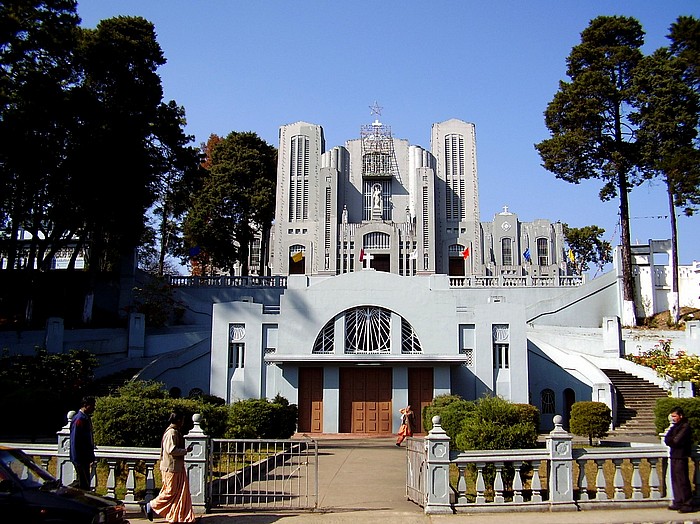
    This state has a large number of Christian population and they celebrate this festival with more joy and glory.On this festive season all the streets,houses and churches are fully decorated with colorful lights.There are many local troops that perform dances to the traditional music.Most of the churches have their own local music band.Food offered at this place is a bit unique and is not liked by many of the people.There are not many travelers that frequently visit this places.So, one can enjoy this festival without worrying about the crowds.

    Christmas celebration in Daman and Diu:

    Oldest Churches of Daman and Diu
    Oldest Churches of Daman and Diu

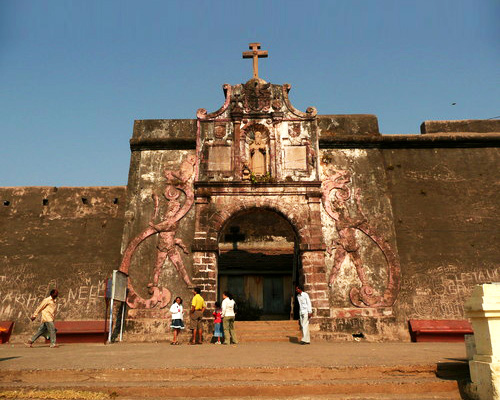
    These Islands are located at the coast of Gujarat.These Islands have many old and beautiful churches like St.Paul’s church,Church of Our Lady of the Rosary and many more.The beautiful sand beaches,palm grooves makes this place a best holiday spot.Here Christmas is celebrated with great joy and people perform many cultural programs like Portuguese dance and many more fascinating events.The festival is celebrated by playing wonderful melody tunes and accompany with music.Houses are fully decorated with bright and colorful lamps all over the Island.Many night parties and events are performed in Daman during this festive season.

    Christmas celebration in Dadra and Nagar Haveli:

    dadra_nagar_haveli_festival
    dadra_nagar_haveli_festival

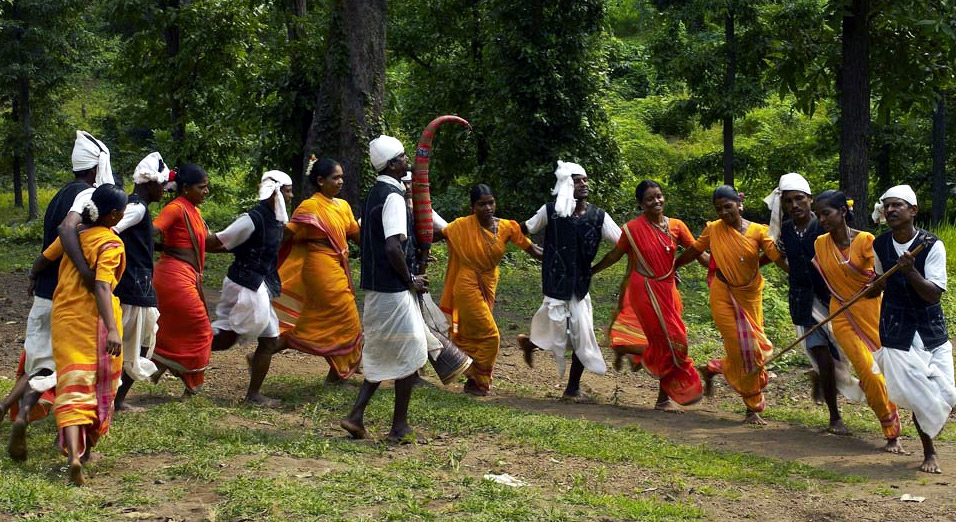
    This place has beautiful hills,waterfalls and lush of green forests to walk through.This place has beautiful old churches with magnificent architecture and people celebrate Christmas with full of spirit.The festivals celebrated will have their local impact.This place is great for shoppers with a lot of hand made products available.This is a peaceful place to visit and enjoy the Christmas celebrations.

    Christmas celebrations in Bangalore:


    Christmas in Bangalore
    Christmas in Bangalore

    Bangalore is one of the biggest cosmopolitan cities in India celebrating Christmas with great joy and spirit.On this festive season, various events are celebrated throughout the city.Many of the restaurants,malls,houses,streets are fully decorated with colorful lights and flowers that brings a festive look to the entire city.In Bangalore, there are around 40 churches and in few areas there is a domination of Christians.During nights of Christmas season,masses are held at churches that draw huge crowd to attend the ceremony.During this festive season many restaurants and malls offer discounts to the customers.

    Christmas celebrations in Kolkata:

    Christmas celebrations in Kolkata
    Christmas celebrations in Kolkata

    In Kolkata ,Christmas is celebrated in a different manner.For the people of Kolkata, Christmas is a festival with full of yummy cakes and pastries.Not only Christians, but also people from many other communities attend midnight masses at various churches,sing hymns and offer prayers thanking god.On these festive days, malls and restaurants offer large amount of discounts.Many attractions can be seen like street lights full of colors,rock music,sound exhibition,shimmering lights,delicious food and many more.

  • Spirituality And Music

    Spirituality And Music

    Every religion or spiritual faith depends on music to create an atmosphere of spiritual longing, beauty and refinement. This kind of music can be ennoble and inspire our spirit to divine aspirations and express our longing to live a more spiritually conscious life in the physical world.

    images

    No matter what religion, physical setting , or language in which a religious service or spiritual meeting may be conducted, spiritual music is used in the same way and for the same reasons throughout religious and spiritual groups throughout the world. The greatest musical compositions are those that celebrate God, building a melodious bridge between the human being and the divine spirit. Music that speak of God’s glory or expresses our deepest spiritual aspirations can elevate and center our attention in the divine.

    The Greek philosophers, Plato, Plotinus and Pythagoras, in their writings described the existence of a universal harmony called ” The Music Of The Spheres”. They believed that the planets, as they orbited throughout the universe, produced a perfect music that could be heard by the enlightened beings. Those whose lives were lived in the harmony with divine laws could ” tune in” to this universal music. Many philosophers since then have also theorized about the music of the spheres.

    In the 17th century, the great English playwright, William Shakespeare, made reference to the Music Of The Spheres in his romantic comedy, The Merchant Of Venice. At the end of the play, one of the main character laments that this divine music can only be heard by ” immortal souls “, but those who are constrained inside the human body are unable to hear it.

    images (4)

    Religion has two aspects, an inner or esoteric side and an outer or exoteric side. The inner or esoteric side of religion is the aspect that deals with the spiritual experience in which our soul recognizes itself and reunites with the God. It is reached through inner spiritual practices such as meditation, prayer, or inverting one’s attention within to contact the divine. By going within through meditation we can connect with the inner light and sound, or celestial music of God, called the word, naam, the light and sound current, harmony of harmonies, nad, jyoti and sruti, kalma or voice of silence. It is a music or sound that emanates from God and is not made by any instrument. It is the vibratory principle of God that created all religions of creation, this physical world, all life, including the human beings, and resounds within each being. To listen to it requires inner spiritual practices such as meditation.

    Each religion also has an outer or exoteric side, which involves rites, rituals, outer services, outer recitation of prayers, and various customs. Outer music is often an integral part of the outer aspect of any religion. It forms the part of the many of the customs, religious services, or rites and rituals in various religions. It also has the effect of inspiring, creating a spiritual mood, and helping to focus attention on spiritual goals.

    images (1)

    Devotional music is always performed in Hindu, Jain, Sikh and Buddhist religious services. Such music is considered an offering to the divine, or to deities, Gods and goddesses- an offering that is believed to summon the grace and protection of God or any chosen deity. These hymns are called shabds or shabads, bhajans and kirtan are integral to private and group worship. Another aspect of Eastern spiritual music, in Hinduism, Sikhism, Jainism and Buddhism particularly, is the role of mantras. A mantra is a ” sacred utterance”- a syllable, a word, or a verse considered to posses great mystical power. Some mantras are intoned out loud and others are repeated silently, by the ” tongue of the thought”. Some mantras have no apparent meaning in terms of the human language and yet are thought to carry a deep spiritual significance. Some mantras are repeated until they produce a trans-like state. Those mantras that are considered to be  the most powerful are those given verbally by a spiritual master.

    images (2)

    Buddhist music revolves around the Buddhist traditions. In general, Buddhist monks encourage music related to one’s spiritual exercises. Buddhist chants, especially Tibetan chants are famous for producing vocal overtones and harmonies with the use of drums.

    Christian spiritual music covers a vast field. During a religious service, spiritual hymns from the Bible are sung. There are also original songs that are sung and accompanied by the music written on the christian themes.

    images (3)

    The holy scripture in the Islam is the Koran. Music in Islam centers mostly on the chanting of the Koran in the forms of call to prayer, pilgrimage chants, eulogy chants of praise, and other noble themes. The Koran is written in Arabic, so the reading of the scriptures, done in the melodious way, is also in Arabic.

    Music of the Sikhs is largely devotional, often accompanied by the harmonium and tablas. These hymns prepare one for meditation and simran.

  • Ganesha Chaturthi : festive season that lasts for 10 days

    Ganesha Chaturthi : festive season that lasts for 10 days

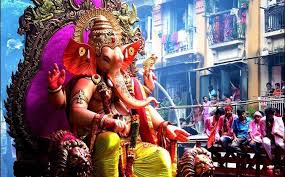
    Ganesha is known to be the most popular God in Hindu religion and Ganesha Chaturthi is celebrated on the rebirth of Ganesha across the country. Ganesha is the son of Lord Shiva and Parvati. On this auspicious occasion lord Ganesha is welcomed all over the country and confer his presence on this land. Ganesha is popularly known as the god of prosperity, wisdom and good fortune. It’s a tradition in India to worship Ganesha at the start of any new project, wedding ceremonies or during the tours.

    Ganesha Chaturthi is also known as Vinayak Chaturthi in some places. It is celebrated on the Shukla Cahturthi which falls during the season of Bhaadrapada. The festival is celebrated across the country for the period of 10 days and it ends on the day of Anant Chaturdashi. It generally falls in the month of August or September. During these 10 days there are several customs and traditions that devotees follow. During the start of the month people start their preparation and start decorating their houses and shops in a very creative manner. They also go to the market and select perfect idols for worship. When they finally bring those idols in their home, they follow several rituals which are called as Ganesha Staphna.

    gan1

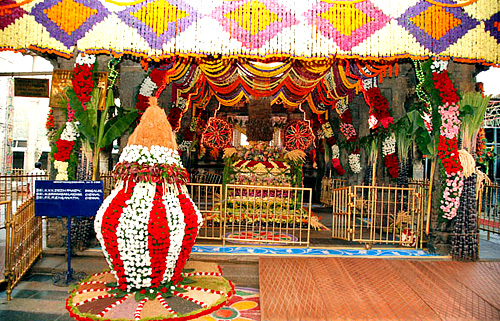
    Ganesha Chaturthi is celebrated with full enthusiasm all over the country. A month before this day preparation starts. In the market, you will find various creative clay models of Lord Ganesha for sale. These are prepared by expert artists. They are beautifully created and adored with ornaments. These idols vary in their sizes and creation. These idols are purchased and installed in the houses on the very first day of this festive season. People collect money from various funds and construct pandals where these statues are installed. These are decorated with flower, lights and various other decorative items keeping in mind their religious themes.

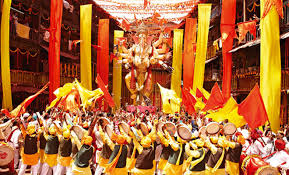
    The priests are called for the chanting of mantras and they dressed themselves in red dhoti and shawl. Through these mantras they try to invoke the lord Ganesha in their souls and this is known as Pranapratishtha. After this jaggery, coconut and modaks are offered to them. After this, these idols are smeared with the paste made of kumkum and sandalwood. While the priest is doing these Shhodashopachara people sitting behind them are chanting Ganesha Stotra. During this festive season various cultural activities can be seen in Pandals like street performances, singing and dancing, orchestra etc. Along with these various camps for medical check-up, blood donation, etc. are also organized in the respective cities.
    gan2

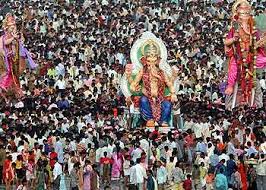
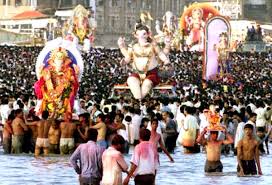
    There are several different methods and rituals to perform this worship and this varies from one state to another. Like in Maharashtra individual families bring these idols to their homes and perform the rituals according to their tradition. After the end of this season they take these idols in a procession to rivers or the sea. This procession involves bands and people walk all over the procession shouting Ganpati Bappa Maurya, Purcha Varshi Laukariya. This means they are requesting Lord Ganesha to come early next year.  They are worshipped their near the coast and finally immersed into the water. But due to environmental factors these immersion is now carried out in an eco-friendly manner. In Tamil Nadu, this festival is celebrated in a very ostentatious and grand manner. Here they decorate the idols of Ganesha with Bermuda grass and garlands. People go to the temples every day and offer ladoo and modaks to Ganesha. Here idols are made of clay and sometimes with coconuts too, as plaster of Paris is banned in this state. On the last day they are immersed in the Bay of Bengal.
    ganesha

    Not only in India, this festival is celebrated out of India with the same devotion and enthusiasm. To have a feel of Hindu culture several Indians reside in the UK celebrated this festival first time in London at the Hindu Temple. Finally, after the 10 days the idol was immersed in the Thames River. This celebration attracted 18000 devotees across the city. In the USA, a Hindu organization tends to organize several events on these occasions to mark their culture. In Philadelphia, this occasion is celebrated in at the Bharatiya temple where different devotional events and cultural programs are organized.

    gan4

    Puja is always incomplete without sweet dish. During this festive season Modak is the main dish that is admired across the country. It is generally prepared with wheat/rice flour involving grated coconut stuffing in it. Some people also mix jaggery and other dry fruits in it according to their taste. Then it is fried and ready to be offered to Lord Ganesha. Another dish is karanji which is almost similar to modak but it has semi-circular shape. Along with modaks ladoo, panakam , vadapappu, chalividi, Vundrallu are also offered during the worship. In Andhra Pradesh there is a tradition where a plate containing modak and other twenty one pieces of sweet dish are offered to Ganesha.

    So celebrate this festive season with full enthusiasm and joy this year. ..!!