Blog

  • COOKIE MANIA

    COOKIE MANIA

    “I think cookies are unsung sweet you know?”-Bobby Flay.

    This delectable disc  that fits in your palm so effortlessly and melts over  your tongue,revealing  the sweet , buttery taste with each bite,it is indeed  an unsung sweet . God knows how many cookie jars have been emptied , those danish cookie boxes that had their contents  consumed in a mere jiffy and those numerous evenings that were spent with a bowlful of cookie dough .  Beginning with a simple recipe for making cookie dough , we shall proceed to the most mouthwatering combinations of cookies and the cookie dough .

    INGREDIENTS
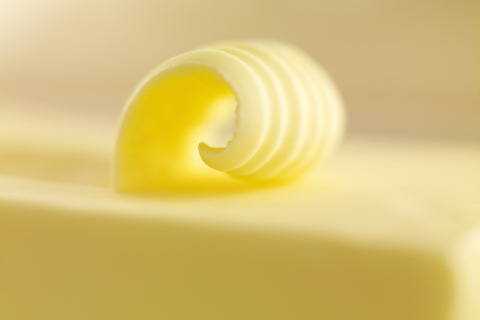
    images (7) buttr

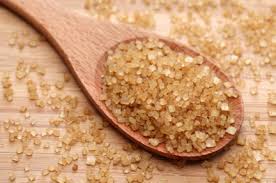
    1. Brown sugar
    2. Regular flour
    3. Butter (preferably Amul Lite)
    4. Semi sweet chocolate chips

    PROCEDURE

    1. Grind the brown sugar in a mixie such that it retains its grainy texture . Do not make it powdery else it would ruin the crunchy consistency of the dough .
    2. Take regular flour and add to that softened butter(mind you SOFTENED ,not melted,and preferably the low salt vesion of it-Amul lite does a good job) .
    3. Add the brown sugar to the mixture  and knead well .
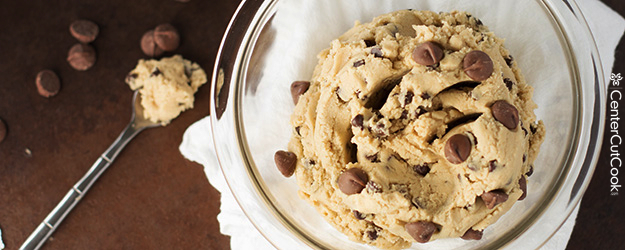
    4. When you have the right consistency , sprinkle with a generous helping of semi   sweet  chocolate chips , and knead a little more .
    5. Once you think its perfect , cool it in the refrigerator for a couple of hours .
     

    edible-chocolate-chip-cookie-dough

    P.S You may want to be careful with the salted butter though . Too much salt renders it inedible . And yes , since it is on the whole an uncooked dish,washing your hands thoroughly before starting off is a good idea . Proceeding  over to our much loved variety of almond cookies,here are a few changes in the ingredients.

    1. Regular flour-1 cup(125 ml approximately)
    2. Softened  butter -3/4 cup
    3. Sugar (preferably white)-3/4 cup
    4. Baking  powder-1/2 teaspoon
    5. Baking salt-1/4 teaspoon
    6. Almonds-1/2 cup

    PROCEDURE  :

    1. Preheat the oven to about 180 degree Celsius while you prepare the rest .
    2. Take sugar  and butter in a bowl  ,  and with the help of a whisk,mix them until fluffy and consistent .
    3. Before you ground the  almonds , roast them for about two minutes or so  .
    4. Grind the almonds  in a mixer  to an extent that they still retain their  grainy texture (you would hate to loose the crunchy part) .
    5. To ensure that the flour,baking powder and baking salt are mixed well , I would suggest you that you sieve them .
    6. Mix the sugar and butter mix as well as the almonds in the flour,baking  powder and baking salt mixture that you just sieved .
    7. Knead well to get rid of any lumps ,and to get a consistent dough .
    8. Take out portions  as big as a lemon and gently press them .Another alternative is to flatten the batter like a chapati  with the help of a rolling pin,(ensure that you have a greasing paper spread under the dough) and cut out pieces with the help of a  cookie cutter .
    9. Place the cookies with a minimal space of  two inches on the tray lined with aluminium foil or greasing paper(to avoid the dough from sticking on the tray) so that it has place to fluff up and expand . Bake them in preheated oven for about fifteen minutes .
    10. After  ten minutes  of putting them in the oven , check whether the edges of the cookie are turning brown or not .
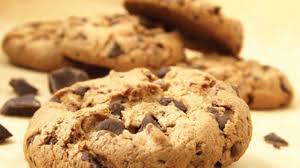
    11. After fifteen minutes or so ,  check if the cookies are golden brown in color . If so, switch off the oven and let them stay in it for additional ten to fifteen minutes so that they turn crispy .  Just in case you like them soft ,you can take them out almost immediately .
     

    images (8)

    VOILA! Enjoy the savory taste of these crispy crunchy almond and butter cookies ! The cookie mania hasn’t ended yet! There is more in store ! It is absolutely amazing ,the way we can play and experiment with baking ,making combinations that  would tempt anyone and everyone ! Stay tuned and behold the COOKIE DOUGH SANDWICH!
    images (6)

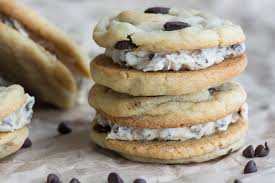
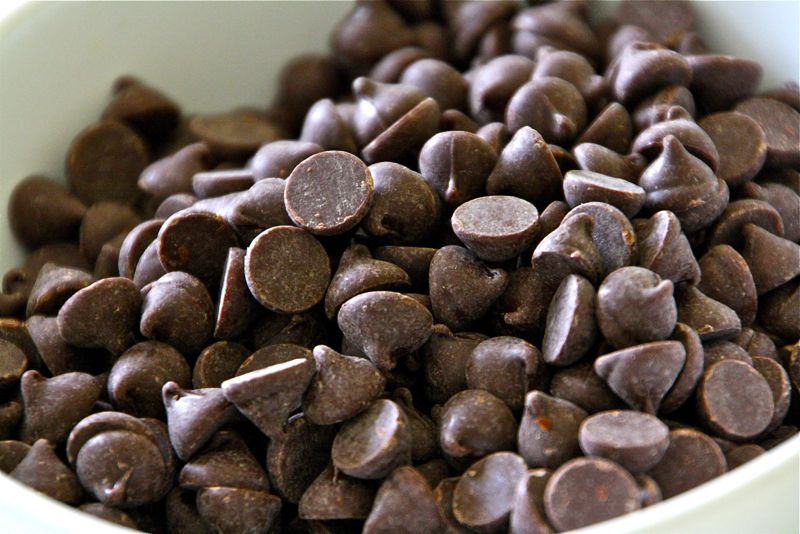
    Well  now that you have  come across the method for making both the cookie and the edible cookie dough,all you have to do is combine the two! yes its that simple! Some slight changes can be made . For example,you can add some vanilla essence in the cookie dough  to accentuate the taste of the cookie dough. Another  suggestion that is absolutely worth a try is using mini chocolate chips in the dough .It has two advantages

    1. it gets amazingly easy to spread the dough on the cookies.
    2. You can add a sinful amount of those!(who would not love an extra helping of chocolate chip?!) .
     

    a1

    Welcome your days of sitting near the window or on the couch with a delicious bowl of cookie dough.Raid  the cookie jar like we once did as kids.So pamper yourself and delve into the pleasure of baking a perfect batch of cookies and experimenting with the most delectable components of the same . Happy baking and  BON APPETITE!
  • Hinduism and Food!
    Hinduism and Food!

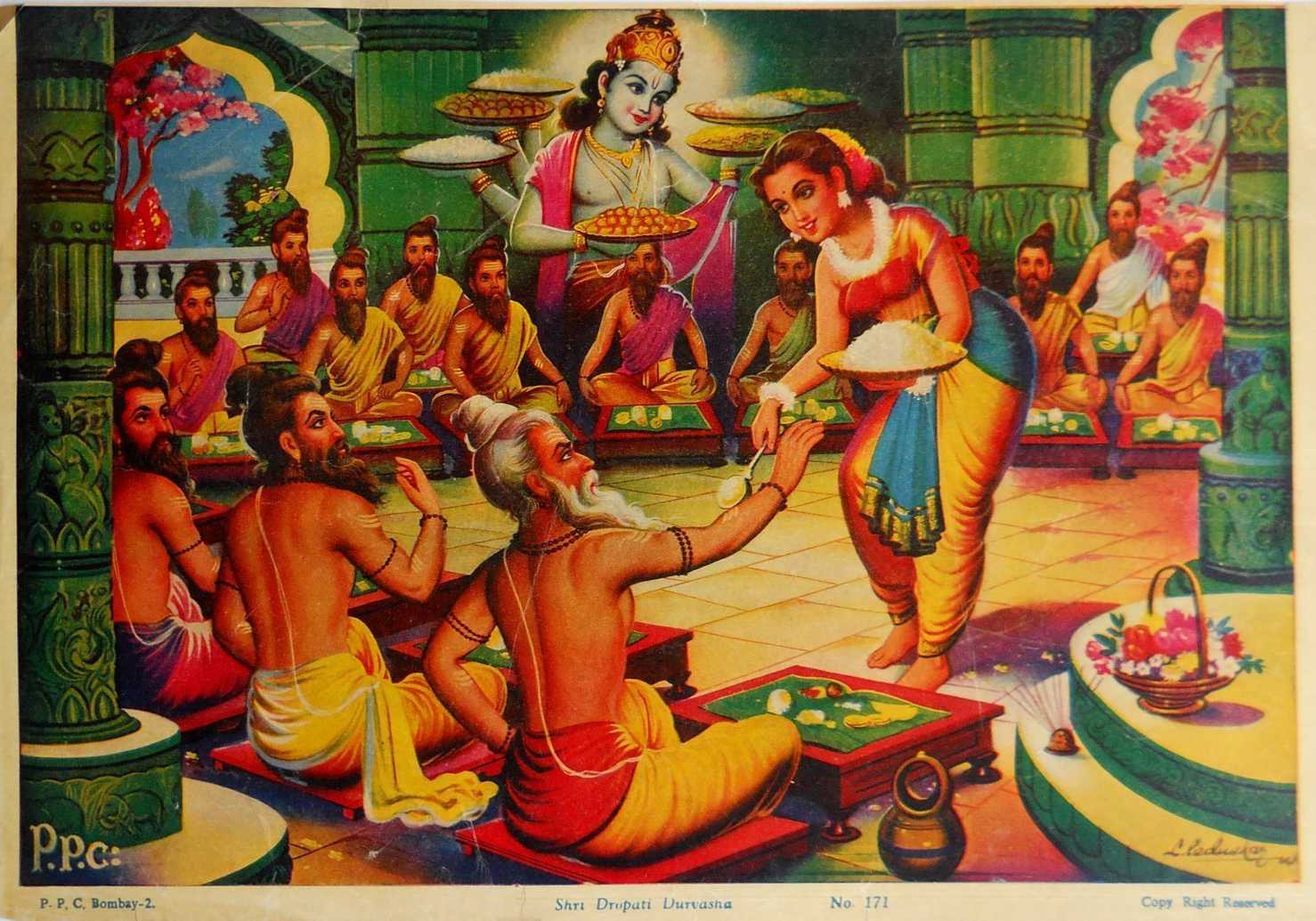
    There is a very prominent tale in Mahabharat where Draupadi had a bowl of plenty awarded to her by Sun god when she along with the Pandavas was in exile. She could take as much food from the bowl as she wanted until she herself has eaten.  One day sage Durvasa and his disciples arrived at her hut and asked Draupadi to feed them. Rishi Durvasa was known for his anger. To add insult to injury, she had already consumed food that day and knew that the pot would not yield any more eatables. She prayed to her Sakha, Lord Krishna for help. Incidentally, one grain of rice was left in the bowl. Lord Krishna took that grain and ate it up. To Draupadi’s surprise, Lord Krishna let out a belch as if just been fed with a sumptuous three-course meal. With him all the beings of the universe: the deities, yakshas , Gandharvas and also, Sage Durvasa and his disciples were satisfied.

    1

    This story indicates the importance of food in Hindu culture and mythology. In fact, food is central to almost all Hindu rituals and modes of worship. The Bhagavad Gita declares: “If one offers Me with love and devotion a leaf, a flower, a fruit, or water, I will accept it.” (9.26). The food is served in a clean place and before eating, water is sprinkled around the plate and vedic mantras are recited.  A little water is sipped before eating which is scientifically proven to be beneficial. The intension is that our mind and intellect remains inclined towards spirituality and virtues while doing everything, even, eating.

    Hindus believe that everything in the mortal world including, the five sense organs, the objects of the sense organs, elements, mind and intellect are essentially made of three qualities: Sattwa, Rajas and Tamas. Sattwa is associated with light, knowledge and purity; Rajas with activity and passion; and Tamas with ignorance, stagnancy and delusion. Consequently, different food items have different tendencies attached to them.

    3

    Foods which increase life, purity, strength, joy and cheerfulness and are savory, substantial and agreeable are Sattwic. This includes fruits, nuts, vegetables, milk and grains. The foods that are bitter, sour, saline, excessively hot, dry, pungent and burning are known as Rajasic. Onions and Garlics fall under this category and are believed to inspired passion in individuals. Tamasic food includes meat, alcohol, eggs, fish etc. Although, vegetarianism is encouraged in Hinduism, it is important to understand that these are mere guidelines that are provided to individuals to help aid the practice of meditation and there is no compulsion as far as adherence is concerned.

    Another important aspect of Hindu rituals is Prasad or the sacred food offering to the lord. Almost every Puja or worship is concluded by the distribution of Prasad i.e. the food that was offered to the lord during the worship. Prasad can include a variety of things such as jiggery, sweets, coconut, fruits, sweet rice, milk, tulsi leaves (Basil) etc.  The intension of the devotee is of prime importance here and not the material worth of the offering. Depending on one’s position and ability, one can offer anything with devotion. A few tulsi offered with a pure conscience will reap greater merit than gold offered with arrogance.

    4

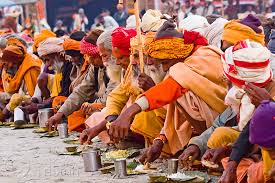
    Growing up in a Hindu household, I have vivid memories of being restless during the entire course of my mother’s daily prayers and waiting for the Prasad at the end. During Navratras, the nine day worship of the divine mother, Bhandaras are organized.  Bhandaras are spiritual gatherings where large quantities of food are prepared by the community and then distributed to everybody who attends it. This is a form of community service where poor and ailing are fed alongside  the affluent and thus establishing their equality in the eyes of the lord.

    3

    Feast and fast, both are essential part of the Hindu experience. The festivals of Diwali, Holi, Dussehra  and Janmashtami are often associated with the preparation of delicious foods. People visit their friends and relatives and offer each other food. This helps in spreading harmony and unity in the community.  Hinduism offers a great deal of flexibility even in the case of fasting. Fasting can be complete, eating “purer” foods, adopting a completely vegetarian diet or it can be abstaining from favorite foods. It can be seen as a means of purification or as a sacrifice.

    3

    The Hindus are known to use hands to consume their food. The idea is to savor the food with as many sense organs as possible: the color and appearance of the food with eyes; its rich aroma with the nose; it’s delicious taste with the tongue and its texture with the hands. There is an interesting story regarding this. The Indian president, Dr. Radhakrishnan once met Britist Prime Minister Winston Churchill and they sat down for lunch. Before eating, Dr. Radhakrishnan washed his hands and when the food was served, took a morsel in his hands and began eating. Churchill told Dr. Radhakrishnan, “Why are you using your hands? Use spoon and fork, they are more hygienic”.

    Radhakrishnan’s repartee was, “Since nobody has used my hand to eat before, my hand is more hygienic than any spoon you can find.”

  • MANIPUR:IN THE LAND OF JEWELS

    MANIPUR:IN THE LAND OF JEWELS

    Surrounded by nine hills,the oval valley which was once a large water body,drained and unearthed by Lord Shiva himself ,the land where Lord Vishnu  is fabled to have arrived and is hence worshiped since times immemorial ,having risen up from its own ashes like the Phoenix ,behold Manipur ,the land of jewels.

    imagesimages (5)

    Mentioned at least four times in the Mahabharata, the land where the children of Arjun and Chitrangada reside,where warriors and patrons rest in their graves.This place has so much more to offer than what anyone can ever imagine.Ancient yet sturdy,Manipur has created and witnessed history in the make .On the very soil of this state ,Netaji Subhash Chandra Bose furthered his march towards the nation’s self dependence and freedom .Here women and men walk shoulder to shoulder,taking up responsibilities in ways that defy patriarchy to it’s very roots.Women are respected and honored,indeed this place is a feminist heaven.Women indeed enjoy their freedom here,in fact they have an entire market run by women called the Ima market(Ima stands for mother in Manipuri) .

    P1010072

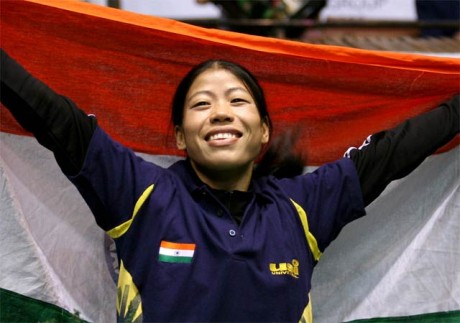
    Glorified with extremely skilled and hardworking sports person ,home to an Olympian ,Mary Kom,and many others who shall spawn .

    mary-kom_1330693060_460x460

    With the Loktak lake guarding and glorifying it’s periphery,Manipur holds in its heart its rich culture ,despite having faced a two year bombardment during the second world war,and the much despised insurgent activities that has bred up an image of misunderstanding .Despite such hostilities,Manipur stands strong,and supports its culture on the pillars of belief and humanity.What you may read further are mere glimpses of its full fledged grace,though it highlights much of what many have overlooked or ignored.

    Pung-Cholam-Dance,-Manipur-JPEG
    Festivals like Yaoshang(Holi) and Rath yatra are complete projections of Manipur’s way of merry making and enthusiasm.Beginning with Yaoshang,unlike in other parts of the nation,holi is celebrated for at least a week .It is commenced with burning a miniature hut meant for Gaurang Mahaprabhu,followed by a special tradition meant for girls and boys aged thirteen and above.These youngsters participate in an energetic dance ritual called the Thabal Chongba in which girls and boys hold each other’s hand while standing in a huge circle ,hence boys and girls stand alternately in the circle.The specialty is not just the fact that one gets to hold hands,but that ,in order to do so you must first ask the girl if she wishes to hold your hand in this dance!Its like a manipuri way of asking out!Where orthodox people shun the sheer sight of a girl and a boy walking or even talking,Manipur has practiced this ritual with all it’s sincerity.When I had my first Thabal at the age of fourteen,I was pretty perplexed about the requirement of holding hands,to which my Abok(manipuri for grandmother)explained me that it was necessary for youngsters to know a right and decent manner to express likeness and accept certain changes,not just that but through this dance,they learn to speak up and even if turned down they learn o handle rejection instead of wrecking havoc in their life for being turned down. Somewhat convinced then,it is now that I fully see the potential of this ritual.Where at one hand a “no” from a girl leads to acid attack,having faced rejections in just this dance makes people better at accepting a No.The entire festival is celebrated by playing with Gulal alone,sans the nasty ingredients and colours that glue themselves on you for days.Sports being a chief interest in Manipur,they have Yaoshang games and sports events to engross and channelize people in a healthy competition.The entire week,it is but evident that  everywhere you see,the rosy colour of gulal taints the atmosphere.Beatific indeed!

    images (4)      images (3)

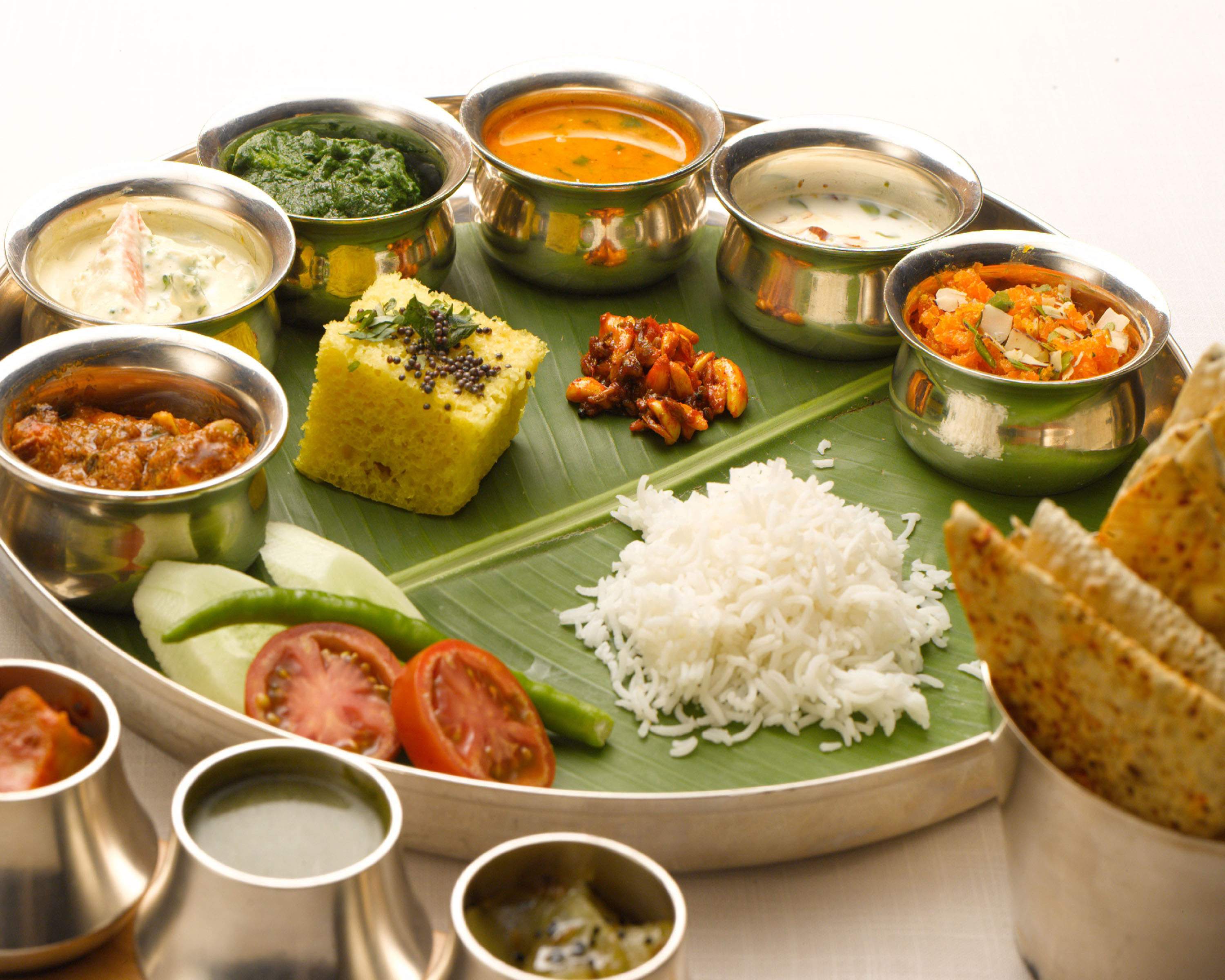
    Beginning with the food that people here eat,well they are not the one to eat almost anything and everything(so be rest assured you are not being served snake dumplings or lizard meat).The staple diet here is fish and their food is loaded with boiled vegetables sans even a single drop of oil or a pinch of  our much loved majority of spices .Amazingly spicy having being  seasoned with the hottest of chilies .To enumerate the various benefits,fish oil is extremely beneficial for the brain and maintenance of load bearing joints,and not to mention the wonders it does to the quality and growth of hair(yes that is a major secret to having such beautiful hair;ladies take note! ).The advantages of green vegetables are universally known and certified by scientists and ancestors alike since times immemorial.Super healthy and with a considerable variety of fish and prawns,this place offers you with the best of dishes that would undoubtedly boost your health and longevity.As a guest who visits Manipur at the time of such festivals and rituals ,the biggest task at hand is actually finishing this scrumptious,super healthy and variant  thali served during the celebrations.Hospitality like never before,this special treatment would pamper you and fill your tummy in ways like never before.

    manipur img

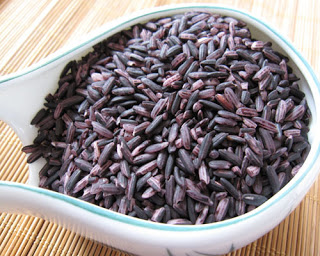
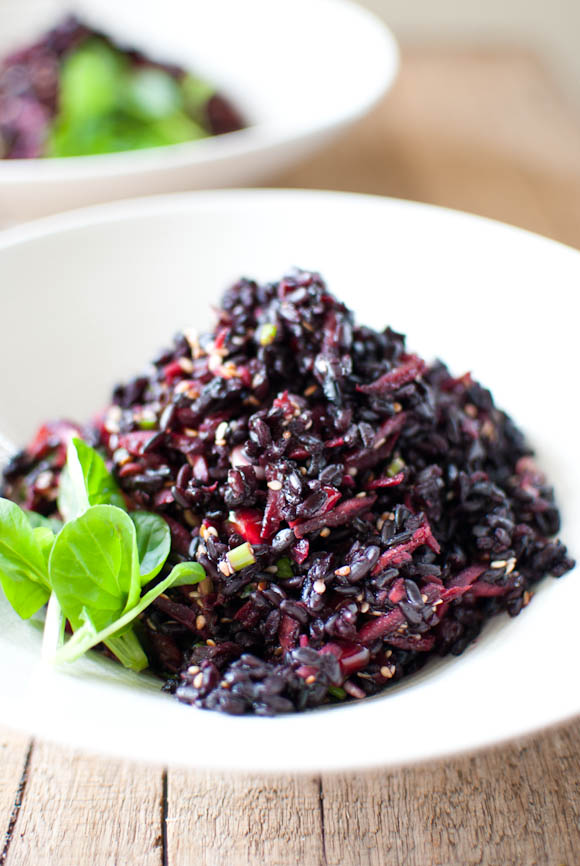
    A special variety of rice is grown here.Well mostly people would define general differences as in terms of smell and length of rice etc,but to be quite  true with an element of surprise,this rice that I speak of is actually purple in colour!It is largely used for dessert preparations and  special cuisines.

    purple riceblack rice and purple carrot salad 4

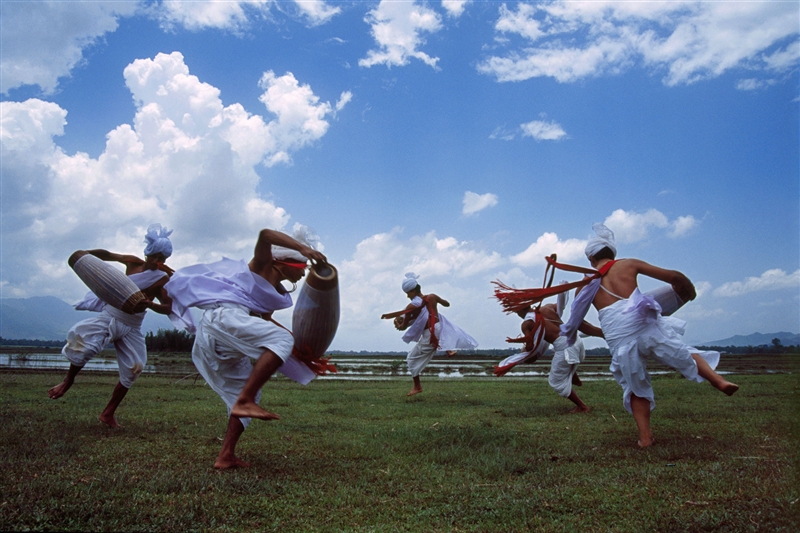
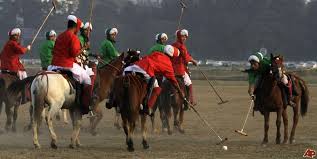
    The origin of polo,Manipuri martial arts(Thangta) ,Rasleela having been glorified by Rabindra Nath Tagore himself and Pung Chalom(the traditional dance of Manipur)are the cultural pillars on which Manipur gloriously paces ahead in time.The Switzerland of India ,this land as sacred,cryptic and lively as it is,has hence more to explore than what we see on its surface.

    images (1)        images (2)  download


  • Icecream treats, Healthy and Delicious!!

    Icecream treats, Healthy and Delicious!!

    dulce de leche

    While ice cream isn’t typically eaten for its nutritional value, there are several health benefits associated with this frozen treat. Since ice cream is a dairy product like milk or yogurt, it contains some of the same vitamins and nutritional content. Summer is the best time for Ice creams. You can make extremely delicious Ice creams at your home by following the given procedures.

    DULCE DE LECHE ICE CREAM-

    dulce de leche

    Ingredients-

    1 tablespoon butter

    1 cup chopped pecans

    2 tablespoons packed brown sugar

    1 can (about 13.4 ounces) Dulce de leche

    8 ounces fat-free whipped topping, defrosted

    1 teaspoon vanilla

    Recipe- Melt butter and brown sugar together in a small pan over low heat. Cook until butter is melted, then add the pecans. Cook over low heat for about 1 minute, stirring constantly. Remove from heat and place on a cookie sheet lined with parchment paper to cool.

    Place Dulce de leche in a large bowl. Stir to break it up a little. Add vanilla and whipped topping and fold gently until almost combined (there will still be a few swirls of Dulce de leche showing). You don’t want to over-stir or it won’t set up in the freezer. Fold in pecans.

    Place in an airtight container and freeze until semi-firm (it won’t be as firm as regular ice cream), at least 4 hours or overnight.

    Try sprinkling it with a little sea or kosher salt before serving. It’s amazing!

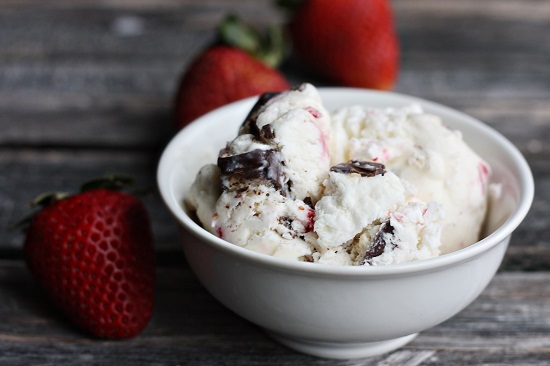
    COOL BRITANNIA COPYCAT ICE CREAM-

    Cool-Britannia-Ice-Cream

    Ingredients-

    2 cups heavy whipping cream, cold

    1 cup of strawberries, chopped

    4 shortbread finger cookies (i.e. Walkers)

    1 cup semi-sweet chocolate chips

    Granulated sugar

    14 ounces sweetened condensed milk

    Recipe- Melt chocolate chips in the microwave according to package directions. Dip shortbread fingers into chocolate until completely covered. Place on parchment paper lined baking sheet. Wait until chocolate is firm before moving on to next step (you may place the sheet in the fridge to quicken hardening).

    Chop cookies into bite-sized pieces. Set aside.

    Place chopped strawberries in a shallow bowl. Sprinkle with a little granulated sugar. Mash with a fork until it has the consistency of a chunky, liquid jam. Set aside.

    In a medium bowl, beat the heavy whipping cream until stiff peaks form. Set aside.

    In a large bowl, mix together the sweetened condensed milk and cookie pieces fold in the whipped cream until no white streaks remain. Add the strawberries and fold in gently (only fold in a couple times for more of a swirl effect, fold in several times if you want a red-tinged ice cream).

    Place in a covered container and freeze overnight (or at least 6 hours).

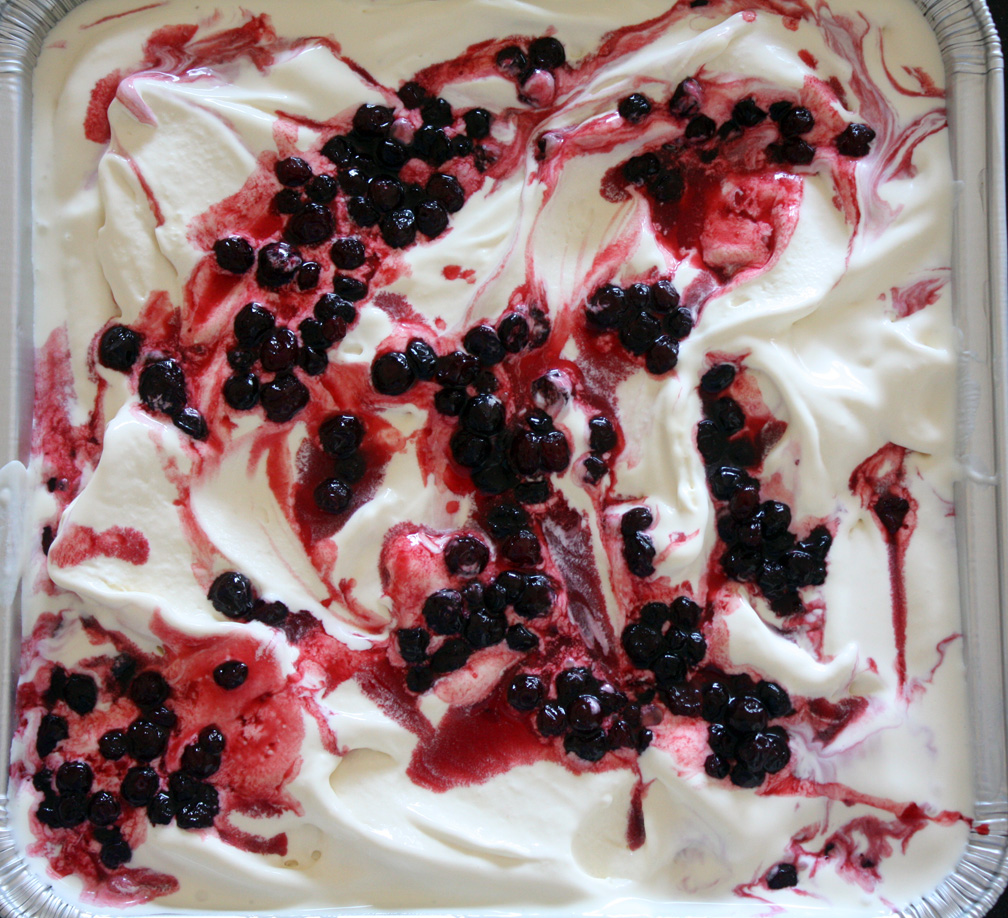
    HUCKLEBERRY ICE CREAM-

    huckleberry-ice-cream

    Ingredients-

    2 cup(s) half-and-half

    1/2 cup(s) sugar

    1 cup(s) whipping cream

    1 teaspoon(s) vanilla extract

    2 cup(s) huckleberries, or blueberries, blended with 3/4 cup sugar

    4 eggs

    1/4 teaspoon(s) salt

    Recipe- In a medium saucepan, whisk together half-and-half, eggs, sugar, and salt. Place pan over medium- high heat and whisk mixture until bubbly. Strain into a large bowl and cool; then whisk in cream, vanilla, and berries. Cover with plastic wrap and refrigerate until chilled, about 2 hours.

    Pour mixture into ice-cream maker; process according to manufacturer instructions.

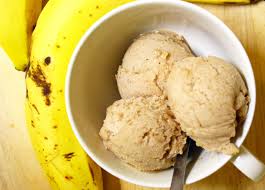
    BANANA ICE CREAM-

    banana ice cream

    Ingredients-

    4 very ripe bananas, peeled, cut into chunks

    1/4 tsp vanilla essence

    3-4 tbsps sugar, honey or sweetener, to taste

    150ml buttermilk Greek-style yoghurt

    Recipe- Spread the banana chunks out on a tray and transfer to the freezer. Leave the banana in the freezer until frozen all the way through (about one hour).

    Place the frozen banana chunks into a food processor. Add the vanilla, sugar, honey or sweetener and half of the buttermilk (or yoghurt). Turn on the processor and blend for a few moments. Then, while the processor is still running, pour in the remaining buttermilk in a thin, steady stream (if you are using yoghurt, just tip it all in and blend).

    Blend until the mixture is smooth and creamy. Serve at once.

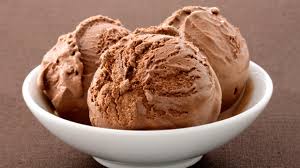
    CHOCOLATE ICE CREAM-

    chocolate ice cream

    Ingredients-

    250g strong plain chocolate

    100g unsalted butter

    150g caster sugar

    150ml water

    4 large eggs, yolks only

    500ml double cream

    Recipe- Break up the chocolate and place with the unsalted butter in a warm-ish oven for about 15 minutes. Remove and stir until melted and blended together.

    Over a low heat dissolve the sugar in the water then turn up the heat and boil rapidly for a few minutes to get a light syrup. It’s ready before the syrup takes any colour, when a little dropped on to a cold plate forms a thread when stretched between finger and thumb. Leave the mixture to cool for just a minute.

    Place the egg yolks in a basin and begin whisking (ideally with an electric whisk), trickling in the hot syrup as you go. Continue whisking until the mixture is thick and mousse-like. Whisk in the cream. Then fold in the melted chocolate and butter until thoroughly blended. Then pour the mixture into an ice cream machine and churn until frozen.

  • YOUR BODY ON SUGAR

    YOUR BODY ON SUGAR

    s1

    Contrary to what was previously believed-that all it really caused was tooth decay- new research maintains that the sweet stuff is so bad for our health, some experts want it regulated like a drug.

    Is sugar worse for you than, say, cocaine? Studies show that too much sugar (both in the form of natural sucrose and high-fructose corn syrup) not only helps make us fat, it also wreaks havoc on our liver, mucks up our metabolism, impairs brain function and may leave us susceptible to serious ailments. Experts say raising awareness isn’t enough, especially when so many of our food options contain sugar. It’s like watching a train wreck in slow motion. Nevertheless, after hearing the news, many of us shrugged and turned back to our cupcakes. Yet we may already be feeling the effects of too much sugar without even realizing it. Here’s how to beat the most common issues to prevent long term damage and feel your best right now.

    STRESS EATING

    For a pick-me-up, you may inhale a bag of toffees or gobble up a box of cookies. But the impulse goes deeper. To examine the hold sugar can have over us, substance-abuse researchers have performed brain scans on subject eating something sweet. What they have seen resembles the mind of a drug addict: when subject tastes sugar, the brain lights up in the same regions as it would in an alcoholic drinking a bottle of gin. A cookie a couple of times a week is fine, but on most days, go for a bowl of oats with no more than a table spoon of brown sugar.  The whole grains fill you up, and the sweetness can satisfy you while raising serotonin slightly.

    BRAIN FOG

    s3

    Blanking out in the middle of the meeting? Too much sugar forms free radicals in the brain and compromises nerve cells ability to communicate. This could have repercussions on how well we remember instructions, process ideas, and handle our moods. The fixes stay under the American Heart Association limit of nine tea spoon a day for men, five for women. Read labels and nutrition information and make wiser choices. A black coffee and plain yogurt with walnuts, sweetened with a tea spoon of honey is definitely better than a regular latte and donut.

    AGING SKIN

    Sugar contributes to pre mature aging, just as cigarettes and ultra violet rays do. When skin support structures collagen and elastin break down from sun or other free radical exposures, cells try to repair themselves. But this process slows down with age. And when sugar is present in the skin, it forms cross links with amino acids that may have been damaged by free radicals. These cross links jam the repair mechanism and, over time, leave you with prematurely old looking skin. THE FIX: once cross links form, they won’t unhitch, so keep sugar intake to as close to zero as you can. Avoid soft drinks and processed pastries, and trade sugar packets for cinnamon for your coffee- it seems to slow down a crossing linkage, as do cloves, ginger and garlic.

    A SLUGGISH WORKOUT

    Muscles mostly use carbohydrates for fuel because they break down into glucose, a simple sugar that can kick start your morning jog. But pre packaged snacks touting “natural sweeteners” may contain just fructose, a type of sugar mostly metabolized in the liver, not the muscles. This can result in bloating or even diarrhea. THE FIX: have a glucose packed snack with minimal fructose before exercise. Try a sports drink or an energy bar with a modest amount of sugar an hour before a vigorous workout.

    SWEET SHOCK: IS SUGAR MAKING US OBESE?

    s2

    Yes, in recent years, sugar – more so than fat – has been receiving the bulk of the blame for our deteriorating health. Most of us know we consume more sugar than we should.  Let’s be honest, it’s hard not to. Sugar does more damage to our bodies than we originally thought.  It was once considered to be just another marker for an unhealthy diet and obesity. Now sugar is considered an independent risk factor for cardiovascular disease, as well as many other chronic diseases. Sugar has adverse health effects above any purported role as ‘empty calories’ promoting obesity.  Research suggests that the sugar has unique metabolic properties that prime your body to gain weight, especially dangerous belly fat linked to heart disease and diabetes. Your liver metabolizes much of the sugar you eat and converts excess to fat. Too much fat in the liver accelerates insulin resistance. Too much sugar doesn’t just make us fat; it can also make us sick. Individuals that get strong cravings for sugar and are unable to quit or reduce their consumption despite negative physical consequences (such as weight gain) are sugar addicts. Too much added sugar, from sweetened sodas, cakes, cookies and candy, increases your risk of death from heart disease.

    Added sugars, according to most experts, are far more harmful to our bodies than naturally-occurring sugars.  We’re talking about the sugars used in processed or prepared foods like sugar-sweetened beverages, grain-based desserts, fruit drinks, dairy desserts, candy, ready-to-eat cereal and yeast breads. Your fruits and (natural) fruit juices are safe.


  • MAXIMIZE YOUR HEALTH

    MAXIMIZE YOUR HEALTH

    When we are talking of health, it is not just about a healthy body but also about sound mental health. Good health can be described as the condition where both our body as well as our mind are functioning properly. The main causes behind poor health conditions are diseases, improper diet, injury, mental stress, lack of hygiene, unhealthy lifestyle, etc. Over the past few years, our lifestyle has changed and we often tend to ignore the importance of healthy living in one way or the other.

    h1


    When to make the smartest health moves- from scheduling a pap to popping a vitamin.

    TO SHARPEN YOUR BRAIN

    k1

    • Play sudoko or do a crossword between 10 and 11 AM or 8 and 9 PM: try not to waste a minute- the brain boost lasts only for about an hour.
    • Take a nap at 2 PM: the sip in body temperature that helps ease you into sleep at night also occurs mid day, which is why afternoons can be so unproductive. But if you can catch a catnap around 2 PM (the slumps usually hit between 1 and 3’o clock), it should boost your alertness for several hours. Ten minutes will do the trick- nod off for more than 20 and you may wake up feeling groggy. If a nap is out of the question, eat plenty of protein at lunch, which will give you longer lasting energy.
    • Mid afternoon is also a good time for “strategic caffeine use”. If you don’t exceed a cup or two per day, caffeine works phenomenally well at increasing your alertness.

    TO BOOST YOUR ENERGY

    • Follow a sleep schedule: several studies suggest that obeying your alarm clock can help relieve day time fatigue. And sleep researchers are finding that people who get at least 7 hours of sleep a night are much less likely to be obese and weight gain can act as an energy drain. Going to bed and getting up at the same time every day also keeps your biological clock on schedule. This clock regulates your body temperature, hormones, blood pressure and other important functions.
    • Head to bed at least 2.5 hours after eating dinner: it ensures more efficient digestion and because eating too much food before sleeping can cause heart burn or deeper sleep. If you want a drink have it early to give your body plenty of time to metabolise the alcohol.

    TO POWER UP YOUR PILLS

    • Swallow your multi vitamins with a meal: your body absorbs vitamins better when you take them with food. This will minimise the potential for stomach upset, too and make you more likely to remember your multi vitamin every day.
    • Take heart pills before bed: if you take blood pressure medication before turning in, it will still be working by early morning, which is a time associated with a 30 to 50% increased risk of heart attacks and strokes. And because the liver revs up cholesterol production overnight, you’ll maximise the lipid lowering ability of statins if you take them before hitting the sack.

    TO GET MORE FROM YOUR WORKOUTS

    • Do your cardio exercise early in the morning: ultimately, the best time to exercise is when you’ll actually do it. That’s the reason for scheduling it early in the day. You have fewer distractions and if some does interfere, you can reschedule for the afternoon or evening. If you exercise outdoors, mornings are better because air pollution is lowest at that time. And research demonstrates that working out boosts brain activity afterward- a great way to begin your day. Experts say it is not good to exercise on an absolutely empty stomach.
    • Learn or practice a skill sport between 4 and 6 PM: hand-eye coordination is highest then, so it’s a good time for any form of exercise that requires a high degree of skill, like a tennis lesson or dance class.
    • Start exercising in February: with impending university and school exams students and parents are busy, so are officials and corporate with the financial year drawing to a close, attendance at sports club or gym is low so you are likely to get more attention from the trainer.
    • Begin your diet in June: you’ll naturally lose a kilo or two because of lack of appetite in this weather. Capitalize on that initial loss by starting a full-fledged diet and exercise program. All the fresh fruits and veggies will make it easier to eat right without feeling deprived.

    TO PROTECT YOUR PEARLY WHITES

    • Brush at night: if you can only fit in one brushing session per day, your teeth will benefit most if you do it before going to bed.
    • Have a root canal after 2 PM: pain medications used in dentistry typically last 8 to 10 hours, so you’ll stay comfortably numb until you’re ready to hit the sack.

    TO MAXIMIZE YOUR MEDICAL CARE

    k2

    • Get the first appointment of the day: early in the morning doctors are more attentive and alert, so make the most of it with an early appointment. You encounter less traffic on your way to the doctor.
    • Test your cholesterol and triglyceride levels twice a year: to get a complete picture of your lipid levels have them checked once in the summer and then again in December. Research shows that these levels especially those of triglycerides fluctuate between the seasons and generally tend to peak in mid winter, especially in women.
    • Arrange your elective surgery for winter or: avoid July, august and September, when the hot moist weather in most parts of the country makes for ideal conditions for infections. The operation theatre may be sanitised, but once the patient is out of operation theatre, chances of secondary infection is high. Of course much depends on the kind of surgery.
  • The Culture of Convenience

    The Culture of Convenience

    The purrs of smooth engines and the coughs of not-so-smooth engines on the city streets makes for a perfect cacophony—the concrete jungle. With the hustle and bustle of modern-day living, it doesn’t take Einstein to realize that the modern youngsters are looking for convenience.

    Be it in grocery shopping, entertainment, housing, travel, relationships or even food; the one thing that would make up any rotten day is some convenience! And why not? After all the time we’ve invested in securing a future and perfecting our lifestyles, a little ‘ease-to-access’ doesn’t seem like too much of a demand. Whether we are from a bloodline of Nawabs or just another part time worker, we do quite a few things based on their convenience, or ease. How effectively it can be done seems to take a backseat on the priority bus.

    Consider a couple chit-chatting away in a quaint little coffee shop. The man, being the man and to impress the lady leans back stylishly and gestures a call with two fingers

    “Waiter!” He calls as if he owns the place.

    The waiter, in his anxious rush, trots over to the table to take their order.

    Now think about it for just a minute, what is the role of the waiter in the first place?

    It is to wait on the customers.

    Why do the customers need to be waited on when they are perfectly capable of collecting their orders themselves, using their own two hands?

    That’s right, folks; because it’s just easier that way. As long as the work doesn’t pile up on us, we’re golden! Figuratively, of course. Now certainly, it’s no crime to want for things to be convenient—it’s more of a culture; which we’ve developed over the years of evolution.

    During ancient times, it was no trouble to walk ten miles past the woods, round the mulberry bushes and beyond the wasteland to get to the river and fetch potable water. Definitely, people would call it “stupidity” if someone were to do so now, with all the plumbing and the pumps and whatnot. Certainly better this way, isn’t it? Because it’s just more convenient.

    images

    Progress and time saving are two very useful outcomes of adopting new and convenient methods. We get more work done, in lesser time, and sometimes, with a lot more efficiency. It gives us a chance to do so much more. This “convenience culture”; which every breathing being has adapted to, is helping the word move to greater heights.

    We see so many examples of day-to-day things, innovatively made easier. Moving assembly lines, digital cameras, smartphones, portable Wi-Fi, canned drinks, electricity, cars, bikes, social networking, and the list is never ending. Look to the first thing you see and think about its earlier ‘versions’. If you see a digital clock, think about when it used to be just a pendulum clock, occupying the opposite wall. If you see a suitcase with rollers, think about when it used to be a bulky wooden trunk that one had to heave around.

    See a Ducati? Those wheels used to be stone rollers.

    images (4)

    Technological advancements have played a crucial role. Work has become lesser a burden and people find more time for life.

    Another beautiful example was one that I came across a few days ago, in Chennai, near a bus stand. My father and I were starved and miles from home, when we spotted a nicely lit place with wooden-panelled walls on the inside. Past the glass doors, we saw touch-screens that clearly read “pick your order” and some queer looking conveyer belts. We looked at each other for a moment, than up at the billboard.

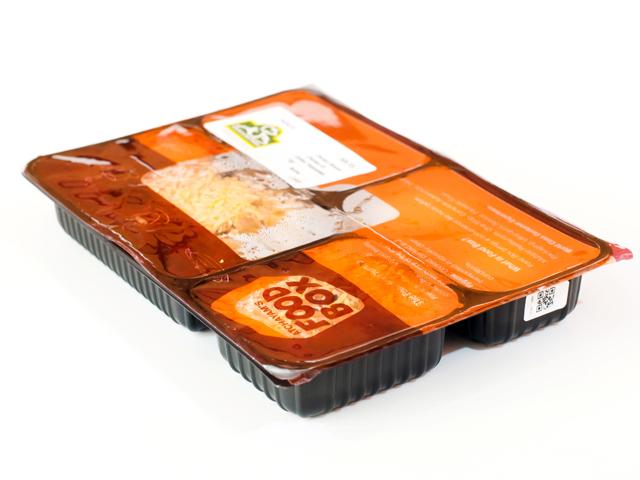
    It read Food Box—A convenience like never before.

    Dad and I were obviously scratching our heads, wondering why there were conveyer belts at some usual food court. Then, deciding to follow our senses and let our curiosity wander, we walked in past the glass doors and let the cool air greet us. We did as told and placed our orders by selecting them from the touch screen and waited.

    images (3)

    The conveyer moved.

    On it, came travelling a tray, sealed shut with a plastic cover, with steaming food on the inside. What was more was the fact that the order was delivered in less than ninety seconds! Now that was quick, considering we had only twenty minutes to finish up and board the next bus home.

    funded-by-mostly-friends-and-family

    It was a refreshing experience, and we had a long chat on the bus about how something like this could put the usual fast food chains out of business! The innovation had a lot of potential. People could grab their food—from a large variety—and rush out. It might not sound as exciting while reading about it but, it truly was convenient and saved us a whole lot of time.


    Taking the shortcut, however, doesn’t always make life easier. As the saying goes; too much of a good thing isn’t good. Ironically, that is very true. Despite the apparent positives that “convenience culture” brings, there is a huge load of negatives. If everyone keeps up with this want of not doing anything that’s difficult, or challenging, as spectacular it sounds, it would actually kill our mental capabilities and decrease our physical strength.

    For example, when an astronaut spends over a month in space and returns to earth, it is observed that he has lost his bone density. The explanation to this is that the lack of gravity in space makes it easier for the astronaut to move around—convenient? Seemingly so but, when you think that you’d lose your bone density, the idea of walking in zero-gravity doesn’t seem so appealing.

    The challenges we face in everyday life are like gravity. They weigh us down, yes, but only so we can grow stronger. A very disastrous side-effect of the “easy way out” is laziness. Instead of decreasing bone density, we face decreasing brain density.

    The choice is ours, really. Just because something is easy doesn’t mean that it will make us stupid, but just because something is hard doesn’t mean that it shouldn’t be done. Of course, one could argue that simplifying complexities is a key sign of intelligence, but either way, one does have to challenge the situation first.


  • Diwali Special

    Diwali Special

    uppu

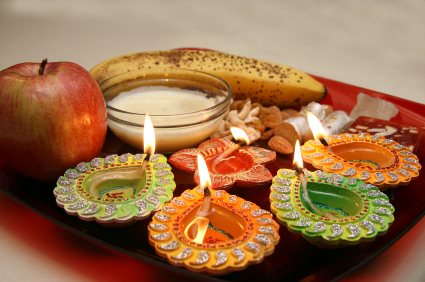
    Diwali is a festival of light which is celebrated with full positive energy in India. Diwali food section gives you a perfect idea about lots of delicious mouthwatering recipes across India. Here are some recipes which you can enjoy at Diwali.

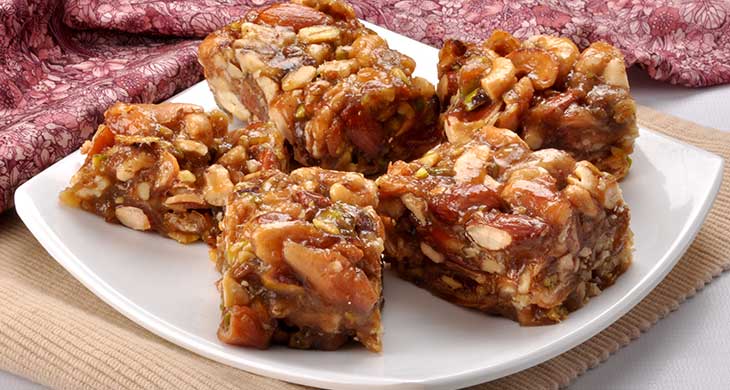
    DRY FRUITS BURFI-

    Dry-Fruit-Burfi (1)

    Ingredients-

    1 1/2 Cups – Anjeer/Dried Figs

    1 Cup – Khajoor/Dates

    1/3 Cup – Almonds/Badam

    1/3 Cup – Cashew nuts/Kaju

    1/3 Cup – Walnut/Akhrot

    1/3 Cup – Pistachio/Pista

    1/3 Cup – Raisins/Kismiss

    1 tbsp – Gulkand (optional)

    1/2 tsp – Cardamom Powder/Elaichi

    1/4 tsp – Nutmeg Powder/Jayaphala

    1 tbsp – Ghee or Oil

    1 – Sliver Varq/Warq (optional)

    Recipe- Soak anjeer/dried figs in warm water for 15 minutes, strain water and pat dry well. Meanwhile finely chop almonds, cashewnuts, raisins, walnut, pista and dates. You can also pulse in food processor or mixer but don’t make it powder, we need nuts in pieces. Grind anjeer/figs to smooth paste, don’t add water. Heat oil or ghee and add anjeer paste mix well and saute for a minute. Now add chopped dates and mix well, cook for 2 minutes. Add Chopped dry fruits and mix everything well, you will need another spoon or spatula to combine everything. Add cardamom powder, nutmeg powder, gulkand and mix everything well, cook for a minute and off flame. Line a plate or tray with greased butter paper and pour burfi mixture, level well with spatula and later with butter paper, allow mixture to cook completely. Add sliver varq if using and keep burfi in fridge for 20 to 30 minutes, cut in desire shape with greased knife. Store in air tight containers, this burfi stays fresh in room temperature for almost 2 weeks.

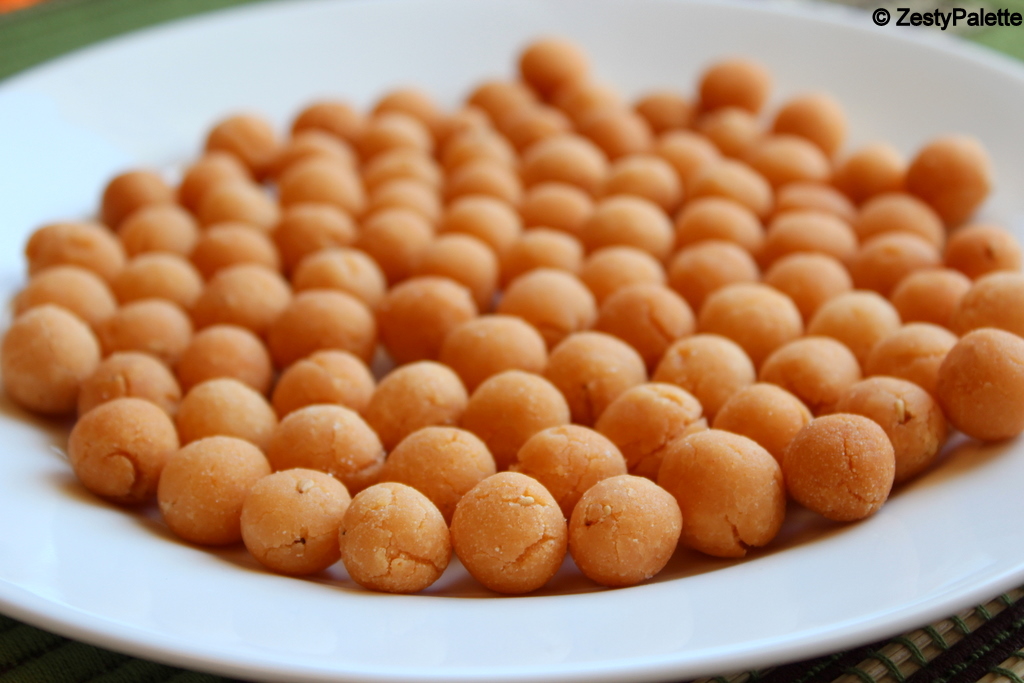
    UPPU SEEDAI-

    uppu

    Ingredients-

    Rice Flour – 1 Cup
    Urad Dal Flour – 2 tbsp
    Butter/Ghee – 2 tbsp
    Sesame Seeds – 2 tsp
    Asafoetida – 1/4 tsp
    Grated Coconut – 2 tbsp
    Salt – to taste
    Water – To knead
    Oil – For deep frying

    Recipe- Heat a pan/wok and sauté rice flour for a minute or until it starts to steam.  Don’t let flour change its color. Sauté for a minute urad flour and coconut. In a bowl sieve both flours and add coconut, salt, sesame seeds, salt, butter/ghee, asafoedtida and rub with hands to get wet sand like consistency.  Now add water in small quantities and mix well to form soft pliable dough.  Keep aside for 5 minutes. Take a pinch and make into small ball and repeat same for rest of dough, arrange in newspaper or kitchen towel.   While making balls don’t apply any pressure, do it gently and don’t try to get perfect round shape.  Heat oil for deep frying and add seedai in batches.  Deep fry in medium-slow flame until golden in regular interval. Drain in paper towel.  Store in air tight container after seedai comes to room temperature.

    SOOJI GUJIYA-

    gujiya

    Ingredients-

    For Outer Layer

    2 Cups – Plain Flour/Maida

    4 tbsp – Ghee or Oil

    Oil – To Deep Fry

    For Filling

    2 Cups – Sooji/Semolina

    3/4 Cup – Mawa/Khoya (optional)

    2 Cups – Powdered Sugar

    1/2 tsp – Cardamom Powder

    1/2 Cup – Grated Dry Coconut/Khopra

    2 tbsp – Raisin

    4 tbsp – Chopped Cashewnuts

    2 tbsp – Poppy Seeds

    Recipe- For outer layer, in a wide bowl take flour, 4 tbsp oil and mix well, add water in small quantity and make stiff dough same like we make for poori, cover with a damp cloth and keep aside until required. In a wok or kadai add khoya/mawa and cook in slow flame for 2-3 minutes or until its melts, loosen up, off flame, keep aside. Dry roast sooji/rawa until light brown and aromatic, keep stirring so it doesn’t get burnt. Powder sugar with cardamom seeds. In a large bowl add roasted sooji/rava, cashew-nuts, raisins, poppy seeds (I didn’t used), dry grated coconut (khopra), powdered sugar and mix well. Add khoya/mawa and mix well with hands to combine khoya with sooji well. If you are not using khoya skip this step. Knead dough again for 4-5 minutes to make it soft and make big gooseberry size balls with dough, roll into thin roti/chapatti of 5′ diameter or size depends on the size of your gujiya/karanji mold. The dough has oil or mooyan as we call enough so I didn’t applied oil or flour for rolling but if you need apply drops of oil or slightly dust with flour to roll dough and don’t worry about the same of roti/chapatti. Grease gujiya or karanji mould with oil slightly and place rolled chapatti on top of it. Place 1 tbsp of filling on one side of partition. Bring another partition together and close it. Press the edges to seal gujiya well and remove excess roti portion from mould and keep it with rest of dough. Press again to make sure gujiya/karanji is sealed well, gently open mould and take out gujiya. Repeat same for rest of dough and prepare gujiya. Heat enough oil for deep frying and drop 3-4 gujiya at time and fry in medium to slow flame until both sides golden brown, do turn 2-3 times gujiya to cook it well both sides, use slotted spoon and drain oil, keep in kitchen tissue to drain excess oil and fry rest of gujiyas/karanji. Allow to cool completely before storing in air tight container.

  • Egg Recipes

    Egg Recipes

    egg pulaoEggs are among the most nutritious foods on the planet. A whole egg contains all the nutrients required to turn a single cell into a baby chicken. Here some delicious and healthy recipes of egg which you can make at your home to give a healthy and tasty diet to your children.

    EGG PULAO-

    egg pulao

    Egg Pulao Recipe is the delicious Indian Egg Dish which is made from boiled eggs and basmati rice. It can be easily made with few ingredients and enjoyed at dinner or lunch.

    Ingredients-

    1 cup Basmati Rice

    4 Eggs

    1/2 teaspoon cumin seeds

    1 green cardamom

    1 star aniseed

    2 peppercorns

    1 onion, finely chopped

    1 bay leaf

    2 tomatoes, fine chopped

    2 green chilies, fine chopped

    1 teaspoon ginger-garlic paste

    1/2 teaspoon red chili powder

    2 tablespoon yogurt (curd)

    1/2 teaspoon turmeric powder

    1 teaspoon crushed kasuri methi (dry fenugreek)

    1 tablespoon oil

    1 teaspoon tandoori chicken masala or garam masala powder

    Few coriander leaves, chopped

    Few mint leaves, chopped

    1 tablespoon fried brown onions (for garnishing)

    2 cloves

    Salt to taste

    Recipe- Soak 1 cup basmati rice in 2 cups of water for 20 minutes. Boil with some salt, drain and keep aside. Make the onions brown. Keep it ready aside, as it will be used for garnishing this Pulao. Boil 4 eggs in water, cool down and then deshell them. Cut each boiled egg in 2 pieces and keep aside.

    Heat 1 tbsp oil in a deep shaped vessel and add 1/2 teaspoon cumin seeds, 1 star aniseed, 1 green cardamom, 2 cloves, 2 peppercorns and 1 bay leaf. Saute for a few seconds, till the cumin seeds starts spluttering.

    Now add 1 fine chopped onion along with 2 fine chopped green chilies. Saute for a while and quickly stir in ginger-garlic paste.

    Cook on a low flame, till the onion turns little brown and then add 2 chopped tomatoes. Mix well and leave to cook for 2-3 minutes on low flame, till the tomatoes turns mushy and little watery. Now add 2 tbsp yogurt and mix well. Cook for one more minute. Mix in red chili powder, turmeric powder, tandoori masala powder and salt to taste. Carefully place the pieces of boiled eggs. Now stir gently and add boiled rice. Spread little oil all over on rice. It gives a nice texture to the Pulao. Finally garnish it with some brown onions, coriander leaves and mint leaves. Mix slowly and cover the vessel. Leave to cook on low flame for a couple of minutes. Egg Pulao is ready to serve with Salad and Raita or enjoy as it is.

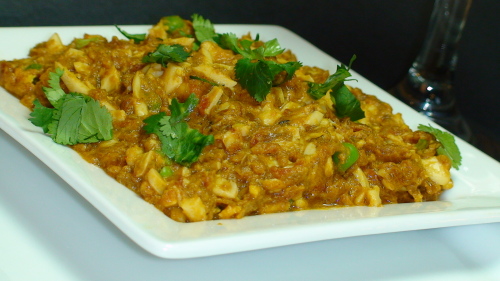
    EGG KEEMA-

    EggKeema

    Keema is traditionally a flavorful minced meat dish said to have originated in Persia but extremely popular in the Indian sub-continent.

    Ingredients-

    Oil – 2 Tbsp
    Bay Leaf – 1
    Cinnamon Stick – 1 inch piece
    Black Cardamom – 1
    Green Cardamom – 2
    Whole Cloves – 2
    Onion – 1 large, finely chopped
    Ginger – 2 tsp, minced
    Garlic – 2 tsp, minced
    Green Chilies – to taste, finely chopped
    Turmeric Powder – 1/2 tsp
    Red Chili Powder – to taste
    Salt – to taste
    Coriander Powder – 2 tsp
    Cumin Powder – 1 tsp
    Tomatoes – 2 large, pureed
    Hard Boiled Eggs – 6, peeled and grated
    Frozen Green Peas – 1/2 cup
    Garam Masala – 1/2 tsp
    Water – 1/2 cup or little more
    Cilantro – finely chopped for garnishing

    Recipe- Heat Oil in a medium non-stick pan on medium heat.  Add Bay Leaf, Cinnamon Stick, Black Cardamom, Green Cardamom and Whole Cloves. Stir for 30 seconds. Add Onions and a little salt, mix well, cover and cook for about 15 minutes stirring frequently. Add Ginger and Garlic, mix well and cook uncovered for another 5 minutes until Onions turn brown and oil starts to separate from the mixture.
    Add Green Chilies and Tomatoes, mix well, cover and cook for about 10 minutes. Be sure to stir a few times in between. Remove cover and continue to cook until oil starts to separate from the mixture again. Add Red Chili Powder, Turmeric Powder, Coriander Powder and Cumin Powder. Mix well.
    Add grated hard boiled eggs, salt and a little water and mix well.
    Add Green Peas (cooked in the microwave for 1 minute with a little water) and Garam Masala and cook for 2-3 minutes. Garnish with fresh Cilantro. Your dish is ready.

    EGG PARATHA-

    egg paratha

    Ingredients-

    2 cups wheat flour

    7 eggs

    1 tbsp ghee

    1 small onion, finely chopped

    1 small tomato, finely chopped

    1/2 teaspoon turmeric powder

    1/2 teaspoon red chili powder

    1/2 teaspoon cumin seeds

    1/2 tsp black pepper powder

    2 green chilies thinly chopped

    Few coriander leaves, finely chopped

    Cooking oil

    Salt to taste

    Recipe-Beat 6 eggs in a bowl and add 2 fine chopped green chilies, 1/2 teaspoon black pepper powder, chopped onion, tomato, few chopped coriander leaves and salt to taste.

    Mix it well and keep aside.

    Now take a big bowl and mix wheat flour, 1/2 teaspoon red chili powder, turmeric powder, cumin seeds, ghee, coriander leaves and salt to taste. Also beat one egg in it.

    Knead a smooth and pliable dough with help of water.

    Heat tawa on high flame and make 6 equal sized balls from the prepared dough. Take one ball or portion and make a small roti out of it. Apply little oil, fold and roll again just like we roll Indian chapatti.

    Drizzle few drops of oil on heating tawa, reduce the flame and place the rolled out roti in it.

    Cook for 2 minutes and then spread some mixture all over on it. Spread only the egg mixture of one egg, so that we should be able to make 6 egg parathas out of it.

    Cook on low flame till the paratha become fluffy and golden brown in color.

    Fold and flip it. Cook from another side as well for 1-2 minutes.

    Once the egg paratha is cooked well, that is when it is browned well, the egg mixture has also browned and cooked like an omlette, then the parathas are done.

    Your egg paratha is ready. You can cut into some pieces just before serving.


  • Dieting or Die-Eating?

    Dieting or Die-Eating?

    Dieting_

    Oh, no. It looks as though you’ve had a row with the weighing machine. Again.

    What was it this time? The needle pointed five kilos ahead? What other options are there apart from running, yoga, swimming and various other exercises?

    Dieting, you say? Cutting down your food intake to a minimal? Are you sure you know the difference between dieting and starving?

    Unfortunately, many don’t understand what dieting truly is.

    The common misconception is that Dieting refers to controlling the amount of food or calories you ingest, in order to lose weight.

    However, the truth runs along these lines:

    Dieting is the practice of eating food in a regulated fashion to decrease, maintain, or increase body weight. That’s right, folks. Dieting doesn’t mean cutting down on your nutrition intake–it means balancing it.

    To determine a proper diet for yourself, it is suggested that you visit a dietitian and have them plan it out for you, based on your body type, weight, eating habits, height, etc.

    However, if you’re more of the future planner, it would help to know some of the long term effects of dieting

    The Long Term Effects of Dieting:

    “Success” in dieting methods has been generalized as weight loss. This implies that losing weight will lead to improved health, and yet, health outcomes are not  included in diet case studies. Do weight-loss diets lead to improved cholesterol,  systolic and diastolic blood pressure, and fasting blood glucose? 

    The question is not whether or not one should diet, but what exactly is it that dieting achieves.

    In most case studies dieting persons show minimal improvements in the above mentioned health criteria, while none correlate with weight change.

    Shocking, but true. Though weight-loss dieting might help shed those extra pounds, it only does so temporarily. In the long run, however, case studies reported that, the majority of individuals had gained almost all of the weight that was lost after dieting, if not more, regardless of continuity in their diet or exercise program. It was also revealed that after two years of dieting, up to two-thirds of dieters were even heavier than they were, prior to beginning their program!

    The “Taboo” Foods

    Certainly, when you are put under a weight loss dietary program, there are certain foods you would be required to give up or cut down on. These include, but are not limited to:

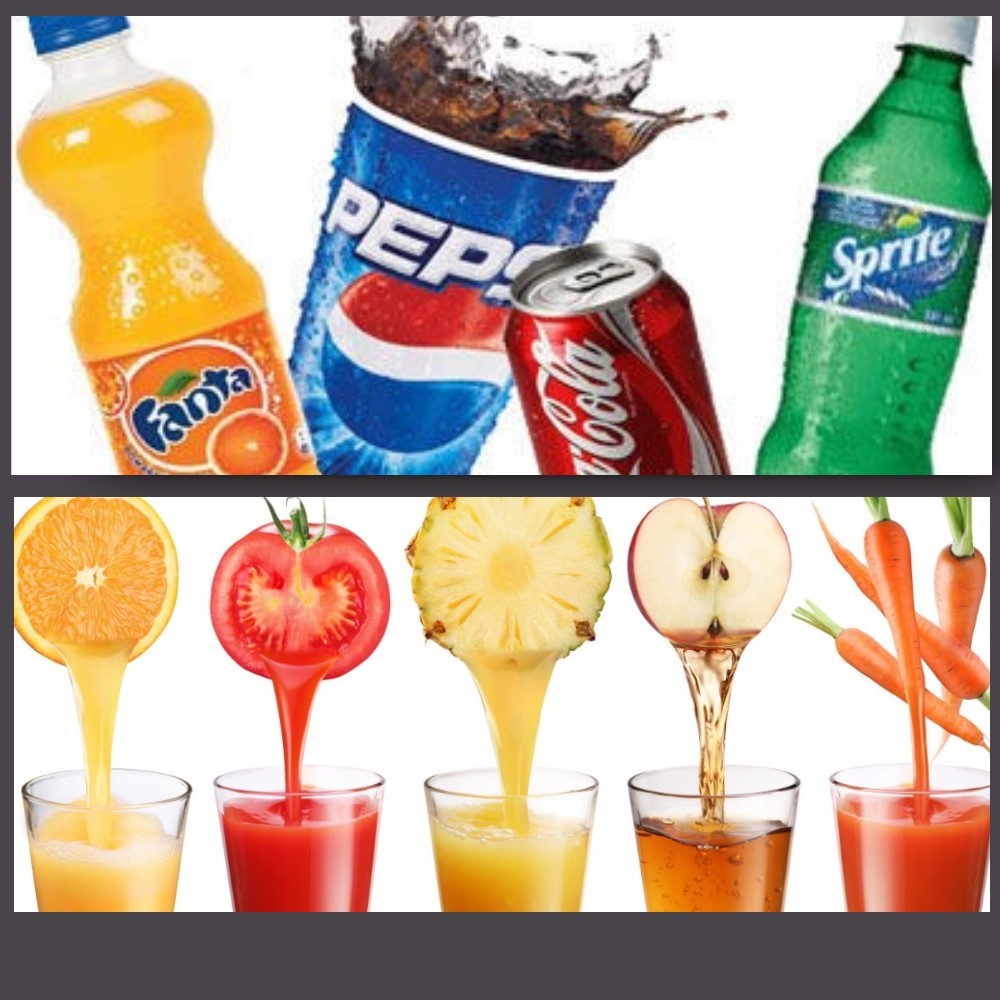
    drinksSoft_Drinks_in_Glass_with_Bottles_926f0c15-b214-4abb-9bea-2dfe2f519478-prv

    • Salad Dressings
    • Beverages like alcohol, smoothies, coffee with cream and sugar, sweetened juices, teas, and sodas
    • Certain meats like Bacon, grilled Chicken
    • Cheese
    • Croutons
    • Burgers
    • Chocolates
    • Doughnuts
    • Cookies
    • Tortillas
    • French fries
    • Potato chips

    The list could go o forever, but to sum it up, anything with carbohydrates or fats becomes a taboo. Though it is true that not all dietitians advise that you ban these foods, or tell you to cut down on their quantity, could you really live with feeling guilty every time you pass a packet of Lays, in a shop?

    Think about what we saw earlier, about how dieting isn’t really all rainbows and ponies in the long run, and ask yourself: is all the effort really worth it? Is it honestly worth it to drown in shame every time you take a bite out of something sweet, only to find out that you’ll gain the same weight, or probably more, two years down the lane, despite your efforts?

    Doesn’t seem smart.

    chips 2processed meat

    The Ignored Side Effects

    Every day, it seems there’s a new “it” diet. But now, it seems as though there’s a whole new reason not to try them all: It turns out, switching diets can drastically affect your intestinal health.

    While there are studies that show the health and medical benefits of weight loss, a study in 2005 of around 3000 Finns over an 18-year period showed that weight loss from dieting can result in increased mortality, while those who maintained their weight got the best. It has also been found that in most cases, a low fat diet causes constipation. Is that something you want to deal with? I think not. In adolescents, it is noted that along with physical ones, dieting can inflict psychological and emotional harms. The stress of being thinner usually leads to eating disorders like Anorexia and low self esteem in teenagers. Sadly though, these ill effects are shadowed by the supposedly ‘fantastic’ results of dieting, that last no more than six months after the completion of your regime.

    images (2)

    The Consequences

    In many cases, normal dieting doesn’t seem to be satisfactory. Not because you’re not doing it right, but just because it isn’t normal and your body is not ready to accept such changes as you inflict on it during the course of your diet. Sadly, these simple signs are misunderstood and dieters are lead to believe that their diet lacks severity.

    As a result, they monitor their eating habits even more strictly than they did before and needless to say, this only leads to more harm.


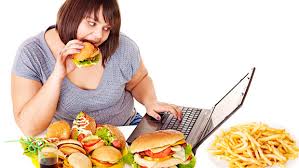
    1. Binge Eating: Binge eating is sometimes the outcome of having gone too long without necessary nutrition and calories. If you consistently skip meals when on a diet, it is possible to feel deprived and eat many more calories late at night, especially if you’re unable to fall asleep from intense hunger.                                                                                                                                                             download (2)
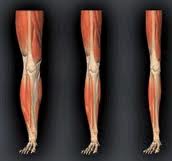
    2. Muscle Loss: Unhealthy dieting practices that don’t produce enough protein can lead to unwanted muscle loss. Your body needs protein to build and repair tissues, and carry out a large number of processes. When you don’t consume enough protein in your diet, your body will consume its own muscle mass. Ouch!                                                                                                                        muscle-loss-in-legs
    3. Fatigue and Nausea: Some unhealthy dieting practices include extreme calorie reduction. Juice fasts where you go for weeks without consuming solid foods often result in horrible side effects. Fatigue, nausea, dizziness and headaches are common consequences of these unhealthy diets.
    4. Challenge to mental Health: Unhealthy dieting is challenging for your mental health. Many people feel grumpy and irritable when they are hungry. Not getting enough calories, not having enough energy to carry out daily tasks, feeling dizzy and nauseous can all combine to push some extreme dieters into feelings of deep sadness or even depression.                                

     download (3)

    The Final Conclusion

    After having thoroughly read about dieting and it’s true colours, can you really say that it is the most natural way to lose unwanted weight?

    The challenge with weight loss diets is that they usually cannot be maintained in the long term. You may be able to survive on a short term basis on an extremely low-calorie diet, but eventually you will have to resume eating regular meals.

    The ball is in your court then. Do you prefer dieting? Or happily Die-Eating?