Tag: coconut

  • Go Nuts about Nuts! (Part 1)

    Go Nuts about Nuts! (Part 1)

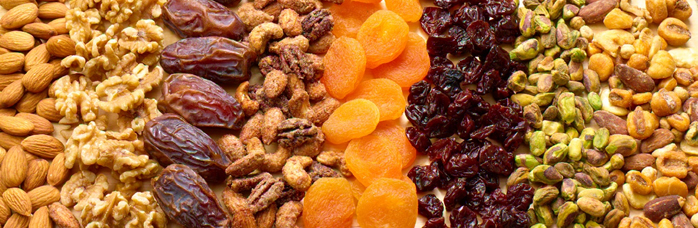
    With high nutritive value and a deliciously sweet taste, dried fruit is fruit from which the majority of the original water content has been removed either naturally, through sun drying, or through the use of specialized dryers or dehydrators. Nuts are edible fruits as well, anatomically different from the rest because of their soft internal kernels enclosed within a hard shell. Both dried fruits and nuts possess high shelf life, and have been in use throughout centuries in every part of the world. Today, they form an integral part of our culture and cuisine, and have an irreplaceable importance in our daily lives.


    1. Khajoor
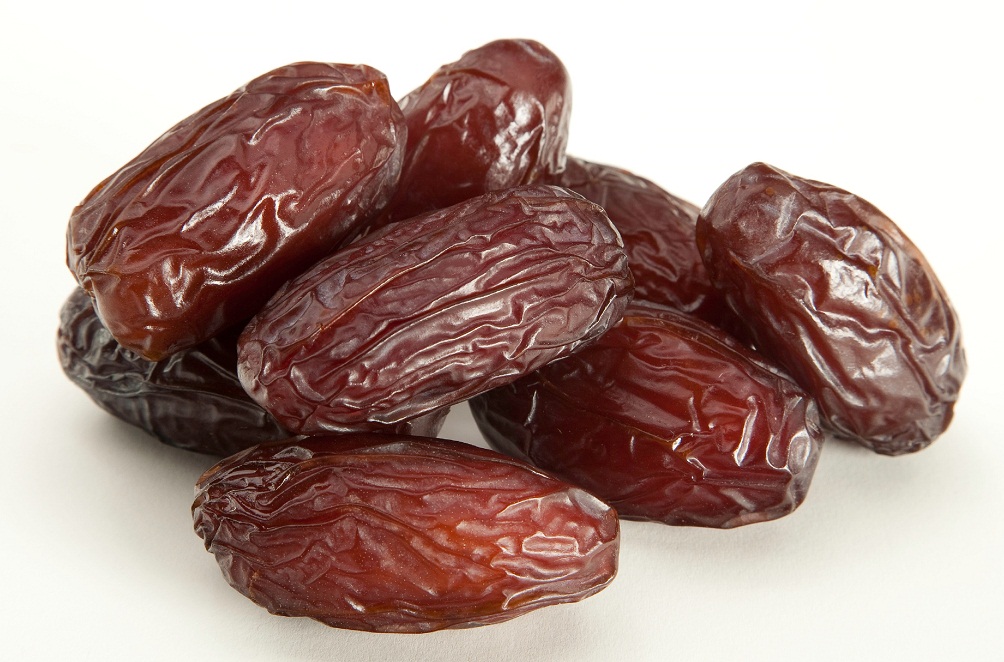
    Khajoor, or the rather generic term, dates are the fruits of palm trees. Named Phoenix dactylifera in the binomial classification system of living organisms, both these names are derived from the Greek word for “finger”, dáktulos, because of the fruit’s elongated shape. What is interesting about the date palm, which produces this particular fruit, is that the male and female plants are separate and independent of each other, and only the female is capable of bearing fruit. The male plants only produce pollen, which is vital for the fertilization of the female and the subsequent production of dates. In most cities in India, dried dates are available easily at every fruit seller’s and vendor’s, and you can find those yellowish, deep red fruits packaged in small cylindrical plastic casings. Dates are extremely high in their carbohydrate content, and a hundred grams of dates will provide you with over three hundred calories. Dates contain minimal protein content, and an abundance of simple sugars which get easily absorbed in the bloodstream, and hence should be mostly avoided by obese and overweight people.


    2. Dried figs
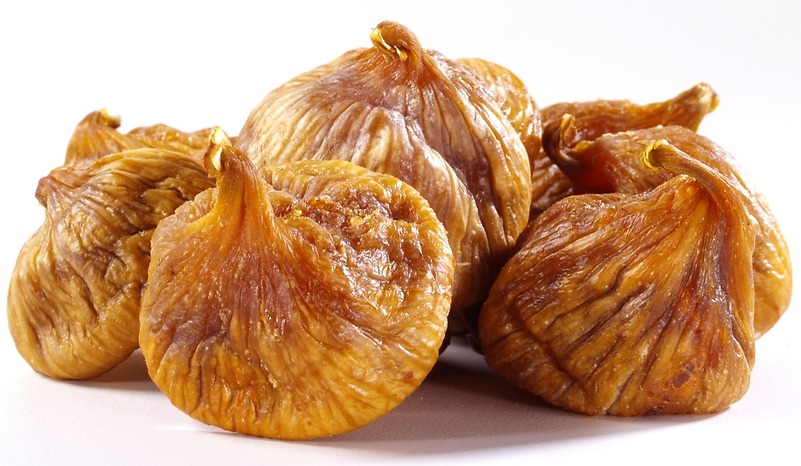
    Figs (Ficus carica) are native to the countries of the Middle East and western Asia, and have been used for both ornamental and consumption purposes over the course of many centuries. One of the first edible plants cultivated by humankind, figs are mentioned in many historical accounts and incidents, one of the most famous being the suicide of the Egyptian queen Cleopatra, who apparently got herself bit to death by an asp smuggled in a basket of figs instead of surrendering to the erstwhile Roman Empire. The small, green-skinned fruit contains many smaller drupelets, or one-seeded fleshy fruit components, and can be eaten fresh, after drying, and in numerous other preparations ranging from jam to ice cream. Known by the vernacular term anjeer in most of the Indian subcontinent, figs are extremely high in their carbohydrate content as well. Dried figs contain rich amounts of sugar, and hence have high calorific content, making it an unhealthy dietary component for obese, overweight people with cardiac risks.


    3. Almonds
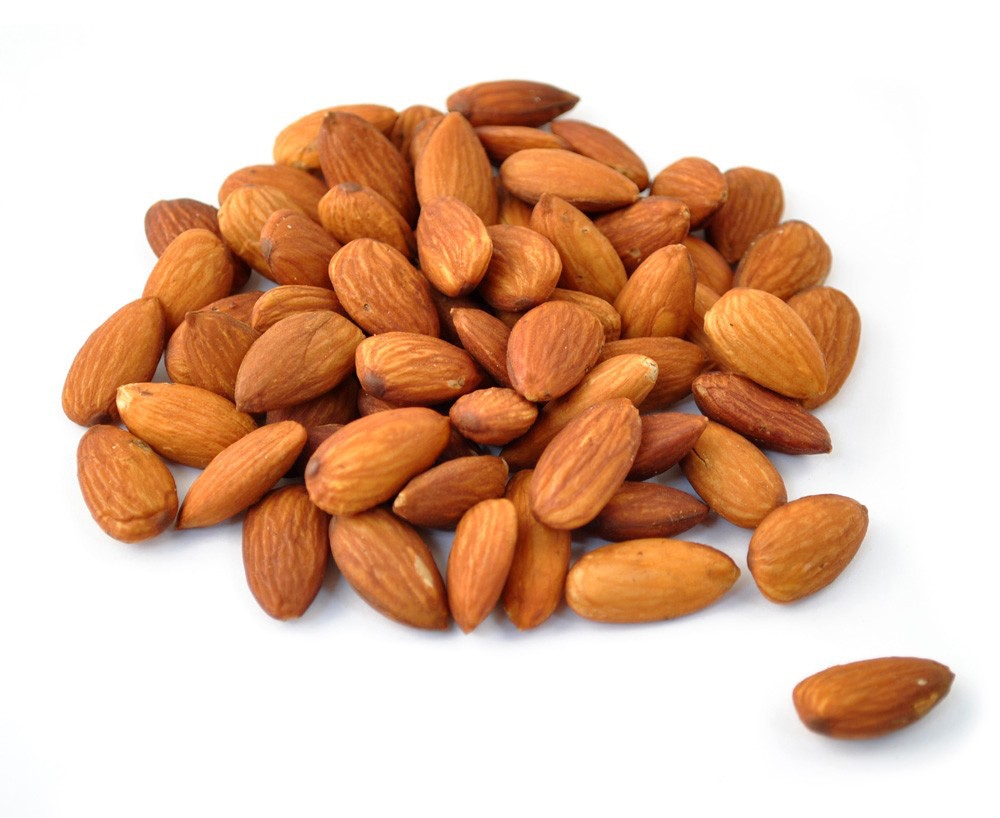
    Almonds, popularly known by their Hindi name badam in the northern states of India, are the seeds of a tree (Prunus dulcis) originally found in the Middle East and South Asia. Closely related to the peach family, the almond fruit also look rather like small green peaches, and are available in both sweet and bitter varieties. Etymologically speaking, the word is derived from countless variations and modifications of the Latin amandula, the Greek word amygdala, and the Old French almande or allemande over the ages. Apart from being eaten in its raw, roasted, and blanched forms, almonds are also used in your daily breakfast muesli as well as while making many delicacies such as cakes, nougat, marzipan, and macaroons in Europe and America, and badam halwa, barfi, biscuits, and flavoured milk in India. Extremely nourishing in nature, almonds are valued as a good muscle and body building substance, in addition to boosting the brain’s grey matter. Used for making oil, almonds also have high calorific value, with every hundred grams of almonds giving over six hundred and fifty calories, and sixty grams of almond fat giving nearly twelve teaspoons of oil.


    4. Peanuts
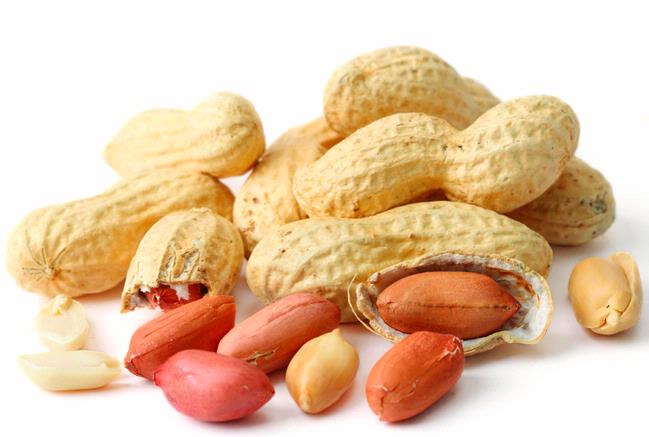
    Peanuts, or groundnuts (Arachis hypogaea) as they are mostly called in India, belong to the leguminous beans family, and was first cultivated in the red soils of Paraguay. The species name as according to taxonomist Carl Linnaeus hypogaea has Latin roots and literally means “under the earth”. Apart from being eaten in their raw, salted, roasted, and even boiled forms, peanuts are used to make countless basic cooking ingredients such as flour and oil, as well as many complex delicacies. They also have many applications outside the realm of the kitchen, such as their usage in the manufacture of solvents, industrial non-edible oil, textile materials, and both allopathic as well as herbal medicines. American botanist George Washington Carver is credited with hundreds of peanut recipes and related products, peanut butter being one of his most famous patents of all time. In India, groundnuts alone make a wonderful evening snack in winters, and you can find them being sold at very cheap prices at any roadside vendor. Groundnut oil is very healthy and is used in many households as a cooking medium. They are also a major component of chikki, a popular north Indian snack made by boiling and solidifying jaggery, sugar, peanuts, and til (sesame seeds) in long sheets. Though groundnut resembles other pulses in general nutritive value, they are very rich in fat, with a hundred grams of groundnut will yield almost forty grams of oil worth more than five hundred calories.


    5. Cashews
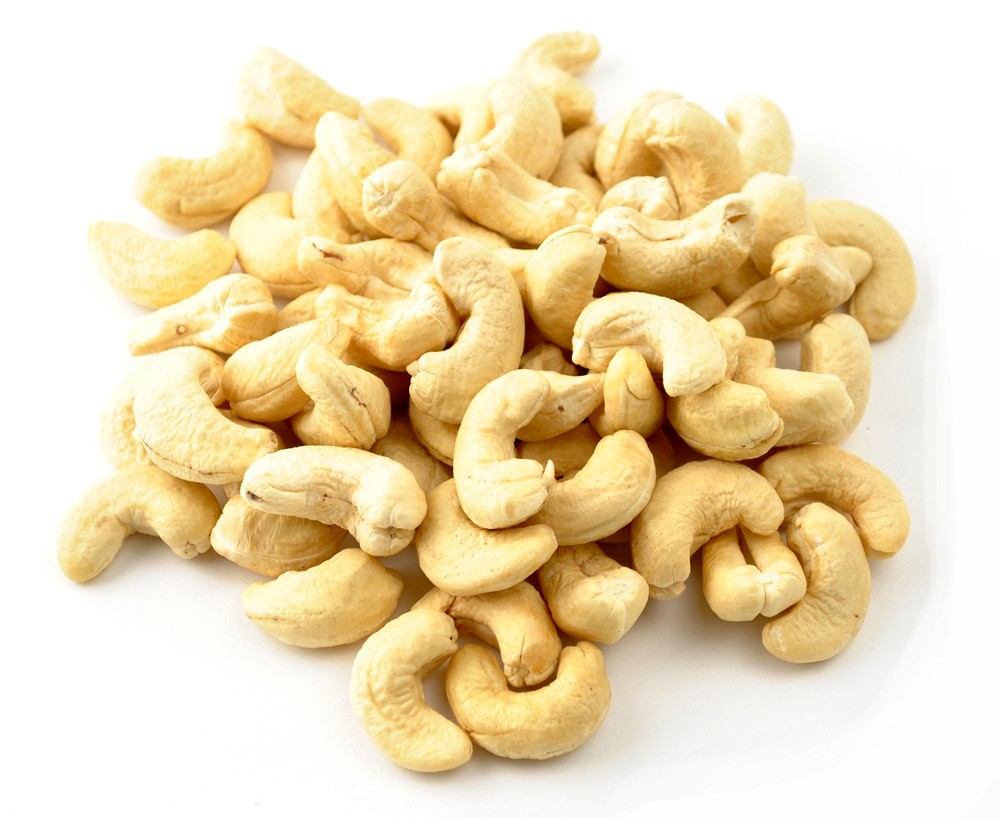
    Cashewnuts are derived from the cashew tree (Anacardium occidentale) which also bears the cashew apple. White, sweet, kidney-shaped, and extremely versatile as far as their culinary uses are concerned, cashews can be salted, roasted, creamed into gravies, made into liquor and oil, and are also used in the preparation of many sweet dishes. The word cashew has been derived from the Portuguese word caju which has been in turn derived from acajú of the indigenous Tupi language, and literally translates to the “nut that produces itself”. Cashews are used for making many Indian curries, such as korma and shahi dishes, and sweetmeats such as kaju katli. Because of their high starch content, cashews serve as good emulsifying agents and are used for thickening soups, syrups, curries, and the works. Boiling them in oil or salting them makes them harder to digest so they are best eaten in their natural, raw state. They go best with acidic fruit and non-starchy vegetables rather than sweet fruit and heavy starch. They are good body builders and easily digested when raw, and hence, help in cases of emaciation and in building good teeth. Like all nuts, cashews contain a great deal of unsaturated fatty acids, mostly in the form of oleic acid. On consuming a hundred grams of cashew nuts, you gain nearly fifty grams of fat, and a hundred grams of cashew oil, which amounts to around ten teaspoons, yields 600 calories.
  • Go Nuts about Nuts! (Part 2)

    Go Nuts about Nuts! (Part 2)

    With high nutritive value and a deliciously sweet taste, dried fruit is fruit from which the majority of the original water content has been removed either naturally, through sun drying, or through the use of specialized dryers or dehydrators. Nuts are edible fruits as well, anatomically different from the rest because of their soft internal kernels enclosed within a hard shell. Both dried fruits and nuts possess high shelf life, and have been in use throughout centuries in every part of the world. Today, they form an integral part of our culture and cuisine, and have an irreplaceable importance in our daily lives. In the second segment of this listicle, there is more to learn about our favourite ones.


    6. Walnuts

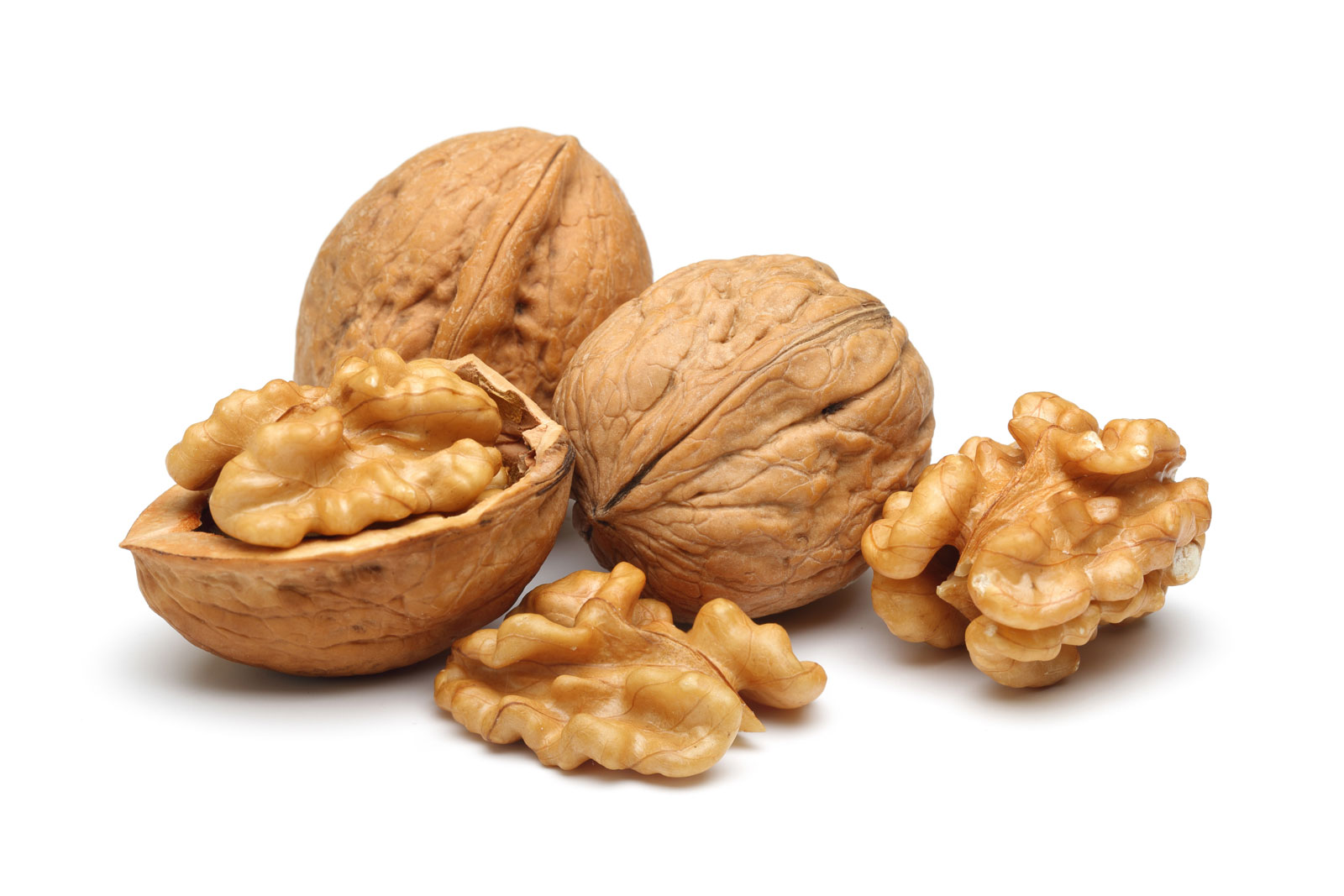
    Walnuts are derived from the Persian and English walnut trees (Juglans regia) and its soft edible kernel resembles the human brain. In etymological terms, the word is derived from the Germanic wal and the Old English wealhhnutu, meaning “foreign nut”. The shells are thin with a faint sheen and crack neatly into half, revealing the twisted, curly shaped nut. Versatile in the kitchen, walnuts can be candied and pickled in addition to being eaten raw or in their roasted form. Walnuts also form an integral part of many dishes, particularly desserts like chocolate brownies and even breakfast mueslis. You can also find them in many a salad, as their slightly bitter taste balances out the overall sweetness of the rest of the dish. Walnuts are very rich in protein and also contain a small amount of Vitamin B. They are rich in antioxidants and are curative for many minor diseases such as eczema. In fact, the oil obtained from the kernel has been found of great help in skin diseases. The green unripe walnut is useful for expelling worms from the stomach. They are also good for treating constipation because of their proven laxative qualities. Walnuts also possess many other non-culinary qualities, some of them being in the areas of cleaning agents, inks and dyes, and even anti-cancer drugs. Although walnuts are highly rich in protein and are very good for the brain, they yield nearly seven hundred calories and seventy grams of fat in just a hundred grams.


    7. Pistachios

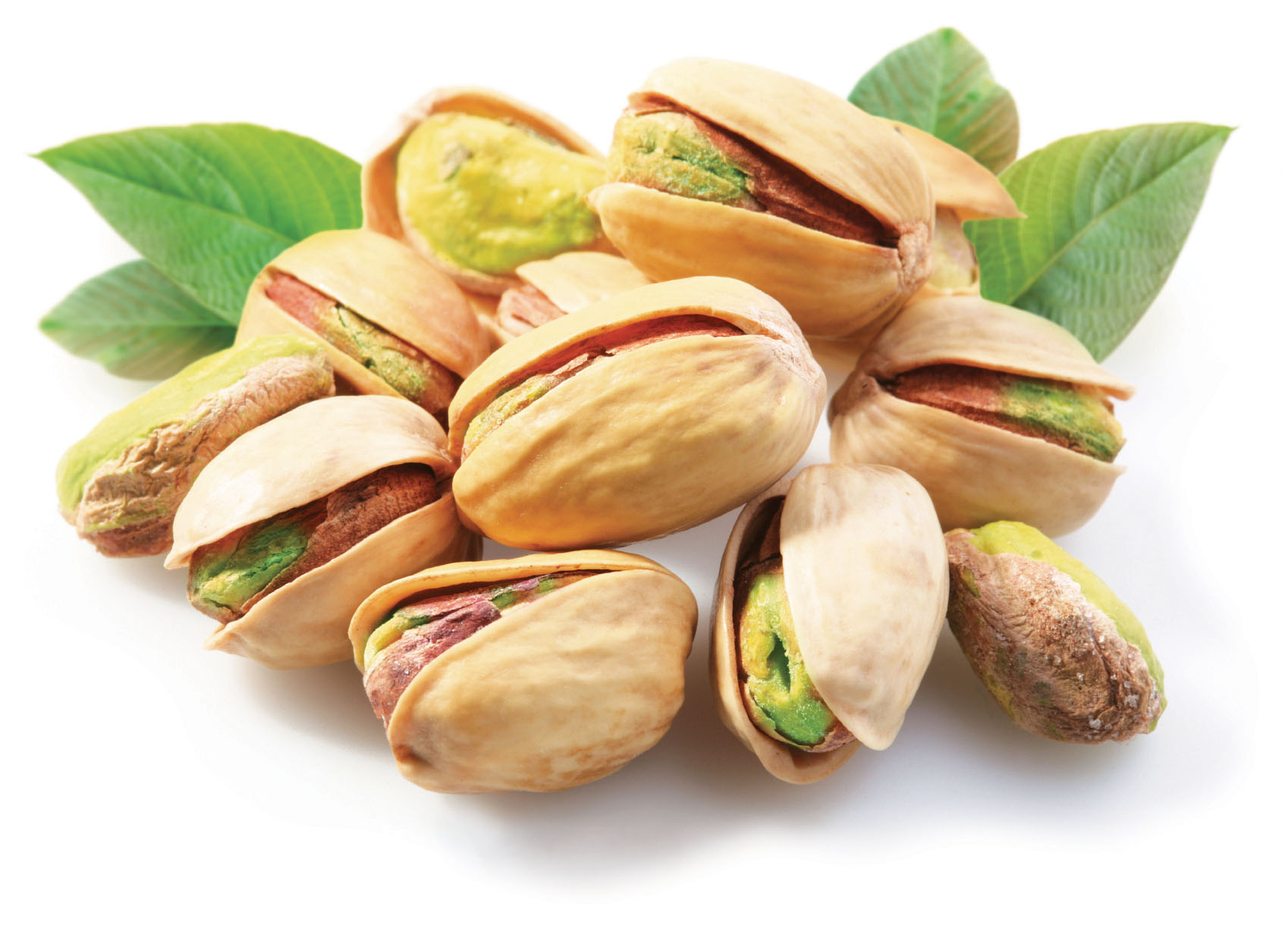
    Pistachios belong to the cashew family and are obtained from small pistachio trees (Pistacia vera) which originated from the countries of Central Asia and the eastern part of the Mediterranean coast. The word pistachio comes from the medieval Italian pistacchio, which has been derived from the classical Latin pistacium, which in turn has its origin in the ancient Greek pistákion and the Persian pistákē. The kernel of the pistachio nut is consumed, and the non-edible beige coloured shells also find many uses in non-culinary areas, such as fuel and composting purposes. Pistachios formed a common part of the diet of ancient human civilizations, with notable mentions in ancient texts dating back to centuries before the advent of the Christ. Slightly sweet in taste, pistachios are eaten raw, roasted, salted, and also as a part of desserts such as the Indian kulfi, cold salads, Italian biscottis, Turkish delights, and ice cream. Pistas, as they are commonly called in India, are very high in calories and thus should be avoided by obese and overweight people with diligence. According to dietary charts, a hundred grams of pistas yield more than six hundred calories.

     

    8. Fenugreek

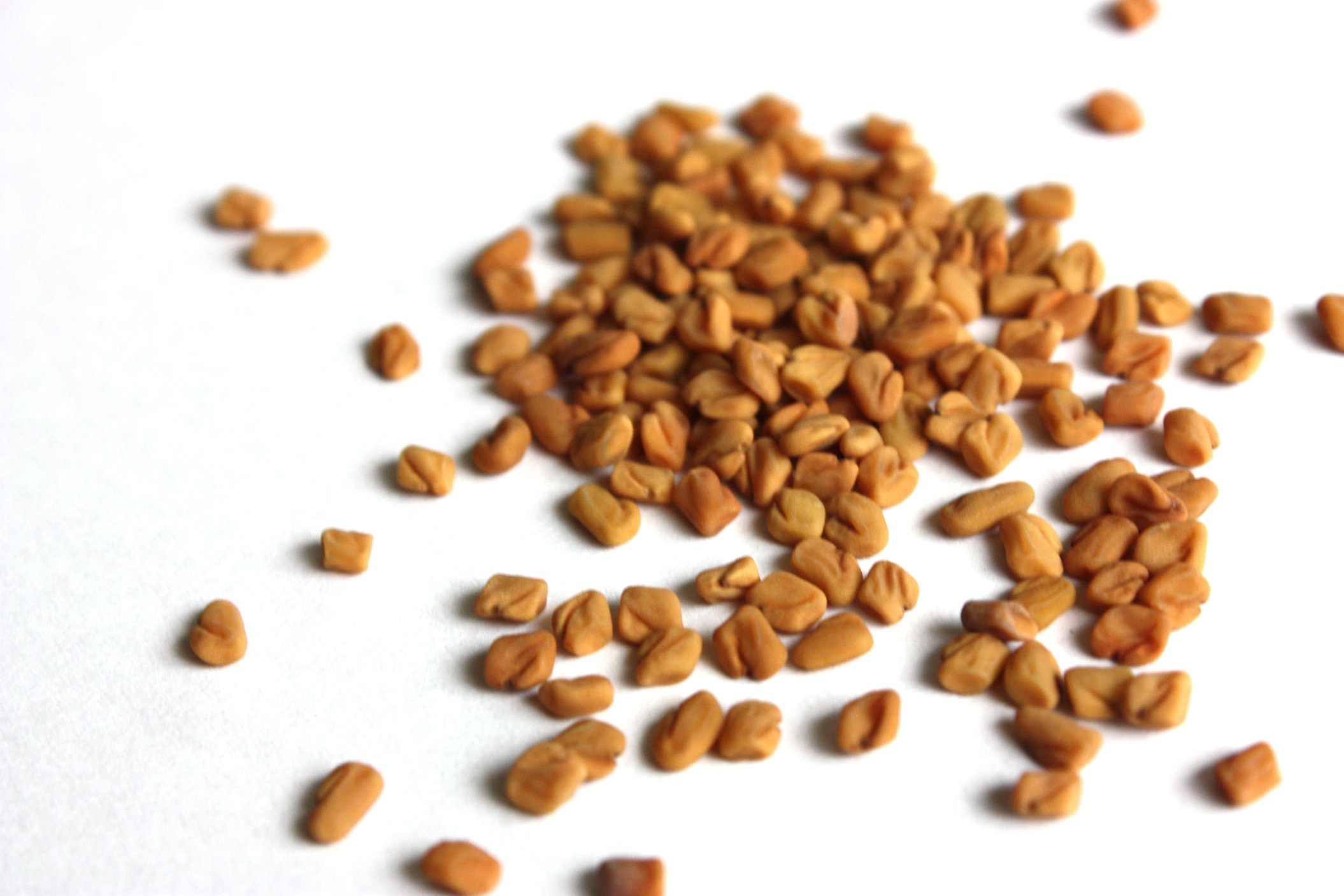
    Fenugreek seeds are obtained from the small herbaceous fenugreek plant (Trigonella foenum-graecum), and are usually called methi by most people in the Indian subcontinent. Originating from Egypt and other countries of Western Asia, fenugreek and its various parts are used as herbs, spices, and vegetables. The word has its origins in the Latin faenugraecum, literally meaning “Greek hay” and dates back to the ancient Roman era where the dried fenugreek plant was used as fodder. Hard lentils by biological classification, fenugreek seeds are a dark fawn in colour and possess an astringent aroma. Containing around five percent of bitter fixed oil, the seeds are usually broken to down to obtain the same. The oil is bitter in taste, smells like celery, and is used in small quantities in seasoning Indian dishes like sambhar and kadhi. Rajasthani people even make curry out of fenugreek. Fenugreek oil greatly improves the flavour and quality of pickles, and is mostly used in cooking with sour substances so as to balance out the taste. It is particularly beneficial to non-insulin dependent diabetics as it helps them to regulate their blood glucose levels by their significant hypoglycaemia-inducing properties. It is also used in buttermilk to treat dysentery.


    9. Mustard

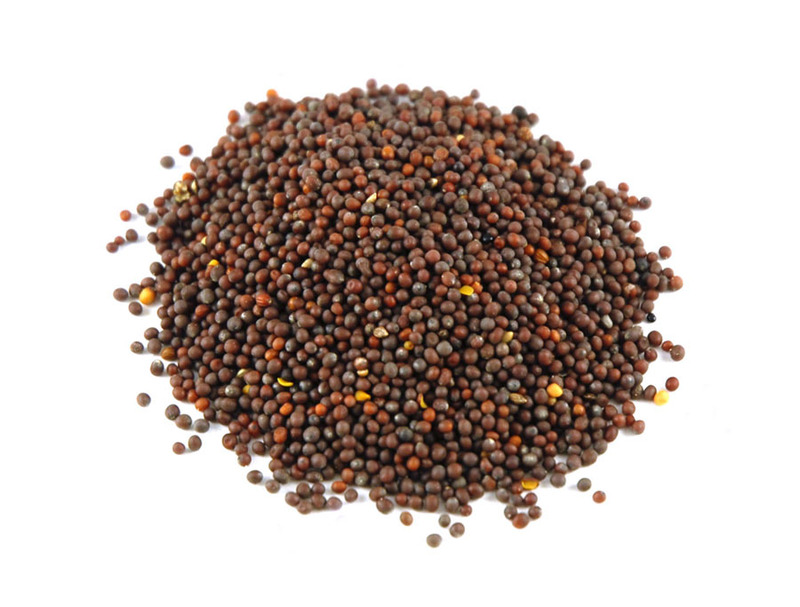
    Mustard seeds are derived from the mustard plant (Brassica juncea) and are generally advised to be consumed in moderate amounts. They are small in size, stretching no more than two millimetres in diameter, and are usually reddish-black in colour. Mentioned in many ancient religious texts, mustard holds an important historicity in Hinduism, Judaism, Christianity, and Buddhism. Generally called by their Urdu term sarson in most parts of northern India, mustard has its etymological origins in the Old French mostarde and the Latin mustum which means “new wine”. The leaves are consumed as vegetable, the skinned seeds are used for making pickles, and its oil is used as a cooking medium. The pungent taste and tear-producing properties of mustard seeds are due to nitrogen and sulphur containing compounds called isothiocyanates. Mustard seeds are used in treating rheumatism, arthritis, acidity, kidney and bladder ailments, bronchial inflammation, and are also recommended particularly for pregnant women. Nursing mothers are advised to take mustards due to its detoxifying properties. Mustard greens are rich in Vitamins A, B, and C, and contain fibre in bulk, which produces a mildly laxative effect.


    10. Coconut

    September52011022

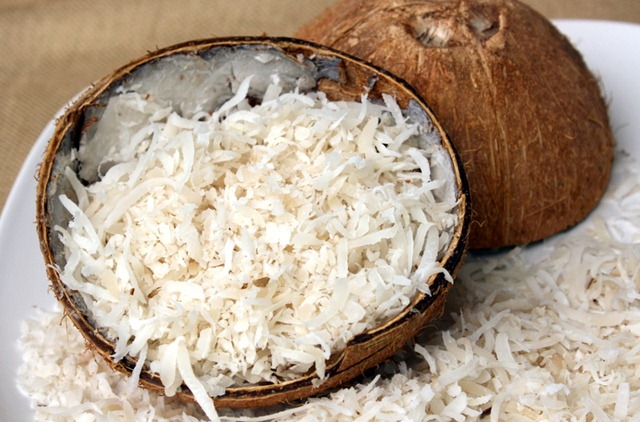
    Dried coconut is obtained from the coconut palm tree (Cocos nucifera) and is ideally found in coastal and tropical areas where the hot temperature and slightly arid soil contribute to its growth. The coconut has even been mentioned in old fiction, such as in “The One Thousand and One Nights” story by Sindbad the Sailor. Derived from the Spanish word coco which literally means “grinning face” and refers to the three-holed humanoid appearance of the fruit, coconuts have important uses all over the world. Primarily used in the southern states of India for its oil, coconut is a vital part of the local cuisine, and an inseparable ingredient of many delicacies. It is also used in the north as a part of many sweetmeats, with coconut milk a favourite summer beverage throughout the country, and fermented coconut being used to make toddy, an alcoholic beverage native to South Asia. Rich in Vitamins A, B, and C, this tropical wonder food is also a rich source of potassium, sodium, calcium, magnesium, iron, phosphorus, and sulphur. While the carbohydrate and protein content is moderate, the fat content is quite high, with a hundred grams of oil yielding nearly seven hundred calories.
  • Chutneys are Yummy! Part 1

    Chutneys are Yummy! Part 1

    Often while having food, you find that the dish lacks a certain punch. A flavor so to speak. You wonder how to solve this problem. Well, worry no longer. There is a solution at hand which will leave your taste buds tingling in the process. What can that be you ask? One word we say in reply. Chutneys!

    chutney

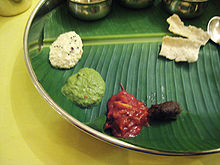
    Chutney (also translated as chatney or chatni) is a family of condiments mainly associated with South Asian cuisine that usually contain some mixture of spice(s), vegetable(s), and/or fruit(s). Chutneys may be either wet or dry, and can have a coarse or fine texture. There are various types of chutneys.

    The name “chutney” covers a wide variety of foodstuffs. The common element which makes them all “chutneys” is that they are added to meals to add flavor; the best English “translation” of “chutney” is “relish”. As such, they can be, and are, eaten with a wide variety of foods.

    The word “chutney” is derived from the Sanskrit word caṭnī, meaning to lick. The first chutneys in India would have been sticky fruit based preserves. Sugar, although available in India, was not widely cultivated and honey would have been used to sweeten dishes, this leading to the chutneys being used as more of a dipping sauce rather than a condiment. It is written differently in several North Indian and South Indian languages.

    chutney

    Let’s have a look at some popular Indian chutney recipes!

    • Peanut Chutney:


    peanut chutney

    Peanut Chutney, a versatile and easy-to-make spicy chutney, is a must-have accompaniment in South Indian cuisine. It can be of two types, wet and dry. This recipe is for making wet peanut chutney for Dosa and Idli, and it can be used either as spread or as an accompaniment.

    •  Ingredients:

    1)  1/2 cup roasted peanuts, skin removed.
    2)  3 garlic cloves.
    3)  1/4 teaspoon tamarind paste.
    4)  4 dry red chillis.
    5)  1/2 teaspoon mustard seeds.
    6)  4-5 curry leaves.
    7)  2 teaspoons oil.
    8)  1/2 cup water.
    9)  Salt to taste.

    •  Directions:

    1)  Put the roasted peanuts, garlic, 3 dry red chillis, tamarind paste and salt in the chutney jar of the grinder.
    2)  Grind them together till a medium coarse powder.
    3) Add 1/2 cup water to the mixture, and grind again until a smooth paste is formed. Transfer the paste to a serving bowl, and proceed to prepare tempering.
    4)  Heat oil in a small pan. Break 1 dry red chilli into two pieces. Add the mustard seeds. When they start to crackle, add curry leaves and the remaining 1 dry red chilli. Sauté for 10 seconds and turn off the flame.
    5)  Pour the tempering over the prepared chutney paste. Peanut chutney is now ready to be served along with steamed Idli and Dosa!

    • Tips:

    1)  If roasted peanuts are not available, then you can dry roast them over low flame in a heavy based pan for 7-8 minutes. Let them cool for 3-4 minutes and remove the skin.
    2)  Increase or decrease the amount of red chillis to make more or less spicy respectively.
    3)  You can avoid topping it up with mustard seeds tempering if you are going use it only for making Dosa.

    •  Preparation Time: 10 minutes.
    •  Cooking Time: 2 minutes.
    •  Servings: 2.


    •  Coconut Chutney:


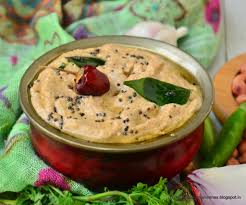
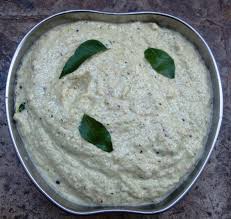
    coconut chutney

    Making South Indian Coconut Chutney for Dosa and Idli is very simple. Just blend fresh coconut with chillis, curd and ginger, and mix tempered mustard seeds. However, the real taste differentiators in this recipe are roasted chana dal, tamarind paste, cumin seeds and curry leaves. Follow this recipe and discover how good the chutney tastes. But yes, don’t blame us if you get addicted to it!

    •  Ingredients:

    1)  1 cup roughly chopped fresh coconut.
    2)  1 teaspoon grated ginger.
    3)  2 green chillis, chopped.
    4)  1 tablespoon roasted chana dal.
    5)  1 tablespoon curd.
    6)  1 teaspoon lemon juice or tamarind paste.
    7)  1/2 cup water.
    8)  Salt to taste.

    • For Tempering:

    1)  1/2 teaspoon cumin seeds.
    2)  1/4 teaspoon mustard seeds.
    3)  4-5 curry leaves.
    4)  1 dry red chilli.
    5)  1 teaspoon oil.

    •  Directions:

    1)  Take chopped coconut in a small chutney jar of the food processor or grinder.
    2)  Grind it to make a medium coarse paste and transfer on to a plate.
    3)  Add green chillis, roasted chana dal and ginger to the same chutney jar.
    4)  Grind mixture to a smooth powder.
    5)  Add crushed coconut, curd, lemon juice, salt and 1/2 cup water.
    6)  Grind them to make a medium coarse paste. If required, add more water to get the desired consistency of chutney and grind again. Transfer to a bowl.
    7)  Heat oil in a small tempering pan. Add mustard seeds. When the seeds begin to crackle, add cumin seeds, dry red chilli and curry leaves and sauté for 10 seconds.
    8)  Take the pan away from flame and immediately pour tempering over the prepared coconut paste. Mix well. Delicious Coconut Chutney for Idli and Dosa is now ready to serve!

    •  Tips:

    1)  Adjust quantity of water accordingly to make it thick or diluted.
    2)  Avoid the addition of green chillis while making coconut paste, and avoid dry red chillis in tempering while making white Coconut Chutney.
    3)  Consume fresh chutney immediately or refrigerate it, and use it for up to 3 days.

    • Preparation Time: 10 minutes.
    • Cooking Time: 2 minutes.
    • Servings: 6.

    Watch this space for recipes of more mouth-watering chutney recipes. Coming soon!

  • Ten reasons why we should use coconut oil

    Ten reasons why we should use coconut oil

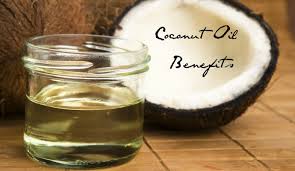
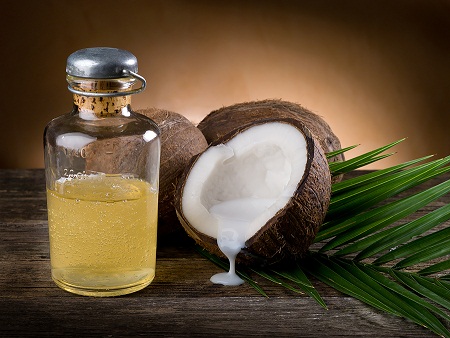
    The coconut tree belongs to the palm family.The term coconut refers to the entire coconut palm.This is found almost every place we go and is having vast range of uses in many fields.These coconuts are a part of their diet for few people.The derivatives from coconut are oil and milk that are most commonly used in cooking and frying.Coconut finds wide range of applications and its oil is used in the manufacturing of soaps and cosmetics.In summer most of the people drink coconut water as it is having high glucose content.The coconut leaves and other parts are used as decorative purpose.

    Coconut a substitute of palm
    Coconut a substitute of palm tree

    Fact 1:

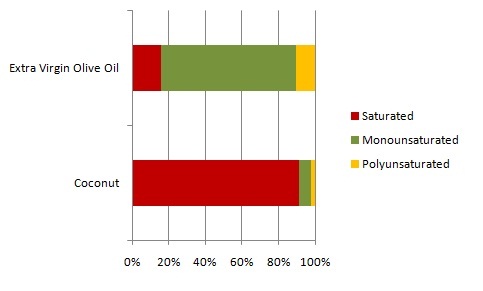
    The fats that are created by coconut are very less in amount and are easily diminished.The fats that are present in coconut oil are short term medium chain saturated fatty acids.These fats are actually healthy and is not a form of trans fat.Actually if we are taking food items that are having trans fats it lead to cholesterol and heart problems.But if we take food items that are having saturated fatty acids they are easily metabolized in the liver and are converted into energy which acts as a fuel for brain and for the muscular function.This type of fat will not store in our body as cholesterol.

    Amount of saturated fatty acids in coconut oil
    Amount of saturated fatty acids in coconut oil

    Fact 2:

    Coconut oil is very much helpful in reducing the weight of a person.Few people conducted research on this theory and observed that women who consumed coconut oil have reduced their weight eventually and experienced great results.According to many people this coconut oil is healthy, easy to digest and also protects one’s body from insulin resistance.People who want to reduce their weight take coconut as a diet along with their workout for better result.

    Coconut oil that is used for weight loss
    Coconut oil that is used for weight loss

    Fact 3:

    Taking food items that are made out of coconut oil reduces digestion problems.People who are frequently suffering from digestion problems and the uneasy feeling whenever they take any food inside can overcome this problem by taking food items that are made out of coconut oil.Fatty acids have microbial properties but when we go to coconut oil we are having saturated fats and has anti microbial properties.Because of these anti microbial properties it helps in overcoming digestive problems.

    Coconut oil for digestive related problems and colon health
    Coconut oil for digestive related problems and colon health

    Fact 4:

    Type two diabetes can be managed by regular usage of coconut oil.As it is better to take care before occurring of any disease than after suffering. By using coconut oil in food recipes and deep frying this reduces the chance of occurring type 2 diabetes.As coconut oil contains saturated fats these can be easily converted into energy and will not form as fats.This not only reduces the fat but also improves insulin sensitivity.

    natural_coconut_oil_for_type_two_diabetes
    natural_coconut_oil_for_type_two_diabetes

    Fact 5:

    Immunity system can be developed using coconut oil.Coconut oil comprises healthy lauric acid, caprylic acid and capric acid which contain anti fungal, anti bacterial and anti viral properties which is used to boost up the immunity system.As the Lauric acid contains about 75 percent of saturated fatty acids they are easily digestive.

    A book showing coconut oil is good for immune system
    A book showing coconut oil is good for immune system

    Fact 6:

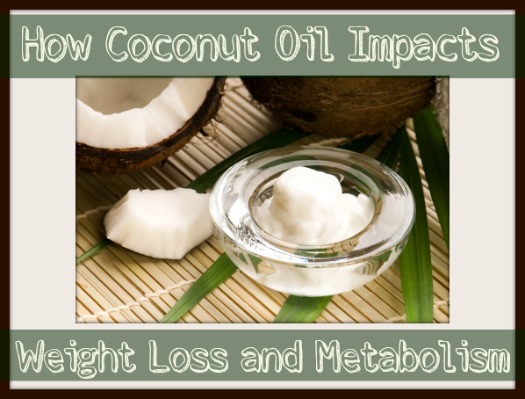
    Body metabolism can be boosted using coconut oil.According to research it is found that people who uses coconut oil are observed to have improved body metabolism.By taking two table spoons of coconut oil at the start of the every day we can reduce about kilo joules of fat.

    coconut-oil-weight-loss-metabolism
    coconut-oil-weight-loss-metabolism

    Fact 7:

    Skin problems and formation of wrinkles can be reduced by using coconut oil.As coconut oil is having multiple uses it is not only used for cooking but it is also used for hydrating our skin too.By applying this coconut oil to skin it makes our skin’s connective tissues strong enough and make it free from wrinkles and will will appear more and more younger than before.This is mostly applied to skin of children so that the skin will be very soft and if we apply daily it increases the glow of skin.Make sure to take direct coconut oil with no additives added to it for better results

    using coconut oil reduces wrinkles and makes skin smooth and glow
    using coconut oil reduces wrinkles and makes skin smooth and glow

    Fact 8:

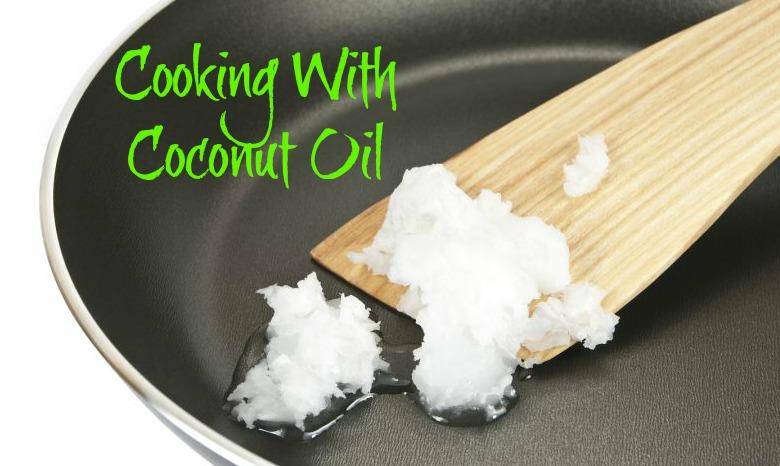
    This coconut oil is used for cooking at extreme temperatures.As coconut oil is a comprising saturated fatty acids it can withstand very high temperatures.While preparing recipes that require extreme high temperatures it is better to choose coconut oil.

    Cooking-with-coconut-oil
    Cooking-with-coconut-oil

    Fact 9:

    sugar cravings can be stopped by the usage of coconut oil.With the proper fats and protein content we can get proper energy this can happen with the use of coconut oil.

    Coconut oil benifits
    Coconut oil benifits

    Fact 10:

    This coconut oil is used for making delicious dishes and deserts.As it can withstand very high temperatures deep fries can be done using coconut oil.By using this we can prepare nutritious and healthy food items which has high protein and less fat content.

    Cook using coconut oil with vibrant taste
    Cook using coconut oil with vibrant taste
  • Beat The Booze : Curing Hangover At Home

    Beat The Booze : Curing Hangover At Home

    Partying hard is something that comes naturally to youngsters these days. It is the new trend that is gaining momentum all over the world. But it comes with its own bag of after-effects. And the worst of them all is a hangover and due to this, after an awesome evening of indulgence, it is hard to keep that awesome feeling going in the morning.

    Hangover is the experience of various physiological and psychological effects following consumption of alcoholic beverages, and is characterized by severe discomfort, that may last more than 24 hours. It is caused due to accumulation of alcohol inside the body and occurs when intoxicating effect of alcohol begins to wear off the next morning. The symptoms include headache, drowsiness, fatigue, nausea, stomach problems, sweating , dry mouth etc.


    what-does-the-doctor-say-about-hangover-cures1

    When you wake up the next morning after partying, your main aim is to cure the piercing headache and the lingering hangover. Normally, you just pop in a powerful painkiller or some other medicine to curb the headache, without knowing the side effects. And the condition becomes worse, when you are a regular party- goer because you can’t just pop in those tablets day after day. This is where natural remedies have a role to play.

    There are some easy food items in your kitchen which help to cure that hangover without any worries about side-effects. They even detoxify your body by removing toxins from your liver, and thus reduce the effect of those hard drinks. So using these simple home remedies for curing the hangover is very beneficial for you as they don’t harm your body.


    water

     Water :

    Drinking water is one of the best cures for a hangover,as it rehydrates the body which is dehydrated by the alcohol. Drink 6-8 glasses of water a day to treat that hangover.


    tea

       Tea:

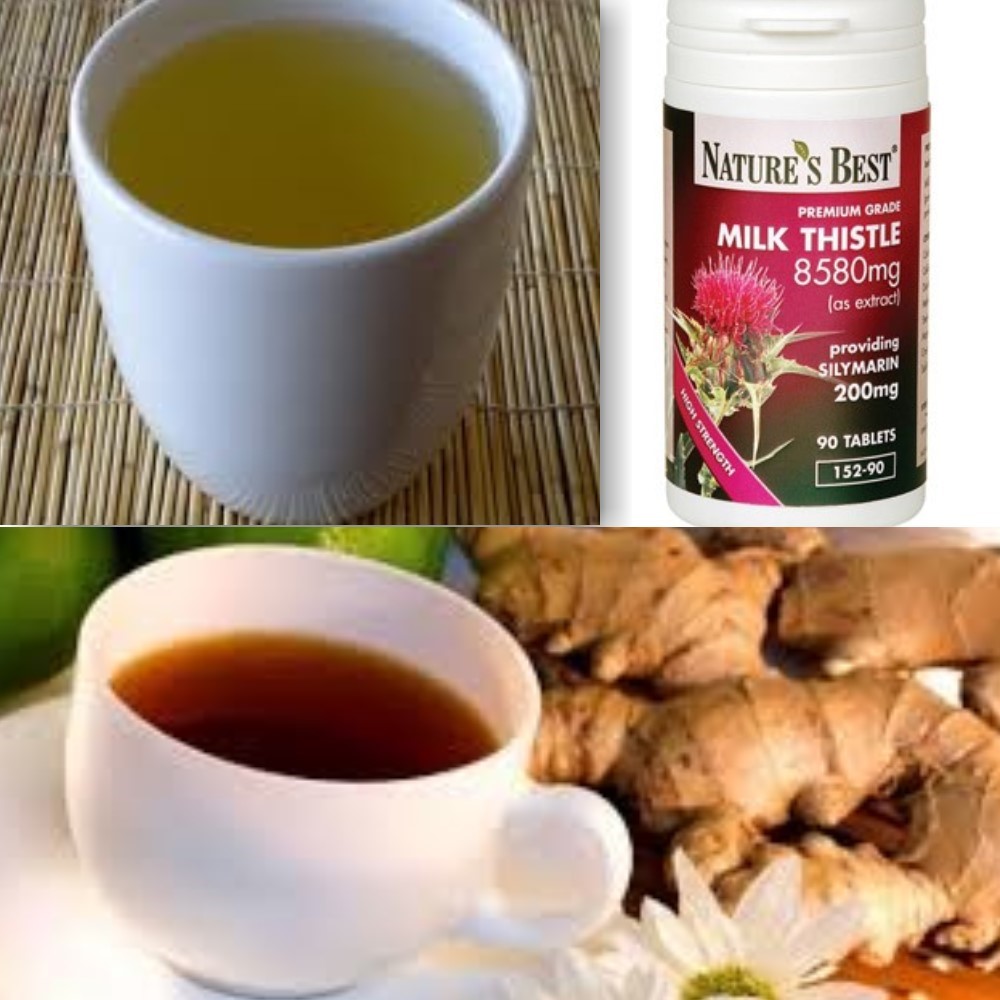
    Being mostly water, tea is a great agent for rehydration. Green tea is a great source for detoxification of body as it is packed with anti-oxidants. Also, ginger tea can be used to cure a hangover because ginger has long been used to treat nausea and stomach sickness, which are one of the symptoms of a hangover. By combining 10-12 freshly cut ginger root pieces with 4 cups of water, this ale can be quite effective for curing a hangover.

    Apart from this, milk thistle tea can also be taken as it cleanses the liver of the harmful toxins in alcohol. To make milk thistle tea, add a tablespoon of milk thistle seeds to a cup of hot water and have it.


    coconut wtr


    Coconut water :

    coconut water contains potassium which will help you feel better in no time if you are suffering from a hangover. It also hydrates your body much more effectively than simple water.


    juices


    Juice:

    Tomato juice is a great cure for hangover as long as it is not Bloody Mary induced, as it acts as an anti-inflammatory agent and replenishes the lost nutrients in the body. Orange juice is also a great way to cure a hangover as it raises your blood sugar levels and helps to lose some of the symptoms. But, you should skip acidic juices (like orange juice) if your stomach is upset and have apple juice instead.


    Lemon-and-Honey1

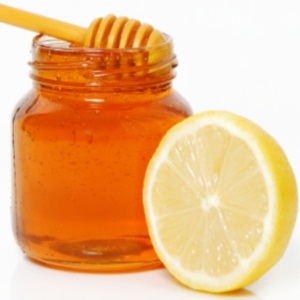
    Honey and lemons:

    Have a classic hot drink of honey and lemon mixed with water, as it replenishes fluids and sugar lost to hangover. Lemon replenishes the vitamins you need and honey has fructose which competes with alcohol metabolism, which in turn helps to expel alcohol from the body. For curing a hangover, boil 1 cup water and mix honey and lemon juice and have it several times a day.


    48760-Banana-Milkshake-Hangover-Cure


    Bananas:

    When you are drunk, lots of potassium is lost from the body and eating a banana will surely give you a giddy-up and go, as it is loaded with potassium.


    potato n milk


    Potatoes with milk :

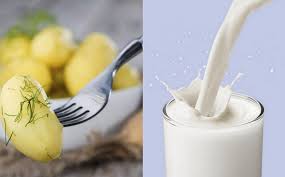
    Eating potatoes is another way of replenishing the body’s potassium levels, and if taken along with milk, there is a great boost to your calcium levels as well. Thus, this is a perfect combo to reduce the hangover.


    Apart from this, you should have foods which are light and easy to digest, like rice, soup or toast. Eating something solid will help to cure the headache and stomach problems. If you have a very bad headache, you can also compress your forehead with an ice pack, or just rinse a washcloth under cold water and put it on your forehead for some time, to get significant relief.


    ohyouhaveahangovertellmemoreabouthowyourenevergoingtodrinkagain

    So if you take these natural things to treat your hangover, then it will be easier for your body to endure those cocktails and hard drinks. Keeping all things apart, most of all, you should follow the mantra of “prevention is better than cure” in your life. Excessive drinking may be curable at first, but it can cause long term effects if consumed like an everyday affair. So controlled drinking is advisable for all-the-time-hangover-stricken people in the first place, blended with these simple and fruitful home remedies, which nullify the extremely harmful effects of alcohol on your body by its cleansing and detoxification.

  • Curry in a Hurry – in less than 30 minutes!

    Curry in a Hurry – in less than 30 minutes!

    Curry is a dish containing complex combinations of herbs and spices, usually including fresh or dried hot chillies. Curry dishes may contain fish, poultry or meat, either alone or mixed with vegetables. They may also be purely vegetarian.
    Curries are great for using any leftover food one may have in the fridge from the night before. They are also quite versatile. Most are really easy to make and cost effective. One can keep it simple or spice it up to suit one’s taste.


    Cooking a curry need not take long stressful hours in the kitchen. It can be prepared pretty quick and in an easy manner. Not only are these preparations delicious but they are packed with a good deal of nutrients.

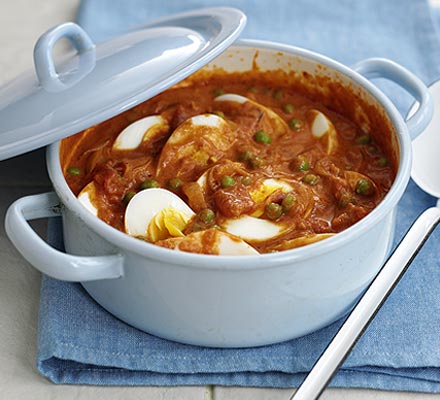
    My favourite Curry-in-a-Hurry is the Creamy Egg Curry. It is light, healthy, yummy and leaves me wishing I had cooked a bit more.

    A few other ‘Yummy – Tummy – Curry’ are:


    Speedy Green Chicken Curry

    chicken curry

    Time: 15 minutes

    Serves: 4

    Ingredients: 1 tsp vegetable oil, 1 red onion (cut into half-moon slices), 4 tbsp Thai Green curry paste, 2 x 400g cans light coconut milk, 2 tbsp fish sauce, zest and juice 2 limes, 1 tbsp brined green peppercorn (drained and rinsed), 200g green beans (trimmed and halved), 4 skinless chicken breasts (cut into long strips), handful basil leaves, cooked basmati rice (to serve)

    Method: Heat the oil in a medium pan, add the onion and fry for 2 minutes. Tip in the paste and cook for 1 min more. Pour in the coconut milk, fish sauce, lime zest and juice, and peppercorns. Bring to a simmer, then add the beans and chicken. Cook for 5 minutes or until the chicken is cooked through.Just before serving, add the basil leaves. Serve with basmati rice.


    Creamy Egg Curry

    egg curry

    Time: 25 minutes

    Serves: 4

    Ingredients: 2 tbsp sunflower oil, 2 onions (thinly sliced), 2 heaped tbsp curry paste, 400g can chopped tomatoes, 8 eggs, 140g frozen peas, 4 tbsp Greek yogurt, rice (to serve), mango chutney (to serve)

    Method: Heat the oil in a pan, then fry the onions over a low heat for 10 minutes until golden. Add the curry paste and sizzle for 2 minutes, stirring. Add the tomatoes and 200ml water, season to taste and then bring to the boil. Simmer for 10 minutes until you have a rich sauce.Meanwhile, boil the eggs for 8 minutes, cool in cold water, then peel and halve. 3 Stir the peas and yogurt into the curry and simmer for another 2-3 minutes. Put the eggs into the pan, spoon the curry sauce over and leave for another 2 minutes to heat through. Serve with rice and mango chutney.


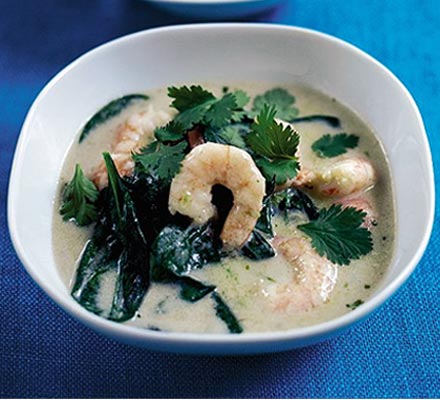
    15 – minute Prawn Curry

     Prawn curry

    Time: 15 minutes

    Serves: 4

    Ingredients: 390g can coconut milk, 2 tbsp Thai green curry paste, 2 tsp sugar, small bunch fresh coriander (leaves and stalks), 400g bag frozen tiger prawns (defrosted, cooked, peeled), 100g baby spinach leaves, juice 1 lime, 1 tbsp Thai fish sauce

    Method: Open the coconut milk; pour the thin milk into a jug, keeping back any thick coconut cream. Scoop the coconut cream into a blender. Add 2-3 tbsp of the coconut milk plus curry paste, sugar and coriander stalks and blend to a smooth paste. Heat a wok, tip in the paste, stir fry for 1-2 minutes, then pour in the remaining milk from the jug.Bring to a simmer, then add the prawns and spinach. Cook until the prawns are heated through and spinach has wilted. Add lime juice and fish sauce; then spoon into bowls. Scatter over coriander leaves and serve with plain rice or noodles


    Squash and Coconut Curry

    coconut curry

    Time: 25 minutes

    Serves: 2

    Ingredients: 2 tbsp Madras curry paste, 1 large sqush (chopped into medium size chunks), 1 red pepper (halved, deseeded and roughly chopped into chunks), 400g can reduced-fat coconut milk, small bunch coriander (roughly chopped)

    Method: Heat a large frying pan or wok, tip in the curry paste and fry for 1 min. Add the squash and red pepper, then toss well in the paste. Pour in the coconut milk with 200ml water and bring to a simmer. Cook for 15-20 minutes or until the butternut squash is very tender and the sauce has thickened. Season to taste, then serve scattered with chopped coriander and naan bread or rice.


    No – fry Thai Curry

    thai curry

    Time: 20 minutes

    Serves: 2

    Ingredients: 2 rounded tbsp Thai green curry paste, 400ml can coconut milk, 2 skinless boneless chicken breast fillets (very thinly sliced), 1 red pepper (seeded and cut into chunks), 3 spring onions (halved lengthways and cut into long pieces), cupful of frozen peas, 2 tbsp chopped fresh coriander or basil (to serve), rice or noodles (to serve)

    Method: Make the sauce. Stir the curry paste over the heat in a medium pan for a few seconds, pour in the coconut milk and bring to the boil.Cook the rest. Add the chicken and vegetables, let it all start to bubble again, then turn down the heat and cook very gently for 5 minutes until the chicken is tender but the vegetables still have some texture. Stir in the coriander or basil and serve spooned over rice or noodles.


    Recipe and Image Courtesy – bbcgoodfood.com

  • The Veggie Kitchen

    The Veggie Kitchen

    I’m going vegan for a week.

    Being a meat lover and someone who hardly has her vegetables at meal time, this was turning out to be quite a hellish challenge to overcome.

    I spent the first two days craving for some meat. Anything meaty. Any meat look-a-like. Today is the sixth day and I’m more than okay. I guess I’ll survive.

    I was always a fussy eater. Not this. Not that. This is soggy. That looks weird. Eww. “Mum, the fish tastes fishy. I don’t like it.” I made up all kinds of excuses to not eat my meals properly, especially the greens.

    Well, I’m twenty now. These excuses work no more.

    Anyway, when mum dared me to go all vegan for a week, I readily took up the challenge. I had to prove her wrong, didn’t I?

    Why? Why did I have to prove her wrong? *sighs*

    Since my bruised ego had already done the needful, I braced my taste buds and entered the Veggie Kitchen.

    (I would rather not admit this, but I don’t hate the green beings any more. The Vegetable Mornay is one of the yummiest vegetable dishes I have had so far. As far as egg-less desserts go, the Peanut Butter Fudge is my favourite. )

    From the Veggie Kitchen:


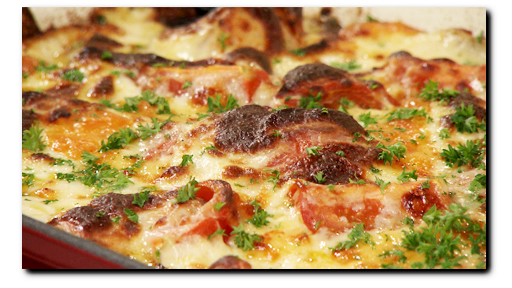
    Vegetable Mornay

    pot-roasted-mornay

    Time – 40 minutes

    Serves – 4

    Ingredients – 2 to 3 carrots, 2 leeks, 1 head of broccoli, 1 cauliflower, 25g butter, 1 tbsp plain flour or cornflour, 500-700ml milk, 2 tbsp nutritional yeast flakes (optional), 100g mature cheese (grated, 75 g for the sauce and 25 g for the topping), ½ tsp mustard, Black pepper to taste

    Method – Preheat the oven to 180C. chop the carrots into sticks, slice the leeks and cut the broccoli and cauliflower into manageable florets. Place in a steamer and cook until the cauliflower is tender but not soft. Meanwhile, make the sauce. Melt the butter gently in a saucepan in medium heat. Add the flour or cornflour and stir well with a wooden spoon. Add the milk a little at a time, continuing to stir to avoid lumps. Switch to a balloon whisk. Continue to stir over a medium heat until the sauce begins to thicken. The balloon whisk will also help to eradicate any lumps that may have materialized. Add more milk as necessary to get the desired thickness. The sauce should be the thickness of custard. If you are using nutritional yeast flakes, add these before the grated cheese as they will reduce the amount of cheese you will need. Add the cheese and mustard and stir well. Season with black pepper. When the vegetables are ready, transfer them to an oven proof dish. Pour over the sauce and garnish with the remaining grated cheese. Bake in the oven for about 15 to 20 minutes or grill until the top is golden.


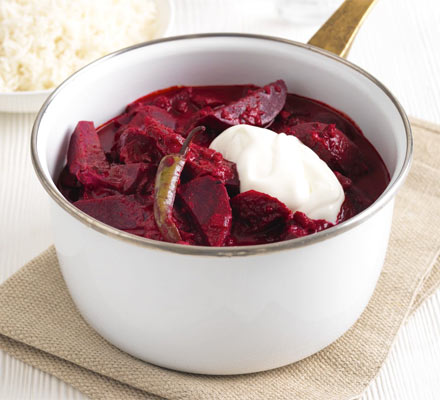
    Creamy Beetroot Curry

    recipe-image-legacy-id--1125484_11

    Time – 50 minutes

    Serves – 4

    Ingredients – 1 tbsp vegetable oil, 2 onions ( very finely chopped), 2 tsp yellow mustard seeds, 3 tbsp Madras curry paste, 1 kg raw beetroot (peeled, halved and thickly sliced), 1 green chilli (halved lengthways), 400g can chopped tomatoes, 3tbsp ground almonds, 4 tbsp low-fat natural yogurt (plus extra to serve), basmati rice (to serve, optional)

    Method – Heat the oil in a large lidded pan, stir in the onions and cook for 8 minutes until soft. Tip in the mustard seeds and cook for 1 minute until toasted. Stir through the curry paste and sizzle for 3 minutes. Mix the beetroot through the spicy onions, then add the chilli, tomatoes and 2 cans of water. Cover and simmer for 30 minutes, stirring occasionally, until the beetroot is tender. Remove the lid, turn up the heat and cook until the sauce is thick. Take off the heat, then stir through the almonds, yogurt and some seasoning. Top with yogurt and serve with basmati rice(optional).


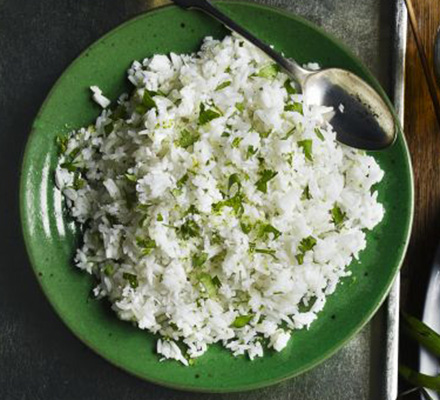
    Coconut and Lime Rice

    rice_3

    Time –22 minutes

    Serves –4

    Ingredients – 250g basmati rice, 5 tbsp desiccated coconut, zest and juice 1 lime, small pack coriander (roughly chopped)

    Method – Cook the rice. Add the coconut about 5 minutes before the end of the cooking time. Stir in the lime zest and juice, and the coriander. Serve immediately.


    Chickpea Patties with Carrot and Raisin Salad

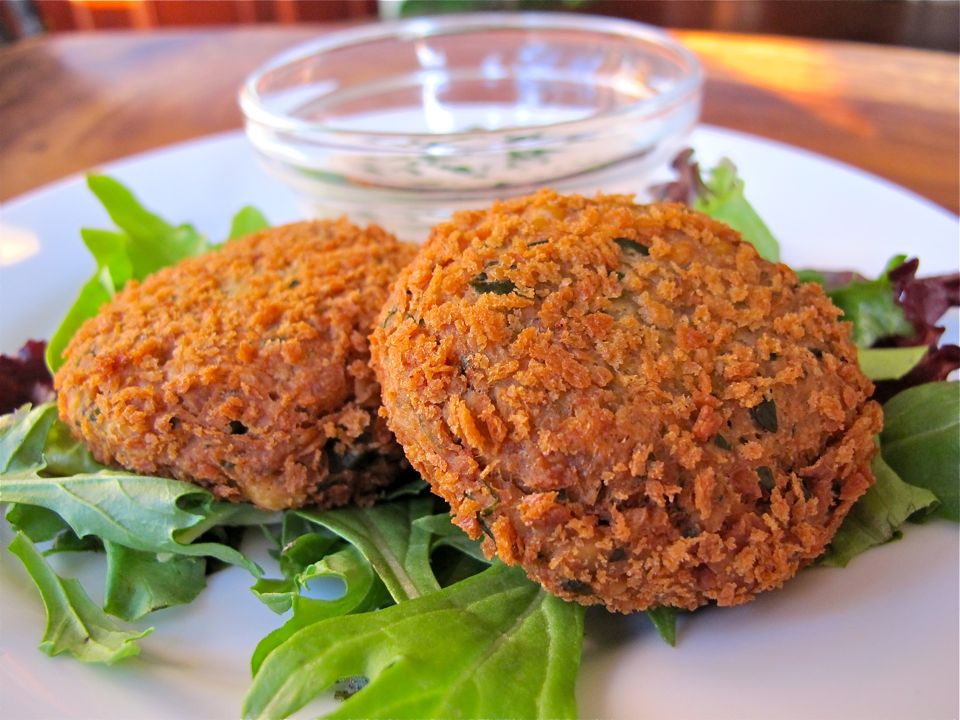
    Spicy-Panko-Chickpea-Patties-

    Time –15 minutes

    Serves –2

    Ingredients –

    For the Patties: 400g chickpeas (drained), 1 garlic clove, 1 egg, 1 tbsp ground almonds, 2 tsp harissa, 1 tsp ground cumin, 3 tbsp chopped parsley, 2 tsp rapeseed oil (for frying)

    For the Salad: 1 tbsp raisins, 1 carrot and 1 courgette (shaved into ribbons with a peeler), 5 radishes (thinly sliced), 2 handfuls from a bag of watercress, rocket and spinach, 1 tsp each hemp or rapeseed oil and white wine vinegar, or lemon wedges (optional)

    Method – Tip the chickpeas, garlic, egg, almonds, harissa and cumin into a bowl and blitz with ahand blender until smooth. Stir in the parsley. Heat the oil in a non-stick frying pan and dollop in the mixture in 8 big spoonfuls, spaced apart. Cook for 5 minutes on each side.

    For the salad, toss the raisins and all the vegetables together, but don’t dress with the oil and vinegar until you are about to eat. If taking to work, add a wedge of lemon to squeeze over instead of the dressing.


    Peanut Butter Fudge

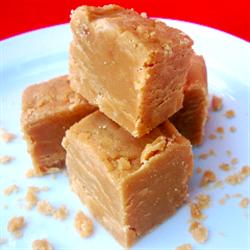
    305440

    Time – 1 hour 20 minutes

    Serves – 4

    Ingredients – ½ cup butter, 2 ¼ cups brown sugar, ½ cup milk, ¾ cup peanut butter, 1 tsp vanilla extract,  3 ½ cups confectioners’ sugar

    Method – Melt butter in a medium saucepan over medium heat. Stir in brown sugar and milk. Bring to the boil and boil for 2 minutes, stirring frequently. Remove from heat. Stir in peanut butter and vanilla. Pour over confectioners’ sugar in a large mixing bowl. Beat until smooth; pour in to an 8×8 inch dish. Chill until firm and cut into pieces.


    Vegan Brownies

    34119

    Time – 50 minutes

    Serves – 16 brownies

    Ingredients – 2 cups unbleached all-purpose flour, 2 cups white sugar, ¾ cup unsweetened cocoa powder, 1 tsp baking powder, 1 tsp salt, 1 cup water, 1 cup vegetable oil, 1 tsp vanilla extract

    Method – Preheat the oven to 175 C. Ina large bowl, stir together flour, sugar, cocoa powder, baking powder and salt. Pour in water, vegetable oil and vanilla; mix until well blended. Spread evenly in a 9×13 inch baking pan. Bake for 25 to 30 minutes in the preheated oven, until the toothpick inserted in the brownie comes out clean. Let cool for at least 10 minutes before cutting into squares.


    Recipe Courtesy: allrecipes.com, bbcgoodfood.com

    Picture courtesy: allrecipes.com, bbcgoodfood.com, aliveandcooking.com.au, toriavey.com,