Tag: Culture

  • Culture of Mizoram

    Culture of Mizoram

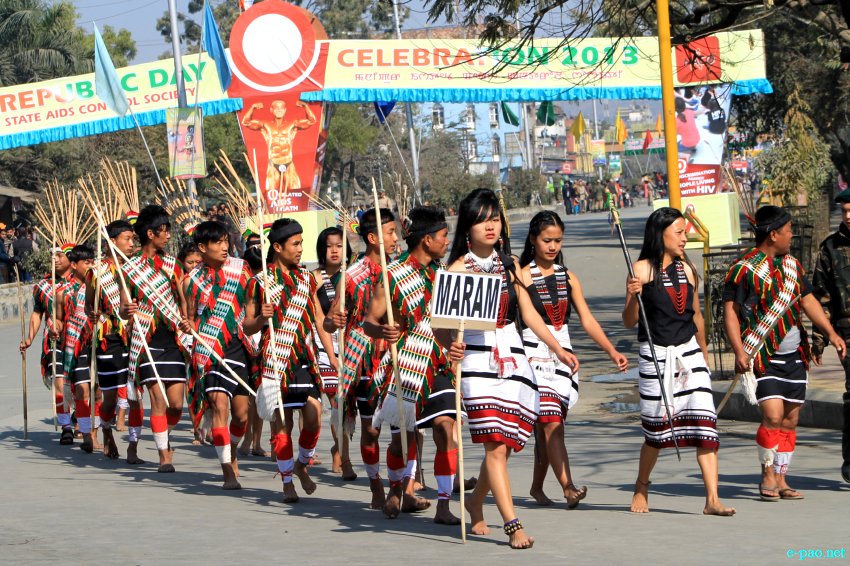
    Mizoram is one of the north-eastern sate of India.Aizawl is the capital city of Mizoram.The name Mizoram is derived from the words “Mi which means people” , “Zo which means hill” and “Ram which means land”.Thus the name itself conveys that it is a land of hill people.It has three bordering states namely Tripura, Assam and Manipur.The state acts as a border for two countries Bangladesh and Myanmar.According to census 2011 the state had a population of about 10,91,014.It is one of the least populous state in the country.It covers an area of approximately 21,087 square kilometer.Before 1987 it is an integral part of Assam.After 1987 it it formed as a 23rd state in India.In Mizoram most of the people are tribal and many of them belong to Christianity.Most of the people took Christianity during 20th century.It is one of the three states in India that is having majority of the people are Christians.People of Mizoram practice shifting cultivation and the crop yields are poor.In recent years, the jhum farming practices are being replaced with horticulture and bamboo products industry.About 20% of the Mizoram’s population lives below poverty line.
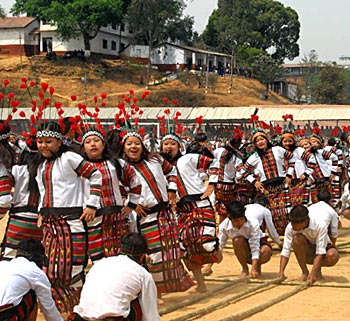
    villagers of Mizoram
    Villagers of Mizoram

    Geography:

    MIzoram consists number of hills and valleys.Being on the hills and valleys all the villages are located on the hills itself.About 21 hills are present with an average height of 1000 meters above the sea level.The highest peak in Mizoram is Phawngpui Tlang with a height of 7,250 feet.Most of the area is covered by forests and only eight percent is land.The sate is having the highest risk of getting earthquakes compared to other parts of India.
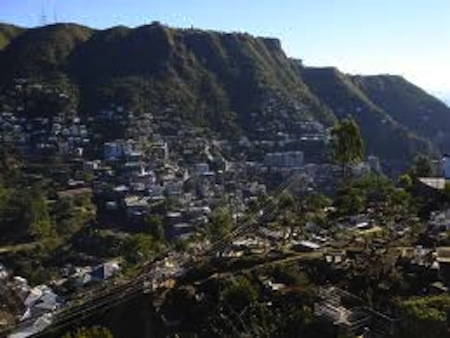
    Geography of Mizoram villages
    Geography of Mizoram villages

    Climate:

    Mizoram experiences very low temperatures in any season.During summer the temperature ranges from 20 to 29 °C and in winter temperatures ranges from 7 to 22 °C.In monsoons this region experiences heavy rainfall.The average rainfall in Mizoram is about 254 cm in moist tropical to moist sub-tropical regions.Whereas in the capital city Aizawl it is about 215 cm.It is better for the tourists to visit during November to March.

    Most of the time the climate is cool
    Most of the time the climate is cool

    Ethic groups:

    Different types of groups and languages can be seen in Mizoram.As most of the people are tribal, they are known as hill men.Bengali’s who had settled in Mizoram during 16th century are called as Kukis.In Mizoram there are many tribes who are further divided into clans.These clans are again are sub divided into sub-clans.
    Ethic groups of Mizoram
    Ethic groups of Mizoram

    Languages:

    Mizo is the important language widely used by the local people of Mizoram.Along with that English is used in education and other interactions officially.Duhlian dialect was the first language of Mizoram and later it is known as Mizo.It is a mixture of few other languages.The Christian missionaries resided in Mizoram developed the Mizo script.The Writing of this language is a combination of the Roman script and Hunterian transliteration methodology with prominent traces of a phonetics based spelling system.In Mizo there are 25 alphabets they are A, AW, B, CH, D, E, F, G, NG, H, I, J, K, L, M, N, O, P, R, S, T, Ṭ, U, V, Z.In this state Hindi is a compulsory subject for all the students up to eighth standard.Besides Mizo Nepali is also spoken by many of the Nepali immigrants in the state.

    Religion:

    About 87 % of the population in Mizoram are Christians.Among the population of Mizoram, the largest minority is Buddhists.They are followed by Hindus.Apart from them several thousands of people who have converted to Judaism.Muslims in the state are about 1.1% .The remaining 3,000 people in Mizoram state belongs to Sikhs, Jains and other religions.
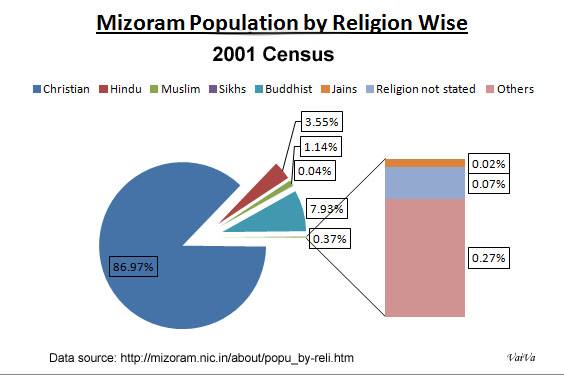
    Mizoram religion wise population
    Mizoram religion wise population

    Industries:

    In bringing the advancement to the industries Mizoram faces few difficulties.The main drawback for the industries is lack of proper transport.The other problems that are faced by the state are shortage of electricity, capital, telecommunication and export market access. Mizoram is having two industrial estates and one software technology, that is being established in Mizoram university.The state government has acquired 127 acres of land in Khawnuam for development of the Indo-Myanmar border trade township.
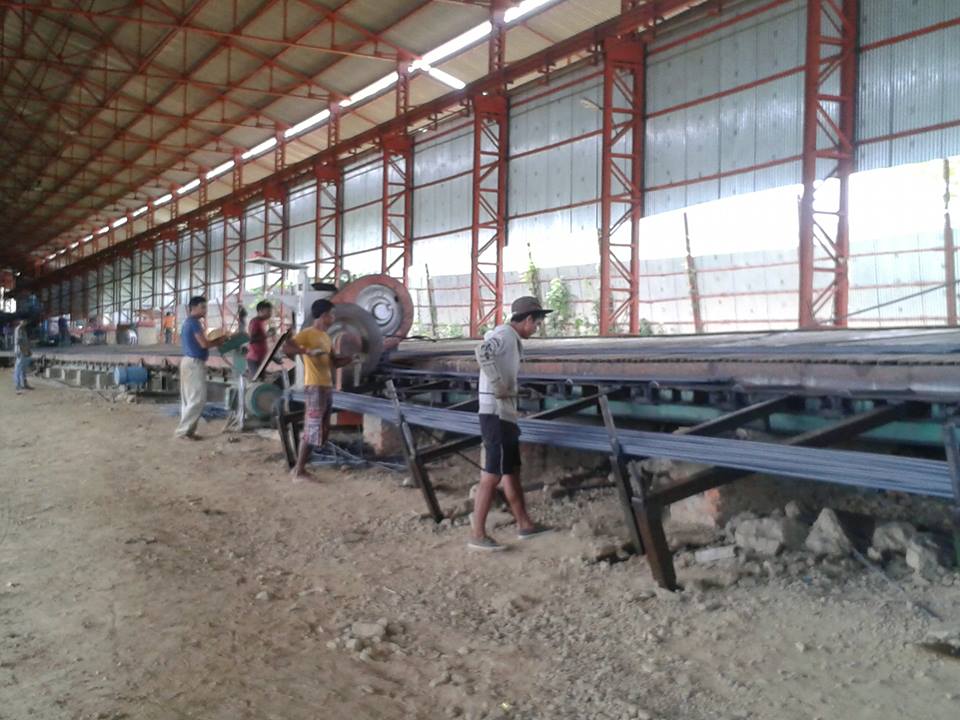
    There are two industrial sectors in Mizoram
    There are two industrial sectors in Mizoram

    Educational Infrastructure:

    The christian missionaries have established the primary school in Aizawl during the year 1898.The state has higher literacy rates than average literacy rates for India.In India Mizoram is having the second highest literacy rate.There were about 3,894 schools in Mizoram.There were many educational institutions establishment under the umbrella of the Ministry of Education.It also includes universities, colleges and other institutions.In the Mizoram university there are 29 undergraduate departments including 2 professional institutions affiliated with the university.
    Mizoram university
    Mizoram university

    Traditional festivals:

    The traditional festivals in Mizoram are celebrated around various stages of jhum cultivation.In the local language they are call it as Kut.There were many major and minor Kuts such as Chapchar Kut, Thalfavang Kut, Mimi Kut and Pawl Kut.The Chapchar Kut was the festival of spring.Thalfavang Kut was the festival celebrated after the completion of weeding of the jhum crop fields.Mimi Kut was the festival dedicated to ancestors after first maize crop was collected.Pawl Kut is celebrated at the end of harvest i.e., at the start of new year.Later after the Christianity has spread these festivals have slowly vanished.
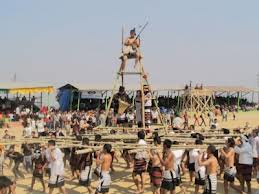
    Traditional festivals of Mizoram
    Traditional festivals of Mizoram
  • A look at Irish Culture

    A look at Irish Culture

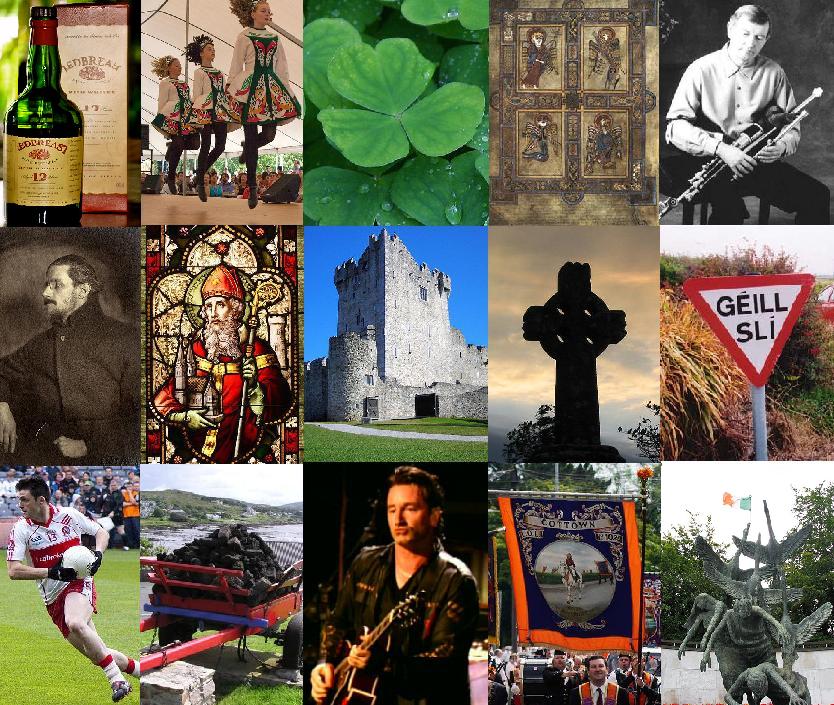
    Every culture in this global world is unique and gain its own specialty.The Irish Culture too comes into that category.Coming to the Ireland,it is situated in Western Europe,occupying five-sixth of the islands in the North Atlantic Ocean which is to the west of Great Britain.The capital of Ireland is Dublin with a population of about 4,487,000.Irish language known as Gaeilge is a Indo-European Language of the Celtic family.

    A picture showing about Irish culture in breif
    A picture showing about Irish culture in brief

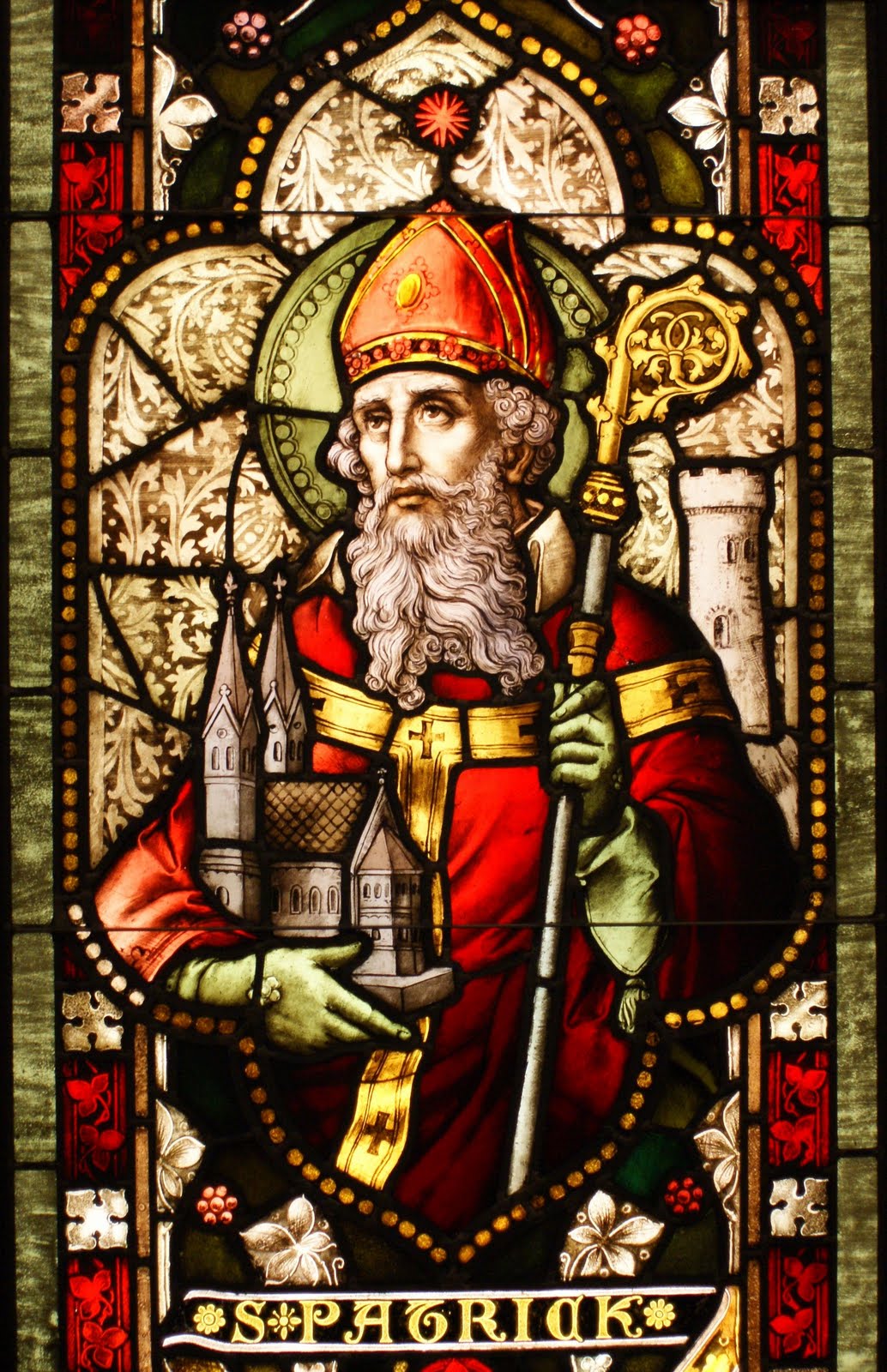
    The people of the Ireland are very culture oriented irrespective of their interests.Irish Culture has a nice variety of  traditions,cultures and historic legends.There are some symbols which uniquely relate to the Irish culture.Ireland is often known as ‘Land of Saints and Scholars’ which refers the golden age of monastic learning.It is also referred as ”The Emerald Isle’ which means its green landscape.

    Ireland a land of saints and scholars
    Ireland a land of saints and scholars

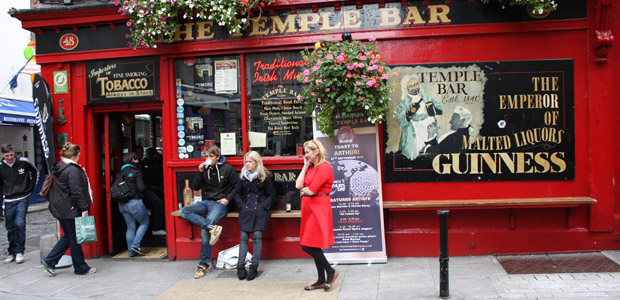
    This old country has many traditions of customs which are practiced from hundreds of years and some of them are found even now.The legends are passed on from generations to generations.The culture here is in a similar way to the Western Culture in TV,movies,music and literature.But the one aspects that makes unique is the pub culture.Pub refers the meaning of public house or bar.The pub culture here has more issues than over-consumption of drinking.Pubs are considered as meeting places where people can gather whether they are friends or neighbors  in a peaceful atmosphere.The pubs differ largely with the area it is situated and the customers they serve.In earlier days,pubs were separated as the men would most likely in the main part of the pub while the lounge is filled with women.Due to modernization,it is diminishing and now it is a free space. Since 2004,the Government has made an act which declared that smoking in a place of work,even pubs are considered as illegal.

    Irish pub culture
    Irish pub culture

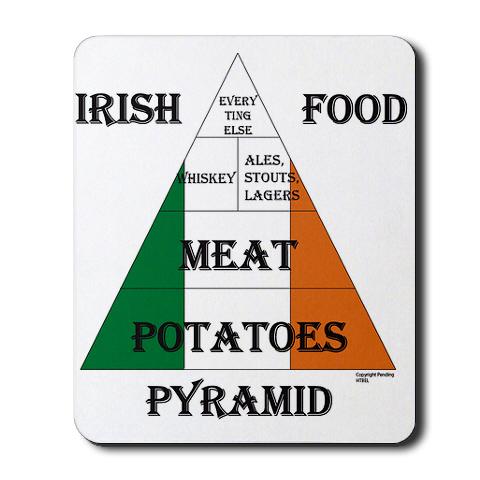
     The Irish people are too concerned about their food.The home made meal are loved by them especially the Irish breakfast or a bowl of stew.They even gained the comfort of drinks to ease their homesickness while living in different countries.The Irish diet is similar to that of North European nations.They very much consume meat,cereal,bread,potatoes mostly at meals.The meals are most commonly accompanied with cabbage,turnips, carrots,broccoli.The eating habits of Irish consists four meals which are breakfast,dinner,tea and supper.Dinner is the midday main meal while tea is taken in early evening at about 4.00 p.m. and supper is a light meal before going to sleep.

    irish_food_pyramid_mousepad
    irish_food_pyramid_mousepad

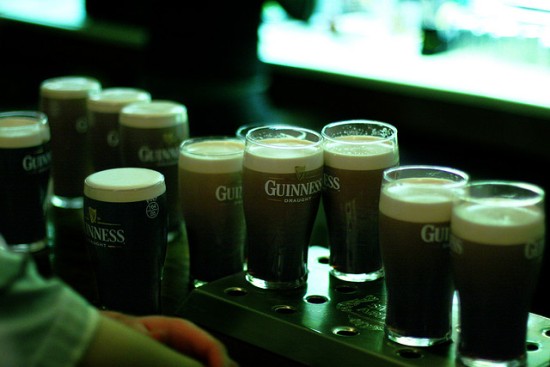
    The traditional meals mostly consists of roasts,stews, beef,ham,pork,beef and turkey.Even fish(mostly salmon) and sea food(preferably prawns) are popular here.Some foods like wheaten breads,sausages,bacon rashers and drinks like Irish whiskey,national beer have a specific symbolic role in Ireland.Many varieties of stews,potato casseroles and breads are considered as the regional foods.

    Irish-people-drinks
    Irish-people-drinks

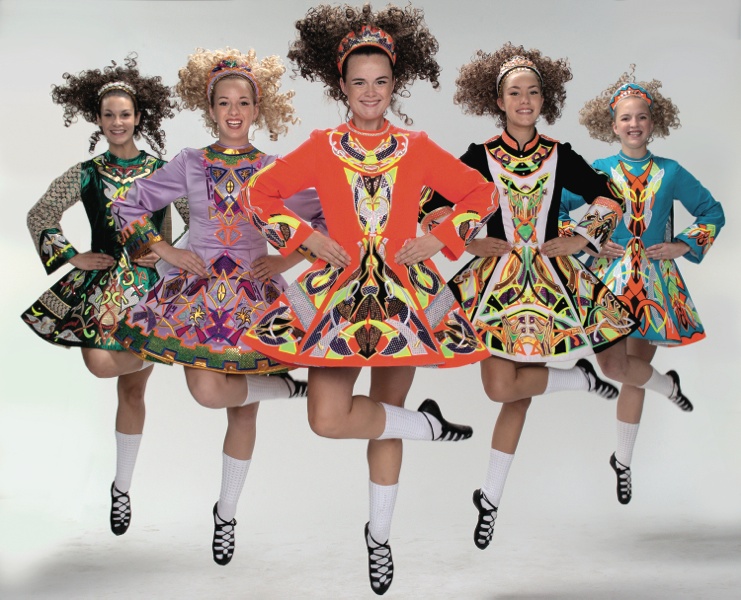
    Ireland has even many people who has great musical talent like U2,folk singer-Christy Moore and many more people.The Irish traditional dancing is even popular there where it is originated and now spread to the whole world and has taken many different forms.

    Trinity-Irish-Dancers
    Trinity-Irish-Dancers

    The people in Ireland are mostly Roman Catholics.88% of the population there are mostly identified as Roman Catholics according to the records. The church used to have a dominating power in society and politics in early days.Later on ,a generational divide with people over 50 who have observant and conservative views came up.The religion has many sayings of the view of family ,marriage and abortion in the society.They prefer the dominating social structures in their extended family.Even though they move to various cities,they stick to their home bonds.

     The Irish people have a great reputation for their wit and humor.Due to this popularity,they are called as ‘craic’.The people are very fast in jokes which brings out humor.They  even bring out the humor on themselves even if it is self deprecating.The practice of trading insults and teasing one another among a group of close people are  known as slagging.The people there are mostly witty people and won’t take anything too personal.

    Coming to the 20th century the people of Ireland have adopted their new western food habits.During the modern age both of the US fast foods and continental European dishes have influenced on the people of Ireland.Here most of the common meals include pizzas, curry, Chinese food.As there are adverse effects of these fast foods and deep fried items the government has broadcast television advertisements to discourage meat consumption.

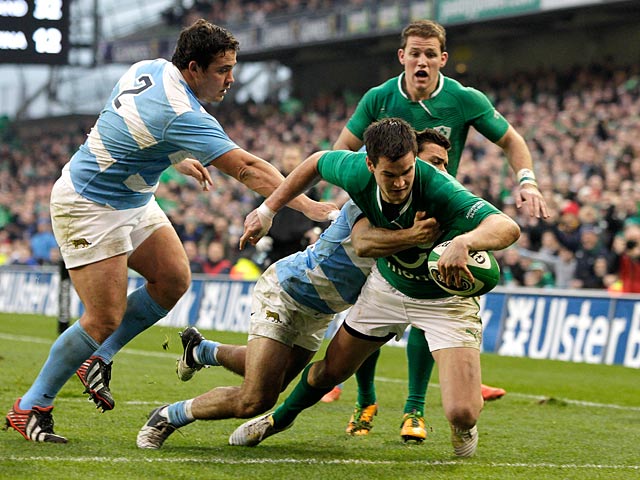
    Sports are popular in Ireland and are widely encouraged.Varieties of sports are played in Ireland and the most played are Football, hockey, hurling, Gaelic, rugby.Along with these sports many of the other sport are practiced like Swimming, golf, aerobics, soccer, cycling, Gaelic football and billiards are the sporting activities with the highest levels of playing participation.At the Olympics, a person from Northern Ireland can choose to represent either the Great Britain team or the Ireland team. Also as Northern Ireland is a home nation of the United Kingdom.They also send their team to Common wealth games every four years.

    Irish sports
    Irish sports


  • Bathukamma – A festival of flowers in Telangana

    Bathukamma – A festival of flowers in Telangana

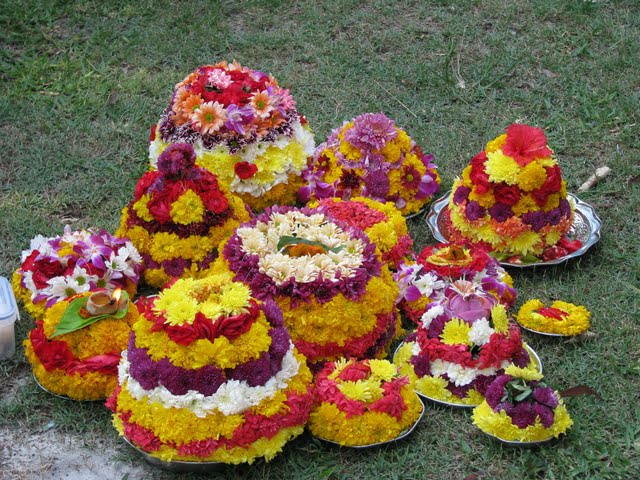
    Bathukamma is a festival of flowers that is celebrated by Hindu women in Telangana region.This festival is celebrated every year during the month of September and October.According to lunar calender this festival is celebrated during the Bhadrapada Amavasya ( also known as Mahalaya Amavasya ).This is a festival that is celebrated for complete nine days during Navarathri.On the festive day of Durgashtami the main festival Pedda Bathukamma or Saddula Bathukamma is celebrated just before two days of Dussehra.Bathukamma the festival of flowers is followed by Boddemma  Bathukamma which is a seven day festival.Actually the festival Boddemma indicated the ending of varsha ruthu and the festival Bathukamma indicated the starting of sharath ruthu.

    Bathukamma - a festival of flowers
    Bathukamma – a festival of flowers

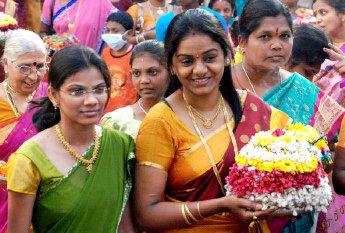
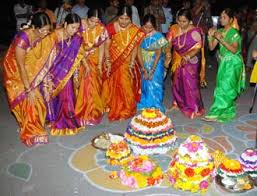
                    The culture of Telengana can be seen clearly in this festival.In this festival the flowers are arranged in a stack manner which are very rare and unique seasonal flowers.These flowers which are rich in medicinal value are arranged in the form of layers like a clay pot.The word Bathukamma itself says that it means the mother goddess to come alive and in this festival goddess Maha gouri who is a life giver is worshiped in the form of Bathukamma.Women wear traditional dress on this special occasion,mostly women like to wear saree and few teenage girls wear half sarees with the matching jewelry and accessories.It intensifies the importance of womanhood.

    Traditional sarees and half sarees on this special occasion
    Traditional sarees and half sarees on this special occasion

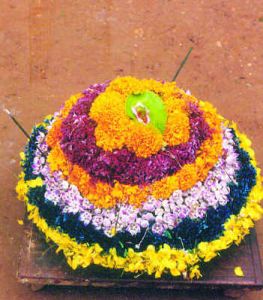
    This is the second largest festival after Vijaya Dashami in the Telangana region.Goddess Gauri who give life giver is worshiped in the form of Bathukamma.In that festival women try to seek blessings of goddess gauri to give them prosperity and do good for their family for the whole year.Very bright and colorful flowers are arranged step by step in the form of a cone and at the top of it turmeric are placed which signify both life and eternity in their colors.The goddess is created every year and is worshiped for the whole 9 days completely with divine and pure heart, later on the tenth day the goddess is immersed duly in local water bodies.This is the largest festival in Telangana and was started long ago about centuries back and is still celebrated as grand cultural event in this region with great enjoyment.

    Bathukama-colorful-flowers-arranged-in-the-form-of-cone
    Bathukama-colorful-flowers-arranged-in-the-form-of-cone

    This festival involves mainly flowers the goddess Gauri devi is arranged in as a beautiful flower stack in seven different layers as a conical mound.As the flowers arrangement resembles goddess they are generally unique and having medicinal value.Men from the houses go around and search for the flowers like Gunuka, Tangedi, Lotus, Alli, Katla, Teku flowers and gather them which bloom during this festive season in most vibrant colors in the uncultivated and barren lands of the Telangana region.By using these gathered flowers women prepare their goddess Bathukamma by using a wooden plank or wide plate and arrange these flowers which are fragrant in the form of layers.After the plank is taken the flowers are taken and they also use pumpkin to decorate the flower top and also keep tumeric on the top of this flower mound.

    On the occasion of Bathukamma the arrangement of flowers and decorating Bathukamma
    On the occasion of Bathukamma the arrangement of flowers and decorating Bathukamma

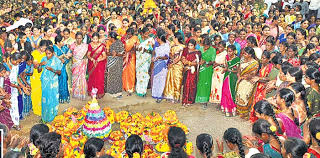
    After the completion of 9 days on the tenth day the visarjanam or immersion of Bathukamma is done in the nearest water bodies.This festival is celebrated with complete devotion and interest throughout the Telangana region.The Women of Telangana region participate in this festival with most enthusiasm and great fervour by dressing up in the complete traditional dresses like wearing traditional silk sarees and wearing matching jewellery for it, whereas the young girls wear langa voni or half saree with complete accessories.The women of Telangana gather in large numbers and place Bathukamma in the middle and dance around them by singing songs related that are of stirring Bathukamma folk songs.Along with the songs women move round the bathukamma by clapping their hands which give a wonderful look for the festival.

    Maleeda
    Maleeda

    Bathukamma festival which is also known as Bodemma looks amazing when the lakes are filled with flowers.On this day, Maleeda is made which is offered to the god as a prasadam made of jaggery and at the end of the day,it is distributed to the people.The festival ground is filled with women as male companions aren’t allowed here and young girls participate in large numbers.

    There are many myths regarding this festival.One of the myths  according to legends is that Bathukamma or Parvati is a lover of flowers.Flowers are arranged om a square wooden plank with that size of frames forming on top of it which resembles the shape of a temple known as Gopura.On the top of the flowers,a lump of turmeric is kept and this little floral mountain is worshipped as Goddess Bathukamma.

    Bathukamma festival
    Bathukamma festival

    This festival is celebrated with utmost joy and gaiety.There are many dance performances,traditional music,dramas for many tourists who visit to watch this splendid festival.This festival is attracting thousands of tourists and many  are coming here just to watch this festival.During this month long celebrations, Jataras ( fairs or melas ) are also held.If you are a traditional lover,then this festival sure will attract yor attention towards it and it fills your mind and heart with joy.

  • The holy month of Ramadan – all you need to know!

    The holy month of Ramadan – all you need to know!

    With the advent of the pious month of Ramazan or Ramadan, hustle and bustle can be seen throughout all the Muslim households. The preparations begin a lot in advance. Excitement can be seen everywhere. From shopping for clothes and accessories to stocking up the eateries in order to avoid the last minute confusions, people do it all. This is the ninth month of the Islamic lunar calendar. This is said to be the most sacred month. The word Ramadan is of Arabic origin. Its literal translation is ‘intense scorching heat or dryness’. It is a rigorous month of intense fasting wherein all the members of the family fast every day for the entire period. The fasting is mandatory for Muslims who reach puberty unless they are physically unable to do so. Certain exceptions are made in the case of children, ill people, pregnant women, diabetes patients, menstruating women etc. The fasting or the rozas commence from dawn and end at dusk. They do not consume any food or drink neither do they smoke. Swearing is something that is also avoided. As I have heard from some friends, they do not even gulp in their saliva. This might be a shocker, but it’s true.
    Fasting is undoubtedly good for health. It has its perks. It gives the digestive system a rest along with allowing the cleansing and de-toxification of the body. It relaxes the body and revitalizes it. A tranquil spiritual feeling descends. In popular belief in Islamic culture, fasting washes away the sins and bestows upon the people many rewards. The fasting diverts the attention from materialistic activities and gives time for spiritual reflection, cleanses the soul and purifies the heart. The person becomes more considerate, empathetic and self-disciplined. He begins to see the less fortunate in new light and within him generosity creeps in.
    Namaz

    The beginning of Ramadan is marked by a new moon. Fasting begins from the very next day when the moon is seen. The month lasts for approximately 30 days. It depends on when the crescent moon has been sighted.
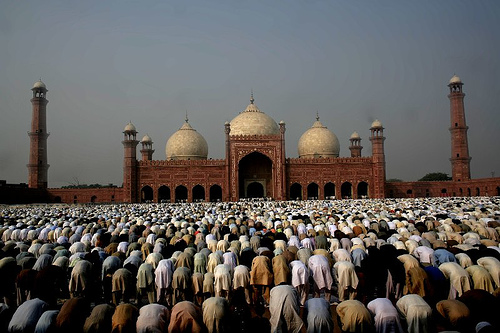
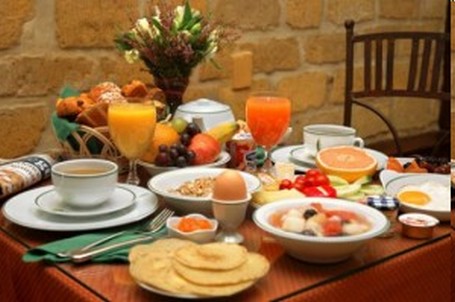
    The people who fast wake up early before the sun rises and consume the meal called ‘suhoor’ or the ‘seheri’ which keeps them going through the day. Thus the suhoor is a heavy meal which gives enough strength for the entire day to the people who are fasting. It is very necessary to consume ample amount of water or sharbat during suhoor in order to remain hydrated throughout the day. As soon as the sun rises, suhoor ends and the first prayer or the namaaz is offered. This first prayer is called the fajr or the morning prayer.

    sehri

    The entire day goes by without consuming anything. People put themselves through rigorous fasting. They offer five prayers or namaaz during the day. The devotion and dedication of these people is a thing to admire.
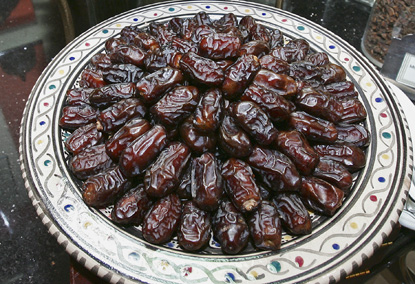
    At sunset the last prayer is offered which is called the maghrib. The meal which breaks the fast at sunset is called ‘iftaar’. Most people eat dates for breaking the day long fast and later go on to have a proper feast.

    dates

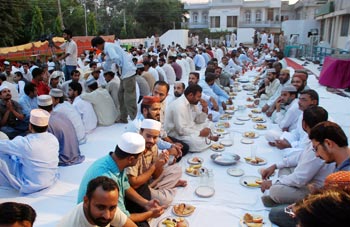
    At iftar, social gatherings are very common in which the meal is spread out in a buffet style. Friends and families gather for this small celebration together during the evening.

    iftar-dinner-080918_04

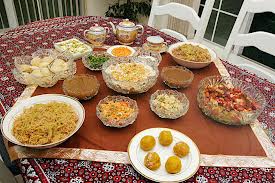
    Traditional dishes and desserts are served which are specific to the month of Ramadan. Families also share the dishes they prepare for iftaar with their neighbours. Nothing quenches the day long thirst like a glass of water does! Juices and milk are also a popular choice, though caffeinated beverages are not usually consumed. Sewain is the most sought after dessert.
    Iftar

    Common food items that are consumed during the two meals are fresh fruits and vegetables, dry fruits, kebabs, sharbat, salads, lamb stew, haleem, jalebi etc.
    Some people also indulge in the practice of giving away food to the poor and homeless during iftaar. This can be done on an individual basis wherein the meal is offered to a few people. This can also be seen in large public areas where the less fortunate gather and break their fast with the food these people offer to them. This charity is one of the most important parts of Ramadan. It is believed that helping a fasting person break their fast garners great rewards.
    Along with fasting and charity, reciting the Quran, the holy book, on a regular basis is also an integral part of the month of Ramadan. This recitation is voluntary rather than mandatory. Though it is pretty common to finish the entire Quran during the course of the 30 days.
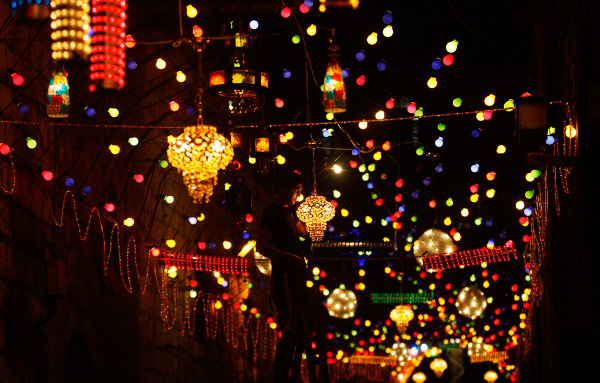
    Ramadan gets over on the next day after the sighting of the new moon. The day when it gets over is celebrated as Eid-ul-fitr. This festival is celebrated with huge pomp and show. The people flock the bazaars and shopping malls for new clothes and accessories. Henna or the mehendi, colourful bangles and beautiful suits are adorned by the women. This is a day of no fasting. People decorate their houses with pretty lights and set up a lavish feast. The gifts are given in the form of Eidi to children and relatives. ‘Eid Mubarak’ is the greeting that is said all around. Neighbours and family members visit each other to share sweets and dishes. Sewaiyaan is the most loved sweet dish which is prepared with vermicelli in milk along with dried fruits.
    Ramadan-prep
    Ramadan is a month where people believe that all their sins get forgiven. And they do a lot to achieve that, fasting straight for 30 days is no easy task. It is admirable to see them put themselves through so many restrictions in order to stand by their culture.
    Wishing all the people who are celebrating this holy month, Ramadan Mubaarak!!

  • Culinary- An exquisite art

    Culinary- An exquisite art

    article-culinary-arts

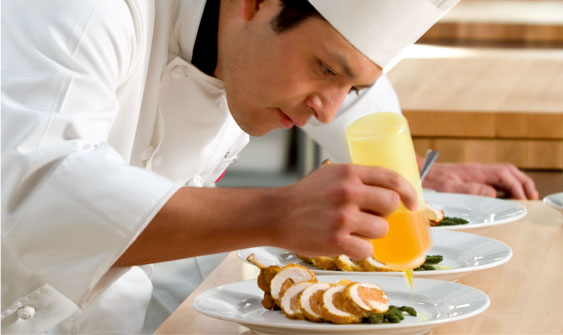
    Culinary is the art of cooking. It doesn’t involve just cooking but also preparation and presentation of a particular dish. A culinary expert is commonly known as a chef. He/she must be well versed with most of the cuisines. The world famous cuisines are listed below.

    Cuisines famous all over:
    1. Italian:

    pasta Supreme_pizza

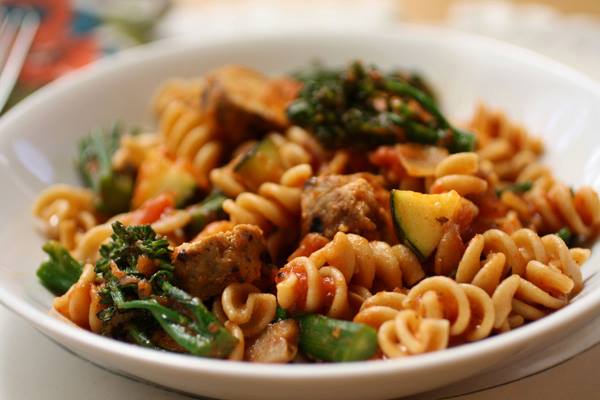
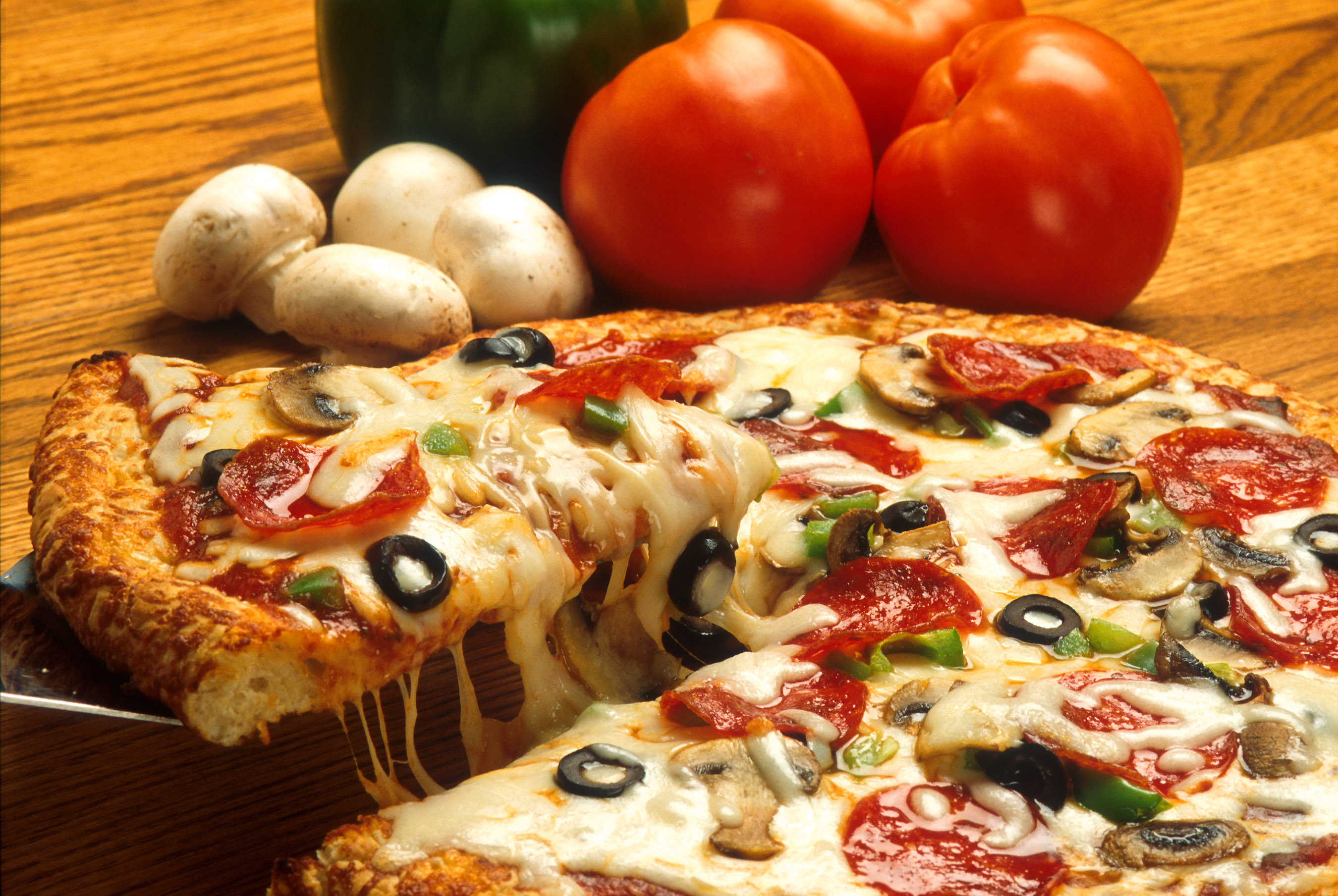
    The first thing that comes to our mind when we hear about Italian food is Pizza and Pasta. The dishes are characterized by simplicity and use maximum 4-8 ingredients. The main ingredients are tomatoes, fish, potatoes, cheese and all kinds of meat. Olive oil is the major vegetable oil used for cooking. Herbs, vegetables and spices are used for toppings. Sauce also forms a major ingredient, mainly in pasta.

    Pasta: Pasta is one of the main cuisines made out of wheat. There are different types of pasta; there is the spaghetti, fusilli, lasagna etc. There are two styles of pasta, the dry, which can be stored for a long time and the fresh one which can be stored only for a short period of time. You can make bland pasta with a lot of cheese and herbs as topping or you can make tangy pasta using tomatoes and spices.

    Pizza: Pizza is flat bread that is baked and often has tomato and cheese with vegetables or meat as toppings. You can create a lot of different varieties of pizza as per your tastes.

    Wine: Italy produces the largest amount of wine in the world. In Italy wine is commonly consumed (alongside water) in meals, which are rarely served without it.

    Desserts:
    • Cassata: Cassata is one of the most famous desserts; it is a cake which contains different kinds of nuts. The round sponge cake is moistened with fruit juices or liquor and layered with ricotta cheese, candied peel, and a chocolate or vanilla filling similar to cannoli cream. It is covered with a shell of marzipan, pink and green pastel colored icing, and decorative designs. The cassata is topped with candied fruit depicting cherries and slices of citrus fruit.
    • Cannoli: Cannoli is Italian pastry dessert. It consists of tube-shaped shells of fried pastry dough, filled with a sweet, creamy filling usually containing ricotta.
    • Gelato: Gelato is Italian for ice cream.
    • Tiramisu: Tiramisu is a popular coffee-flavored dessert. It is made of Ladyfingers (soft sponge cake) dipped in coffee, layered with a whipped mixture of egg yolks, egg whites, sugar and mascarpone cheese.

    2. Chinese:

    Chinese-Food

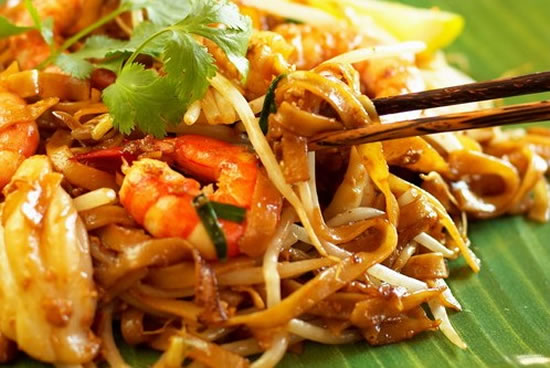
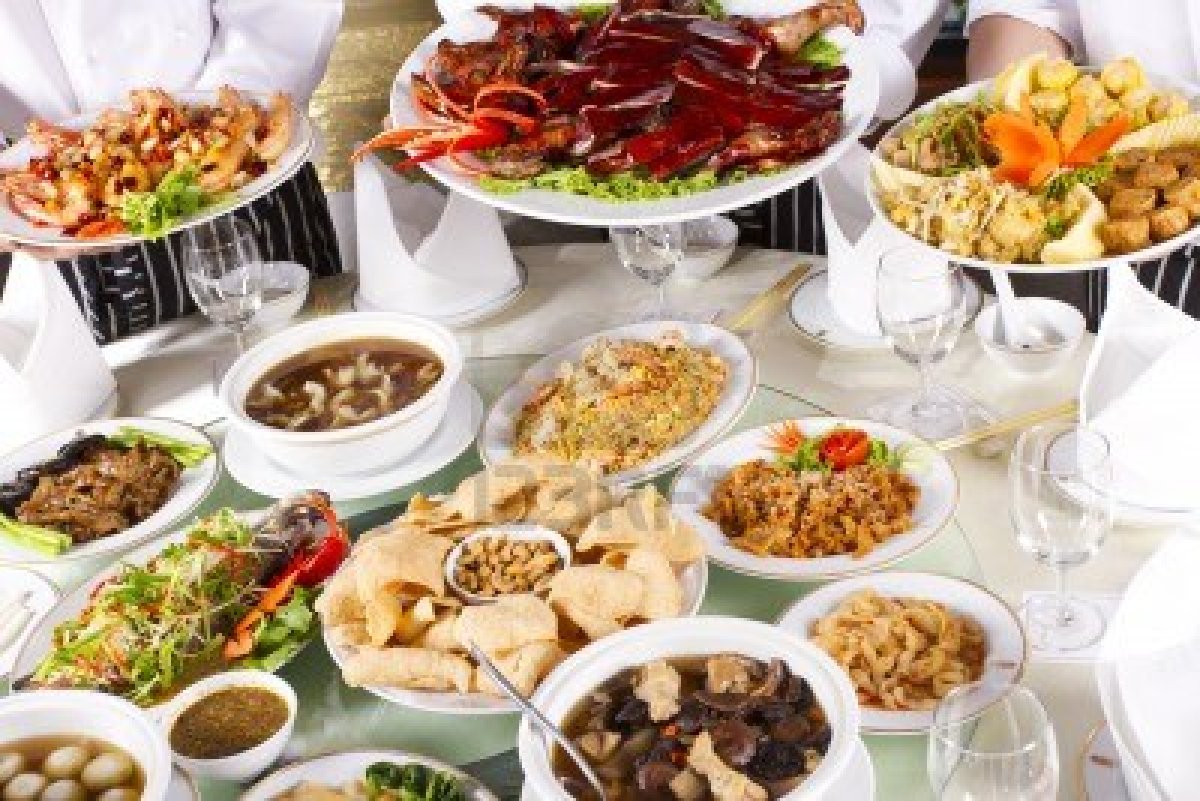
    There are different culinary in China, the Eight Culinary Traditions of China are Anhui, Cantonese, Fujian, Hunan, Jiangsu, Shandong, Szechuan and Zhejiang, out of which Szechuan is most famous in the world. It includes noodles, Manchurians, fried rice etc.
    The main ingredients in Chinese Cuisines are vegetables, rice, noodles, sauces, herbs, spices and beans.
    A lot of sea food also forms a major part of their cuisine like sushi and tofu. They make prawn crackers as snacks. Dim sums and dumplings are also very famous.
    Their major drinks are tea and liquor like Baijiu (white liquor) and Huangjiu (yellow liquor). Tea is given a lot of importance in China. They have ceremonies where tea forms a major part.
    Baijiu is made out of distilled wheat, corn or rice while Huangjiu is a strong rice wine.

    3. Mexican:

    mexicanfood

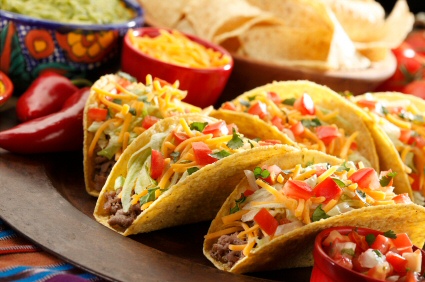
    Mexican cuisine is closely tied to the culture, social structure and popular traditions of the country. Corn, beans, chilli peppers and rice form a major part of the Mexican cuisine. It includes dishes like tacos, nachos, burritos etc. The dishes are tangy and spicy. Tomatoes are used in abundance in Mexican dishes.
    Mexicans have a lot of festivals where food is given major attention and one of the major dishes is called Mole, it is prepared only during special occasions since it requires a lot of time.
    Another important food during festivals is the Tamal or Tamale, it is a filled cornmeal dumpling, steamed in a wrapping (usually corn husk or banana leaf) and one of the basic staples in most regions of Mexico.
    Beverages:
    Corn in Mexico is not only eaten but also drunk. Corn is the base of a lot of drinks which is mixed with other ingredients. They make tea using a lot of ingredients; hibiscus, herbs, tamarind, rice etc. Chocolate also is a major part of the Mexican cuisine.
    Alcoholic beverages from Mexico include Tequila, Pulque, aguardiente and mezcal, with brandy, wine, beer and rum. The most common alcoholic beverage consumed with food in Mexico is beer, followed by tequila.

    4. Indian:

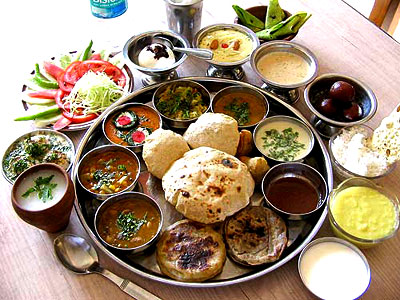
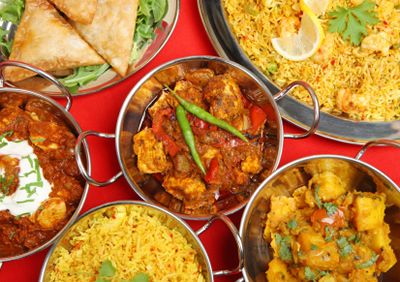
    365103-indian-cuisines-suvarna-mahal

    It is very hard to generalize Indian cuisines because India is a vast country and has many states and each state has many regions and each region has a variety of dishes that are considered famous in that particular region.
    Indian cuisine is majorly divided into North Indian and South Indian Cuisines.
    North Indian:

    North Indian food again has a variety in them, the Paranthas, Chana bhatura and lassi of Punjab, the Churma and Gujia of Rajasthan, the dhokla, thepla and kachori of Gujrath, the Rasgullas of Calcutta etc.

    South Indian:
    The south Indian dishes include Idli, Dosa, Pulav, Upma, Chapathi, Puri, Hyderabadi biryani, chutneys, pickles etc.

    The coastal regions make scrumptious sea food. There are many other dishes that form a major part of the Indian cuisine but these are some of the major dishes.

    Sweets:

    sweets

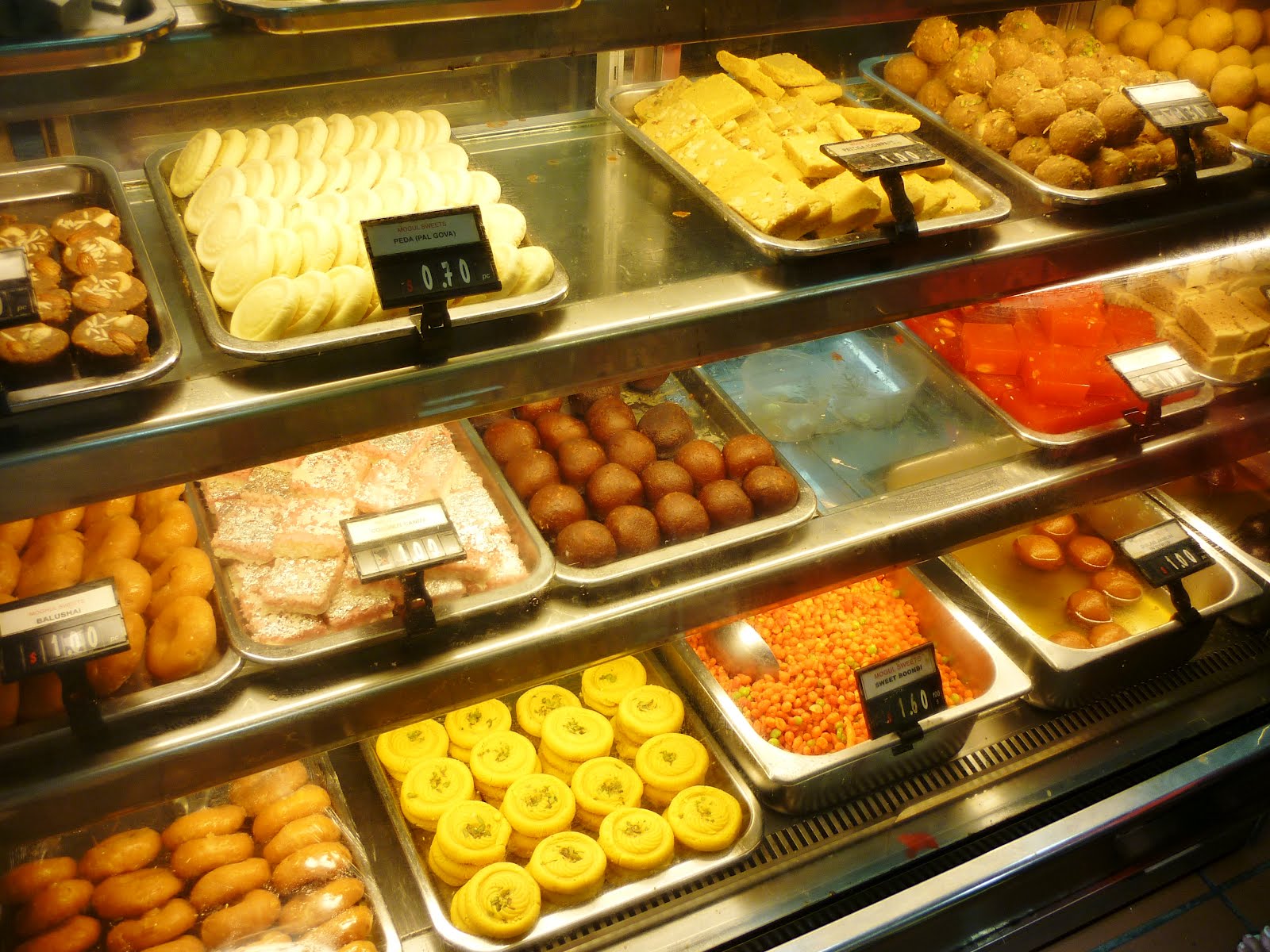
    In India sweets are also an important part of our food. Gulab Jamoons, Kheer, Rasgulla, Paisam, Firni, Falooda, Ladoos, Mysore pak, Gajar ka halwa, Jalebi, Peda, Sohan Papdi, Coconut barfi, Obbattu, Kaju katli etc. are the major sweets savored both in South and North India.
    Tea, coffee, badam milk, ragi and wheat malt are the major drinks in India.

    5. Arabian:

    bir

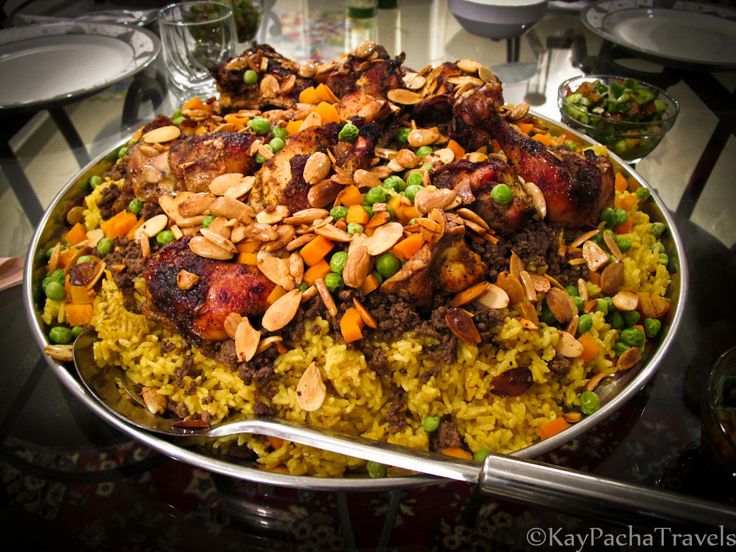
    The Arabian cuisine includes a lot of meat. Wheat, barley and rice are major ingredients. Dairy products such as yogurt and white cheese are most commonly used in their dishes.biryanis and shawarmas are major dishes. They use hot drinks rather than cold ones and coffee is the major drink there.
    Lamb, chicken, beef and camel are major meat products used in the dishes, fish is also used sometimes but is not very important. A lot of herbs and mints are used in their dishes to give an authentic flavor. Sauces are also used to make a dish spicy and tangy. Fruits, nuts, greens, parsley and olive oil are major ingredients in most of their preparations.

  • JEEZ! Chinese

    JEEZ! Chinese

    Familiar with fried rice, spring rolls and Manchurian?

    Thanks to the Chinese for blessing us with such an appetizing cuisine. Unlike the Italian and French cuisines, Chinese cuisine is less sophisticated has far more outreach to the general population around the world. No wonder it’s ranked among the best cuisines the world.But sadly, noodles bears the overused symbolism of Chinese in food, like Butter chicken and Naan to the Indian cuisine.

    History of Chinese cuisine dates back to thousands of years and has encountered change at every level from time to time. People in china are especially particular about their food and hence they have eight culinary traditions namely, ANHUI, CANTONESE, FUJIAN, HUNAN, JIANGSU, SHANDONG, SZECHUAN and ZHEJIANG cuisines. The prominence of this cuisine had taken it out past the national boundaries to countries like Singapore, Malaysia, Indonesia, India and America who have incorporated their native flavors to the cuisine.

    Let’s learn more about it in particular, Staples in Chinese cuisine involve rice, noodles, vegetables, sauces and seasonings. It doesn’t include much of Dairy products but the same is subtly compensated by variety of seafood, poultry and meat.  Corn, millet, cabbage, sweet potato and tofu are eaten the most under vegetables and cereals categories. It is said that that when in past famines were frequented much, it posed a threat to the food supply for general population. At that time rice became an important part of every meal as it was available in plentiful and was observed to go well with both vegetables and meat based on what was available. This gave rice a revered position in their platter which is cherished still the same. And yes! It is traditional for them to use chopsticks and soup spoons for every meal.So now that we had familiarized ourselves to the cuisine, moving towards more exciting part let’s regard some really delectable must have dishes. Shall we?

    1. PEKING DUCK

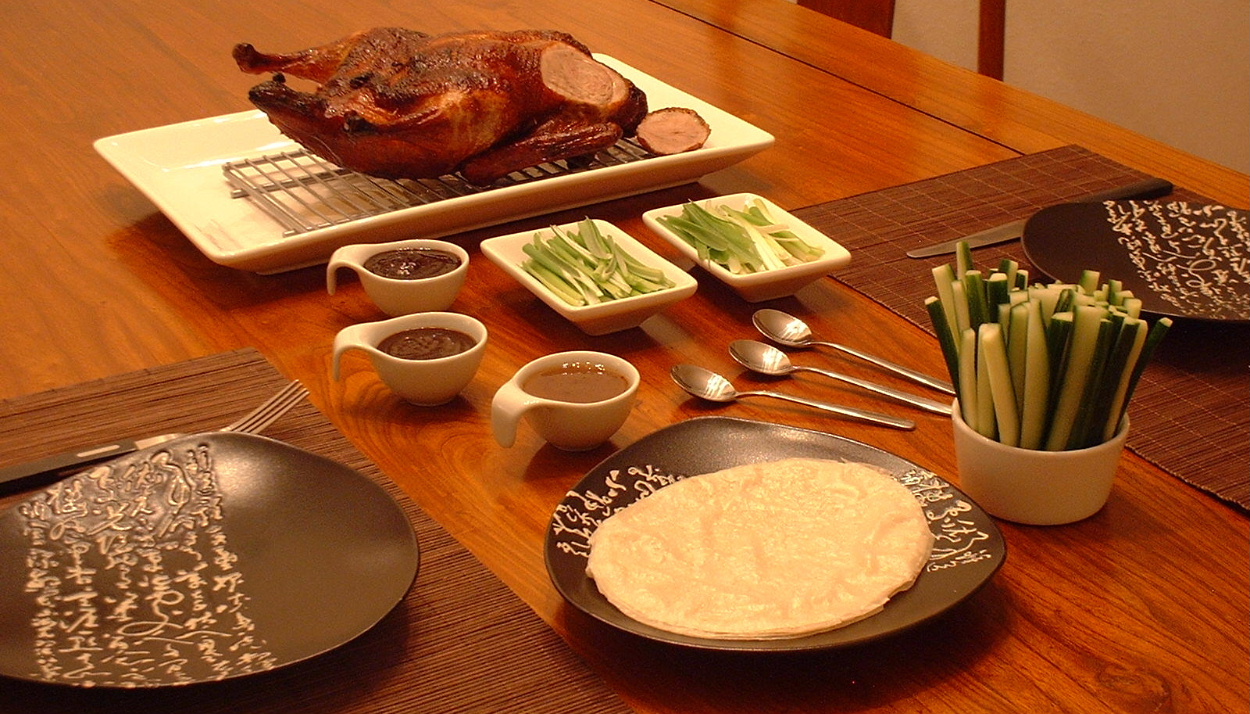
    Peking duck is a duck dish originated from Beijing and cooked from the imperial era is now considered a national dish.  Relished for the thin and crisp duck skin, the dish is eaten with scallion, cucumber and sweet bean sauce with pancakes rolled around the fillings. After cooking, dish is served in three steps: skin dipped in garlic and sugar sauce, meat served with steamed pancakes, sweet bean sauce and spring onions. The rest and vegetables is either eaten separately or mixed with the broth which customers often takeaway.

    Peking_Duck


    1. KUNG PAO CHICKEN

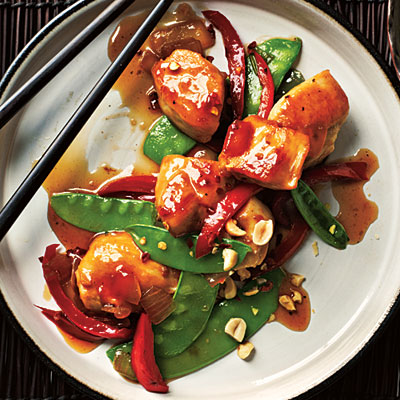
    Next on the list is the very delicious Kung Pao chicken, categorized under Szechuan cuisine originated primarily from the south-western parts of China. Known for its spicy twist, dish is made up of chicken, peanuts, vegetables and chili peppers.  The original version of Kung Pao chicken involves marinating diced chicken and stir frying it with vegetables and peanuts. In vegetables, chili peppers and Sichuan peppercorns are important components. While preparing, peanuts or cashew nuts are deep fried in the wok first till they are golden brown and afterwards rest of the ingredients are added. In the westernized versions of Kung Pao chicken instead of marinated diced chicken, beef, pork or seafood are often substituted which is then cooked by adding orange or orange juice with ginger, garlic and corn starch. The dish is garnished with roasted peanuts or cashew nuts.

    kung-pao-chicken

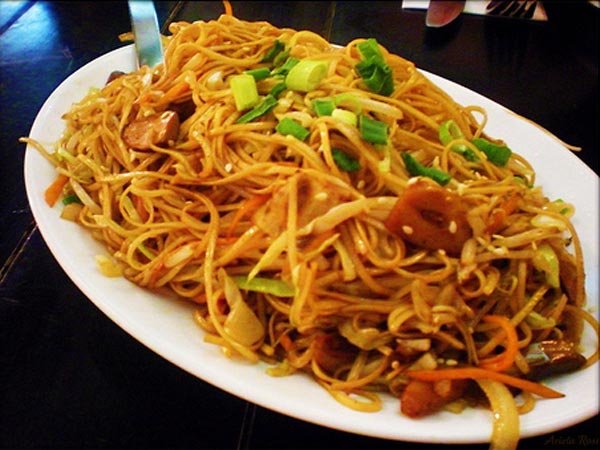
    1. CHOWMEIN

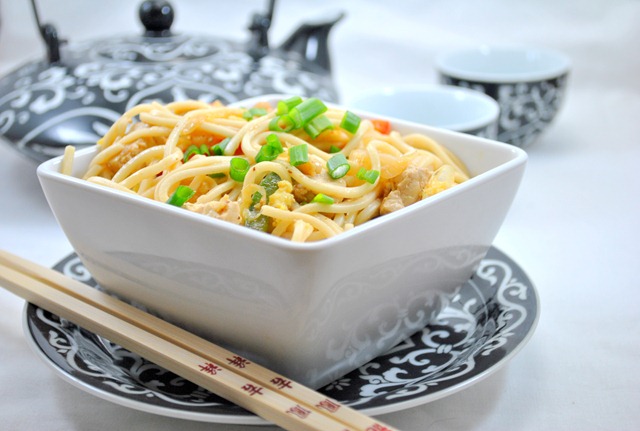
    Now who wouldn’t know this? Very well relished by everyone, it literally means “stir-fried” noodles”. Though there are many regional variations to it, it’s basically they are prepared in two ways: 1. Steamed and 2. Crisp. The Steamed chowmein has long and rounded noodles with softer texture than crispy chowmein, which has fried and flat noodles and is crisper and drier in texture.

    chowmein

    The popularity of chowmein is so widespread that it has more than 5 varieties collaborating with respective regional cuisines all over the world. There are still differences except the basic texture of noodles between crispy and steamed noodles. Like crispy noodles May or may not contained any vegetables or and be simply strained and stir fried, while steamed chowmein usually carrots, onions or celery, cabbage and sprouts.

    crispy chowmein

    The former is served with thick brown sauce while the other is topped with soy sauce. Chowmein can be custom incorporated into Frankies, burgers or you can add chicken or egg to increase the nutrient value of this delight.

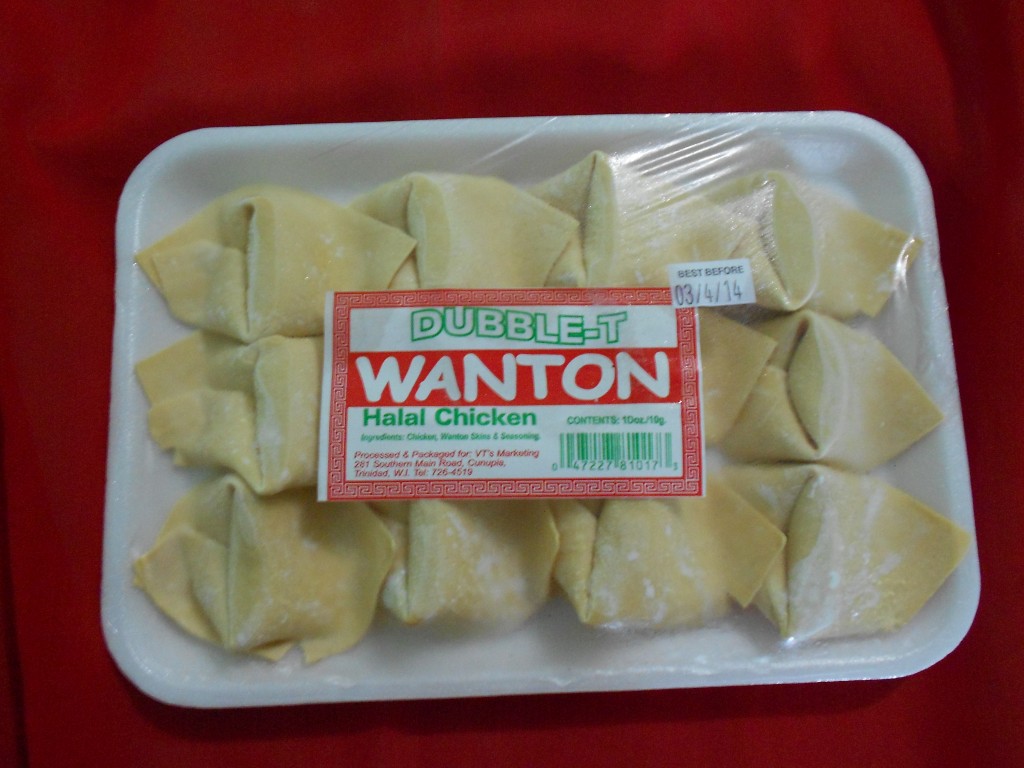
    1. WANTONS

    Dumpling! Yes, wantons are a common addition to soups in Chinese cuisine. The dough is prepared by using flour, water, egg (as per preference) and salt which is then made into small wrappers filled with meat or shrimp or steamed vegetables seasoned with spices, garlic and green onions. The shapes are made as per desire but most versatile shape is right triangle, made by folding the wrapper in half by pulling two diagonally opposite corners.

    wanton

    Relished by boiling and serving them in soups, wantons are also preferred deep fried, like other Chinese dishes it also has various regional variations. Basically the differences lie between the shapes and the filling inside the wantons. If not comfortable with sweating to cook, the pre cooked versions of wantons are available in the market. Enjoy the delicacy with Hoisin or garlic sauce.

    Wrapped-Wantons-Chicken

    1. POPULAR INDO-CHINESE ENTREES

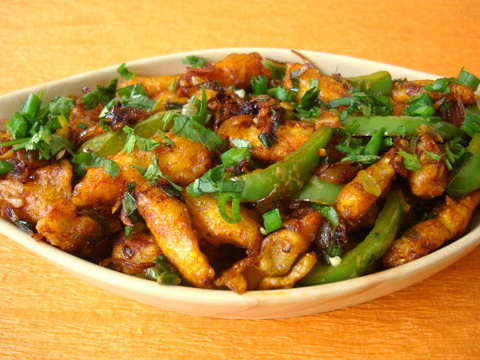
    Now talking about what we plate after collaborating with Chinese cuisine, we actually have plenty from appetizers to desserts.  One of the most popular appetizers is momos apart from apart from spring rolls and soups.Popular entrees include chilli and Manchurian dishes which is often cooked with either chicken for non vegetarian foodies and is mostly substituted by paneer and other vegetables like cauliflower and baby corns for Vegetarians.

    baby-corn-manchuria

    All this and more delicacies are there to explore in this cuisine, which is ever evolving and still have roots to the Chinese tradition. So, explore into the finesse of Chinese.

  • Indian Cuisine

    Indian Cuisine

    The moment we Indians hear the word food our mind gets filled with hundreds of pictures of herbs, spices, dishes, sweets and what not. In India its not just about eating to live in fact it’s the other way round that is living to eat. When our moms cook food for us it is not just about taste but also her love served in the form of food. All of us have seen the serene look on our mothers’ face after we eat what she cooks for us. Any person would trade the world for it.

    Coming back to Indian cuisine, which is in itself a very vast topic to be discussed because India is a land of many religions and cultures and people belonging to different cultures have different taste pallet. Each state in India has some or the other kind of food that is exclusive to that state. In fact some states are known by the food served there. Bihar is known for its traditional dish “litti chokha”, west Bengal for fish and rice, Rajasthan for “daal-baati” and Punjab for “sarson ka saag.” There is a great deal of diversity in flavors in each of these dishes.

    Ingredients used in Indian cuisine are a great way to understand the distinction between various kinds of food cooked in India. While most of the dishes are cooked in vegetable oil, peanut oil is famous in northern and western India, mustard oil in eastern India and coconut oil in south India. Each culinary region also has a distinct blend of spice mix; also known as garam masala and it varies for individual chefs. Use of curry leaves and mustard seeds in very typical of Gujarati and south Indian dishes. Also Kashmiri desserts are seasoned with cardamom, saffron and rose petals.

    Cuisine across India is a result of variation in the local culture and geographical location. It also depends on seasons as those fruits and vegetables are eaten which are ripe. First of all we would talk about Delhi, the capital of India, which is also the birthplace of mughlai cuisine. Delhi since ages has been known for its street food. Delhi has people from all parts of India and thus the cuisine in Delhi is an amalgamation of different Indian cuisines modified in unique ways. Western food items also influence the cuisine in Delhi.

    mughlai-cuisine-250x250

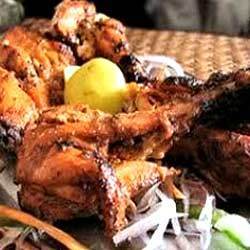
    The food in Punjab is for those who are strong hearted. It is very rich in flavors and has a liberal dose of ghee and spices. They also use a lot of milk and milk butter and no meal is complete without buttermilk. Mainly people in Punjab are wheat eaters and relish eating paranthas and maize roti. The ubiquitous tandoori chicken is a favorite of all non-vegetarian eaters.

    The cuisine of Uttar Pradesh is very diverse and has absorbed and adapted a lot of cuisines to make wonderful dishes. The people of Uttar Pradesh love to eat but they also like to cook and to feed other people. As people they are extremely warm and for them the ultimate form of hospitality is to serve their guests with food until they beg for mercy. They have a wide variety of vegetarian dishes and divine desserts.

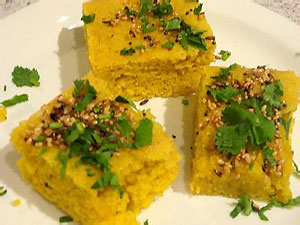
    Unlike any other cuisine, Gujarati cuisine is strictly vegetarian. The difference lies in the unusual blending of sweet and salt into a harmonious whole. Gujarati food has remained more or less the same since ages. The most well known Gujarati dishes are “khaman dhokla”, “paunk”, “undhyoo” and “shrikhand.”

    Cuisine_Gujarat

    Goan cuisine is a combination of Konkani and Portuguese food styles.This culinary amalgamation and adaptation has resulted in fiery coconut based curries and stews using pork and beef and rich cakes and pastries. It also offers an interesting range of red and white wine.

    Feni is a local cashew fruit or coconut brew that hits all the right spots in our taste buds. For people who are less adventurous, there is refreshing coconut water drunk straight from the tender green coconut.

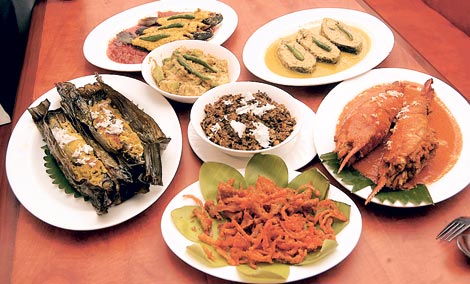
    Bengali food consists of a lot of fish, lentils and rice. Usually their breakfast consists of milk and rice flakes eaten with jaggery. Lunch and dinner are mostly elaborate affairs. The first course is rice and daal with vegetables, pickled mangoes and fresh salad. It is followed by rice and meat. Bengalis are great fish eaters. The “hilsa” fish is a specialty when cooked in mustard sauce.

    bengali-food

    Bengalis love sweets. A vast array of milk based “mithai” has originated in Bengal. The light and spongy Rosogulla and the mouth-watering Sandesh, which are the specialties in Bengali sweets, are available all over India, but nowhere do they taste as they do in Kolkata.

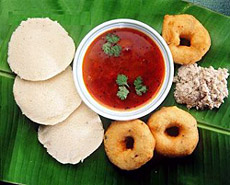
    The food of Tamil Nadu is what is known as “south Indian cuisine” everywhere else in the country. All meals center on a base of rice or semolina preparation like idli, dosa and vada. Eaten alongside is the sambar, sour hot dal with vegetables.

    south indian

    The drink of choice throughout the state is coffee. It is grown in the plantations in the Nilgiri Hills. The coffee is brewed with great care and filtered such that it is guaranteed to deliver the right taste of caffeine with a flavorful punch.

    Just like the culture in India, the food in India has also been influenced by various civilizations, which have contributed a fair share in its overall development and the present form of food that we eat.


  • The cultural capital of India – Kolkata

    The cultural capital of India – Kolkata

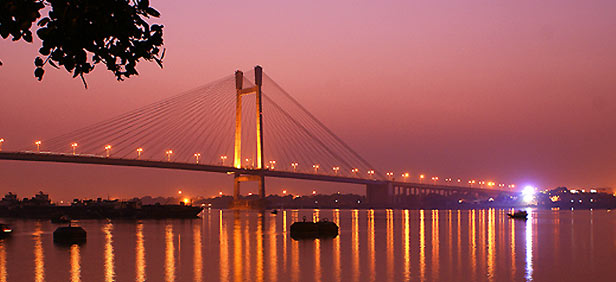
    Kolakta which is the capital of West Bengal and it is the former capital of British India during the year 1772 to 1911.It is one of the ancient and largest cities in India and also one of the major ports in India.IT is located on the eastern bank of hugli river.A city of commerce, transport, and manufacture, Kolkata is the dominant urban centre of eastern India.

    kolkata-city
    Kolkata-city

    Origin of name Kolkata:

    The ancient name of Kolkata is Calcutta, it is a older version of Bengali name Kalikata. According to few people the name Kalikantha is derived from the word Kalikshetra which means ground of goddess Kali.According to few people the name came as the city is located on the bank of the canal Khal.The other opinions are as it is famous for the manufacturing of shell lime, the Bengali words for lime are Kali and the burnt shell in Bengali is kata, thus the name originated according to few people.As it is famous for manufacture of shell lime the government of West Bengal has changed its name to Kolkata.

    Landscape:

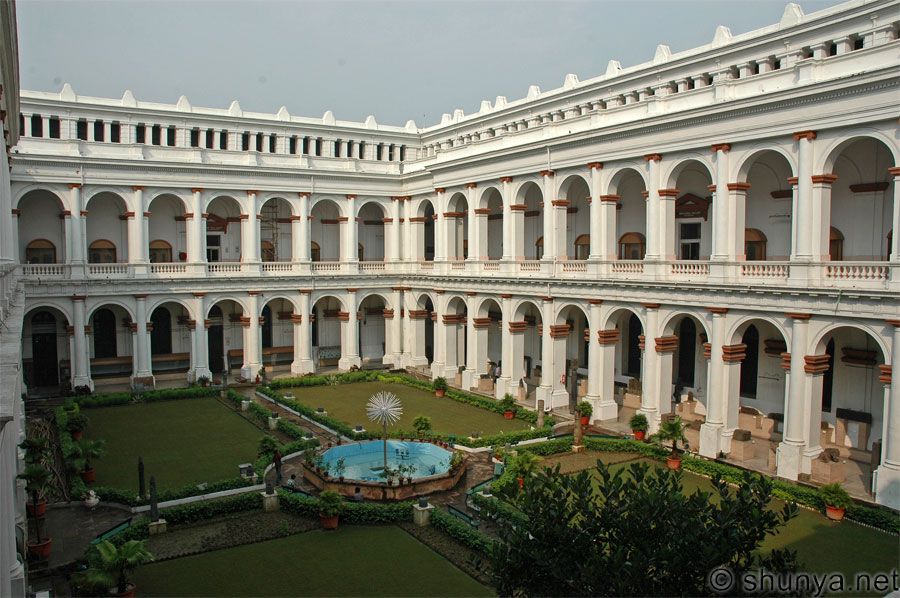
    The city has a maximum elevation of about 9 meters above sea level.The city handles a large portion of India’s foreign trade in both agricultural and manufactured products.The main thoroughfare in Kolkata is Jawaharlal Nehru Road.Along this road we can find many shopping malls, city’s shops, restaurants, and hotels. On our way we an find Indian Museum which has a vast collection of ancient Indian artifacts and on this road we can find Birla Planetarium which is one of the largest planetariums in Asia.Maidan park covering over 985 acres and the main attractions of the park are Fort William and the Victoria Memorial Hall which is massive monument in the museum which is made up of marble.

    Indian-Museum-kolkata
    Indian-Museum-Kolkata

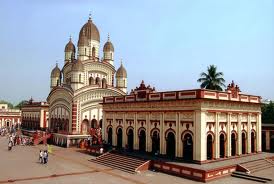
    The city is having many old churches, temples, mosques.The largest mosque in the city was Nakhoda Mosque which was built around 1926 to 42.The Kali temple is an impressive Hindu temple which is famous all over the country.Coming to churches St. Paul’s which is an Anglican cathedral is built around 1839 to 47.Durga puja which is famous Hindu festival celebrated very grandly throughout the city during the months of September and October.

    Kolakta kali temple
    Kolakta kali temple

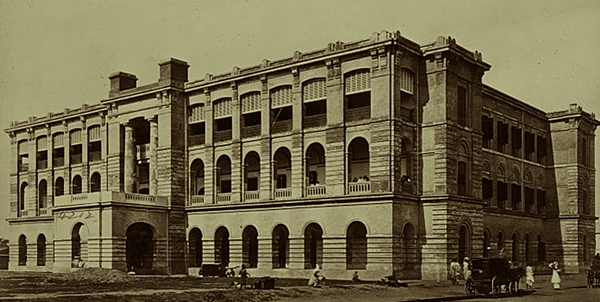
    University of Calcutta which is being the oldest and is found during the year 1857 and this is one of the leading Institution in the city of Kolkata for the higher education.In this city of Kolkata there is National library with a collection of about 20,00,000 volumes.This library is situated at Belverdere Estate which is located near Alipore Zoo.

    Calcutta_university_1857
    Calcutta_university_1857

    The city of Kolkata is having an International Airport which is being served by several railways and highways, including the Grand Trunk Road which links Kolkata with Delhi and upper part of India.In India first Subway is opened in Kolkata during the year 1984.

    kolkata_international_airport
    Kolkata_international_airport

    Climatic conditions:

    The city is quite hot with moderate temperatures during December to January and is having high temperatures during April and May.The average annual rainfall in Kolkata is about 64 inches.Winter falls from the end of November and continues till February.it is pleasant and the fogs and mists reduce the visibility in the early hours.

    People:

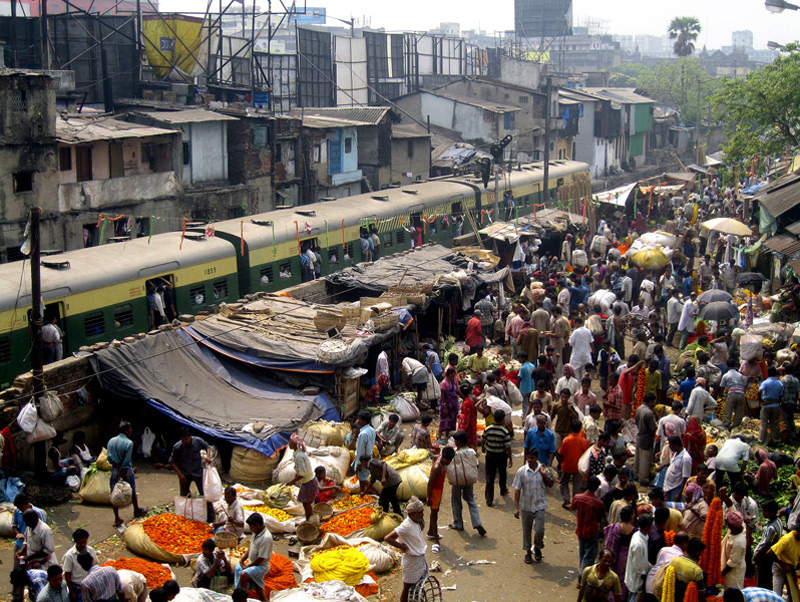
    We can find many religions in Kolkata but the major are Hindus, Christians, Muslims.Because of this multi linguistic in nature we can find many languages are being spoken by the people but most dominant language is Bengali.Many people from various parts of the world visit this city for various purposes being a cosmopolitan city.The population in Kolkata is extremely high and overcrowding can be find in almost every place we visit in the city.This overcrowding is found from many decades this is mainly due to the migrants of the people from the neighbouring states like Bihar, Orissa, Uttar pradesh, Jharkhand are coming to Kolkata in search of employment.

    Over crowding in Kolkata
    Over crowding in Kolkata

    Economy:

    Kolkata Is one of the India’s  prominent economic centres because of its manufacturing industries, finance, trade, exports, imports and is having major activities like printing, publishing, and newspaper circulation, as well as for recreation and entertainment.In addition to all these there are many resources available in Kolkalta like coal, iron, manganese, mica, petroleum, tea, and jute.

    Kolkata Cuisine:

    Kolkata is having unique food habits and many of them eat meat and fish regularly.People of Bengal mostly prefer to eat fish, goat, mutton and chicken and the only exception is beef and few Muslim communities even eat it also.As Kolakta is having countless rivers, ponds and lakes many varieties of fish are available here and we can also find prawns, shrimp and crabs also in abundant.Most of the people eat fish as a dish in any of their day meal.They use different types of spices both for fish and vegetables.

    Kolkata cuisine
    Kolkata cuisine

    Fish:

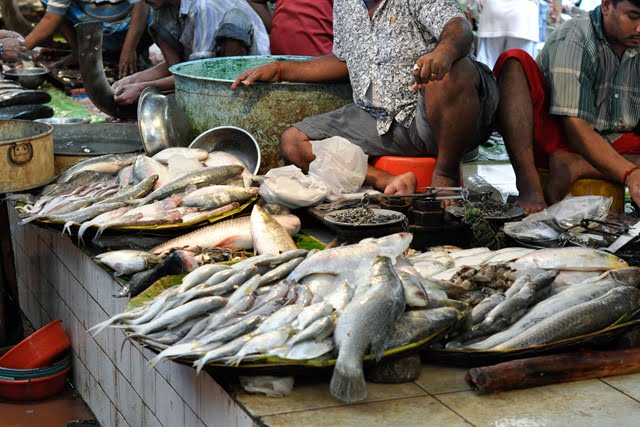
             Fish is the dominant kind of protein in their cuisine because of the numerous number of ponds, lakes, rivers.Almost every part of the fish are eaten and few spare bits of the fish are usually used to flavor curries and dals.The salt water fish Ilish is very popular among the Bengali’s and is also known as the icon of Bengali’s cuisine.There are many ways for the cooking of these fishes depending on the texture, size, fat content and the bones.They can be fried, roasted, a simple spicy tomato based gravy.Some are cooked with curd or yogurt with sour sauce, with sweet sauce or even the fish made to taste sweet on one side and savoury on the other.There is a saying that the Ilish fish can be cooked in 108 different ways.

    Varieties of fishes in Kolkata fish market
    Varieties of fishes in Kolkata fish market
  • Dutch Delicacies

    Dutch Delicacies

    We generally do not find many Dutch restaurants in India. The food from the Netherlands is not as famous as Mexican, Italian or French food but has a spectacular flavor which makes your mouth water and fall in love with it. A foodie like me would never miss a chance to hog on to Dutch food. A lot of sea food and vegetables are consumed by the Dutch, simply because they are into fishing and farming. Bread is also consumed in a large by them. They are number one consumers of bread worldwide.
    Dutch cuisine includes many vegetables and little meat; since the consumption of bread is high, breakfast and lunch generally include bread with a variety of toppings whereas the dinner included some meat and potatoes with lots of seasonal vegetables. The Dutch people prefer relatively high carbohydrates and fat in food, reflecting the dietary need of the labourers. They also consume many dairy products. Many holidays and special occasions are good time to cook special foods. In the course of the twentieth century this diet changed and became much more cosmopolitan, with most international cuisines being represented in the major cities.

     dutch food

    HISTORY

    Traditionally, the Dutch cuisine consisted of simple food such as bread and herring. Their poverty played a huge role in modifying their cuisines. They consumed foods that were filling yet cheap. In the 18th century people started eating potatoes which became their staple food by 1800. In the early 1800s, while the rich afford what they desired, the working population ate bread and potatoes. In some areas, pancakes, fish and other seafood were consumed along with fruits and vegetables and a little meat.
    Since potatoes were grown on a large scale; they were eaten at almost every meal. Boiled and pealed for the main course during lunch and warmed and mashed for dinner. The leftovers were served for breakfast with salt, sometimes vinegar, but without gravy or any other fat. Generally, gravy was served during lunch or dinner. Since it was the food of the poor, it wasn’t very lavish but was filling and tasty. Its simplicity was its USP.
    During the nineteenth century, whatever the people drank was more or less watery, which meant that they consumed poor quality beverages with a lot of water in it. In few areas hot chocolate was consumed but beer and Jenever were the most famous drinks in the country. For most of the century beer was drunk in the southern part. This beer was top-fermented and of terrible quality; not until the 1880s did German-style bottom-fermented pilsner enter the Dutch market. Jenever consumption early in the nineteenth century was twice that of the equivalent.
    FOOD

    BREAKFAST AND LUNCH

    dutch foods


    Breakfast and lunch are similar in Dutch Cuisine. Both consist of bread with a wide variety of cold cuts, cheeses and sweet toppings; such as Hagel slag, vlokken and muisjes. The Dutch are known for their dairy products and specially cheeses. Edam, Gouda, Leerdammer, Leyden, Limburger, Maaslander, Maasdam, Mimolette, Parrano, Roomano, Vlaskaas and Prima Donna are a number of cheeses that are consumed in this nation. Dutch bread tends to be very airy, as it is made from yeast dough. Additional seeds such as sunflower or pumpkin seeds often mixed with the dough for taste. A Frisian luxury version of white bread is suikerbrood, white bread with large lumps of sugar mixed with the dough.[4] Kerststol is a traditional Dutch Christmas bread made of bread dough with sugar, dried fruits, raisins and currants and lemon and orange zest, eaten sliced, spread with butter. The Dutch produce a wide variety of breads.

    TEA TIME

    dutch-coffee


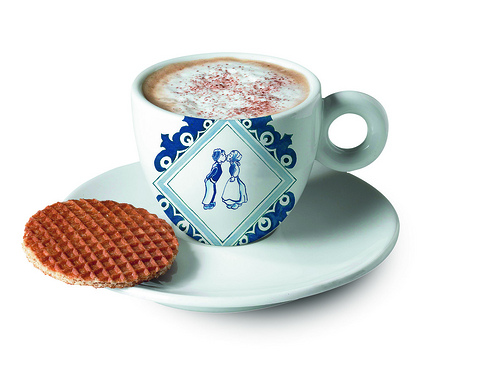
    Dutch people invite friends over for koffietijd (coffee time), which consists of coffee and cake or a biscuit, served between 10 and 11 a. m. (before lunch) and/or between 7 and 8 p. m. (after dinner). The Dutch drink coffee and tea throughout the day, often served with a single biscuit. Dutch thrift led to the famous standard rule of only one cookie with each cup of coffee. It has been suggested that the reasons for this can be found in the Protestant mentality and upbringing in the northern Netherlands.Café au lait is also very common. It is called koffie verkeerd (literally “wrong coffee”) and consists of equal parts black coffee and hot milk. The Dutch drink tea without milk and the tea is quite a lot weaker than the typical English types of tea which are taken with milk. Other hot drinks used to include warm lemonade, called kwast (hot water with lemon juice), and anijsmelk (hot milk with aniseed).

    DINNER

    meat


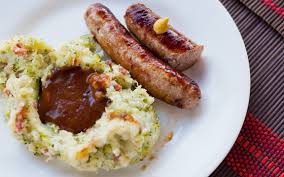
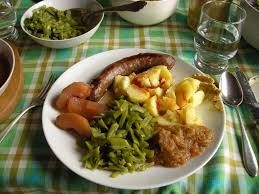
    You will not find many vegetarians over there and thus consumption of meat is common. Dinner is generally served early that starts around or even before 6 o’clock in the evening. The Dutch dinner consists of one simple course: potatoes, meat and vegetables. Traditionally potatoes with a large portion of vegetables and a small portion of meat with gravy, or a potato and vegetable stew are served. A typical traditional Dutch dinner would include stamppot (Dutch mashed potato mixed with other mashed vegetables) and pea soup.. Vegetable stews served as side dishes are for example rodekool met appeltjes (red cabbage with apples), or rode bieten (beetroot). Regular spices used in stews of this kind may be bay leaves, juniper berries, cloves, and vinegar, although strong spices are generally used sparingly. Stews are often served with pickles, including augurken (gherkins) or cocktail onions (zilveruitjes). The Dutch food is rarely hot or spicy. They prefer eating boiled food over fried ones.

    SPECIAL FOODS

    ss


    Cooking special food during special occasions is not something that only the Dutch follow. A variety of food is cooked at different occasions. The birth of a child is an occasion for serving beschuit met muisjes (Dutch rusk covered with sugared aniseed).
    The Dutch celebrate a festival of Sinterklaas is held on 5 December. On this occasion, the Dutch drink hot chocolate milk and eat spice cookies, like speculaas.
    Christmas dinner is also a family occasion where roast pork, game or other luxury meat may be served. An alternative typical Dutch tradition for Christmas meals is ‘gourmet’, when people sit together around a gourmet-set (small table top cooking stove with miniature frying pans) and use their own small frying pans to cook different types of meats, fish prawns/shrimps and finely chopped vegetables accompanied by salads, fruits and sauces.
    eww
    A famous Dutch sweet is zoute drop, (lit. “salty liquorice”) and other liquorice sweets. These sweets are small, black and look much like gums. The four types of drop are soft sweet, soft salt, hard sweet and hard salt drop. It is said that Dutch settlers introduced the cookie to North America. In fact, even the word ‘cookie’ comes from the Dutch ‘koekje’.
  • Street Food Made Easy Part-2

    Street Food Made Easy Part-2

    Okay, for those of you who have read the previous edition to this article, I am not going to bother with an explanation regarding what street food is, how it tastes, what are its benefits and the like. However, for those who are reading about street food for the first time, this article will surely prove to be a pleasant surprise. And dare I say both for the tummy and the mind!

    Street food can be of various types. It can include heavy or light food items as per your hunger pangs. Well, in this article, I would like to satisfy those among you who prefer the former category.

    Often while returning from work or from school or from college, you find your stomach rumbling. Really loudly! Well, what to do? You know that having food from the street is not really the safest bet for your health. But what is the alternative then? It is really simple actually. Just make those street food items which you have been craving for God know how many days at your own home! Follow the recipes given below to get the most satisfying and sumptuous results with the utmost amount of ease on your part. I assure you that you will not be disappointed in the least. Simply read on to find out more!

    (1) Dahi Papdi Chaat:

    PapriChaat


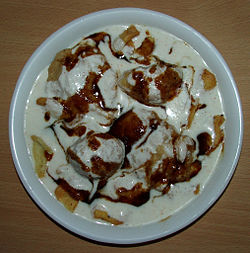
    Dahi Papdi Chaat is a very popular north Indian (Maharashtrian) street food item. Chaat essentially means a Hindi word which literally means ‘to lick’. It is now used to describe a whole range of savoury snacks and fast food items across Indian and in some places abroad as well. Papdi refers to the special crisp fried dough wafers which are made in a special way by using refined white flour and oil (mustard usually) as the main ingredients.

    Ingredients:

    •Crisp Papdis: 24.
    •Whisked Yoghurt: 1 ½ cups.
    •Salt: According to taste.
    •Sugar: 1 tbsp.
    •Boiled and Chopped Potatoes: 2 medium sized.
    •Blanched Sprouted Green Gram: ½ cup.
    •Red Chilli-Garlic Chutney: ¼ cup.
    •Green Chutney: ½ cup.
    •Sweet Tamarind Chutney: ¼ cup.
    •Roasted Cumin Powder: 1 tsp.
    •Chaat Masala: ½ tsp.
    •Red Chilli Powder: ½ tsp.
    •Fresh Coriander Leaves: According to use.
    •Sev: As required.
    •Peeled Pomegranate (Anar): 2 tbsp.

    Preparation:

    •Add salt and sugar to the yogurt and whisk further till it has arrived at a smooth consistency. Keep the mixture in the refrigerator till use. In the meantime, arrange the Papdis on a medium-sized plate.
    •Place some of the chopped potatoes over each Papdi. Over that, put some boiled sprouted moong. Drizzle a little Red Chilli-Garlic Chutney, Green Chutney and Sweet Tamarind Chutney over those.
    •Sprinkle cumin powder, chaat masala, a little red chilli powder and salt. Top it all up with the chilled yogurt mixture.
    •Drizzle some more of the Sweet Tamarind Chutney and the Red Chilli-Garlic Chutney. Then add the coriander leaves, Sev and the pomegranate pearls on top at the end.
    •Serve immediately.

    Preparation Time: 15-20 minutes.

    Serves 4.

    (2) Pav Bhaji:

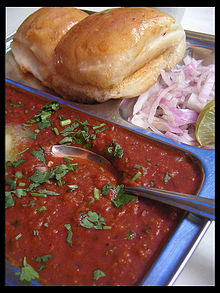
    PavBhaji

    Pav Bhaji is an exceedingly popular Maharashtrian street food item that traditionally originated in the Mumbai cuisine. While the Bhaji part of the dish is a traditional Indian name for a vegetable dish, the Pav or Pau or Pao was the Portuguese word for bread (small rolls). Pav Bhaji is native to Mumbai and has now become popular in almost all the metropolitan areas in India especially in those of central and western Indian states such as Gujarat and Karnataka.

    Ingredients:

    •Turmeric Powder: ¼ tsp.
    •Pav Bhaji Masala Powder: 1 ½ tbsp.
    •Ginger Garlic Paste: 1 ½ tbsp.
    •Finely Chopped Tomatoes: 3 medium sized.
    •Tomato Sauce (Optional): 4 tbsp.
    •Lemon Juice (Optional): 1-2 tsp.
    •Finely Chopped Onion for Garnishing (Optional): 1 small sized.
    •Coriander Leaves for Garnishing: According to requirement.
    •Butter/Oil for Bhaji: 1 tbsp.
    •Additional Butter for Pav: According to requirement.
    •Pav (Buns): 6 to 8.

    Preparation:

    •Add the butter or oil in a pan and heat it up. Add the chopped onions and fry till they turn translucent. Then, add the ginger garlic paste and fry till it gets fragrant.
    •Add the chopped tomatoes, the turmeric powder and then sprinkle salt. Continue to fry till the tomatoes turn soft and mushy.
    •Add the chilli powder, extra salt and Pav Bhaji Masala powder. Mix well and fry for another 2 minutes.
    •Pour water so that it is just enough to cover the vegetables.
    •Add the coriander leaves. Mix well and mash the curry if you desire a smooth Bhaji.
    •Cook till the consistency of the gravy becomes thick.
    •Slit the Pav buns horizontally leaving one edge intact.
    •Heat the butter on a pan. Open the buns and toast it for a minute or two. If you like to make it spicier, sprinkle some Pav Bhaji Masala Powder on the inner side.
    •Garnish with onions and serve either hot or warm.

    Preparation Time: 25-30 minutes.

    Serves 3-4.

    So, there you are. I am sure that you must be salivating by now if you have read through the recipes and seen the pictures. Especially if you are on an empty stomach! Well, then. Why the wait up? Go to the kitchen and start cooking. Nobody is going to stop you from devouring these delicious food items once you are done!

    Happy snacking folks!