Tag: kolkata

  • Food Walk – Part I

    Food Walk – Part I

    Photo Walk.

    Sure.

    But how many of you have heard of “FOOD WALK”?


    Food Walk (definition):

    You walk. You go places. You try out different delicacies. You eat, eat and eat.

    Your knowledge of food increases tenfold. Your waist-line – not so much, since you are literally walking the whole way and that makes up for all the calories you intake.


    Going around the city with my friends from college, I have learnt a great deal about my Kolkata and its food culture. We, more often, hit the old cabins of the yesteryears than the posh Park Street restaurants – because, well, we are students at the end of the day with just enough cash for our endeavors.

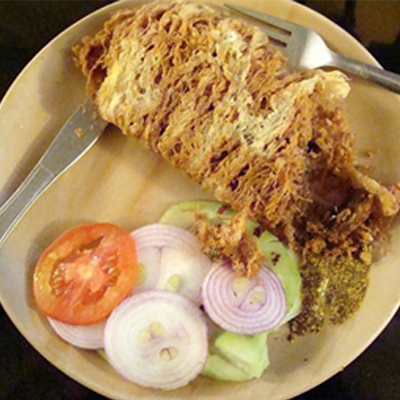
    One of the very first places we went to was Das Cabin, situated in Gariahat. We googled it’s speciality : Moghlai , Kosha Mangsho( Spiced Chicken/Mutton) with Roti and Kobiraji. And the foodies that we are, we ordered all three. The prices were quite reasonable and the food was impeccable. The Moghlai was small and soft with a considerable amount of filling. I would have to say I have had better – in South Pole, to be precise, which is also in Gariahat(Note: South Pole serves Moghlai only after 3 p.m.). The Kosha Mangsho was delicious and can give good competition to the one in the famous Golabari in Shyambazar. And the Kabirajio the kabiraji! – was crisp, made with the right amount of spice in the patty and with each bite, you could literally hear the angels sing.


    A try-at-home recipe –


    Fish Kobiraji
    fish_kabiraji

    Ingredients: 10 bhetki fillets, ½ tsp mustard powder, ½ tsp black pepper powder, 1 tsp red chili powder, 1 tsp coriander and mint leaves (chopped), 10 Eggs, 2 tbsp cornflour, 2 tsp Breadcrumbs (optional), Juice of one lemon, Salt

    Direction: Wash the bekti fillet under running water, pat them dry and soak in salt and lemon juice for 20 minutes. Mix the mustard powder, red chili powder, black pepper powder, coriander and mint leaves together and apply on the each side of the fillets evenly and refrigerate it for another 20 minutes. Beat the eggs and mix the cornflour, breadcrumbs with salt. Heat some oil in a pan and add two tablespoons of egg mixture. As soon as it becomes fluffy add the marinated fish fillet and quickly cover it with the egg mixture. Fry on low to Medium heat till done. Serve hot with kasundi (Bengali mustard sauce) and salad.


    Another day, we decided to walk from Presidency University to New Market, from there to Sudder Street and thereby, in the end, landing up in Park Street. If you walk to the right of Presidency University, a little near College Square, you will find a tiny old cabin reminiscing its old world charms. Favourite Cabin is a cabin which has tales etched in all its nooks and corners; oft frequented by the older generation, it felt amazing to sit there, the only people below 55, sipping 3-rupees-milk-tea, biting into crunchy Cream Roll and observing the theatric conversations buzzing around us.

    Sudder Street, however shady it may be, has quite a few good food places – Blue Sky Café and Spanish Café being the most popular ones. I’m yet to visit Blue Sky Café but having chanced upon Spanish Café, I got to say it serves reasonably priced and yummilicious food. Their Café Bombon is a must-have! The Chocolate Pancake is simply a piece of ambrosia. The Mint Tea is refreshing – the way you feel when you hear Richard Stoltzman’s The Maid With Flaxen Hair. In short, you absolutely must try them!


    Here are the home-made alternatives –


    Chocolate Pancake
    Chocolate_Pancake

    Ingredients: 1 cup refined flour (maida), 3 tbsp chocolate grated, 1/3 cup cocoa powder, ½ tsp  soda, 1 cup Milk, 2 tbsp butter melted, 1 egg, ¼ cup  sugar, ½ tsp salt, Castor sugar (to sprinkle)

    Direction: Sieve together flour, baking soda, cocoa powder into a bowl. Add milk, melted butter, egg, sugar, salt and mix well. Heat the skillet and pour a ladleful of batter on the skillet and cook on both sides until brown. Serve hot sprinkled with caster sugar and grated chocolate on top.


    Mint Tea

    tea

    Ingredients: 2 tbsp fresh mint leaves (pudina), 2 tea bags or 2 tsp tea leaves, 2 and half cups of water (each cup being equal to 250 ml), milk, sugar (as per taste)

    Direction: Wash the mint leaves in water. In a tea pan or tea maker, add water. Add the mint leaves. Boil the water for 3-4 minutes till the flavors and aroma of the mint starts infusing in the water. The water will start becoming green. Let the quantity of green color in the water increase considerably. Add the tea leaves. Add sugar. Add milk and let the tea come to a boil. Serve the mint tea with light tea-time biscuits. If using tea bags, then put off the burner. In the hot water, dip the tea bags for 2-3 mins. Add sugar and hot milk. Stir and serve.


    (To be continued)
     

  • The cultural capital of India – Kolkata

    The cultural capital of India – Kolkata

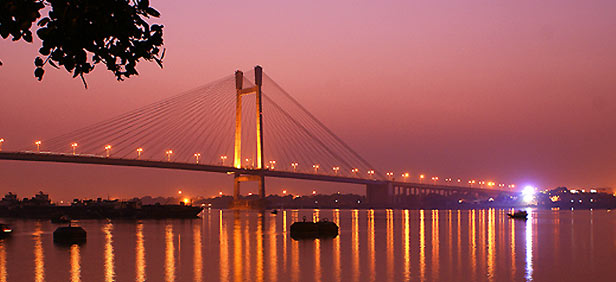
    Kolakta which is the capital of West Bengal and it is the former capital of British India during the year 1772 to 1911.It is one of the ancient and largest cities in India and also one of the major ports in India.IT is located on the eastern bank of hugli river.A city of commerce, transport, and manufacture, Kolkata is the dominant urban centre of eastern India.

    kolkata-city
    Kolkata-city

    Origin of name Kolkata:

    The ancient name of Kolkata is Calcutta, it is a older version of Bengali name Kalikata. According to few people the name Kalikantha is derived from the word Kalikshetra which means ground of goddess Kali.According to few people the name came as the city is located on the bank of the canal Khal.The other opinions are as it is famous for the manufacturing of shell lime, the Bengali words for lime are Kali and the burnt shell in Bengali is kata, thus the name originated according to few people.As it is famous for manufacture of shell lime the government of West Bengal has changed its name to Kolkata.

    Landscape:

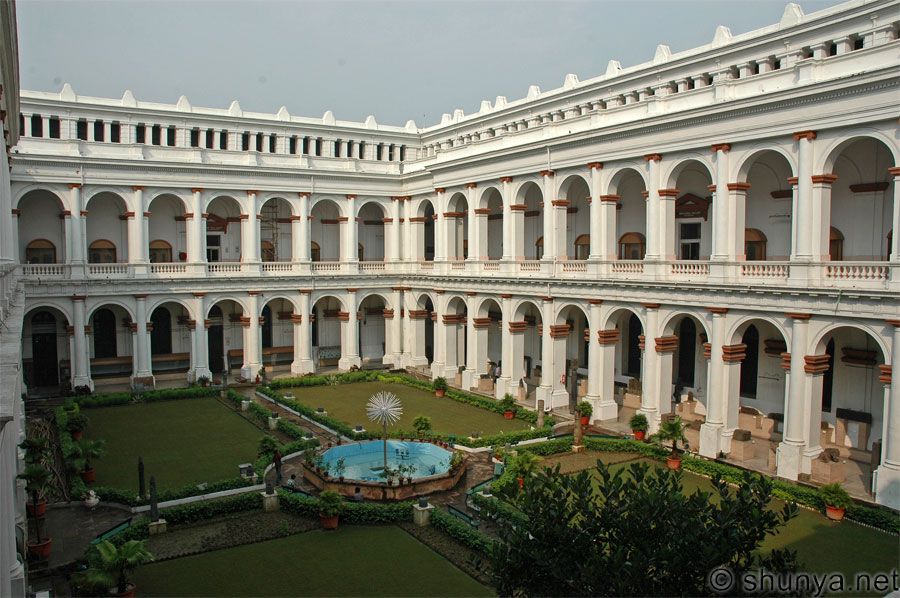
    The city has a maximum elevation of about 9 meters above sea level.The city handles a large portion of India’s foreign trade in both agricultural and manufactured products.The main thoroughfare in Kolkata is Jawaharlal Nehru Road.Along this road we can find many shopping malls, city’s shops, restaurants, and hotels. On our way we an find Indian Museum which has a vast collection of ancient Indian artifacts and on this road we can find Birla Planetarium which is one of the largest planetariums in Asia.Maidan park covering over 985 acres and the main attractions of the park are Fort William and the Victoria Memorial Hall which is massive monument in the museum which is made up of marble.

    Indian-Museum-kolkata
    Indian-Museum-Kolkata

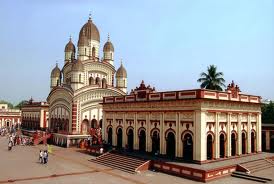
    The city is having many old churches, temples, mosques.The largest mosque in the city was Nakhoda Mosque which was built around 1926 to 42.The Kali temple is an impressive Hindu temple which is famous all over the country.Coming to churches St. Paul’s which is an Anglican cathedral is built around 1839 to 47.Durga puja which is famous Hindu festival celebrated very grandly throughout the city during the months of September and October.

    Kolakta kali temple
    Kolakta kali temple

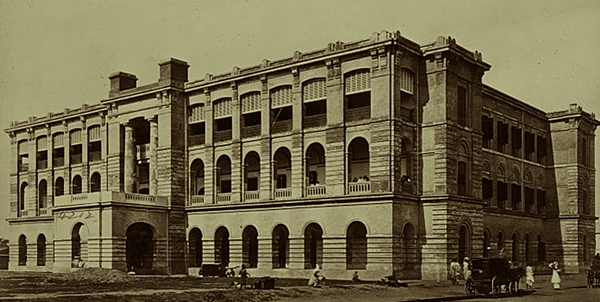
    University of Calcutta which is being the oldest and is found during the year 1857 and this is one of the leading Institution in the city of Kolkata for the higher education.In this city of Kolkata there is National library with a collection of about 20,00,000 volumes.This library is situated at Belverdere Estate which is located near Alipore Zoo.

    Calcutta_university_1857
    Calcutta_university_1857

    The city of Kolkata is having an International Airport which is being served by several railways and highways, including the Grand Trunk Road which links Kolkata with Delhi and upper part of India.In India first Subway is opened in Kolkata during the year 1984.

    kolkata_international_airport
    Kolkata_international_airport

    Climatic conditions:

    The city is quite hot with moderate temperatures during December to January and is having high temperatures during April and May.The average annual rainfall in Kolkata is about 64 inches.Winter falls from the end of November and continues till February.it is pleasant and the fogs and mists reduce the visibility in the early hours.

    People:

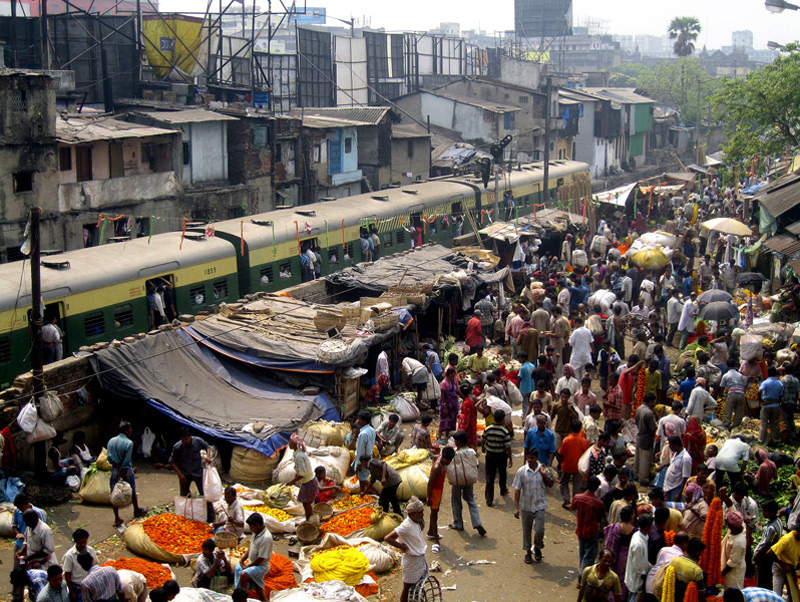
    We can find many religions in Kolkata but the major are Hindus, Christians, Muslims.Because of this multi linguistic in nature we can find many languages are being spoken by the people but most dominant language is Bengali.Many people from various parts of the world visit this city for various purposes being a cosmopolitan city.The population in Kolkata is extremely high and overcrowding can be find in almost every place we visit in the city.This overcrowding is found from many decades this is mainly due to the migrants of the people from the neighbouring states like Bihar, Orissa, Uttar pradesh, Jharkhand are coming to Kolkata in search of employment.

    Over crowding in Kolkata
    Over crowding in Kolkata

    Economy:

    Kolkata Is one of the India’s  prominent economic centres because of its manufacturing industries, finance, trade, exports, imports and is having major activities like printing, publishing, and newspaper circulation, as well as for recreation and entertainment.In addition to all these there are many resources available in Kolkalta like coal, iron, manganese, mica, petroleum, tea, and jute.

    Kolkata Cuisine:

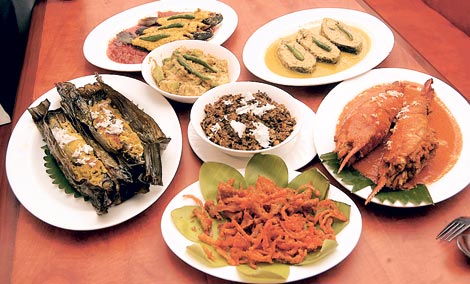
    Kolkata is having unique food habits and many of them eat meat and fish regularly.People of Bengal mostly prefer to eat fish, goat, mutton and chicken and the only exception is beef and few Muslim communities even eat it also.As Kolakta is having countless rivers, ponds and lakes many varieties of fish are available here and we can also find prawns, shrimp and crabs also in abundant.Most of the people eat fish as a dish in any of their day meal.They use different types of spices both for fish and vegetables.

    Kolkata cuisine
    Kolkata cuisine

    Fish:

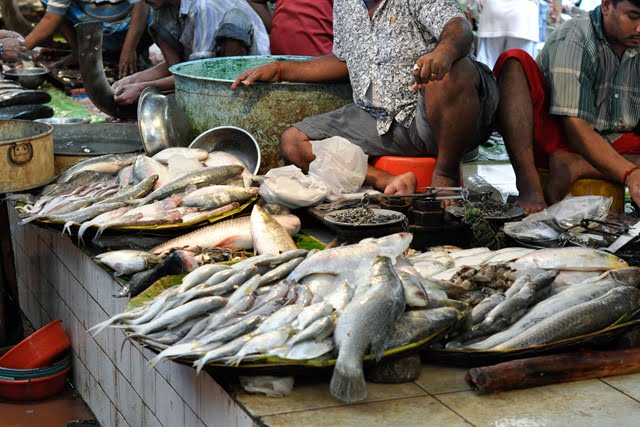
             Fish is the dominant kind of protein in their cuisine because of the numerous number of ponds, lakes, rivers.Almost every part of the fish are eaten and few spare bits of the fish are usually used to flavor curries and dals.The salt water fish Ilish is very popular among the Bengali’s and is also known as the icon of Bengali’s cuisine.There are many ways for the cooking of these fishes depending on the texture, size, fat content and the bones.They can be fried, roasted, a simple spicy tomato based gravy.Some are cooked with curd or yogurt with sour sauce, with sweet sauce or even the fish made to taste sweet on one side and savoury on the other.There is a saying that the Ilish fish can be cooked in 108 different ways.

    Varieties of fishes in Kolkata fish market
    Varieties of fishes in Kolkata fish market
  • Mouth-watering Kolkata Street Food

    Mouth-watering Kolkata Street Food

    Kolkata. The City of Joy.
    Kolkata. The land of literature and poetry.
    Kolkata. The land of ‘tok-jhal-mishti’.
    Kolkata. The city of history and heritage.
    Kolkata. The Cultural Capital of India.
    Kolkata. The city of street food.

    Food as we know goes hand in hand with culture. Street food- the very culture of which began in Kolkata and it holds great importance in the city. Unlike other cities where there are particular areas where you can expect to find chaat-walla, gol-guppa walla and nimbu-pani wale bhaiya, in Kolkata you will find road-side vendors at every nook and crack of the city selling some or the other snack. Once you have lived in Kolkata and if you move out, more than your family you will miss the food- this is a popular belief. I was born and brought up in this city and I have explored all the possible street food items that are available here, being the foodie that I am. So here is a list of the 16 most delicious and mouth-watering street food items found in the City of Joy which sure will leave all of you wanting for more.

    1. The all-time favourite: Puchka and Churmur.

    110

    This is one of the most iconic street food items and it is an all-time favourite. As we know it, puchka belongs to the Gol-guppa or the Paani puri family, which are the other variations found in other parts of the country. But puchka, as called in Kolkata is thought to be the King of all variations. It contains numerous spices and comes in lot of variations like- ‘Doi puchka or dahi puchka’ which has curd. This is one of the specialities of Kolkata. The spiced mashed potato along with the tamarind or ‘misthti jol’ (Sweet water) in the crunchy puri is sure to make you drool.

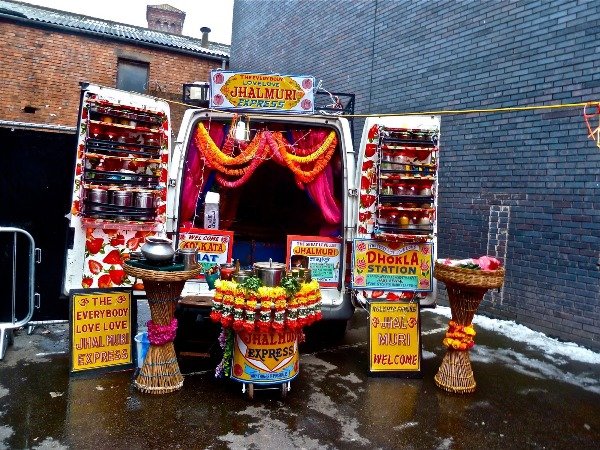
    2. Jhalmuri

    24

    This is another speciality of Kolkata. This is so famous that it has made a mark for it across continents. It consists of puffed rice, spices, chanachur or bhujia, chopped onions, chilly and nuts. It might also have coriander, tomatoes and a coconut slice. This is a food item which can be modified according to the customer’s choice. Jhalmuri is served in old newspaper cones, something which has been an old tradition now.

    3. Roll

    35

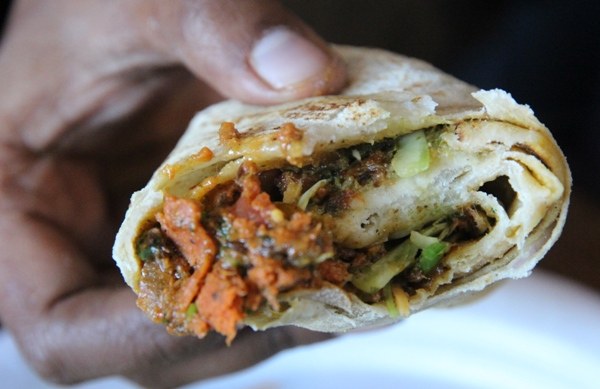
    The rolls found in Kolkata are definitely the most delicious ones you will ever eat. The Kathi roll is again a speciality of this city. Basically a parantha is filled with the stuffing of one’s choice (for example Aloo, paneer, tandoori chicken, egg, etc.) and it rolled up, which the customer is supposed to hold in the hand and eat. Rolls are a favourite of the students or office-workers because it is not only tasty, it is also filling and affordable.

    4. Samosa or Shinghara

    samosa_full

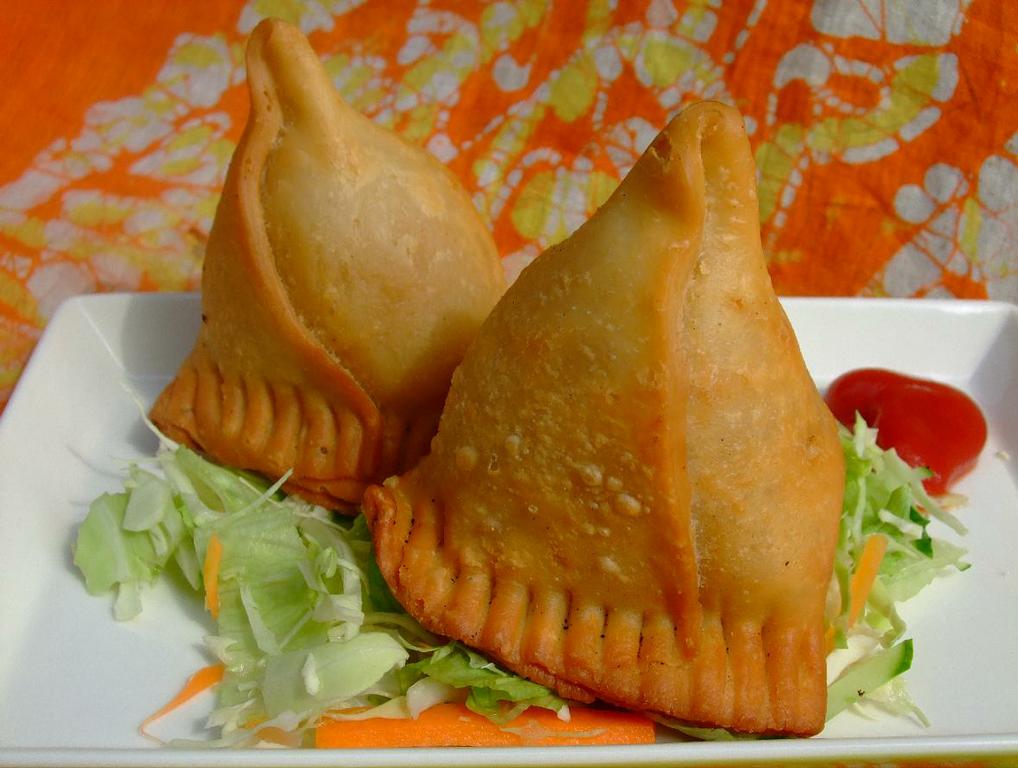
    Usually it is an evening snack, enjoyed with a cup of hot tea. It is a triangular shaped baked of fried pastry and it has a stuffing of mashed potatoes and is served with mishti chutney. They may have variations where the stuffing comprises of paneer, minced mutton, keema, etc.

    5. Telebhaja

    43

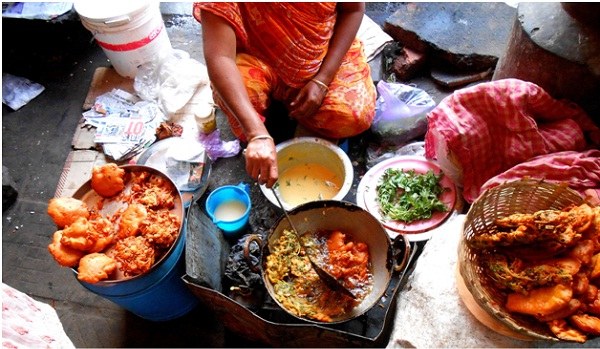
    Quintessentially Bengali, telebhaja means fried items. In every corner of the street you will find small road-side stalls selling fried items such as ‘Beguni, aloo’r chop, pyaaji, phuluri, etc. They are excessively oily but they taste heavenly. This is one item every Calcuttan definitely misses when they leave.

    6. Ghoogni

    54

    This is a typical Bengali dish and it comprises of Yellow dried peas, onions, chilly, coriander, tomatoes, and seasoned with spices. One may also add sliced carrots and coconut. It is mixed with the peas and served hot in a dry leaves bowl. Some Bengalis also enjoy ghoogni with puffed rice.

    7. Chowmein

    1CBF89791CF653CE125AE1CB2A5E7_h498_w598_m2

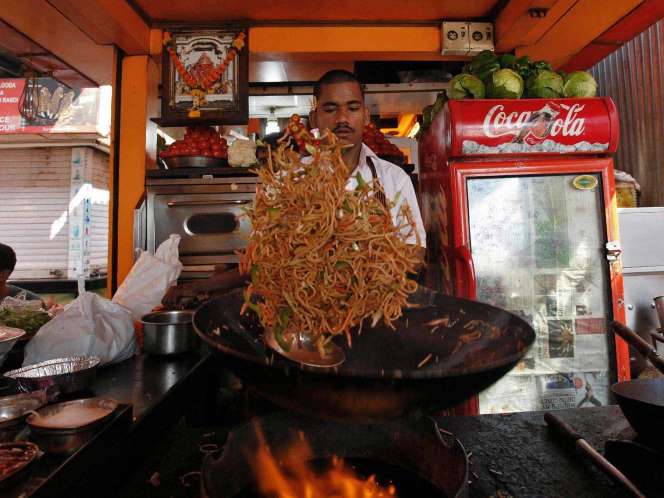
    You might be wondering how this dish is street food? Well in Kolkata it is. You will find street-side stalls where hot and spicy chow is pan fried or stir fried with added vegetables or egg or chicken and served in plastic plates. You have to try it and then you will never want to have chow in a restaurant again.

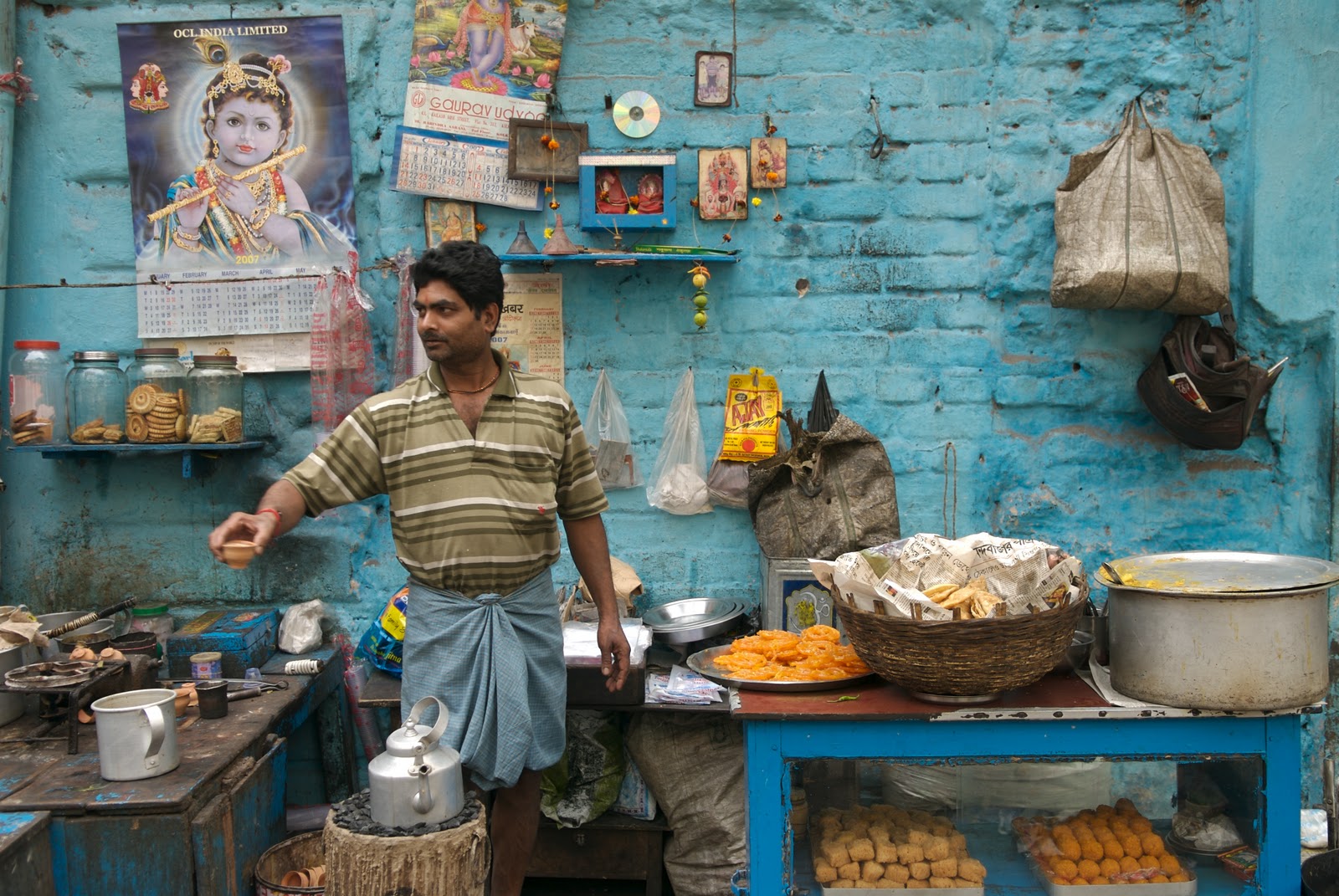
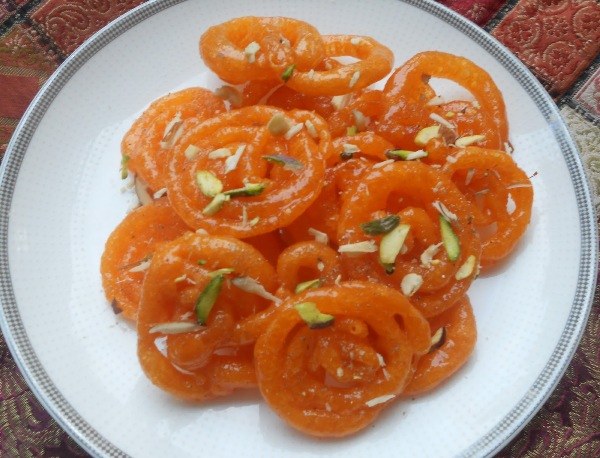
    8. Jalebi or Jilipi

    112

    Jilipi as Bengalis love to call it, it a unique type of sweet. One can never say what it exactly taste like because it is crispy, chewing, and soft all the same time. Kolkata has a special variation of jalebi called the ‘Channa’r jilipi’ which is made of channa or thick, fresh cottage curd cheese.

    9. Fish Cutlet or fish fingers

    132

    As we all know it, Bengalis love fish. Fish and even chicken cutlets once again can be found in and around every street corner and is enjoyed by all. These are really tasty snacks which are mouth-watering and very inexpensive.

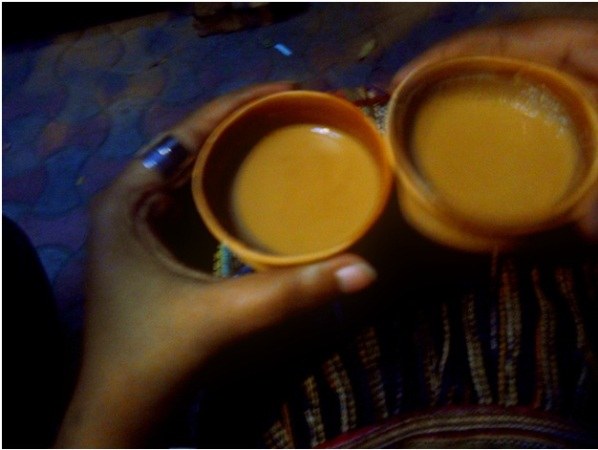
    10. Cha, Chaai in Earthen cups

    175

    Chai is available everywhere in the country. Then what makes Kolkata’s chai so special? The USP of the tea served here is that it is served in ‘Bhaanr’ or earthen cups. Every Calcuttan who has had chai in earthen cups will know that it adds a characteristically different flavour to the tea. The road-side vendors do add spices if the customer demands.

    These are the list of 10 street-food items which are delicious and will totally satisfy your taste buds. So all the foodies out there, next time plan a trip to Kolkata and trust me you will not be disappointed!

  • Sweets – Yummy treats for You!!

    Sweets – Yummy treats for You!!

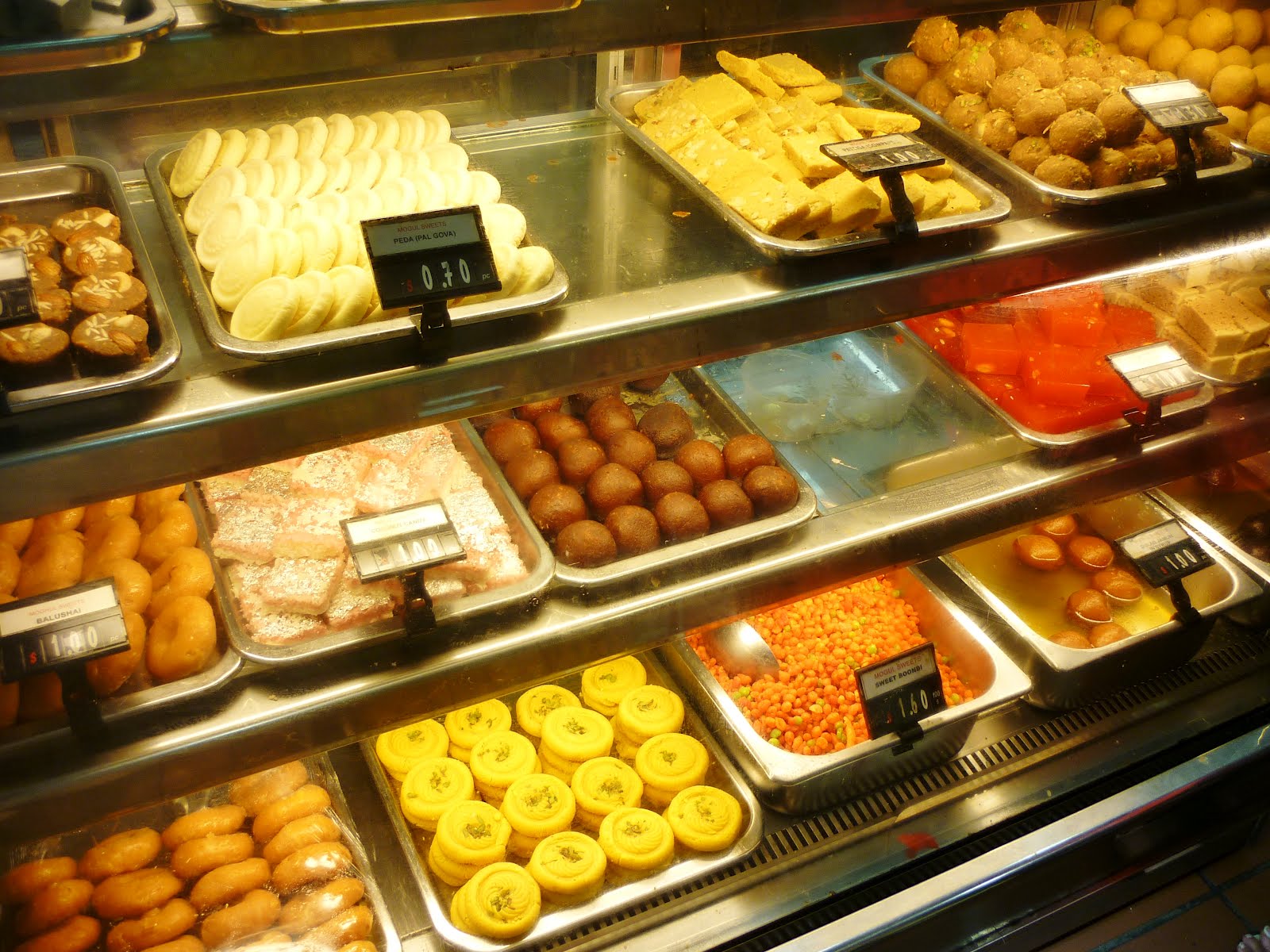
    My college is situated at this awesome place. Remember, I told you about all the lip-smacking biriyani food joints near my college? Well, Park Circus also has its neat share of ‘misti r dokan’, i.e., sweet shops.

    To name a few – Jugols’ , Mithai and a tiny sweet shop near Mahadevi Birla Girl’s School which serves soft hot white rasgullas that melt in the mouth. I remember walking to Jugols’ in the sultry heat in my first year (back then I was a regular customer) of college just to satisfy my taste buds.

    sale-of-sweets-cakes-up-manifold-ahead-of-eid-1375757760-6699


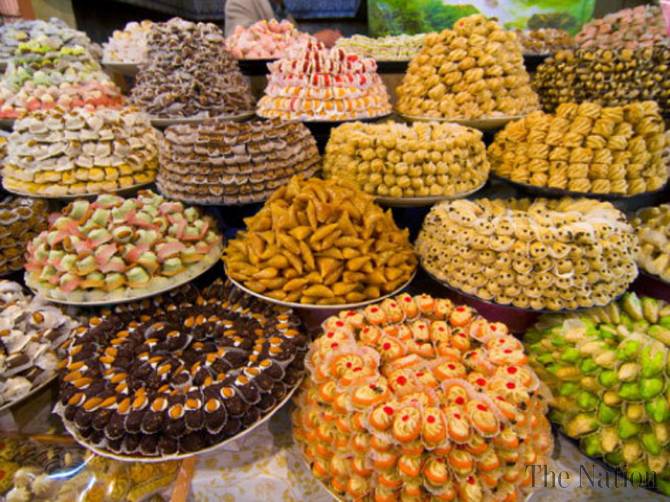
    Kolkata or Calcutta, as I still prefer to call it, is home to century old sweet shops. The ownerships may have changed hands but the love of sweets of the customers never ceased (and might I add, it never will).

    Putiram’s ‘Rosomadhuri ‘, Mithai’s ‘Misti Doi’, Ganguram’s ‘Chomchom ‘, Balaram Mullick and Radharam Mullik’s ‘Mango Chanar Brulee ‘, Bancharam’s ‘Raj Bhog‘, Bhim Chandra Nag’s ‘Pranhara‘, are by far the popular choices of the ‘misti-loving’ denizens.


    How to make your own sweets and woo your loved ones?

    Plain and simple – follow these super easy recipes and you will be good to go.


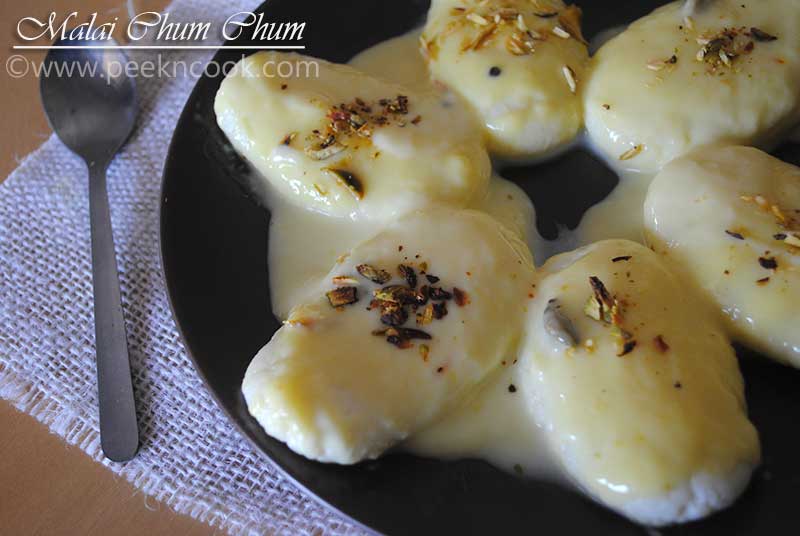
    Malai Chomchom

    malai_chumchum

    Ingredients: 1 cheese cloth

    For channa – ½ gallon whole milk, 1 large fresh lemon squeezed and filtered to make juice (use more if lemons are small size)

    For syrup- 5 cups drinking water,2 cups sugar

    For malai – ½ gallon whole milk, 1 tsp cardamom powder

    For garnish- Sliced pistachios


    Directions: Heat ½ gallon of whole milk in a heavy bottomed non­stick container in medium high heat. Stir occasionally to make sure milk does not burn at bottom or spill. When milk starts to boil put lemon juice (freshly squeezed) slowly into the boiling milk with constant gentle stirring. As milk starts to cuddle and gets separated from the whey (greenish transparent water) in about 2-­3 minutes remove the vessel from heat and pour it in a cheese cloth spread over a strainer. Note: if the whey is not transparent then add a little more lemon juice and stir gently until whey is clear and transparent. Wash the chhana under cold water nicely to remove lemon flavor. As the chhana cools down bring the edges of the cloth up and tie it together. Squeeze out as much water as possible. In order to dry the chhana  even further hang this chhana in cloth above the sink or keep a plate over it with some heavy object on top. Keep it this way for about 30 minutes. Then knead the dry chhana using the heel of your palm on a flat clean surface for about 7­-8 minutes until it becomes a soft smooth dough and your palm becomes oily. Divide the dough into 12-­14 equal parts. Take each part and roll it with both palms gently to make a smooth ball and then roll one way to give it a cylindrical shape – and voila a chomchom! Likewise do all the chom-choms. Place all the rolls on a plate and cover them with a damp cloth on top or with another plate so that they don’t dry out.

    For the syrup, take 5 cups of water and boil it in a wide vessel. Add 2 cups of sugar to it when water starts boiling. Wait until sugar dissolves completely. Add about 7­-8 chom­choms one by one into the boiling water. Don’t put too many at the same time as the chom-choms need room to expand. Keep the heat in medium high and cover the vessel tightly. Let it cook for 25 minutes. Do not open the lid in between. After 25 minutes switch off the heat and let it cool (covered) for another 10­-15 minutes. Repeat the steps to make next batch of chom-choms. For preparing the Malai, boil ½ gallon of whole milk in medium flame, stirring occasionally to prevent it from getting burnt at the bottom, until it thickens and becomes creamy. This will take some 20­-30 mins. Add cardamom powder to it and mix well. Switch off the heat. Take the chom­-choms out of the syrup and drop them into the warm malai one at a time. Kepp them in the syrup for 20 minutes. Take out the malai wrapped chom­-choms carefully and lay them into a plate. Garnish with pistachio.


    Pranhara

    pranhara-5

    Ingredients: 4 Cups whole milk, 4 tablespoons white vinegar or strained lemon juice, ½ Cup sugar, 1 Cup dry powdered milk, 3-4 tablespoons butter, 3-4 drops of rose water


    Directions: Line a colander or sieve with a large piece of cheesecloth that has been folded 3-4 times. Place the lined colander or sieve over a large bowl or sink. Boil milk in a large thick-bottomed saucepan over medium high heat. Stir occasionally, scraping the pan bottom, to avoid scorching. Mix vinegar with 4 tablespoon of water and add to boiling milk. Look out for curd-mass to separate from greenish water. As curds rise and come to the surface stop the stove. Run a spatula along the bottom of the pan occasionally to free up any stuck curds. Gently begin to ladle curds into the prepared sieve or colander. Wrap the cloth around the cheese and rinse under a running water without pressing the cheese. Gather the edges of the cloth, tie or fasten into a knot and allow to cool and drain for 2 hour minimum.

    Heat butter in a nonstick pan over medium low heat. Once butter melts, add the dry powdered milk. Stir constantly to form a coarse dust and until slightly golden and aromatic. Set aside. Knead the cheese on a clean surface with your heel of the hand by pressing it across the surface until smooth and fluffy and no trace of grains. Knead about 5-6 minutes. Collect all the cheese and divide them into two parts. Mix sugar and cheese dust(Set aside some for garnish) with one part cheese and cook in low heat stirring constantly, scrapping the pan bottom. Use a thick bottomed or non-stick pan. Cook until the mixture is very sticky and a mass pulls away from the bottom and sides of the pan. Remove from heat. Let cool. Mix the rose water, second portion of the cheese and knead till smooth. Divide into smaller bite size balls. Garnish with cheese dust.


    Recipe Courtesy – withaspin.com, bengaligourmet.com

    Image Courtesy – peekncook.com, withaspin.com, hungryangmo.com