Author: georgie rajan

  • Cupcakes

    Cupcakes

    Cupcakes are small sized cakes suitable to be served to one person. These cakes are baked in small aluminum cups or thin paper and decorated similar to how normal sized cakes are decorated. Therefore one can see cupcakes as a miniature form of the normal sized cakes. In old times cakes used to me made in pottery cups or coffee mugs until the discovery of muffin tins which was a metal pan with or without a non sticky surface and had depressions or cups made in them. The number of such depressions ranged between 6 to 12 depending upon the length of the pan and the size of these depressions. Other than metal, such pans were made using materials such as silicone and stoneware. If we notice a cupcake, we find that the lower portion of the cake is covered with a thin sheet of paper. These are patty cases or cupcake liners which are used for bakes these cakes. This paper or cupcake liners are made up of paper or very thin aluminum foil or silicone rubber. These liners are placed in the packets of the muffin tin wherein the batter is put before it goes for baking. The main purpose or use of such liners is that they keep the cupcakes moist and makes it easy to remove the cakes from the tin once baking is over. It also saves time and efforts which would be otherwise put in cleaning the tin after baking is over. For people who could not afford a muffin tin, aluminum foils or silicone liners became handy can they could balance on their own. The paper used here are not the normal paper we find but are thicker yet lighter in nature. Some bakers use 2-3 paper liners joint together to make its stability similar to a single aluminum foil. Such liners also like muffin tin come in different shapes and sizes depending upon the size of the cupcake to be baked.

    cpcake 1

      According to food historians, cupcakes originated in the United States around the 19th century. The creation of cupcakes is considered to be a revolution in the field of baking due to the amount of time it saves in the kitchen however the origin of the name is still unknown. Historians have come up with two sets of theory which details out how the name could have come into existence. According to one theory the name “cupcakes” was devised from the fact that these cakes were made in cups or coffee mugs and the second theory states that the name was introduced because the ingredients used to make this cake was measured in cups like 1 cup of butter, 3 cups of flour etc. However nobody knows which of these theories explains the truth.

    cupcake 1

    “Sprinkles cupcakes” established in Beverly Hills is considered to be the first cupcake bakery to be started by two investment bankers who had started this business at the time when the market of cakes and bakery products was falling. Though a very risky venture, the two partners believed that the survival of the industry now rested on their shoulders. The partners finally felt relieved that their decision to run the business was correct when the first set of cakes which was produced was sold out in no time and they had to bake more in order to meet the demand for the day. Around 2500 cakes were sold that very day and this was the start of cupcake fever. Cupcakes always proved convenient when compared to the normal sized cakes because they took less time to bake and secondly because of the use of muffin tins, the base of these cakes also did not burn. Since its creation they have been a boom in the culinary world with dozens of bakeries, cookbooks, blogs specially dedicated to them. The market for cupcakes saw a 52% increase in sales during the year 2010-2011 with market speculators predicting a rise in this percent in the future.

    cupcake 3

    Cupcakes are easy to make and can be made at home as well on special occasions such a parties and family gatherings. With different recipes available to us, we have so much to choose from depending upon our taste and preferences.

    Since chocolate is a favourite of many the recipe for a dark chocolate cupcake is given below which I would say is worth a try

    Dark Chocolate Cupcake

    cup 5

    Directions:

    • Preheat the oven to about 350F and adjust the rack to the lower middle position in the oven.
    • Take a muffin pan and line it with the baking cups and keep it aside.
    • Now in a bowl add butter cocoa and chocolate and place it on a saucepan filled with water and heat until the chocolate and the butter starts to melt. Once the melting starts mix them both till they combine with each other nicely. Then keep it aside for cooling.
    • Now in a medium sized bowl add flour, baking soda and baking powder and in another bowl add eggs, sugar, vanilla and salt and mix well.
    • Now add everything together and mix well till they combine to become thick and homogeneous in nature.
    • Divide the batter evenly inside the muffin cups and place them inside the oven. Baking takes about 18-20 minutes after which the cakes are ready to come out.
    • Once out keep them aside for cooling
    • Now in a separate bowl add peanut butter, sugar, vanilla and salt and mix well till they become creamy. Then add cream to the mix and continue to stir till we get a light and smooth batter.
    • By the time this creamy batter is made the cakes would have cooled down. Now make small holes on the cupcakes and fill them with this peanut butter frosting

    Your dark chocolate cupcakes is ready to be served

     The popularity of this sweet dish has increased so much that according to Google, cupcake recipes are the most searched recipes in the world. So go forward and enjoy your sweet treat in the cup whether you are a child or an adult.
  • Pulaos

    Pulaos

    Rice does to a meal, what ornaments do to a woman! An ordinary meal turns into a treat if a little imagination is used in preparation. Rice can be used to prepare a plethora of dishes – biryanis, pulaos, tahirees, stir fried rice and so on.

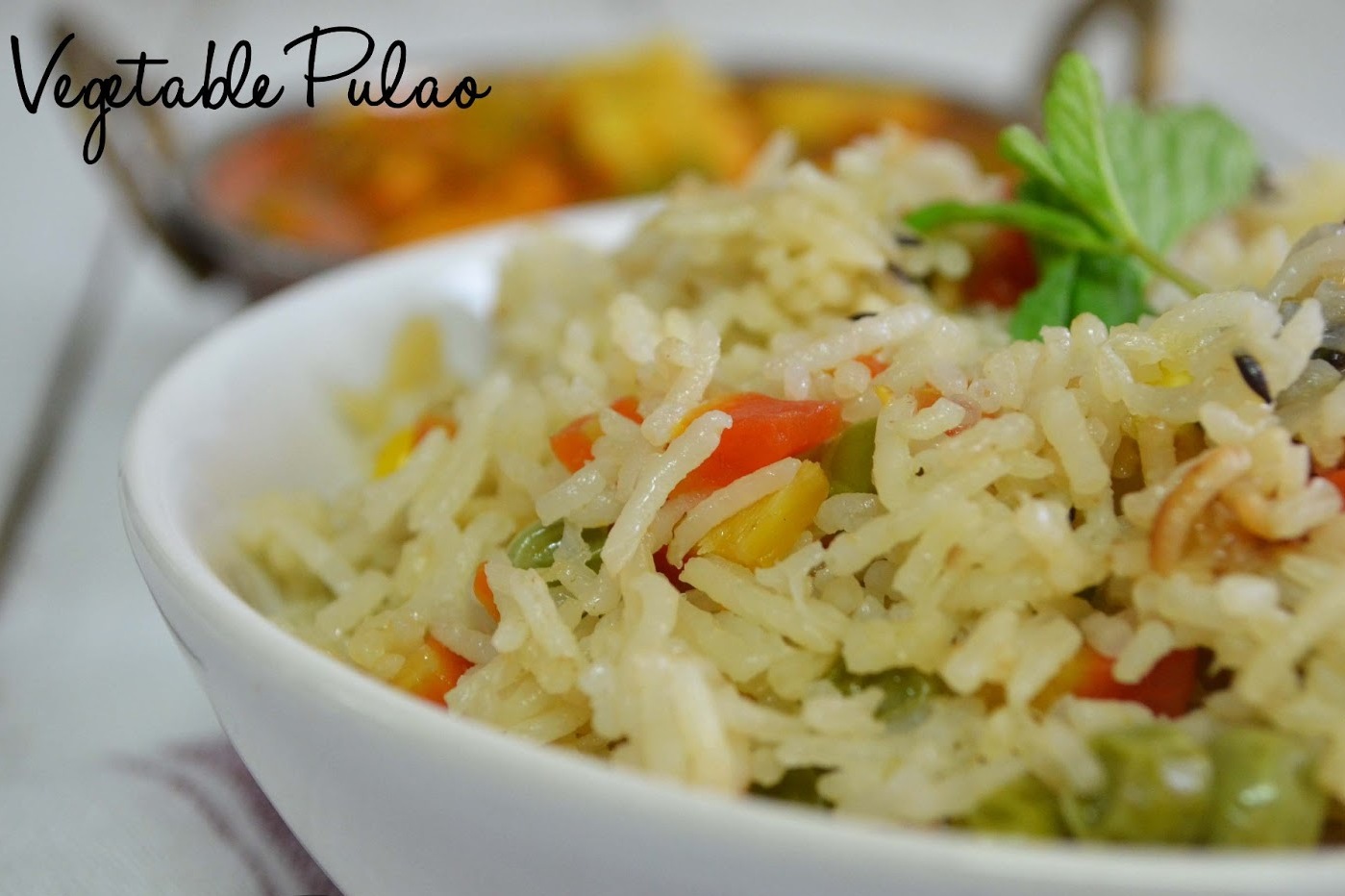
    Pulaos are famous Indian rice dish of Persian origin. It is basically rice sautéed in a little oil or ghee and then cooked along with vegetables. Good quality basmati rice along with Indian herbs and spices are mandatory for this preparation. The rules remains the same; 1 cup of uncooked rice = 3 cups of cooked rice. Also, before cooking, rice must be soaked atleast 30 mins prior to cooking. This not only reduces time for cooking but also ensures that the rice does not stick after it is cooked. Once the pan is covered, cook on very low flame to ensure even cooking

    Enough with the rules. Let’s get to the fun part. Some famous and healthy pulao recipes are as these given below.

    I. Gobi Matar Paneer Pulao / Cauliflower Pea Cottage Cheese Pulao                Serves 4

    1

    This variety of rice combines the taste and flavours of three nutritious ingredients with a perfect blend of spices. It is light on the stomach and fine to taste. It can be served with raita or eaten as it is

    Ingredients

    Basmati rice –   1 cup

    Onion –                 1 sliced finely

    Oil –                        2 tbsp

    Bay leaf –              1 leaf

    Ginger –                1/2″ sliced into juliens

    Cloves –                2

    Cauliflower –       1 cup medium sized florets

    Shelled peas –      1 cup

    Paneer –                 1 cup

    Chilli flakes –        1/4 tsp

    Garam masala –   1/2 tsp

    Salt –                         1 1/2 tsp

    Procedure

    • In a heavy bottomed pan, fry the cauliflower till golden brown. Remove from oil and soak the excess oil on tissue sheets. Repeat the procedure for the paneer. After frying, soak the paneer in hot salted water to make them soft.
    • In the same oil, add the whole spices and onions and fry till golden brown.
    • At this stage, add the vegetables and stir lightly. Drain the rice and add to the pan. Stir the rice gently. With 1 cup rice, add 2 cups of water
    • Add the powdered spices and boil the mixture.
    • On boiling, cover the pan and continue cooking on very low heat for 12-13 mins until the water is completely absorbed and the rice is cooked to perfection.

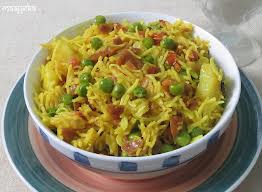
    II. Wadi and Matar Pulao / Pulse rolls and Pea Pulao                                          Serves 4

    2

    Urad or any regular dal wadi is used extensively in Indian cookery. These can be innovatively used even in your regular pulaos. Not only does it add to the nutrition in food, but it also makes the dish look truly unique

    Ingredients

    Basmati rice – 1 cup

    Oil –                     1 sliced finely

    Bayleaf –            1 leaf

    Ginger –              1/2″ sliced into juliens

    Garlic –                2 cloves

    Cloves –               2

    Wadi –                   3/4 cup

    Shelled peas –    1 cup

    Cumin seeds –    1 tsp

    Brown Cardamom – 2

    Salt –                     1 1/2 tsp

    Procedure

    • In a cooker, add I tbsp oil and fry the wadis till golden brown. Remove from oil and soak the excess oil on tissue sheets.
    • Add a cup of water and pressure cook for 2-3 mins.
    • In a heavy bottomed pan, add oil, the whole spices, ginger and garlic and fry till golden brown.
    • At this stage, add the wadis and peas and stir lightly. Drain the rice and add to the pan. Mix gently. For 1 cup rice, add 2 cups of water left after cooking the wadis
    • Boil the mixture.
    • Cover the pan and cook on very low heat for 8-10 mins until the water is completely absorbed and the rice is cooked to perfection.

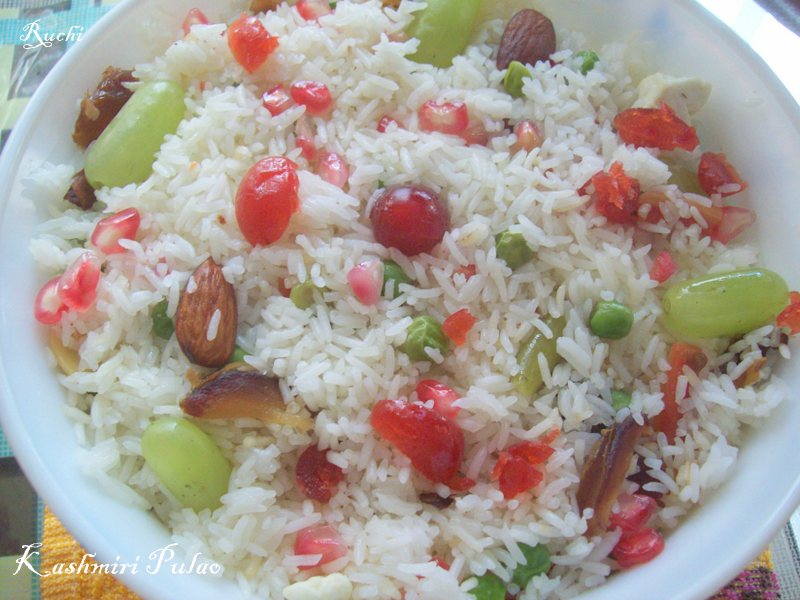
    III. Kashmiri Pulao                                                                                                         Serves 4

    3

    Faithful to its name, the dish combines the colours and flavours of the majestic and beautiful state of Kashmir. Enriched with rare and extravagant spices and fruits, this dish is both light on the palette as well as great to taste.

    Ingredients

    Basmati rice –    1 cup

    Onion –   1 sliced finely

    Oil –  2 tsp

    Bayleaf – 1 leaf

    Cinnamon –  1 stick

    Cloves –     2

    Green cardamom –  2-3

    Saffron/ Kesar – few strands

    Tinned fruit –     1 cup

    Salt –     1 1/2 tsp

    Procedure

    • In a heavy bottomed pan, add oil, add the whole spices and onions and fry till golden brown.
    • At this stage, drain the rice and add to the pan. Mix gently and fry for a while. For 1 cup rice, add 2 cups of water
    • Boil the mixture.
    • On boiling, cover the pan and continue cooking on very low heat until the water is completely absorbed and the rice is cooked to perfection. Add soaked saffron
    • Drain the tinned fruit and mix with the cooked rice using a fork gently.

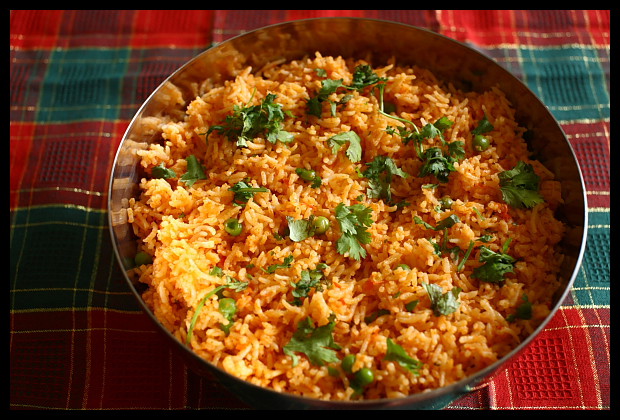
     IV. Tamatar Kasooori Pulao / Tomato Fenugreek Pulao                                Serves 4

    4

    Fenugreek is much used in Indian cookery, both the seeds as well as the leaves. But the dried version is rarely used in pulaos. It is a great dish to try out for the health conscious and for people suffering from lifestyle diseases like diabetes.

    Ingredients

    Basmati rice –   1 cup

    Oil –     2 tbsp

    Cumin seeds –   1/2 tsp

    Kasoori Methi / Dried Fenugreek Leaves – 2 tsp

    Tomatoes – 1 cup

    Salt – 1 1/2 tsp

    Procedure

    • In a heavy bottomed pan, add oil, add the whole spices and onions and fry till golden brown.
    • At this stage, drain the rice and add to the pan. Mix gently and fry for a while. For 1 cup rice, add 2 cups of water
    • Boil the mixture.
    • On boiling, cover the pan and continue cooking on very low heat until the water is completely absorbed and the rice is cooked to perfection.
    • Drain the tinned fruit and mix with the cooked rice using a fork gently. 


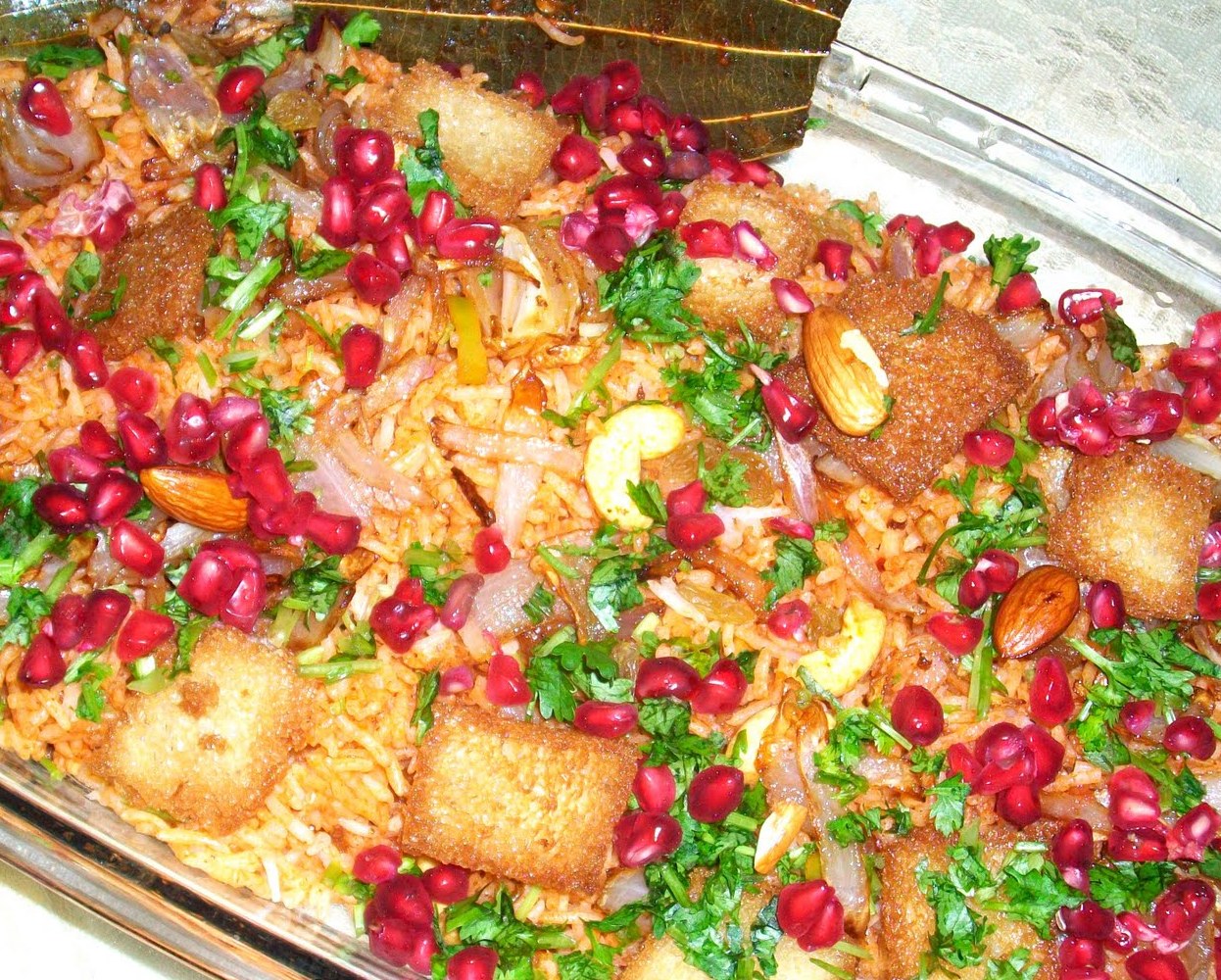
    V. Garden of Five Senses                                                                                               Serves 4

    5

    As the name suggests, this recipe is sure to ignite all five human senses. Owing to its colour, it provides interest to the eyes; the magical aroma is sure to arouse the sense of smell; the taste is sure heavenly; the crackling of spices and aromatic oils from the masalas are music to the ears thereby arousing the sense of hearing and finally, its texture is so smooth that its sure to activate the sense of touch and feel of every single grain of rice

    Ingredients

    Basmati rice –    1 cup

    Spring Onion –    4-5 sliced finely (keep the greens separately)

    Oil –        2 tbsp

    Bayleaf –   1 leaf

    Ginger – 1/2″ sliced into juliens

    Garlic –   2 cloves

    Cauliflower –   1 cup

    Shelled peas –   1 cup

    Bread slice – 1 slice cut into small squares

    Pomegranate –  3/4 cup

    Garam masala –  1 tsp

    Salt –   1 1/2 tsp

    Baby Corn – 1/2 cup

    Capsicum – 1 cup

     Procedure

    • Pressure cook the baby corn along with one cup water and salt for 5-7 mins.
    • In a heavy bottomed pan, add oil and deep fry separately, the bread pieces, cauliflower florets, and paneer cubes till golden brown. Remove on frying and keep in absorbent sheets to soak excess oil
    • In the same pan, add the whole spices and stir for a while. Add the onions, ginger, garlic and fry till golden brown. Reduce the flame and add the powdered spices and salt.
    • Add the drained corn, capsicum, peas, cauliflower and paneer pieces and mix gently.
    • At this stage, drain the rice and add to the pan. Mix gently and fry for a while. For 1 cup rice, add 2 cups of water
    • Boil the mixture.
    • On boiling, cover the pan and continue cooking on very low heat until the water is completely absorbed and the rice is cooked to perfection.
  • The Goodness of Bitter Gourd

    The Goodness of Bitter Gourd

    The bitter gourd or karela is a summer vegetable mainly found in the tropical areas.  It first originated in India and then by the 14th century began to be widely cultivated in Asian countries, Africa and the Caribbean islands.  The edible fruit of this vine is extremely bitter but is a storehouse of iron.  There are different varieties of the bitter gourd, and they vary in size and colour. The medicinal value and antiseptic qualities of this humble vegetable cannot be underestimated. Its juice is often recommended for controlling diabetes, healing stomach ailments and as a natural way to good health.

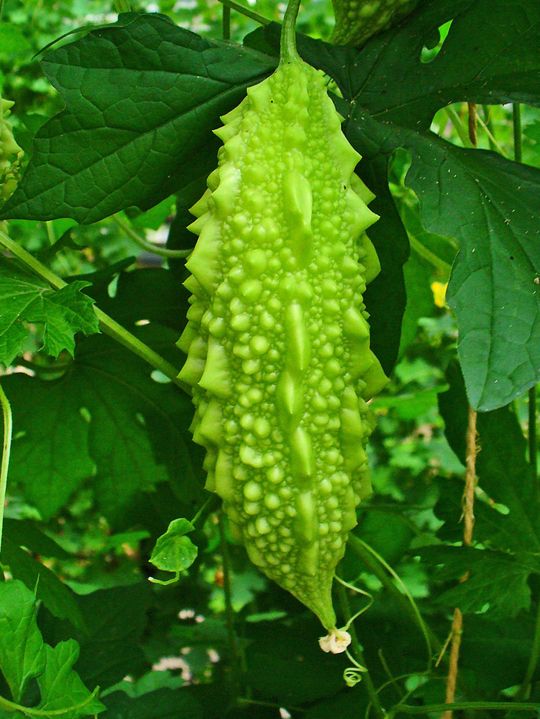
    The bitter gourd vine is herbaceous and has tendrils which help it to hold on to supports.  The leaves have rugged edges and grow alternatively on the tender stem.  The bright yellow flowers, both male and female are seen on the same plant.  After flowering in June the fruits usually start forming within a few months.  The fruit is oblong in shape, with a spiky outer surface which is bright green in colour.  Flat seeds are found inside the fleshy outer cover.  This vegetable has a watery texture, and is very bitter.  The skin is tender and edible and is eaten green.  When the fruit ripens, the skin becomes tough and bitter to taste and cannot be eaten raw.  On the other hand the pith which becomes dark red in colour is used raw in some salads.
    karela

    The different varieties of bitter gourd carry the same properties although they vary in colour, size and appearance.  The white or light green variety is longer in size with less tapering ends and a moderately less spiky exterior.  The smaller, dark green variety with sharp spiky exterior is used as a stuffed vegetable and is popular in Pakistan, Nepal, India and the Asian sub-continent.  This green vegetable is generally eaten in a cooked state, while the young shoots and leaves can be eaten as greens.  The bitter flavour of the bitter gourd makes it an important ingredient in stir fries, soups and in the making of herbal teas and beers.

    In India bitter gourd is cooked differently in the south and north.  The people in north India sometimes cook it as a stuffed vegetable in oil, or cook it separately with tomatoes and potatoes as a subzi and eat it along with roti and curd.  In south India it is cooked using coconut oil, with lots of grated coconut as a thoran, or with fried coconut as a theeyal or pachhadi and is consumed with steaming brown rice.  In Tamil Nadu, the bitter gourd is made as a special dish using onions, lentil and coconut along with tamarind juice.  This is a very popular preparation and is called ‘kattu pagarkkai’. In most of the dishes, a lot of onions are used along with rich spices and tomatoes, which help to lessen the bitterness of the vegetable. The green vegetable is cooked in different forms. In many households, bitter gourd is cooked with meat, eggs, beef, pork or shrimps and use coconut milk for added flavour.  Pickles, soups, curries, stews, chutneys and stir-fries made using this wonderful vegetable are popular delicacies all around the world.

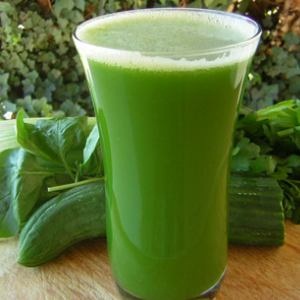
    bitter-gourd-benefits

    Bitter gourd is well known for its medicinal values also.  Since time immemorial it has been used in herbal medicine systems.  It is largely used as sure cure for various ailments, especially complaints of the gut stomach and intestines.  Research has proved that the concentrated extracts of the bitter gourd has hypoglycemic and hypolipidemic effects which make it popular as a widely used remedy for diabetes. The extract of the bitter gourd is also used as a dietary supplement for breast cancer patients because it exerts a significant effect against the growth of breast cancer cells.

    If we have leisure time and interest in cooking we can experiment and bring forth innumerable attractive and mouth watering delicacies. For example:

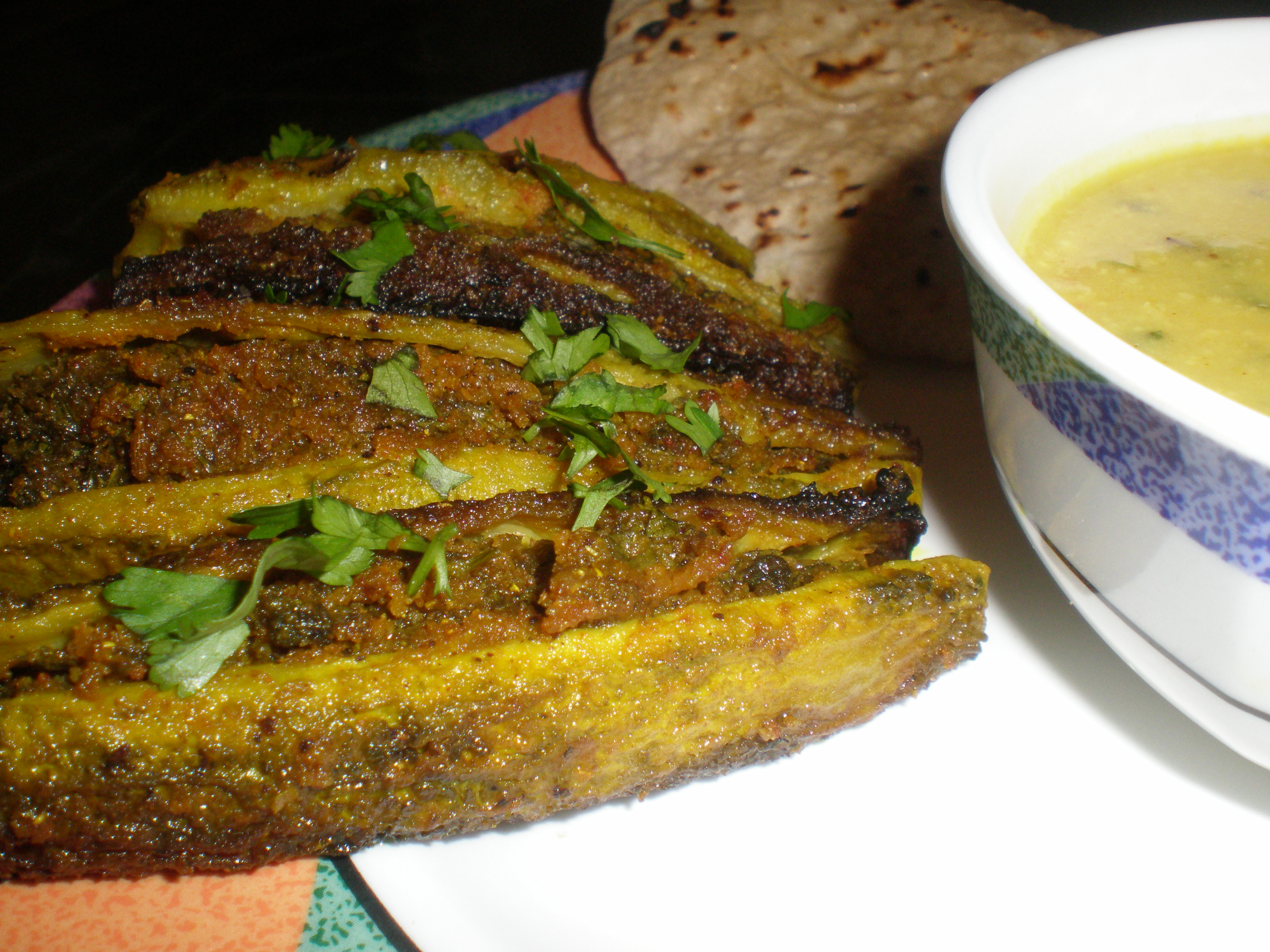
    Fried karela Boat

    OLYMPUS DIGITAL CAMERA

    Directions:

    • Slit open  8 long, slender karelas and clean out the inside
    • Half cook the karelas in salted water with a pinch of turmeric
    • Grind 5 green chillies and 100gms of roasted channa
    • Mix well with salt, garam masala and coriander powder
    • Add chopped coriander and stuff into the slit karela
    • Tie each karela ( boat) with a thin thread
    • Use a shallow pan and heat the oil well
    • Fry the karela on a slow flame and carefully keep turning them over till they turn into a golden brown colour.

    The dish can be served hot with tomato sauce or pudina chutney. This appetizing and spicy dish can be enjoyed with rice, parathas or rotis.

    Hot Karela Achar 

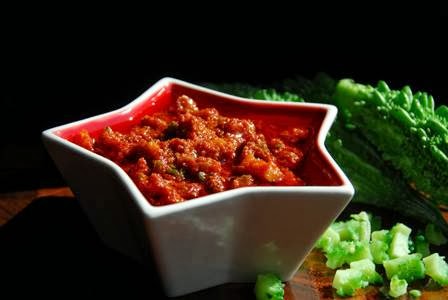
    karela achar   

    The bitter gourd can also be used to make a very tangy, sour pickle with many spices and condiments.  This “Hot Karela Achar” goes very well with rice or rotis and can be carefully preserved for some time.

    Directions:

    • Wash and dry karelas well
    • Cut the karelas and De-seed.
    • Chop karelas and few green chillies into very thin slices
    • Rub salt well, squeeze out water and sun dry for one day
    •  Heat one cup of oil, splutter mustard and lightly fry a few methi seeds.
    • Add the dried karela and green chillies, curry leaves and fry till crispy
    • Mix thoroughly with a pinch of asafetida powder and salt to taste
    • Store in dry glass jars when cool and fill oil till top
    • Keep for two days, mix oil well and then serve.
  • The King of Fruits

    The King of Fruits

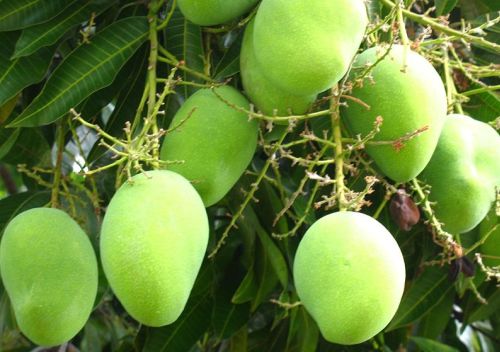
    Mango is a fruit which belongs to the plant family Anacardiaceae. They are tropical fruiting trees which are mostly cultivated for edible fruits. The mangoes originated in South and Southeast Asia and were later adopted by the neighboring regions. With time it became one of the most cultivated fruits in the tropical regions.Major contributions to the production of mangoes are given by regions like Sumatra, Borneo and counties like Burma and India. Other than being the king of fruits, mango is the national fruit of Indian and the Philippines and the national tree of Bangladesh. Mangoes come in different varieties depends upon the method in which it is cultivated plus the weather conditions. In some cultures the fruit and leaves of this plant is used as decorations for wedding and other public and religious ceremonies.

    green-mangoes

    Cultivation of mangoes have been taking place in Southeast Asia for thousands of years but the knowledge regarding its cultivation reached East Asia by the 5th century only. In East Africa mangoes were introduced after the 10th century. Mangoes later travelled to regions like West Indies Brazil and Mexico where appropriate climate contributed to its growth. Cultivation of mangoes can only be possible in a frost free tropical climate. Today almost half of the production in the world market is done by India with china being the second largest producer. Other regions such as Australia, Pakistan, north and Central America also account for the production of this fruit. Such as the Canary Islands in Spain is also a notable producer of this fruit. Though India is the largest producer, study sates that it accounts for only 1 percent in the international trade market for mangoes as it most of its produce is consumed domestically.

    5108f0481b71310e17d099a47425b94d_500

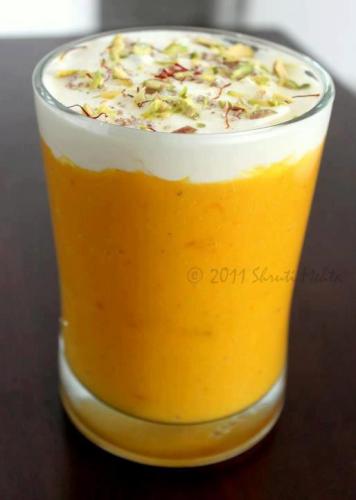
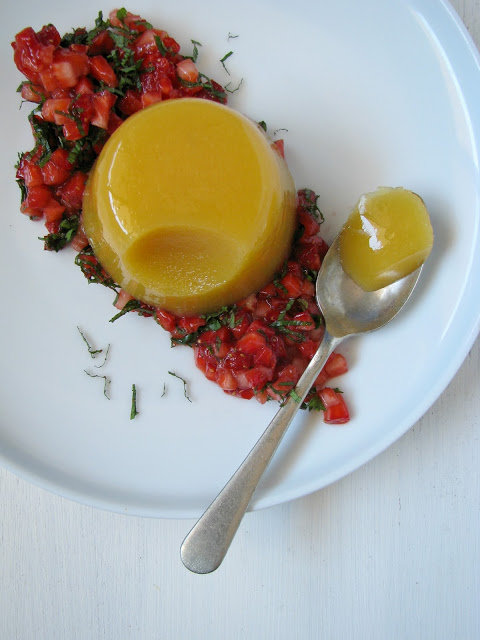
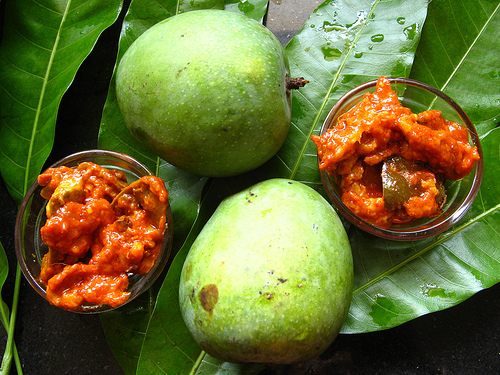
    Over the years so many different ways have been introduced for consumption of mangoes in the form of chutneys, pickles and milkshakes. In many households, mango pulp is used to make jellies and a special jam called mangada. The pulp is also is cooked with red gram and served with rice. In Andhra Pradesh mangoes are used to prepare dal while in Gujarati cuisines, mangoes are used to make chunda which is a grated mango dish. In many countries mangoes are used to prepare smoothies and ice creams where the mango nectar is used as a major flavouring and colouring agent. In Central America people consume green mangoes with salt, lime and black pepper along with a hot sauce. Traditionally roasted pumpkin seed along with chilli or soya sauce is eaten together with green mangoes. In Southeast Asia slices of mangoes are put over ice creams. It is also served as a desert with a special kind of rice cooked with coconut. Green mangoes are used as salads and served with fish sauce, rice vinegar and dried shrimp.

    025edit

    Mangoes are considered to be very beneficial for health as they are full of anti-oxidants which help in fighting different types of cancer such as breast, prostate and colon cancer. These anti oxidants also help in preventing leukemia and help in cell rejuvenation and repair. Acne is reduces as it helps in detoxifying the skin from inside. Mangoes are huge storehouses of vitamin A and C. vitamin A as we all know helps protect the eyesight and is responsible for endowing a glowing skin and maintaining a great complexion while vitamin C is responsible for boosting immunity.  The acidic content of vitamin C is further accompanied with acids like malic and tartaric acid which helps in maintaining the alkaline balance of the body. The thread like texture of the fruit is because of its high fibre content. Fibre further helps in lowering cholesterol levels in the body thereby playing a huge role in preventing diabetes. The skin of this fruit is a popular de-tanner and is extensively used as a part of many beauty regimes, including reduction of dark spots, acne, cleansing, exfoliation etc. The best part is, being a natural product it is safe to use across all skin types and is foolproof solution for fair smooth skin. Mangoes are also beneficial for the hair being an oasis of vitamins and minerals that nourish and encourage hair growth. As a part of many home remedies, mangoes are used as conditioners, for treating dandruff and reducing hair loss and graying of hair.

    mango-pickle-receipe

    To avail all these benefits, it is important that we, as consumers, select and store the fruit judiciously. Ofcource, the rules for selection remain the same; clean no marks on the external body and so on. But more importantly, mangoes with good aroma should be selected. Unripe mangoes are green in colour while ripe mangoes may have different colour like yellow, orange or red but one thing should be noted that the colour must not be seen as a basis for deciding the maturity of the fruit because there are some varieties of mangoes which retain their green colour even when they ripe. Once the mangoes are purchased care should be taken regarding the storage of this fruit which varies depending upon the variety of the mango. In order to ensure that mangoes remain fresh we can store them in the refrigerator. Freezing them may result in the blackening of their outer skin but the inside remains fresh. In case they are green in colour then they should be stored in a brown paper bag away from sunlight for a few days till they ripen.

  • Kebabs- something you can drool over.

    Kebabs- something you can drool over.

    Kebab is a Middle Eastern dish where pieces of meat or vegetables are grilled or roasted. They can be both vegetarian and non vegetarian. The traditional meat used for the preparation of kebabs was lamb however depending upon local tastes and preferences of the consumers, other options such as beef, chicken and pork also started being used. The kebab was so famous in the Mediterranean and Southeast Asia that it became a part of the everyday cuisine. From the Middle East it travelled to Central Asia and then slowly became a worldwide favourite with time. During the earlier days, the Greeks used portable trays made up of ceramic to grill pieces of meat and vegetables while Persian soldiers used their swords to grill meat over open flames.

    Kebabs can be prepared at home as well. One of the methods for the preparation of chicken kebab is given below. Similar way can be used to make other non veg and vegetarian kebabs by just substituting chicken with any other meat or vegetable.

    4 T

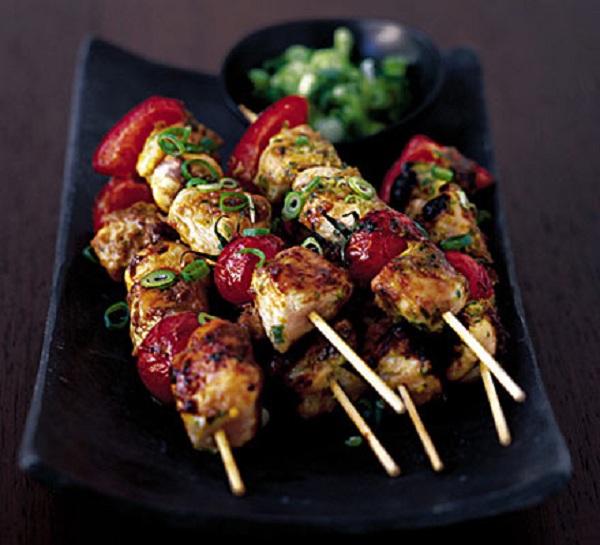
    Chicken  kebab

    Directions:

    • Dilute 2 tablespoon of cornflour in 1 cup of water
    • Clean the chicken and chop the meat in medium size pieces
    • Marinate the chicken with salt, vinegar and black pepper and place it for 15 minutes
    • Add to chicken the cornflour mixture with curd, ginger green chillies and garlic with 1 tablespoon of ghee and mix well
    •  Cover and refrigerate it for about 8-10hours
    • Melt ghee in a pan and slowly add the pieces of chicken on high flame
    • Fry till the piece turn golden brown
    • Once all the pieces are fried, serve with chutney and salad.

     Chicken_Kebab

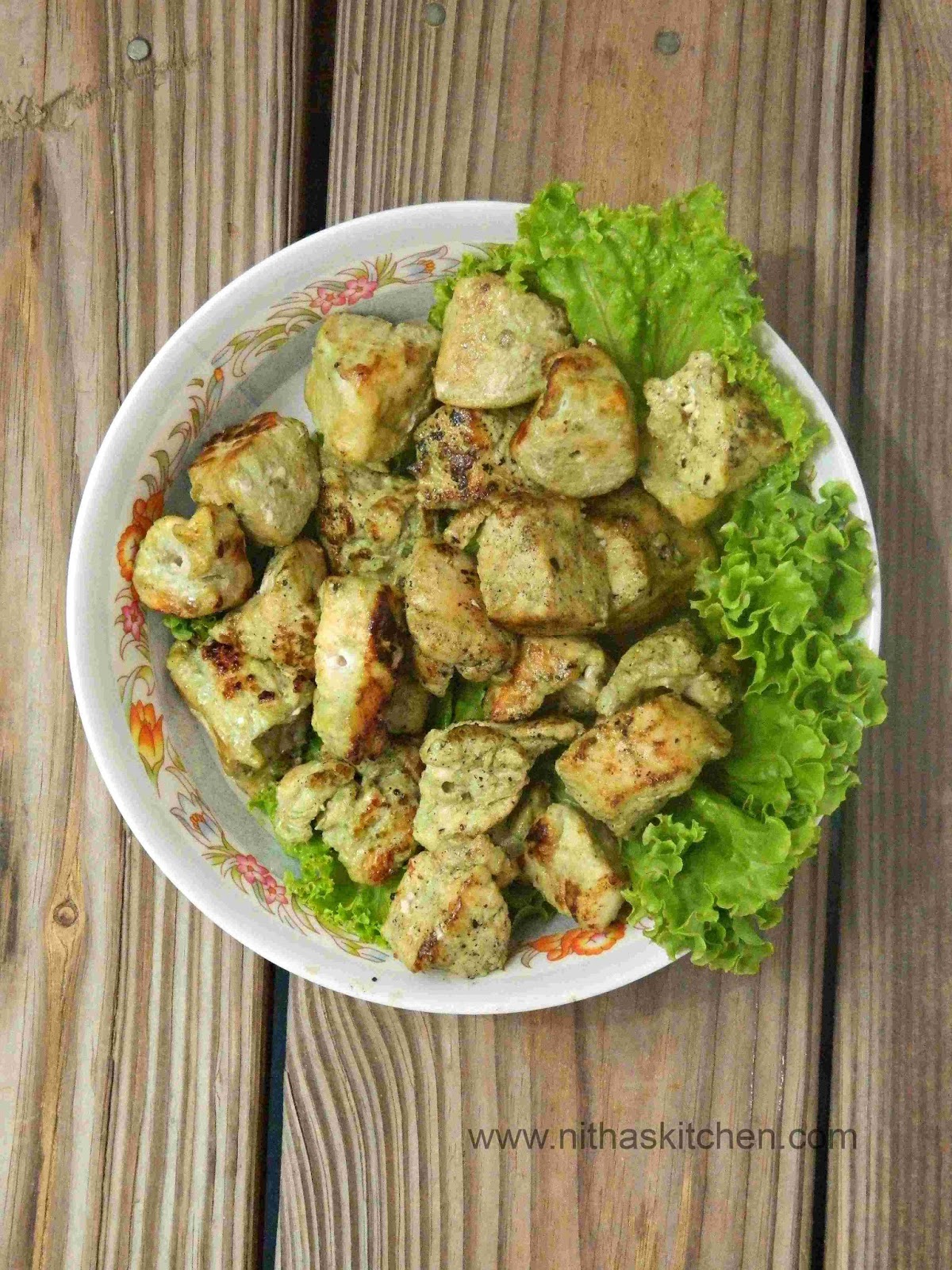
     Green chicken kebab

    This is another recipe for the preparation of chicken kebabs which uses coriander leaves, mint leaves, methi leaves and spinach as well.

    Directions:

    • Wash about 400 grams of chicken and chop them in medium sized pieces
    • Apply salt, lemon, ½ teaspoon chilli powder on the pieces and keep it aside for 10-15 minutes.
    • While the chicken is marinating, chop the methi leaves into thin slices and grind it with mint, coriander, spinach leaves, ginger, garlic and green chillies to form a paste.
    • Now add curd and spices in the paste and mix well.
    • Coat the chicken pieces with the paste and cover it and place it aside for 20 minutes. During this time span the chicken will suck in the smell and flavour of the green paste.
    • After soaking the skewers in normal water for, apply oil and arrange the pieces of chicken onto it. Spread oil over the chicken pieces.
    • Preheat the oven at about 350F for 5 minutes and after that place the skewers in the oven and leave it to grill for 18 minutes.
    • A check has to be kept to see that all the sides of the skewer sticks cook evenly.
    • Once the kebab is ready, remove it from the skewer and arrange it on a serving plate and serve with lemon wedges and spicy green chutney.

    Veg-Chilli-Milli-420

    Veg Chilli Milli Kebab recipe

    This is a vegetarian kebab recipe for the vegetarians out there

    • Mash 4 potatoes in a bowl and at the same time boil spinach for some time then drain and blend the spinach to form a puree.
    • Combine 1tsp of ginger and garlic each with 4 green chillies and capsicum and chop them finely.
    •  Now mix all the items together. The boiled potatoes, the spinach puree and chopped mixture of ginger garlic with chilli and capsicum.
    • To this add red chilli powder, turmeric powder, black pepper, coriander and garam masala powder (1/2 teaspoons each)
    • Also add 2 tablespoon of breadcrumbs and salt to taste.
    • Wash and clean the skewers and then apply oil over them.
    • Preheat the oven at about 350F and arrange the kebabs onto the skewers and then again apply oil over the kebabs.
    • Grill the kebabs for about 20 minutes till they are golden brown and have a crispy crust.
    • Once the kebabs look nice and golden, remove them from the skewer and place it on a serving plate and garnish it with some fried chillies.
    • Your vegetarian kebab is ready to be served.

    sheeshakebabimg4

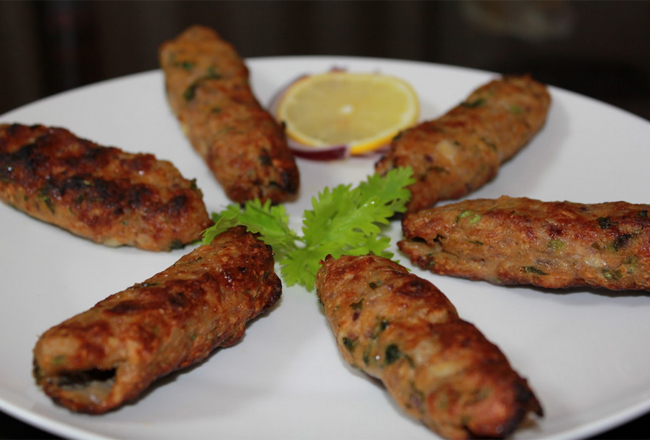
     Vegetable Seekh Kebab

    This is another vegetarian dish of Hyderabadi cuisine. This dish can be eaten both as a snack as well as a starter. The main ingredients used in this dish are French beans and cabbage and the special fact about this dish is that it is prepared on a stone.

    Directions for cooking:

    • In a pan heat 2 tablespoon of oil and then add chopped french beans, carrot and cabbage on one side of the pan and on the other side add about ¾ cups of green peas and mash them nicely.
    • Mix everything and cook for about 3-4 minutes.
    • In another pan roast gram flour (3 1/2 tablespoon) and caraway seeds for about 2 minutes.
    • Now mix the flour with the vegetables along with ginger garlic paste and green chillies and mix well for half a minute.
    • Add salt, chat masala and cashewnut powder with the flour and mix everything well.
    • Take portions of this mixture and cover it on the skewer and press it around the stick till it’s evenly layered.
    • Put oil on the grill stone and heat.
    • Now place the kebabs on the hot stone for about 3 minutes till all the sides are slightly coloured.
    • Serve the dish by sprinkling it with some chaat masala.

    There are many more of such tasty kebab dishes which can be prepared at home. Earlier kebabs used to be consumed only by the royals but with time it became a favourite of all.

    Georgie Rajan

  • Milk – The Wonder Drink

    Milk – The Wonder Drink

    Milk is a white liquid which is produced by mammals. The milk so produced by farm animals is used as a food item by humans. According to statistical records in 2011 about 730 million tones of milk was produced all over the globe. India is considered to be the biggest consumer as well as producer of milk. Milk can be considered as complete food as it is filled with all the necessary nutrients which are essential for the growth and development of humans of all ages. White, creamy with a glossy texture, milk is a natural product produced with no added preservatives. Other dairy products like cheese, butter, ghee etc is produced from milk as well. Other than calcium which is found in excess, milk also contains proteins, carbohydrate, salts, a lot of vitamins such as A, B6, B12, C, D etc. It also contains lactose which provides 40% of the calorie content. Milk is produced and sold in the market either fresh or pasteurized in plastic bags or tetra packs.

    Today other than just drinking milk, it is used as an ingredient to prepare so many dishes and drinks which is not only tasty but is also good for health. I have given preparation techniques of some of these dishes which we can then try out at home.

    Pista Faluda

    IMG_0090

    The ingredients that we need for this dish are – Pista essence (1/2 teaspoon), chopped pistas, milk, sugar, and faluda shevai and vanilla or pista ice cream.

    The method of preparation is very simple. We first add 2 tablespoons of shevai in a serving glass and then mix it with milk, sugar and pista essence and mix well. The final step after this is to add a scoop of vanilla or pista ice cream and garnish it with the chopped pistas and there we have our pista faluda ready to be served.

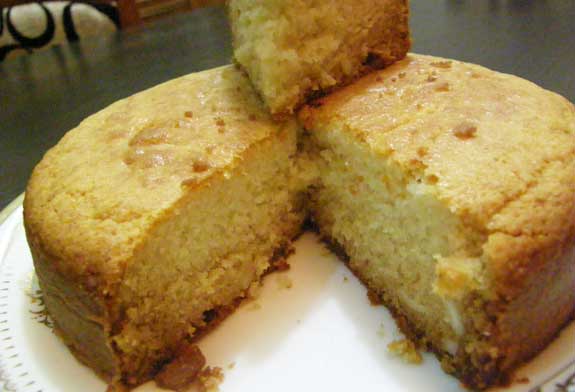
    Sponge Vanilla Cake

    egg-less-cake

    The specialty of this cake is that it can be prepared both with eggs and without eggs. The recipe given below is for an eggless cake.

    The method of preparations –

    • In a bowl add flour, 1 teaspoon of baking powder and ½ teaspoon of baking soda and mix well
    • Now in a separate bowl mix 2 cups of maida with 1 cup of sugar and milk or milk powdered each, 1 tsp of ghee and little salt that is approximately ¼ tsp of salt.
    • Now add this batter with the baking powder mixture and add some tutti fruit and mix well in one direction.
    • Preheat the oven at about 180C for 15 mins.
    • Pour the batter in a pan which is lightly greased and spread it evenly and break all air bubbles.
    • Bake for about 20-27 mins. After taking the pan out of the oven, place it in a cooling rack and wait for it to completely cool down

    After the cake is completely cooled down, it can now be served.

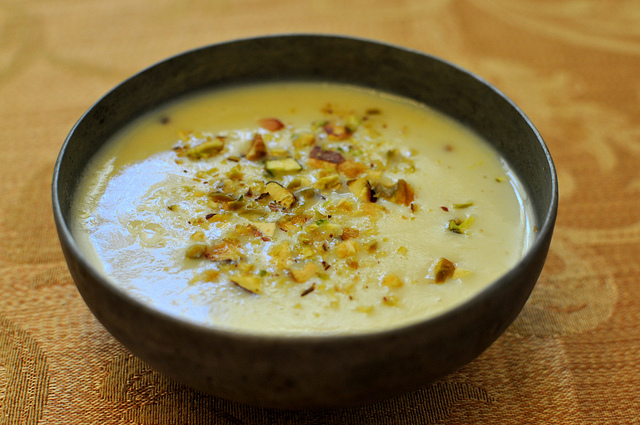
    Phirni

    6134989198_b312d054de_z

    This dish is a combo of rice and milk. Therefore we will need about 1/3 cups of rice soaked in water for 20 mins.

    Direction for preparation –

    • Add about 4 cups of milk in a vessel and bring it to a boil. After the milk has boiled leave it to simmer. During this process about 1/4th quantity will be reduced.
    • While the milk is put to simmer, drain the soaked rice and grind it and prepare a paste by adding about ½ cup of the boiled milk.
    • When the milk has simmered completely, slowly add this paste and keep on stirring so that the base does not burn. Continue stirring till the milk starts to thicken.
    • During the process add sugar and about ½ tsp of cardamom
    • Finally transfer it to a serving bowl and let it chill till the time to serve arrives. Before serving we can garnish it with some pistachios and rose petals.

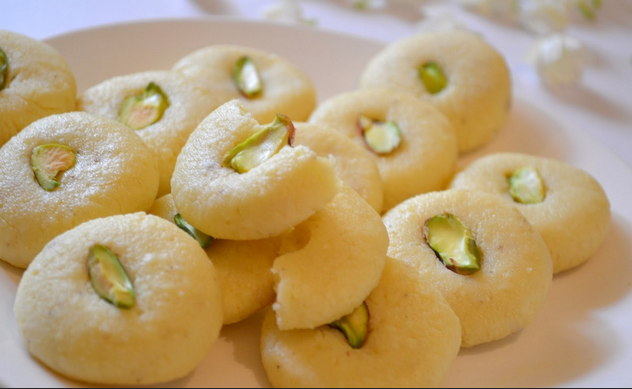
    Doodh Peda or Milk Fudge

    Screenshot-from-2013-09-07-125229

    The next dish on the list is also called milk fudge which is usually prepared during Christmas. Since the dish does not need much of preparations and is very quick to make, it is usually prepared during normal days as well.

    Directions –

    • In a vessel boil about 8 table spoons of butter
    • Add to it condensed milk about 300ml and milk powder 1 ½ cups and mix well.
    • Remember to cook it in low or medium flame and stir continuously and along the process add cardamom powder and stir till a thick paste is created.
    • After the paste is created turn off the heat and allow to cool
    • After the cooling process is over, create small balls with your hands and flatten them slightly
    • You can decorate the pedas with nuts and they are ready to serve.
    • We can store the left over contents in an air tight container in the fridge.

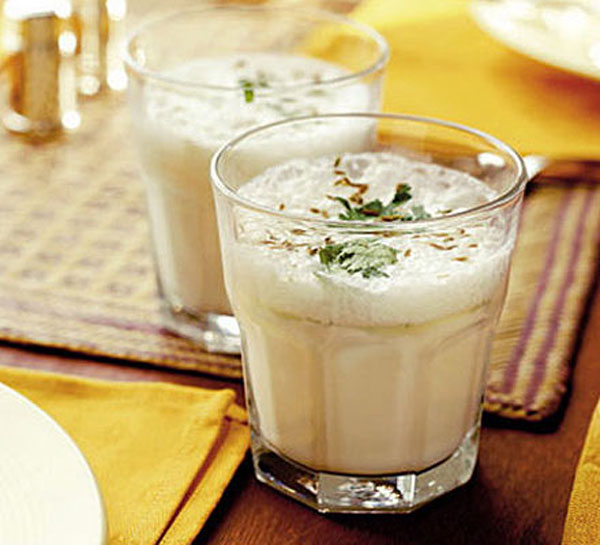
    Sweet Lassi

    15

    Lassi is one of the most demanded drinks during summers consumed by all age groups. It’s usually recommended for children who are fussy about drinking milk.

    Direction for preparations –

    • Blend together milk, curd, sugar and water
    • Blend for about 1-2 minutes, don’t overdo it
    • Lassi is prepared, pour it in a glass and garnish with nuts and ready to serve.

    So we have some recopies out here which we can prepare at home. The ingredients involved in the preparation of these dishes are mostly found in every household. Consumption of milk is very beneficial for us. Ofcource its is packed up with a lot of nutrients for a healthy life but other than that milk is also considered as a skin cleanser and cures other skin problems as well such as dryness. Therefore it should be noted that milk should always be a part of our diet in order to live both healthy and happy.

  • ONAM

    ONAM


    onam 3

    Onam is one of the many festivals celebrated on a large scale in Kerala. This is basically a Hindu festival celebrated with a lot of enthusiasm for a period of 10 days. According to the calendar the festival falls between the months of August and September which also is the period of harvest in the state and therefore the festival is regarded as a harvest festival Of Kerala.

    Onam marks the welcoming of a famous king Mahabali who had ruled the state of Kerala in the old days. The story goes in this way that Mahabali was a wise and loving king who loved and cared his subjects. Anyone coming to him for help or arms was not sent back empty handed. The state was believed to be in its golden stage as there was no problem of poverty or drought and everybody had a good standard of living with not much difference between the rich and the poor. The fame and news of the generosity of the king spread not only in the state but also in nearby areas and slowly spread to the farthest lands as well. It is believed that the fame of the king spread to such an extent that it even made the gods feel challenged, who now began fearing his growing powers. They presumed that he might become over powerful and rule over both the heavens and the underworld, so Aditi, who was considered the mother of the gods pleaded with Lord Vishnu to curtail or control the powers of Mahabali. As a result Vishnu transformed himself into a dwarf and immediately went to test the king. He approached the king as a beggar and asked the king for arms. Seeing the plight of the dwarf the king granted him more than what he had asked with utmost happiness. It is believed that one of the king’s Wise men had advised the king not to favour the beggar so much as he did seem like a ordinary human, however the king denied all the wisdom the firmly declared that there was no greater sin than not fulfilling ones promise and so he kept his word and helped the beggar. Seeing the generosity of the king, Vishnu in the disguise of the beggar wished for the fulfillment of one more wish to which the king agreed. Three pieces of land that was covered under his feet was the demand made by the beggar. When the king agreed to the demand, Vishnu increased in size and with his first foot covered the heavens. With his second foot covered the underworld and when the king realized that the third foot would cover and destroy the earth, Mahabali offered his head and so was pushed down under the ground, however seeing the love which the subjects had for the king, Lord Vishnu gave the king a blessing that he could visit his people once every year and it is this day that marks the homecoming of the king and so the people of Kerala do not keep one stone unturned to ensure that a proper tribute is given to the king who sacrificed his life for his subjects.

    onam

    Onam is celebrated for a period of 10 days and throughout the festive days people wear new clothes, prepare new dishes and decorate their houses and also take special consideration on decorating the entrances of their houses with flowers to welcome the king. Special prayers are conducted in the temples during the wee hours of the day and according to tradition the younger members of the family receive gifts and blessings from their elders. Other than the prayers and worship, the festival also showcases events such as boat races, carnivals having decorated elephants, fireworks, music and the famous kathakalli dance which are traditionally associated with the festival. The government also ensures to make the best use of this festival by generating various events and advertisements to promote tourism and also showcasing the states beauty and culture.

    onam 1

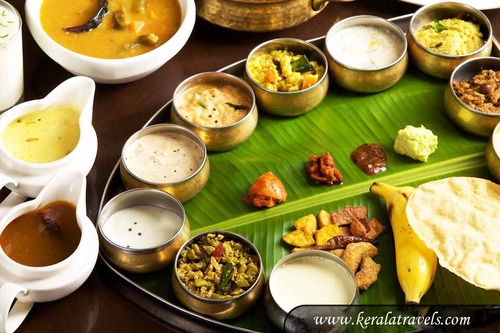
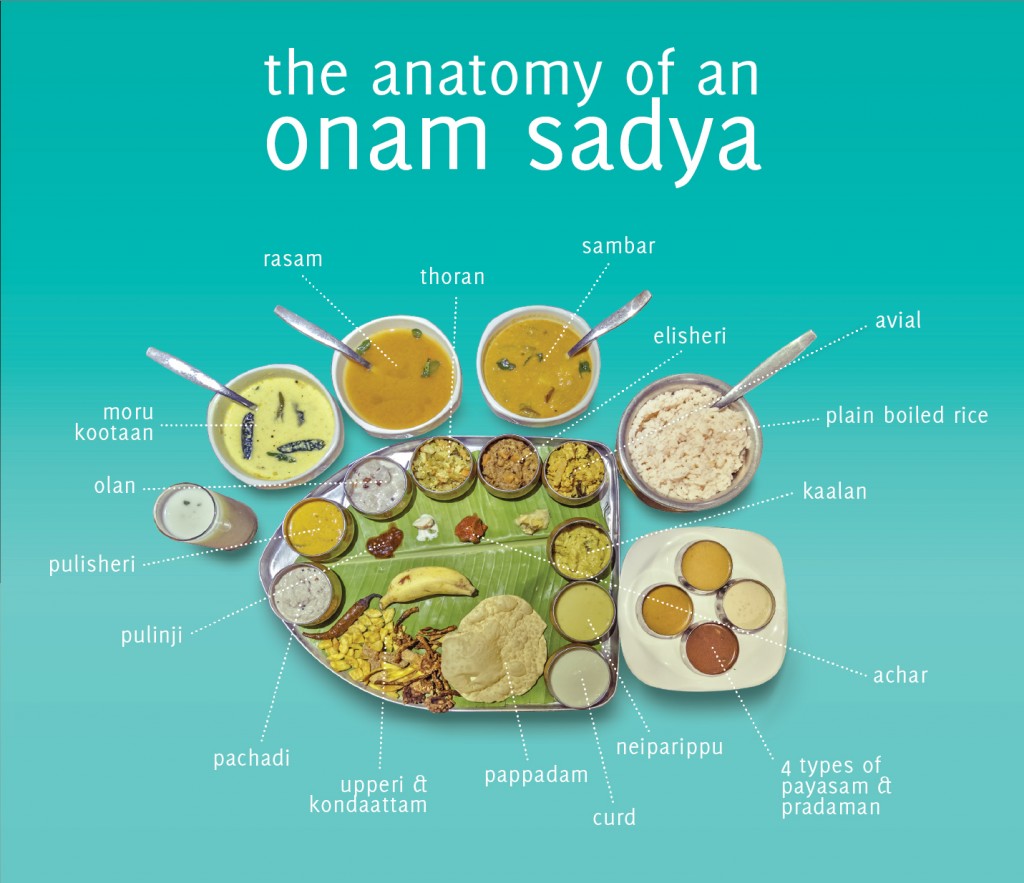
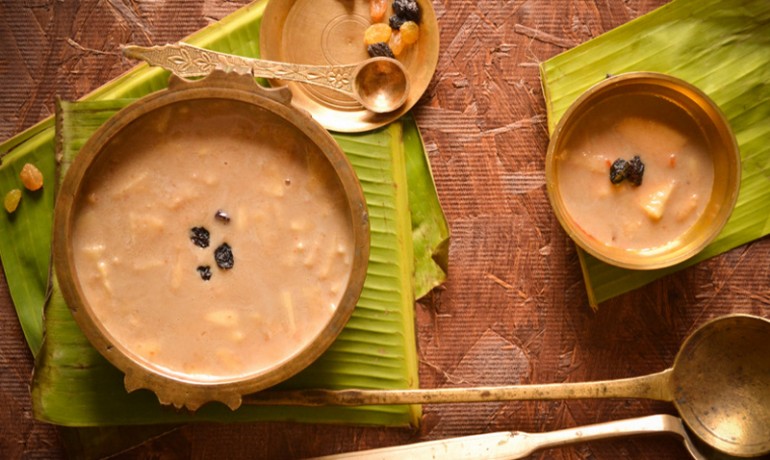
    The festival’s grandness is increased with the heavenly feast prepared during the celebration. The platter or the course of the serving is done in a particular way. The serving of food is done on banana leafs, the placement of which is also given major importance. There is a special order with which various dishes are served with the beginning done by serving of rice followed by curries which are mainly of three different types. We also have many fried items, most common one found is called ‘upperies’ which are basically banana chips fried in oil to bring in the extra salt and crispiness of the food. ‘Papadams’ or ‘Papad’ as we call them in the North India is also a part of the menu. Among the sweeteners we mostly have two dishes called ‘payasams’ and ‘prathamans’ and in many cases fruits are also served. The taste of every dish prepared increases as it is ensured that the whole family eats together, in many cases with we have 2-3 generations dining together with mostly the men of the family having first along with the children followed by the women of the household.

    onam 2

    The revenue raised during these ten days of fun and folly is huge, mostly arising from the sale of liquor and food items and a small contribution also given by decorative items and stuffs. Its I believe the only festival in the state which seeks so much of popularity and enthusiasm not only among the women and children but also among men who sport themselves with white lungis with golden borders specially made for this occasion. Similar dress code is also seen for women who adorn white sarees with golden borders.

    Onam is therefore a festival not only of joy and celebration but also carries in itself something for all age groups. Being in the northern part of India, many would have just seen the festival being celebrated in travel channels or read about them in magazines, however according to me an attempt should be made to enjoy the festival live because I believe it will be a time of your life which you would never wish to forget.

    \

  • Zulbia

    Zulbia

    jalebi 1

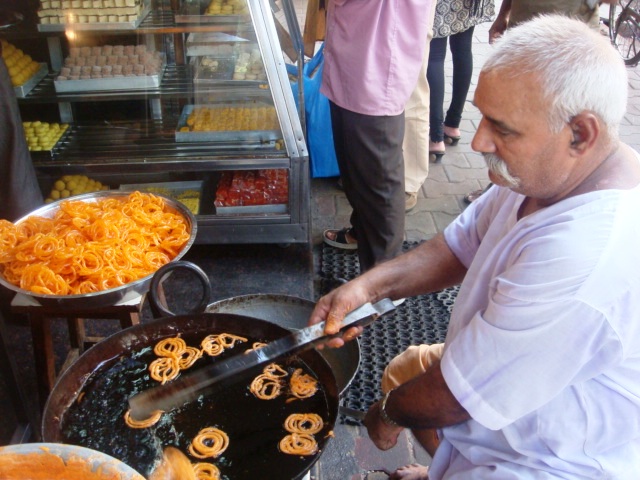
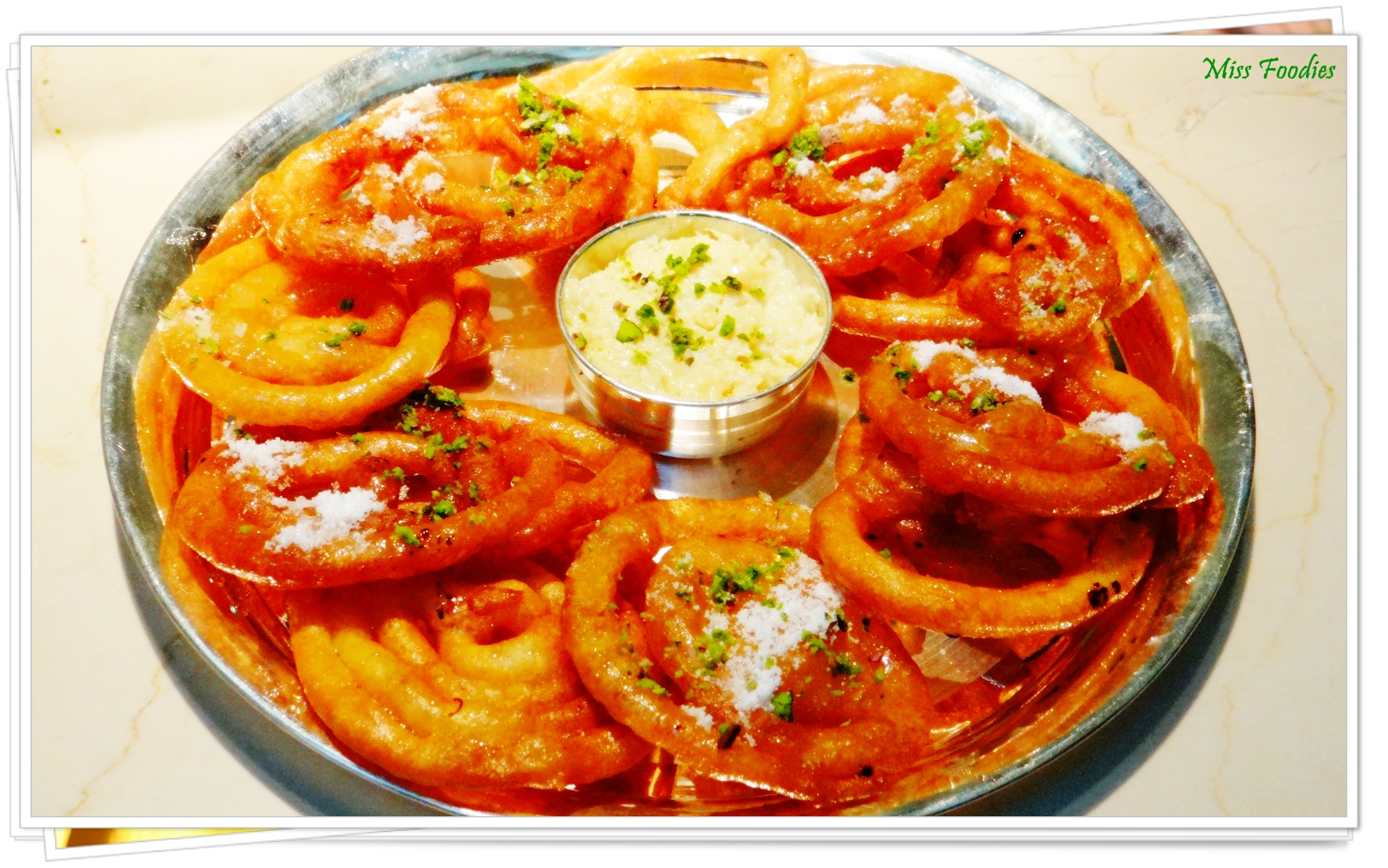
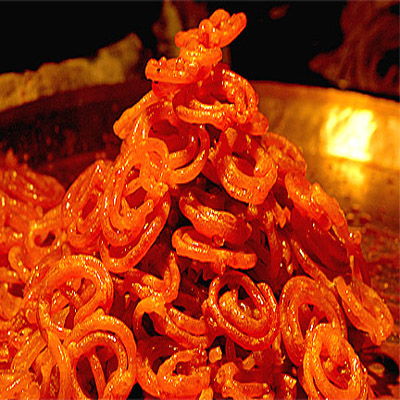
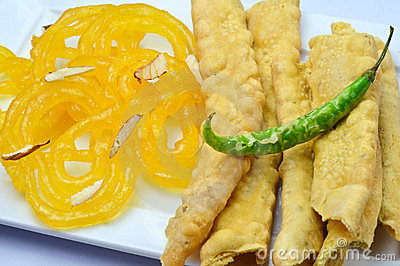
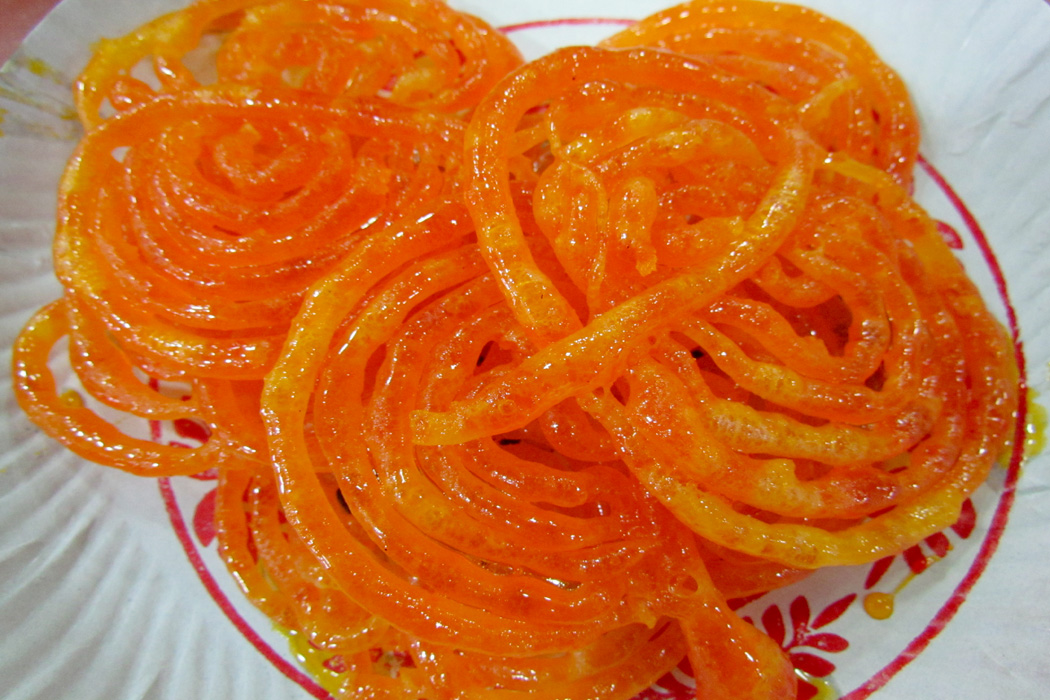
    Jalebi or Zulbia is a popular sweet in our country and surprisingly not only in India but is also found to entertain the taste buds of people of Middle East and North African countries like Jordan, Syria, Egypt and Algeria. The creation of these sweets is simple and mainly requires a deep frying of wheat flour also called maida in India, in whirl shapes which is then soaked in the sugar solution. A sweet that finds its way in every household especially during festive seasons like Ramadan and Diwali.

    jalebi
    Back in India, Jalebi is also served as a ‘Celebration sweet’ during national holidays like Independence Day and Republic Day, on which its offered in government institutions, defence facilities and other organizations. The sweet is served either warm or cold and has a somewhat chewy texture with a sugary exterior coating. Rose water or other flavors are sometimes added to the dish.
    The origins of Jalebi can be traced to ancient India. History says that it was earlier produced from fermented wheat and yoghurt batter. It is believed that the diffusion of this dish to other countries occurred during the Muslim Rule when the economy was opened up for trade and exchanges with various other countries of the world. The sweet is also known as Zalabia in Comoros Islands, where its believed that it had been introduced by Middle Eastern settlers and merchants. The references about this particular sweet can also be seen in the 13th century writing of various rulers who enjoyed this delicacy only during very special occasions. In Iran, the tradition was to offer this sweet, called Zulbia, to the poor during the festival of Ramadan. It’s been followed till date without fail. During the 1900s, it was a treat for the common American family where Jalebi was used to hold ice cream till the invention of cones.

    jalebi 3
    Currently the sweet has found fame and a strong base especially in north part of India. Over the years it’s surprising to see that the dish has had various versions and twists bought in by the modern chefs of the time and still sees advancements. My first experience was when I was small, my father had purchased this sweet from the local Halwaii, freshly made nice and hot, which melted in no time as it entered my mouth and left me wanting for more of this delight. Seen as a sweet dish in every marriage, it’s difficult for it to not be in the menu card, thanks to the huge public demand it has created over the years.

    jalebi 4
    Ahmedabad, a place where Jalebi is not treated as just a sweet, is mostly consumed together with fafda, finds a place in the demand list not only during occasions but is also pushed in with breakfast lunch and dinner as a yummy combination of sweet and salty. Market watchers in Ahmedabad say that localities’ consume fafda jalebis worth at least minimum of Rs.25 crores. This previous year heavy sales was witnessed not only on Dussehra morning but also in the last night of Navratri where people made a point to stop and add more sweetness to the festival by eating jalebis with fafda and then going home after days of uninterrupted dance and worship. This year however the sellers are curious to see the market reaction with the rise in the prices of the commodity, as they believe that prices would rise by 20%, reason being the rise in the prices of inputs that goes in the preparation of this particular dish such as refined flour, gram flour, ghee, spices and also labour. Estimates suggest that if its assumed that 50lakh Amdavadis will treat over 100 grams of fafda Jalebi, then this will generate a rough figure of Rs. 30 crores in a single day. The sellers feel that an increase in the prices will surely have its effect on the consumers however they believe that the craze for this dish will not die. The quantity consumed may surely come down like a person consuming 2kg may now consume just 1 or half a kilo, but business due to this might not be affected much due to the rise in prices. According to Murlidhar Agarwal, a member of the Ahmedabad Mithai Farshan and Milk-Mawa sellers association in the city says that 65kg gram of flour earlier cost them around Rs.1300 but now has seen an increase to about Rs.2000. Similar rise has also been seen in the price of oil and labour which has risen from Rs.1400 to Rs.2200 and labour charges being Rs.5000 per person respectively. With quantities expected to fall and cost of production expected to rise, sellers are thinking of taking various measures to keep with and sustain their profit margin. Many sellers are thinking of opening up shop early than their usual timings in order to increase their sales per day while others are simply deciding to bring down their profit margin. Many, in order to meet the excess demand during festive days have decided to take pre-bookings and orders in advance and also keep packets of 250-500grams ready so that people can pick easily. With all important decision and measures taken its now time which will design the way.

    jalebi 2
    According to me, when it comes to joy and satisfaction given by this dish, price cannot affect much however the sad part is although North Indian are well aware of this dish the same does not go for the South. Many states down south have not had the privilege to enjoy mainly due to lack of knowledge regarding its preparation. Therefore we can hope that it’s not long enough that the dish will soon find its way to South Indian households as well.

  • Chocolates

    Chocolates

    inspimo-thumb.com-macro-photography-inspiration-77


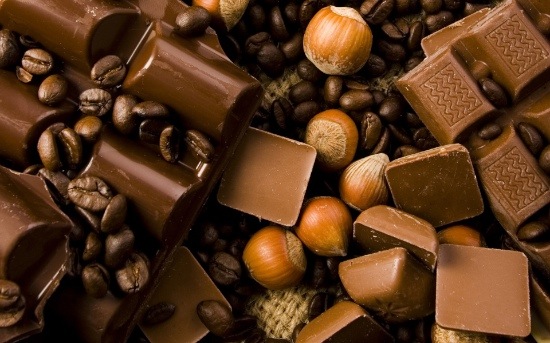
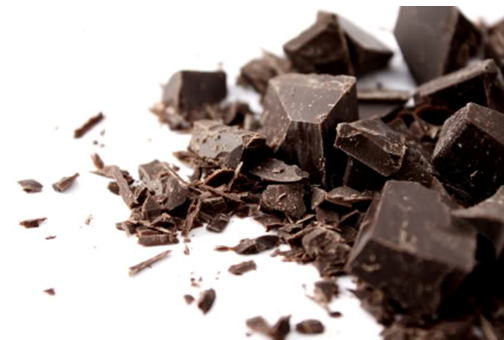
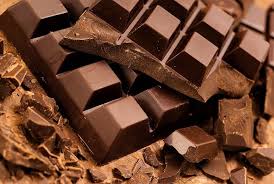
    A chocolate, a favourite of many, is a brown colour sweet which is basically cacao seeds, roasted and often flavored with vanilla. The nature and colour of chocolates may vary depending upon the colour of the seeds and the process of preparation used. Cacao has been cultivated in many cultures for years now dating back to 1900 BC. It’s believed that earlier these seeds were used to make beverages and were termed as ‘bitter water’ because of the bitter taste in these seeds and in order to get the real flavour, further fermentation was required. After this the seeds are cleaned, dried and then roasted. The shell is then removed and grounded to create cacao mass.  Chocolate liquor is the liquid form of this cacao mass. The liquor can be further processed into two forms namely cocoa solids and cocoa butter. When we wish to buy chocolates, we have so many types to choose from. The black chocolate we find is prepared from cocoa solids and cocoa butter. While the normal chocolates, the sweet ones, are basically the mix of sugar, cocoa solids, cocoa butter and other ingredients like nuts, milk etc. There are three main varieties of cocoa beans which are Criollo, forastero and trinitario. Criollo is the most rarest and expensive of all the others because they are difficult to grow due to environmental threats and therefore yield per tree is low. Forastero is the most common bean which is used to produce chocolates and is mainly found in the African regions. Trinitario is a product which results from the mix of Criollo and forastero and mainly comes from Trinidad.

    chocolate

    Going back to the history of chocolates, we find that it was initially used as a form of drink rather than the bars we consume today. The vessels used to prepare these beverages indicate that the white pulp around the beans were a rich source of fermentable sugars used for the preparation of an alcoholic drink. During the period of the Mayans, it’s found that chocolate was also used in for ceremonial purposes. The Aztecs, who existed in the period around the 15th century, also show indications of how important chocolate was in the daily life. Other than a form of drink, cocoa beans were also used as a form of currency. Since the Aztecs could not cultivate beans in their farms, it was mostly imported and was a luxury good only used by the higher section of the society.

    During the 16th century, when Columbus had made a visit to America, that was his fourth or fifth visit, he found cacao beans when he captured a native canoe along with other goods which were brought back to his home country. Initially when Columbus had introduced chocolate in Spain, it was not readily accepted until when it was introduced in the Spanish courts as a form of a drink and soon proved to be a court favourite. Chocolate was imported to Europe where it was still served as a drink however when it comes to Spanish consumers, they add sugar and honey to remove the natural bitterness. Both the men and the women were said to be greedy for this drink and consumed it in various manners, some hot some cold while other put in other ingredients like milk, nuts and even chili. By 1662, chocolate had been declared that it was safe to drink and that it was not an obstacle to any religious fasts, which then led to an increase in the market for chocolates. The growing market of chocolate shad brought with it a growing slave market as well. The growth and production of chocolate was done by poor wage labours and African slaves, however the final product still remained a good for the high class of the society. With the passage of time, new techniques of production were introduced and new ways of using chocolates were also introduced.

    chocolate

    In various religious cultures like in Christianity, chocolates were used during festivals like Easter where chocolate eggs and in some cases chocolate rabbits were produced which were used as sweets and offered to relatives and friends. Chocolates also took the form of gifts which were used during events like valentines’ day or birthdays and marriage anniversaries along with cards. Earlier affordable only by some, today almost a major portion of the society has access to this delicacy. The use or reference of chocolates has also been seen in many books and movies like the children’s novel Charlie and the chocolate factory and is also seen in the story named Like water for chocolate by Laura Esquivel. In the present times we see chocolate being used in designing dresses as well as in other products like perfumes etc.

    article-2474768-18F2796500000578-304_634x822 - Copy

    Coming to the health side, we find that chocolates have both negative and positive effects on health. Different studies have been conducted on chocolates which show that they have the ability to improve the circulatory system and also reduce blood pressure in adults. Dark chocolates contain high levels of chemical called flavonoids which are helpful in reducing the problem of diarrhea. Chocolates can also help in reducing the risk of cancer, cough and various diseases related to the brain. Among the negatives we have obesity which tops the list followed by allergic reactions seen in children. It is found that chocolates can cause lead poisoning and osteoporosis as well.

    Chocolate is something which never had a substitute and became popular with time. Even though it has some negatives the positives overcome it making it the only sweet commodity which gives us satisfaction with the least side effects attached to it.

  • APPLES

    APPLES

    apple


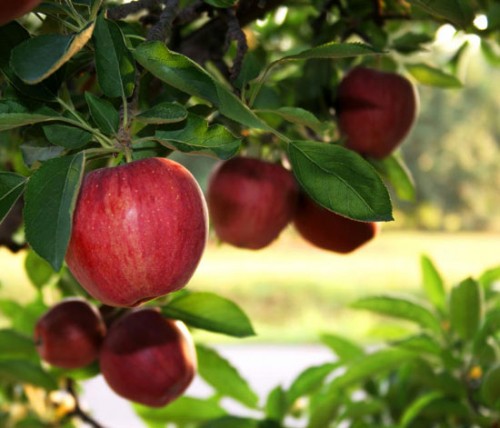
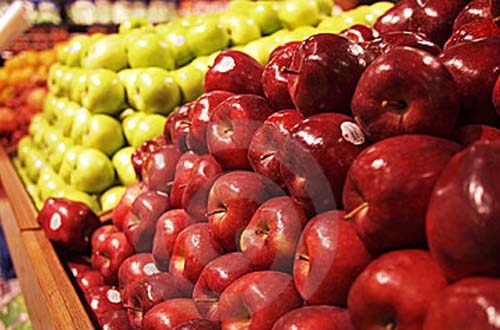
    The apple belongs to the rose family (Rosaceae) and is a derivative of its wild variety, Malus sieverslli, still grown and consumed in Central Asia. It is a Pome fruit, which means it is a fleshy fruit with a thin skin and the seeds are contained within the fruit. The apple blossoms are pink and gradually turn white as they mature. It comes in various colours and sizes and has a variation even in taste, ranging from sour to sweet. This quality of the fruit makes it a culinary specialty as it can be served in various ways – cooked and uncooked. The apple has ruled the health business for years owing to its immense qualities and benefits. Right from being on the teacher’s table to the platter of the healthy eater, the apple has continued its journey for thousands of years without compromising or losing out on its popularity as being the king of all fruits.

    Historically, apples have known to be an integral part of ancient mythologies. Extending to countries and continents all across the globe, the fruit has found favour and acceptance by both old and young, rich and poor, the famous and infamous and has even been associated with gods and goddesses. According to the famous English scholar, H.R. Ellis Davidson, apples have been linked to religious practices in Germanic paganism. Offerings of apples to gods and goddesses have known to be made in exchange for eternal youthfulness and fertility. The Germans have long believed that apples are no less than a life giving fruit that has found favour even with celestial beings.

    apple 1

    Among the Greeks, the fruit is a part of many religious traditions and is often looked upon as the ‘mystical’ or ‘forbidden’ fruit. The apple is considered to be sacred to the Greek goddess of love, Aphrodite. To throw an apple at someone was symbolic to professing one’s love and to catch the apple was an expression of acceptance of that love.

    Popular Christian belief has held that it was an apple with which Eve (the first woman) coaxed Adam (the first man) to commit the first sin of disobedience against God. As a result, the apple became symbolic of knowledge and immortality as well as of temptation and sin. Also, following the story, the larynx in the human throat came to be called as the Adam’s apple because of the notion that Adam never really swallowed the forbidden fruit and it remained in his throat.

    Apples have been grown and consumed for thousands of years now. Study reveals that there are about 7500 cultivators around the world contributing to different varieties of apple on the basis of colour taste and use. The reason for breeding apples may vary from cooking to eating or for cider production.  Domestic apples can be produced either naturally through seeds or through grafting. Apple trees are prone to a lot of fungi, bacteria and pests and so special care is taken by cultivators. In the year 2010 itself, 69 million tones of apples were produced around the world with China and the United States being the major contributors producing about 10% and 6% of the produce respectively. The third position was gained by Turkey followed by Italy and India.

    Apple-Nutrition

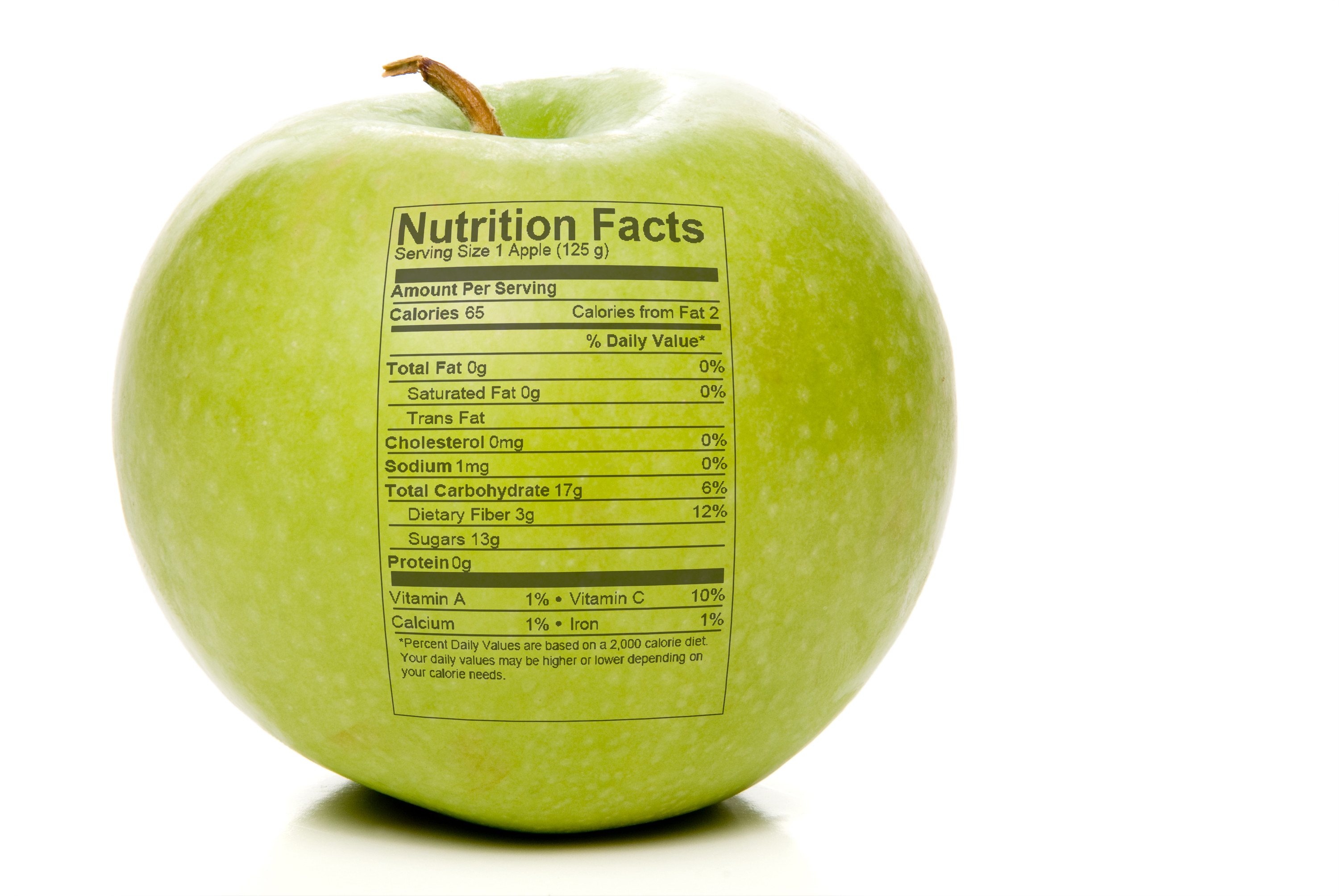
    ‘An apple a day keeps the doctor away’. This is not just a statement but also an advice given by the doctors to individuals across all age groups. The statement, however, may not really be as precise as it claims, but with a host of nutritional benefits, apples are a smart choice to munch your way to health. It’s believed that the apple is one unique fruit richly endowed with nutrients and activated enzymes which if consumed, helps in building up the body and improves its immunity, thus, making it possible that we remain healthy and free from diseases. The antioxidants in the fruit help in neutralization of potentially harmful free radicals that are known to cause cellular damage.

    Not just that, apples are a popular choice among the health and diet conscious being extremely low on calories. A whole medium unskinned apple has calories equivalent to 100 units which is about 5% of an average daily calorie intake. The smaller varieties have a lower calorific value. This means, one could enjoy an apple based dessert without disturbing one’s calorie budget; one would just need to scale down or scale up the size of the fruit as per need. It’s both a healthy as well as a wise choice. The fruit is a rich source of fiber as well. A medium unskinned apple provides with approximately 4gms of fiber. Fiber, as we all know, helps maintain a healthy weight and is crucial for waste elimination from the body. Daily consumption of an apple may also reduce LDL or bad cholesterol levels, thanks to the apple fiber.

    apples

    There are, however, a few negative attributes associated with the famous fruit. Apples are a rich source of the naturally occurring sugar, fructose. A medium sized apple would contain sugar equivalent to 16-20 grams. The sugar content may, however, vary depending on the size, type and quality of the fruit consumed. In such cases, individuals suffering from lifestyle diseases like diabetes must ensure that consumption of the fruit is done only after consulting a doctor. Apart from this, individuals who have problems digesting fiber, or have a weak digestive system following gastrointestinal issues, may find it difficult to digest the high fiber content in the apple resulting in loose stools. Another matter of concern is toxification of the fruit by harmful pesticides, which can be eliminated by washing the fruit well before consumption. One could also resort to organic varieties which would further reduce the problem.

    All this must not stop you from including an apple in your daily diet. Not only is it a healthy option, but, having an apple daily is also a wise decision. It will not only keep diseases at bay, but would also ensure you healthy nutrients as you go through the day