Author: nikita saxena

  • Universal Studios Singapore: A Magical Journey

    Universal Studios Singapore: A Magical Journey

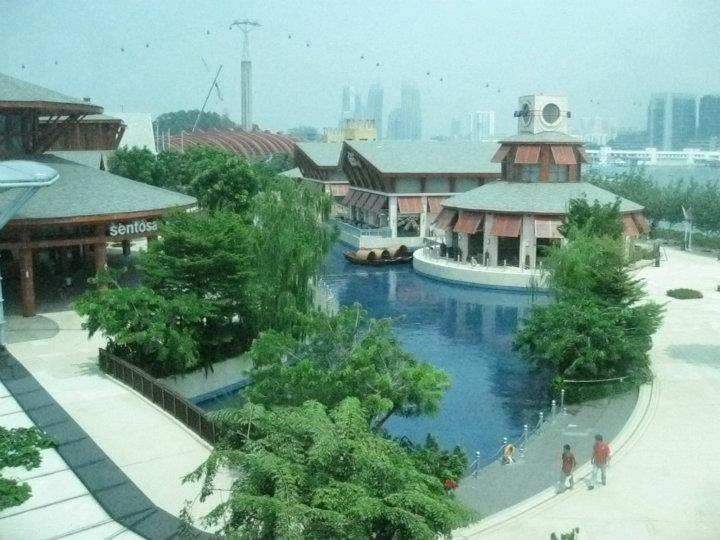
    While vacationing in Singapore some time back, I had the good fortune of getting to explore the then newly opened Universal Studios along with my grandmother. Located within Resorts World on Sentosa Island, Singapore, the massive theme park as one can see today took nearly two years of construction and testing to build. This one in a kind tourist paradise is stunning and extraordinary in its architectural finesse and roller-coaster layout, and has quickly risen through the ranks to become one of the best theme parks in Asia. Spread over an area of around fifty acres, Universal Studios Singapore contains a total number of twenty-four specially designed attractions. There are seven specific zones based on a bestselling television series or blockbuster film produced by the company, all surrounding an artificially modified lagoon. The park was officially inaugurated on 28th May, 2011, and since then, the tourist crowd has been pouring in consistently for the unforgettable rides offered there.

    307743_2450549821068_107624392_n 317379_2450608222528_1553518607_n

    Themed after the Hollywood Boulevard of the 1970s, Hollywood forms the entrance zone of the theme park. It features a long, but adequately spacious walkthrough with the erstwhile dynamic architecture lining the faux street, complete with the signature palm trees. With an outstanding replica of the celebrated Hollywood Walk of Fame, this zone also contains a Broadway style theatre, which regularly holds live musicals starring characters from Universal Horrors and Sesame Street. Several restaurants and a variety of flagship shops also line the walkway, selling unique dishes and eatables such as chocolate fudge, candy floss, and elaborate main course preparations from many cuisines, as well as movie memorabilia, celebrity posters, books, themed souvenirs, film accessories and apparel. Different food joints in the Hollywood zone have been remodelled to resemble settings from iconic Universal films, such as Mel’s Diner, which is based on the 1973 production, American Graffiti, and serves its customers snacks and beverages as per the culinary traditions of the 1950s.


    298205_2450557461259_767743055_n 311713_2450552421133_1315545504_n

    The New York zone lives up to its name, and is a perfect post-modern replication of the Big Apple, with its signature neon lights, huge billboards, towering skyline, and bustling sidewalks crafted to visual and aesthetic perfection. One of the major decor pieces here is the replica of the much renowned New York Public Library which has been created by talented artist in precision down to the last detail, and even has the two enormous statues of lions in white stone guarding its faux entrance. Lights! Camera! Action! Hosted by Steven Spielberg is this zone’s front running sound and lights show fitted with additional special effects to mimic a major hurricane about to hit the city. Other attractions in this area include New York styled pizza parlours and barbeque grills, apart from a Sesame Street: Space Chase themed indoor ride featuring beloved characters such as Elmo, Cookie Monster, Bert, Abby, and many others.


    296213_2450560741341_1930820810_n 314341_2450562701390_40690414_n

    Sci-Fi City proved to be one of the most exciting zones for me in Universal Studios Singapore by far, and will indeed prove to be delight for countless other science fiction enthusiasts. It is supposed to be an imagining of the future of human civilization, with remnants of the human population and previously unknown alien beings socializing and living together in a much more technologically advanced era. The blue and red Human and Cylon roller coasters inspired from the Battlestar Galactica television franchise currently hold the world record of the tallest pair of duelling roller-coasters standing at a height of around a hundred and forty metres. A Transformers themed simulation ride, which was opened much later by the director of the famous film adaptations, Michael Bay on 2nd December 2011, is another key feature of this zone. A much minor ride of revolving teacups, named Accelerator, and various merchandise shops and themed food outlets are other things to look forward here.

    293595_2450568581537_1777969231_n 297980_2450566861494_1453031324_n

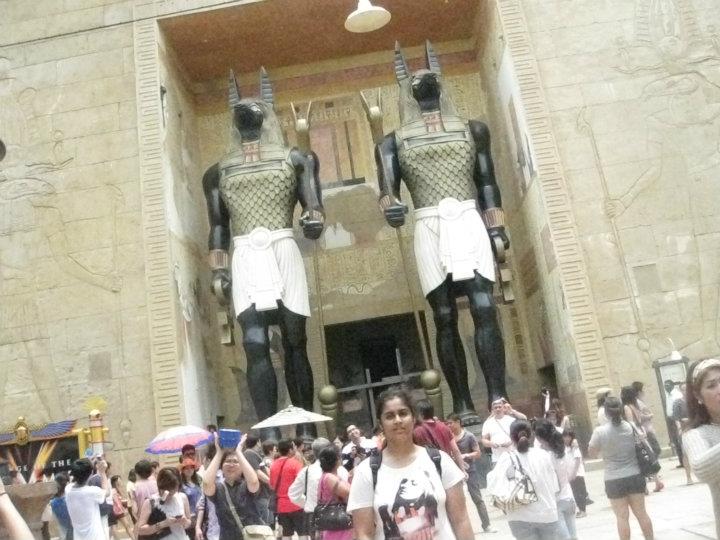
    The aptly named Ancient Egypt zone is designed as per the settings of the many American productions of the 1930s, rightfully called Hollywood’s Golden Age of Egyptian exploration. Sandstone obelisks, statues and miniature pyramids form the architectural diaspora of this zone, and the main ride here is the high-speed and dark Revenge of the Mummy: The Ride, which is based on The Mummy film series. Treasure Hunters is another key ride, and consists of an airborne leisure car ride around an abandoned Egyptian excavation site. Apart from souvenir shopping, visitors can eat out at the Oasis Spice Cafe which boasts of a sumptuous multi-cuisine buffet serving spicy delicacies from Lebanese, Turkish, Indian, and Mediterranean cultures.


    314546_2450602942396_817192514_n 319155_2450569021548_749427338_n

    Based on one of the bestselling science fiction franchises of all time, The Lost World zone is divided into two areas, Jurassic Park and the more aquatic based Waterworld. The Jurassic Park series has been based on the popular live-action adaptations of Michael Crichton’s fictional works of cloned dinosaurs, which have been directed by Steven Spielberg. Waterworld is based on the 1997 Hollywood film of the same name which stars Kevin Costner. The Lost World is filled with action packed adventures for all people, and has a diverse range of shows and rides, including roller-coasters, pyrotechnics, water rides, stunts, rock-climbing, as well as movie merchandise retail outlets and themed restaurants.


    297361_2450574741691_1461647883_n 310534_2450575581712_148669093_n

    Far Far Away is the fantastical, magical realm of fairytale characters in the Shrek movie series, and one of the more children-targeted attractions of Universal Studios Singapore. From the gentle ogre Shrek to the loud princess Fiona and the lovable Donkey, you will find all the characters from this much loved fictional universe, and be mesmerized by a huge and intricate real-life version of the Far Far Away Castle, and the delightfully dirty replica of Shrek’s Swamp as shown in the animated films. This zone includes miniature child-friendly coasters and ferris wheels, apart from a 4D simulated adventure ride and a digitally interactive live show with one of the characters. An added bonus to this area are the aptly named food outlets which sell memorabilia and food items based on fairytale myths, such as magical potions, liquid elixirs, you name it.

    298913_2450578821793_171735215_n 310153_2450581261854_679314696_n

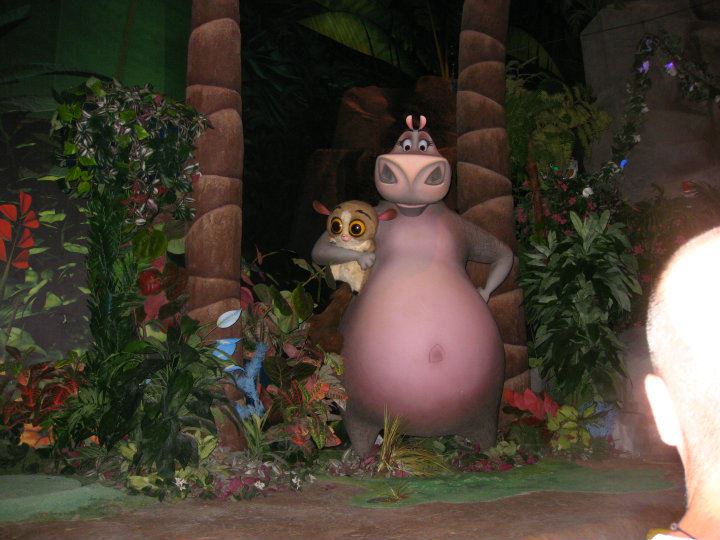
    Madagascar is the culminating zone of the theme park, and is based on the animated film adventures of Alex, Gloria, Marty, and Melman, a lion, a hippopotamus, a zebra, and a giraffe, all of who escape from the New York City Zoo, and travel to the wild but unknown regions of the African continent. This area has more kid-friendly rides, such as a crate water ride, and a carousel, and appropriately themed merchandise shops and food outlets.
  • 15 Places to Eat out in Delhi On Valentine’s Day

    15 Places to Eat out in Delhi On Valentine’s Day

    The new year here, and Valentine’s Day will soon come knocking on your doorsteps in a few weeks. Love and food are inseparable parts of everyone’s lives, and what better than the 14th of February to celebrate a gastronomic delight with your loved ones, and faithful, insatiable tastebuds as well. As someone rightly said, “you eat what you love, and you love what you eat,” it’s only right to give that special one an unforgettable culinary journey on V-Day with fine wining and dining, and this list of romantic restaurants in the capital might just help you find that dream destination:

    1. Amreli

    amreli-26

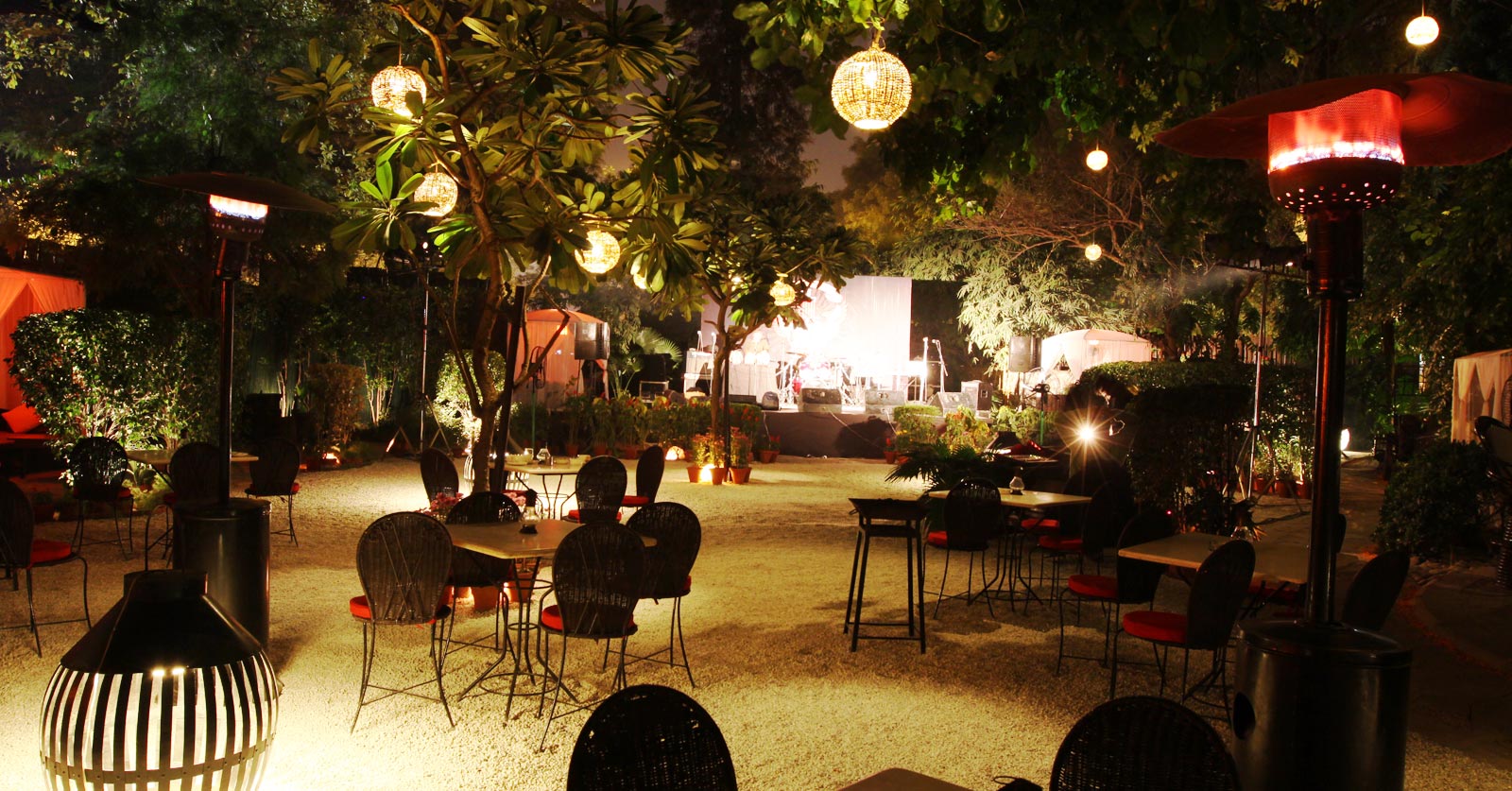
    Situated in Hotel Diplomat, Chanakyapuri, Amreli is a small, but extremely beautiful restaurant which offers a unique fusion menu for the curious palate, ranging from the jalapeno and cheese naan to galouti kebab burger. With chic, lavish decor and a pleasant open-air seating space in a little garden, Amreli is the go-to place if you want to taste wonderful dishes from Mediterranean, Oriental, and Indian cuisines.

    2. Diggin

    diggin-4630

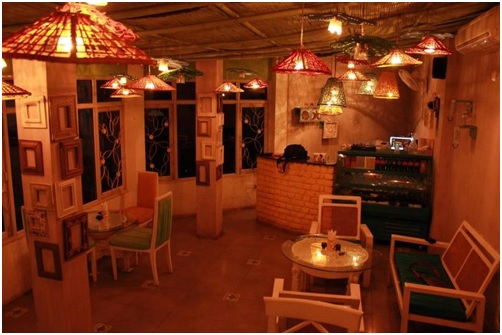
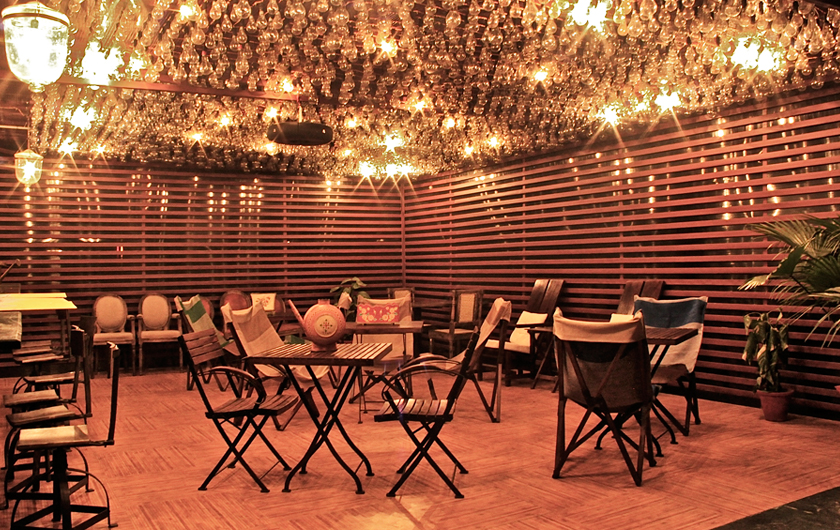
    A place that will leave you spellbound, Diggin is the right place to reserve for two if you both swear by Italian food. Recently established in Anand Lok, near Gargi College, this restaurant is a divine sight by night, with fairy lights and creepers winding up wooden and brick walls – in short, the ultimate evening eating ambience. Their extensive menu covers pastas, pizzas, and everything else under the Tuscan sun, all puns intended, and the dessert menu is just to die for.

    3. Rose Cafe

    3027_so-delhi-rose-cafe15-1364642914

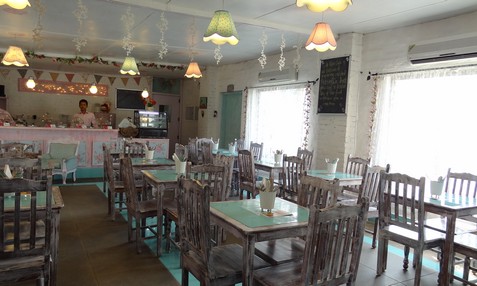
    A quaint little cafe set in the middle of nowhere in Saket, Rose Cafe is the tea lover’s paradise. With reasonable prices, this place offers various dishes from European and Lebanese cuisines, with the perfect English breakfast menu and the most elaborate of mezze platters. This quiet establishment boasts of an independent garden as well as delicate indoor wooden decor in soft shades of pink and white, as well as some of the best desserts and spaghetti you can find in Delhi.

    4. The Potbelly Rooftop Cafe

    pbrtc

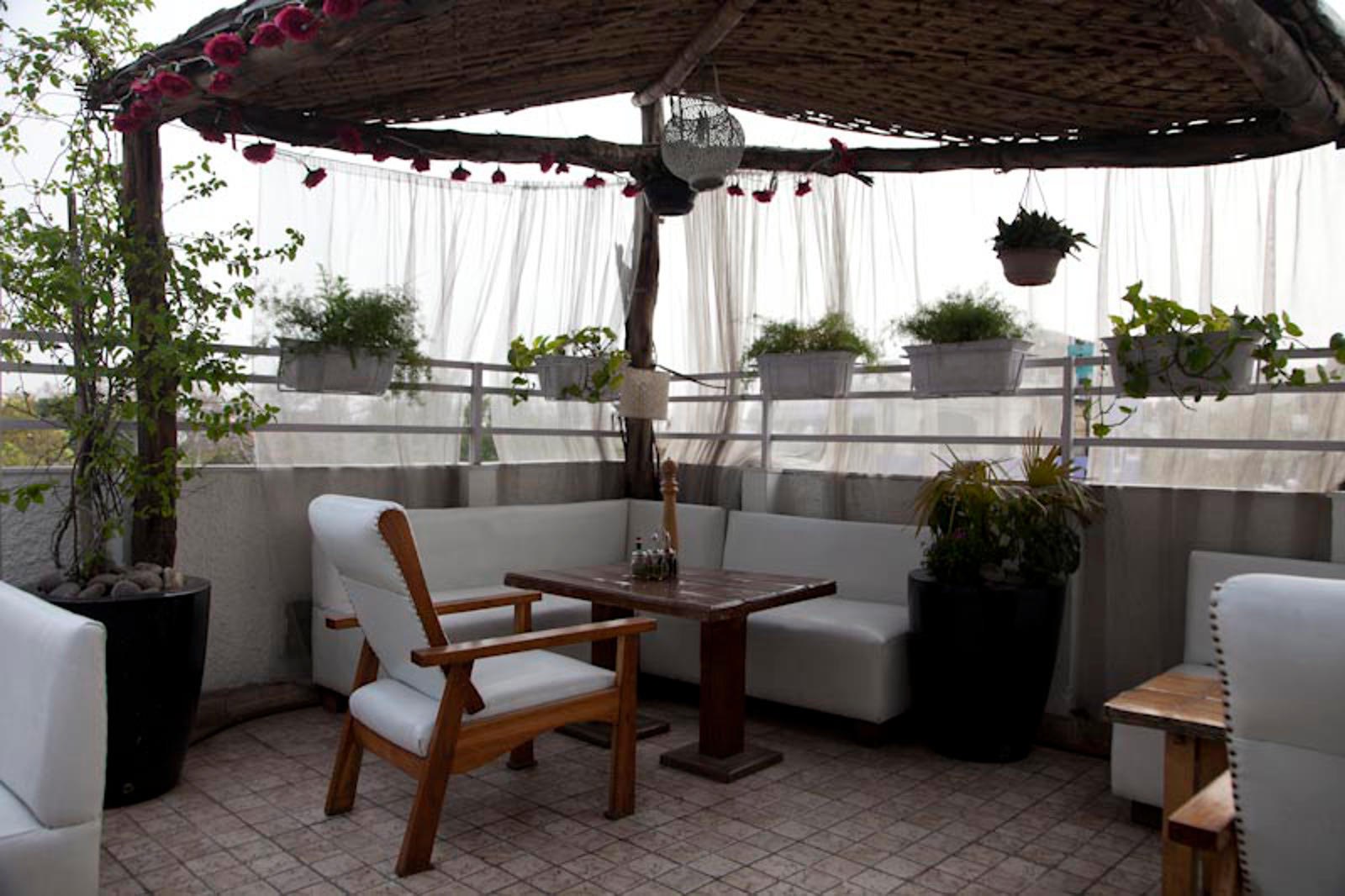
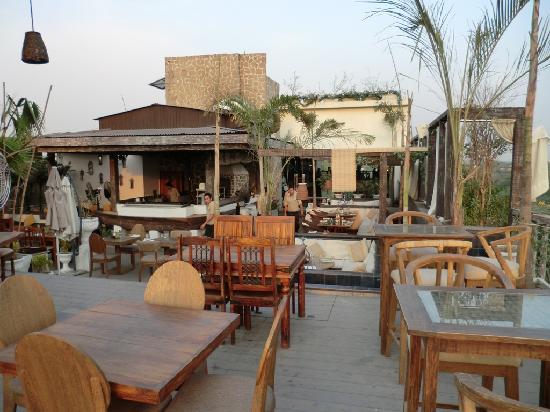
    Located in Shahpur Jat, The Potbelly Rooftop Cafe is one of the most ingenious restaurants in the city, having to its credit a brilliantly crafted menu which has infused the Bihari and continental styles of cooking in the most unique of ways. With a diverse selection of delicacies that caters to both the vegetarian and non-vegetarian foodie, Potbelly is a novel choice for a date, along with its homely balcony seating which not only guarantees the privacy you will need, but will also ensure a stunning view over the adjacent greenery.

    5. Le Bistro Du Parc

    Le-Bistro-Du-Parc

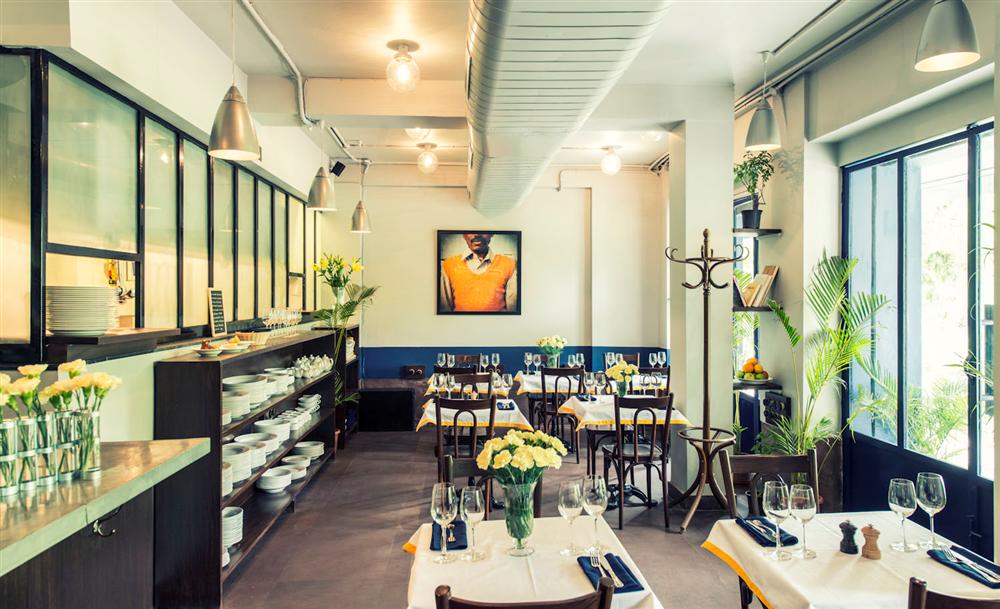
    For the Parisian romantic at heart, Le Bistro Du Parc offers select menu of classic French delicacies, which states candidly, “Contrary to popular belief, not all French chefs hate vegetarians!” and indeed, this amazing little place proves to be a wonderful dining experience for all foodies alike. With the friendliest and most efficient staff and chefs, and an aesthetically minimalist dining ambience, Le Bistro Du Parc will win your hearts over for sure.

    6. Moet’s Stone

    3881f2bac4fc294e428f7e6de28acc42

    Standing on the fringe of the Defence Colony market, Moet’s Stone is a warm, welcoming place to eat out with your loved one. Serving mainly continental food, the menu features a mouth-watering array of assorted pizzas, a vast array of appetizers and an even more glorious range of main course dishes you can thoroughly enjoy. Stone forms one of the four outlets of the Moet’s Building, with a luxurious balcony view and a tinge of the rustic in its plush interiors to enjoy, for everyone who visits.

    7. Zo

    zo-cafe-delhi

    A serene, peaceful place nestled in a corner of the bustling Hauz Khas Village, Zo pays tribute to the rustic and the antique in its ambience. Decked up with paintings, artefacts, and chandeliers, Zo offers continental cuisine with flavour fusions from around the world, such as Moroccan lamb burgers and Carribean jerk chicken sandwiches. A truly romantic retreat in the locale, this restaurant also boasts of one of the most brilliant mocktail and gourmet shake menus in the city.

    8. QBA

    qba5 low

    One of the most popular food establishments in the city, QBA serves Oriental, Mediterranean, Indian, and Lebanese cuisines, apart from a huge selection of cocktails and other alcoholic beverages. The place is a rarity in its own right, with an extensive dining space located right in the booming heart of Delhi, Connaught Place. With a separate seating area on a gigantic terrace, and the world at your fingertips (and taste buds), QBA will make you fall in love with it at first sight.

    9. Amour – The Patio Restaurant, Cafe & Bar

    amour-hauz-khas-rooftop

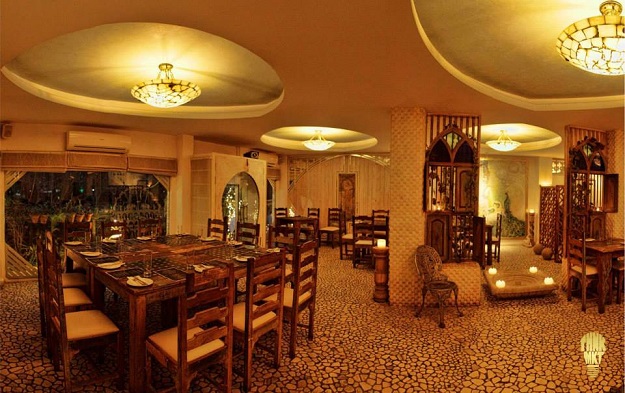
    A rooftop cafe located in the heart of Hauz Khas Village, Amour, stays true to its name, and will make you adore its food at first bite. Offering the usual continental and Italian fare, Amour also serves various exotic French and seafood delicacies. A general fan favourite for the HKV-trotter, this place will conquer your heart with its plush, wooden decor, and the soft, yellow lights that illuminate the place after sunset.

    10. China Garden

    7b9d9d12b8d35f303d6199daa18f96d2_featured_v2

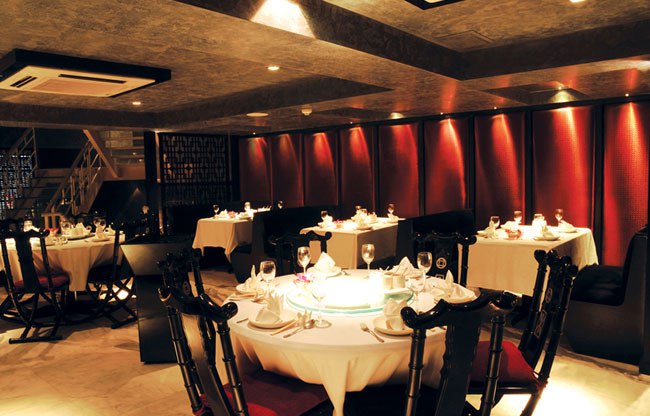
    Situated in Greater Kailash 2, China Garden guarantees a fine dining experience for the Oriental cuisine lover. The menu not only boasts of authentic Chinese delicacies but forages into other styles of cooking from over the globe as well, each dish being executed with perfection. China Garden appeals to all, with vegetarian exotic fare to equally delightful fare using pork, chicken, and seafood. The interiors are brightly-lit, and are an excellent blend of Chinese traditional art and sleek, edgy, modern architecture, giving you a Quentin Tarantino movie vibe.

    11. Lodi – The Garden Restaurant

    cc5e5184e9f09664a7eb888983596cff

    Lodi is probably the best place to dine out in Delhi during the evenings, all due to the sole reason that it lights up like a fairyland when the sun sets. And with live jazz music softly playing in the background, it proves to be the perfect romantic getaway for any couple. Catering Lebanese and Mediterranean cuisine to all, and located on Lodhi Road, Lodi has one of the most divine food platter menus, ranging from cheese to mezze, along with seafood, rolls and wraps, fusion desserts, and many others on its serving list.
    12. Sevilla – The Claridges

    504527-sevilla-the-claridges

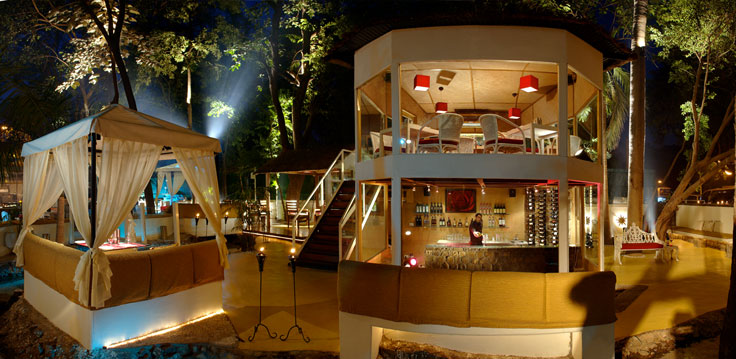
    Probably one of the most posh places to eat out in Delhi, Sevilla serves Spanish delicacies such as tapas, paella, and churros, as well as various Mediterranean variations of seafood and other dishes. Located in The Claridges Hotel, Aurangzeb Road, Sevilla is one of the more high-end restaurants in the city, but totally worth it. Spread over a huge area, the romantic ambiance alone is an experience in itself, with private canopies and rooftop tables set among lush greens and pleasant yellow lights.
    13. Ivy & Bean

    9099_aa1-1384865574

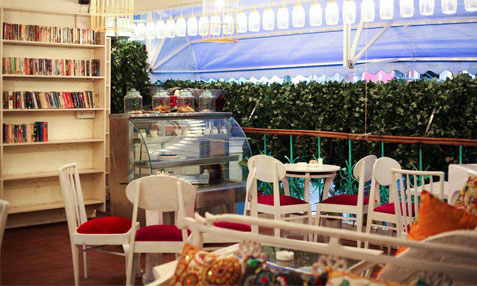
    A blessing for the bookworm and foodie parts of you, Ivy & Bean, located in Shahpur Jat, is a quaint little cafe that serves primarily British and Italian dishes. Known for its collection of books, excellent food at reasonable prices, and free Wi-Fi among other things, this place is sure to give a warm, cosy feeling to every hungry nerd. Ivy & Bean has a homely touch to its preparations, as well as its interiors, making it an offbeat, but nevertheless, an exciting place for a quiet fun date.
    14. Rara Avis

    raraavis

    Serving authentic French cuisine along with a fabulous selection of wines, Rara Avis is located in M-Block Market, Greater Kailash 2. The restaurant has wonderfully elaborate wooden interiors, and pretty lighting, with both indoor and outdoor seating. A must-visit for European enthusiast, Rara Avis is a savoury experience with its wide range of French dishes, ranging from the rustic classic to the urban chic flavours.

    15. The Chatter House

    5

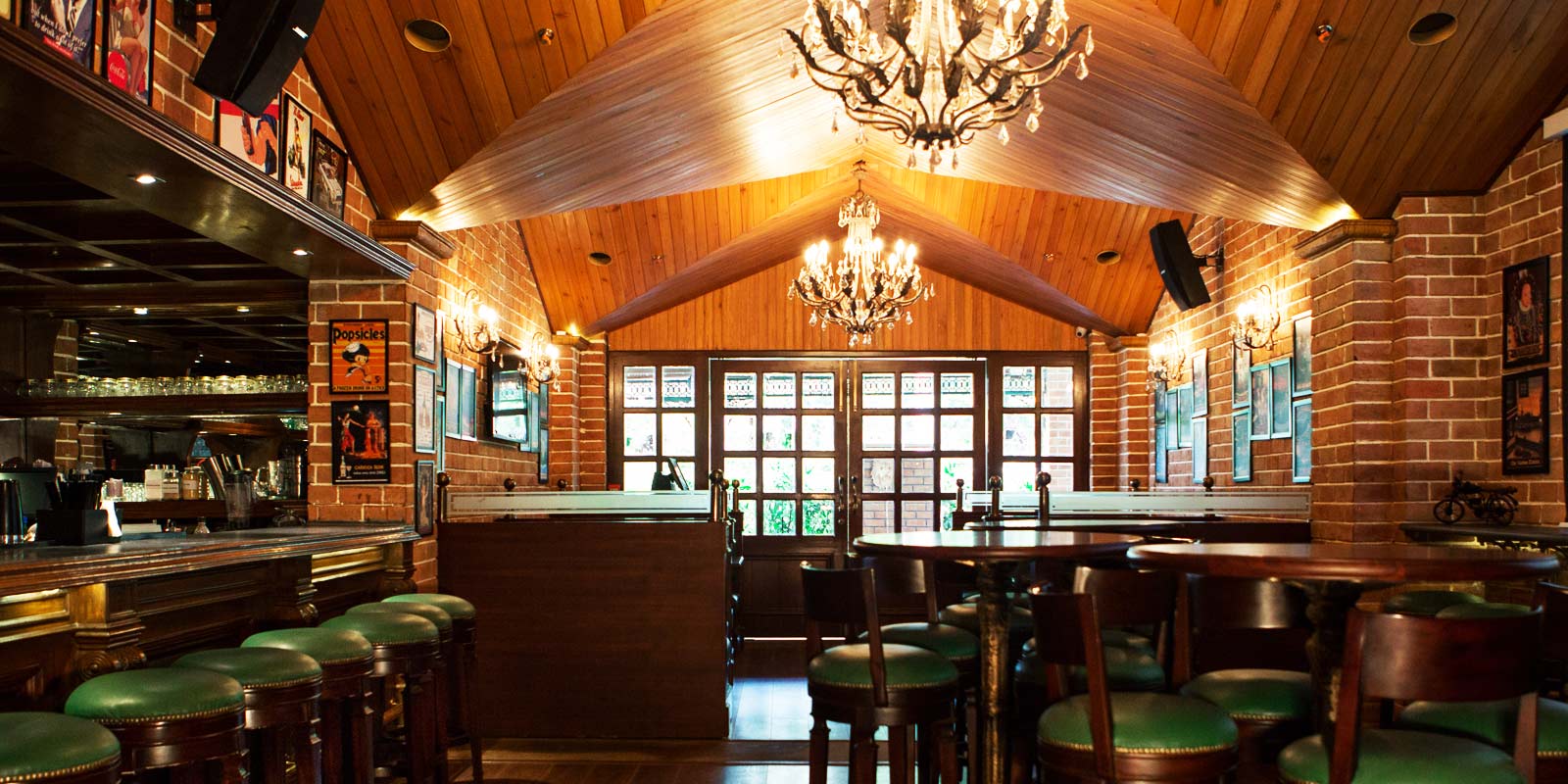
    Highly recommended if you want to indulge yourself in classic American food, The Chatter House is located in Epicuria Food Mall, the well-known foodie heaven under the Nehru Place Metro station. The place has an independent bar area, rustic diner-like wooden interiors, dim lights, and a novel combination of a foosball table and a snooker table for its customers, making it the perfect laidback, casual date destination. The menu also offers an extensive array of Indian, Mexican, and Mediterranean dishes, along with a variety of freshly brewed coffees.

  • 10 Things You Didn’t Know about Batman!

    10 Things You Didn’t Know about Batman!

    The enigmatic Bruce Wayne, one of the world’s most favourite superheroes of all time, has had an exciting lifetime in his comic publication history and in numerous animated and live-action film as well as television adaptations. While Gotham City and the rest of common civilian folk know Wayne as a rich playboy, living as a bachelor in his huge mansion after the loss of his parents at a young age, few really know his secret identity. When night falls, the Dark Knight dons the very symbol that had frightened him for his entire childhood, becoming the Batman and striking dread into the hearts of his enemies. Legendary director Christopher Nolan is credited with bringing the caped crusader back from the shadows and onto the Hollywood top grossing films’ box office in the much loved trilogy featuring Batman Begins (2005), The Dark Knight (2008), The Dark Knight Rises (2012). Here are some interesting and rather unknown facts you might not know about your beloved superhero:

    Wayne_Enterprises-BC-BWayne

    1. Bruce Wayne is originally an industrialist, billionaire, philanthropist, and heir to the multi-national Wayne Corporation that originated in the 17th century under the aegis of his great-great-grandfather Alan Wayne.

    2. The concept art for Batman was created by Bob Kane at National Publications, the predecessor of DC Comics, as a response to the success of Superman in Action Comics.

    bungled-personal-flight-attempt-3

    3. The iconic black cape of Batman which is shaped like batwings was added by Kane who was inspired by seeing Renaissance artist Leonardo da Vinci’s handmade sketch of a prototype ornithopter flying machine. Finger made further additions to the costume, using gloves, removing the initial red accents, giving Batman his signature black cowl and a cape instead of wings and a mask, which also led the superhero to be dubbed The Dark Knight by his fan following.

    4. Contemporary 1930s popular culture provided most of the inspiration regarding much of Batman’s look, personality, methods and weaponry, drawing inspiration from various characters from pulp fiction and newspaper headlines, such as Zorro (created by Johnston McCulley in 1919), The Phantom (created by Lee Falk in 1936), and The Scarlet Pimpernel (created by Baroness Emmuska Orczy in 1903) most notably among many others.

    stark_industries_vs_wayne_enterprises_by_vinnyjohn13-d6580xi

    5. Think Tony Stark aka Iron Man is the perfect “genius, billionaire, playboy, philanthropist” slash superhero sans his suit? Think again. With a superhuman “force of will” that characterizes the indomitable American spirit, Batman is an expert interrogator, a perfect human specimen with honed agility, endurance, strength greater than Olympic athletes and Chinese acrobats combined, the ability to withstand any form of mind control and massive inhuman amounts of pain through practiced meditation, master of a hundred and twenty seven martial arts, an exceptional weapon-wielder and marksman, a stealthy detective and infallible strategy planner, and has studied various disciplines which include computer science, chemistry, engineering, astrophysics, biology, and forensics.

    6. Bruce Wayne’s first name came from Robert Bruce, the Scottish patriot. Bruce, being a playboy, was a man of gentry. Bill Finger searched for a name that would suggest colonialism and tried names such as Adams, Hancock, etc. in the process before finally borrowing from “Mad” Anthony Wayne (the fiery General in Chief of the Legion of the United States from the 1700s) the perfect surname for Batman’s civilian identity.

    Carmine_Falcone_1 Sal_Maroni

    7. Before fighting supervillains like The Joker and Ra’s al Ghul, Batman single-handedly brought down the organized crime syndicates that plagued Gotham City, which included low-level gangsters to powerful mob bosses such as Carmine Falcone and Salvatore Maroni.

    8. Batman, while not being imbued with any superhuman powers, makes up for it with his extensive physical and mental training and an inexhaustible range of weaponry and gadgets, which makes him just as powerful as any other powerful superhuman, and even divine superhero and superheroine in the DC comicverse. However, Wayne’s oath to avenge the murder of his parents is tempered with a sense of justice, and it is noteworthy to mention Batman’s “no-kill policy” which involves him serving justice in his own right (if he does not hand over a villain to the authorities), but without the heinous act of taking someone else’s life. This fact was explicitly stated in The Dark Knight Rises film by Batman (played by Christian Bale) while in combat along side Catwoman (Anne Hathaway).

    9. The Dark Knight, released in 2008, is one of the best contemporary reflections of the confusion and destruction that surrounded the collapse of the Twin Towers in New York City by terrorists on September 11th, 2001, as Batman’s enigmatic archenemy, the Joker, waltzes into town, and creates problems of epic proportions for Gotham. The Joker does not aim to steal money, gain political power, or even kill the superhero, but only to demonstrate to him the weak foundations of society, as he conspiratorially mentions, “When the chips are down, these ‘civilized’ people will eat each other. You’ll see. I’ll show you.” In an iconic scene of the same film, the camera pans over the lone, grim figure of Batman standing alone in the midst of a burnt down police precinct, the still flaming wreckage of which is arranged to uncannily resemble the ruins of the World Trade Centre buildings.

    10. While the levels of anarchy shown in the final Batman movie echo the market crash of 2008, it is also heavily influenced by Charles Dickens’s A Tale of Two Cities, which is set in the backdrop of the French Revolution in the late 1700s, with the final monologue borrowed directly from the last words by the novel’s protagonist: “I see a beautiful city and a brilliant people rising from this abyss. I see the lives for which I lay down my life, peaceful, useful, prosperous and happy. I see that I hold a sanctuary in their hearts, and in the hearts of their descendants, generations hence. It is a far, far better thing that I do, than I have ever done; it is a far, far better rest that I go to, than I have ever known.” Bane, in this context is often compared to the fictional Madame Defarge and the Russian dictator Joseph Stalin, a figure who though rose to power, did so by corrupt methods and hence is not a figure to be trusted.

    Batmobile_007

    Bonus fact: While all comic lovers know Batman’s favoured armoured gadget-laden black car as the “Batmobile”, it is never explicitly referred to by this name in any of Nolan’s films save the official scripts. This automobile has undergone many changes in its appearance and features over the years, and Nolan’s era saw the Batmobile being modified from the Tumbler, a product designed by Wayne Enterprises’ Applied Sciences Division as a bridging vehicle for the military.

  • What’s to Know about Willis Tower?

    What’s to Know about Willis Tower?

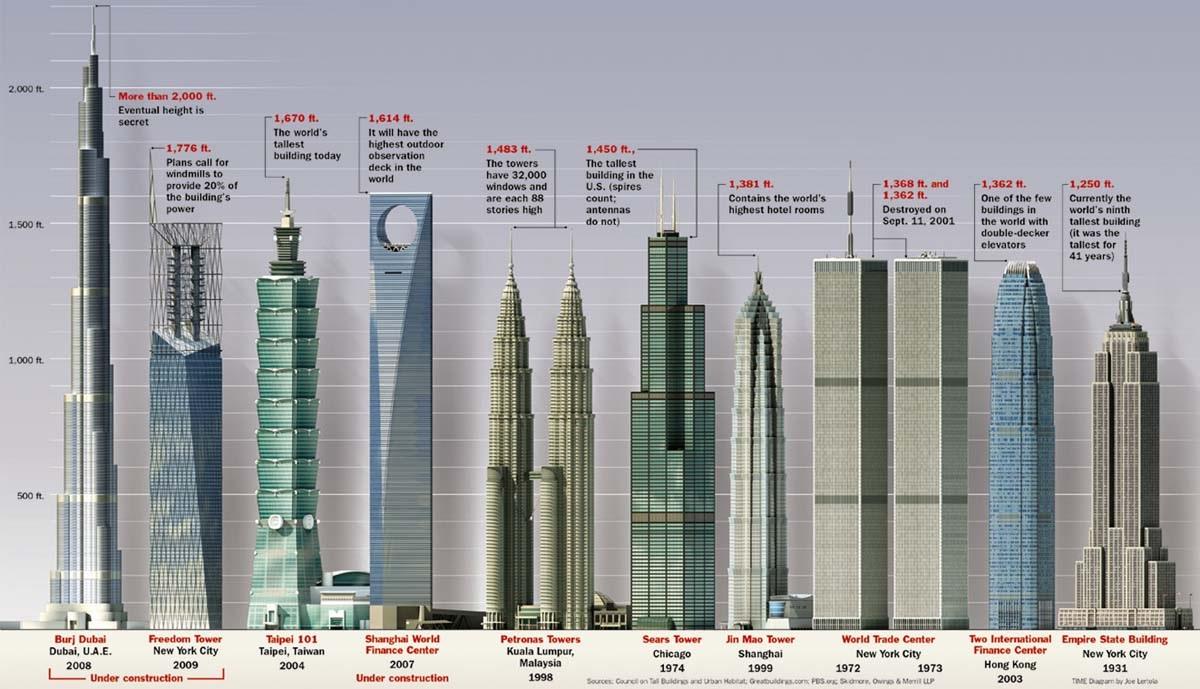
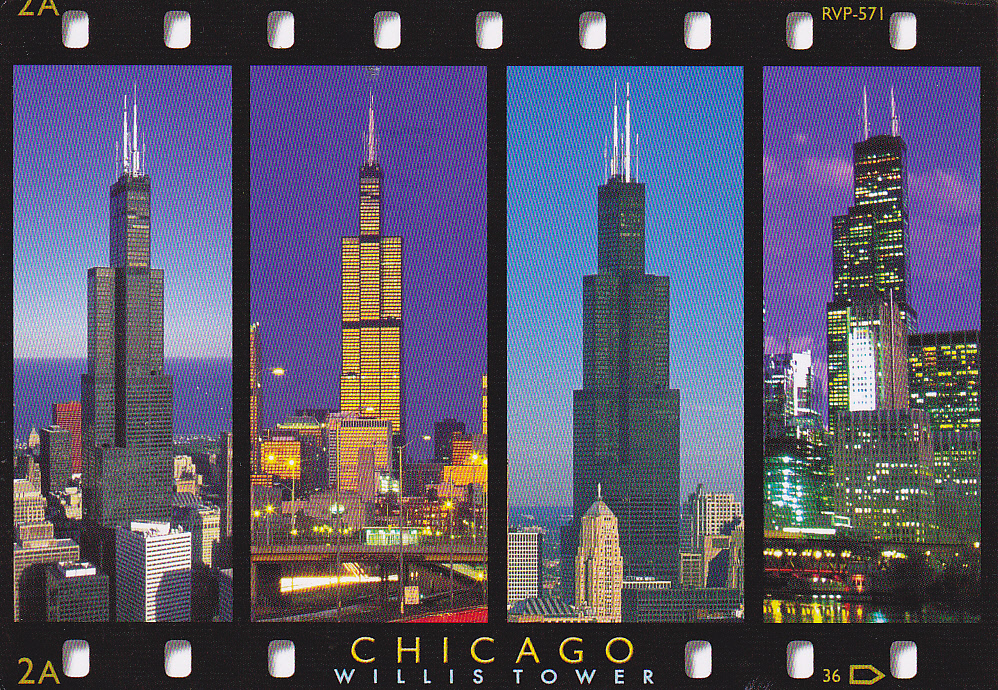
    The Willis Tower, formerly known as Sears Tower, is a 110 storey skyscraper in Chicago, United States of America, was once the tallest building in the world, occupying the top spot for a period of around 25 years, from 1973 to 1998, until the Petronas Twin Towers in Kuala Lumpur, Malaysia, broke the record. While Burj Khalifa, Dubai, holds the current world record, Willis Tower is now the eighth tallest building in the world, and the second tallest building in USA, surpassed only by the recently reconstructed One World Trade Centre in Manhattan. Willis Tower stands tall at an impressive height of four hundred and forty three metres, which is over sixty metres taller than the Empire State of Building in New York City. The Tower was originally built as the national headquarters of the Sears, Roebuck Company.

    tallest-freedom-tower-589126279

    Most people generally agree that the skyscraper was invented in Chicago, which is the third largest city in USA.  In 1871, a fire destroyed a third of the city, and architects set about rebuilding it. By this time, steel was being mass produced and, in 1852, Elisha Otis had invented the elevator, also known as the lift. New buildings could safely and practically be made much taller. The first high-rise building appeared in the city in 1882. This was the Home Insurance Company Building. It was the first building to have a skeleton structure made entirely of steel and iron. It had ten floors – a hundred fewer than Sears Tower which would be built ninety years later. As the demand for land in city centres grew, people needed to build fast and economically. Skyscrapers were the perfect solution to this challenge. With new materials and developing technology, the design of skyscrapers was gradually improved and perfected. Steel girders were used in different ways to build a strong framework. Some buildings were made of tall steel tubes, designed to withstand the winds that blow around the top levels. Inside the tubes, individual floors and rooms are rigid so that people can live and work safely and comfortably.

    It took around two thousand and four hundred workers around three years to build Willis Tower, and eventually finish it in 1973. The unique framework of the tower is made up of nine steel square tubes, which form a large square at the base. This rests on concrete, rock-filled shafts that are securely fitted into the solid rock beneath. The nine welded steel tubes rise fifty floors up. Then the building starts to narrow as you go upwards. Seven tubes continue on up to the sixty-sixth floor. Then five rise on to the ninetieth floor, leaving just two tubes to form the top twenty floors. Two television antennae take the building’s total height to a whopping five hundred and twenty metres – over half a kilometre. The amount of steel used to build the framework alone was enough to make more than fifty two thousand cars. Each of the steel tubes that form the top stage of the tower is 23 metres square in size. Viewed from above, the third strafe makes up a cross shape of five tubes. The second stage of the “step back” design has seven tubes that rise for 65 metres. Each side of the tower’s base, made up of nine tubes, is 69 metres long, with the total structure weighing over a 200,500 tonnes. During construction, up to eight floors were added to the building every month. The building’s steel frame was put together in sections, and were then welded and bolted tightly into place. In 1985, a four storey hall was built a base of Willis Tower, to give extra space. There are also shops and restaurants in the buildings.

    This huge building has over four hundred and eighteen thousands square metres of space, which amounts to around sixty football pitches. The Tower has a hundred and four high-speed lifts, which divide the building into three separate zones and make it easier for people to find their way around. The fireproofed frame is covered in a metallic skin made of black aluminium, and more than sixteen thousand bronze-tinted glass windows. Six automatic window-washing machines clean the whole of the building eight times a year. Willis Tower makes the high-rise buildings around it look small. It is designed to sway up to ninety centimetres at the top in the occurrence of strong winds. About 1.5 million tourists visit Willis Tower each year, making it the most sought after tourist attraction in the city. Two express lifts take them up to the 103rd floor in just over a minute. From the Tower’s Skydeck, visitors have a spectacular view of the Chicago panorama. In the building’s lobby there is an enormous “wallmobile” by the famous sculptor Alexander Calder. The Skydeck is situated a four hundred and twelve metres up in Willis Tower. On a clear day, visitors can see over eighty kilometres, with a breath-taking view of four American states – Illinois, Indiana, Michigan, and Wisconsin.

    IMG_0015

    The official address for the building is 233 South Wacker Drive, Chicago, Illinois 60606, and is the “most impressive office space in Chicago” as it rightfully claims on its official website. Its pinnacle stands tall at a height of 1,729 feet. While the Sears sold the building way back in 1994, and completely vacated the building by the following year, it still held the naming copyrights to the building till 2003. That year, the London based stockholdings company Willis Group Holdings Limited bought around three floors’ worth of area, and thus won the naming rights without any conflict. Currently, United Airlines is the largest occupier of the Willis Tower, and has about twenty floors under its ownership which are home to its headquarters and operations centre.

  • Go Nuts about Nuts! (Part 1)

    Go Nuts about Nuts! (Part 1)

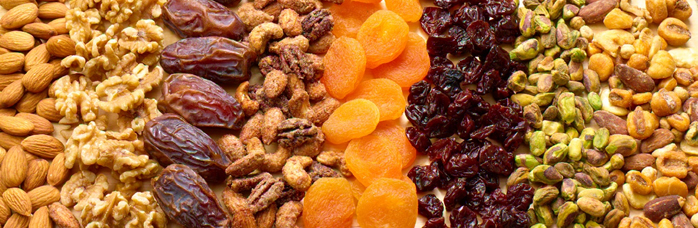
    With high nutritive value and a deliciously sweet taste, dried fruit is fruit from which the majority of the original water content has been removed either naturally, through sun drying, or through the use of specialized dryers or dehydrators. Nuts are edible fruits as well, anatomically different from the rest because of their soft internal kernels enclosed within a hard shell. Both dried fruits and nuts possess high shelf life, and have been in use throughout centuries in every part of the world. Today, they form an integral part of our culture and cuisine, and have an irreplaceable importance in our daily lives.


    1. Khajoor

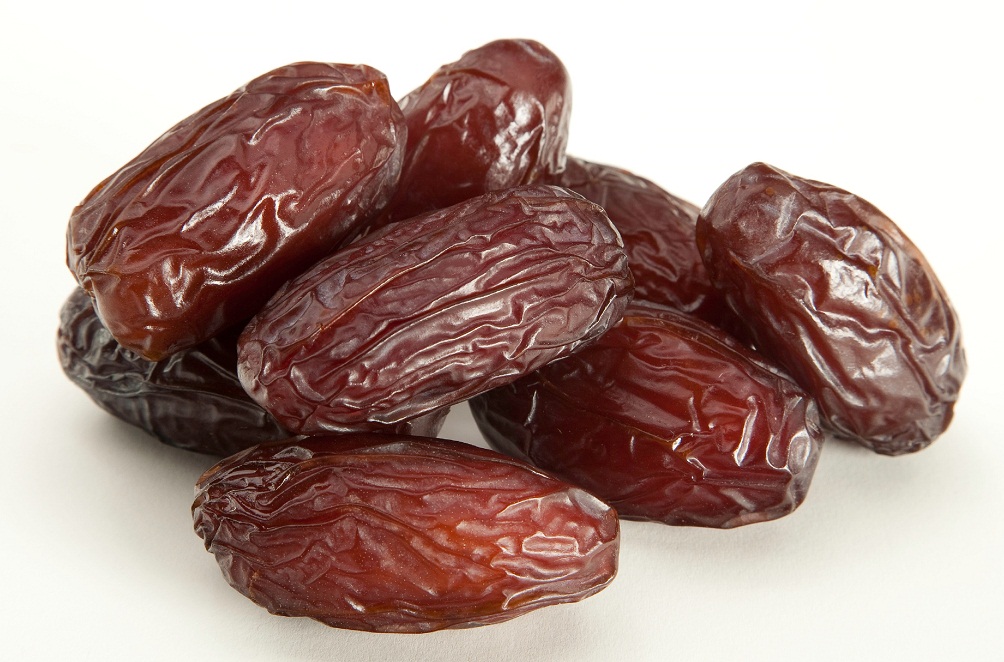
    Khajoor, or the rather generic term, dates are the fruits of palm trees. Named Phoenix dactylifera in the binomial classification system of living organisms, both these names are derived from the Greek word for “finger”, dáktulos, because of the fruit’s elongated shape. What is interesting about the date palm, which produces this particular fruit, is that the male and female plants are separate and independent of each other, and only the female is capable of bearing fruit. The male plants only produce pollen, which is vital for the fertilization of the female and the subsequent production of dates. In most cities in India, dried dates are available easily at every fruit seller’s and vendor’s, and you can find those yellowish, deep red fruits packaged in small cylindrical plastic casings. Dates are extremely high in their carbohydrate content, and a hundred grams of dates will provide you with over three hundred calories. Dates contain minimal protein content, and an abundance of simple sugars which get easily absorbed in the bloodstream, and hence should be mostly avoided by obese and overweight people.


    2. Dried figs

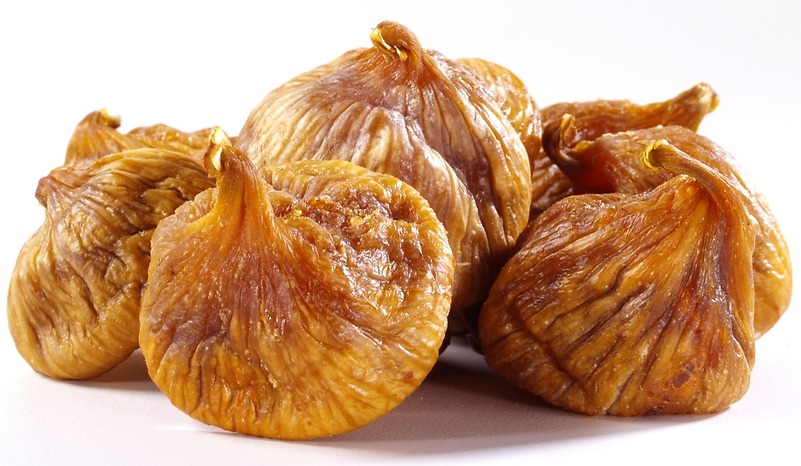
    Figs (Ficus carica) are native to the countries of the Middle East and western Asia, and have been used for both ornamental and consumption purposes over the course of many centuries. One of the first edible plants cultivated by humankind, figs are mentioned in many historical accounts and incidents, one of the most famous being the suicide of the Egyptian queen Cleopatra, who apparently got herself bit to death by an asp smuggled in a basket of figs instead of surrendering to the erstwhile Roman Empire. The small, green-skinned fruit contains many smaller drupelets, or one-seeded fleshy fruit components, and can be eaten fresh, after drying, and in numerous other preparations ranging from jam to ice cream. Known by the vernacular term anjeer in most of the Indian subcontinent, figs are extremely high in their carbohydrate content as well. Dried figs contain rich amounts of sugar, and hence have high calorific content, making it an unhealthy dietary component for obese, overweight people with cardiac risks.


    3. Almonds

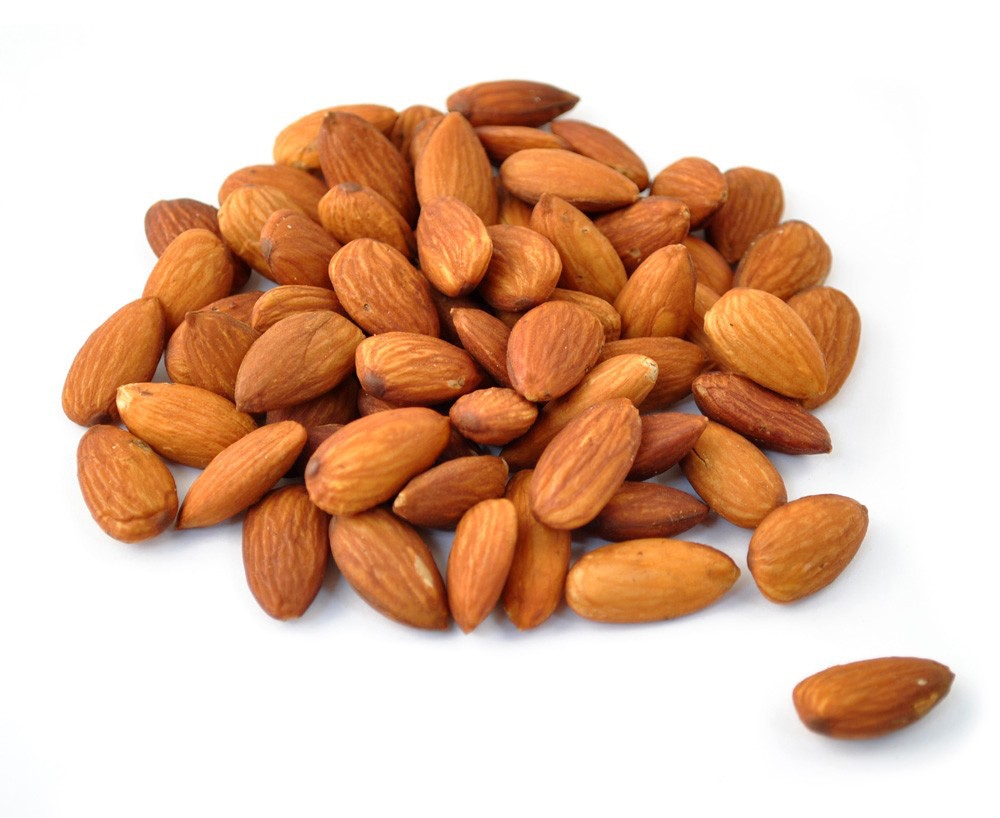
    Almonds, popularly known by their Hindi name badam in the northern states of India, are the seeds of a tree (Prunus dulcis) originally found in the Middle East and South Asia. Closely related to the peach family, the almond fruit also look rather like small green peaches, and are available in both sweet and bitter varieties. Etymologically speaking, the word is derived from countless variations and modifications of the Latin amandula, the Greek word amygdala, and the Old French almande or allemande over the ages. Apart from being eaten in its raw, roasted, and blanched forms, almonds are also used in your daily breakfast muesli as well as while making many delicacies such as cakes, nougat, marzipan, and macaroons in Europe and America, and badam halwa, barfi, biscuits, and flavoured milk in India. Extremely nourishing in nature, almonds are valued as a good muscle and body building substance, in addition to boosting the brain’s grey matter. Used for making oil, almonds also have high calorific value, with every hundred grams of almonds giving over six hundred and fifty calories, and sixty grams of almond fat giving nearly twelve teaspoons of oil.


    4. Peanuts

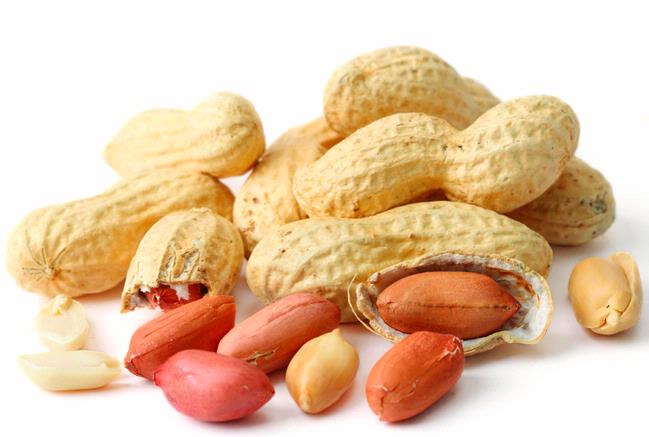
    Peanuts, or groundnuts (Arachis hypogaea) as they are mostly called in India, belong to the leguminous beans family, and was first cultivated in the red soils of Paraguay. The species name as according to taxonomist Carl Linnaeus hypogaea has Latin roots and literally means “under the earth”. Apart from being eaten in their raw, salted, roasted, and even boiled forms, peanuts are used to make countless basic cooking ingredients such as flour and oil, as well as many complex delicacies. They also have many applications outside the realm of the kitchen, such as their usage in the manufacture of solvents, industrial non-edible oil, textile materials, and both allopathic as well as herbal medicines. American botanist George Washington Carver is credited with hundreds of peanut recipes and related products, peanut butter being one of his most famous patents of all time. In India, groundnuts alone make a wonderful evening snack in winters, and you can find them being sold at very cheap prices at any roadside vendor. Groundnut oil is very healthy and is used in many households as a cooking medium. They are also a major component of chikki, a popular north Indian snack made by boiling and solidifying jaggery, sugar, peanuts, and til (sesame seeds) in long sheets. Though groundnut resembles other pulses in general nutritive value, they are very rich in fat, with a hundred grams of groundnut will yield almost forty grams of oil worth more than five hundred calories.


    5. Cashews

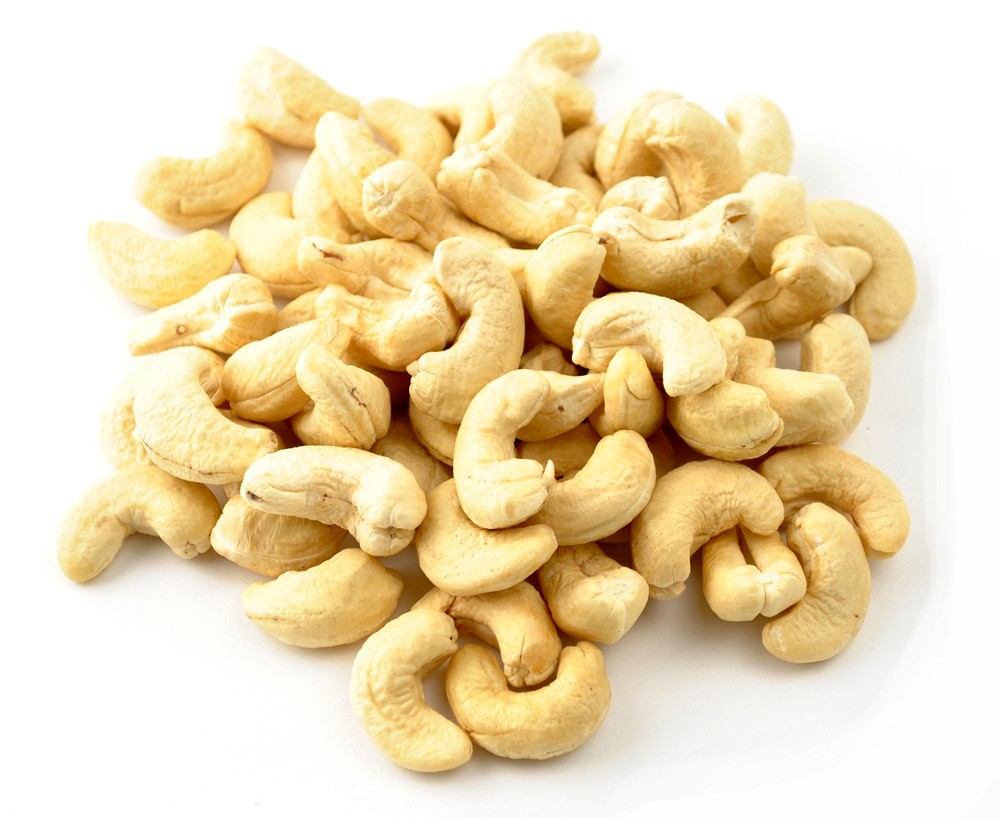
    Cashewnuts are derived from the cashew tree (Anacardium occidentale) which also bears the cashew apple. White, sweet, kidney-shaped, and extremely versatile as far as their culinary uses are concerned, cashews can be salted, roasted, creamed into gravies, made into liquor and oil, and are also used in the preparation of many sweet dishes. The word cashew has been derived from the Portuguese word caju which has been in turn derived from acajú of the indigenous Tupi language, and literally translates to the “nut that produces itself”. Cashews are used for making many Indian curries, such as korma and shahi dishes, and sweetmeats such as kaju katli. Because of their high starch content, cashews serve as good emulsifying agents and are used for thickening soups, syrups, curries, and the works. Boiling them in oil or salting them makes them harder to digest so they are best eaten in their natural, raw state. They go best with acidic fruit and non-starchy vegetables rather than sweet fruit and heavy starch. They are good body builders and easily digested when raw, and hence, help in cases of emaciation and in building good teeth. Like all nuts, cashews contain a great deal of unsaturated fatty acids, mostly in the form of oleic acid. On consuming a hundred grams of cashew nuts, you gain nearly fifty grams of fat, and a hundred grams of cashew oil, which amounts to around ten teaspoons, yields 600 calories.

  • Be Careful about your food condiments!

    Be Careful about your food condiments!

    A condiment is a common generic term for any spice, sauce, or any other minor food preparation that is taken with the main course to impart a particular flavour, to enhance the original flavour, or to complement the dish. Although table items like salt, pepper, sugar, pickles, tomato ketchup, and the works are most people’s general idea of condiments, barbeque sauce, teriyaki sauce, soy sauce, and marmite, all of which are used during cooking as well, are also classified under the same. The word condiment is derived from the Latin words condimentum, meaning “spice, seasoning, sauce” and condere, meaning “preserve, pickle, season”.


    1. Tomato ketchup

    The first known recipe of tomato ketchup perhaps was the one published by Sandy Addison in the American cookbook, The Sugar House Book, way back in 1801. However, Jonas Yerks is widely believed by many to have cashed on the saleability of the condiment and made a product originally sold by American farmers in small niche sales, a national phenomenon. Heinz Tomato Ketchup was the first multinational company to sell tomato ketchup on a mass scale, and since their establishment in 1876, have remained one of the bestselling brands of ketchup.

    Chemically speaking, tomato ketchup is a mixture of tomato, onion, garlic, sugar, salt, garam masala, and preservatives like sodium benzoate and acetic acid. While the best way to cook tomato sauce is the original, organic way by making it from fresh tomatoes at home, bottled tomato ketchup is also a safe option. Since canned ketchup hardly contains any fat, it can be consumed by obese and overweight people without any grave health issues cropping up.


    2. Chutney

    Originating in India and other neighbouring countries of South Asia, chutneys are a blended, liquid mixture of spices, herbs, vegetables, and/or fruit. Highly variable and versatile in nature, chutney can be made by any palatable combination of its components. Generally hot because of their high spice content, some chutneys can also be sweet in taste. Traditionally made in village households by grinding raw materials with a mortar and a pestle, and then, as in most cases, cooking the paste in vegetable oil, chutneys nowadays are being produced in tons of cans and leak proof packages, courtesy electric blenders and huge food processors.

    The natural acidic content of most components, as well as the presence of sugar and salt in this condiment serve as natural preservatives. Vinegar can be added as well, both to enhance the taste and the shelf-life of the chutney. With the exception of coconut chutney which has an oil content of around forty percent, people can take chutney in liberal amounts owing to its good nutritive and fibre content. Carrot chutney, curry leaves chutney, and dhania-pudina (coriander-mint) chutney are some of the most popular ones consumed in the country, as well some of the healthiest.


    3. Pickle

    Also known as achaar, pickles form an inseparable part of the cuisine of the Indian subcontinent and other countries of South Asia. Pickles are generally made from handpicked vegetables and fruits, which are then chopped into small pieces and preserved in an immersion of edible vegetable oils like sesame oil, sunflower oil, or any other, along with plenty of salt, and a mixture of different Indian spices, including asafoetida, red chilli powder, turmeric, and fenugreek. In many regions, particularly coastal areas, meat and fish are also made into pickle and produced on a large scale. This particular mixture is then slowly cooked on a low flame or by the natural heat of the sun, of which the latter is usually the preferred, but longer process.

    Pickles are full of natural preservatives and hence discourage the growth of microbes that would otherwise allow this condiment to decompose. People who have been recommended low salt diets or who suffer from high blood pressure problems should not consume pickles, due to their high sodium content. Sometimes, a particular component of pickles can trigger allergic reactions in people. Overweight and obese people can consume pickles as well, as long as they are cooked in vinegar, sodium benzoate, or any other non-oily preserving medium. However, they must be consumed fresh due to their extremely low shelf life.


    4. Jam

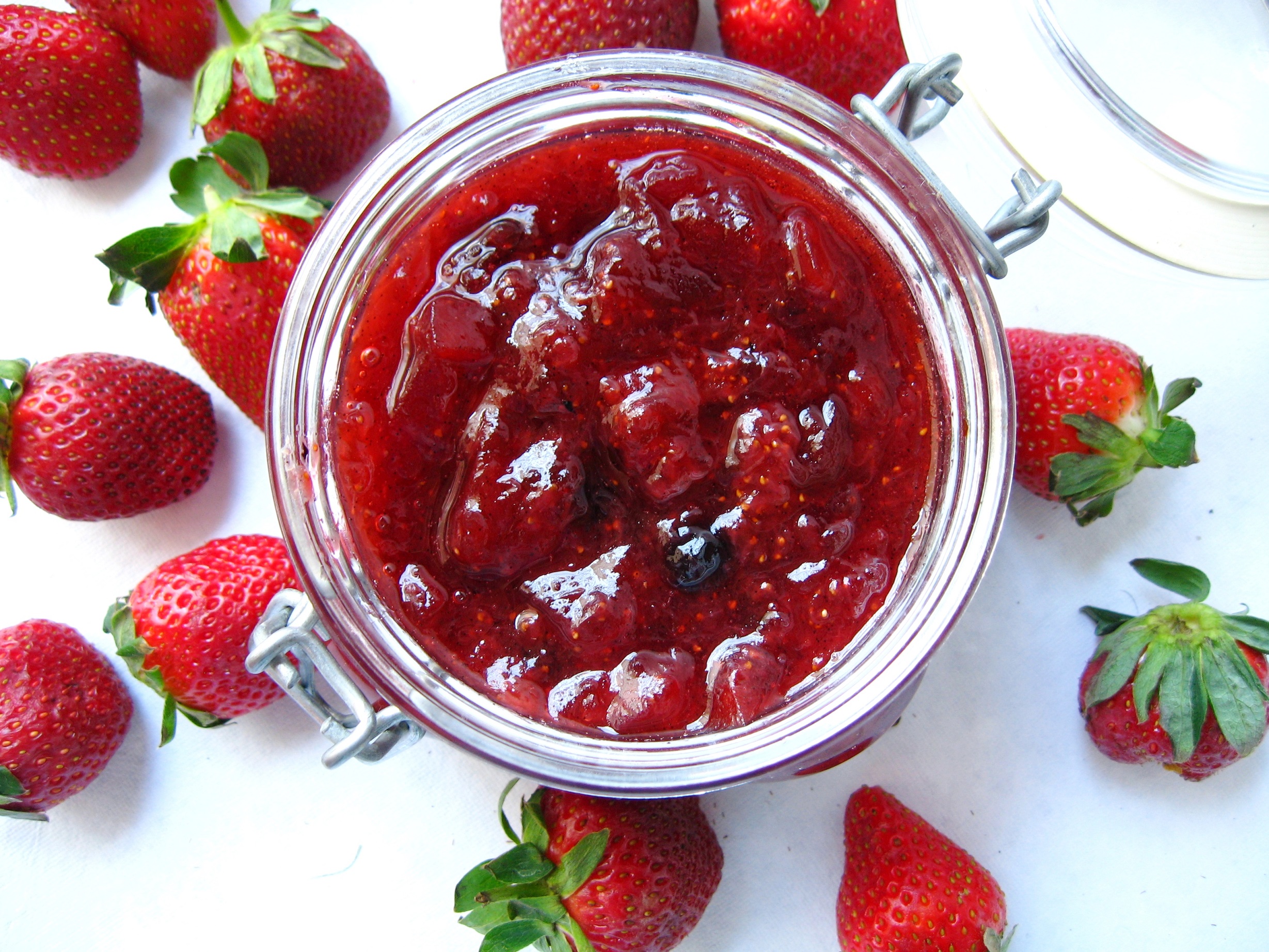
    Available in many flavours and colours, jam typically is a semi-solid suspension of both the juice and flesh of a particular single or a mix of vegetables and fruits, boiled in a sugar solution. Usually called by the popular term fruit preserve in most parts of Europe and America, you can find canned bottles of jam in nearly every grocery store today, with types ranging from apple, squash, strawberry, berries, and mixed fruit. Marmalade is a much loved jam variant and popular breakfast condiment, and it is made from the peel and fruit extracts of citrus fruits such as oranges cooked in a sugar syrup. In India, an ethnic jam type is a much favoured food accompaniment, and consists of entire pieces of fruit cooked in sugar and water and then cooled hereafter.

    Jams offer little other than concentrated energy in the form of sugar. It is a great source of energy for growing children who usually lead active lifestyles and have vigorous, playing sessions on a daily basis. One tablespoon of jam yields minute amounts of dietary fibre in the form of pectin, which is a by-product of the boiling process, and a negligible amount of vitamins. The heat treatment involved in the boiling process incidentally, also greatly reduces the Vitamin C content in jams.


    5. Jelly

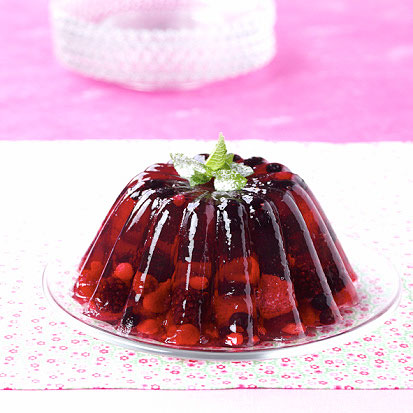
    Generally eaten as dessert, jelly is a clear, translucent preparation made by boiling and setting a mix of fruit pieces and juice extracts (occasionally vegetables), gelatine, and sugar solution. While the process of producing and most of the core ingredients used for jelly are almost identical to that of jam, jellies are available both in perishable and long lasting forms. Home cooked jellies which are served as a sweet dish are meant for immediate consumption, while candied jellies such as gummy bears possess a much greater shelf life.

    Since jellies contain an extremely high amount of sugar, and very little proteins and vitamins, much like jam, they should be avoided by overweight, obese, and diabetic people.

  • Go Nuts about Nuts! (Part 2)

    Go Nuts about Nuts! (Part 2)

    With high nutritive value and a deliciously sweet taste, dried fruit is fruit from which the majority of the original water content has been removed either naturally, through sun drying, or through the use of specialized dryers or dehydrators. Nuts are edible fruits as well, anatomically different from the rest because of their soft internal kernels enclosed within a hard shell. Both dried fruits and nuts possess high shelf life, and have been in use throughout centuries in every part of the world. Today, they form an integral part of our culture and cuisine, and have an irreplaceable importance in our daily lives. In the second segment of this listicle, there is more to learn about our favourite ones.


    6. Walnuts

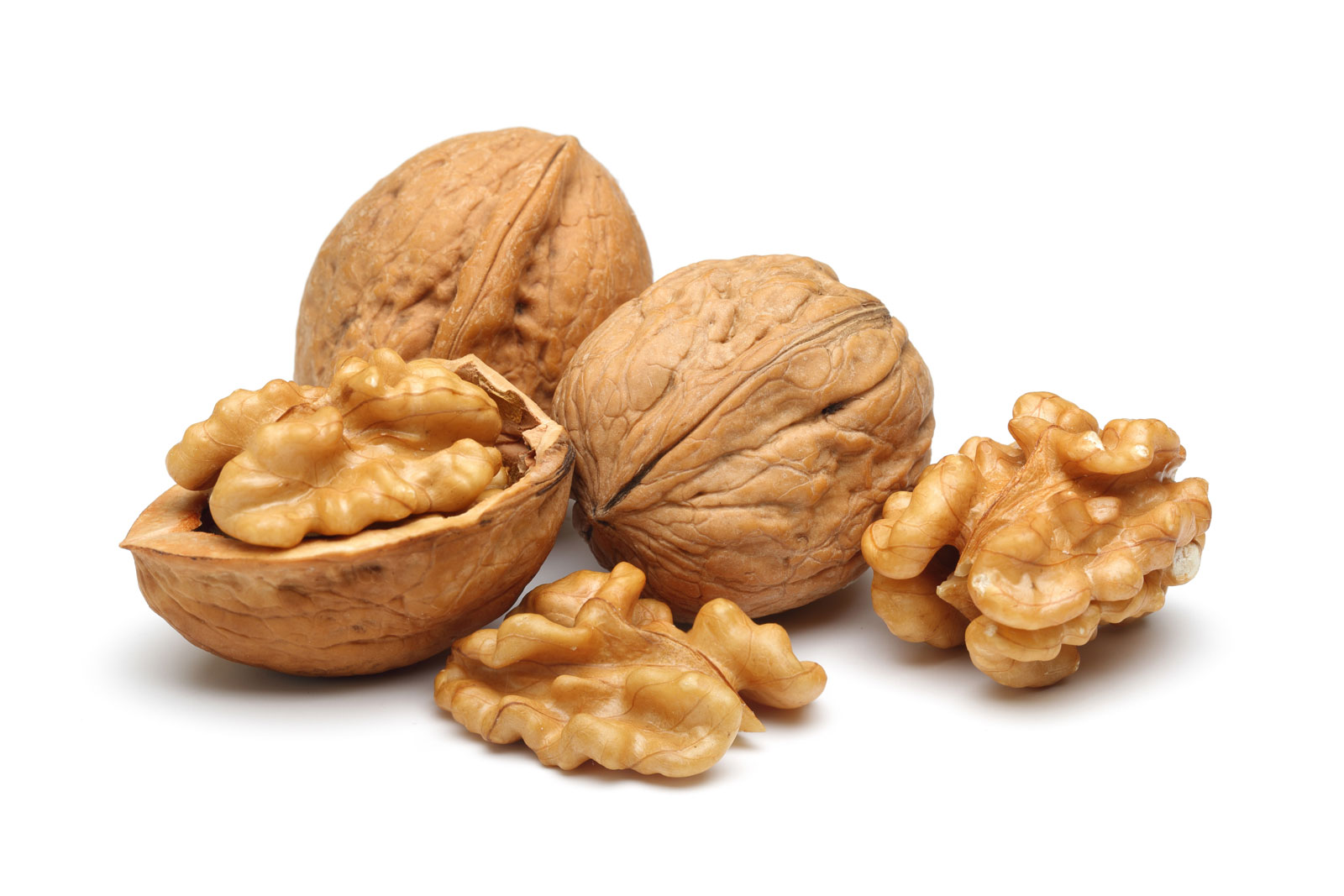
    Walnuts are derived from the Persian and English walnut trees (Juglans regia) and its soft edible kernel resembles the human brain. In etymological terms, the word is derived from the Germanic wal and the Old English wealhhnutu, meaning “foreign nut”. The shells are thin with a faint sheen and crack neatly into half, revealing the twisted, curly shaped nut. Versatile in the kitchen, walnuts can be candied and pickled in addition to being eaten raw or in their roasted form. Walnuts also form an integral part of many dishes, particularly desserts like chocolate brownies and even breakfast mueslis. You can also find them in many a salad, as their slightly bitter taste balances out the overall sweetness of the rest of the dish. Walnuts are very rich in protein and also contain a small amount of Vitamin B. They are rich in antioxidants and are curative for many minor diseases such as eczema. In fact, the oil obtained from the kernel has been found of great help in skin diseases. The green unripe walnut is useful for expelling worms from the stomach. They are also good for treating constipation because of their proven laxative qualities. Walnuts also possess many other non-culinary qualities, some of them being in the areas of cleaning agents, inks and dyes, and even anti-cancer drugs. Although walnuts are highly rich in protein and are very good for the brain, they yield nearly seven hundred calories and seventy grams of fat in just a hundred grams.


    7. Pistachios

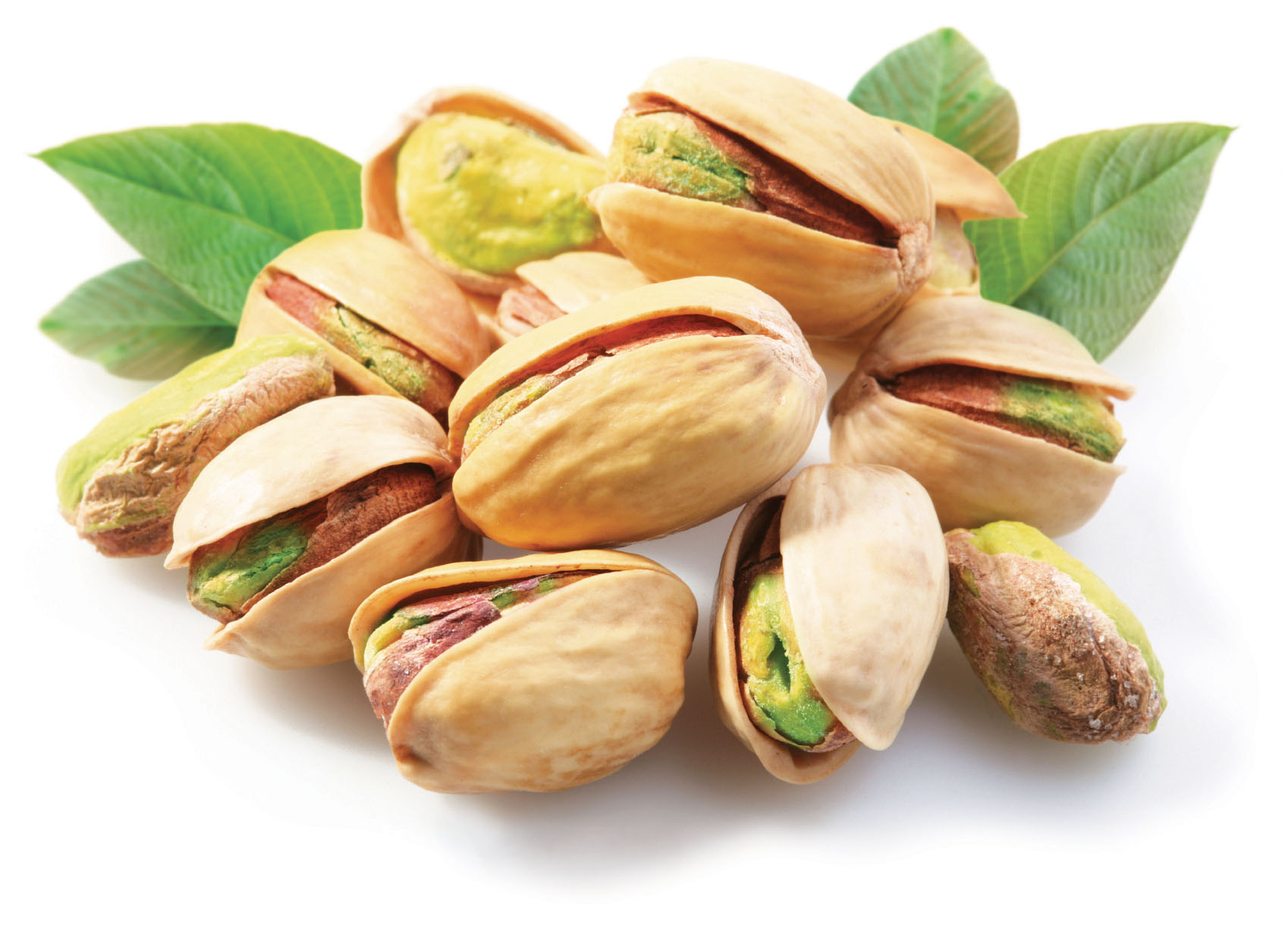
    Pistachios belong to the cashew family and are obtained from small pistachio trees (Pistacia vera) which originated from the countries of Central Asia and the eastern part of the Mediterranean coast. The word pistachio comes from the medieval Italian pistacchio, which has been derived from the classical Latin pistacium, which in turn has its origin in the ancient Greek pistákion and the Persian pistákē. The kernel of the pistachio nut is consumed, and the non-edible beige coloured shells also find many uses in non-culinary areas, such as fuel and composting purposes. Pistachios formed a common part of the diet of ancient human civilizations, with notable mentions in ancient texts dating back to centuries before the advent of the Christ. Slightly sweet in taste, pistachios are eaten raw, roasted, salted, and also as a part of desserts such as the Indian kulfi, cold salads, Italian biscottis, Turkish delights, and ice cream. Pistas, as they are commonly called in India, are very high in calories and thus should be avoided by obese and overweight people with diligence. According to dietary charts, a hundred grams of pistas yield more than six hundred calories.


    8. Fenugreek

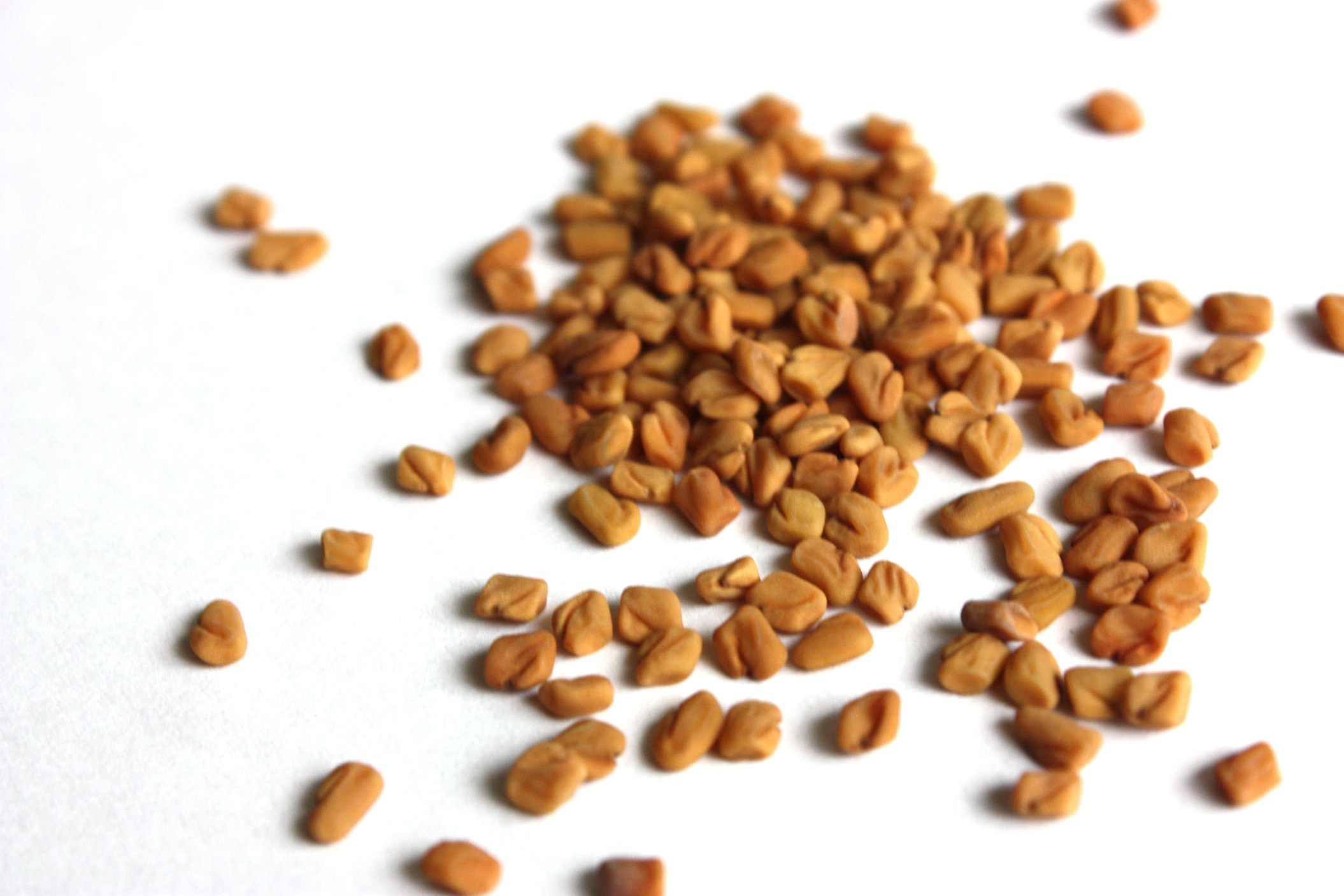
    Fenugreek seeds are obtained from the small herbaceous fenugreek plant (Trigonella foenum-graecum), and are usually called methi by most people in the Indian subcontinent. Originating from Egypt and other countries of Western Asia, fenugreek and its various parts are used as herbs, spices, and vegetables. The word has its origins in the Latin faenugraecum, literally meaning “Greek hay” and dates back to the ancient Roman era where the dried fenugreek plant was used as fodder. Hard lentils by biological classification, fenugreek seeds are a dark fawn in colour and possess an astringent aroma. Containing around five percent of bitter fixed oil, the seeds are usually broken to down to obtain the same. The oil is bitter in taste, smells like celery, and is used in small quantities in seasoning Indian dishes like sambhar and kadhi. Rajasthani people even make curry out of fenugreek. Fenugreek oil greatly improves the flavour and quality of pickles, and is mostly used in cooking with sour substances so as to balance out the taste. It is particularly beneficial to non-insulin dependent diabetics as it helps them to regulate their blood glucose levels by their significant hypoglycaemia-inducing properties. It is also used in buttermilk to treat dysentery.


    9. Mustard

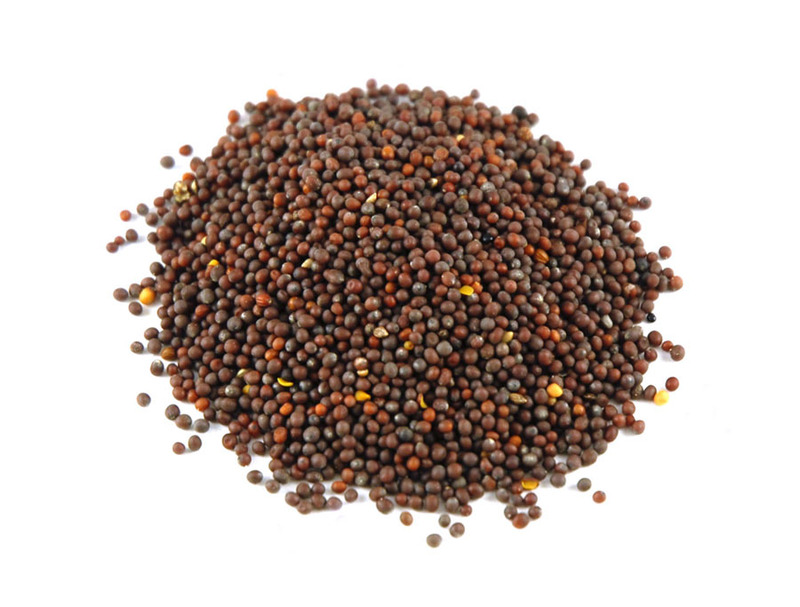
    Mustard seeds are derived from the mustard plant (Brassica juncea) and are generally advised to be consumed in moderate amounts. They are small in size, stretching no more than two millimetres in diameter, and are usually reddish-black in colour. Mentioned in many ancient religious texts, mustard holds an important historicity in Hinduism, Judaism, Christianity, and Buddhism. Generally called by their Urdu term sarson in most parts of northern India, mustard has its etymological origins in the Old French mostarde and the Latin mustum which means “new wine”. The leaves are consumed as vegetable, the skinned seeds are used for making pickles, and its oil is used as a cooking medium. The pungent taste and tear-producing properties of mustard seeds are due to nitrogen and sulphur containing compounds called isothiocyanates. Mustard seeds are used in treating rheumatism, arthritis, acidity, kidney and bladder ailments, bronchial inflammation, and are also recommended particularly for pregnant women. Nursing mothers are advised to take mustards due to its detoxifying properties. Mustard greens are rich in Vitamins A, B, and C, and contain fibre in bulk, which produces a mildly laxative effect.


    10. Coconut

    September52011022

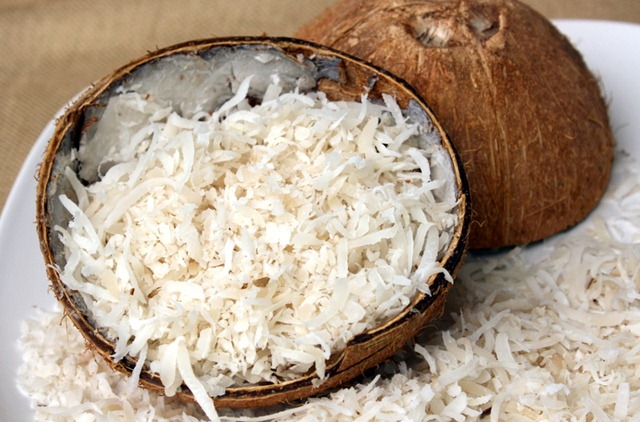
    Dried coconut is obtained from the coconut palm tree (Cocos nucifera) and is ideally found in coastal and tropical areas where the hot temperature and slightly arid soil contribute to its growth. The coconut has even been mentioned in old fiction, such as in “The One Thousand and One Nights” story by Sindbad the Sailor. Derived from the Spanish word coco which literally means “grinning face” and refers to the three-holed humanoid appearance of the fruit, coconuts have important uses all over the world. Primarily used in the southern states of India for its oil, coconut is a vital part of the local cuisine, and an inseparable ingredient of many delicacies. It is also used in the north as a part of many sweetmeats, with coconut milk a favourite summer beverage throughout the country, and fermented coconut being used to make toddy, an alcoholic beverage native to South Asia. Rich in Vitamins A, B, and C, this tropical wonder food is also a rich source of potassium, sodium, calcium, magnesium, iron, phosphorus, and sulphur. While the carbohydrate and protein content is moderate, the fat content is quite high, with a hundred grams of oil yielding nearly seven hundred calories.

  • Know Your Christian Festivals!

    Know Your Christian Festivals!

    With the year drawing to a close, Christmas has already come and gone. But apart from the 25th of December, how many other important days of the Christian calendar do we really know of? Here is a small list of some of the major Christian festivals celebrated all over the world:


    1. Epiphany (also known as Twelfth Night)

    epiphany-around-world

    The 6th of January every year all over the world, with the exception of 18th January in Russia and 1st February in Ethiopia, is celebrated as Epiphany. The word itself is derived from the Greek word epiphaneia which literally means manifestation. This day celebrates three events that are all thought to have happened on this very same day, namely, the first appearance of Jesus Christ as a newborn to the Magi, the three wise men; the baptism of Jesus, when God acknowledged his son; and the first public miracle by the Christ, when he turned water to wine in Galilee.


    2. Ash Wednesday

    The first day of Lent, Ash Wednesday is a day of repentance for Christians, when they make amends for the year’s sins before the culminating period of fast in the Lent. It occurs forty-six days before Easter and can fall as early as the 4th of February or as late as the 10th of March. Anglican and Roman Catholic churches hold ceremonies at which the foreheads of churchgoers are marked with crosses using ash. Many other Christians, such as Lutherans, Presbyterians, and Methodists also hold this day in great reverence and celebrate it with equal fervour.


    3. Shrove Tuesday (also called Mardi Gras)

    85011240MC002_Choristers_At

    The day before the start of Lent is known as Shrove Tuesday or “Fat Tuesday”, when Christians traditionally eat up any leftover animal products (often in the form of pancakes) as these cannot be eaten during Lent. Generally held in the month of February, the exact date of Mardi Gras varies according to the Easter schedule. The phrase is derived from the word shrive which means “confess”. It is widely considered by many Christians as a special time of introspection, during which they consider what sins they need to repent, and what areas of life and spiritual growth need amendments and God’s help.


    4. Lent

    Procession_St_Spulcre

    The forty four days before Good Friday, including Sundays, Lent is a period of fasting when Christians identify with the suffering of Jesus Christ. Lasting for a period of approximately six weeks, the traditional purpose of Lent is the preparation of the believer through prayer, penance, repentance, almsgiving, atonement, and self-denial. This festival is celebrated in commemoration of the same amount of time taken by the Christ to fast in the desert all the while resisting the temptation of evil from Satan, as mentioned in the Gospels of Matthew, Luke, and Mark, three of Christ’s favourite disciples.


    5. Palm Sunday

    palm-sunday

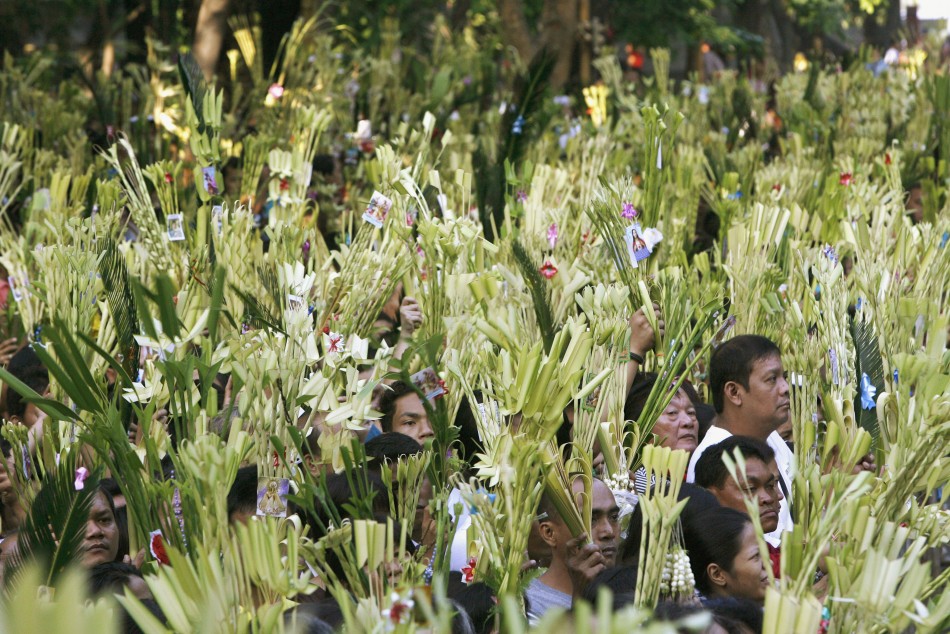
    The Sunday before Easter Sunday and the first day of Holy Week (the period of one week before Easter), Palm Sunday commemorates the arrival of Jesus Christ in Jerusalem, where the crowd threw palm leaves in front of his donkey and cheered his triumphal entry. This important event has been mentioned with much emphasis in all the Gospels of the Bible. Later that week, many in the devoted crowd of worshippers were calling for the execution of the Christ.


    6. Maundy (also known as Holy Thursday)

    holy_thursday_2

    The Thursday before Easter Sunday, Maundy Thursday commemorates the Last Supper, which established the ceremony of the Holy Communion, when bread and wine came to be respectively identified with the body and blood of the Christ. It was also the day when Jesus washed the feet of his disciples. At a Roman Catholic church services on Maundy Thursday, the priest ceremonially washes the feet of twelve people during mass. Maundy is the fifth day of the Holy Week, and is usually falls between the 19th of March and the 22nd of April.


    7. Good Friday

    Good-Friday-Vatican

    The Friday before Easter Sunday, Good Friday is spent in remembrance of the day when Jesus Christ was crucified by the Romans. The “good” in Good Friday is its form in Early Modern English and means “holy”. The symbol of the cross is an important part of church services on this day, and churchgoers read the psalms and the gospels to remember the Christ’s painful experience. Good Friday sometimes coincides with the Jewish festival of Passover, and is a time of solemn prayer and charity for Christians.


    8. Easter Sunday

    Easter_eggs_-_straw_decoration

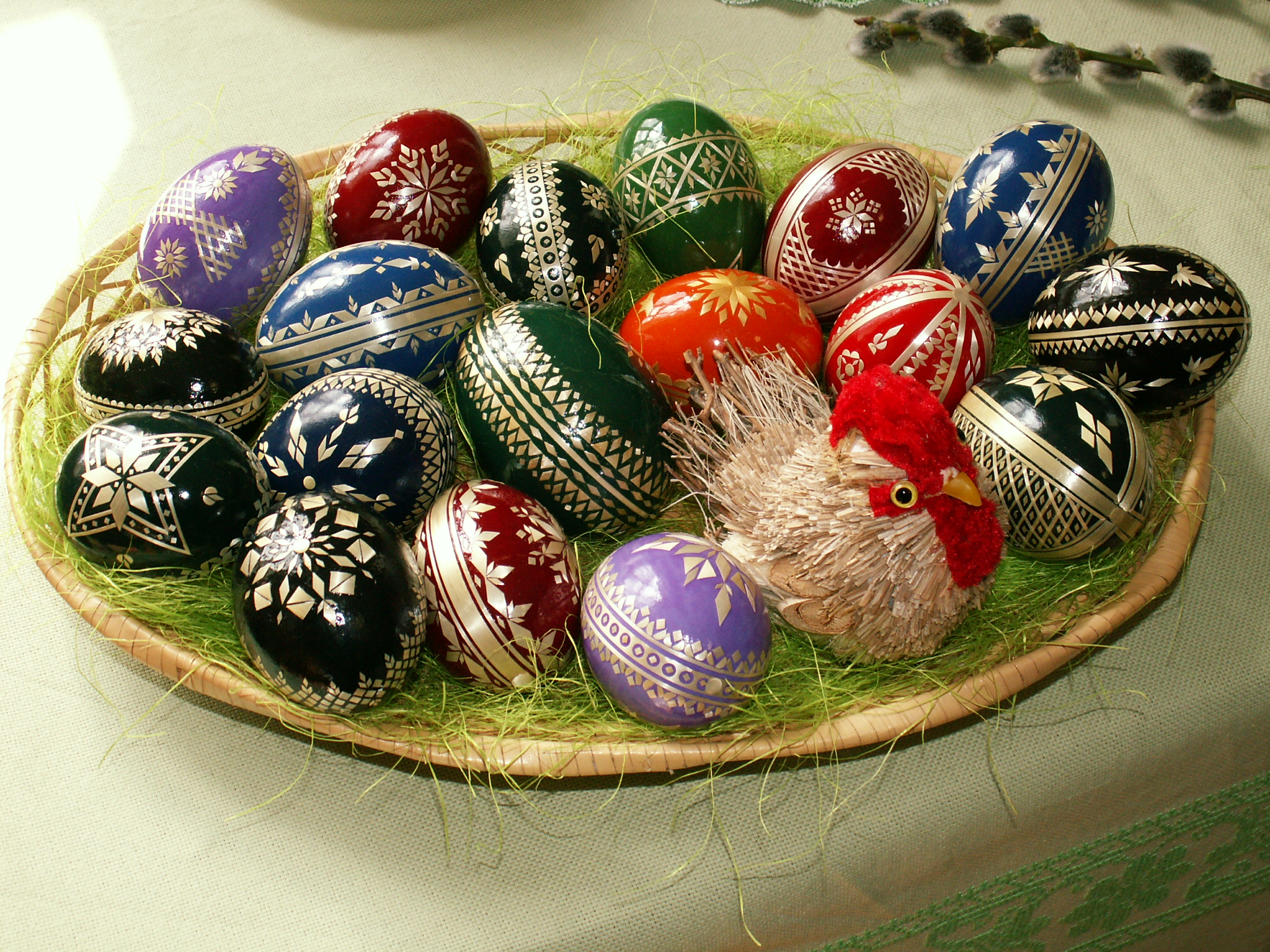
    The Sunday that follows the first full moon after the 21st of March (which is also the spring equinox), Easter always falls between 22nd of March and 25th of April in the Western calendar. Easter is up to two weeks later in Orthodox Churches. Easter Sunday is the most important day in the Christian calendar, as it celebrates the resurrection of Jesus Christ from the dead. Sunday is a joy of Christians. Easter is a joyful time, with family gatherings and festive meals, along with the distribution and consumption of Easter egg candies and other gifts.


    9. Pentecost (also known as Whitsunday)

    photos-pentecost

    Fifty days after Easter Sunday, Pentecost celebrates the day the Holy Spirit entered the Apostles, enabling them to speak many new languages and spread the word of God. This event is considered by most Christians to mark the birth of the Church. Massive church processions, festive meals, and the holy ceremonies of Confirmation, Ordination, and Communion mark this festival. In some countries, folk customs such as dancing, woodland rites, and ethnic clothing ceremonies are also observed.


    10. Christmas

    Beautiful_christmas_tree

    The celebration of the birth of Jesus, Christmas falls on the 25th of December every year, with the exception of the 6th of January in Russia and the 17th of January in Ethiopia. It is arguably the biggest Christian festival of the year, as most of us know. The word itself is derived from the Old English Crīstesmæsse, literally meaning “Christ’s mass” and is also referred to as the Yule and Nativity. Christmas trees and stars are symbolic of this occasion, and carols are sung in churches decorated with holly and mistletoe. The jolly old figure of Santa Claus is associated with the Yuletide traditions of wish-making and gift-giving. It is a season to be merry, indeed, with all its feasts and warmth.

  • A Brief History of Bottled Water

    A Brief History of Bottled Water

    Bottled water is water in the best combination of potability and portability. When drinking water, taken from any source, be it wells, springs, distillery, or mineral geysers, is packaged in glass and plastic bottles, it is called bottled water. They may or may not be carbonated. Nowadays, you can find water bottles available in various shapes and sizes, ranging from gulp-sized miniature water bottles to enormous carboys for giant water coolers. Bottled or table water can come from underground springs and wells, or taps. It is purified before it is bottled. Natural mineral water and spring water are types of underground water that contain naturally-occurring minerals. Sparkling water has carbon dioxide to make it fizzy. If this occurs naturally, it is often removed and replaced to ensure that it is always at the same level.

    The first bottles were made in sizes that were easy to carry. The 750 ml bottle became the standard size for most types of wine in the 19th century. In the United States of America, this has been the legal size since 1979, even though metric measurements are not widely used there. Some wine and champagne bottle sizes have Biblical names such as Methuselah, Balthazar, Nebuchadnezzar, and many others. The name Jeroboam was used for the four-bottle size as early as 1725 in Bordeaux, and others were soon named in the same way.

    In the 19th century, contaminated water from taps and pumps spread the killer disease cholera. Bottled water became popular as a safe alternative. In 1741, the English scientist Dr. William Brownrigg created the first artificial mineral water. He added health-giving minerals and carbon dioxide for fizziness. Dr. Brownrigg, incidentally, was also the first scientist to extract the element platinum. In 1792, Joseph Schweppe moved from Vienna to London and began to produce his own brand of artificial mineral water. His company grew to become one of the world’s most famous manufacturers of soft drinks. French doctor Louis Perrier gave his name to Perrier Water, which beamed the best known bottled mineral water in the world. In the 1960 James Bond novel For Your Eyes Only, the titular character insists on drinking only this type of water.

    Now the world drinks over a hundred and fifty billion litres of bottled water every year, which is equivalent to the quantity of water needed to fill sixty thousand Olympic sized swimming pools. In the United Kingdom, people drink more than two billion litres in totality, meaning an approximate of thirty-five litres per person. However, Italians drink more bottled water than any other nation, a hundred and eighty-five litres per person every year. Many people choose bottled water over tap water because it lacks substances such as chlorine, which affect the flavour of tap water, and also because bottles are portable. Bottled water is also produced to strict safety standards, so in some places it may be safer. Bottled water removes billions of litres of water from the underground, while making and transporting the bottles uses huge amounts of energy. Over 2.5 million tonnes of plastic go into the bottles every year and this has to be disposed of. Bottled water may also lack fluoride and other useful minerals found in tap water, so it may also be less healthy than the water in our homes.

    Bottled water is obtained from Artesian wells, the ground water table, bore wells, hot springs, mineral springs and other natural as well as man-made sources of water. This water is taken to huge industrial plants where it can be purified by one or a mix of numerous scientific methods, some of which include ozone purification, distillation, fluorination, sedimentation, multiple membrane disinfection, ultraviolet irradiation, and many others. It is then packaged in standardized quantities in sterilized and appropriately shaped plastic or glass bottles, as per the strict guidelines of the national food and health ministries. While one can find your average Bisleri water bottle in any grocery store, there is also a large plethora of other variants of bottled water, such as the ones available in fruit and sweetened flavours. Regardless of whether it is flavoured or not, bottled water can also contain artificially added minerals, fluorine, carbon dioxide, and other permitted preservatives and artificial flavouring. However, soft drinks such as Pepsi and Coca-Cola are different from the conventional bottled water in the fact that the amount of added substances does not exceed one percent of the amount of the total product, which is water, in the latter, whereas it forms a much bigger part in the former.

    Often stored as an integral part of emergency kits in the possible occurrence of a natural disaster, bottled water is often considered to be a foolproof, good tasting, and microbe-free source of drinking water, with a universally approved stringent set of rules and regulations followed all over the world by all countries. While one can consume bottled water without any significant health risks, it is also just as safe to use it for other purposes such as hand washing, personal hygiene, washing utensils, cleaning clothes, and other cleaning purposes. Bottles produced on a mass scale do not generally have any explicit expiry date on their labels, but rather an optimum amount of time the water should be used in without fear of contamination. Being highly stable, and packaged in the safest of ways, bottled water is without a doubt, a very safe thing to use, and therefore, have an indefinite shelf-life as long as they are not tampered with in any way by damaging, opening, and consequent possible infection.

    In India, bottled water is manufactured by large private companies such as Bisleri, Aquafina, Kinley, Himalaya, and Catch, as well as government bodies such as the Indian Railways Catering and Tourism Corporation. In this age of rampant water pollution, bottled water is not only the first choice of tourists, both foreign and domestic, but is also widely used in households as well. Priced at very nominal rates, and with the bottles being easy to recycle, bottled water seems to be just about the safest and easily obtainable source of drinking water these days.

  • A Visit to Akbar’s Tomb, Sikandra

    A Visit to Akbar’s Tomb, Sikandra

    A few days ago, I had the good fortune of visiting the tomb of the famous Mughal emperor, Akbar the Great. Located in Sikandra, a small suburb on the outskirts of the city of Agra, Akbar’s Tomb goes by much unnoticed by large hordes of tourists, just like the plethora of the city’s numerous other monuments as compared to the universally popular Taj Mahal. Jalaluddin Muhammad Akbar, widely known to be the greatest Mughal emperor by far and one of the most magnanimous rulers of the country prior to its democratic independence, reigned over his vast kingdom from 1555 A.D. to 1605 A.D. At the time of his death, the Mughal Empire stretched from Kabul in the west to Assam in the east, and from Kashmir in the north to Ahmednagar in the south.

    Under Akbar’s rule, the country was united under a peaceful and safely secular co-existence, as he was responsible for abolishing the jiziya tax targeted towards non-believers of his religion, Islam, and bringing in more opportunities for all classes and castes under new, novel institutions, such as the mansabdari system. He united the country under a uniform, cultural, political, and administrative system, accepting its varied diasporas of religions, traditions, cultures, and customs with great tolerance and respect, thus earning the honorary title of “Chakravartin” from the masses, and the epithet of “Akbar the Great” from historians of every age. While Shah Jahan built the Taj and has been remembered by generations for the marvellous creation, the third Mughal emperor was just as illustrious a builder, and is credited with restoring and expanding the Agra Fort as we know it today, and the fabled city of Fatehpur Sikri with all its palaces, massive lawns, and various other royal structures in it, apart from many other monuments.

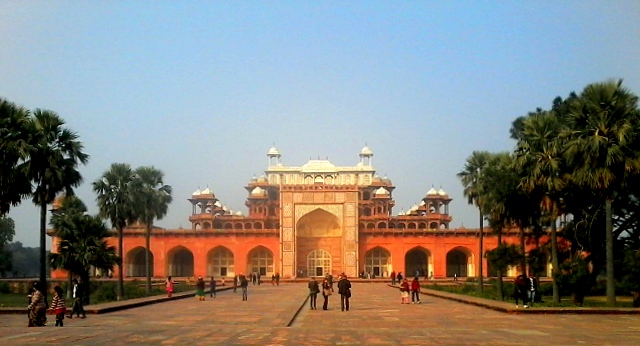
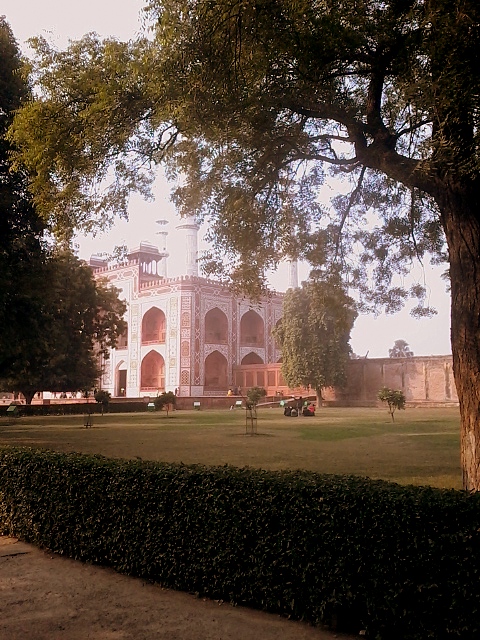
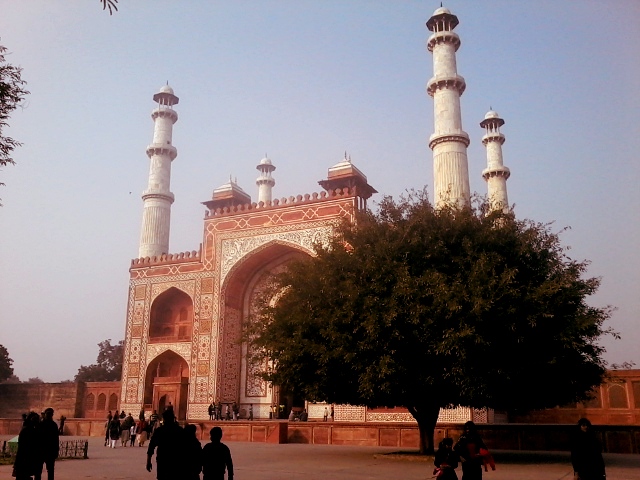
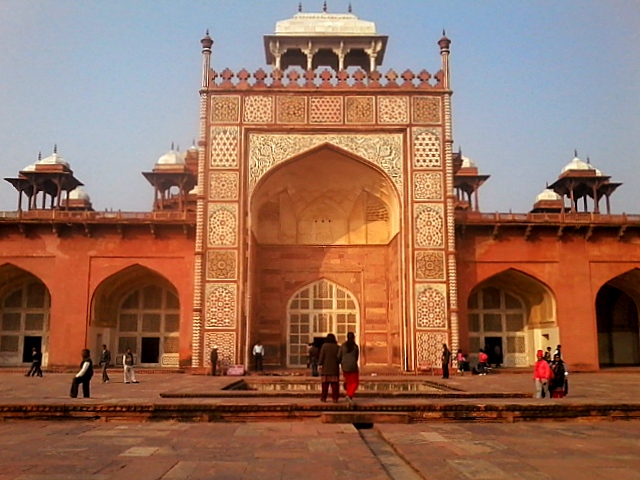
    Set in over a hundred and twenty acres of open, fertile land, near the Jamuna River, the tomb commenced building in 1605 under Akbar’s behest only after he chose the site and renamed it “Bihishtabad”, which means heavenly abode. Akbar died later that same year, and his son and heir apparent, Jahangir built the monument of deep, red sandstone, as according to plan after that, completing its construction in 1613 A.D. The tomb is planned in the centre of a vast garden enclosed by walls on all sides, with a gigantic gateway on each side. The southern gateway is the largest and most intricate in its design, with two storeys, and four, circular, tapering minarets made from white Makrana marble of Rajasthan. The entrance portal here is 61 feet in height, and is flanked by double alcoves. Just the like the gateway to the Taj, this gateway also possesses Persian scriptures gorgeously furnished in marble relief, and an inlay of precious stones and gems in various designs. The twelve inscribed couplets eulogize Akbar and his tomb, and also reflect his philosophical views, apart from briefly mentioning Abdul Haq Shirazi, the head calligrapher on the project, and the date of the monument’s completion, 1605. The chhatri-styled tower incorporations have been inspired from the Char Minar in Hyderabad, which was built in 1591 A.D. by Muhammad Quli Qutb Shah.

    The internal premises reflect the symmetrical charbagh (four gardens) architectural, which was a hit with the Mughal rulers, and true to its name, the garden is divided into four equal quarters, each separated by a high terrace or a causeway of stone masonry, 75 metres in width with a small water channel running in the centre and raised walkways on its sides. Distinctly raised from the present day deer-populated garden, these walkways can be accessed by staircases, which are accompanied by cascades and lily ponds. However, owing to the issue of devastating wildlife endangerment, the garden area is strictly off-limits for all visitors. In a distinguishing departure from most Mughal architectural pieces, Akbar’s Tomb does not feature any cypress avenues or flowerbeds rising from the causeways. This uniqueness is reflective of character, which is full of dignity, sobriety, and thoughtfulness, and peace, rather than the usual splendour, gaiety, delicacy, and superiority, associated with other Mughal monuments, and has thus been made in accordance with the personality of Akbar.

    The main building is square in its outlay, and has five receding storeys. The ground floor has spacious chambers, with an elaborate marble entry portal to access each. The southern entrance of the tomb leads directly into the vestibule that opens to the main grave chamber. Austere in appearance, this chamber features Quranic verses in stucco and painting, an octagonal tower superimposed by an eight pillar chhatri (roof) and numerous arches. While the monument has been built mostly in sandstone by Akbar, as per old Mughal tradition, Jahangir’s architectural style is also reflected in the seamless incorporation of white marble in the gate minarets, entry portals, and the top storeys of the main building.

    The upper floors of the monument have been cordoned off from the general public, and while it is not visible to the naked eye from the ground, tourist guides also mention a huge open-air square court on the top storey, 70 metres long on each side, and covered by arches. A cenotaph has been placed on the platform in the court, and has 36 Persian couplets praising Akbar carved on it. The tomb building is a four-tiered pyramid, surmounted by a marble pavilion containing the false tomb. The true tomb, as in other mausoleums, is in the basement. Apart from Akbar’s grave, many others of his family were also buried here, including a number of his queens and children, just like other Mughal mausoleums such as the Taj Mahal which contains the graves of both Shah Jahan and his queen, Mumtaz Mahal, for whom it was built. The tomb was severely damaged in the 16th century and was consequently restored by the Archaeological Survey of India between 1902 and 1911.