Author: raveesh Mehta

  • While Dieting,You Eat!!

    While Dieting,You Eat!!

    hero_pdt_value_au

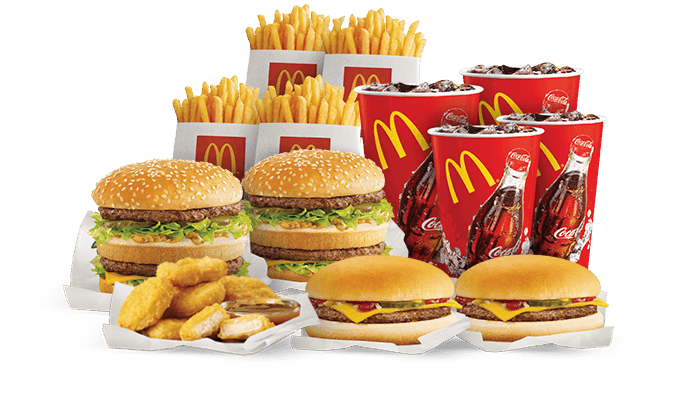
    With the spurt in the number of Mcdonalds and Dominoz all around the country, seldom it is that we find kids and adults alike whom we can term as perfect specimens of the human anatomy. Cheaper and cheaper burgers and fries combos and the easy accessibility of everything unhealthy is taking this Aryan civilization faster to its unhealthy end than we can possibly imagine.And some who are aware of this gradually surmounting epidemic of obesity turn themselves to starving, or dieting as they more fashionably call it.

    And this is where most of them go wrong. If you out the word dieting on google and search for its meaning, the first result it shows is: Restrict oneself to small amounts in order to lose weight” But this is wrong in its most fundamental sense. Living beings need energy to work, breathe and live. And unlike Jaadu(from Koi Mil Gaya) our energy does not directly come from sunlight.We humans, have to have food in order to survive. So, starving, fasting and skipping meals is out of bounds. What we will do today is, get a new regime started for those who are willing to exchange flab with muscle and diseases with health.

    First of all, forget everything that you ever ate anything and that you had a diet schedule planned. Here, we all start afresh. Just like infants do.

    plan

    Secondly, many might have said or suggested to you; plan your meals ahead of time. Forget it. Because, food can’t be quantified beforehand. Suppose you worked out a little extra today, won’t you need an extra glass of milk to balance the energy that you’ve lost? So, never plan your eating. Eat, whatever your heart wants, but from the list that we decide here for ourselves only. Now we begin by clearing off all the things that are clichéd and everyone tells you about them. You should eat loads of fruit they provide vitamins, drink lots of water: gives you roughage, gorge on soups: healthy for your body and all that. But doesn’t everybody know this list by heart by now? So, we come down to those Indian dishes that you can prepare in your kitchen while hunger strikes. Let’s start with dinner.

    Idli Sambhar:
    idli

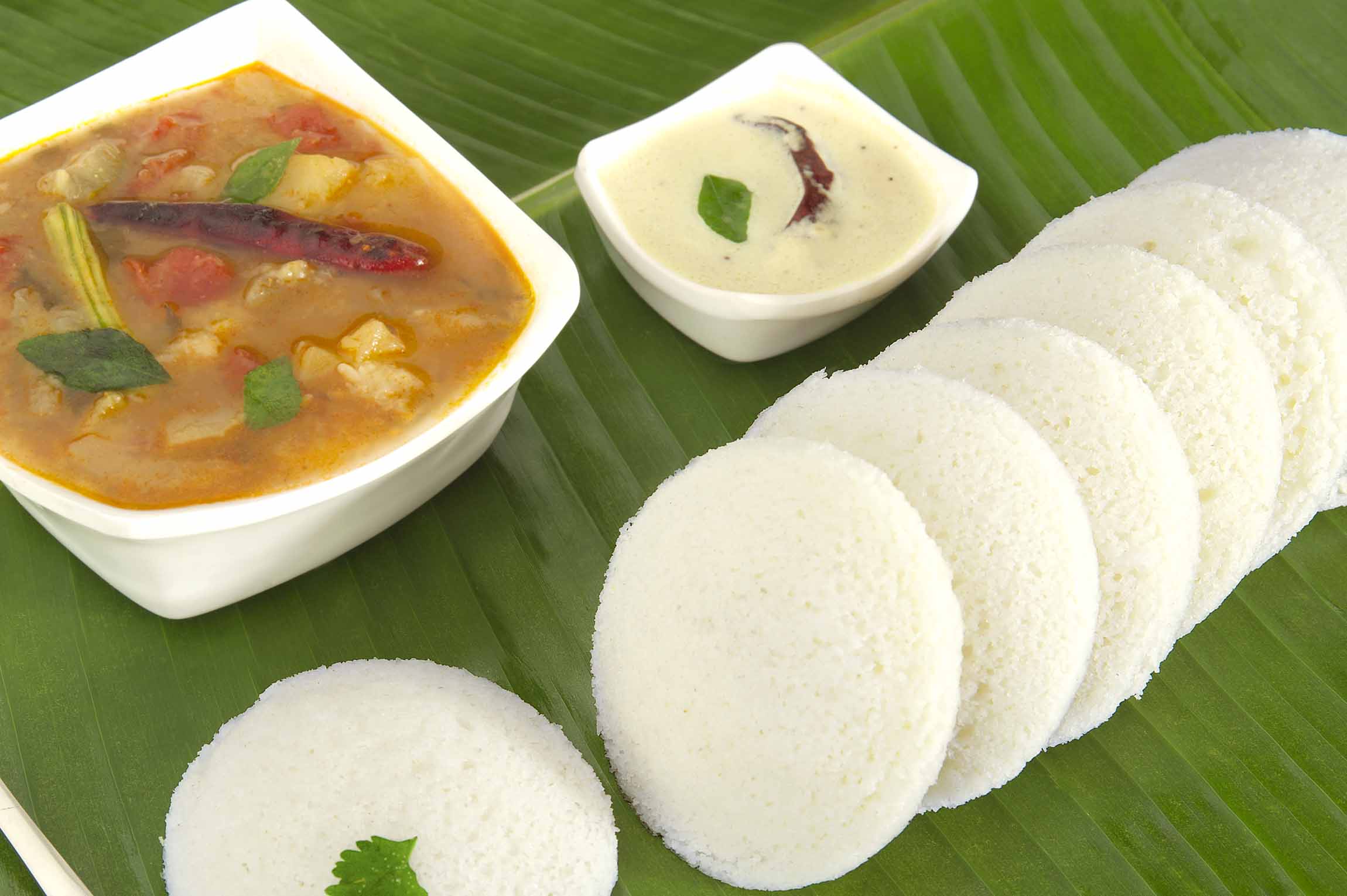
    A blast for the tongue from the South of India and easy on your belly too. This dish makes it to the top of our list of the Indian foods for dieters. Each idli contains just 39 calories, which is a minimal amount in comparison to a healthy 2,000-calorie daily diet. . Idlis contain no fat, no saturated fat and no cholesterol. Consuming less than 16 grams of saturated fat and 300 milligrams of cholesterol lessens your risk of cardiovascular disease and stroke.

    DHOKLA:
    dhokla

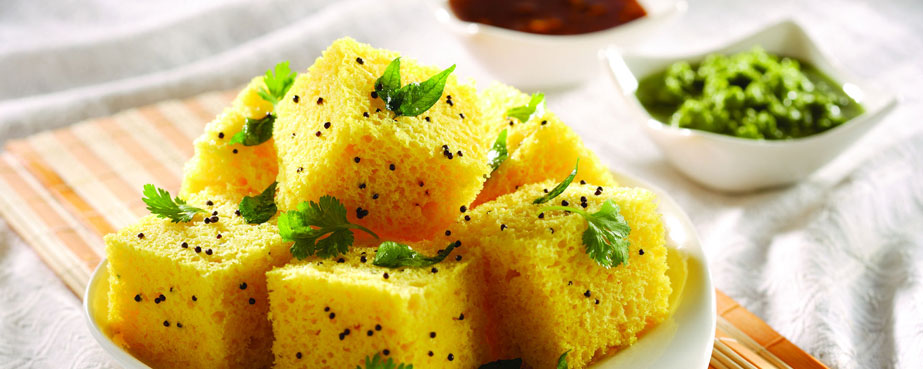
    Going in the reverse order from dinner to breakfast, its time for your evening snack. And what better than dhokla to freshen you up and lighten you at the same time. Yes, it is chiefly made up of Dal and Rice, but don’t cringe as otherwise you would have been gormandizing on chips or samosas for sure. But remember, Dhokla is low in saturated fat, very low in cholesterol, low in sodium, high in dietary fiber and high in vitamin A and C. And for us dieters, low fat is all that matters, right people?

    SPROUTS AND RAITA:
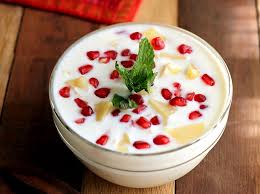
    raita

    To your lunch, let’s start by having some Raita, what say? Now, raita as you all know is made by adding fruits, vegetables or any other thing to beaten yoghurt. And the best part is that one serving includes just 60 calories. To the beaten curd one can add grated bottle gourd or some fruits. But if you are in the mood for some crunch, you can very well add Boondi to it. Boondi, is fried, yes. But a handful of pea sized boondis will do your diet no harm.
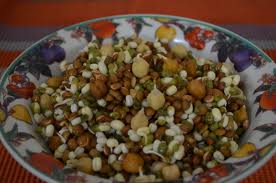
    sprouts

    With Raita, you can have sprouts as the main course and feel a bit Pseudo-European. Keep the pulses in water overnight and in the morning add a bit of lemon, some spices, some cucumber and your lunch is ready in a jiffy.

    OATS AND DALIYA:
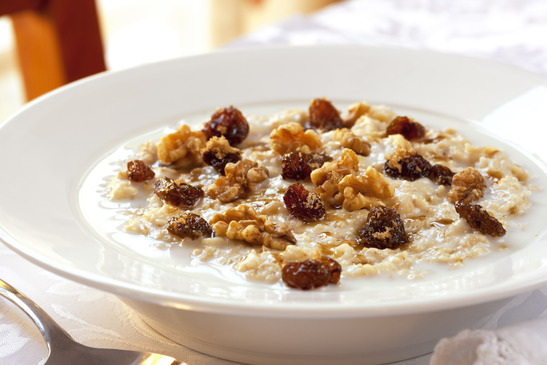
    Oatmeal

    Now, one thing with which we should agree with the hackneyers is that, breakfast should be heavy. And the dieticians have logic and Science backing them too. According to some studies if we consume more calories at breakfast and very less at dinner, this will help you lose weight quicker because if you eat a larger breakfast it will give a kick start to your metabolism and plus you won’t feel all drained and sleepy in that history class of yours. Plus more calories in the breakfast gives you more time in the day to burn them off. For breakfast why don’t we have something milk based, like oats? Well oats take two minutes to cook and trust me, you won’t be able to eat more than one and half cups of it. And hey, no adding sugar at your mom’s back, OK?
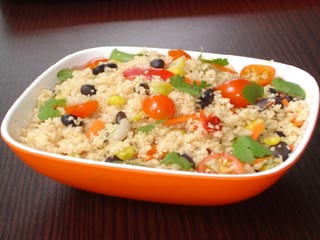
    daliya-b-23-6-2012

    Other than oats, you can also have Daliya in the morning. Daliya or Bulgur wheat in Angrezi, is a very light and healthy option for breakfast. Daliya is an excellent source of fiber that keeps you feeling full and also helps to maintain a healthy digestive system. And just like oats, daliya can be either milk based or oil and vegetable based. Now, a little oil isn’t harmful for your body and don’t cringe if once in a blue moon you are fed up of having only milk based diet for your mornings. So, here we are with a very basic diet plan for you to follow and with just one mantra at the end. Never starve yourself, Never. You need food to live. So, just give it a healthy twist and keep eating ( or dieting, whatever you like to call it! ).

  • The Curious Case of Mrs. Hen’s kids!

    The Curious Case of Mrs. Hen’s kids!

    With an amazing lot of activity happening in a day, bachelors or bachelorettes staying alone seldom have time to treat their taste buds right. One day it is a meeting with the boss, another day it is work at home and till the third day you get so tired that it takes an effort to even get up from your bed. And preparing a meal in all this haste seems extravagant and too elaborate an activity to be carried out. And in this rigorous lifestyle of yours, the only thing that suffers is your stomach and more importantly, your taste buds. But we say no more of this! Today let us learn about some new tricks and revisit some old ones about Mrs. Hen’s kids – the eggs.

    Eggs are often restricted to the breakfast and that too you seldom have. Eggs are undermined most of the times, but its importance becomes clear when you need some quick fixes to get you jumpstarted. So, let’s start our romantic affair with eggs which should last longer than your relationship with any other human being.

    1. The Quintessential Omelet:

    omelet

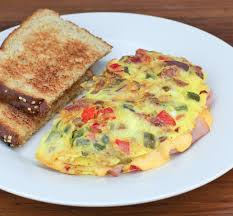
    This dish comes in handy when your refrigerator is running dry and your patience is running lose with all that hunger. Two eggs is what it takes to quiet down your stomach till the time you can arrange for something heavy or till Dominoz delivers that pizza you ordered. Breaking the eggs, mixing in some spices that you desire, a pan slicked with oil and the battered egg mixture on the pan. Blink your eyes and your omelet is ready. This recipe is heart-rote to everyone so much so that a more elaborate description would be shaming this article. But people might not be aware of the nutrient punch this wonder sphere packs with itself. An egg contains 6 gms of Protein and 70 calories. Now while you rejoice that omelet with toasted bread, let’s move onto our next big egg thing.

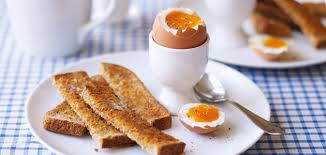
    2. Eggs with soldiers:

    sol

    There are times at night when you just crave for something to eat and are bored of the traditional egg recipes. Well in that case we have this amazing recipe for you. If you only have 5 minutes to spare, this recipe will be even more perfect for you. Place 4 eggs in boiling water and cook over low flame for 4-5 minutes. Caution: Do not let the eggs come to a boil. Now remove the eggs from the saucer and peel off the tops of the eggs. Add in some salt and desired spices on the top and eat the newer rgg recipe with bread sticks. Taste bhi, health bhi!!

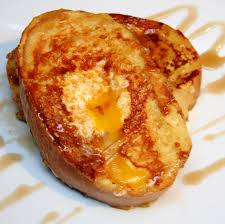
    3. French Toast:

    fr

    Again. A relatively new and old recipe. Take out that borderline expired loaf of bread from your refrigerator and batter 4 eggs with spices added. Meanwhile, light up the stove and put a pan over with a slick of oil. Dip both the faces of a bread piece deep into the battered eggs such that both the faces are smeared with egg residue over their entire surface. Put it on the pan and cook for a minute maximum both sides. And voila! Your French toast are ready in a jiffy. Soak in 4-5 breads and you will be content for the next few hours to go.

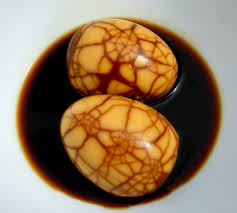
    4. Tea Egg:

    tea

    Now Tea egg might take up some time, but this is nevertheless a newer recipe that people might have heard less about. Tea egg is basically a Chinese snack. Take a few eggs and boil them for 7-8 minutes. Boil them till the point where cracks develop on its surface. Drain the water but don’t peel the eggs yet. This crack-laden egg is then again put to boil in tea or sauce or spices. This dish is also called marble egg because the cracks in the shell create darkened lines with marble-like patterns. Chinese people commonly use a five-spice powder which contains cinnamon, fennel-seeds, cloves and Szechuan peppercorns. The eggs are boiled in the spiced-tea liquid and simmered at medium heat. The simmering allows the liquid to seep through the cracks and attribute flavors to the boiled eggs.

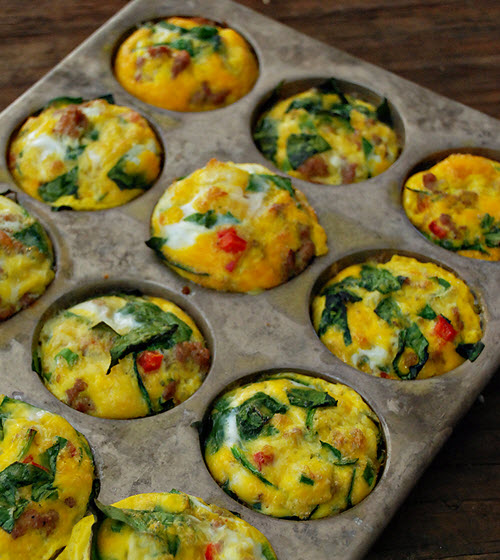
    5. Quick Egg muffin:

    Southwest_EggMuffins2

    People with a frenetic paced lifestyle must already be making merry at the name of the dish. The name in itself has quick in it. And you can be sure of one thing; this dish lives upto its name. Egg muffins are like Frittatas just smaller in size. This dish is prepared using scrambled eggs added with fresh chopped spinach and shredded sharp Cheddar Cheese. Whisk the eggs just like you do for an omelet, with spices, onions and spinach if you like. Cook in the microwave oven for 45 seconds and your hunger is done. It’s gone with the sound of the microwave’s beep.

    6. Eggs Benedict:

    benedict

    Eggs Benedict is an American breakfast and usually served along with ham or bacon. To make this dish you will have to devote some of your precious time, but the result will have you amazingly thrilled. First you have to make something the world calls the Hollandaise sauce. This is made by whisking egg yolks and squeezed lemon juice together in a bowl till the mixture is thickened and doubled in volume. Put the bowl in a steam bath and do not let the eggs get too hot or they will scramble. Add some froze butter cubes and continue to whisk till the btter melts. Remove from heat and whisk in salt and pepper and cover it. Heat the bacon and toast the English muffins. Cook some more eggs till the egg white is set and the yolk is soft. Lay down the muffin, bacon on its top, the half fried egg on its top and pour the Hollandaise sauce over. Garnish with some salt and pepper.

    And there you have it, 6 quick fixes with eggs that are not to be missed.


  • The Sweeter Cravings

    The Sweeter Cravings

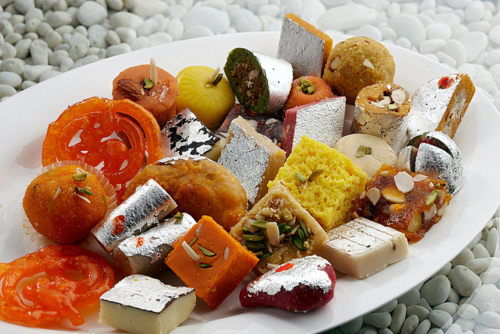
    Have you ever given a thought to one elusive and relatively unimportant question? Don’t you think that Indian sweet dishes differ hugely and vastly from those around the world? While the entire world enjoys cheese cakes and apple tars and chocolate pastries; here at home we enjoy Moti choor ke Laddoos, Sooji ka Halwa, Kheer and Jalebis. I, for one have never seen any foreign sweet dishes similar to what magic our Indian sweets offer. They are crude in shapes and relatively uncreative as compared to their Indian counterparts. We have spiral shaped jalebis, spherical shaped Gulab Jamuns, diamond cut Kaju Katlis and the eternally loveable square shaped barfis. Even the shapes of our sweet dishes offer more varieties than the entire world’s sweets all together. So, let’s explore a few tonight.

    Gulab Jamuns:

    recipe_of_gulab-jamun

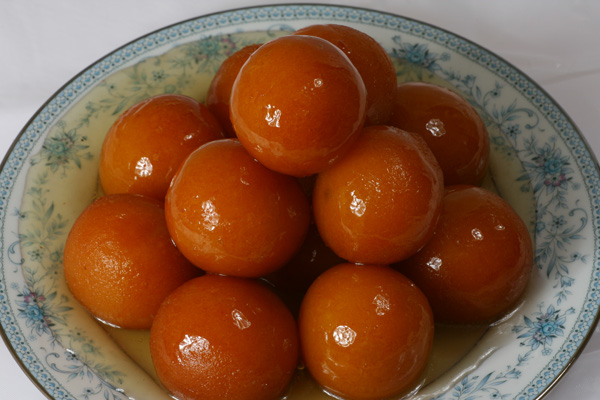
    The epitome of sweetness and the harbinger of merry occasions, Gulab Jamuns is one of the most royal sweet dishes Indians offer. This is one dish which most often decorates the dessert counter sof Indian Marriages. Eaten warm, soft and dipped in slurpy sugar syrup, this sweet dish is enjoyed by kids and adults alike. To the uninitiated, Gulab jamuns are milk solids based spherical dumplings traditionally made with thickened or reduced milk and savored in rose flavored sugar syrup. Gulab Jamun is brownish red in color and it inherits the color because of the sugar content in the milk powder or khoya. When the dumplings are fried the sugar caramelization gives it its dark color. Traditionalists eat it when hot and in singular proportions while experimentalists usually add a dollop of ice cream atop of the gulab jamun which gives two solely different flavors to the dish and mingles the warmth and the coolness of both the ingredients.

    Jalebi:

    jalebi

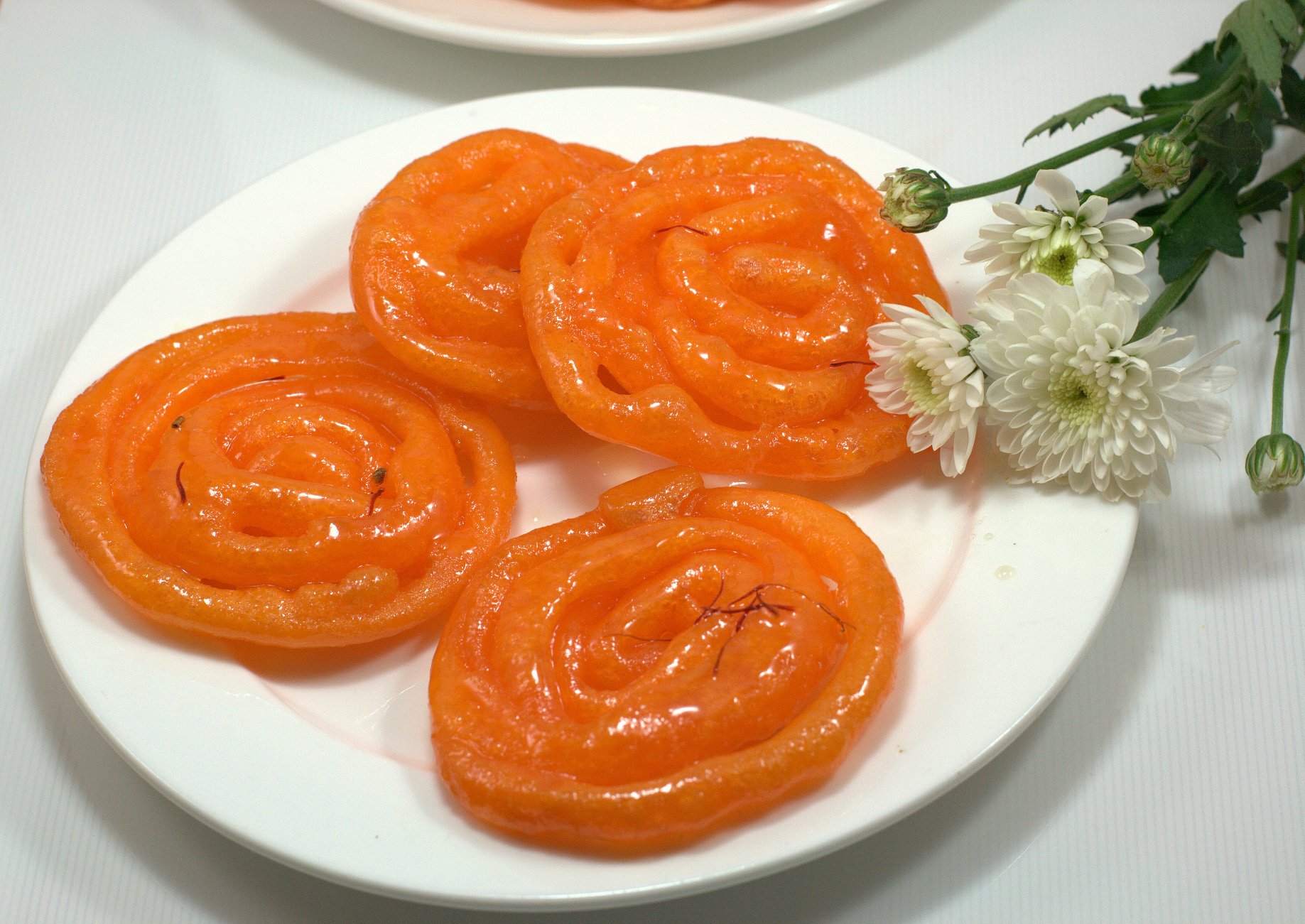
    Again, a traditional fried sweet dish which enjoys the honor of being served in most of the marriage ceremonies. Jalebis are orange in color and are enjoyed best while warm. Jalebis have a chewy texture with a crystallized sugary exterior coating. This dish derives its roots from Iran where it is known as Zulbia and was traditionally given to the poor during Ramadan. It is made by deep frying white four in spiral shapes which are then soaked in sugar syrup. These are one of the highest selling sweet dishes in the local markets during chilly winters.

    Kaju Katli:

    kaju

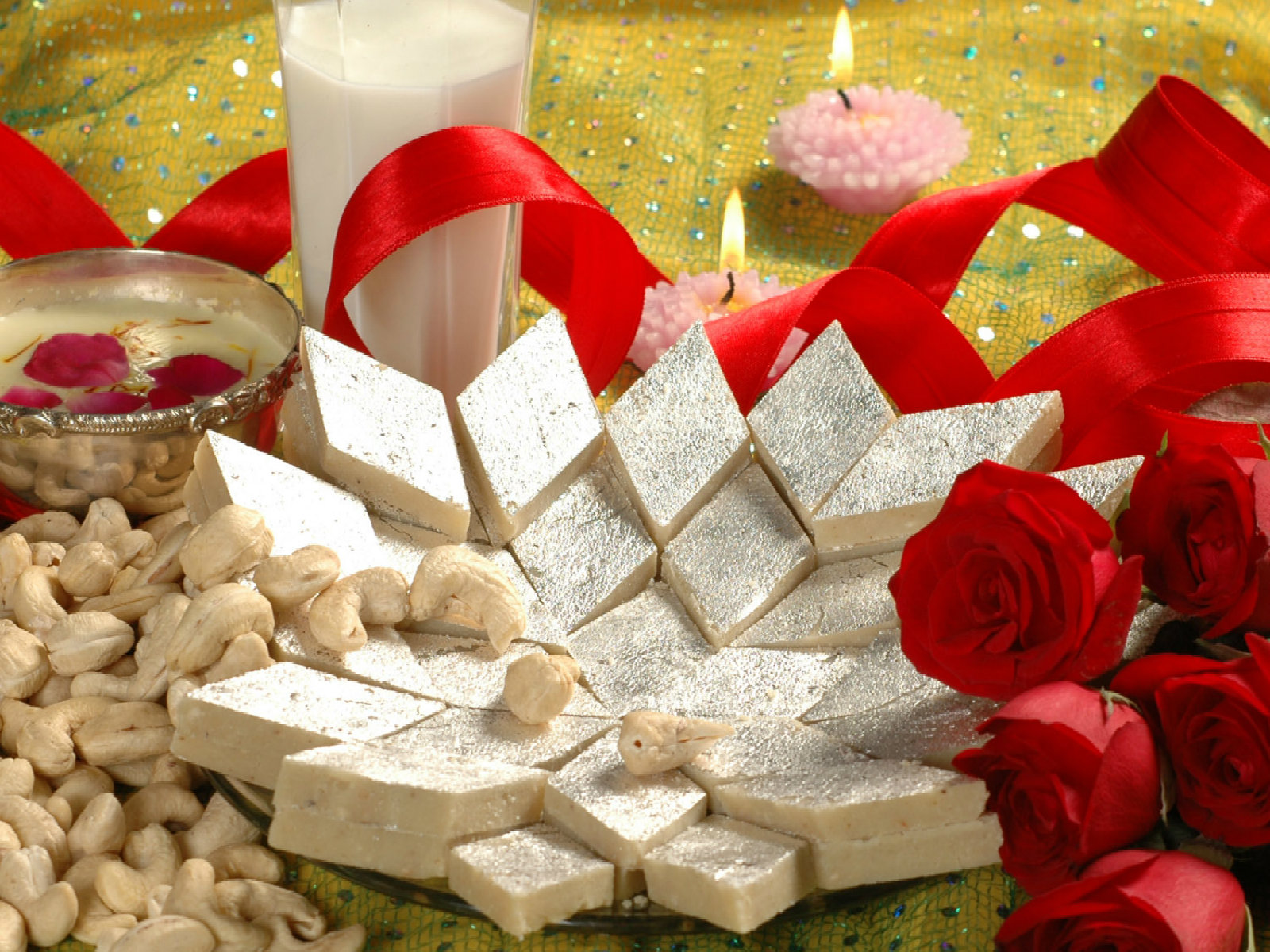
    Well, kaju literally means cashew nut and this sweet dish is based on these nuts. The batter or barfi is made by thickening milk with sugar and dry fruits. It is then spread in a flat, shallow dish and cut into desired sizes and shapes. Kaju Katli is often seen as diamond shaped quadrilaterals and comes in expensive at Rs. 500 a Kg. This sweet dish is generally given to friends and family members during Diwali celebrations as a mark of celebration. This dish has what the English call, gravitas. The thickened milk attributes to the dish by giving it a melting base. Melting, because as the barfi slides along the contour of your tongue, it starts melting and bursting into flavors. But the barfi’s card of aces is the cashew ingredient which makes it different from all the other barfis in town.

    Rasgulla:

    Rasgulla_recipe

    Many kids and uninitiated people muddle Gulab Jamun and Rasgulla with one another. This because Rasgullais the light shaded, spongier cousin of the gulab jamun. Rasgulla is similar in shape to Gulab Jamun and is cooked in sugar syrup, just like the latter. West Bengal on the other hand gave the world a newer sweet dish (similar to rasgulla) called Roshogulla which is lighter than the original and is dipped in lighter sugar syrup. Rasgulla is made up of ball shaped dumplings of Chenna( Indian cottage cheese) and semolina dough. Rasgulla is eaten cold and is refreshing and has an unbridling effect on its consumers. That is, its consumers will never be satisfied with just one. The Rasgulla originated in the present day Odisha as Khirmohana. Traditionally it is offered as a special offering to Goddess Lakshmi a day after the famous Rath Yatra at Jagannath Temple at Puri. The most popular variety of the Rasgulla is the lighter, spongy white variety. Roshogulla is a less perishable item and can often be found in canned tetra boxes. This availability of the canned variety led to this sweet dish’s popularity outside of Kolkata where it was born. A quirky fact about Roshogullas fame is that the Indian Space Research Organization (ISRO) is developing dehydrated roshogullas for Indian astronauts in its planned mission in 2016.

    Laddoo:

    Ladoo-indian-sweets-24568533-300-198

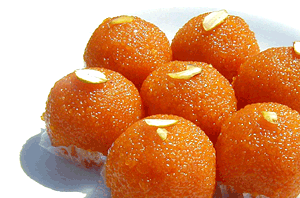
    Laddoo also brings in delightful memories with itself as there is seldom a person in this country who was not treated laddoos to, while in his/her childhood. Laddoo again are ball-shaped sweets popular in India. These are made of flour, minced dough and loads of sugar with other ingredients that vary by recipe. They are often served at festive or religious occasions. There are a variety of laddoos available in India and all of them use a different flours  like Besan ke Laddoos use chickpea flour as the base and coconut as the garnish. These are combined with sugar and ghee and molded in ball shapes. These delicacies are often decorated with silver foil and almond chips. Laddoo is often given at temples as a Prasad especially at Tirupati Venkateshwar Temple, Andhra Pradesh.  Quirky fact: A Laddoo weighing 6,300 kg was made for the Indian God Ganesh in Andhra Pradesh in September 2012.

    Thus these were quite a few of the exemplary unique dessert’s that India as a cultural hub enjoys. While the list is never ending these are the ones which are the most famous or the most loved.

  • What makes Delhi, Dilli – 3

    What makes Delhi, Dilli – 3

    The Final Chapter of the trilogy, thus begins.

    Delhi, the city with a heart has been featured, loved and adored with artists of all types of media. Whether it is Journalism or Film making, it is song writing or singing it, whether it is blog writing or writing professionally; most of the artists have had a love tryst with the city and continue to do so. But people from other places wonder why? People new to this city cry, what is the hue and cry about this city? It is only after you have lived in the city long enough that you feel its love swallowing you complete. That you feel yourself falling for a city which you didn’t understand just some time ago. Let’s try and comprehend the city and why you will love it!!

    The modern symphony:

    metro

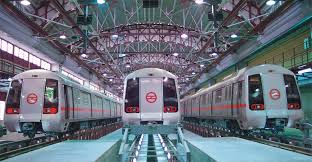
    Delhi is one of the oldest inhabited city, no doubt. But this does not make the city ageing. The city with the evolution of time has grown dynamically. And the goading sign of the city’s modern outlook that appeals to people is its dense Metro network. The Delhi Metro is one of the longest fully functional Rapid Transport System in the world. The Metro system augments the Delhi suburban rail system and the fleet of Delhi Transport Corporation bus system. This requirement of today was just a dream in the pipelines a decade ago. The Delhi Metro has been a pioneer in harbouring in a new era of mass urban transportation in India. The swanky Metro system brought about a comfortable, air conditioned and eco-friendly services for the first time in India and completely revolutionized the mass transportation scenario in Delhi. Besides carrying millions of people every day, the Metro also reduced the pollution levels in the city by 6.3 lakh tons every year since its inception. The DMRC is enroute to adding another 140 kilometres to its already labyrinthine 193 kilometres. So, anywhere you see the Delhi Metro, it gives you the special feel of living in a New York styled Metropolitan with a quick and accessible Transportation System.

     India Gate:

    india gate

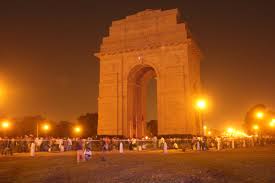
    One of the landmarks of the city, showcased in every Delhi based movie is the magnanimous India Gate. The India was originally called the All-India War memorial and is a memorial located just besides the Rajpath. India Gate was designed by Sir Edwin Lutyens and is a magnificent piece of architecture often drawing comparisons with the Arch of Constantine and Arc de Triomphe in Paris. This memorable landmark was built to commemorate the thousands of Indian soldiers who have died in wars outside and inside the country. This arch shaped marvel has the names of some 13,300 servicemen inscribed on its body, eternally commemorating them. After the Bangladesh liberation war in 1971 a black marble plinth like structure was erected underneath the great arch of India Gate. This plinth is surrounded by four flames and is covered with an army man’s helmet. This structure is called the Amar Jawan Jyoti or the Flame of the Immortal Soldier.

    But besides the historic reference, India Gate today is one of the hot spots for picnic for the modern nuclear family. India Gate, is surrounded by many Ice-Cream vendors and balloon sellers which make it worthwhile for the kids to hang around the place. For the elders in the family, the lawns of India Gate serve as a detoxifying day out, away from all their routine tensions and monotonous schedules of their work life. A day out at the India Gate is counted as a well spent day with your family and is a must for any new visitor in town.

    The Red Fort:

    red

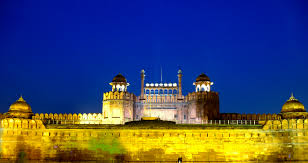
    Red fort was constructed when Shah Jahan decided to shift his capital from Agra to red Fort. The great Red ‘Bindi’ on Delhi’s construction started in 1639. And it took a whopping 8 years for it to complete. Initially its name was Qila-i-Mubarak and it was Delhi’s first fort. A magnificent one at that. It had 2 km long running walls whose main was to keep intruders out, but the mighty walls had to kneel down before the Sikhs and the British. The entire architecture is made from huge blocks of red sandstone. For the visitors of the town, there is a hour long light and music show every evening there which showcases the fort’s history. And since it is nearby chandni Chowk, you will be killing two birds with one stone, so go visit it as soon as you can.

    Qutub Minar:

    Qutub-Minar-at-Night-Images

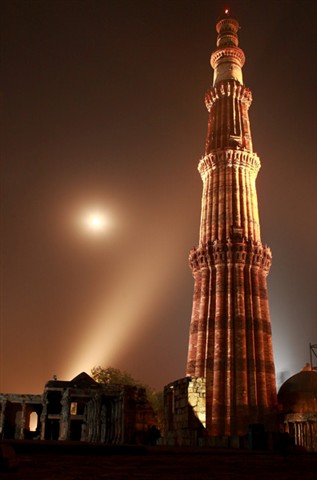
    The qutub Minar has a speculative history at best. It was constructed in 1206 by Qutub-ud-din Aibak  of the slave dynasty and is currently the tallest brick minaret in India.  Some say that it was constructed as a sign of victory of the slave dynasty over India . whereas others say that it was merely constructed for the people so that they can be called for prayer. The brick minaret has five storeys and is 72.5m tall. People often flog the monument to get a moment or two of peace amidst their extremely busy schedules.

    Jama Masjid:

    jama

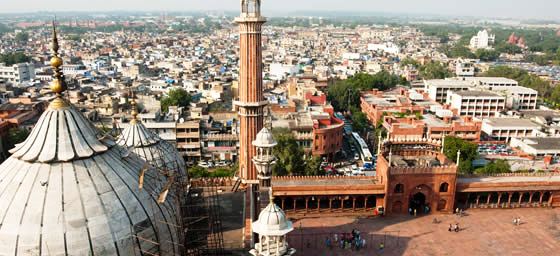
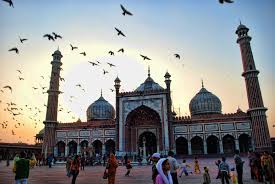
    The mausoleum constructed in the year 1656 in the heart of delhi is the largest mosque of the country. The lawns of the mosque can hold upto 25000 devotees at one time. Being in the vicinity of heavily crowded areas of chandni chowk and chawri bazaar, Jama Masjid has become quite a landmark in its own regard. On the different occasions of Eid, the muslim community often fills the mosque upto its brim. Before visiting it make shure that you cover your head, legs and bare hands.

    Thus this concludes our little round up of things, food and places that make Delhi what it is and quite possibly the reason as to why people love it and other metropolitan cities don’t. the country’s love towards is unfathomable and once you visit and stay there for a period of time, it colors you in its own ink. Forever.

  • What makes Delhi, Dilli – 2

    What makes Delhi, Dilli – 2

    In the last tour de Delhi, we hopped onto some of the binges of Delhi, how the love affair of the nation started with Delhi, the great repertoire of Architectural marvels in Delhi and a touched the tip of the iceberg as to what makes you melt with love, when you hear the word Delhi. Today, we explore more.

    The Bedmi and Nagori:

    be

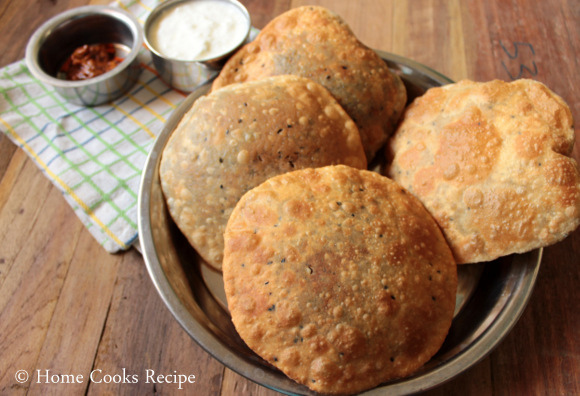
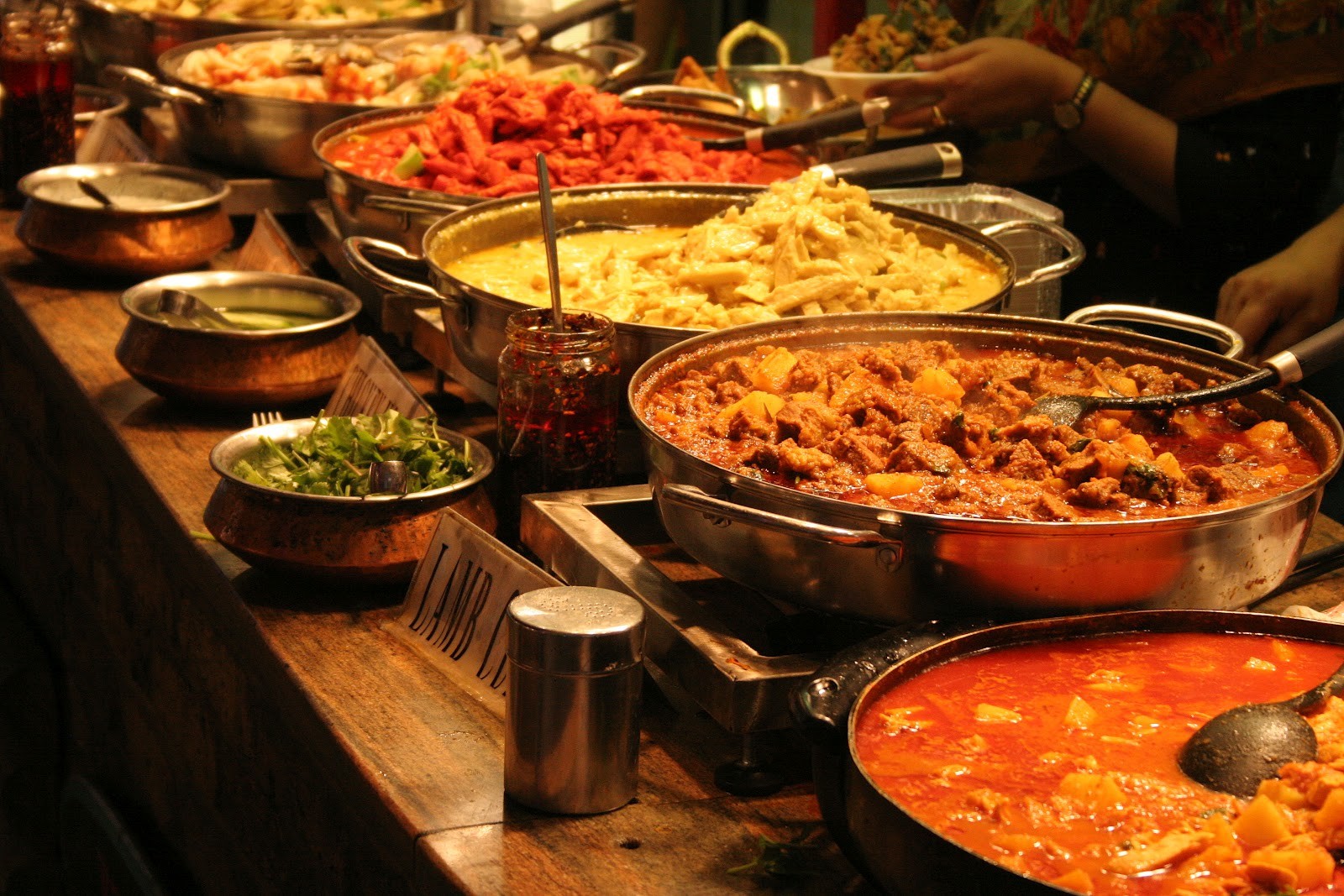
    One relatively less known delicacy but nevertheless enjoyed to its zenith by the  few loyal customers, the bedmi is a variety of Khasta Kachori smaller in size and more khasta by all means. This is what one could call the Kachori’s  younger cousin. Filled in the epicentre with Semolina, carom seeds and grated peas, this delicacy melts in your mouth. Served along with our beloved aloo ki sabzi and halwa, you might have an oddity treat and might as well try mixing the two side dishes (The halwa and the aloo ki sabzi). This queer combination will make you reminiscent of the sweet and sour soup gone terribly wrong, but it’s a taste nevertheless. The Nagori is the youngest of the brood of Kachoris and more closely resembles the papadi that you get at a chaat stall. This also served along with aloo ki sabzi and halwa will give you plentiful of energy (And not to mention a truckload of calories) to roam the rest of Chandni Chowk with me.
    The Punjabi Diaspora:

    bangla

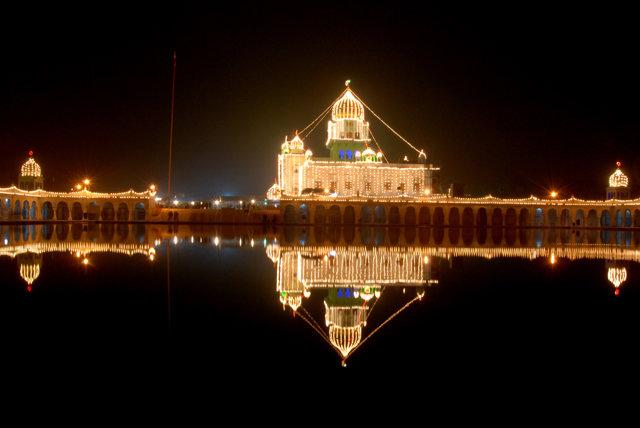
    Delhi is borderline Punjab. Geographically and literally. Once you enter Delhi, you’ll see an equal number of turbans as you will see bare heads. That because, there was a huge exodus from the Punjab region during Delhi’s early industrialization days and also during the Punjab conflict periods. Thus there’s a mini Punjab residing in Delhi. And with their amazing good humor and tantalizing cuisines come along the mighty and revered Gurudwaras. Gurudwaras are the worship place for Sikhs. Here Sikhs spend quite a lot of time serving other people as they faithfully believe in the quote “ Service to mankind is Service to God.” There are a plenty of Gurudwaras in and around Delhi and the best part of visiting them is the tasteful  ‘Langar’.  Langar is the lunch that is served in Gurudwaras to everyone who visits them. Large langars are organized where people sit on elongated jute mats on the floor and eat out of leaf plates. The langar, anywhere, in any gurudwara is something to be DEFINITELY had if you ever get the lucky chance to visit Delhi. Daal is a must in every Langar. Along with it Halwa, aloo ki sabzi and poori make your lunch hearty and eventful. There are two large Gurudwaras in Delhi to which people flog on from places far and beyond. These are The SeesGanj Sahib and The Bangla Sahib. Both are lakes of tranquillity and you will feel emancipated from all your worries and ill humoured feelings, once you enter the complex. Visit these if you are looking for serenity and a meal full of love and affection.

    Kareem’s and Khan Chacha:

    Chicken = Kareem’s.              Kareem’s = Chicken.

    Chicken = Khan Chacha.     Khan Chacha = Chicken.

                         Kareem’s = Chicken = Khan Chacha.


    tn_6284_khan1-1374305008

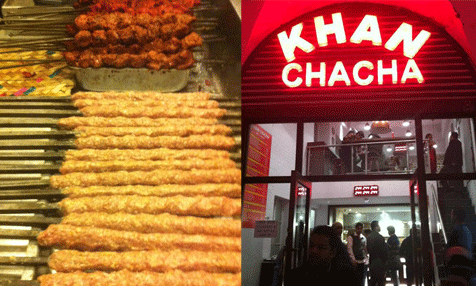
    One’s trip to Delhi will be wasteful, if he goes to Delhi but does not visit any of the above mentioned place. Both these places have been established in Delhi for the last 100 years or so and have been constantly providing the people of Delhi with an indispensable service ever since. The service of good food. Or more specifically, the service of Great Chicken. Khan Chacha and Kareem’s both are known for their Mughal style Chicken which they both offer in Chandni Chowk. The shop is tiny but the crowd of buyers: mammoth. Both of them provide exceptional Tandoori Chicken and Kebabs. Their extraordinary skills lie in providing with dry chicken variety. They specialize in Seekh kebab, Shammi kebab, mutton burra kebab, mutton stew and the rann (goat’s leg). These leave you with the exact smoky flavour that should be left after having a tandoori meal and also bestows upon you the feel of the grill.

    Connaught Place:

    cp-650_081714012910

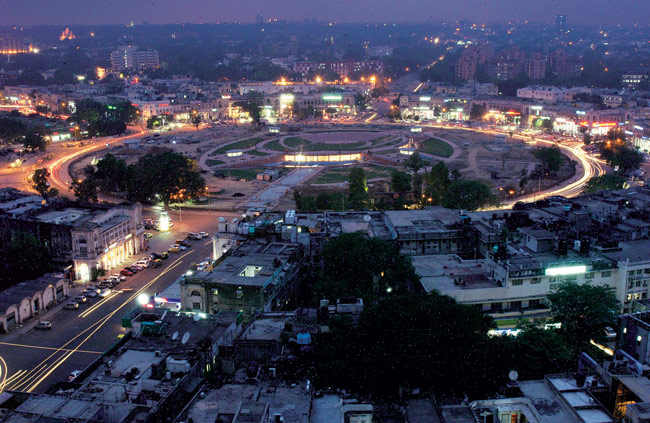
    What makes Delhi, Dilli you ask. One of the reasons of Delhi’s uniqueness is Connaught Place. Two British Built market places in circular shape around a gigantic park in between. Sounds confusing? Well, it is. But in earnest Connaught Place is one stop destination for all the top notch brands anywhere in the world. Until one hasn’t a shop in Connaught Place, he/she is too amateur to go global. A beautiful set of buildings all dressed up in white just like a catholic wife-to-be in circular shape mark the inner circle and the outer circle. A market place to take a stroll ith your friends or go bridal shopping; A day to enjoy Delhi in one glance and a hurried shopping session; everything happens at Connaught Place.

    ‘THE’ Palika Bazaar:

    pal

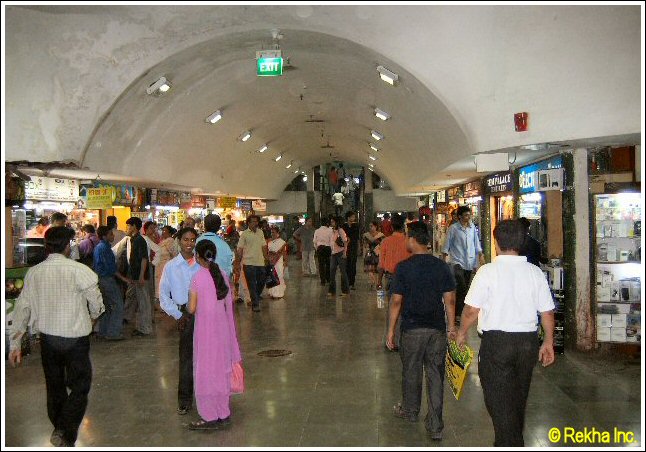
    Ever heard of an underground market place? Palika is one. No, it is not underground as in illegal, it is underground as in, it is literally 400 bunch of shops UNDER-the –GROUND. Remember how the Connought Place is circled around a gigantic park? Well this is a market place under that gigantic park. Palika is every women’s dream destination. Because you get the best of fashion labels at throw away prices. Loads of accessories, clothing, body tattoo shops throng the Palika. Men, don’t be disappointed. There’s something for you too, down there. Palika has men’s fashion outlets too, but more amazingly it has an entire bunch of shops that sell cheap China built Electronics gadgetry. So, next time you want a pen camera or a big grizzly transforming car, you can always go to the underground market.

    So, we made a tiny bit of progress in learning about Delhi. But don’t get tired yet, there’s more of Delhi to come.. Stay tuned.

  • What makes Delhi, Dilli…

    What makes Delhi, Dilli…

    A very long time ago when the heart of our nation was not famous for its countless rapes, an absent Government and Mufflerman; there was actually a city and a world inside that city that everybody loved. What made Delhi earn the jealousy of other metropolitan cities in the country, what is it that made Delhi stand shoulder to shoulder with Mumbai, the economic capital of India. Why is it that, people who have ever stayed in Delhi leave it with a heavy heart and tell everyone else that they can’t understand the emotions attached with the city if they have never ever lived in the city. Let’s find out!

    The Beginning of the Real Delhi:

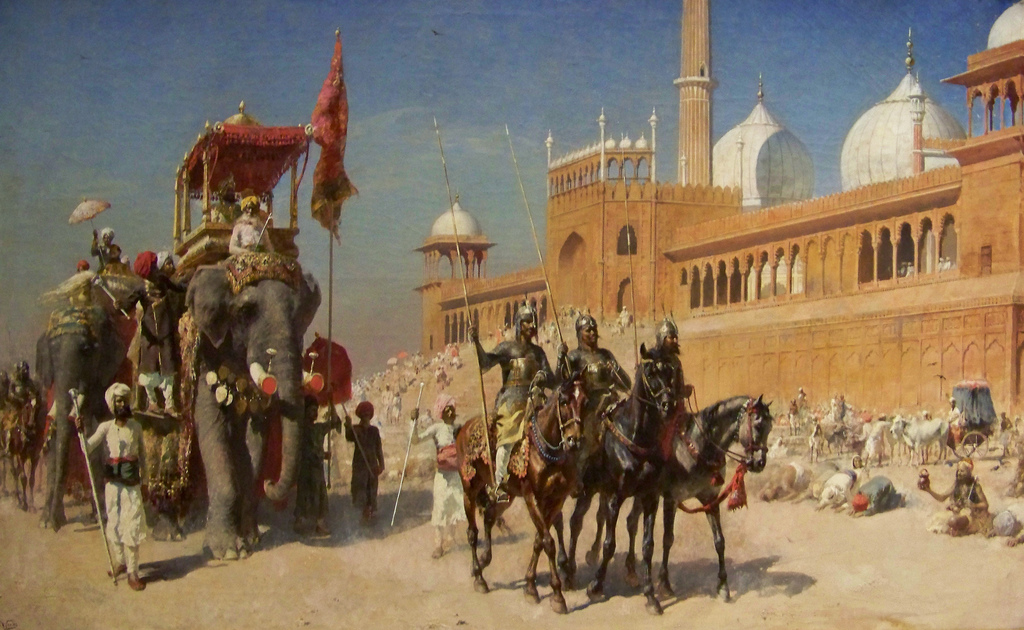
    Great_Mogul_And_His_Court_Returning_From_The_Great_Mosque_At_Delhi_India_-_Oil_Painting_by_American_Artist_Edwin_Lord_Weeks Now, the love for Delhi started long back when the Mughals transferred the Capital of India from Agra to Delhi. This is when the real on-ground transformations started taking place in Delhi. Before this move, people were as oblivious of Delhi as they were of any village in India. Firstly, with the onset of Mughals came along great Architectural Feats. For example Delhi boasts of the largest Brick Minaret in the world the Qutub Minar (well, it was built by Qutubbudin Aibek), it flaunts one of the largest mausoleums in India – The Jama Masjid, It carries reticence with its Old Fort. Also the Red Fort that instills in us a feeling of patriotism whenever we see it on our TV sets. All these Architectural marvels brought a Mughal charm to this city of ours and elevated it above its neighboring cities.

    Dilli and the finger licking tales:

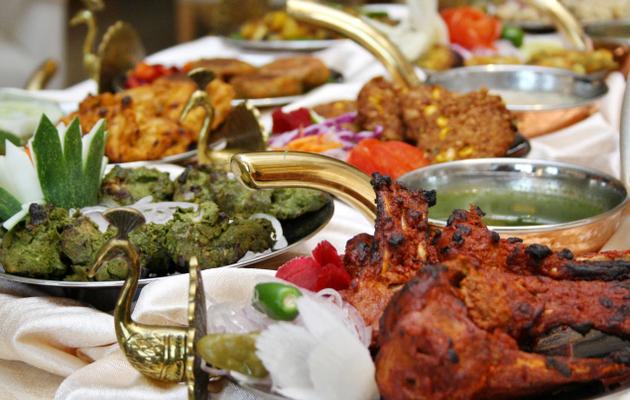
    AWADHI_FOOD_FESTIVA_898557g Along with the great architectural skill set of the Mughals arrived in Delhi their eternally pristine culinary taste. Their food was not just food, but Art on Stove. The Tandoori murg, The kadhai paneer, the Nihari,the  Paya, the Kachri Qeema, the Delhi-mein-world-famous-Mughlai Chicken, their biryani style and countless others set the tongues of the native Delhiites wagging. Not only did their cuisine establish itself in Delhi, it even grew there. More and more dishes were invented as an amalgamation of Delhi and Mughlai cuisines. This was a great culinary juxtaposition just waiting to happen. Seemed like this match was made in heaven. So, the Mughlai cuisine added one more feather to Delhi’s hat.

    Asli Delhi, Purani Dilli:

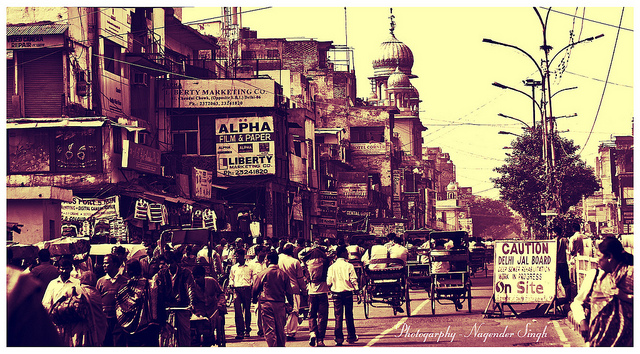
    7717061676_0ba4ab21a8_z Now, the heart of the Heart of the Nation. The Chandni Chowk and Chawri Bazaar area. For those new to the maps of  Delhi, these areas lie in the center of Delhi and still boast of historic architecture. These areas are famous for their super cramped streets, the always bustling crowd and nagging shopkeepers always trying to sell you substandard products. By the names in the list, all these seem to be pretty depressing by the levels of the national capital. But once you visit the place it seems just like your extended neighbourhood. It won’t seem as a market place to you, but a big great family  living in harmony yet tearing each other’s hair out. But there is a lot to watch out for in the Purani Dilli area. Since it is a crowded marketplace, pickpockets are always on the prowl. Also some shopkeepers tend to get too close for comfort levels in order to get their products sold. But every coin has two sides and prefer to see the loved one here please. Purani Dilli broken up and explained in pieces in the next points, because it ain’t so small that it can be contained in one measly point.

    The Paranthewaali gali:

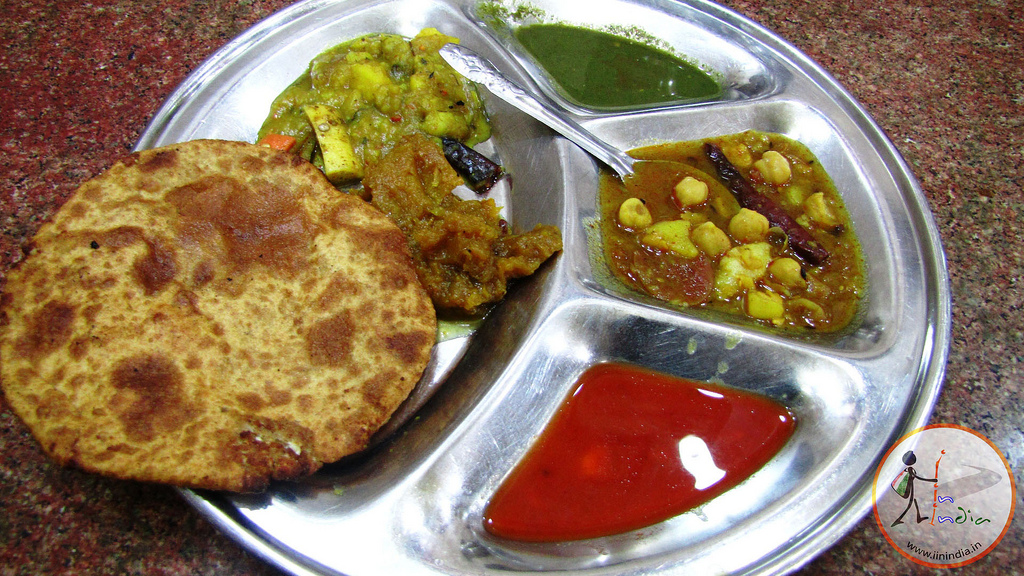
    4950341851_7711ec9fd9_b Now, now, now. Every once in a while a moment comes in every person’s life that can’t be expressed even if you keep squealing with delight for a fortnight. For a foodie that moment would come when he enters the paraanthe waale gali. The lane where our Bollywood Star Akshay Kumar slaved and toiled for many years. The paraanthe waali gali is an even narrower lane than what already was a cramped main road of Chandni Chowk. There are a multitudes of shops there only selling paranthas. But mind you, these are not ordinary paranthas, these are paranthas made of Rabri, Paranthas made of bitter gourd and paranthas made of lady finger and all the odd vegetables and sweets you can ever garner. And these are not made on a pan or a stove, these aranthas are deep fried just like samosas and tikkis are. Your whole perception of paranthas changes after entering this foodie paradise. This narrow lane adds another dimension to your notion of parantha, by doing something with it that was unimaginable before this.

    The Japanese Samosa:

    7745361346_3ba6e884b2_z Well, to be honest, this is just sold in one shop in the entire Chandni chowk. But I swear to God, that you won’t have eaten anything like this before this. This samosa’s shape is more or less like regular samosas but the corn flour covering on the outside is striped. Thus the Japanese samosa is not wholly covered but partially revealing. The inner filling forms the crux of the whole dish. It is not spicy or filled with mashed potatoes for that matter. It is filled with a sweet mixture like that of a halwa. Thus changing the whole thought process around the samosa. By just keeping the name and shape intact, this exquisite dish retain the name value and the ingenuous sweet filling inside and the striped contours give it a modern twist. And thus, the Japanese Sammosa, The tour of the real Delhi has just begun. However, even the most brilliant of writers and esteemed authors would fail in describing the exact charisma and fascination of the city. Such complexly woven is the feel of it. I am just a young scribe who is trying to portray to you an image that tells what exactly Delhi is, if you have have never been there or miss the hell out of that angelic city of yours. To be continued…

  • The Madras you don’t see

    The Madras you don’t see

    Imagine.

    There’s a bitter war going on in North India. People belonging to different categories are fighting each other, there’s fist fighting, the local –made guns are drawn, abuses on everybody’s mouth. Visualize any Anurag Kashyap movie; that intense. Then suddenly, somebody in the far distance loudly shouts MADRAS!! And everybody, regardless of their caste, creed, religion drown out every single thought in their minds and replace it with just get one word:

    IDLI/DOSA.

    And after that single moment of silence, the fight resumes.

    The thought behind is, that people from all over the country, regardless of their scathing diversity unanimously see Madras cuisine in one single light – Idli/Dosa. There’s nothing beyond and there’s nothing beneath. And I was one of those notion holders too. Until I was transferred here.

    Guys! Let me just tell you. There’s a huge, eclectic taste world wrapped under the sheets of Madras. And only those who spend a teeny-tiny amount of time here can see through it. Today, I am gonna’ let you in, on this beautifully delicious world. Let’s po!!

    The Kaapi:

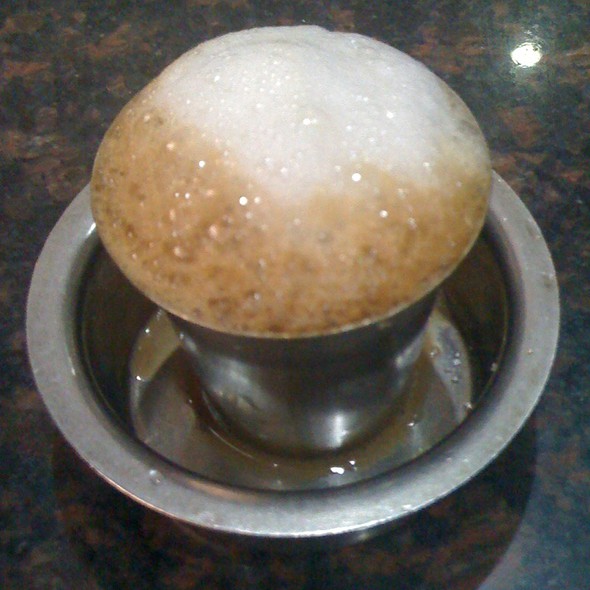
    People here are a little different from the rest of the country. And hey! I am not being rascist here. Almost the entire city is up and ready to go about their jobs at 6 in the morning(Even after taking baths daily). And to keep them fresh, the tea and coffee joints open up at 4 in the morning. The Kaapi is one treat on those shops. Kaapi, a fond name for the local coffee here. There’s no Bru and no Nescafe.There’s just Kumbakonam filter coffee.

    kaapi


    And no, Kumbakonam wasn’t that monster in Ramayana. Kumbakonam is a place in Tamil Nadu where lots of Coffee is grown. And the powder from those beans is pristine. One has to have its taste in his/her lifetime. Also the Kaapi is not to be drunk ordinarily, it is drunk from a ‘Katori’ or a saucer if you may.

    The Parotta:

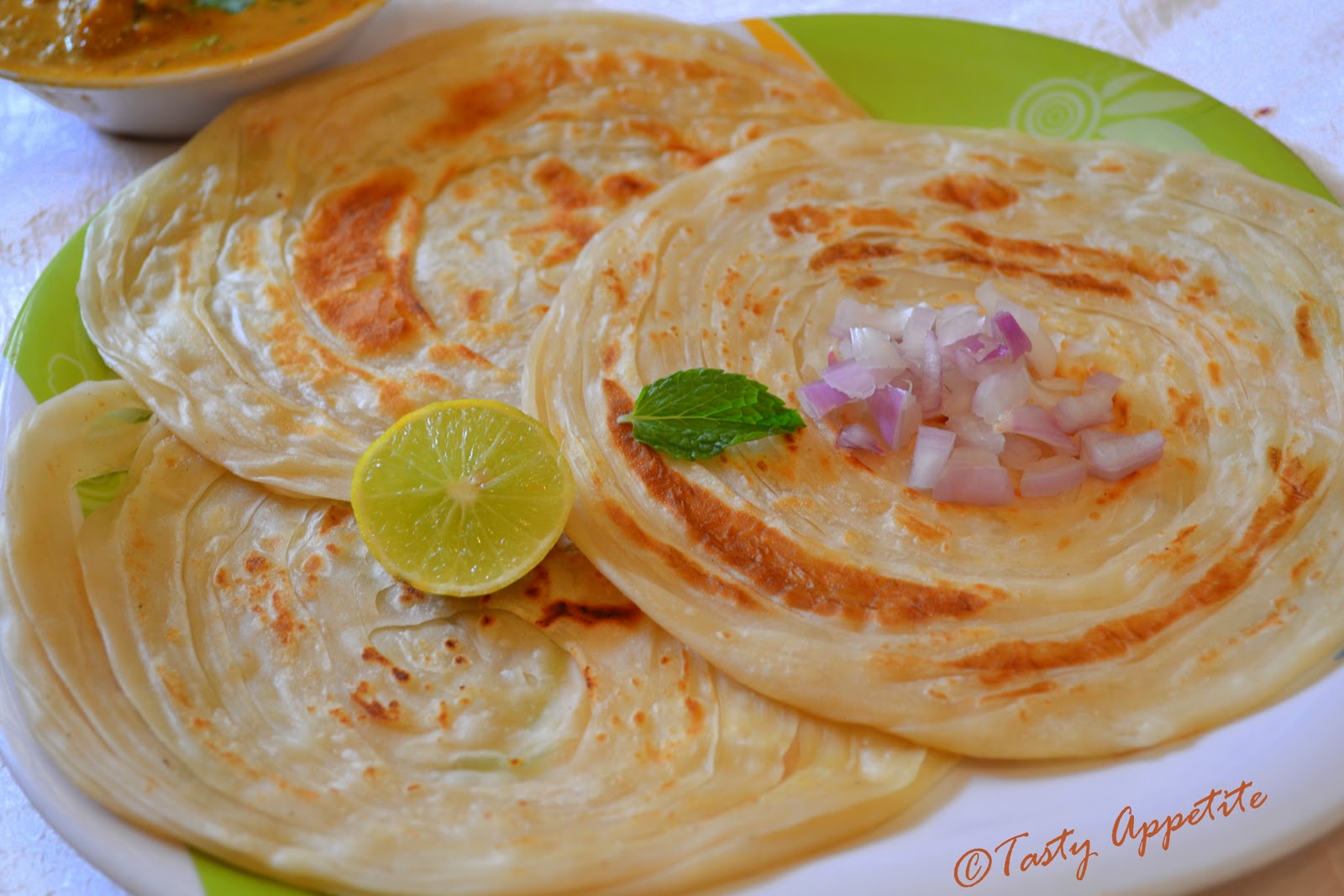
    p main g


    Okay, Punjabis, hold on! This is not your morning Aloo ka desi ghee waala Parantha. There is no typing error in the heading. There is a thing called Par-o-tta. These are tiny lachcha paranthas made entirely from Maida and greased with oil. And I am guessing spices weren’t discovered till the time parotta was invented, because it doesn’t have any. Not one grain of salt or pepper or any other spice imaginable.

    The Kuruma:

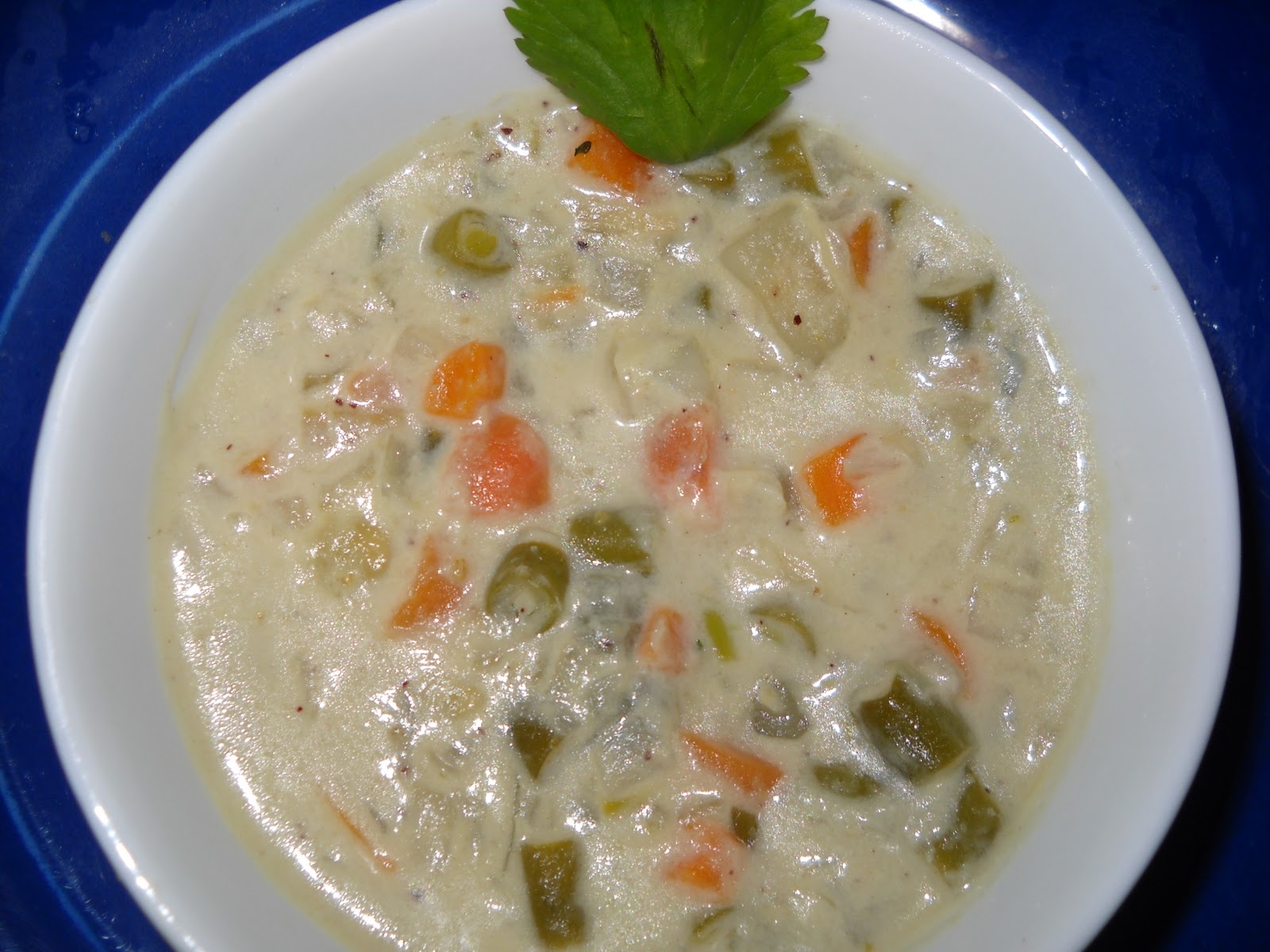
    Now, when I started writing this one(and the previous one), I came to realize that south Indian people don’t get too tensed over their food. They are happy having some water and spices with their parottas. Because that is what Kuruma is. Kuruma is mixed-vegetable with gravy. Apparently lots of it. The Kuruma is low on spices and tastes a bit bland, but I am a Punjabi, and anything less than a Bhut-Jholokia is bland for me. Take some vegetables cook them a little and put lots of water over it. Voila! Kuruma ready. BTW, it is tasty as hell and I can’t stay one single day without having it once at least.

    Picture 024


    The Saapad:

    thali


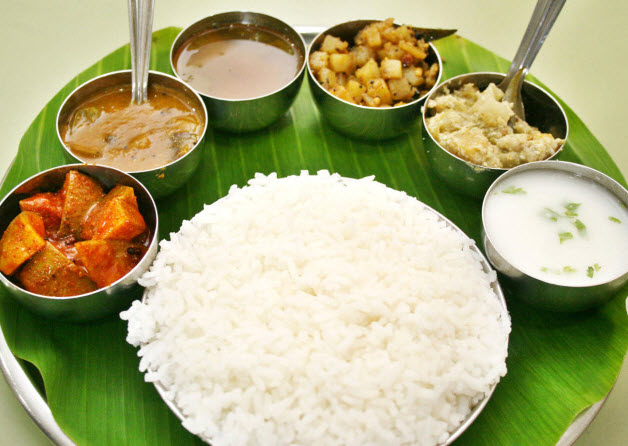
    Now, if you go to any low end restaurant and ask for idli-dosa-vada in the middle of the day, you’ll only come back hungry after hearing an ‘ILLA’. That because, in the lunchtime each and every low-end or budgeted eatery/restaurant prepares one and one thing only. The Saapad. You get it for a mere Rs. 40-Rs. 50 and return home with a stomach full upto the brim. First of all, for any new comer eating an entire Saapad plate alone is mission impossible. But by a slim chance he turns out to be as fat as me and can finish it alone, he won’t be able to even look at food for another 6 hours. Such plentiful is the Saapad. Saapad is nothing but lots of boiled Rice, served with millions of Gravy(s). You will have 4-5 saucers of different coloured waters surrounding your heap of rice. One would be Sambhar, another would be Rasam. Rest, even people who eat them don’t know what it is, but they all are tangy as anything.

    The appalam:

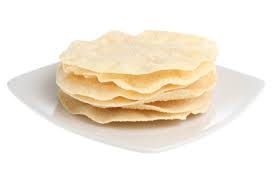
    Remember, those crispy Paapad like things you used to fry and eat in winter evenings, that is appalam here. And it is served along with Saapad to make your food go crisp.

    appalam


    The Podhi Dosa:

    Now as you all must be wondering, this is not some new kind of dosa, but our own Plain Dosa. Now, here comes the twist. Plain Dosa filled with Podhi masala. Podhi masala is just borderline spicy. You know, you’ll want to have more just to decide if it is spicy or not. And then in the second bite too, you’ll be just as confused and will be rushing for the third bite. This cycle goes on and makes the Podhi Dosa feature on our hidden treasures list.

    podi


    The ‘Dindigul’ Chicken Biriyani:

    biryani


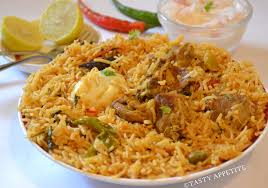
    The respected ‘BAAP’ of every dish here. Throw a stone in Madras and it is sure to land in a biryani shop. Such is the sprawling number of Biryani centres in Tamil Nadu. Dindigul is a place in Tamil Nadu and the origin of this masterful recipe. The unique taste of the biryani comes from a special Biryani powder which contains Fennel Seeds, Cinnamon Stick, Cardamom Pods, Star Anise and Cloves. This Biryani is served with a Brinjal vegetable. Now I know, when anybody hears brinjal, they can just think of barely digesting the Baigan ka bhartha, but trust me on this, the gravy is sumptuous. Also given along is onion Raita. This adds a little wetness to the biryani which otherwise is smeared with oil. And here it is where the most hackneyed of clichés comes to life. The Madrasis eating food with their hands. But I am not from South India and I love eating it with bare hands. Eating it that traditional way leaves a flavour to be savoured on your hands. Lick it, feel it.

    So now if you get a chance to go down south, don’t stick to the good old menu. Go out into the wild and try all of the above. Then you might have a glimpse of the real Chennai and not Madras.


  • My experiments with food (And truth too!)

    My experiments with food (And truth too!)

    India truly is one big piece of land. And on this big piece of land you encounter an eclectic mix of geographies  and topologies. And on these array of different  land designs, you come and meet very different people. People who practice different religions, wear very dissimilar clothes and practice varied traditions. And in all these differences lies one major difference, the different of cuisine. Just like we have over 700 gods and deities, I guess we must also have a similar number of different cuisines. But in all those differences they have one similarity. The trait of experimentation.

    No person who calls himself a religious foodie can never withstand a zeal for experimenting with food. Whether it is Milk and coca cola or Raajma with aloo bhujia; the tempt of experimenting is too great to be countered off. Hence we traipse to various parts of the country to look out for some experiments gone successful.

    The Chola Kulcha burger:

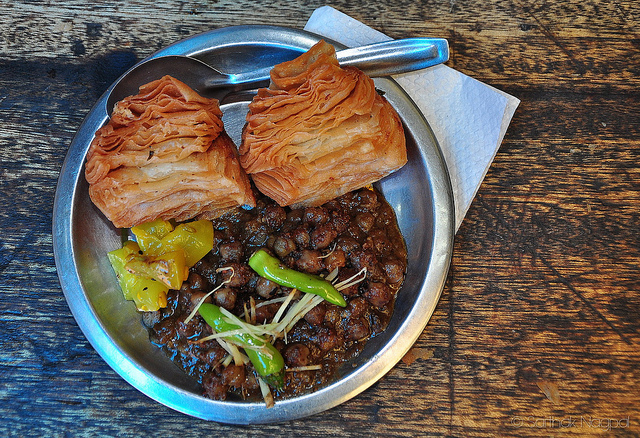
    Down the alleys and labyrinthine roads of a little known town in Punjab called Naabha, you will see gazillion of stalls selling this odd delicacy. Most people have had a taste of Chola-Kulcha in their life at some point or the other. This treat is in exactitude, same as the former, but a different form and slight delicious top ups give it the oomph factor that makes it feature in our list here.

    burger

    • Take two kulchas. Warm the boiled cholas and the kulchas.
    • Add a little bit of paneer and boiled mashed potatoes to the chola mix.
    • Now to the warm kulchas, add a dollop of butter and the samosa chutneys. The red one is mandatory, the chili sauce, add according to your taste. Keep the kulchas on the fry pan and add the chola mix in between the two kulchas. Voila! Your Chola Kulcha burger is ready to be savored.

    The Bhujia soup:

    Now, this treat had me baffled at first but left me craving for more later.

    There are places not so famous and not so hip in our country. Guduvanchery in Kancheepuram District (Chennai) is one such place. It is a sleepy village but with a huge local market. And in that market somewhere deep down, you may get lucky and get a chance to savor this orgasmic delight.

    soup

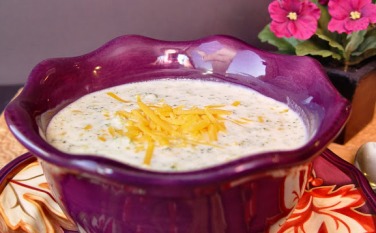
    The ingredients seem simple enough (Some namkeen + Some soup! Done!) But the trick lies not in the ingredients but the way those final ingredients are prepared. Neither the Bhujia is from Haldiram’s nor is the soup made from ready to eat packets. The Namkeens are homemade yet world class. For rookie foodies who try to differentiate between the two it will be in vain. But the oils from the namkeen and the spice mix in them scream homemade from top of their lungs. The namkeens are just not aloo bhujiia or khatta meetha. There’s a spectrum of namkeens of different sizes and different flavors available to choose from.

    But when in Home, do as the homies do. At your home, you can definitely use the knorr ready to eat and the aloo bhujia lying in the cup board waiting for guests to arrive at you home.

    The Samsiya:

    samosa

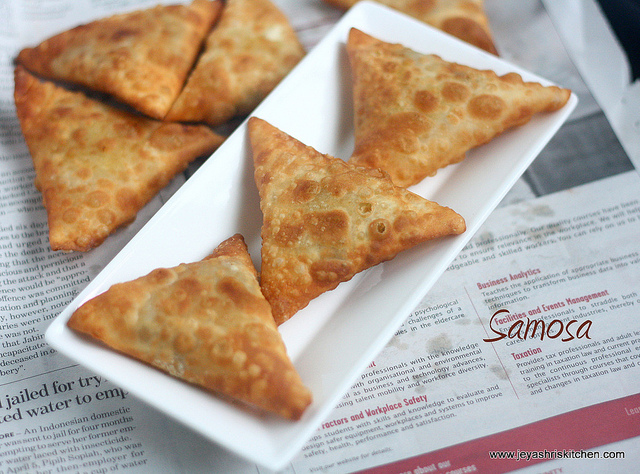
    Yes, the root of the words are the same but these are slightly different foods to be had.  While the samosa is filled with aloo mix, the samsiya is filled with fried onions. And in front of the samsiya, samosas seem gigantic. So, there should be no doubt if you find tiny samosas being sold 4 for Rs. 10 outside the Chennai railway Station. There’s one more wild twist in the tale of samsiya. Along with samsiya, you will never see your traditional imli and chili chutneys. The samsiya is served along with Coconut chutney. Just like idli is, just like vada and dosa are. This gives a good-humored  taste to the dish. Not spicy enough, not tangy enough but yes unique in its own sense.

    The Chola Pani puri:

    poori

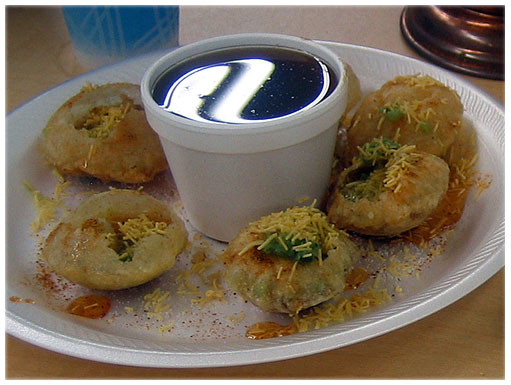
    All of you might have eaten our favorite street food: The pani puri. But you are in for a surprise when you visit a chat stall anywhere south of Maharashtra. While visiting a chaat stall, forget that you have ever eaten pani-puri before. This will be a whole new dish you will taste. Sure, the puri is the same shape as in our north and everywhere but everything else is different. The filling in the puri is not mashed potatoes but hot boiled mattar. You know the green balls that you threw out of your rice as kids, that one.  Also, the filling is not dry, there is thickened water along with the hot mattar. Next, the tangy paani which was as delicious as it was healthy. Want a tip? Forget that paani. Here the paani is devoid of any and every bit of zippy taste that you went to the chaat stalls for. The paani is hot (again) and very straight in taste. Just imagine yourself having a mild soup for the paani. And thus our beloved paani puri becomes, some hot dinner dish making you feel fuller instead of easing up your stomach.

    The vodka Paani puri:

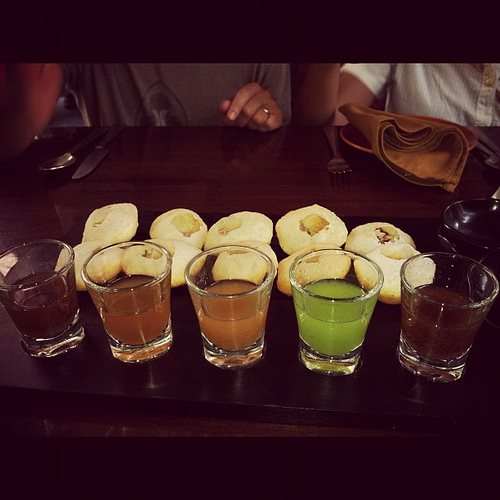
    Are all the liquor fans up yet?  *Sees left to right*  Great!  Now, this experiment is what you expect by its name.  Instead of paani you get vodka shots filled gol gappas.  Now no need for another appetizer huh? This is only offered at ‘Punjabi by nature’, a restaurant chain in the National capital and surrounding areas. The vodkas all come in different flavours, but I am sure you will not want to try out bubble gum flavored vodka with your puri.

    vodka

    So, from all around this great country of ours, we brought you some of the quirky, queer yet magnificently delectable experiments to tease you taste buds with. Try out all or some of these if you are in the neighbourhood, and get your tongue out of its routine. And do write some of your own experiments down in the comments section. Till our next journey around India, keep tasting.