Category: Culture

  • Street Foods: India’s Epicurean Delight

    Street Foods: India’s Epicurean Delight

    India is rightfully the hub of multiple cuisines for diverse variety of food that it offers. Apart from the respective local cuisine of every area, the street food here is omnipresent and is the connecting link between northern and southern parts along with eastern and western parts of India.

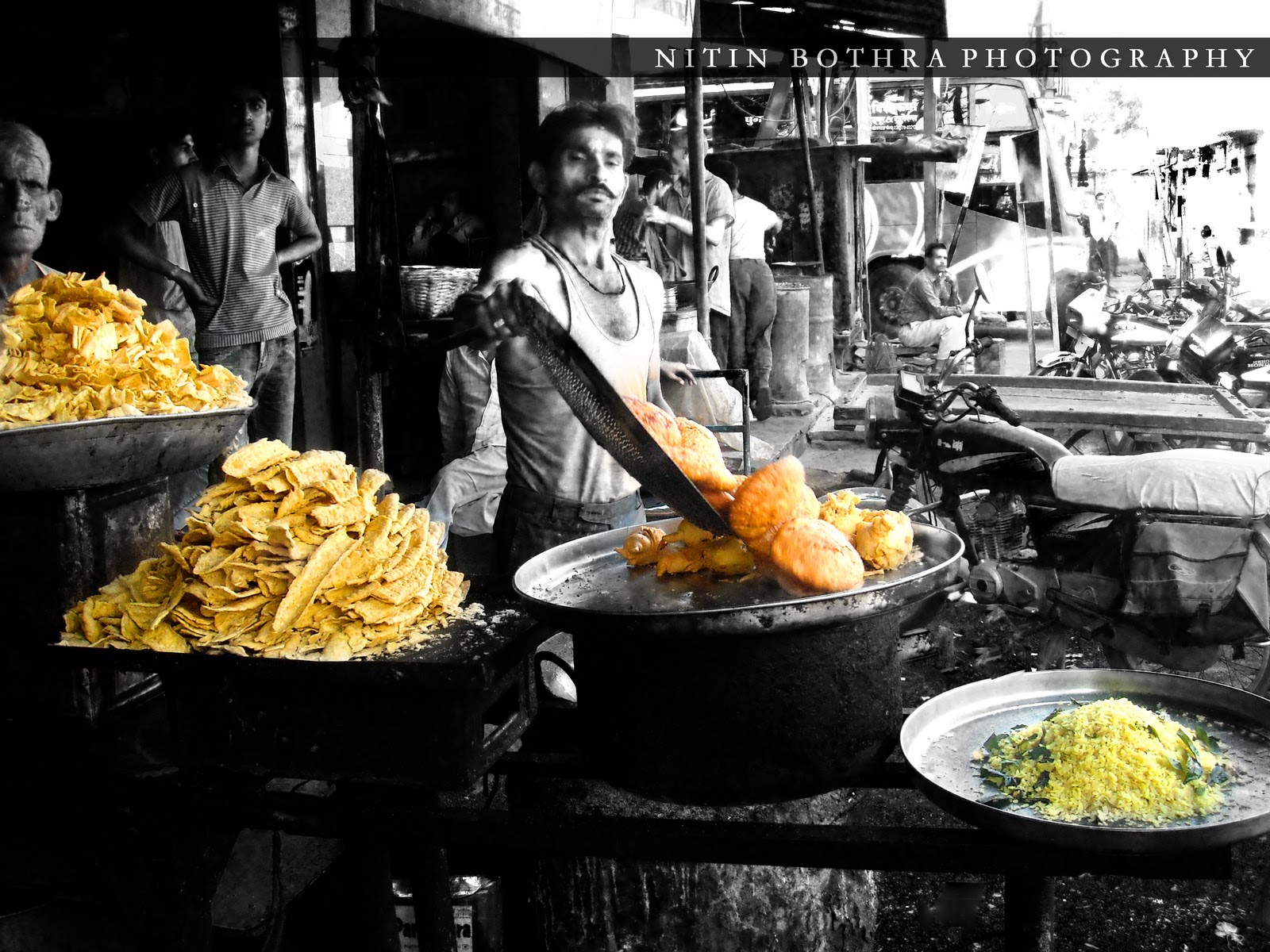
    In almost every part of India, you come across a food shack after every five minutes. Every state has a different signature street food item, but all types of street foods are available and appreciated everywhere. And if metropolitan cities are considered, they truly are mini-India, as you get chole bhature, idli, dhokla, and gol gappe all at the same place. These foods are cheap and tasty and have a unique blend of Indian spices in all food items. Although they may not be as hygienic as 5-star restaurant meals, a good quality street food shack is always a treat to our tummies.

    Following is a list of most well- known delicious street foods of India, which are the favorite of Indians and a must-visit for foreigners, especially if they have a taste for chatpata food.
     

    chole bhatoore

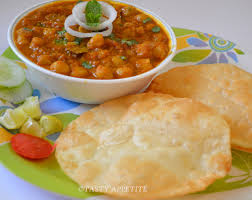
    Chole bhature:

    Chole bhature is a Punjabi dish but it is very popular in urban cities of India, specially Delhi, where they are commonly eaten in the form of a hearty breakfast. It is one of the most popular street foods in Delhi, and area combination of chole which are the  spicy chick peas along with fried fermented bread known as a bhatoora, and it is generally served with buttermilk or lassi.
     

    vada_pav

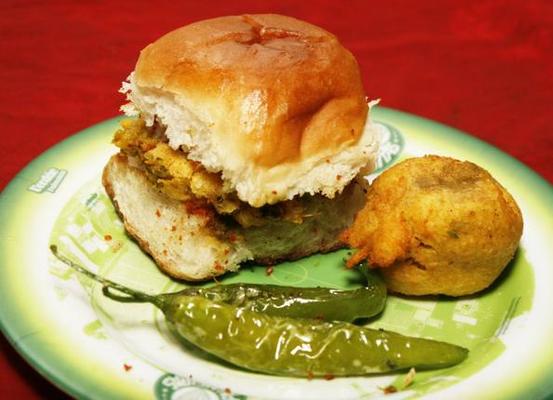
    Vada pao:

    It is considered as the domestic version of burger and is the most popular street food of the state of Maharashtra.  It consists of deep fried mashed potato patty, sandwiched between two pieces of bread called pav served along with condiments like red or green chutneys and fried green chilies. This is the staple and most loved street food of Maharashtra.


    aloo tikki

    Aloo tikki:

    It is a popular chat which originates in North India with variants found throughout the country. It consists of deep fried patty made of boiled potatoes and served with curd, tamarind chutney and spices. It is the most common street food in India and staple street food of Uttar Pradesh, specially Lucknow.


    kachori

    Kachori:

    Kachori is one of the most famous street foods of India, especially in Rajasthan. Found in almost every street shop, kachori of Bikaner is the most favorite among the locals. It is a round flattened ball made of fine flour filled with a stuffing of baked mixture of yellow moong dal or urad dal(crushed and washed horse beans), besan(gram flour), black pepper, red chili powder, salt and other spices.
     

    jalebi imrti

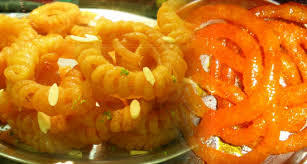
    Jalebi/ imarti :

    Street food without having a sweet component is incomplete. And for all those who have a sweet tooth, jalebi and imarti are a treat. They are not only one of the most famous. It is made by deep-frying a wheat flour batter in circular, spring like shapes and then soaking those fritters in sugar syrup. They are generally flavored with saffron and served with unsweetened curd. Imarti is closely related to jalebi, it just has a different lentil-flavor batter, and is served with a condensed milk dish called rabri.
     

    pao bhaji

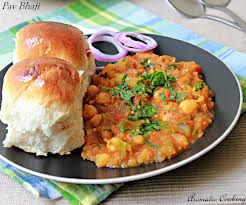
    Pav bhaji:

    It is a spicy street food, again a staple food of Mumbai, Maharashtra. It has now popular inall metropolitan cities of India. Pav is the unflavored bread and bhaji is a Maharashtrian term for a vegetable dish, and is made by mixing and mashing all vegetables together and by adding various spicy spices. It contains vegetables like cauliflower, egg plant, green peas, beans, carrots etc. Blended in a thick potato based gravy. And the dish is served with raw onions and a sprinkle of lime juice.  Coriander chutney is also served sometimes along with the dish.
     

    gol gappe

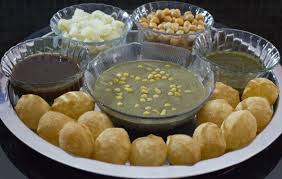
    Gol gappe:

    The top spot at every street food shack is reserved for the most famous street food of the country, that is, gol gappe. These are round, hollow and crispy puris filled with a mixture of tamarind flavored water and mashed, dried peas, boiled potatoes and chickpeas. The typical and the most famous way of serving gol gappe  is to hand them out one by one to the customer, who stuffs entire thing into his/her mouth at once, enjoying its composite flavor.
     

    samosa

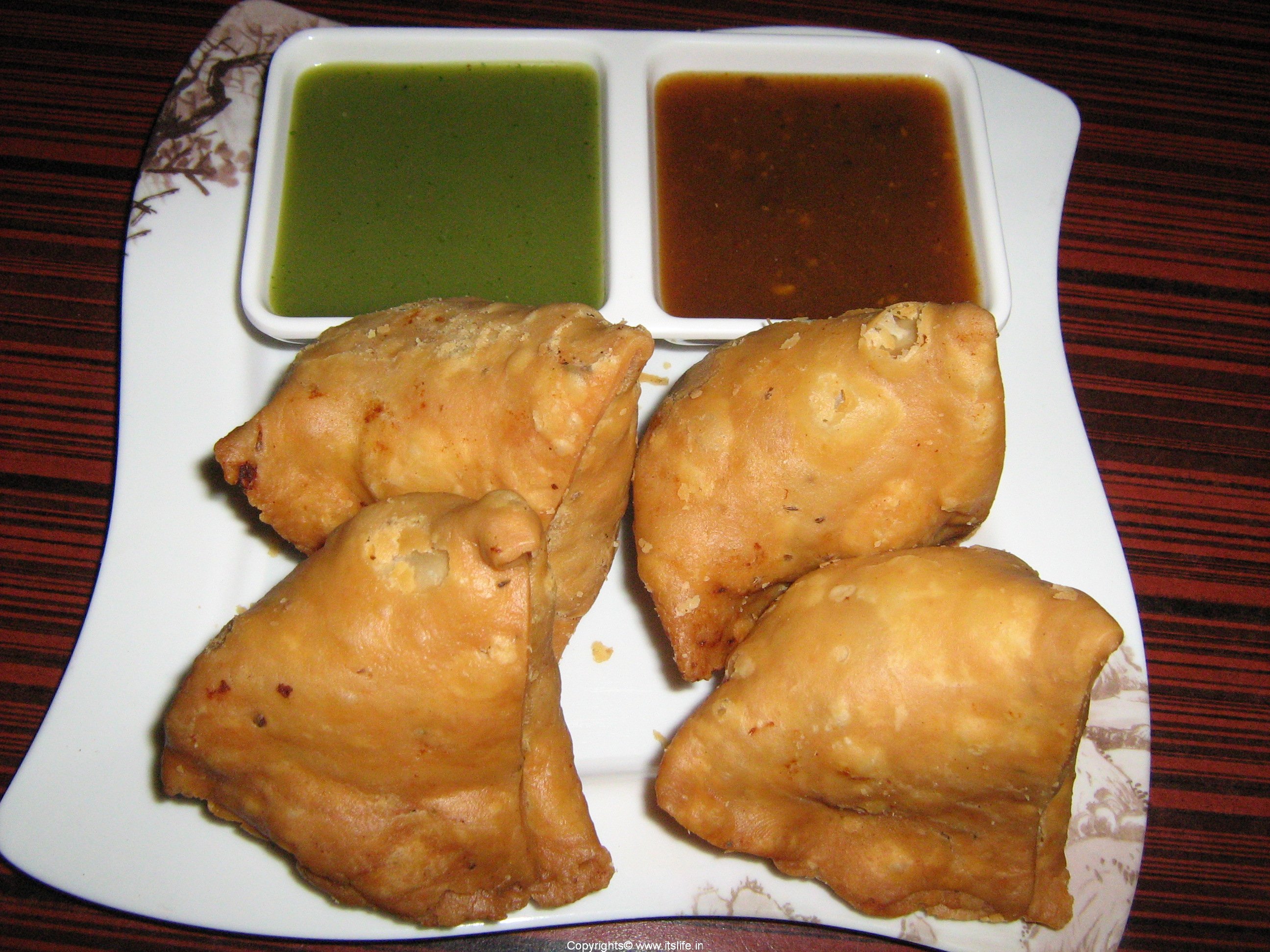
    Samosa:

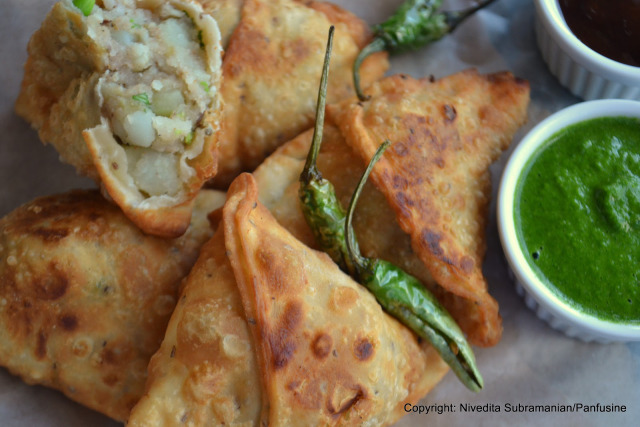
    Samosa is the most ubiquitous fast food found on the streets of India, specially northern India. It is basically a triangle-shaped fritter with a savory filling which is generally a spicy mixture of mashed potatoes and other tangy condiments. The filling may vary from potatoes, lentils, onions and cottage cheese to minced mutton and chicken. It is accompanied with coriander chutney and tamarind chutney.

    images

    Although its probable you might end up with a bad stomach if you eat too much of this food, it is often difficult to resist the temptation, as they are found in every nook and corner of the country. So grab a piece of India’s pride and satisfy your taste buds with this sumptuous delight!


  • Tips And Tricks For Easy Baking

    Tips And Tricks For Easy Baking

    Baking is a science, though not a complicated one; it relies quite heavily on accuracy. Everyone can bake, but like most things, a little know-how goes a long way. Even the little of the littlest mistakes in baking can mean the difference between the cake that rises and the one that sinks; the cookies that are perfectly golden brown and the ones that have burnt bottoms.

    We all want to impress others. If we bake, we want the dish to come out exactly as we intended it to be. We all want our cakes to look good, but that doesn’t mean it has to follow an elaborate procedure for baking. Baking a cake or pastry with a simple recipe that is convenient to follow and use at home can do wonders for you.

    But unlike other types of cooking, we can’t cheat on baking. We can’t alter the amount and type of ingredients according to our choice and availability. If you think you can make small careless mistakes while baking and it won’t affect anything, then you are gravely mistaken. This is the main reason for people shying away from baking by thinking it is a tedious, unsatisfying work to do. But actually, it is not so. You just have to take care of the small things for the big things (here, cake/pastry/cookies) to fall right into place.

    Here are 6 common baking tips that people need to know, and those that form the foundation of baking. These fundamentals if followed accurately, can save your cake from sinking down, or your cookies from getting burnt.


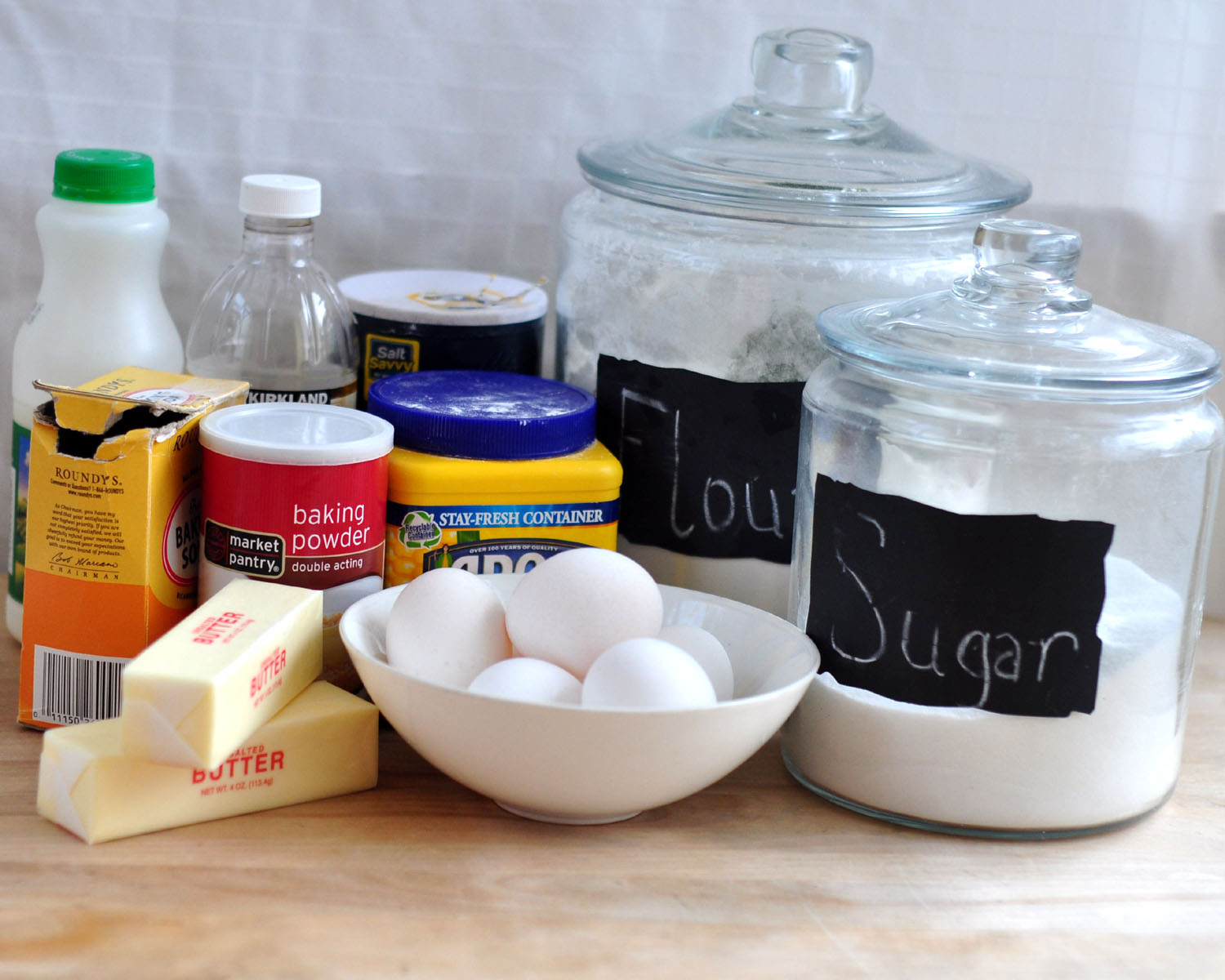
    Devilishly-moist-chocolate-cake-ingredients

    1.Choosing A Good Recipe :

    If you don’t have a good recipe to start with, the results aren’t likely to be delicious. Always remember, bad recipe is equal to bad result. A bad recipe is confusing and has a disproportionate and odd combination of ingredients. A good recipe is always easy to follow, and is created with tweaks and turns to the standard one to suit your convenience.

    You should always choose a recipe that matches your baking abilities and the type of ingredients you have. Also, you should also follow the recipe accurately from start to finish, and check the results time to time, and make sure they match with those written in the recipe. Do not substitute the ingredients or alter the recipe until you feel confident enough.

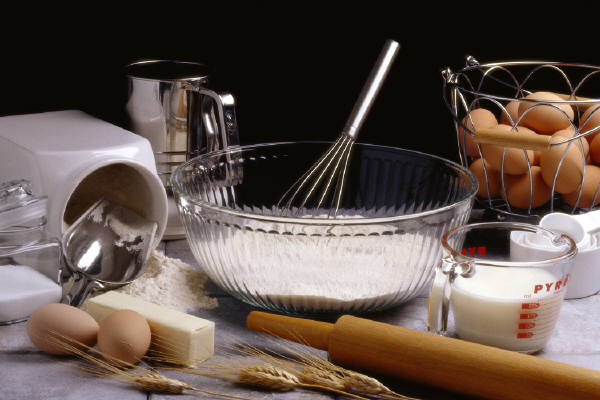
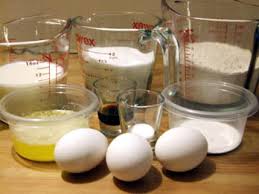
    organize         food.191204046_std

    2.Preparing For The Baking Process:

    You should always get organized before you start baking. It doesn’t take long to get the ingredients sorted before you start the baking procedure. Getting out all ingredients and equipments beforehand, makes the baking efficient, and saves you extra time for collecting and gathering ingredients afterwards.

    Also, you should adjust the oven racks beforehand, so that they are at the right level for the particular cake to be baked, and there is enough space for the cake to rise.

    Apart from this, you should prepare your cake tins or baking trays by greasing them with oil or lining/dusting them with flour (as per mentioned in the recipe), for the cake to come out of the tin/tray smoothly. There is nothing more frustrating than the cake sticking to the cake tin from its base and sides, as it spoils the shape and look of the cake.

    preheat

    3.Preheat The Oven :

    You should always preheat the oven, at least 10-20 minutes before you put the cake batter inside it. This is one of the most important steps which should definitely not be forgotten, otherwise it will result in a cake that is undercooked or not risen properly.

    measuring    measure

    4.Measuring The Ingredients:

    You should never underestimate measuring of the ingredients, specially the dry ones. Use reliable and apt jugs, spoons, cups and bowls to measure your ingredients. Also, the dry and wet ingredients should be measured separately. More so, the size of the cake tins should be appropriate for the amount of cake batter so that the cake rises nicely.


    time

    5.Keeping Track Of Time:

    Always keep the time in mind for which the cake is inside the oven. Set a timer if necessary. Follow the time strictly as per written in the recipe. When three quarters of the time has passed, wait near the oven and test the cake by inserting a toothpick in the middle of the cake and the moment it comes out clean, switch off the oven.


    mixing

    6.Mixing The Contents Well:

    Properly mix the ingredients of the batter. The dry ingredients should be sifted together really well. Once the dry ingredients are mixed, add the wet ones and mix properly again. Refrain from over mixing the batter as it will result in a tough cake due to hardening of gluten and will give a chewy taste.

    These are simple 6 rules, which, if followed religiously, can guarantee the cake to be perfect when it is baked. Following these tips will make you go through an easy an efficient baking experience, and will save you from avoiding baking the next time you have a party or a get together is held at your house. You just have to go by these tips and Voila! A beautiful cake will be ready in a very less time which will be a treat to your taste buds.

  • ONAM

    ONAM


    onam 3

    Onam is one of the many festivals celebrated on a large scale in Kerala. This is basically a Hindu festival celebrated with a lot of enthusiasm for a period of 10 days. According to the calendar the festival falls between the months of August and September which also is the period of harvest in the state and therefore the festival is regarded as a harvest festival Of Kerala.

    Onam marks the welcoming of a famous king Mahabali who had ruled the state of Kerala in the old days. The story goes in this way that Mahabali was a wise and loving king who loved and cared his subjects. Anyone coming to him for help or arms was not sent back empty handed. The state was believed to be in its golden stage as there was no problem of poverty or drought and everybody had a good standard of living with not much difference between the rich and the poor. The fame and news of the generosity of the king spread not only in the state but also in nearby areas and slowly spread to the farthest lands as well. It is believed that the fame of the king spread to such an extent that it even made the gods feel challenged, who now began fearing his growing powers. They presumed that he might become over powerful and rule over both the heavens and the underworld, so Aditi, who was considered the mother of the gods pleaded with Lord Vishnu to curtail or control the powers of Mahabali. As a result Vishnu transformed himself into a dwarf and immediately went to test the king. He approached the king as a beggar and asked the king for arms. Seeing the plight of the dwarf the king granted him more than what he had asked with utmost happiness. It is believed that one of the king’s Wise men had advised the king not to favour the beggar so much as he did seem like a ordinary human, however the king denied all the wisdom the firmly declared that there was no greater sin than not fulfilling ones promise and so he kept his word and helped the beggar. Seeing the generosity of the king, Vishnu in the disguise of the beggar wished for the fulfillment of one more wish to which the king agreed. Three pieces of land that was covered under his feet was the demand made by the beggar. When the king agreed to the demand, Vishnu increased in size and with his first foot covered the heavens. With his second foot covered the underworld and when the king realized that the third foot would cover and destroy the earth, Mahabali offered his head and so was pushed down under the ground, however seeing the love which the subjects had for the king, Lord Vishnu gave the king a blessing that he could visit his people once every year and it is this day that marks the homecoming of the king and so the people of Kerala do not keep one stone unturned to ensure that a proper tribute is given to the king who sacrificed his life for his subjects.

    onam

    Onam is celebrated for a period of 10 days and throughout the festive days people wear new clothes, prepare new dishes and decorate their houses and also take special consideration on decorating the entrances of their houses with flowers to welcome the king. Special prayers are conducted in the temples during the wee hours of the day and according to tradition the younger members of the family receive gifts and blessings from their elders. Other than the prayers and worship, the festival also showcases events such as boat races, carnivals having decorated elephants, fireworks, music and the famous kathakalli dance which are traditionally associated with the festival. The government also ensures to make the best use of this festival by generating various events and advertisements to promote tourism and also showcasing the states beauty and culture.

    onam 1

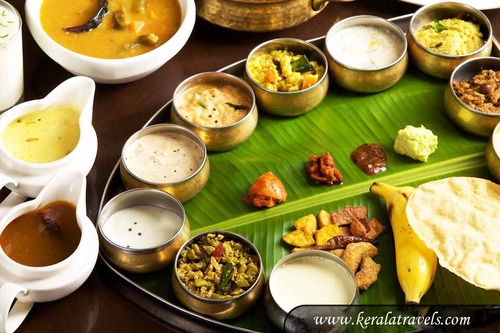
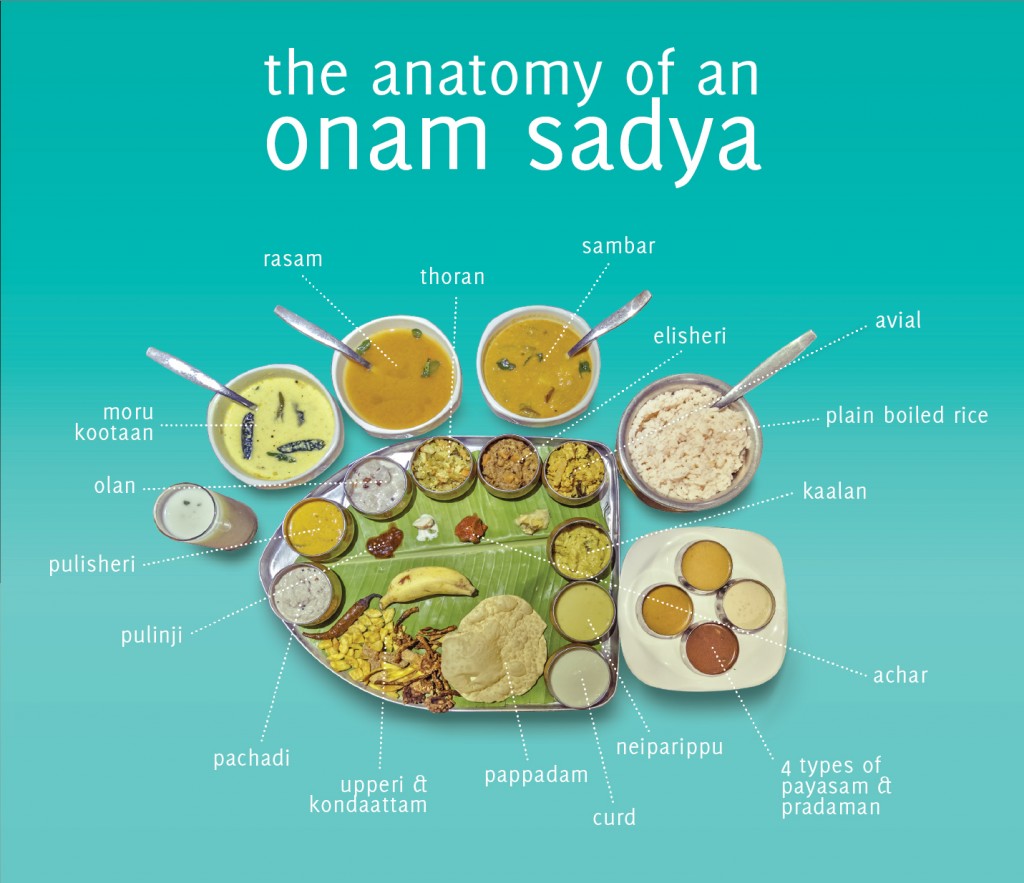
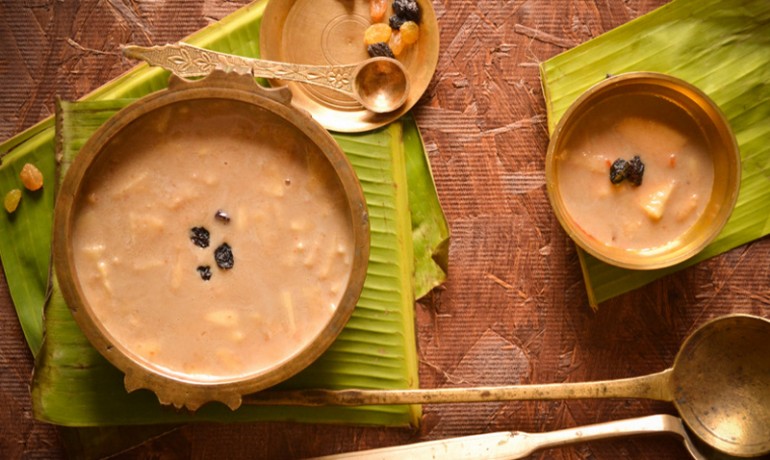
    The festival’s grandness is increased with the heavenly feast prepared during the celebration. The platter or the course of the serving is done in a particular way. The serving of food is done on banana leafs, the placement of which is also given major importance. There is a special order with which various dishes are served with the beginning done by serving of rice followed by curries which are mainly of three different types. We also have many fried items, most common one found is called ‘upperies’ which are basically banana chips fried in oil to bring in the extra salt and crispiness of the food. ‘Papadams’ or ‘Papad’ as we call them in the North India is also a part of the menu. Among the sweeteners we mostly have two dishes called ‘payasams’ and ‘prathamans’ and in many cases fruits are also served. The taste of every dish prepared increases as it is ensured that the whole family eats together, in many cases with we have 2-3 generations dining together with mostly the men of the family having first along with the children followed by the women of the household.

    onam 2

    The revenue raised during these ten days of fun and folly is huge, mostly arising from the sale of liquor and food items and a small contribution also given by decorative items and stuffs. Its I believe the only festival in the state which seeks so much of popularity and enthusiasm not only among the women and children but also among men who sport themselves with white lungis with golden borders specially made for this occasion. Similar dress code is also seen for women who adorn white sarees with golden borders.

    Onam is therefore a festival not only of joy and celebration but also carries in itself something for all age groups. Being in the northern part of India, many would have just seen the festival being celebrated in travel channels or read about them in magazines, however according to me an attempt should be made to enjoy the festival live because I believe it will be a time of your life which you would never wish to forget.

    \

  • Chocolates

    Chocolates

    inspimo-thumb.com-macro-photography-inspiration-77


    A chocolate, a favourite of many, is a brown colour sweet which is basically cacao seeds, roasted and often flavored with vanilla. The nature and colour of chocolates may vary depending upon the colour of the seeds and the process of preparation used. Cacao has been cultivated in many cultures for years now dating back to 1900 BC. It’s believed that earlier these seeds were used to make beverages and were termed as ‘bitter water’ because of the bitter taste in these seeds and in order to get the real flavour, further fermentation was required. After this the seeds are cleaned, dried and then roasted. The shell is then removed and grounded to create cacao mass.  Chocolate liquor is the liquid form of this cacao mass. The liquor can be further processed into two forms namely cocoa solids and cocoa butter. When we wish to buy chocolates, we have so many types to choose from. The black chocolate we find is prepared from cocoa solids and cocoa butter. While the normal chocolates, the sweet ones, are basically the mix of sugar, cocoa solids, cocoa butter and other ingredients like nuts, milk etc. There are three main varieties of cocoa beans which are Criollo, forastero and trinitario. Criollo is the most rarest and expensive of all the others because they are difficult to grow due to environmental threats and therefore yield per tree is low. Forastero is the most common bean which is used to produce chocolates and is mainly found in the African regions. Trinitario is a product which results from the mix of Criollo and forastero and mainly comes from Trinidad.

    chocolate

    Going back to the history of chocolates, we find that it was initially used as a form of drink rather than the bars we consume today. The vessels used to prepare these beverages indicate that the white pulp around the beans were a rich source of fermentable sugars used for the preparation of an alcoholic drink. During the period of the Mayans, it’s found that chocolate was also used in for ceremonial purposes. The Aztecs, who existed in the period around the 15th century, also show indications of how important chocolate was in the daily life. Other than a form of drink, cocoa beans were also used as a form of currency. Since the Aztecs could not cultivate beans in their farms, it was mostly imported and was a luxury good only used by the higher section of the society.

    During the 16th century, when Columbus had made a visit to America, that was his fourth or fifth visit, he found cacao beans when he captured a native canoe along with other goods which were brought back to his home country. Initially when Columbus had introduced chocolate in Spain, it was not readily accepted until when it was introduced in the Spanish courts as a form of a drink and soon proved to be a court favourite. Chocolate was imported to Europe where it was still served as a drink however when it comes to Spanish consumers, they add sugar and honey to remove the natural bitterness. Both the men and the women were said to be greedy for this drink and consumed it in various manners, some hot some cold while other put in other ingredients like milk, nuts and even chili. By 1662, chocolate had been declared that it was safe to drink and that it was not an obstacle to any religious fasts, which then led to an increase in the market for chocolates. The growing market of chocolate shad brought with it a growing slave market as well. The growth and production of chocolate was done by poor wage labours and African slaves, however the final product still remained a good for the high class of the society. With the passage of time, new techniques of production were introduced and new ways of using chocolates were also introduced.

    chocolate

    In various religious cultures like in Christianity, chocolates were used during festivals like Easter where chocolate eggs and in some cases chocolate rabbits were produced which were used as sweets and offered to relatives and friends. Chocolates also took the form of gifts which were used during events like valentines’ day or birthdays and marriage anniversaries along with cards. Earlier affordable only by some, today almost a major portion of the society has access to this delicacy. The use or reference of chocolates has also been seen in many books and movies like the children’s novel Charlie and the chocolate factory and is also seen in the story named Like water for chocolate by Laura Esquivel. In the present times we see chocolate being used in designing dresses as well as in other products like perfumes etc.

    article-2474768-18F2796500000578-304_634x822 - Copy

    Coming to the health side, we find that chocolates have both negative and positive effects on health. Different studies have been conducted on chocolates which show that they have the ability to improve the circulatory system and also reduce blood pressure in adults. Dark chocolates contain high levels of chemical called flavonoids which are helpful in reducing the problem of diarrhea. Chocolates can also help in reducing the risk of cancer, cough and various diseases related to the brain. Among the negatives we have obesity which tops the list followed by allergic reactions seen in children. It is found that chocolates can cause lead poisoning and osteoporosis as well.

    Chocolate is something which never had a substitute and became popular with time. Even though it has some negatives the positives overcome it making it the only sweet commodity which gives us satisfaction with the least side effects attached to it.

  • APPLES

    APPLES

    apple


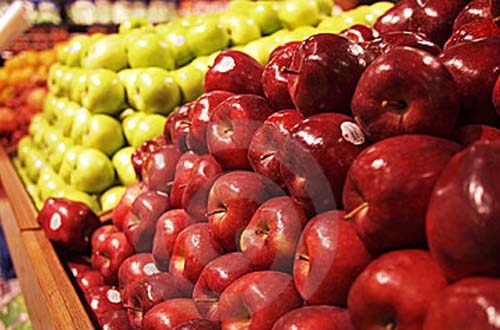
    The apple belongs to the rose family (Rosaceae) and is a derivative of its wild variety, Malus sieverslli, still grown and consumed in Central Asia. It is a Pome fruit, which means it is a fleshy fruit with a thin skin and the seeds are contained within the fruit. The apple blossoms are pink and gradually turn white as they mature. It comes in various colours and sizes and has a variation even in taste, ranging from sour to sweet. This quality of the fruit makes it a culinary specialty as it can be served in various ways – cooked and uncooked. The apple has ruled the health business for years owing to its immense qualities and benefits. Right from being on the teacher’s table to the platter of the healthy eater, the apple has continued its journey for thousands of years without compromising or losing out on its popularity as being the king of all fruits.

    Historically, apples have known to be an integral part of ancient mythologies. Extending to countries and continents all across the globe, the fruit has found favour and acceptance by both old and young, rich and poor, the famous and infamous and has even been associated with gods and goddesses. According to the famous English scholar, H.R. Ellis Davidson, apples have been linked to religious practices in Germanic paganism. Offerings of apples to gods and goddesses have known to be made in exchange for eternal youthfulness and fertility. The Germans have long believed that apples are no less than a life giving fruit that has found favour even with celestial beings.

    apple 1

    Among the Greeks, the fruit is a part of many religious traditions and is often looked upon as the ‘mystical’ or ‘forbidden’ fruit. The apple is considered to be sacred to the Greek goddess of love, Aphrodite. To throw an apple at someone was symbolic to professing one’s love and to catch the apple was an expression of acceptance of that love.

    Popular Christian belief has held that it was an apple with which Eve (the first woman) coaxed Adam (the first man) to commit the first sin of disobedience against God. As a result, the apple became symbolic of knowledge and immortality as well as of temptation and sin. Also, following the story, the larynx in the human throat came to be called as the Adam’s apple because of the notion that Adam never really swallowed the forbidden fruit and it remained in his throat.

    Apples have been grown and consumed for thousands of years now. Study reveals that there are about 7500 cultivators around the world contributing to different varieties of apple on the basis of colour taste and use. The reason for breeding apples may vary from cooking to eating or for cider production.  Domestic apples can be produced either naturally through seeds or through grafting. Apple trees are prone to a lot of fungi, bacteria and pests and so special care is taken by cultivators. In the year 2010 itself, 69 million tones of apples were produced around the world with China and the United States being the major contributors producing about 10% and 6% of the produce respectively. The third position was gained by Turkey followed by Italy and India.

    Apple-Nutrition

    ‘An apple a day keeps the doctor away’. This is not just a statement but also an advice given by the doctors to individuals across all age groups. The statement, however, may not really be as precise as it claims, but with a host of nutritional benefits, apples are a smart choice to munch your way to health. It’s believed that the apple is one unique fruit richly endowed with nutrients and activated enzymes which if consumed, helps in building up the body and improves its immunity, thus, making it possible that we remain healthy and free from diseases. The antioxidants in the fruit help in neutralization of potentially harmful free radicals that are known to cause cellular damage.

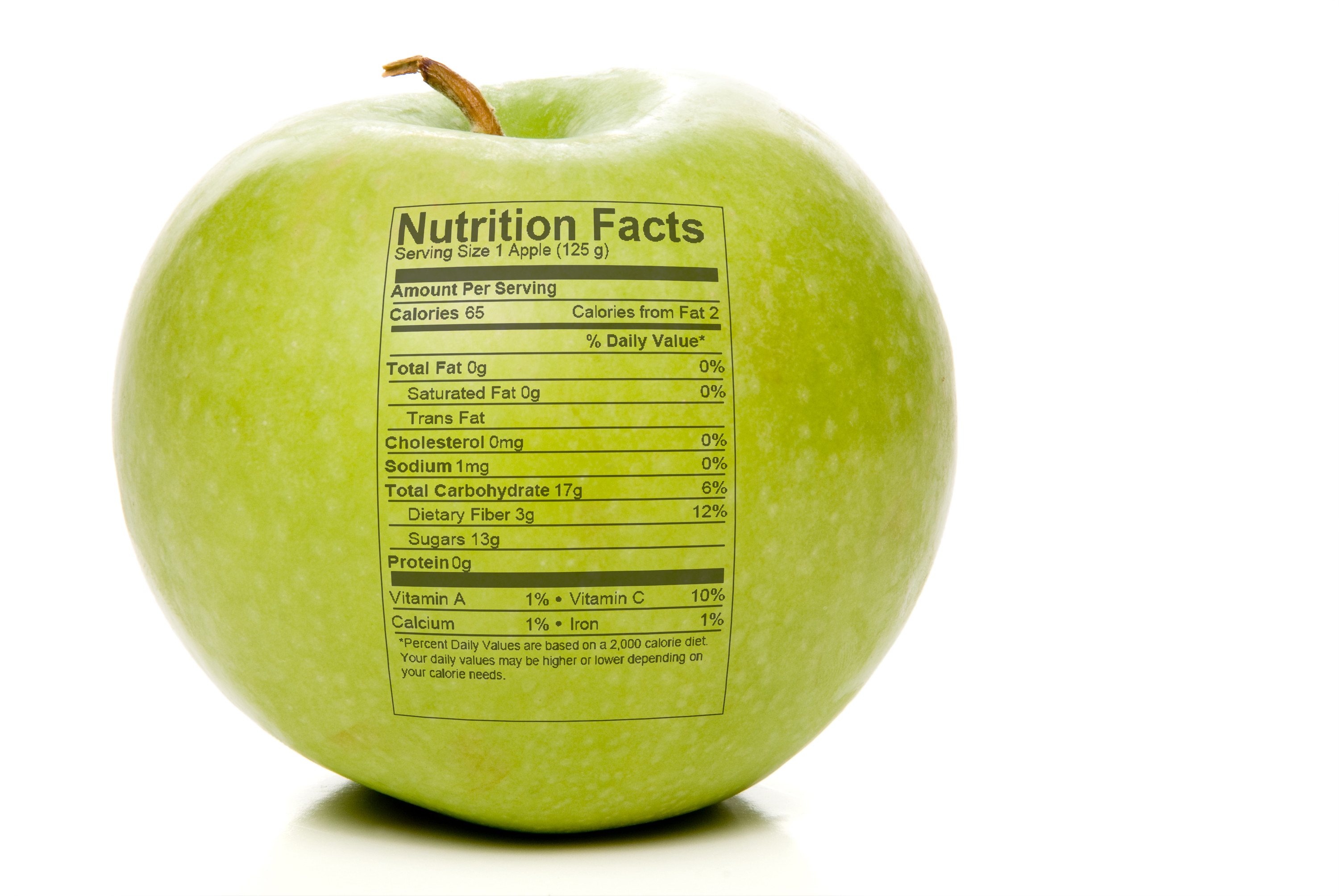
    Not just that, apples are a popular choice among the health and diet conscious being extremely low on calories. A whole medium unskinned apple has calories equivalent to 100 units which is about 5% of an average daily calorie intake. The smaller varieties have a lower calorific value. This means, one could enjoy an apple based dessert without disturbing one’s calorie budget; one would just need to scale down or scale up the size of the fruit as per need. It’s both a healthy as well as a wise choice. The fruit is a rich source of fiber as well. A medium unskinned apple provides with approximately 4gms of fiber. Fiber, as we all know, helps maintain a healthy weight and is crucial for waste elimination from the body. Daily consumption of an apple may also reduce LDL or bad cholesterol levels, thanks to the apple fiber.

    apples

    There are, however, a few negative attributes associated with the famous fruit. Apples are a rich source of the naturally occurring sugar, fructose. A medium sized apple would contain sugar equivalent to 16-20 grams. The sugar content may, however, vary depending on the size, type and quality of the fruit consumed. In such cases, individuals suffering from lifestyle diseases like diabetes must ensure that consumption of the fruit is done only after consulting a doctor. Apart from this, individuals who have problems digesting fiber, or have a weak digestive system following gastrointestinal issues, may find it difficult to digest the high fiber content in the apple resulting in loose stools. Another matter of concern is toxification of the fruit by harmful pesticides, which can be eliminated by washing the fruit well before consumption. One could also resort to organic varieties which would further reduce the problem.

    All this must not stop you from including an apple in your daily diet. Not only is it a healthy option, but, having an apple daily is also a wise decision. It will not only keep diseases at bay, but would also ensure you healthy nutrients as you go through the day

  • Tulsi

    Tulsi

    Tulsi-Plant-620x620

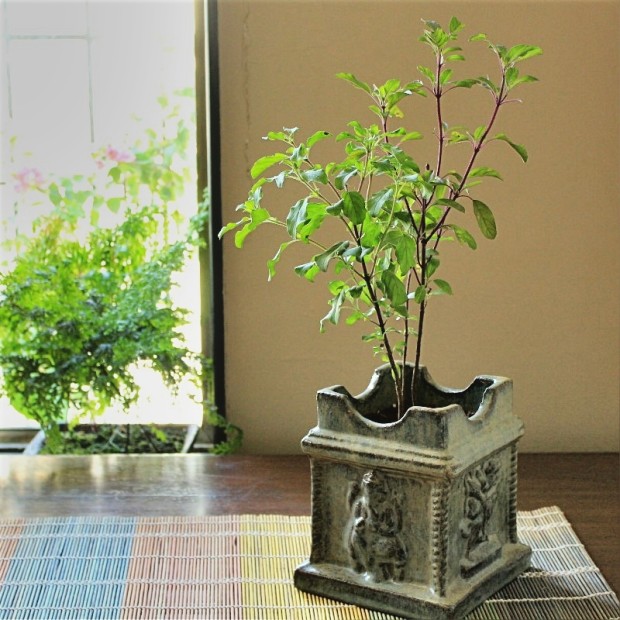
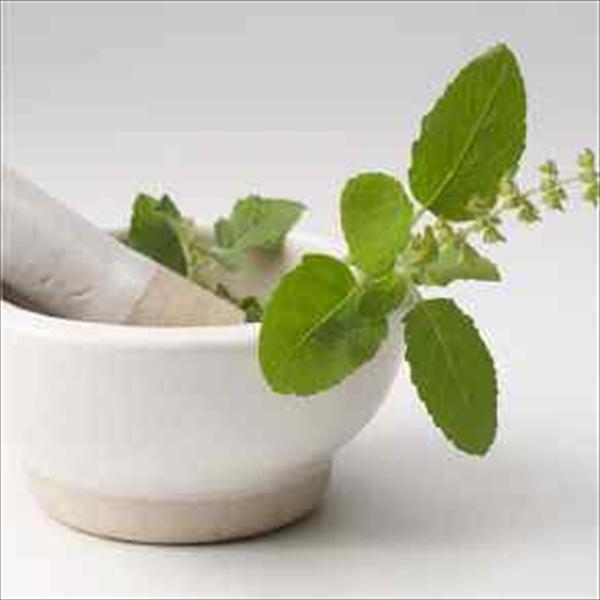
    Holy basil or Tulsi is an herb which is well known for its medicinal properties. An important ingredient in Ayurveda medicines, it has played a great role in the health system of India. Tulsi, a perennial shrub, belongs to the mint family called Labiates and is believed to have originated here in India. It can be grown from the seed or from the tip or root cuttings.

    09a455e0-fa9c-47be-a8f3-b93d8783eb63

    The Tulsi plants have a very important position in the Hindu culture. The plant is considered the most scared and holy of all other plants as it’s believed that it is the middle point between heaven and earth. The entire plant from shoot to root has been in connotation with various god and goddesses in the Hindu mythology. It’s believed that god Brahma lives in its branches and all pilgrimage centers are considered to be in the roots. The stems are leaves have the deities with the Vedas found in the upper branches of the plant. Therefore tulsi is considered as the central sectarian symbol of Hinduism. The plant is grown in every Hindu household especially in the houses of Brahmins. The structure where they are grown is called vrindavan which is a brick structure placed in the middle or front of the house. The daily worship of the plant is considered both holy and important and is mostly done by the females of the household. Though worship is not compulsory all through the week but Tuesdays and Fridays are important days of worship. The ritual of worship is also done in a particular style which involves watering of the plant followed by cleaning its surrounding with water and cow dung. Finally we have the offerings made in the form of flowers, fruits and incense and Ganga water. All this is done while chanting mantras simultaneously. In many houses we find pictures of gods and goddesses made near the foot of the structure. One of the beliefs is that a person can receive moksha or salvation just by watering and taking care the plant, even if he does not worship it. Hindu prayer beads are made out of tulsi steams and roots which are then used as a rosary. In many religious sites, garlands made of tulsi leaves along with food items with tulsi are given out as offerings to the gods. Even Shiva, is some areas is worshiped with tulsi leaves although it’s believed by most that bael leaves are offered to Lord Shiva. The Linga, an important symbol in Hinduism, is considered to have been originated from the black soil from the roots of the plant. Various communities use tulsi leave to protect themselves and their community from the attacks of evil spirits. The starting of the marriage season in India is also related to tulsi. A ceremony known as tulsi vivah which represents the wedding of tulsi with Vishnu as per the Hindu traditional method of marriage marks the end of the monsoon season which is not considered auspicious and the start of the marriage season.

    las-infusiones-mas-curativas

    Coming out of culture and tradition, there are other benefits that the plant offers. Tulsi is famous for its medicinal properties and is therefore used to cure different ailments. The leaves help in improving our memory and also help in strengthen our stomach. During the rainy seasons, we have high level of diseases like dengue, malaria and common cold. During such times it’s recommended to consume tulsi tea or juice which improves immunity and helps fight the disease. In case of cough and cold mixing tulsi leaves and powdered cardamom in water or milk or honey can be helpful in bringing down the temperature. Tulsi leaves with honey can help in giving relief for sore throat. There are many people around us suffering from kidney stones and various heart disorders, the main reason being the modern lifestyle with fast foods and low exercises. Doctors claim that the consumption of these leaves help in reduction of cholesterol levels and the juice taken with honey can help in curing the problem of stones. The herb is also beneficial in the treatment of respiratory disorders when taken after boiling in water with salt. Tulsi leaves are often called ‘adaptogen’ or anti-stress agent which is why many people believe in taking the leaves early in the morning. Many people have problems with bad breath; chewing tulsi leaves ensure a healthy and ulcer free mouth. Apart from this, chewing on tulsi leaves also promises excellent dental health by preventing detrimental effects on the gum and enamel quality. The leaves are beneficial in treating all kinds of skin diseases, insect bites and rashes when applied locally. It cools the skin and gives respite from redness and burning sensations. Further, the miracle leaves also help by providing an effective remedy for sore eyes and night blindness. Headaches, in some cases might be caused due to weakening of eyes; in such cases, a paste made of tulsi leaves and sandalwood when applied to the temples is known to provide much relief.

    chutney with samosa

    Although we can grow tulsi at home but still if we visit the market, the key to select best quality leaves is to choose leaves which are vibrant and deep green colored with no dark spots and is mostly advised to explore the local spice stores for purchasing purposes as the product found there is natural with no adulteration.

  • Beat The Booze : Curing Hangover At Home

    Beat The Booze : Curing Hangover At Home

    Partying hard is something that comes naturally to youngsters these days. It is the new trend that is gaining momentum all over the world. But it comes with its own bag of after-effects. And the worst of them all is a hangover and due to this, after an awesome evening of indulgence, it is hard to keep that awesome feeling going in the morning.

    Hangover is the experience of various physiological and psychological effects following consumption of alcoholic beverages, and is characterized by severe discomfort, that may last more than 24 hours. It is caused due to accumulation of alcohol inside the body and occurs when intoxicating effect of alcohol begins to wear off the next morning. The symptoms include headache, drowsiness, fatigue, nausea, stomach problems, sweating , dry mouth etc.


    what-does-the-doctor-say-about-hangover-cures1

    When you wake up the next morning after partying, your main aim is to cure the piercing headache and the lingering hangover. Normally, you just pop in a powerful painkiller or some other medicine to curb the headache, without knowing the side effects. And the condition becomes worse, when you are a regular party- goer because you can’t just pop in those tablets day after day. This is where natural remedies have a role to play.

    There are some easy food items in your kitchen which help to cure that hangover without any worries about side-effects. They even detoxify your body by removing toxins from your liver, and thus reduce the effect of those hard drinks. So using these simple home remedies for curing the hangover is very beneficial for you as they don’t harm your body.


    water

     Water :

    Drinking water is one of the best cures for a hangover,as it rehydrates the body which is dehydrated by the alcohol. Drink 6-8 glasses of water a day to treat that hangover.


    tea

       Tea:

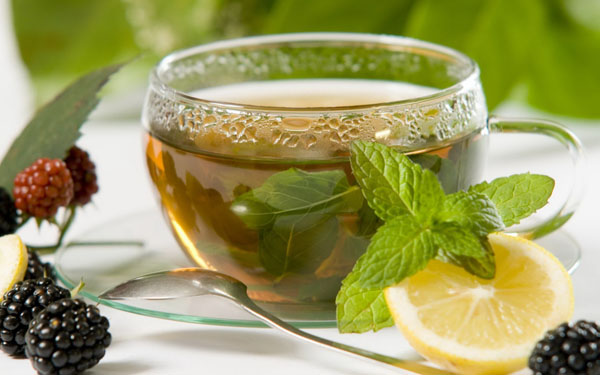
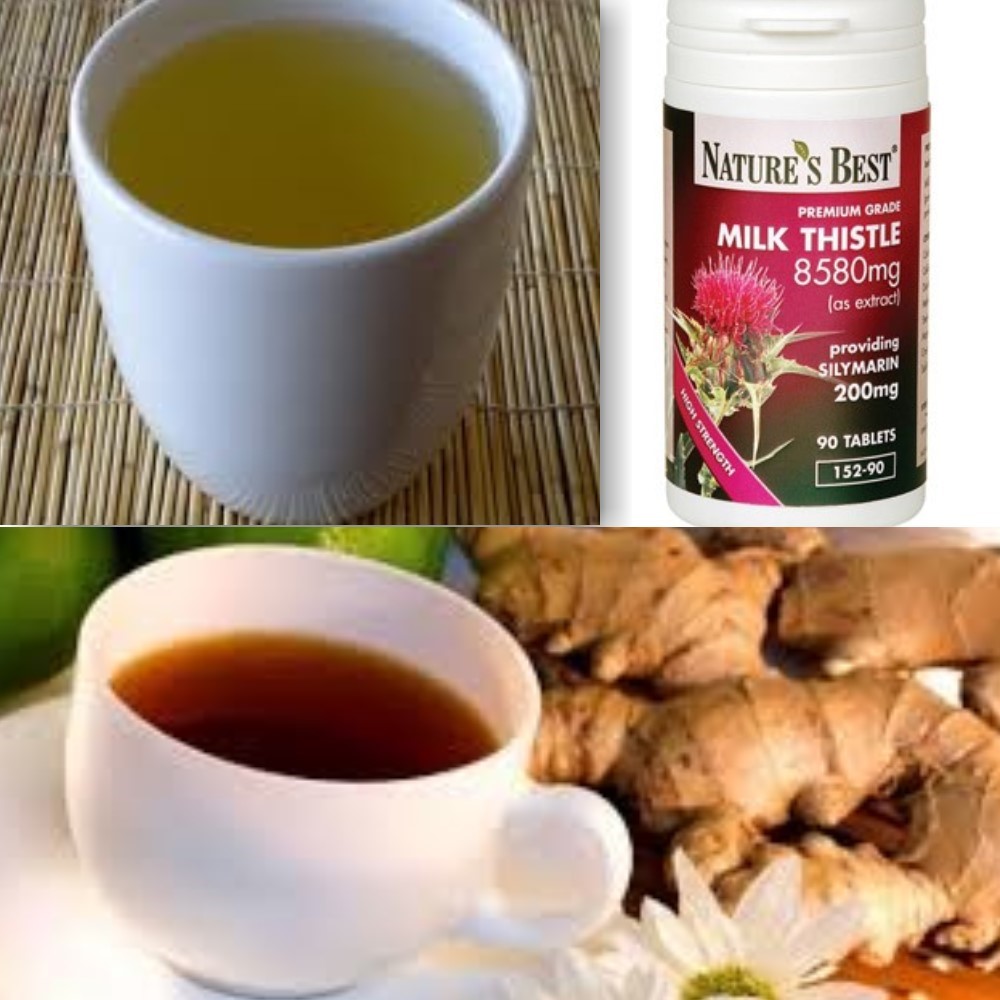
    Being mostly water, tea is a great agent for rehydration. Green tea is a great source for detoxification of body as it is packed with anti-oxidants. Also, ginger tea can be used to cure a hangover because ginger has long been used to treat nausea and stomach sickness, which are one of the symptoms of a hangover. By combining 10-12 freshly cut ginger root pieces with 4 cups of water, this ale can be quite effective for curing a hangover.

    Apart from this, milk thistle tea can also be taken as it cleanses the liver of the harmful toxins in alcohol. To make milk thistle tea, add a tablespoon of milk thistle seeds to a cup of hot water and have it.


    coconut wtr


    Coconut water :

    coconut water contains potassium which will help you feel better in no time if you are suffering from a hangover. It also hydrates your body much more effectively than simple water.


    juices


    Juice:

    Tomato juice is a great cure for hangover as long as it is not Bloody Mary induced, as it acts as an anti-inflammatory agent and replenishes the lost nutrients in the body. Orange juice is also a great way to cure a hangover as it raises your blood sugar levels and helps to lose some of the symptoms. But, you should skip acidic juices (like orange juice) if your stomach is upset and have apple juice instead.


    Lemon-and-Honey1

    Honey and lemons:

    Have a classic hot drink of honey and lemon mixed with water, as it replenishes fluids and sugar lost to hangover. Lemon replenishes the vitamins you need and honey has fructose which competes with alcohol metabolism, which in turn helps to expel alcohol from the body. For curing a hangover, boil 1 cup water and mix honey and lemon juice and have it several times a day.


    48760-Banana-Milkshake-Hangover-Cure


    Bananas:

    When you are drunk, lots of potassium is lost from the body and eating a banana will surely give you a giddy-up and go, as it is loaded with potassium.


    potato n milk


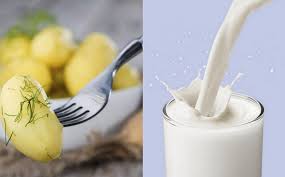
    Potatoes with milk :

    Eating potatoes is another way of replenishing the body’s potassium levels, and if taken along with milk, there is a great boost to your calcium levels as well. Thus, this is a perfect combo to reduce the hangover.


    Apart from this, you should have foods which are light and easy to digest, like rice, soup or toast. Eating something solid will help to cure the headache and stomach problems. If you have a very bad headache, you can also compress your forehead with an ice pack, or just rinse a washcloth under cold water and put it on your forehead for some time, to get significant relief.


    ohyouhaveahangovertellmemoreabouthowyourenevergoingtodrinkagain

    So if you take these natural things to treat your hangover, then it will be easier for your body to endure those cocktails and hard drinks. Keeping all things apart, most of all, you should follow the mantra of “prevention is better than cure” in your life. Excessive drinking may be curable at first, but it can cause long term effects if consumed like an everyday affair. So controlled drinking is advisable for all-the-time-hangover-stricken people in the first place, blended with these simple and fruitful home remedies, which nullify the extremely harmful effects of alcohol on your body by its cleansing and detoxification.

  • Quicker Meals For A Quick Life

    Quicker Meals For A Quick Life

    Cooking is a lovely, satisfying, stress busting task. But when it becomes a duty, it seems exhaustive rather than recreation from exhaustion. And all the homemakers, wives, and people who have to make food everyday three times, will agree with me. No matter how much you love cooking, there will be a time, when you’ll start getting sick or bored of this 3-times-a-day duty.

    In every household, the person who has to cook everyday has a secret dream that every meal’s food should magically appear, specially the working people. This is because cooking is not what everybody wants to do after a tiring day at work, and making dinners by starting from a scratch seems a daunting task specially to these people. Well, people like them, now have an advantage because of the evolving cooking techniques and skills.

    Today we can find many instant food materials that can be substituted in the place of items that involve tedious cooking. But these instant options have many preservatives and therefore are meant to be occasionally used.

    But again, the food industry has come to our rescue. We now have a bunch of instant foods that are healthy and get ready in over 15-30 minutes. For the people who are not aware of these foods, here’s a list of foods that can be quickly cooked and are high on the health quotient as well.


    white instant rice           brown instant rice


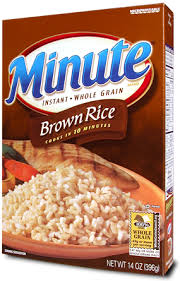
    Instant rice:

    Rice, specially brown rice, is a healthy and versatile grain that is a delicious ingredient in stir fries, soups and rice puddings. You can save a lot of time with this instant rice, as it takes quarter of the time taken to make regular rice. Therefore, it is a great way to get this grain in your meals.


    eggs


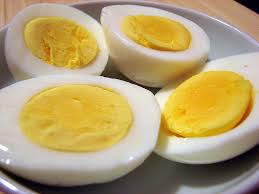
    Eggs:

    Eggs are protein rich foods and one of those foods that take very less time to cook, be it scrambled, fried, baked or poached.. The best thing about eggs are that all these types are delicious to eat and can take up any combination of flavors that you wish to add. Thus, these re a great alternative as a meal.


    corn

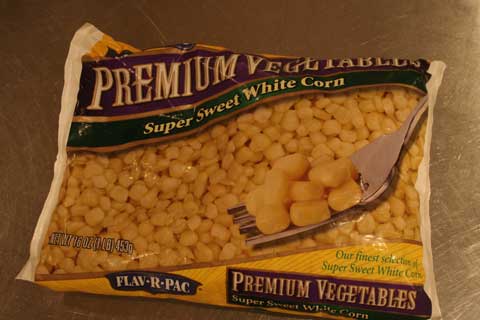
    Frozen corn:

    Frozen corn is just as nutritious and tasty as fresh corn, and is way more convenient to eat than the fresh corn. They can be added into soups, salads, fries, sandwiches with great ease and this saves tons of time; as unlike fresh corn, they don’t have to be plucked from fresh kernels.


    fresh pasta


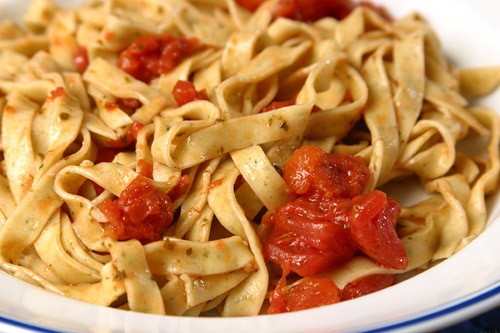
    Fresh pasta:

    If you are from a regular pasta eating family, then fresh pasta is surely a boon for you to have as a meal, specially dinner. Dried pasta cooks quickly, but fresh pasta takes half the time as compared to dried pasta. Fresh pasta, like ravioli, comes in more varieties than dried pasta and also comes with tasty cheese and meatball fillings, which can bring a tasty change to the regular pasta meal. It can also be used n combination with soup, as a quick cooking ingredient.


    quinoa

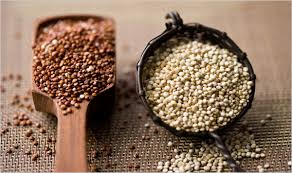
    Quinoa:

    Quinoa is an awesome ingredient for people in a hurry. It cooks in minutes in boiling water, comes in many colorful varieties, and tastes just great with meat, veggies and seasonings. Plus, it is rich in proteins and nutrients, which doesn’t make you worry about the health factor.


    canned tomatoes


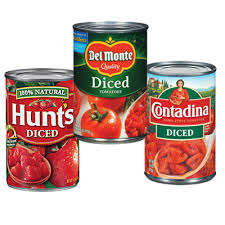
    Canned tomatoes:

    Canned tomatoes are an essential ingredient in pastas, soups, stews, chilies and sauces. The best thing about them is that they become a dish in no time, and save you from the extra work of peeling, seeding, dicing, or chopping or simmering them.


    pie crust


    Refrigerated pie crust :

    Refrigerated pie, is incredibly easy to work with as it is pre-made. It is very convenient to use for sweet recipes. If you want to whip up a quick dessert or make a tart or a pot pie, the time needed is just the time that is used up in baking the dish, that is 15-20 minutes, and your dish is ready.


    bulgur wheat

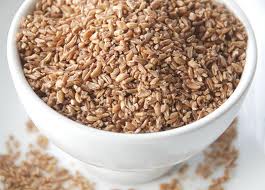
    Bulgur wheat:

    Bulgur wheat is a grain salad that is not only a great option to use as a side dish with meat, fish or chicken, but is hearty enough to be a tasty vegetarian dish, all on its own. It makes a fluffy or filling base, because it is parboiled before being dried and packaged for sale. And therefore, it takes only 10-15 minutes to cook and is surely a tasty treat.


    Thus, these are some quick ingredients that are not only healthy, but take very less time to cook, so that you can have a fun relaxing and easy meal with family. Using these at home will never get you bored or sick of cooking. And these ingredients are so healthy that you do not have to worry about preservatives and artificial flavors.


    S506_cookingisfun

    So, this should definitely be your pick if you plan to have a tasty, filling healthy, and at the same time, a quickly prepared meal on the dining table and to make your cooking fun.


  • Spices: The Heartbeat Of Indian Cuisine

    Spices: The Heartbeat Of Indian Cuisine

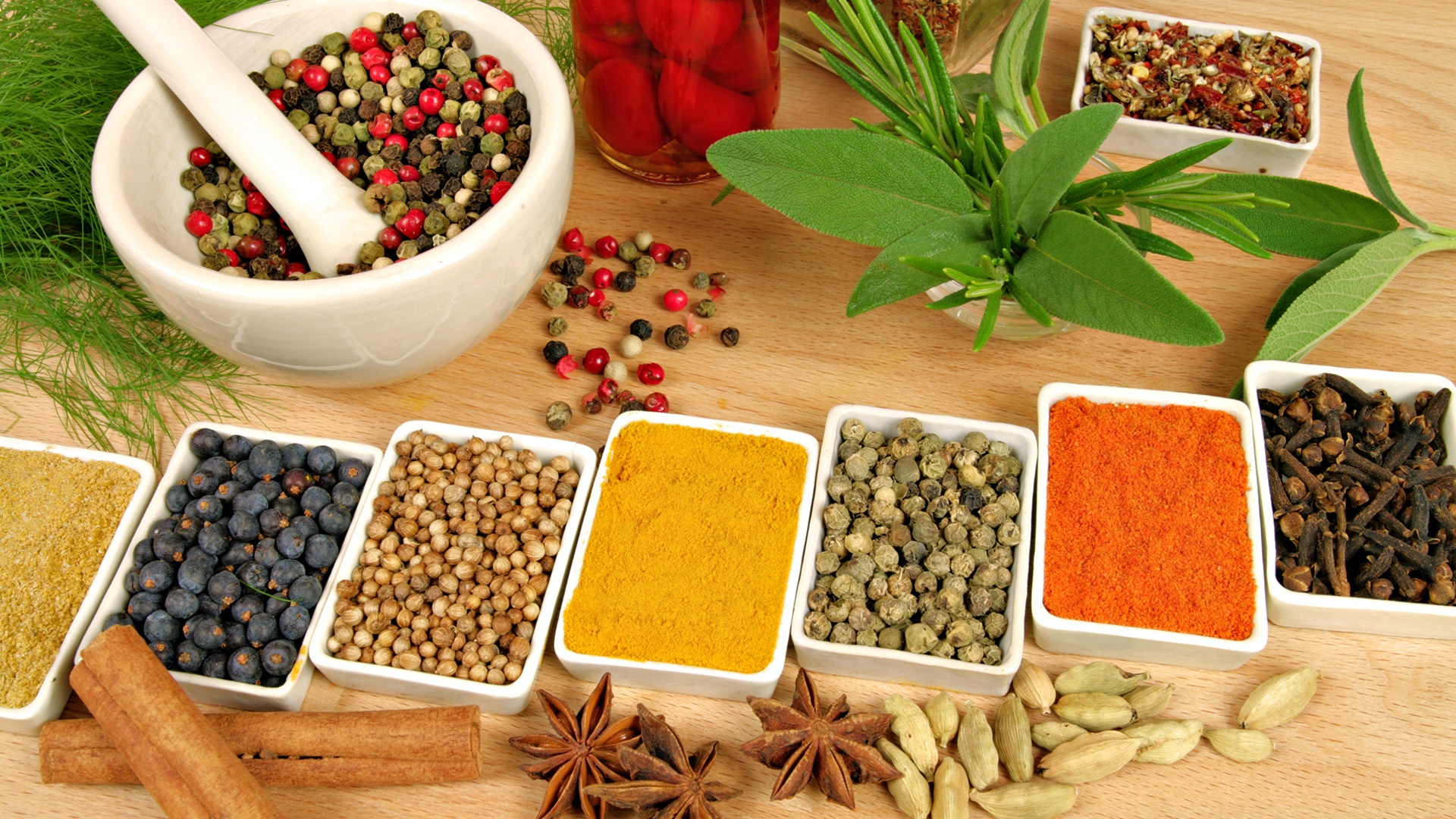
    Indian cuisine is known for its spicy food and extensive use of spices in every dish. Indian spices make the dish complete in every way, and they have ruled the hearts of every man and woman in India. They are used to flavor the food, making each dish distinct and amazingly aromatic. Each spice gives a unique aroma and flavor, and the combination of multiple spices give each dish its unique aroma and flavor. Also many spices are used for medicinal purposes, to prevent diseases and also to preserve food.

    Some spices find extensive use in North India but not in South India and vice versa, but all kinds of spices are available everywhere across the country. Without spices, no one can enjoy Indian dishes.

    Here’s a list of most commonly used spices in India:


    green cardamom

    Green cardamom:

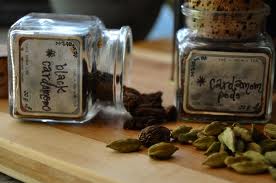
    It is one of the most expensive spices found in an Indian kitchen, and is green in color from outside, having black seeds inside its pod. Having a nice string aroma and taste, it is often used to  flavor tea, desserts and dishes. For best effects, the pod is opened at the time of use and the seeds are crushed properly and then added to the dish or tea. Cardamom is also found in black color and mainly used in main course dishes.


    cinnamon

    Cinnamon:

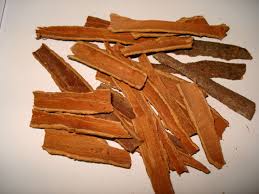
    Cinnamon is native to India and is the bark of an evergreen tree and is yellowish brown in color. It is used as a flavoring agent and for medicinal purposes. It is used mainly in dishes like pulaos, curries  and biryanis. Cinnamon oil is also found prepared from cinnamon bark which is effective in killing mosquitoes. The bark is used in powdered form as well as a dry stick in cooking.


    ginger

    Ginger:

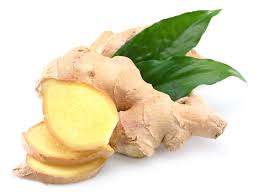
    Ginger is the stem of the plant, has a unique smell and is known for its medicinal properties. It is a boon for cough, cold and tonsils. It has a special place in the kitchen and is used extensively in almost all parts of India. Fresh ginger is used in cookies whereas dried ginger is used as medicine.


    coriander seeds

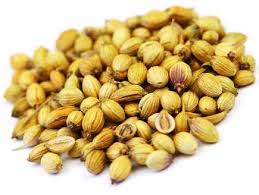
    Coriander seeds:

    Coriander seeds are obtained from the dried leaves of coriander, and are greenish golden in color, hollow in shape and have a fresh, crunchy taste. Normally, the seeds are in powdered form, and it loses its smell and taste if kept for some time in air. So they should be stored in air-tight containers. It is one of the main ingredients of garam masala.


    asafetida

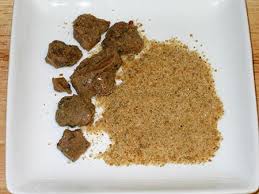
    Asafoetida:

    It is a sap of the stem or root of a plant and dried to get hard resin like substance, which is broken by hammer and used in the powdered form. It has a dark amber color and pungent smell, and that is why it is also known as devil’s dung or stinking  gum. A little amount of this spice is used for giving a seasoning and tempering  flavor to the food. Apart from this, asafoetida is effective in curing gastric problems.


    cumin

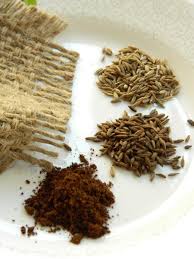
    Cumin seeds:

    Native to Mediterranean Sea, cumin seeds belong to parsley family and used in the Indian kitchens as a flavoring agent. They have a strong earthy aroma, and are also used as a medicine for curing digestive problems and helps in reducing acidity. It is packed with iron and is advisable for anemic people and lactating mothers.


    turmeric

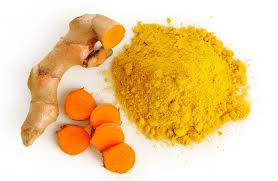
    Turmeric:

    Turmeric is a ginger like rhizome in raw state and is deep yellow to orange in color, and is an important part of Indian spices. It has many medicinal properties as well, and is used in coloring, dyeing and cosmetic industry. It has anti-inflammatory properties and acts as a healing agent for liver disorders and other digesting problems. It can be grated or used in a powdered form in cooking.


    pepper

    Pepper:

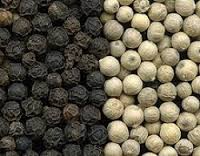
    Pepper is found in white and black form and is derived from pepper tree, and is round in shape. Dried berry of the tree forms black pepper whereas the seed forms the white pepper. It is used in a powdered as well as whole form, and helps in reducing cholesterol. It has a unique taste and smell and used in salads , curries and main courses.


    red chili

    Red chili:

    Red chili is the king of spices. Specially Indian cuisine is incomplete without red chili powder. It not only adds spicy taste to the dish, but also beautiful red color to the dish. It is either used in powdered form to sprinkle on the food or as a whole form. It is rich in multivitamins and potassium and helps to control diabetes and cholesterol with its analgesic and anti-bacterial nature.


    Dried clove - isolated on white

    Cloves:

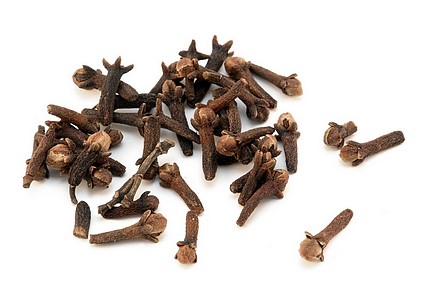
    Cloves are dried up flower buds. The fully grown, unopened buds are dried in the sun till they become dark brown and are then used for culinary and medicinal purposes. It is expensively used in Indian cooking, and imparts strong and warm flavor to the dish. It is a part of garam masala as well.


    These spices are available all around the India, and in Indian stores all around the world. A huge variety in the already diverse cuisine on India. Spices are one of the most important things that attract people to India. So, they truly are the heartbeat of Indian cuisine and Indian cuisine is incomplete without them.

  • Chokhi Dhani: An Experience Like Never Before

    Chokhi Dhani: An Experience Like Never Before

    The sultry breeze,the golden sand,the earthly smell,the air resonating with warm cordial greetings of “RAAM RAAM SA!”,smiles on each face,the enthusiasm with which each person reflects the undiluted festivity of Jaipur.Each moment spent in CHOKHI DHANI becomes an experience that you shall never forget.A mere peephole to have a glimpse of the rich culture and ways of celebrations Rajasthan harbour s,it is as legendary as it gets!
    Entering Chokhi Dhani would at the very first glance mesmerize you followed with an unputdownable sense of perplexity in the form of a question, “From where shall I start?”

    cd1
    Having eventually found a flow to your exploration,the thrill elevates at each step.
    The beginning of my magical experience at Chokhi Dhani,in fact began with a magic show.With not even a penny charged,the flamboyant localite magician called out to people,gathering an audience with phrases and slogans matched up on the beats of the dholak.Having gathered a good number of people to witness his miracle he started the show.With each trick that he performed,with each dove that he chanted his Abracadabras upon,I could feel a similar thrill like that of a five year old looking at things in the most awestruck of all manners.The tricks are not of an “international level”,maybe even they can be explained easily by almost anyone,yet what actually is the causer of such childlike thrill is the energy and drama with which the magician,a “master” of “divine powers”,attempts to entertain you,leaving no chance to put an amused smile on that face.

    cd5
    Proceeding on-wards,you may spot a not so big ,hand driven Ferris wheel.Do not by any means underestimate the strength of these young men,they can actually push the Ferris wheel pretty effectively.At a height that enables you a view of the colourful surroundings that envelope you,having a pleasant ride that is fueled with laughter is insured.
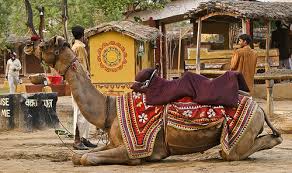
    For those of you who have never sat on a camel,here is a tip,do not let a panic heart sit behind you!They shall claw the hell out of your waist!And if you yourself tend to be a panic stricken person,then always sit in the front saddle of the camel,you do not want to hurt anyone.The way the desert’s ship topples fist front and then backwards give you the feeling of either toppling on its neck or falling backwards,but holding on to this bumpy ride is what makes it fun.

    cd2

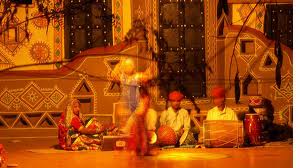
    Cultural dances that compel you to rejoice in the foot tapping sounds of instruments,performers who invite you to join them in their celebration,their colourful ghaghras swinging in an uninterrupted momentum.Welcome to the Chokhi dhani way of living up to the paradigm “Dance as if nobody is looking”.The rhythm is so festive and lively that you just cannot help but dance along merrily.

    Chokhi-Dhani-1

    A grand ride on the elephant gives you the feel of royal lineage,your Highness,the ruler of the kingdom of happiness and smiles galore,your ride through Chokhi Dhani will be unforgettable.
    Puppet shows narrating stories of kings and queens,or of star crossed lovers is way of getting you face to face with folktales and theatre.

    cd4
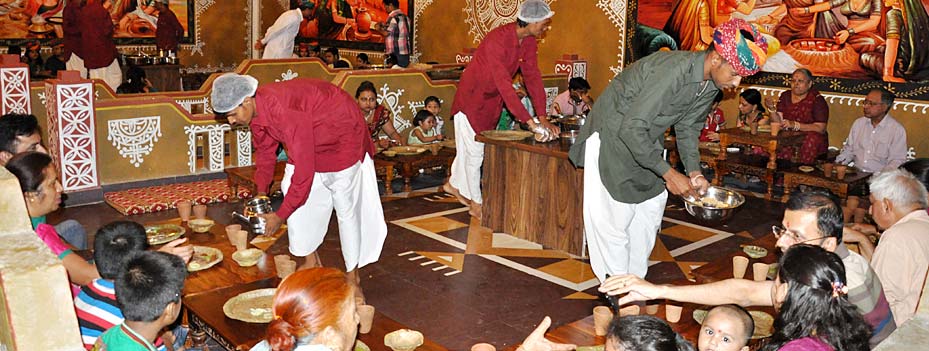
    Your journey is incomplete without a meal at Chokhi Dhani.The sitting arrangement requires one to sit on mats with chowkis placed in front of them,With your shoes placed outside on a rack,you now sit bare feet and legs folded upon the mat.A cheerful waiter with an impressive mustache enters with a woman dressed up in the traditional attire.With plates set to be served upon,two other mustached waiters come with the serving vessels and huge spoons and spatulas.Be prepared because now you will be served with around twenty or more dishes with around three different kinds of chapatis.
    Beginning energetically ,you may begin devouring the food,famished from an entire trip around the Chokhi Dhani village.Each ‘sabzi’ has an amazing amalgamation of flavor and spices.Just in case its too spicey for you,a waiter shall always be there to refill your “Kullhad” with water,another one with butter milk.The chapatis crisp and hot,though just the size of your palms are extremely filling.

    cd6

    The Marwadi Khichdi is my all time favorite.With two servings of khichdi,topped with two spoon fulls of desi ghee and four spoon fulls of sugar,this heavily loaded khichdi is the ultimate hunger buster .No amount of requesting and pleading can save you from the heart felt ‘atithi satkaar’ of these people.They shall see to it that you are well fed,so much that they might have to lift you up to help you stand once you are done!In the very middle of the entire meal,you shall find yourself absolutely full.These waiters,with a turban and mustache would further offer you hot and freshly prepared gulab jamuns.Their menu is subject to periodic rotation,yet each meal leaves you with a happy tummy.Simple,filling,rich and finger licking,the food is undoubtedly delectable.The undiluted essence of Rajasthan.
    The colours,the live wire like energy coursing through the atmosphere,the undaunted display of cultural richness ,the warm hospitality,all of these are mere tokens of love ,a peephole into the heart of Rajasthan.With the last glimpse of all the shops selling craftwork and souvenirs,a fragile looking old man in a heavy turban,turning a cycle wheel,pretending to fix the spokes near a dim coal fire,smiling through his handful of teeth,mustering all his strength to shout out a final “raam raam sa” as you leave,etching a permanent memory of warmth ,cultural treasure and hospitality like none other in the entire world.This is Chokhi Dhani,a cultural village that lives in its own world ,inviting you with a “Padharo marey Des”,greeting you with a “raam raam sa”.BON VOYAGE,BON APPETTITE.

    cd3