Category: Food

  • Cuisine of the Kings: Mughlai Food

    Cuisine of the Kings: Mughlai Food

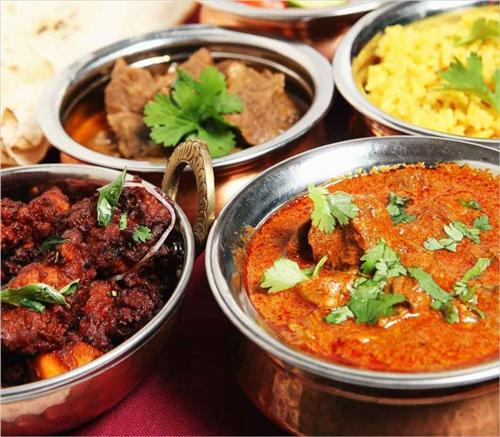
    Mughlai food refers to the food which was prepared in the kitchen of the royals of the Mughal Empire. The cuisine is influenced by the Persian cuisine and in turn has affected the cooking styles all over India but especially seen clearly in regions like Punjab and Kashmir. Mughlai food belongs to the South Asian cuisine, where we find extreme variation in the taste and flavor from extreme spicy to extreme light. These varieties of dishes in the main course meal are also accompanied with various kinds of side dishes and the entire meal ends with mouthwatering deserts.
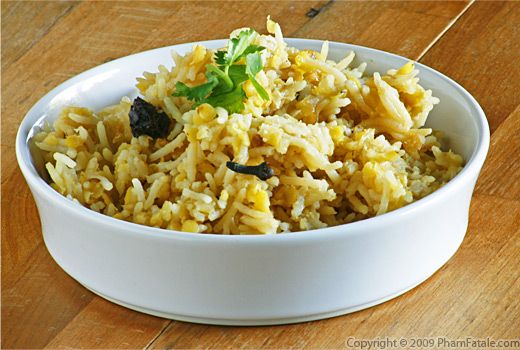
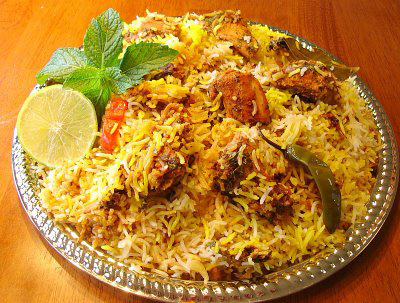
    biryani

    The rich preparation of Mughlai food consisting of various flavored sauces and masalas along with butter based curries is so tempting that food lovers die for more food. Even the names are so special that it enlightens people to try out different dishes. In the old times the kings used to dine with their queens and concubines, except on special occasions like festivals where the king dined with the nobles and the courtiers. The hakim or the royal physician used to overlook the preparation of various dishes to ensure that the royal family consumed food of the highest quality and also planned the menu for the day. Once the menu was decided, the preparation took a lot of time because a lot of dishes were presented in each meal along with sides’ dishes and desserts. The royal kitchen can be pictured as like a market place with a swarm of workers and cooks working hard to prepare the royal meals. The workers also included people who were responsible for bring vegetables and spices and others who were assigned for washing of utensils and other serving materials. The workforce included both men and women and we find that was a systematic division of labour. Historians claim that the water that was used for cooking was actually rainwater mixed with water bought from the Ganges, thus resulting in such tasty dishes. It was also found that the rice was covered by silver oil which aided digestion. Moreover the food given to cattle such as goat, chicken etc were also of high quality so that the medical properties could travel to the eater.
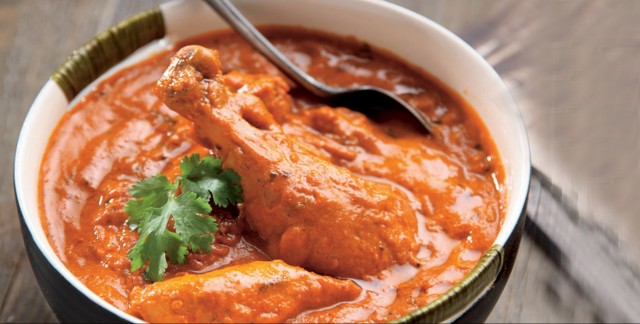
    chicken curry

    As the emperors changed, they bought in changes in the menu and style of cooking, influenced by Iranian, Afghani and Persian styles with a touch of Deccan. Each emperor had his favourite dish as well. Babur was a great fan of the various fish dishes which were prepared other than that he preferred the dishes available back home in Samarkand. Akbar was a vegetarian by taste only for three times a week and was known to have his own kitchen garden which he watered with rosewater so that the produce smelt good when cooked. During the reign of Shah Jahan, after he shifted his capital from Agra, he was informed that the water in the city was making his subjects sick and so he ordered that more of Haldi which is turmeric powder along with red chilies, cumin and coriander be used in the cooking process because of its medical properties, and the king was credited for adding new spices to the cuisine. Aurangzeb was considered to be a vegetarian for most of the time of his life however it was only later that it was found through a series of letters which he wrote to his son which spoke about his intense love for Qubooli which was a mega biryani rice with Bengal gram, died apricot, curd, basil and almond. The Mughal rulers were very particular about the food they ate and writings indicate various changes and additions they would with them, moreover it also talks about how the kitchen moved with the king when he had to go for wars.
    mughlai


    In the 16th century the Mughal had invaded India thereby bringing power, majesty and prosperity in the land. They also bought in exotic spices, fruits and nuts to India giving us or teaching us new techniques in cooking which are followed till today. Among various Mughlai foods, biryanies, pulao and kormas are highly delicious and really loved by many. They basically reflect the Muslim style of cooking which has a lasting effect on the consumers. This type of cuisine is famous not only in our country but can also be seen in the foreign countries like the U.S.A and U.K where we find a huge fan club for this form of Indian cuisine, however back home it is prepared on a very large scale in Delhi, the capital of India. The common ingredients which are used in the preparation of this cuisine are cream and milk. Although there are many in the list but these two items find themselves in very Mughlai dish.

    Some of the popular dishes of Mughlai cuisine can be…

    • Aloo ka raita which is basically a mixture of curd with potatoes which are boiled and then chopped with various spices like salt and pepper.
    • Chicken biryani which a fried rice containing pieces of chicken and flavoured with various spices.
    • Chicken tikka and champ masalas where the former is a boneless chicken marinated with lime, curry powder, tomato paste, curd, finely chopped garlic cloves, paprika and baked in the oven while the latter is just a curry of lamb chops.
    • Other famous Mughlai dishes are palak panner where paneer is Indian cheese, naan, tandori chicken and kebabs etc.
    • Among the famous deserts we have the gulab jamun, kulfi, barfi and the shahi tukra which is nothing but a rice based bread pudding with cardamom and made rich with dry fruits which also stands as a personal favourite of many Indian till date.


    A must try cuisine which will make you want more and will force you to lick your fingers after you finish your meal.


  • Let’s Taste Assam

    Let’s Taste Assam

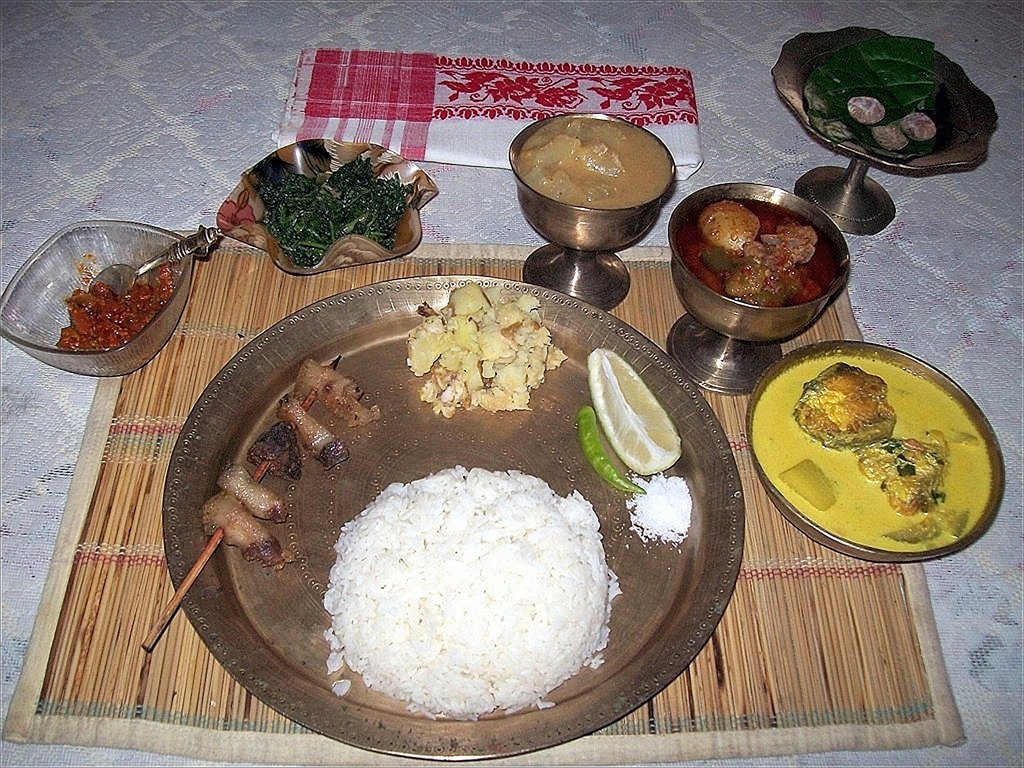
    There is one thing that strikes me every single time I come home to Assam: Assamese food, though little-known to people outside the valley, is more unique and distinct than given credit for. Assamese cuisine is a confluence of cooking habits of the hill folk that privilege fermentation and drying as forms of food preservation,and those from the plains that include the use of fresh vegetables and fish, found abundantly in its many rivers and ponds – both of which are centered on the main ingredient: rice. It is characterized by very minimal use of oil, little cooking over fire, and strong flavours due mainly to the use of endemic exotic fruits and vegetables that are fresh, dried, or fermented. Fish are popular, as are birds like chicken, duck, and squab. Preparations are rarely elaborate – the practice of Bhuna (the gentle frying of spices before the addition of the main ingredient) so common in North Indian cooking, is all but absent in the Assamese kitchen. There is a popular tendency to club Assamese cuisine together with Bengali cuisine, due to the prominence of rice and fish in both. However, if you consider the methods of preparation, as well as the other ingredients used, the differences are not easily missed.

    Assamese Thali

    Ingredients:

    • Rice

    As a staple, rice is eaten either steam boiled (ukhua) or sundried (aaroi). As a snack, it is roasted and ground (xandoh), boiled in its husk and flattened (chira), or puffed (akhoi). Rice is an indispensable part of all Assamese meals. A traditional breakfast consists of chira mixed with yogurt and jaggery. For other major meals, rice could be boiled, steamed or wrapped in leaves and roasted. A special class of rice preparations, called pithas, is generally made only on special occasions like Bihu. Usually made with soaked and ground glutinous rice, they could be fried in oil with a sesame filling (xutuli pitha), roasted in tender green bamboo over a slow fire (sunga pitha), or baked and rolled over a hot plate with a filling (kholasapori pitha).

    • Fish

    Fish, big and small, harvested from the many rivers, ponds, and lakes in the region, form an integral part of the Assamese diet. The most popular dish is, undoubtably, the tenga (fish sour). Another favorite is small fish roasted wrapped in banana leaves – patotdiaHukuti is a special fish dish prepared from dried small fish (puthi maas) pounded with arum stem and dried and stored in bamboo tubes, and roasted with lavish amounts of green chilli, tomato, ginger, and garlic; the ingredients are then pounded in a mortar to make a coarse paste and served with rice. Fish cooked with fermented bamboo shoot is also popular, as is fish is fried in mustard oil, or curried with bottle gourd or spinach.

    • Meat

    The Assamese enjoy a wide variety of meat – duck, chicken, squab, mutton, venison, turtle; although in recent times, the consumption of venison and turtle meat has been declared illegal. Assamese meat preparations are characterised by the sparing use of oil, and higher quantities of ginger, curry leaves, and lemon juice. Boiling is the basic method of cooking.

    • Greens and vegetables

    Green leafy vegetables, called xaak, are an important part of the cuisine. There is indeed a bewildering variety – both domesticated and wild – that is eaten by the people of the region. In fact, according to custom, one has to have a hundred different kinds of xaak during the Rongali Bihu celebrations.

    • Spices

    Among spices, ginger, garlic, onion, cumin seed, black cumin, black pepper, chilli, turmeric, coriander seed, cinnamon, cardamom, clove, fenugreek seed, white mustard seed, aniseed, and Malabar leaf find wide usage.


    Traditional Preparations:

    • Khar

    Khar

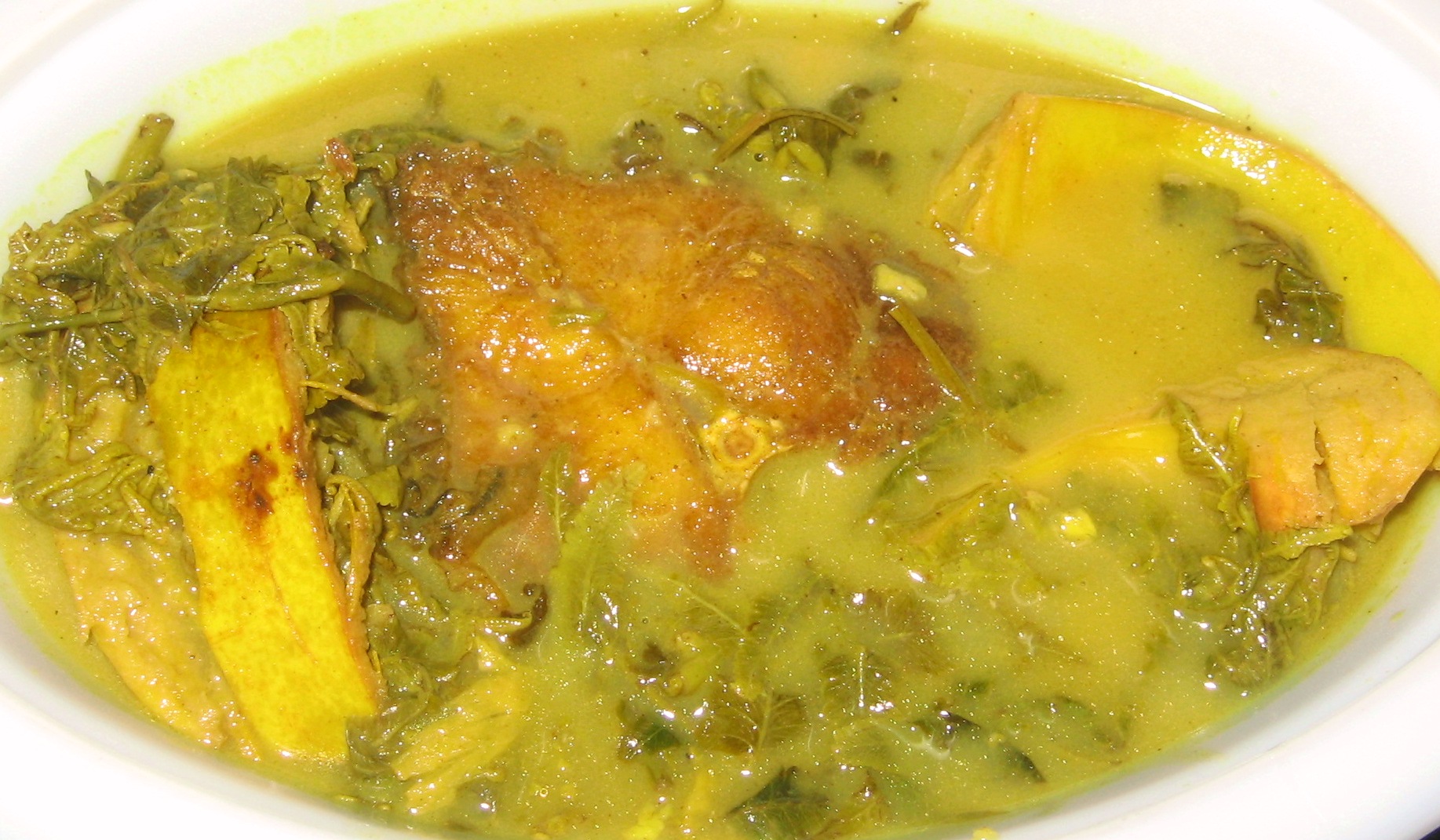
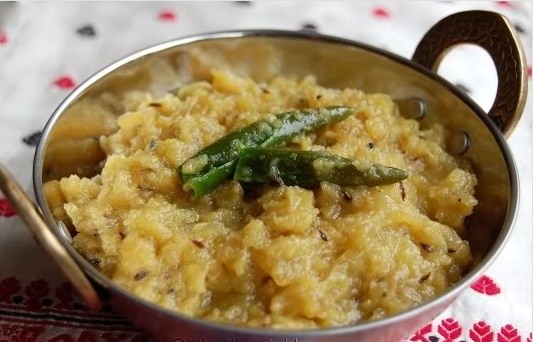
    When you think of a typical Assamese meal, you invariable think of khar. Khar is a class of preparations named after the key ingredient, which is made by filtering water through the ashes of a banana tree. Popular khar dishes are made of raw papaya or pulses as the other main ingredient.

    • Tenga

    Tenga

    The tenga is a light and sour fish preparation. The souring ingredient could be tomato, mangosteen, or lemon. Another tenga dish is prepared with matimah (urad bean) and outenga (elephant apple). However, mixing of tenga and khar is not recommended, the former being acidic and the latter alkaline.

    • Pura

    Pura

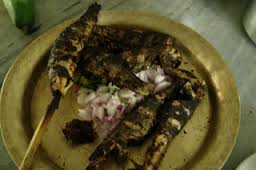
    This is the Assamese version of smoked or barbecued dishes. Different types of meat and fish are often served in this form.

    • Pitika

    Aloo Pitika

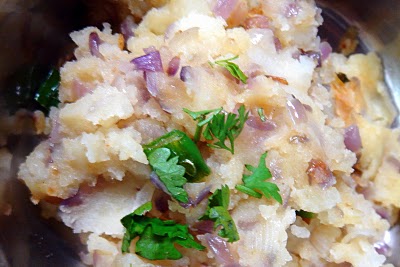
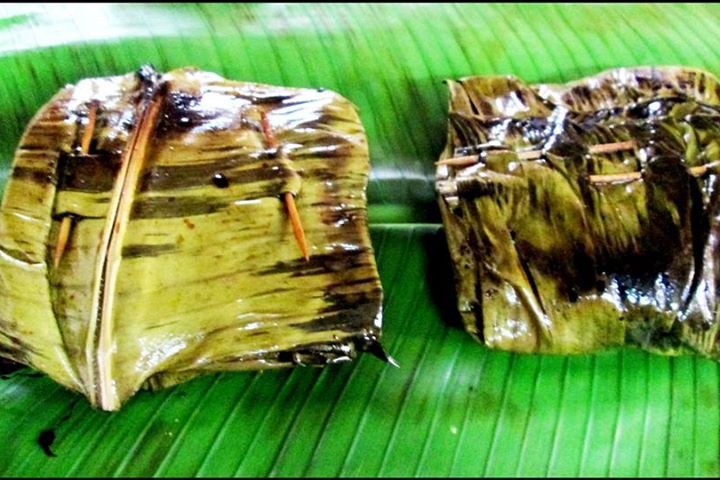
    Side dishes called pitika (mashes) is a signature characteristic of Assamese cuisine. Perhaps, the most popular is aloo pitika (mashed potatoes), garnished with raw onions, mustard oil, green chilli, and sometimes, boiled eggs. Khorisa tenga is mashed fermented bamboo shoot, pickled in mustard oil and spices. Fermented mashed mustard seed is eaten in the form of kharoli (when a khar is added) or kahudi (when an acidic agent, such as lemon juice or dried mangosteen, is added). Pitikas are also made from roasted or steamed vegetables, primarily tomato and eggplant. Small fishes are roasted, separately wrapped in banana leaves, and mashed into pitika along with mustard oil, salt, chilli, etc – a preparation traditionally called patotdia.

    Patotdia

    We talk of “Indian cuisine” as if it were a homogenous category. Of course some ingredients and methods of preparation find favour in recipes across regions, but the distinctive elements stand out far too prominently for a one-size-fits-all definition. For instance, four years of eating North Indian food in Delhi and I still miss the flavours back home! It’s true: you are what you eat.

  • Junk Food – In and Out

    Junk Food – In and Out

    junk collective


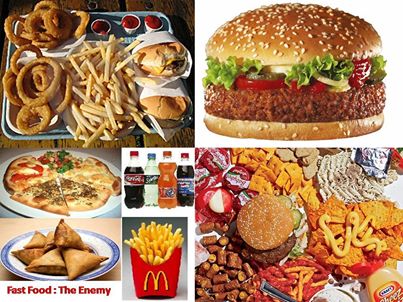
    Junk food is a term we are all familiar with and is associated with food items I bet taste well but is not considered healthy. It is believed that the term junk food was first used by a person named Michael Jacobson who was the director of the Center for Science in Public Interest. Under the heading of junk food come a lot of different types of food items namely snack foods, candy, burgers, fried fast foods and carbonated beverages. Many foods such as pizzas or tacos may or may not be termed as junk, depending upon the way they are prepared. The surprising factor here is that even though these food items are termed junk, inspite of that the demand for these things is huge and as a result they are now available 24*7 all around the world with very country putting its own twist in the taste and adding new items in the list every day. Therefore it is not wrong to say that junk food has now gone global.

    junk info

    Now that we know the fact that some food items give us more satisfaction and joy than the others, then why to term them as junk??

     A recent study done on the effects of  junk food on health reveals that because such foods have low satiation value, people don’t feel full when they consume them and so end up overheating which adds to the problem of obesity. Secondly because the taste is so mouth watering people usually tend to substitute them with other nutritious food which might be good for health but not satisfying to the taste buds, like preferring for chips or cookies rather than fruits and vegetables. Thirdly, the contribution to calories from these snack foods between the period of 1977 to 1996, increased by about 30% among children who were aged between 2 and 5 years.

    junk kid

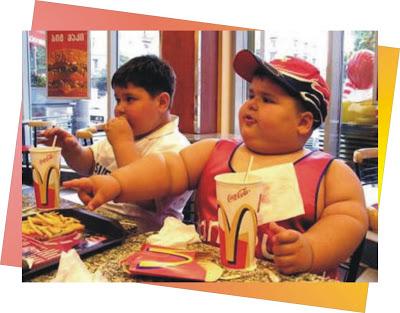
    According to Women and Children Health Network, the type of food that children consume effects their growth and development and eating junk food from a small age will affect their energy levels and the ability to concentrate for long period of time. As we all know the importance of physical activities in the life of a student, wrong eating habits depletes the body’s energy levels thus making them lazy, less focused and not interested in sports or other physical activities and even if they are encouraged to play, they feel tired and sick very quick because of low stamina in their bodies. Moreover experts blame junk food for the high level of chronic illness like high blood pressure, diabetes and stroke seen in children today. According to the Center for Food Safety, a survey done on 2012 reveals that obese children where likely to develop cholesterol and become prone to various heart diseases at a very young age and if necessary changes were not taken into account then it would result in premature deaths, this findings were later confirmed by the Women and Children Health Network. Finally imagine a child who is more plum than other children of his age and because of this huge body mass finds it difficult to perform tasks which other children do very easily and therefore is mostly teased and ill treated by his classmates and also many of the elders. This child grows up with low self esteem and low self confidence which leads to problems like depression as he grow older. According to the journal namely, The American Family Physician, depression is very dangerous for children and has negative effects on growth and development of the child which can lead to a fall in performance and in many cases can also lead to suicides.

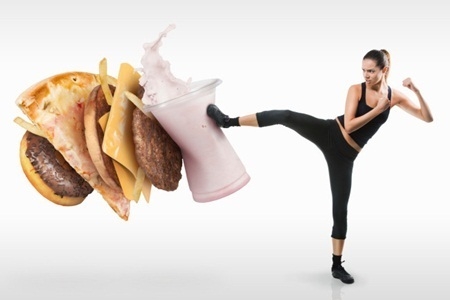
    fit away from junk

    With the world coming together to fight against smoking and tobacco consumption, a United Nation Official claimed that junk food is as dangerous and said that it’s as bad as tobacco or smoking is for the global health. He also said that its time that we create a framework convention on adequate and quality diets. He stated that inspite the fact that the World Health Organization implemented its global strategy on diet physical activity and health, still obesity continues to prevail along with diabetes, heart disease and other health issues among the general public. With various measures being decided such as taxation on unhealthy foods, regulation on fats and sugar food items and reduction of advertisements that promote junk food, the after effects would reveal how much of these measures were successful.

    The government has decided a lot of measures to help improve the health of the nation, however the success of which depends on us changing our attitude and eating habits. According to experts there are many DO-IT YOURSELF steps or measures through which we can help ourselves and the government to help in its task of a healthy nation. These methods are simple and if performed with some determination can surely help a junk addict to convert to healthy eating. The first step to do in the list is to get rid of all the junk food items in your environment like home, office and even your car. Secondly while cooking, make sure you cook healthy foods and concentrate on using nutritious ingredients such as fruits and vegetables and whole grains etc. there are various recipes and online video which tell step by step procedure for preparing food. Save recipes of favourite dishes you come across and pass it on to your friends and family. The leftovers can then be packaged in airtight containers for later consumption. And lastly, avoid eating from out as much as possible. It’s not that you completely let go of dining outside. Many a times occasions arise when you have to spent time with your family and friends outside and during such situations eating outside is the only option. So what you can do at such times is to order food which seems to be the healthiest.

    If you actually love yourself, you’ll love your body as well and would make sure that you take proper care of it. Knowing how to shift from plump to fit is not the final step, there are many out there who might need your help so take a step forward to help the people around you as well.

    Georgie Rajan


  • Beating The Heat With Juicy Retreat

    Beating The Heat With Juicy Retreat

    Think about sitting at a beach on a hot summer day with an ice-cold beer !! Wonderful, isn’t it? Well, it aches my heart to tell you that this is not a common scenario in tropical countries like India. The sole reason for this is that the summer season here, makes it very difficult for us to beat the scorching heat. And to provide an icing on this cake, we have the super-spicy, oily, and heavy food, which is the signature feature of Indian cuisine, to make us feel even more miserable. This food takes its toll on our appetite, as a result of which we become poor on the ‘health’ front, owing to the indigestion, dehydration and abnormal levels of blood pressure in addition to the skin ailments. Due to this, we try and avoid the consumption of this ‘masale – daar’ food, as many people would like to put it.

    In this heat, we aim towards juicy, cool, and refreshing food stuff that are low on calories. Well, for this, the best deal in India is having – fruits. Yes, there’s nothing better than having an ample amount of fruits that are exclusively available in summers , A.K.A. “summer fruits “.

    These fruits not only satisfy our sweet tooth, but also hydrate our bodies. They keep us active and energized all day, and most of all, help us beat the summertime sadness.

    There’s no need to worry about what are the ‘right’ fruits to target this summer. Just aim for the juicy and refreshing ones, and your job is done. Here are some of the ‘must-have’ ones this summer:


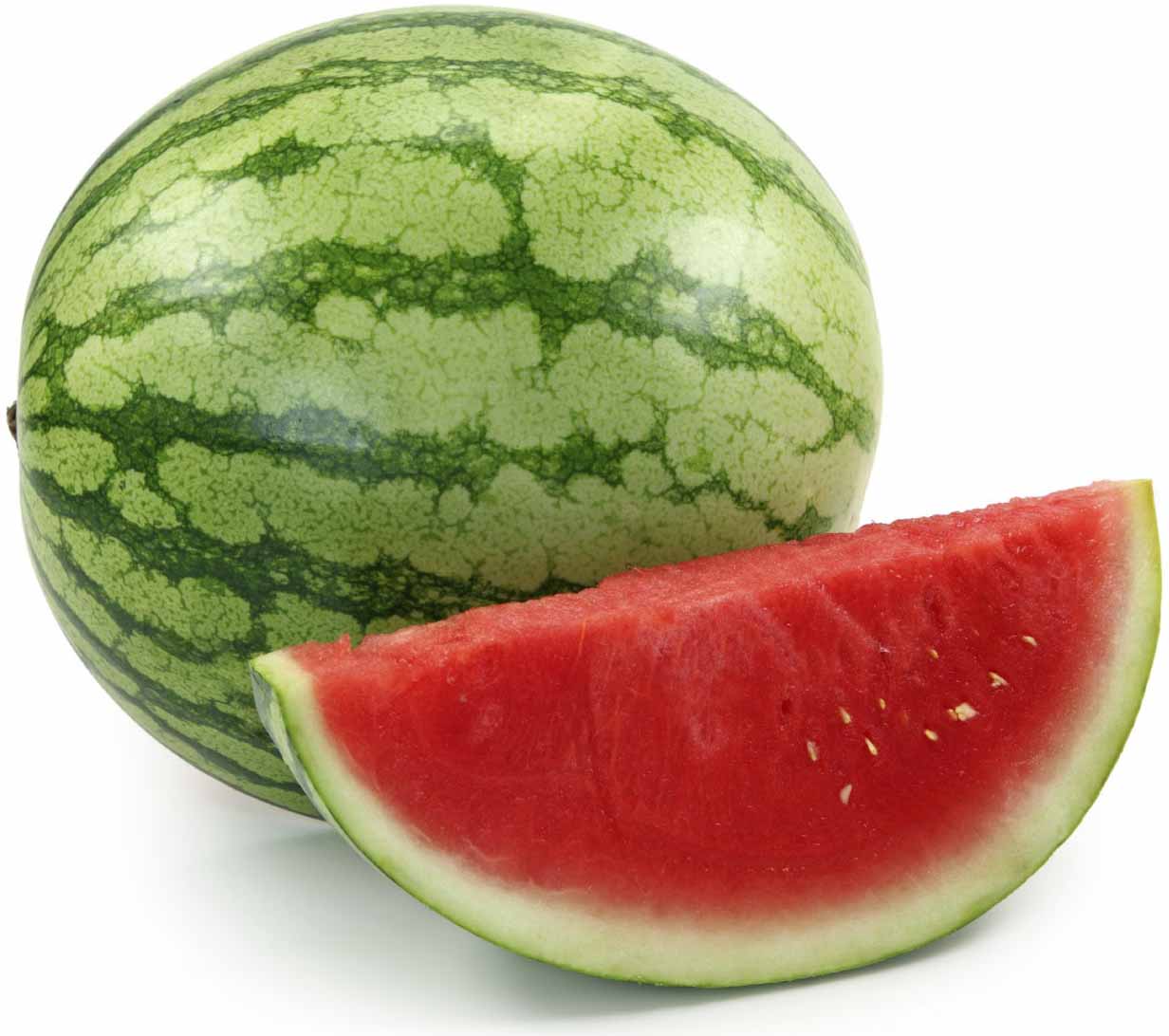
    watermelon

    Watermelon

    Summers and watermelons..they are just made for each other. Watermelon is an excellent fruit to quench our thirst and to replenish the lost fluids of our body, in addition to keeping us cool and satiated. Watermelons have Vitamin C and beta-carotene, which also protect our skin from sun damage. So, watermelon should never be missing from our lives during the hot summer days.


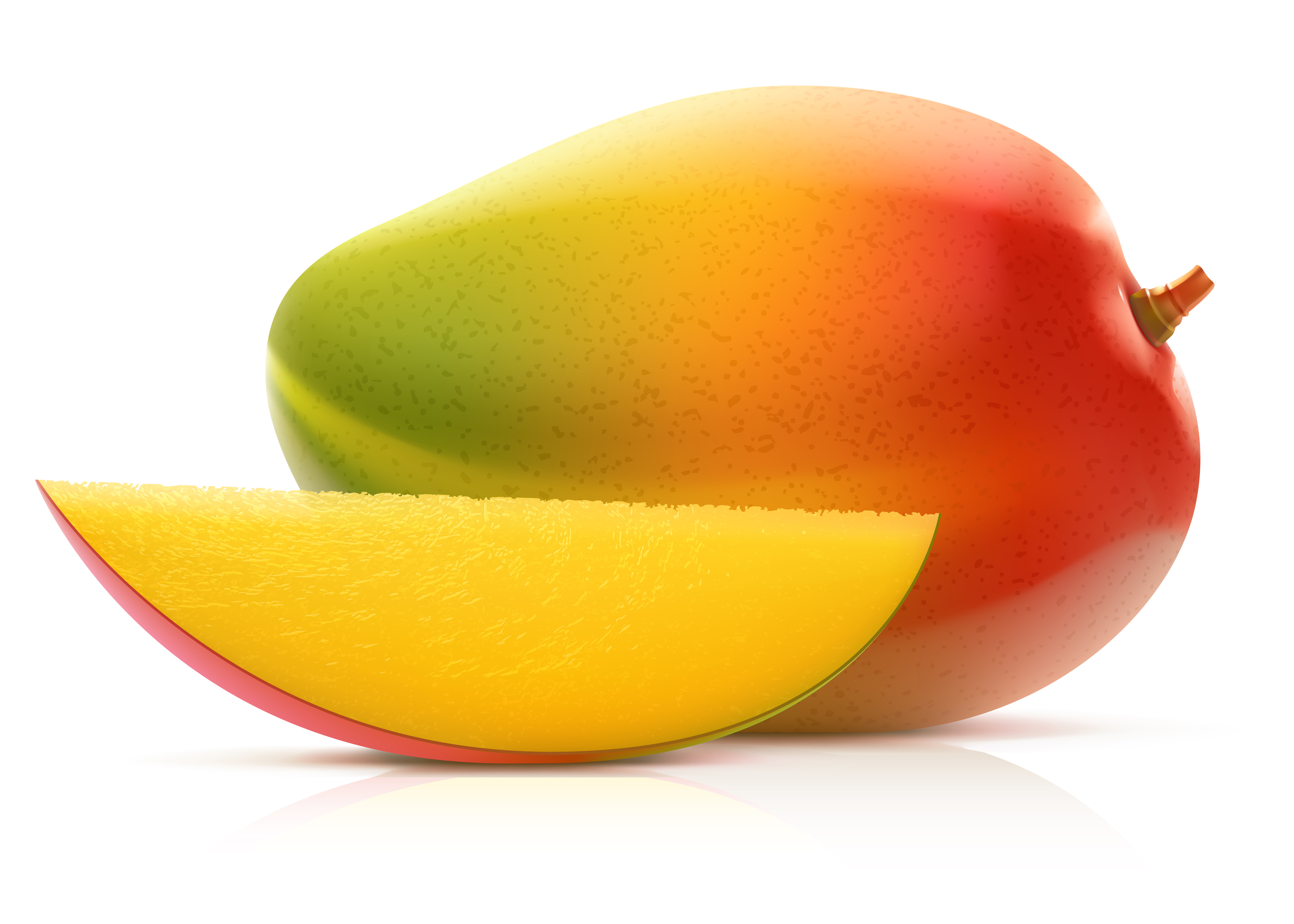
    Mango

    Mango

    How can I not mention the king of fruits here..!! India is a home to 52 varieties of mangoes and ignoring mangoes in summers, is quite impossible here. Enriched with Vitamin A and C , they help to prevent cancer and if present in the forms like smoothies, yogurt, or salads, add a tropical kick to the summer heat.


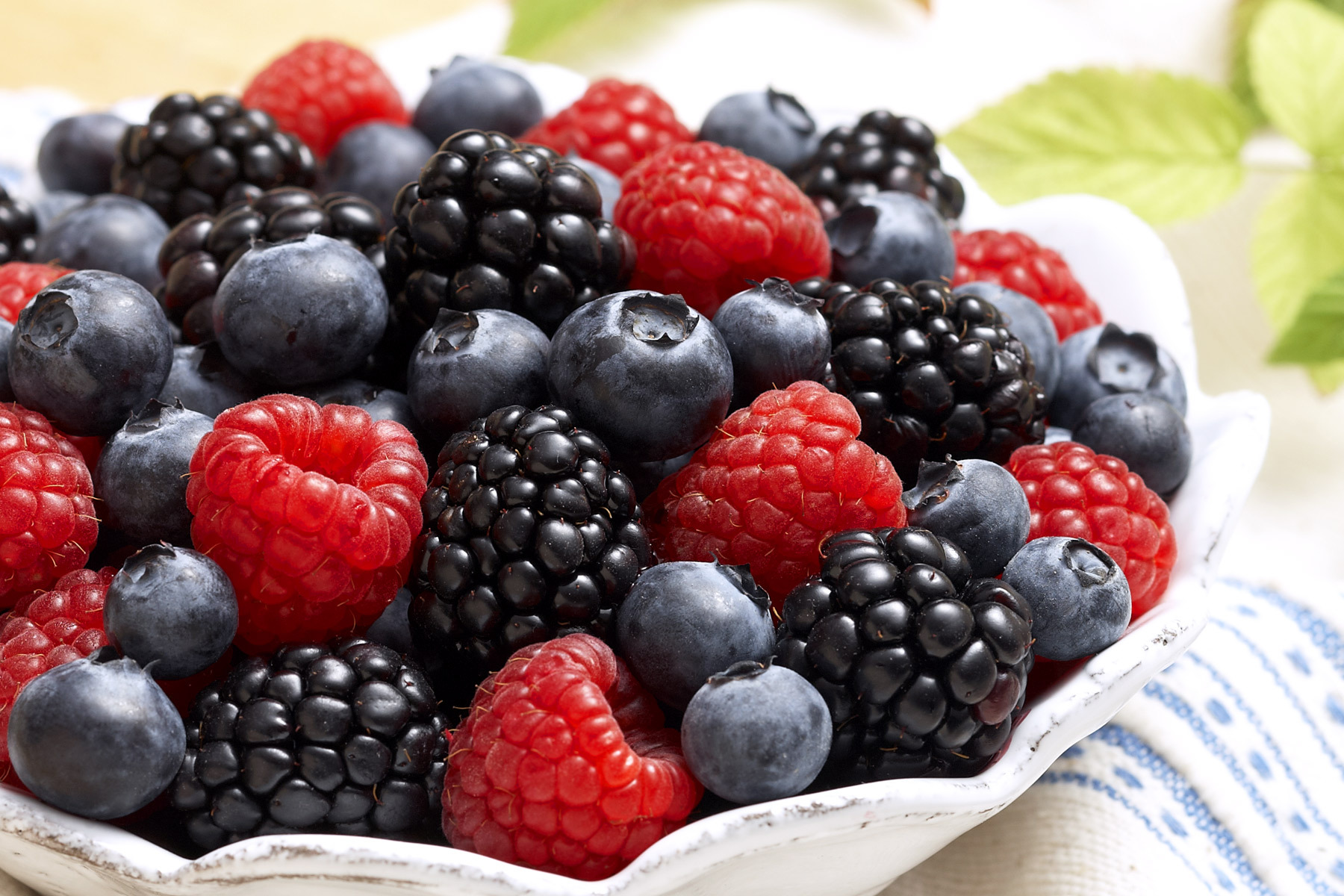
    berries


    Berries

    These little gems are packed with anti-oxidants and flavonoids which improve our skin’s appearance, structure and texture. Blackberries, blueberries and strawberries, are some of the most famous ones that boost our immunity and have a healing effect on urinary tract infections.


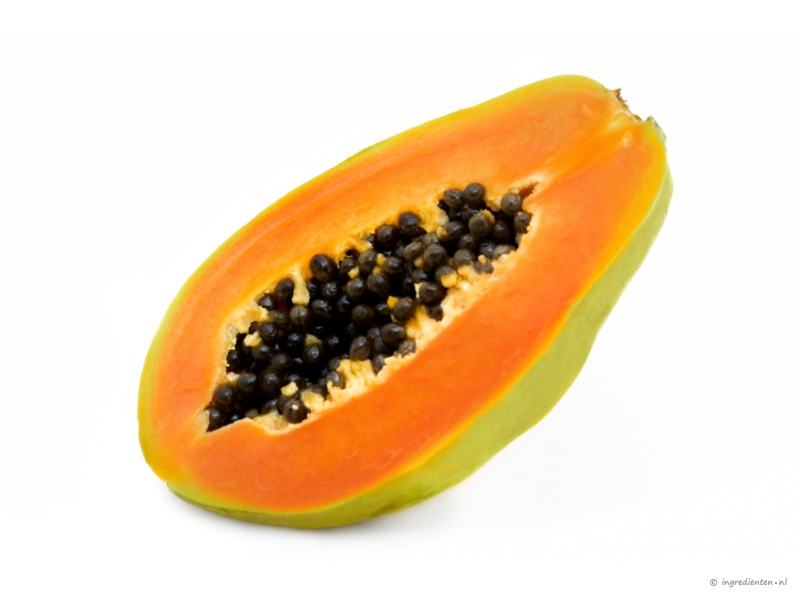
    papaya

    Papaya

    In addition to being a natural exfoliating agent for a healthy, glowing skin, papaya is a boon for digestive problems. It cures indigestion and reduces inflammation in the internal body parts, as it is enriched with Vitamin A and C and beta-carotene.


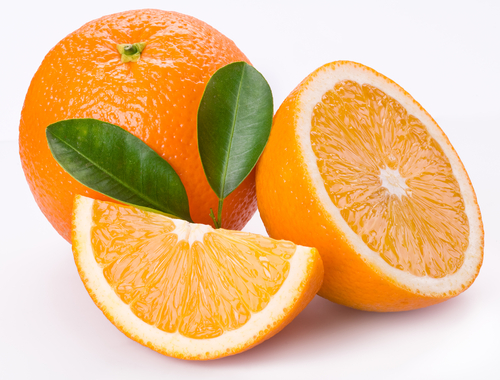
    Orange

    Oranges

    Nothing is more rejuvenating than the fresh smell of citrus fruits. Oranges have 80 percent of water and keep us hydrated on the go. They are rich sources of potassium and having a glass of fresh orange juice everyday, keeps us refreshed and gives us plenty of Vitamin C to sustain ourselves throughout the day. So don’t forget to squeeze your way throughout the summers !!


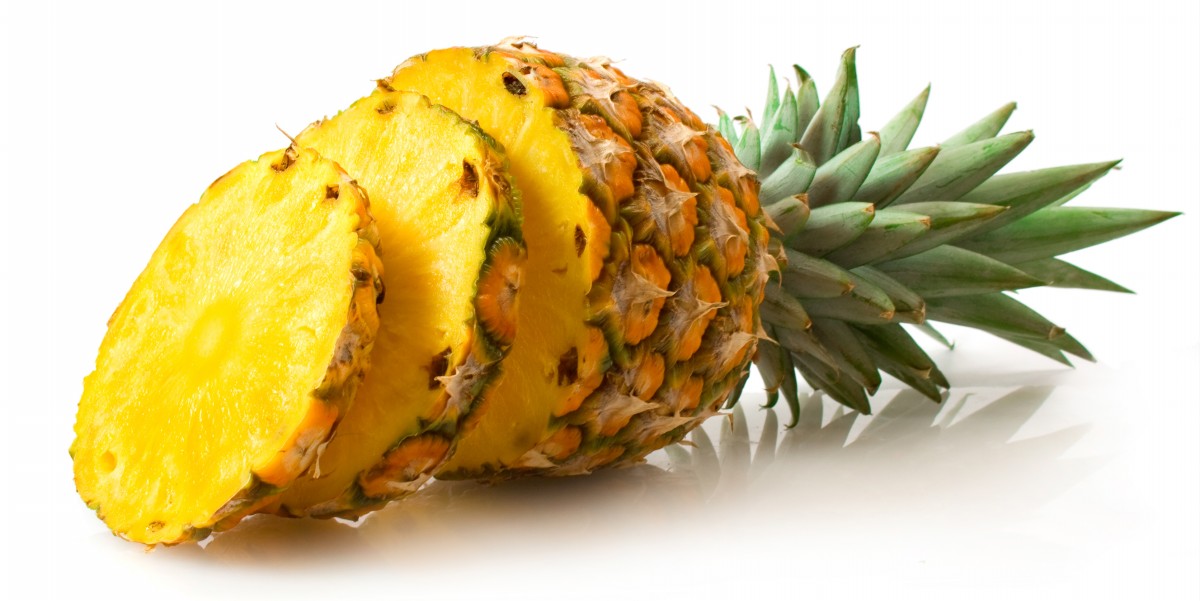
    Pineapple

    Pineapple

    Summers, when they come, bring with them the thoughts of tropical vacations and exotic fruits. Pineapples are one of the most apt fruits for summers as they are a blend of antioxidants, vitamins and enzymes like bromelain, which aid in digestive problems and keep our bodies cool.


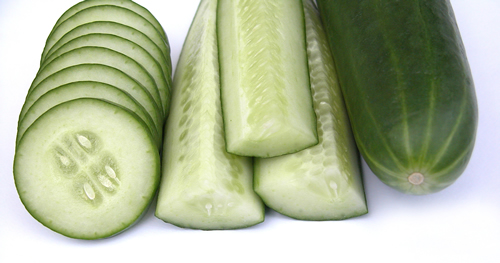
    cucumber

    Cucumber

    It is surely one of the best fruits for healthy and hydrated skin, joints and muscles and immediately boosts up our energy levels. They are loaded with the mineral silica which helps in maintaining connective tissues in a good shape. So this food should definitely be fixed in your daily food habits.


    These are some of the fruits that should definitely be included in your ‘summer-bible’ . With the advent of summers, chances of dehydration, indigestion and constipation increase manifold, if the diet we take is not right. Along with this, we should make sure we take adequate amount of fluids, in the form of lemonade, fruit juices and water. Fruits also provide us with roughage which helps in better excretion of undigested wastes.

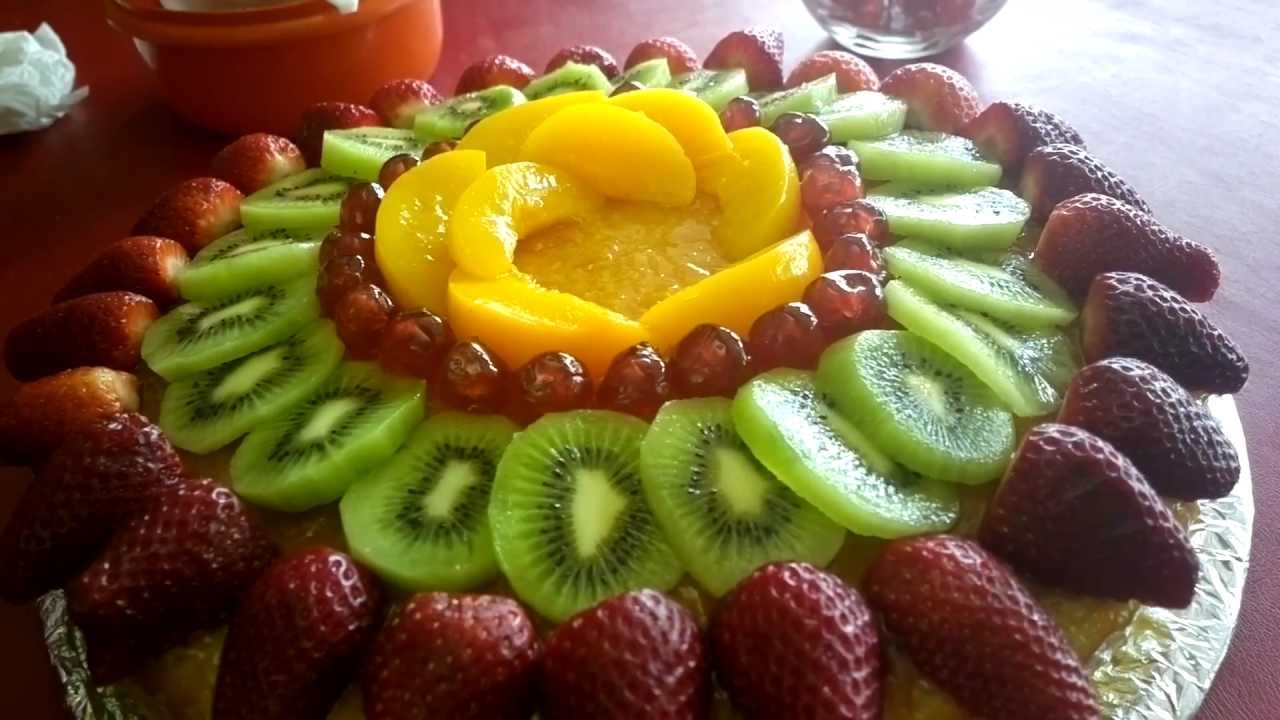
    fruit salad      Fruit_and_Cream_Cake_

    The best part about these juicy summer fruits are, that if eating raw fruits seems boring and monotonous to you, you can team them up with low fat yogurt or bring them together in a synchronized way with a tinge of lemon juice and dried mango powder (amchoor), black salt or the famous Indian ‘chat masala’  to form sumptuous and enjoyable fruit salads. They can also be blended with cream to make a delicious dessert. If you want to have something a bit heavy,  refreshing and healthy, all at the same time, then these fruits can be mixed with milk and ice to form flavored milkshakes and smoothies. Also, fruits can be used to make tarts, crumbles and pie.

    There are practically unlimited ways to take in fruits in summers, and surprisingly, almost all the options are good for health. So guys,what are you waiting for? Grab a bag of fruits to rejuvenate yourself this summer and beat the burning heat !!!

  • The Homecoming

    The Homecoming

    Delhi is almost home. I have been living here for long now: first as an undergrad at St. Stephen’s College between 2010 and 2013, and then as a graduate student at JNU since. I love the buzz of the capital. And I absolutely love the freedom of life in a hostel. I can stay up till 5 in the morning – reading, watching a movie, or simply trolling about on the web. And of course, I love my friends: they are like family. But every few months, there comes a time when I pack my bags, say goodbye to my friends and the unchecked (and often irresponsible) routine of hostel living, and leave the almost-home for home.

    The moment the plane lands, I’m expected to switch on my phone and call mum. She gets anxious otherwise. Ever noticed how parents trust their kids (20-something year olds included, unless married – that’s a whole different story) to be responsible and keep safe when in another city, but worry themselves sick when those same kids are out with friends while in the home-city? In any case, the moment I emerge from the exit at Lokapriya Gopinath Bordoloi Airport, I am greeted by the much-familiar ring of Assamese words in the air. Once home with mum, it’s like I’d never left. The relaxed conversations, the very vernacular jokes, and the comfort of my bed (seriously, why are beds in hostel rooms never like the ones at home??) – all make the time away dissolve into nothingness. It’s only when mum brings in my lunch that I realise how much I had missed home!

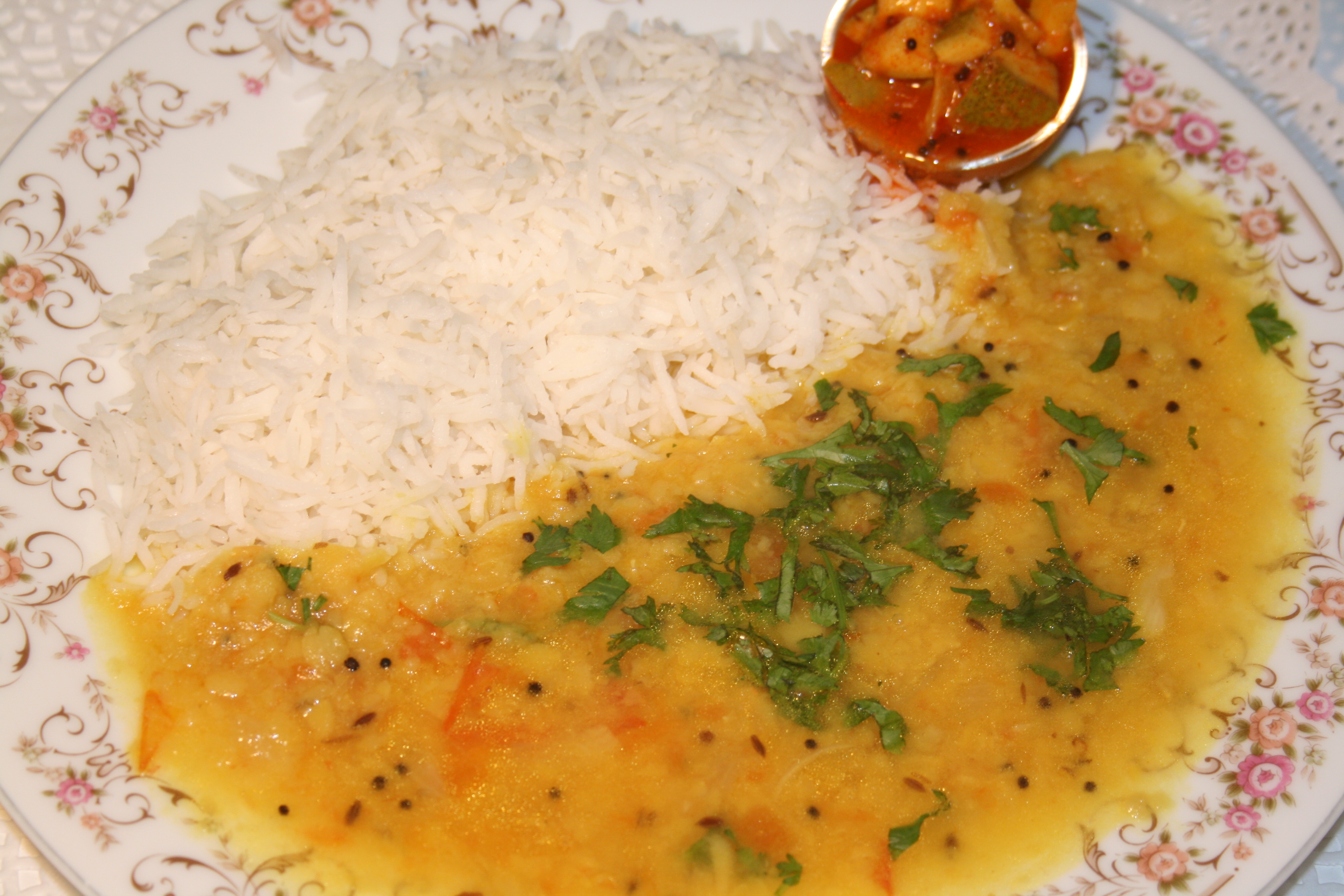
    dal-chawal

    When I’m in Delhi, lunch is a casual affair. More often than not, “lunch” is a quick samosa and a glass of nimbu paani at the canteen between classes. On days off, I have to drag myself to the hostel mess to feed on the less than palatable dalchawalsabzi served. The seemingly-harmless decision to take a catnap at noon and the subsequent failure to respond to the alarm may cost me a whole day of hunger-pangs. Home now, mum is religious about a good, hearty, no-nonsense lunch. The plate she brings in is laden with a generous serving with aromatic Basmati rice, dal, sabzi tailored to my taste, healthy home-made chicken stew, and papad. The first spoonful feels like a mouthful of health – the smell, the taste, the unparalleled delight of food prepared with love and care.

    The one thing that never fails to make me feel blessed when home is the sheer abundance and easy availability of food. In order to truly appreciate this, you need to understand how the mess system in my hostel works. Breakfast is served between 8:00 and 9:30 in the morning, lunch between 12:30 and 2:00 in the afternoon, and dinner between 7:30 and 9:00 in the evening. Heavens forbid you feel hungry in the hours in between (and you often do between lunch and dinner), satiation would cost you some amount of money, and a walk in the sun to the dhaba or general store. One way around might be to stock up on fruits. But fruits aren’t easily available and don’t stay fresh for long in summer, the luxury of refrigeration not being available. Another option might be crackers and snack-cakes. But there’s only so much compromise your health and conscience can take. Besides, there are those days when your taste buds throw a tantrum: they need to be pampered with cooked food. How I’ve craved mum’s poha on those long, hungry evenings when I’m rushing to finish an assignment or am simply, utterly broke (yes, people in hostels go broke sometimes when they are careless in the first weeks of the month)! At home, any time that I feel hungry even in the slightest, I need look no further than the refrigerator or the kitchen shelf for some snack more wholesome than the deep fried pakoras or Masala Maggi available at the dhaba a good 10 minutes’ walk away from my hostel.

    Poha

    Besides, meal-time at home does not involve the stress of weighing your options. If the breakfast table has macaroni and cornflakes on it, I do not have to choose between the two – I can have a bit of both. At lunch or dinner, I do not have to decide whether foregoing my chicken curry in favour of the gulaab jamun that only comes with the paneer is a good idea. If there’s Roohafza on offer, mum does not deny me a glassful because I chose the egg curry instead of the sabzi.

    I understand that every hostel mess offers choices so as to better accommodate diverse tastes and food-related beliefs of the students, and restrictions in choices of food are exercised so as to make the system economically viable. No complaints about that. But it’s an absolute pleasure to be liberated from these rules every once in a while – and by providing that opportunity, home just feels that much homelier. Every single time I come home for the holidays, I realise how real the connection between “home” and “food” is in my mind. Home is where the food feels right. You have to give it to George Bernard Shaw: there really is no love sincerer than the love for food.

  • Bengalis and their obsession with Fish

    Bengalis and their obsession with Fish

      ‘Mach’. ‘Dal’. ‘Bhat’. The three monosyllabic words represent a paradisiacal abode for the good people of Bengal. Bengal, being near the coast, is abundant in a variety of fishes and thus the emergence of a myriad of ever-popular fish delicacies has taken place.

    It is said that a Bengali cannot live without his fish. Wherever he may go, however far he may travel, his love for fish –bag and baggage- travels with him.

    Truth be told, this is just another stereotyped belief. Being a Bengali myself, I prefer ‘Tandoori Chicken’ over any fish dish. I’m just not crazy about fishes. As simple as that. But my brother, who lives in Peterborough, London, still has his ‘mach-dal-bhat’. Finding fishes from Bengal in a London market is a Herculean task. But when there’s a will, there’s a way. And there are millions and millions of crazy Bengalis like him all around the world. Another example is my friend Roon studying in Christ University, Bangalore. Every term break she escapes to Kolkata to fulfill and consume her quota of Bengal fishes. One Month. No Chicken. No Mutton. No Paneer. Just heavenly Fish.


    “In the hands of an able cook, fish can become an inexhaustible source of gustatory pleasures”

    -Jean-Antheleme Brillat-Savarin, ‘the Physiology of Taste’


    Hence, I jotted down the three most popular and most celebrated fish dishes of Bengal:


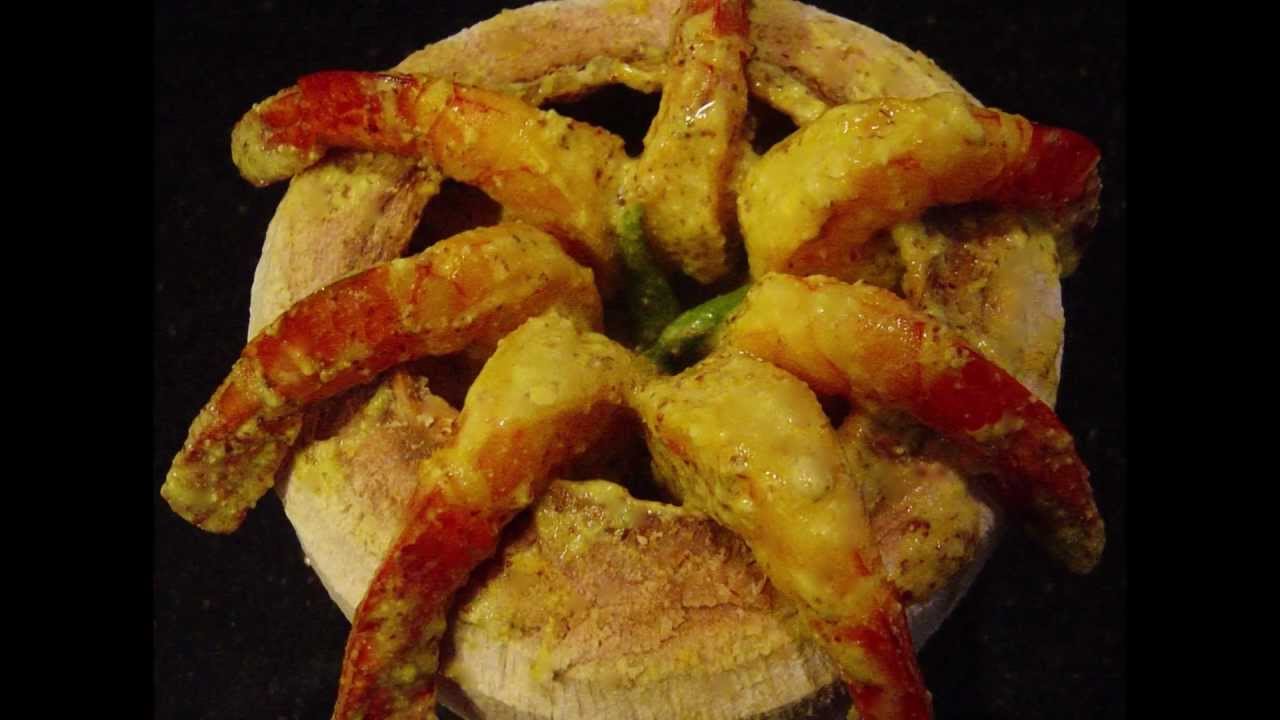
    maxresdefault

    Dab Chingri (Prawns flavored with ‘paanch phoron’ and cooked in a tender coconut shell)

    Cooking Time – 30 to 40 minutes

    Servings – 4

    Ingredients –  1 cup Prawns ( peeled and deveined), 1 small tender coconut, Salt (to taste), ¼ tsp turmeric powder, 1 tbsp mustard oil, ½ tsp ‘panch phoron’ (a mixture of equal quantities of five spices: cumin seeds, mustard seeds, fennel seeds, fenugreek seeds and onion seeds), 2 medium onions (sliced), 1 tsp ginger paste, 1 ½ tsp garlic paste, 4-5 green chilies (slit), ¼ cup coconut (scraped), ¼ cup tender coconut flesh(malai) chopped, whole wheat flour (as required)

    Directions – Cut off an inch from the top of the tender coconut, drain the water and scoop out the flesh. Retain the top to act as a lid. Preheat oven to 220°C. Add salt and turmeric powder to the prawns. Mix and set aside. Heat mustard oil to smoking point. Cool slightly and add ‘paanch phoron’. When the seeds splutter add onions and sauté. Add ginger and garlic pastes, green chilies and coconut and continue to sauté for two minutes. Add one cup of water and stir. Add prawns and stir. Add coconut flesh and adjust salt. Transfer the mixture into tender coconut shell. Cover with the lid and seal with dough. Place in the preheated oven and cook for about twenty minutes. Open the lid and serve hot.


    From Mas Kitchen_aid802_2

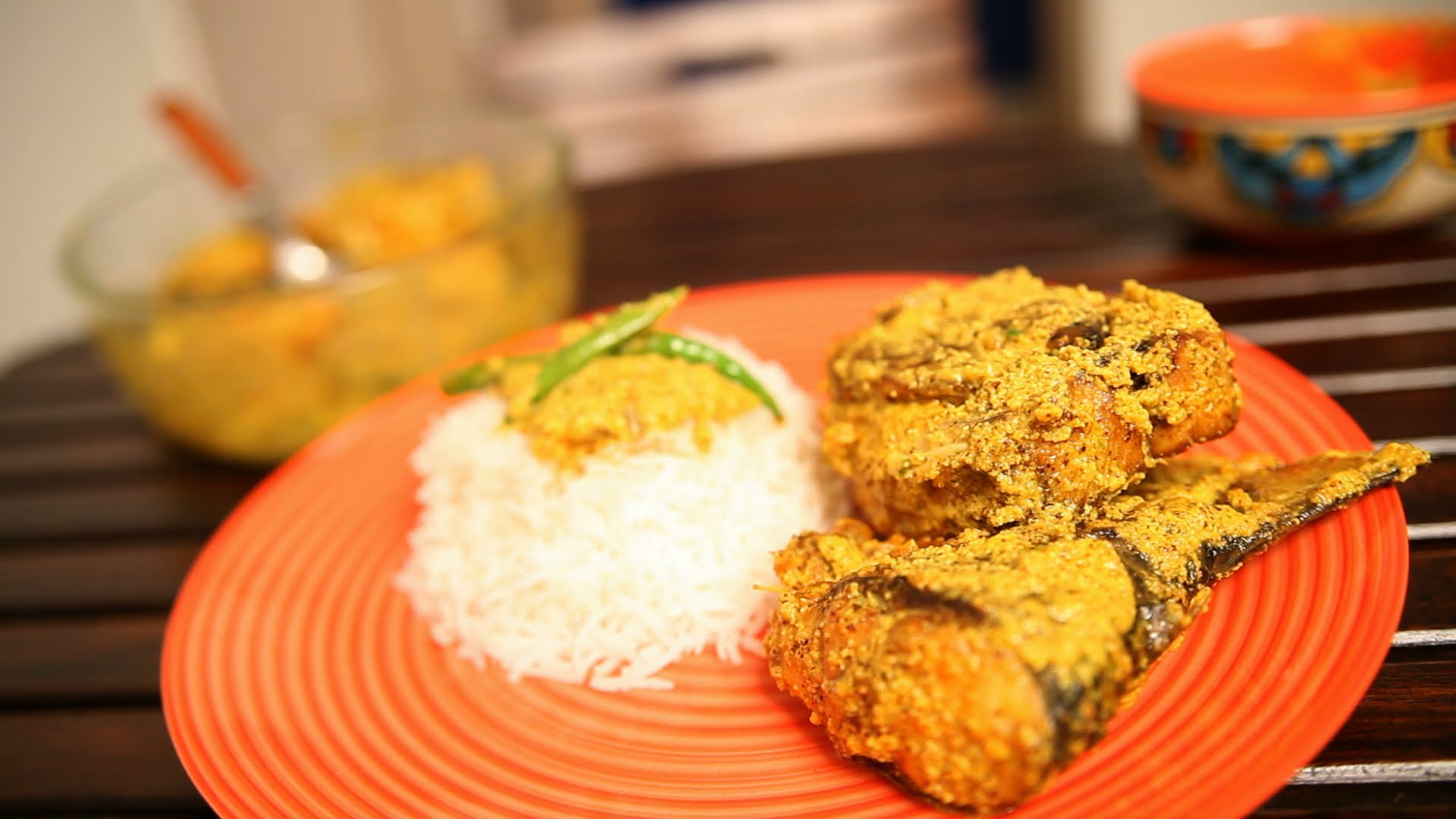
    Shorshe Ilish (Hilsa cooked in mustard gravy)

    Cooking time – 30 to 40 minutes

    Servings – 4

    Ingredients – 1 medium Hilsa (1/2 inch darnes), ½ cup mustard seeds, salt (to taste), ½ tsp turmeric powder, 2 green chilies, 4 tbsp oil, 1 large potato (cut into fingers), ¼ tsp onion seeds

    Directions – Wash fish pieces and marinate with salt and turmeric powder and set aside for ten to fifteen minutes. Grind mustard seeds with green chilies to a fine paste using water as required. Heat oil in a pan and lightly fry the marinated fish pieces on both sides till lightly browned. Drain and set aside on a plate. In the same oil fry the potato fingers till lightly browned. Drain and set aside. In the remaining oil add onion seeds and sauté till fragrant. Add the ground paste and sauté for a minute. Add a cup of water and bring it to a boil. Add turmeric powder and salt. Add potato fingers and simmer till they are done. Add fish, cover and simmer for two minutes. Serve hot with boiled rice.


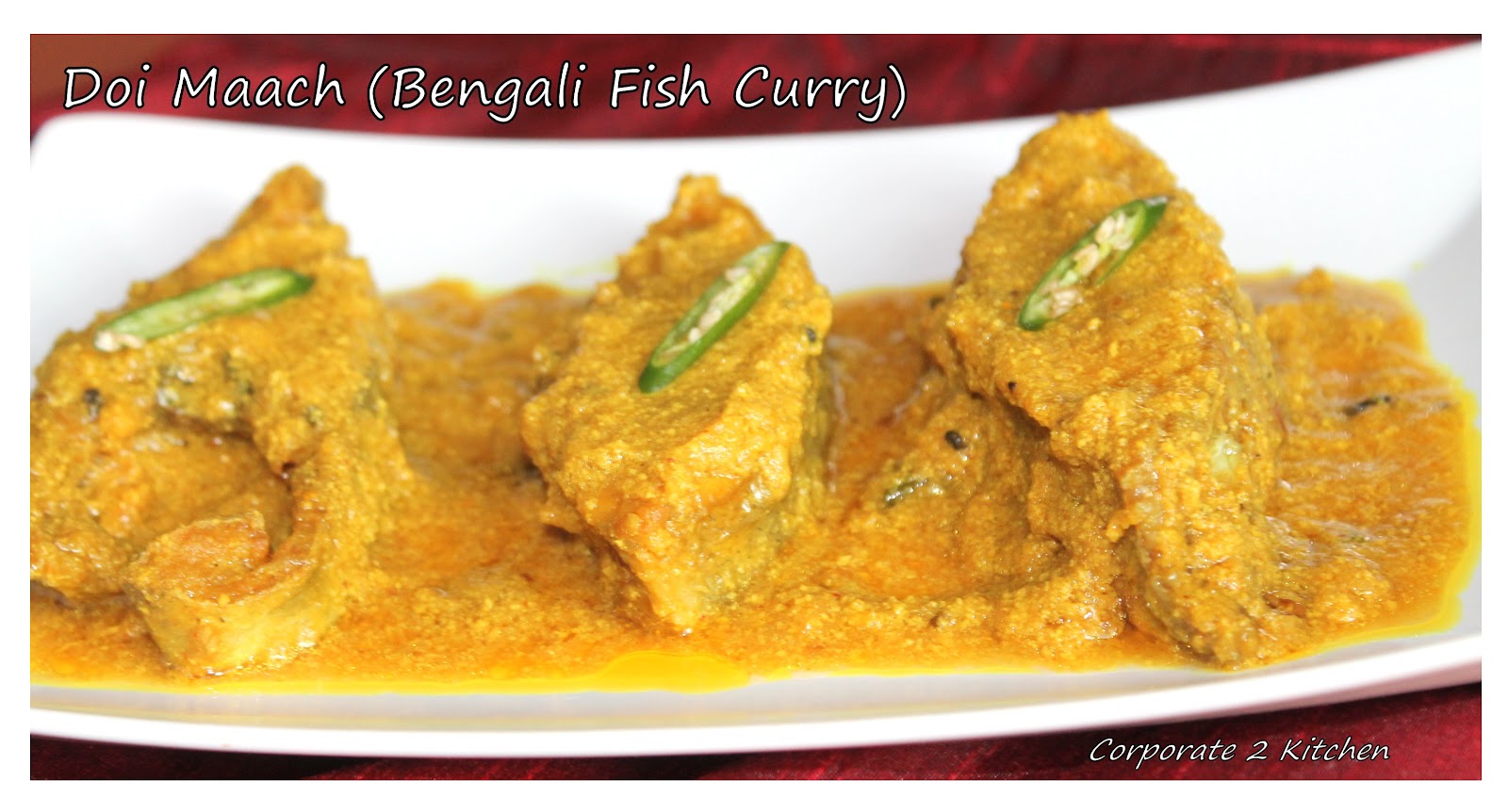
    maxresdefault (1)

    Doi Mach (rohu fish cooked in curd)

    Cooking Time – 30 to 40 minutes

    Servings – 6

    Ingredients – 5 to 6 medium large rohu fish/bhetki, salt to taste, 2 tsp turmeric powder, 2 to 3 medium sized onions, 3 to 4 pods garlic, 1/3 tsp ginger paste, 4 tbsp of oil, 4 green chilies, 2 tbsp plain yogurt, 10 raisins, 1 bay leaf, ½ cinnamon stick, 4 cloves, 3 green cardamom, 1 tsp cumin powder, 1 tsp coriander powder, 1 cup water, 1 tsp sugar

    Directions – Take the slices of fish and wash them thoroughly. Salt them and rub 1 teaspoon of turmeric powder. Set aside for 10 minutes. Cut Onions into big slices. Cut the garlic pods into pieces. On a hot skillet, heat 2 table spoons of oil. Add the fish pieces and fry well. Take the fish out and set aside. In the remaining oil fry the onion garlic and ginger for 2-3 minutes with 2 green chilies. Take them out. Cool them for a minute or so. Put the fried onion, garlic, ginger chilies back into a mixer and grind it with 2 table spoons of yogurt. Heat remaining oil in the skillet. Add raisins and bay leaf. Then add cinnamon, cloves and cardamom in the hot oil. Let it splutter, add the ground paste of onion, garlic, ginger and chilies. Stir it for 2-3 minutes. If it dries up may add a sprinkle of water. Add 1 teaspoon of turmeric powder, 1 teaspoon of cumin powder and 1 teaspoon of coriander powder. Keep stirring for 3 minutes. Add 1 cup of water and mix well. Let it simmer. Add salt to taste, sugar and the remaining 2 chilies. After it comes to a boil, add fish pieces and cover on medium heat. Keep cooking till the fish gets cooked through. Adjust salt and sugar according to taste. Serve hot with rice.


    Picture Courtesy – corporate2kitchen, ahomemakersdiary.com

  • Bengali Food Culture

    Bengali Food Culture

    Bengalis as a community are known to find pleasure in food. Even the average Bengali will be able to give you a thorough lecture on the exact proportion of what spices should (or should not) be present in a chilli potato curry, and with extreme confidence at that! Their tastes are often simple yet singular. The wide ranging array of Bengali food is mouth-watering; ranging from the spicy ‘Machher Jhol’ (Fish curry) as a complement to the main course , to ‘Payesh’ (Sweetened rice-milk pudding) as dessert. Bengalis will never compromise when it comes to matters of the tummy. After all, ‘The way to a man’s heart is through his stomach’.

    Having taken this to heart, Bengalis pay the utmost importance to food-breakfast, lunch, dinner and mid-night snacks as such. Food is served heartily this side of the Ganges as everyone here is a foodie at heart and a ‘Babumoshai’ in thought. And dare I say they are toughest among critics as well!
    A typical Bengali meal can qualify as a dietician’s nightmare any day and consists of items rich in taste (‘Chingri Machher Malaikari’), indulgence (‘Nolen Gurer Roshogolla’) and sinfulness (‘Mishti doi’ anyone?).But don’t be scared! Let us take a look at some of the dishes that the average Bengali eats.

    (1) ‘Bhaat’ (Steamed rice): The first thing served on your platter- a steaming ladleful of hot rice, its aroma being smelt 3 houses away; with a mysterious vapour rising in the sky in its wake. A dash of salt and a slice of lemon are thrown in on the side (for good luck maybe!). This is their staple diet, their food for all seasons and maybe a cause of their paunch. It’s good for digestion purposes as well as it keeps the stomach cool and has a good water content which is extremely essential for the humid climate in India and most places of Asia too where people eat rice.

    rice

    (2) ‘Saak’: This is a dish served as a starter to your meal along with rice. It mainly consists of the fried leaves of many plants cooked in various ways. One should always eat a spoonful of this dish as it is high in dietary fibre, roughage, and vitamins (especially Vitamin C). Moreover, it acts as a wonderful appetizer. Whether it’s ‘Laal Saak’ with a hint of ‘Kasandi’ to heighten its taste or ‘Methi Saak’ with a green look and bitter aftertaste, these come in a variety of flavors and are considered a must on the menu.

    (3)’Ghonto’: The literal translation of this Bengali word would be ‘chaos’ or ‘cacophony’. In the gastronomic sense, it symbolizes a mixture of sweet potato, brinjal, jhinga (ridged gourd), ’potol’, ‘seetaphal’ (Pumpkin) and foliage bursting forth into a rich array of greenish-yellow colour and bringing a taste meant to make your taste buds tingle in a way that only Bengali food items can.

    (4) ‘Shukto’: This dish acts as the unifying factor of a Bengali meal. It tastes best when had with rice. It is basically an array of assorted vegetables (brinjal, sweet potato, ‘potol’, etc. ) cooked in a special mixture of milk, poppy and mustard seeds that enhance its flavor manifold. Does it taste bitter, sweet, pungent or salty? Try some to be sure!

    (5) ‘Bhetki Maacher Paturi’: Bengalis simply CANNOT do without their daily dose of fish. A dedicated Bengali always prefers fish to other non-veg fare. In this culinary marvel, the fish is de-boned and cut into square pieces, dipped in a special paste and wrapped tightly in banana leaves which are typically tied up with string. These are then steamed for an appropriate period and served hot, smoking and ready to eat!

    (6) ‘Shorshe Ilish’: The ‘Ilish’ (or Hilsa fish) is considered to be the king of fish. Many Bengalis vouch for it blindly based on its superior taste. This is a fish preparation where the pieces are prepared in a special curry of mustard seeds which heighten the flavor and give it a golden-yellow cover. By personal experience, it has been known to leave all people partaking of it licking their fingers for good!
    P.S. : This item is also healthy as it is a rich source of Omega 3 fats; considered to be good for the heart.

    (7) ‘Payesh’: A good meal simply cannot end without a fabulous dessert!
    Here, ‘Payesh’ is the key. It is similar to ‘Kheer’ except that it contains rice. It is a mixture of milk, sugar, rice and sometimes ‘Gur’ (jaggery, for the uninitiated) in just the right proportions- thick, creamy and succulent. It acts as a very good digestive as well.
    (8) ‘Roshogolla’: This is a boiled Bengali sweet dish available everywhere and sundry. A perennial favourite of all Bengalis, it comes dipped in sugar syrup and seems milky white (the pure ‘Kheer’ variety) or a rustic brown (‘Nolen Gur’, anyone?). Almost all Bengali meals end with this round ball-like-item which you are supposed to grasp (not squeeze) and put into your mouth, sticky syrup and all.
    Chew, sit back and enjoy friends, you have tasted a food fit for the ages!


    rasgulla

    (9) ‘Sondesh’: A dry usually square-shaped sweetmeat differing widely in appearance and taste. It is basically ‘Kheer’ flavoured with a variety of things such as jaggery (‘Nolen Gur’) in wintertime, mango during the summer months and coconut, almonds, nuts, cashew nuts, and what not added to it. All these contribute to the essential flavor of the dish and make it a mouth-watering condiment.

    sandesh

    From the traditional to the trendy, every Bengali has a say here in matters of the heart. And food is the closest that it gets. So, sit back, close your eyes and let your taste buds do the talking when it comes to Bengali food.
    This article is written in a light-hearted manner and is not meant to be offensive on any account to any Bengali person or otherwise.

  • The Way to a Man’s Heart is through his Stomach

    The Way to a Man’s Heart is through his Stomach

    “I think careful cooking is love, don’t you? The loveliest thing you can cook for someone who’s close to you is about as nice a valentine as you can give “

    -Julia Child

    Valentines-Day-Menu

    The age old saying, ‘The way to a man’s heart is through his stomach’ has proved to be true time and again. I don’t really know what it is between a man and his food, and the maker of his food. But nevertheless, the equation always works!

    Be it a birthday or Valentine’s Day dinner/ lunch or simply, one making up after a teeny tiny fight – cooking a lovesome meal is the right way to do it. Now, imagine your man, after a hard day’s work, coming home to a surprise candle lit dinner – all planned, set and cooked by his better half. Wouldn’t he feel elated? I know my man would. Show a man you love and he will return it double. Yes, men are such adorable creatures.

    The small things matter a lot. Be it a simple Cheesy Garlic Bread or a spicy Schezwan Paneer or the healthy alternative of a Mexican Omelette or plain old Chocolate Brownies – he will gobble it up like it is the best thing he has ever tasted.

    Men are simple. Men are easy to please. And men definitely know and love their food. So, for all the damsels out there, here is an easy step- by- step romantic dinner to ease your way into his heart.

    DSC_08481

    ~~~~~~~


    Menu

    Drinks

    ü  Alcohol of your choice

    ü   Sweet Lime Soda

    Starter

    ü  Italian Bruschetta

    Main Course

    ü  Roasted Chicken with Lemon, Garlic and Thyme

    Dessert

    ü  Red Velvet Cup Cakes with Cream Cheese frosting


    ~~~~~~~

    Drinks

    As far as alcohol is concerned, feel free to choose whatever you two like.


    Sweet Lime Soda


    Total Time- 5 minutes

    Serving – 4 glasses

    Ingredients – 1 cup lime juice (that has been refrigerated), 1/3 cup powdered sugar(Splenda can be used) , 3 cups club soda, crushed ice, mint leaf (for garnish, optional)

    Directions – Mix lime juice and sugar together till the sugar dissolves. Add the club soda and stir lightly just to mix. Place the crushed ice in 4 glasses and pour the soda over it. Garnish with mint leaves and serve at once.


    Starter


    Italian Bruschetta


    Total Time – 6 minutes

    Serving – 2

    Ingredients – 4 baguette or crusty bread slices, 2 garlic cloves (peeled), 2 tomatoes (cored and chopped), salt (to season), 8 basil leaves (torn or chopped), 1 or 2 tbsp extra virgin olive oil

    Directions – Place the bread on a baking tray and toast both sides under the grill until golden brown. While the bread is still warm, rub one side of each piece of toast with a garlic clove, top with chopped tomatoes, a little salt and fresh basil. Drizzle olive oil over the top and serve.


    Main Course


    Roasted Chicken with Lemon, Garlic and Thyme


    Total Time – 1 hour 45 minutes

    Serving – 6

    Ingredients – 1 (6 pound) roasting chicken, 4 tbsp unsalted butter (softened), 3 tbsp minced fresh thyme (plus 1 handful for stuffing), 4 cloves garlic (chopped), 2 tsp fresh lemon zest, Salt, freshly ground pepper, 1 lemon (quartered), 1 onion (coarsely chopped), 3 celery stalks, 3 carrots (unpeeled cut into thirds), 1 onion (cut into quarters), 1 cup low-sodium chicken broth, 2 tsp all- purpose flour

    Directions – Preheat the oven to 450 degrees F. Rinse the chicken and pat it dry.

    In a small bowl, make a compound butter by combining the softened butter, minced thyme, garlic cloves, lemon zest, salt and pepper.

    Season the cavity of the chicken generously with salt, and pepper. Stuff the cavity with the lemon quarters, a handful of fresh thyme leaves, and the quarterd onion. Place the carrot, celery and onion in the bottom of a roasting pan and place the chicken on top of the vegetables. Cross the legs and tie with kitchen twine.

    Gently lift the skin away from the chicken and spread 2 tbsp of the softened butter mixture underneath the skin, distributing it evenly. Spread the remaining butter over the entire surface of the chicken and season generously with salt, and pepper.

    Place the chicken in the oven and roast for 20 minutes. Reduce the oven temperature to 375 degrees F and roast the chicken for about 45 minutes or until a meat thermometer inserted into the thickest part of the inner thigh, not touching the bone registers 160 to 165 degrees F. transfer the chicken and vegetables to a cutting board to rest for about 15 minutes. Tent the chicken with aluminium foil to keep warm.

    Pour the pan juices into a large glass measuring cup. Spoon the fat off the top. Add the chicken broth to the roasting pan and place over high heat. Bring to boil, scraping up any browned bits. Return the pan juices to the pan. Whisk the flour into the broth mixture and bring to a boil until slightly thickened, for about 2 minutes. Season the sauce to taste with salt and pepper. Serve alongside the roast chicken.


    Dessert


    Red Velvet Cup Cakes with Cream Cheese frosting


    Total Time – 40 minutes

    Serving – 24 frosted cup cakes

    Ingredients –

    For the cake: 2 ½ cups all-purpose flour, 1 ½ cups sugar, 1 tsp baking soda, 1 tsp salt, 1 tsp cocoa powder, 1 ½ cup vegetable oil, 1 cup buttermilk (room temperature), 2 tbsp red food colouring, 1 t sp white distilled vinegar, 1 tsp vanilla extract

    For the frosting: 1 pound cream cheese (softened), 2 sticks butter (softened), 1 tsp vanilla extract, 4 cups sifted confectioners’ sugar, chopped pecans and fresh raspberries or strawberries(for garnish)

    Directions –

    For the cake: Preheat the oven to 350 degrees F. Line 2 (12 cup) muffin pans with cupcake papers. In a medium mixing bowl, sift together the flour, sugar, baking soda, salt and cocoa powder. In a large bowl gently beat together the oil, buttermilk, eggs, food coloring, vinegar and vanilla with a handheld electric mixer. Add the sifted dry ingredients to the wet ingredients and mix until smooth and thoroughly combined. Divide the batter evenly among the cupcake tins about 2/3 filled. Bake in oven for about 20 to 22 minutes, turning the pans once, half way through. Test the cupcakes with a toothpick for doneness. Remove from oven and cool completely before frosting.

    For the frosting: In a large mixing bowl, beat the cream cheese, butter and vanilla together until smooth. Add the sugar and on low speed, beat until incorporated. Increase the speed to high and mix until very light and fluffy. Garnish with chopped pecans and a fresh raspberry or strawberry.

    valentines-day-dinner
    Recipe Courtesy: allrecipes.co.uk, foodnetwork.com

    Image Courtesy: southernplate.com, thekenebunkkim.com, marhaba.com

  • Cooking And Kids

    Cooking And Kids


    “When I cook with my son, I might chop vegetables and have fun with different shapes. Cooking is a way to teach kids about other things, like reading or math with all of the weights and measures. There are so many things that are part of cooking that are also very educational.”

    Emeril Lagasse


    cooking+lesson+kids2-1


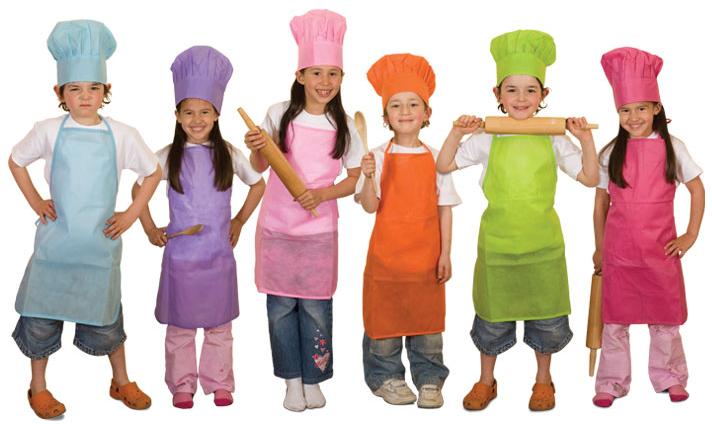
    Cooking with kids is super easy and fun. These days, recipes for kids are readily available on the internet, as well as, in the How-To-Cook-With-Children books. A toddler, a school-age child or an older child – anyone can help in cooking, ranging from snacks to main meals. From creating a menu together to building an organized work station – while one cleans the veggies, another fries a potato, a third grates some cheese, a fourth sautés the veggies, a fifth cleans the utensils, a sixth serves the food on the plates, a seventh sets the table, and so on ( NO, I don’t have the Von Trapp Children in mind) –it is quite an engaging activity.

    Watching MasterChef Junior, among other cooking shows, one is full of awe at kids, not even the height of one’s waist, intently cooking with dexterity. Most kids enjoy cooking.  Moreover, learning to cook at an early age leads to big bonuses in the later years, when one is in college or about to settle down and start a family.

    I have two young cousins who love to cook; one is a boy of six and the other a girl of 12. From dressing salads to making ice popsicles – every tiny step excites them. It sure is fun when it’s time to put the chef’s whites on.

    So, here are a few easy-to-cook recipes which are an all-time hit among children:


    Mac and Cheese

    Cooking Time: 50 minutes

    Ingredients: 2 shallots (peeled), 3 cloves of garlic, 1 tsp olive oil, 3 pieces of bacon (diced and cooked, reserving 1 tbsp bacon fat) ,2 tbsp flour, 4 cups of heavy cream, 1 tsp chopped fresh thyme, 1 cup shredded pepper jack cheese, 2 cups shredded cheddar cheese, 1 pound penne pasta (cooked) , ½ cup Panko bread crumbs, 2 tbsp melted butter, 2 tbsp chopped fresh parsley

    Directions:  Preheat oven to 350 degree F.  Place shallots and garlic in a small aluminum foil pouch and drizzle with olive oil. Roast 20 to 30 minutes or until tender. Remove from foil and chop. In a large sauté pan, reheat reserved bacon fat over medium heat. Add roasted shallot and garlic and sauté for 1 minute. Add flour and stir for 1 minute. Whisk in heavy cream and thyme. Reduce by a third. Stir in cheeses until melted, creamy and thickened. Season to taste with salt and pepper. Remove from heat and gently stir in pasta. Place in a 9X13 casserole dish. In a small bowl, mix together diced bacon, breadcrumbs, butter and parsley. Top Mac and cheese with Panko mixture and bake uncovered at same heat until bubbling and lightly browned on top (say, 20 to 25 minutes).


    Brownies

    Cooking Time: 22 minutes

    Yield:  12 brownies

    Ingredients:  1 package chocolate brownie mix (prepared to directions on box- ½ cup oil, ¼ cup water, 2 eggs), 1 cup peanut butter chips, softened butter (for greasing your baking dish), 1-2 ounce package chopped nuts, ¼ cup mini marshmallows

    Directions: Preheat oven to 425 degrees F. To mixed brownie batter, stir in peanut butter chips. Grease an 8 by 13-inch baking dish with softened butter and line with foil. Spread the brownie batter into an even layer. Sprinkle the brownie batter with chopped nuts and bake 20 to 22 minutes. Top with marshmallows in the last 3 minutes of baking. Remove from oven and cut into 12 brownies.


    Peanut Butter Crispy Rice Treats

    Cooking Time: 15 minutes

    Yield: 18 bars

    Ingredients: 6 tbsp unsalted butter (plus more for greasing), 4 cups miniature marshmallows, ½ cup smooth peanut butter, 6 cups puffed rice cereal, ½ cup whole roasted peanuts, 4 ounces good-quality semi-sweet chocolate (chopped), flakes sea salt (optional)

    Directions: Lightly butter a 13 by 9 inch baking dish.

    Melt the butter in a large saucepan over low to medium=low heat until light brown specks start to form and the butter starts to smell nutty (10 to 12 minutes). Add the marshmallows and stir until completely melted. Remove the pan from the heat and stir in the peanut butter until melted. Add the puffed rice cereal and peanuts. Stir until well coated. Press the mixture evenly into the prepared baking dish. Cool completely. Meanwhile, place the chocolate in a medium heatproof bowl. Microwave in 30 second intervals until the chocolate is melted. Drizzle the chocolate over the cooled crispy rice treats and sprinkle with flaked sea salt if desired. Cut into 18 bars.


    Chocolate Chip Cookies

    Cooking Time: 15 minutes

    Yield: 26 cookies

    Ingredients: ¾ cup packed dark brown sugar, ¾ cup sugar, 2 large eggs, ½ cup oil, 1 tsp pure vanilla extract, 1 cup all-purpose flour, 1 cup whole-wheat pastry flour, ¾ tsp baking soda, 1 tsp fine salt, 6 ounces semisweet chocolate chips or chunks, 4 ounces dried cranberries or dried cherries

    Directions: evenly position 2 racks in the middle of the oven and preheat to 375 degrees F. Line 2 baking sheets with parchment paper or silicone sheets. (If you only have 1 baking sheet, let it cool completely between batches.) Whisk the sugars, eggs, oil and vanilla in a large bowl until smooth. Whisk the flours, baking soda and salt in another bowl. Stir the dry ingredients into the wet ingredients with a wooden spoon; take care not to over mix. Stir in the chocolate chips or chunks and dried fruit. Scoop heaping tbsp of the dough onto the prepared pans. Wet hands slightly and roll the dough into balls. Space the cookies about 2 inches apart on the pans. Bake until golden but soft in the center; about 12 to 14 minutes, depending on how chewy or crunchy you like your cookies. Transfer hot cookies with a spatula to a rack to cool. Serve. Store cookies in a tightly sealed container for up to 3 days.


    So, what are you waiting for?

    Grab your apron, cook and have fun with your kids!!

    Recipe Courtesy:  foodnetwork.com

    Image Courtesy: momtrends.com

  • For Impatient Souls- Food you can cook within 20 MINUTES!!

    For Impatient Souls- Food you can cook within 20 MINUTES!!

     soylent-future-of-food-3

    Food. Food. Food.

    Has a nice ring to it, doesn’t it?

    I grew up watching my grand moms and my mom cook food with a glint in their eye, a smile on their face. And along with the dose of MasterChef that imbedded itself in my brain (you can almost visualize an obese teenager sitting in front of the TV gawking at the delicacies being cooked, half mouth open, dazed eyes, with a hopeful future culinary dream), I gradually (not-so-gradual) fell in love with food. From Tandoori Chicken to Sweet Corn and Mushroom Pasta, from Mutton Biriyani to Risotto Primavera, from Misti Doi to Rhubard and Lemon Curd Cake, from Sweetened Kesari Lassi to Double Berry Smoothie, from Spicy Samosas to Cheese Scones – I opened my arms to all. Or, should I say stomach?

    I learned to cook, as most children do at one point or the other.

    I make the best Gajar ka Halwa(a Carrot sweet dish) in my family. No kidding. But that ‘hopeful future culinary dream’? Well, that’s taken a standstill.

    Because, there’s a small glitch.

    I don’t have much patience. I love food. I really do. But after the first half hour of cooking time, all my patience is lost. This usually ends in two ways: either I’ll leave the kitchen(an utter mess by now) heart wretched and defeated, be awfully thankful for my SuperMom who’ll clean up and finish cooking the meal in a jiffy, OR I’ll be irritated as hell, yet seize the damned crockery and continue cooking- the end result being a half burnt cake or inedible chicken curry or under seasoned fish or… oh, you get the drift.


    And as usual, SuperMom to the rescue – a couple of weeks later, a couple of recipes (short ones) down, I was ready to take on the world.

    WOO-HOO!

    So, for similar souls like me, here are a couple of under-20-minutes recipes to try out and impress your family, friends and more.


    (My YUM-shake)

    Chocolaty Banana Milkshake

    Time: 3 minutes

    Ingredients: 2 ripe bananas, 2 tbsp honey, half a bar of good quality chocolate (I used one whole DairyMilk. I love that chocolaty gooiness), 450 ml of milk, vanilla ice cream

    Directions: Put bananas, honey, chocolate, milk and 2 scoops of vanilla ice cream in a blender. Blend until smooth and frothy. Pour it in a glass. Put 2 more scoops of vanilla ice cream on top. Serve chilled.


    (A sick-day savior)

    Cauliflower Soup

    Time: 15 minutes

    Ingredients: 1 chopped onion, ½ thinly sliced leek, 2 crushed garlic cloves, 1 roughly chopped cauliflower, 750 ml of milk, 50g grated Parmesan, chives, butter to cook

    Directions: Cook onion, leek and crushed garlic cloves in a knob of butter until soft. Add chopped cauliflower and the milk. Cover and simmer until the cauliflower is tender.

    Place everything into a blender and blitz until smooth. Stir in grated Parmesan, ladle into bowls and finish with a few snipped chives scattered on top.


    (A filling snack)

    Egg and Raisin Sandwiches

    Time: 5 minutes

    Ingredients: 3 eggs, 1-2 tbsp mayonnaise, 2 tbsp raisin, white bread, butter

    Directions: Hard boil the eggs. Let cool before peeling and finely chopping. Mix with mayonnaise, raisin and some seasoning. Spread 2-3 slices of white bread with 2 tbsp softened butter, top with the egg mix and sandwich with 2-3 more slices of bread. Cut into mini triangles and Serve.


    (Something I can eat a dozen of)

    Apple Muffins

    Time: 25 minutes

    Ingredients: 200 ml buttermilk, 1 large egg, 1 tbsp vegetable oil, 2 tsp vanilla extract, 200 g flour, 100g caster sugar,1 tspn baking powder, 1 tspn bicarbonate of soda, 2 small apples

    Directions: Heat oven to 170C and line 8 holes of a muffin tin with muffin cases. Whisk together the buttermilk, egg, oil and vanilla extract. Mix the flour, sugar, baking powder, bicarbonate of soda in a bowl. Peel, core and roughly chop the apples. Quickly fold the wet ingredients and apple into the dry ingredients. Spoon the batter into the muffin cases and bake for 20 minutes. Cool for a couple of minutes in the tin before moving to a cooling rack. Serve warm or cold.


    (A twist to the ever-popular omelette)

    Omelette

    Time: 15 minutes

    Ingredients: ½ chopped onion, 1 diced red pepper, 1 diced tomato, 50 g chopped mushrooms, 1 finely diced potato, 4 eggs, a pinch of oregano, oil and butter to cook

    Directions: Heat 1 tsp vegetable oil in a non-stick frying pan over a medium heat. Add potato, mushrooms, onion, tomato and red pepper. Cook for 8-10 minutes to soften, and then tip out the veg. Lightly beat the eggs. Sizzle a small knob of butter in the pan, add the eggs, allow to set and then spoon the vegetables over the egg. Cover with lid. After 2 minutes, open the lid and sprinkle a pinch of oregano. Serve hot.


    (And my personal all-time favourite)

    Pancakes

    Time: 20 minutes

    Ingredients: 300g flour, 1 tsp baking powder, 1 tbsp caster sugar, 2 eggs, maple syrup, 300 ml of milk, butter to cook and a pinch of salt to taste

    Directions: Mix flour, baking powder, caster sugar and salt in a large bowl. Crack in the eggs and whisk until smooth. Add 1 tbsp maple syrup and the milk while whisking. Heat a splash of oil and a small knob of butter in a non-stick frying pan until sizzling, Add spoonfuls of batter to make the pancakes. Cook until bubbles start to form on the surface, then flip and cook the other side. Keep the pancakes warm in a low oven while you cook another batch. Serve them drizzled with extra maple syrup.


    Image Courtesy-www,gizmag.com