Category: More

  • Mary Had a Little Lamb

    Mary Had a Little Lamb

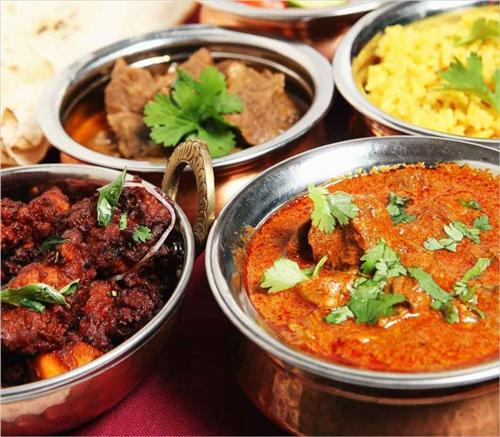
    The first time I had lamb was last year during Durga Puja (October-ish ) at Food Station, College Street, Kolkata. It was ‘Roasted Lamb cooked in Oyster Sauce‘ as far as I remember and it was heavenly. I would have licked my plate clean if only I were at home and not in a restaurant. From then on, I have had lamb a number of times, either at home or in a fancy restaurant, each time craving for more.

    Lamb is delicious but it is quite expensive. So, if you are cooking at home, opt for the cheaper cuts (for example – neck fillet, boneless loin or shoulder).

    “New-season lamb shoulder, cooked pink, is the perfect platform for a mixture of fresh and cooked herbs.”

    -Yotam Ottolenghi

    3 lovely lamb recipes for you to try out :

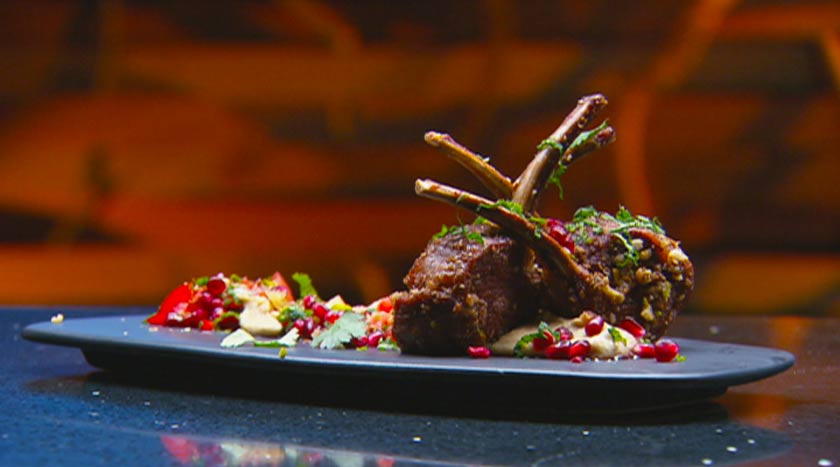
    Dukkah Lamb Cutlets with Eggplant Dip and Salad
     lamb1

    Ingredients – 1 ½ tbsp coriander seeds (toasted), 1 ½ tbsp cumin seeds (toasted), 1 ½ tbsp pine nuts (toasted), 1 ½ tbsp Brazil nuts (toasted), 2 tbsp pistachio nuts (toasted), 1 tbsp olive oil (plus extra to drizzle), 400g lamb rack (cut into double cutlets), 1 tbsp honey, 1 eggplant, 1 tbsp tahini, 1 ½ garlic clove (crushed),  ½ lemon (juiced), 1 pomegranate (seeded), 12 cherry tomatoes (quartered), 2 tbsp thinly sliced mint, 2 tbsp thinly sliced coriander, salt (to taste)

    Method – Preheat oven to 180C.To make dukkah, pound spices in a mortar and pestle until finely ground, then add nuts and coarsely grind. Heat oil in a frying pan over high heat. Sear lamb for 1-2 minutes until browned. Remove lamb from heat, rub with honey and then coat with dukkah (reserving 1 tablespoon for garnish). Place lamb in a roasting pan and cook in oven for 15 minutes until cooked to medium. Set aside to rest. Meanwhile, char eggplant on a gas stove-top. Peel and place in a blender with tahini, garlic, lemon juice and salt to taste, processing until smooth. To make salad, combine pomegranate seeds (reserving 1 tablespoon for garnish), tomatoes, mint, and coriander in a bowl, drizzle with olive oil and toss to combine. Season with salt. Serve cutlets with dip and salad on the side. Sprinkle with reserved dukkah and pomegranate seeds.


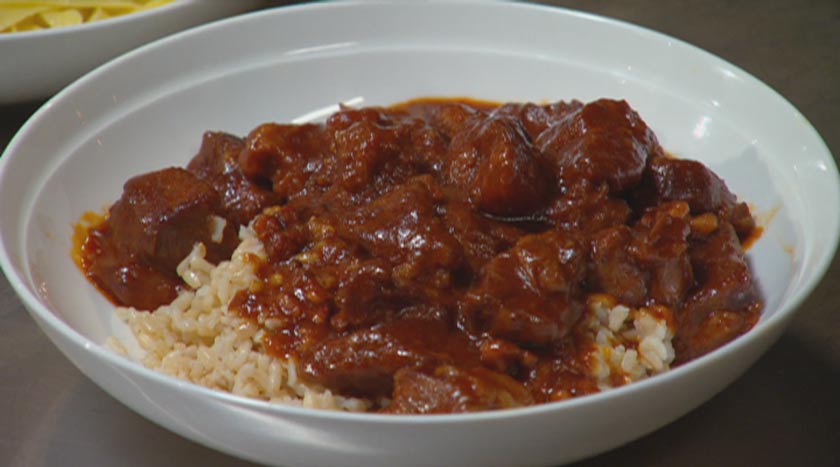
    Lamb, Walnut and Pineapple Braise
    lamb2

    Ingredients – 2tbsp plain flour, 1.2kg lamb forequarter (trimmed, cut into 3 cm cubes), 60ml olive oil, 3 garlic cloves (finely chopped), 1 cm knob garlic (finely grated), 2 tsp curry powder, 140 g tomato paste, 80ml soy sauce, 2 tbsp red wine vinegar, 2 tbsp brown sugar, 500ml pineapple juice, 75g walnuts (toasted), salt and pepper (to taste), buttered  egg noodles or steamed brown rice (to serve)

    Method – Preheat oven to 180C. Place flour into a large zip-lock bag. Add lamb and shake in bag to coat in flour. Heat 2 tbsp oil in a large heavy-based frying pan over high heat. Cook lamb for about 5 minutes until brown. Transfer lamb to a bowl and set aside. Meanwhile, combine remaining 1 tbsp oil with garlic in a bowl. Place a heavy-based saucepan over medium heat. Cook garlic mixture for 30 seconds until fragrant, then add curry powder, tomato paste, soy sauce, vinegar and brown sugar, and stir to combine. Stir in pineapple juice. Bring to the boil and then add meat to pan. Cover the surface with a cartouche made out of baking paper, then cover with a lid, and place in a oven for about 2 hours until meat is tender. Stir in walnuts and season to taste. Serve with braised buttered egg noodles or steamed brown rice.


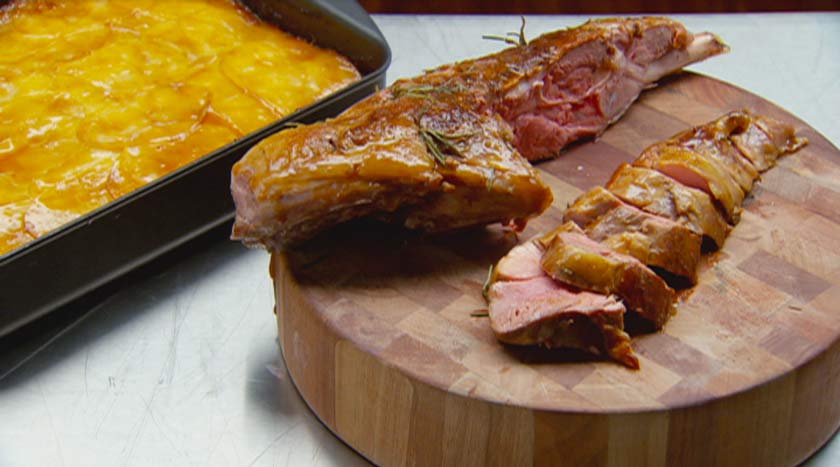
    Roasted Leg of Lamb with Garlic, rosemary and Anchovy
    lamb3

    Ingredients – 1. 5kg lamb leg, 50 ml grape seed oil, 400 g skim milk, 6 garlic cloves (halved), 12 anchovy fillets in olive oil (drained, halved lengthwise), 4 rosemary sprigs, splash white wine, ½ tsp Dijon mustard, 500 g chicken stock, salt (to taste), Roast potatoes (to serve)

    Method – Preheat oven to 90 C. Heat oil in a flame proof roasting pan over high heat until smoking. Season lamb with salt, then sear until completely golden brown. Place a roasting rack underneath the lamb set inside the pan. Meanwhile, bring 100g milk to simmer in a saucepan over medium heat. Add garlic and allow to simmer for 1 minute. Drain through a fine sieve, retaining the garlic and discarding the milk. Repeat process 3 times using the remaining milk. Cut blanched garlic into slivers. Using a sharp knife, cut small slits in the surface of the lamb at regular intervals. If necessary, use a small spoon to enlarge holes. Fill holes with an anchovy slice, a garlic sliver and a few rosemary leaves. Place lamb in oven for 1.5 -2 hours or until internal temperature reaches 57C. Remove lamb from oven, wrap in foil, and set aside to rest for at least 30 minutes. Meanwhile, place roasting pan over medium heat. Add a splash of white wine to deglaze, whisk in mustard and stock, then reduce to a saucy consistency. Pour into a warm jug. To serve, remove foil, and place lamb on a chopping board. Cut meat from the top, downwards, until the knife meets bone, to desired thickness, all the way along the top of the leg. Run the knife horizontally across the meat, just above the bone, separating the slices. Turn over and repeat on the other side. Arrange lamb on a platter and serve with roast potatoes and sauce.

    Recipe and Image Courtesy – tenplay.com.au/channel-ten/masterchef/recipes

  • Baking A Cake – Do it YOUR Way!

    Baking A Cake – Do it YOUR Way!

    While baking a cake, I love to experiment and try out new stuff. Maybe add some blueberries or crushed almonds or simply drizzle some fruity syrup over the plain old basic cake – Anything. Anything and everything will do. Gradually you inherit the good sense of what goes with what. And if not, what’s life without a few mistakes, or in this case, a few badly turned / burnt cakes?

    First, you need to know how to bake the basic cake. Once that foundation is made, it is easier to branch out, give a solid structure to your new ideas and bake.

    Here are a few extremely basic age-old favourite cakes. Feel free to dab in your innovative ideas anywhere.

    Let’s start with the basic Vanilla Sponge Cake. It is pretty easy to make and you can tempt your inner creative genius to work. (I usually add some raisins and cashew nuts to it.)


    Vanilla Sponge Cake

    BasicS4

    Time: 45 minutes

    Serves: 8 to 10

    Ingredients: 200g plain flour, 2 tablespoons cornflour, 200g caster sugar, 2 teaspoons baking powder, 1/2 teaspoon salt, 70g margarine,150ml milk, 1 teaspoon vanilla extract,1 egg

    Method: Preheat oven to 180 C / Gas 4. Grease and flour a 20cm square tin.Sieve flour, cornflour, sugar, baking powder and salt into a large bowl. Add margarine and milk. Mix until smooth, then add vanilla and egg. Mix well.Pour into prepared tin. Bake in preheated oven for 30 to 35 minutes or until a skewer inserted comes out clean.

    Princess Cake (this cake was invented in the 1930s )

    6068138335_04763a4c31_z

    Time: 1 hour

    Serves: 8 to 10

    Ingredients: 1 ready-made 18cm round vanilla sponge cake, 500ml double cream, 200ml thick vanilla custard, 3 tbsp raspberry jam, 200g fresh raspberries, 350g marzipan (coloured pale green), icing sugar (for dusting)

    Method: Using a sharp serrated knife, cut the sponge cake through the middle into3 layers. Whip the cream until stiff. Spread a thin layer of cream on top of the bottom cake layer, then carefully spread over the vanilla custard within 2cm of the edge. Spread the raspberry jam on top of the middle cake layer and arrange about half the raspberries in the centre. Place on top of the bottom cake. Position the final top layer of the cake on top of the raspberries. Using a palette knife, spread a little of the whipped cream around the side of the cake. Keep the best-looking raspberry for decoration, pile up the remainder in the centre, then cover these with the remaining cream. Try to create a dome effect across the top of the cake. On a surface dusted with icing sugar, roll the marzipan to a circle large enough to cover the cake completely. Carellfully drape it over and gently smooth it in place, letting it fall into neat folds. Using scissors, trim away any excess marzipan around the base. Sit your star raspberry on top, then dust with icing.


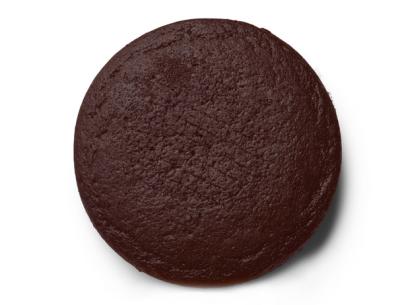
    Basic Chocolate Cake

    FNM_010113-Chocolate-Cake-Recipes_s4x3.jpg.rend.sni12col.landscape

    Time: 1 hour

    Serves: 9 – 10 people

    Ingredients: Cooking Spray, 1 cup unsweetened cocoa powder, 1 ½ cups all-purpose flour, 2 cups sugar, 1 ½ tsp baking powder, 1 tsp baking soda, 1 tsp salt, 3 large eggs, ¾ cup vegetable oil, ½ cup sour cream, 2 tsp vanilla extract

    Method: Preheat the oven to 170C. Coat two 9-inch-round cake pans with cooking spray and line the bottoms with parchment paper. Whisk the cocoa powder and 1 ½ cups boiling water in a medium bowl until smooth; set aside. Whisk the flour, sugar, baking powder, baking soda and salt in a large bowl until combined. Add the eggs, vegetable oil, sour cream and vanilla and beat with a mixer on medium speed until smooth, about 1 minute. Reduce the mixer speed to low, beat in the cocoa mixture in a steady stream until just combined, then finish mixing with a rubber spatula. Divide the batter between the prepared pans and tap the pans against the counter to help the batter settle. Bake until a toothpick inserted into the middle comes out clean, 30 to 40 minutes. Transfer to racks and let cool 10 minutes, then run a knife around the edge of the pans and turn the cakes out onto the rack to cool completely. Remove the parchment. Trim the tops of the cakes with a long serrated knife to make them level, if desired.


    Marble Bundt Cake

    images

    Time: 1 hour

    Serves: cuts into 8 – 10 slices

    Ingredients: 300g butter (softened, plus extra for greasing), 300g golden caster sugar, 6 medium eggs, 150ml whole milk, 280g self-raising flour (plus extra for the tin), 1 tsp baking powder, 1 tsp vanilla extract, 100g dark chocolate (coarsely chopped into chips or chocolate chunks, plus extra for decorating (optional) ), 25g cocoa powder (sifted), 1 tbsp dark rum, icing sugar (optional)

    Method: Heat oven to 170C. grease a 25cm bundt ring mould with butter, then dust with flour. Cream together the butter and sugar in a food processor. Beat in the eggs, one at a time, then add the milk. Divide the mixture between 2 large bowls. Sift together the flour and baking powder. Add 150g of the flour to one bowl and fold in carefully with the vanilla, then fold in the chocolate chips. Fold the remaining flour and the cocoa into the other bowl, along with the rum. Spoon the cocoa mixture into the base of the mould, creating a slight trough, then smooth the vanilla mixture on top. This arrangement of the 2 mixtures with the cocoa mixture on the base should minimize the possibility of the cakes sticking. Bake for 50 minutes until risen and set. Run a knife around the inner and outer edges and leave to cool in the tin for about 30 minutes. Put a cake stand or plate on top of the mould and invert it. Leave to cool completely.


    So grab your aprons, take the baking tin out, pour in some batter and start baking!

    “Let them eat cake.”

    Marie Antoinette


    Recipe Courtesy: foodnetwork.com, bbcgoodfood.com

    Image Courtesy:foodlibrarin.com, flick.com, yourrecipesonline.com, foodnetwork.com

  • The Veggie Kitchen

    The Veggie Kitchen

    I’m going vegan for a week.

    Being a meat lover and someone who hardly has her vegetables at meal time, this was turning out to be quite a hellish challenge to overcome.

    I spent the first two days craving for some meat. Anything meaty. Any meat look-a-like. Today is the sixth day and I’m more than okay. I guess I’ll survive.

    I was always a fussy eater. Not this. Not that. This is soggy. That looks weird. Eww. “Mum, the fish tastes fishy. I don’t like it.” I made up all kinds of excuses to not eat my meals properly, especially the greens.

    Well, I’m twenty now. These excuses work no more.

    Anyway, when mum dared me to go all vegan for a week, I readily took up the challenge. I had to prove her wrong, didn’t I?

    Why? Why did I have to prove her wrong? *sighs*

    Since my bruised ego had already done the needful, I braced my taste buds and entered the Veggie Kitchen.

    (I would rather not admit this, but I don’t hate the green beings any more. The Vegetable Mornay is one of the yummiest vegetable dishes I have had so far. As far as egg-less desserts go, the Peanut Butter Fudge is my favourite. )

    From the Veggie Kitchen:


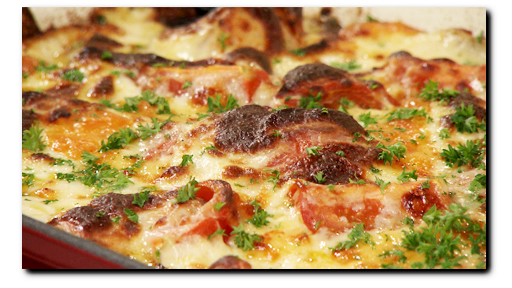
    Vegetable Mornay

    pot-roasted-mornay

    Time – 40 minutes

    Serves – 4

    Ingredients – 2 to 3 carrots, 2 leeks, 1 head of broccoli, 1 cauliflower, 25g butter, 1 tbsp plain flour or cornflour, 500-700ml milk, 2 tbsp nutritional yeast flakes (optional), 100g mature cheese (grated, 75 g for the sauce and 25 g for the topping), ½ tsp mustard, Black pepper to taste

    Method – Preheat the oven to 180C. chop the carrots into sticks, slice the leeks and cut the broccoli and cauliflower into manageable florets. Place in a steamer and cook until the cauliflower is tender but not soft. Meanwhile, make the sauce. Melt the butter gently in a saucepan in medium heat. Add the flour or cornflour and stir well with a wooden spoon. Add the milk a little at a time, continuing to stir to avoid lumps. Switch to a balloon whisk. Continue to stir over a medium heat until the sauce begins to thicken. The balloon whisk will also help to eradicate any lumps that may have materialized. Add more milk as necessary to get the desired thickness. The sauce should be the thickness of custard. If you are using nutritional yeast flakes, add these before the grated cheese as they will reduce the amount of cheese you will need. Add the cheese and mustard and stir well. Season with black pepper. When the vegetables are ready, transfer them to an oven proof dish. Pour over the sauce and garnish with the remaining grated cheese. Bake in the oven for about 15 to 20 minutes or grill until the top is golden.


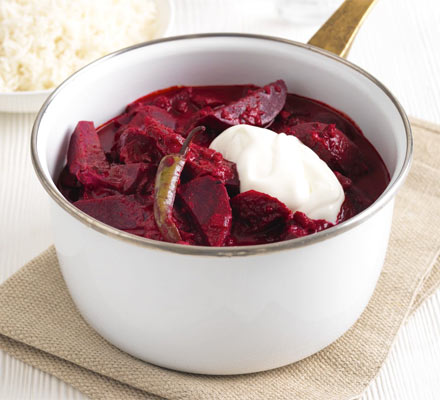
    Creamy Beetroot Curry

    recipe-image-legacy-id--1125484_11

    Time – 50 minutes

    Serves – 4

    Ingredients – 1 tbsp vegetable oil, 2 onions ( very finely chopped), 2 tsp yellow mustard seeds, 3 tbsp Madras curry paste, 1 kg raw beetroot (peeled, halved and thickly sliced), 1 green chilli (halved lengthways), 400g can chopped tomatoes, 3tbsp ground almonds, 4 tbsp low-fat natural yogurt (plus extra to serve), basmati rice (to serve, optional)

    Method – Heat the oil in a large lidded pan, stir in the onions and cook for 8 minutes until soft. Tip in the mustard seeds and cook for 1 minute until toasted. Stir through the curry paste and sizzle for 3 minutes. Mix the beetroot through the spicy onions, then add the chilli, tomatoes and 2 cans of water. Cover and simmer for 30 minutes, stirring occasionally, until the beetroot is tender. Remove the lid, turn up the heat and cook until the sauce is thick. Take off the heat, then stir through the almonds, yogurt and some seasoning. Top with yogurt and serve with basmati rice(optional).


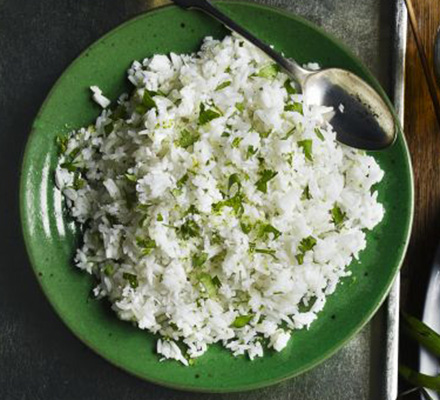
    Coconut and Lime Rice

    rice_3

    Time –22 minutes

    Serves –4

    Ingredients – 250g basmati rice, 5 tbsp desiccated coconut, zest and juice 1 lime, small pack coriander (roughly chopped)

    Method – Cook the rice. Add the coconut about 5 minutes before the end of the cooking time. Stir in the lime zest and juice, and the coriander. Serve immediately.


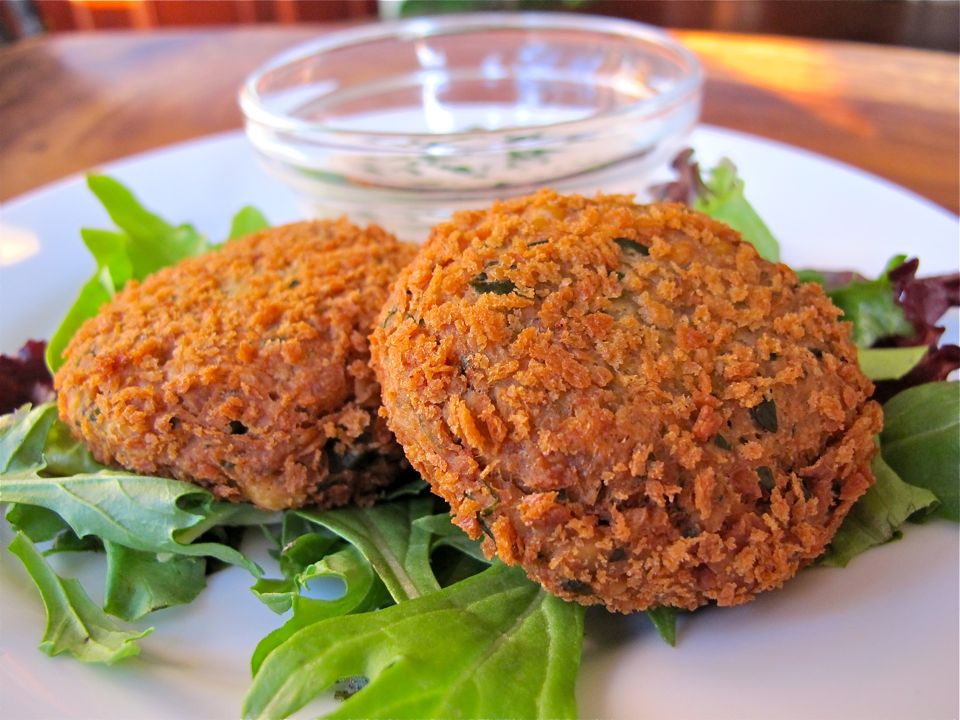
    Chickpea Patties with Carrot and Raisin Salad

    Spicy-Panko-Chickpea-Patties-

    Time –15 minutes

    Serves –2

    Ingredients –

    For the Patties: 400g chickpeas (drained), 1 garlic clove, 1 egg, 1 tbsp ground almonds, 2 tsp harissa, 1 tsp ground cumin, 3 tbsp chopped parsley, 2 tsp rapeseed oil (for frying)

    For the Salad: 1 tbsp raisins, 1 carrot and 1 courgette (shaved into ribbons with a peeler), 5 radishes (thinly sliced), 2 handfuls from a bag of watercress, rocket and spinach, 1 tsp each hemp or rapeseed oil and white wine vinegar, or lemon wedges (optional)

    Method – Tip the chickpeas, garlic, egg, almonds, harissa and cumin into a bowl and blitz with ahand blender until smooth. Stir in the parsley. Heat the oil in a non-stick frying pan and dollop in the mixture in 8 big spoonfuls, spaced apart. Cook for 5 minutes on each side.

    For the salad, toss the raisins and all the vegetables together, but don’t dress with the oil and vinegar until you are about to eat. If taking to work, add a wedge of lemon to squeeze over instead of the dressing.


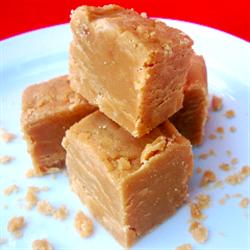
    Peanut Butter Fudge

    305440

    Time – 1 hour 20 minutes

    Serves – 4

    Ingredients – ½ cup butter, 2 ¼ cups brown sugar, ½ cup milk, ¾ cup peanut butter, 1 tsp vanilla extract,  3 ½ cups confectioners’ sugar

    Method – Melt butter in a medium saucepan over medium heat. Stir in brown sugar and milk. Bring to the boil and boil for 2 minutes, stirring frequently. Remove from heat. Stir in peanut butter and vanilla. Pour over confectioners’ sugar in a large mixing bowl. Beat until smooth; pour in to an 8×8 inch dish. Chill until firm and cut into pieces.


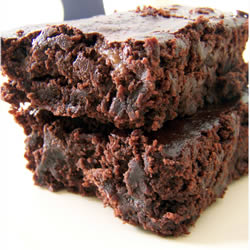
    Vegan Brownies

    34119

    Time – 50 minutes

    Serves – 16 brownies

    Ingredients – 2 cups unbleached all-purpose flour, 2 cups white sugar, ¾ cup unsweetened cocoa powder, 1 tsp baking powder, 1 tsp salt, 1 cup water, 1 cup vegetable oil, 1 tsp vanilla extract

    Method – Preheat the oven to 175 C. Ina large bowl, stir together flour, sugar, cocoa powder, baking powder and salt. Pour in water, vegetable oil and vanilla; mix until well blended. Spread evenly in a 9×13 inch baking pan. Bake for 25 to 30 minutes in the preheated oven, until the toothpick inserted in the brownie comes out clean. Let cool for at least 10 minutes before cutting into squares.


    Recipe Courtesy: allrecipes.com, bbcgoodfood.com

    Picture courtesy: allrecipes.com, bbcgoodfood.com, aliveandcooking.com.au, toriavey.com,

  • Maggi Mania

    Maggi Mania

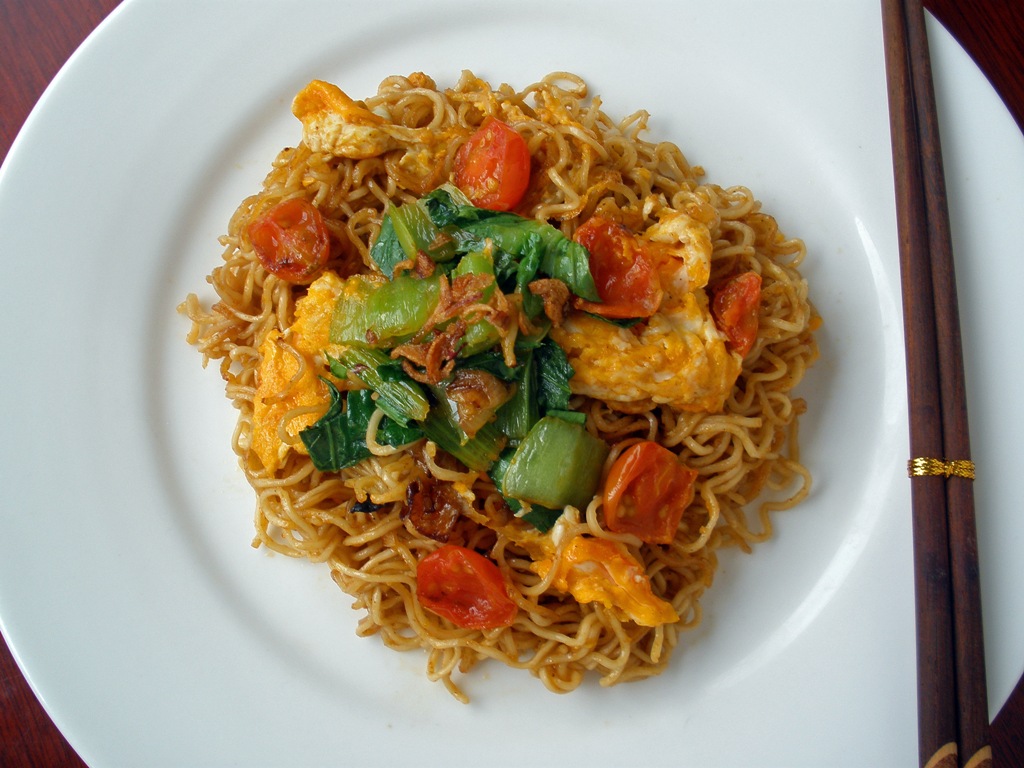
    On Mondays, they serve Matar Paneer in the mess. But as my friend down the hall puts it, it is better described as “water Paneer” – a few peas and an even fewer pieced of cottage cheese swimming in a curry that’s all but water. Needless to spell out, you walk out of the mess feeling less than full. Two hours on, you fall prey to crazy hunger pangs. The solution? Why, a packet of Maggi noodles of course!

    If you have ever lived in a hostel in the last thirty years or so, the story above must be only too familiar. But the massive popularity of Maggi noodles is definitely not confined within the poster-clad walls of college hostels. If you live in India, you probably have slurped on a plateful at some point or another. So much so, that everyone has a “Maggi memory” – and the manufactures have very cleverly tapped into this nostalgia factor associated with Maggi noodles as a major marketing strategy. In fact, in India, “Maggi” is synonymous with instant noodles, despite the existence of other brands. According to a report by Euromonitor, Nestle has 60% of the instant noodle market in India with Maggi – the first instant noodle introduced in the country. Marketed as a “2 Minute Noodles” since 1982, the manufacturers seem to have stumbled upon a highly saleable hit formula back then and never looked back.

    At the same time, despite being arguably one of India’s most popular food brands, Maggi has repeatedly come under the scanner for being unhealthy. What, then, accounts for the unparalleled popularity of Maggi noodles in India? And what is the controversy all about? Let’s explore.

    Maggi noodles


    The popularity:

    Why are Maggi noodles as popular as they are? Perhaps, the most common-sensical answer is the extreme convenience they guarantee. They are very inexpensive – available in packets worth 10 and 5. This implies that almost everyone, from broke college students to budget-conscious moms, can afford to put a few packets of Maggi on their shopping list – and pretty frequently. Besides, Maggi noodles are as easy to cook as can be. If you were a child of the ‘80s, the ‘90s, or the ‘00s (yes – three generations), chances are Maggi was the first thing you were ever actually allowed to cook. Late night hunger pangs at home? Campsite snack-craving? Maggi is your one simple answer.

    Effective marketing is another factor that accounts for the unprecedented popularity of Maggi noodles in India.

    “Mummy Bhookh lagi!”

    “Bas 2 minute!”

    These signature Maggi lines are indeed unforgettable. They highlight how easy it is to cook the noodles, the fact that they are seldom ready in 2 minutes notwithstanding. Here’s another slogan you’ll remember: “Taste Bhi, Health Bhi”. This one’s aimed at putting a mom’s misgivings about exposing her child to a potentially unhealthy food at rest. A food that your child loves – and you will indeed have a hard time finding a child whodoes not love Maggi noodles – and it promises health? That’s the dream!

    Perhaps, another reason why Maggi noodles have a wide appeal is the fact that they take well to the addition of different ingredients – veggies, chicken, cheese, butter, ketchup, etc. In fact, there are entire road-side joints selling only different types of Maggi noodles – Masala Maggi, Cheese Maggi, Butter Maggi, Chicken Maggi, Egg Maggi, Spicy Maggi – you name it, they have it.

    OLYMPUS DIGITAL CAMERA

    The Controversy:

    You have probably received emails and SMSes warning you against the possible wax content of Maggi noodles. Yes, the same ones that probably also told you about Kurkure containing plastic and Coke being an excellent toilet cleaner, etc. While viral mass messages are rarely to be taken at face value, food critics have also condemned Maggi noodles for being low in nutrition and high in salt, MSG, and fat. It was to counter this ‘unhealthy’ tag that the brand marketers quickly came up with the “Taste Bhi Health Bhi” slogan. They also came up with the new Maggi Atta noodles. With a healthy green packaging and new tags –  with the “goodness of three rotis” and “with vegetables” – these noodles were obviously aimed at driving home a more-than-subliminal message about better health.

    Maggi Atta Noodles

    So, on the one hand there are all these allegations about the noodles being fried in wax and animal fat before packaging and apprehensions about unhealthy packaging that causes the plastic to leach into the actual food, and on the other, there is the manufacturer’s claim that it’s all good and safe and healthy. What do we as consumers believe?

    The Middle-way:

    While we may never know the full truth, it probably lies somewhere in between the scare-mongering and the slick marketing. The Atta noodles may be slightly better than the maida ones, but three desiccated peas and five shreds of dehydrated carrots in the Tastemaker hardly count for “added vegetables”. Nutritionally there isn’t much that Maggi noodles can offer, unless you decide to mix in your own ingredients (like fresh vegetables or protein-rich lean meats). Also, now that the ‘No MSG’ claim is prominently made on the packet, know that it is highly plausible that other substitutes are used for it – such as excess salt. There is also the claim that the product has “goodness of protein/calcium/fibre” – know that it perhaps has just enough to let the manufacturers legally make that claim.

    So while you may love Maggi – for reasons of taste, nostalgia, or convenience, don’t let yourself be fooled into thinking that it is anything close to as healthy as the marketing chaps would have you believe. But that does not mean that you have to buy into the charges of toxicity made by the alarmists either. Like so many other things in life, moderation is the key. An occasional Maggi meal really doesn’t need to make you feel guilty.

  • Doctor At Home – Kitchen To The Rescue

    Doctor At Home – Kitchen To The Rescue

    Not everybody is fortunate enough to be in a doctor’s family. So what? Each one of you can be a doctor at your home. Well, the kind of doctor I am talking about doesn’t need a medical degree, he/she just needs a kitchen with some of the regular stuff a typical kitchen should have. And having kitchen in your house, is not that big a deal (for those who don’t have it !!)..

    Your body can throw you for a loop anytime in your life. The day you have an important presentation to give, you might end up having a sore throat. The delicious sea- food salad you got from an amazing eatery can leave you with a grumbling indigestion. Or , you might overdo it at the gym and may arrive with a stiff neck. You won’t have your doctor or therapist to attend to aches and pains all the time, at your disposal.Here’s the next best thing : all natural, expert recommended ways to treat your ailments quickly, safely and effectively at home.

    So, here is a list of surprisingly effective kitchen stuff, which has a totally different use than just satisfying your taste buds.

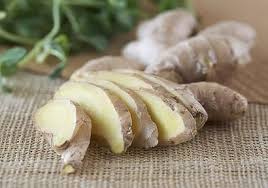
    frozen ginger chips

    Nausea

    For nausea, frozen ginger chips are a boon. You should first infuse fresh ginger in hot water and then strain and freeze the concoction in ice cube trays. Crush the cubes after a while and suck the icy chips to provide your tummy with a smooth dribble.

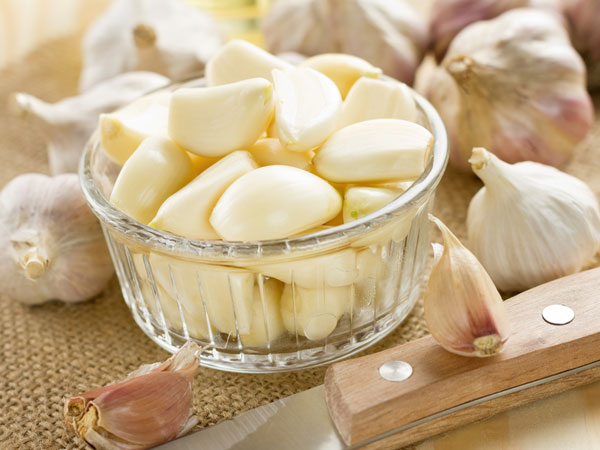
    garlic-juice

    Sore Throat

    Fresh garlic juice has anti-microbial properties that fight pain-causing bacteria. Mix 6 pressed garlic cloves into a glass of warm water and gargle with the solution. Follow this for 3 days. Warm liquid soothes inflamed tissue.

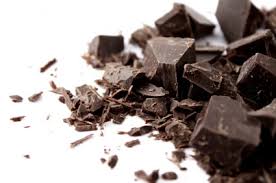
    dark chocolate

    Cough

    Have a square or two of dark chocolate. Chocolate has a compound theobromine which is much more effective than codeine at suppressing coughs that are persistent without exhibiting any side effects like drowsiness and constipation.

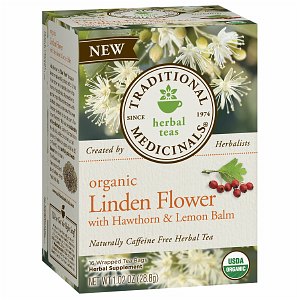
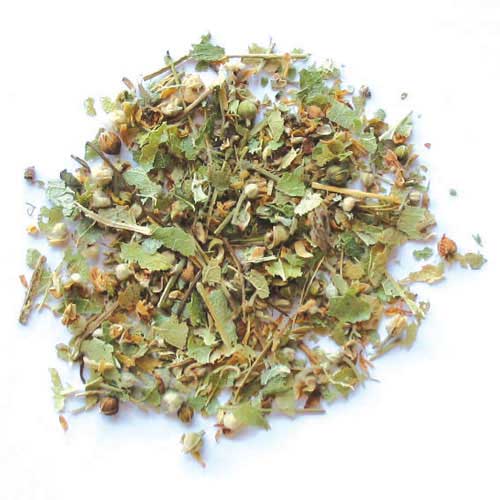
    linden flower   linden

    Fever

    Sipping linden flower tea stimulates the brain to control your temperature, and induces sweating. So add 1 tsp of this dried herb in a cup of water for 15 minutes, and sip it. Drinking this tea 3-4 times a day is really effective.

    aloe vera

    Burns

    Applying aloe-vera gel to the burnt area is very soothing. This anti-inflammatory gel creates a second skin to protect the skin lying underneath, from air, as the exposed skin would otherwise irritate nerve endings.

    lemon juice

    Cold

    Vitamin-C taken before the onset of cold shortens its duration and severity. So cut and squeeze half a lemon in a cup, add boiling water and honey to boost your immunity and to coat painful throat tissues. Sip this concoction 3-4 times a day.

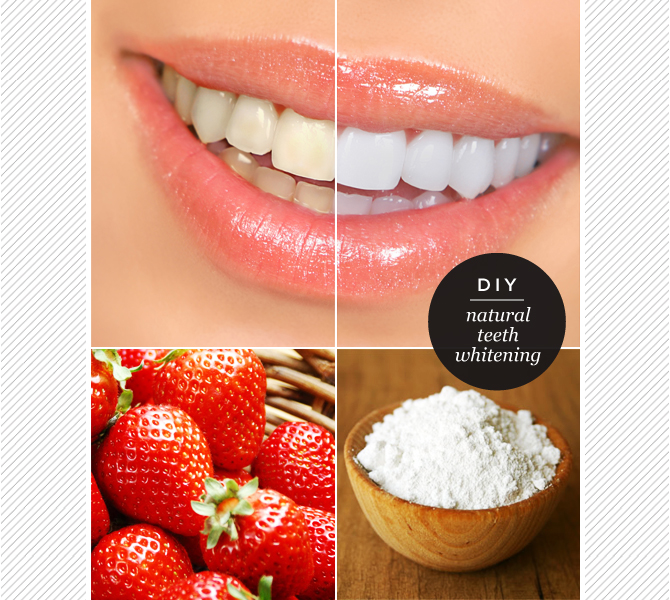
    DIY teeth whitening

    Stained Teeth

    Mix a pinch of stain- removing baking soda into a few freshly cut strawberries to make a paste. Apply this mixture to a soft- bristled toothpaste and brush your teeth with it every three to four months. The astringent malic acid in strawberries buffs coffee and red wine stains from the teeth.

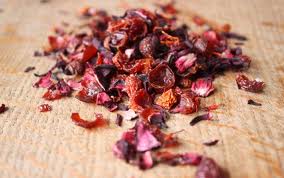
    pomegranate tea         pomegranate-tea

    Diarrhea

    Having bananas cures diarrhea in a few hours. Also, tea made from pomegranate skin helps an upset stomach.

    blck tea and burned toast

    Food Poisoning

    If you suspect food poisoning, couple a few pieces of burned toast with black tea. The tannic acid in tea and charcoal in the toast neutralizes the toxins and help you to recover quickly.

    tart cherry juice

    A Tough Workout

    Drink a bottle of tart cherry juice to repair any damage caused by tiny tearing of tissues and swelling. Tart cherries have anthocyanins, which are antioxidants and has anti- inflammatory properties that help sore muscles recover.

    healthy-pantry-cleanup

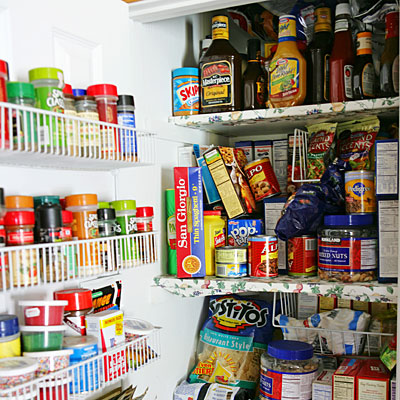
    See, it isn’t that tough to be your own doctor, is it? These things work miracles in the treatment of your everyday ailments. And if you don’t have them in your kitchen, then you should definitely clear some space in your refrigerator and kitchen shelves, as these things are pretty important for you.

  • 5 Disasters To Ditch : A Step Towards A Healthy You

    5 Disasters To Ditch : A Step Towards A Healthy You

    Most  people think of their fridge as a nutritional safety zone, home to minimally- processed foods like fruits and veggies, milk, curd and condiments. But nutrition in the fridge is just confined to veggie box or main shelves. But look around inside the fridge, the door, the chill zone and the freezer, those small shelves, which, ironically, turn into the biggest attraction the moment you open the fridge. And they have the stuff that is the most dangerous. Candy bars, chocolates, mayonnaise, fizzy beverages etc. all these are nothing but calorie factories.

    How to get rid of this stuff?

    walk away

    Well, the only way is to dispose them off, by tossing them into a trash can. But the problem here is, what and what not to dispose off. Every food item has a group of ingredients, and catchy captions, which make you think it is healthy, which is why you bought it in the first place. Now what, getting confused? Here’s a short and sweet list of the top 5 worst foods in that refrigerator of yours, and healthy alternatives to these sugar and fat bombs.


    breads

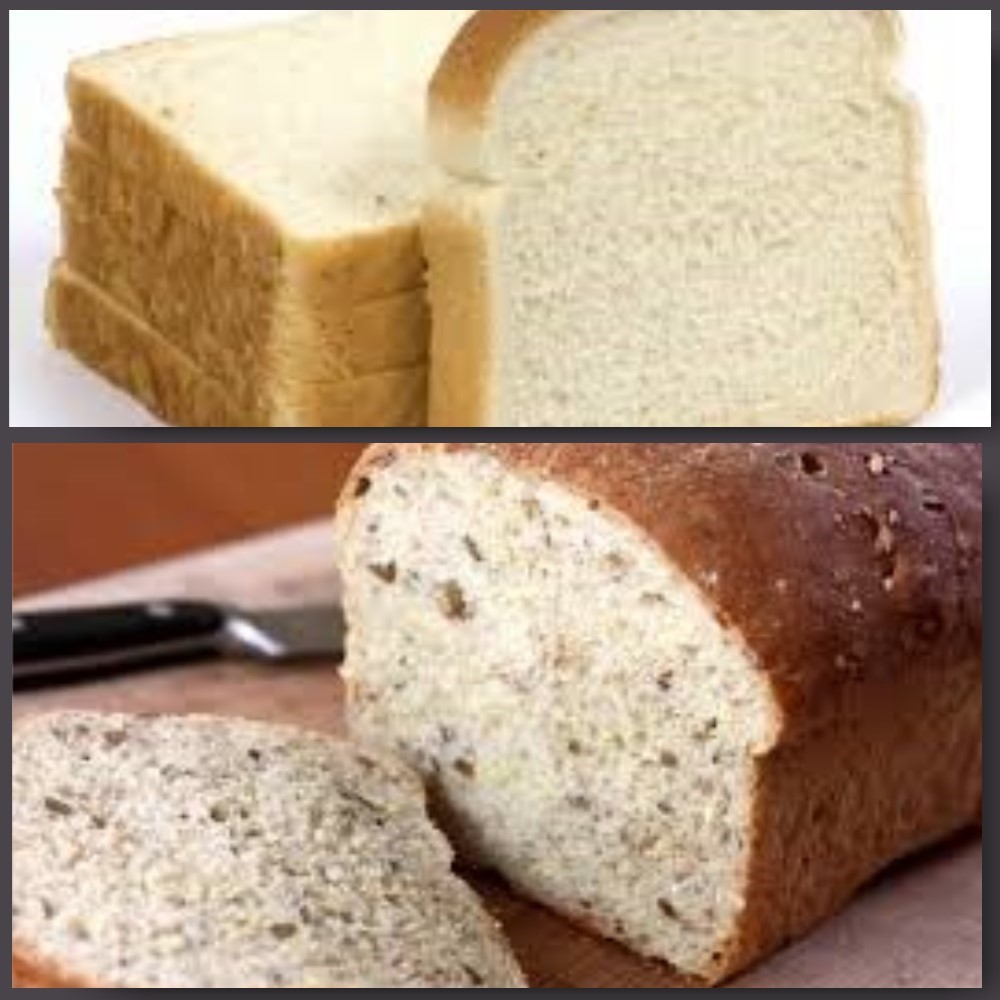
    1. Worst Staple – White Bread : you may think a loaf of reliable white bread is a harmless vehicle. White bread is made up of refined flour, which is robbed of the protein, key nutrients and bran. Refined grains can be dangerous to your heart besides being lower in protein and fibre than whole wheat bread.

    Quick Tip: whole wheat bread/multigrain bread/chapattis.


    fries

    1. Worst Quick-Fix Side Dish – Frozen French Fries : If you think that having frozen fries and ‘smileys’ is a better alternative for having a healthy serving of potatoes, then you are gravely mistaken. Most frozen potato products are flash fried and contain a higher quantity of fat and salt contents than if you did it yourself. Also, they also help you pack on the pounds faster than you think. And out of all the available frozen fried foods, the worst culprit of weight gain are, ironically, the  thinnest potato pieces – French fries..!! Eating one serving of French fries per day results in approximate 1.5 kg weight gain in 4 years. Many of these foods also contain as much as 1000 mg of sodium per serving (which is half your daily intake). No doubt, they are one of the main reasons for cardiovascular diseases all over the world

    Quick Tip:  make your own French fries. A much better option is to bake them by cutting them into small pieces , dipping them in olive oil, adding a pinch of salt, and keeping them in oven.


    condiments

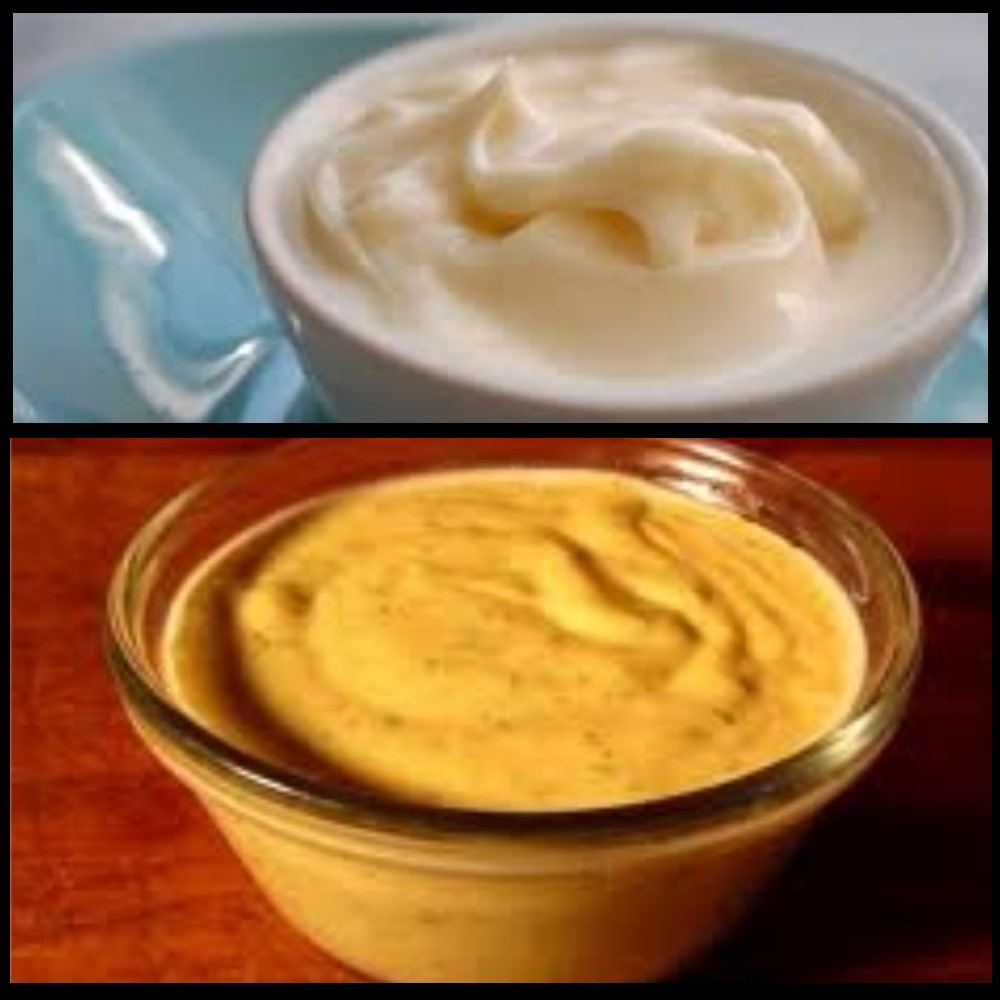
    1. Worst  Condiment – Mayonnaise : Love it or hate it, there’s no denying that mayonnaise is a common staple in fridges. But with 100 calories per tsp, this condiment can turn your typical sandwich into a calorie bomb, no matter how savory it is to your taste buds.

    Quick Tip: Mustards are a great alternative to mayonnaise and add a whole new flavor to your snack, but if you really crave that creamy flavor and texture, pesto should be your pick.


    butter

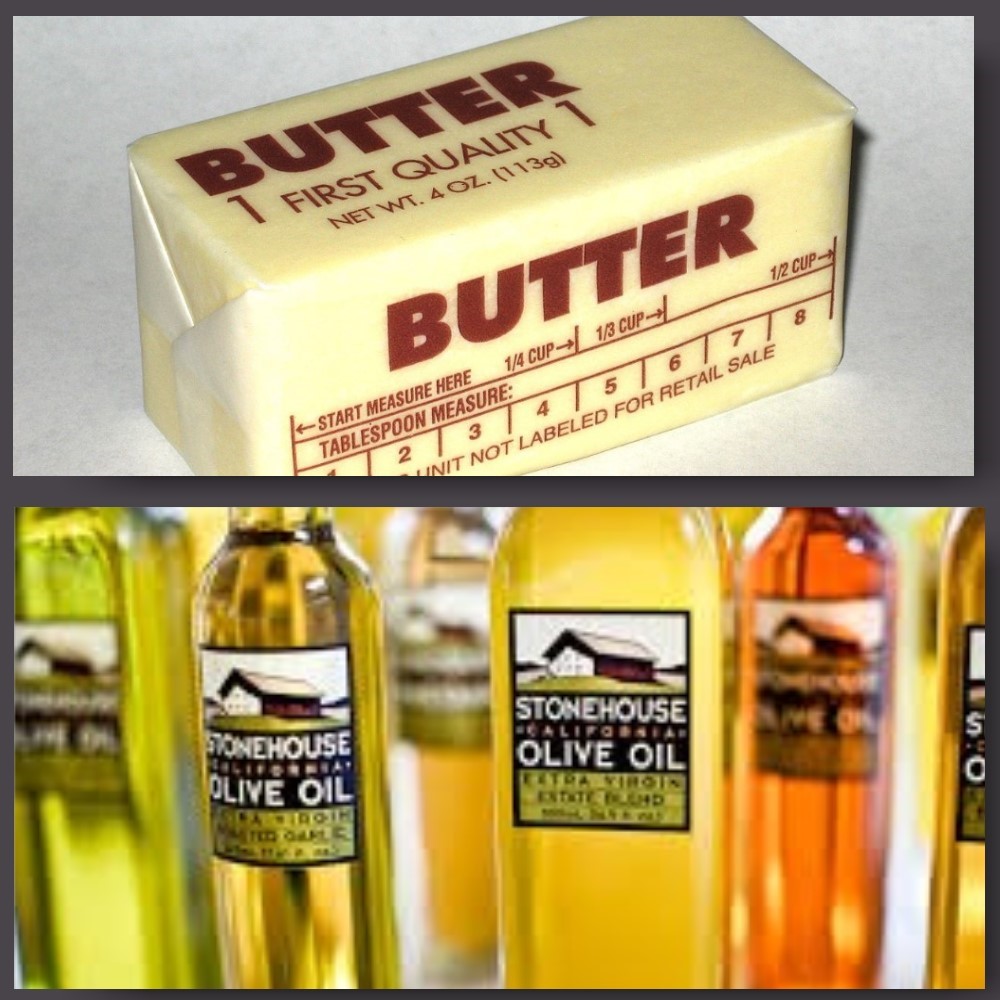
    1. Worst Spread And Cooking Fat – Butter: one tablespoon of butter contains 100 calories, 8g of saturated fat and 30 mg cholesterol, so it is not hard to see why this could be a diet danger if used too often. Using margarine in its place, isn’t better as well, because it contains cholesterol-raising trans fats. If you sauté your vegetables in butter, the flavor disappears even though you still get the calories.

    Quick Tip: Olive oil. This is a healthy substituent to butter, because it contains heart-healthy mono-unsaturated fats that make it a better bet.


    drinks

    1. Worst Beverage – Fizzy Drinks: Your typical can of aerated drinks contains about 140 calories and 10 teaspoons of sugar – not exactly what a thirst quencher should contain. And diet cola isn’t any better, because both of them have been linked to adult metabolic syndrome, which increases your odds for developing heart disease and type 2 diabetes. These are not suitable even for children and teenagers, as they are a big reason for childhood obesity.

    Quick Tip: Water/fresh juice/ iced tea. They are healthier and have less sugar and more nutrition.


    So, here were some of the worst foods in your fridge that could set you off track and healthy options to stock instead. Passing up these foods, and having the healthy ones instead, can help to prevent many lifestyle diseases like cardiovascular diseases, obesity and type 2 diabetes.

    Always remember if you don’t have it, you’re not going to eat it or use it, it is as simple as that.

  • Step-By-Step Guide on How To Eat Well

    Step-By-Step Guide on How To Eat Well

    1. Eat at regular intervals and make sure that you have three meals a day. This should help your blood glucose level to remain steady throughout the day. Also, having three proper meals at regular intervals will prevent you from feeling hungry.


    1.  Watch the amount of fat you eat. Fried and fatty foods are loaded with calories (they are obviously not good for you if you are trying to shed a few inches off your waist). Intake of saturated fats may lead to rise in one’s cholesterol level. However, you can switch to healthier unsaturated fats which will not harm you in any way.

    Food to avoid: Butter, Ghee, Paneer, Pastries, Crisps, Samosas, etc

    How to eat healthy fats? Instead of cooking with butter or ghee (saturated fat), use olive oil or cornflower oil (unsaturated fat). Avoid using too much coconut in your cooking. Creamy coconut and coconut milk are high in saturated fat. Choose skimmed milk and low fat yogurt over cream and full- fat yogurt. Replace Paneer with Tofu.


    A helpful recipe-


    vegan-chinese-salt-and-pepper-tofu-recipe-2

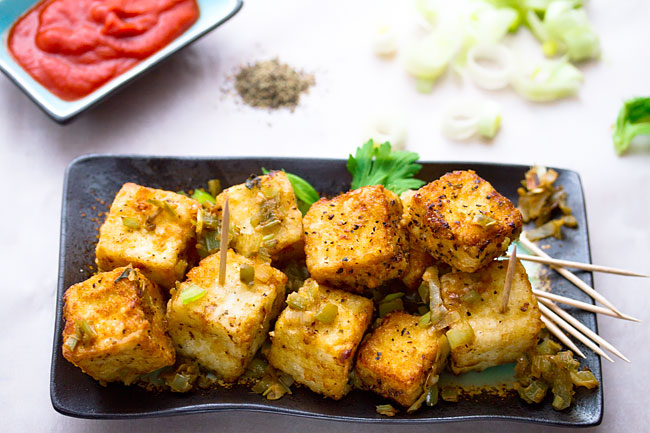
    Grilled Salt and Pepper Tofu


    Ingredients: 1 tbsp olive oil, 2 springs onions ( chopped, plus the finely chopped green parts of 4-6 spring onion), 5 cm piece root ginger (chopped), 6 garlic cloves (chopped), 5 cm stalk celery (chopped), 2 green chillies (sliced), 200g tofu (cut into 2 cm cubes), 1/8 tsp salt, 7-8 black peppercorns ( crushed), 1 tbsp lemon juice

    Method: Heat the oil in a pan. Add the spring onions, ginger and garlic, and sauté for 2 minutes. Add the celery and green chillies, and sauté for 30 minutes. Stir in the tofu, salt and crushed peppercorns and sauté until tofu gets some brown flecks. Add the spring onion greens and sauté for 1 minute. Add the lemon juice, toss and serve.


    1. Fruits and vegetables are rich in antioxidants. Antioxidants help prevent damage to one’s arteries. So, eat as much fruits and vegetables as regularly as possible. These foods are nutritious, low- GI, low in calories and fat and quite filling. Dried fruits can be had as snacks in between meals. Have fruits in dessert instead of sweet meats. Incorporate the habit of having some salad with yours meals. For example –


    Bulgur Wheat and Fruit Salad


    Ingredients: 200g bulgur wheat, 2 medium size red peppers, 1 medium size yellow pepper, 1 medium size onion ( sliced),  4 garlic cloves ( thinly sliced), 2 medium size tomatoes (seeded and diced), 1 tbsp chopped fresh parsley, ½ tsp salt, ground white pepper to taste, pinch of sugar, 1 tbsp lemon juice, 1 medium size apple ( diced), 4 tbsp finely chopped fresh mint leaves, a few leaves of Iceberg lettuce, 1 tbsp olive oil

    Method: Soak the cracked wheat in water for 15 minutes, then strain. Push each pepper on to a fork and, one at a time, roast directly on a flame. (If you prefer, you can char the peppers under the grill or roast them in the oven) Put the soaked wheat into a salad bowl, and stir in the onion and garlic. Run water on the charred peppers and then remove the burnt skin. Cut the flesh into small pieces and add to the salad bowl. Stir in the tomatoes and parsley, then add the salt, white pepper and sugar. Mix. Add the lemon juice, apple and mint leaves. Tear up the Iceberg lettuce and add. Toss well. Add the olive oil, toss again. Serve immediately.


    1. Consume less sugar. Replace fizzy drinks with diet ones, water or unsweetened fruit juice. Limit sweet meats such as Rosogolla, Barfi, Ladoo, Gulab ajmun, Khir Malai to special occasions. Cut back on sugar in your tea and coffee. Switch to artificial sweeteners such as Splenda or Sweetex.

    sweetex


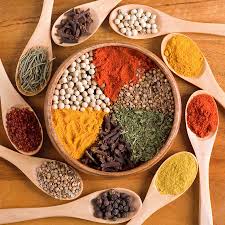
    1. Eat food low in salt such as plain popcorn, unsalted nuts or fresh fruits instead of savory biscuits, salted crisps, etc. Use unsalted butter instead of salted butter. Dried fish is very high in salt; soak it thrice and throw away the water before cooking. There is no need to add extra salt in cooking. Instead of salt, try experimenting with paprika, pepper, spices and fresh herbs.

    download

    1. Have more high- fibre food. Choose brown basmati rice over white rice, dal with whole lentils over dal with pureed lentils. As recommended earlier, eat your vegetables and fruits regularly.


    A vegetable dish for you to try –


    Mushrooms with fresh Coriander


    Ingredients – 600g button mushrooms (trimmed), 1 tbsp olive oil, 5 green cardamom pods, 1 black cardamom pod, 5 cloves, 2.5cm stick cinnamon, 1 bay leaf, pinch of ground mace, 175g boiled onion paste, 4 tsp minced ginger, 4 tsp minced garlic, 4 green chillies (chopped), 1 tsp red chilli powder, ½ tsp ground coriander, 375g natural low-fat yogurt (whisked), ½ tsp salt, 3 tbsp cashew nut paste, 25g fresh coriander leaves (chopped), 3.5cm piece root ginger (cut into thin strips)

    Method – Blanch the mushrooms in hot water for 2 minutes. Drain and set aside. Heat the oil in a non stick pan. Add the cardamom pods, clove, cinnamon, bay leaf and mace, and sauté over a medium heat until fragrant. Add the onion paste and sauté for 2 – 3 minutes. Stir in the minced ginger and continue to sauté until the oil surfaces. Add the chillies and sauté for 30 seconds more, before adding the chilli powder and ground coriander. Stir for another 30 seconds. Remove the pan from the heat and stir in the yogurt and salt. Mix well, then return the pan to the heat. Add 150ml of water and let it come to the boil. Reduce the heat and simmer until the fat rises to the surface. Stir in the cashew nut paste and simmer for 2 – 3 minutes. Add the mushrooms and ¾ of the chopped coriander and simmer for 2 – 3 minutes. Transfer the mushrooms to a serving dish and garnish with the remaining coriander and the ginger strips.


    Follow these steps attentively and you will soon discover a healthier better YOU.


    Recipe courtesy – sanjeevkapoor.com

    Picture courtesy – vegiebelly.com, weldricks.co.uk, spicesherbscentre.com

  • Healthy Cooking for Diabetes

    DIABETES. What is Diabetes?

    images

    When one has diabetes, the amount of glucose (sugar) in his/her blood is very high. This is mainly because the body is unable to use the glucose properly.

    For Diabetic people, maintaining blood glucose levels is the essential aim for treatment and this can be done by leading a healthy lifestyle. My grandmother and my mother are both prey to the disease diabetes mellitus. It is one horrible disease. The things to do and not to do. To eat or not to eat. The regular checkups. The huge doses of a dozen pills on a regular basis. The daily insulin intake through injections. It is a nightmare.

    To be healthy, to lead a normal lifestyle, one has to follow a balanced diet among other remedies.


    Breakfast, lunch and dinner are the three main meals of one’s day. The following recipes are very healthy and cooked as par the diet of a diabetic patient.
     

    BREAKFAST is the most important meal of your day.


    Besan Methi Frankie (Stuffed gram flour roti)

    Ingredients –

    For the dough- 90g gram flour (besan), 70g whole-wheat flour (atta) plus extra for dusting, 160g fresh fenugreek leaves (methi ) chopped, 4 green chillies (chopped), ¼ tsp ground turmeric, ¼ tsp carom seeds ( ajwain), 1 tbsp natural low-fat yogurt,½ tsp salt, green chutney ( as required), 1 medium sized onion ( chopped)

    For the stuffing – 1 tsp olive oil, 2 medium sized onions (chopped), 2 medium sized tomatoes ( seeded and chopped), 2 green chillies ( chopped), 160g bean sprouts ( blanched), ¼ tsp ground turmeric, ¼ tsp red chilli powder, ½ tsp chaat masala, ½ tsp salt, 1 tsp lemon juice, 1 tbsp chopped fresh coriander leaves

    Method – Mix together the two flours, fenugreek leaves, chillies, turmeric, carom seeds, yogurt and salt. Add enough water to knead into a semi- soft dough. Cover the dough with a damp cloth and rest for about 15 minutes.

    To make the stuffing, heat the oil in a pan, add the onions and tomatoes and sauté for 2 minutes. Add the chillies and bean sprouts and continue to sauté for 30 seconds. Stir in the turmeric, chilli powder, chaat masala, salt, lemon juice and coriander, and sauté for 1 minute. Remove from the heat and set aside.

    Divide the dough into 8 equal size portions and form into balls. Dust these with a little whole-wheat flour, and then roll out into rotis, roughly 15 cm in diameter. Heat a non-stick tawa and cook the rotis on both sides, until evenly done. To prepare a Frankie, place a roti on a flat work surface and spread a tsp of green chutney all over. Spoon some of the stuffing on one side of the roti, sprinkle on some onions, then simply roll up. Prepare the rest of the frankies in the same way, wrapping them in foil as you go to keep them warm and make them easier to handle. Serve immediately.


    LUNCH – eat a light lunch and have a snack later if you are hungry


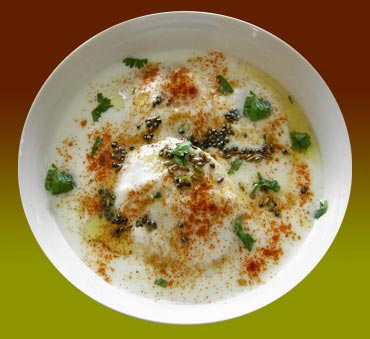
    Dahi Idli ( Steamed Rice Cakes in Yogurt)

    19summer-diet2

    Ingredients – 220g parboiled rice, 100g split black gram, 500g natural low-fat yogurt ( whisked), 2 tbsp green chutney, 2 tbsp tamarind chutney, ¼ tsp red chilli powder, ¼ tsp ground cumin, 2 tbsp chopped fresh coriander leaves

    Method – Wash the rice and then soak in 600ml fresh water for at least 2 to 3 hours. Wash the dal and then soak in 400 ml water for a similar period of time. Drain the rice and grind to a slightly coarse texture. Mix in as much water as required to make a batter of dropping consistency. Drain and grind the dal, then mix to a smooth and spongy batter, again using as much water as required. Mix both the batters together and pour into a large vessel with a lid. Close the lid tightly and then leave the batter to rest, and ferment, in a warm place overnight. The following day, heat sufficient water in a steamer. Place a muslin cloth on the idli stand. Pour a spoonful of the fermented batter into each dent. Place the idli stand in the steamer and cook for 8 to 10 minutes, or until the idlis are done. Place the idlis in a serving bowl and drizzle over the yogurt and chutneys, followed by the chilli powder and ground cumin. Garnish with the chopped coriander leaves and serve.


    DINNER is the last meal of your day. Try having your dinner at least 3 to 4 hours before you sleep. If convenient, walk a little after your dinner. This helps in giving your body the time to digest the meal and use up the calories from the food before your metabolism rate lowers for the rest of the night.


    Prawn Rice

    Ingredients – 190g brown rice, 10 medium prawns ( shelled and deveined), 1 tsp lemon juice, 1 tsp salt, 30g fresh coriander leaves (chopped), 2 tbsp grated fresh coconut, 3 green chillies (chopped), 2.5 cm piece root ginger (finely chopped), 4 garlic cloves (finely chopped), 12 to 15 fresh mint leaves, ¾ tbsp olive oil, 1cm piece cinnamon stick, 3 black cardamom pods (split), 1 star anise, 3 cloves, 1 tsp cumin seeds, 1 large onion (chopped), 1 ½ tsp low-fat coconut milk

    Method – Soak the brown rice in 500 ml water for 2 hours. Drain and set aside. Marinate the prawns in the lemon juice and salt. Set aside 1 tbsp each of the coriander and grated fresh coconut for the garnish. Grind the remaining coriander and coconut with the green chillies, ginger, garlic and mint to a fine paste. Heat the oil in a thick-bottomed handi and add the cinnamon stick, cardamom, star anise, cloves and cumin seeds. Sauté for 1 minute. Add the chopped onions and sauté for 3 to 4 minutes, or until it turns golden brown in colour. Add the masala paste and stir-fry for a further 30 seconds. Add the soaked rice and stir gently for 1 minute. Stir in the coconut milk and 1 litre water. Bring to the boil, stirring once or twice, and then cook on a medium heat until the water has almost disappeared – about 30 to 35 minutes. Add the prawns, reduce the heat and cook, covered, until the rice is tender. Remove the pan from the heat and served garnished with the reserved coriander leaves and grated coconut.


    HAVING DIABETES DOES NOT MEAN YOU CANNOT HAVE SWEETS. Small amount mixed with a balanced diet is fine.

    You can try making this healthy yummy pudding whenever you are craving for some sweet meats.


    Pineapple Yogurt Fool

    1386678376_pineapple yogurt fool

    Ingredients – ½ medium pineapple (cut into small pieces), 2.5cm stick cinnamon, 135g hung natural low-fat yogurt

    Method – Place the pineapple and cinnamon in a non-stick pan and stew over a low heat for 30 minutes. Set aside to cool. Remove the pineapple pieces from the pan and mix them with the yogurt. Blend together in a mixer. Chill in the fridge. Serve chilled.


    Recipe Courtesy – sanjeevkapoor.com

    Image Courtesy – lchdhealthcare.org, rediff.com, 4remedy.com

  • Paneer: The Indian Cheese

    Paneer: The Indian Cheese

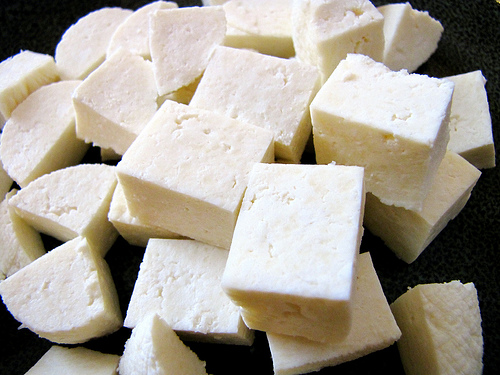
    Paneer or Indian cheese is nothing but curd cheese which is a resultant of curdling milk with vinegar, lime juice or any other types of food acids. For hundreds of years man is being using milk and other types of milk products as a part of his meal as well as drinks. Used by our forefathers, these dishes have travelled through time only to have been used in newer and better ways which are beneficial for us. Cheese is something which is known all around the world and over the years has evolved into so many forms that today when we say cheese we need to specify which type of cheese. Some of the famous types are mozzarella, stilton, Gouda and ricotta and the types go on. We also have a form named cottage cheese which is a famous form found is South Asian dishes. Cottage cheese is known to be a rich source of calcium and protein and so mostly finds its place in the menu of every royal household and a health conscious person because of its nutritional benefits.

    Paneer

    The history of cheese consumption goes back to more the thousands of years where many believed that the discovery of cheese was by accident. It was during a journey in which an Arabian traveler placed milk in a container made from sheep’s stomach. After some time when he saw the container, he was surprised to see that the milk had converted into cheese. In those ages, people thought of it as magic or a miracle of nature however science says that it was probably the result of the combination of the heat generated by the sun and rennin which is an enzyme found in the body of the animal. Since then there was no looking back as cheese found its popularity in many cultures and cuisines around the world. It was believed that the Romans had separate rooms for the preparation of cheese and was used only in special occasions like marriages and other political meetings. Around the middle ages many centers opened up wherein the skill of cheese making had reached its threshold like Limburger, which is famous and producing best quality cheese till date. In the 19th century various technological advancements were introduced which allowed for large scale production of cheese.

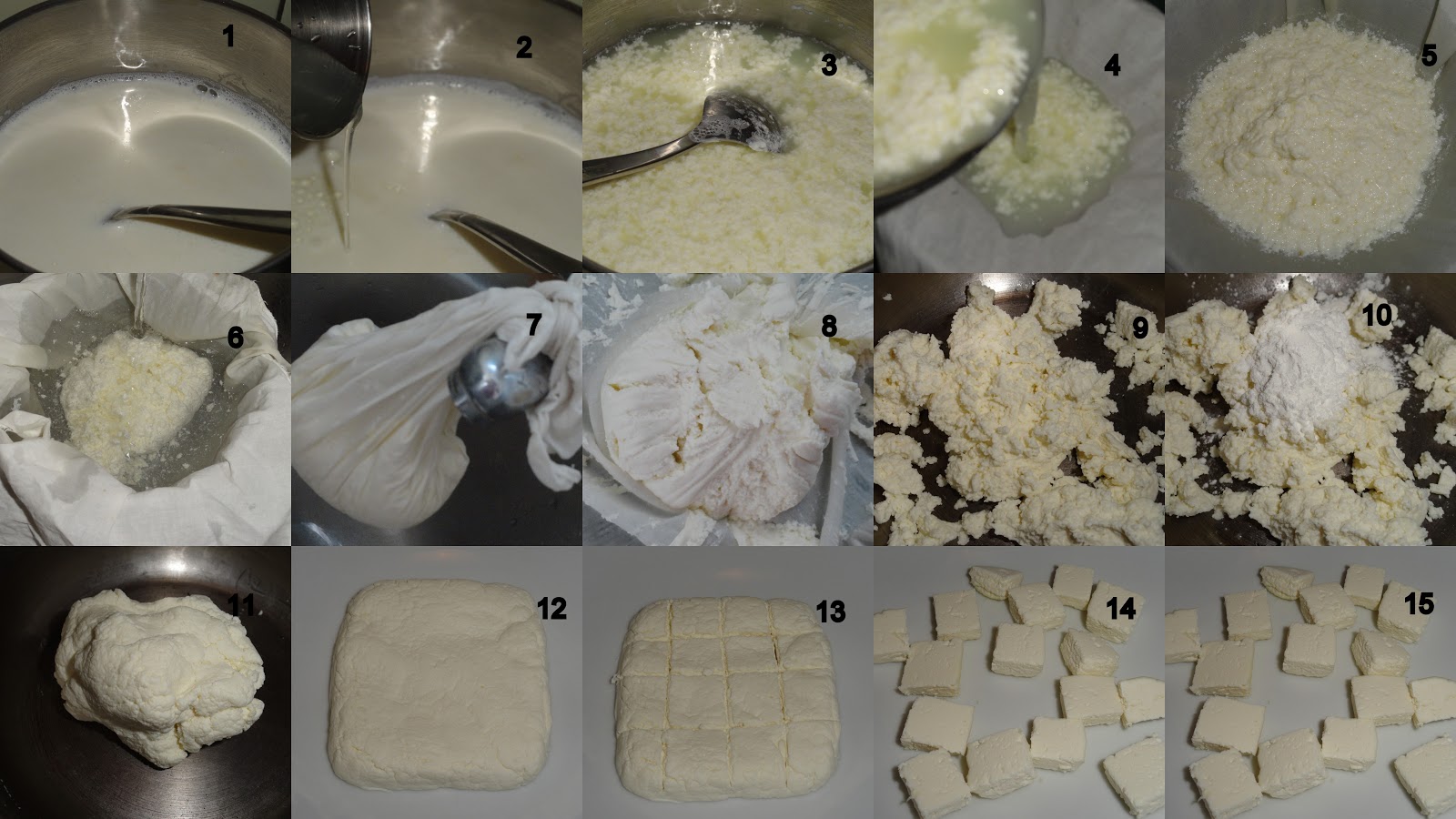
    Paneer cubes preparation


    The preparation of cheese is quiet simple. You just need:-


    Milk – 8 cups

    Lime juice – ¼ cup

    The method of preparation is as follows…


    • Bring the milk to a boil in a container
    • While stirring the milk slowly add the lime juice and continue stirring
    • After a period of 10 to 15 seconds the milk will start to separate from the whey
    • This process of separation when the whey turns to a light greenish colour
    • As soon as this happens off the gas and keep the container to cool
    • Line a colander with thin cotton cheese and place it over a bowl
    • Pour the contents in the container into the colander
    • Then take the two ends of the cloth and tie them together lifting the cloth out of colander
    • Use a large spoon, across the top of the bowl and hang the cloth with the cheese from the spoon handle in such a way that the paneer bundle should be hanging inside the bowl. Salt can be added during this process to the paneer.
    • Remove the bundle from the bowl after almost 30 minutes and then open it by opening the knot and then fold the cloth across the paneer
    • Place a heavy weight on top of the paneer and then Open the cloth after 30 mins and there you have the final product fresh and ready to be used.

    In many cases instead of the lime juice, vinegar is used to separate the milk and the whey. The whey can be used for other purposes as well such as stock for curries and soups.


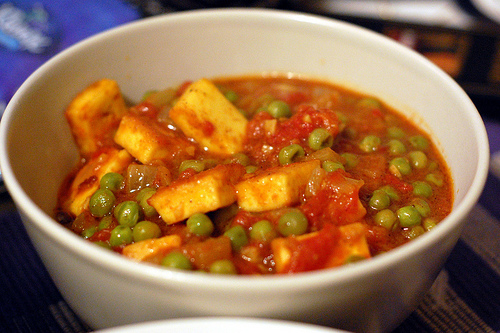
    palak-paneer-500x500


    Consumption of cottage cheese has a lot of benefits among which are many health benefits as well. Cottage cheese is believed to be helpful in maintaining a good dental health as it is a rich source of calcium and vitamin D which help in making the teeth strong and also helps in prevention of cavities and breaking down of tooth enamel. Since the lactose content is also low, it also prevents against harmful sugars. The calcium available in cheese is also help in growth and development of bones. Osteoporosis is a disease which is related to a fall is bone mass or density which makes a person prone to bone breakage and fracture. Consumption of paneer can help in reduction of this disease because of the huge protein, calcium and vitamins content in the product. Vitamin B helps in strengthening of cartilage and is mainly prescribed for growing children and pregnant women. We mostly talk about obesity and find fat people who wish to be thin and slim, however there are people who are so weak and slim and wish to gain weight and how much ever they try, they don’t see that extra kilo adding up. For such people consumption of this dairy product is recommended. Cottage cheese or paneer is also known to improve blood formation and makes the liver strong and is a effective instrument in curing cancer to some extent.

    sidedish

    Some of the famous food items related to paneer can be shahi paneer, palak paneer and khoya paneer and surprisingly it is also used in making sweets such as rasgulla. So give it a try if you have not before and I’m sure you’ll enjoy every bit of it.

  • Cuisine of the Kings: Mughlai Food

    Cuisine of the Kings: Mughlai Food

    Mughlai food refers to the food which was prepared in the kitchen of the royals of the Mughal Empire. The cuisine is influenced by the Persian cuisine and in turn has affected the cooking styles all over India but especially seen clearly in regions like Punjab and Kashmir. Mughlai food belongs to the South Asian cuisine, where we find extreme variation in the taste and flavor from extreme spicy to extreme light. These varieties of dishes in the main course meal are also accompanied with various kinds of side dishes and the entire meal ends with mouthwatering deserts.
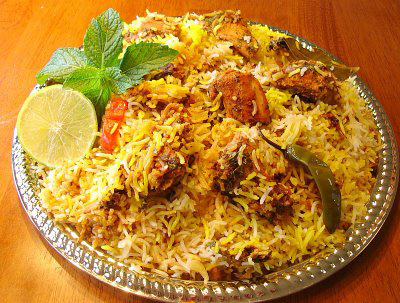
    biryani

    The rich preparation of Mughlai food consisting of various flavored sauces and masalas along with butter based curries is so tempting that food lovers die for more food. Even the names are so special that it enlightens people to try out different dishes. In the old times the kings used to dine with their queens and concubines, except on special occasions like festivals where the king dined with the nobles and the courtiers. The hakim or the royal physician used to overlook the preparation of various dishes to ensure that the royal family consumed food of the highest quality and also planned the menu for the day. Once the menu was decided, the preparation took a lot of time because a lot of dishes were presented in each meal along with sides’ dishes and desserts. The royal kitchen can be pictured as like a market place with a swarm of workers and cooks working hard to prepare the royal meals. The workers also included people who were responsible for bring vegetables and spices and others who were assigned for washing of utensils and other serving materials. The workforce included both men and women and we find that was a systematic division of labour. Historians claim that the water that was used for cooking was actually rainwater mixed with water bought from the Ganges, thus resulting in such tasty dishes. It was also found that the rice was covered by silver oil which aided digestion. Moreover the food given to cattle such as goat, chicken etc were also of high quality so that the medical properties could travel to the eater.

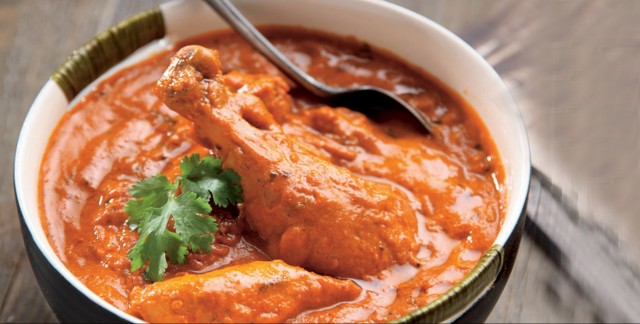
    chicken curry

    As the emperors changed, they bought in changes in the menu and style of cooking, influenced by Iranian, Afghani and Persian styles with a touch of Deccan. Each emperor had his favourite dish as well. Babur was a great fan of the various fish dishes which were prepared other than that he preferred the dishes available back home in Samarkand. Akbar was a vegetarian by taste only for three times a week and was known to have his own kitchen garden which he watered with rosewater so that the produce smelt good when cooked. During the reign of Shah Jahan, after he shifted his capital from Agra, he was informed that the water in the city was making his subjects sick and so he ordered that more of Haldi which is turmeric powder along with red chilies, cumin and coriander be used in the cooking process because of its medical properties, and the king was credited for adding new spices to the cuisine. Aurangzeb was considered to be a vegetarian for most of the time of his life however it was only later that it was found through a series of letters which he wrote to his son which spoke about his intense love for Qubooli which was a mega biryani rice with Bengal gram, died apricot, curd, basil and almond. The Mughal rulers were very particular about the food they ate and writings indicate various changes and additions they would with them, moreover it also talks about how the kitchen moved with the king when he had to go for wars.

    mughlai


    In the 16th century the Mughal had invaded India thereby bringing power, majesty and prosperity in the land. They also bought in exotic spices, fruits and nuts to India giving us or teaching us new techniques in cooking which are followed till today. Among various Mughlai foods, biryanies, pulao and kormas are highly delicious and really loved by many. They basically reflect the Muslim style of cooking which has a lasting effect on the consumers. This type of cuisine is famous not only in our country but can also be seen in the foreign countries like the U.S.A and U.K where we find a huge fan club for this form of Indian cuisine, however back home it is prepared on a very large scale in Delhi, the capital of India. The common ingredients which are used in the preparation of this cuisine are cream and milk. Although there are many in the list but these two items find themselves in very Mughlai dish.

    Some of the popular dishes of Mughlai cuisine can be…

    • Aloo ka raita which is basically a mixture of curd with potatoes which are boiled and then chopped with various spices like salt and pepper.
    • Chicken biryani which a fried rice containing pieces of chicken and flavoured with various spices.
    • Chicken tikka and champ masalas where the former is a boneless chicken marinated with lime, curry powder, tomato paste, curd, finely chopped garlic cloves, paprika and baked in the oven while the latter is just a curry of lamb chops.
    • Other famous Mughlai dishes are palak panner where paneer is Indian cheese, naan, tandori chicken and kebabs etc.
    • Among the famous deserts we have the gulab jamun, kulfi, barfi and the shahi tukra which is nothing but a rice based bread pudding with cardamom and made rich with dry fruits which also stands as a personal favourite of many Indian till date.


    A must try cuisine which will make you want more and will force you to lick your fingers after you finish your meal.