Category: More

  • Go Nuts about Nuts! (Part 2)

    Go Nuts about Nuts! (Part 2)

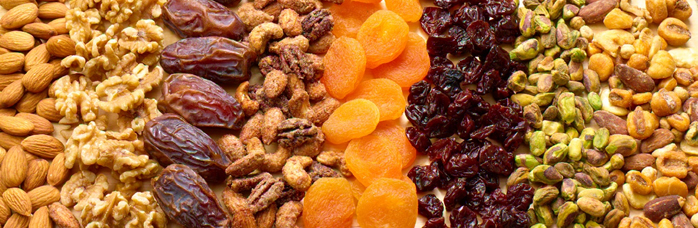
    With high nutritive value and a deliciously sweet taste, dried fruit is fruit from which the majority of the original water content has been removed either naturally, through sun drying, or through the use of specialized dryers or dehydrators. Nuts are edible fruits as well, anatomically different from the rest because of their soft internal kernels enclosed within a hard shell. Both dried fruits and nuts possess high shelf life, and have been in use throughout centuries in every part of the world. Today, they form an integral part of our culture and cuisine, and have an irreplaceable importance in our daily lives. In the second segment of this listicle, there is more to learn about our favourite ones.


    6. Walnuts
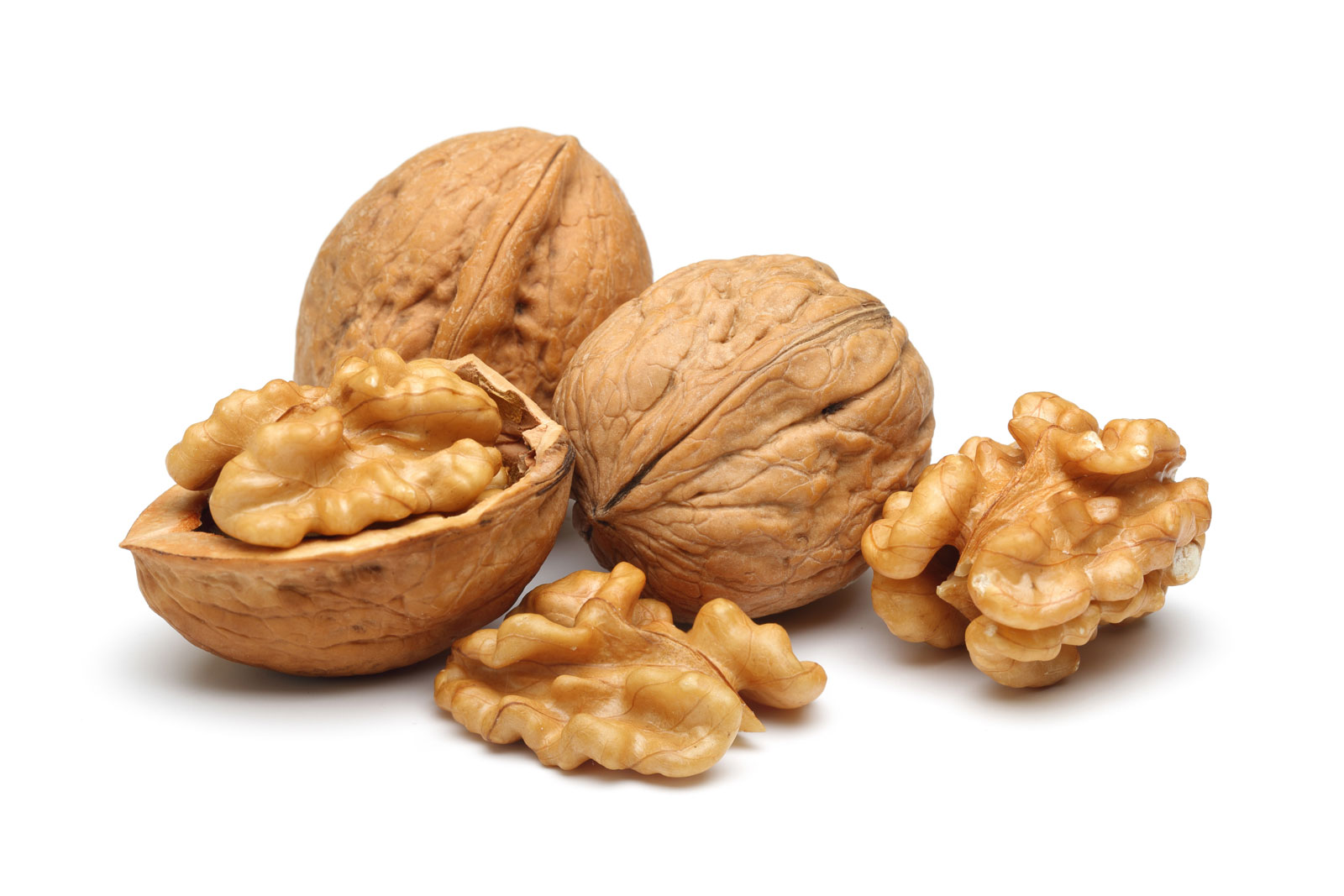
    Walnuts are derived from the Persian and English walnut trees (Juglans regia) and its soft edible kernel resembles the human brain. In etymological terms, the word is derived from the Germanic wal and the Old English wealhhnutu, meaning “foreign nut”. The shells are thin with a faint sheen and crack neatly into half, revealing the twisted, curly shaped nut. Versatile in the kitchen, walnuts can be candied and pickled in addition to being eaten raw or in their roasted form. Walnuts also form an integral part of many dishes, particularly desserts like chocolate brownies and even breakfast mueslis. You can also find them in many a salad, as their slightly bitter taste balances out the overall sweetness of the rest of the dish. Walnuts are very rich in protein and also contain a small amount of Vitamin B. They are rich in antioxidants and are curative for many minor diseases such as eczema. In fact, the oil obtained from the kernel has been found of great help in skin diseases. The green unripe walnut is useful for expelling worms from the stomach. They are also good for treating constipation because of their proven laxative qualities. Walnuts also possess many other non-culinary qualities, some of them being in the areas of cleaning agents, inks and dyes, and even anti-cancer drugs. Although walnuts are highly rich in protein and are very good for the brain, they yield nearly seven hundred calories and seventy grams of fat in just a hundred grams.


    7. Pistachios
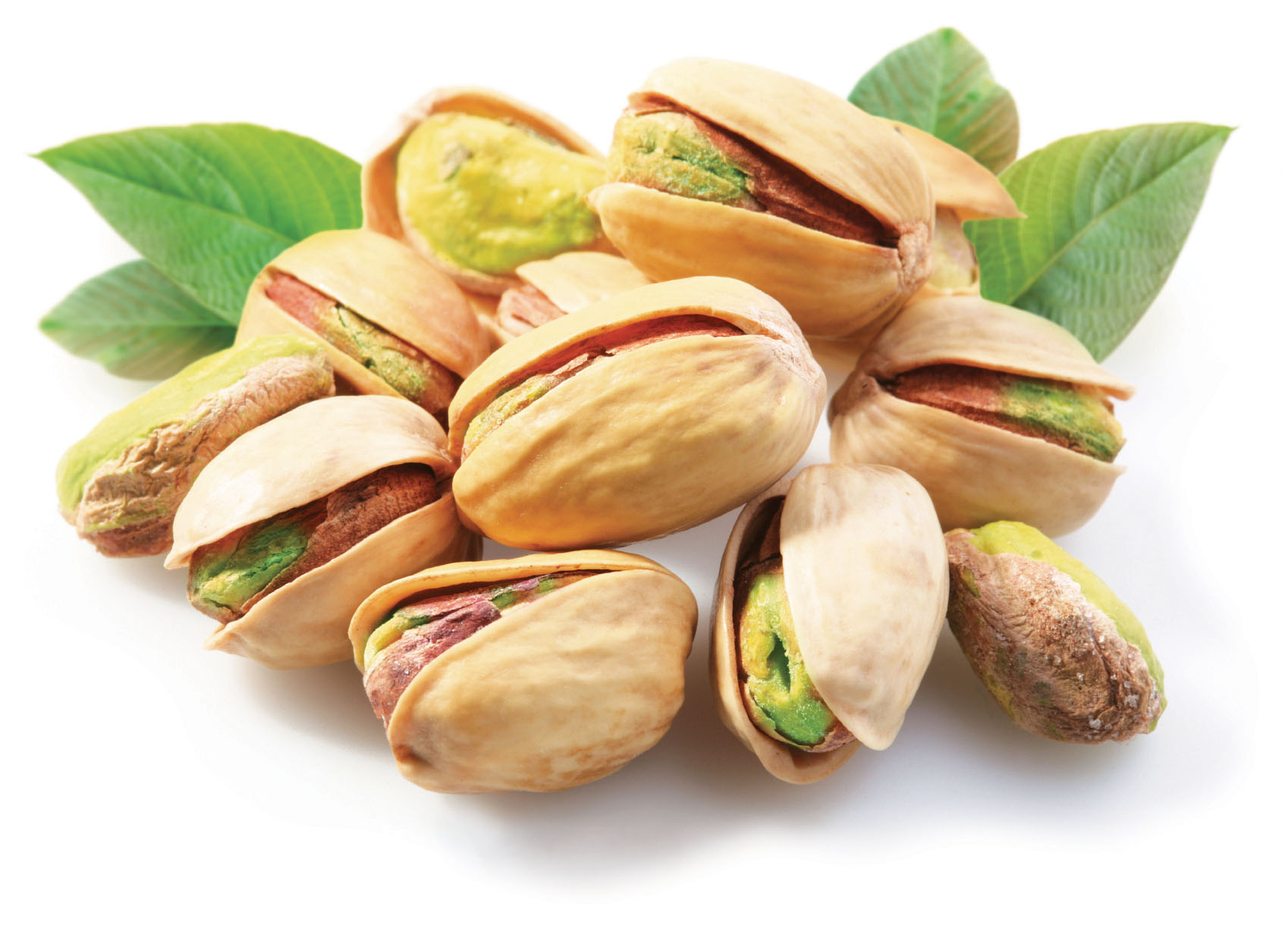
    Pistachios belong to the cashew family and are obtained from small pistachio trees (Pistacia vera) which originated from the countries of Central Asia and the eastern part of the Mediterranean coast. The word pistachio comes from the medieval Italian pistacchio, which has been derived from the classical Latin pistacium, which in turn has its origin in the ancient Greek pistákion and the Persian pistákē. The kernel of the pistachio nut is consumed, and the non-edible beige coloured shells also find many uses in non-culinary areas, such as fuel and composting purposes. Pistachios formed a common part of the diet of ancient human civilizations, with notable mentions in ancient texts dating back to centuries before the advent of the Christ. Slightly sweet in taste, pistachios are eaten raw, roasted, salted, and also as a part of desserts such as the Indian kulfi, cold salads, Italian biscottis, Turkish delights, and ice cream. Pistas, as they are commonly called in India, are very high in calories and thus should be avoided by obese and overweight people with diligence. According to dietary charts, a hundred grams of pistas yield more than six hundred calories.


    8. Fenugreek
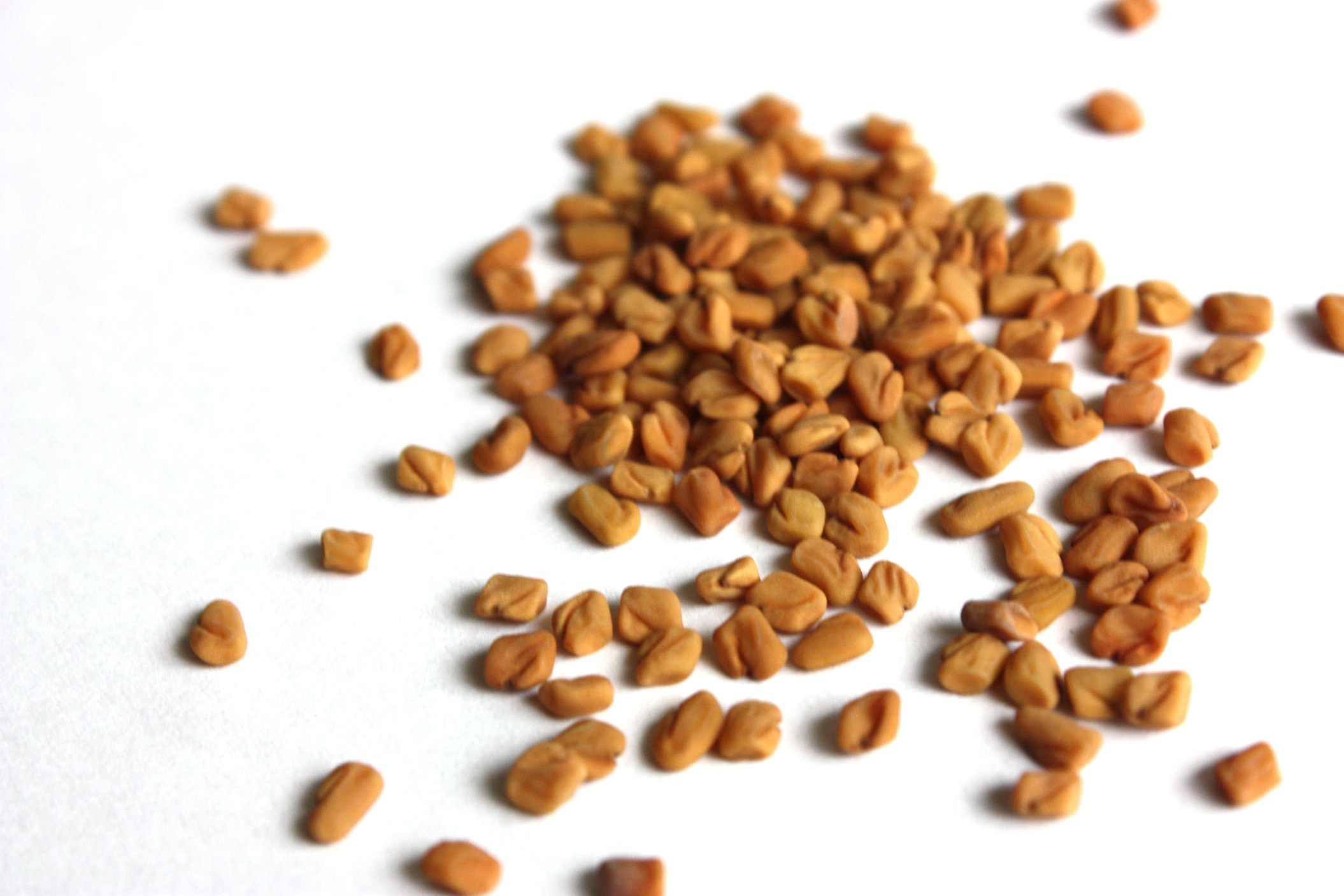
    Fenugreek seeds are obtained from the small herbaceous fenugreek plant (Trigonella foenum-graecum), and are usually called methi by most people in the Indian subcontinent. Originating from Egypt and other countries of Western Asia, fenugreek and its various parts are used as herbs, spices, and vegetables. The word has its origins in the Latin faenugraecum, literally meaning “Greek hay” and dates back to the ancient Roman era where the dried fenugreek plant was used as fodder. Hard lentils by biological classification, fenugreek seeds are a dark fawn in colour and possess an astringent aroma. Containing around five percent of bitter fixed oil, the seeds are usually broken to down to obtain the same. The oil is bitter in taste, smells like celery, and is used in small quantities in seasoning Indian dishes like sambhar and kadhi. Rajasthani people even make curry out of fenugreek. Fenugreek oil greatly improves the flavour and quality of pickles, and is mostly used in cooking with sour substances so as to balance out the taste. It is particularly beneficial to non-insulin dependent diabetics as it helps them to regulate their blood glucose levels by their significant hypoglycaemia-inducing properties. It is also used in buttermilk to treat dysentery.


    9. Mustard
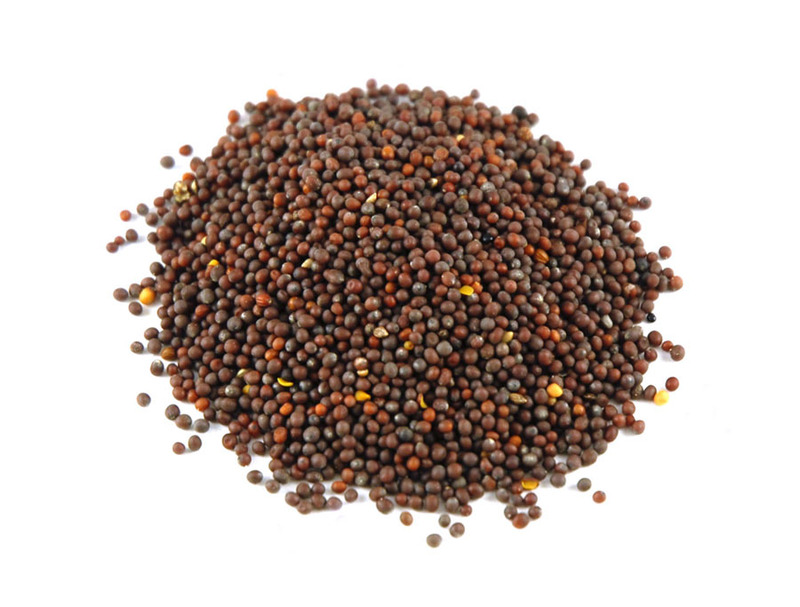
    Mustard seeds are derived from the mustard plant (Brassica juncea) and are generally advised to be consumed in moderate amounts. They are small in size, stretching no more than two millimetres in diameter, and are usually reddish-black in colour. Mentioned in many ancient religious texts, mustard holds an important historicity in Hinduism, Judaism, Christianity, and Buddhism. Generally called by their Urdu term sarson in most parts of northern India, mustard has its etymological origins in the Old French mostarde and the Latin mustum which means “new wine”. The leaves are consumed as vegetable, the skinned seeds are used for making pickles, and its oil is used as a cooking medium. The pungent taste and tear-producing properties of mustard seeds are due to nitrogen and sulphur containing compounds called isothiocyanates. Mustard seeds are used in treating rheumatism, arthritis, acidity, kidney and bladder ailments, bronchial inflammation, and are also recommended particularly for pregnant women. Nursing mothers are advised to take mustards due to its detoxifying properties. Mustard greens are rich in Vitamins A, B, and C, and contain fibre in bulk, which produces a mildly laxative effect.


    10. Coconut
    September52011022

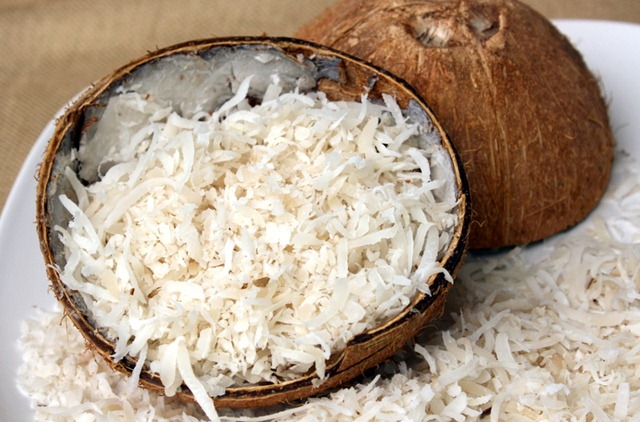
    Dried coconut is obtained from the coconut palm tree (Cocos nucifera) and is ideally found in coastal and tropical areas where the hot temperature and slightly arid soil contribute to its growth. The coconut has even been mentioned in old fiction, such as in “The One Thousand and One Nights” story by Sindbad the Sailor. Derived from the Spanish word coco which literally means “grinning face” and refers to the three-holed humanoid appearance of the fruit, coconuts have important uses all over the world. Primarily used in the southern states of India for its oil, coconut is a vital part of the local cuisine, and an inseparable ingredient of many delicacies. It is also used in the north as a part of many sweetmeats, with coconut milk a favourite summer beverage throughout the country, and fermented coconut being used to make toddy, an alcoholic beverage native to South Asia. Rich in Vitamins A, B, and C, this tropical wonder food is also a rich source of potassium, sodium, calcium, magnesium, iron, phosphorus, and sulphur. While the carbohydrate and protein content is moderate, the fat content is quite high, with a hundred grams of oil yielding nearly seven hundred calories.

  • Quirky Fooooood Facts!

    Quirky Fooooood Facts!

    food-intolerance-getty

    Food, Food, Foood, we crave for it, we love it, we want more, we want tasty and what not. Yes, we do! The more delicious food is, the more crazy we go for it. Craving for eatable is directly associated with the tastefulness. Sitting, binging on favorite foods is like heaven on earth. If you are also among the one who is curious not about what to eat but about the complex still awesome facts as to what makes up food, this will be right read for you. And, if you love food, you will love weird, quirky, lovely, yuk, yum, wow facts about food too; Enjoy as you read on!

    i-love-food

    Bananas; you love them, No! Rich source of iron, calcium. Well, do you know The Banana tree is actually a herb, and if you have seen and checked out the banana tree, you will see there’s no wooden trunk, the plant dies and then like a phoenix it is reborn. The banana we love, is a fruit of the herb and we eat this herb a lot!

    Peanuts, that we love to have in the form of peanut butter or peanut shake or in raw form. Just add some salt and masala, and we are ready to munch on it anytime But did you know, these peanuts were once used to help in making bombs. This happens like when peanut oil is processed, we get glycerol, which is then made into nitroglycerine, and that makes up a main constituents in dynamite. But then times have changed and now peanut is rarely used in dynamite. Just restricted its use to the kitchen. In case, you want to make your own explosives!

    Butter Tea, Not much popular, probably you have heard and tasted it. For tea lovers, hope you will still love your tea. You know this Tibetan tea is a must try. Boiled for half a day, and then, churned with bamboo, with salt butter and rancid soda and they even love to add tsu and flour to it and a mixture of hardened cheese, sugar and butter and then they enjoy this tea.

    Potatoes, Apples, Onions; the important ones, No?! wondering, what these have in common, Maybe, nothing when you see or taste them. But just try this once. Close your eyes and block your nose and taste them and you will be surprised as they will taste the same. Yes, the potatoes, apples and onions. Crazy, Right? Even the textures are the same but you will not know what exactly you have eaten till you breathe again. Exciting this is!

    Coconut Water; the perfect refreshment on a beach and a sunny day and yes, the nutrient rich also. But what is going to be mentioned here will surprise you more than anything. Caution as it must be followed only in case of emergency. Apparently, it is believed that coconut water can be used as a substitute for the blood plasma and yeah, you heard it right, as it contains appropriate levels of pH, as it surrounds the embryo and provides nutrition.

    Carrots, you see them red or orange, I know, But do you know the traditional colour of carrots is considered as purple. What actually happened is Dutch people, took strains of purple, yellow and white carrots and developed them into plump and sweet orange carrots and then we see them as reddish orange carrots and love to eat them.

    Now here comes this not so nice fact which goes like this. The food that you eat is known to legally contain some moulds, parasites, rodent hair. Not that you want to know this, but we just needed to share as a part of quirkness!

    Here’s this interesting fact, if you ever wondered which city have most expensive meals in the world. This would be Tokyo for dinner, Sydney for lunch and Madrid for Breakfast. This is the reason you need help while budgeting your international meal plans.

    Now, this is a research showing where the water goes! The research by Waterfootprint.org says, that the production of about two pounds of cheese requires 5000 litres of water, 1500 litres for sugar and the whopping 701 litres for apples. Yes, the huge massive amount of water.

    Mushrooms, most loved have no cholesterol and do you know they are virtually free of sodium and fat. What they contain is Vitamin B1, B2, selenium, Iron, niacin, potassium, thus giving us all the more reasons to love them and eat them.

    Worcestershire Sauce; the well known part of Chinese cuisine. There’s something fishy about this sauce, And do you the main ingredient of this sauce? The anchovies, which is a fish available in England. And, this sauce is prepared by taking these fish and soaking them in vinegar, till all the bones dissolve. Vegetarians might not like to read his fact even!

    Clear chicken soup with garlic bread is number one choice for non-vegetarians. This is the most popular soup known to mankind. But the point to ponder is, Was it the first soup known, Well, no, the leathery mammal, called hippopotamus was the first ingredient used in the first soup. Interesting enough!

    Well, Food everyone dwells on. Food is all time favorite, whether you’re in happy mode or exciting, party mode or sad, puckered up. But food finds its place everywhere, so do the facts associated. These quirky pieces of information related to the most important part of life, The food presents a very interesting insights. There are foods you know are beneficial for your health and then there are there are these facts about them, which we bet you didn’t know. Quirky enough that you feel the urge to tell them to your friends. From Hippo soup to Bananas being herb, enjoy the quirkness.

    Bon Appetite!

  • Know Your Christian Festivals!

    Know Your Christian Festivals!

    With the year drawing to a close, Christmas has already come and gone. But apart from the 25th of December, how many other important days of the Christian calendar do we really know of? Here is a small list of some of the major Christian festivals celebrated all over the world:


    1. Epiphany (also known as Twelfth Night)

    epiphany-around-world

    The 6th of January every year all over the world, with the exception of 18th January in Russia and 1st February in Ethiopia, is celebrated as Epiphany. The word itself is derived from the Greek word epiphaneia which literally means manifestation. This day celebrates three events that are all thought to have happened on this very same day, namely, the first appearance of Jesus Christ as a newborn to the Magi, the three wise men; the baptism of Jesus, when God acknowledged his son; and the first public miracle by the Christ, when he turned water to wine in Galilee.


    2. Ash Wednesday

    The first day of Lent, Ash Wednesday is a day of repentance for Christians, when they make amends for the year’s sins before the culminating period of fast in the Lent. It occurs forty-six days before Easter and can fall as early as the 4th of February or as late as the 10th of March. Anglican and Roman Catholic churches hold ceremonies at which the foreheads of churchgoers are marked with crosses using ash. Many other Christians, such as Lutherans, Presbyterians, and Methodists also hold this day in great reverence and celebrate it with equal fervour.


    3. Shrove Tuesday (also called Mardi Gras)

    85011240MC002_Choristers_At

    The day before the start of Lent is known as Shrove Tuesday or “Fat Tuesday”, when Christians traditionally eat up any leftover animal products (often in the form of pancakes) as these cannot be eaten during Lent. Generally held in the month of February, the exact date of Mardi Gras varies according to the Easter schedule. The phrase is derived from the word shrive which means “confess”. It is widely considered by many Christians as a special time of introspection, during which they consider what sins they need to repent, and what areas of life and spiritual growth need amendments and God’s help.


    4. Lent

    Procession_St_Spulcre

    The forty four days before Good Friday, including Sundays, Lent is a period of fasting when Christians identify with the suffering of Jesus Christ. Lasting for a period of approximately six weeks, the traditional purpose of Lent is the preparation of the believer through prayer, penance, repentance, almsgiving, atonement, and self-denial. This festival is celebrated in commemoration of the same amount of time taken by the Christ to fast in the desert all the while resisting the temptation of evil from Satan, as mentioned in the Gospels of Matthew, Luke, and Mark, three of Christ’s favourite disciples.


    5. Palm Sunday

    palm-sunday

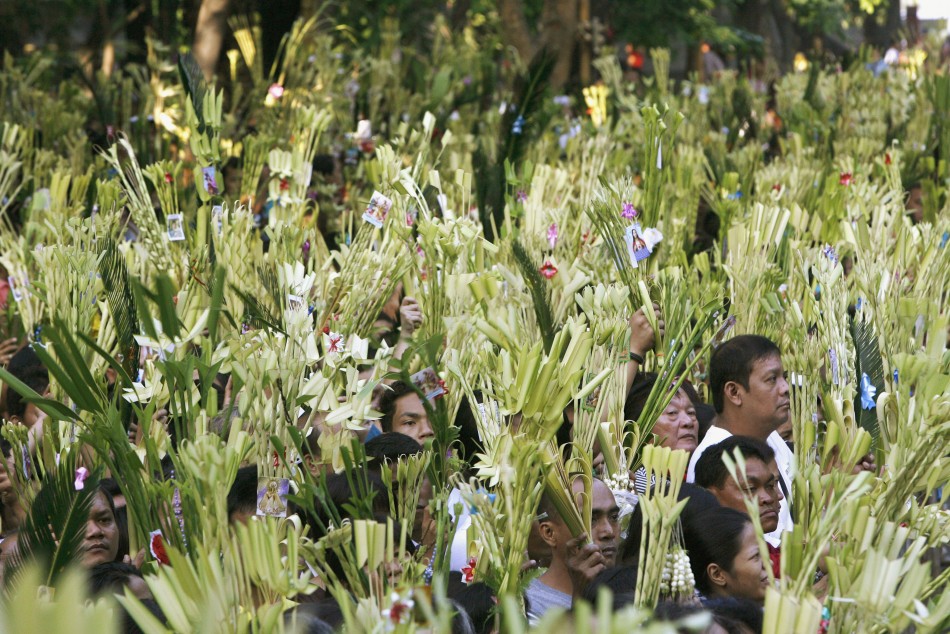
    The Sunday before Easter Sunday and the first day of Holy Week (the period of one week before Easter), Palm Sunday commemorates the arrival of Jesus Christ in Jerusalem, where the crowd threw palm leaves in front of his donkey and cheered his triumphal entry. This important event has been mentioned with much emphasis in all the Gospels of the Bible. Later that week, many in the devoted crowd of worshippers were calling for the execution of the Christ.


    6. Maundy (also known as Holy Thursday)

    holy_thursday_2

    The Thursday before Easter Sunday, Maundy Thursday commemorates the Last Supper, which established the ceremony of the Holy Communion, when bread and wine came to be respectively identified with the body and blood of the Christ. It was also the day when Jesus washed the feet of his disciples. At a Roman Catholic church services on Maundy Thursday, the priest ceremonially washes the feet of twelve people during mass. Maundy is the fifth day of the Holy Week, and is usually falls between the 19th of March and the 22nd of April.


    7. Good Friday

    Good-Friday-Vatican

    The Friday before Easter Sunday, Good Friday is spent in remembrance of the day when Jesus Christ was crucified by the Romans. The “good” in Good Friday is its form in Early Modern English and means “holy”. The symbol of the cross is an important part of church services on this day, and churchgoers read the psalms and the gospels to remember the Christ’s painful experience. Good Friday sometimes coincides with the Jewish festival of Passover, and is a time of solemn prayer and charity for Christians.


    8. Easter Sunday

    Easter_eggs_-_straw_decoration

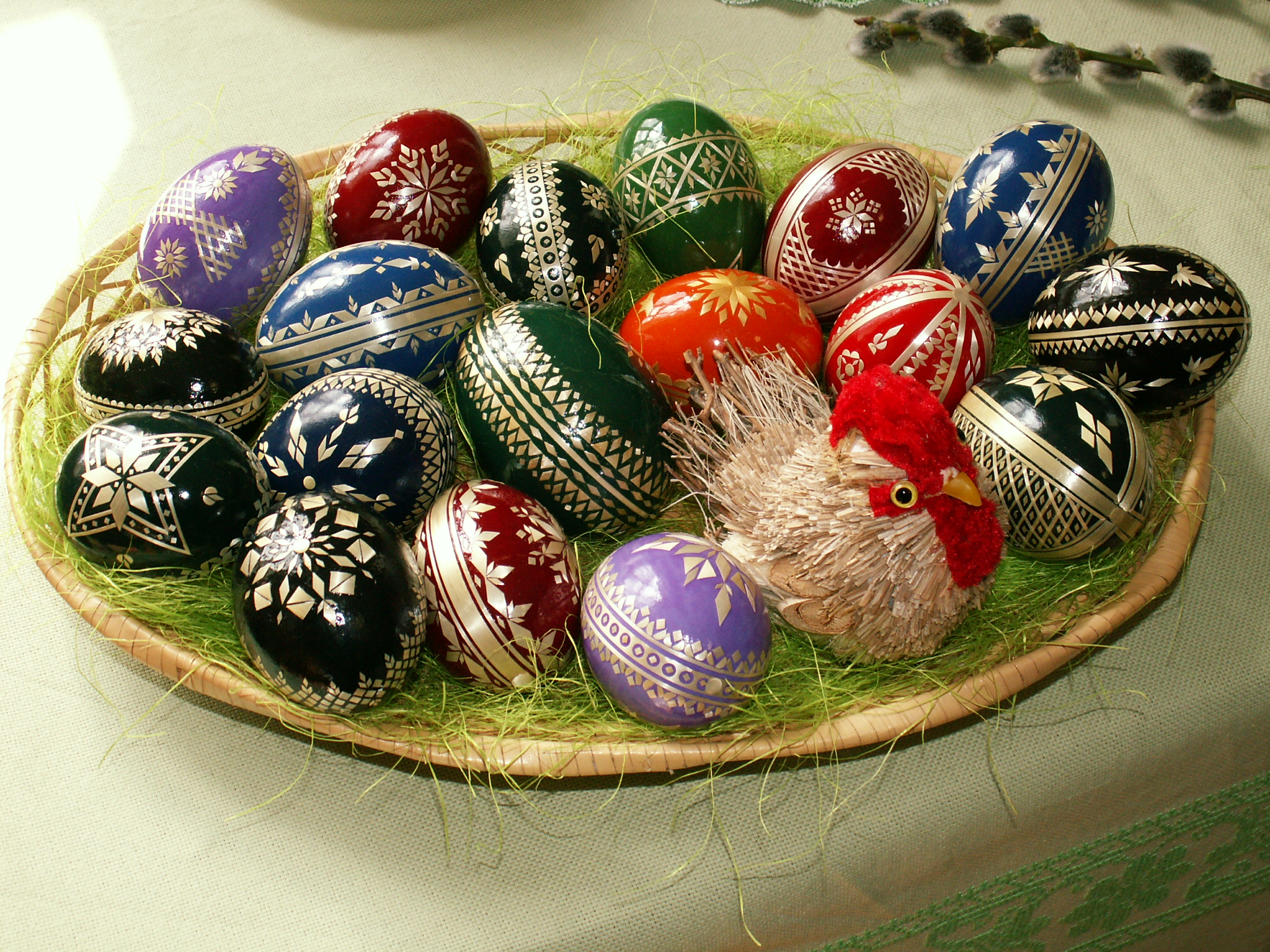
    The Sunday that follows the first full moon after the 21st of March (which is also the spring equinox), Easter always falls between 22nd of March and 25th of April in the Western calendar. Easter is up to two weeks later in Orthodox Churches. Easter Sunday is the most important day in the Christian calendar, as it celebrates the resurrection of Jesus Christ from the dead. Sunday is a joy of Christians. Easter is a joyful time, with family gatherings and festive meals, along with the distribution and consumption of Easter egg candies and other gifts.


    9. Pentecost (also known as Whitsunday)

    photos-pentecost

    Fifty days after Easter Sunday, Pentecost celebrates the day the Holy Spirit entered the Apostles, enabling them to speak many new languages and spread the word of God. This event is considered by most Christians to mark the birth of the Church. Massive church processions, festive meals, and the holy ceremonies of Confirmation, Ordination, and Communion mark this festival. In some countries, folk customs such as dancing, woodland rites, and ethnic clothing ceremonies are also observed.


    10. Christmas

    Beautiful_christmas_tree

    The celebration of the birth of Jesus, Christmas falls on the 25th of December every year, with the exception of the 6th of January in Russia and the 17th of January in Ethiopia. It is arguably the biggest Christian festival of the year, as most of us know. The word itself is derived from the Old English Crīstesmæsse, literally meaning “Christ’s mass” and is also referred to as the Yule and Nativity. Christmas trees and stars are symbolic of this occasion, and carols are sung in churches decorated with holly and mistletoe. The jolly old figure of Santa Claus is associated with the Yuletide traditions of wish-making and gift-giving. It is a season to be merry, indeed, with all its feasts and warmth.

  • Snack-Time: Part 3

    Snack-Time: Part 3

    The third and the final article in the series ‘Snack-Time’, primarily focuses of two popular snacks from Europe. We all have an idea how passionate the Europeans are about their cuisine. Be it the most extravagant dinner party or the simplest dish prepared at home, they relish every grain of food. The Europeans are not just very particular about what is on their plate, they also make sure they have suitable complements for each dish, be it an age-old wine or just plain orange juice.

    download (3)

    European snacks are popular throughout the world and are now sold by many leading outlets internationally. Be it sweet treats or savory dishes, Europeans are very particular about the technique of cooking as they believe it lends them authenticity. With a fair amount of cultures interacting and existing harmoniously on a relatively smaller piece of land, the intermingling of cultures is well reflected in the cuisine and food habits. European cuisine is alternatively also called Western cuisine and a characteristic feature of this food culture is that they emphasize greatly on accompaniments, seasonings and sauces and condiments. The cooking in Western countries is diverse from Asian cooking and also in the method of serving. For instance, the size of the meat served for a meal is considerably larger in Western cuisine than in the Asian meals. Following are a few famous appetizers from this continents of beauty and culture.

    Pretzel

    images (1)
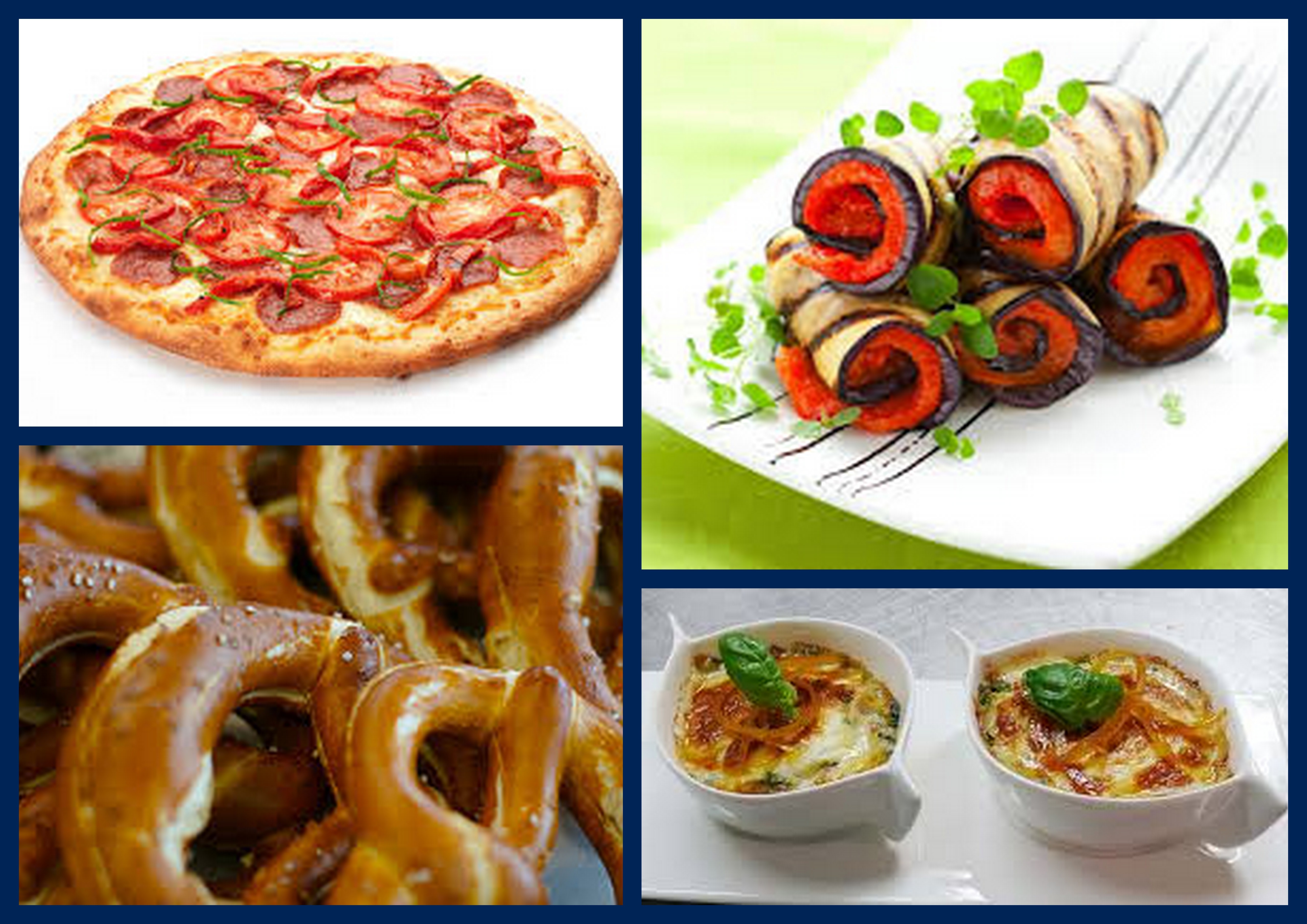
    A pretzel is a baked bread in a shape of a unique knot. Though salt is the most common seasoning for pretzels, other flavouring agents include chocolate, sugar, seeds, glazes and much more. The traditional shape of a pretzel is a symmetrical loop that is distinctive. The ends of a traditional pretzel is made from a long strip of dough which has its’ ends intertwined and then twisted back into itself in a particular way that is called the pretzel loop. Though they now come in various shapes and sizes, the standard shape stays the same. The origin of pretzels has been recorded differently in various accounts. It has been written by Bryan Bunch and Alexander Hellemans in the book ‘The History of Science and Technology’, which dates back to 610 AD that an Italian Monk invented pretzels to reward the children who learned their prayers. The strips of dough were folded to resemble arms crossing the chest and were then baked. These were called ‘pretiola’ which means ‘little rewards’.

    images (3)

    It is claimed by some accounts that pretzels have a Christian back-ground and the credit of a pretzels’ invention goes to the German monks. A 12th century illustration, Hortus deliciarum from Alsace depicts a pretzel at a banquet organized by Queen Esther and King Ahasuerus. Some other records also claim that the pretzel may be invested in southern France. When bakers were held hostage by local dignatories in Germany, they apparently came up with the concept of pretzels out of desperation. It is known as ‘Brezel’ in German and the name may have been derived from the Latin root ‘bracellus’ meaning ‘bracelet’ or ‘bracchiola’ which means ‘little arms’.
    The pretzel holds a significance that is greater that satiating ones’ hunger. It has been used as an emblem for the bakers in south Germany since the 12th century. It also holds a religious significance as pretzels are made of only flour and water and thus it can be consumed during Lent when the Christians are asked not to eat eggs or dairy products.

    images (2)
    One can now find a variety of pretzels, sweet and savory in a variety of flavors and sizes. Toppings like sesame seeds, poppy seeds, melted cheese, bacon, pumpkin or caraway seeds or even nuts like chopped almonds, pistachios and walnuts can be used to make a pretzel look inviting.

    Pizza

    download

    What the world knows now as a Pizza and consumes it as a full course meal was originally a small-sized portion of food. A traditional pizza is an oven baked flat bread with toppings of tomato sauce and cheese. Some additional complements are a variety of vegetables, meats and condiments that go well with the bread. The name ‘pizza’  first appeared in a Latin text from Gaeta which dates back to 997 AD. Gaeta is a town in southern Italy and the text stated that  ”a tenant is to give the bishop of Gaeta duodecim pizze (“twelve pizzas”) every Christmas Day, and another twelve every Easter Sunday”.

    download (2)

    The modern pizza is said to be invented in the city of Naples in Italy and its’ popularity has now reached out to the world. It is said that ancient  Greeks used to coat their breads with a combination of oils, spices and cheese. On the other hand, Romans developed the concept of a ‘placenta cake’ topped with honey and cheese and flavoured it with bay leaves. But the modern Neapolitan pizza was invented only in the late 18th or early 19th century. Before that time,a  flat bread was generally  topped with a variety of flavourful seasonings for instance,  garlic, salt, cheese and basil. It is still not clear as to when tomatoes were first added.

    images

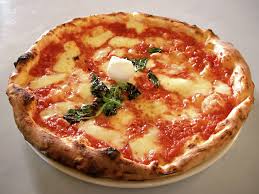
    A famous story claims that the Pizza Margherita as we know it today was invented in 1889. When Queen Margherita was to visit the Royal Palace of Capodimonte, the Neapolitan pizza maker, Raffaele Esposito was commissioned to create a pizza in her honor. Out of the three different pizzas which he had prepared, the Queen preferred a pie that had the colors of the flag of Italy viz. red  from the tomato, green from basil leaves, and white mozzarella cheese. Apparently, this pizza was then named after the Queen as we all know now know it to be, “Pizza Margherita”. Various other variations were then brought into the existing recipe and now there are innumerable varieties and versions of a pizza that are prepared in homes world wide and are even sold by leading food chains.

    images (4)


    These are some of the brilliant food options that the world provides us with. There are many more and reading about food history gives us a new dimension about it. Next time you bite into your favourite pizza, the delectable Shawarma or sit with a big bowl of popcorn while watching a movie, you’ll definitely eat with a newer awareness.


  • Happiness and spirituality

    Happiness and spirituality

    Spirituality is often misunderstood to be a component of Religion. People have this notion of spiritual people are the ones who are often seen visiting the churches or mosques. Then there are also the other kind of people who immediately picture an Indian mystic in a yogic position in their minds. Well, both these stereotypes are so erroneous that Buddha would be turning in his grave.

    However, it can mean different to different people. To me, Spirituality means to be healthy spiritually. In other words, when we are hurt by harsh words, it hurts not just our heart but our spirit too. If the wound is very deep, then no matter how much you push it from outside, you won’t heal completely since the injury is internal. A change of external set-up is not going to help if it is not dealt with from the bottom. Haven’t you heard of wounds caused by viruses which go away temporarily when dealt from outside but when medicine is administered which kills the virus in the blood, it never surfaces again. We always have take fight at the grassroot level. Thus, to have a healthy mind devoid of bad and hurtful thoughts is of utmost importance.

    You don’t NEED to meditate or go to the temple or say prayers to be spiritually healthy. They just help you reach towards the goal faster. It varies from person to person. Being mentally healthy is the first and major step and right now in this world but more than half of the population is plagued more by mental trauma/problems (relationships,work-related etc) than physical illness. Happiness is a scarcity!

    In my opinion, I find following some very simple rules in life helps to live with a smile on the face!

    1. Handling harsh words/sentiments – People hurt us with their words, knowingly or unknowingly. But as they say, it is upto us to finally accept the invitation or not. When you feel hurt by someone, try to feel empathetic towards them. They are telling hurtful things because they themselves are hurt and when you respond in a soft manner, they will be taken aback. Anger is not something people can control and 90% of what we say in anger are things we don’t mean. So, be the better man (or woman) and stay calm.

    man-yelling-at-woman


    2. Fighting pessimism – How many of you have heard about the placebo effect? A man was administered with certain medicines which was supposed to fight cancer and after continual intake, his health revived and he was finally cured of it! Astonishing, isn’t it? When we convince our mind that something will get alright that you will do just fine, it really happens.
    Physical health is greatly linked with mental health. So if you think pessimistically, it destroys the little chance that you have, you fail in your endeavor and end up blaming it on fate. This cycle repeats over and over gain. So, you’ve got to have confidence in yourself that you can do it, hell or high water.

    pessimism


    4. Controlling anger – Most of us go red with temples on the verge to burst out when it comes to anger. However, even the smallest bit of irritation/anger can be controlled. Despite knowing that it unnecessarily harms our health by increasing our blood pressure which ups the risk of heart diseases, we don’t do anything to stay calm. I know it is not easy.

    But there are various various ways to deal with this. For example, people with a high sense of pride can manipulate and train their minds into thinking that giving into anger would mean defeat to their body. They are controlled by their emotions; they are not their own masters. The person who is trying to make you angry wants to see a reaction. So, if you don’t give the expected reaction, it would frustrate them. Bingo!

    Try thinking about something pleasant and remember to focus on it. That can calm you down. You can also try counting numbers (personally, never worked for me).

    how-to-control-anger_364x200_dv1161025

    5. Jealousy – The green eyed monster is no new visitor. Starting from children to big adults, everyone is subjected to jealousy. Jealousy is hurtful since it inflicts a mixture of pain and hatred in the heart making you restless and vindictive. I can hear many ”Well, we can’t help it”s!
    I have a simple strategy to deal with it. Whenever I get jealous, I remind myself that the competition should actually be with myself. Every new day, your goal should be to beat the person you were yesterday. It doesn’t hurt to compete with oneself where failure and success is taken with good sportsmanship. Burning with jealousy for your just-promoted colleague or that supermodel’ish girl is not going to get you anything but pain and hurt. Are they worth your pain? Instead compete with self.

    Self-Competition


    6. Regret – Yes, it is true that regret is our mind’s permanent tenant. Some consider that life is all about one shots. You are wrong. You can always pick up the cudgels and fight for another chance. There is always another way; unless and until you are ready to believe that yourself, the way out won’t appear. You always have another chance to make it right and it is just a matter of standing up for yourself yet again.
    Always remember, everything happens for a reason.

    regret

    7. Letting go – I have included this on my list since relationship break-ups and losing someone to death make the worst kind of pain. I know that attachments are stronger than any chemical bond. When you have loved someone truly, you can never undo it. Never. And losing that special someone can hurt beyond imagination since love is another synonym for vulnerability. But the intensity and pain of the separation heals with time.

    Even if they may not be in your life anymore, they will always be in your heart. Look after the memories tenderly even if the separation had been bitter because you loved them and nothing makes you more happy than their happiness. They would want you to be happy too. So, move on and harbor only good thoughts for them because life is too short for tears and grief.

    lettinggo1


    8. Believing in something – This is the most important key to happiness. Have you ever wondered why a child feels secure in the arms of a mother who is physically incapable of protecting him? Because he believes in his mother.

    When you believe in something/someone, you will have hope and when you have hope, nothing can destroy you. You know that they will always be there for you no matter what and you can draw strength from it. They will always be there to protect you. So you will be never be alone. This source can be divine or anything which is innocent and pure. Divine because definitely there is something behind the working of this universe starting from the microscopic quarks to the gigantic galaxies. On the other hand, you can believe in say, your dog because he loves you innocently. Anything which is innocent is divine. That’s why they say babies are divine and that they see god when they smile in their sleep.
    believe

    Incorporate these ideas in your lives and see the magic!

  • Mumbai Foods you cant live Without!

    Mumbai Foods you cant live Without!

    Mumbai, the financial capital of country has always been the home to many immigrants, who brought with them their culinary treasure. This city has emerged and grown from a fishing village to a metropolis, giving rise to its unique food culture. It is a perfect blend of all the Indian customs and traditions; Muslim, Gujarati,South Indian, Goan, Maharashtrian and also its own Mumbai style! Here are a few meals that will everyone residing in and visiting the city must have!

    1. Street food:

    Mumbai street food is the most unavoidable and essential food for every Mumbaikar. Found in every nook-and-cranny of the city, it is totally different from the other versions of chaat found in other parts of the country. It includes bhel, pani puri, ragda pattice, wada-pav, samosa chaat, dabeli, frankie and much more. There are stalls on the Mumbai streets and every bhel wala his own fan following. Famous among them include,the chaat stalls at Juhu Chowpatty, Girgaum chowpatty and stalls at the beaches. There also are juice centers and sandwich centers that contribute to the street food. Wada pav is the most liked and a staple food of all the Mumbaikars. Very much suitable for this fast-paced city, people can eat wada-pav at any meal time of the day. We also serve Indian version of Chinese food at Chinese food stalls. Bade-Miyaan (it now has a restaurant) at Colaba causeway, Ayubs at Kalaghoda and other non vegetarian food joints serve the best kebabs, mutton rolls and non-vegetarian delicacies in Mumbai. Pav-Bhaji is another specialty on the by-lanes of Mumbai. People from all over India come to Mumbai to eat Pav-Bhaji.

    street food

    2. Coastal Meal:

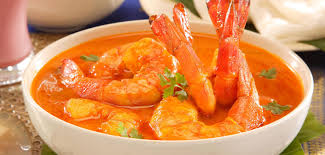
    Situated by the konkani coast, the city has a coastal food tradition of both: Malvani cuisine as well as Gomatak (Goan) cuisine. It includes fish, mainly; prawns, pomphret, Bombay duck, surmai and much more. It tastes best when it is served as fish curry. The taste of these cuisines is spicy, coconut-y, tangy and is served with rice. There are particular restaurants in the city that serve amazing coastal food. You will never have enough of it and will have you coming back everytime you leave having one. Goa house in Juhu, Satkar in Goregaon, Highway Gomantak are few restaurants that are very popular on the charts for serving the best sea-food!

    coastal food

    3. Maharashtrian cuisine:

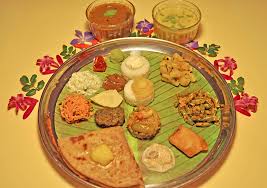
    Come to Mumbai,  and not have the Maharashtrian cuisine is impossible. When we talk of Maharashtrian cuisine it includes; a proper traditional Maharashtrian thali having  varan-bhat (dal made up of cooked lentils in ghee, served with rice), vegetables made using special Maharashtrian masala and chapati. The other dishes include

    • Zhunka bhakar: A very traditional dish, the zhunka is made using chopped onions tempered with mustard seeds and kadipatta leaves mixed with chickpea flour and is dry. It is eaten with jowar bhakri or roti). There are many midnight stalls open that serve it.
    • Puran-poli: A traditional festive dish made by the Maharashtrians on holi and dusshera; made using yellow gram along with jaggery or sugar. after drying, Palm sized balls of this paste are stuffed into wheat flour dough and rolled out to be roasted on a tawa frying pan with a little ghee or butter.
    • Misal-pav: Having its origin in , this dish is made as a curry of sprouted lentils, topped with potato, poha (rice flakes), chivda, farsan, raw chopped onions and tomato and is eaten with bread. Maharashtrian cuisine is said to be truly soul-satisfying and tasty. There are many more dishes and recipes that contribute to the it, one will have to visit Mumbai to try all of them out. But then, all of it will be irresistable. (Aaswad and Prakash eateries in Dadar are the highly recommended ones for having Maharashtrian food).

    marathi

    4. South-Indian Cuisine:

    There is authentic udupi served in many udupi restaurants in Mumbai. Many of them serve in their authentic style: on leaves. Mumbai is the only place where you will find plenty of versions of South Indian cuisine. Must-have’s among them include Chinese dosa, Spring dosa, Schezwan dosa, Masala Idli and many such dishes mainly on restaurants and on street-stalls. The most recommended restaurants around the city are Ramanayaka’s Udupi(it is the most famous one), Udupi Idli house, Cafe Madras and Manis lunch home(famous for its thalis). This image is from the south Indian food cooking classes in Andheri.

    south

    5. The Mangalorean meal:

    Mangaolrean dishes tend to be slightly meaty. They have adequate proportion of seafood and meat in their diet. The neer dosa, chicken roti, Kori roti from the Mangalorean cuisine is among the hot favourites of Mumbai people. There are few recommendations of restaurants like Mahesh Lunch home, apoorva lunch home, Pratap lunch home are few of the oldest restaurants that are highly popular for this treat.

    mangalore-mahesh

    6. The Iranian treat:

    South Bombay is the home to the Parsi community who with them have brought their amazing culture. The town side of Mumbai also is a place of many old and popular bakeries and Irani cafe houses. Irani cafes today, offer simple signature Parsi dishes like Salli boti, Kheema ghotala, freshly baked bread with scrambled eggs, khaaris, cakes,sweet milk tea and much more. It is one of the tasty and essential-to-have treat in the city. The most popular cafe houses today are Kyani, Yazdani, Ideal corner, Jimmy boy.

    yazdani

    7. International servings:

    Mumbai food list would be incomplete if we do not include the American, continental cuisine. There are restaurants like Indigo deli that serve a slightly upmarket standards. today, many such restaurants are found in every mall. Poptates/Jugheads for Italian cravings, Mainland China for having Chinese treat. The coffee houses like Starbucks and Cafe Coffee Day also suit the same standard.

    poptates

    8. Old Bars:

    There are age old bars in the city that attract many tourists as well as the city dwellers. They have a notified ambiance and food. Leopold cafe, Cafe Churchill, Cafe Mondegar are few of the city’s interest.

    leopold

    Mumbai is a city that is home to people of all cast and creed, it is the city of dreams where everyone coming here brings with him his own culture. And the diverse food culture is the result of the same fact. 🙂

  • A Visit to Akbar’s Tomb, Sikandra

    A Visit to Akbar’s Tomb, Sikandra

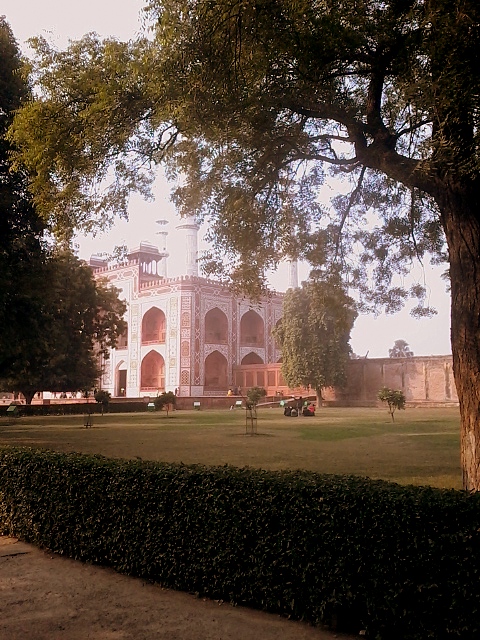
    A few days ago, I had the good fortune of visiting the tomb of the famous Mughal emperor, Akbar the Great. Located in Sikandra, a small suburb on the outskirts of the city of Agra, Akbar’s Tomb goes by much unnoticed by large hordes of tourists, just like the plethora of the city’s numerous other monuments as compared to the universally popular Taj Mahal. Jalaluddin Muhammad Akbar, widely known to be the greatest Mughal emperor by far and one of the most magnanimous rulers of the country prior to its democratic independence, reigned over his vast kingdom from 1555 A.D. to 1605 A.D. At the time of his death, the Mughal Empire stretched from Kabul in the west to Assam in the east, and from Kashmir in the north to Ahmednagar in the south.

    Under Akbar’s rule, the country was united under a peaceful and safely secular co-existence, as he was responsible for abolishing the jiziya tax targeted towards non-believers of his religion, Islam, and bringing in more opportunities for all classes and castes under new, novel institutions, such as the mansabdari system. He united the country under a uniform, cultural, political, and administrative system, accepting its varied diasporas of religions, traditions, cultures, and customs with great tolerance and respect, thus earning the honorary title of “Chakravartin” from the masses, and the epithet of “Akbar the Great” from historians of every age. While Shah Jahan built the Taj and has been remembered by generations for the marvellous creation, the third Mughal emperor was just as illustrious a builder, and is credited with restoring and expanding the Agra Fort as we know it today, and the fabled city of Fatehpur Sikri with all its palaces, massive lawns, and various other royal structures in it, apart from many other monuments.

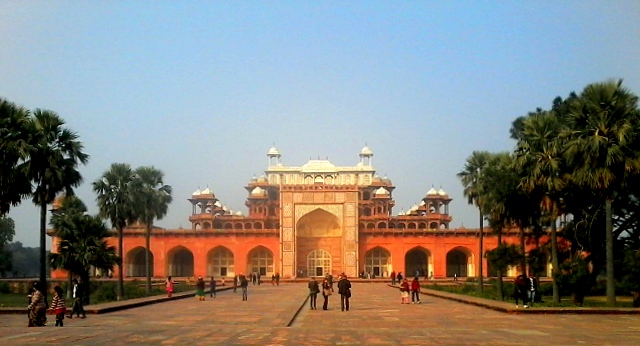
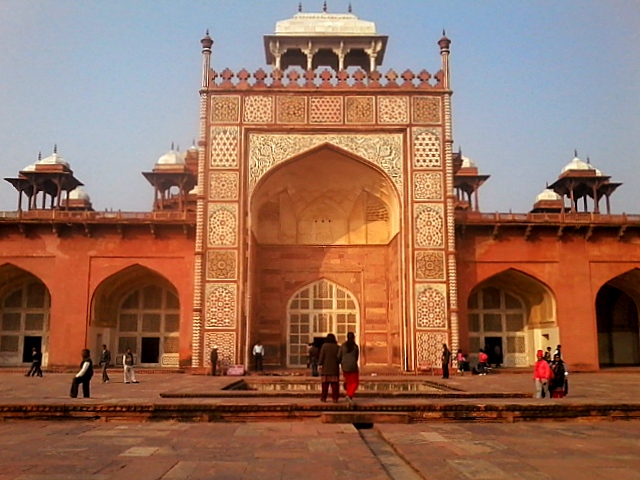
    Set in over a hundred and twenty acres of open, fertile land, near the Jamuna River, the tomb commenced building in 1605 under Akbar’s behest only after he chose the site and renamed it “Bihishtabad”, which means heavenly abode. Akbar died later that same year, and his son and heir apparent, Jahangir built the monument of deep, red sandstone, as according to plan after that, completing its construction in 1613 A.D. The tomb is planned in the centre of a vast garden enclosed by walls on all sides, with a gigantic gateway on each side. The southern gateway is the largest and most intricate in its design, with two storeys, and four, circular, tapering minarets made from white Makrana marble of Rajasthan. The entrance portal here is 61 feet in height, and is flanked by double alcoves. Just the like the gateway to the Taj, this gateway also possesses Persian scriptures gorgeously furnished in marble relief, and an inlay of precious stones and gems in various designs. The twelve inscribed couplets eulogize Akbar and his tomb, and also reflect his philosophical views, apart from briefly mentioning Abdul Haq Shirazi, the head calligrapher on the project, and the date of the monument’s completion, 1605. The chhatri-styled tower incorporations have been inspired from the Char Minar in Hyderabad, which was built in 1591 A.D. by Muhammad Quli Qutb Shah.

    The internal premises reflect the symmetrical charbagh (four gardens) architectural, which was a hit with the Mughal rulers, and true to its name, the garden is divided into four equal quarters, each separated by a high terrace or a causeway of stone masonry, 75 metres in width with a small water channel running in the centre and raised walkways on its sides. Distinctly raised from the present day deer-populated garden, these walkways can be accessed by staircases, which are accompanied by cascades and lily ponds. However, owing to the issue of devastating wildlife endangerment, the garden area is strictly off-limits for all visitors. In a distinguishing departure from most Mughal architectural pieces, Akbar’s Tomb does not feature any cypress avenues or flowerbeds rising from the causeways. This uniqueness is reflective of character, which is full of dignity, sobriety, and thoughtfulness, and peace, rather than the usual splendour, gaiety, delicacy, and superiority, associated with other Mughal monuments, and has thus been made in accordance with the personality of Akbar.

    The main building is square in its outlay, and has five receding storeys. The ground floor has spacious chambers, with an elaborate marble entry portal to access each. The southern entrance of the tomb leads directly into the vestibule that opens to the main grave chamber. Austere in appearance, this chamber features Quranic verses in stucco and painting, an octagonal tower superimposed by an eight pillar chhatri (roof) and numerous arches. While the monument has been built mostly in sandstone by Akbar, as per old Mughal tradition, Jahangir’s architectural style is also reflected in the seamless incorporation of white marble in the gate minarets, entry portals, and the top storeys of the main building.

    The upper floors of the monument have been cordoned off from the general public, and while it is not visible to the naked eye from the ground, tourist guides also mention a huge open-air square court on the top storey, 70 metres long on each side, and covered by arches. A cenotaph has been placed on the platform in the court, and has 36 Persian couplets praising Akbar carved on it. The tomb building is a four-tiered pyramid, surmounted by a marble pavilion containing the false tomb. The true tomb, as in other mausoleums, is in the basement. Apart from Akbar’s grave, many others of his family were also buried here, including a number of his queens and children, just like other Mughal mausoleums such as the Taj Mahal which contains the graves of both Shah Jahan and his queen, Mumtaz Mahal, for whom it was built. The tomb was severely damaged in the 16th century and was consequently restored by the Archaeological Survey of India between 1902 and 1911.


  • The Indian way Chinese Starters !!!

    The Indian way Chinese Starters !!!

    Indians prefer more of Chinese than Indian (I am including myself ). Chinese food is having all flavours in one bowl spicy ,tangy, oily, saucy, full of veggies, juicy, with gravy , without gravy , full of colours , sometime bland in taste, sweet & sour etc etc. I am not wrong if I say there is no one on earth who doesn’t like Chinese. I have had the opportunity to taste all sorts of Chinese food ….from a classy Chinese restaurant to roadside Chinese junk I have had all. But trust me I liked it all. Its easy to prepare and easy to make , the only task is to assemble  the right ingredients , cut the vegetables in right shape and your dish is done in 5 minutes. Yes! its that simple. From wedding Hi-Tea to birthday party at home we always include a Chinese dish in the menu. B’coz ….its simple tasty and every ones favourite.  Its funny but a trur fact that we Indians have totally customised the Chinese dishes and made it oily spicy “tadka marke” dishes .

    Originally the Chinese recipes our full of veggies & sea food , little bland , more of stock content and sweet & sour in flavour. But we have totally customised it in our homes as per our own taste. You wont believe but I have had egg plant sautéed Hakka noodle once and I loved it (I was being crazy …never mind). My hostel cook use to add curry leaves in chicken Manchurian as he was a South Indian cook and only knew curry leaves as his key ingredient ….so whether it be dosa or noodles curry leaves was must (Its true story ….!!!). But if you our really Chinese food crazy you must eat anything which comes to you in form of noodles and I am being very honest in admitting that I love Chinese and can survive years n years eating only noodle and chilly chicken.

    Chinese dishes originally are non- vegetarian dishes but we being Chinese food crazy and not compromising the taste created loads of veg substitutes of the main menu and made it more popular than the original recipes…classic example would be chilly Paneer/ cottage cheese. Even china would wonder how we managed to create that. But its possible only in India. We kill the original recipe and yet make it tasty and popular…(Aren’t we crazy enough to be dared for anything ). So lets have a mix bag of Chinese starter recipes customised the Indian way.

    photo(17)

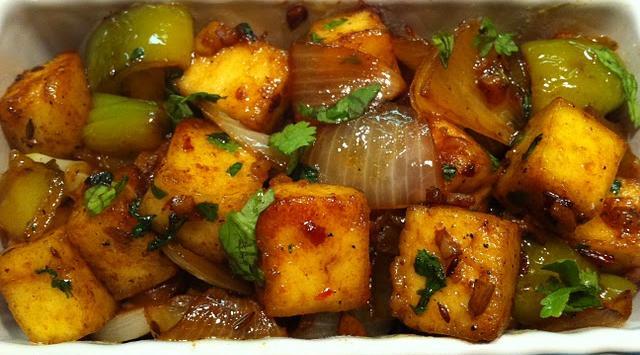
    Chilly Paneer :

    Ingredients : 500 g of cottage cheese / Paneer cut in cubes, 1& 1/2 tablespoon corn starch , 1 tablespoon green chilly diagonally thinly sliced,1 tablespoon celery finely chopped,  2 medium onions diced roughly, 2 medium bell peppers (Red, green & yellow in colour), 1 tablespoon garlic finely chopped, 1 tablespoon ginger juliennes, 1 /2 tablespoon dark soy sauce, 1 tablespoon tomato ketchup, 1/2 tablespoon green chilly sauce, 1 tablespoon olive oil to cook ,salt to taste,1/2 cup water for moistening .

    Servings : 4

    Method : Take a zip lock bag and pour in 1/2 cut of corn starch in it . Add in paneer cubes in the bag and shake it well closing the zip so that starch coats all the cubes evenly from all sides. Now heat a shallow pan and add half of olive oil in it. Slightly toss the paneer cubes in the till it turns golden brown evenly from all sides. Take it out and keep it separate. Now add in the rest of the olive oil heat it on high flame and stir in celery , green chillies, garlic and ginger and sauté it for 1 minutes . Now stir in Onions and diced bell peppers and sauté it again for another 2 to 3 minutes. Add in little salt , tomato ketchup , dark soy sauce , green chilly sauce and mix well for 30 seconds. Add in the shallow fried golden brown paneer cubes in it , mix it well and add water to it. simmer it for 2 minutes and add rest of corn starch in paste (add few drops of water to corn starch )  form to thicken the water and get a glaze on this Paneer dish. Serve it in a flat dish with toothpicks on side . Serve it hot.

    Gobi-Manchurian

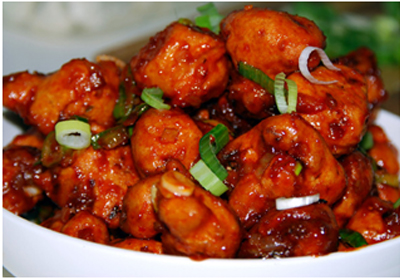
    Gobi Manchurian Dry :

    Ingredients : 1 big cauliflower roughly cut into small pieces, 2 tablespoon corn starch , 1 tablespoon green chilly diagonally thinly sliced,1 tablespoon celery finely chopped,1 tablespoon garlic finely chopped, 1 tablespoon ginger juliennes, 1 /2 tablespoon dark soy sauce, 1 tablespoon tomato ketchup, 1/2 tablespoon green chilly sauce,  olive oil for deep frying & cook ,salt to taste,1 tablespoon chopped spring onions for garnishing.

    Serving: 4

    Method : Firstly we need to slightly blanch in salted water, the cauliflower and then dry it. Once it dried we need to put it in a zip lock pouch with all the corn starch in it and shake it well to coat the cauliflower pieces evenly with corn starch . You may also avoid this process and directly mix the corn starch with blanched cauliflowers and keep it with  for 30 minutes so that it coats well . Now deep fry  the cauliflowers kernels till golden brown . It will be quiet crusty as it was coated with corn starch and its taste is already salty as so addition of extra salt is not required. Now heat a shallow pan , add olive oil in it and on high flame toss, celery , green chilly slices , ginger and garlic. Sauté it for a minute and then add all the sauces …tomato ketchup ,green chilly sauce, and dark soy sauce along with deep fried cauliflower kernels . Stir fry all of this on high flame for 3 to 4 minutes and serve till cauliflower /Gobi absorbs all the sauces. To get a glaze you may pour corn starch solution( a teaspoon only) it is Optional .To get a gravy of this particular dish you just need to add 1 cup of water and a tablespoon of corn starch solution and your side gravy dish is ready. Serve it hot garnishing it with spring onions to enjoy the crispiness of the tempting cauliflower kernels This is a  Indo -Chinese recipe and a very popular dish in India’s Chinese menu.

    There are several such customised Chinese recipes which I want to list down for you guys …will surely write those recipes too till then try out these ones and have a rocking day in kitchen.

  • Spinach Delights !

    Spinach Delights !

    Misty morning fog , delightfully low temperature & hot cups of tea or coffee reminds me of my favourite season Winters. The best part of winters is that laziness is justified . As winters have arrived its time for some awesome food and gossip sessions with friends . I still remember during my childhood we use to have varieties of dishes made by my mum and we use to desperately wait for meal times so that we could relish those mouth watering dishes. Winters are meant for foodies like me and trust me few non-

    foodies too show their interest to grab some crunch to their palette.Variety of veggies and fruits also brings in the the opportunity for us to cook umpteen number of dishes and impress our loved ones. The appetite increases with great food and variety in food . winter is the season of bell peppers , carrots , cauliflowers , radish , spinach and many more nutrient full vegetables. Variety in fruits is also not less and true happiness lies in blending these natures delights in mouth watering recipes and bring in joyful of bowl to the dining table and watch everyone silently eating with smiles on their faces. Its truly a bliss for someone to loves cooking and tries to happy their family and friends with
    awesome relishes. Happy and satisfied faces on dining table makes them feel on cloud 9.Variety in vegetables and fruits bring in variety for your meals. Its simpler to try different stuffs when ingredients are easily available and cheaper in rate. Among those few blissful vegetables and fruits my pick would be Spinach . Immensely rich in vitamins , minerals , Iron . Great in texture, colour , and taste. A large variety of dishes can be prepared which are very basic and simple to cook yet so delicious and nutritious. It can be blended with rice , flours, curries, fries, yoghurt, salads & soups. It is a highly recommended natural food resource by the physicians and very helpful for anaemic patients. Best thing about spinach is you can just purée it and prepare numerable dishes out of that purée . Few relishes are not only healthy but very appetising.

    Today I am sharing a whole lot of such relishes with you guys that you have may be eaten several times but didn’t try . The recipes are very simple and less elaborate which you would easily be able to follow and make . So grab your apron and rush to your kitchen with this bundle of delight named Spinach .

    download

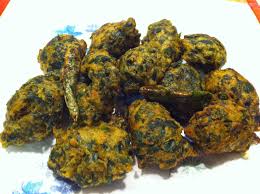
    Palak Pakora :

    Ingredients : 2 cups finely chopped Spinach , 1 cup gram flour (besan), 1 teaspoon carom seeds, 1 teaspoon Asafoetida, 1 teaspoon red chilly powder, 2 large green chilly chopped, 1 teaspoon turmeric powder, 1/2 tablespoon coriander chopped, water as required for batter, Oil for deep frying.

    Servings : 4 (One overfilled platter of delight )

    Method : Mix all the ingredients with water to get thick flowing consistency. Leave it for 30
    minutes.With the help of a large spoon drop small drops into the heated oil of the drying pan and fry till golden brown . Do not fry in high flame else it will remain uncooked in the centre. Fry in medium or slow flame. Once golden brown Pakoras are ready serve them hot with your favourite dip and hot coffee or tea.

    IMG_7218

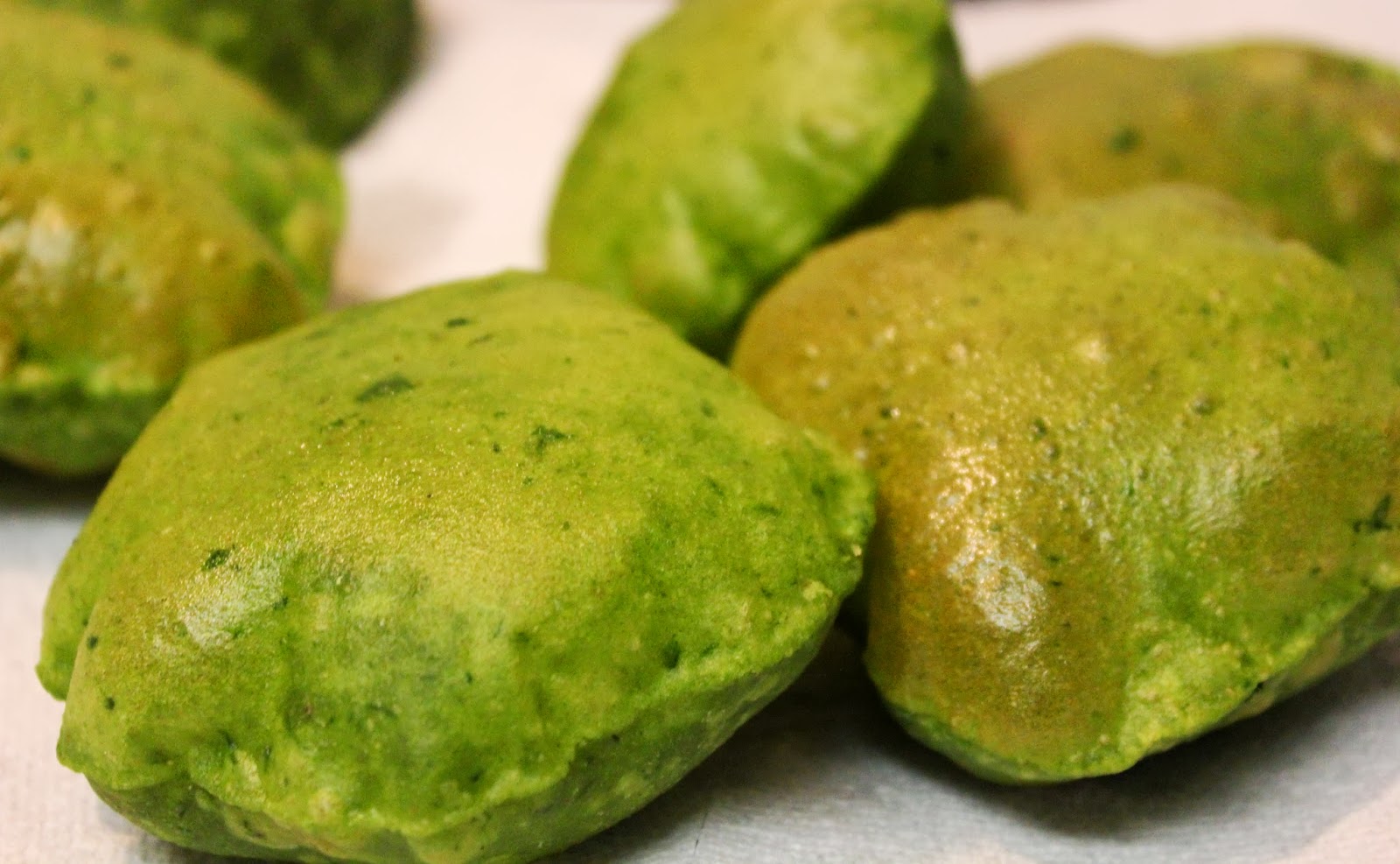
    Palak Puri :

    Ingredients : 2 cups of whole wheat flour , 1/2 a bundle of spinach roughly cut de-rooted and washed,1 teaspoon oil for moistening of the dough , 1 teaspoon red chilly powder, 1 teaspoon Asafoetida, 1 teaspoon carom seeds, salt to taste, 1 teaspoon of green chilly paste. Water if required for dough, Oil for deep frying.

    Servings : 2 to 3

    Method : Firstly take a pan and boil water into it. Put the washed spinach leaves into the boiling water and boil till the stem of the leaves are tender. Immediately put the boiled spinach in icy cold water so that overheating does not soil the colour of spinach. Once the spinach cools down blend it in form of thick puree. Now Mix all the ingredients into a fine and soft dough . Try using less water to make a dough as puree itself has a lot of moisture to bind the flour and spices.Keep the dough for 30 minutes and then make small rounds of it with the help of rolling pin . deep fry it till it pops out of the oil and once ready serve hot with any curry or chutney.

    Palak-Paneer

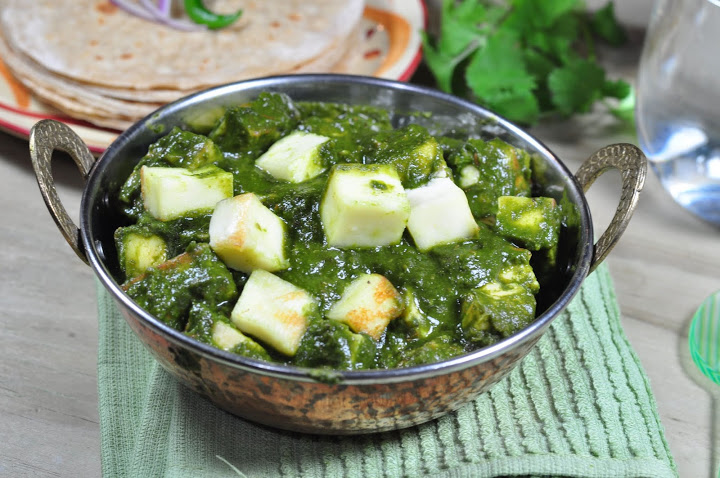
    Palak Paneer :

    Ingredients : 2 cups of palak puree (prepare it as per the recipe given above for the puree), 200 g of paneer cubes (cottage cheese), 1 cup tomato puree, 1 tablespoon garlic paste, 1 teaspoon cloves, 1 teaspoon black pepper corns, 1 cinnamon stick , 1 teaspoon garam masala powder, 1 teaspoon red chilly powder, Salt to taste, 1 tablespoon ghee.

    Servings : 4

    Method : Take a deep pan and add ghee , cloves, black pepper corns, cinnamon stick and fry it till it stops spluttering. Now add Garlic paste and stir it for a minute. Stir in Tomato purée cook it for another 4 to 5 minutes until it separates oil . Now add dry spices red chilly powder, salt and garam masala powder in it and sauté it for a minute . Add Spinach purée and cook it for 2 minutes until a boil and immediately add paneer cubes and close the flame . Just gently mix the paneer cubes in it and cover the lid of the pan . Keep it this way for another 5 minutes (without flame ). Serve Hot with any assorted breads or Jeera rice .

    SpinachRaita

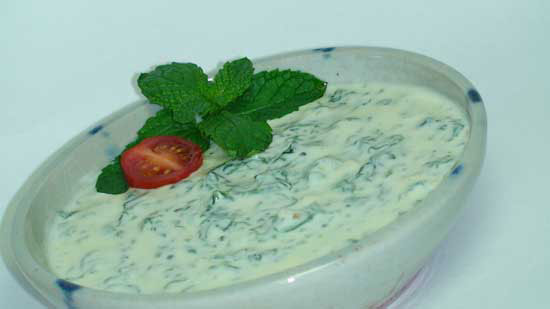
    Palak ka  Raita :

    Ingredients : 1 cup finely thinly chopped spinach leaves, 1 cup curd, 1 teaspoon salt, 1 teaspoon roasted cumin crushed into powder, I teaspoon roasted sesame seeds, I teaspoon red chilly powder, I teaspoon Cumin seeds, 1 whole dry red chilly, 1/2 tablespoon oil.

    Servings : 2 to 3

    Method : Take a pan and heat oil in it. Add cumin seeds and whole dry red red chilly. stir till it stops spluttering, Then add spinach , red chilly powder and salt to it. Sauté for a minute and switch of the flame. Add this tadka to the bowl of curd and add roasted cumin powder and roasted sesame seeds into it. Mix it well and serve as a side dish with any. meal.


  • Being Vegetarian is a Delight!!!

    Being Vegetarian is a Delight!!!

    Non- vegetarians always think the only food which is edible is in form of meat. That’s so unfair for those people who do not eat meat and still have a happy tummy after every meal. Yes ! its a myth that only non vegetarians can survive in other parts of world or even in India. That is completely untrue and so not “The Fact “. Its good that you follow a certain cuisine and prefer to eat meat as its the best form of protein but its totally not true that who doesn’t eat meat is wasting his life or appetite.According to my own research (putting in statistical view point )I have seen a variety of dishes are catered for vegetarians which are full of nutrients and full of taste. They are easy to be made yet so good in appeal. Its not necessary that tandoor food should only have meat else we do not

    consider it to be tandoor. You will be wrong if you taste panner tikka or tandoori Gobi. The variety of curries and appetisers are more in number for a vegetarian than for a non -vegetarian. I am not stating that we should quit non-veg and pledge to be vegetarians (That’s so not the motive of writing this ) but instead appreciate the value of a vegetarian cuisine and just do not crib about having only non-vegetarian dishes only in every meal. The variety , colour , aroma which can be created in a vegetarian recipe is just awestruck and it tastes much better than a non-veg item (Putting this on a serious note).The variety we eat in a marwari wedding is more than a variety we eat in a Bengali wedding (I have attended both so am capable of distinguishing both). I would appeal to my bengali
    friends (Specially) to not crib for non-vegetarian food always and try and appreciate the richness , variety and goodness of veggie’s delight. Give a look to the recipes below and come out of the myth . Stay fir stay blessed.

    VegPakora1

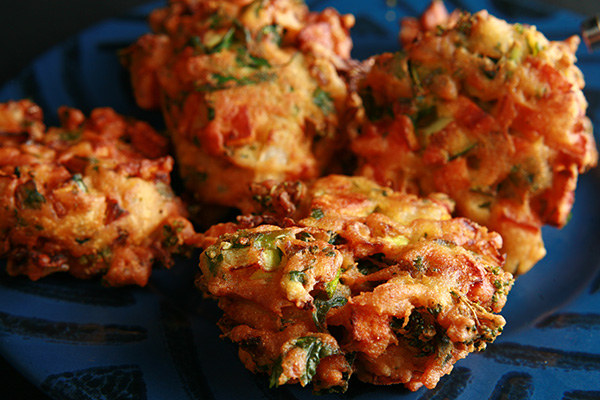
    Mix Vegetable Fried Balls :

    Ingredients : 2 cup roughly chopped onions , 2 cup roughly chopped capsicum , 1/2 cup green peas, 1 cup grated carrot, 1 cup spring onions finely chopped, 1/2 cup grated potato, 1 &1/2 cup gram flour (Besan ), 1 tablespoon green chillies finely chopped, teaspoon carom seeds, 1 teaspoon Asafoetida, 1 teaspoon red chilly powder,1/2 teaspoon of sodium bi-carbonate,1 teaspoon turmeric powder, 1/2 tablespoon coriander chopped, water as required for batter, Oil for deep frying, Chat masala for garinshing

    serving : 4

    Method :Mix all the ingredients with water to get thick flowing consistency. Leave it for 30
    minutes.With the help of a large spoon drop small drops into the heated oil of the drying pan and fry till golden brown . Do not fry in high flame else it will remain uncooked in the centre. Fry in medium or slow flame. Once golden brown vegetable balls sprinkle chaat masala over it and serve with tamarind chutney. Its a dish to be enjoyed with friends and invite those who believe non -veg is the only food possible and surprise them.

    download (1)

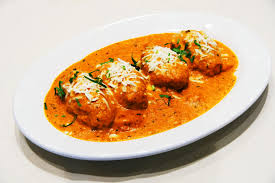
    Panner Kofta :

    Ingredients :

    For Kofta : 200g grated cottage cheese (panner), 3 medium sized potato boiled and mashed, 1 teaspoon Pomegranate seeds (anardana) finely crushed , 1 tablespoon chopped green chillies, 1 tablespoon chopped coriander leaves , Salt to taste, 1 teaspoon kashmiri lal mirch , 1 teaspoon dry mango powder (amchur powder), 1/4 cup resins finely chopped for kofta filling , Oil for frying .

    For gravy: 1 tablespoon cooking oil, 1 teaspoon cumin seeds, 2 to 3 cardamoms, 2 to 3 cloves, 1/2 cup onion paste, 1 tablespoon ginger garlic paste,1/2 cup tomato purée, 2 teaspoon cumin and coriander powder mixture, 1 teaspoon turmeric powder, 3/4 cup fresh cream, 1 teaspoon garam masala, salt to taste. Chopped coriander for garnishing.

    Servings : 4

    Method:

    For kofta: Add all the ingredients except resins, listed for kofta, mix them well and make a smooth dough. Now make even balls out of the dough, filling chopped resins into the kofta balls as a filling and givethe koftas its desired round shapes. Keep it in the refrigerator for 30 minutes. Fry the koftas in medium flame slowly until golden brown and keep it aside.

    For Gravy :
    Heat a deep pan ,add oil, cumin seeds, whole spices , onion paste , ginger and garlic paste and stir it for 3 to 4 minutes until onions separates oil .Add tomato purée and all the dry spices along with little bit of salt keeping in mind that koftas too have salt.Cook until tomato separates oil and add fresh cream and 1/2 cup water. cook the gravy for 4 to 5 minutes and switch off the flame. When its time to serve, then only add fried koftas into the gravy so that koftas doesn’t turn soggy . Isn’t it a recipe which can compete with any non-veg dish .

    1576442059

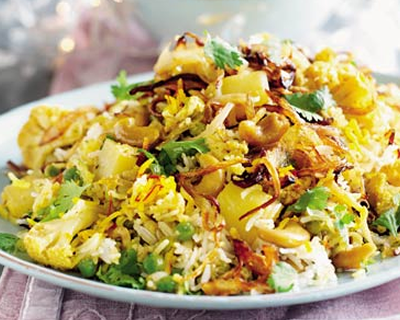
    Vegetable biryani :

    Biryani is such a non-veg recipe and breaking the typecast lets make it a veg dish and it will still be so yummy and mouth-watering which will surprise you to the fullest.

    Ingredients : 1/2 kg basmati rice washed and soaked in water for an hour, 1 cup sliced Onions, 1 chopped carrots , I cup chopped beans , 1 cup diced potato, 1 cup panner cubes, 1 cup yoghurt, 1 cup tomato roughly chopped, 1 cup boiled green peas, 1 tablespoon coriander and mint leaves finely chopped, 1 teaspoon turmeric powder, 1 teaspoon cumin powder, 1 tablespoon ginger and garlic paste, 1 teaspoon red chilly powder, 1 teaspoon garam masala, half a dozen cloves, half a dozen black peppercorns, half a dozen green cardamom, 1 cinnamon stick.

    Servings : 6

    Method :

    Half cook the rice and flatten it on large rice plate and sprinkle a little ghee on top avoiding sticking of rice grains with each other. Take a deep pan with a lid and and separately deep fry all the vegetables (Except Onions and tomatoes) and panner and keep it aside. Pour the remaining ghee into the pan and add all thw whole spices ,half a dozen cloves, half a dozen black peppercorns, half a dozen green cardamom, 1 cinnamon stick .Add Onions and ginger garlic paste to it and stir till onion becomes translucent.Now add Tomato and all powdered dry spices, 1 teaspoon turmeric powder, 1 teaspoon cumin powder,1 teaspoon red chilly powder, 1 teaspoon garam masala, Salt, and green chillies . Sauté it for 5 to 6 minutes stir in all the deep fried vegetables along with panner  and add yoghurt to it. Stir gently for 3 to 4 minutes let the gravy dry a little and then pour out half of the gravy into a separate plate. Now spread half of the cooked rice into the deep pan and garinish on top with chopped green coriander and mint leaves and half of the fried onion slices, Repeat theame step with the remaining gravy and rice. Slow the flame. Close the lid of the deep pan and remove it from the flame. Now place a flat tava/pan on the slow flame and then put the biryani containing deep pan on it . with the help of a tight dough seal the edges of the pan’s lid so that air could not pass through it.This process is know as cooking in Dum. Keep the dum flame on till the dough which is used as a seal looses out moisture and nearly becomes breakable. The Biryani is ready to be serve with your prefered choice of gravy or curry or even a raita.