Category: Vegan

  • New Food Trend : Organic Is The Way

    New Food Trend : Organic Is The Way

    Food is something without which we can’t live. As population has risen over the years, the demand for food has increased manifold too. This leads to extensive industrial farming, with the usage of chemicals and artificial ways to produce cheap and huge quantity of food. But are they nutritious? The answer is a big no. By eating this  food we are poisoning our body and destroying nature, ecosystem and our environment. The only solution to this is buying organic products as much as possible. Every food has an organic counterpart, but the problem is that may not be available everywhere and is costlier than the normal, chemical-stricken food. And if you are on a budget, the matter just becomes all the more worse.

     

    keep-calm-and-go-organic

    So while you love to buy 100% organic all the time, that is not always possible. So here’s a guide to help you decide as to what foods should be on your priority list for going organic.



    download

    Milk:

    Dairy cows are usually fed hormones, antibiotics and pesticide-covered grains, which increase their milk production capacity. But these really harmful and carcinogenic chemicals end up in our bodies through the milk they produce. And the higher is the fat level of milk, the higher is the amount of pesticides. And this becomes a major problem because milk is fed to babies and toddlers, and it may result in retarded growth. So the absolute number one priority in your household should be organic milk for kids.

     

    apples

    Apples:

    Apples are at the top of the high pesticide level list. It is always correctly said that an apple a day keeps the doctor away, provided that the apples are organic, especially if you and your family are a regular applesauce eater, because it is swimming in several different pesticides. Apples, these days are contaminated with thiabendazole, a possible carcinogen. So switch to organic varieties of apples, to get the fiber that they provide and to keep your digestive system in shape.
     

    nectarines

    Nectarines:

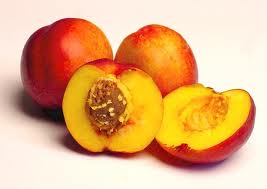
    About 97 percent of nectarines are found to contain pesticides and carcinogens like iprodiene. You should buy them organic to enjoy the nutrients that they provide to keep your eyes and skin healthy.


    grapes

    Grapes:

    Grapes have more pesticides than any other fruits. Grapes contain 64 different pesticides. If they are bought organic, they offer a variety of vitamin and mineral health benefits as they are a great source of calcium, iron and manganese that are essential for production of healthy tissues.
     

    peaches

    Peaches:

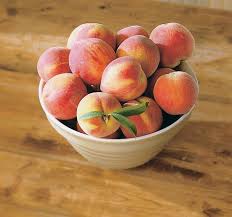
    Peaches are loaded with antioxidants and they are a great source of fiber. But these days they can contain almost 62 chemicals that are carcinogens, pesticides, neurotoxins and reproductive toxins. That is more than most fruits and veggies, so make sure your peaches are always organic.
     

    potato

    Potato:

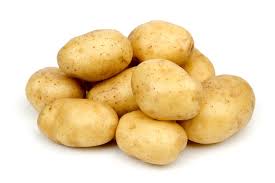
    Potatoes are a great source of fiber and potassium and a great source of energy. But lately, they are found to be containing neurotoxin chemicals and cause mental and emotional changes, vision loss and weakness or numbness in arms and legs. Almost 80% of potatoes contain pesticides which are sometimes no removed even after peeling or washing them. So buying organic potatoes is a very good option.
     

    white_and_dark_meat

    Meat:

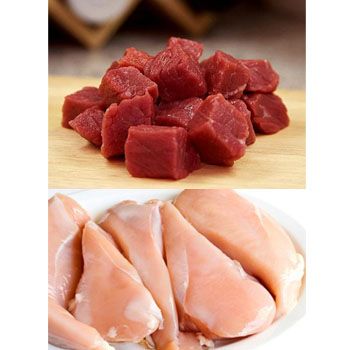
    If you eat meat, it is important to be aware that conventional meat contains hormones, antibiotics and pesticides. And the use of antibiotics in foods contributes to rise in antibiotic-resistant bacteria. Organic meats can be expensive, but they offer good nutritional benefits, for  example the protein, iron and zinc  packed in the red meat.


    So these were the organic foods which are definitely worth paying more for. Organic food is safe, friendly, and highly nutritional, and is, in correct terms, the tastier and healthier food. Going organic is beneficial for the environment in more ways than you can imagine. It provides protection to the farm workers as there is no usage and inhalation of toxic and harmful pesticides. It promotes agricultural diversity .and is better even for wildlife and domestic animals as the foods are free of chemicals. Buying organic food balances the natural resources of environment as it is free of any genetic modification. And as they are away from all these bad things, they are obviously good to taste and are the most nutritional food stuff and surely, away from diseases. These foods protect the future generation as well, as they avoid the mutations in them due to the lack of carcinogenic and mutagenic chemicals. It is also a way of creating a better, greener and sustainable future for the generations to come. So make the powerful decision of nourishing your personal and mental health by going organic!!

  • Summer 2014 Mocktails

    Summer 2014 Mocktails

    Come summer, come heat and sweat!! All one could possibly pray for in this season is either rains or a refreshing glass of cool drink. With the growing concern regarding health, many prefer to opt for the natural substitute to the drinks rather than the aerated varieties in the market. The problem is, natural is often least appealing. Fret not friends, your prayers seems answered. Here’s a refreshing mix of art and colour with nature. Whether it’s planning a party, a mid-day snack or if it’s a healthy non-alcoholic option you need for your next family and friends meet, these virgin drinks meet the demands across all age groups. And the best part is, they are delicious. The drinks are full of flavour —subtle, fruity, or just plain refreshing.

     

    MINT JULEP

    835043

    You’ve got a new party favourite across all age groups. It’s a perfect alcohol-free take on a classic party favourite.

     Calorific Value: 140 calories                                          Serves: 1

    Ingredients

    • ¼ cup water
    • ¼ cup castor sugar
    • 1 tbsp chopped mint leaves
    • 2 cups crushed ice
    • ½ cup lemonade

    Directions

    • In a saucepan, add water, sugar and the chopped mint leaves.
    • Heat the mixture. Stir until the sugar has dissolved.
    • Cool the syrup. After an hour, strain out mint leaves.
    • Fill the serving glass with crushed ice.
    • Add lemonade to the ice and top up with a dash of the prepared syrup.
    • Garnish with a mint sprig.


    CARIBBEAN SUNSET

    8

    No one in the family or friends meet is ever going to miss alcohol after they drink this exciting and refreshing mix of wonders!!

     

    Calorific Value: 140 calories                                          Serves: 1

    Ingredients

    • 1 cup Sprite
    • ½ cup Orange Juice
    • ½ cupLemonade
    • orange / lemon wedge and cherry for garnish

    Directions

    • Fill your serving glass of considerable length half full of ice
    • To this, add the orange juice and lemonade
    • Add sprite on top and give a good stir.
    • Garnish with an orange / lemon wedge and cherry


    LONG ISLAND TEA

    7

    Taste the original minus the alcohol!!

     Calorific Value: 102 calories                                          Serves: 1

    Ingredients

    • 1 cup Coke
    • 1 cup Lemonade
    • 1 cup Unsweetened Black Tea
    • lemon wedge
    • crushed ice

    Directions

    • In a tall glass, fill half with crushed ice.
    • To this add equal quantities of coke and lemonade
    • Top the mixture with unsweetened black tea. Stir.
    • Garnish with lemon wedge


    COSMO – TO – GO

    6

    A classic take on the cosmopolitan martini without the alcohol. Ahh!! Heaven!!

     Calorific Value: 182 calories                                          Serves: 1

    Ingredients

    • 1 cup Lemonade
    • 1 cup Cranberry Juice (any citrus juice of choice)
    • 1 cup lime syrup
    • Lemon wedge

    Directions

    • Take a shaker and fill it with crushed ice
    • Into the ice, carefully add the prepared lemonade, cranberry juice and lime syrup.
    •  Recap the shaker and shake well till all the ingredients are evenly mixed
    • Strain into a martini glass
    • Garnish with a lemon wedge


    RED SANGRIA

    5

    Who said you need wine to shake up Sangria!!

    Calorific Value: 200 calories                                          Serves: 1

    Ingredients

    • ¾ cup of Pomegranate Juice
    • ½ cup of Orange Juice
    • ¼ cup Apple Juice
    • Splash of Soda
    • 1 orange wedge and cherry for garnish

    Direction

    • Take a tall thin glass and fill half full of ice
    • Combine the juices – pomegranate juice, orange juice, apple juice and stir
    • Add a splash of soda on top
    • Garnish using cherry and orange wedge

    SWEET ‘n’ SOUR SLIDE

    4

    Craving for a glass of cold whiskey? Here’s a healthy alternative

     Calorific Value: 148 calories                                          Serves: 1

    Ingredients

    • ¾ cup Sprite
    • ¾ cup Pineapple Juice
    • ¼ cup fresh lemon juice
    • pineapple wedge for garnish

    Directions

    • Fill a glass with half full ice
    • Add to it sprite, pineapple juice and lemon juice in the given quantities. Stir well
    • Garnish with a pineapple wedge


    PEACH COLADA

    3

    An all year round favourite!!

     Calorific Value: 350 calories                                          Serves: 1

    Ingredients

    • ¾ cup Peach smoothie
    • ½ cup Vanilla flavoured non-fat yogurt
    • ¼ cup Coconut Syrup
    • 2 cups ice
    • 1 scoop whipped cream
    • 1 peach slice for garnish

    Directions

    • In a blender or food processor, add the peach smoothie, yogurt, coconut syrup and ice; blend till smooth
    • Pour into a serving glass of choice
    • Garnish with whipped cream and a peach wedge


    TROPICAL MANGO COLADA

    2

    A mocktail for all people across all seasons!!

     Calorific Value: 200 calories                                          Serves: 1

    Ingredients

    • 1 cup Vanilla flavoured non-fat yogurt
    • ¼ cup mango juice
    • 1 tbsp coconut syrup
    • 2 cups ice
    • 1 scoop whipped cream
    • 1 tsp toasted coconut flakes
    • 1 tsp toffee bits
    • 1 mango slice for garnish

    Directions

    • In a blender or food processor, add the mango juice, yogurt, coconut syrup and ice; process until smooth
    • Pour into a serving glass of choice
    • Garnish with whipped cream, coconut flakes and sprinkle toffee bits on top. Add a mango wedge on the glass edge


    ROMAN HOLIDAY

    download

    Not only is it bright, it is also light! A perfect night party drink!

     Calorific Value: 210 calories                                          Serves: 1

    Ingredients

    • 1 cup Orange Juice
    • ¾ cup Lemonade
    • 1 tsp caramelized sugar
    • 1 orange wedge, lemon wedge and mint sprig each for garnish

    Directions

    • Fill a serving glass half full of ice
    • Add the orange juice and lemonade along with caramelized sugar in the glass of ice; squeeze and add the orange wedge; stir well
    • Garnish with a lemon wedge and a mint sprig


    Georgie Rajan

  • Potato chips

    Potato chips

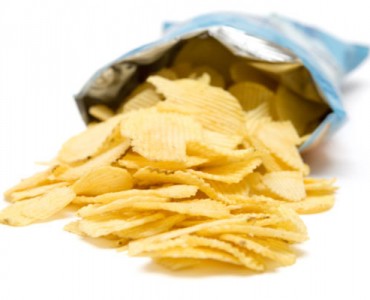
    A potato chip is nothing but thin slices of potatoes which are dried in the sun and then fried in hot oil to become nice, crispy and a ready to eat snack. For health conscious people these slices of potatoes are baked rather than fried in oil. Earlier potato chips were available in only one flavour that was salted but with time, changes occurred both in production technologies and taste of the consumer. Today different flavours of chips are available from classic salted to tangy tomato to cream and onion etc. Potato chips are a food item which is consumed by both children and adults and has a market which covers almost the entire world. In the west, chips became a common snack both in households and in the food market. Studies states that in 2005 total revenues gained from the sale of potato chips alone accounted to almost US$16.49 billion.

    chips 2

    There is a popular tale which talks about the birth of potato chips into this world. According to the tale it was on August 24 1853 in Saratoga Springs New York where an event took place. The credit for the introduction of this food item is given to George Crum who was a half black half Native American who was a cook by profession and worked in his own lake side restaurant called the Moonlake house. A customer had entered the restaurant but was not happy with the dishes in the menu card. So in order to appease the unhappy customer, Crum decide to try something new. He cut the potatoes into very thin slices and then fried them till they became nice and crispy. He then seasoned them with salt and gave it to the customer. The customer was very happy with the new dish and that’s how potato chips were introduced. The name given to these chips by the locals was Saratoga chips which remained till the mid 20th century. In 1973 St. Regis Paper Company which is responsible for the packaging of these chips revealed that the story was true and that Crum was a cook who by 1850 owned his own restaurant and the customer who had come that day was Cornelius Vanderbilt who was a local. With years going by chips became so famous that it began to spread in the neighboring regions as well. It was no longer a dish listed in the menu cards but had come out of restaurants to become products of mass production for home consumption. The Dalton which is an Ohio based chips producing company is considered to be the oldest in the United States, established in 1910. Chips soon became popular and in demand among the masses. Many industries which produced chips allowed their workers to take back home a small quantity of the produce. This was done both as a publicity stunt and secondly it helped to ensure employee satisfaction. Chips were sold in markets in tin cans earlier but the problem with this system was that the chips lying in the base used to become stale and crumbled. Later specially designed colorful plastic bags were introduced which were filled with nitrogen gas before sealing the ends which not only helped in increasing its shelf life but also helped the chips to remains nice and crispy and in shape avoiding crumbling.

    chips 1

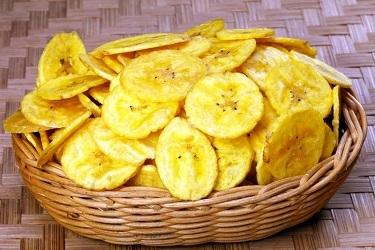
    Back in India, other than the potato chips we also have the banana chip which is a very important component of the south Indian cuisine. The basic technique of preparation remains the same where ripe bananas are sliced into thin pieces, dried in the sun and then fried in oil. These chips can be sugar or jagery coated or can be spicy or salted depending upon the taste preference of the consumers. Usually prepared in the Indian state of Kerala, these can be used either as a snack or with proper meals.

    chips 4

    The best part about these chips, may it be potato or banana, is that they can be prepared at home and the technique for both the types is almost the same. In order to prepare potato chips at home the directions are given below.

    Directions:

    •  First slice the potatoes finely.
    • Place the slices in cold water which is salted and boil it. When the chips have boiled well, drain the water and transfer the contents into another bowl.
    • Now add oil to the chips and mix well. After this add spices and any other extra ingredient like herbs, cheese etc and finally add salt. Remember whatever you add mix well so that every single chip is covered evenly.
    • Spread the chips on the baking platter and put them in a hot 200c oven and let them bake for about 20mins.
    • Shake or stir in between thought not compulsory.
    • Keep a check on the chips in order to avoid overcooking. The chips when done look light brown in colour and are crispy and crunchy when eaten.
    • After 20mins take out the chips and they are ready to be served.

    Homemade potato chips can be enjoyed along with different items like eggs, meat or a cheese dip and can be also eaten on their own.

    chips 3

    Since potato chips come under the category of fried food, they pose serious health concerns for the public. A recent study reveals that potato chips are the biggest contributors to weight gain and the high starch content in potatoes chips is the main reason behind tooth decay. Other related health issues are high blood pressure caused by the high sodium content which is found in the salt used during the preparation of these chips.

    However due to all such concerns many companies invested in research and development in order to produce chips which provide the same or more level of satisfaction but the pose less risk than before.

  • Pulaos

    Pulaos

    Rice does to a meal, what ornaments do to a woman! An ordinary meal turns into a treat if a little imagination is used in preparation. Rice can be used to prepare a plethora of dishes – biryanis, pulaos, tahirees, stir fried rice and so on.

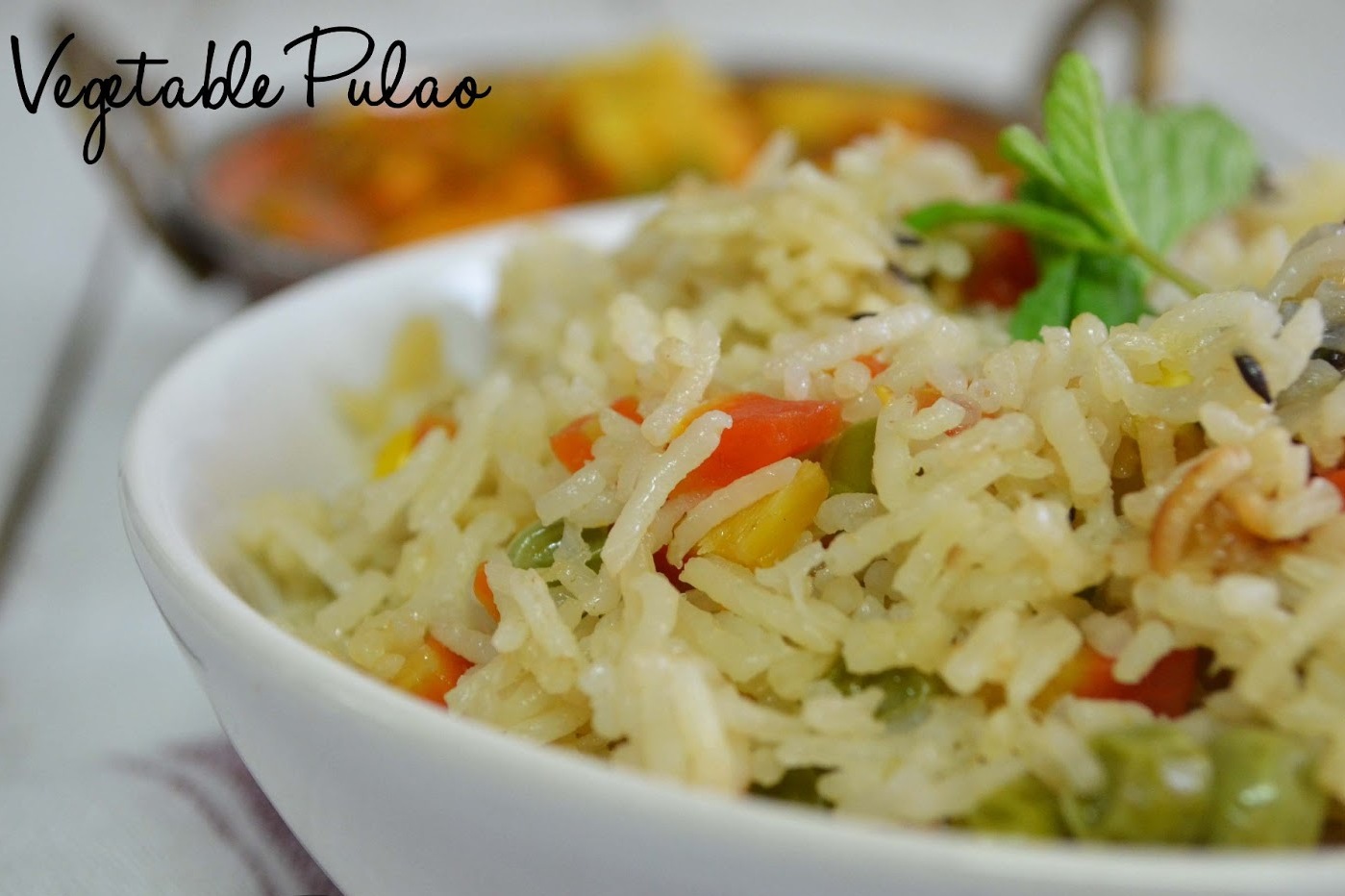
    Pulaos are famous Indian rice dish of Persian origin. It is basically rice sautéed in a little oil or ghee and then cooked along with vegetables. Good quality basmati rice along with Indian herbs and spices are mandatory for this preparation. The rules remains the same; 1 cup of uncooked rice = 3 cups of cooked rice. Also, before cooking, rice must be soaked atleast 30 mins prior to cooking. This not only reduces time for cooking but also ensures that the rice does not stick after it is cooked. Once the pan is covered, cook on very low flame to ensure even cooking

    Enough with the rules. Let’s get to the fun part. Some famous and healthy pulao recipes are as these given below.

    I. Gobi Matar Paneer Pulao / Cauliflower Pea Cottage Cheese Pulao                Serves 4

    1

    This variety of rice combines the taste and flavours of three nutritious ingredients with a perfect blend of spices. It is light on the stomach and fine to taste. It can be served with raita or eaten as it is

    Ingredients

    Basmati rice –   1 cup

    Onion –                 1 sliced finely

    Oil –                        2 tbsp

    Bay leaf –              1 leaf

    Ginger –                1/2″ sliced into juliens

    Cloves –                2

    Cauliflower –       1 cup medium sized florets

    Shelled peas –      1 cup

    Paneer –                 1 cup

    Chilli flakes –        1/4 tsp

    Garam masala –   1/2 tsp

    Salt –                         1 1/2 tsp

    Procedure

    • In a heavy bottomed pan, fry the cauliflower till golden brown. Remove from oil and soak the excess oil on tissue sheets. Repeat the procedure for the paneer. After frying, soak the paneer in hot salted water to make them soft.
    • In the same oil, add the whole spices and onions and fry till golden brown.
    • At this stage, add the vegetables and stir lightly. Drain the rice and add to the pan. Stir the rice gently. With 1 cup rice, add 2 cups of water
    • Add the powdered spices and boil the mixture.
    • On boiling, cover the pan and continue cooking on very low heat for 12-13 mins until the water is completely absorbed and the rice is cooked to perfection.

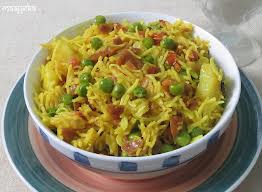
    II. Wadi and Matar Pulao / Pulse rolls and Pea Pulao                                          Serves 4

    2

    Urad or any regular dal wadi is used extensively in Indian cookery. These can be innovatively used even in your regular pulaos. Not only does it add to the nutrition in food, but it also makes the dish look truly unique

    Ingredients

    Basmati rice – 1 cup

    Oil –                     1 sliced finely

    Bayleaf –            1 leaf

    Ginger –              1/2″ sliced into juliens

    Garlic –                2 cloves

    Cloves –               2

    Wadi –                   3/4 cup

    Shelled peas –    1 cup

    Cumin seeds –    1 tsp

    Brown Cardamom – 2

    Salt –                     1 1/2 tsp

    Procedure

    • In a cooker, add I tbsp oil and fry the wadis till golden brown. Remove from oil and soak the excess oil on tissue sheets.
    • Add a cup of water and pressure cook for 2-3 mins.
    • In a heavy bottomed pan, add oil, the whole spices, ginger and garlic and fry till golden brown.
    • At this stage, add the wadis and peas and stir lightly. Drain the rice and add to the pan. Mix gently. For 1 cup rice, add 2 cups of water left after cooking the wadis
    • Boil the mixture.
    • Cover the pan and cook on very low heat for 8-10 mins until the water is completely absorbed and the rice is cooked to perfection.

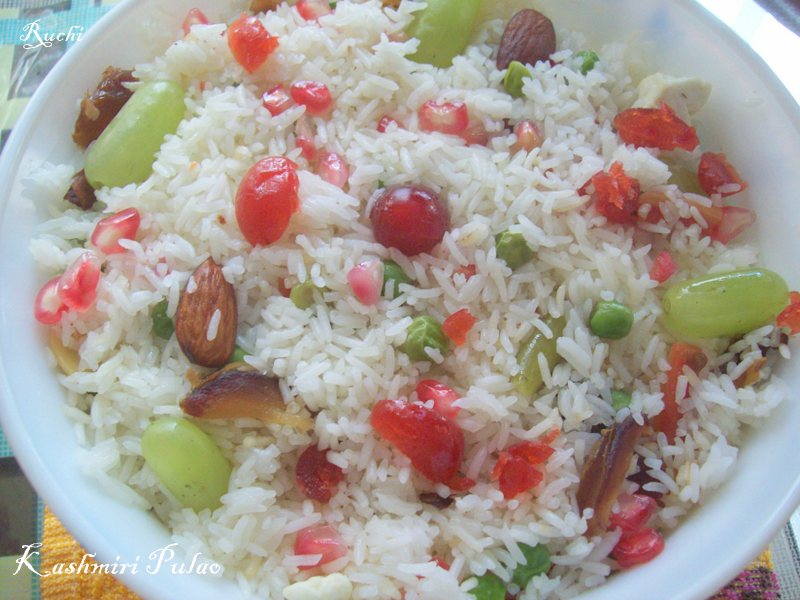
    III. Kashmiri Pulao                                                                                                         Serves 4

    3

    Faithful to its name, the dish combines the colours and flavours of the majestic and beautiful state of Kashmir. Enriched with rare and extravagant spices and fruits, this dish is both light on the palette as well as great to taste.

    Ingredients

    Basmati rice –    1 cup

    Onion –   1 sliced finely

    Oil –  2 tsp

    Bayleaf – 1 leaf

    Cinnamon –  1 stick

    Cloves –     2

    Green cardamom –  2-3

    Saffron/ Kesar – few strands

    Tinned fruit –     1 cup

    Salt –     1 1/2 tsp

    Procedure

    • In a heavy bottomed pan, add oil, add the whole spices and onions and fry till golden brown.
    • At this stage, drain the rice and add to the pan. Mix gently and fry for a while. For 1 cup rice, add 2 cups of water
    • Boil the mixture.
    • On boiling, cover the pan and continue cooking on very low heat until the water is completely absorbed and the rice is cooked to perfection. Add soaked saffron
    • Drain the tinned fruit and mix with the cooked rice using a fork gently.

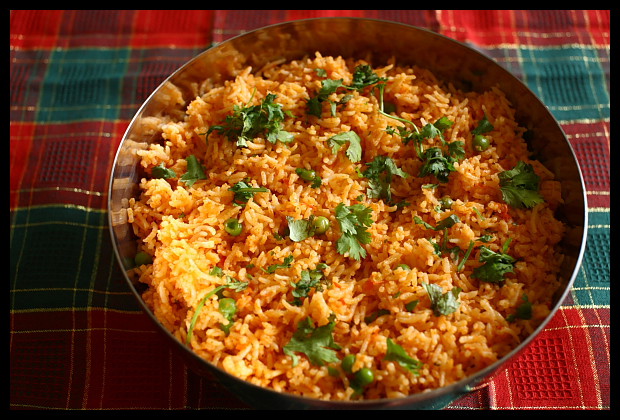
     IV. Tamatar Kasooori Pulao / Tomato Fenugreek Pulao                                Serves 4

    4

    Fenugreek is much used in Indian cookery, both the seeds as well as the leaves. But the dried version is rarely used in pulaos. It is a great dish to try out for the health conscious and for people suffering from lifestyle diseases like diabetes.

    Ingredients

    Basmati rice –   1 cup

    Oil –     2 tbsp

    Cumin seeds –   1/2 tsp

    Kasoori Methi / Dried Fenugreek Leaves – 2 tsp

    Tomatoes – 1 cup

    Salt – 1 1/2 tsp

    Procedure

    • In a heavy bottomed pan, add oil, add the whole spices and onions and fry till golden brown.
    • At this stage, drain the rice and add to the pan. Mix gently and fry for a while. For 1 cup rice, add 2 cups of water
    • Boil the mixture.
    • On boiling, cover the pan and continue cooking on very low heat until the water is completely absorbed and the rice is cooked to perfection.
    • Drain the tinned fruit and mix with the cooked rice using a fork gently. 


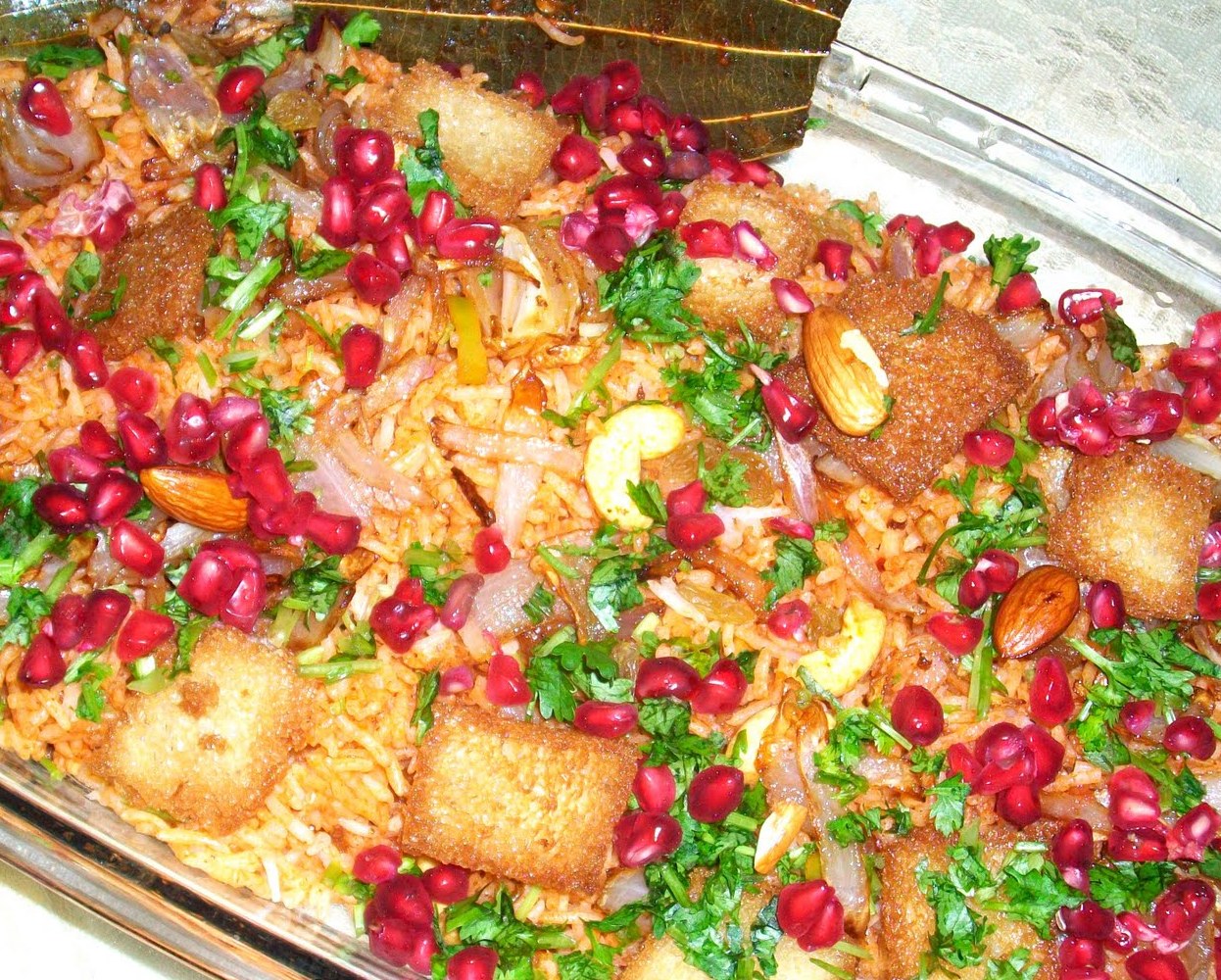
    V. Garden of Five Senses                                                                                               Serves 4

    5

    As the name suggests, this recipe is sure to ignite all five human senses. Owing to its colour, it provides interest to the eyes; the magical aroma is sure to arouse the sense of smell; the taste is sure heavenly; the crackling of spices and aromatic oils from the masalas are music to the ears thereby arousing the sense of hearing and finally, its texture is so smooth that its sure to activate the sense of touch and feel of every single grain of rice

    Ingredients

    Basmati rice –    1 cup

    Spring Onion –    4-5 sliced finely (keep the greens separately)

    Oil –        2 tbsp

    Bayleaf –   1 leaf

    Ginger – 1/2″ sliced into juliens

    Garlic –   2 cloves

    Cauliflower –   1 cup

    Shelled peas –   1 cup

    Bread slice – 1 slice cut into small squares

    Pomegranate –  3/4 cup

    Garam masala –  1 tsp

    Salt –   1 1/2 tsp

    Baby Corn – 1/2 cup

    Capsicum – 1 cup

     Procedure

    • Pressure cook the baby corn along with one cup water and salt for 5-7 mins.
    • In a heavy bottomed pan, add oil and deep fry separately, the bread pieces, cauliflower florets, and paneer cubes till golden brown. Remove on frying and keep in absorbent sheets to soak excess oil
    • In the same pan, add the whole spices and stir for a while. Add the onions, ginger, garlic and fry till golden brown. Reduce the flame and add the powdered spices and salt.
    • Add the drained corn, capsicum, peas, cauliflower and paneer pieces and mix gently.
    • At this stage, drain the rice and add to the pan. Mix gently and fry for a while. For 1 cup rice, add 2 cups of water
    • Boil the mixture.
    • On boiling, cover the pan and continue cooking on very low heat until the water is completely absorbed and the rice is cooked to perfection.
  • The King of Fruits

    The King of Fruits

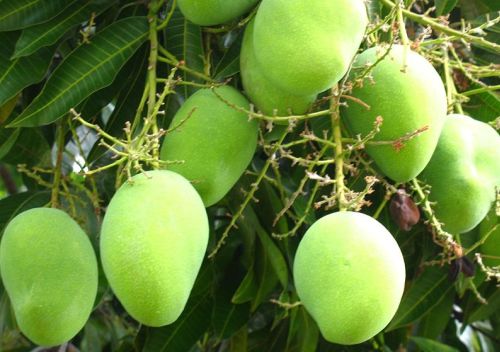
    Mango is a fruit which belongs to the plant family Anacardiaceae. They are tropical fruiting trees which are mostly cultivated for edible fruits. The mangoes originated in South and Southeast Asia and were later adopted by the neighboring regions. With time it became one of the most cultivated fruits in the tropical regions.Major contributions to the production of mangoes are given by regions like Sumatra, Borneo and counties like Burma and India. Other than being the king of fruits, mango is the national fruit of Indian and the Philippines and the national tree of Bangladesh. Mangoes come in different varieties depends upon the method in which it is cultivated plus the weather conditions. In some cultures the fruit and leaves of this plant is used as decorations for wedding and other public and religious ceremonies.

    green-mangoes

    Cultivation of mangoes have been taking place in Southeast Asia for thousands of years but the knowledge regarding its cultivation reached East Asia by the 5th century only. In East Africa mangoes were introduced after the 10th century. Mangoes later travelled to regions like West Indies Brazil and Mexico where appropriate climate contributed to its growth. Cultivation of mangoes can only be possible in a frost free tropical climate. Today almost half of the production in the world market is done by India with china being the second largest producer. Other regions such as Australia, Pakistan, north and Central America also account for the production of this fruit. Such as the Canary Islands in Spain is also a notable producer of this fruit. Though India is the largest producer, study sates that it accounts for only 1 percent in the international trade market for mangoes as it most of its produce is consumed domestically.

    5108f0481b71310e17d099a47425b94d_500

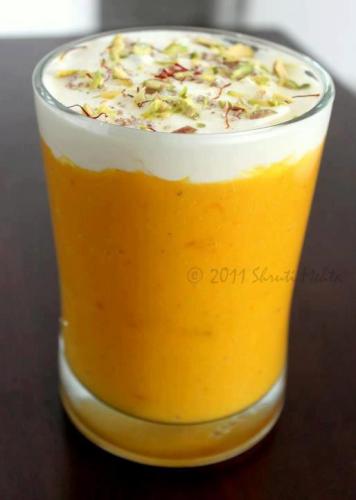
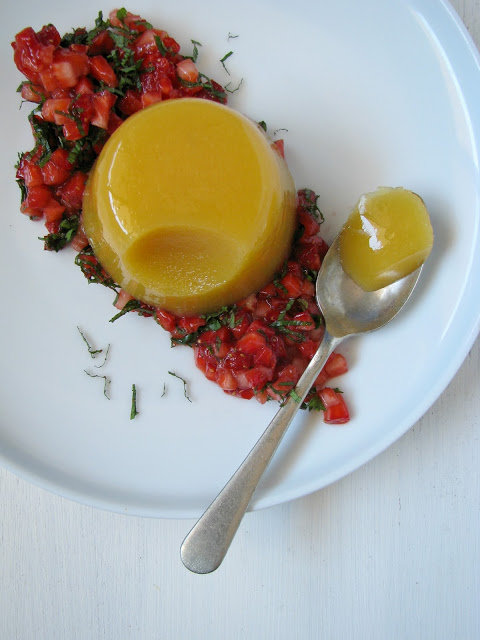
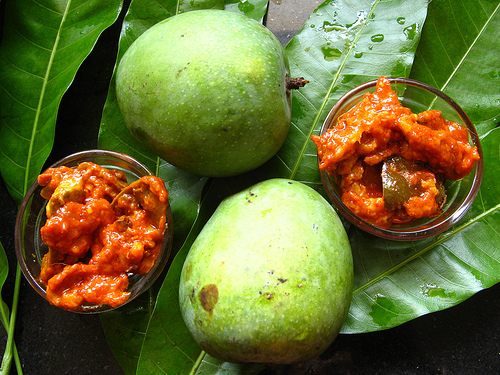
    Over the years so many different ways have been introduced for consumption of mangoes in the form of chutneys, pickles and milkshakes. In many households, mango pulp is used to make jellies and a special jam called mangada. The pulp is also is cooked with red gram and served with rice. In Andhra Pradesh mangoes are used to prepare dal while in Gujarati cuisines, mangoes are used to make chunda which is a grated mango dish. In many countries mangoes are used to prepare smoothies and ice creams where the mango nectar is used as a major flavouring and colouring agent. In Central America people consume green mangoes with salt, lime and black pepper along with a hot sauce. Traditionally roasted pumpkin seed along with chilli or soya sauce is eaten together with green mangoes. In Southeast Asia slices of mangoes are put over ice creams. It is also served as a desert with a special kind of rice cooked with coconut. Green mangoes are used as salads and served with fish sauce, rice vinegar and dried shrimp.

    025edit

    Mangoes are considered to be very beneficial for health as they are full of anti-oxidants which help in fighting different types of cancer such as breast, prostate and colon cancer. These anti oxidants also help in preventing leukemia and help in cell rejuvenation and repair. Acne is reduces as it helps in detoxifying the skin from inside. Mangoes are huge storehouses of vitamin A and C. vitamin A as we all know helps protect the eyesight and is responsible for endowing a glowing skin and maintaining a great complexion while vitamin C is responsible for boosting immunity.  The acidic content of vitamin C is further accompanied with acids like malic and tartaric acid which helps in maintaining the alkaline balance of the body. The thread like texture of the fruit is because of its high fibre content. Fibre further helps in lowering cholesterol levels in the body thereby playing a huge role in preventing diabetes. The skin of this fruit is a popular de-tanner and is extensively used as a part of many beauty regimes, including reduction of dark spots, acne, cleansing, exfoliation etc. The best part is, being a natural product it is safe to use across all skin types and is foolproof solution for fair smooth skin. Mangoes are also beneficial for the hair being an oasis of vitamins and minerals that nourish and encourage hair growth. As a part of many home remedies, mangoes are used as conditioners, for treating dandruff and reducing hair loss and graying of hair.

    mango-pickle-receipe

    To avail all these benefits, it is important that we, as consumers, select and store the fruit judiciously. Ofcource, the rules for selection remain the same; clean no marks on the external body and so on. But more importantly, mangoes with good aroma should be selected. Unripe mangoes are green in colour while ripe mangoes may have different colour like yellow, orange or red but one thing should be noted that the colour must not be seen as a basis for deciding the maturity of the fruit because there are some varieties of mangoes which retain their green colour even when they ripe. Once the mangoes are purchased care should be taken regarding the storage of this fruit which varies depending upon the variety of the mango. In order to ensure that mangoes remain fresh we can store them in the refrigerator. Freezing them may result in the blackening of their outer skin but the inside remains fresh. In case they are green in colour then they should be stored in a brown paper bag away from sunlight for a few days till they ripen.

  • QUEEN OF HERBS- THE HOLY TULSI

    QUEEN OF HERBS- THE HOLY TULSI

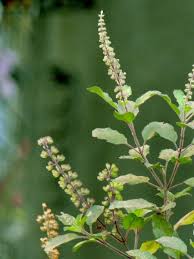
    Since time immemorial, the mankind has relied on the healing power of herbs. If we dig into our ancient past, we would find enumerable references of traditional herbs with numerous health benefits. One such plant, which finds it mention everywhere, is tulsi or basil.

    The holy tulsi, also known as the ‘ QUEEN OF HERBS ’ ,is the most sacred of all the herbs found in India. In Ayurveda, tulsi is regarded as a divine plant. The benefits of the plant are much beyond our knowledge and its mere presence can bring a change.

    Tulsi-Plant-620x620

    Dr. RM Gupta, a naturopath, says, “ tulsi is not only beneficial in curing cold and cough but it can also act as an anti-cancer and blood-purifying agent.”

    There are three types of tulsi mentioned in Ayurvedic texts – Rama tulsi, Shyama or Krishna tulsi and Vana tulsi, all having their own different benefits. According to Hinduism, it is regarded as Goddess Tulsi. Its leaves are offered during the worship of Lord Vishnu and his incarnations of Krishna and Vithoba.

    download

    Beauty benefits –


    Tulsi stems and roots are known for the making of the tulsi malas. Tulsi also known as skin rasayana, helps to stay healthy and supple as it is a good source of vitamin C, carotene, calcium and phosphorus.


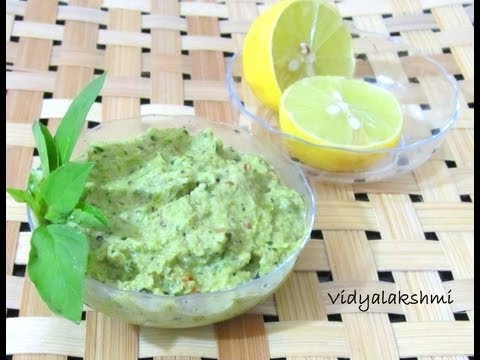
    For hair, add a small amount of tulsi oil to coconut oil and massage well. Tulsi helps to improve blood circulation and keeps the scalp cool. Applying tulsi paste, keeps the scalp and roots clean and dandruff free.


    It has also been successfully tried by some naturopaths in treatment of leucoderma. Its anti-oxidant properties prevents the body from damages caused by free radicals, thus delaying the aging process and appearance of wrinkles and other signs of aging.

    images (1)


    Health focus-


    According to the reports published, an oily substance found in tulsi actively destroys tuberculosis bacilli. It is also used to prepare more than 300 medicines in Ayurveda and homeopathy. During eclipses, may people believe that if leaves of the tulsi plant are kept near the food items then it prevents any adverse effects on them


    It is claimed that tulsi promotes positive thoughts among people who come in contact with it. The plant has the ability to clear bad air, and therefore known to promote positive thoughts among people who come in contact with it.

    tulsi chutney


    Medicinal value-


    Not only from the religious point of view but from a medicinal perspective also, tulsi has endless medicinal values and these are –


    1.  Swine flu– wonder herb tulsi not only keeps this dreaded swine flu away but also helps in fast recovery from it. Tulsi improves the body’s overall defense mechanism including its ability to fight viral diseases. It was successfully used in combating Japanese encephalitis. The juice of tulsi leaves, should be consumed twice a day with empty stomach as it reduces the chances of swine flu returning.


    1.   Cough– tulsi is one of the basic ingredient of almost all the Ayurvedic cough syrups                                                                                               and helps mobilize mucus in bronchitis and asthma.

    images

    1.   Eye disorders– tulsi juice is an effective remedy for sore eyes and night blindness   caused by lack of vitamin A.


    1.   Tooth disorders– tulsi is good for maintaining dental health and is an excellent mouth freshener and oral disinfectant as it destroys germs and bacteria found in mouth.


    1.   Radiation poisoning and cataracts– tulsi gives promising protection from radiation poisoning and cataracts.


    1.   Fever– during rainy season, when dengue and malaria fever prevail, tender leaves of tulsi, boiled with tea, acts to prevent these diseases. In case of acute fever, a decoction of the leaves boiled with powdered cardamom in approximately half-a-liter water, mixed with sugar and milk brings down the body temperature significantly. This should be repeated after every two or three hours.


    1.   Headaches– tulsi is used as an effective medicine for headaches. A decoction of the leaves twice a day can help get rid of headaches.

    images (2)

    1.   Respiratory disorders– the herb, tulsi is useful in treatment of respiratory system disorders. Tulsi leaves boiled in half-a-liter water, till half amount of water is left, added with ginger and honey is an effective remedy for asthma, bronchitis, influenza, cough and cold. This can also be given with cloves and common salt, to get immediate relief.


    Home remedies with tulsi-


    Tulsi strengthens the body to fight diseases caused by the deficiency of vitamin A and C. It also has the potential to cure feminine diseases.


    1.  In case of sore throat, boil tulsi leaves with water and drink twice a day. This water can be used to gargle.
    2.  Tulsi juice and honey are effective in curing hiccups.
    3.  Tulsi leaves provide relief in ear pain and infection. Put a few drops of tulsi leaves into the ear for relief.
    4.  To get relief from pain due to burns, apply tulsi juice mixed with equal amounts of coconut oil.
    5.  To get quick relief from itching, apply tulsi juice mixed with lemon on the affected portion.
    6.  Eating a few leaves of tulsi improves digestion, relieves acidity and gastric trouble.
    7.  Tulsi leaves boiled with water, and then cooled can be applied on acne-affected area and eliminates pimples.
    8.  A few leaves of tulsi chewed can cure ulcers and infections in mouth.
    9.  To cure malaria, take 5-6 leaves of tulsi with black pepper powder twice a day.
    10.  Using the powder of dry tulsi leaves, and brushing teeth with this powder can keep healthy gums and prevent bad breath.
  • Rainy Day Nibbles!

    Rainy Day Nibbles!

    “Rain, rain, go away! Come again another day. “ ~

    It’s raining outside and you can hear the raindrops going pitter patter against the window glass. You strain your ears to hear the splashing of the rain against the sidewalk. It is at that exact moment you realize that the Monsoon season has truly arrived.

    With the advent of the rains, you can hardly go out to eat as you are bound to get thoroughly drenched in the process. So what to do to satisfy your inconsolable tummy which seems to have a mind of its own? Or in case some unexpected guests drop in at your home? Not to worry! Here is a list of two yummilicious food items along with their recipes that you can make on your own and that too while sitting in the comfort of your home sweet home. We know that it is pleasure personified to gorge on some tasty snacks along with a hot cup of tea or coffee in your hand on a rainy day. So, there you go. Read on as we help you accomplish that goal!

    (1) ALOO CHAAT:
    This is a tasty snack loved by one and all. Diced potatoes (Aloo) are cooked in oil and deep-fried until they are crisp and golden-brown. Then they are garnished with all your favourite things and ready for you to nibble on! But hey! Wait a moment now. Do we spot drooling?
    Hint: Use toothpicks instead of usual spoons or forks to get that perfect ambiance of your favourite street food stall.

    aloo tikki

    Ingredients:

    3 Peeled Medium-sized Aloo (potatoes)
    1/2 tsp Red Chilli Powder
    1 tsp Roasted Cumin Powder
    1 tsp Chaat Masala
    Tamarind Chutney
    Mint Chutney
    Chopped Coriander Leaves
    Optional garnish – Chopped onion, Tomato julienne, fresh Pomegranate seeds and oil for frying.

    Preparation:

    •Dice Aloo (potatoes) into fairly large 3/4 to 1 inch cubes.
    •Heat the oil in a wok and deep fry the potatoes till golden brown and cooked through. Drain on paper.
    •In a bowl, place the fried potatoes and toss with red Chilli powder, Cumin powder and Chaat Masala.
    •Add mint chutney and/or tamarind chutney according to taste and toss to coat evenly.
    •Serve sizzling hot with toothpicks in individual bowls garnished with coriander leaves.
    •You can also additionally garnish the Aloo Chaat with chopped Onions, Tomato julienne or fresh Pomegranate seeds.

    Preparation Time: 20-25 minutes

    Serves 2/3

    (2) VEGETABLE SAMOSA:
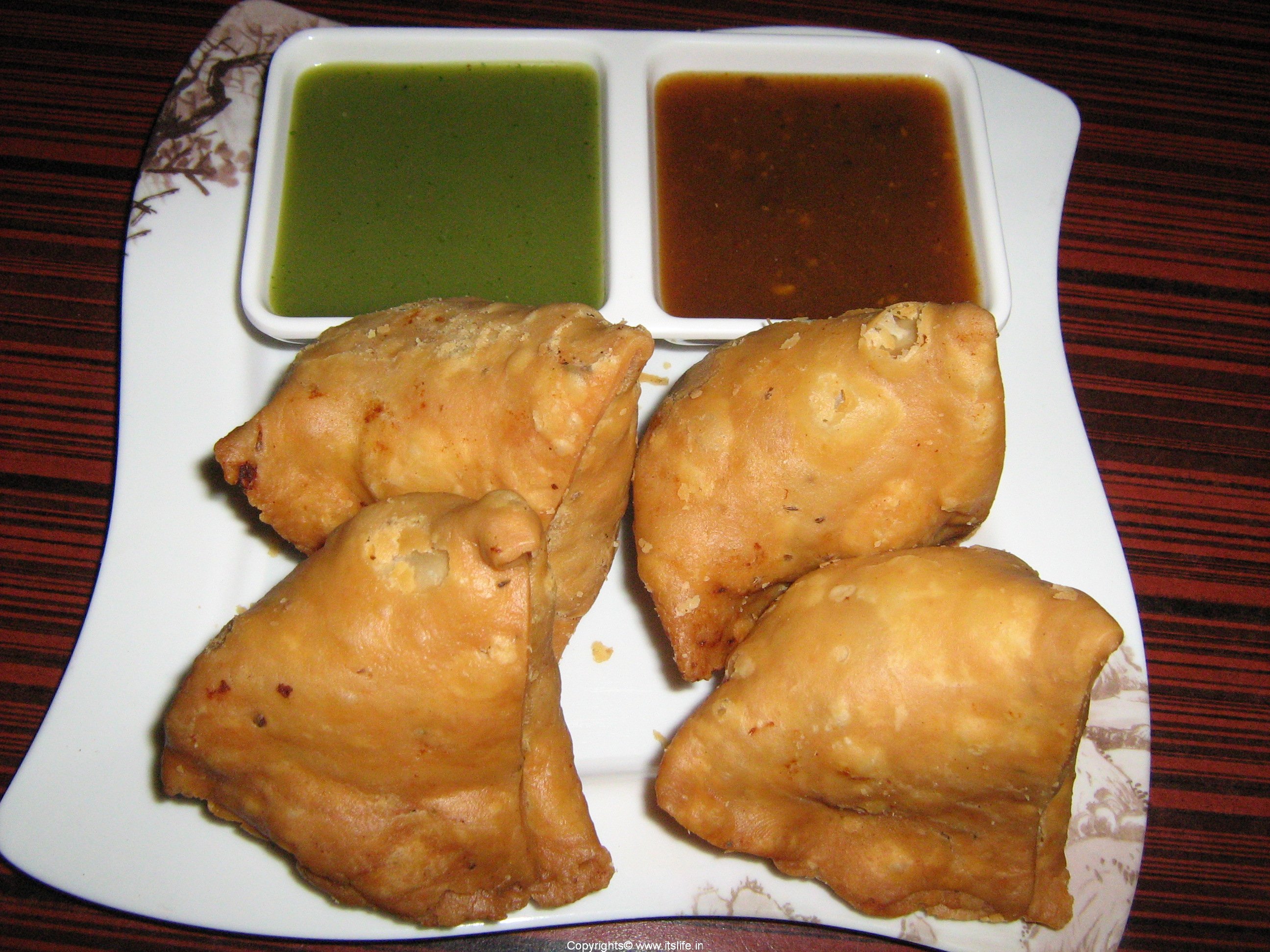
    This is a special North-Indian snack which is extremely easy to make and delicious to eat as well. A fried crispy covering with the stuffing of your choice inside leaves you craving for yet more. It is roughly triangular in shape usually but the size can vary from place to place.
    Hint: Potato acts as the binding agent here. So, be sure to be liberal with that while stuffing!

    chutney with samosa

    Ingredients For Cover:

    3-4 cup all purpose flour (Maida)
    Water to Knead dough
    2 tbsp oil
    Little salt
    1/4th tsp Ajwain seeds (optional)

    Ingredients For Stuffing:

    3-4 Potatoes (boiled, peeled and mashed)
    1/2 cup Green Peas (boiled)
    1-2 Green Chilies (finely chopped)
    1/2 tsp Ginger (crushed)
    1 tbsp coriander finely chopped
    Few chopped Cashews (optional)
    Few Raisins (optional)
    1/2 tsp Garam Masala powder
    Salt to taste
    Red chili powder to taste
    1/2 tsp Dry Mango powder( Amchur) (optional)

    Preparation:

    For Cover:

    •Mix all the ingredients together in a big bowl except for the water.
    •Then, start adding a little water at a time.
    •Pat and knead well for several times until a soft pliable dough is made.
    •Cover it with a moist Muslin cloth and keep aside for 15 minutes so that the dough becomes firm.
    For Stuffing:
    •In a bowl, add mashed potatoes and all the dry masala (salt, chili powder, mango powder, Garam masala) and green chilies and ginger. Mix well.
    •Add the green peas, cashews and raisins into the mixture.
    •Add coriander and keep aside for a while.

    To Proceed:

    •Take small rolls of dough and roll it into a 4″-5″ diameter circle.
    •Cut it into two parts like a semi-circle.
    •Now, take one semi circle and fold it like a cone. Use a little water while doing so.
    •Place a spoon of filling inside the cone and seal the third side firmly using a drop of water.
    •Heat oil in a deep vessel and deep fry till golden brown (medium flame).
    •Serve the steaming hot samosas with tamarind chutney.

    Preparation Time: 40-45 minutes

    Serves 2

    samosa

    So, what are you waiting for? Come on. Go into the kitchen and get started! Cook these easy to make and irresistible snacks and satisfy those hunger pangs. These lip-smacking items serve to be an instant hit among all your guests as well. We assure you that you won’t be disappointed as these snacks will only add to your happiness on what would have been an otherwise dull and dreary rainy day.

    Happy nibbling!

  • Satisfy Your Sweet Tooth With An Egg Less Chocolate Cake !

    Satisfy Your Sweet Tooth With An Egg Less Chocolate Cake !

    There are hardly any people in the world who can possibly say no to a chocolate cake, and if this holiday season you want to learn baking, then this is the cake you should begin with. Chocolate cake is something that nobody can resist, and therefore, it is the safest and tastiest choice of cake to bake for functions, birthday parties weddings and anniversaries. And this is the reason why chocolate cake is the most easily available and standard cake in every patisserie.

    Due to the endless variety of chocolates available in the market, you can have endless varieties of cakes and icings. It is flavored with melted chocolate or cocoa powder; and the sponginess is given by baking soda and eggs. Now comes the problem – if you are a vegetarian, you must be having a hard time finding eggless chocolate cakes everywhere, even though they are now commonly available. And for people who bake cakes at their home, not adding eggs would be an issue to worry about, as they are afraid they might not get the desired sponginess and bounce to the cake. Well, here is an eggless chocolate cake recipe, that will not only be as spongy as normal cakes, but also give a fudgy texture so that you can add it in puddings as well.

    Eggless chocolate cake

    Ingredients :

    for cake

    1. All purpose flour – 1 cup
    2. Baking powder – 1/2 tsp
    3. unsweetened cocoa powder – 6 tsp
    4. granulated sugar – 3/4 cup
    5.  Baking soda – 1 tsp
    6. Vegetable oil – 1/2 cup
    7. Hot coffee – 1/2 cup (1 tsp coffee in 1/4 cup hot water)
    8. yogurt – 1/4 cup
    9. milk – 1/4 cup
    10. vanilla essence – 1 tsp

    for chocolate icing-

    1. cocoa powder – 1/3 cup
    2. unsalted butter – 100 gms.
    3. icing sugar – 2 to 2.5 cups
    4. hot water – 2 to 3 tsp
    5. vanilla essence – 1 tsp

    this recipe, if followed accurately, takes a total time of 30 minutes (5 minutes preparation time + 25 minutes cooking time) and the cake serves 6-7 people.

    Method:

    1. Preheat oven to 180 degrees Celsius, 10 minutes before baking.
    2. Lightly grease the cake tin and line it with parchment/ tracing paper.
    3. In a large bowl, add all purpose flour, baking soda, baking powder, cocoa powder and sugar. Sift them together.
    4. When they are mixed well with each other, add all the wet ingredients, that is, vegetable oil, hot coffee, milk, yogurt and vanilla essence, one by one.
    5. mix the ingredients lightly and pour the batter in an electric mixer ; and beat it at low speed for 2-3 minutes. Make sure that all the contents are properly mixed, and give the batter a thick consistency. Do not overbeat it.
    6. Pour the batter in a cake tin that is greased and lined with parchment paper. If you see any air bubbles, tap the pan a couple of times to remove them and to spread the batter evenly.
    7. Bake for about 30 minutes. Check the cake with toothpick. If the cake is ready, the toothpick that is inserted in the middle of cake will come out clean.
    8. Once out of the oven, transfer the cake tin to a wiring rack to cool. After about an hour, take the cake out of the pan, and let it cool properly by keeping it in the fridge for 15-20 minutes.
    9. For icing –
    • Combine the unsalted softened butter and cocoa powder with a wooden spoon and whisk it.
    • Add a little amount of hot water and mix well.
    • Add 1 cup of icing sugar and vanilla essence and mix all the ingredients well.
    • If required, add one more tablespoon of water and another cup of icing sugar, and do a taste test to make sure it is sweet enough.
    • You can also add some Hershey’s chocolate syrup to give an additional flavor to the icing mixture.
    • After the mixture is prepared, check the consistency, it should not be too thin, otherwise, it can flow down the cake.
    • Place 1-2 mm thin layer of icing on the cake.
    • You can also decorate the cake with chocolate shavings, gems (for kid’s at a birthday party) or chocolate flowers or candies by using a spatula or parchment cones to look smooth.


    cake

    Quick Tips:

    • Vegetable oil that is used should be preferably sunflower oil.
    • Low fat milk and low fat yogurt is advisable for health conscious people.
    • Hot milk can also be used instead of hot water for making the icing mixture.
    • After decorating the cake with icing and frosting, keep the cake in the fridge for some time for the icing to set on the cake. Serve it chilled.
    • Preheat the oven at least 10 minutes before you put the  cake batter inside.
    • Whisk the dry ingredients properly before you add the wet ingredients.
    • Before decorating the cake, keep it in the fridge for some time, for the icing to set on the cake.

    Raspberry_Chocolate_Cake

  • Moreish Wanderings Part-I: Bengaluru

    Moreish Wanderings Part-I: Bengaluru

    If you really wish to get-away from the stereotypical venturing of ‘popular’ places and join me in my gastronomic peregrination through an array of exotic spaces hid within the heart of one of the most popular urban destinations, your very own B’lore and discover for the ultimate “experience of the unknown”, then here’s your chance!

    bangalore-top-world-cities-city-pictures-195570

    Bengaluru, commonly known as Bangalore or B’lore, which is ‘usually’ adorned with various titles of-the Silicon Valley of India, the Garden city, the most sought Cosmopolitan city, and so on, is where we are about to head to, but with a savoury twist! I take you to this journey with a promise of showing you the most enchanting incarnation of Bangolorean cuisine, hid within the pompous razzmatazz of its urban life!

    Embroidered over the Deccan plateau in the south-eastern part of Karnataka, it is its capital and already enjoys being exalted at the height of 3,000 feet above the sea-level, the fair weather (only if you can ignore the result of urbanization-Pollution) is thus explained!

    Now, too much of talking done, to keep things simple and compact, here’s my awesome list of things you HAVE to visit and eat, to wholly experience Bangolorean essence!

    corner hs

    • If you’re the ‘Dessert-Daisy’, your life finds meaning here! The Corner House Ice Cream, Residency Road, with an illustrious past of over 25 years, provides you with a haven of delectable delights starting from the simple Hot Chocolate Fudge, Hot Butterscotch and Chocolate Mint to the supremo Rum N Raisins, Death By Chocolate, Rocky Road, Brown Bomb and many more! Promising 100% dairy products since 1982, once a fun food café transformed to an enchanting ice-cream and sundae parlour now, is where the true illumination of indulgence unravels itself while you’re cascading with enthusiasm at their heavenly delights.pecos
    • Levitating through the allée of nostalgia, find yourself at Pecos, near Brigade Road, which seems but somehow stuck in the 1974s,with its classic, dark interiors encased within quaint walls with posters and framed music icons and an impressive collection of retro music playing in the background. A refreshing mithridate to the swathe of pubs in Bangalore, Pecos is a charming classic pub, where you can relax in sweet reveries of the past while ,with pitcher of Kingfisher and a bunch of friends to keep you company, you’re let afloat on an bevvied mist hearkening and humming to Dylan, The Stones, Leonard Cohen and so on. The food, here, is just eruptively delicious, especially the chilli beef and pork sausages, and the tamer chicken wings.

    mtr                  mtr3

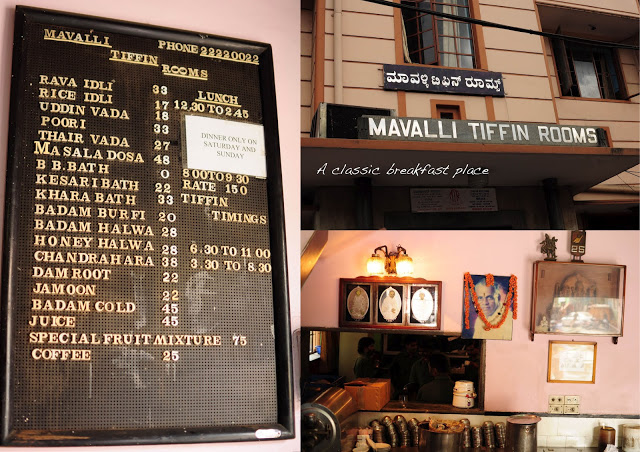
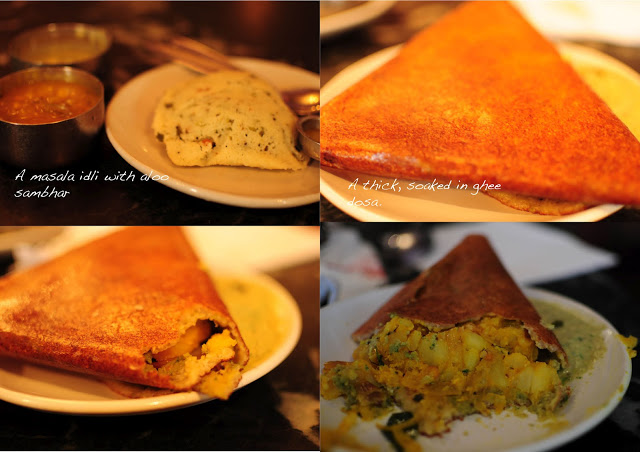
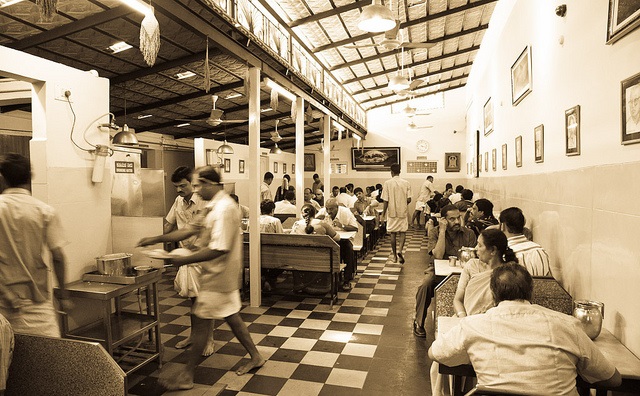
    • And now, a legendary place near Lalbagh Botanical gardens, where you simply HAVE to go, once in Bangalore-The Mavalli Tiffin Room(MTR),which is indeed synonymous to Bangalore since 1924. Although you’d have to bear bucket loads of patience to get your seat and then your serving, once the food arrives, you would know, all that exercise was worth it! From filter coffees, early morning breakfasts, lunch thalis, masala dosas, rawa idlis, bisi bele bhaat, kesri bhaat, sweet boondis to honey halwas, badam burfis, chandrahara and what not, you can find here an entire assortment of dishes epitomizing the magnificent Karnataka cuisine.

    Also, once done with the scrumptious and unctuous indulgence, do take a healthy stroll around the bushes of the garden to explore the bewitching glass house, a replicated version of the lovely Crystal Palace in London.

    Vidyarthi-Bhavan                  Vidyarthi Bhavan at Basavanagudi, Bangalore

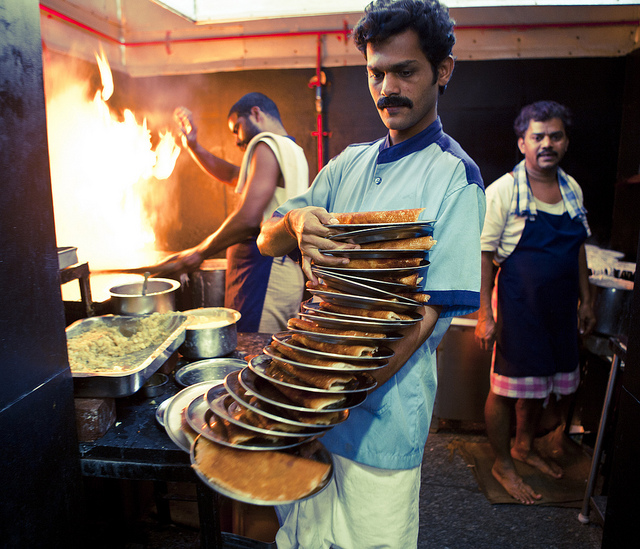
    • If your urge to experience some more of Karnataka’s traditional moreish decadence is not yet over, hop in to another exalted food destination at Gandhi Bazar Circle, Basavanagudi-The Vidyarthi Bhavan, which is famed to serve Bangalore’s most plump, fluffy on the inside and crisp on the outside, ghee-lustred Masala dosas. A very pocket-friendly venture (approx. Rs. 150 for two),this place gives you an extra delightful performance of ‘food-circus’ by their super-waiters in dhotis who can be seen juggling with 10-20 plates and serving them with electrifying speed and precision! However, its remains closed at lunch-time, as they staunching regard that their offerings are merely for tiffins and not meals!

    Dewars-Bar                  dewars...

    • Get ready for a trip to the inception of liquor industry of B’lore, at Dewar’s bar, which is famed to be one of the earliest bars of Bengaluru. This 1920s bar posted on an attenuated lane of Cockburn Road near Benson town, Bangalore, and appears more like a heritage building(than a bar),wooden roofed, with cane furniture and framed pictures of Hindu as well as Christian deities on the walls. The food, here is a special surprise by Richard who is the Kitchen king of this place. A mechanic cum cooking-enthusiasts, he is sure to unleash you senses with his incendiary fried met and offals. Known to be the favourite hang-out spot for Tamil superstar Sivaji Ganesan and the city’s richest and renowned theatre owners, this place with its olde worlde charm, is surely to add another feather to your cap of toothsome adventures!

    hallimane_2                       halli mane

    • An abode of luscious vegetarian food, Halli Mane is one of the most talked about authentic vegetarian restaurants of Bangalore, located in Malleshwaram .Literally the name means “Village Home” (Halli: village; Mane: home) and so does its exteriors and interiors suggest with rangolis and flower decorations at the entrance, tiled roofs, natural brick walls, lofty ceilings and bounteous greenery, everyday seems festive here! It is a MUST-experience for the bona fide Kannadiga cuisine, (such as ragi mudde, akki roti, soppu saaru, malnadu kadabu, obbattuand payasam etc.) born out of the recipes from agrarian Karnataka that are made using traditional cooking methods, from the staples of the state, and served in the most exquisite Karnataka style, on banana leaf which is laid out in an elongated row.

    As mentioned before, this place is usually always alighted with the festive mode, as it regularly hosts fests for organic food, festival delicacies and niche community food. However, if you wish for an extra jingle to your trip to Halli Mane, try visiting this place during occasions like Ugadi, Dasara, Ganesha and Deepavali, as your arrival here would be made more special with traditional pujas and serving of delicacies synonymous to the occasion. Established with an intention of bringing together the much fading tradition of elaborate joint family meals, in the generation of nuclear families, through the rich journey of flavoursome delicacies, is an apt place to come with your entire family to bring back the much loved simplistic reveries of the past!

    hfh                    shivaji military hotel

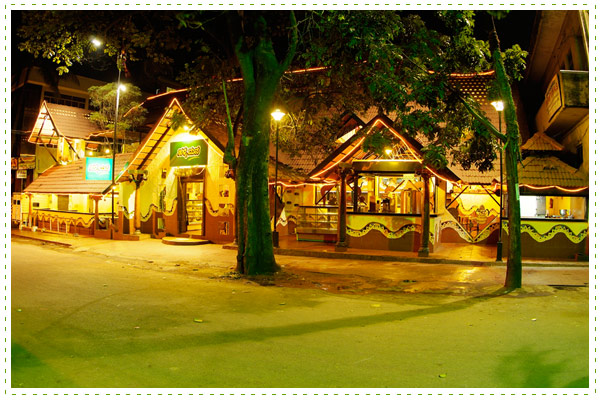
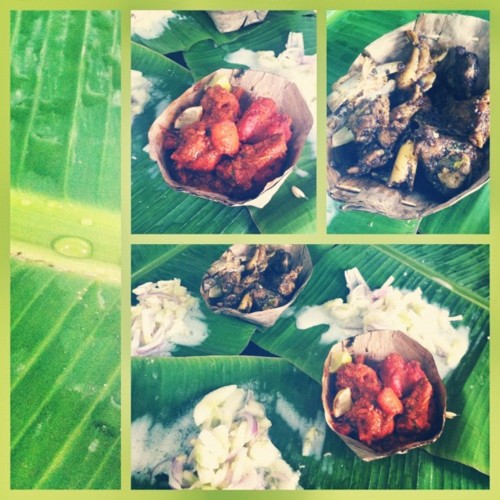
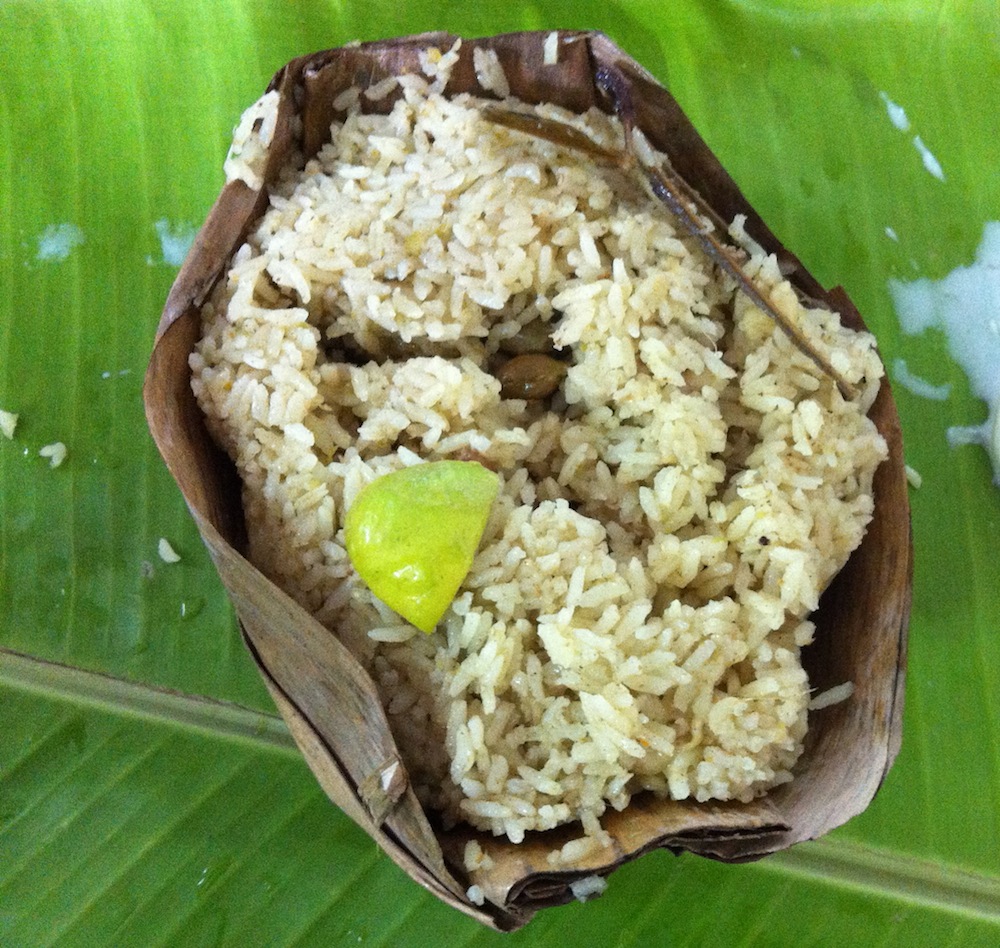
    • Weary of all the dosas and idlis and hankering to set your eyes and bite through succulent pieces of meat? Welcome to the Shivaji Military Hotel! Though lingering into any military hotel would’ve done the needful, but an elitist would want the best, and so the BEST it is! Located at the opposite of Banashankari bus stand, Jayanagar, this is a hotspot for all ‘non-veg Romeos’ and ‘biryani-bonkers’. Other finger-licking items include the chicken-legs,chilli chicken,lamb chops and mutton dry. Though this place dons the back-to-school ambience, wooden seats stowed out neatly in an otherwise empty room,where being ‘empty’ and neat is indeed paradoxical, due it the swarming crowd during the peak hours, so do beware! The Chicken Biryani and Chicken starters get served from 8am till 11am, while from 11 till 3pm, Mutton Biryani and Mutton chops rule their world. So on your next trip to Bangalore, do step in to delve into the sapid extravagance of charcoal cooked biryani and smoky meat served traditionally on banana leaf that enhances its flavour furthermore.

    jfjfhj                 koshys

    • Now, another dwelling awaits you in this ‘Time-travel endeavour’ on St Mark’s Road, that would apparate you to the good old days of Bangalore in the 70s,at Koshy’s. Experience a time wrap once you set afoot within its chambers and forget about pollution, traffic jams, and other products of advancement that followed the IT boom. Mostly crowded, this place brings together all Bangaloreans, from students, theatrewalas, egalitarian assemblage of journalists, to the retired denizens,Lonely Planet tourists and so on, all cramped up within its bustling expanse, where waiters in bandgala coats cruise through the room to the beats of the whirring fans and the clatter of old cutlery!Prem Koshy, the present owner of this three-generation food joint boasts about this place for having fed almost everybody from Pandit Nehru to Queen Elizabeth. This food junction is extremely lively and is the best place to bump in with friends and spend hours over they’re amazing coffee, special appams-and-stew, while chatting away or snooping over conversations.

    Bierre Republice5sdg           Bierre Republice5sdgg

    • Ho, I have something different up my sleeve! Unleash the Pirate within you (if you’re a Pirates of the Caribbean enthusiast) and come aboard to The Bierre Republic, while meandering through the alleyways of the Church Street. From the gigantic antique mirrors at the entrance along with antique wooden beer barrels heaped at the corner to welcome you, the faint lighting, the archaic wall hangings, to the muffled whiff of an old ship, the wooden staircase ushering to what seemed like an open wooden deck of the ship, everything is simply enthralling! And blimey, The unexpected whisk of the open and enclosed interiors of the restaurant cum bar whilst providing an alluring view of the outside, is what defines this place. For special events and parties, they also have a stage-like area and a DJ console. Get settled down with your tankard of grog, I mean beer, while the menu comes to your table in parts. If you love gooey, cheesy and luscious debauchery then the Chicken pizza is your sinfully mate ‘round here. Apart from that, the flavoursome BBQ chicken is a delight. Served with a candle burning underneath its presentation traps the flavour and adds on the smoky edge to it. Frankly, this place, its liquor and food miscellany, along with the extra edge of pirate theme makes it a very attractive endeavour!

    Rouge-Elephant                   rogue elephant cafe 2 amalgamation

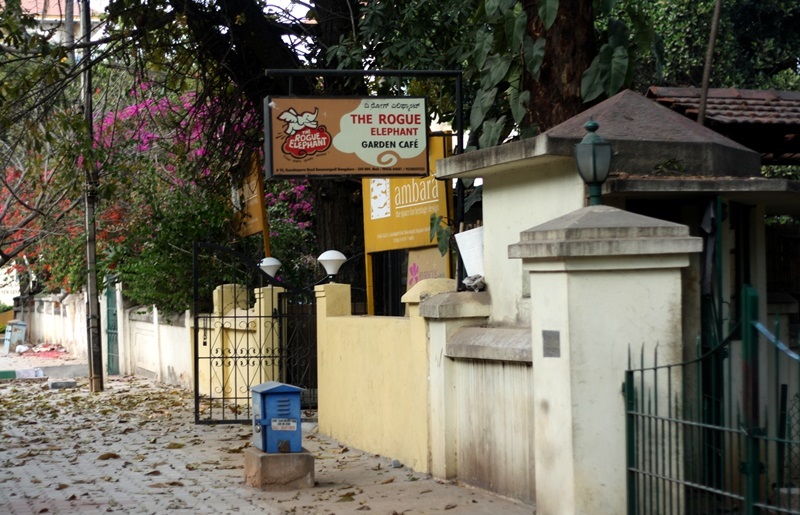
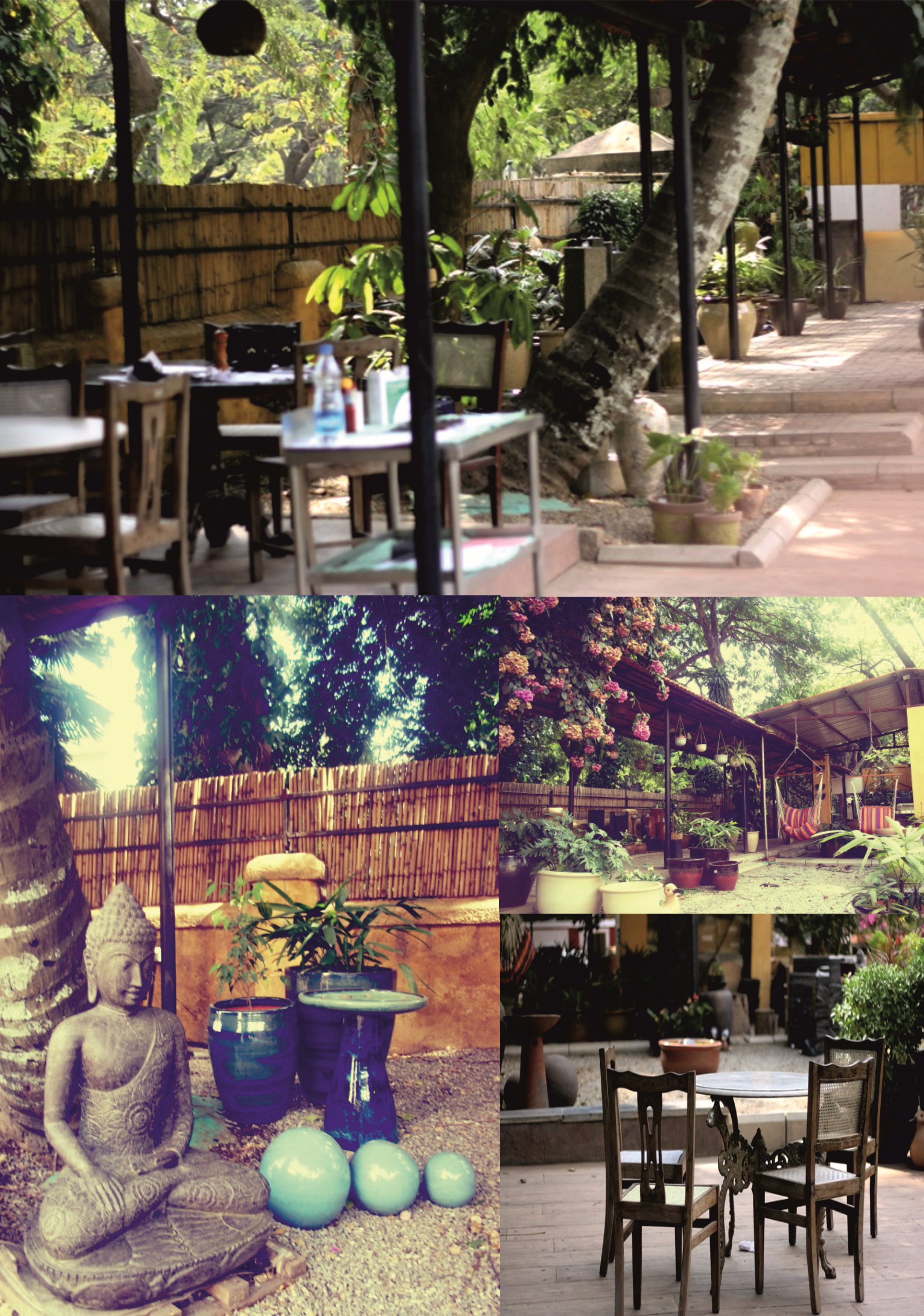
    • Ok, this one’s the last but not the least, the best way, in my opinion, to have end this odyssey. Not authentically Bangolorean for its food, but the ambience so deserves a thumbs up, of The Rogue Elephant Café. Though (sadly) you might not find, live elephants loitering around your tables, this restaurant, built in a lovely colonial bungalow, opposite Krishna Rao Park in Basavanagudi, provides you a visual treat with its vintage setting-marble top or heavy wood tables coupled with diverse chairs, and colourful net hammocks overlooking a magnificent garden that the house is attached to. With an extremely romantic setting- jackfruit and mango trees sharing the expanse with delightful rainbow-hued flowering bushes and of course the coconut trees, this place epitomizes tranquillity, where you can relax while reading a book, or breathe in the fresh air while watching the world pass by, and experience unperturbed nature, whilst digging into the bowl of ecstatic white chocolate pudding, steaming chicken lasagne, cinnamon roll or mezze platter. They even have little shop ‘round the corner called Ambara that sells all kinds of vintage artifacts, clothes, gardening items, etc. Come here to literally breathe in the laid-back attitude of B’lore, afloating in recollections of your otherwise electrifying trip, or maybe take your time to write a journal!

    Though the list of abodes of Bangalorean delectable delights can hardly be abridged within these few names, a larger part of the gastronomic blueprint of Bangalore, stays unperturbed. These top ten places are worth adding to one’s itinerary, however, personal discoveries are always unparalled. So, get on your boots, and Get, Set, Gulp!

    blonde-Woman-with-blue-eyes-ready-to-eat

  • Street Foods: India’s Epicurean Delight

    Street Foods: India’s Epicurean Delight

    India is rightfully the hub of multiple cuisines for diverse variety of food that it offers. Apart from the respective local cuisine of every area, the street food here is omnipresent and is the connecting link between northern and southern parts along with eastern and western parts of India.

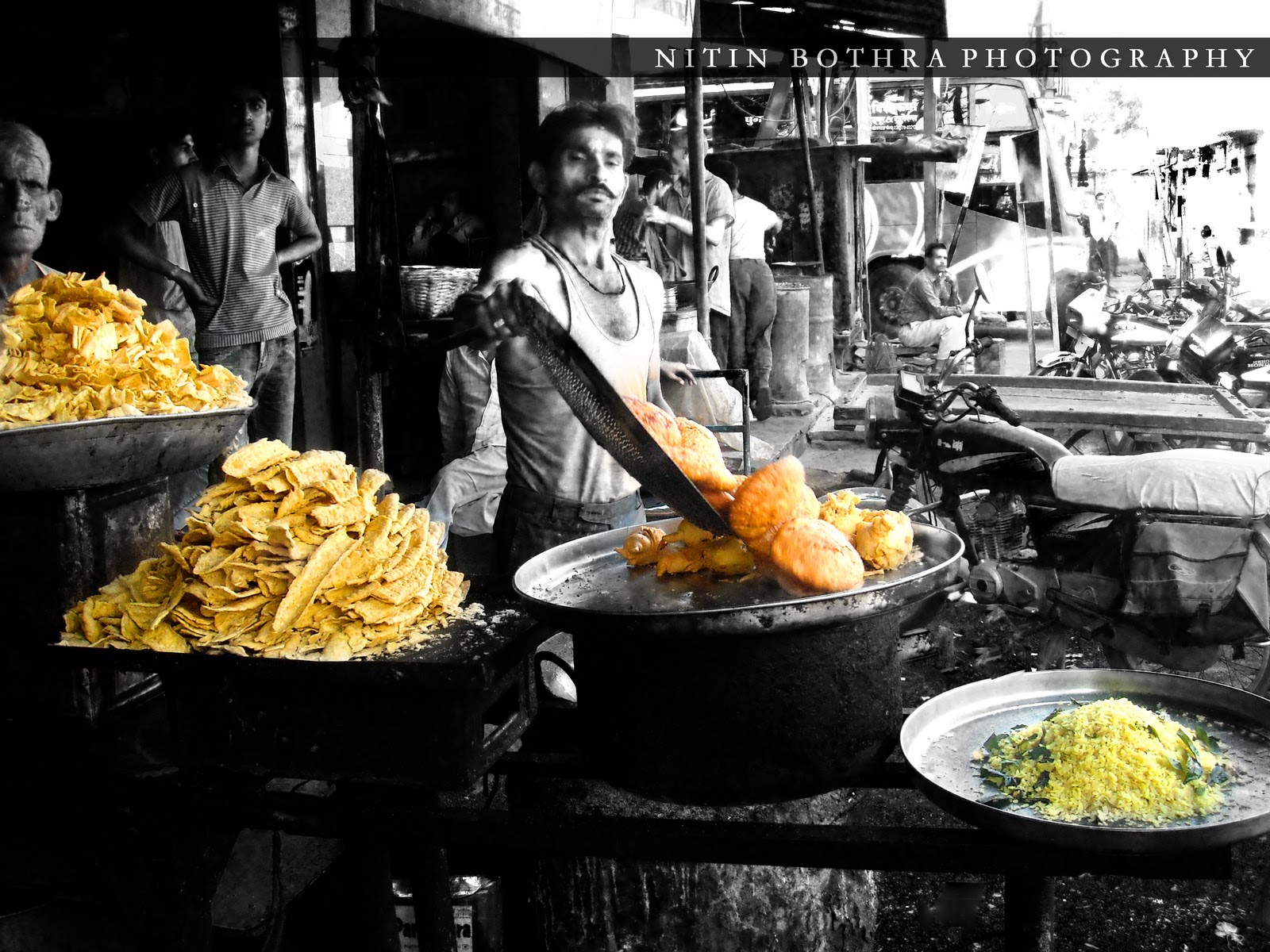
    In almost every part of India, you come across a food shack after every five minutes. Every state has a different signature street food item, but all types of street foods are available and appreciated everywhere. And if metropolitan cities are considered, they truly are mini-India, as you get chole bhature, idli, dhokla, and gol gappe all at the same place. These foods are cheap and tasty and have a unique blend of Indian spices in all food items. Although they may not be as hygienic as 5-star restaurant meals, a good quality street food shack is always a treat to our tummies.

    Following is a list of most well- known delicious street foods of India, which are the favorite of Indians and a must-visit for foreigners, especially if they have a taste for chatpata food.


    chole bhatoore

    Chole bhature:

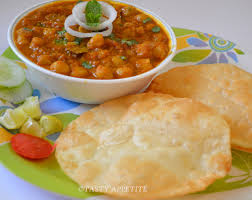
    Chole bhature is a Punjabi dish but it is very popular in urban cities of India, specially Delhi, where they are commonly eaten in the form of a hearty breakfast. It is one of the most popular street foods in Delhi, and area combination of chole which are the  spicy chick peas along with fried fermented bread known as a bhatoora, and it is generally served with buttermilk or lassi.


    vada_pav

    Vada pao:

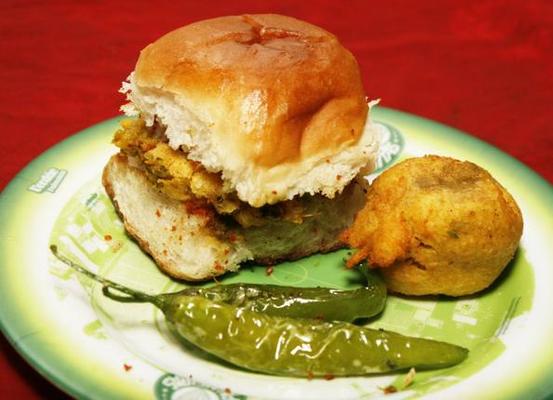
    It is considered as the domestic version of burger and is the most popular street food of the state of Maharashtra.  It consists of deep fried mashed potato patty, sandwiched between two pieces of bread called pav served along with condiments like red or green chutneys and fried green chilies. This is the staple and most loved street food of Maharashtra.


    aloo tikki

    Aloo tikki:

    It is a popular chat which originates in North India with variants found throughout the country. It consists of deep fried patty made of boiled potatoes and served with curd, tamarind chutney and spices. It is the most common street food in India and staple street food of Uttar Pradesh, specially Lucknow.


    kachori

    Kachori:

    Kachori is one of the most famous street foods of India, especially in Rajasthan. Found in almost every street shop, kachori of Bikaner is the most favorite among the locals. It is a round flattened ball made of fine flour filled with a stuffing of baked mixture of yellow moong dal or urad dal(crushed and washed horse beans), besan(gram flour), black pepper, red chili powder, salt and other spices.


    jalebi imrti

    Jalebi/ imarti :

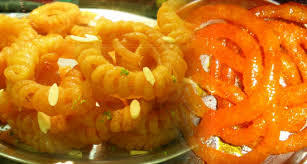
    Street food without having a sweet component is incomplete. And for all those who have a sweet tooth, jalebi and imarti are a treat. They are not only one of the most famous. It is made by deep-frying a wheat flour batter in circular, spring like shapes and then soaking those fritters in sugar syrup. They are generally flavored with saffron and served with unsweetened curd. Imarti is closely related to jalebi, it just has a different lentil-flavor batter, and is served with a condensed milk dish called rabri.


    pao bhaji

    Pav bhaji:

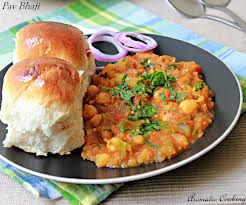
    It is a spicy street food, again a staple food of Mumbai, Maharashtra. It has now popular inall metropolitan cities of India. Pav is the unflavored bread and bhaji is a Maharashtrian term for a vegetable dish, and is made by mixing and mashing all vegetables together and by adding various spicy spices. It contains vegetables like cauliflower, egg plant, green peas, beans, carrots etc. Blended in a thick potato based gravy. And the dish is served with raw onions and a sprinkle of lime juice.  Coriander chutney is also served sometimes along with the dish.


    gol gappe

    Gol gappe:

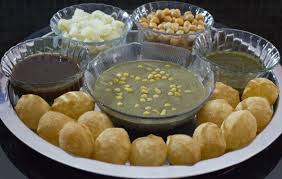
    The top spot at every street food shack is reserved for the most famous street food of the country, that is, gol gappe. These are round, hollow and crispy puris filled with a mixture of tamarind flavored water and mashed, dried peas, boiled potatoes and chickpeas. The typical and the most famous way of serving gol gappe  is to hand them out one by one to the customer, who stuffs entire thing into his/her mouth at once, enjoying its composite flavor.


    samosa

    Samosa:

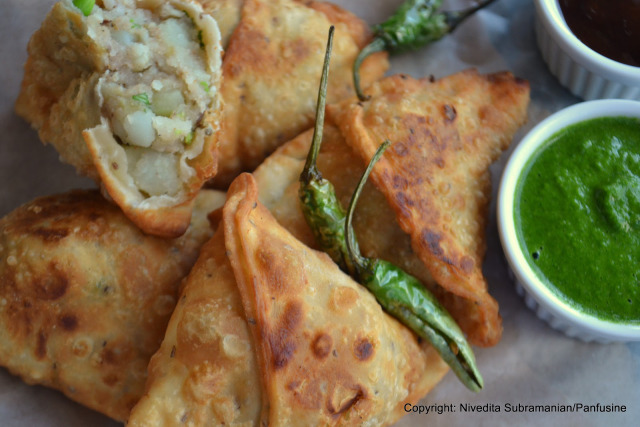
    Samosa is the most ubiquitous fast food found on the streets of India, specially northern India. It is basically a triangle-shaped fritter with a savory filling which is generally a spicy mixture of mashed potatoes and other tangy condiments. The filling may vary from potatoes, lentils, onions and cottage cheese to minced mutton and chicken. It is accompanied with coriander chutney and tamarind chutney.

    images

    Although its probable you might end up with a bad stomach if you eat too much of this food, it is often difficult to resist the temptation, as they are found in every nook and corner of the country. So grab a piece of India’s pride and satisfy your taste buds with this sumptuous delight!