Tag: Culture

  • The Nairs of Old Kerala

    The Nairs of Old Kerala

    “You take on your house name?! Whoa, that’s totally cool.” I get that from many people all the time when they ask me about my funny sounding surname. It is bound to sound funny because it is not just a simple name of a person but the name of the hereditary house (tharavadu) of that specific individual. In other words, every person will have a house name and all the people belonging to that particular house/family will take on the same name. This practice is followed by the Nairs mainly along with some of the other non-brahmin castes. Now you must be wondering who Nairs are.

    They are the ones who come second in the caste hierarchy of Kerala after the Namboothiris. The Namboothiris are the Brahmins and they comprise the whole section of priests. They are the most respected in the society and the Nairs follow them in the status list. While the Namboothiris are the priests, the Nairs comprises of the ministers of the state, the state cavalry, the state administration and such. They are just below the royal family in ranking; they were the Kshatriyas.
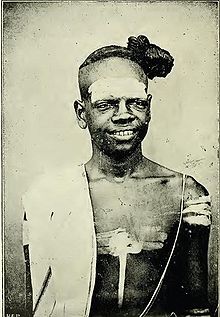
    220px-Dikshitar                                                                                                                                                                            A Namboothiri, notice the sacred thread and the tuft of hair to the front

    The Nairs have always followed the matrilineal system as I mentioned earlier. Unlike the Northern parts of India, patriarchy was never followed. The decision making power fell on the female head of the tharavadu  along with the senior most male head called the Karnavar. It should be noted that the powers of the female head was mainly in the inner domains of the house. Even though the power is enjoyed jointly by the female and male head, their seniority decides who has the final say in the matter.
    17tvpadns1_capt_G7_1182739e

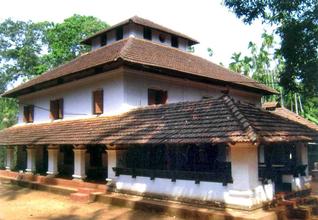
    A typical tharavadu

    Also, the property and the name is passed on to the daughter and not the son. The new born takes on the family name of its mother. As a result of that, daughters are more vied in this society! This system is known as ‘marumakkathayam’. It was practiced widely in the olden days while many of the Nair families of today have turned to the patriarchal system where the surname is that of the child’s father.

    The most interesting fact that we can find about this community’s culture is that of marriage. The present society which tries to hush up everything related to sex and sexual morality should learn a thing or two from them. For example, divorce still carries with itself a stigma whether we accept it or not. But things were not so bad years before. As we technologically advance, we grow more and more narrow minded, going backwards in terms of rationality. Back in those days, the Nair community did not follow the typical form of marriage of the present day.

    The women especially had the luxury of having multiple partners and it was considered normal if not preferred while something like that is practically impossible in the so-called modern time! They availed themselves of sexual freedom with no attachment of stigma as opposed to us. Imagine the irony of it.

    At an extremely young age, the girls are married to a Brahmin man but they don’t live together and it is called ‘kettu kalyanam’ (mock  marriage) which lasts for 4 days. The girl will have nothing to do with the man unless and until he dies, upon which she observes two weeks of mourning. And once they reach puberty, it is celebrated in an extensive manner with a grand function arranged where the girl is rubbed with oil, decked in gold etc. And finally comes the real marriage where the man and woman in the relationship consummate their marriage and this was called ‘samhandham’. The woman was free to have how many ever sambandhams as she pleases! It is officially carried out with a Namboothiri. He would visit her house at night and take leave in the morning after a bath so as to purify himself (though that doesn’t stop him from having intercourse with her).

    The twist to the thing is that the children born out of this relationship will have no connection of any sort with his or her father (Namboothiri) . This was a devious way to ensure that that the property never left their hands. Anyway, this kind of relationship can also be viewed as the policing of open sexual morality. It worked on a totally different level. The Nair woman was free to consent or terminate the relationship at any time just like the man and thus it speaks of mainly one thing – equality in sexual matters.

    However, the Namboothiri women were not so lucky. Referred to as ‘Antharjanams’, they mostly died unmarried or widowed. Only the oldest Namboothiri son is allowed to marry a Namboothiri girl while all his younger brothers are supposed to have sambandhams. The Namboothiri girls were usually married off to old, wealthy Nambhooothiris who already might be having other wives. So, once their husbands die (when she is around 18/19), they remain widowed throughout their lives since they are not allowed to remarry unlike the Nair women.  If they did commit infedility or even fantasized mentally, they were put to trial and finally excommunicated. The only famous Antharjanam to have broken this rule and to have slept with more than 65 men is the beautiful Kuriyedathu Thathri.  Boy that was one beautiful, brave lady.
    images

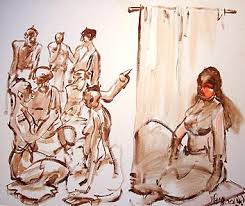
    The ongoing trial of Thathri

    Apart from her, the other chickens in the coop never saw er, sexual daylight. So,even if the Namboodhiris were above the Nairs in the cast hierarchy, the Nair women sure were better off than their Namboothiri counterparts!

    What about their dress?

    I am sure most of you have come across plenty of Raja Ravi Verma’s famous oil paintings of saree-clad women in elegant postures. The attire is not exactly draped like a saree but is worn in a specific manner with the hair tied tightly in a bun to the front-side of the head. This style of dressing was mainly observed in the princely state of Travancore. This potrayal of the dressing style is justified by the fact that Ravi Verma was from the same region. In the other areas of Kerala, the saree is draped in another fashion.
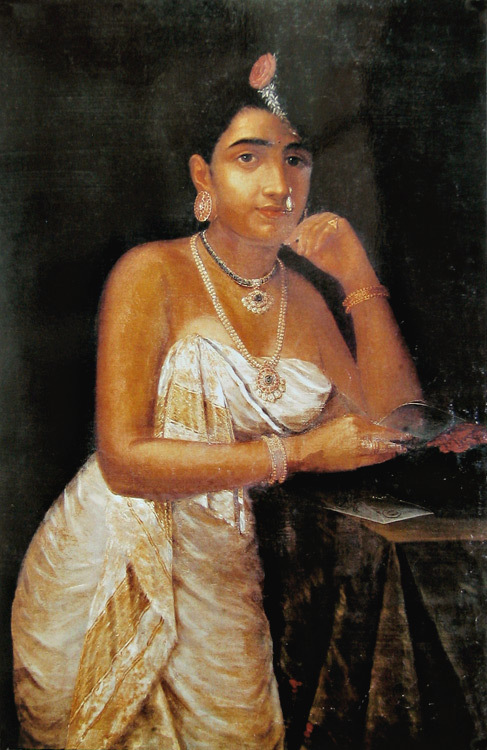
    malabar-beauty-by-raja-ravi-verma-QB28_l

    The Travancore style of draping

    Originally the men and women wore only a loin cloth around their waists (worn by Thiyyas). There was no thoughts of nudity or shame related to it since the weather of Kerala allowed dressing only in minimal. The top body was covered with only necklaces and other ornaments. Later, it evolved into the waist cloth along with a piece of cloth worn across the bosom loosely. Then again, this was allowed only for the Nair and Namboothiri women (though sometimes the Nair women stayed topless inside their houses). The lower caste women were expected to expose their breasts as a sign of their low status. Finally, this turned into a full fledged revolt and the women of lower castes obtained the rights to cover their top body.
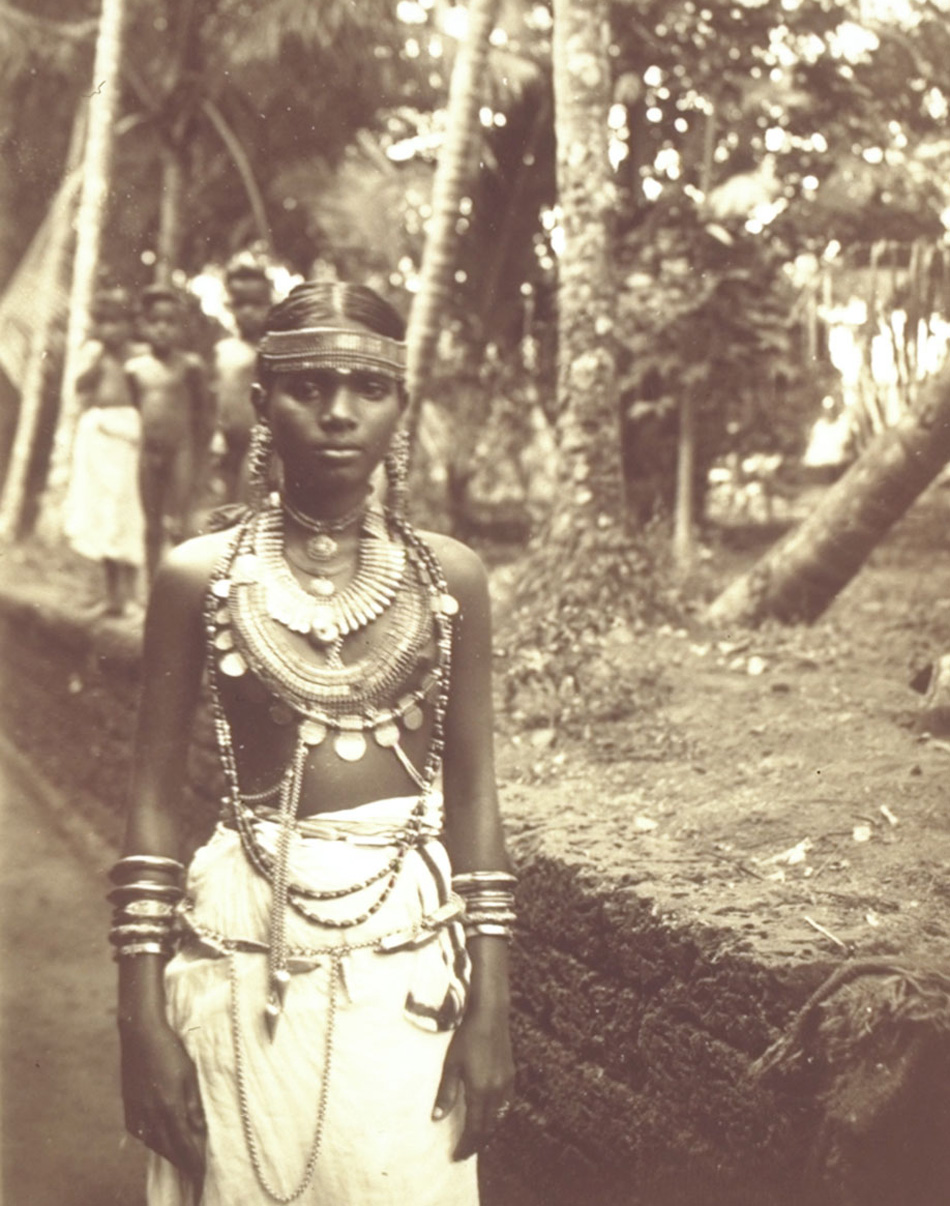
    Malabar Nair Woman Wearing Jewelery - 1914

    A Nair girl decked in jewellery (Malabar style)

    Speaking of food, we should be thanking our mothers to be tolerant enough to put up with our daily fussing over delicious dishes everyday. That was not the case years back! Mind it, no pizzas or shawarmas. The Nairs ate rice gruel all three times of the day. The richer families had tasty items accompanying it though I am sure that those wouldn’t beat our junk.

    Last but not the least is the set of superstitious beliefs. Hailing from a Nair family myself, it’s a common thing for me to ask my friends (just for the heck of it) if they have a ‘kari naaku’ which means a tongue with brown spotting since it is believed that the things uttered by those who possess a kari naaku come true! They also have the notion of evil eye which means that if you praise someone too much for whatever quality, they attract the evil eye and the victim will lose that quality eventually.

    Of course we can never cover the entire culture and practices of this community in just one article, but I have tried my best to put in the most interesting parts of it!


     

  • The Curious Case of Mrs. Hen’s kids!

    The Curious Case of Mrs. Hen’s kids!

    With an amazing lot of activity happening in a day, bachelors or bachelorettes staying alone seldom have time to treat their taste buds right. One day it is a meeting with the boss, another day it is work at home and till the third day you get so tired that it takes an effort to even get up from your bed. And preparing a meal in all this haste seems extravagant and too elaborate an activity to be carried out. And in this rigorous lifestyle of yours, the only thing that suffers is your stomach and more importantly, your taste buds. But we say no more of this! Today let us learn about some new tricks and revisit some old ones about Mrs. Hen’s kids – the eggs.

    Eggs are often restricted to the breakfast and that too you seldom have. Eggs are undermined most of the times, but its importance becomes clear when you need some quick fixes to get you jumpstarted. So, let’s start our romantic affair with eggs which should last longer than your relationship with any other human being.

    1. The Quintessential Omelet:

    omelet

    This dish comes in handy when your refrigerator is running dry and your patience is running lose with all that hunger. Two eggs is what it takes to quiet down your stomach till the time you can arrange for something heavy or till Dominoz delivers that pizza you ordered. Breaking the eggs, mixing in some spices that you desire, a pan slicked with oil and the battered egg mixture on the pan. Blink your eyes and your omelet is ready. This recipe is heart-rote to everyone so much so that a more elaborate description would be shaming this article. But people might not be aware of the nutrient punch this wonder sphere packs with itself. An egg contains 6 gms of Protein and 70 calories. Now while you rejoice that omelet with toasted bread, let’s move onto our next big egg thing.

    2. Eggs with soldiers:

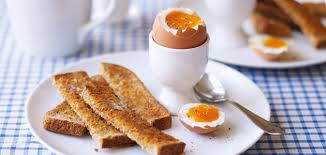
    sol

    There are times at night when you just crave for something to eat and are bored of the traditional egg recipes. Well in that case we have this amazing recipe for you. If you only have 5 minutes to spare, this recipe will be even more perfect for you. Place 4 eggs in boiling water and cook over low flame for 4-5 minutes. Caution: Do not let the eggs come to a boil. Now remove the eggs from the saucer and peel off the tops of the eggs. Add in some salt and desired spices on the top and eat the newer rgg recipe with bread sticks. Taste bhi, health bhi!!

    3. French Toast:

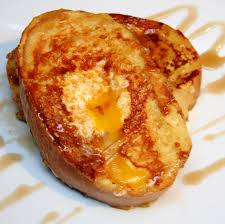
    fr

    Again. A relatively new and old recipe. Take out that borderline expired loaf of bread from your refrigerator and batter 4 eggs with spices added. Meanwhile, light up the stove and put a pan over with a slick of oil. Dip both the faces of a bread piece deep into the battered eggs such that both the faces are smeared with egg residue over their entire surface. Put it on the pan and cook for a minute maximum both sides. And voila! Your French toast are ready in a jiffy. Soak in 4-5 breads and you will be content for the next few hours to go.

    4. Tea Egg:

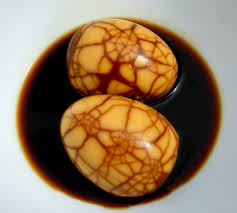
    tea

    Now Tea egg might take up some time, but this is nevertheless a newer recipe that people might have heard less about. Tea egg is basically a Chinese snack. Take a few eggs and boil them for 7-8 minutes. Boil them till the point where cracks develop on its surface. Drain the water but don’t peel the eggs yet. This crack-laden egg is then again put to boil in tea or sauce or spices. This dish is also called marble egg because the cracks in the shell create darkened lines with marble-like patterns. Chinese people commonly use a five-spice powder which contains cinnamon, fennel-seeds, cloves and Szechuan peppercorns. The eggs are boiled in the spiced-tea liquid and simmered at medium heat. The simmering allows the liquid to seep through the cracks and attribute flavors to the boiled eggs.

    5. Quick Egg muffin:

    Southwest_EggMuffins2

    People with a frenetic paced lifestyle must already be making merry at the name of the dish. The name in itself has quick in it. And you can be sure of one thing; this dish lives upto its name. Egg muffins are like Frittatas just smaller in size. This dish is prepared using scrambled eggs added with fresh chopped spinach and shredded sharp Cheddar Cheese. Whisk the eggs just like you do for an omelet, with spices, onions and spinach if you like. Cook in the microwave oven for 45 seconds and your hunger is done. It’s gone with the sound of the microwave’s beep.

    6. Eggs Benedict:

    benedict

    Eggs Benedict is an American breakfast and usually served along with ham or bacon. To make this dish you will have to devote some of your precious time, but the result will have you amazingly thrilled. First you have to make something the world calls the Hollandaise sauce. This is made by whisking egg yolks and squeezed lemon juice together in a bowl till the mixture is thickened and doubled in volume. Put the bowl in a steam bath and do not let the eggs get too hot or they will scramble. Add some froze butter cubes and continue to whisk till the btter melts. Remove from heat and whisk in salt and pepper and cover it. Heat the bacon and toast the English muffins. Cook some more eggs till the egg white is set and the yolk is soft. Lay down the muffin, bacon on its top, the half fried egg on its top and pour the Hollandaise sauce over. Garnish with some salt and pepper.

    And there you have it, 6 quick fixes with eggs that are not to be missed.


  • What’s to Know about Willis Tower?

    What’s to Know about Willis Tower?

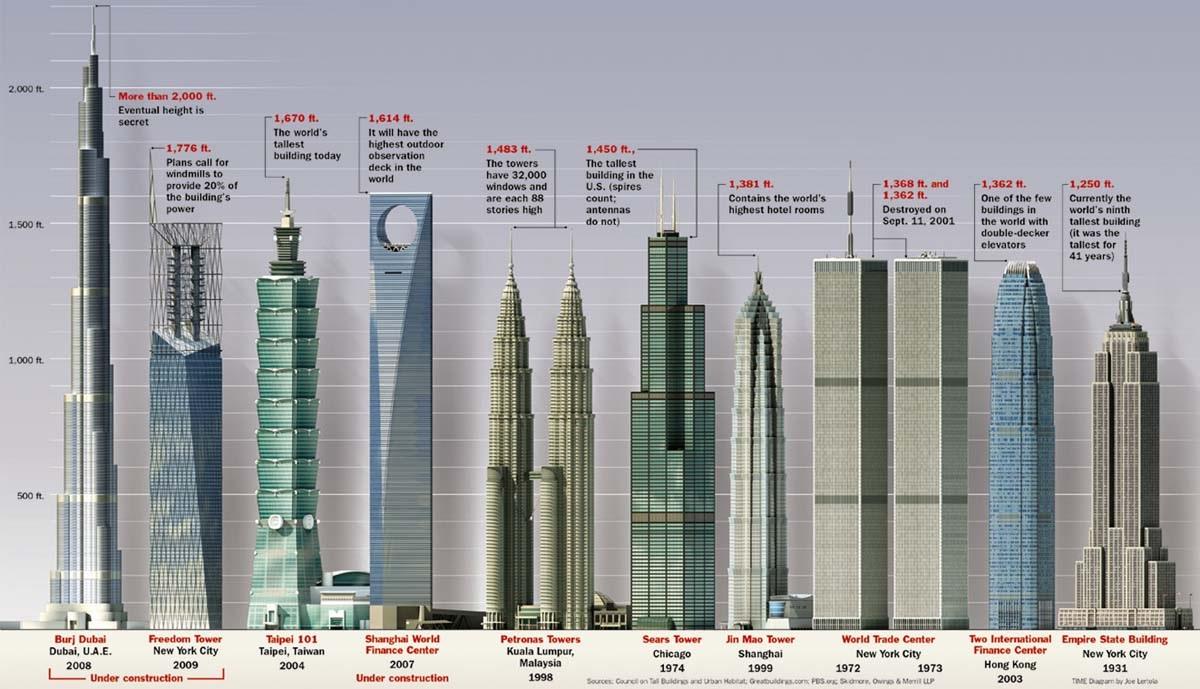
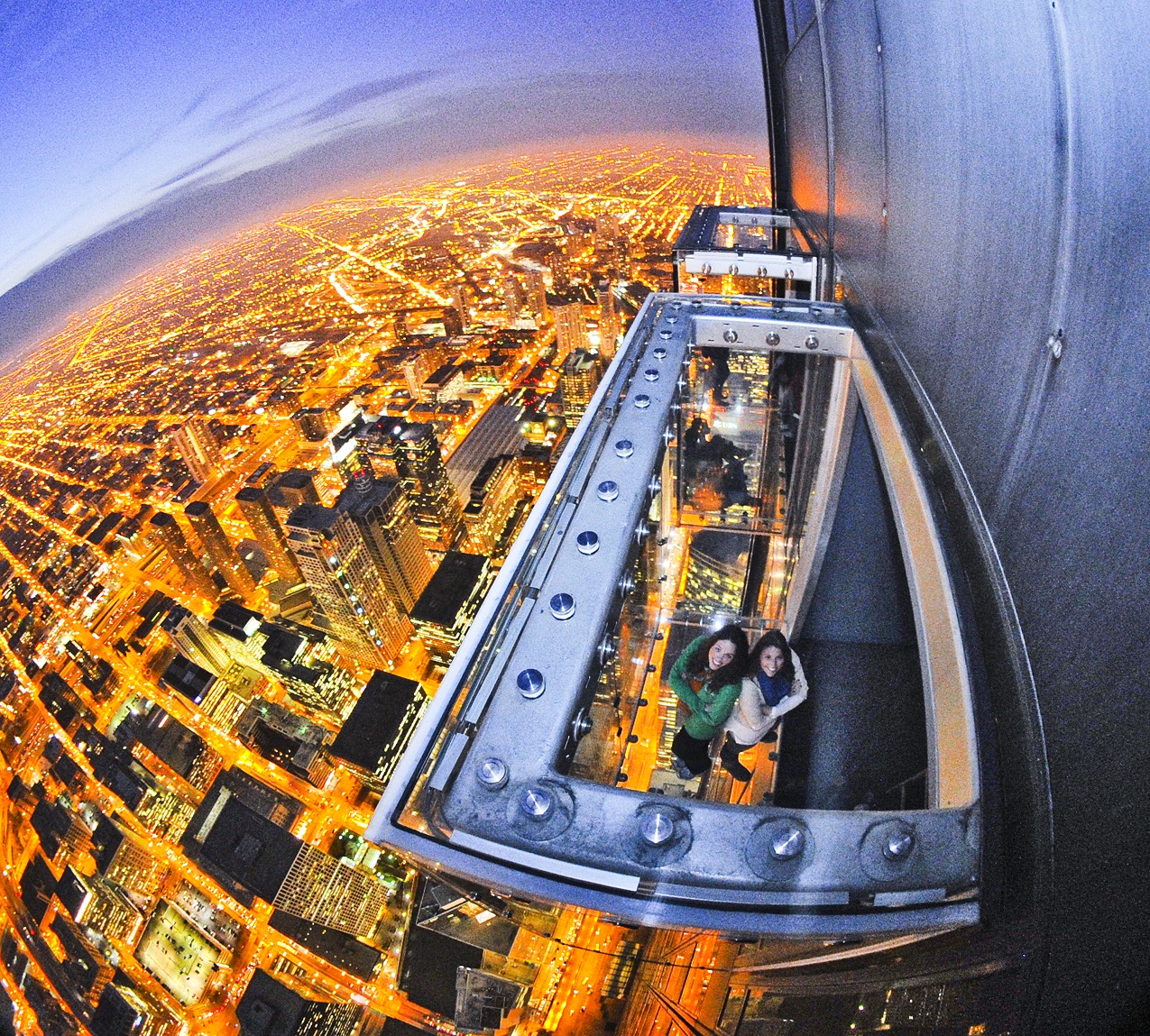
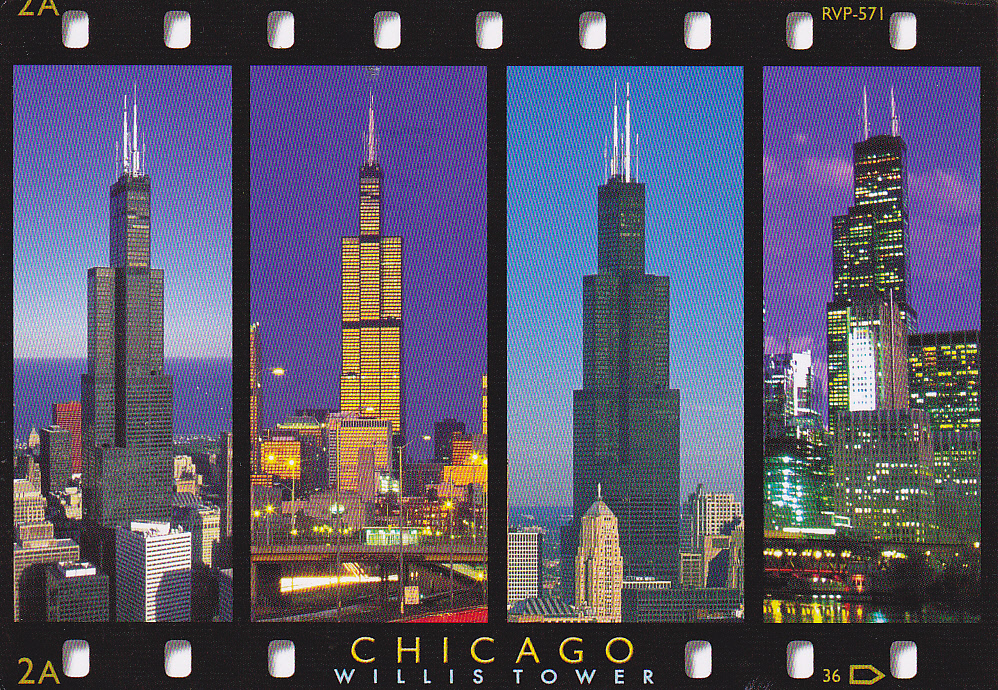
    The Willis Tower, formerly known as Sears Tower, is a 110 storey skyscraper in Chicago, United States of America, was once the tallest building in the world, occupying the top spot for a period of around 25 years, from 1973 to 1998, until the Petronas Twin Towers in Kuala Lumpur, Malaysia, broke the record. While Burj Khalifa, Dubai, holds the current world record, Willis Tower is now the eighth tallest building in the world, and the second tallest building in USA, surpassed only by the recently reconstructed One World Trade Centre in Manhattan. Willis Tower stands tall at an impressive height of four hundred and forty three metres, which is over sixty metres taller than the Empire State of Building in New York City. The Tower was originally built as the national headquarters of the Sears, Roebuck Company.

    tallest-freedom-tower-589126279

    Most people generally agree that the skyscraper was invented in Chicago, which is the third largest city in USA.  In 1871, a fire destroyed a third of the city, and architects set about rebuilding it. By this time, steel was being mass produced and, in 1852, Elisha Otis had invented the elevator, also known as the lift. New buildings could safely and practically be made much taller. The first high-rise building appeared in the city in 1882. This was the Home Insurance Company Building. It was the first building to have a skeleton structure made entirely of steel and iron. It had ten floors – a hundred fewer than Sears Tower which would be built ninety years later. As the demand for land in city centres grew, people needed to build fast and economically. Skyscrapers were the perfect solution to this challenge. With new materials and developing technology, the design of skyscrapers was gradually improved and perfected. Steel girders were used in different ways to build a strong framework. Some buildings were made of tall steel tubes, designed to withstand the winds that blow around the top levels. Inside the tubes, individual floors and rooms are rigid so that people can live and work safely and comfortably.

    It took around two thousand and four hundred workers around three years to build Willis Tower, and eventually finish it in 1973. The unique framework of the tower is made up of nine steel square tubes, which form a large square at the base. This rests on concrete, rock-filled shafts that are securely fitted into the solid rock beneath. The nine welded steel tubes rise fifty floors up. Then the building starts to narrow as you go upwards. Seven tubes continue on up to the sixty-sixth floor. Then five rise on to the ninetieth floor, leaving just two tubes to form the top twenty floors. Two television antennae take the building’s total height to a whopping five hundred and twenty metres – over half a kilometre. The amount of steel used to build the framework alone was enough to make more than fifty two thousand cars. Each of the steel tubes that form the top stage of the tower is 23 metres square in size. Viewed from above, the third strafe makes up a cross shape of five tubes. The second stage of the “step back” design has seven tubes that rise for 65 metres. Each side of the tower’s base, made up of nine tubes, is 69 metres long, with the total structure weighing over a 200,500 tonnes. During construction, up to eight floors were added to the building every month. The building’s steel frame was put together in sections, and were then welded and bolted tightly into place. In 1985, a four storey hall was built a base of Willis Tower, to give extra space. There are also shops and restaurants in the buildings.

    This huge building has over four hundred and eighteen thousands square metres of space, which amounts to around sixty football pitches. The Tower has a hundred and four high-speed lifts, which divide the building into three separate zones and make it easier for people to find their way around. The fireproofed frame is covered in a metallic skin made of black aluminium, and more than sixteen thousand bronze-tinted glass windows. Six automatic window-washing machines clean the whole of the building eight times a year. Willis Tower makes the high-rise buildings around it look small. It is designed to sway up to ninety centimetres at the top in the occurrence of strong winds. About 1.5 million tourists visit Willis Tower each year, making it the most sought after tourist attraction in the city. Two express lifts take them up to the 103rd floor in just over a minute. From the Tower’s Skydeck, visitors have a spectacular view of the Chicago panorama. In the building’s lobby there is an enormous “wallmobile” by the famous sculptor Alexander Calder. The Skydeck is situated a four hundred and twelve metres up in Willis Tower. On a clear day, visitors can see over eighty kilometres, with a breath-taking view of four American states – Illinois, Indiana, Michigan, and Wisconsin.

    IMG_0015

    The official address for the building is 233 South Wacker Drive, Chicago, Illinois 60606, and is the “most impressive office space in Chicago” as it rightfully claims on its official website. Its pinnacle stands tall at a height of 1,729 feet. While the Sears sold the building way back in 1994, and completely vacated the building by the following year, it still held the naming copyrights to the building till 2003. That year, the London based stockholdings company Willis Group Holdings Limited bought around three floors’ worth of area, and thus won the naming rights without any conflict. Currently, United Airlines is the largest occupier of the Willis Tower, and has about twenty floors under its ownership which are home to its headquarters and operations centre.

  • Top 10 Temples in India

    Top 10 Temples in India

    Top Indian Temples
    Top Indian Temples

    Temples are the sacred places where gods receive human offerings.Many temples have great architecture that resembles a palace for god.Generally, temples are dedicated to one primary god, but few temples are dedicated to more than one god.Temple walls are decorated with  stone carvings that depicts the story or history regarding the god being worshipped.People entering the temple must remove their shoes to pay respect to the god within the temple.The innermost area contains the idol of god and the priests offer prayers to god.India is a land of temples and the list of top ten temples are  mentioned below.

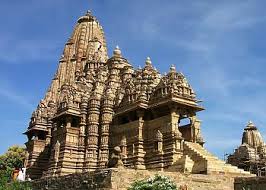
    1) Khajuraho Temple in Madhya Pradesh

    Khajuraho Temple in Madhya Pradesh
    Khajuraho Temple in Madhya Pradesh:

    The Khajuraho group of monuments are one the UNESCO world heritage sites in India.Because of the famous sculptures and large number of Hindu and Jain temples, tourists from various parts of the country visit this place.These temples were built by Chandela kings during the period of 950 to 1050 A.D.The Hindu temples in Khajuraho are dedicated to Lord Brahma, Lord Vishnu, Lord Shiva and also different goddesses.These temples are mainly famous for their wonderful carvings.The carvings on the external walls are bold artistic type, but the carvings inside the temples are decent and represent simple facts of life.Most of the carvings on the walls show the everyday life of a common man at that time when they were made.

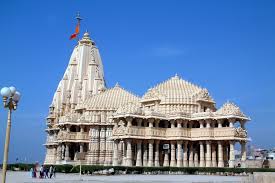
    2) Somnath Temple in Gujarat

    Somnath Temple in Gujarat
    Somnath Temple in Gujarat

    The Somnath temple is dedicated to Lord Shiva with a moon on his head.This temple is situated in Saurashtra.There is a saying that the Moon God Somraj has built this temple himself by using gold.This is a Hindu temple, but has Jain influences in the architecture.This temple has one of the 12 jyothirlingas and faces the east direction.This temple has the biggest dome that is ever made in this century.The temple has a large central hall with entrances on three sides.The sculptures and carvings speak about the artistic taste of the craftsmen of that century.It is believed that till now 200 priests have served this temple.The first temple of Somnath  existed before the Christian era, the second was built by Maitraka kings, the third Somnath temple was built by Pratihara king.This temple was destroyed six times and re-constructed.The present temple was built and taken care by Shree Somnath trust.

    3) Kashi Vishwanath Temple, Varanasi

    Kashi Vishwanath Temple, Varanasi
    Kashi Vishwanath Temple, Varanasi

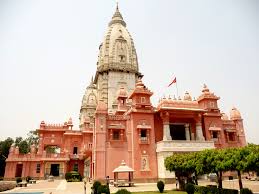
    It is one of the most famous Hindu temples dedicated to Lord Shiva and is located in Varanasi, Uttar Pradesh.There is a belief that every Hindu, at least once in his lifetime, must visit the holy place.Hindus believe that mixing ashes of the deceased  in the Ganges will make the soul rest in peace.This temple is situated on the western bank of the Ganges and is one among the 12 jyothirlingas. During religious occasions like Shivratri, no person is allowed to enter the temple till the priest offers prayers to god.

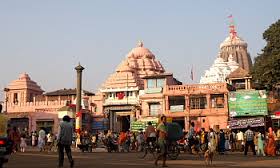
    4) Lord Jagannath Temple, Puri

    Lord Jagannath Temple, Puri
    Lord Jagannath Temple, Puri

    Puri Jagannath temple is one of the biggest temples in Orissa.This temple is established in the 12th century and is dedicated to Lord Jagannath.The temple foundation was laid by Raja Ananta Varman Chodaganga Dev.From Bhubaneswar, the temple is located at a distance of 60 kilometers.The king Indradyunna saw Lord Jagannath in his dreams and constructed this temple to fulfill the Lord’s wishes.The pillars of the temple are decorated with pictures that depict the life of Lord Krishna.Ratha Yatra that is organized once a year is one of the major attractions of the temple.

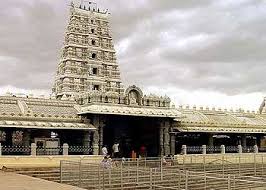
    5) Venkateshwara Tirupati Balaji, Andhra Pradesh

    Venkateshwara Tirupati Balaji, Andhra Pradesh
    Venkateshwara Tirupati Balaji, Andhra Pradesh

    Tirupati is one of the most visited temples in India and second most visited temple in the world.This temple is situated on the seventh hill in Chittoor district and is dedicated to Lord Venkateswara.It is one of the richest temple in the world.Many facilities are available to visit this temple either by plane, train or by bus from almost all parts of the the country.It is one of the most visited pilgrimage by Hindus.

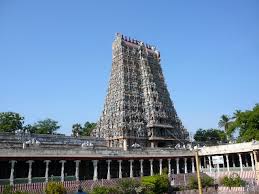
    6) Meenakshi Temple, Madurai

    Meenakshi Temple, Madurai
    Meenakshi Temple, Madurai

    Meenakshi temple is one of the holy Hindu temples and is located in Madurai, Tamil Nadu.This temple is dedicated to Lord Shiva and Goddess Parvati.The temple has 14 magnificent Gopurams, including two golden Gopurams.The temple is one among the 51 shakti peethams.The golden lotus tank in the center is surrounded by corridors and the walls of them are covered with paintings that depicts the miracles of Lord Shiva and goddess Parvati.

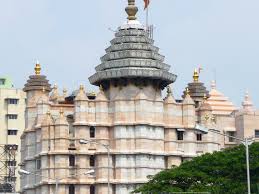
    7) Siddhivinayak Temple, Maharashtra

    Siddhivinayak Temple, Maharashtra
    Siddhivinayak Temple, Maharashtra

    Lord Ganesh is worshipped in this temple.It is built in 18th century and is located in Mumbai, Maharashtra.The present temple was re-constructed five years ago.The idol of Ganapathi is also known as Chaturbhuj as the idol has four arms.The idol of Lord has lotus in the upper right hand and a small axe in the upper left hand.The lower right hand has a jampala and the lower left hand has modaks.On some special Tuesdays, the queue for Darshan will be about 2 kilometers long.

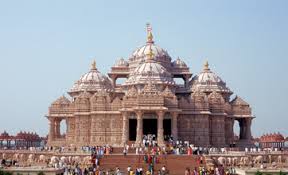
    8) Akshardham Temple, Delhi

    Akshardham Temple, Delhi
    Akshardham Temple, Delhi

    Akshardham is a massive temple with more than 20,000 statues, arches and carved pillars.This temple was constructed in the year 2005 and was dedicated to Swaminarayan.The temple has a unique architecture and represents Indian culture.The temple has more than 100 acres decorated with water fountains and beautiful constructions.The amount spent on this massive structure was 2 billions and it took nearly two years to complete.The fountain dance is one of the major attraction of this temple.

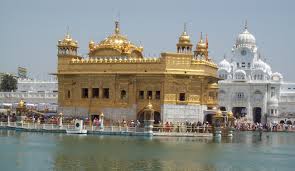
    9) Golden Temple, Amritsar

    Golden Temple, Amritsar
    Golden Temple, Amritsar

    The Golden Temple in Amritsar is one of the major pilgrimage place for Sikhs and one of the well known tourist destination.Until 2005, it is called as Golden Temple and later it was officially renamed as Harmandir Sahib.The temple has a great historical and architectural interest.Every year, many visitors from different places around the world visit this place.

    10) Brihadeshwara Temple, Thanjavur

     Brihadeshwara Temple, Thanjavur
    Brihadeshwara Temple, Thanjavur

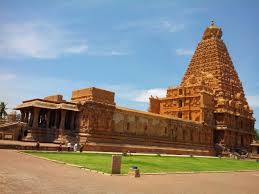
    Brihadeshwara temple is dedicated to Lord Shiva.This temple was built by the Chola king Raja Raja 1.This temple is declared as one of the world heritage sites by UNESCO.The temple has a Mahalingam of 4 meters height and another major architectural attraction of this temple is the Nandhi chiseled out from a single rock.This temple depicts the Chola architecture because of the style of construction and the carvings on the pillars.

  • What makes Delhi, Dilli – 3

    What makes Delhi, Dilli – 3

    The Final Chapter of the trilogy, thus begins.

    Delhi, the city with a heart has been featured, loved and adored with artists of all types of media. Whether it is Journalism or Film making, it is song writing or singing it, whether it is blog writing or writing professionally; most of the artists have had a love tryst with the city and continue to do so. But people from other places wonder why? People new to this city cry, what is the hue and cry about this city? It is only after you have lived in the city long enough that you feel its love swallowing you complete. That you feel yourself falling for a city which you didn’t understand just some time ago. Let’s try and comprehend the city and why you will love it!!

    The modern symphony:

    metro

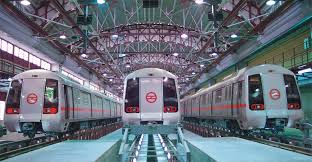
    Delhi is one of the oldest inhabited city, no doubt. But this does not make the city ageing. The city with the evolution of time has grown dynamically. And the goading sign of the city’s modern outlook that appeals to people is its dense Metro network. The Delhi Metro is one of the longest fully functional Rapid Transport System in the world. The Metro system augments the Delhi suburban rail system and the fleet of Delhi Transport Corporation bus system. This requirement of today was just a dream in the pipelines a decade ago. The Delhi Metro has been a pioneer in harbouring in a new era of mass urban transportation in India. The swanky Metro system brought about a comfortable, air conditioned and eco-friendly services for the first time in India and completely revolutionized the mass transportation scenario in Delhi. Besides carrying millions of people every day, the Metro also reduced the pollution levels in the city by 6.3 lakh tons every year since its inception. The DMRC is enroute to adding another 140 kilometres to its already labyrinthine 193 kilometres. So, anywhere you see the Delhi Metro, it gives you the special feel of living in a New York styled Metropolitan with a quick and accessible Transportation System.

     India Gate:

    india gate

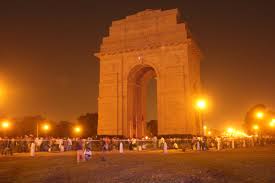
    One of the landmarks of the city, showcased in every Delhi based movie is the magnanimous India Gate. The India was originally called the All-India War memorial and is a memorial located just besides the Rajpath. India Gate was designed by Sir Edwin Lutyens and is a magnificent piece of architecture often drawing comparisons with the Arch of Constantine and Arc de Triomphe in Paris. This memorable landmark was built to commemorate the thousands of Indian soldiers who have died in wars outside and inside the country. This arch shaped marvel has the names of some 13,300 servicemen inscribed on its body, eternally commemorating them. After the Bangladesh liberation war in 1971 a black marble plinth like structure was erected underneath the great arch of India Gate. This plinth is surrounded by four flames and is covered with an army man’s helmet. This structure is called the Amar Jawan Jyoti or the Flame of the Immortal Soldier.

    But besides the historic reference, India Gate today is one of the hot spots for picnic for the modern nuclear family. India Gate, is surrounded by many Ice-Cream vendors and balloon sellers which make it worthwhile for the kids to hang around the place. For the elders in the family, the lawns of India Gate serve as a detoxifying day out, away from all their routine tensions and monotonous schedules of their work life. A day out at the India Gate is counted as a well spent day with your family and is a must for any new visitor in town.

    The Red Fort:

    red

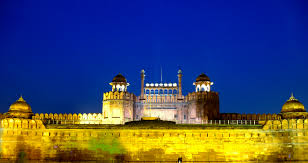
    Red fort was constructed when Shah Jahan decided to shift his capital from Agra to red Fort. The great Red ‘Bindi’ on Delhi’s construction started in 1639. And it took a whopping 8 years for it to complete. Initially its name was Qila-i-Mubarak and it was Delhi’s first fort. A magnificent one at that. It had 2 km long running walls whose main was to keep intruders out, but the mighty walls had to kneel down before the Sikhs and the British. The entire architecture is made from huge blocks of red sandstone. For the visitors of the town, there is a hour long light and music show every evening there which showcases the fort’s history. And since it is nearby chandni Chowk, you will be killing two birds with one stone, so go visit it as soon as you can.

    Qutub Minar:

    Qutub-Minar-at-Night-Images

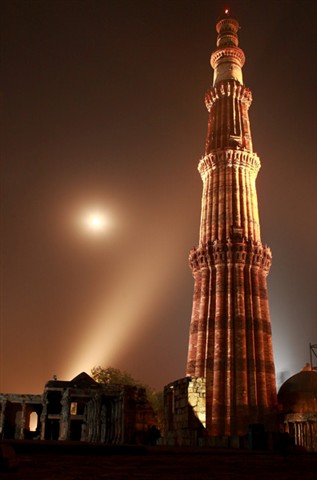
    The qutub Minar has a speculative history at best. It was constructed in 1206 by Qutub-ud-din Aibak  of the slave dynasty and is currently the tallest brick minaret in India.  Some say that it was constructed as a sign of victory of the slave dynasty over India . whereas others say that it was merely constructed for the people so that they can be called for prayer. The brick minaret has five storeys and is 72.5m tall. People often flog the monument to get a moment or two of peace amidst their extremely busy schedules.

    Jama Masjid:

    jama

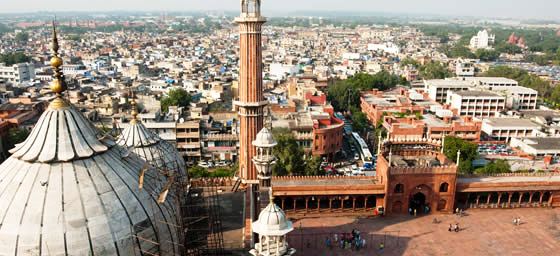
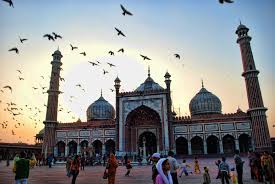
    The mausoleum constructed in the year 1656 in the heart of delhi is the largest mosque of the country. The lawns of the mosque can hold upto 25000 devotees at one time. Being in the vicinity of heavily crowded areas of chandni chowk and chawri bazaar, Jama Masjid has become quite a landmark in its own regard. On the different occasions of Eid, the muslim community often fills the mosque upto its brim. Before visiting it make shure that you cover your head, legs and bare hands.

    Thus this concludes our little round up of things, food and places that make Delhi what it is and quite possibly the reason as to why people love it and other metropolitan cities don’t. the country’s love towards is unfathomable and once you visit and stay there for a period of time, it colors you in its own ink. Forever.

  • What makes Delhi, Dilli – 2

    What makes Delhi, Dilli – 2

    In the last tour de Delhi, we hopped onto some of the binges of Delhi, how the love affair of the nation started with Delhi, the great repertoire of Architectural marvels in Delhi and a touched the tip of the iceberg as to what makes you melt with love, when you hear the word Delhi. Today, we explore more.

    The Bedmi and Nagori:

    be

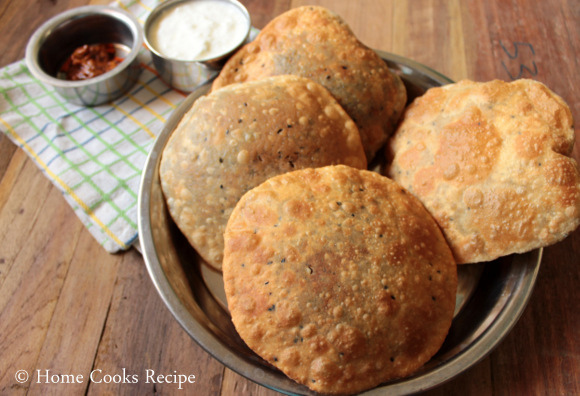
    One relatively less known delicacy but nevertheless enjoyed to its zenith by the  few loyal customers, the bedmi is a variety of Khasta Kachori smaller in size and more khasta by all means. This is what one could call the Kachori’s  younger cousin. Filled in the epicentre with Semolina, carom seeds and grated peas, this delicacy melts in your mouth. Served along with our beloved aloo ki sabzi and halwa, you might have an oddity treat and might as well try mixing the two side dishes (The halwa and the aloo ki sabzi). This queer combination will make you reminiscent of the sweet and sour soup gone terribly wrong, but it’s a taste nevertheless. The Nagori is the youngest of the brood of Kachoris and more closely resembles the papadi that you get at a chaat stall. This also served along with aloo ki sabzi and halwa will give you plentiful of energy (And not to mention a truckload of calories) to roam the rest of Chandni Chowk with me.

    The Punjabi Diaspora:

    bangla

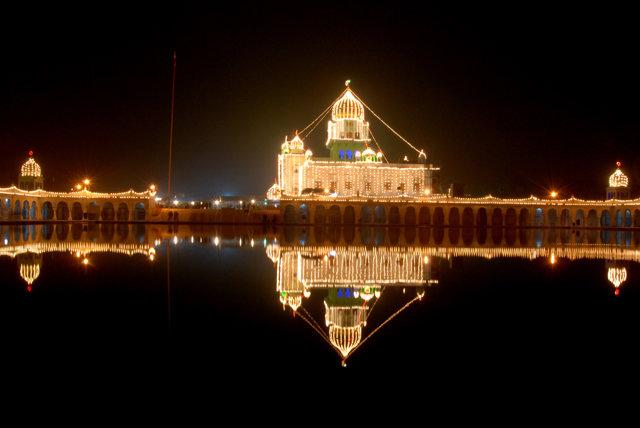
    Delhi is borderline Punjab. Geographically and literally. Once you enter Delhi, you’ll see an equal number of turbans as you will see bare heads. That because, there was a huge exodus from the Punjab region during Delhi’s early industrialization days and also during the Punjab conflict periods. Thus there’s a mini Punjab residing in Delhi. And with their amazing good humor and tantalizing cuisines come along the mighty and revered Gurudwaras. Gurudwaras are the worship place for Sikhs. Here Sikhs spend quite a lot of time serving other people as they faithfully believe in the quote “ Service to mankind is Service to God.” There are a plenty of Gurudwaras in and around Delhi and the best part of visiting them is the tasteful  ‘Langar’.  Langar is the lunch that is served in Gurudwaras to everyone who visits them. Large langars are organized where people sit on elongated jute mats on the floor and eat out of leaf plates. The langar, anywhere, in any gurudwara is something to be DEFINITELY had if you ever get the lucky chance to visit Delhi. Daal is a must in every Langar. Along with it Halwa, aloo ki sabzi and poori make your lunch hearty and eventful. There are two large Gurudwaras in Delhi to which people flog on from places far and beyond. These are The SeesGanj Sahib and The Bangla Sahib. Both are lakes of tranquillity and you will feel emancipated from all your worries and ill humoured feelings, once you enter the complex. Visit these if you are looking for serenity and a meal full of love and affection.

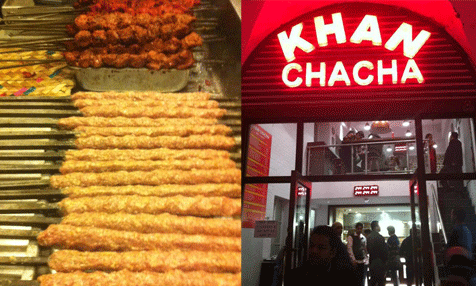
    Kareem’s and Khan Chacha:

    Chicken = Kareem’s.              Kareem’s = Chicken.

    Chicken = Khan Chacha.     Khan Chacha = Chicken.

                         Kareem’s = Chicken = Khan Chacha.


    tn_6284_khan1-1374305008

    One’s trip to Delhi will be wasteful, if he goes to Delhi but does not visit any of the above mentioned place. Both these places have been established in Delhi for the last 100 years or so and have been constantly providing the people of Delhi with an indispensable service ever since. The service of good food. Or more specifically, the service of Great Chicken. Khan Chacha and Kareem’s both are known for their Mughal style Chicken which they both offer in Chandni Chowk. The shop is tiny but the crowd of buyers: mammoth. Both of them provide exceptional Tandoori Chicken and Kebabs. Their extraordinary skills lie in providing with dry chicken variety. They specialize in Seekh kebab, Shammi kebab, mutton burra kebab, mutton stew and the rann (goat’s leg). These leave you with the exact smoky flavour that should be left after having a tandoori meal and also bestows upon you the feel of the grill.

    Connaught Place:

    cp-650_081714012910

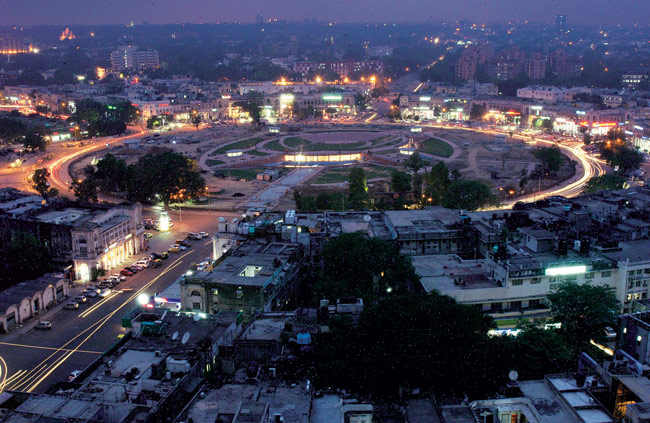
    What makes Delhi, Dilli you ask. One of the reasons of Delhi’s uniqueness is Connaught Place. Two British Built market places in circular shape around a gigantic park in between. Sounds confusing? Well, it is. But in earnest Connaught Place is one stop destination for all the top notch brands anywhere in the world. Until one hasn’t a shop in Connaught Place, he/she is too amateur to go global. A beautiful set of buildings all dressed up in white just like a catholic wife-to-be in circular shape mark the inner circle and the outer circle. A market place to take a stroll ith your friends or go bridal shopping; A day to enjoy Delhi in one glance and a hurried shopping session; everything happens at Connaught Place.

    ‘THE’ Palika Bazaar:

    pal

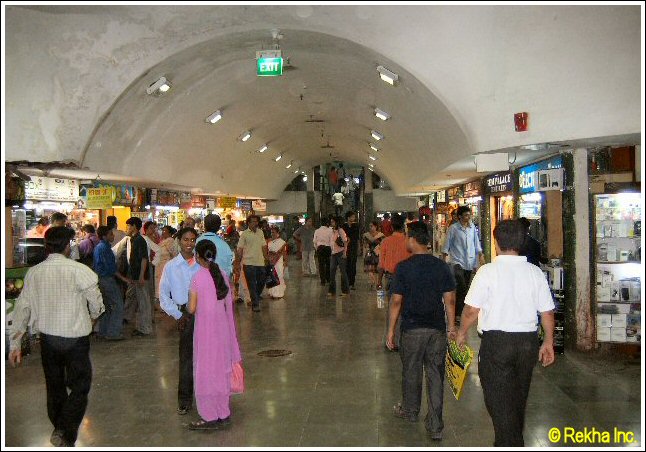
    Ever heard of an underground market place? Palika is one. No, it is not underground as in illegal, it is underground as in, it is literally 400 bunch of shops UNDER-the –GROUND. Remember how the Connought Place is circled around a gigantic park? Well this is a market place under that gigantic park. Palika is every women’s dream destination. Because you get the best of fashion labels at throw away prices. Loads of accessories, clothing, body tattoo shops throng the Palika. Men, don’t be disappointed. There’s something for you too, down there. Palika has men’s fashion outlets too, but more amazingly it has an entire bunch of shops that sell cheap China built Electronics gadgetry. So, next time you want a pen camera or a big grizzly transforming car, you can always go to the underground market.

    So, we made a tiny bit of progress in learning about Delhi. But don’t get tired yet, there’s more of Delhi to come.. Stay tuned.

  • My experiments with food (And truth too!)

    My experiments with food (And truth too!)

    India truly is one big piece of land. And on this big piece of land you encounter an eclectic mix of geographies  and topologies. And on these array of different  land designs, you come and meet very different people. People who practice different religions, wear very dissimilar clothes and practice varied traditions. And in all these differences lies one major difference, the different of cuisine. Just like we have over 700 gods and deities, I guess we must also have a similar number of different cuisines. But in all those differences they have one similarity. The trait of experimentation.

    No person who calls himself a religious foodie can never withstand a zeal for experimenting with food. Whether it is Milk and coca cola or Raajma with aloo bhujia; the tempt of experimenting is too great to be countered off. Hence we traipse to various parts of the country to look out for some experiments gone successful.

    The Chola Kulcha burger:

    Down the alleys and labyrinthine roads of a little known town in Punjab called Naabha, you will see gazillion of stalls selling this odd delicacy. Most people have had a taste of Chola-Kulcha in their life at some point or the other. This treat is in exactitude, same as the former, but a different form and slight delicious top ups give it the oomph factor that makes it feature in our list here.

    burger

    • Take two kulchas. Warm the boiled cholas and the kulchas.
    • Add a little bit of paneer and boiled mashed potatoes to the chola mix.
    • Now to the warm kulchas, add a dollop of butter and the samosa chutneys. The red one is mandatory, the chili sauce, add according to your taste. Keep the kulchas on the fry pan and add the chola mix in between the two kulchas. Voila! Your Chola Kulcha burger is ready to be savored.

    The Bhujia soup:

    Now, this treat had me baffled at first but left me craving for more later.

    There are places not so famous and not so hip in our country. Guduvanchery in Kancheepuram District (Chennai) is one such place. It is a sleepy village but with a huge local market. And in that market somewhere deep down, you may get lucky and get a chance to savor this orgasmic delight.

    soup

    The ingredients seem simple enough (Some namkeen + Some soup! Done!) But the trick lies not in the ingredients but the way those final ingredients are prepared. Neither the Bhujia is from Haldiram’s nor is the soup made from ready to eat packets. The Namkeens are homemade yet world class. For rookie foodies who try to differentiate between the two it will be in vain. But the oils from the namkeen and the spice mix in them scream homemade from top of their lungs. The namkeens are just not aloo bhujiia or khatta meetha. There’s a spectrum of namkeens of different sizes and different flavors available to choose from.

    But when in Home, do as the homies do. At your home, you can definitely use the knorr ready to eat and the aloo bhujia lying in the cup board waiting for guests to arrive at you home.

    The Samsiya:

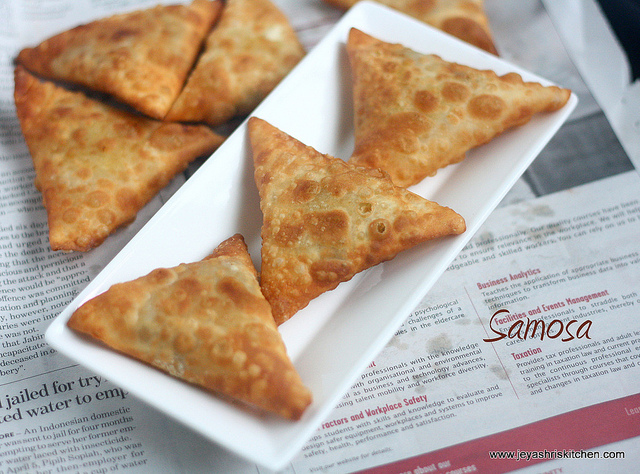
    samosa

    Yes, the root of the words are the same but these are slightly different foods to be had.  While the samosa is filled with aloo mix, the samsiya is filled with fried onions. And in front of the samsiya, samosas seem gigantic. So, there should be no doubt if you find tiny samosas being sold 4 for Rs. 10 outside the Chennai railway Station. There’s one more wild twist in the tale of samsiya. Along with samsiya, you will never see your traditional imli and chili chutneys. The samsiya is served along with Coconut chutney. Just like idli is, just like vada and dosa are. This gives a good-humored  taste to the dish. Not spicy enough, not tangy enough but yes unique in its own sense.

    The Chola Pani puri:

    poori

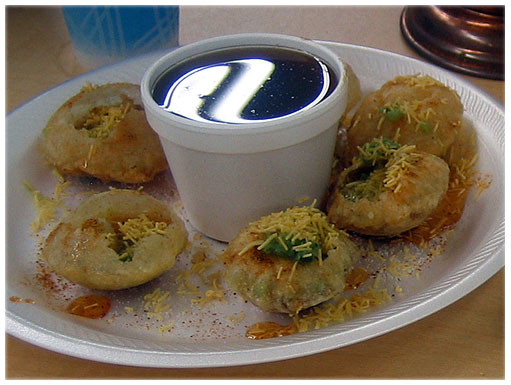
    All of you might have eaten our favorite street food: The pani puri. But you are in for a surprise when you visit a chat stall anywhere south of Maharashtra. While visiting a chaat stall, forget that you have ever eaten pani-puri before. This will be a whole new dish you will taste. Sure, the puri is the same shape as in our north and everywhere but everything else is different. The filling in the puri is not mashed potatoes but hot boiled mattar. You know the green balls that you threw out of your rice as kids, that one.  Also, the filling is not dry, there is thickened water along with the hot mattar. Next, the tangy paani which was as delicious as it was healthy. Want a tip? Forget that paani. Here the paani is devoid of any and every bit of zippy taste that you went to the chaat stalls for. The paani is hot (again) and very straight in taste. Just imagine yourself having a mild soup for the paani. And thus our beloved paani puri becomes, some hot dinner dish making you feel fuller instead of easing up your stomach.

    The vodka Paani puri:

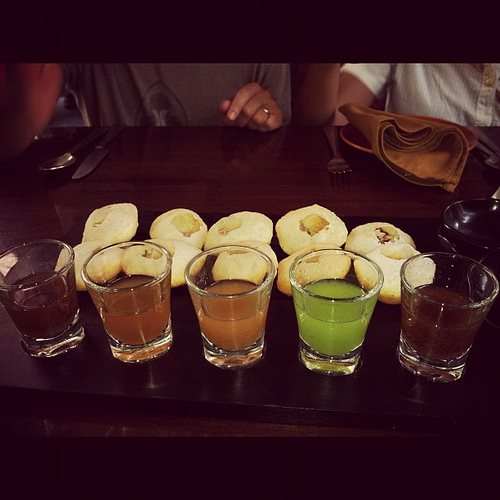
    Are all the liquor fans up yet?  *Sees left to right*  Great!  Now, this experiment is what you expect by its name.  Instead of paani you get vodka shots filled gol gappas.  Now no need for another appetizer huh? This is only offered at ‘Punjabi by nature’, a restaurant chain in the National capital and surrounding areas. The vodkas all come in different flavours, but I am sure you will not want to try out bubble gum flavored vodka with your puri.
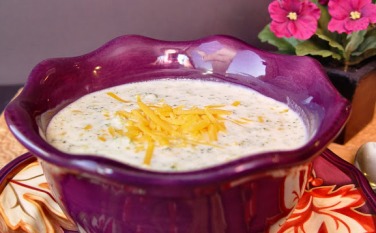
    vodka

    So, from all around this great country of ours, we brought you some of the quirky, queer yet magnificently delectable experiments to tease you taste buds with. Try out all or some of these if you are in the neighbourhood, and get your tongue out of its routine. And do write some of your own experiments down in the comments section. Till our next journey around India, keep tasting.

  • Know Your Christian Festivals!
    Know Your Christian Festivals!

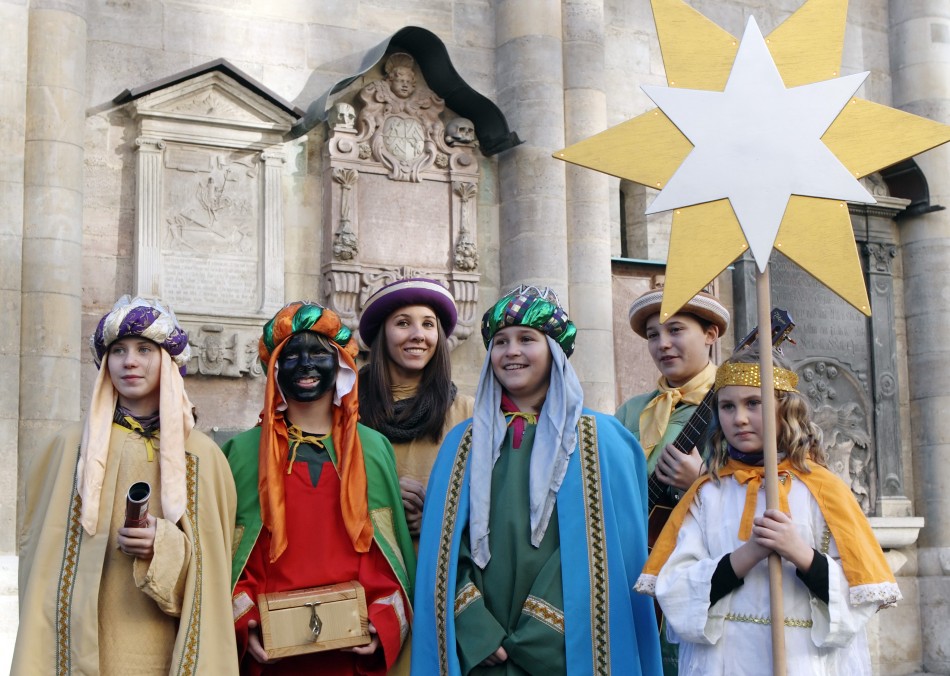
    With the year drawing to a close, Christmas has already come and gone. But apart from the 25th of December, how many other important days of the Christian calendar do we really know of? Here is a small list of some of the major Christian festivals celebrated all over the world:


    1. Epiphany (also known as Twelfth Night)

    epiphany-around-world

    The 6th of January every year all over the world, with the exception of 18th January in Russia and 1st February in Ethiopia, is celebrated as Epiphany. The word itself is derived from the Greek word epiphaneia which literally means manifestation. This day celebrates three events that are all thought to have happened on this very same day, namely, the first appearance of Jesus Christ as a newborn to the Magi, the three wise men; the baptism of Jesus, when God acknowledged his son; and the first public miracle by the Christ, when he turned water to wine in Galilee.


    2. Ash Wednesday

    The first day of Lent, Ash Wednesday is a day of repentance for Christians, when they make amends for the year’s sins before the culminating period of fast in the Lent. It occurs forty-six days before Easter and can fall as early as the 4th of February or as late as the 10th of March. Anglican and Roman Catholic churches hold ceremonies at which the foreheads of churchgoers are marked with crosses using ash. Many other Christians, such as Lutherans, Presbyterians, and Methodists also hold this day in great reverence and celebrate it with equal fervour.


    3. Shrove Tuesday (also called Mardi Gras)

    85011240MC002_Choristers_At

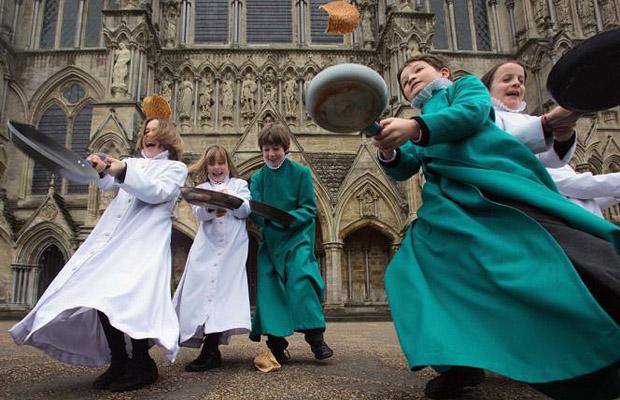
    The day before the start of Lent is known as Shrove Tuesday or “Fat Tuesday”, when Christians traditionally eat up any leftover animal products (often in the form of pancakes) as these cannot be eaten during Lent. Generally held in the month of February, the exact date of Mardi Gras varies according to the Easter schedule. The phrase is derived from the word shrive which means “confess”. It is widely considered by many Christians as a special time of introspection, during which they consider what sins they need to repent, and what areas of life and spiritual growth need amendments and God’s help.


    4. Lent

    Procession_St_Spulcre

    The forty four days before Good Friday, including Sundays, Lent is a period of fasting when Christians identify with the suffering of Jesus Christ. Lasting for a period of approximately six weeks, the traditional purpose of Lent is the preparation of the believer through prayer, penance, repentance, almsgiving, atonement, and self-denial. This festival is celebrated in commemoration of the same amount of time taken by the Christ to fast in the desert all the while resisting the temptation of evil from Satan, as mentioned in the Gospels of Matthew, Luke, and Mark, three of Christ’s favourite disciples.


    5. Palm Sunday

    palm-sunday

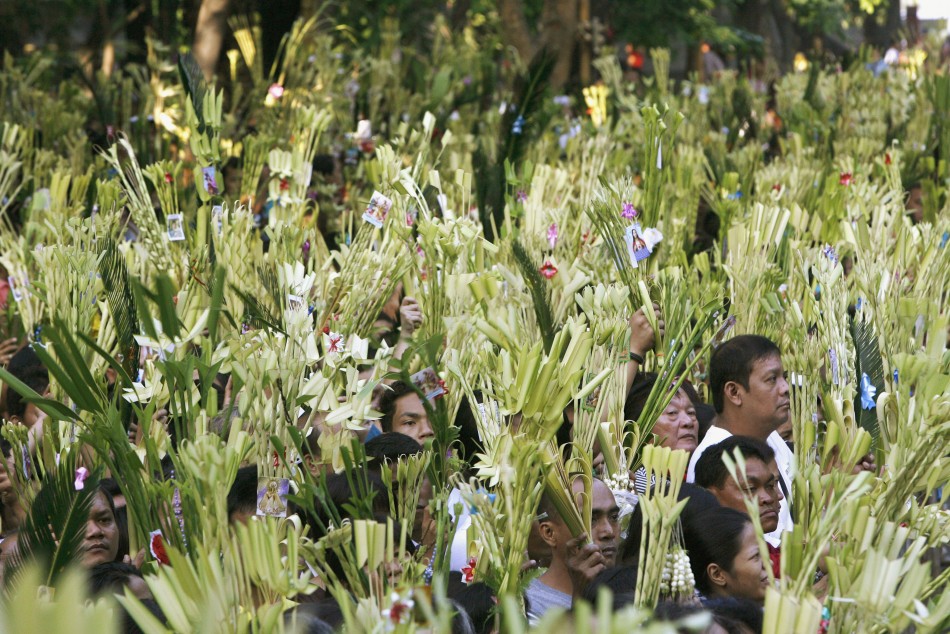
    The Sunday before Easter Sunday and the first day of Holy Week (the period of one week before Easter), Palm Sunday commemorates the arrival of Jesus Christ in Jerusalem, where the crowd threw palm leaves in front of his donkey and cheered his triumphal entry. This important event has been mentioned with much emphasis in all the Gospels of the Bible. Later that week, many in the devoted crowd of worshippers were calling for the execution of the Christ.


    6. Maundy (also known as Holy Thursday)

    holy_thursday_2

    The Thursday before Easter Sunday, Maundy Thursday commemorates the Last Supper, which established the ceremony of the Holy Communion, when bread and wine came to be respectively identified with the body and blood of the Christ. It was also the day when Jesus washed the feet of his disciples. At a Roman Catholic church services on Maundy Thursday, the priest ceremonially washes the feet of twelve people during mass. Maundy is the fifth day of the Holy Week, and is usually falls between the 19th of March and the 22nd of April.


    7. Good Friday

    Good-Friday-Vatican

    The Friday before Easter Sunday, Good Friday is spent in remembrance of the day when Jesus Christ was crucified by the Romans. The “good” in Good Friday is its form in Early Modern English and means “holy”. The symbol of the cross is an important part of church services on this day, and churchgoers read the psalms and the gospels to remember the Christ’s painful experience. Good Friday sometimes coincides with the Jewish festival of Passover, and is a time of solemn prayer and charity for Christians.


    8. Easter Sunday

    Easter_eggs_-_straw_decoration

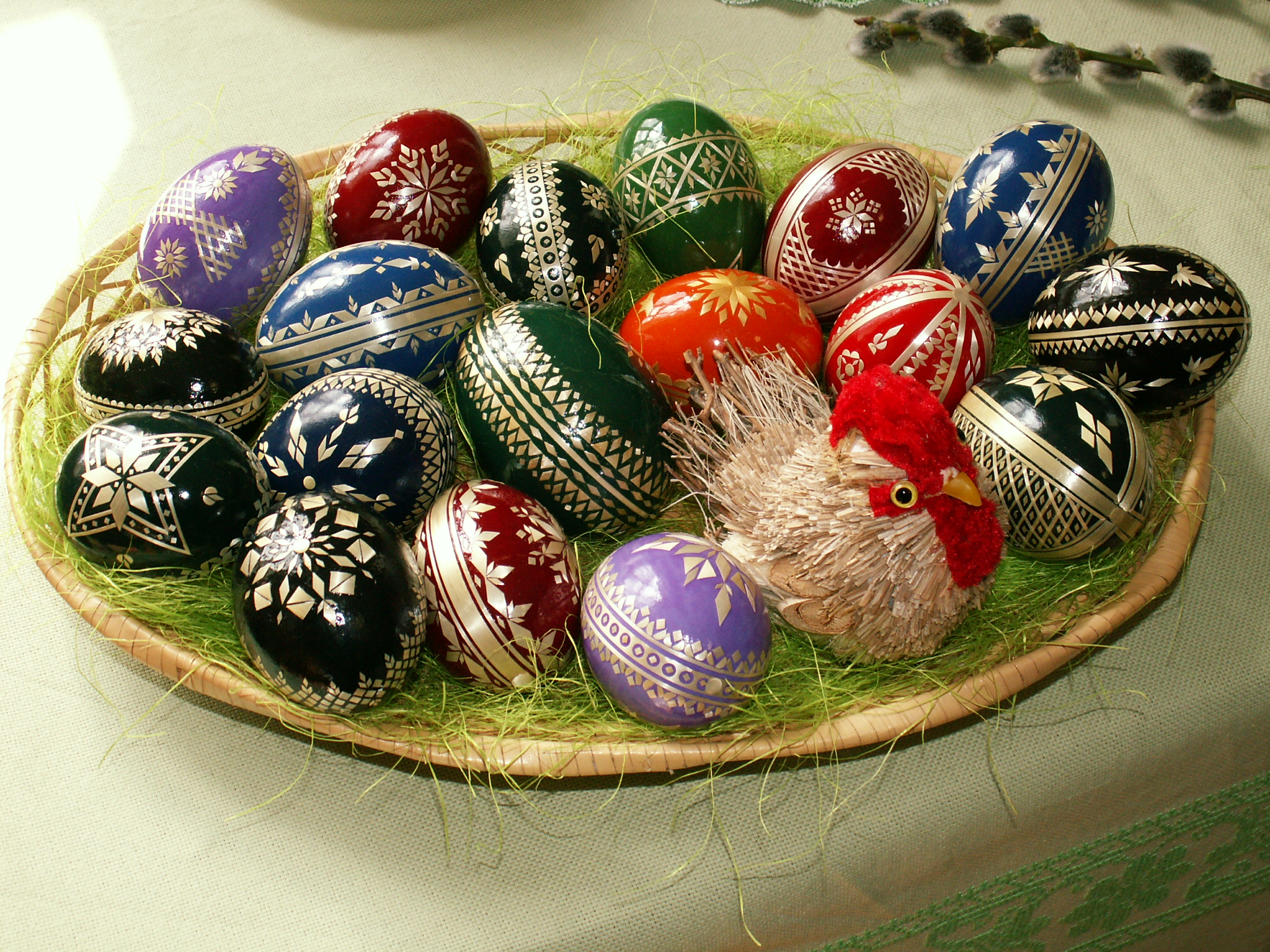
    The Sunday that follows the first full moon after the 21st of March (which is also the spring equinox), Easter always falls between 22nd of March and 25th of April in the Western calendar. Easter is up to two weeks later in Orthodox Churches. Easter Sunday is the most important day in the Christian calendar, as it celebrates the resurrection of Jesus Christ from the dead. Sunday is a joy of Christians. Easter is a joyful time, with family gatherings and festive meals, along with the distribution and consumption of Easter egg candies and other gifts.


    9. Pentecost (also known as Whitsunday)

    photos-pentecost

    Fifty days after Easter Sunday, Pentecost celebrates the day the Holy Spirit entered the Apostles, enabling them to speak many new languages and spread the word of God. This event is considered by most Christians to mark the birth of the Church. Massive church processions, festive meals, and the holy ceremonies of Confirmation, Ordination, and Communion mark this festival. In some countries, folk customs such as dancing, woodland rites, and ethnic clothing ceremonies are also observed.


    10. Christmas

    Beautiful_christmas_tree

    The celebration of the birth of Jesus, Christmas falls on the 25th of December every year, with the exception of the 6th of January in Russia and the 17th of January in Ethiopia. It is arguably the biggest Christian festival of the year, as most of us know. The word itself is derived from the Old English Crīstesmæsse, literally meaning “Christ’s mass” and is also referred to as the Yule and Nativity. Christmas trees and stars are symbolic of this occasion, and carols are sung in churches decorated with holly and mistletoe. The jolly old figure of Santa Claus is associated with the Yuletide traditions of wish-making and gift-giving. It is a season to be merry, indeed, with all its feasts and warmth.

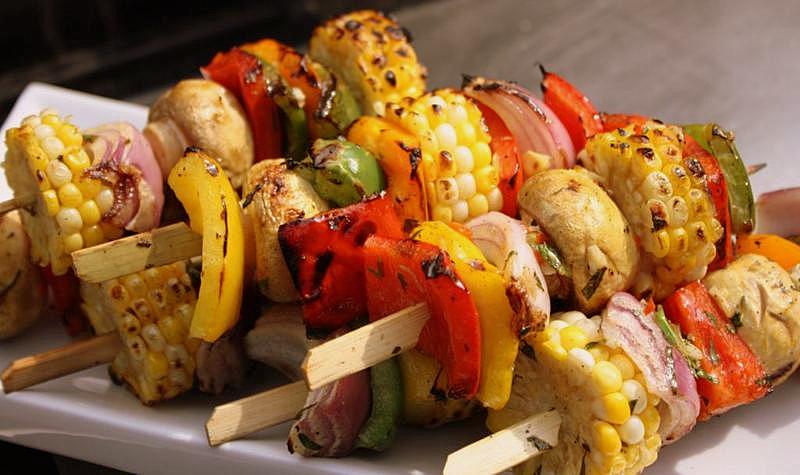
  • A Platter of Vegetarian Kebabs

    A Platter of Vegetarian Kebabs

    Originating in the coastal countries of the eastern Mediterranean area, kebab is a versatile dish made by roasting and grilling pieces of meat, fish, and vegetables, over a skewer or a spit. The dish quickly spread in popularity and consumption throughout the nations of the Middle East, and then central Asia. The kebab traces its historic roots to before the 17th century B.C., and even the ancient Greek poet Homer mentions an erstwhile archaic dish resembling the same, and enjoyed all over his country in his works. However, a Turkish script by Kyssa-i Yusuf which dates back to around 1377, first properly mentions the culinary concept of the word, which is derived from the Persian language, and literally means “fry”, and sometimes “fry and burn”. Legend has it that the kebab was invented by medieval Persian soldiers who grilled meat on their swords over open-air fires in the battlefield. It quickly gained favour of both the classes and the masses, being served as the royal fare in various Islamic states over the ages, and as a much sought after and easily accessible snack or main course dish for many commoners, and the trend continues even today.

    Although lamb is the traditional choice of meat for making the kebab, there are many variants available in different meats and vegetables all over India due to religious constraints and direct or indirect dietary restrictions. Indian kebabs, whether they are vegetarian or non-vegetarian, have a unique and popular flavour of their own, owing to the wide spectrum of masalas (spices) and herbs native to the subcontinent. Apart from the numerous Indian innovations in the art of kebab making, the sheesh, shammi, tikka, and shawarma, original types of kebabs are also available everywhere, and can be found easily in small roadside eating joints as well as in top notch restaurants and hotels. The cities of Lucknow and Hyderabad are famous all over the country, owing to their thousands of decades-old, local eateries and food establishments which sell different types of primarily meat kebabs, ranging from tunday to kalmi and tangdi to reshmi, and have thus contributed a lot to culture, food, tourism, and economy.

    While you can get non-vegetarian kebabs from anywhere, the vegetarian types are a rarity to find outside one’s house, and they are generally overpriced in the restaurants they are available in. Vegetarian kebabs can be easily made at home, with simple ingredients, and less elaborate methods than their non-vegetarian counterparts. This article will provide you with three novel recipes, all made wonderfully by my favourite chef in the world, my grandmother, for these lesser known variants, namely, shalgam ke kebab, kela chane kebab, and chukandar ke kebab.


    Shalgam ke Kebab (serves 4-6 people)

    Ingredients needed:

    • 7-8 bulbs of turnips
    • 2 tablespoons of roasted besan (gram flour)
    • Finely chopped onions
    • Finely shredded coriander, chilli, and ginger
    • 2 medium sized boiled potatoes
    • Salt to taste
    • 1 small teaspoon of garam masala powder
    • Vegetable oil

    Steps required:

    • Thoroughly wash the turnip bulbs, and then carefully peel their outer skins off.
    • Put the skinned turnips in a pressure cooker and steam thoroughly.
    • Once the turnips cool down, mash them and drain out the excess water.
    • Mash the boiled potatoes and mix them with the turnips. Add coriander, chilli, ginger, and onion to the mixture and be careful to make it consistent with dough.
    • Add garam masala and salt accordingly.
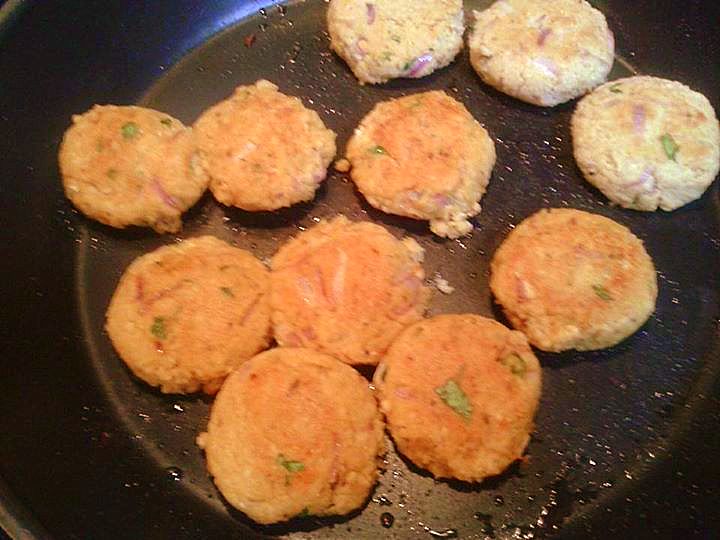
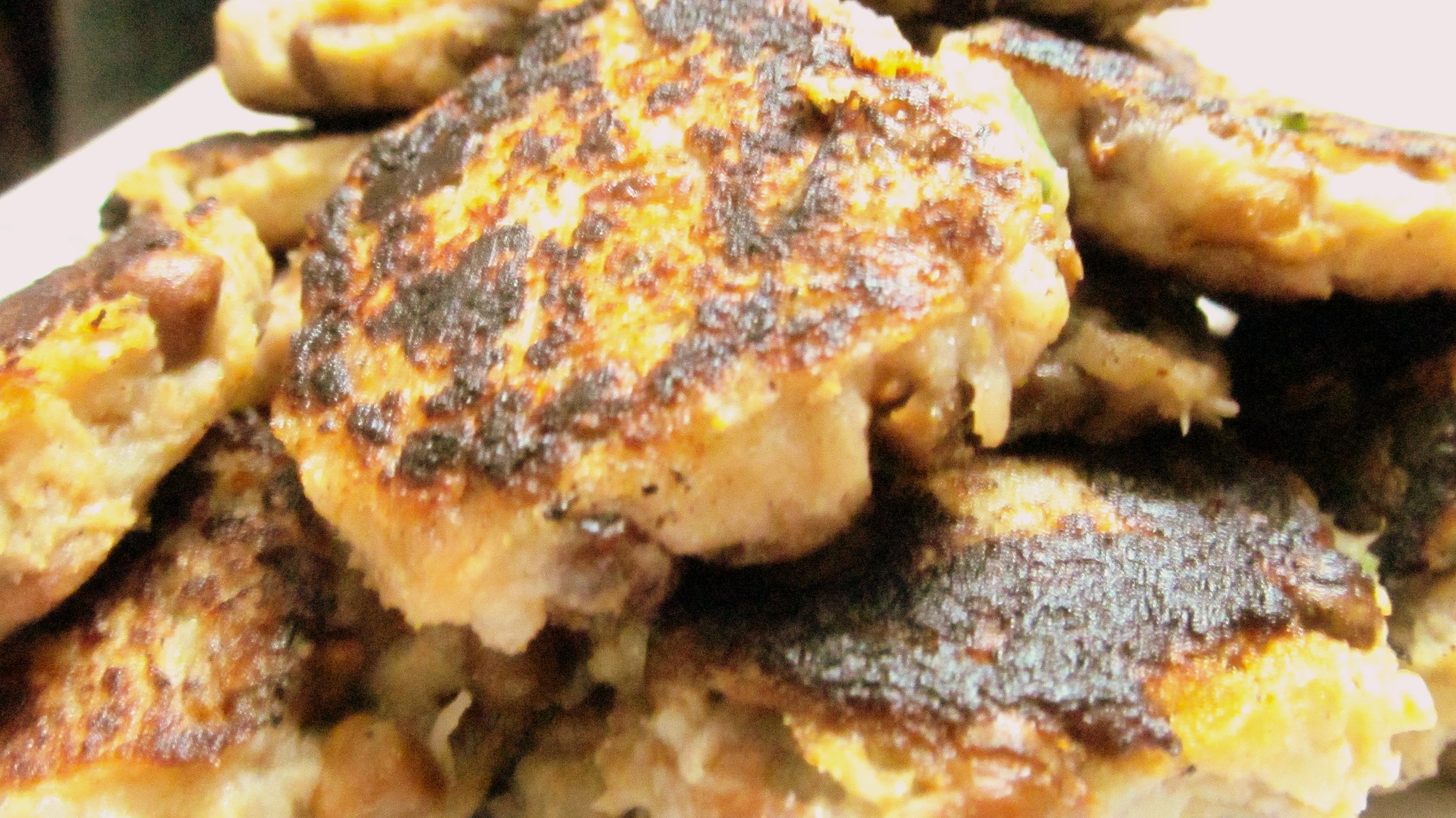
    • Make small balls of the prepared dough and flatten it into small cutlets or flattened disc shaped portions.
    • Shallow fry on a tawa (pan) until the kebabs are thoroughly cooked and are a rich golden-brown in colour.
    • Top with sprigs of coriander and rings of onion. Serve hot, with a chutney of your choice.


    Kela Chane ke Kebab (serves 4-6 people)

    Ingredients needed:

    • 5 clean green unripe bananas
    • 1 bowl of soaked chana dal (gram beans)
    • Finely chopped onions
    • Finely shredded coriander, chilli, and ginger
    • Salt to taste
    • 1 small teaspoon of garam masala powder
    • Vegetable oil

    Steps required:

    • Make sure to wash the bananas thoroughly with fresh water before beginning. Once they are clean, steam them in a pressure cooker with their skins intact.
    • Steam the dal separately to a soft consistency.
    • Once both ingredients cool down, peel the bananas, and mash together with the dal to make a dough.
    • Add garam masala and salt. You can also add other spices such as red chilli powder if you prefer.
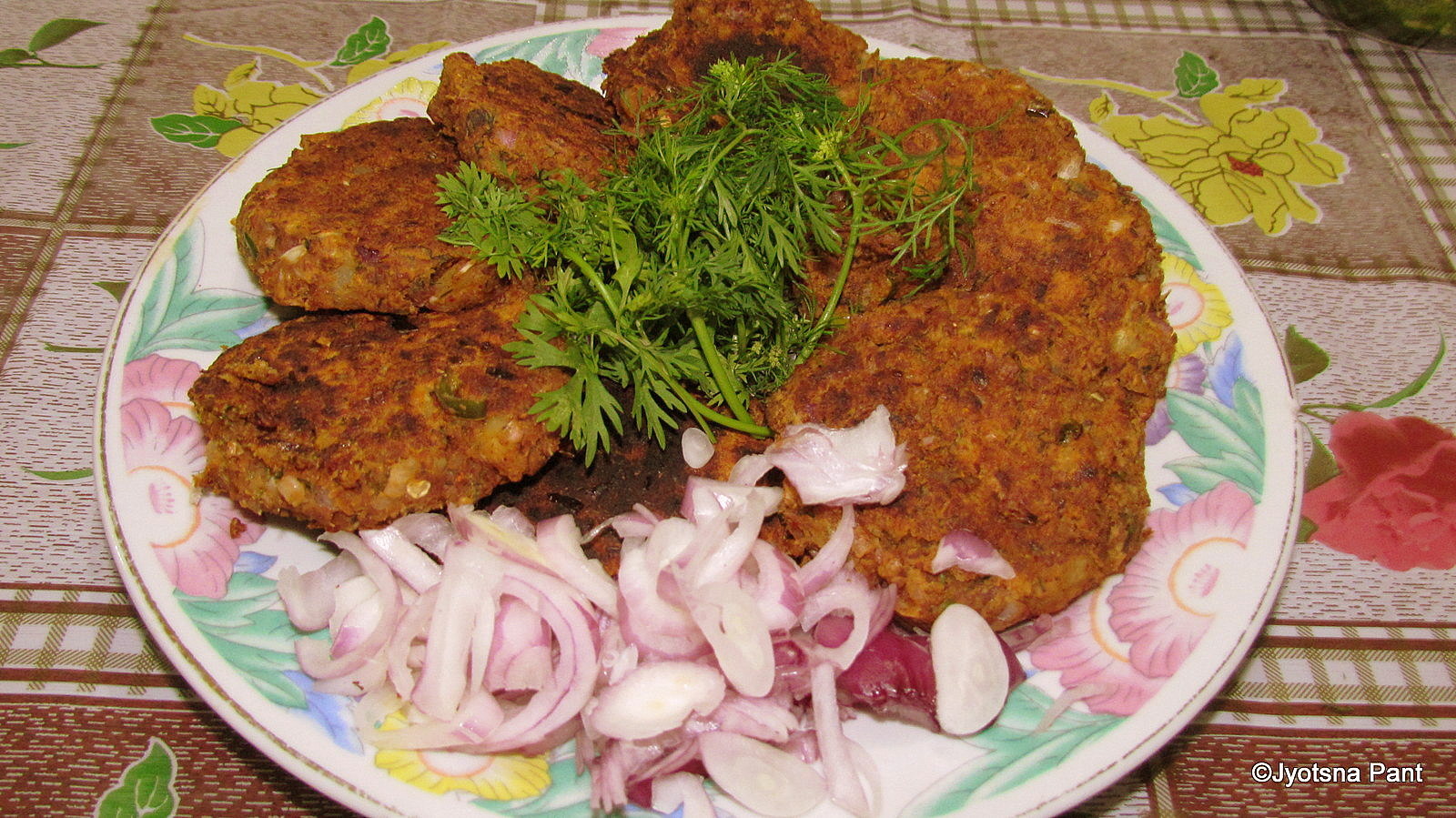
    • Shallow fry on a pan.
    • Garnish with sprigs of coriander, and serve with onions and chutney.


    Chukandar ke kebab (serves 4-6 people)

    Ingredients needed:

    • 7-8 beetroots
    • 2 tablespoons of roasted besan (gram flour)
    • 2 boiled potatoes
    • 250 grams of paneer
    • A few whole clean leaves of cabbage
    • Finely chopped onions
    • Finely shredded coriander, chilli, and ginger
    • Salt to taste
    • 1 small teaspoon of garam masala powder
    • Vegetable oil

    Steps required:

    • Steam the beetroots thoroughly after cleaning them.
    • Mash the beetroots to a dough-like consistency. If necessary, add a little bit of boiled potatoes as well. Add roasted besan to this mix.
    • In a separate bowl, mash potatoes and mix them with paneer chunks.
    • Add coriander, chilli, ginger, and onion to the beetroot dough.
    • Make miniature balls of the paneer and potato mix after adding salt and garam masala to it.
    • Wrap them in a leaf of cabbage.
    • Encase this in an even layer of beetroot dough. Make it firm with more besan if required.
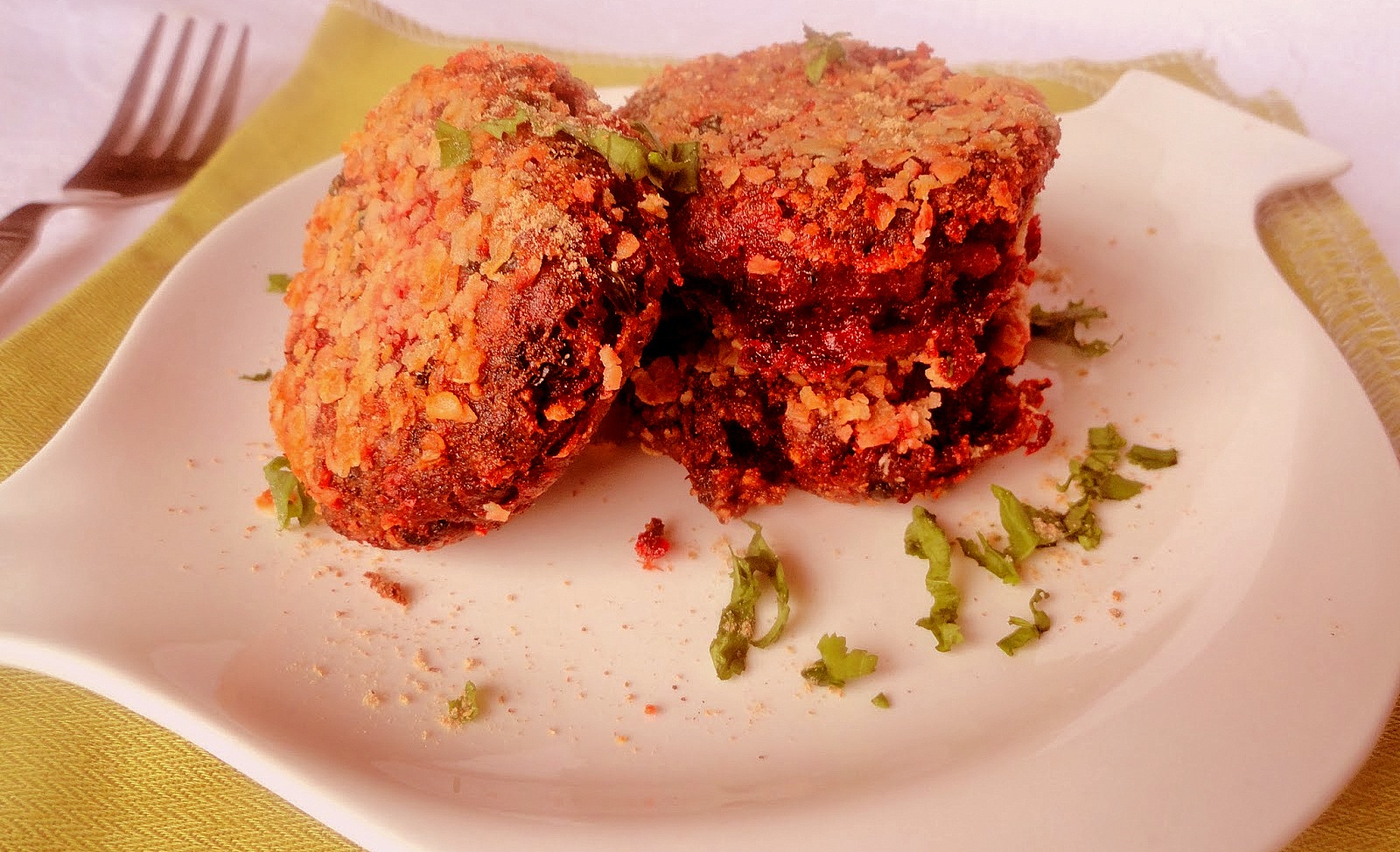
    • Shallow fry on a pan until the kebabs are thoroughly cooked.
    • Cut the kebabs open from the centre, top with coriander, and serve hot with chutney.
  • Winter Delights: Gajar Ka Halwa and Gujarati Meethi Kadhi

    Winter Delights: Gajar Ka Halwa and Gujarati Meethi Kadhi

    The frigid winter months of December and January are bearing down upon us, and all anyone wants to do right now is to curl up cosily in their heavy blankets and eat tons of hot, rich food. The harsh weather right now makes the human body crave even more for nutrition, and it is not surprising that some of the best dishes that we know of taste the best in these freezing days. Compared to the year long summer heat in most parts of India, we have a greater appetite for food in the winters. It is in these few weeks that we look with great curiosity towards our kitchens, and wait impatiently for our mothers to emerge out of the area with some aromatic and delicious gastronomic work. Be it sarson ka saag and makke di roti, gulab jamuns, hot coffee, or ginger tea, all of these dishes and more never fail to tickle our tastebuds during the cold season. Here are two easy to cook recipes, one for gajar ka halwa, and the other for Gujarati meethi kadhi, in case you ever need a hot fix for your winter woes.


    Gajar ka Halwa

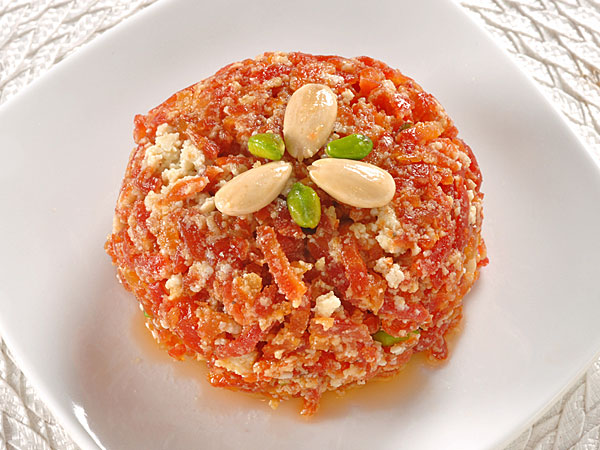
    Also known as gajrela, gajar ka gajrela, and carrot halwa, gajar ka halwa is a South Asian dessert pudding and a winter delicacy in north Indian states. Made by cooking grated carrots, milk, ghee (clarified butter), and nuts together, this dessert is eaten on many festive occasions in both India and Pakistan apart from being available round the year in most sweetmeat shops of the subcontinent. A completely vegetarian preparation, gajar ka halwa is a dish enjoyed by all people, and has been subject to a number of culinary innovations, some of which are a vegan version, red velvet gajar ka halwa, similarly flavoured doughnuts topped with the same, a cream cheese and halwa combination which is the desi counterpart to the carrot cheesecake.

    The dish dates back to the ancient Mughal times, and the word “halwa”, meaning sweet, is itself derived from the Arabic language. Gajar translates to carrot from the Hindi language. While gajar ka halwa may seem like a particularly difficult preparation to pull off in the kitchen, it is actually not. Although the ingredients do take a considerable amount of time to cook fully, gajar ka halwa is a very easy recipe to make provided you have all the cooking materials you need ready at your disposal.

    Recipe (serves three-four)

    Ingredients required:

    • 1 kg of grated carrots, cleaned and peeled beforehand
    • 100 ml of condensed milk
    • Cleaned, preferably roasted, dried fruits and nuts (cashews, almonds, raisins, pistachios)
    • ½ kg of khoya
    • 4 big tablespoons of desi ghee (clarified butter)
    • 1 cup of castor sugar
    • 4 cups of milk
    • Cardamom seeds. Alternatively, you can use one-third of a teaspoon of cardamom powder.

    The steps needed:

    • Put the shredded carrots and milk in a heavy-bottomed pan or a wok on medium flame.
    • Let the carrots soak in the milk to a considerable amount. Let the mixture turn a rich golden-orange colour.
    • Add condensed milk and cardamom and stir for some time.
    • When it is cooked halfway, add khoya, after putting aside some for garnishing. Also add ghee.
    • Once everything is properly mixed, add sugar on a low flame. Take note of the flame and ensure that the sugar does not caramelize in the halwa.
    • Add dried fruits from above, garnish with a little khoya, and serve in bowls. You can also add varakh (the silver food foil) for an aesthetic look.


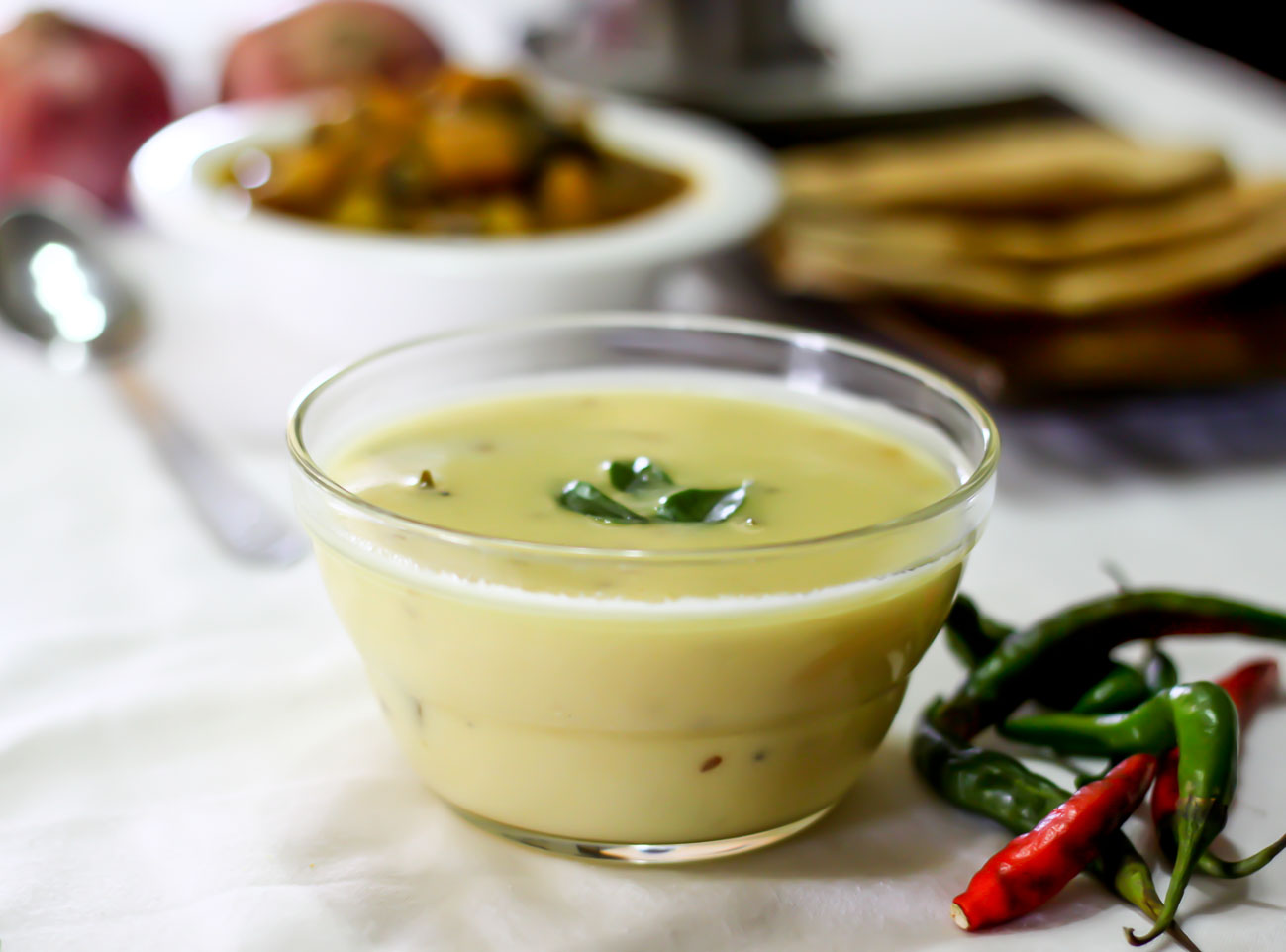
    Gujarati Meethi Kadhi

    Kadhi is an Indian main course dish of desert origins, and was first made in Rajasthan. However, it quickly grew popular with people from other regions of India, and now has different variants according to different states, belonging to Punjab, the Sindh area of Pakistan, Gujarat, Uttar Pradesh, and Maharashtra. While it is a dish best served hot, kadhi itself is derived from curd and yoghurt, which ironically taste best when cold.

    Gujarati cuisine is known for its sweetness, and its kadhi carries the same quality. In our household, Gujarati meethi (Hindi for “sweet”) kadhi is a winter favourite, and its recipe has passed on from one generation to the next, with a few modifications by each. This dish can be had as a drink, and since we already have the salty kadhi of Uttar Pradesh, complimented with besan pakodas (fillets), Gujarati meethi kadhi is served as a hot and sweet beverage mostly in the evenings. It hardly takes much time and effort to prepare, and is the perfect heavy snack that will fill your stomach in between meals. All you need is a bowl, a saucepan, and some easily accessible cooking materials, and a time period of fifteen minutes to spare.

    Recipe (serves two)

    Ingredients required:

    • 2 big tablespoons of besan (gram flour)
    • 1½ glasses of curd
    • Half a cup of water
    • Turmeric
    • Curry leaves
    • Asafoetida
    • A teaspoon of rai (mustard seeds)
    • Two teaspoons of sugar
    • Salt
    • Whole, dried red chillies
    • 2 teaspoons of oil

    The steps needed:

    • Add the besan and curd slowly in a big bowl, stirring slowly so that no lumps are formed.
    • Put a pinch of turmeric in this mixture. Also, add salt according to taste.
    • In a separate pan, put oil and let it heat on a slow flame.
    • To the hot oil, add rai, a little hint of asafoetida, and some curry leaves. Be careful to not let the curry leaves blacken completely because of excessive heat.
    • On a low flame, add red chillies to the pan.
    • Take the besan and curd paste, and pour it in the pan.
    • Stir continuously so that no lumps are formed while keeping the pan on a medium flame.
    • Let the mixture boil, and then pour it in glasses.
    • Top with a few curry leaves and serve hot.