Tag: Culture

  • Indian Arts

    Indian Arts

    India, our motherland is known for its culture and customs. We have a very colorful and rich heritage. Our country is the birthplace of various arts which are famous and celebrated all over the world.  Indian artists are famous all over the world. We should be proud to have such unique talents  with us. Here is an introduction to the bountiful and beautiful arts which were and still are practiced in India.

    1. Sculptures

      Sculpturing is a rich art found from as early as 2nd century BC. The group of Ajanta caves has become a world heritage site just because of its intricate and traditional sculptures. Buddha’s preaching and day-to-day life depictions were the most common subjects to sculpt. Idols of God are sculpted even now in India.

    2. Jewelry

      With a legacy continuing for 5000 years, Indian jewelry is in demand all over the world because of the royal designs and meticulous efforts of Indian designers over the millennia. Pearls, precious and semi-precious stones, gold, silver and many other metals find a place in the designs.

    3. Fresco

      The most famous and intriguing Indian frescos of medieval period are found at the overhanging rocks of Bagh, Ellora, Ajanta and Sittanavasal caves. Kerala mural painting is another form of fresco which can be found at sites like Pundarikapuram, Ettumanoor and Aymanam for instance.

    4. Tribal arts

      Puranic deities, lifestyle, beliefs and rituals are the inspiration behind tribal arts such as pot-making, weaving, jewelry, dance, paintings, music, sculptures and textiles. There are various tribes in every state of India. Each of them has its own history and related art forms.

    5. Folk dances

      Folk dance is a way of expressing happiness for arrival of seasons, weddings, births etc. Colorful and flamboyant costumes along with folk music and instruments make up the essence of Indian folk dances. Some well-known examples are Bhangra, Gidda, Jhumar, Garba, Dandiya, Lejim etc.

    6. Classical dances

      There are seven main traditional classical dances known but a few new ones like Andhra Natyam are also counted along with the main seven now. The seven main classical dances are Bharatnatyam (Tamil Nadu), Odyssey (Orissa), Kathak (Uttar Pradesh), Kuchipudi (Andhra Pradesh), Mohiniattam (Kerala), Kathakali (Kerala) and Manipuri (Manipur).

    7. Mehendi:

      Any wedding ceremony is incomplete without Mehendi. A green paste is made from Henna leaves and is applied on the palms and feet of women. Once the paste dries on the skin, it leaves a reddish-orange color and is hence, believed to be a decorative art.

    8. Rangoli

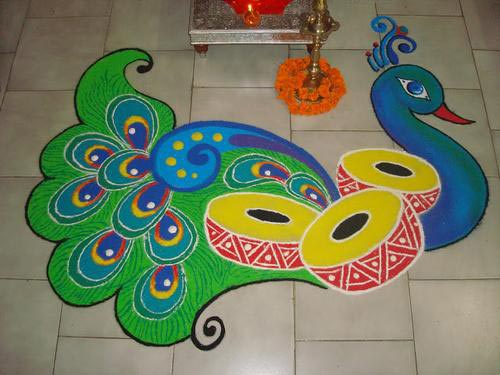
      Rangoli, also known as Alpana, is a traditional art which is known to have originated when Lord Rama returned to Ayodhya after defeating Ravana. It is a sign of welcome to happiness and prosperity. Rangoli is used to decorate the house front during various festivals, especially Diwali.

    9. Martial arts

      The origin of martial arts in India is traced back to the age of Mahabharata where swords, bows and arrows etc were used as weapons of war. Today, 8 martial arts exist in India which are as follows- Kalaripayattu, Silambam, Gatka, Mushti Yuddha, Thangta, Lathi, Mardani khel and Pari khanda.

    10.  Miniature painting

      It has actually come to India via Persian artists invited by Mughal kings in 16th century. It soon became renowned and appreciated because of its modern approach. Portraits of loved ones, plants, animals and nature were the key elements of these paintings.

    11.  Music- Carnatik and Hindustani

      Indian music being a combination of folk and modern music, its backbone is formed by classical music of two types which even today hold a special place in every culturally aware person’s heart. The Carnatik music is native to Southern part of India and it focuses on vocal music while Hindustani music is native to the northern part and believed to be influenced by Islamic and Persian traditions.

    12.  Literature

      22 languages spoken in India are officially recognized and literature in many of these languages has continued to exist in written and spoken form through the centuries. The sacred Geeta, Vedas, Arthshastra, Ramayana, Mahabharata, Vastu shastra are a few literary works to mention. Rabindranath Tagore received a Nobel prize for literature.

    13. Architecture

      One of the most ancient civilizations of the world, Indus Valley civilization emerged in India. The evidences of existence of planned cities, places of worship, community centers have been found. Later, the Dravids, Aryans, Mughals and later population strengthened the art of architecture in India further. Pre-historic buildings such as Qutub Minar, Char Minar, Bibi ka Makbara, Taj Mahal are proofs of the intellectual concepts of architecture which existed even then.

    14.  Cinema

      the Indian film industry is the second largest in the world. Films in various languages are produced every now and then. Its gaining popularity all over the world for its entertainment quotient. The Bombay Hindi film industry is called ‘Bollywood’. Tollywood (Telugu) , Kollywood (Tamil) , Sandalwood (Kannada) are the other major Indian film industries after Bollywood.

    15.  Painting

      The earliest paintings in India are older than 5500 BC, found on the rocks of Bhimbetka caves. The carved pillars and stupas at various places such as Ajanta, Ellora are great illustrations of Indian paintings. The colors used to be derived from various minerals.
  • Beauty of the feast!

    Beauty of the feast!

    World consists of human divided by infinitesimal differences by region, religion, nation, race, caste, color, creed and what not. Things like globalization would be impossible to think of if we would not have been able to find the common binding factor among the differences. India here very well stands for its world known diversity which had stood as one against the tests of time. Apart of being multicultural from the very roots of it, Indians tend to employ these differences to propagate brotherhood among them. Sharing of cultural elements like native food, religious practices, festivals and language has only helped us to bind together.  Thinking of food, how many of us really look for what’s in the platter is more than just a meal?

    Every culture has their own essence and it can very well be witnessed by their local cuisine. As the saying by Adelle davis goes “We are indeed much more than what we eat, but what we eat can nevertheless help us to be much more than what we are.” holds true when we think of food more than mere nutrition provider. Nowadays food has become an art, there are nutritionists and health inspectors their careers based on the quality of food served to masses.  People like Tarla Dalal and Sanjeev Kapoor are superheroes of kitchens in India as they redefined the culinary art altogether and who can miss Masterchef series? They all prove that food is a serious deal and as fine and detailed the fine arts are, same is for the food or culinary arts.

    Beauty of food is celebrated in every cuisine around the world like Chinese and Indian food are tangy and spicy where Italian cuisine is comparatively less zesty and prefer involving more of herbs. If we come to think of it, whenever we go to a new place and one of the first things that we look for is food available there. It makes a whole lot of impact on how we perceive that place for the rest of the time. I think that most would agree to the fact that we tend to look for our native flavors in the new region, so goes with the food. How much ever we buy pizzas and subs it won’t suffice the appetite of an Indian living overseas finding tikkas and kebabs.

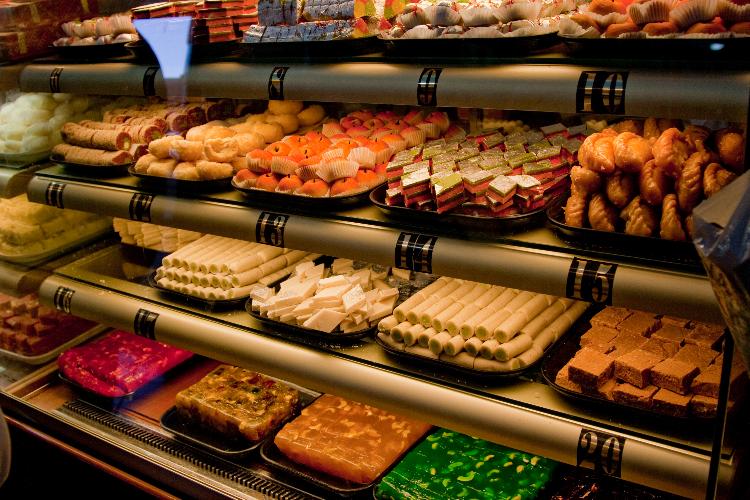
    Food does so much more than calming the hunger; it crosses boundaries of region and religion. In India especially during festivals which occur more than Sundays in the whole year, we have a pre-planned menu set for each one. The cooking of all the sweets gives the real pleasure of an occasion for the mothers in the household and children’s by making sure to consume every bit of them. The sharing of sweets signifies sharing part of happiness that had come with the festivals.

    Festival sweets

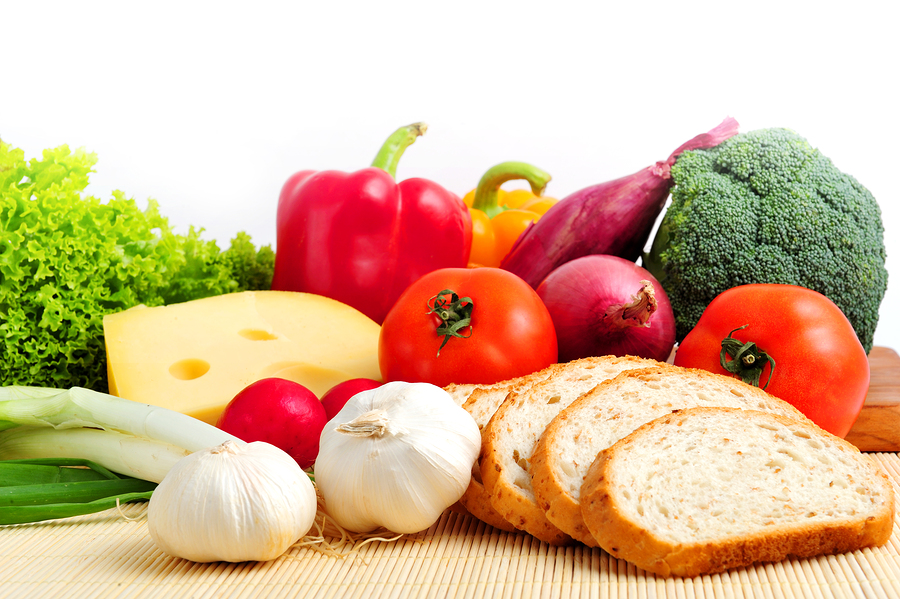
    For a culture rich country like ours, food holds more meaning and there are regulations and provisions regarding cuisines in any religion, state e.t.c. Like in a Brahmin household usage of onion and garlic is avoided and in Christianity communion involves having bread and wine (or other substitutes) to represent the body and blood of Jesus Christ. When a dietary practice is preserved by religious dogma it is given additional force, and if observed it tends to promote a balanced diet! It may be one of the reasons behind many of our grandma’s and grandpa’s resistance against diseases and allergies.

    Food has many nutrients and a person should contain just the right amount for their age in their meals. Leafy vegetables as we all are very familiar of carries infinite benefits like building up one’s resistance to diseases, helping in one’s “weight management program” more like dieting? They are also known to lower the risk of cardiovascular disease and Type 2 diabetes. Like in all seriousness, vegetables no matter how much we despised them as kids do have a hand over pizzas!

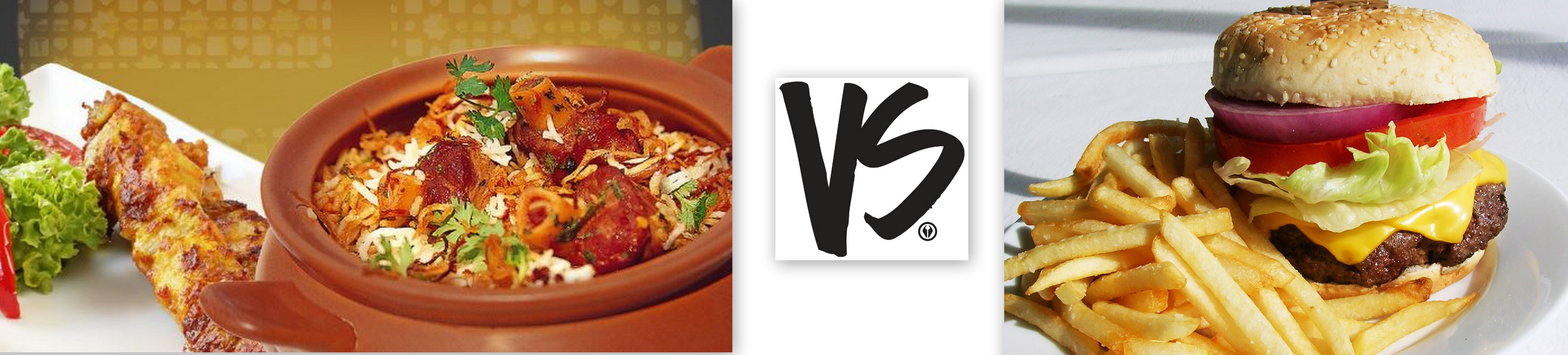
    Talking about pizzas, who doesn’t like having a large size ordered along with coke on a Friday? The fact that we had become conscious about our fast food intake is because of the general awareness regarding cholesterol related diseases like obesity, hypertension e.t.c.

    Fat gained by fast foods

    Fast foods are source of saturated fats also known as “Bad fats” and are often linked with diseases like cardiovascular and coronary heart diseases as well as stroke. Nowadays many healthy choices regarding even the basic in groceries like flour and edible oils are available in the market. Once in a month or few weeks surrendering to the craving for fast foods is okay I guess, but the fact doesn’t change that dieting and refraining from them is the solution for the above problems. Yes! Exercise! Obesity is another much discussed disorder caused by the negligence of the individual’s choice of meals, caution should be taken where something can appeal to the taste buds doesn’t necessarily goes well with the rest of body. Moreover the skipping of meals in order to “diet” is a pointless thought as we can see an obvious difference visible between men who had his meals and who didn’t, the stark lethargy and dreariness is hard to miss. In the other words, skipping meals over a period of time without regarding with a nutritionist would only make you look like a zombie strolling in workplace out of the series “Walking Dead”!

  • Street Food Made Easy Part-1

    Street Food Made Easy Part-1

    They say that temptation was the fall of man. Well, the Bible does anyway. It relates how Eve and Adam gave in to temptation when falsely lured by the Serpent and how they bit into the Forbidden Fruit. Despite being forbidden repeatedly, their greed was predominant. And this small act of temptation signified their fall from God’s grace and the Garden of Eden.
    One such similar temptation when it comes to matters of the tummy is street food. It is not gastronomically appropriate for you. In fact, it is every dietitian’s worst nightmare come true. You are highly aware of all these solid facts! And yet you simply can’t stay away from these forbidden delights out on the city streets. Street food just has that certain appeal of its own, you say.
    Now what comes to your mind immediately when upon hearing the term ‘street food’? Unhealthy? Unhygienic? Inappropriate? Unfit? Unpalatable? Well, there might just be a way to avoid all of the above terms and also savour these tempting snacks at the same time. How you ask? It’s impossible no longer. If you have the recipe to spruce up these cookeries at hand, you no longer have to worry about any outside problem at all. You can be your own cook and your own critic at the same time! And all while enjoying the comforts of your own little kitchen at home as well. Don’t worry even if you are a beginner at cooking. All you have to do is simply follow the recipes and voila! There you go. You have those mouth-watering and irresistible food items right in front of you all just waiting to be devoured. Now then, we ask. How much better could it honestly get?
    What’s the wait up for then? Simply make a note of the following recipes. Close your eyes. And just let your taste buds do the talking. Read on to find out more!

    (1) Bhelpuri:

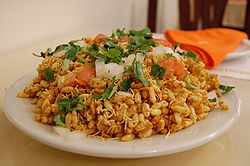
    Bhelpuri

    Bhelpuri is a savoury Indian snack, and also a variant of chaat. It is typically prepared by mixing together appropriate portions of puffed rice, vegetables and a tangy tamarind sauce along with a few other ingredients on the side. Bhelpuri is thought to have originated in Gujarat. Thereafter, because of its immense popularity among the mass, the recipe has spread to many other parts of India where it has been modified accordingly to suit local food availability. The Kolkata variant of Bhelpuri is called Jhaal Muri (meaning “spicy puffed rice “). A native Mysore variant of Bhelpuri is known as Churumuri or Churmuri in Bangalore.

    Ingredients:

    • Puffed Rice: 2 cups.
    • Sev: ½ cup.
    • Roasted Masala Chana Dal: ¼ cup.
    • Roasted Peanuts: ¼ cup.
    • Crisp Puris: 8.
    • Onion: 1 medium sized.
    • Potatoes: 2 medium sized.
    • Green Chillies: 2-3
    • Salt: According to taste.
    • Green Chutney: ¼ cup.
    • Tamarind Chutney: ½ cup.
    • Garlic and Red Chilli Chutney: 2 tbsp.
    • Lemon Juice: 1 tsp.
    • Fresh Coriander Leaves: 10-15.

    Preparation:

    •Peel the onion and chop finely. Clean the coriander leaves, wash well and then chop finely. Boil the potatoes. Then peel and cut into bite sized pieces. Wash and remove stems. Then finely chop the green chillies.
    •Combine the puffed rice, onion, roasted masala chana dal, peanuts, potatoes, green chillies, half of the Sev and toss well in a big mixing bowl. Add four crushed puris and mix further. Add salt according to taste. Add the three chutneys as per your own taste and mix well. Add lemon juice and mix well.
    •Garnish with the chopped coriander leaves and the remaining Sev. Serve immediately along with the remaining puris to eat.

    Preparation Time: 12-15 minutes.

    Serves 4.

    (2) Panipuri:

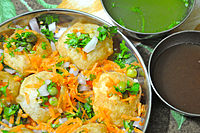
    Panipuri

    Panipuri (also known as Golgappa, Pani ke Bataashe, Phuchka or Gupchup) is a popular street snack famous all over the countries of India, Pakistan, Bangladesh and Nepal. It basically consists of a round, hollow fried crispy puri which is filled with a mixture of flavored water (“pani”), tamarind chutney, chili, chaat masala, potato, onion and chickpeas. It is generally small enough to fit completely into one’s mouth in one go. The pleasure lies in being able to swallow it whole and thus, relish the small bite-sized snack as it is meant to be. It is an exceedingly popular street food dish especially in the regions of Mumbai, Kolkata, Delhi and Lucknow in India. The panipuri is said to have originated from the Magadha region of India.

    Ingredients:

    •Crisp Puffed Puris: 40.
    •Date and Tamarind Chutney: 1 ½ cups.

    For the filling:

    •Boiled Bean Sprouts: 1 cup.
    •Boiled Potatoes cut into small pieces: 2 big-sized.
    •Black Salt: According to taste.
    •Chaat Masala: 1 tsp.

    For Pani:

    •Fresh Coriander Leaves: 20-25.
    •Fresh Mint Leaves: 20-25.
    •Green Chilies: 5-6.
    •Panipuri Masala: 2 tbsp.
    •Dried Mint Powder: 12 tbsp.
    •Black Salt: According to taste.
    •Salt: According to taste.
    •Roasted Cumin Powder: ½ tbsp.
    •Lemon Juice: 3 tbsp.
    •Boondi: ¼ cup.
    •Dry Mango Powder: 2 tsp.

    Preparation:

    •To make the moong sprout filling, combine all the ingredients in a bowl, toss to mix well and set aside.
    •To make the pani, grind the coriander leaves , mint leaves and green chillies to a paste using water as required.
    •Transfer the coriander and mint paste into a large bowl, add panipuri masala, dry mango powder, black salt, salt, cumin powder and lemon juice and stir to mix well. Add six cups of water to the above mixture.
    •Stir to mix well and put to chill in the refrigerator. While serving, add boondi to the prepared pani and stir.
    •Take a puri, break a little of the crust, fill it up with a little moong and potato filling followed up by a half a tablespoon of sweet date and tamarind chutney each.
    •Dip the puri in the prepared pani and serve immediately. Similarly, prepare the remaining puris and serve.

    Preparation Time: 16-20 minutes.

    Serves 4.

    Well then, what are you waiting for? These delicious street food items are exceedingly simple to make. Moreover, you can vouch for the food hygiene yourself. We assure that they will surely leave you craving for more. And more.

    So, stop slacking! Get snacking!

  • Coffee Mania!

    Coffee Mania!

    You get up in the morning and you have it. You come home tired after a day of grueling work and you have it. You want to take a break to rejuvenate and satiate yourself and you have it. Well, you may be wondering by now what this ‘it’ is. It is a very simple thing actually. A cup of steaming coffee!

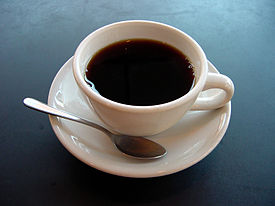
    cupofcoffee
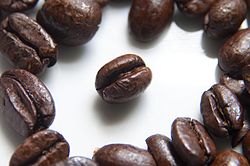
    Coffee is a brewed beverage prepared from the roasted or baked seeds of several species of an evergreen shrub of the genus Coffea. Coffee plants are nowadays cultivated in more than 70 countries which are primarily in the equatorial region namely the continents of Latin America, Southeast Asia, and Africa. In case of India, the best quality coffee plantations can be found in the regions of Kunnor Valley located in the Nilgiri Hills.

    CoffeeBeans
    Have it hot or have it cold, pour milk into or have it without, add a dash of cream or not, take sugar with it or simply don’t – there are ample choices when it comes to sipping on this refreshing beverage. Coffee-lovers can partake of coffee in various ways. Here are some of the more popular ones:

    (1) Espresso:

    espresso

    Espresso is a concentrated coffee beverage. It is brewed by forcing a very small amount of nearly boiling water which is about 86 to 95 °C (that is, 187 to 203 °F) under high pressure through finely ground coffee beans. Espresso often has a thicker consistency than the coffee brewed by other methods. The flavours and chemicals in a typical cup of espresso coffee are much more concentrated. Espresso often serves as the base for other coffee drinks such as a latte, cappuccino, macchiato, mocha, or americano. The usual serving size is much smaller in case of this particular beverage. But be very careful while you have this drink for a little bit too much and you will be sharing the lifestyle of certain night owls!


    (2) Cappuccino:

    Cappuccino

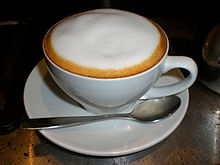
    This comes next in the line of popularity when it comes to coffee. Cappuccino is a coffee-based drink prepared with the help of espresso, hot milk, and steamed milk foam. A cappuccino usually exceeds the height of the cup it is served in. The foam is thus, visible above the side of the cup. A cappuccino is traditionally served in a Chinese porcelain cup which has far better heat retention characteristics than glass or paper. It also enhances the aesthetic beauty of this simple drink. The foam on top of the cappuccino acts as an insulator and helps retain the heat of the liquid which allows it to stay hot for a longer period of time.


    (3) Latte:

    Latte

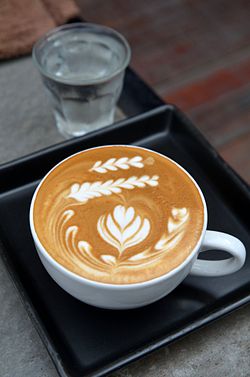
    A latte is a type of coffee beverage which has portions of both espresso and hot steamed milk. They are generally mixed in the beverage in a ratio of 1:3 to 1:5 espresso to milk. A latte always has a little foam on the top which acts a good insulator as well as makes the drink look extremely inviting. This beverage is very much similar to the Portuguese galão. It is immensely popular among the mass in the regions adjoining Portugal, Turkey and Spain.


    (4) Mocha:

    Mocha

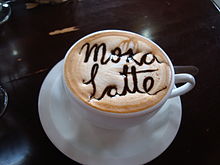
    A mocha is almost identical to a latte except in the way it is garnished and for one special ingredient namely, chocolate. Mocha is usually prepared in the ratio of one third of espresso along with two thirds of steamed milk. However, a special portion of chocolate is added as garnishing later in the form of hot chocolate syrup. Some top chefs even add chocolate shavings and chips as an innovation. Mochas can contain either dark or milk chocolate. But in the current age of industrialization, other coffee vending systems across the world are designed in such a manner that they use instant chocolate powder as a ready alternative instead of the traditional chocolate syrup to marginalize profits.


    (5) Indian Filter Coffee:

    Coffee remains an integral part of South Indian culture in Asia. Whether it is a wedding ceremony or an occasion to entertain your house guests, coffee is an essential item on the menu. South Indian Coffee also known as Mysore Filter Coffee or ‘Kaapi’ (the South Indian phonetic rendering of “coffee’’) is a sweet milky form of coffee which is made from dark roasted coffee beans (70%–80%) and chicory (20%–30%). It is especially popular in the five southern states of India -Andhra Pradesh, Telengena, Karnataka, Kerala and Tamil Nadu. It is traditionally served in broad-based and goblet-shaped stainless steel glasses.

    (6) Instant Coffee:

    Instantcoffee

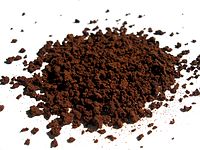
    Instant coffee is the most popular choice of coffee drink in today’s fast-paced life. Instant coffee is a beverage which is prepared from brewed coffee beans. Through various manufacturing processes, the coffee is dehydrated into the form of powder or fine granules. These can be rehydrated when steaming hot water is added to the mixture in order to provide a drink which is almost similar (though not identical) to the conventional cup of coffee. Some popular brands of instant coffee include Nescafe, Bru, Mr. Brown Coffee, Folgers, etc. This is the most popular type of coffee in terms of preparation and efficiency for the globetrotters or even people on the move 24×7. Thus, it truly lives up to its name.


    However, too much of a good thing is never beneficial. Thus, before signing off, let me caution you about the few health hazards excessive coffee consumption may give rise to. It might cause insomnia or heart ailments among some. But that is no major reason for you to get alarmed or panic. So, what are you waiting for? You now have all the necessary information which you require to make your decision regarding the type of coffee you would like to enjoy. Sit back, relax and simply enjoy your choice of hot (or cold) cup of coffee!

  • Chokhi Dhani: An Experience Like Never Before

    Chokhi Dhani: An Experience Like Never Before

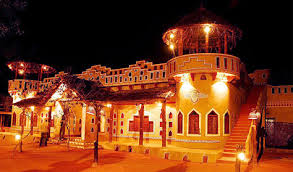
    The sultry breeze,the golden sand,the earthly smell,the air resonating with warm cordial greetings of “RAAM RAAM SA!”,smiles on each face,the enthusiasm with which each person reflects the undiluted festivity of Jaipur.Each moment spent in CHOKHI DHANI becomes an experience that you shall never forget.A mere peephole to have a glimpse of the rich culture and ways of celebrations Rajasthan harbour s,it is as legendary as it gets!
    Entering Chokhi Dhani would at the very first glance mesmerize you followed with an unputdownable sense of perplexity in the form of a question, “From where shall I start?”

    cd1
    Having eventually found a flow to your exploration,the thrill elevates at each step.
    The beginning of my magical experience at Chokhi Dhani,in fact began with a magic show.With not even a penny charged,the flamboyant localite magician called out to people,gathering an audience with phrases and slogans matched up on the beats of the dholak.Having gathered a good number of people to witness his miracle he started the show.With each trick that he performed,with each dove that he chanted his Abracadabras upon,I could feel a similar thrill like that of a five year old looking at things in the most awestruck of all manners.The tricks are not of an “international level”,maybe even they can be explained easily by almost anyone,yet what actually is the causer of such childlike thrill is the energy and drama with which the magician,a “master” of “divine powers”,attempts to entertain you,leaving no chance to put an amused smile on that face.

    cd5
    Proceeding on-wards,you may spot a not so big ,hand driven Ferris wheel.Do not by any means underestimate the strength of these young men,they can actually push the Ferris wheel pretty effectively.At a height that enables you a view of the colourful surroundings that envelope you,having a pleasant ride that is fueled with laughter is insured.
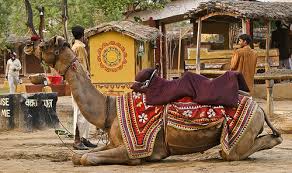
    For those of you who have never sat on a camel,here is a tip,do not let a panic heart sit behind you!They shall claw the hell out of your waist!And if you yourself tend to be a panic stricken person,then always sit in the front saddle of the camel,you do not want to hurt anyone.The way the desert’s ship topples fist front and then backwards give you the feeling of either toppling on its neck or falling backwards,but holding on to this bumpy ride is what makes it fun.

    cd2

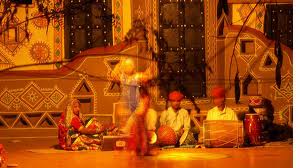
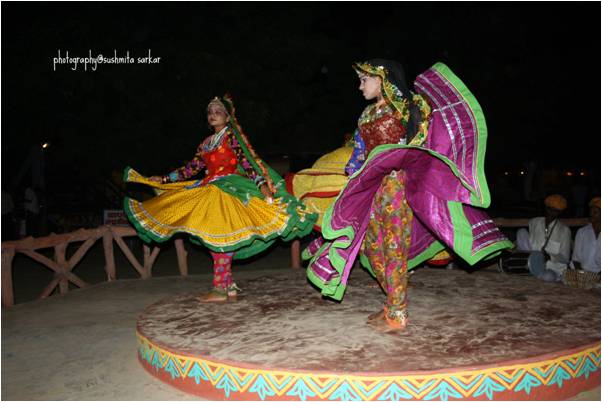
    Cultural dances that compel you to rejoice in the foot tapping sounds of instruments,performers who invite you to join them in their celebration,their colourful ghaghras swinging in an uninterrupted momentum.Welcome to the Chokhi dhani way of living up to the paradigm “Dance as if nobody is looking”.The rhythm is so festive and lively that you just cannot help but dance along merrily.

    Chokhi-Dhani-1

    A grand ride on the elephant gives you the feel of royal lineage,your Highness,the ruler of the kingdom of happiness and smiles galore,your ride through Chokhi Dhani will be unforgettable.
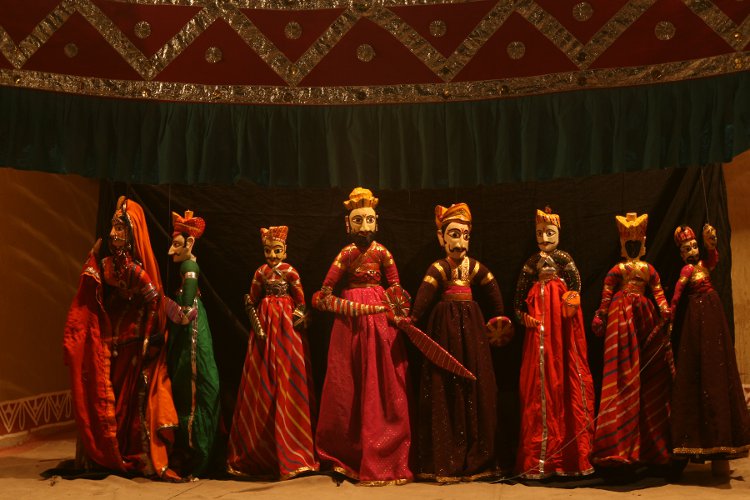
    Puppet shows narrating stories of kings and queens,or of star crossed lovers is way of getting you face to face with folktales and theatre.

    cd4
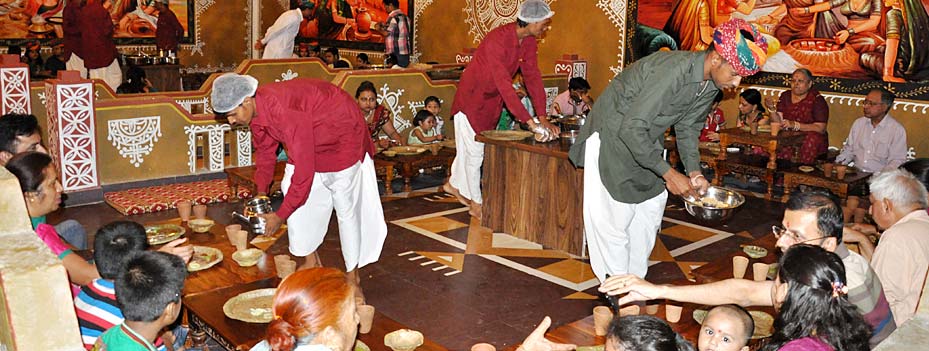
    Your journey is incomplete without a meal at Chokhi Dhani.The sitting arrangement requires one to sit on mats with chowkis placed in front of them,With your shoes placed outside on a rack,you now sit bare feet and legs folded upon the mat.A cheerful waiter with an impressive mustache enters with a woman dressed up in the traditional attire.With plates set to be served upon,two other mustached waiters come with the serving vessels and huge spoons and spatulas.Be prepared because now you will be served with around twenty or more dishes with around three different kinds of chapatis.
    Beginning energetically ,you may begin devouring the food,famished from an entire trip around the Chokhi Dhani village.Each ‘sabzi’ has an amazing amalgamation of flavor and spices.Just in case its too spicey for you,a waiter shall always be there to refill your “Kullhad” with water,another one with butter milk.The chapatis crisp and hot,though just the size of your palms are extremely filling.

    cd6

    The Marwadi Khichdi is my all time favorite.With two servings of khichdi,topped with two spoon fulls of desi ghee and four spoon fulls of sugar,this heavily loaded khichdi is the ultimate hunger buster .No amount of requesting and pleading can save you from the heart felt ‘atithi satkaar’ of these people.They shall see to it that you are well fed,so much that they might have to lift you up to help you stand once you are done!In the very middle of the entire meal,you shall find yourself absolutely full.These waiters,with a turban and mustache would further offer you hot and freshly prepared gulab jamuns.Their menu is subject to periodic rotation,yet each meal leaves you with a happy tummy.Simple,filling,rich and finger licking,the food is undoubtedly delectable.The undiluted essence of Rajasthan.
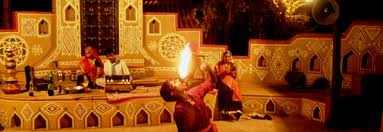
    The colours,the live wire like energy coursing through the atmosphere,the undaunted display of cultural richness ,the warm hospitality,all of these are mere tokens of love ,a peephole into the heart of Rajasthan.With the last glimpse of all the shops selling craftwork and souvenirs,a fragile looking old man in a heavy turban,turning a cycle wheel,pretending to fix the spokes near a dim coal fire,smiling through his handful of teeth,mustering all his strength to shout out a final “raam raam sa” as you leave,etching a permanent memory of warmth ,cultural treasure and hospitality like none other in the entire world.This is Chokhi Dhani,a cultural village that lives in its own world ,inviting you with a “Padharo marey Des”,greeting you with a “raam raam sa”.BON VOYAGE,BON APPETTITE.

    cd3

  • Bengali Food Culture

    Bengali Food Culture

    Bengalis as a community are known to find pleasure in food. Even the average Bengali will be able to give you a thorough lecture on the exact proportion of what spices should (or should not) be present in a chilli potato curry, and with extreme confidence at that! Their tastes are often simple yet singular. The wide ranging array of Bengali food is mouth-watering; ranging from the spicy ‘Machher Jhol’ (Fish curry) as a complement to the main course , to ‘Payesh’ (Sweetened rice-milk pudding) as dessert. Bengalis will never compromise when it comes to matters of the tummy. After all, ‘The way to a man’s heart is through his stomach’.

    Having taken this to heart, Bengalis pay the utmost importance to food-breakfast, lunch, dinner and mid-night snacks as such. Food is served heartily this side of the Ganges as everyone here is a foodie at heart and a ‘Babumoshai’ in thought. And dare I say they are toughest among critics as well!
    A typical Bengali meal can qualify as a dietician’s nightmare any day and consists of items rich in taste (‘Chingri Machher Malaikari’), indulgence (‘Nolen Gurer Roshogolla’) and sinfulness (‘Mishti doi’ anyone?).But don’t be scared! Let us take a look at some of the dishes that the average Bengali eats.

    (1) ‘Bhaat’ (Steamed rice): The first thing served on your platter- a steaming ladleful of hot rice, its aroma being smelt 3 houses away; with a mysterious vapour rising in the sky in its wake. A dash of salt and a slice of lemon are thrown in on the side (for good luck maybe!). This is their staple diet, their food for all seasons and maybe a cause of their paunch. It’s good for digestion purposes as well as it keeps the stomach cool and has a good water content which is extremely essential for the humid climate in India and most places of Asia too where people eat rice.

    rice

    (2) ‘Saak’: This is a dish served as a starter to your meal along with rice. It mainly consists of the fried leaves of many plants cooked in various ways. One should always eat a spoonful of this dish as it is high in dietary fibre, roughage, and vitamins (especially Vitamin C). Moreover, it acts as a wonderful appetizer. Whether it’s ‘Laal Saak’ with a hint of ‘Kasandi’ to heighten its taste or ‘Methi Saak’ with a green look and bitter aftertaste, these come in a variety of flavors and are considered a must on the menu.

    (3)’Ghonto’: The literal translation of this Bengali word would be ‘chaos’ or ‘cacophony’. In the gastronomic sense, it symbolizes a mixture of sweet potato, brinjal, jhinga (ridged gourd), ’potol’, ‘seetaphal’ (Pumpkin) and foliage bursting forth into a rich array of greenish-yellow colour and bringing a taste meant to make your taste buds tingle in a way that only Bengali food items can.

    (4) ‘Shukto’: This dish acts as the unifying factor of a Bengali meal. It tastes best when had with rice. It is basically an array of assorted vegetables (brinjal, sweet potato, ‘potol’, etc. ) cooked in a special mixture of milk, poppy and mustard seeds that enhance its flavor manifold. Does it taste bitter, sweet, pungent or salty? Try some to be sure!

    (5) ‘Bhetki Maacher Paturi’: Bengalis simply CANNOT do without their daily dose of fish. A dedicated Bengali always prefers fish to other non-veg fare. In this culinary marvel, the fish is de-boned and cut into square pieces, dipped in a special paste and wrapped tightly in banana leaves which are typically tied up with string. These are then steamed for an appropriate period and served hot, smoking and ready to eat!

    (6) ‘Shorshe Ilish’: The ‘Ilish’ (or Hilsa fish) is considered to be the king of fish. Many Bengalis vouch for it blindly based on its superior taste. This is a fish preparation where the pieces are prepared in a special curry of mustard seeds which heighten the flavor and give it a golden-yellow cover. By personal experience, it has been known to leave all people partaking of it licking their fingers for good!
    P.S. : This item is also healthy as it is a rich source of Omega 3 fats; considered to be good for the heart.

    (7) ‘Payesh’: A good meal simply cannot end without a fabulous dessert!
    Here, ‘Payesh’ is the key. It is similar to ‘Kheer’ except that it contains rice. It is a mixture of milk, sugar, rice and sometimes ‘Gur’ (jaggery, for the uninitiated) in just the right proportions- thick, creamy and succulent. It acts as a very good digestive as well.

    (8) ‘Roshogolla’: This is a boiled Bengali sweet dish available everywhere and sundry. A perennial favourite of all Bengalis, it comes dipped in sugar syrup and seems milky white (the pure ‘Kheer’ variety) or a rustic brown (‘Nolen Gur’, anyone?). Almost all Bengali meals end with this round ball-like-item which you are supposed to grasp (not squeeze) and put into your mouth, sticky syrup and all.
    Chew, sit back and enjoy friends, you have tasted a food fit for the ages!


    rasgulla

    (9) ‘Sondesh’: A dry usually square-shaped sweetmeat differing widely in appearance and taste. It is basically ‘Kheer’ flavoured with a variety of things such as jaggery (‘Nolen Gur’) in wintertime, mango during the summer months and coconut, almonds, nuts, cashew nuts, and what not added to it. All these contribute to the essential flavor of the dish and make it a mouth-watering condiment.

    sandesh

    From the traditional to the trendy, every Bengali has a say here in matters of the heart. And food is the closest that it gets. So, sit back, close your eyes and let your taste buds do the talking when it comes to Bengali food.
    This article is written in a light-hearted manner and is not meant to be offensive on any account to any Bengali person or otherwise.