Tag: monsoon

  • Monsoon Treats

    Monsoon Treats

    The Monsoon brings with it the chilly winds and pleating rain. The beautiful weather, accompanied with just the right food, can make your day perfect. Here’s a list of the stuff you can hog, without having to worry about your health, and how it can be made!

    Hot Soups:

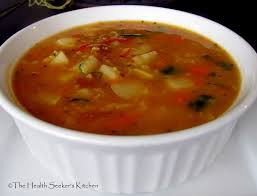
    Vegetable soups are a great option to indulge in the rainy season. Warm nutrition-packed veggie soups will not just help you stay away from cold and flu, but also help you stay healthy and hydrated.

    Vegetable soups are also the easiest thing to cook, among other soups.
    2a61fabc06e455def80cd998988ebbf6


    Ingredients:

    1 tablespoon of olive oil

    1 onion, diced

    3 cloves of garlic, minced

    2 potatoes, diced

    2 carrots, diced

    1 cup of green beans, cut into smaller pieces

    2 cups of spinach*

    1 can of diced tomatoes

    2 tablespoons of tomato passata

    4 cups of chicken stock

    Salt and pepper

    Sour cream (optional)

    There are no hard and fast rules.Quantities of vegetables can be adjusted according to your taste and requirement and you are allowed to use any vegetables that you have on hand.


    Method:

    1. In a big saucepan on low to medium heat, add oil and saute the onion for a couple of minutes

    2. Add garlic, saute for a further minute

    3. Put heat up to medium and add all the vegetables to the saucepan, saute for five minutes

    4. Add diced tomatoes and passata, stir through for a minute

    5. Add chicken stock and bring it to the boil

    6. Turn down the heat and let it simmer on low to medium heat for 25-30 minutes – add salt and pepper to taste

    7. Serve with crusty bread and a dollop of sour cream (optional)


    Tea:

    Have tea, especially herbal ones- this will keep bouts of influenza away. Herbal teas are also good for digestion. Now there are two methods you can use. One of them is to buy herbal tea bags, in which case, all you have to do is dip them in hot water and add milk and sugar as per instructions.

    Ginger tea, however, is another easy alternative.

    ginger-tea-recipe

    Ingredients

    • 4 cups water
    • 3-4 black tea bags or 3-4 tsp black tea leaves
    • 2 inch ginger for a strong taste or 1 inch ginger for a milder taste, peeled & either crushed or grated.
    • 3-4 cardamom, crushed or powdered in a mortar-pestle(optional)
    • ½ to ¾ cup regular milk or cashew milk or soy milk – add more if you want a milky tea
    • 8 tsp unrefined organic cane sugar or add more for more sweetness

    Instructions

    1. In a saucepan or kettle, add the water, crushed ginger and crushed cardamom with the peel.
    2. boil this water-ginger-cardamom mixture for a good 6-7 minutes, till the color of the water changes to a mild yellowish hue. the ginger releases its juices and flavors in the water and thus the color of the water changes.
    3. add sugar and simmer for a more of 1-2 minutes.
    4. now add the tea leaves or tea bags and simmer for 2-3 minutes till the water gets a deep hue of red.
    5. add milk. simmer the tea for 2-3 minutes if using regular milk or soy milk.
    6. if using cashew milk or almond milk, then just stir the cashew milk with tea and remove from pan as otherwise heating further would cause the cashew or almond milk to become slimy and separate.
    7. strain the tea through a strainer right into the cups.
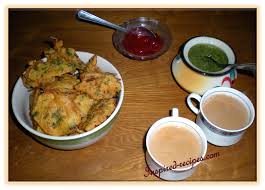
    8. serve the hot ginger tea or chai or adrak chai with indian snacks like pakoras or samosas. you could also serve the ginger tea with biscuits or cookies.

    Pakoras:

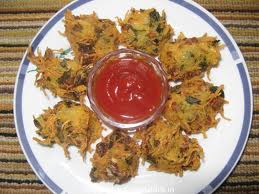
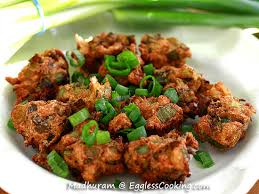
    Mouth watering pakoras are yet another dish that are a must have during the rainy season. A cup of hot tea and a plate of pakoras are an unbeatable combination. You can choose from various kinds of pakoras ike onion pakora, spinach pakora, potato pakora, paneer pakora, green chili pakora and it goes on. Here’s how you can make Onion Pakoras.
    images

    Ingredients

    • 2 to 3 medium sized onions
    • 2 cups gram flour or besan
    • ½ tsp red chilli powder
    • ½ tsp garam masala powder
    • ¼ tsp turmeric powder/haldi (optional)
    • ¾ tsp ajwain or carom seeds
    • A pinch of asafoetida/hing
    • Oil for shallow frying or deep frying – sunflower oil or any neutral flavored oil
    • water as required
    • salt as required


    Instructions

    1. Peel the onions.
    2. Rinse and slice them thinly.
    3. Add the chilli powder, garam masala powder, asafoetida, salt and chick pea flour to the sliced onions.
    4. Add water and mix it to a thick and smooth consistency.
    5. Add little water in the beginning as the onions will release water later and so the batter becomes too watery.
    6. The pakoras won’t turn out good if the batter becomes watery.
    7. You can add more besan if you feel the batter is not thick and smooth. You can always adjust the content of besan and water by adding it more if you feel you have not got the right consistency.
    8. Now heat the oil in a deep frying pan. Take a teaspoonful of the onion batter and add it in the oil. On a medium heat fry the onion pakoras till golden brown.
    9. Serve onion pakoras hot with tomato sauce, green chutney and bread or pav.


    So go ahead and make your taste buds dance this monsoon!

    .
  • Enjoy this monsoon with hot and crispy Pakoras

    Enjoy this monsoon with hot and crispy Pakoras

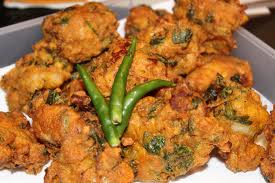
    Monsoon is here to make the whole environment vivacious with its drizzling effect and make it lively. Monsoon comes with different flavors and have lots of fun embodied in it. For example for children it is the time to sail their handmade boats, for farmers it is like a blessing and some people enjoy the tiny droplets falling over the ground. So different people enjoy this season in their own different ways but common part amongst all of them is that their fun is always accompanied by eating crispy pakoras. Monsoon is said to be complete when you have enjoyed the rain with hot and crispy pakoras along with the tea or coffee. The best thing about pakoras is that they are easily prepared and taste delicious when served with chutney or sauce. It is known fact that pakoras are the main reason behind the rise of cholesterol in the body but eating it once during the whole season did not affect anyone’s health. They are quite easy to be prepared so avoid eating pakoras at road side stalls and start the intake of home-made healthy pakoras.

    pako1

    In southern parts of India, pakoras are known with the name Bajji. This hot, crispy dish is famous in Pakistan too. But it is not treated as a separate snack rather it is served with curry and this dish is known as Pakora curry. It is also an important part of Afghani Cuisine. In China people used to refer it by the name Pakoda.

    pakotea

    Pakoras come with its different flavors. There are various ways of making pakoras like onion pakora, paneer pakora, cabbage pakora, egg pakora etc.  But here tastes and its nutritional value is the most concerning factors.  So here are the few recipes that you can enjoy while sitting along the windows served with hot tea.

    Onion pakora:

    During monsoon season your tongue definitely demands something crunchy, something spicy and something hot and then suddenly onion pakoras rings a bell and the aroma of these onion pakoras are felt. It is very popular and common snack preferred during this season. It has a quite simple recipe and ingredients required are easily available in everyone’s kitchen. Ingredients required are:

    • 1/2 cup Besan
    • 1/2 tsp Chili Powder
    • 2 large Onion
    • 1/2 tsp Salt
    • 1/2  tsp turmeric powder
    • 1 tsp coriander powder

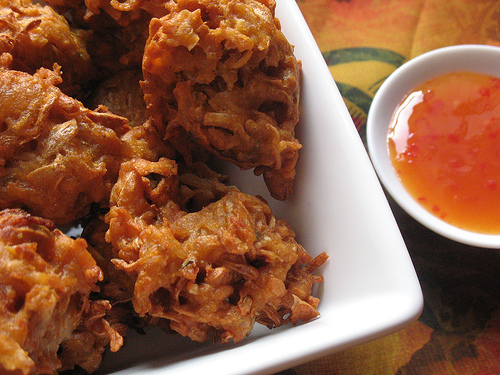
    Initially take sliced onion and put turmeric powder, red chilly powder, coriander powder and salt to it. After mixing all the ingredients add besan to it and at the same time pour water to it so that sliced onion is properly coated with the besan. Take oil in a frying pan and allow it to be heated for some time. After this slowly add the prepared batter into it and allow the pakoras to be fried. The excess oil must be absorbed with the help of paper. Now onion pakoras are ready to be served with hot chutney or sauce.

    onion

    Paneer Pakora:

    Paneer pakora is another famous recipe for paneer loving people. Ingredients required are same as onion pakoras but instead of onion you need to have cubes of paneer and chat masala. Its recipe is again quite simple. Add cubes of paneer to the prepared batter of besan, red chilly powder, ginger paste and salt. Now let the paneer cubes marinate for half an hour. Now slowly fry this batter in the hot frying pan containing oil. After taking out absorb the excess oil and sprinkle the chat masala over it. Now the paneer pakoras are ready to be served.

    paneer

    Bread Pakora:

    Evening snacks during the monsoon season with the hot cup of tea is one the best thing your tongue demands..! It is a popular street food in the northern parts of India. Ingredients required are:

    • 2 potatoes
    • 1 onion
    • 1 inch ginger
    • 1/2 tsp mustard seeds
    • 1 tsp urad dal
    • 1 tsp coriander powder
    • 1/2 tsp chat masala
    • Salt
    • Slices of whole grain bread
    • 1 cup besan
    • 1/4 tsp turmeric
    • 1/2-1 tsp chili powder

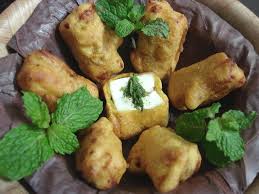
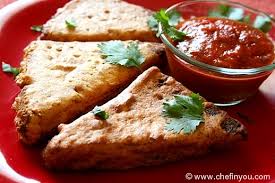
    Boil the potatoes and mash them properly. In a bowl, heat the oil. Add mustard seeds and after they popped, add ginger, chillies, urad dal and onions to it. Now add salt and all the spices according to your taste and then add mashed potatoes to it. If it is the season of peas, then you can add peas also. Now take the slice of bread and spread the mixture prepared over it. Now cover this with another slice of bread and cut it into two pieces. Now prepare the batter with the besan, turmeric powder, salt and chilly powder. Dip the slice of bread into it and make sure it must be coated properly. Fry this coated slice in a pan containing oil till it turned reddish brown. Remove the excess oil from it and now it is ready to be served with chilly sauce or chutney.

    bread

    Experiment with all the above discussed recipes and enjoy this monsoon with the different flavors of hot and crispy pakoras..!


  • Monsoon’s Here!

    Monsoon’s Here!

    It’s start of July and there had been few showers to subtly start the season of drizzle. Monsoon’s here! Except the all unpredictable showers and muddy pools on the road, there are so much beautiful stuffs to root for. Romantic day offs and bread pakoras!
    Thinking of bread pakoras, we all have specified snack list for almost every season. Summer season had Mango chutneys, ice creams, shakes and squashes. For the monsoons spicy and crispy snacks do the roles of best treats.  One of strong points of evening snacks are they gratify the hunger between the two meals that is lunch and dinner. Whether it may be a school going child who came home after playing outside for hours or a housewife retiring from chores, evening snack refreshes us. Now, what snacks could we relish especially in some seasons, like for instance you would not want samosas on a summer evening or ice cream in winters? And as the topic goes all in for monsoons, we won’t deny relishing warm snacks on the rainy days.
    Just before we start, notice for all the calorie-watchers! Snacks mentioned below aren’t in any order put up considering their calorie values. So, indulge in the post warding off the concern for fat count.

    BREAD PAKORAS!

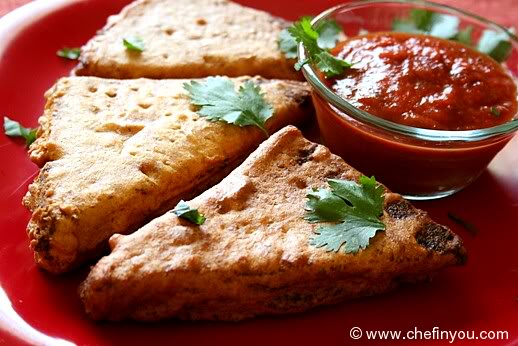
    bread pakorasFor the stale yet to be passing the date of expiry bread loaf, stuffed pakoras are a delicious rescue. It can either be stuffed with preferably mashed-spiced up potatoes or cheese and then can be shallow or deeply fried. The bread is soaked in gram flour and then fried. Bread pakoras like many varieties of pakoras are best when served with mint/coriander sweet, sour and spicy chutney. The chutney is prepared by grinding coriander and mint leaves along with ginger and garlic. Salt and a small amount of tamarind paste can be added, totally as per your taste preferences.

    CHOLE BHATURE!

    Next in the line is the best Punjabi meal to energize up a lazy damp afternoon.
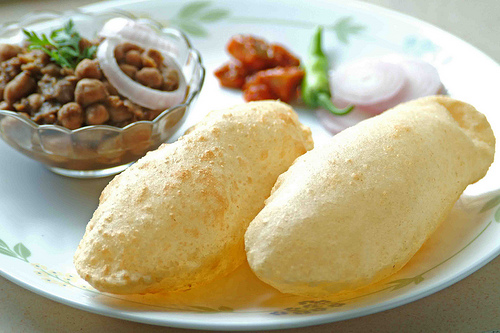
    Chole-bhatureChole Bhature is prepared in two parts and served as one dish. Chole is made by soaking chickpeas and then is prepared in typical North Indian style which includes ingredients like chopped onion and tomato cooked with coriander seeds, spices and ginger and garlic paste. Dried mango powder or as known as Aamchur powder is often used too. Bhature part is basically a kind of Puri made up by dough containing maida flour with yogurt, baking powder and sugar (as per taste). This dough is covered in damp cloth and kept overnight in a clean and dry place. Chole Bhature serves as a perfect mouth watering meal for an unpredictable monsoon afternoon.

    SAMOSAS!

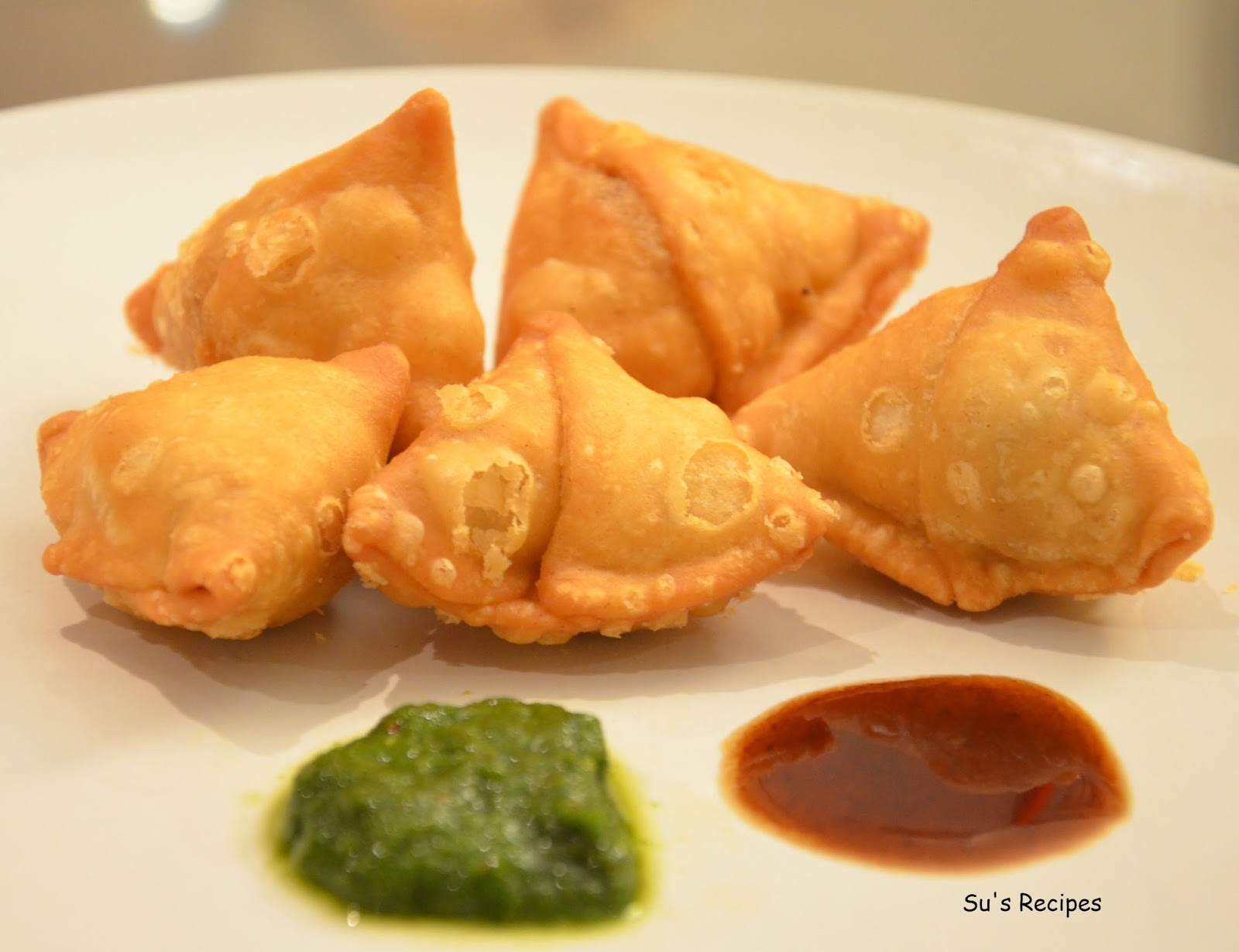
    samosaHow can we discuss an Indian snack list and not mention the very popular Samosas? A samosa is a fried pastry with filling of generally spicy mashed potatoes, onions and lentils. Very popular yet not expensive at all and relished snack all over India, WAIT! Abroad too, Samosas are just blessing on a cold monsoon evening. You wouldn’t like missing on to some Green or sweet chutney with it.
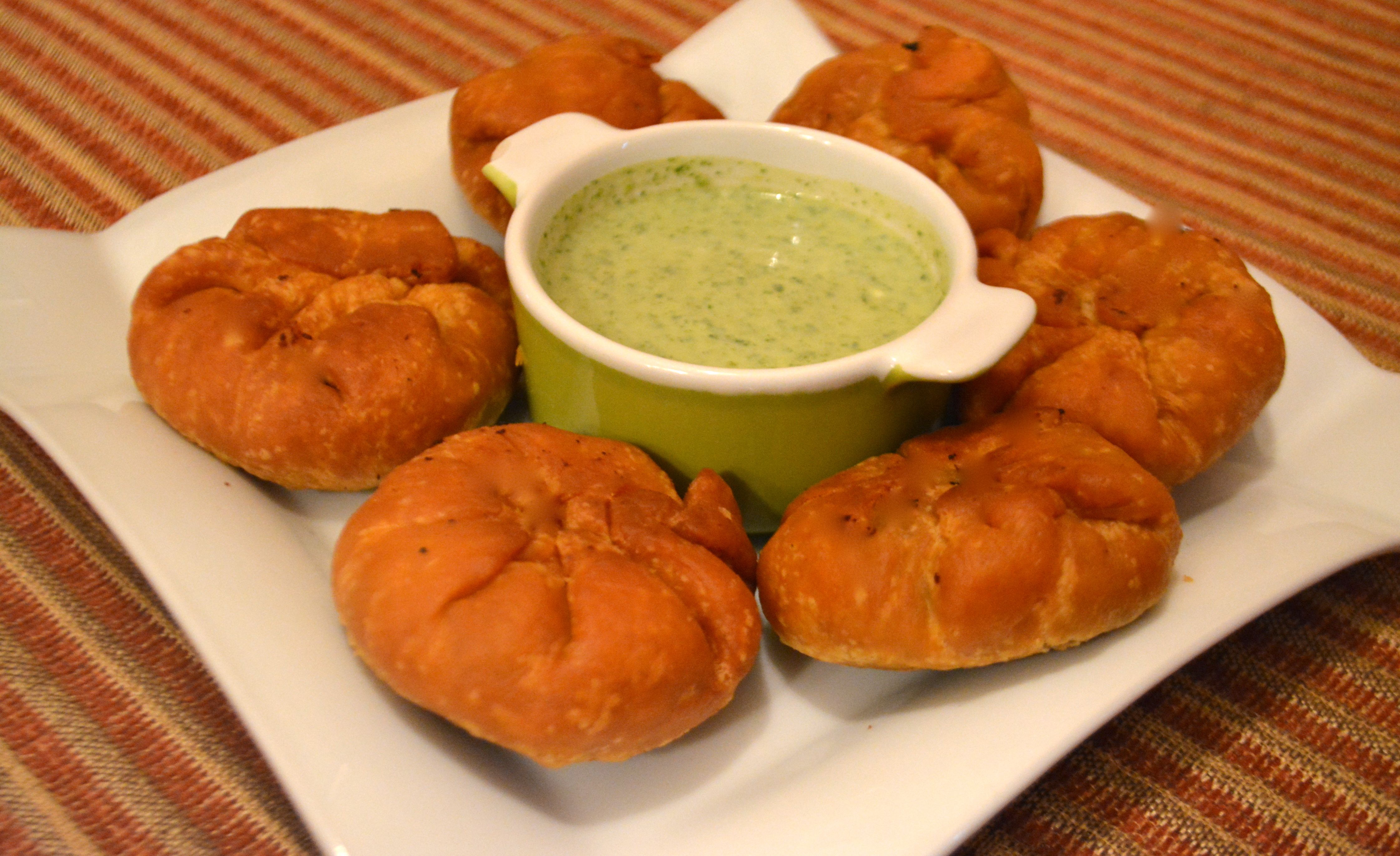
    Like samosas, kachoris are also a popular spicy snack alternative and can be easily prepared in the household.
    Kachori

    POPCORN TIME!!

    popcornWatching a movie? We all know that popcorn is a must. So, why it is specially mentioned here? Well, it’s about how we wade away the clamminess of weather by adding some flavors to the popular snacks. Butter, chili flakes or cheese can be added in the popcorn for that warm snack for the movie time. If you are not much fan of popcorn, then you can also prepare “Pyaaz (Onions) ke pakore”! It serves as an excellent movie time snack and one or two of pakore equals a handful of popcorn, so you munch less.
    onion-pakoraEasy to prepare pyaaz ke pakore is prepared by chopping onions in long slices and dipping them in mixture of Besan (Gram Flour), water, salt and chili powder. The dipped onions are then shallow or deep fried and served with the obvious green chutney or even tomato ketchup would do.

    FOR THAT SEASONAL FEVER.

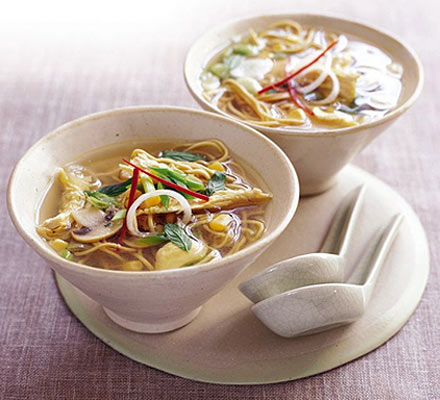
    coldIt’s not unknown to most of us that whenever season changes and especially from summer to winters or monsoons, there is a scare of catching viral fever and cold. For the cold, soups and dals are the best. Now, how can we make it more tasteful? Yes! Additions! Manchurian balls, chicken and mushrooms!
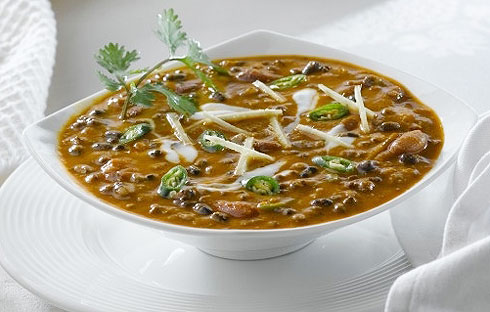
    noodles with soupOkay, before we miss. Dal Makhani! Perfect cure for the “mood gloom”. Nutritional balance? Check. High on potassium and sodium value, it doesn’t deny the presence of calories but that shouldn’t be an excuse for not indulging into this elegant rescue from the taste bud numbness caused due to the cold.
    dal makhani

    Jeez! CHINESE!

    Discussing soups and just about to forget Chinese food! Almost everything available in this cuisine goes so well for the monsoon season snack. Yes! Especially Maggi Noodles! Now, if you’re bored with noodles, MOMOS!
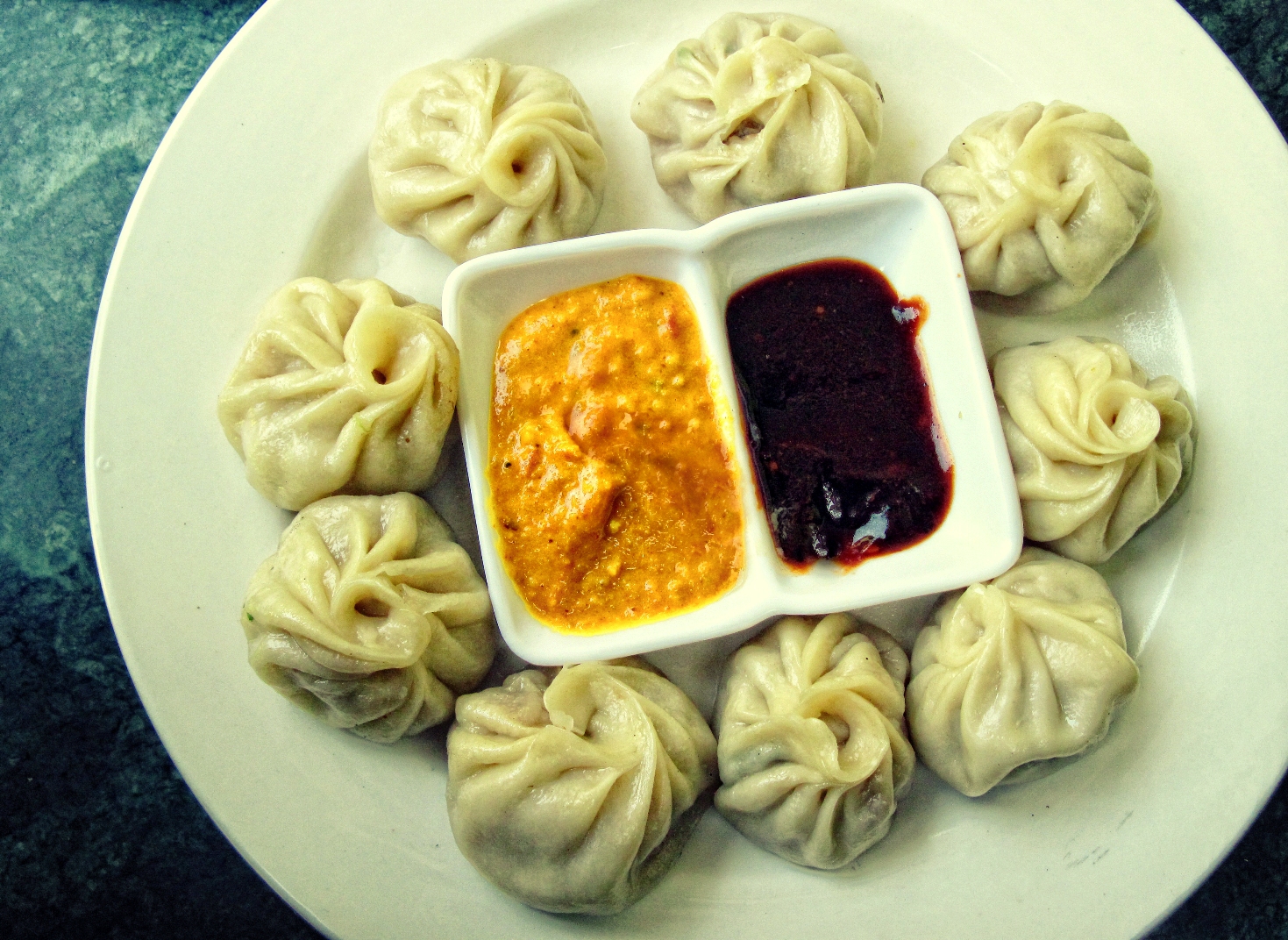
    MomoMomos are steamed/fried dumplings stuffed with either vegetarian or non vegetarian ingredients. They originally belong to Nepali culture Hot momos served with the chili sauces are just the excellent evening snack ever. Other to be mentioned Chinese snacks and starters just for this weather are (In no particular order) :
    (a)    Spring rolls
    (b)   Shanghai Chowmein (Well, it comes under noodles category)
    (c)    Siopao (Stuffed steamed dumplings)
    siopao(d)   Jian Bing (Chinese crepes)
    Double-Cheddar-Jian-BingSo, here there you have! This checklist mentions just some of the worth savoring snacks and dishes for the monsoons, all must tries. Other than that, experiment and make your own custom season based dishes checklist!
    Don’t let the rain damp away the hunger pangs! Happy Monsoons!

    dancing-in-the-rain

  • Stay healthy during monsoon

    Stay healthy during monsoon

    Rains are awaited by all and it certainly creates a wonderful environment. Rainy season is a kind of relief from hot and sunny days. Every single person cherishes the rains. But there are some areas that need our attention. With rains come health irritations like aversions, illness and stomach problems. The level of humidity is increased during the rainy season that affects the digestion. But nothing to get worried about as certain changes in our diet and nourishment can surely solves the problem.  So it is very essential to keep an eye on what we eat during the monsoon to stay perfectly healthy.

    rains

    Drink lot of water: It is necessary to take in extra amount of water in rainy days as the humidity level increases and it becomes difficult for the sweat to get evaporated. Consequently, the body heat is not released properly. It has been also found out that drinking water prevents the various skin problems. As a result it is recommended to keep ourselves hydrated during the rainy seasons. Carbonated and gaseous liquids should be avoided because they can result in indigestion. Drinks like tea can work as a great substitute of it. So during this monsoon do not forget to possess a water bottle with yourself all the time.

    Drink lot of water

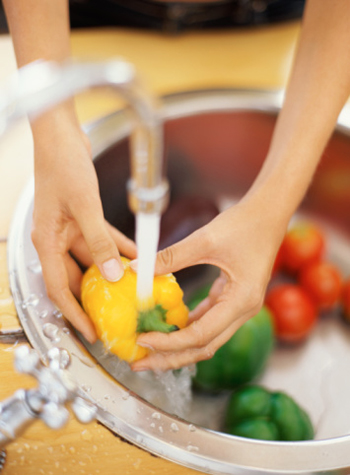
    Go for fresh and hygienic foodstuff: Keep in mind to wash every single fruit before eating them. While cooking, the vegetable should be washed thoroughly and steam them to destroy the microbes which are present on them. Filthy and unclean food stuff is harmful for the body and can result in sickness. It is advisable to take in cooked foodstuff rather than eating them as raw. Soups are too very beneficial during the rainy days as it provides the body with needed nutrition. Therefore always try to go for recently cooked food stuff.

    stk310109rkn

    Say no to outside food: This particular point is of great importance. You should keep yourself away from eating the street food.  Street foods are quite enticing to all of us but they could possibly hold many germs which results in stomach diseases.  Hence take a firm decision of not eating out.

    Stay away from oily food: It is greatly recommended to stay away from the oily and fatty food items. The digestion in the body gets weaker during the rainy days as the humidity level goes up. Hence the ability of body to digest the oily food items becomes feeble and thus upsetting the stomach. Therefore, try to eat light and less oily food items.

    Stay away from oily food

    Reduce the consumption of dairy items: The dairy foods have the supreme tendency of getting contaminated by germs. As a result the consumption of the dairy products must be low. It is better to consume curd rather than milk even if the milk is filled with all the desired nutrients. Apart from that, one should try to boil and disinfect the water before drinking it.

    curd

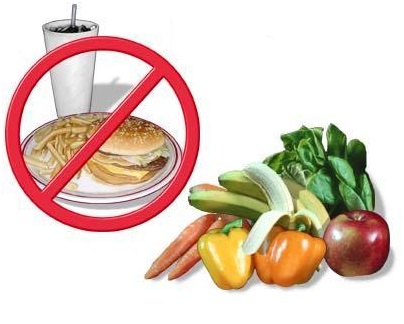
    Intake of balanced diet: As we know that digestion is weak throughout the rainy days therefore it is advised to eat reasonably. Stop taking in food stuff even when you are not starving. Perfect balanced diet is much needed to stay from stomach problems at the time of monsoon.  Fruits such as apples, litchis as well as bananas must be consumed. Along with them include carrots in your diet too.  Spice up the food with pepper, turmeric as they advance the resistance of the body and supports ingestion.

    Avoid drinking juices: Make sure you don’t drink juices especially from outside as they may apply water which is not filtered. It is greatly recommended to drink at once the juices prepared at home.

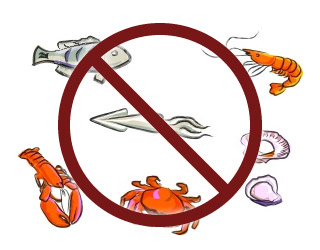
    Sea food can be harmful: During the rainy season, make sure that you stay away from the sea foodstuff. Give more attention to fishes as well as prawns and greatly avoid eating them as rainy season is the propagating season for them. Even if you are taking in the sea food make it certain about its freshness as well as cleanness.

    Sea food can be harmful

    No spicy foodstuff: There are many people who deal with skin infections throughout this season. It is advisable for them to stay away from the spicy foodstuff, as the spicy items arouse the temperature of the body that certainly results in skin illness and infections. It is better to visit to a doctor if the infection stays for long.

    Some more tips: Food items such as barley as well as oats are found out to be very beneficial for the stomach during the rainy season. Garlic is also very valuable as it enhances the immunity of the body. Fruits are considered as the supreme source of energy. But make sure that you don’t eat watermelons during the monsoon. Instead of watermelons try to eat apples, pears more. It is said that taking anything in extra amount is bad for health so avoid doing that.

    With the assistance of these advices try to stay healthy and strong during the monsoon and at the same time relish the rains of the monsoon.

  • Monsoon Special!!

    Monsoon Special!!

    A fine sunless Sunday mid-morning. You wake up groggily staring at the clock ticking its way close to 12. Then you see the dark clouds drawing near. A few deep grave rumble here and there. Soft water pellets land on your windowsill which gradually change into fat drops. You rush to close all the windows in your house lest it floods in.

    You watch the world bath in its glory…the trees swaying their boisterous branches, dancing away…the leaves singing  “srabon er dharar moto…

    Inevitably it’s a romantic weather.

    A romantic weather demands some easy to cook food…so that you can spend your time slouching under your blanket with a book in hand, while the food can be cooked in a jiffy.

    So, what’s the best way to satisfy your tummy this monsoon?

    Well, since it is monsoon, it’s Khichdi Time!


    Khichdi

    Khitchadi

    Time- 10 minutes

    Serves- 3

    Ingredients- ½ cup basmati rice, ½ cup moong dal/spilt and dehusked green gram, 1.5 tbsp ghee, ¼ tsp turmeric powder, 1 tsp cumin seeds, peas, rock salt or regular salt as required

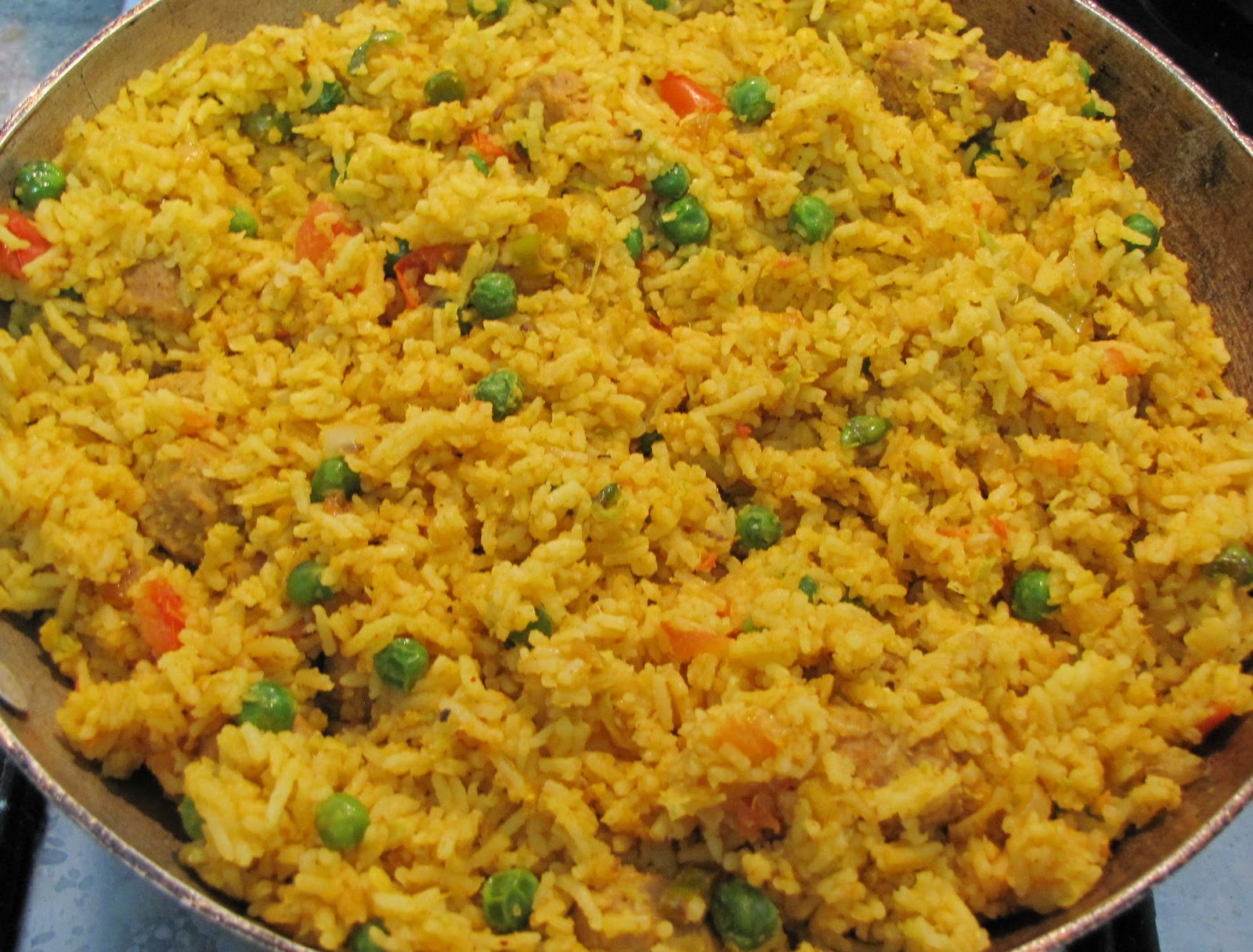
    Directions- Rinse both the rice and dal together for a couple of times in water. Heat the ghee in a pressure cooker. Crackle the cumin, then add the turmeric powder and stir. Add the rice and moong dal. Saute for a minute. Add 4 to 4.5 cups water. Add peas. Season with salt. Stir and then pressure cook the khichdi for 5-6 whistles.


    The 5 fries (bhaja)

    Fried Potato, Fried cauliflower, Beguni (Fried Eggplant), Peyazi (Onion Fritters) and Ilish mach bhaja (Fried)

    Since you know how to fry your fish, and the potato and cauliflower are fried the same way as the eggplant and onion, I’ll just jot down two recipes here.


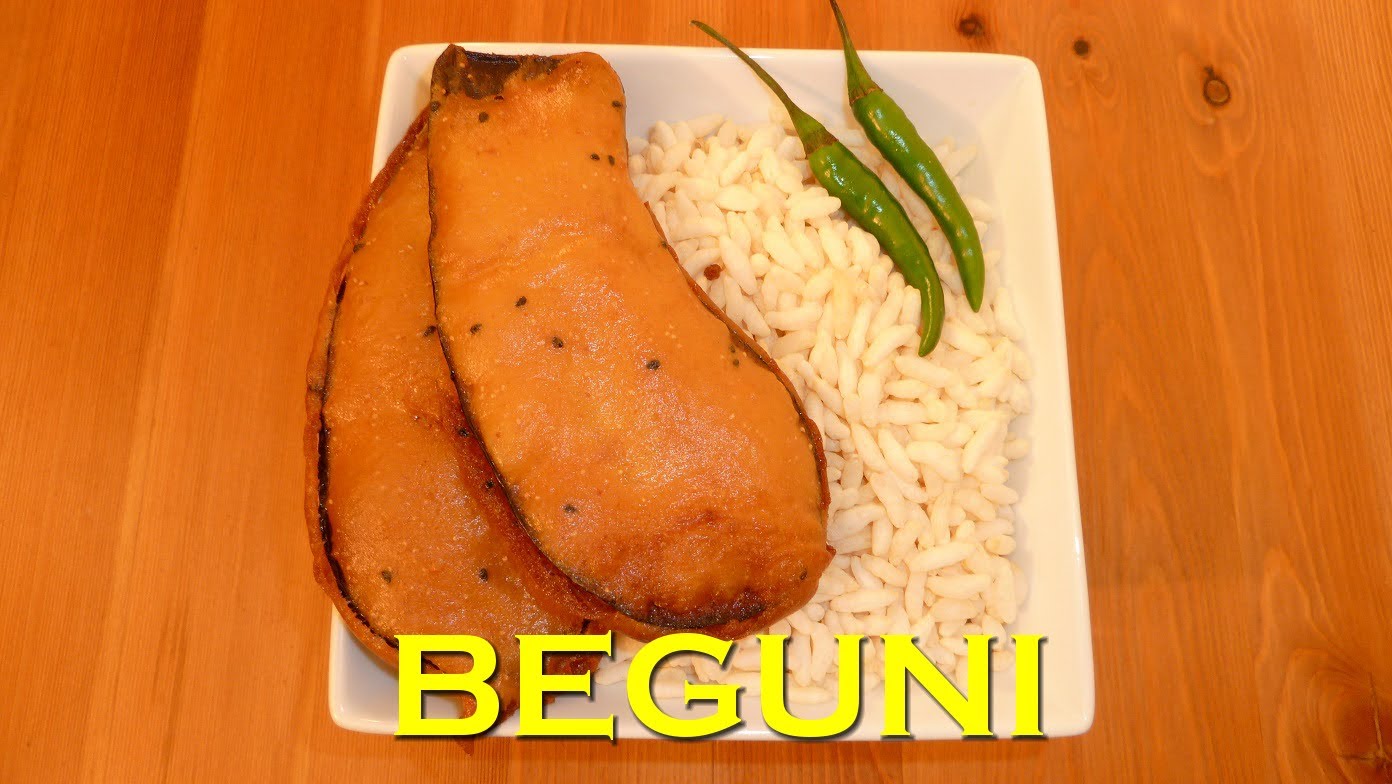
    Beguni (Fried Eggplant)

    beguni

    Time- 10 minutes

    Serves- 10

    Ingredients- 2 eggplant, Salt to taste, 1 teaspoon sugar, 2 cups besan flour, 1/2 teaspoon red chili powder, A pinch of turmeric powder, A pinch of hing (aesofetida), 2 cups oil

    Directions- Cut eggplant into longitudinal thin slices. Add salt to taste. Set aside.Make a batter of 2 cups besan. Start to add water little at a time to make a smooth and thick batter. Add salt, red chili powder, pinch of turmeric powder, pinch of hing.Heat oil in a deep fryer. Coat the eggplant in batter. The oil should be hot. Slowly release the coated eggplant in oil. Fry till each side is golden brown. Place it on a towel to let the excess oil be soaked.


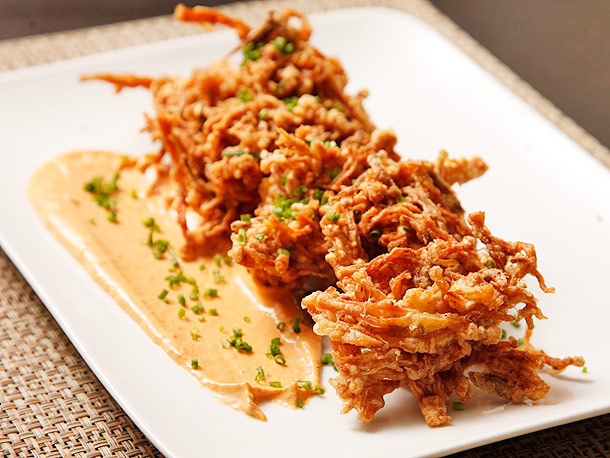
    Peyazi (Onion Fritters)

    onion-fritters-curry-mayo-3

    Time- 10 minutes

    Serves- 4

    Ingredients- 2 to 3 medium sized onions, 2 cups gram flour or besan, ½ tsp red chilli powder, ½ tsp garam masala powder, ¼ tsp turmeric powder/haldi (optional), ¾ tsp ajwain or carom seeds, a pinch of asafoetida/hing, Oil, water as required, salt as required

    Directions- Peel the onions. Rinse and slice them thinly. Add the chilli powder, garam masala powder, asafoetida, salt and chick pea flour to the sliced onions. Add water and mix it to a thick and smooth consistency. Now heat the oil in a deep frying pan. Take a teaspoonful of the onion batter and add it in the oil. On a medium heat fry the onion fritters till golden brown.


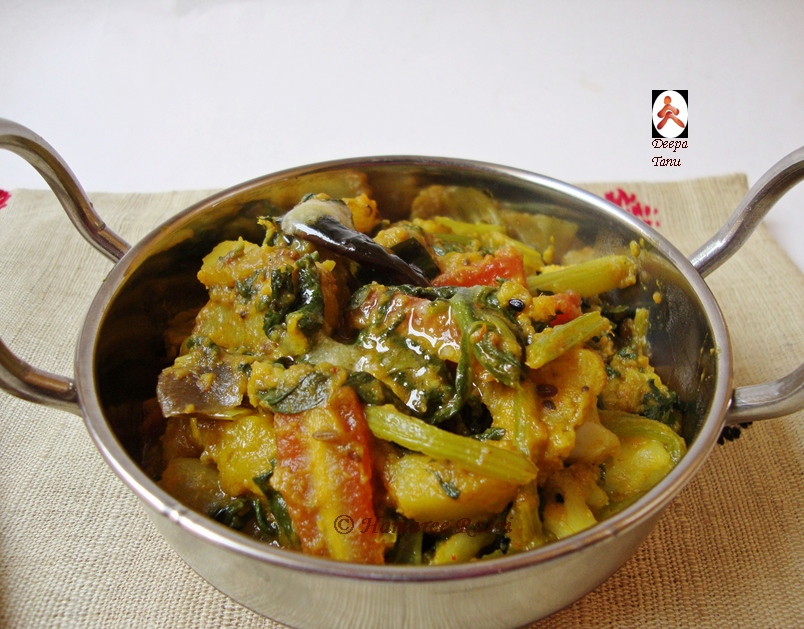
    Labra (Mixed Vegetables)

    labra 12

    Time- 15 minutes

    Serves- 2-3

    Ingredients- 100 gm eggplant, 100 gm Pumpkin, 100 gm Sweet potatoes, 1 Raw bananas, 2 Potatoes, 3 Tbsp Mustard oil, 1 Tbsp Corainder Seeds, 1/2 tsp Cumin Seeds, 1/2 tsp Fennel Seeds, 5 Red Chilies, 1 inch Ginger, 1/4 tsp Turmeric powder, 1 tsp Sugar, 1 Tbsp Ghee, mixed seeds(1/4 tsp Mustard Seeds,1/4 tsp Cumin Seeds, 1/4 tsp Fenugreek Seeds, 1/4 tsp Bleck Cumin Seeds, 1/4 tsp Fennel Seeds)

    Directions- Cut the vegetables into medium size pieces. Powder the corainder, cumin and fennel seeds, and red chillis finely. Heat oil, add the crushed ginger and fry lightly. Add the mixed spices called ‘ panch phoran’ and stir fry for a minute. Add vegetables, fry well, cover and cook for 10-15 minutes. Add turmeric powder, salt, and one cup of water. Simmer the flame and cook until vegetables are done. Add the powdered spices, sugar and stir well. Cook for another few minutes adding ghee.


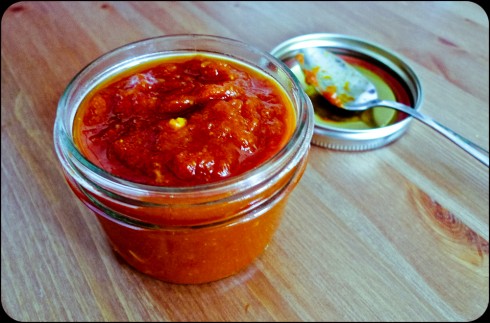
    Tomato Chutney

    Tomato-Chutney-490x323

    (to be served with some Fried Papad, optional)

    Time- 10 minutes

    Seves- 5

    Ingredients- 500 g tomato, chopped, 4 cm piece ginger (peeled and chopped), 250g brown sugar, 150ml red wine vinegar, 5 cardamom seeds, ½ tsp paprika

    Directions- Tip all the ingredients into a large heavy-based pan and bring to a gentle simmer, stirring frequently. Bring to a gentle boil so that the mixture turns dark, jammy and shiny.


    Payesh ( a rice dessert)

    payesh]

    Time- 30 minutes

    Seves- 2

    Ingredients- 1cup basmati rice, 10 almonds sliced, 1 tbsp raisins, 2 tsp melted ghee, 3 green cardamoms, 2 litres milk, 1 cup jaggery grated jiggery, 1 tbsp sugar

    Directions- Clean and wash the rice. Blanch the almonds and slice. Wash the raisins.Heat a tablespoon of ghee. Add the rice. Stir it for a little bit till it becomes opaque. Take it off the heat.Boil milk. Lower the heat up and continue to boil stirring constantly for fifteen minutes.Mix in the rice and continue to stir fry till the rice is soft. Continue to stir fry till the milk has reduced to half.Mix in jaggery. Mix in sugar. Mix in the cardamoms, almond slices and raisins (if using) and stir well. Serve hot or cold.


    Recipe Courtesy – vegrecipesofindia.com, allrecipes.com

    Image Courtesy – hamareerasai.com, seriouseats.com, bongcook.com, thesecondlunch.com