Month: June 2014

  • Gobi Manchurian Recipe

    Gobi Manchurian Recipe

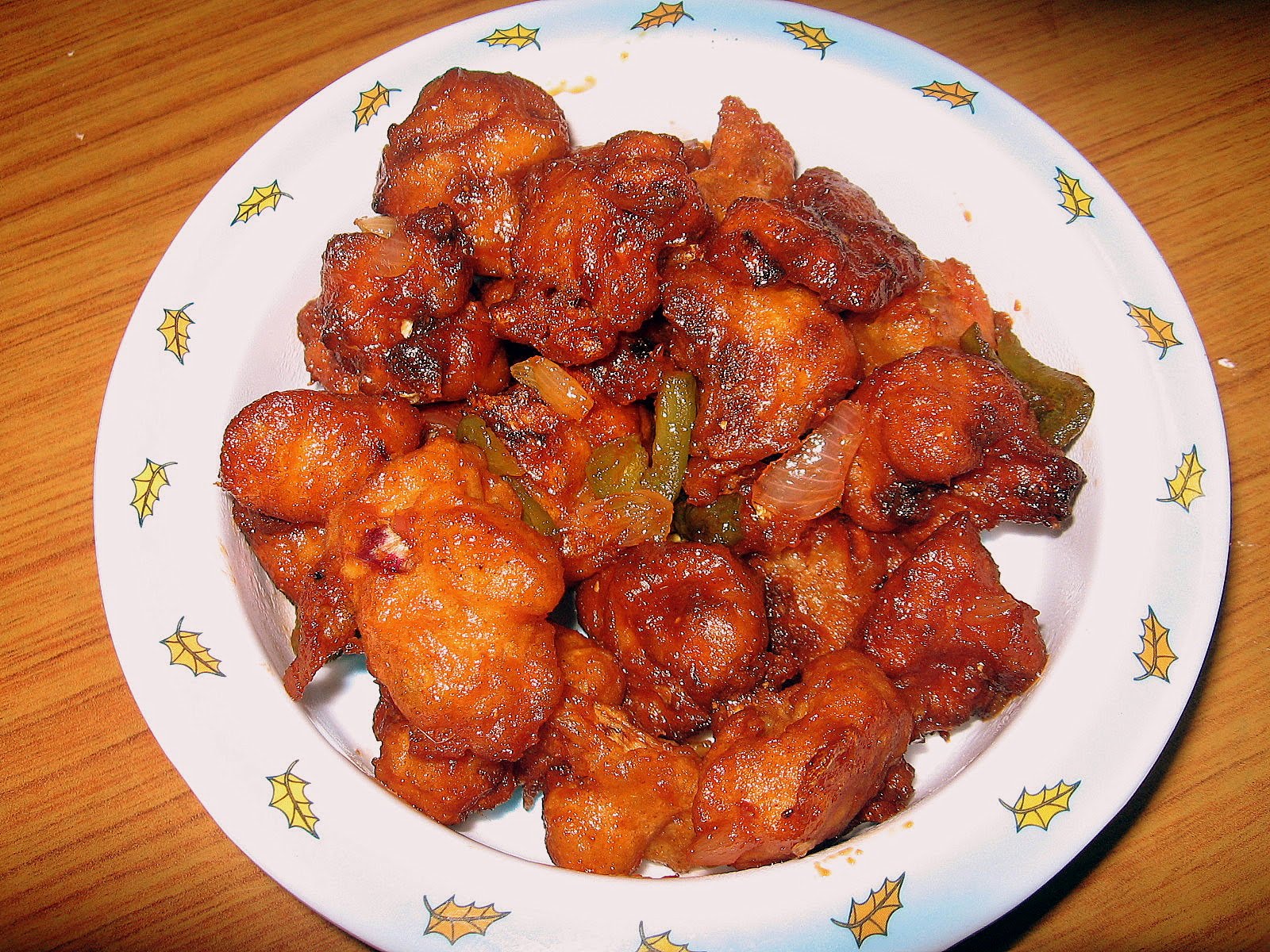
    Gobi Manchurian is a Indochinese item which is made out of fried cauliflower and this dish is popular all over India.We can find it in all the restaurants and occupies a respective place in the menu card. This Chinese dish became in India because it had a adaptive taste that is suited for many of the Indians.It is believed that the origination of this dish has came through a small Chinese community in that lived in Kolkata for a century. We can find two varieties of this dish, one is dry and the other is gravy.Both of these varieties can be prepared by using cauliflower, corn flour, maida flour, spring onion, capsicum, soy sauce, minced garlic, ground pepper, etc.generally spring onion is used for garnish purpose.It has mild spicy to hot taste this can be varied depending on one’s requirements.

    This popular Indo Chinese recipe is very delicious and tasty.This can be prepared by using florets of cauliflower known as Gobi. This will be more delicious when we make a serve with steamed rice, rotis, naans, plain noodles.We can make dry and gravy version of this Gobi Manchurian by following some steps.
    Gobi Manchurian recipe
    Gobi Manchurian recipe

    Ingredients:

    For making sauce:

    1) Take a bunch of finely chopped spring onions approximately half the cup

    2) Take two table spoons of finely chopped ginger

    3) Take two table spoons of  finely chopped garlic

    4) Take half the table spoon of chopped celery

    5) Take 1/4 or half table spoon of black pepper powder

    6) Take one to two finely chopped green chillies

    7) Take one table spoon of soy sauce

    8) Take two to three table spoons of oil

    9) Take one and half cup of fresh water

    10) Take salt that is suitable for taste

    For making batter:

    1) Take medium sized Gobi or Cauliflower

    2) Take one cup of maida or all purpose flour

    3) Take three table spoon of corn flour

    4)  Take one table spoon of minced ginger garlic paste

    5) Take one table spoon of soy sauce

    6) Take half table spoon of black pepper powder

    7) Take 3/4 cup of veg stock

    8) Take oil that is required for making a deep fry

    9) salt required amount
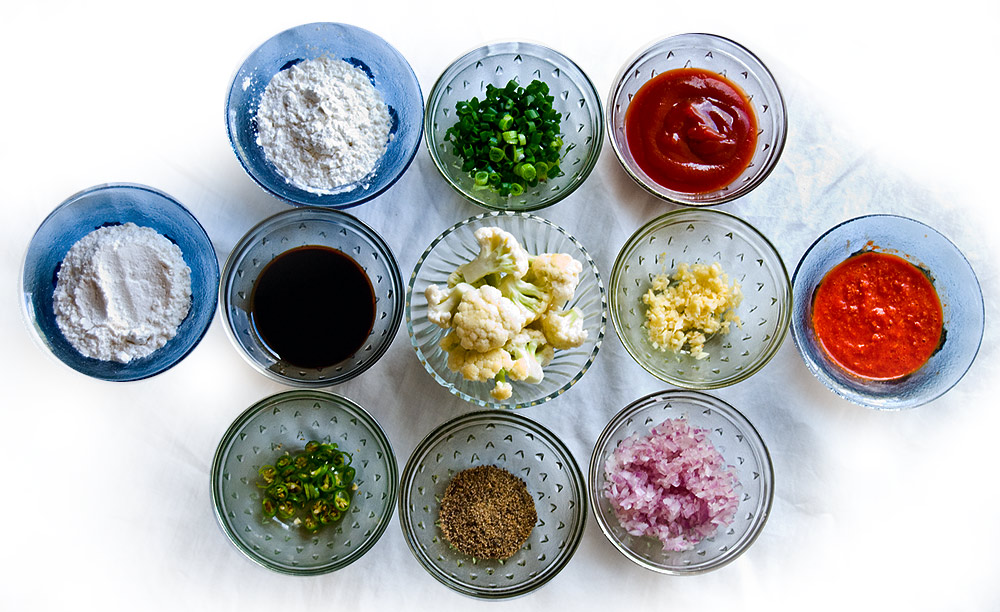
    Ingredients required for making Gobi Manchurian
    Ingredients required for making Gobi Manchurian

    Preparation of Florets:

    Gobi Manchurian which is one of the best starters that one can have in any party, occasion.Most of the people like this item and no one likes to ignore it.As there are two varieties of this type most of the people like to have dry item rather than gravy one as dry item is convenient to have as a snack item before dinner. The preparation of dry Gobi Manchurian involves two parts 1) making of florets, 2) make spicy saute.

    Step 1:

    At first take a fresh cauliflower and wash it thoroughly to see that it is dust free, care should be taken that the florets should not get damaged.Take a bowl of water and add salt, cauliflower florets to it,allow it to boil in salted water for three to four minutes on a medium flame.After boiling, excess water is drained and spread these cauliflower florets on a tissue paper.
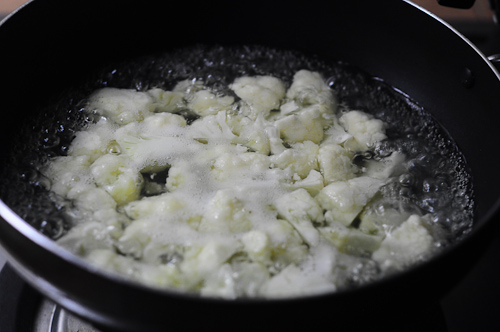
    Boiling the florets in salt water
    Boiling the florets in salt water

    Step 2:

    Take a bowl and mix maida,corn flour,ginger paste,garlic paste,water and salt to form a batter.Care should be taken that this batter is not so thick or thin.Make sure that this batter must have thickness similar to dosa batter.Now add all the florets to this batter and mix them well.For better taste of this Manchurian batter must be evenly mixed to these florets.
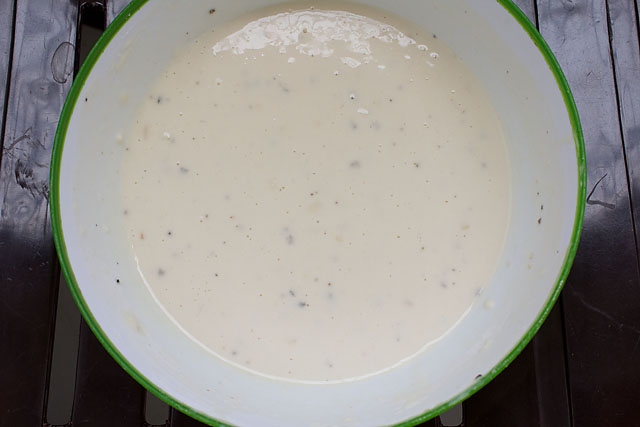
    Batter preparation for making gobi Manchurian recipe
    Batter preparation for making gobi Manchurian recipe

    Step 3:

    At first take a pan and add oil to it  that is required for deep fry of these florets.Heat the oil on a medium flame and slowly add the florets to it that are mixed with batter.Fry these florets on a medium flame and care should be taken that they should not turn the oil may not spill.Frying process is done till their color changes to brown.After they are fried transfer these fried florets to a plate.
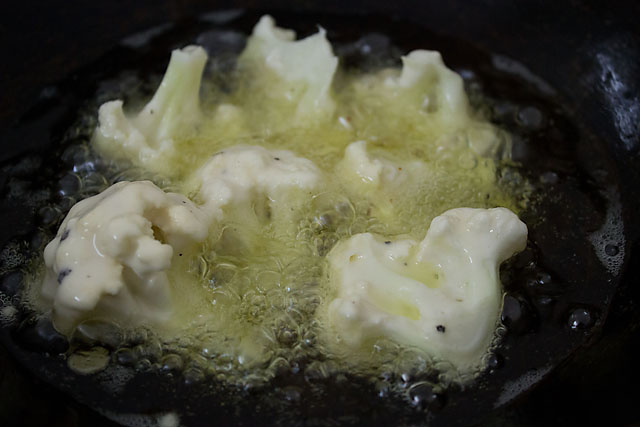
    Deep frying of florets in oil
    Deep frying of florets in oil

    Preparation of saute:

     Step 1:

    Take a deep pan or kadai and add two table spoons of oil.Heat it on a medium flame and add ginger paste, garlic paste, finely chopped green chillies, chopped capsicum, finely chopped onion to it and saute them well on a high flame for about three to four minutes.
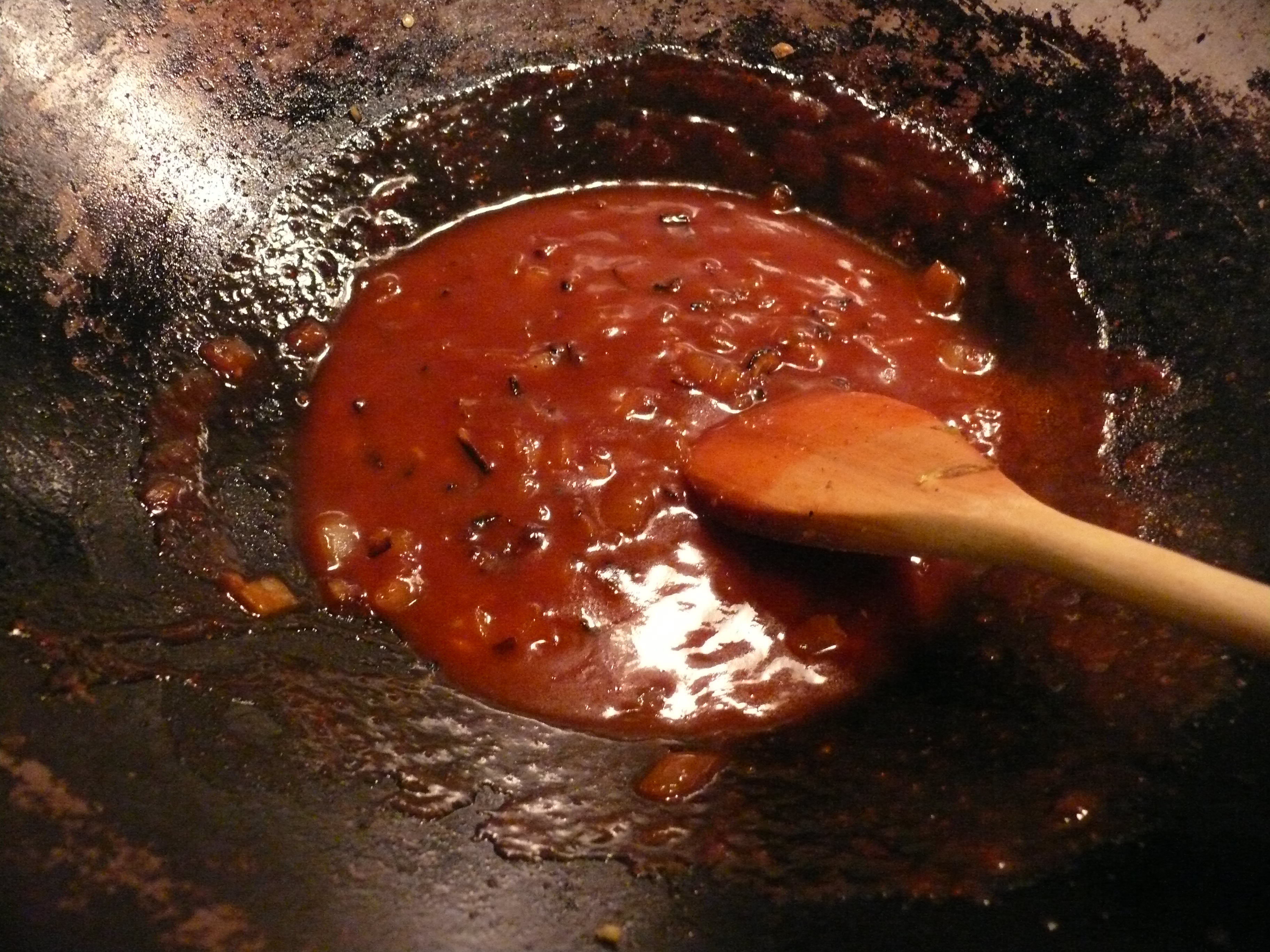
    Gobi-Manchurian-saute making process
    Gobi-Manchurian-saute making process

    step 2:

    To the mixture add soy sauce,tomato ketchup, chilli sauce and salt that is required for taste,now saute this mixture well until all the ingredients are well mixed.It must be stirred continuously for about one minute and add deep fried florets to this mixture.
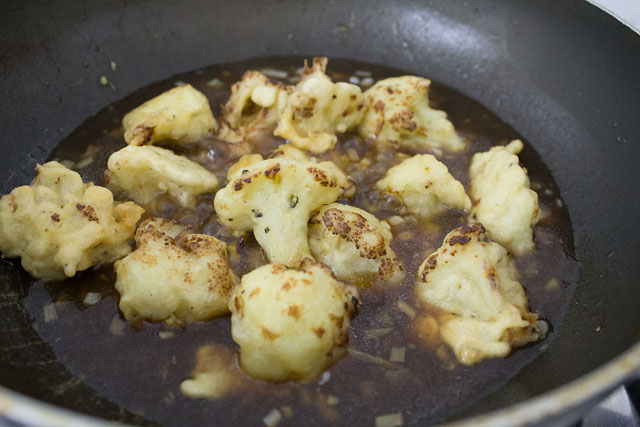
    Adding florets to the sauce mixtures and saute it
    Adding florets to the sauce mixtures and saute it

    step 3:

    Add deep fried florets to the pan and continuously toss the pan so that all the ingredients are well attached to each of the florets.This process of mixing must be continued for about two to three minutes on a high flame. Care should be taken while tossing the items on pan as spilling may happen.That’s it very tasty and spicy hot Gobi Manchurian is ready, take it to a serving place and enjoy the Indo Chinese recipe.
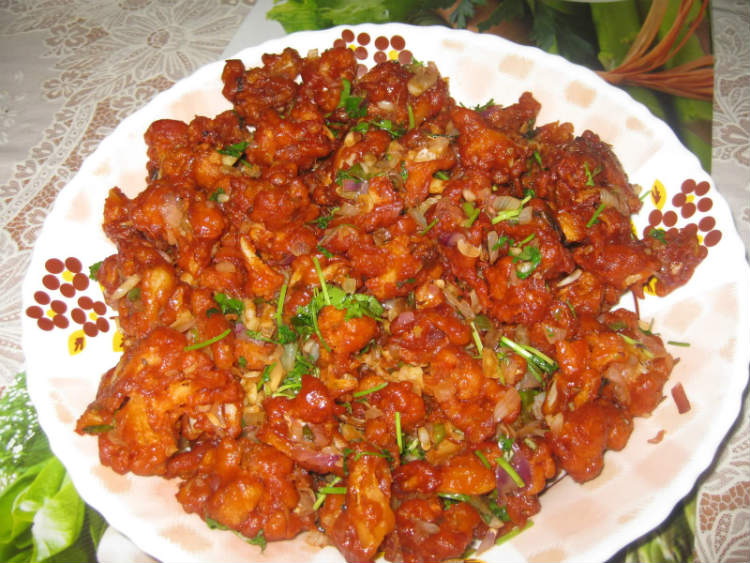
    Serve the Gobi Manchurian in a plate
    Serve the Gobi Manchurian in a plate


  • Sweets – Yummy treats for You!!

    Sweets – Yummy treats for You!!

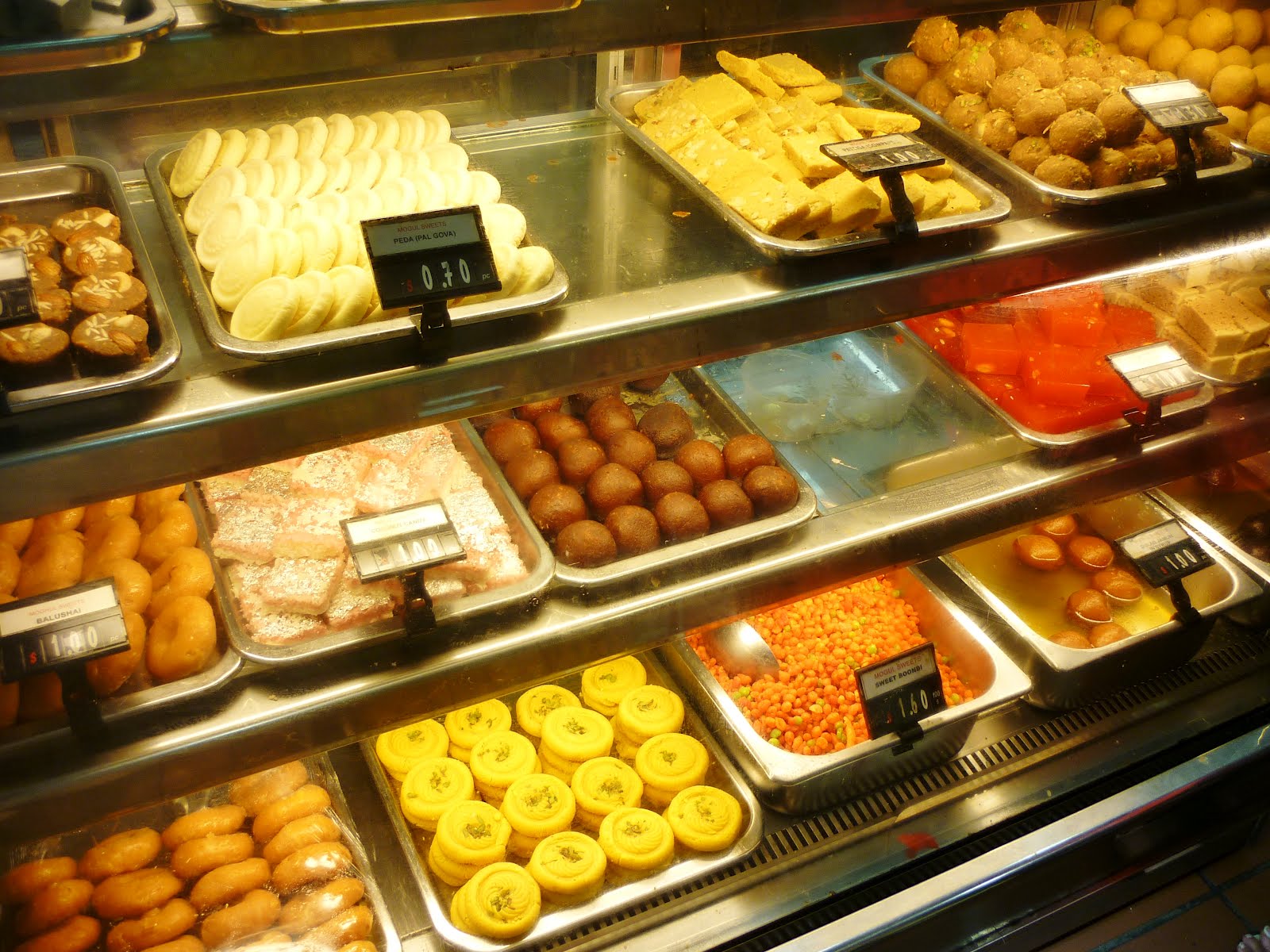
    My college is situated at this awesome place. Remember, I told you about all the lip-smacking biriyani food joints near my college? Well, Park Circus also has its neat share of ‘misti r dokan’, i.e., sweet shops.

    To name a few – Jugols’ , Mithai and a tiny sweet shop near Mahadevi Birla Girl’s School which serves soft hot white rasgullas that melt in the mouth. I remember walking to Jugols’ in the sultry heat in my first year (back then I was a regular customer) of college just to satisfy my taste buds.

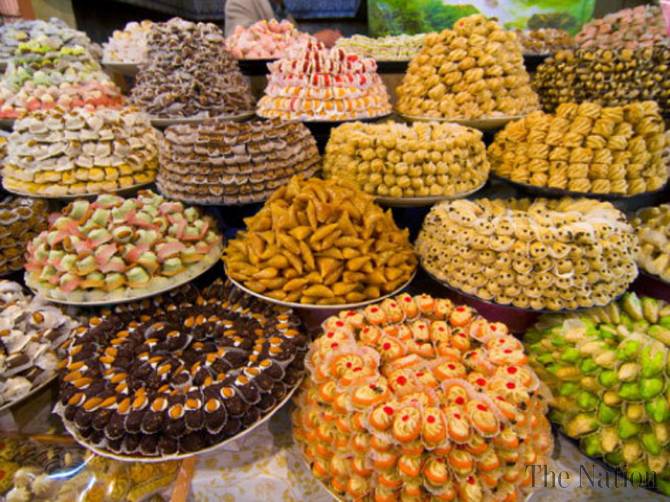
    sale-of-sweets-cakes-up-manifold-ahead-of-eid-1375757760-6699


    Kolkata or Calcutta, as I still prefer to call it, is home to century old sweet shops. The ownerships may have changed hands but the love of sweets of the customers never ceased (and might I add, it never will).

    Putiram’s ‘Rosomadhuri ‘, Mithai’s ‘Misti Doi’, Ganguram’s ‘Chomchom ‘, Balaram Mullick and Radharam Mullik’s ‘Mango Chanar Brulee ‘, Bancharam’s ‘Raj Bhog‘, Bhim Chandra Nag’s ‘Pranhara‘, are by far the popular choices of the ‘misti-loving’ denizens.


    How to make your own sweets and woo your loved ones?

    Plain and simple – follow these super easy recipes and you will be good to go.


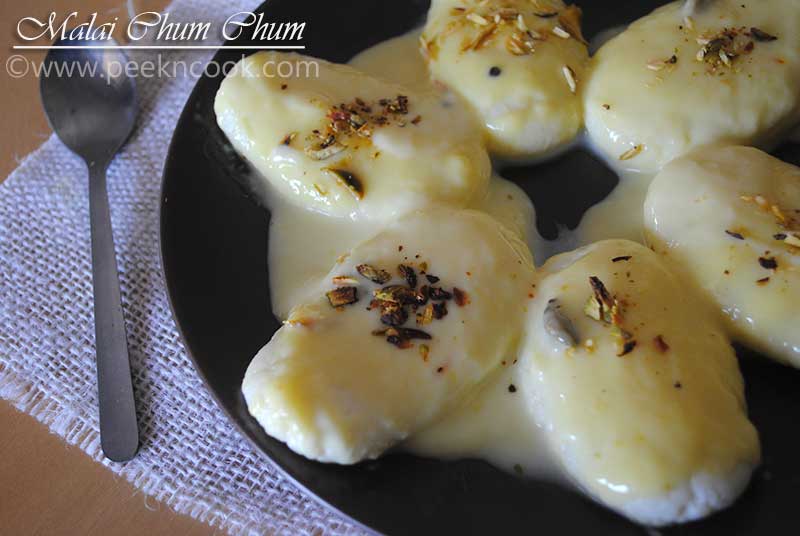
    Malai Chomchom

    malai_chumchum

    Ingredients: 1 cheese cloth

    For channa – ½ gallon whole milk, 1 large fresh lemon squeezed and filtered to make juice (use more if lemons are small size)

    For syrup- 5 cups drinking water,2 cups sugar

    For malai – ½ gallon whole milk, 1 tsp cardamom powder

    For garnish- Sliced pistachios


    Directions: Heat ½ gallon of whole milk in a heavy bottomed non­stick container in medium high heat. Stir occasionally to make sure milk does not burn at bottom or spill. When milk starts to boil put lemon juice (freshly squeezed) slowly into the boiling milk with constant gentle stirring. As milk starts to cuddle and gets separated from the whey (greenish transparent water) in about 2-­3 minutes remove the vessel from heat and pour it in a cheese cloth spread over a strainer. Note: if the whey is not transparent then add a little more lemon juice and stir gently until whey is clear and transparent. Wash the chhana under cold water nicely to remove lemon flavor. As the chhana cools down bring the edges of the cloth up and tie it together. Squeeze out as much water as possible. In order to dry the chhana  even further hang this chhana in cloth above the sink or keep a plate over it with some heavy object on top. Keep it this way for about 30 minutes. Then knead the dry chhana using the heel of your palm on a flat clean surface for about 7­-8 minutes until it becomes a soft smooth dough and your palm becomes oily. Divide the dough into 12-­14 equal parts. Take each part and roll it with both palms gently to make a smooth ball and then roll one way to give it a cylindrical shape – and voila a chomchom! Likewise do all the chom-choms. Place all the rolls on a plate and cover them with a damp cloth on top or with another plate so that they don’t dry out.

    For the syrup, take 5 cups of water and boil it in a wide vessel. Add 2 cups of sugar to it when water starts boiling. Wait until sugar dissolves completely. Add about 7­-8 chom­choms one by one into the boiling water. Don’t put too many at the same time as the chom-choms need room to expand. Keep the heat in medium high and cover the vessel tightly. Let it cook for 25 minutes. Do not open the lid in between. After 25 minutes switch off the heat and let it cool (covered) for another 10­-15 minutes. Repeat the steps to make next batch of chom-choms. For preparing the Malai, boil ½ gallon of whole milk in medium flame, stirring occasionally to prevent it from getting burnt at the bottom, until it thickens and becomes creamy. This will take some 20­-30 mins. Add cardamom powder to it and mix well. Switch off the heat. Take the chom­-choms out of the syrup and drop them into the warm malai one at a time. Kepp them in the syrup for 20 minutes. Take out the malai wrapped chom­-choms carefully and lay them into a plate. Garnish with pistachio.


    Pranhara

    pranhara-5

    Ingredients: 4 Cups whole milk, 4 tablespoons white vinegar or strained lemon juice, ½ Cup sugar, 1 Cup dry powdered milk, 3-4 tablespoons butter, 3-4 drops of rose water


    Directions: Line a colander or sieve with a large piece of cheesecloth that has been folded 3-4 times. Place the lined colander or sieve over a large bowl or sink. Boil milk in a large thick-bottomed saucepan over medium high heat. Stir occasionally, scraping the pan bottom, to avoid scorching. Mix vinegar with 4 tablespoon of water and add to boiling milk. Look out for curd-mass to separate from greenish water. As curds rise and come to the surface stop the stove. Run a spatula along the bottom of the pan occasionally to free up any stuck curds. Gently begin to ladle curds into the prepared sieve or colander. Wrap the cloth around the cheese and rinse under a running water without pressing the cheese. Gather the edges of the cloth, tie or fasten into a knot and allow to cool and drain for 2 hour minimum.

    Heat butter in a nonstick pan over medium low heat. Once butter melts, add the dry powdered milk. Stir constantly to form a coarse dust and until slightly golden and aromatic. Set aside. Knead the cheese on a clean surface with your heel of the hand by pressing it across the surface until smooth and fluffy and no trace of grains. Knead about 5-6 minutes. Collect all the cheese and divide them into two parts. Mix sugar and cheese dust(Set aside some for garnish) with one part cheese and cook in low heat stirring constantly, scrapping the pan bottom. Use a thick bottomed or non-stick pan. Cook until the mixture is very sticky and a mass pulls away from the bottom and sides of the pan. Remove from heat. Let cool. Mix the rose water, second portion of the cheese and knead till smooth. Divide into smaller bite size balls. Garnish with cheese dust.


    Recipe Courtesy – withaspin.com, bengaligourmet.com

    Image Courtesy – peekncook.com, withaspin.com, hungryangmo.com


  • Kill your stress before it kills you!

    Kill your stress before it kills you!

    With today’s rat race at full speed, stress has become an unavoidable part of everybody’s life. Be it a businessman or a salaried employee or even a housekeeper, this evil troubles everyone alike. It is more than essential to combat stress before it breaks you down from within. There are few simple yet effective ways in which you can easily fight stress and keep your smiles in place. Here they go-

    1. Identify-

      Identification of the reasons of your stress is the primary requirement for combat.

    2. Avoid someone-

      This is the most fundamental measure if your reason for stress is people. Just avoid them, simple!

    3. Avoid some things-

      there are various things whose vision itself can stress you out. Put out those things from your life.

    4. Deny-

      You know your limit to work without stress. Deny work that goes off limits.

    5. Compulsory? –

      Ask this question to yourself if you find yourselves overburdened after analysis of your routine. If the answer is no, you know what alterations to make!

    6. Extrovert-

      Express what’s on your mind. It is often not possible for people around you to know what actions trouble you. If they get an idea of your problems, they are less likely to trouble you unknowingly.

    7. Time-management-

      Managing your schedule is the key to a happy life. Keeping a throat tight schedule not only tires you mentally and physically but also reduces your efficiency towards all tasks.

    8. Rest-

      This is not something to be told. 6-7 hours of sleep per day will make your days fresh and efficient as you are likely to feel energetic.

    9. Positiveness-

      Don’t let the positiveness in and around fade away. Be clear about your problems and see the sweet side of things.

    10.  Adjust-

      You cannot get everything in life. Learn to adjust with situations and enjoy what you have in hand instead of trying to fit everything on the same plate, same day.

    11. Indifference-

      we all are surrounded with things which cannot be changed. People, places and rains are just examples. Instead of getting yourself mad over these things, isn’t it better to think about something that can be altered?

    12. Learn-

      When you make mistakes, try fixing them and learning from them instead of crying over the spilt milk.

    13.  Share –

      There are people who care for you. You can at least think of one such person with whom you can share your problems. Maybe you just need a listener instead of an advisor!

    14. Professional help-

      If your family itself depresses you, psychiatrists and counselors are always great alternatives. Expert advice can always help you.

    15. Forgive-

      if a quarrel/brawl/argument is the only cause of your stress, simply forgive others mistakes because no one can entirely avoid mistakes.

    16. Walk-

      personally, whenever I am stressed out or angry, I keep walking until all my anger fades away. It’s free and easy on your health. A good solution in all, yeah?

    17. Write, read and talk –

      Talk to yourself, write your problems, pros and cons on paper. Once, they are on paper, they won’t trouble you. If that’s not all, read a fictional novel and forget the real world altogether for some time.

    18. Music and movies-

      Music is known to heal your wounds. Listen to soothing music or watch a pleasant comedy just for fun!

    19. Cook-

      Cook something for yourself. Try out new recipes from the internet or go for your favorite dishes.

    20. Exercise-

      A marvelous way to discharge all your anger, exercise is something that can literally kill stress. Won’t you feel great after smashing the punching bag, imagining it to be your problem?

    21. Nature and pets-

      Pets give you unconditional love and expect nothing in return. Who cannot love such beings back? They can make you forget everything else if you play with them. If you don’t have pets, just sit calmly in the lap of Mother Nature.

    22. Relax-

      Sometimes sitting idle works wonders for you. Just stop your thought process, be blank and lie down peacefully without doing any work. It will calm your life down.

    23. Socialize-

      In this era of social networking, learn to connect and bond with new and old people. Talk to them and create a good support system for yourself.

    24. Loud-

      Be loud, be mad, cry out and listen to hard rock. let your emotions flow out with the tears and the harsh voice.

    25. Enjoy-

      Take out time for yourself in your routine. Play musical instruments, dance or go out with friends. You are the king of your joy!

    26. Laugh-

      Watch out for fun around you, there is sure to be some. Visit a friend whose sense of humor amuses you or just be the joker yourself.

    27. Diet-

      Make sure you get your daily dose of nutrients. Skipping meals is the worst idea you’ve ever had. It just worsens your condition to fight tough times.

    28. Let go-

      Leave your bad habits and think about your family. Let go of all bad company.

    29. No to caffeine-

      even if a dose of caffeine makes you energetic and keeps you up temporarily, it climaxes into fatigue and mood swings. So avoid it as much as you can.

    30. Stay away-

      Tobacco and alcohol are always no-no! And that’s not it, drugs and medicines are even worse. They slowly attack your mind, break your moral down and finally lead to bankruptcy. You may find them as short-lived solutions to stress but trust me, it’s a bad idea.

    Help yourselves because it’s your life and you want to make it better!


  • Going Places: A Street Food Junkie’s Survival Guide

    Going Places: A Street Food Junkie’s Survival Guide

    Holiday season is here and bags are packed. Every year some travel bug feasts on my family members and we end up in some random town. So when travel bug bite my brother this year, we ended up in Kota (Have you heard about it? It is a beautiful town in Rajasthan).

    Traveling to a place where you have never eaten before is a Food Junkie’s dream destination. To tell you the truth, it is every Indian’s delight. How can you NOT like trying new food items, tell me? Though there might be some exceptions like my brother who has no appreciation for food and thus always judges me on the account of unhealthy street food I eat.

    Out on street, the first thing my cousin, who is a resident of Kota, told me was, ‘As long as your taste buds are not used to this city, you shouldn’t take any risk with the street food’. Well, that’s true to every word, I swear. Else there might be some bad consequences.

    Coming back to the point, every Indian city has its own street delight. Let me be sure you know exactly what I am talking about when I talk about street food. When somebody mentions street food, you might think about chaat without wasting a moment. Yes, chaat is street food but it is a small portion of the bigger universe.

    Street food, as one can understand by the name itself, is food which is sold (but may or may not be made) in streets. It ranges from the light chaats to hearty meals like Daal-baati choorma, Rajma-Chawal, Pulao and Curry. Just anything and everything. The only thing that stands out between a Dhaaba and Street vendors is that these street sellers are too poor to start a dhaaba. But at the same time, due to their easy availability and reasonable prices, they are always a hit among lower to middle class and college going people. Also, the quality of celebrated street food is that it might not be the mainstream found in restaurant menus but it stands as the heartbeat of the city, adored by common people.

    In other words, as historic monuments are a must visit in order to study the culture of a city, same way, eating street food and exploring regional arts is also a must to indulge in the culture of a city. It gives a new flavor to life. These things are only known by Street Food Junkies who go out in the streets to rejuvenate their taste buds.

    Now, if you are a Street Food Addict or aspiring to be a Street Food analyst (if there is any such thing), you can follow some of these tips in order to enjoy Street Food without mulling over consequences.

    1. Give your taste bud a little time to get along with the local taste.

    Especially if you are not used to local spicy food. Proceed with small amounts at first and build up tolerance to the taste.


    1. Have you ever played the game ‘Follow the Leader’?

    You have to do the same. Follow the crowd and have faith on the locals. They know more than you. If they are avoiding a particular street vendor, it isn’t a time to act all radical. Go with the flow.


    1. Make sure food is being cooked freshly.

    Fresh doesn’t mean something cooked 8 hours earlier and heated in the present time. Sneak peak in the vendor’s utensils to check if he is continuously cooking. If not, this isn’t a place for you.

    1. How many flies can you count at the counter/the vendor’s utensils?

    You know the rule- higher the number of flies-lower the quality-worst the consequences. However tasty the food may seem, if it is already taken by the flies, you shall not claim it.


    1. Fact-Fruit is healthy. Reality-It depends on circumstances.

    Don’t let the worldly pleasure of pre-sliced fruits tempt you. ALWAYS make sure fruits are freshly cut or get it sliced right in front of you. Don’t take the chance with heavenly-looking fruits if you love your stomach.


    1. Last but not the least, when you are out in the street, keep clean drinking water handy. You shall be a teenage rebel or a liberal minded person. But water is water. It should be clean and hygienic.


    There is a lot more to learn in the art of Street Food eating but we believe what the elders have told us, ‘Experience is our true teacher’. Being broke teaches us the art of bargaining, especially if there are no written prices. Loyalty towards a particular street vendor earns us the extra sauce. And a lot more such tricks.

    Now, go out in streets and don’t be afraid to try new dishes. In this free country, we have every right to eat the food we want without being judged by those who don’t know anything about the pleasure of street food. Feel gratitude towards these people who feed us Food Junkies.

    Also take adequate precautions to fully enjoy the trip and food. You will survive, just like I do every time.

    As for me, I’ll go back into the street for another street photography session hiding this eating bug somewhere inside me that will guide me to the final destination- a Street Vendor’s Stall.

  • Madurai: Symbol of Tamil Culture

    Madurai: Symbol of Tamil Culture

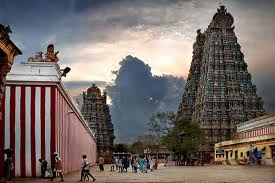
    History of Meenkashi temple :

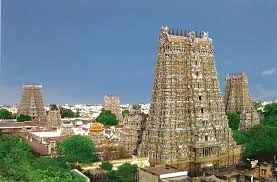
    images (3)

    madurai menakshi

    • Meenakshi Amman temple  is an ancient temple which is located on the banks of river Vaigai in Madurai district  of Tamil Nadu.
    •  Meenakshi Amman Temple is also called as Meenakshi Sundareshwar Temple. This temple is more than 2500 years old. This temple is dedicated to the deities mainlyMeenakshi who is the modern avatar of goddess Parvathi and Sundareshwar as Lord Shiva.
    • The temple was originally built during 7th century by the first Pandya’s .


    • Malayadwaja Pandya who was one of the kings who ruled Madurai, in South India.Meenakshi was the daughter of the king  Malayadwaja Pandya and queen Kanchanamala.
    • Meenakshi was a miracle child gift given by god to both the king and queen after their sincere performance of yagna to have children’s , as they din’t have children’s from many days.
    • Meenakshi was a brave girl who was thought the art of war and martial arts. She got married to Lord Shiva . So Meenakshi temple was built after her and Madurai city was formed around the temple.
    • (more…)

  • La Cucina Romana

    La Cucina Romana

    When in Rome, do as The Romans do.  Meaning it is polite, and possibly advantageous, to stand by the customs of a society when one is a visitor. But of course, if you’d rather literally do as The Romans do, whether or not in Rome, the best place to start is food.

    Tasting the various flavours of the place you are visiting is one of the best ways of saying “I come in peace” and also, the best way to enjoy. All you need to know is what you are eating and all you need to do is try to find out how it is made.

    Roman cuisine is the cuisine of the city of Rome, in Italy. Rome is city that is generally referred to as an empire. Though size has a major role to play in that title, it is also so called due to the widely spread culture. Roman food has grown through centuries of social, political, and cultural changes. The city became a chief gastronomic centre during the ancient times. Since Rome was, in many ways, a derivative of Greece, ancient Roman cuisine was highly influenced by Ancient Greek culture. The empire’s constant and enormous expansion exposed its people to new culinary habits and cooking techniques.

    The most original and traditional Roman food can still be found in Testaccio Rione. Gladly, you needn’t go all the way.


    rome-banner


    PASTA

    Pasta is one major constituent of Roman food. There are various shapes of pasta, the most common being Spaghetti. There are others like Fusilli, Gemelli, Lasagna, Linguine, Macaroni, Orecchiette, Penne, Ravioli, Riccioli, Rotini, Tortellini, Tripolini, Vermicelli, Tubini, Zitti and many, many more.

    However, the diversity in pastas doesn’t come from their shape alone, but also from their sauces.

    Agrodolce is a traditional sweet and sour sauce. Its name comes from “agro” meaning “sour” and “dolce”, meaning “sweet”. Agrodolce is made traditionally using vinegar and sugar. Sometimes, additional flavouring is added, such as wine, fruit, or even chocolate. It is served over rigatoni or wide noodles, such as pappardelleand can also be served with salmon or lamb meat.

    agrodolce


    INGREDIENTS

    • 2 tablespoons olive oil
    • 2/3 cup balsamic vinegar
    • 1 teaspoon sugar
    • 1 tablespoon unsalted butter


      METHOD

    1. Heat 2 tbsp of oil in a large skillet over medium-high flame till it shimmers
    2. Sauté onions until they turn golden brown and crisp-tender. This takes 6 to 8 minutes.
    3. Stir in vinegar, sugar, and 1/2 tsp salt
    4. Cook until sauce is syrupy. This usually takes about 2 minutes.
    5. Remove from heat and stir in butter.


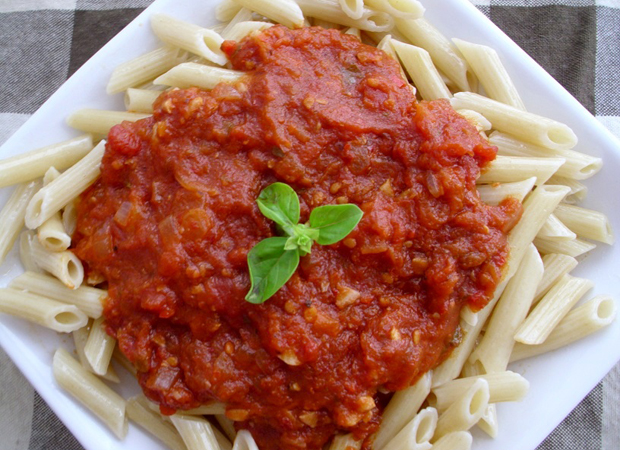
    Arrabbiata sauce is a pasta sauce meaning “angry sauce” in Italian. It is so named because of its spicy nature.

    Arrabbiata sauce with Penne pasta
    Arrabbiata sauce with Penne pasta

    INGREDIENTS

    • 1 tsp Olive Oil
    • 1 cup chopped onion
    • 4 cloves garlic, minced
    • 3/8 cup red wine
    • 1 tbsp white sugar
    • 1 tbsp chopped fresh basil
    • 1 tsp crushed red pepper flakes
    • 2bsps tomato paste
    • 1tbsp lemon juice
    • ½ tsp Italian seasoning
    • ¼ tsp ground black pepper
    • 4 peeled and diced tomatoes
    • 2 tbsps chopped fresh parsley


    METHOD

    1. Heat oil in a large saucepan over medium heat. Sauté onion and garlic in oil for 5 minutes.
    2. Stir in wine, sugar, red pepper, basil, lemon juice, tomato paste, Italian seasoning, black pepper and tomatoes. Bring mixture to boil. Simmer uncovered for about 15 minutes.
    3. Stir in parsley.
    4. Serve with the hot cooked pasta of your choice.


    It is a myth to think that Roman cuisine consists of pasta alone. Sure, they eat pasta all the time, but not as a main course. In Italy, pasta is actually more of a starter (primo). It is eaten in very little quantities, followed by the main course (secondo).


    BREADS

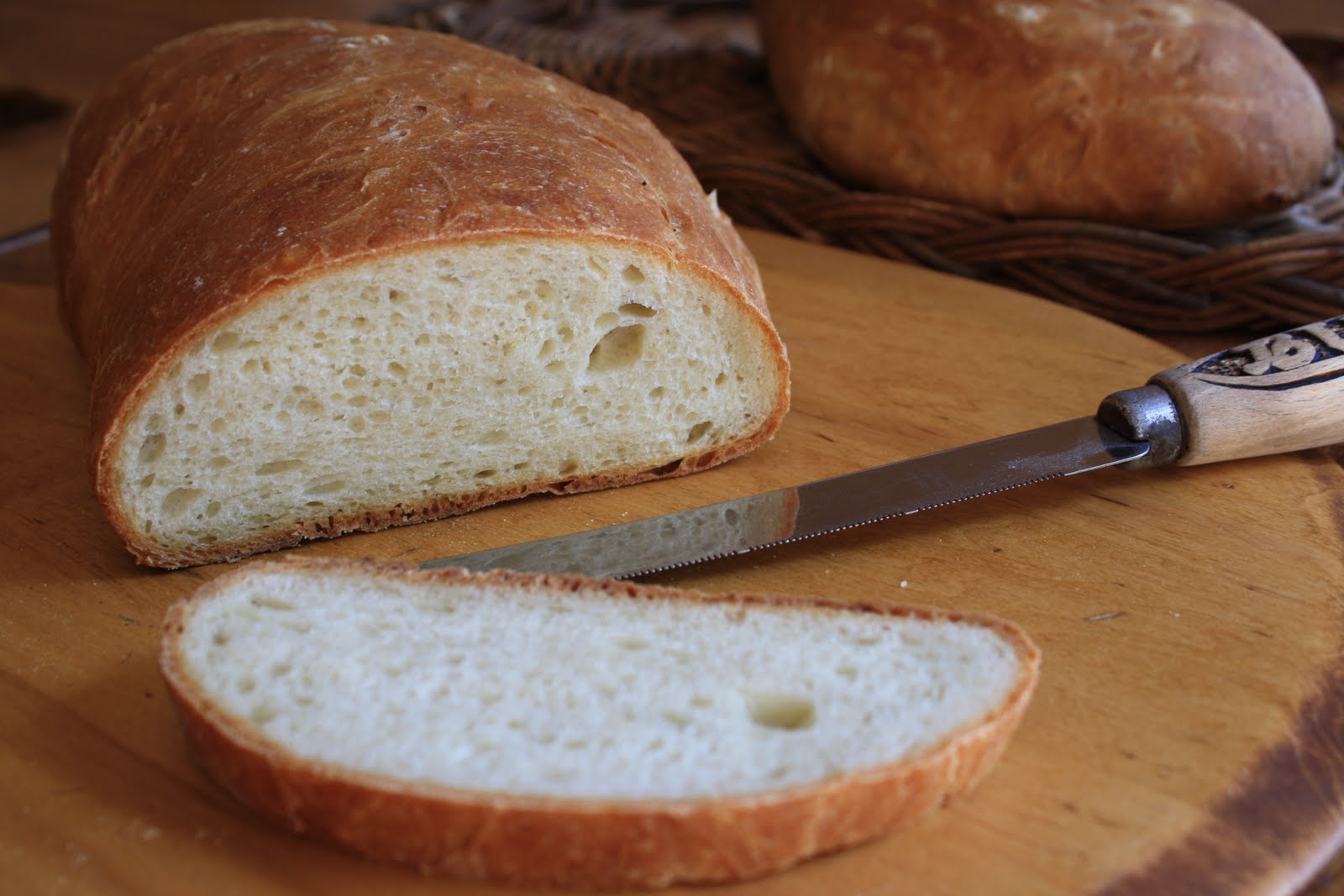
    In Rome, bread varies in quality depending on the flour, which depends on the grain used, the setting of the millstones and the distinction of the sieves. The very best bread is made from wheat flour and the very worst is from bran alone. Traditionally, bread loaves were cylindrical yet somewhat flat, like a coffee cake, but shape is hardly a fixed parameter now.

    Italian Bread

    The types of bread include

    1. Libae—small rolls
    2. Panis Primus—cheap, coarse grain bread
    3. Panis Secondus—Bread one step above Panis Primus
    4. Panis Plebeius—Common Bread
    5. Panis Castrensis— Army Bread
    6. Panis Sordidus—Dark Bread
    7. Panis Rusticus— Country Bread
    8. Siligineus— White Bread.


    Legumes like beans, green peas, chick peas, lentils, etc. were also added to bread.


    FRUITS AND VEGETABLES

    The common fruits eaten by Ancient Romans are almonds, plums, walnuts, apple, figs, pomegranates, filberts, quinces, grapes, chestnuts, pears. Fruits were generally eaten raw, dried, preserved, and cooked. They were generally dried and preserved for winter. However, this is not the case in modern Rome. Nowadays, all sorts of fruits are eaten all over the world and Rome is no exception. Vegetables were eaten in variety too—artichokes, garlic, beans, lentils, onions, parsnips, peas, pumpkins, radishes, melons, cabbages, cucumbers, lettuce etc.

    dried figs


    BEVERAGES

    Wine was a major beverage, considered as a symbol of richness and prosperity. It was always watered down. Romans never drank wine straight. It was taken in small quantities with breakfast and in moderately large quantities during the main meal—Cena. Cena was taken between lunch and supper. Supper was generally a light affair, but wine was mostly taken during Cena.

    Other beverages included:

    1. Calda, which was a mixture of warm water and wine laced with spices. It was typically a winter drink.
    2. Mulsum; honeyed wine.
    3. Posca; Vinegar diluted with enough water to make it potable. It was a soldier’s or a slave’s drink.

    calda


    MEAT AND FISH

    Roman meats included Beef & Veal, pork, lamb, sausage, snails, sucking pig, hare, goat kid, venison, mutton, boar, mackerel, mullet, crab, eel, flounder, hake, lobster, rays, octopus, oysters, perch, duck, swordfish, flamingo, fig-peckers, dove, partridge, peacock, pigeon, thrushes, crane, goose, ostrich, etc.

    The poor Romans could seldom afford meat. Out of the listed, pork was considered a great delicacy. Peacocks were served to impress guests at dinner parties and you were considered a happy guest if you belched loudly. It was a “polite” gesture, stating that you enjoyed your meal.

    Well, after having read the scrumptious list of foods the Romans savoured, all one can say is Buon Appetito!


  • The pretty little butterfly! :)

    The pretty little butterfly! 🙂

    “Happiness”! One of the most complex words to understand in the human vocabulary. And yet, each one of us runs to attain this intangible state all our lives. I wish I had a better partner, wish I had a new pair of clothes, wish I could buy a new car, and wish I had that job. Wish I had this or that and then I would be happy. But lets’ just look at it from another perspective. Will anything change when you have one of those things? The world would remain the same even if you have a better partner, or a new pair of clothes, or a bigger car or a job that looks nicer to you. Every time the wrapper could be different, but the gift inside remains the same. Happiness for me is like that pretty little butterfly we run around chasing, never being able to catch it while it comes and sits on our shoulder when we stop chasing it.

    Every time we see a baby giggling and smiling at us, we realize how much we have lost as we grew up. We lost that sense of innate happiness as time passed and we attained maturity. Have we ever thought why that little baby’s happiness never seems to vanish? How does that baby appear all cheerful and full of joy all the time? The answer is simple. At that stage of life, the self is unaware of the complexities of life. It is ‘benighted’ if we can call it that. Basically, that young self is just in touch with the real happiness that lies within. That little baby does not get burdened by societal pressures or tensions. For the baby, happiness is a balloon, a piece of candy, or maybe a colourful new toy. Happiness for that baby is looking around and adapting to new things. Meeting new people and smiling at the faces who try to talk to him like they are his age.

    As time passes, the boulders of pressures and responsibilities fall over and push that little baby in us beneath them. The real happiness gets overshadowed while finding a purpose in life, while sitting in the office for extra hours to get a bonus, while missing out on a summer trip because you had meetings scheduled during that time. As we grew older, we learn about sadness and suffering and loss. That innate happiness fades because of more externalised circumstances. The occurrences in the surrounding start mattering to us.  We stop living in the present. Most of our times are spent in living in the past or planning the supposedly “perfect” future. If one of your friends criticized you for something, the next couple of days will be spent in contemplating about that criticism. What would happen or occur tomorrow occupies our minds and disturbs us greatly today. This again stops us from living in the moment. We fail to understand that living in THIS moment and being happy about it is more imperative that clinging to the past or thinking about what the future would bring.

    butterfly

    So is there still a way we can get hold of the happiness we had within us while we were a baby?  To find that innate happiness which maybe is still there within us but while accomplishing certain things in life, we put it on the peripherals of our existence?

    Yes there is. And the solution is to ‘Live in the Moment’.

    If we look towards tomorrow for attaining happiness, there are chances that tomorrow, we would feel the same. It sounds strange but it is actually true that while looking at tomorrow, we forget to appreciate the beauty of the moments that we are living in today. We should practice appreciating what we already have rather than waiting for all that we don’t. Start counting the blessings and we will know what our present is worth. At times, we get too worked up about things and get hyper. Maybe we did not get a promotion we were waiting for from months. We should stop taking ourselves too seriously. It is difficult to stay humorous at times of suffering or loss, but sharing a small laughter could actually help in making the weight of the circumstance lighter and help us accept the loss sooner. Remember that angles fly because they are light.

    Just be yourself. It’s always good to be you rather than being pretentious and trying to be someone else.  No other person is better than you. You are His unique creation and He loves us all equally.

    Try to be friends with your own self.  Close your eyes and try to find that little happy self that is hiding somewhere within. It is said that the greatest downfall for a man is when he does not know himself. That little baby is still there hiding within you. Find him.

    Forgive yourself for all that you have done in the past. Had it not been the past, you wouldn’t have been what you are today. You need to forgive yourself for getting angry, for feeling hurt, for getting frustrated at times. Know that you have grown into a better person because of learning from those past experiences. 

    And finally, don’t forget to treat and surprise that little child within you. Play with the kids in the colony, go out on a hiking trip with strangers, sit in the balcony enjoying a cup of coffee reading your favourite book, buy yourself your favourite chocolate once in a while, dance in the rain, jump in puddles, spend time with the one you love, do all the small things that bring a smile to your face and the ones around you. Live each moment that you breathe and never miss out on the little things that life offers each moment for you to be happy.

    Just find that little baby within you and that pretty butterfly will quietly come and sit on your shoulder. 

  • Cakes and History

    Cakes and History

    We all enjoy eating those delicious, yummy cakes. Don’t we? The mere sight of that scrumptious, chocolate-draped cake (with that vanilla icing and cherry on top 😉 ) on a friend’s birthday party makes us yearn for a better, a ‘fit-for-gods” kind of a cake for our own birthday party!! When I was five, I wished for a super delicious yummy cheesecake for my birthday when my mom took me to my little cousin’s party who had got a strawberry cake for him.

    cake 2
    Oh yes, CAKES. Who doesn’t love them? Whether it is a birthday or a wedding or even for those small little surprise parties at home, there is a cake for every occasion and for everyone. For that ‘sweet tooth fanatic’, for that ‘size- zero loving’ woman, for that ‘diabetic and still a sweet tooth fanatic’, and for the one who just loves anything sweet. But do any of us know anything about how cakes came into being? No, right? So, here is a small insight into the history of our favourite food. “Cakes”.
    The history of cake is rich with rituals and symbolisms from different cultures and countries, all coming together to shape the cakes we know today. According to food historians, the Egyptians were the first tribe who showed evidence of possessing the skills of baking. Maybe they were fed up with the usual meat and hence started to try their hands at baking something new. However the cakes were sweetened with honey instead of sugar and were bread-like. The great poet Ovid mentions enjoying a cake during his brother’s birthday party in Tristia. History also claims that cake became a thing in ancient Greece. Some say that cakes came up only after the Middle Ages, and people enjoyed cakes only while celebrating festivals or on a birthday celebration. The tradition of adding small figurines to the cake and blowing the candles and singing a birthday song before the cake cutting began in England.
    And why are the cakes usually round? Ever wondered? Here’s the answer. Although these days, we have a variety of shapes from heart-shaped to cartoon characters, animals, castles, and even photo cakes (where you have the picture of the person you are giving the cake to). But cakes were traditionally round, symbolizing the cyclical nature of life, the sun and the moon, which is probably why we have cakes during important events in our lives, highlighting that we are embarking on a new journey. The angel and the demon cakes! Yes there are cakes with those names. Angel food cakes were named as such due to their white and fluffy exterior, which came from egg whites supposedly symbolizing angels. However, if angels were there, could demons be far? Devil cakes started becoming popular in the 20th century. They were named so because the rich chocolate taste was so blissfully delicious that they were considered sinful. Even today, some people still think of eating chocolate as sinful due to the effects it has on their waistline. Today, cakes are served during holidays, weddings, baptisms, etc. Basically cakes have always been a part of all the significant moments in our lives. Ancient rituals have the tradition of eating cake at during ceremonial occasions. Cakes were offered to the spirits and Gods who showcased their special powers at particular times of the year. In China, cakes were made in honor of the moon goddess, Heng O at the time of harvest. Pancakes are made in Russia to pay respect to the Goddess of Spring called Maslenitsa. At the time of their traditional festival, the Beltans rolled cakes downhill to depict some solar movement. They hoped that rolling the cake would ensure the continuous movement of Sun. Strange as it sounds, but the Celts believed that if the cake broke while moving downhill, it was indicative of the person’s death within a year. Across the globe, people made cake offerings to deities and Gods during the time of harvest and the cakes were prepared from fruits and grains that were born out of the soil.

    cake
    Times passed, and technology took center stage. In the 19th century, lives of the bakers became easier. Baking powder was born from sodium bicarbonate and baking became a faster process. Soon, ovens were invented and accurate temperatures could be used to bake the cake for just the optimum amount of time. With technological advancements, new techniques for levelling and sweetening developed. What was initially regarded as a form of sweet bread now has a category of its own and comes in various varieties and colors. Today you have them all. The cakes, the pancakes, the cupcakes, pop cakes and what not!
    So there you have it. Historical and insightful things to know about the cakes we eat to treat our taste buds. Like everything else, cakes have had their moments in history too. So the next time you savor your taste buds with that tasty cake think of all the human inventions needed over time, to allow you to this little luxury.

  • Your Guide to a  Healthy Summer

    Your Guide to a Healthy Summer

    With summers on their peak,sweaty brows, wrinkly and soaked collars and sleeves,it is but obvious that all activity slows down. The most blissful thing to do is relax in a cool room sipping a cool beverage.But well yes,this is the season of gross negligence towards one’s health as well.Your selective participation in the daily work(read as lazy attitude) in the summers has to be taken care of.Undoubtedly it sounds like an ordeal but what are a few precautionary measures and lifestyle changes to keep yourself from bloating or falling ill?After all health is wealth.So here is a way out of this vicious cycle of summer laziness.All you have to do is SINCERELY follow the given 10 steps :

    1)Water:with an optimum intake of at least seven to eight liters of water each day,it would do absolute wonders to flush out the impurities from your system.Improves your digestion,prevents water retention,facilitates production and flow of blood and keeps the excessive fat(the water soluble kinds) from getting stored.A glass every morning with a slice of lemon can also work up wonders in clearing your system,and whats more,the lemon helps in cutting out fat.You may add honey(about a teaspoon or even less) if required though sugar is an absolute no no in the morning water and lemon  intake.P.S.I know  its hard to have warm water in such blistering summers,so you may replace it with water at room temperature for the first glass of lemon and water each morning.

    wat

    2)Watermelon the wonder melon:to start with  IT IS NOT A FRUIT,ITS A VEGETABLE,that  too from the family of squashes and gourds.It contains about 92% water content,8% roughage and 0% fat,yes absolutely no fat,at all.Everything in it is edible be it the seeds the center or the rind.It has ample amounts of Lycopene (known to prevent heart attacks)hence ideal for heart patients  for prevention of heart attacks or cardiac arrests due to the blistering heat.An excellent way to keep yourself hydrated,its slices  can also be used to clear  dead skin .Extremely healthy,filling and good for the gut and the face,you must make full use of this summer boon.Watermelon shakes and smoothies even cocktails are a good way to beat the heat.

    wym

    3)Black gram and soya bean Sprouts:source of pure protein,almost fat free with bare minimum amount of calories are an apt way to keep healthy.Just boil them or saute them,or have them right after a good wash soak, put some salt and pepper to taste ,garnish with mint leaves and onion sliced and chopped fine.You may add some chutney to soothe the taste buds .Thin ginger slices with a few drops of lemon (tomatoes,radish are and cucumbers are optional) recommended as garnish as well,since they also help cut out the excess fat.

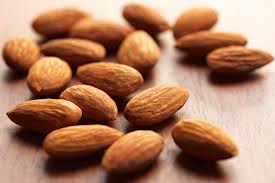
    4)Almonds:A marvelous source of natural oils required by the body,almonds are an excellent way to bust that craving.In fact since its summers,you can soak up some almonds every night in a cup full of water and peel of its skin  and eat every morning.Intake of at least seven almonds(preferably soaked in water to cool of the heat increasing factor) also boosts your memory and improves skin texture.Now here we are talking of all round care!Just in case you are not really fond of having it plain,you may grind them with elaichi (green cardamom)seeds and use it as an addition to cold milk .By hook or crook,almonds are a must.

    alm

    5)Mattha:the good old mattha comes to save you from a heaty summer day!So take some curd and water and churn it up with salt to taste and add some jeera(cumin seeds) powder ,and viola! here is your wonder beverage!It saves you from the effects of excessive heat,keeps you full and helps you in weight loss.You can also garnish this with crushed ginger and mint leaves.An apt beverage for all meals,mattha is the in thing to bust some fat.

    6)Have small meals at short intervals.By reducing your portions and eating at intervals of  two hours or so helps you keep a check on overeating.Using a smaller plate to eat from can also psychologically help you in reducing your meal size.Do so  in a methodical manner by reducing the amount of food each time you  eat.Eg.you may start with two servings  of rice  and the next day you can reduce it to around one and a half serving.This ways you will also save yourself from the so called ‘dieting’ that requires you to not eat at all.

    7)Avoid fried food as much as you can.An occasional intake is allowed from time to time ,like once every week but try restraining yourself.It would be better if you replace your regular cooking oil with olive oil,which is a healthier option as it poses no cholesterol related threats and is rather fat free as compared to other oils and cooking mediums.

    8)Cold drinks and aerated drinks have to be avoided as far as possible,they dehydrate you and contain huge amounts of caffeine  and sugar. Not only they deteriorate  your teeth enamel (the outermost layer that protects your teeth) but is also highly acidic in nature when compared to the natural acids secreted by the lining of your stomach and  gut.It messes up the chemical balance of your natural systems.

    9)Include as many green vegetables and seasonal fruits in your diet.Going for packed goods and ready to eat products has to be minimized.

    10)Try having a dessert as a complete meal in itself instead of having it after a meal.This will drastically reduce your chances of overeating.And yes ,try at all instances not to go overboard with the sweet dish.A serving or two should be it.

    dsum

    P.S:try some yoga or brisk walking each day to make your efforts even more fruitful.

    yog

    Follow these steps ,stick to them at all instances,each moment and each day.STAY HEALTHY, STAY WEALTHY!

  • Benefits of Healthy Food

    Benefits of Healthy Food

    Food is essential. Everything what we do happens because of nutrients we give to our body. People take it for granted but our body need nutrients. Food is a fuel for our body to move it, to think and to give energy to our muscles. The minerals and vitamins are there so that our bodies can function. Protein has developed an image of containing calories. Food is not only for sustaining health but to feel better. And the only way to keep our body healthy by eating a wide variety of healthy foods.

    Eating a healthy diet will go a long way to make sure that you have all the nutrients to make your body fit. Our body utilizes everything we put into it, and what we give is determined by how it is used- for bad health or good.

    BENEFITS OF HEALTHY FOOD-

    EFFECT OF FOOD ON HEALTH-

    Fruit is a carbohydrate rich in vitamins, minerals, and fibers. The fiber in the fruits can be a big help when it comes to weight loss. Fresh fruits are rich in water content and tend to be low in calories. The water content and high fiber helps you in a minimal calorie cost and makes fruit a smart addition to any weight-loss plan. Fruit is beneficial for the people who are fighting with cardiovascular disease because diet rich in vegetables and fruits makes us strong to fight with heart diseases. Vitamin A helps against macular degeneration. Vitamin B helps in improving memory, and gives healthy hair. Vitamin C enhances your natural beauty. So you need to watch your calories, and should add fruits a part of your daily routine.

    Whole Grains contains three layer of seeds nutrient dense germ, fiber rich bran and the starchy endosperm. Regular consumption of whole grains reduces risk of high blood pressure, heart diseases, and diabetes. It also helps in weight loss and maintenance. Whole grains also contain vitamin B which gives fuel to our body and promote heart health. The vitamin E in whole grains helps in boosting eye health, reduces risk of cataracts and slows the progress of vision loss.

    HEALTHY FOOD GIVES HEALTHY SKIN-

    Skin is a vital part of our body. Without skin we are just bones and blood. A part of your body’s makeup comes from what you put in it. There are many tasty food that can give you great skin and including them in your daily routine is essential. Healthy skin makes you look younger and fresher. Glossy hair and glowing skin can be yours in days, all you have to do is eatthe foods your body needs to look its best. Also there are certain foods to give your skin a natural beauty. Fatty acids have effects on skin and hair condition. But the body can’t make essential fatty acids, so they are provided to our body by food. Oily fish, Salmon are good sources of fatty acids. You must include soya beans, prawns, and eggs in your diet to make your skin as well as hair healthy.
    When you cook food, it loses its vital nutrients. When you eat cooked food, you don’t get nutrients which your body needs for its functioning and it is shown in your skin. Your skin cells also require nourishment to look fresh and natural.

    EFFECT OF FOOD ON YOUR BRAIN-

    The brain is the platform for our mental health and therefore for our mind. The brain is made up of water, fatty acids and other essential nutrients. Most of the brain is derives from food. Essential fatty acid performs a vital function in brain. It helps in the structuring of brain cells, and ensures that smooth communication is possible within the brain. It is called “essential” because it is not made inside our body so we need to intake food rich in fatty acid.

    Secondly there are some foods which affect our brain slowly over a period of weeks. It includes carbohydrates such as potatoes and rice, lecithin containing products such as eggs and cakes. Their purpose is to bias the function of a transmitter system by enhancing the functioning of brain. In terms of second system, insulin helps in uptake of glucose through neurons, as well as in maintain their function. Diets that are higher in fats promotes insulin resistance which reduces the ability of body to utilize insulin and increases the risk of dementia.

    EFFECT OF FOOD ON YOUR MOOD-

    Several studies have shown that food might be used to treat such common problems as depression, hyperactivity, and insomnia etc. Specific foods and nutrients can produce changes in chemical balance of our brain. Also the way people feel is affected by what they eat. For example, we give candy to soothe a crying child and hot milk to induce sleep. Consumption of certain nutrients can change the levels of brain chemicals that transmit messages between nerve cells. Research shows that people with vitamin B1, vitamin B12 deficiencies are at the risk of depression.

    It is therefore essential to eat more whole foods and pay specific attention to fruits, vegetables, vitamins and minerals. Introduce a few changes in your diet and feel the difference.