Category: Culture

  • A Reason to Eat Guilt Free !!!

    A Reason to Eat Guilt Free !!!

    I am running 2 km a day , going to gym and exercising for two hours daily, literally eating bland food and still find my self fat in the mirror . Am I self obsessed ? Am I suffering from depression ? Am I loosing out faith in God ?, Am I a obese ?

    Do you get worried too with such questions in your mind? Its useless worrying about this situation it will worsen the matter.  So gear up , take a deep breath , stop sulking (A mental note to myself ), and hurry towards your kitchen. Hunger is a basic necessity and you cant afford to starve for a long time so eat full heartedly and wear your smile back on your face. There are few magic recipes which can reduce your weight and you don’t even feel like dieting ….practically you are dieting though .
    hakka_noodles

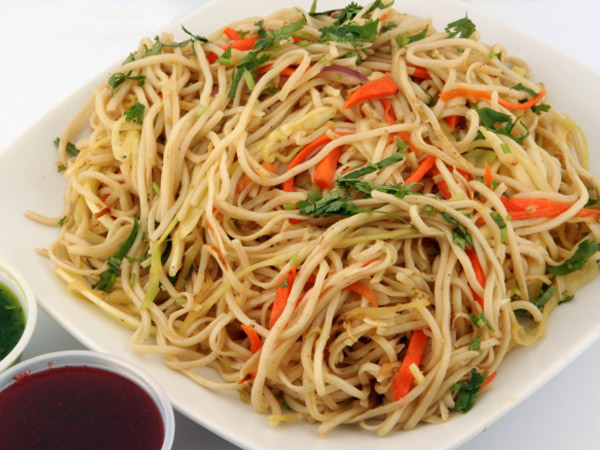
    A Guilt-free-Hakka  Noodle :

    Ingredients : 2 cup boiled egg noodles, 1 cup sliced onions, 1 tablespoon celery chopped. 1 tablespoon garlic finely chopped, 1 tablespoon ginger finely chopped, 1 cup boiled and chopped soya nuggets, 1/2 cup spring onions, 1/2 cup cabbage finely sliced, 1 teaspoon green chilly chopped, 1 cup red and green bell peppers sliced, 1/2 cup boiled and sliced baby corns , 1 cup diagonally sliced carrots and French beans ., 1 teaspoon pepper freshly crushed, pinch of turmeric, 3 tablespoon  hot and sweet tomato ketchup, 1 teaspoon dark soy sauce, 1 teaspoon vinegar, 2 boiled eggs without egg yolk and roughly diced, salt to taste and oil for cooking.

    Servings : 4

    Method : Heat a pan add a bit of  oil to it on a high flame and add garlic, celery, ginger , green chilly chopped and onion slices. Sauté it for 2 to 3 minutes until its light brown then add beans , carrots, bell peppers, soya nuggets, spring onions cabbage, baby corns, salt , pepper and pinch of turmeric powder. Sauté it for another 3 to 4 minutes and them add soy sauce ,vinegar, hot and sweet tomato ketchup and stir it evenly through all the sautéed veggies. Finally add boiled noodles a bit of salt and stir fry on high flame for 5 minutes . While serving garnish it with spring onion greens and roughly diced boiled egg .
    download (1)

    Sautéed Veggies :

    Ingredients : 1 large yellow bell pepper cut into cubes, 1 large red bell pepper cut into cubes, 1 small broccoli cut into separate kernels, 12 baby corns sliced from middle , 2 cups of mushrooms , 2 large onions cut into cubes, 250 g of fat free paneer, 2 tablespoon ready made salsa dip easily available in market , 1 teaspoon oregano, 1 teaspoon black pepper freshly crushed, 1 tablespoon butter, Salt to taste.

    Servings : 4

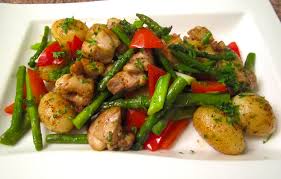
    Method : Firstly we need to strain the mushrooms in hot water so that all its impurities are drained out and we get exact freshness of the veggie, Now rinse all the cut and cubed veggies in Luke warm water so that impurities are drained out. Heat butter , Sauté the Mushrooms, baby corn and broccoli with salt seasoning for about 4 to 5 minutes, add bell peppers and onions with pinch of salt and sauté it for another 4 to 5 minutes, Add low fat paneer,pepper powder, salsa sauce and oregano stir it for another 2 to 3 minutes Serve it Hot. You can also team it with steamed rice or simply eat it solo.

    y-QQnRebdLRWs.480x360

    Sev Puri Look-Alike :

    Ingredients : 20 thick slices of cucumber slices, 1 cup boiled green moong sprouts, 1/2  cup , finely chopped Onions, 1/2 cup de-seeded and finely chopped tomatoes, 1 cup of fresh yoghurt made of toned milk, 1 teaspoon chaat masala, 1 teaspoon roasted cumin powder, 1 teaspoon black salt, 1 teaspoon red chilly powder, 1/2 teaspoon black pepper powder,1 teaspoon green chilly (optional ), 1 tablespoon finely chopped coriander,1 tablespoon tamarind Chutney available ready made in market .

    Serving : 4

    Method : Mix all the ingredients except cucumber and tamarind chutney in a bowl and set aside. Now top this mixture on each of cucumber slices ( Papri substituted for cucumber slices), sprinkle coriander powder, a bit of chaat masala and tamarind chutney . Serve it and feel the street food in your mouth guilt free.
    IMG_5711

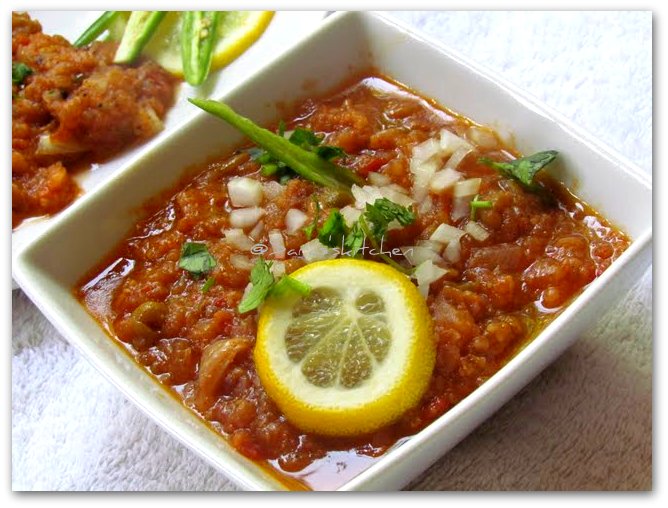
    Paav Bhaji A Healthier Version :

    Ingredients : 1 1/2 cup green moong sprouts , 2 medium Potatoes, 1 cup green peas, 1 cup cauliflower chopped roughly, 1 cup French beans chopped very finely, 1/2 cup carrots chopped finely, 4 medium finely chopped tomatoes, 2 Medium Capsicum finely chopped, dozen of  large garlic cloves, 2 to 3 kashmiri dried red chillies, 1 teaspoon sugar, 4 teaspoon paav bhaji masala, 1 tablespoon lemon juice, Salt to taste.

    Servings : 5 to 6

    Method : Soak the kashmiri red chillies in hot water for three to four hours and later drain the water off. Pressure cook the potatoes, peel and roughly mash it, Pressure moong sprouts and peas till they are hard but cooked and then coarsely mash them, pressure cook french beans, carrots and cauliflowers and mash them coarsely. Take a blender and grind Garlic , a bit of onion chopped, salt , drained off Kashmiri red chillies and 1/2 cup of water .Make a fine paste out of it.Heat the oil , sauté remaining onions for 3 to 4 minutes , add capsicum  and sauté for another 5 minutes.Stir in the freshly grounded chilly garlic and onion paste sauté till the mixture separates oil in the pan.Add tomatoes , paav bhaji masala, salt, Saute for 3 to 4 minutes. Add the boiled and mashed potatoes, french beans , carrots, cauliflower, peas in the pan along with 2 cups of water and cook for 10 minutes. Add lemon juice and a teaspoon of red chilly powder. The paav bhaji’s healthy bhaji is ready now instead of regular paav eat it with dry toasted whole wheat brown bread and enjoy the goodness of health and taste together.

    Its so simple to sulk and weep on petty issues like weight gain , pimples, double chin. But to come out of all this undesired self beings you just need to think wisely adapt a healthy lifestyle and keep eating non-stop but in limited portions. You will never loose hope in life and you can be a Shilpa shetty or  Madonna or Hrithik Roshan too. To look like them you have to behave like them and eat like them.
  • Hostel Bites !!!

    Hostel Bites !!!

    Do you remember the old Bollywood number “Ande ka Funda ? the song shows us the true value of a egg. Those who have stayed in hostels or PG’s you will definitely agree with me. Without Egg and Maggie we cannot survive hostel days. They are the only source of maternal love we get outside our homes. To cook Egg Bhurji on a slow flame electric heater without hostel wardens permission is super duper fun.Gone are those days of anticipation, friendship, fun, notorious activities, late night addas, smoking for the first time with roomies, having a pajama party organised to tease the boys , going on dates and getting decked up for fresher party in college. We all miss those fun reckless carefree days where we could achieve world in a snap. Today there is Old boring meetings, Hitting deadlines, Getting KRA’s listed, appraisals, promotions, pink slips, recession …..every evil on this planet. Are we done with life ? Are we done with all those carefree fun reckless days spend in hostels ? Are we done with the bunking? Are we too old to fool around with friends ? For me answer is NO!

    Yes we can dress up like teens , full around , date, go out on midnight binge on , Can plan a late night bike ride with friends .We can do that its just the way we plan stuff. If you feel like 40 you will behave like 50. So stop cribbing about today and missing old days ….we can create memories today as well. Go and make those tasty recipes which you guys use to make with your hostel mates and invite them and grab a bite in memory of those days to re create that magic again and make fresh super fun memories again.

    Anda Bhurji With Paav :

    images

    Ingredients : 10 eggs , 2 large onions finely chopped, 2 to 3 green chillies finely chopped, 2 to 3 tomatoes finely chopped, 2 teaspoon cumin seeds, 1 tablespoon paav bhaji masala, 1 /2 cup chopped coriander, 1 tablespoon tomato ketchup, salt to taste, 1 teaspoon turmeric powder, 1 teaspoon red chilly powder, Oil for cooking, 10 Paav’s cut into two halves, 1 Tablespoon butter for grilling the paav.

    Serving : 5

    Method : Its the easiest recipe in the world ….the only reason of being popular in hostels.Heat a pan after adding oil and once the oil heats up add Cumin seeds,green chillies, onions, Sauté it for 2 minutes and  then add tomatoes and all the dry spices along with salt. Cook it for good odd 5 minutes .Once the tomatoes separate oil add ketchup and chopped coriander and Bhurji is ready. Now take a neat shallow pan, heat it  and grease all the Paav’s and grill it on the heated pan. Eat generously and carefree.

    Sabji Wali Masala maggie:

    images (1)

    Ingredients : 5 packs of Maggie instant noodle, 2 Large onions roughly chopped, 3 to 4 green chillies , `two large tomatoes chopped finely, 1 cup boiled green peas, 1 cup French beans roughly chopped, 1/2 cup capsicum finely chopped, Oil to cook, Salt to taste, a pinch of turmeric powder,1 teaspoon of red chilly powder, 1 teaspoon black peppercorns freshly crushed.

    Servings : 5

    Method : Heat a deep pan and add oil in it. Once the oil gets hot stir in green chillies, onions and French beans, sauté it for 2 minutes, Now tomatoes, salt dry spices green peas, capsicum, and Maggie masala (all the five pouches). Cook it till tomatoes separate oil and add all the Maggie noodles simply  by breaking into two halves. Add 5 cups of water and cook it till maggie soaks up all the water and becomes dry. Sprinkle crushed black peppercorns and tomato ketchup and eat it before someone else comes ….:).

    Kheera Sandwich :

    Perfect-cucumber-sandwich-008

    I survived bad hostel lunch days all because of kheera sandwich made by my roomie. I hope many relate to me as they must have compromised some day without a good food day in hostel and someone came as a saviour and brought you out of the suffering.

    Ingredients : 2 large cucumbers cut into thin slices, ten pieces of brown /white breads (Whichever you prefer but host-elites use to get plain white bread only), two tablespoon butter, 5 Cheese slices, 1 teaspoon black salt, two tablespoon tomato ketchup.

    Servings : 5

    Method :  Spread butter on five slices and spread ketchup in rest of the five. Now place cucumber/ kheera slices on the breads having butter, sprinkle a pinch of black salt on each slice of butter and kheera and then top it up with cheese slice. Sandwich it with the ketchup slice ,cut the edges of the bread from all the four corners and diagonally make two pieces out of each sandwich. You are ready to eat heavenly food.

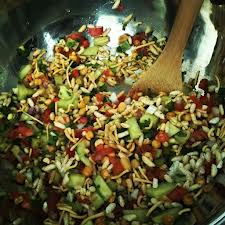
    Teekhe Murmure / Jhal Muri :

    images (2)

    Ingredients : One large bowl full of puffed Rice/ Murmure/ Muri, 1 large onion finely chopped, 2 to 3 green chillies, 1 teaspoon roasted cumin powder, 1 teaspoon black salt, 1 tespoon red chilly powder, 1 cup bhujia , 1 cup Green moong Sprouts, a bit of mustard oil, 1 teaspoon chaat masala, 1 large cucumber very finely chopped, 1 tablespoon chopped coriander.

    Servings : 4

    Method : Mix all the ingredients very evenly and check the amount of chaat masala and salt and adjust the taste accordingly. Make a paper cone can serve it immediately.

    Masala Papad:

    masala_papad

    Ingredients : 5 papads, 1 cup finely chopped cucumber, 1/2 cup finely chopped onions, 1 cup coriander chopped, 1/2 cup tomatoes de-seeded and chopped finely, 1 teaspoon green chilly powder, 1 teaspoon chaat masala, 1 taespoon black salt, 1 teaspoon red chilly powder, 1 Fresh lemon .

    Servings : 5

    Method : Deep fry the papad(optional) or you can simply roast the papad. Spread evenly onions , green chillies, coriander, cucumber and tomatoes. Then sprinkle chaat masala, black salt and squeeze in few drops of lemon juice on it. Dont keep it for long as it might soggy the roasted papad.

    A sheer dedication to my four Roomies whom I have lived happy two years outside home. They were my friends , my sisters my only source of entertainment. We were the famous five in our Hostel.

  • Chickpea Bonanza !!!

    Chickpea Bonanza !!!

    Vegetarian dishes are always under rated . People believe we do not have variety in vegetarian cuisine. Which is so not true as a single kind of pulse or lentil can be prepared in 100 different ways and all taste different. Are you surprised ? Don’t be its a the fact by changing few combination of ingredients and spices we can create variety in vegetarian dished. The Plain Jane Potato can be eaten in different forms and all very different from each other in taste. India is a country for vegetarian cuisine. The variety of veg food we get here is in no comparison with other parts of world . Each state ion India has its variety of vegetarian food and all are so different in look, taste , texture , colour and surprisingly the key ingredients remain the same. We truly are land of diversity not only in language , costumes but also in food. Today I will discuss a very popular key ingredient pulse which can be recreated in different varieties and all taste just yum . That key ingredient is none other than our very dear Chole / Chickpea. Chole sounds like a north Indian dish and it is a very popular dish in North India but widely eaten in all parts on India . You will get Chole in all forms , curry, salad, fried balls, falafel, in sandwiches, etc etc.

    To raise your craving a bit more lets have some awesome  popular Chickpeas recipe.

    download

    Kadai Chole :

    Ingredients : 2 cups of chickpeas soaked overnight, 2 tea bags , 1 cup of onion paste freshly blended, 1 tablespoon of ginger and garlic paste, few ginger juliennes,1 cup of tomato puree, 1 tablespoon Chole masala, salt to taste, 1 teaspoon green cardamom, 1 stick of cinnamon, 2 teaspoon red chilly powder, 2 to 3 red dried chillies, 1 tablespoon Ghee, 1 teaspoon cumin seeds, few sprigs of coriander leaves finely chopped.

    Servings : 4

    Method : Firstly  we need to pressure cook chickpeas by adding two teabags (You may make a muslin pouch of 2 teaspoon tea), cinnamon stick and few green cardamom, salt to taste. Once the the chickpea is boiled you will get blackish tinge in chickpeas not throw away the cardamom, tea bags , and cinnamon stick as they have done their job . Do not throw the boiled water in the pressure cooker. We will need that to make a bit of gravy as it has all the protein of the chickpeas intact. Now its time to heat a pan with a lid add ghee , cumin seeds wait fr few seconds till it splutter then add dry red chillies , onion paste, ginger and garlic paste with a bit of salt. Sauté it till the onion looses out its poacity and becomes transparent . Now add ginger juliennes, Tomato purée, and chole masala . Cook this mixture until tomato separates oil. Now add boiled chickpeas , boiled water that we kept aside, red chilly powder. Close the lid and cook for 5 minutes. Now higher the flame make dry up a bit of gravy. Serve it hot with coriander garnish on top. Its teamed with Indian flat breads, or simply eat it with steamed rice or Pulao.

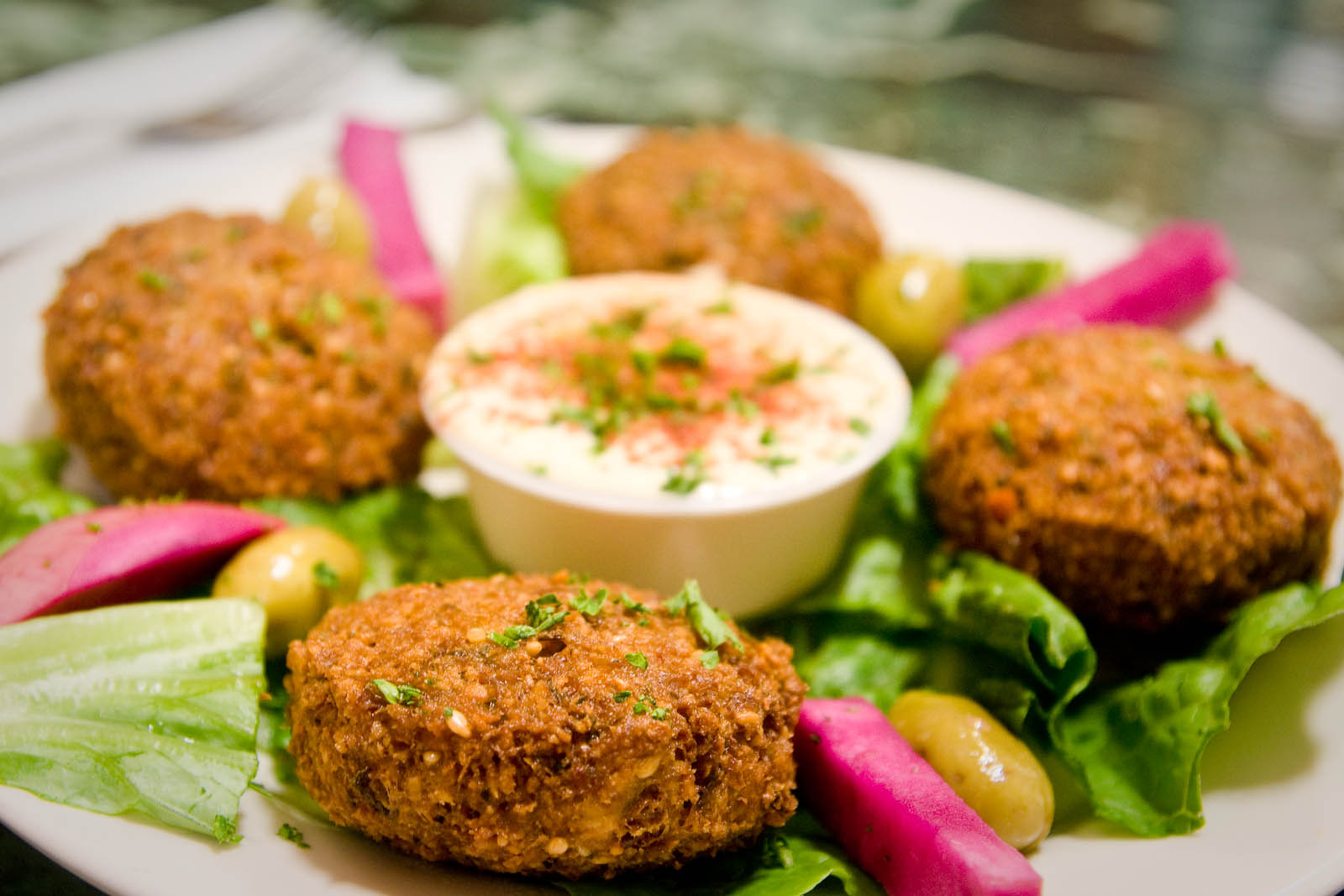
    sunrise_falafel-plate

    Chickpeas Falafel Patties :

    Ingredients: 2 cups of chickpeas soaked overnight  , 1 cup of finely chopped onions, 1 tablespoon of chopped coriander leaves, 1 teaspoon of dry mango powder, 1 teaspoon of green chilly chopped, 1 teaspoon of cumin powder, 1 teaspoon of coriander powder, 1 teaspoon of red chilly powder, 1 tablespoon of refined flour, 1 teaspoon of black pepper powder, 1/2 cup of water of required, Salt to taste, Oil for deep frying.

    Servings : 4

    Method : Firstly blend soaked and dried chickpeas along with onion, green chillies. Now add into the blended mixture , chopped coriander leaves,dry mango powder, cumin powder, coriander powder,red chilly powder,black pepper,Salt,refined flour and make into a smooth dry dough . Now oil your palms and make equal size balls out of the dough and flatten it in the center to give it a patty shape. Dab these patties on refined flour and deep fry them until golden brown, Now take burger buns spread a bit of ketchup and stuff in the falafel patties on each bun and eat it as a burger or simply eat them with your favourite dip.

    images (3)

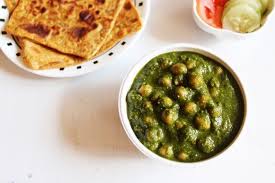
    Chickpeas in  spinach Gravy :

    Ingredients : 500 g of spinach leaves cleaned thoroughly and dried, 1 cup uncooked chickpeas (soaked overnight and then dried, 2 large tomatoes, cut roughly into quarters, Two large onions chopped finely, Garlic cloves chopped finely approx 5 to 6 , green chillies approx 3 to 4, 1 teaspoon red chilly powder, 2 teaspoon cumin powder, Salt to taste, Oil for cooking.

    Servings : 5

    Method : Pressure cook chickpeas by adding salt to it. Discard the spinach stems and chop the spinach coarsely. Now comes the real trick , place the spinach , tomatoes a bit of salt in a pan cover the lid and cook for 10 minutes without adding water.Once cooked separate spinach and tomatoes after cooling and grind tomatoes and green chillies in a blender.Making a smooth paste. Grind spinach leaves too but coarsely. Heat oil in a pan , sauté chopped garlic cloves, add onions and cook until light browned. Add the tomato paste and cook for 6 to 7 minutes. Stir in cumin powder and red chilly powder. Cook until tomato paste separates oil in the pan , add spinach purée and cook for few more minutes .Do not cook more than 2 to 3 minutes as it will discolour the spinach and spoil its texture. Add the boiled chickpeas stir well and slow the flame cook for 1 minutes and switch of the flame immediately. Serve it hot with steamed Rice or plain parathas. They are a delight to have in winter season and very nutritious too.

    So, here is a bag full of vegetarian recipes breaking the myth that variety is not found in veg cuisine. Why don’t you surprise the meat lovers with these recipes and click tee expressions once they enjoy eating these yummy dishes and want a second serving.

  • 10 Things You Didn’t Know about Batman!

    10 Things You Didn’t Know about Batman!

    The enigmatic Bruce Wayne, one of the world’s most favourite superheroes of all time, has had an exciting lifetime in his comic publication history and in numerous animated and live-action film as well as television adaptations. While Gotham City and the rest of common civilian folk know Wayne as a rich playboy, living as a bachelor in his huge mansion after the loss of his parents at a young age, few really know his secret identity. When night falls, the Dark Knight dons the very symbol that had frightened him for his entire childhood, becoming the Batman and striking dread into the hearts of his enemies. Legendary director Christopher Nolan is credited with bringing the caped crusader back from the shadows and onto the Hollywood top grossing films’ box office in the much loved trilogy featuring Batman Begins (2005), The Dark Knight (2008), The Dark Knight Rises (2012). Here are some interesting and rather unknown facts you might not know about your beloved superhero:

    Wayne_Enterprises-BC-BWayne

    1. Bruce Wayne is originally an industrialist, billionaire, philanthropist, and heir to the multi-national Wayne Corporation that originated in the 17th century under the aegis of his great-great-grandfather Alan Wayne.

    2. The concept art for Batman was created by Bob Kane at National Publications, the predecessor of DC Comics, as a response to the success of Superman in Action Comics.

    bungled-personal-flight-attempt-3

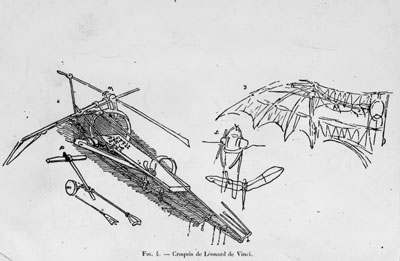
    3. The iconic black cape of Batman which is shaped like batwings was added by Kane who was inspired by seeing Renaissance artist Leonardo da Vinci’s handmade sketch of a prototype ornithopter flying machine. Finger made further additions to the costume, using gloves, removing the initial red accents, giving Batman his signature black cowl and a cape instead of wings and a mask, which also led the superhero to be dubbed The Dark Knight by his fan following.

    4. Contemporary 1930s popular culture provided most of the inspiration regarding much of Batman’s look, personality, methods and weaponry, drawing inspiration from various characters from pulp fiction and newspaper headlines, such as Zorro (created by Johnston McCulley in 1919), The Phantom (created by Lee Falk in 1936), and The Scarlet Pimpernel (created by Baroness Emmuska Orczy in 1903) most notably among many others.

    stark_industries_vs_wayne_enterprises_by_vinnyjohn13-d6580xi

    5. Think Tony Stark aka Iron Man is the perfect “genius, billionaire, playboy, philanthropist” slash superhero sans his suit? Think again. With a superhuman “force of will” that characterizes the indomitable American spirit, Batman is an expert interrogator, a perfect human specimen with honed agility, endurance, strength greater than Olympic athletes and Chinese acrobats combined, the ability to withstand any form of mind control and massive inhuman amounts of pain through practiced meditation, master of a hundred and twenty seven martial arts, an exceptional weapon-wielder and marksman, a stealthy detective and infallible strategy planner, and has studied various disciplines which include computer science, chemistry, engineering, astrophysics, biology, and forensics.

    6. Bruce Wayne’s first name came from Robert Bruce, the Scottish patriot. Bruce, being a playboy, was a man of gentry. Bill Finger searched for a name that would suggest colonialism and tried names such as Adams, Hancock, etc. in the process before finally borrowing from “Mad” Anthony Wayne (the fiery General in Chief of the Legion of the United States from the 1700s) the perfect surname for Batman’s civilian identity.

    Carmine_Falcone_1 Sal_Maroni

    7. Before fighting supervillains like The Joker and Ra’s al Ghul, Batman single-handedly brought down the organized crime syndicates that plagued Gotham City, which included low-level gangsters to powerful mob bosses such as Carmine Falcone and Salvatore Maroni.

    8. Batman, while not being imbued with any superhuman powers, makes up for it with his extensive physical and mental training and an inexhaustible range of weaponry and gadgets, which makes him just as powerful as any other powerful superhuman, and even divine superhero and superheroine in the DC comicverse. However, Wayne’s oath to avenge the murder of his parents is tempered with a sense of justice, and it is noteworthy to mention Batman’s “no-kill policy” which involves him serving justice in his own right (if he does not hand over a villain to the authorities), but without the heinous act of taking someone else’s life. This fact was explicitly stated in The Dark Knight Rises film by Batman (played by Christian Bale) while in combat along side Catwoman (Anne Hathaway).

    9. The Dark Knight, released in 2008, is one of the best contemporary reflections of the confusion and destruction that surrounded the collapse of the Twin Towers in New York City by terrorists on September 11th, 2001, as Batman’s enigmatic archenemy, the Joker, waltzes into town, and creates problems of epic proportions for Gotham. The Joker does not aim to steal money, gain political power, or even kill the superhero, but only to demonstrate to him the weak foundations of society, as he conspiratorially mentions, “When the chips are down, these ‘civilized’ people will eat each other. You’ll see. I’ll show you.” In an iconic scene of the same film, the camera pans over the lone, grim figure of Batman standing alone in the midst of a burnt down police precinct, the still flaming wreckage of which is arranged to uncannily resemble the ruins of the World Trade Centre buildings.

    10. While the levels of anarchy shown in the final Batman movie echo the market crash of 2008, it is also heavily influenced by Charles Dickens’s A Tale of Two Cities, which is set in the backdrop of the French Revolution in the late 1700s, with the final monologue borrowed directly from the last words by the novel’s protagonist: “I see a beautiful city and a brilliant people rising from this abyss. I see the lives for which I lay down my life, peaceful, useful, prosperous and happy. I see that I hold a sanctuary in their hearts, and in the hearts of their descendants, generations hence. It is a far, far better thing that I do, than I have ever done; it is a far, far better rest that I go to, than I have ever known.” Bane, in this context is often compared to the fictional Madame Defarge and the Russian dictator Joseph Stalin, a figure who though rose to power, did so by corrupt methods and hence is not a figure to be trusted.

    Batmobile_007

    Bonus fact: While all comic lovers know Batman’s favoured armoured gadget-laden black car as the “Batmobile”, it is never explicitly referred to by this name in any of Nolan’s films save the official scripts. This automobile has undergone many changes in its appearance and features over the years, and Nolan’s era saw the Batmobile being modified from the Tumbler, a product designed by Wayne Enterprises’ Applied Sciences Division as a bridging vehicle for the military.

  • What’s to Know about Willis Tower?

    What’s to Know about Willis Tower?

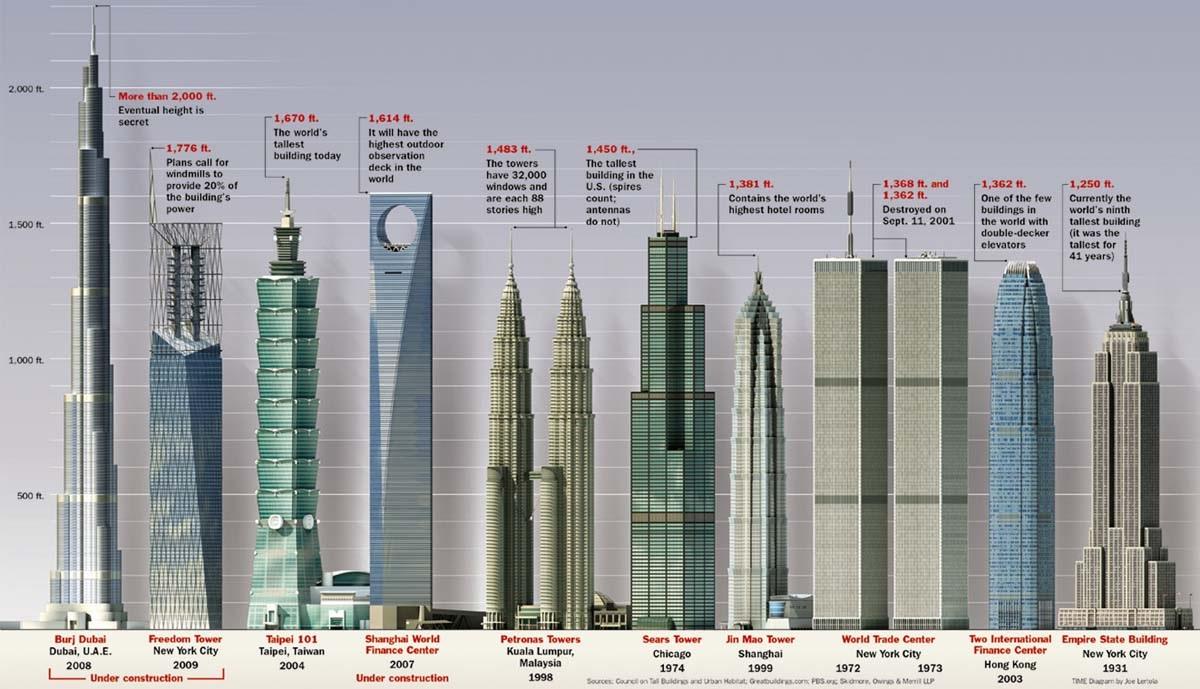
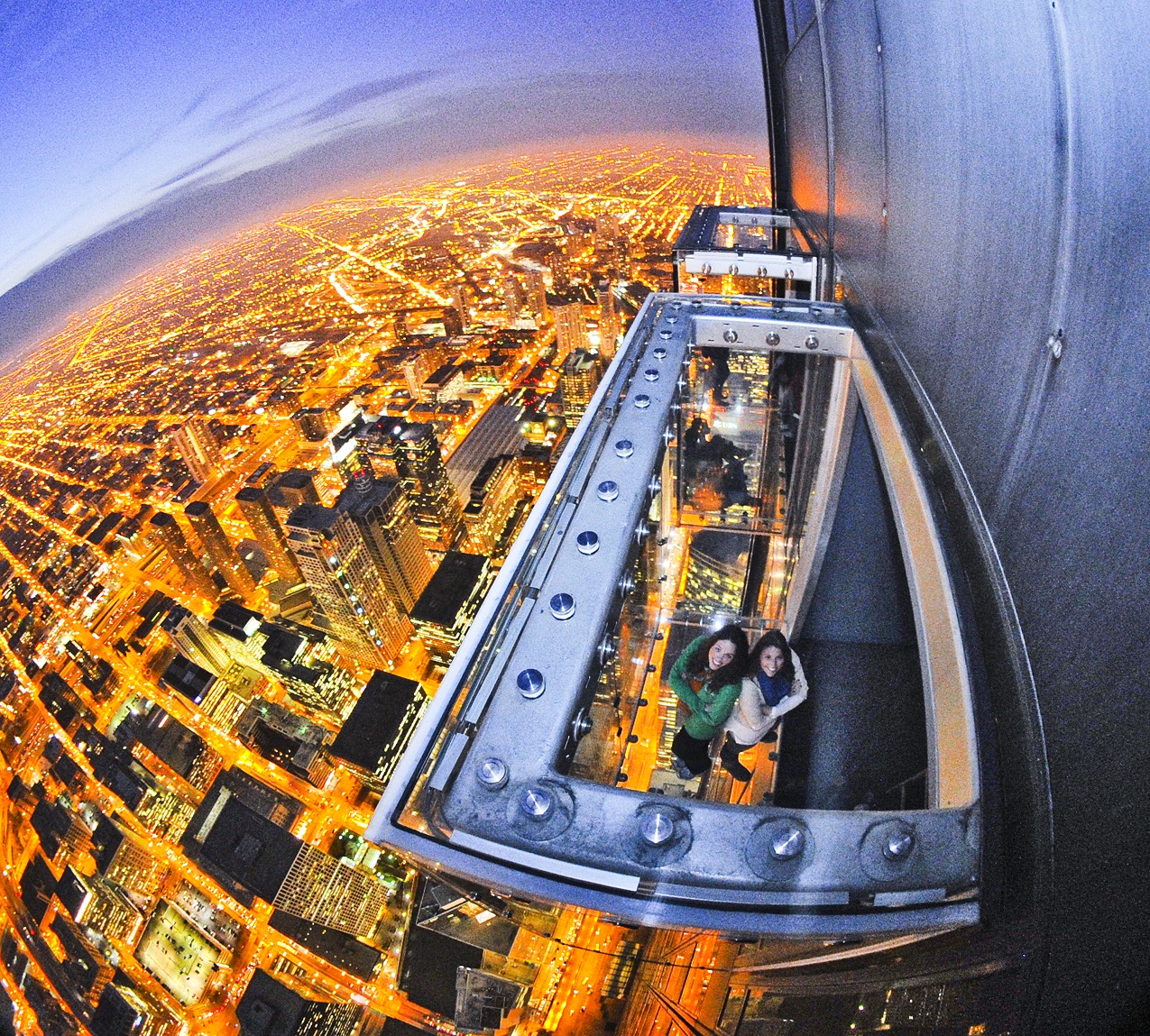
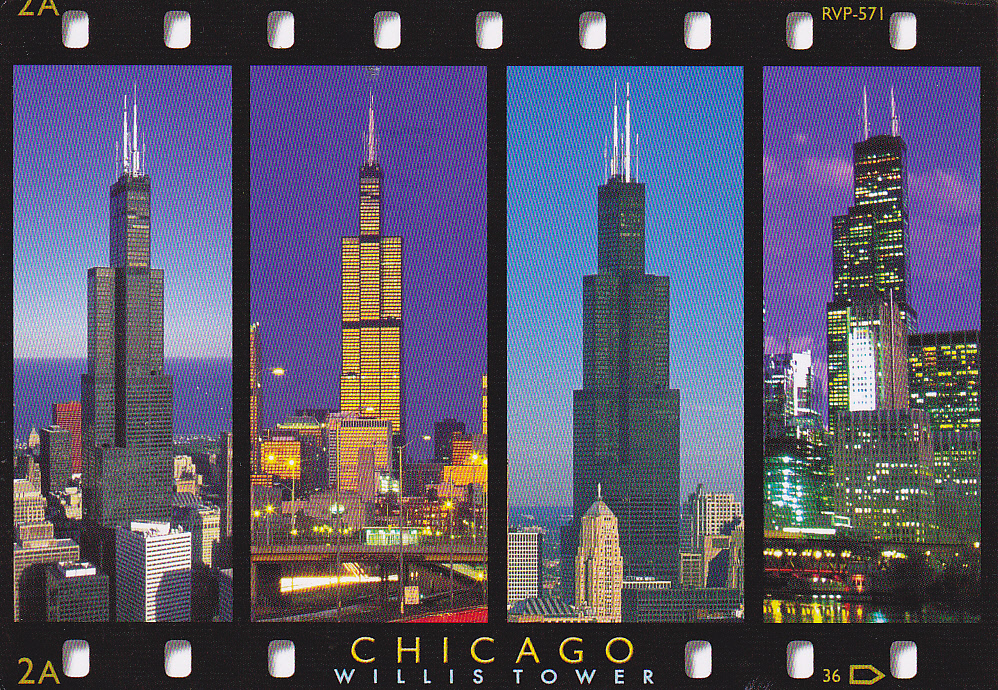
    The Willis Tower, formerly known as Sears Tower, is a 110 storey skyscraper in Chicago, United States of America, was once the tallest building in the world, occupying the top spot for a period of around 25 years, from 1973 to 1998, until the Petronas Twin Towers in Kuala Lumpur, Malaysia, broke the record. While Burj Khalifa, Dubai, holds the current world record, Willis Tower is now the eighth tallest building in the world, and the second tallest building in USA, surpassed only by the recently reconstructed One World Trade Centre in Manhattan. Willis Tower stands tall at an impressive height of four hundred and forty three metres, which is over sixty metres taller than the Empire State of Building in New York City. The Tower was originally built as the national headquarters of the Sears, Roebuck Company.

    tallest-freedom-tower-589126279

    Most people generally agree that the skyscraper was invented in Chicago, which is the third largest city in USA.  In 1871, a fire destroyed a third of the city, and architects set about rebuilding it. By this time, steel was being mass produced and, in 1852, Elisha Otis had invented the elevator, also known as the lift. New buildings could safely and practically be made much taller. The first high-rise building appeared in the city in 1882. This was the Home Insurance Company Building. It was the first building to have a skeleton structure made entirely of steel and iron. It had ten floors – a hundred fewer than Sears Tower which would be built ninety years later. As the demand for land in city centres grew, people needed to build fast and economically. Skyscrapers were the perfect solution to this challenge. With new materials and developing technology, the design of skyscrapers was gradually improved and perfected. Steel girders were used in different ways to build a strong framework. Some buildings were made of tall steel tubes, designed to withstand the winds that blow around the top levels. Inside the tubes, individual floors and rooms are rigid so that people can live and work safely and comfortably.

    It took around two thousand and four hundred workers around three years to build Willis Tower, and eventually finish it in 1973. The unique framework of the tower is made up of nine steel square tubes, which form a large square at the base. This rests on concrete, rock-filled shafts that are securely fitted into the solid rock beneath. The nine welded steel tubes rise fifty floors up. Then the building starts to narrow as you go upwards. Seven tubes continue on up to the sixty-sixth floor. Then five rise on to the ninetieth floor, leaving just two tubes to form the top twenty floors. Two television antennae take the building’s total height to a whopping five hundred and twenty metres – over half a kilometre. The amount of steel used to build the framework alone was enough to make more than fifty two thousand cars. Each of the steel tubes that form the top stage of the tower is 23 metres square in size. Viewed from above, the third strafe makes up a cross shape of five tubes. The second stage of the “step back” design has seven tubes that rise for 65 metres. Each side of the tower’s base, made up of nine tubes, is 69 metres long, with the total structure weighing over a 200,500 tonnes. During construction, up to eight floors were added to the building every month. The building’s steel frame was put together in sections, and were then welded and bolted tightly into place. In 1985, a four storey hall was built a base of Willis Tower, to give extra space. There are also shops and restaurants in the buildings.

    This huge building has over four hundred and eighteen thousands square metres of space, which amounts to around sixty football pitches. The Tower has a hundred and four high-speed lifts, which divide the building into three separate zones and make it easier for people to find their way around. The fireproofed frame is covered in a metallic skin made of black aluminium, and more than sixteen thousand bronze-tinted glass windows. Six automatic window-washing machines clean the whole of the building eight times a year. Willis Tower makes the high-rise buildings around it look small. It is designed to sway up to ninety centimetres at the top in the occurrence of strong winds. About 1.5 million tourists visit Willis Tower each year, making it the most sought after tourist attraction in the city. Two express lifts take them up to the 103rd floor in just over a minute. From the Tower’s Skydeck, visitors have a spectacular view of the Chicago panorama. In the building’s lobby there is an enormous “wallmobile” by the famous sculptor Alexander Calder. The Skydeck is situated a four hundred and twelve metres up in Willis Tower. On a clear day, visitors can see over eighty kilometres, with a breath-taking view of four American states – Illinois, Indiana, Michigan, and Wisconsin.

    IMG_0015

    The official address for the building is 233 South Wacker Drive, Chicago, Illinois 60606, and is the “most impressive office space in Chicago” as it rightfully claims on its official website. Its pinnacle stands tall at a height of 1,729 feet. While the Sears sold the building way back in 1994, and completely vacated the building by the following year, it still held the naming copyrights to the building till 2003. That year, the London based stockholdings company Willis Group Holdings Limited bought around three floors’ worth of area, and thus won the naming rights without any conflict. Currently, United Airlines is the largest occupier of the Willis Tower, and has about twenty floors under its ownership which are home to its headquarters and operations centre.

  • Go Nuts about Nuts! (Part 1)

    Go Nuts about Nuts! (Part 1)

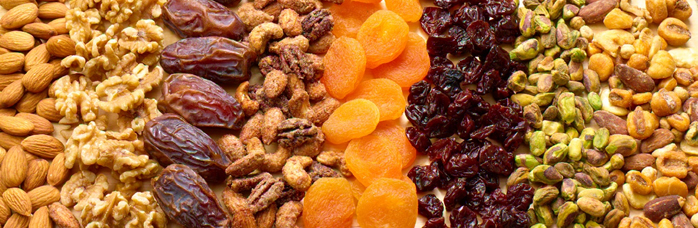
    With high nutritive value and a deliciously sweet taste, dried fruit is fruit from which the majority of the original water content has been removed either naturally, through sun drying, or through the use of specialized dryers or dehydrators. Nuts are edible fruits as well, anatomically different from the rest because of their soft internal kernels enclosed within a hard shell. Both dried fruits and nuts possess high shelf life, and have been in use throughout centuries in every part of the world. Today, they form an integral part of our culture and cuisine, and have an irreplaceable importance in our daily lives.


    1. Khajoor

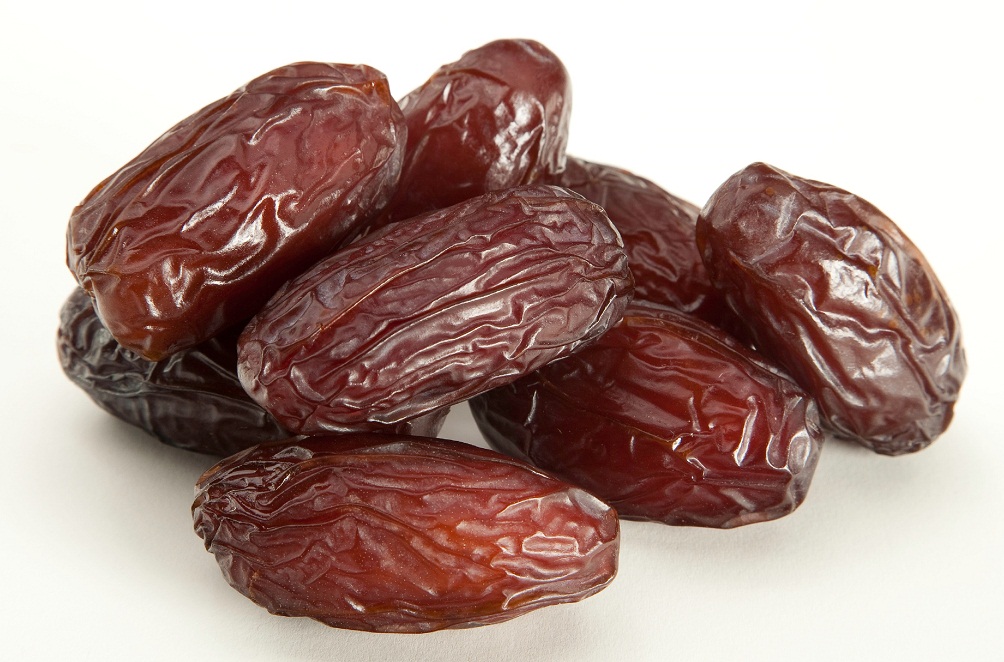
    Khajoor, or the rather generic term, dates are the fruits of palm trees. Named Phoenix dactylifera in the binomial classification system of living organisms, both these names are derived from the Greek word for “finger”, dáktulos, because of the fruit’s elongated shape. What is interesting about the date palm, which produces this particular fruit, is that the male and female plants are separate and independent of each other, and only the female is capable of bearing fruit. The male plants only produce pollen, which is vital for the fertilization of the female and the subsequent production of dates. In most cities in India, dried dates are available easily at every fruit seller’s and vendor’s, and you can find those yellowish, deep red fruits packaged in small cylindrical plastic casings. Dates are extremely high in their carbohydrate content, and a hundred grams of dates will provide you with over three hundred calories. Dates contain minimal protein content, and an abundance of simple sugars which get easily absorbed in the bloodstream, and hence should be mostly avoided by obese and overweight people.


    2. Dried figs

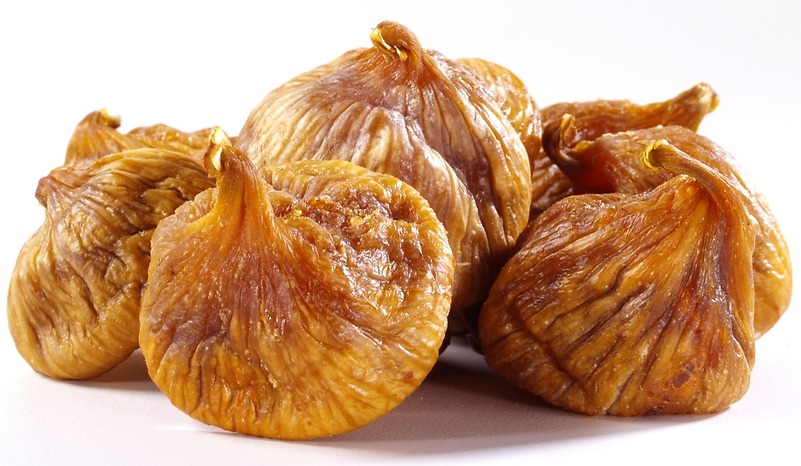
    Figs (Ficus carica) are native to the countries of the Middle East and western Asia, and have been used for both ornamental and consumption purposes over the course of many centuries. One of the first edible plants cultivated by humankind, figs are mentioned in many historical accounts and incidents, one of the most famous being the suicide of the Egyptian queen Cleopatra, who apparently got herself bit to death by an asp smuggled in a basket of figs instead of surrendering to the erstwhile Roman Empire. The small, green-skinned fruit contains many smaller drupelets, or one-seeded fleshy fruit components, and can be eaten fresh, after drying, and in numerous other preparations ranging from jam to ice cream. Known by the vernacular term anjeer in most of the Indian subcontinent, figs are extremely high in their carbohydrate content as well. Dried figs contain rich amounts of sugar, and hence have high calorific content, making it an unhealthy dietary component for obese, overweight people with cardiac risks.


    3. Almonds

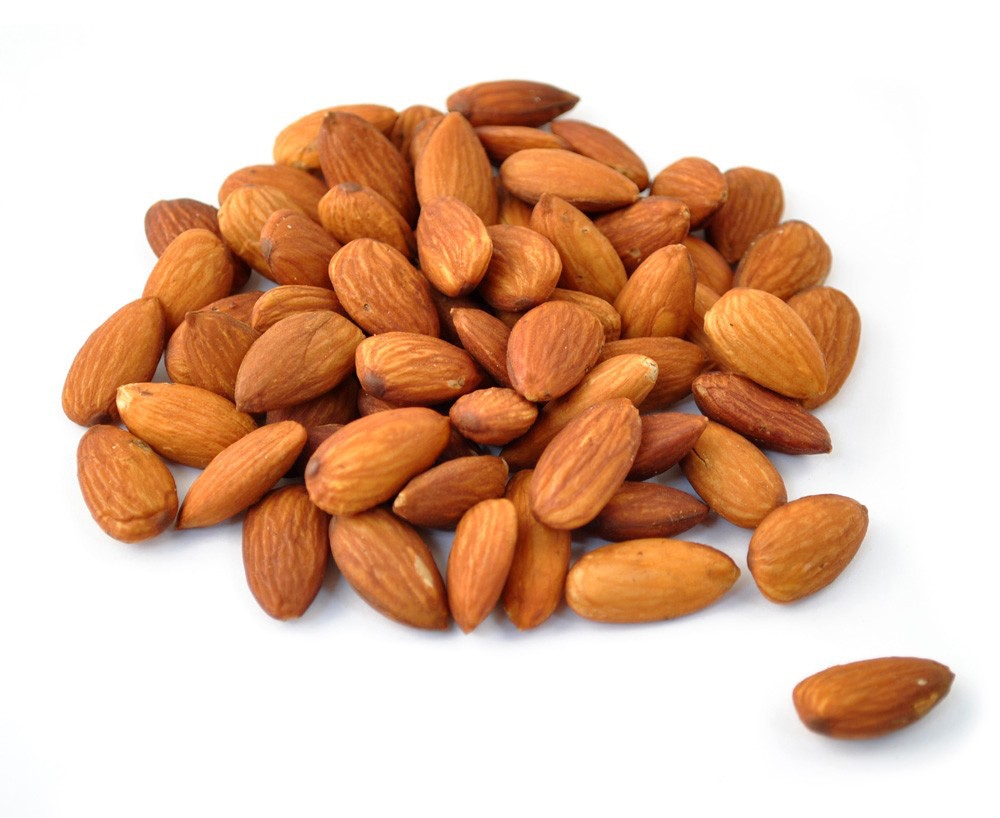
    Almonds, popularly known by their Hindi name badam in the northern states of India, are the seeds of a tree (Prunus dulcis) originally found in the Middle East and South Asia. Closely related to the peach family, the almond fruit also look rather like small green peaches, and are available in both sweet and bitter varieties. Etymologically speaking, the word is derived from countless variations and modifications of the Latin amandula, the Greek word amygdala, and the Old French almande or allemande over the ages. Apart from being eaten in its raw, roasted, and blanched forms, almonds are also used in your daily breakfast muesli as well as while making many delicacies such as cakes, nougat, marzipan, and macaroons in Europe and America, and badam halwa, barfi, biscuits, and flavoured milk in India. Extremely nourishing in nature, almonds are valued as a good muscle and body building substance, in addition to boosting the brain’s grey matter. Used for making oil, almonds also have high calorific value, with every hundred grams of almonds giving over six hundred and fifty calories, and sixty grams of almond fat giving nearly twelve teaspoons of oil.


    4. Peanuts

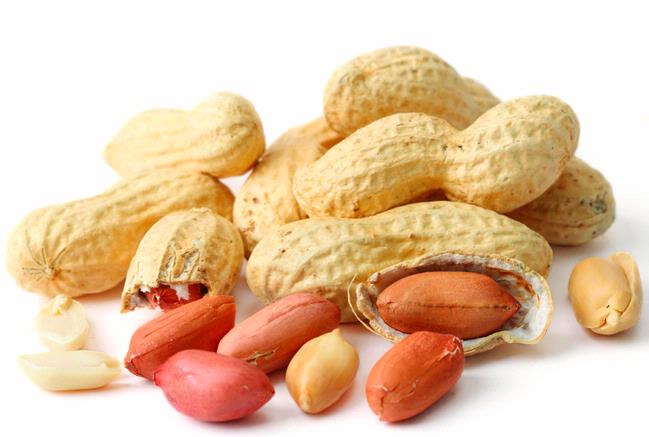
    Peanuts, or groundnuts (Arachis hypogaea) as they are mostly called in India, belong to the leguminous beans family, and was first cultivated in the red soils of Paraguay. The species name as according to taxonomist Carl Linnaeus hypogaea has Latin roots and literally means “under the earth”. Apart from being eaten in their raw, salted, roasted, and even boiled forms, peanuts are used to make countless basic cooking ingredients such as flour and oil, as well as many complex delicacies. They also have many applications outside the realm of the kitchen, such as their usage in the manufacture of solvents, industrial non-edible oil, textile materials, and both allopathic as well as herbal medicines. American botanist George Washington Carver is credited with hundreds of peanut recipes and related products, peanut butter being one of his most famous patents of all time. In India, groundnuts alone make a wonderful evening snack in winters, and you can find them being sold at very cheap prices at any roadside vendor. Groundnut oil is very healthy and is used in many households as a cooking medium. They are also a major component of chikki, a popular north Indian snack made by boiling and solidifying jaggery, sugar, peanuts, and til (sesame seeds) in long sheets. Though groundnut resembles other pulses in general nutritive value, they are very rich in fat, with a hundred grams of groundnut will yield almost forty grams of oil worth more than five hundred calories.


    5. Cashews

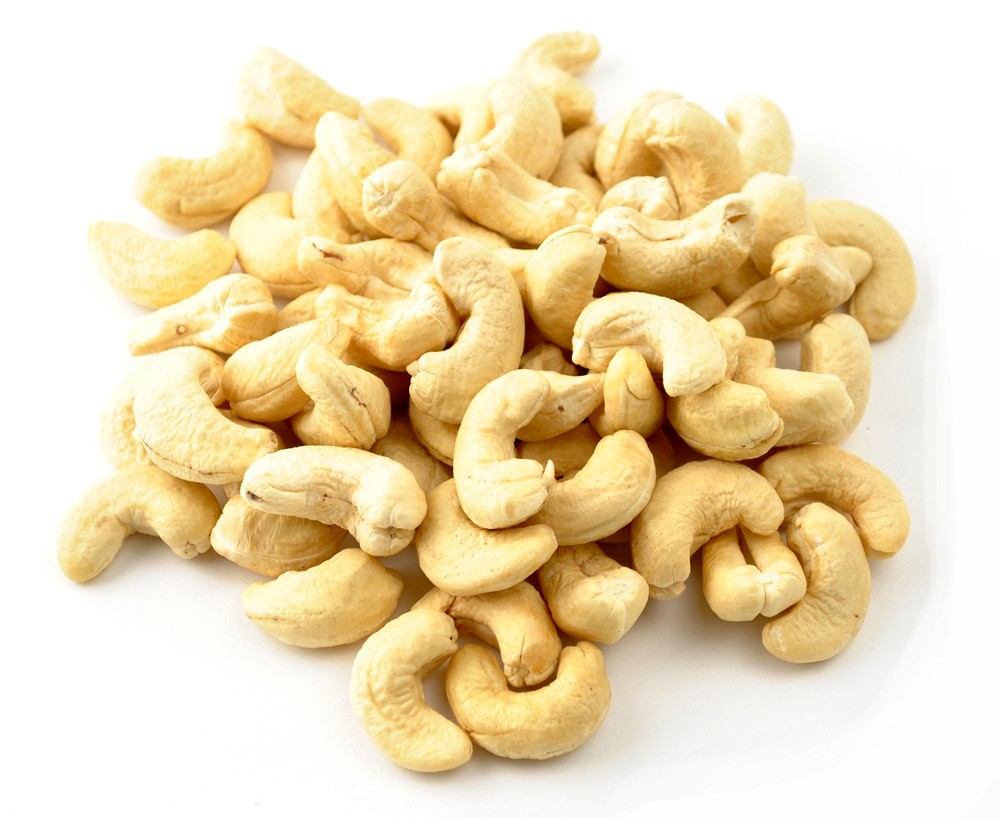
    Cashewnuts are derived from the cashew tree (Anacardium occidentale) which also bears the cashew apple. White, sweet, kidney-shaped, and extremely versatile as far as their culinary uses are concerned, cashews can be salted, roasted, creamed into gravies, made into liquor and oil, and are also used in the preparation of many sweet dishes. The word cashew has been derived from the Portuguese word caju which has been in turn derived from acajú of the indigenous Tupi language, and literally translates to the “nut that produces itself”. Cashews are used for making many Indian curries, such as korma and shahi dishes, and sweetmeats such as kaju katli. Because of their high starch content, cashews serve as good emulsifying agents and are used for thickening soups, syrups, curries, and the works. Boiling them in oil or salting them makes them harder to digest so they are best eaten in their natural, raw state. They go best with acidic fruit and non-starchy vegetables rather than sweet fruit and heavy starch. They are good body builders and easily digested when raw, and hence, help in cases of emaciation and in building good teeth. Like all nuts, cashews contain a great deal of unsaturated fatty acids, mostly in the form of oleic acid. On consuming a hundred grams of cashew nuts, you gain nearly fifty grams of fat, and a hundred grams of cashew oil, which amounts to around ten teaspoons, yields 600 calories.

  • Stuffed Parathas from North India  !!!

    Stuffed Parathas from North India !!!

    When I talk about stuffed parathas I might tickle your memory of Old Delhi’s famous “Parathe wali gali” if you have been there any time. If not then do not waste your time and plan a trip to the capital city of India and do visit this awesome place with narrow and bust lanes full of colours and amusing personalities. And if you have little time to spare with me then read this article and make few at your home itself and enjoy the parathas of heavenly taste. Do oil your jammed tread mill as you are going to need that badly after having these heavy loaded stuffed parathas . You have unique range and varieties and each of them is standing out on its own in taste. You just cannot ignore a single variety. Not only Delhi the whole of North India just eats it on a day to day basis. Its yummy taste to compel you to cook more and more for your loved ones and you will be there master chef for sure.

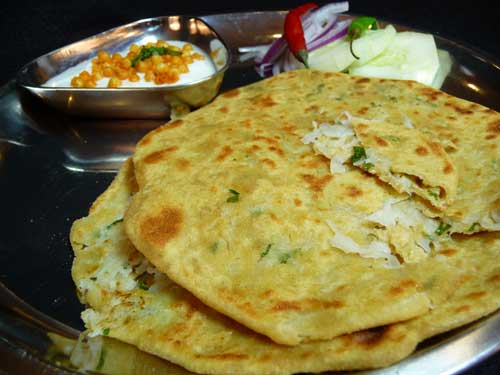
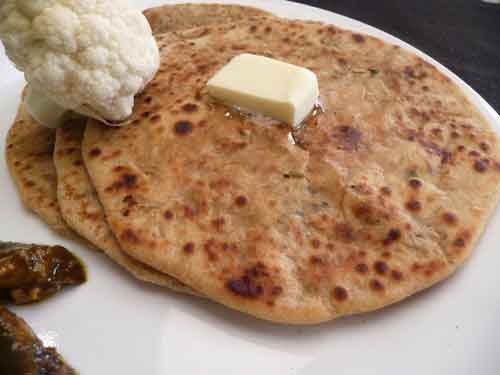
    GobiParatha

    Gobi Paratha :

    For filling : 2 cups of grated cauliflower, 2 tablespoon of coriander chopped, 1 teaspoon of red chilly powder, 1 teaspoon of cumin powder, salt to taste, 1 teaspoon of turmeric powder, 1 teaspoon of coriander powder, 1 tablespoon of roasted gram flour (besan). 1 teaspoon of finely chopped green chillies, oil for cooking and shallow frying.

    For the dough : 3 cups of whole wheat flour, 1 teaspoon of carom seeds, 1 teaspoon of oil , Luke warm water for kneading the dough.

    Servings : 4 parathas

    Method : Firstly kneed the dough mixing all the ingredients for the dough. Kneed it with gradual addition of Luke warm water making a soft dough. Keep it for half an hour so that dough absorbs moisture for soft texture.

    For filling heat a pan and add oil and all other ingredients together and cook it until grated cauliflower looses all the moisture and all the spices get cooked well, lastly add chopped coriander and mix well and keep it aside till its cold as hot mixture wont stuff well for neat looking parathas. Now make equal portions of dough and take one portion  and flatten it with the help of the rolling pin. grease the upper layer with oil and put in the stuffing at the top . Seal the edges of the round shaped chapati holding  the stuffing carefully and make a ball shape out of it. Now flatten it to a certain limit with hands with light pressure and then slowly make a bigger round with the help of rolling pin. Be careful about the edges as the loads of pressure might rupture it from corners and stuffing may come out. Once its made shallow fry it in a flat pan and serve with butter topping and curd .

    MuliParatha

    Muli/Radish   paratha :

    Ingredients :

    For filling:2 cups of grated Radish, 1 teaspoon of crushed pomegranate seeds, 1 teaspoon of dry mango powder, 1 teaspoon asafoetida , salt to taste, 1 teaspoon red chilly powder, 1 teaspoon of cumin powder, 2 tablespoon of coriander chopped, 1 teaspoon of finely chopped green chillies, oil for cooking and shallow frying.

    For the dough : 3 cups of whole wheat flour, 1 teaspoon of carom seeds, 1 teaspoon of oil , Luke warm water for kneading the dough.

    Servings : 4 parathas

    Method : Firstly kneed the dough mixing all the ingredients for the dough. Kneed it with gradual addition of Luke warm water making a soft dough. Keep it for half an hour so that dough absorbs moisture for soft texture.

    Heat a pan heat oil and add all thee spices along with green chillies and grated muli . Sauté it till dries out completely and then stir in chopped coriander and mix well. Keep it aside to cool of in room temperature and then its ready for stuffing into the dough prepared earlier.Make equal portions of dough and take one portion  and flatten it with the help of the rolling pin. grease the upper layer with oil and put in the stuffing at the top . Seal the edges of the round shaped chapati holding  the stuffing carefully and make a ball shape out of it. Now flatten it to a certain limit with hands with light pressure and then slowly make a bigger round with the help of rolling pin. Be careful about the edges as the loads of pressure might rupture it from corners and stuffing may come out. Once its done shallow fry it crust gets crispy and serve it with coriander chutney.

    MutterParatha

    Green Peas Paratha / hare matar ke parathe :

    For filling : 2 cups of boiled and mashed green peas, 1 teaspoon red chilly powder, salt to taste, 1 teaspoon green chilly paste, 1 teaspoon sugar, 1 teaspoon asafoetida, 1 teaspoon of cumin powder, 1 teaspoon of coriander powder , Oil for shallow frying.

    For the dough : 3 cups of whole wheat flour, 1 teaspoon of carom seeds, 1 teaspoon of oil , Luke warm water for kneading the dough.

    Servings : 4 parathas

    Method : The process is same for dough making .Firstly kneed the dough mixing all the ingredients for the dough. Kneed it with gradual addition of Luke warm water making a soft dough. Keep it for half an hour so that dough absorbs moisture for soft texture.

    Heat a pan and saute all the filling ingredients till the green peas are totally dry and become darker in colour. Cool it off for a while until it is ready for stuffing else it will d- shape the parathas.Make equal portions of dough and take one portion  and flatten it with the help of the rolling pin. grease the upper layer with oil and put in the stuffing at the top . Seal the edges of the round shaped chapati holding  the stuffing carefully and make a ball shape out of it. Now flatten it to a certain limit with hands with light pressure and then slowly make a bigger round with the help of rolling pin. Be careful about the edges as the loads of pressure might rupture it from corners and stuffing may come out. Once its done shallow fry it crust gets crispy and serve it with sweet mango chutney Or Mango pickle.

  • Top 10 Temples in India

    Top 10 Temples in India

    Top Indian Temples
    Top Indian Temples

    Temples are the sacred places where gods receive human offerings.Many temples have great architecture that resembles a palace for god.Generally, temples are dedicated to one primary god, but few temples are dedicated to more than one god.Temple walls are decorated with  stone carvings that depicts the story or history regarding the god being worshipped.People entering the temple must remove their shoes to pay respect to the god within the temple.The innermost area contains the idol of god and the priests offer prayers to god.India is a land of temples and the list of top ten temples are  mentioned below.

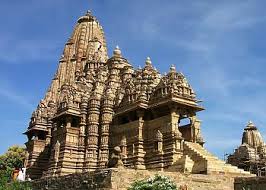
    1) Khajuraho Temple in Madhya Pradesh

    Khajuraho Temple in Madhya Pradesh
    Khajuraho Temple in Madhya Pradesh:

    The Khajuraho group of monuments are one the UNESCO world heritage sites in India.Because of the famous sculptures and large number of Hindu and Jain temples, tourists from various parts of the country visit this place.These temples were built by Chandela kings during the period of 950 to 1050 A.D.The Hindu temples in Khajuraho are dedicated to Lord Brahma, Lord Vishnu, Lord Shiva and also different goddesses.These temples are mainly famous for their wonderful carvings.The carvings on the external walls are bold artistic type, but the carvings inside the temples are decent and represent simple facts of life.Most of the carvings on the walls show the everyday life of a common man at that time when they were made.

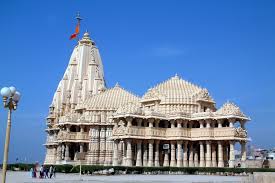
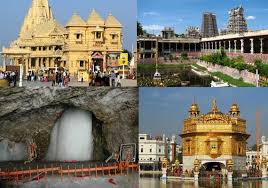
    2) Somnath Temple in Gujarat

    Somnath Temple in Gujarat
    Somnath Temple in Gujarat

    The Somnath temple is dedicated to Lord Shiva with a moon on his head.This temple is situated in Saurashtra.There is a saying that the Moon God Somraj has built this temple himself by using gold.This is a Hindu temple, but has Jain influences in the architecture.This temple has one of the 12 jyothirlingas and faces the east direction.This temple has the biggest dome that is ever made in this century.The temple has a large central hall with entrances on three sides.The sculptures and carvings speak about the artistic taste of the craftsmen of that century.It is believed that till now 200 priests have served this temple.The first temple of Somnath  existed before the Christian era, the second was built by Maitraka kings, the third Somnath temple was built by Pratihara king.This temple was destroyed six times and re-constructed.The present temple was built and taken care by Shree Somnath trust.

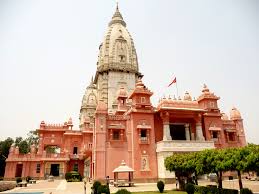
    3) Kashi Vishwanath Temple, Varanasi

    Kashi Vishwanath Temple, Varanasi
    Kashi Vishwanath Temple, Varanasi

    It is one of the most famous Hindu temples dedicated to Lord Shiva and is located in Varanasi, Uttar Pradesh.There is a belief that every Hindu, at least once in his lifetime, must visit the holy place.Hindus believe that mixing ashes of the deceased  in the Ganges will make the soul rest in peace.This temple is situated on the western bank of the Ganges and is one among the 12 jyothirlingas. During religious occasions like Shivratri, no person is allowed to enter the temple till the priest offers prayers to god.

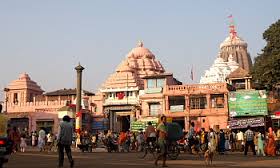
    4) Lord Jagannath Temple, Puri

    Lord Jagannath Temple, Puri
    Lord Jagannath Temple, Puri

    Puri Jagannath temple is one of the biggest temples in Orissa.This temple is established in the 12th century and is dedicated to Lord Jagannath.The temple foundation was laid by Raja Ananta Varman Chodaganga Dev.From Bhubaneswar, the temple is located at a distance of 60 kilometers.The king Indradyunna saw Lord Jagannath in his dreams and constructed this temple to fulfill the Lord’s wishes.The pillars of the temple are decorated with pictures that depict the life of Lord Krishna.Ratha Yatra that is organized once a year is one of the major attractions of the temple.

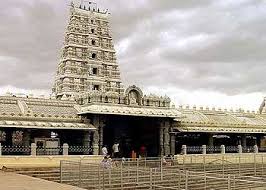
    5) Venkateshwara Tirupati Balaji, Andhra Pradesh

    Venkateshwara Tirupati Balaji, Andhra Pradesh
    Venkateshwara Tirupati Balaji, Andhra Pradesh

    Tirupati is one of the most visited temples in India and second most visited temple in the world.This temple is situated on the seventh hill in Chittoor district and is dedicated to Lord Venkateswara.It is one of the richest temple in the world.Many facilities are available to visit this temple either by plane, train or by bus from almost all parts of the the country.It is one of the most visited pilgrimage by Hindus.

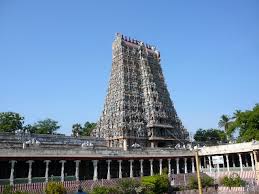
    6) Meenakshi Temple, Madurai

    Meenakshi Temple, Madurai
    Meenakshi Temple, Madurai

    Meenakshi temple is one of the holy Hindu temples and is located in Madurai, Tamil Nadu.This temple is dedicated to Lord Shiva and Goddess Parvati.The temple has 14 magnificent Gopurams, including two golden Gopurams.The temple is one among the 51 shakti peethams.The golden lotus tank in the center is surrounded by corridors and the walls of them are covered with paintings that depicts the miracles of Lord Shiva and goddess Parvati.

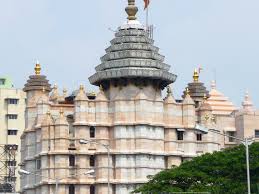
    7) Siddhivinayak Temple, Maharashtra

    Siddhivinayak Temple, Maharashtra
    Siddhivinayak Temple, Maharashtra

    Lord Ganesh is worshipped in this temple.It is built in 18th century and is located in Mumbai, Maharashtra.The present temple was re-constructed five years ago.The idol of Ganapathi is also known as Chaturbhuj as the idol has four arms.The idol of Lord has lotus in the upper right hand and a small axe in the upper left hand.The lower right hand has a jampala and the lower left hand has modaks.On some special Tuesdays, the queue for Darshan will be about 2 kilometers long.

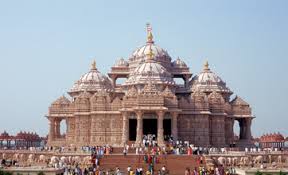
    8) Akshardham Temple, Delhi

    Akshardham Temple, Delhi
    Akshardham Temple, Delhi

    Akshardham is a massive temple with more than 20,000 statues, arches and carved pillars.This temple was constructed in the year 2005 and was dedicated to Swaminarayan.The temple has a unique architecture and represents Indian culture.The temple has more than 100 acres decorated with water fountains and beautiful constructions.The amount spent on this massive structure was 2 billions and it took nearly two years to complete.The fountain dance is one of the major attraction of this temple.

    9) Golden Temple, Amritsar

    Golden Temple, Amritsar
    Golden Temple, Amritsar

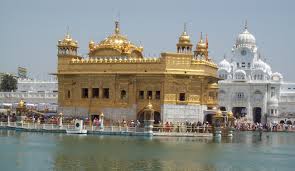
    The Golden Temple in Amritsar is one of the major pilgrimage place for Sikhs and one of the well known tourist destination.Until 2005, it is called as Golden Temple and later it was officially renamed as Harmandir Sahib.The temple has a great historical and architectural interest.Every year, many visitors from different places around the world visit this place.

    10) Brihadeshwara Temple, Thanjavur

     Brihadeshwara Temple, Thanjavur
    Brihadeshwara Temple, Thanjavur

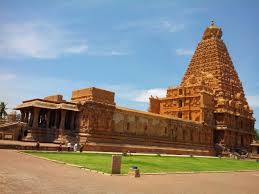
    Brihadeshwara temple is dedicated to Lord Shiva.This temple was built by the Chola king Raja Raja 1.This temple is declared as one of the world heritage sites by UNESCO.The temple has a Mahalingam of 4 meters height and another major architectural attraction of this temple is the Nandhi chiseled out from a single rock.This temple depicts the Chola architecture because of the style of construction and the carvings on the pillars.

  • What makes Delhi, Dilli – 3

    What makes Delhi, Dilli – 3

    The Final Chapter of the trilogy, thus begins.

    Delhi, the city with a heart has been featured, loved and adored with artists of all types of media. Whether it is Journalism or Film making, it is song writing or singing it, whether it is blog writing or writing professionally; most of the artists have had a love tryst with the city and continue to do so. But people from other places wonder why? People new to this city cry, what is the hue and cry about this city? It is only after you have lived in the city long enough that you feel its love swallowing you complete. That you feel yourself falling for a city which you didn’t understand just some time ago. Let’s try and comprehend the city and why you will love it!!

    The modern symphony:

    metro

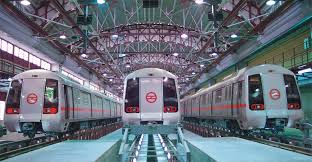
    Delhi is one of the oldest inhabited city, no doubt. But this does not make the city ageing. The city with the evolution of time has grown dynamically. And the goading sign of the city’s modern outlook that appeals to people is its dense Metro network. The Delhi Metro is one of the longest fully functional Rapid Transport System in the world. The Metro system augments the Delhi suburban rail system and the fleet of Delhi Transport Corporation bus system. This requirement of today was just a dream in the pipelines a decade ago. The Delhi Metro has been a pioneer in harbouring in a new era of mass urban transportation in India. The swanky Metro system brought about a comfortable, air conditioned and eco-friendly services for the first time in India and completely revolutionized the mass transportation scenario in Delhi. Besides carrying millions of people every day, the Metro also reduced the pollution levels in the city by 6.3 lakh tons every year since its inception. The DMRC is enroute to adding another 140 kilometres to its already labyrinthine 193 kilometres. So, anywhere you see the Delhi Metro, it gives you the special feel of living in a New York styled Metropolitan with a quick and accessible Transportation System.

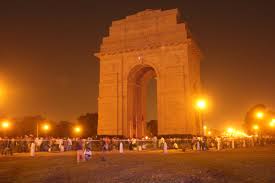
     India Gate:

    india gate

    One of the landmarks of the city, showcased in every Delhi based movie is the magnanimous India Gate. The India was originally called the All-India War memorial and is a memorial located just besides the Rajpath. India Gate was designed by Sir Edwin Lutyens and is a magnificent piece of architecture often drawing comparisons with the Arch of Constantine and Arc de Triomphe in Paris. This memorable landmark was built to commemorate the thousands of Indian soldiers who have died in wars outside and inside the country. This arch shaped marvel has the names of some 13,300 servicemen inscribed on its body, eternally commemorating them. After the Bangladesh liberation war in 1971 a black marble plinth like structure was erected underneath the great arch of India Gate. This plinth is surrounded by four flames and is covered with an army man’s helmet. This structure is called the Amar Jawan Jyoti or the Flame of the Immortal Soldier.
    But besides the historic reference, India Gate today is one of the hot spots for picnic for the modern nuclear family. India Gate, is surrounded by many Ice-Cream vendors and balloon sellers which make it worthwhile for the kids to hang around the place. For the elders in the family, the lawns of India Gate serve as a detoxifying day out, away from all their routine tensions and monotonous schedules of their work life. A day out at the India Gate is counted as a well spent day with your family and is a must for any new visitor in town.

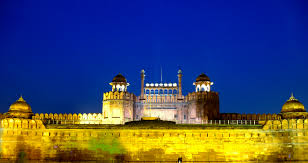
    The Red Fort:

    red

    Red fort was constructed when Shah Jahan decided to shift his capital from Agra to red Fort. The great Red ‘Bindi’ on Delhi’s construction started in 1639. And it took a whopping 8 years for it to complete. Initially its name was Qila-i-Mubarak and it was Delhi’s first fort. A magnificent one at that. It had 2 km long running walls whose main was to keep intruders out, but the mighty walls had to kneel down before the Sikhs and the British. The entire architecture is made from huge blocks of red sandstone. For the visitors of the town, there is a hour long light and music show every evening there which showcases the fort’s history. And since it is nearby chandni Chowk, you will be killing two birds with one stone, so go visit it as soon as you can.

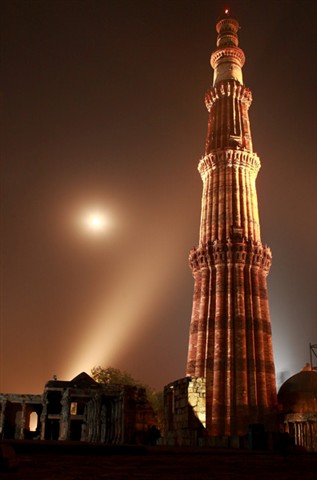
    Qutub Minar:

    Qutub-Minar-at-Night-Images

    The qutub Minar has a speculative history at best. It was constructed in 1206 by Qutub-ud-din Aibak  of the slave dynasty and is currently the tallest brick minaret in India.  Some say that it was constructed as a sign of victory of the slave dynasty over India . whereas others say that it was merely constructed for the people so that they can be called for prayer. The brick minaret has five storeys and is 72.5m tall. People often flog the monument to get a moment or two of peace amidst their extremely busy schedules.

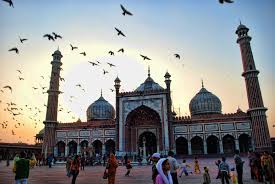
    Jama Masjid:

    jama

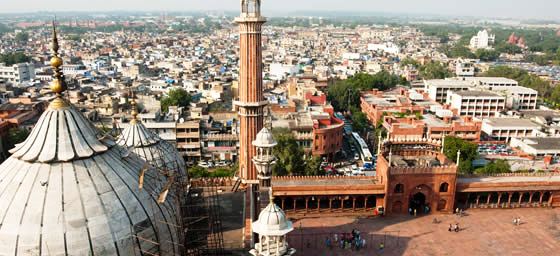
    The mausoleum constructed in the year 1656 in the heart of delhi is the largest mosque of the country. The lawns of the mosque can hold upto 25000 devotees at one time. Being in the vicinity of heavily crowded areas of chandni chowk and chawri bazaar, Jama Masjid has become quite a landmark in its own regard. On the different occasions of Eid, the muslim community often fills the mosque upto its brim. Before visiting it make shure that you cover your head, legs and bare hands.

    Thus this concludes our little round up of things, food and places that make Delhi what it is and quite possibly the reason as to why people love it and other metropolitan cities don’t. the country’s love towards is unfathomable and once you visit and stay there for a period of time, it colors you in its own ink. Forever.

  • What makes Delhi, Dilli – 2

    What makes Delhi, Dilli – 2

    In the last tour de Delhi, we hopped onto some of the binges of Delhi, how the love affair of the nation started with Delhi, the great repertoire of Architectural marvels in Delhi and a touched the tip of the iceberg as to what makes you melt with love, when you hear the word Delhi. Today, we explore more.

    The Bedmi and Nagori:

    be

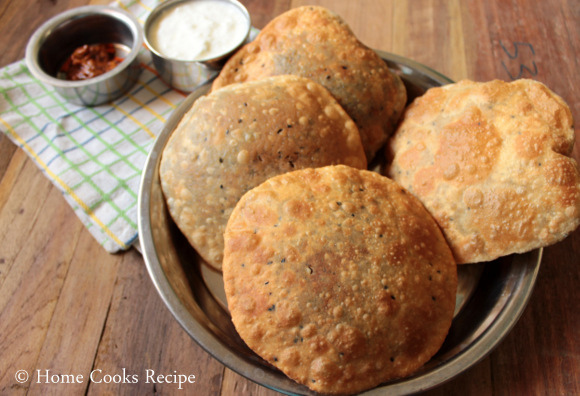
    One relatively less known delicacy but nevertheless enjoyed to its zenith by the  few loyal customers, the bedmi is a variety of Khasta Kachori smaller in size and more khasta by all means. This is what one could call the Kachori’s  younger cousin. Filled in the epicentre with Semolina, carom seeds and grated peas, this delicacy melts in your mouth. Served along with our beloved aloo ki sabzi and halwa, you might have an oddity treat and might as well try mixing the two side dishes (The halwa and the aloo ki sabzi). This queer combination will make you reminiscent of the sweet and sour soup gone terribly wrong, but it’s a taste nevertheless. The Nagori is the youngest of the brood of Kachoris and more closely resembles the papadi that you get at a chaat stall. This also served along with aloo ki sabzi and halwa will give you plentiful of energy (And not to mention a truckload of calories) to roam the rest of Chandni Chowk with me.

    The Punjabi Diaspora:

    bangla

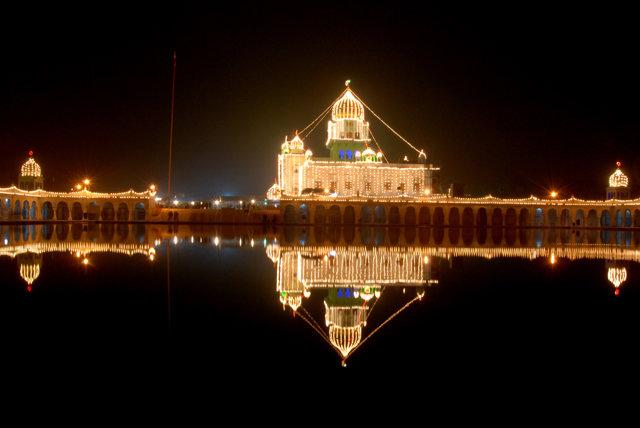
    Delhi is borderline Punjab. Geographically and literally. Once you enter Delhi, you’ll see an equal number of turbans as you will see bare heads. That because, there was a huge exodus from the Punjab region during Delhi’s early industrialization days and also during the Punjab conflict periods. Thus there’s a mini Punjab residing in Delhi. And with their amazing good humor and tantalizing cuisines come along the mighty and revered Gurudwaras. Gurudwaras are the worship place for Sikhs. Here Sikhs spend quite a lot of time serving other people as they faithfully believe in the quote “ Service to mankind is Service to God.” There are a plenty of Gurudwaras in and around Delhi and the best part of visiting them is the tasteful  ‘Langar’.  Langar is the lunch that is served in Gurudwaras to everyone who visits them. Large langars are organized where people sit on elongated jute mats on the floor and eat out of leaf plates. The langar, anywhere, in any gurudwara is something to be DEFINITELY had if you ever get the lucky chance to visit Delhi. Daal is a must in every Langar. Along with it Halwa, aloo ki sabzi and poori make your lunch hearty and eventful. There are two large Gurudwaras in Delhi to which people flog on from places far and beyond. These are The SeesGanj Sahib and The Bangla Sahib. Both are lakes of tranquillity and you will feel emancipated from all your worries and ill humoured feelings, once you enter the complex. Visit these if you are looking for serenity and a meal full of love and affection.
    Kareem’s and Khan Chacha:

    Chicken = Kareem’s.              Kareem’s = Chicken.

    Chicken = Khan Chacha.     Khan Chacha = Chicken.

                         Kareem’s = Chicken = Khan Chacha.


    tn_6284_khan1-1374305008

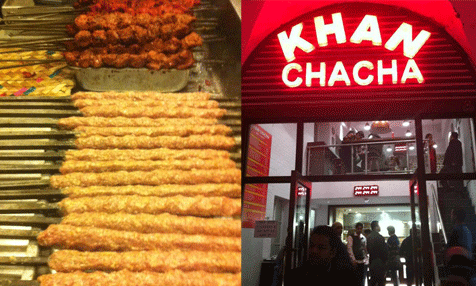
    One’s trip to Delhi will be wasteful, if he goes to Delhi but does not visit any of the above mentioned place. Both these places have been established in Delhi for the last 100 years or so and have been constantly providing the people of Delhi with an indispensable service ever since. The service of good food. Or more specifically, the service of Great Chicken. Khan Chacha and Kareem’s both are known for their Mughal style Chicken which they both offer in Chandni Chowk. The shop is tiny but the crowd of buyers: mammoth. Both of them provide exceptional Tandoori Chicken and Kebabs. Their extraordinary skills lie in providing with dry chicken variety. They specialize in Seekh kebab, Shammi kebab, mutton burra kebab, mutton stew and the rann (goat’s leg). These leave you with the exact smoky flavour that should be left after having a tandoori meal and also bestows upon you the feel of the grill.

    Connaught Place:

    cp-650_081714012910

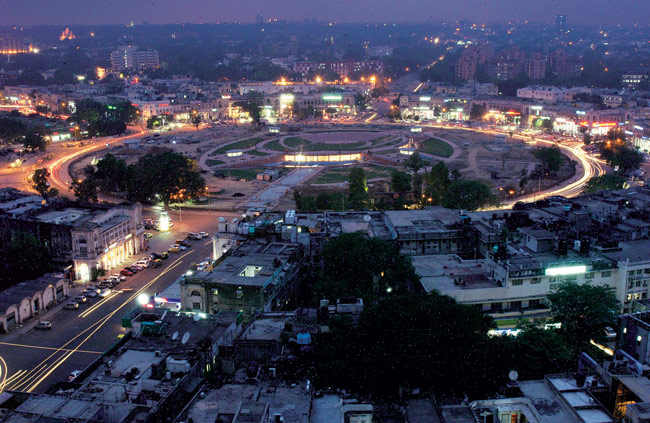
    What makes Delhi, Dilli you ask. One of the reasons of Delhi’s uniqueness is Connaught Place. Two British Built market places in circular shape around a gigantic park in between. Sounds confusing? Well, it is. But in earnest Connaught Place is one stop destination for all the top notch brands anywhere in the world. Until one hasn’t a shop in Connaught Place, he/she is too amateur to go global. A beautiful set of buildings all dressed up in white just like a catholic wife-to-be in circular shape mark the inner circle and the outer circle. A market place to take a stroll ith your friends or go bridal shopping; A day to enjoy Delhi in one glance and a hurried shopping session; everything happens at Connaught Place.

    ‘THE’ Palika Bazaar:

    pal

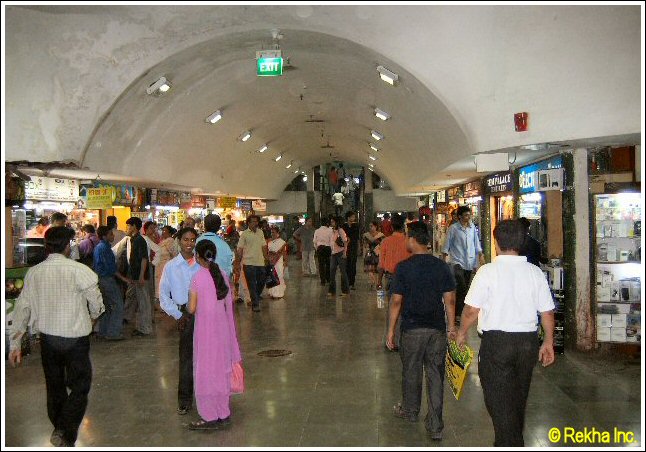
    Ever heard of an underground market place? Palika is one. No, it is not underground as in illegal, it is underground as in, it is literally 400 bunch of shops UNDER-the –GROUND. Remember how the Connought Place is circled around a gigantic park? Well this is a market place under that gigantic park. Palika is every women’s dream destination. Because you get the best of fashion labels at throw away prices. Loads of accessories, clothing, body tattoo shops throng the Palika. Men, don’t be disappointed. There’s something for you too, down there. Palika has men’s fashion outlets too, but more amazingly it has an entire bunch of shops that sell cheap China built Electronics gadgetry. So, next time you want a pen camera or a big grizzly transforming car, you can always go to the underground market.

    So, we made a tiny bit of progress in learning about Delhi. But don’t get tired yet, there’s more of Delhi to come.. Stay tuned.