Category: Culture

  • Christmas Celebrations in Different Parts of India

    Christmas Celebrations in Different Parts of India

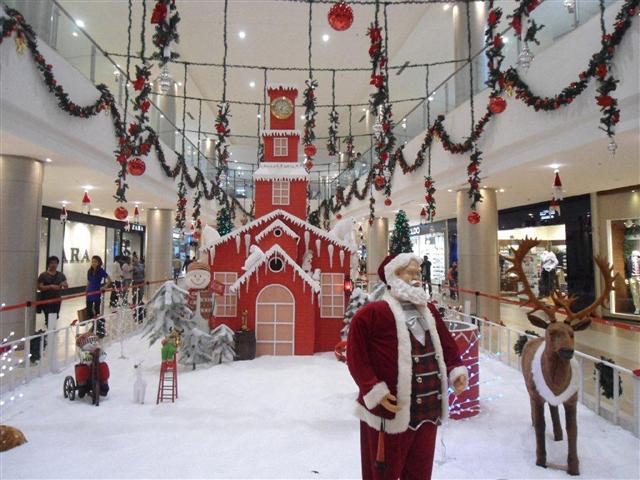
    Christmas is a festival that falls in the month of December.The whole world will be eagerly waiting for this festival till the end of the year.In India, people from different parts celebrate this festival in different manners.Christmas celebrations in India is similar to western countries, but it has its own flavor.Here are the few places in India and the way the Christmas festival is celebrated.

    Christmas celebrations in Goa:

    Christmas celebrations in Goa
    Christmas celebrations in Goa

    Goa,situated on the western coast of India is also called as Beach Paradise of India.It is one of the best place in India for Christmas celebrations.During Christmas time the whole city,homes,cathedrals and churches are fully decorated with lights and flowers.On these special days,beach shacks and restaurants serve special western dishes and also play live festive music which is an additional attraction for many tourists.Beaches like Anjuna,Mapusa and Candolim are known for long night parties.Goa also hosts internationally acclaimed sunburn festival during this festive season and New Year.For this sunburn festival,many music lovers around the country come here to watch DJ’s live performances.By providing all these exciting features,Goa is an excellent place to visit during Christmas.

    Christmas celebrations in Mumbai:

    Christmas celebrations in Mumbai
    Christmas celebrations in Mumbai

    Mumbai, also known as Financial Capital of India is one of the biggest party hubs during Christmas.During Christmas season,the hill road is fully decorated with lights and Christmas trees are spotted on the sidewalks.In Mumbai,there are many popular churches which host midnight masses.Bakeries in the city are filled with goodies and all the city malls are decorated well to give a festive feel to the customers.After Christmas,there are firework celebrations at Marine lines on the night of New year.It is one of the best place to visit during Christmas.

    Christmas celebrations in Pondicherry:
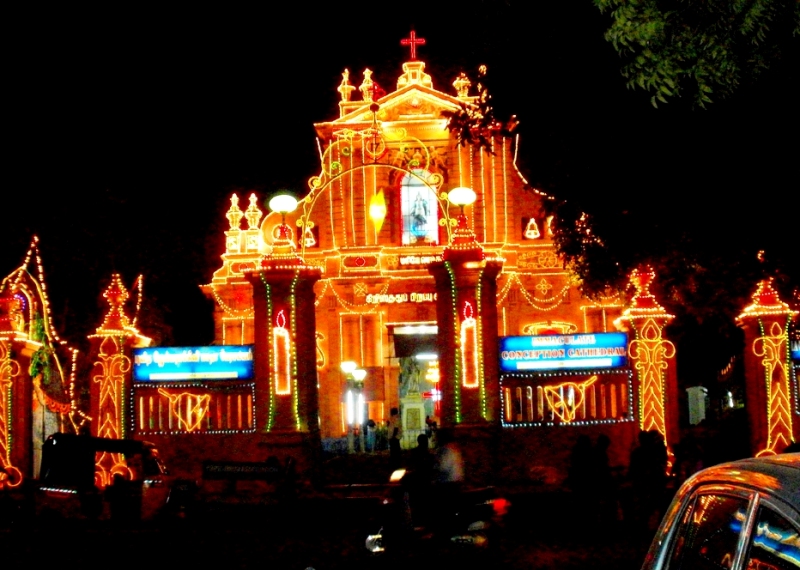
    Christmas-in-Pondicherry
    Christmas-in-Pondicherry

    Pondicherry ,also known as India’s Little France.The spectacular beaches,beautiful buildings and pleasing French Cuisine makes it one of the best tourist destinations.There are many old churches in Pondicherry which include the magnificent churches like ‘The Church of Our Lady of Immaculate Conception’ and ‘The Sacred Heart of Jesus Church’.These are the most interesting places to visit during festive time.The city is filled with French style monuments and buildings.During the festive season, the city looks bright and excitement and joy are found everywhere in the city.

    Christmas celebrations in Kerala:
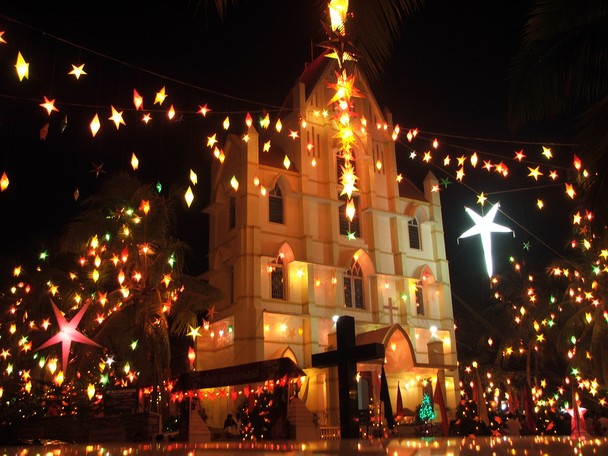
    Churches in Kerala during Christmas
    Churches in Kerala during Christmas

    Kerala is a perfect place to visit during Christmas season.In Kerala, there are vast number of churches that celebrate this festival with lot of dedication and interest.Streets are fully decorated and Churches remain open almost all night.On these festive days,restaurants provide discounts on food and drink for customers.The beautiful beaches,beach resorts,boat houses are fully decorated on these festive days.It is a beautiful place to enjoy Christmas along with the family.

    Christmas celebrations in Manali:
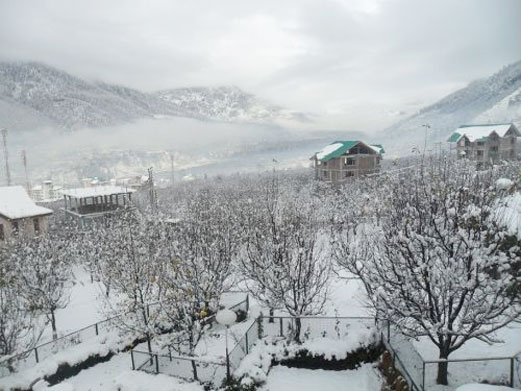
    christmas-places-in-manali
    christmas-places-in-manali

    Manali is one of the beautiful hill stations in India.During Christmas season,the snow fall takes place and when the snowfall is moderate people enjoy playing snow fights and build castles with their friends and family.During this season,there are many tourist packages available offered by various travel companies.Places like Rothang pass and Solang valley are additional attractions too.

    Christmas celebrations in Shillong:

    shillong-church
    shillong-church

    This state has a large number of Christian population and they celebrate this festival with more joy and glory.On this festive season all the streets,houses and churches are fully decorated with colorful lights.There are many local troops that perform dances to the traditional music.Most of the churches have their own local music band.Food offered at this place is a bit unique and is not liked by many of the people.There are not many travelers that frequently visit this places.So, one can enjoy this festival without worrying about the crowds.

    Christmas celebration in Daman and Diu:

    Oldest Churches of Daman and Diu
    Oldest Churches of Daman and Diu

    These Islands are located at the coast of Gujarat.These Islands have many old and beautiful churches like St.Paul’s church,Church of Our Lady of the Rosary and many more.The beautiful sand beaches,palm grooves makes this place a best holiday spot.Here Christmas is celebrated with great joy and people perform many cultural programs like Portuguese dance and many more fascinating events.The festival is celebrated by playing wonderful melody tunes and accompany with music.Houses are fully decorated with bright and colorful lamps all over the Island.Many night parties and events are performed in Daman during this festive season.

    Christmas celebration in Dadra and Nagar Haveli:
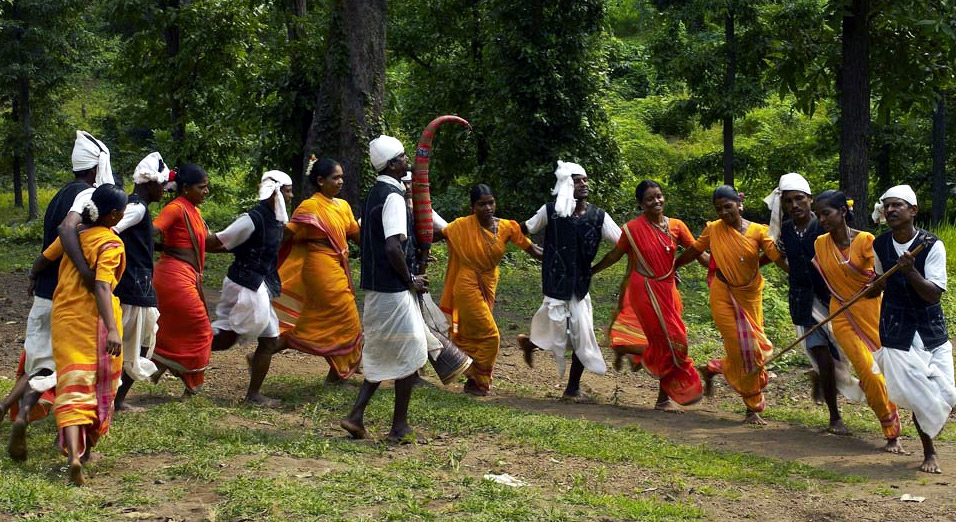
    dadra_nagar_haveli_festival
    dadra_nagar_haveli_festival

    This place has beautiful hills,waterfalls and lush of green forests to walk through.This place has beautiful old churches with magnificent architecture and people celebrate Christmas with full of spirit.The festivals celebrated will have their local impact.This place is great for shoppers with a lot of hand made products available.This is a peaceful place to visit and enjoy the Christmas celebrations.

    Christmas celebrations in Bangalore:
     

    Christmas in Bangalore
    Christmas in Bangalore

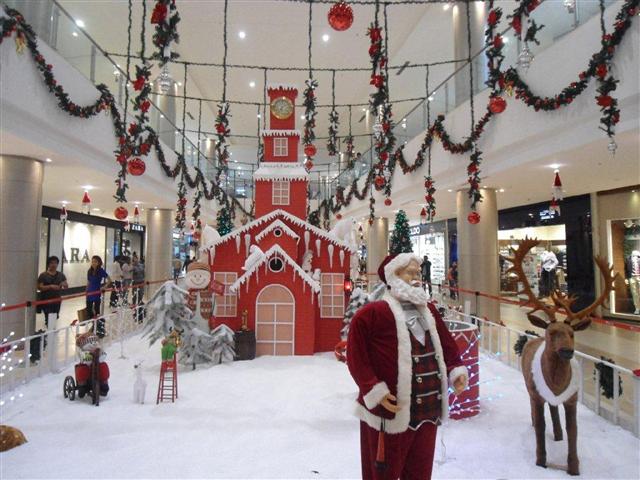
    Bangalore is one of the biggest cosmopolitan cities in India celebrating Christmas with great joy and spirit.On this festive season, various events are celebrated throughout the city.Many of the restaurants,malls,houses,streets are fully decorated with colorful lights and flowers that brings a festive look to the entire city.In Bangalore, there are around 40 churches and in few areas there is a domination of Christians.During nights of Christmas season,masses are held at churches that draw huge crowd to attend the ceremony.During this festive season many restaurants and malls offer discounts to the customers.

    Christmas celebrations in Kolkata:

    Christmas celebrations in Kolkata
    Christmas celebrations in Kolkata

    In Kolkata ,Christmas is celebrated in a different manner.For the people of Kolkata, Christmas is a festival with full of yummy cakes and pastries.Not only Christians, but also people from many other communities attend midnight masses at various churches,sing hymns and offer prayers thanking god.On these festive days, malls and restaurants offer large amount of discounts.Many attractions can be seen like street lights full of colors,rock music,sound exhibition,shimmering lights,delicious food and many more.
  • Fish Mania !!!

    Fish Mania !!!

    Two years ago I got married to my lovable Bong boyfriend and the very next day, I was introduced to this favourite cuisine of every bong family – “Mach Bhaat “.Its a tradition in the families to love Fish . I was a little scared as I just couldn’t tolerate the smell of it, few might relate to my situation .Bengali’s are just crazy about fish and I was just the opposite. They can write their own food bible about their favourite food “Mach “.If you ever had interacted with a Bengali, within a few minutes of your conversation you will know the love they have for Fish.I have seen crazy Bong friends of mine in alien cities travelling to every nick and corner of the city… Guess what? Just to have mach bhaat. Gosh! I can write loads of stories about their fish mania, For instance, its a tradition in Bengali families to judge a would be son-in laws character by letting him buy a fish and the quality of the

    fish he buys determines his character (Its true. I am dead serious). The only thing which can deviate a Bengali’s mind from fish is football (May be politics sometimes).Its not easy for a bengali to live without mach a single day  and for some even one single meal. When I started cooking after marriage I had this huge challenge in front of me of not having fish and still cooking it.But I took up this challenge and
    have made so many recipes thanks to my mother-in-law and sometimes you tube too. You wont believe I started liking fish and now, eat it for every single meal. This is how crazy you can be when you marry a Fish Maniac. Its lovely to pen down my initial cooking days – horror stories which eventually turned out to be fairy tales and bring a smile on my face every time I recollect those memories. Today I am
    going to share a two of my favourite fish recipes which I cooked for my first anniversary party and they turned out to be a big hit. I hope it rocks your parties as well.

    Fish Biryani !!!

    fish biriyani

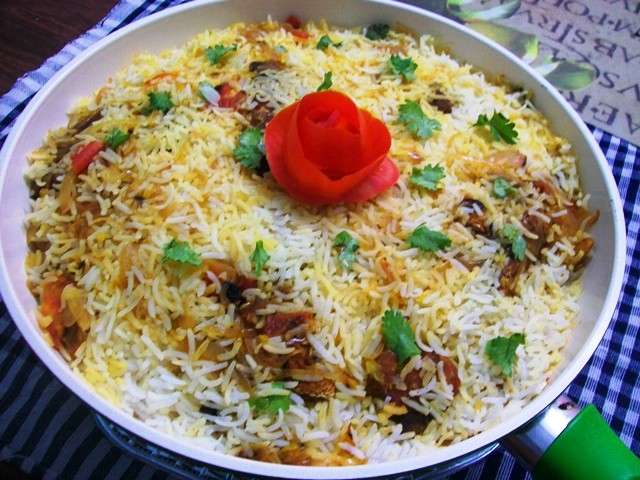
    Yes! I am discussing biryani with a twist . This dish is delight to have and very simple recipe to try at home. For a fish maniac its heaven on a platter.

    Ingredients : 400 g Basmati Rice washed and soaked for 30 minutes., 400g Bhetki fillet or Talapia Fillet (Both easily available in markets), 2 cups finely sliced Onions (Preferably red Onions),1 cup finely chopped onions ,1 cup chopped tomatoes, 1 tablesopon Ginger and garlic paste ,1 1/2 cup Whipped Yoghurt, 1/2 cup Coriander and mint finely chopped, 8 to 10 Small green chillies slit from one side, 2 tablespoon Lemon Juice ,2 to 3 black cardamom, 2 to 3 cinnamon sticks, cloves, black peppercorns, 1 /12 teaspoon cumin powder, 1 1/2 teaspoon coriander powder, 1 1/2 teaspoon kashmiri red chilly powder , 1 1/2 teaspoon turmeric powder, Salt to taste, 1 teaspoon of rose water, Oil as required.

    Servings : 4

    Method :

    Marination of fish :
    Mix Lemon juice , ginger and garlic paste with all the powdered dry spices ( cumin , coriander , kashmiri red chilly , turmeric, Salt) . Apply apply the mixture to the fish fillets and keep it aside for 30 minutes so that spices get properly soaked into the fish for a even taste.

    For Biryani Preparation:
    Cook the basmati rice previously soaked in water until its half cooked. Once the Rice is done spread the rice in a flat tray so that it doesn’t get overcooked in its own heat.
    Take a small deep pan add oil for deep frying and fry sliced onions till they are golden brown and keep it aside plating on paper napkins to strain extra oil.

    For biryani handi preparation take a deep pan with a lid. Heat it on medium flame . Add oil in a generous amount, heat it for for 30 secs and then add whole spice ( black cardamom , cloves , cinnamon, black peppercorns). Stir it for 30 sec so that oil gets the spicy flavour and add chopped onions . Sauté it for 3 to 4 minutes, add – salt, turmeric powder, chopped tomatoes and sauté it for another 3 to 4 minutes until tomatoes separate oil. Now add whipped yoghurt and marinated fish. Stir it gently so that it doesn’t breaks fish fillets. Close the lid for 8 to 10 minutes and turn the gas on slow flame. Now to have layered biryani take out half of the cooked fish in a bowl . Spread the remaining
    fish in the pan and add half of the rice quantity, layering it with half of the deep fried onion slices and half of the chopped coriander and mint leaves ,flavouring it with few drops of rose water. Repeat the same layering with the remaining ingredients and keep the deep pan on top of a flat tava ( Flat )pan on a medium flame for 5 more minutes. This process creates dum in the biryani giving a nice aroma to the dish.
    Once done Plate the dish in desirable bowl or platter and serve it with love.I am sure you will please a fish maniac.

    Doi Mach : 

    DoiMaach
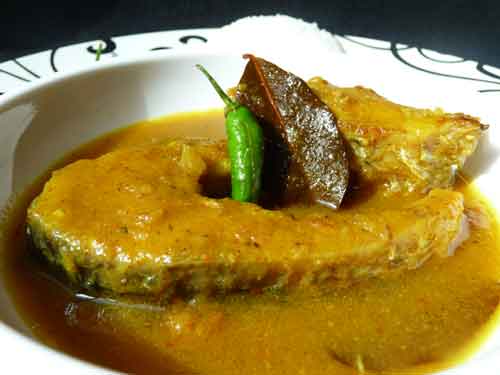
    Another dish which is a delight to have, a traditional bengali recipe and currently my favorite “Doi Mach”. Fish cooked in yoghurt marination .

    Ingredients : 8 pieces of Rui Fish , 2 medium sized onions , 2 to 3 chillies made into fine paste, 1 tablespoon garlic paste, 1 & 1/2 cup of whipped yoghurt, 1 cup Tomato purée,1 teaspoon cumin seeds, 1 bay leaf, few green cardamom, little cinnamon stick ,cloves, 1 teaspoon cumin powder, 1 teaspoon coriander powder, 1 & 1/2 teaspoon of turmeric powder, 1 teaspoon of red chilly powder, 3 to 4 green chillies slit from one side, oil to cook, salt and sugar to taste , coriander leaves chopped for garnishing.

    Servings : 4

    Method : Marinate fish with salt , sugar, 1/2 teaspoon turmeric powder and half of ginger and garlic paste and keep it aside for 30 minutes. Heat a pan , add oil and heat it for 30 seconds . Add bay leaf , whole spices and cumin seeds along with onion and chilly paste. sauté it for a minute and then add rest of the ginger garlic paste. Sauté the entire mixture for 2 to 3 minutes until onions turn transparent. Add tomatoes , salt, and dry powdered spices and stir it for another 3 to 4 minutes until it separates oil. Add the marinated fish and stir it gently mixing every ingredients well. Cover the pan with a lid and slow the flame and cook it like this for another 10 minutes. Open the lid if the fish is tender enough to eat , Switch of the flame plate the dish into a platter and garnish it with coriander leaves . Serve Hot with loads of love.

    Happy Eating !!!

  • The Taste of Real India !!!

    The Taste of Real India !!!

    We all binge on fast food stalls laid near our college , homes, offices and schools. Its why Indian cities are famous for .We all love to have chaat , pakoras and sandwiches whenever we are out for some fun time ( Or…..a time out!) . Roadside food though seems unhygienic to few (specially our mom’s) but still we all have indulged ourselves to commit this tasteful sin.Students would agree with me if I say we survive college or school days because the “bhaiyaji” who sits outside our campus who makes much more better stuff than our “canteen wale uncle” , its true right ! Roadside food is relief to all those who survive to just eat and to those who believe wasting money on a high class pizza is a waste. Don ‘t we all cherish those after school bhel puri and kala khatta . I always had this sigh of relief to treat my friends with this heavenly food outside my college campus on my birthdays ( it saved my pocket money a lotttt) .

    Boys still surviving with this strategy of saving money on dates ,by taking their lady love to marine drive or Victoria Memorial and having bhel puri or pani puri & trust me these dates are very romantic with minimum expense. Those who are still wasting money on” Hi Fi ” dating try out my way of wooing a girl after all “WE” love attention not food. I have spent many years as a student in Pune ‘s FC road ,a very famous place even as Brat Pitt along with Angelina Jolie were spotted there some years ago (Yeah !!! its a big deal for Hollywood crazy puneites) and if you have ever visited that place you will relate to each and every word in this article written so far . Steamed momos, Bun Maska , Irani chai , corn cutlets you name it and you will get it in FC road. And not only Pune I believe and you all will agree with me every city has a highlighted food street where often people our seen having the best time of their day chatting ,gossiping, singing , shopping and most importantly Eating with their family and friends.We all get annoyed when unable to pass a footpath without pushing or when see our streets get dirty with rotten food spilled every where and easily blame the roadside food shops , But this question itself raises the debate are we going to survive without these people serving us with best tasteful yummy delights generations after generations (Yes its an long affair trending through many generations ). I vouch for their existence as they are part of me, my city, my country.On this note will share few yummy recipes of my favourite roadside Platter.

    grilled-chocolate-sandwich_300


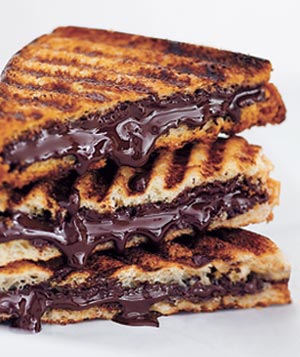
    Chocolate Cheese Sandwich :

    Ingredients : Square shaped breads 4 Pieces, 1 cup processed grated cheese, 1/2 cup chocolate syrup, 1 teaspoon honey , 1 tablespoon roasted nuts( Depends on your preference But I prefer Almonds ).

    Servings : 2

    Method : Take a Bread slice apply chocolate syrup evenly . Spread the grated processed cheese too in similar way .Make it a sandwich adding another plain bread slice . Grill it until it has toast like texture . Top it with honey and roasted nut . Serve hot. Enjoy this sandwich with a hot cup of coffee. It will make your day .


    sprouted-salad-large

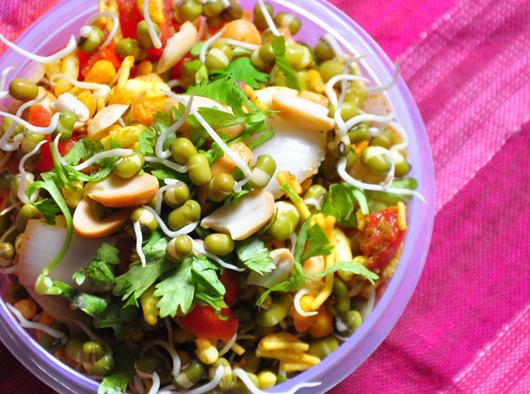
    Sprout Chaat :

    Healthy , tangy , spicy, & tasty yet roadside . Yes its a delight for those who diet but still want to hang on roadside junk.

    Ingredients : 1/2 cup sprouted moong (small green legume), Sprouted kala chana (Black chickpea) , 1/2 cup tomato finely chopped, 1/2 cup cucumber finely chopped, 1 teaspoon chaat masala, 1 teaspoon roasted cumin seed powder, half a lemon juice, salt to taste, 1 teaspoon green chilly finely chopped, Little coriander leaves finely chopped for garnishing.
    Servings : 2 ( The more the merrier )

    Method : Mix all the ingredients and stir well. Garnish it with coriander and serve the diet freaks of your gang( They wont skip your party now) .


    moong dal vada

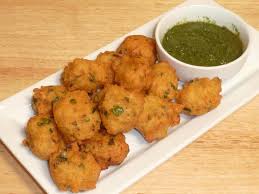
    Moong Daal Vade with tangy Mango Chutney :

    Ingredients : Soak 2 cups Moong Dal overnight and make it into a paste (not very smooth), 2 teaspoon ginger and green chilly paste , 1 teaspoon red chilly powder, Salt to taste, cooking oil for deep frying.

    For Tangy Mango chutney : 1/2 cup green mango made into fine paste , 1/2 teasppon green chilly paste, 1/2 teasppon lemon juice, Salt to taste.

    Serving : 2

    Method : Mix moong dal , salt , ginger and green chilly paste &red chilly powder very well with the help of hands . Take a pan heat oil for deep frying . Fry small vade shape and size not specific ( Its a way you feel comfortable ) till golden brown. Take out from the oil, dab it on a tissue paper and sprinkle black salt (a bit )  before serving.

    For Chutney : Mix all the ingredients well listed above for the chutney and serve as a dip with moong vade.


    IMG_8218

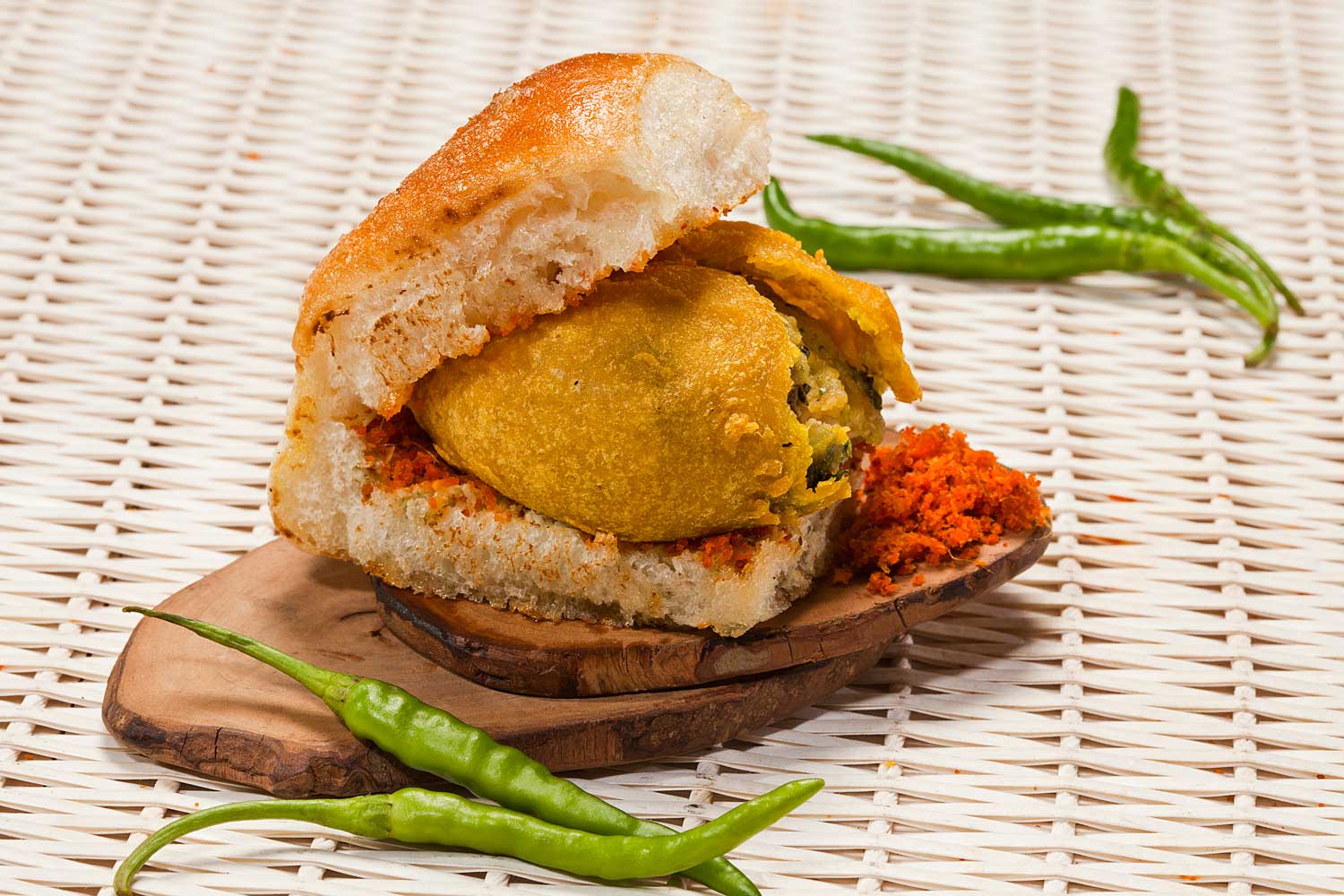
    Mumbaiya Vada Paav :

    Considered as staple food in maharashtra .My favorite so I saved it for the last to share with you all. Its a very simple recipe to try at home .

    Ingredients : 2 large potatoes boiled and mashed ,2 teaspoon Roasted coriander seeds , 1 cup soaked poha ,mashed just like potatoes, 1 teaspoon chaat masala, 1 teaspoon chilly powder, 1 teasppon garam masala, 1 tablespoon coriander finely chopped,1 teaspoon chopped green chillies, salt to taste, 1 teaspoon turmeric powder, 1 cup gram flour, half cup ric e flour, Oil for deep frying , Paav to serve with vada.

    Servings : 4

    Method : mix well boiled mashed potatoes, mashed Poha, chaat  masala, green chillies , red chilly powder, coriander seeds, chopped coriander leaves, salt and pinch of turmeric powder into a fine smooth lump free mixture . To coat  this mixture we need to make a thick paste of gram flour , rice flour , turmeric powder& salt .Once the coating is ready , we will take out  equal portions from the mixture , give it a round shape and dip it in the coating mixture and deep fry it. Once the vada’s are done sandwich it between the paav and serve hot with tamarind Chutney . Enjoy it when it rains and you feel hungry.

    Its ironic that I am writing all about roadside food  while enjoying Tikki Chaat on my couch  ( Idea to pen down few recipes clicked with the first bite itself).

  • Going around Magnificent Libraries

    Going around Magnificent Libraries

    High ceilings, minimalist yet statement furniture and rows of bounded paper from various eras screaming wisdom! Doesn’t a library stimulate your mind so much that you could stay there for days altogether reading as many books as you might? What Wikipedia defines as ‘an organized collection of sources of information and similar resources, made accessible to a defined community for reference or borrowing’ is actually a gateway to knowledge and culture.

    library-483s

    Libraries have witnessed human civilizations grow culturally, technologically and intellectually. Right through the Renaissance, Industrialization and ages of intellectual evolution, libraries have witnessed it all and hold scores of written and visual records of the series of events that have occurred in these processes. Libraries not only boast of utmost cultural significance but also have answers to most questions of human existence. They also have the best accounts on most technological, economic, political and cultural subjects. From some great autobiographies to some great technical research papers, libraries house it all under one roof.
    download

    Libraries are synonymous with learning opportunities and they can fuel the holistic development of an individual or societies alike to a great extent. Aphra Behn once said, “That perfect tranquility of life, which is nowhere to be found but in retreat, a faithful friend and a good library.” A good library is like the oasis with refreshing greenery and sparkling water amidst a vast stretch of the desert of ignorance and mundane civilization.

    The Long Room in the Trinity Library, Duiblin, I have been here Kathy Zynda Just Plain Pretty

    Some of the worlds’ greatest libraries are listed below. The description of the grandeur of these magnificent structures is beyond the capability of words; yet this is a brave attempt to succinctly chronicle these splendid structures.

    1.)    Wiblingen Monastery Library, Germany

    editBibliotecaGeraldaUniversidadedeCoim

    The library modeled in the Baroque style has a charm of its own. It was completed in 1744. Just outside the library it is inscribed “In quo omnes thesauri sapientiae et scientiae,” which directly translates to “In which are stored all treasures of knowledge and science.” The interesting thing about this library is that most of the elements that appear to be marble such as the pillars are actually painted wood.

    2.)    Clementinum National Library, Czech republic

    klementinum-library-prague-czech-republic

    This National Library comprises of a series of buildings that owe their design and conception to an 11th century chapel dedicated to Saint Clement thus lending it its’ name. The Clementinum National Library was founded in 1781. Constructed in a Baroque style, the library has served as a copyright library since the year 1782. The collection housed in the magnificent walls now includes historical examples of the mesmerizing Czech literature, special materials relating to Tycho Brahe, along with a unique collection of Mozart’s personal effects.

    3.)    Virgilio Barco Library, Colombia

    6191987879_1d9b1474b8_z-565x375

    This one boasts of a modern architecture along with a labyrinth of books on a multitude of  subjects. Designed by the famed architect Rogelio Salmona, it was completed in 2001. It features red brick walls, blue water pools and green lawns that adds to its architectural splendor. This creative design looks like a maze of colors.

    4.)    Library of Parliament, Canada

    download (1)

    The Library of Parliament in Canada has been called the ‘most beautiful room in Canada’. It was once a part of the city’s original Parliamentary headquarters that was constructed in the late 19th century. The building had been under construction for around a decade before it was finally revealed that the builders engaged could not create a domed roof as shown in the plans. The Tomas Fairbairn Engineering Company of England was then commissioned to create a pre-fabricated dome to solve the issue. Hence, the building had the vivid distinction of being the first building in North America to possess a wrought iron roof. The unique Gothic building is so fabled that it even features on the Canadian ten-dollar bill.

    5.)    Jay Walker’s Private Library, USA

    house-on-the-rock-wisconsin-usa

    This gorgeous wooden library is filled with an array of historical and pop culture artifacts and has been called ‘the most amazing library in the world.’ The gorgeous etched glass, the labyrinthine design and the many stories of book shelves lend it an impressive characteristic. As if this was not enough, the collection of rarities housed in this gorgeous library is completely magical. With books bound in rubies, a Sputnik, a chandelier from ‘Die Another Day’, and a list of plague mortalities from 1665, this place attracts scores of tourists on a regular basis.

    6.)    Palafoxiana Library , Mexico

    images

    This Puebla library was established in 1646. It was the first public library in Mexico. Some even claim that it was the first library established in the Americas. Its’ name is now mentioned in UNESCO’s Memory of the World Register and is definitely one of the biggest collection of texts with its 41,000 books and manuscripts including an array of rare and antique titles.

    7.)    Raza Library, India

    article-2243627-165E8BE0000005DC-660_634x478

    The Rampur Raza Library is located in Rampur, Uttar Pradesh, India. The library was established in the year 1904. It is a repository of Indo-Islamic cultural heritage and a treasure-house of knowledge established in the late 18th century. It was built by successive Nawabs of Rampur and is now managed by the Government of India. Rampur’s Raza Library also boasts of printed works in Sanskrit, Hindi, Urdu, Pashto (having the original manuscript of the first translation of the Qur’an in addition to other important books/documents), Tamil and Turkish, and approximately 30,000 printed books in a plethora of indigenous and international languages.

    8.)    The Tianyi Pavilion Library, China

    download (2)

    Boasting of the majestic traditional Chinese architecture, you need to visit the Tianyi Pavilion Library located in the Ningbo City. It is the oldest private library in Asia. Built in 1560, it is the third oldest private library in the world. It is a proud abode to a collection of 300,000 ancient books, including a number of woodcut and handwritten titles.

    9.)    The state library of New South Wales, Australia

    download (3)

    It is the oldest library in all of Australia, and was started as the Australian Subscription Library in 1826. The current building was built in 1845. The most popular and beautiful part of the library is the Mitchell Wing, construction of which was completed in 1910. This wing was named after David Scott Mitchell who had a collection of old books like the original journals of James Cook. The library now contains over 5 million items, including 2 million books and 1.1 million photographs.

    10.) Trinity college Library, Ireland

    download (4)

    This library is absolutely gorgeous with two story dark wooden arches. It is also the largest library in Ireland. It serves as the nations’ copyright library, where a copy of all new books and periodicals should be sent when being applied for copyright protection. The library is also home to the famous Book of Kells.

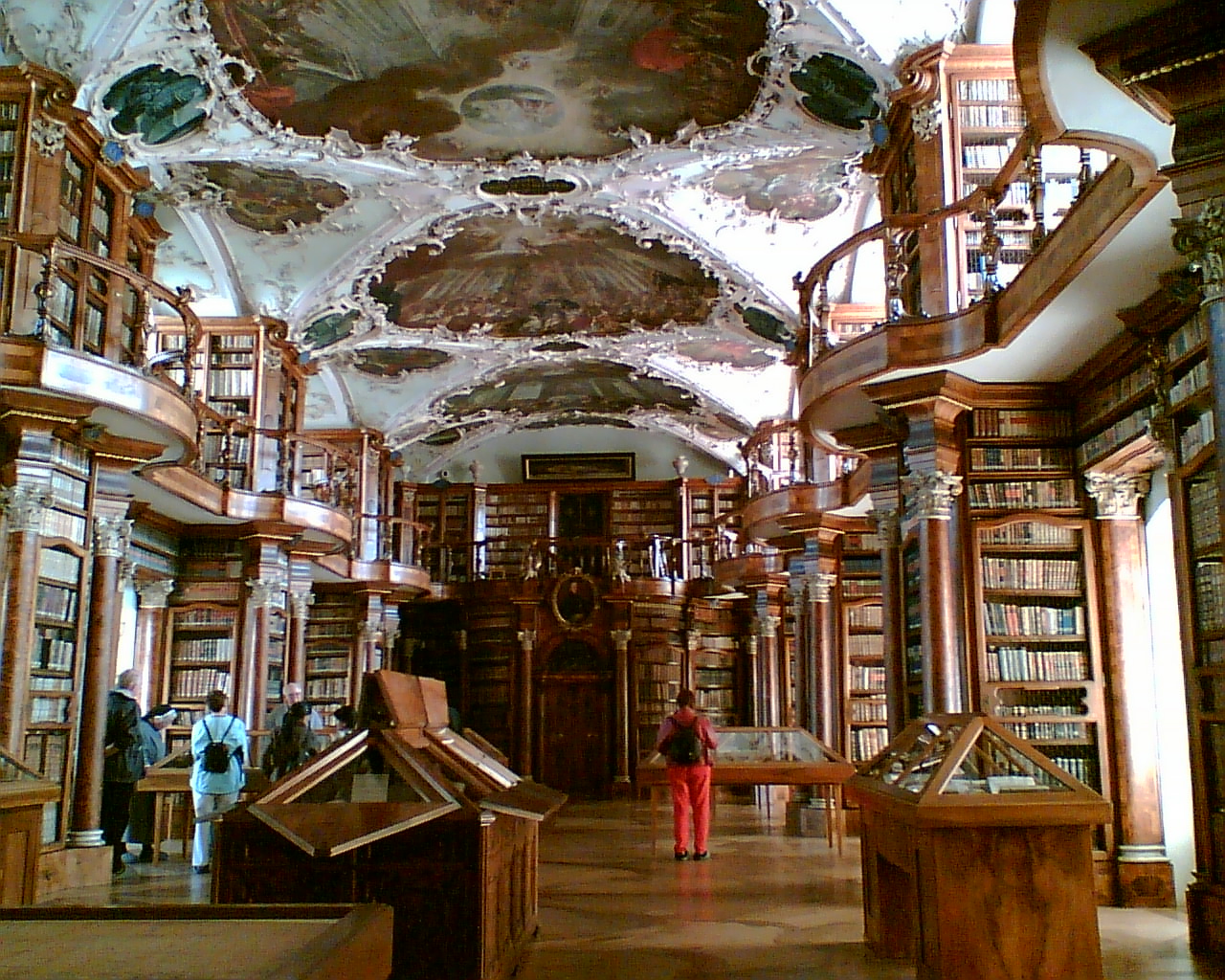
    11.) Abbey Library of St. Gallen, Switzerland

    Stiftsbibliothek_St._Gallen_1

    The Abbey Library of St. Gallen is not only the oldest in Switzerland, but also one of the oldest and most important monastery libraries in the world. It boasts of a holding of over 160,000 volumes many of which date back as far as the 8th century. The Rococo-styled library is considered to be one of the most perfect libraries in the world and has earned the Abbey recognition as a World Heritage Site.

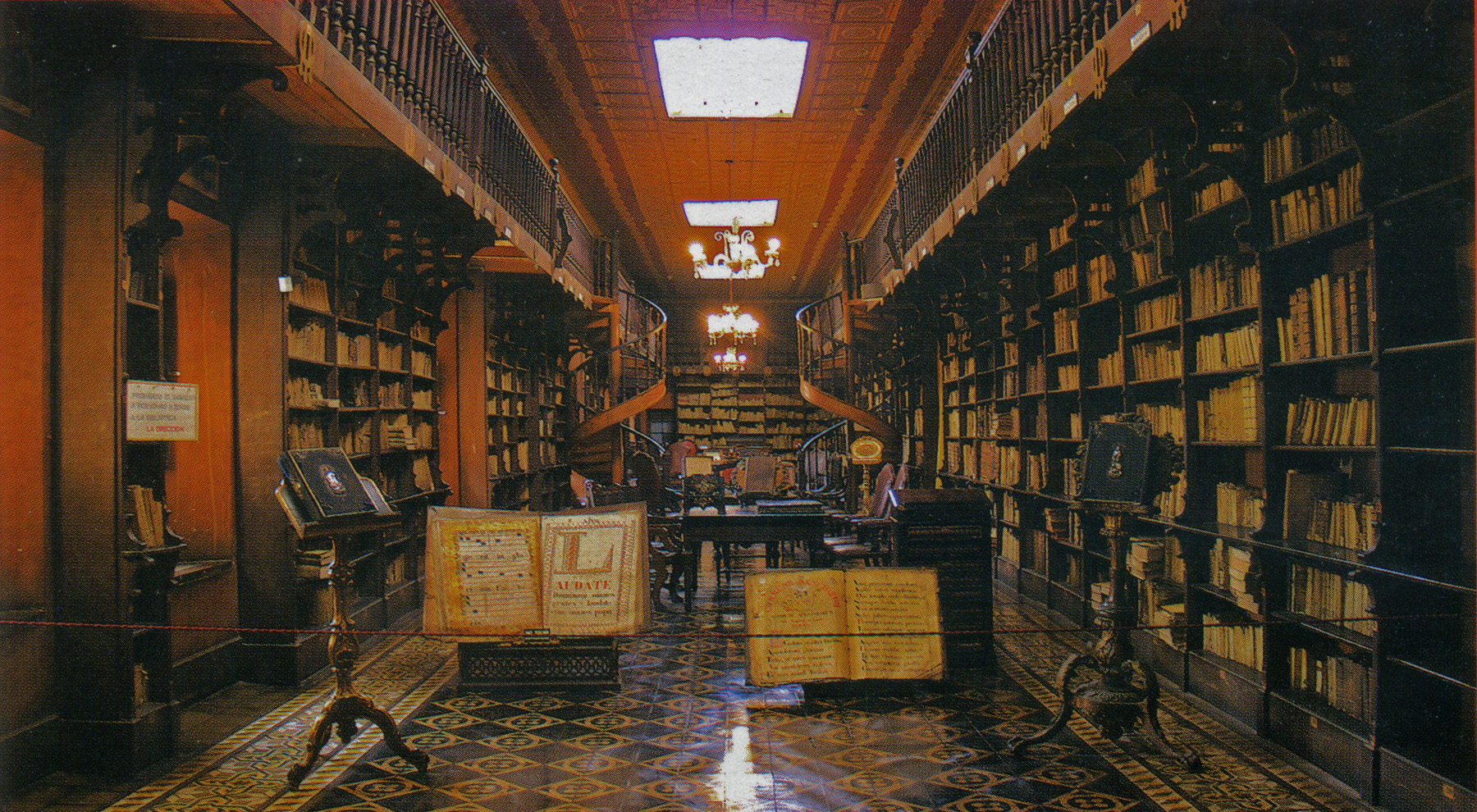
    12.) The Library of the San Francisco Monastery, Peru

    monasterio-san-franciso-lima-bilblioteca

    This library built in Lima’s San Francisco Monastery is one of most ancient and most gorgeous in the continent. The majestic convent was built in 1672, with renovations and improvements continuing up until 1729. The 25,000 volumes housed here are extremely rare, registering a massive variety of knowledge ranging from the 15th to the 18th centuries.

  • Check out at the check in!!

    Check out at the check in!!

    It’s a place where people usually hang-out with their friends and family. Next to beaches and shopping malls, this attracts an equal number of people. We still live by the saying that a satisfied hunger and quenched thirst makes one pleasant and closer to us. True to these words, various hotels, restaurants, motels and other such places that offers food have opened up almost everywhere.

    temp1
    A restauramt setting


    In today’s world, it is not fair for someone to say that he/she do not often visit restaurants, owing to the fact that they are sprawled across the map of the world. Ranging from ordinary road-side carts and mini eat-outs to posh, rich and elegant restaurants boasting of the 5 stars of quality (that restaurants are usually titled to). It is, as the saying goes, where there is food, there are people.

    This tradition of offering food to people dates back to the times where cities were first beginning to develop and dynasties ruled parts of the world.

    The first restaurants

    The idea of serving food in exchange for money goes back to the days when people travelled by either foot or a horse-driven carriage. The earliest known restaurants were more, like today’s road-side inns. The customers were usually peasants and small-time traders, travelling from one city to another. These restaurants simply consisted of a few benches or tables and they did not have any particular menu. These places offered simple foods commonly found in merchant’s homes. It was the chef’s choice which ultimately became the day’s menu.

    In the middle ages, as the population slowly increased, taverns became one of the most common places for a common man to buy food and drinks. In addition to serving food, they served as the first bars or pubs too. A few of these can be seen even today.

    temp2
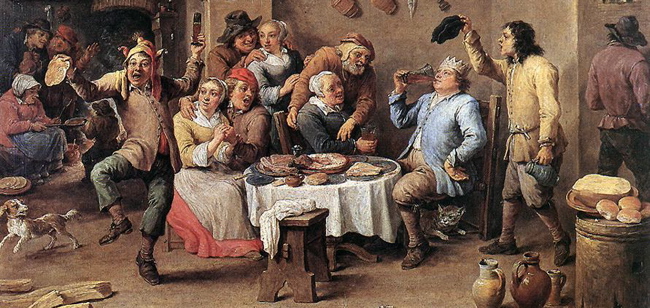
    An artist’s rendition of a restaurant in the olden days


    These places were usually places where people gathered and discussed official matters or met for recreational purposes. Thus, they imbibed a society that was socially strong. These taverns however, had a simple menu from which people could choose what they wanted to eat or drink and they were often served by people who owned the place or worked there. They were the first bearers or waiters.

    Restaurants also occurred in the form of road-side shops serving simple, yet satisfying meals. These were usually considered the fore-runners of the modern day fast-food chains that can be found sprawled across the map of the world. In the American continent, these usually sold the first buns and mustard, peanuts, popcorn, candies or any other such food articles by which people could satisfy their hunger temporarily.  Later, as time passed, the buns turned to hamburgers and hotdogs which soon became an instant hit not only because of their taste, but also because these foods were easily made and quickly served. Thus, it marked the beginning of fast foods. In France, small restaurants opened up at corners of streets or openings of junctions and they primarily served soups and stews which instantly struck a chord with the French. They soon revolutionized to various other food articles, which are served almost in all parts of the world even today. The French were usually good with breads and foods out of breads and dough. It was the French who brought “baking” to the limelight.

    temp3
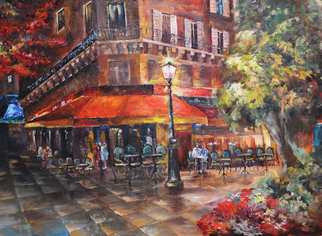
    A painting of a street-side restaurant in Paris

    In the European sub-continent however, pies of various sorts and flavors were becoming popular. In short, restaurants immediately became popular among the people, even though they served simple foods.

    It was in the fifteenth century when foods from different parts of the world were traded. Thus each recipe special to a particular country, became famous in another part of the world. This never stopped there though and the market and trade only increased with time and now, it has resulted in the numerous continental restaurants, five-star hotels and simple inns which serve foods both simple and those unheard of in that region.

    Restaurants in India

    India is a vast, diverse, multi-cultured country which has different eating habits as well as different food items. Thus, the normal, modern restaurants with either a three or four star rating usually serve more of recipes from other parts of the country when compared to recipes from around the world. However, it is a different tale when it comes to continentals and five-star hotels. These serve both in equal proportions and in top qualities.

    The first restaurants here were road-side carts selling very simple items exclusive to that place or country. These types of road-side stalls can still be found even today, buzzing and alive with hungry people. However, these have now modernized to serving snacks (“chaat” items), in addition to serving sandwiches, beverages, pastries, juices, etc. they have become a common place of hang-out especially for the younger generation.

    Check out at the check in!

    Restaurants are places where, in addition to serving food, also provide people with a place to stay for a stipulated amount of time. This practice dates back to the time when travelers having travelled quite a long distance, needed a place to eat and rest. The earliest known such rest-houses where more like big houses apartments usually called “inns”. They had extra rooms which were carefully and regularly maintained by the owners and proprietors. The food was cooked by them and served. This soon modernized to become resorts and lodges.

    Rooms allotted for a longer period of time and those which offered more comforts were called suits and these are usually found in five-star hotels today.

    In short, restaurants have come a long way to what they are now. They have undergone changes alongside people and have become a common thing now. Not much thought have gone to their origin and history.

  • The Food Invasion-Deciphered!

    The Food Invasion-Deciphered!

    India has had invasions for several centuries, and with each invasion certain cultures and traditions have been entrusted upon us. Each invasion brought its own languages, arts, religions and of course food! The foods from foreign lands have now become a part of our food palette and it is impossible to imagine biryani not being Indian. Indian foods have always been considered too spicy and unhealthy and it was the main reason for entry of foreign foods to the average Indian. These foods which were eaten as substitutes few years back have now become our staple food and are threatening to make the next generation obese and over dependant on foreign foods. Some of these foods are having high carbohydrate and fat content and making most of the urban children sluggish and overweight. Imported food items, both fresh and processed, are filling shopping bags in cities and towns as the global food trade zeroes in on India as a prime market.

    foreignfood1

    The urban, health conscious and educated Indian often sees foreign food with fancy packaging convince themselves it is nutritious and are eager to spend the extra bit on these foods without proper knowledge about them. Though there are several bad influences not all western food is bad. Some of them have positive effects on health and are actually quite good for us.

    foreignfood2

    The Good

    foreignfood3

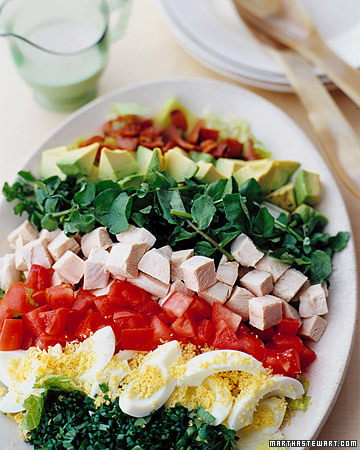
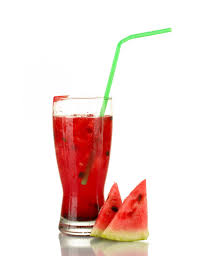
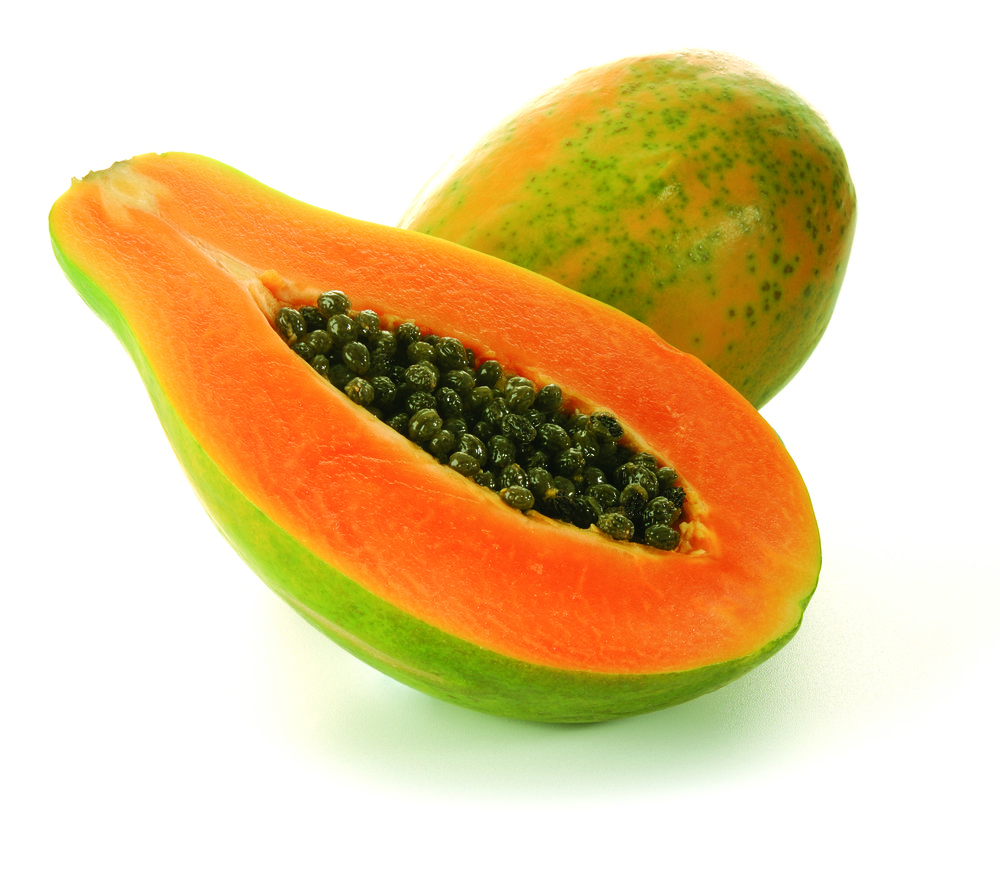
    There are few western foods which are undoubtedly good for health. The best example for positive influence of western diet would be the introduction of salads and different kinds of fruits like watermelons and papaya. Salads are healthy and delicious at the same time. Indian foods are mostly over cooked which remove most of the good ingredients and make them less healthy. Salads on the other hand are eaten raw, and manage to keep the proteins and vitamins intact. Salads also have a pleasing appearance and properly dressed salads can be a treat both to the eyes as well as your tummy. Salads also help in satisfying your midnight cravings and provide a healthy alternative to cookies and potato chips. The other great thing about salads is that they are not monotonous. It is not always about cucumbers and tomatoes, you can experiment with your salads and there are thousands of salad combinations which can be tried.

    foreignfood4

    Unlike certain foods, which are good for westerners but don’t suit Indians climate Salads are the perfect for the scorching heat in India. Since there is no cooking involved in salads you need not worry about adding heat from your oven!

    foreignfood5

    Another great foreign influence is the introduction of fruit juices and certain ice creams with fruit salads. Fruit juices and ice creams are perfect for our tropical climate and are advised by many doctors for patients and children with less appetite. Soups are a positive influence on our body and it is the perfect meal for sick people and also serves as a great appetizer.

    The Bad

    foreignfood6

    Everyone knows that Breakfast is the most important meal of the day. In most urban Indian families, cereals are the common breakfast foods given to children. Cereals are generally considered to be good for health and are served to the whole family. But in reality cereals are not exactly good. Some of them have heaps of sugar and salt which can entirely ruin your diet and might be a bad choice especially for kids. Instead of cereals the more sensible thing would be to eat oatmeal which is definitely one of the world’s healthiest breakfasts.

    foreignfood7

    Chocolate, especially the dark variety is often advertised as a healthy food which is true in the sense that it gives immediate energy but they also have a negative side. Chocolate contains large amount of butter, sugar and cream, which can hamper your diet negatively. Occasional chocolate consumption is fine but over reliance might cause severe problems.

    The Ugly

    foreignfood8

    There are certain western foods which are actually a curse and should never have been encouraged. Mcdonalds and Pizza outlets like Domino’s entered the Indian market in mid 90’s and have effectively been the primary source of making the next Indian generation predominantly fat and unhealthy, especially the middle class urban children. These fast foods have high fat content and a very high energy density. Energy density refers to the amount of calories an item of food consists in proportion to its weight. Foods with high energy density have a detrimental effect on the human brain. The human appetite was designed for low energy density foods and foods like Pizzas, Burgers and fries are extremely unnatural and has severe effects on the human body especially children. Our bodies were never designed to cope with high energy density foods and that is the reason why fast food is contributing to a major rise in obesity. Fast foods can also clog the arteries and can result in increased blood pressure and heart attacks. Fast foods are high in saturated fats and low quality fats.

    foreignfood9

    Our body requires fiber and other healthy fats. Fast foods represent a diet which is entirely unnatural and requires a serious consideration. They are as bad as smoking and drinking to health and should be restricted and curtailed before it becomes an epidemic.

    All foreign foods are not bad foods. But we have enough nutrients in our own food and it is important that we understand our own bodies and eat accordingly and lead a healthy and happy life!

  • KASHMIRI PANDITS- CULTURE AND CUISINE

    KASHMIRI PANDITS- CULTURE AND CUISINE

    Kashmiri pundits, also known as Kashmir Brahmins are the oldest inhabitants of the state of Jammu and Kashmir. They are the only Hindu community native to Kashmir. Through the years, many Hindus have migrated from different parts of the country. The history of the Kashmiri pundits is the history of Kashmir valley itself.

    CUISINE

    cuisine

    They have their own exquisite culture as well as food habits. They introduced the use of yoghurt, asafetida and turmeric powder to Indian cuisine. There is a heavy use of mutton in Kashmiri cuisine. Its use was prevalent throughout the history of Kashmir. There are about 30 different varieties of mutton in the cuisine. Normally pundits do not use meat but it has a prominent place in the cuisine of Kashmiri pandits. The use of beef is strictly prohibited in the cuisine of Kashmir.

    Meat is cooked in the households of Kashmiri pundits during festivals and it is part of their identity.

    NOTED DISHES

    1)      ROGAN JOSH

    lamb_rogan_josh

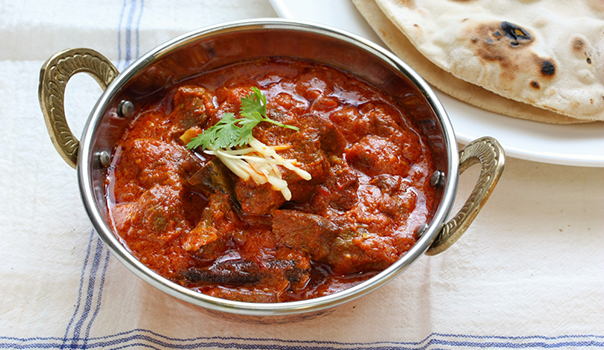
    It is a lamb based dish which is seasoned with Kashmiri chilies, ginger, asafetida and bay leaves. Asafetida is used by Pandits in place of garlic. Yoghurt is used instead of onions to make the dish thicker. It is a favourite dish in Kashmir and is cooked during special occasions. It is originated in Persia and is aromatic in nature. It is one of the signature dishes of Kashmiri cuisine. The word Rogan Josh means, “Cooked in oil at intense heat.” This dish was brought to Kashmir by Mughals. It is one of the main dishes in the multi- course dish of Kashmir known as ‘Wazwan.’

    There are many adaptations of this dish where different varieties of sauce are used.

    PREPARATION

    INGREDIENTS

    1)      1 kg  lamb mutton cut in 70gm. Pieces

    2)    ½ cup mustard oil

    3)    1 tbs ghee

    4)    ½ cup curd

    5)    ¼ tsp asafetida

    6)    ½ tsp cumin

    7)    6-8 pieces of half crushed cloves

    8)    2 bay leaves

    9)    2 tbs Kashmiri chili powder

    10)2 tbs fennel powder

    11)1 tsp dried ginger powder

    12)1 tbs salt

    13)1 tbs garam masala

    14)4 cardamom

    15)2 pieces of cinnamon

    16)3 pieces of big cardamom

    17)1 tbs ghee


    METHOD

    1)    Wash the mutton and drain off extra water.

    2)    Put mustard oil in a frying pan and keep it in a full flame till the smoke comes out. Remove it from the flame for 2-3 minutes.

    3)    Mix mutton with the curd and heat the pan on a full flame for frying.

    4)    Stir the mixture so that it won’t stick to the bottom of the pan and also the liquid produced by the pan dries up.

    5)    Now add asafetida, cumin, salt and cloves to it and heat it on a low flame till it becomes brown.

    6)    Now add chili powder to it and stir till deep red color appears.

    7)    Now add 2 glasses of water and bay leaves, fennel powder, ginger powder, cinnamon pieces, crushed cardamom and stir so that that the ingredients mix properly. Cover the pan with a lid and then heat the mixture on a low flame.

    8)    Add garam masala and ghee and boil it for two minutes.

    9)    Garnish the dish with coriander and serve it with boiled rice.


    2)      YAKHNI

    yakhni

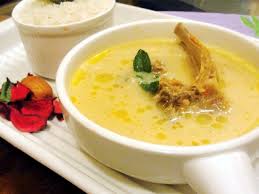
    This is another mutton dish from the lands of Kashmir. It is a yoghurt based mutton curry and it excludes the use of turmeric and chili powder. Other ingredients include bay leaves, cloves and cardamom leaves. It is often served with rice along with another spicy side dish.

    PREPARATION

    INGREDIENTS

    1.       1 kg mutton (chest pieces)

    2.       3 ladles of mustard oil.

    3.       2 table spoons of fennel powder

    4.       1 table spoon cumin

    5.       2 bay leaves.

    6.       ½ tea spoon asafetida

    7.       5 half crushed cloves

    8.       3 black cardamom

    9.       1 inch cinnamon

    10.   1 kg whipped curd.

    11.   1 spoon pure ghee


    METHOD


    1)      First wash the mutton and drain off excess water.

    2)      Heat oil in a pressure cooker and then add mutton, salt and asafetida to it. Start frying for five minutes in full flame.

    3)      Put ½ glass of water, fennel powder, crushed black cardamom, cinnamon and bay leaves and pressure cook it up to 3 whistles.

    4)      Put oil in a frying pan and heat it. Then cool it for three minutes and put cumin to it.

    5)      Put it on a low flame and stir the cumin for three minutes. Then add curd to it and put the pan on a high flame. Stir the mixture continuously so that it won’t curdle till it boils.

    6)      Add the boiling curd and pure ghee in the mutton and keep it on a low flame for five minutes.

    7)      Serve the dish with hot boiled rice.


    3)      WOZIJ CHAAMAN

    wozij chaaman

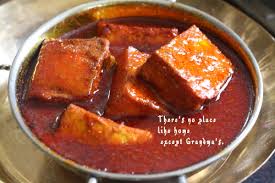
    It is an important vegetarian dish prepared in Kashmir during special occasions.

    INGREDIENTS

    1) 1 kg cheese

    2) 1 table spoon salt

    3) 2 table spoon red chili powder.

    4) 2 table spoon fennel powder

    5) 1 tea spoon ginger powder

    6) 1 tea spoon cumin

    7) 1/2 tea spoon black cumin.

    8) 1/4 tea spoon asafetida

    9)  4 crushed black cardamom

    10) 4 half cloves

    11) 2 bay leaves

    12) 2 small pieces of cinnamon

    13) 3 crushed cardamom

    14)  3-4 ladles mustard oil.


    METHOD


    1)    Cut the cheese into big pieces.

    2)    Put oil in a pan and fry the cheese in oil till they turn into brown color. Then add the cheese into a boiler.

    3)    Add 3 glasses of water and then salt to it. Also add fennel powder, bay leaves and cinnamon pieces in the boiler.

    4)    Turn the stove to low flame and add black cumin, cloves, asafetida, and red chili powder to it.

    5)    Add ½ glass of water in the pan containing rest of the oil and heat till the red color appears and water evaporates.

    6)    Empty the contents of the pan in boiler and cook it in low flame till some water evaporates.

    7)    Add cardamom and cumin to it and cook for 1 min.

    Now the dish is ready and can be served with chapatti or hot boiling rice.


  • Sketch it up with Charcoal!

    Sketch it up with Charcoal!

    Most of you must have heard of charcoal being used in the mud-stoves in villages for cooking and heating purposes. Many of us relish the grand barbeques that employ chunks of burning charcoal for that distinct flavor. Charcoal obtained from various timbers are used as industrial, domestic and metallurgical fuels of various grades all across the world. Activated charcoal is also used as a purifier or filter as it has properties of absorbing impurities from the atmosphere. Besides these areas of utility, charcoal is also used in art widely. It can produce gorgeous looking pieces of art with just the monochrome it is!

    images (2)

    As a part of the Publicity and Printing team of my college, we had to come up with interesting ideas to put up attractive paintings, posters and 3D art pieces around the campus to promote the festive mood and adorn the campus. I took up charcoal as my tool and decided to come up with some decent ideas to attract the attention of the passers-by. This intrigued me to research upon this interesting yet not-so-conventional art medium.

    images

    Charcoal art dates back to 15000 BC or even earlier when the walls of caves of human dwellings were mans’ only canvas. The popular cave drawings of a mammoth of Lascaux in France, for instance proves the use of charcoal as a tool for drawing. These pictures would have been made from charred sticks taken from a fire rather than intentionally created charcoal. The paintings were found to be well preserved when the caves were first discovered. After being opened to the public in the last 1940s, the presence of the large number of visitors started interfering with the delicate environment of the ancient caves and hence, the paintings started to deteriorate. The replicas of the caves were constructed after the original caves were closed to the public in the year 1963.

    download

    Since then many cultures, civilizations and artists have given importance to charcoal as a drawing instrument. Indigenous people from all continents including Australia and Africa have used charcoal for body painting as a part of many traditions and rites of passage like child birth, weddings, wars, hunting, spiritual rites and even funerary rituals. One of the oldest charcoal paintings date back to 23,000 BC. It is the picture of a zebra found at the Apollo cave in Namibia.

    images (1)

    Charcoal was largely used for drawing during the Renaissance period for creating initial drawings for a panel or fresco mural drawings. Only a few of these survived as charcoal marks on paper are relatively ephemeral. As more advanced trends in art came up in the later 15th century, drawings were now fixed by being immersed in baths of gum! Hence, these pieces of art which were earlier taken to be preparatory frameworks were now considered more seriously and were taken to be finished pieces of art.

    download (1)

    Powdered charcoal is the most basic form of charcoal used. Though it can be very messy, but it allows artists to give definition and tone up large areas of a surface. It is an ingredient in compressed charcoal which is also used for drawing. Powdered charcoal held together with gum or wax gives compressed charcoal a range of softness based on the proportions of the powder and the binder. Compressed charcoal is however harder than willow or vine and hence it can retain its shape. Moreover, compressed charcoal is more break-resistant and lends a deeper black colour. It can also be sharpened for intricate detailing. This makes it suitable for drawing fine lines, textures and details neatly.

    images (3)

    Willow and vine charcoal are made from grape vine and willow branches which are burnt to a precise degree of hardness. Since it does not contain any binding agent, it can be erased easily and are soft and powdery. It is less suitable for rendering fine crisp images though it can be used for sketching out composition on a canvas before a painting is done.

    download (3)

    Since charcoal tends to smudge on any surface, it becomes mandatory to preserve the work with a fixative, irrespective of the type or amount of charcoal used. However, using a fixative does not make the charcoal drawings completely smudge-proof. They still need glassine sheets or need to be framed under glass to protect themselves completely.

    download (2)

    The techniques used with charcoal also depends on the quality and texture of the surface or canvas used. One of the most important techniques used is hatching. Hatching is defined as an artistic technique used to create tonal or shading effects by drawing or painting or scribing closely spaced parallel lines, often rapidly. It is used to create the illusion of shade or texture in a drawing. Rubbing is another technique used with charcoal where in gradient is an important feature. Erasing charcoal is used often to lend a lighter shade or define some features. A charcoal artist is capable of creating a variety of levels of gradation by simply adjusting the pressure on the tool, and by turning or rotating the instrument. He or she can create a whole new kind of stroke on the surface of a work by changing the direction of strokes. Like many other drawing media, charcoal responds strongly to the grain and texture of the paper it is used on.

    download (4)

    Many famous artists like Albrecht Durer, Paulus Potter and various other Italian artists have created famous charcoal paintings that have survived. Charcoal drawings were also created throughout the 19th and 20th centuries and into the 21st. There are many popular examples by such artists, in particular French artists like Édouard Manet, Edgar Degas, and Henri de Toulouse-Lautrec.  Also the Germans, namely, Ernst Barlach and Käthe Kollwitz had created mesmerizing art pieces using this simple medium. Most of the famous artists since the Renaissance, from the likes of Rembrandt, Degas, Matisse and Picasso, have also used charcoal in one way or another.

    note-in-pink-and-brown download (5)

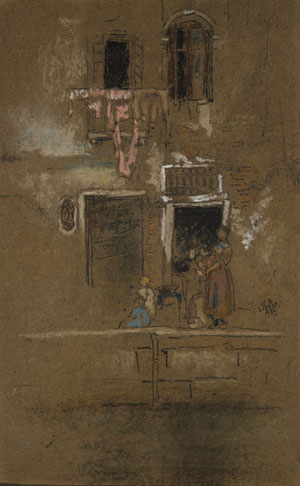
    Some of them have used it extensively for studies, some for portraiture, while some for truly notable unique works of art. For example, “Woman Bathing in Shallow Tub” (Charcoal and Pastel Drawing) by Edgar Degas (1885), Portrait of Sergei I Shchukin in Charcoal by Henri Matisse (1912), and Note in Pink and Brown Charcoal by James McNeill Whistler are some noteworthy pieces one should definitely appreciate.

  • Win over the Festive Cravings!

    Win over the Festive Cravings!

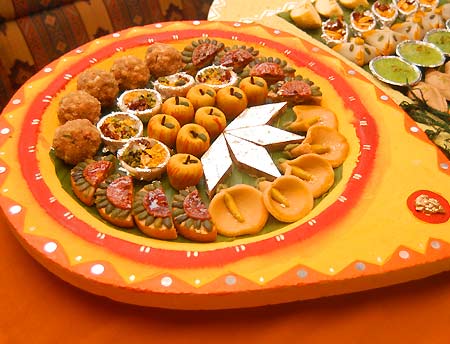
    Festive season is here and so are all the food delicacies. The mouth-watering sweets, lovely chocolate packs, attractive sweet shops, decorated foodie stuff is all around and resisting all this is a big challenge. Heart says have it all, have what you want and Head says No! Not a good idea to have it all. This constant fight between head and heart is ruining all the joy of festivities. Sweets being so attractive are hard to resist. We are just some days away from the grand finale of the festive season; Diwali, which I already burning bright with all the lighty lights in Indian homes and fireworks will add all the more to it. What is synonymous with this festival is sugar high mithai boxes, all laden up in homes, piled up before and after exchanges. Diwali marks the high point of mithai season and with the beginning of this festive season, bingeing on ghee-laden foods like laddoos, jalebis, pedas, samosas and bhajias is natural and is going to be regular affair. I know its no fun in always saying ‘no’. Then, the problem lies in how to avoid these delicacies. When even the determined, most health conscious, strong-willed people can’t resist these temptation, how will you particularly, when you just love munching on all this. Well, Don’t you worry, these small ways will let you manage your diet schedule and will make you resist the festive cravings, when all you can see is sweets around you.

    Diwali Sugar free sweets

    Sharing… is good: Share your stuff with someone else and don’t indulge in the temptation alone and munch on handful of sweets all by yourself. Its better you should share it and in a way it will split up the calorie load. Many studies have proved that we relish something delicious only till the first two bites of it, after that its gluttony. So, bearing this fact, sharing is good in all ways.

    Gauge your fat intake: Keep a check on your overall oil, butter, cheese intake, how you are taking them in, in what amount and watch it and be cautious. Be mindful, like if you want to eat some fried food, better to cut the oily food and added fat intake from the rest of your day. Rather, as an alternative, Saute veggies and bake them or steam them. Also, you can consider eliminating tadka from your dal, though its difficult, but its worth doing. Overall, just try to keep the calories balanced by cutting down on the excess oil by opting for healthy alternatives.

    Hit the gym: Exercise and Exercise, workout and nothing else will watch your weight better. Be regular and then just stop worrying about the temptations. In order to maintain same body shape and size, you must go to gym regularly. If you are having those sweet ladoos or pedas or that vada pav, make sure you put that extra effort in gym to cut down the extra calories, you acquired. Though, its not going to completely compensate for your food impulses and stimulus , but still you won’t add a lot weight to your body.

    Moderation is always better: Don’t munch on it with an attitude, ‘All or nothing’. Rather, limit yourself to one or two high calorie food items a day and save that taste for your whole day. Watch your eating patterns closely and don’t cheat as you will be cheating on yourself only. Never eat like there’s no tomorrow and be in control even as you enjoy food and don’t let your cravings overcome your mindfulness.

    Think like yummy food isn’t going to extinct: Remember this and don’t be disheartened. There will be tomorrow when you can have another piece of sweet laden food items. When its enough for today, its means enough. Don’t give excuses to yourself. Keep in mind that yummy sweets, goodies will always be around, all year round.

    Watch your protein intake: Proteins are important. You know, Deficiency of protein increase the cravings for desserts and other delicacies. Better ensure that you have your protein tank full so that you can have better controlled willpower. Pulses, egg whites, peanuts, paneer, tofu, chicken and fish are good sources of proteins and their intake should be proper in order to avoid temptations.

    Choose your outfit for the season or go shopping: When you feel that uncontrollable urge for sweets you are seeing on your table, try to avoid it by not recognizing and take your mind off like by trying a new outfit for the festive season or go for some shopping. However, girls will like the idea more but it works for anyone. So, just give it a try.

    Apart from all these ways, the best one, you have heard often is to exercise regularly. If you want to enjoy this festive at the fullest and don’t even want to gain those extra kilos around your waistline and hips, you just need to check your intake, eat mindfully in moderation and follow your regular exercise regimen. Moreover, the festivities are never all about food. There are other aspects to.      The sole purpose and focal point of any celebration is not just food and bingeing on different varieties. Rather, the main motive is to spread joy and happiness and share it everyone.

  • Chutneys are Yummy! Part 2

    Chutneys are Yummy! Part 2

    Chutney (also translated as Chatney or Chatni) is a family of condiments mainly associated with South Asian cuisine that usually contain some mixture of spice(s), vegetable(s), and/or fruit(s). Chutneys may be either wet or dry, and can have a coarse or fine texture. There are various types of chutneys.

    Traditionally, chutneys are ground with a mortar and pestle made of stone or an ammikkal . Spices are added and ground, usually in a particular order; the wet paste thus made is sauteed in vegetable oil, usually gingelly (sesame) or groundnut (peanut) oil. Electric blenders or food processors can be used as labor-saving alternatives to stone grinding.

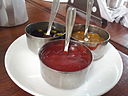
    Chutney

    Let’s explore two new mouth-watering recipes of Chutneys which one can make easily at home!

    • Garlic Chutney:

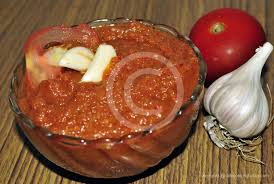
    garlic chutney

    This is a fiery-spicy chutney made from garlic cloves and red chilies. It is a taste-enhancing must-have accompaniment for South Indian dishes like Dosa, Idli, etc. In this customized Indian Garlic Chutney recipe, garlic, soaked red chillies and coconut are first sautéed in oil, and then crushed with tamarind pulp to make delicious Chutney having a complex hot, sour and spicy taste altogether.

    • Ingredients:

    1)  8 chopped garlic cloves (skin removed).
    2)  2 whole dry red chillies, seeded and broken into pieces.
    3)  ½ cup grated fresh coconut.
    4)  1 teaspoon tamarind pulp.
    5)  ¼ cup water.
    6)  2 teaspoons oil.
    7)  Salt according to taste.

    • Directions:

    1)  Heat 1 teaspoon oil in a pan. When the oil is hot enough, sauté the chopped garlic over a low flame for a minute and then transfer to a plate.
    2)  Heat the remaining 1 teaspoon oil in the same pan and sauté the dry red chillies over a low flame for 20-30 seconds. Again, transfer them to the same plate.
    3)  Let the sautéed garlic and dry red chillies cool for about 3-4 minutes. Transfer the garlic and the dry red chillies to the chutney jar of a grinder or food processor. Grind them until a medium coarse paste is formed.
    4) Add the grated coconut, the tamarind pulp, ¼ cup water and salt (according to taste) to the jar.
    5)  Grind them till a medium coarse paste is formed. Tasty South Indian Garlic Chutney to be enjoyed along with Dosa and Idli is ready to be served!

    • Tips:

    1)  You can also use 2 teaspoons of the red chilli powder in place of the usual dried red chillies.
    2)  Dry Kashmiri red chillies are specially added to get that nice red color and also to make a less spicy Chutney when compared to other varieties of chillies as such.
    3)  Replace the tamarind pulp with 1 teaspoon of lemon juice for a slight variation in the overall taste of the Garlic Chutney.

    • Preparation Time: 5 minutes.
    • Cooking Time: 5 minutes.
    • Servings: 6 (½ cup).


    • Pudina Chutney:

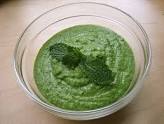
    pudina chutney

    Pudina (Mint) is an herb known for its medicinal benefits for indigestion, acidity, headache, dental and skin diseases. It is an integral part of Indian cuisine as well. This Pudina Chutney recipe makes for an extremely flavorsome and tempting Chutney prepared right from fresh mint and coriander leaves. However, its main taste comes from the tamarind paste which is added to give a nice tang to its spiciness. The whole texture of the Chutney is derived from the fresh coconut.

    • Ingredients:

    1)  ¼ cup fresh Pudina (mint) leaves.
    2)  1 cup chopped coriander leaves.
    3)  ½ cup grated fresh coconut.
    4)  2 chopped green chillies.
    5)  ½ inch piece ginger, chopped.
    6)  2 teaspoons tamarind pulp or lemon juice.
    7)  1 teaspoon sugar (optional).
    8)  Salt according to taste.
    9)  ½ cup water.

    • Note:

    This recipe requires tamarind pulp as an ingredient. You can easily find ready-made tamarind pulp to be bought in the market. If the tamarind pulp is not available, then you can also prepare it at home by simply following the directions which are given below-

    1)  Soak the tamarind in hot water for roughly 1 hour.
    2)  Remove the seeds of the tamarind.
    3)  Strain the whole mixture to prepare fresh and homemade tamarind pulp.

    • Directions:

    1)  Clean the mint leaves and the coriander leaves well by running them under fresh tap water.
    2)  Grind the fresh coconut, green chillies, ginger, sugar and salt together in the chutney jar of a mixer or a food processor until a very smooth paste is formed.
    3)  Add the mint leaves, the coriander leaves, the tamarind pulp (or the lemon juice) and ½ cup water. Grind again until a very smooth consistency of chutney is arrived at.
    4)  Fresh Pudina Chutney is ready to be served along with your favorite condiments!

    • Tips:

    1)  Replace the tamarind pulp with an alternative of lime juice for an even more delicious tang of the Pudina Chutney.
    2)  Store it in an airtight container in refrigerator for up to 3-4 days. You can then use as and when it is required.
    3)  You can always add more water and adjust the spices according to your own tastes so as to make the Pudina Chutney more diluted and thin, or of a concentrated and strong flavor.

    • Preparation Time: 10 minutes.
    • Servings: 8 (1 cup chutney).

    So there you are – two delicious Chutneys which you can easily make at home by following some simple instructions. These are very good from the health point of view. They also acts as excellent taste enhancers.

    Keep watching this space for more delicious recipes!