Blog

  • The Indian way Chinese Starters !!!

    The Indian way Chinese Starters !!!

    Indians prefer more of Chinese than Indian (I am including myself ). Chinese food is having all flavours in one bowl spicy ,tangy, oily, saucy, full of veggies, juicy, with gravy , without gravy , full of colours , sometime bland in taste, sweet & sour etc etc. I am not wrong if I say there is no one on earth who doesn’t like Chinese. I have had the opportunity to taste all sorts of Chinese food ….from a classy Chinese restaurant to roadside Chinese junk I have had all. But trust me I liked it all. Its easy to prepare and easy to make , the only task is to assemble  the right ingredients , cut the vegetables in right shape and your dish is done in 5 minutes. Yes! its that simple. From wedding Hi-Tea to birthday party at home we always include a Chinese dish in the menu. B’coz ….its simple tasty and every ones favourite.  Its funny but a trur fact that we Indians have totally customised the Chinese dishes and made it oily spicy “tadka marke” dishes .

    Originally the Chinese recipes our full of veggies & sea food , little bland , more of stock content and sweet & sour in flavour. But we have totally customised it in our homes as per our own taste. You wont believe but I have had egg plant sautéed Hakka noodle once and I loved it (I was being crazy …never mind). My hostel cook use to add curry leaves in chicken Manchurian as he was a South Indian cook and only knew curry leaves as his key ingredient ….so whether it be dosa or noodles curry leaves was must (Its true story ….!!!). But if you our really Chinese food crazy you must eat anything which comes to you in form of noodles and I am being very honest in admitting that I love Chinese and can survive years n years eating only noodle and chilly chicken.

    Chinese dishes originally are non- vegetarian dishes but we being Chinese food crazy and not compromising the taste created loads of veg substitutes of the main menu and made it more popular than the original recipes…classic example would be chilly Paneer/ cottage cheese. Even china would wonder how we managed to create that. But its possible only in India. We kill the original recipe and yet make it tasty and popular…(Aren’t we crazy enough to be dared for anything ). So lets have a mix bag of Chinese starter recipes customised the Indian way.
    photo(17)

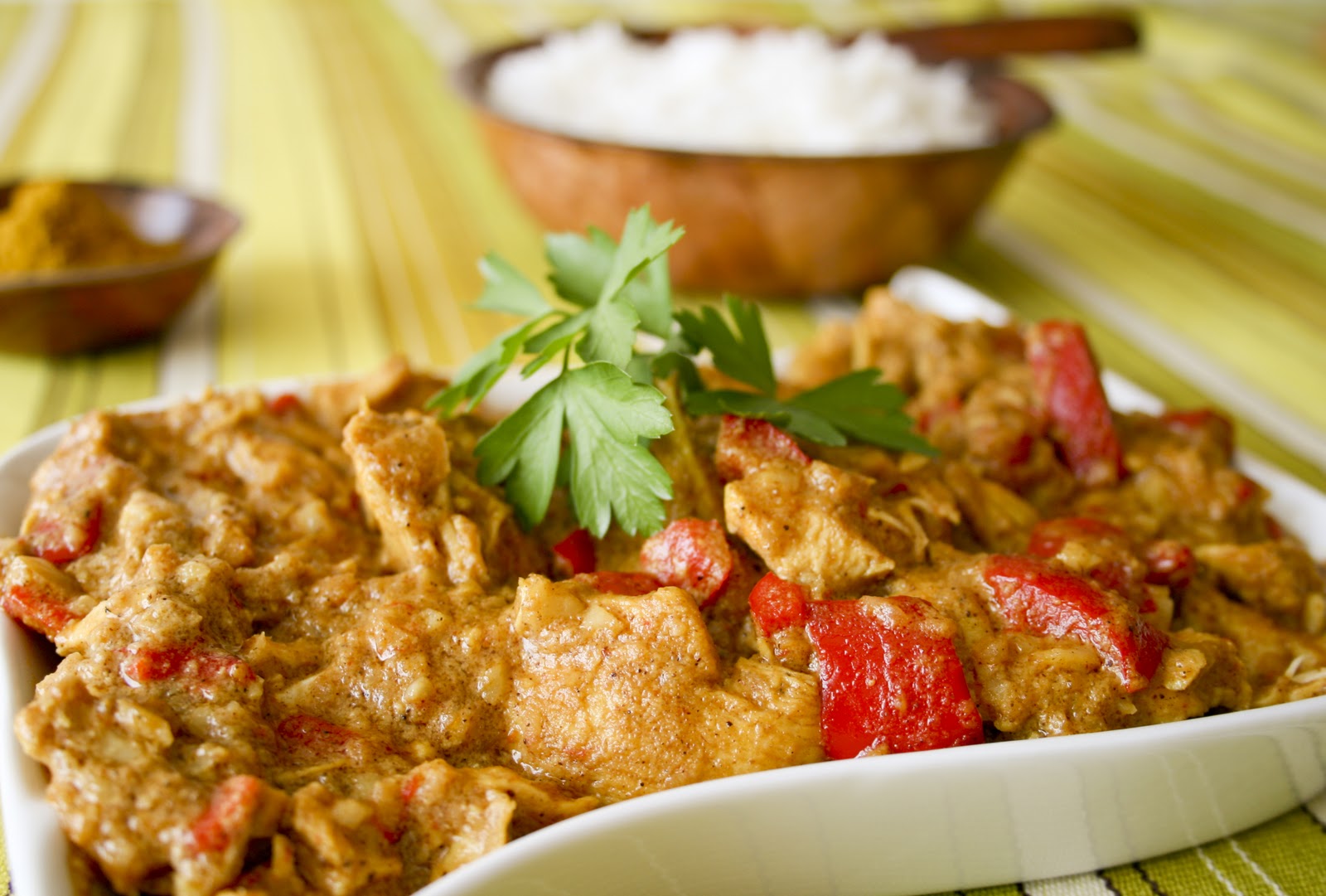
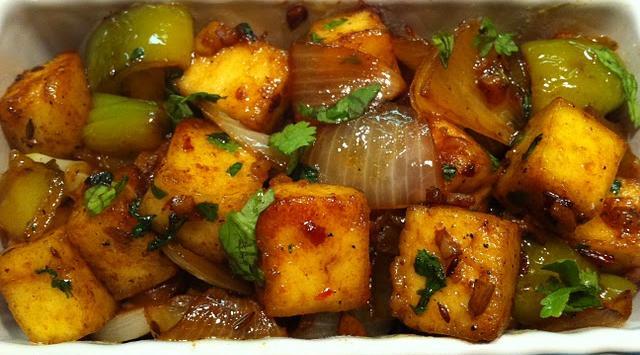
    Chilly Paneer :

    Ingredients : 500 g of cottage cheese / Paneer cut in cubes, 1& 1/2 tablespoon corn starch , 1 tablespoon green chilly diagonally thinly sliced,1 tablespoon celery finely chopped,  2 medium onions diced roughly, 2 medium bell peppers (Red, green & yellow in colour), 1 tablespoon garlic finely chopped, 1 tablespoon ginger juliennes, 1 /2 tablespoon dark soy sauce, 1 tablespoon tomato ketchup, 1/2 tablespoon green chilly sauce, 1 tablespoon olive oil to cook ,salt to taste,1/2 cup water for moistening .

    Servings : 4

    Method : Take a zip lock bag and pour in 1/2 cut of corn starch in it . Add in paneer cubes in the bag and shake it well closing the zip so that starch coats all the cubes evenly from all sides. Now heat a shallow pan and add half of olive oil in it. Slightly toss the paneer cubes in the till it turns golden brown evenly from all sides. Take it out and keep it separate. Now add in the rest of the olive oil heat it on high flame and stir in celery , green chillies, garlic and ginger and sauté it for 1 minutes . Now stir in Onions and diced bell peppers and sauté it again for another 2 to 3 minutes. Add in little salt , tomato ketchup , dark soy sauce , green chilly sauce and mix well for 30 seconds. Add in the shallow fried golden brown paneer cubes in it , mix it well and add water to it. simmer it for 2 minutes and add rest of corn starch in paste (add few drops of water to corn starch )  form to thicken the water and get a glaze on this Paneer dish. Serve it in a flat dish with toothpicks on side . Serve it hot.
    Gobi-Manchurian

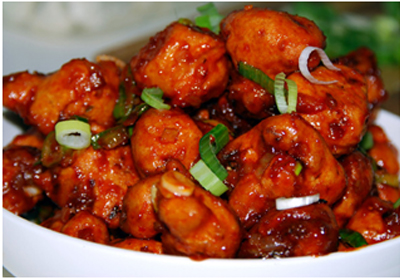
    Gobi Manchurian Dry :

    Ingredients : 1 big cauliflower roughly cut into small pieces, 2 tablespoon corn starch , 1 tablespoon green chilly diagonally thinly sliced,1 tablespoon celery finely chopped,1 tablespoon garlic finely chopped, 1 tablespoon ginger juliennes, 1 /2 tablespoon dark soy sauce, 1 tablespoon tomato ketchup, 1/2 tablespoon green chilly sauce,  olive oil for deep frying & cook ,salt to taste,1 tablespoon chopped spring onions for garnishing.

    Serving: 4

    Method : Firstly we need to slightly blanch in salted water, the cauliflower and then dry it. Once it dried we need to put it in a zip lock pouch with all the corn starch in it and shake it well to coat the cauliflower pieces evenly with corn starch . You may also avoid this process and directly mix the corn starch with blanched cauliflowers and keep it with  for 30 minutes so that it coats well . Now deep fry  the cauliflowers kernels till golden brown . It will be quiet crusty as it was coated with corn starch and its taste is already salty as so addition of extra salt is not required. Now heat a shallow pan , add olive oil in it and on high flame toss, celery , green chilly slices , ginger and garlic. Sauté it for a minute and then add all the sauces …tomato ketchup ,green chilly sauce, and dark soy sauce along with deep fried cauliflower kernels . Stir fry all of this on high flame for 3 to 4 minutes and serve till cauliflower /Gobi absorbs all the sauces. To get a glaze you may pour corn starch solution( a teaspoon only) it is Optional .To get a gravy of this particular dish you just need to add 1 cup of water and a tablespoon of corn starch solution and your side gravy dish is ready. Serve it hot garnishing it with spring onions to enjoy the crispiness of the tempting cauliflower kernels This is a  Indo -Chinese recipe and a very popular dish in India’s Chinese menu.

    There are several such customised Chinese recipes which I want to list down for you guys …will surely write those recipes too till then try out these ones and have a rocking day in kitchen.
  • A Platter of Vegetarian Kebabs

    A Platter of Vegetarian Kebabs

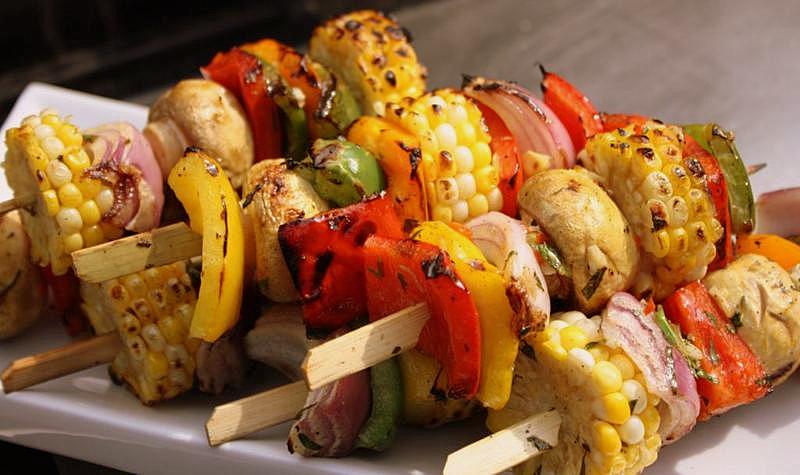
    Originating in the coastal countries of the eastern Mediterranean area, kebab is a versatile dish made by roasting and grilling pieces of meat, fish, and vegetables, over a skewer or a spit. The dish quickly spread in popularity and consumption throughout the nations of the Middle East, and then central Asia. The kebab traces its historic roots to before the 17th century B.C., and even the ancient Greek poet Homer mentions an erstwhile archaic dish resembling the same, and enjoyed all over his country in his works. However, a Turkish script by Kyssa-i Yusuf which dates back to around 1377, first properly mentions the culinary concept of the word, which is derived from the Persian language, and literally means “fry”, and sometimes “fry and burn”. Legend has it that the kebab was invented by medieval Persian soldiers who grilled meat on their swords over open-air fires in the battlefield. It quickly gained favour of both the classes and the masses, being served as the royal fare in various Islamic states over the ages, and as a much sought after and easily accessible snack or main course dish for many commoners, and the trend continues even today.

    Although lamb is the traditional choice of meat for making the kebab, there are many variants available in different meats and vegetables all over India due to religious constraints and direct or indirect dietary restrictions. Indian kebabs, whether they are vegetarian or non-vegetarian, have a unique and popular flavour of their own, owing to the wide spectrum of masalas (spices) and herbs native to the subcontinent. Apart from the numerous Indian innovations in the art of kebab making, the sheesh, shammi, tikka, and shawarma, original types of kebabs are also available everywhere, and can be found easily in small roadside eating joints as well as in top notch restaurants and hotels. The cities of Lucknow and Hyderabad are famous all over the country, owing to their thousands of decades-old, local eateries and food establishments which sell different types of primarily meat kebabs, ranging from tunday to kalmi and tangdi to reshmi, and have thus contributed a lot to culture, food, tourism, and economy.

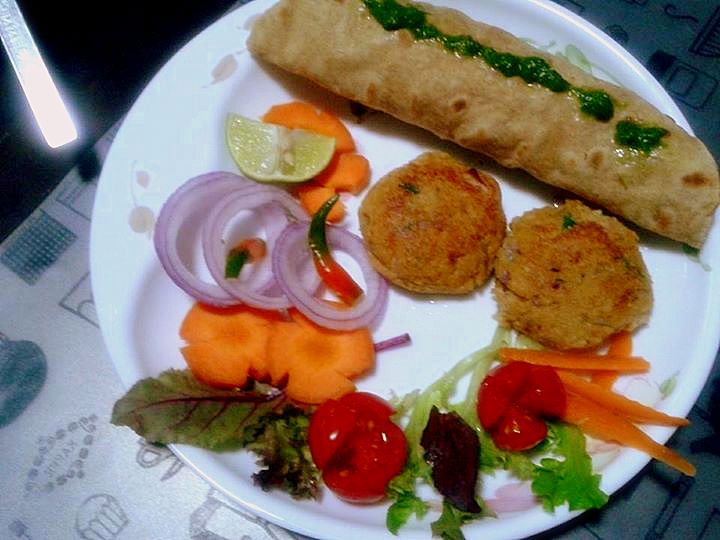
    While you can get non-vegetarian kebabs from anywhere, the vegetarian types are a rarity to find outside one’s house, and they are generally overpriced in the restaurants they are available in. Vegetarian kebabs can be easily made at home, with simple ingredients, and less elaborate methods than their non-vegetarian counterparts. This article will provide you with three novel recipes, all made wonderfully by my favourite chef in the world, my grandmother, for these lesser known variants, namely, shalgam ke kebab, kela chane kebab, and chukandar ke kebab.


    Shalgam ke Kebab (serves 4-6 people)

    Ingredients needed:

    • 7-8 bulbs of turnips
    • 2 tablespoons of roasted besan (gram flour)
    • Finely chopped onions
    • Finely shredded coriander, chilli, and ginger
    • 2 medium sized boiled potatoes
    • Salt to taste
    • 1 small teaspoon of garam masala powder
    • Vegetable oil

    Steps required:

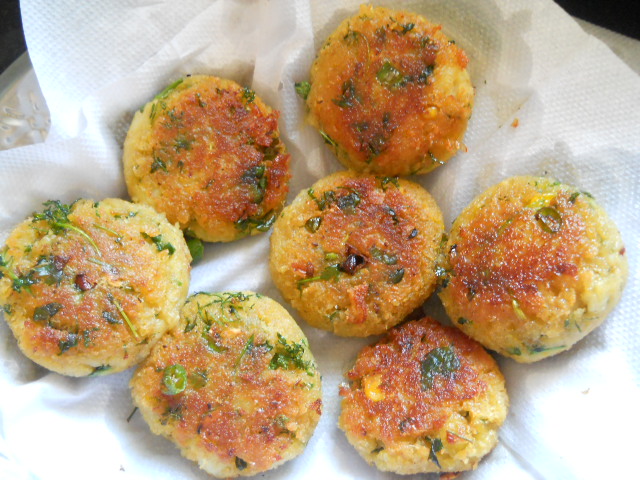
    • Thoroughly wash the turnip bulbs, and then carefully peel their outer skins off.
    • Put the skinned turnips in a pressure cooker and steam thoroughly.
    • Once the turnips cool down, mash them and drain out the excess water.
    • Mash the boiled potatoes and mix them with the turnips. Add coriander, chilli, ginger, and onion to the mixture and be careful to make it consistent with dough.
    • Add garam masala and salt accordingly.
    • Make small balls of the prepared dough and flatten it into small cutlets or flattened disc shaped portions.
    • Shallow fry on a tawa (pan) until the kebabs are thoroughly cooked and are a rich golden-brown in colour.
    • Top with sprigs of coriander and rings of onion. Serve hot, with a chutney of your choice.


    Kela Chane ke Kebab (serves 4-6 people)

    Ingredients needed:

    • 5 clean green unripe bananas
    • 1 bowl of soaked chana dal (gram beans)
    • Finely chopped onions
    • Finely shredded coriander, chilli, and ginger
    • Salt to taste
    • 1 small teaspoon of garam masala powder
    • Vegetable oil

    Steps required:

    • Make sure to wash the bananas thoroughly with fresh water before beginning. Once they are clean, steam them in a pressure cooker with their skins intact.
    • Steam the dal separately to a soft consistency.
    • Once both ingredients cool down, peel the bananas, and mash together with the dal to make a dough.
    • Add garam masala and salt. You can also add other spices such as red chilli powder if you prefer.
    • Shallow fry on a pan.
    • Garnish with sprigs of coriander, and serve with onions and chutney.


    Chukandar ke kebab (serves 4-6 people)

    Ingredients needed:

    • 7-8 beetroots
    • 2 tablespoons of roasted besan (gram flour)
    • 2 boiled potatoes
    • 250 grams of paneer
    • A few whole clean leaves of cabbage
    • Finely chopped onions
    • Finely shredded coriander, chilli, and ginger
    • Salt to taste
    • 1 small teaspoon of garam masala powder
    • Vegetable oil

    Steps required:

    • Steam the beetroots thoroughly after cleaning them.
    • Mash the beetroots to a dough-like consistency. If necessary, add a little bit of boiled potatoes as well. Add roasted besan to this mix.
    • In a separate bowl, mash potatoes and mix them with paneer chunks.
    • Add coriander, chilli, ginger, and onion to the beetroot dough.
    • Make miniature balls of the paneer and potato mix after adding salt and garam masala to it.
    • Wrap them in a leaf of cabbage.
    • Encase this in an even layer of beetroot dough. Make it firm with more besan if required.
    • Shallow fry on a pan until the kebabs are thoroughly cooked.
    • Cut the kebabs open from the centre, top with coriander, and serve hot with chutney.
  • Chilled Desserts to Chill you More !!!

    Chilled Desserts to Chill you More !!!

    Its always fun to do something different , something out of the box ….to break the mono type , the stigma , the notion its great to just un-follow the typecast. A very harmless one is to eat which you are not expected to eat. Its very simple….Yes, you just need to have chilled desserts in freezing temperature. Its awesome fun . Fill your pockets with paracetamol’s to get precaution after you do this fun task but surely do this. No matter how much your mum scolds you after this how much you sneeze , just be carefree and dare yourself to do this one. To make it more simpler lets just learn few awesome delicious dessert recipes which can even tempt your parents , your granny , your grandpa to do this fun adventure without even a second thought. Isn’t it just a day our in Disney land type idea… that to without money. Ummmm…you will have to pay for the ingredients though!!!

    We often bring our lives to a point where we de-mark ourselves about the DO’s and the DONT’s. But who are we to decide to live our life in a boring way. Aren’t we just tired of the routine work and monotonous way of leading life. Eating always makes us happy so why not to eat dishes we just love . In that way not only we going to eat it happily its going to affect our minds too & it gets digested easily moreover makes us feel more cheerful and fun loving. You must be thinking is this a psychology class or a article on psychology . No , you are not fully wrong but yes of course good food or favourite food makes you happy . I am not wrong when I say seeing your mother bake your favourite chocolate chip cookie makes you dance within your mind .( I feel like dancing just by the thought of getting a choco-chip cookie …yum!!!). I am still a child when it comes to list down my favourite dishes and they are still the same what i use to eat 2 decades ago. We all are having a child inside and lets not kill the child within our adult bodies or just don’t gaurd your child too much to make them bore enough for future. Just take my dare and do it. I am sure you will just live a day of full happiness . To fight infection there are enough medicines so don’t worry.

    tutti_frutti

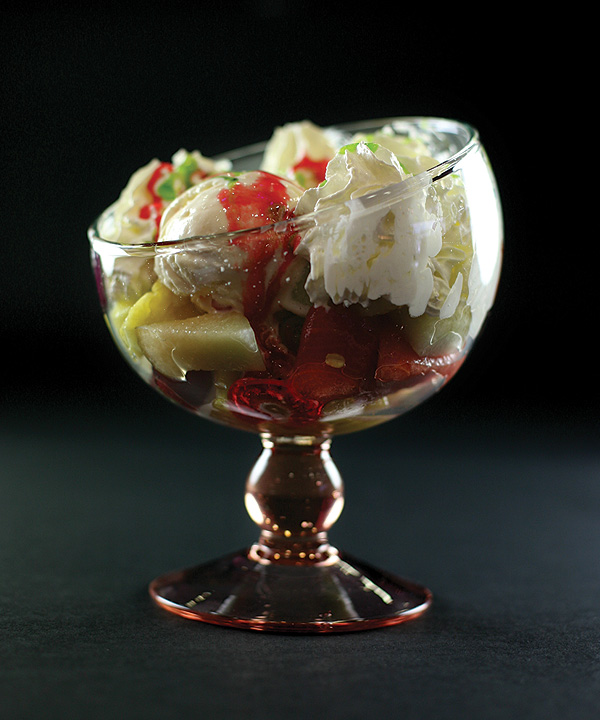
    Frozen Alaska with a twist :

    Ingredients : few slices of fruit cakes,1 scoop of vanilla ice-cream , I scoop of butterscotch ice-cream , 1 cup of chopped bananas, 1 cup of chopped black grapes, 1 cup of chopped strawberries, 1 cup of oranges de-seeded, peeled and skinned out, 1 tablespoon of kiwi crush, 1 tablespoon of strawberry crush, 1 tablespoon of chocolate syrup (optional). A beautiful glassware. To decorate you may choose your own garnish..for example wafers , straws, choco-chips etc , butterscotch nuts, whipped cream.

    Servings : 2

    Method : Take a decorative glass , crumble the slices of fruit cake and pour in the glass and with the help of the finger push it inside the glass making its very first layer of frozen Alaska. Now add in one fruit crush of your choice and then add in a layer of vanilla ice-cream scoop , then layer in chopped bananas and oranges, grapes . Now add butterscotch ice-cream , strawberry crush with chopped strawberries and garnish it with whipped cream and choco-chips. The frozen Alaska is ready to serve. Enjoy it with your loved ones its a perfect fun dare for chilled winter evenings.

    download

     Creamy soft peaks:

    Ingredients : 2 cups of whipping cream , 1 cup chopped strawberries(Its the best available fruit in winters with rich red colour giving a nice look to a delightful creamy dessert, 1 tablespoon caster sugar, 1 teaspoon corn starch solution,1 tablespoon of strawberry crush , few slices of chocolate cake, 1 tablespoon condensed milk, 1 tablespoon fresh cream, 1 teaspoon coffee powder, 1 teaspoon vanilla extract. Oreo biscuit for garnishing .

    Servings : 2

    Method : With the help of a whipper whip the whipping cream . In the whipping process add  vanilla extract to the whipped cream to add on some flavouring to the plain cream. Crumble the chocolate slices and mix it with fresh cream , condensed milk and coffee powder. Heat this mixture until it thickens up without forming a lump. Pout this mixture in the glass you want to serve and making it the base of the dessert. Keep the glass in refrigerator to chill. Divide the whipped cream in two portions. Again heat a pan add in strawberries, caster sugar, strawberry crush and corn starch solution in it. Heat the mixture till it turns out to be a thick lump less sauce. Cool the strawberry sauce and mix it with one portion of whipped cream. Take out the chilled choco-coffee base glass and pour in the two flavoured creams as two different layers in the glass. Garnish it with Oreo biscuit and you are ready to commit the sin.

     download (1)

    Banana Split:

    Ingredients : Two large bananas split into two halves, 1 cup brown sugar, 1 cup condensed milk, Single scoop of three different ice-cream flavours, 1 tablespoon chocolate syrup, few chopped seasonal fruits of your choice, little whipped cream and a happy heart to assemble all this.

    Servings : 2

    Method: Take a dish and place the split slices of ripe bananas. Meanwhile heat a pan and stir in brown sugar and condensed milk till the sugar melts and thickens the mixture without solidifying. Make sure you keep on stirring this caramelized mixture on slow flame.Once its done just simply pour it over the banana slice and keep it to chill for a while. Once its cools down in refrigerator just layer it with fruits scoops of different flavoured ice-creams and whipped cream. Top it with chocolate syrup or any syrup of your choice and just do not wait to eat it .

    Isn’t it a pleasure to dare yourself to have these chilled desserts even in winters and feel heavenly with every bite you sink in through your throat.If you do not believe me try out the recipes we well surely have a common agreement .

  • Yummy-Street Food in India!

    Yummy-Street Food in India!

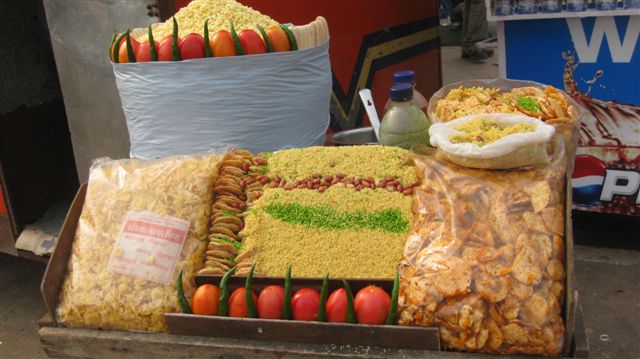
    Loved by everyone and tasted by every Indian at least once in their lifetime, street food in India is always looked forward to. It is mouth watering and delicious. Its aroma is appealing and no one can forget the thwack of the “tawas” and spoons that one can hear during it gets prepared to be served! The jalebi-faafdas of Gujarat, chaat and wada pav famous all over Maharashtra, litti chokha of Bihar, Lassi of Punjab and Idli, dosa, medu wada of the South are well known to attract tourists. Let us take a look at some more delicacies that are best served on Indian streets!

    1. Chaat

    This is my favorite section of street food. Pani puri, bhel, ragada puri, sev batata dahi puri, masal puri, aloo chaat, you can find a lot of variety in Chaat dishes. Everything basically contains three or more of the mentioned ingredients- ragada which is boiled yellow peas, kurmura(puffed rice), onion, tamarind chutney, pudina chutney, potatoes, puris, sev, curd and groundnuts.

     2. Litti chokha

    Litti Chokha is a famous street food in parts of Bihar, Jharkhand and Uttar Pradesh. It is best served in Patna and also made in most houses there. If you love ghee, you’ll go crazy about this dish. Made with sattu, grinded chana, potatoes, brinjals and tomatoes, all dunked in desi ghee, this dish looks quite like Rajasthani daal baatti but yet, tastes peculiar in it’s own way.

     3. Poha

    Even though poha is eaten every now and then at breakfast in a Marathi house, Indore provides the best poha in India. It is served along with jalebi in Indore while this is a weird combo for a Marathi house where poha is eaten with lemon and sev. Poha is actually a local name for rice flakes cooked with spices and oil.

     4. Chhole bhature

    />
    Chhole bhature or choole kurche is a famous dish believed to be Punjabi. However, one can expect to find the best chhole bhature at Delhi. They are as famous as parathas and rajma chawal found there. Spicy chhole eaten with hot bhature is a lip-smacking combination that finds a place in everyone’s breakfast or snack time once or otherwise.

    5. Aloo tikki

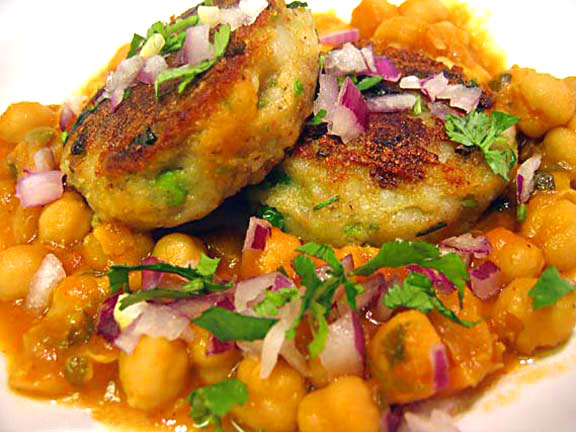
    It is a famous snack of North India and is made up of crispy fried potato. We Indians love fried potatoes and can hardly live without them. These tikkis are basically cutlets stuffed with potato filling. Other ingredients that go into the dish are green chilies, bread crumbs, peas, corn and spices. aloo tikkis are again served with colorful chutneys.

     6. Missal pav

    Missal pav is almost a staple food for Maharashtrians. You can find it at every place in the state. As the name suggests, it is served with pav. Missal is a healthy curry that contains matki and spices. It is served with a garnish of chopped onion, sev and lemon. If you like spicy food, you should definitely try missal pav!

     7. Dabeli

    Dabeli was born in Kutch, Gujarat and it slowly dispersed to Ahmadabad, Mumbai, Pune and other cities along with migrated Gujarati population. It is a blend of potatoes and tomato puree mixed with special spices, garnished with pomegranate seeds, sev, groundnuts and chutney and finally stuffed inside a pav.

     8. Wada pav

    Wada pav is an interesting dish made up of potato filling inside besan (gram floor) batter. It differs from pakodas in terms of filling. The wada here is basically composed of “aloo ki subji” coated with besan which is eventually fried and served with chillies, red chutney and pav.

     9. Idli

    Idli is one of the healthiest street foods in India. It is prepared from fermented rice to give it fluffiness. The same batter can also be used to make dosas as dosa only differs in form from Idli. Idli is always served with sambhar and chutney without which it is incomplete. Though it is most popular in the southern states, it has been adopted by most of the other states for it’s deliciousness.

     10. Pakodas

    Pakodas are a hot favorite in the monsoon. You could find different flavors like chilly, onion, potato but the basic batter remains same and is composed of spices, salt, gram floor and water. You could find pakodas in most Indian states. If you talk about Maharashtra, you will get the best pakodas at hill stations and forts in monsoon.

     11. Momos

    You would simply love momos if you love chicken. No doubt that there is a vegetarian version available, but chicken momos have their own place in every eater’s heart. It is served with spicy chutney and contains stuffing inside a maida covering. This dish originated in Nepal and now has spread everywhere in India.

     12. Ragda patties

    This is a colorful dish savored in every Maharashtrian and Gujarathi house. Ragda patties are usually enjoyed with tea. If you are bored of the usual biscuits and toast, go for ragda patties. They add a spicy twist to your tea along with the colorful tamarind, chilly, pudina and other chutneys.

     13. Ghugni

    Served best with pakodas or puffed rice, the ingredients of ghungni include yellow peas, onion, garlic, tomatoes and all other Indian curry contents. This dish is native to eastern part of India and cooked in traditional style by adding Bengali garam masala. It is again served with yummy chutneys.

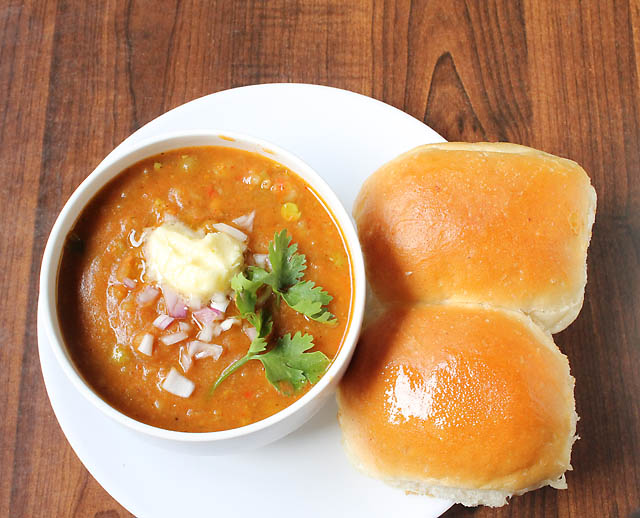
     14. Pav bhaji

    Last but not the least, we have pav bhaji on the list which is one of my personal favorites. Again, a blend of veggies such as potatoes, peas, capsicum, cauliflower, onion, tomatoes served with pav roasted in butter,it becomes even more lip-smacking when eaten with onion and lemon garnish. You will find pav bhaji at almost all cities in Maharashtra, however, it first started in Mumbai and Mumbai still serves the best pav bhaji!


  • 10 Elixirs to Keep you Warm this Winter

    10 Elixirs to Keep you Warm this Winter

    Drinking Hot Chocolate on a cold winter night by my electric fire place would be one of my fondest childhood memories. The waft of the same would be enough to warm the cockles of my heart. Waking up to the smell of coffee with a hint of caramel would be reason enough to wake up for school and the after school Masala Chai full of spices like clove, nutmeg and ginger.

    These hot sweet beverages would be source of warmth and fire that kept the clod and cough at bay. Now the addition of something special makes it even better. A shot of rum, a dash of whiskey instantly brings the blush in my cheeks. Many experts argue against the warming properties of alcohol, but in certain countries located in higher altitudes it is an age old custom to welcome guests with a potent shot of whiskey.

    Spices like Ginger, Clove, Cinnamon, Peppercorn and Cardamom help in increasing blood circulation in the body hence resulting in the body heat being distributed properly and more efficiently. The mere addition of any of the spices can transform your every day drink into something quite special.

    I am sure all this talk of mystical magical wonderland-ish drinks has made your quite thirsty, so without further delay i present to you some exotic and interesting drinks for adults which can be made at home, for when you are entertaining or otherwise.

    Alhambra

    alhambra

    This is so simple to make and so delicious. It’s really for grown-ups who never really grew up!

    Ingredients: 5 measures hot cocoa or drinking chocolate; 1 measure Cognac

    Method: Pour the hot cocoa or drinking chocolate into a warmed glass and add the Cognac.

    Brown Betty

    brown betty

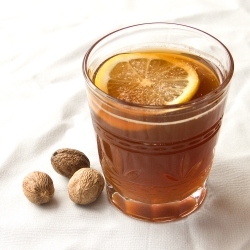
    This is a terrific, hot, beer-based punch. The quantities given will serve around 8 people.

    Ingredients: 1.3 Liters or amber ale; 12 measures brandy; 2 and 1/4th cups water; 1/2 cup brown sugar; 1 lemon sliced; 4 whole cloves; 1 cinnamon stick; 1/2 teaspoon grated nutmeg; 1/2 teaspoon ground ginger.

    Method: In a large saucepan, over a medium heat, add the sugar, lemon slices, cloves, cinnamon, nutmeg,ginger and water. Stir continuously to dissolve the sugar and let the mixture come to the boil. Turn the heat down and let the mixture simmer for around 10 minutes. Add the brandy and the ale, the heat, but do not boil. Serve hot in beer mugs, each garnished with a slice if lemon.

    Bumpo

    bumpo

    This is a quick fix after a long tiring day at work.

    Ingredients: 2 measures hot water; 2 measures rum; 1 measure lime juice; 1 teaspoon sugar; ground nutmeg.

    Method: Dissolve the sugar in the glass with the lime juice and hot water. Add the rum and dust slightly with the ground nutmeg.

    Cafe d’Amour

    cafe damour

    This is a coffee made without cream- the perfect way to end an intimate dîner pour deux. It is after all, the ‘coffee of love’. Be careful when you heat and ignite the Cognac- the only thing that should be inflamed are your passions, not the kitchen.

    Ingredients: 5 measures hot black coffee; 1 and 1/4th measures cognac; zest of 1/2 lemon; 1 stick of cinnamon; sugar (to rim the cup and to sweeten, if desired)

    Method: Rim the cup with lemon and dip into some sugar. Add the coffee, lemon zest and the cinnamon stick to the saucepan and simmer. Carefully pour the Cognac into a large soup laddle and ignite it. Pour the the flamimg Cognac into the coffee and then extinguish the flame by putting the lid on the saucepan. Remove the lid and strain the mixture into sugar-rimmed cup.

    Colonial Boy

    colonial boy

    This is a wonderful, tea-based hot drink that’s perfect after a long, winter walk.

    Ingredients: 5 measures hot black tea(sweetened to taste); 1/2 measure Irish Whiskey; 1 dash bitters.

    Method: Pour the hot tea into the glass and add the Whiskey and the Bitters.

    English Bishop

    eng bishop

    This is a port-wine drink, made with baked oranges and served hot. This would serve 6 people.

    Ingredients: 1 large orange; 12 cloves; 700 ml inexpensive Port; 1 tablespoon honey; 1 teaspoon allspice; 2 dashes Cognac (optional).

    Method: Stick the cloves into the whole orange and bake it in the oven on a low heat for 30 minutes. Cut the baked orange into quarters and put it in the saucepan. Pour in the Port and add the allspice, honey and Cognac if desired. Over a very low flame, simmer gently for 15-20 minutes- do not boil or the flavor of the Port will be spoiled. Serve in warmed cups.

    Grog

    Grog

    This spiced-rum mix was named after Admiral Sir Edward Vernon, who was nicknamed ‘Old Grog’ because his cloak was made of the coarse material grosgrain. Returning from the Caribbean in 1740, in order to save on costs (or perhaps stretch the rum ration), Old Grog diluted the Crew’s Rum with water, a mixture that was immediately named ‘Grog’. They soon discovered that it tasted better hot.

    Ingredients: 2 measures dark rum; 2 measures water; 2/3 measure lime juice; 1 teaspoon brown sugar (or honey); 2 cloves; 1 cinnamon stick.

    Method: Add all of the ingredients to a small saucepan and heat gently to dissolve the sugar. When hot, strain into a heat-proof cup.

    Hot Buttered Rum

    10213_hot_buttered_rum

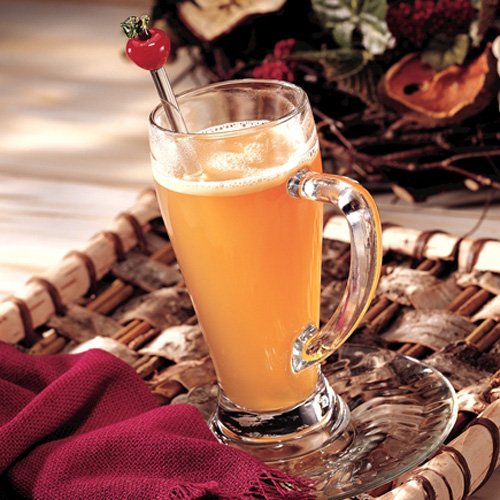
    This drink was first published in Life magazine on September 21, 1942. It is especially popular in the fall and winter and is traditionally associated with the holiday season.In the United States the drink can be traced back to the Colonial Days.

    Ingredients: 2 measures Dark Rum; 2 measures water; 1 teaspoon brown sugar (or honey); 1 pinch ground nutmeg; 4 drops vanilla essence; 1 small cinnamon stick; 1 small knob of butter.

    Method: Place the cinnamon stick, nutmeg and vanilla essence in the heat-proof cup. Heat the rum, water and sugar in the saucepan until almost boiling. Remove from the heat and pour into the cup over the spices. Put the knob of butter on top and watch it melt into the mixture.

    Hot Scotch Toddy

    hot toddy

    This drink has various recipes and is traditionally drunk before going to bed, or in wet or cold weather. Some believe the drink relieves the symptoms of the cold and flu — in How to Drink, Victoria Moore describes the drink as “the vitamin C for health, the honey to soothe, the alcohol to numb.”

    Ingredients: 2 measures Scotch; 3 measures boiling water; 1/2 measures lemon juice; 1 teaspoon brown sygar (or honey); 3 drops bitters; 1 slice lemon, studded with cloves; ground nutmeg.

    Method: Put the sugar, bitters, lemon juice and clove-studded lemon slice in the glass. Add the Scotch and pour in the boiling water. Stir to dissolve the sugar and sprinkle with ground nutmeg.

    Royale Coffee

    coffee royale

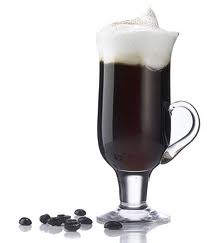
    The most famous hot coffee and liqueur drink topped with whipped cream is Irish Coffee. This uses Irish Whiskey, but there are numerous variations. Try the royale, with Cognac.

    Ingredients: 1 measure Cognac; 5 measures hot black coffee (sweetened to taste); 1 and 1/2 measures whipped cream; grated chocolate.

    Method: To the warmed glass, add the hot coffee and the cognac. Gently float the whipped cream on top and sprinkle with grated chocolate.

    I hope you enjoy making these and may they warm your dreary winter evenings. Salute!

  • The Six Things You should Eat when Visiting Agra

    The Six Things You should Eat when Visiting Agra

    Agra, known all over the world as the hometown of the beautiful Taj Mahal, also has a rich and varied range of cuisines to its credits. Serving as the haven of many communities, Agra is home to Muslims, Marwaris, Jains, Baniyas, and many more, which has culminated into the city being a one stop destination for all kinds of food, delighting the non-vegetarian and vegetarian alike, with all kinds of culinary budgets. While the city has not expanded much in terms of area and general civic infrastructure, the hospitality business sure has boomed greatly, which was an added bonus for the local eateries and restaurants. If you ever visit the city of the Taj, here are some unique local dishes and delicacies you must try:


    1. Petha

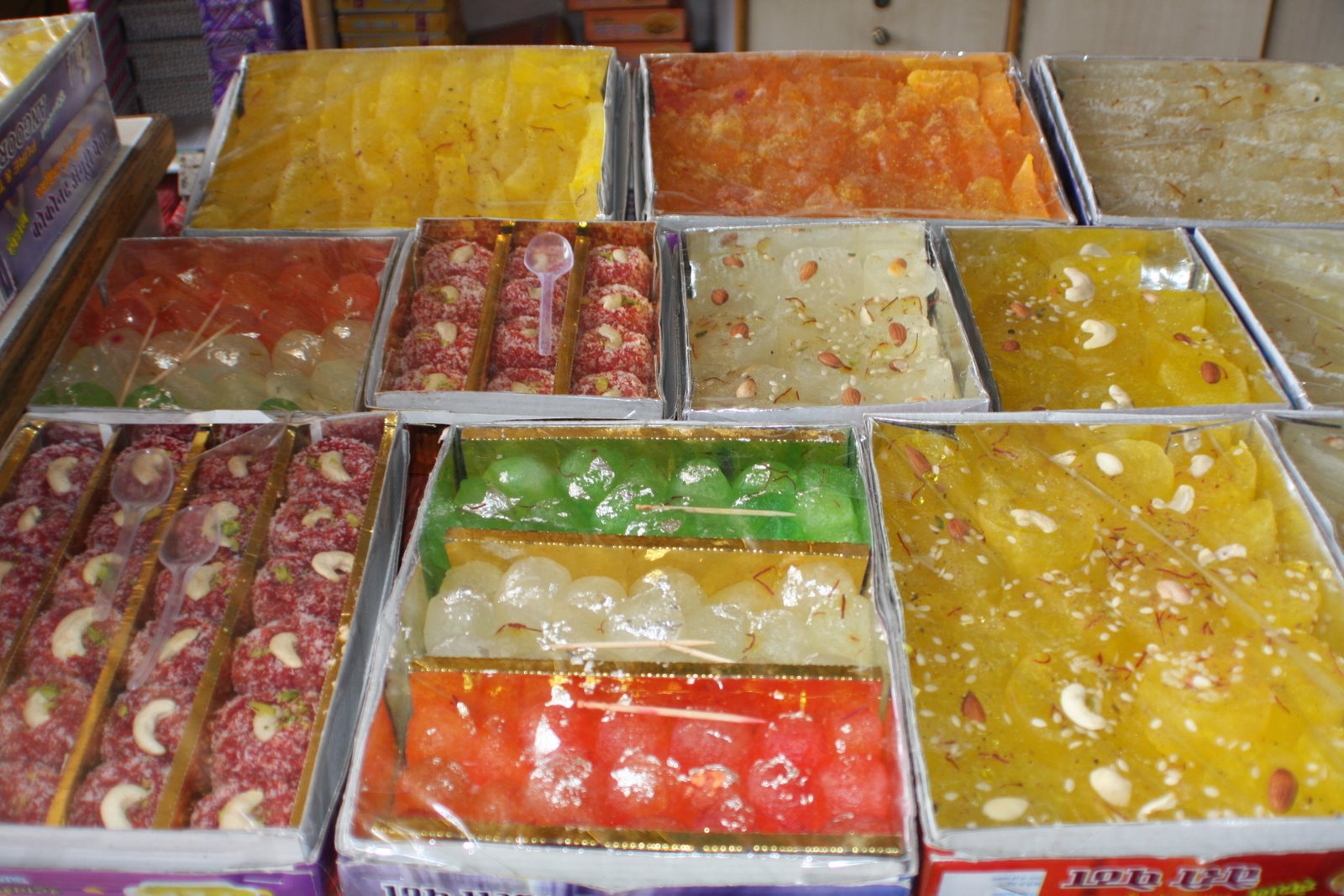
    Probably one of the most famous delicacies to be associated with the city, petha is, and has always been the rage when it comes to the food business here. You will find billboards and railway stations flooded with advertisements for this local sweetmeat, which has been manufactured for centuries in the small bustling galis (alleys) and local mandis (markets). Petha is a translucent, soft, syrupy, and chewy sweet made from ash gourd, also known as white pumpkin or more popularly, squash. While the basic and simplest type of petha comes in small white cubical hunks, you can find many more types, in cylindrical and rectangular shapes, and different flavours ranging from kesar (saffron), chocolate, angoori (grape), and even mango. The most famous petha manufacturing chain here is Panchhi Petha, with its branches spread in every corner of the city.


    2. Dalmoth

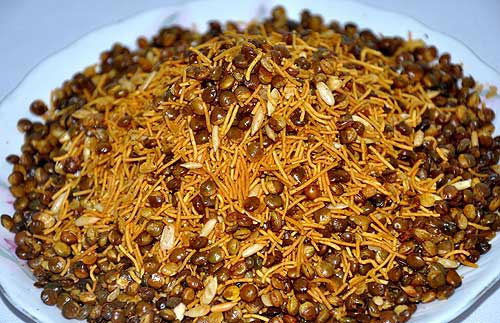
    A traditional north Indian namkeen (salted snack), dalmoth in Agra is synonymous with petha when it comes to taste and fame. Dalmoth consists of a proportionate mixture of fried dal (lentils), dried fruits, nuts, spices, and oil. The lentils used to prepare the snack can be of any kind, the most notable ones being chana (yellow gram), moong dal (green gram), and moth beans. Crispy in texture and sharp in flavour, dalmoth can be customized according to your requirements in many local food eateries. In addition to this, dalmoth also comes packaged in small boxes, which one can find easily at any sweet shop, or halwai, as they are more commonly called in north Indian states. This snack serves as the perfect light munching material with a cup of hot and sweet tea in the evenings.


    3. Bedhai and Jalebi


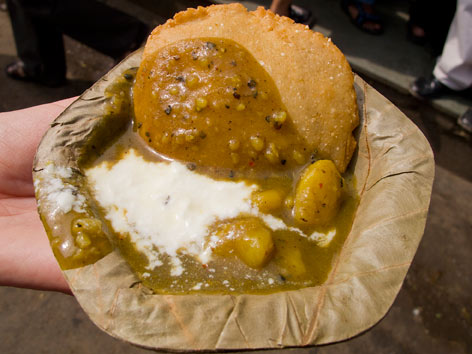
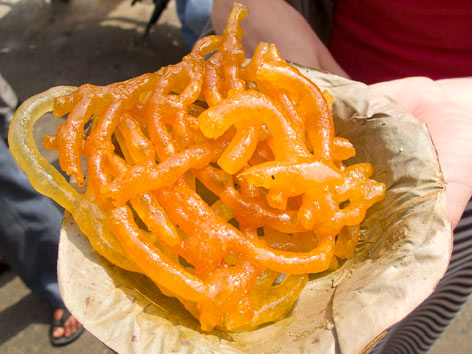
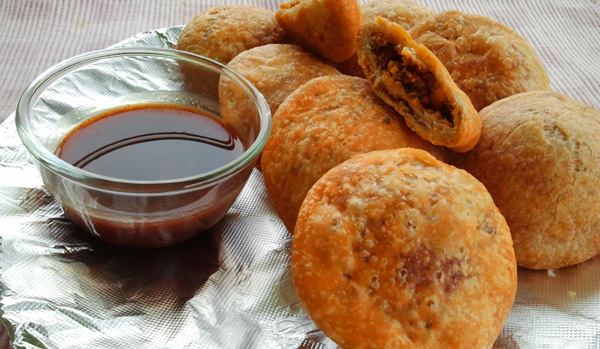
    If you come to Agra and do not have this particular dish, you have missed out on the city’s street food in a major way. Bedhai resembles the kachori, in the way that both are round, flattened breads, deep fried in vegetable oil, but the former contains a delightful stuffing of masala, made of lentils, besan (gram flour), and spices. It is served with a spicy, hot curry of potato chunks and green chillies, and occasionally with a dollop of sweetened curd. You will find many street corners overflowing with early risers treating themselves to bedhai and jalebi for breakfast. Served at many eateries, big and small, the famous North Indian jalebi is served as an accompaniment to bedhai. This sweetmeat is made by deep-frying maida (refined wheat flour) in concentric rings, and then soaking the product in hot sugar syrup. Both bedhais and jalebis are made fresh in enormous quantities each day all over the city, and sold out within a few hours. The two balance each other out perfectly, and also amply fill one’s stomach, making it a must-have on the Agra breakfast menu.


    4. Chaat


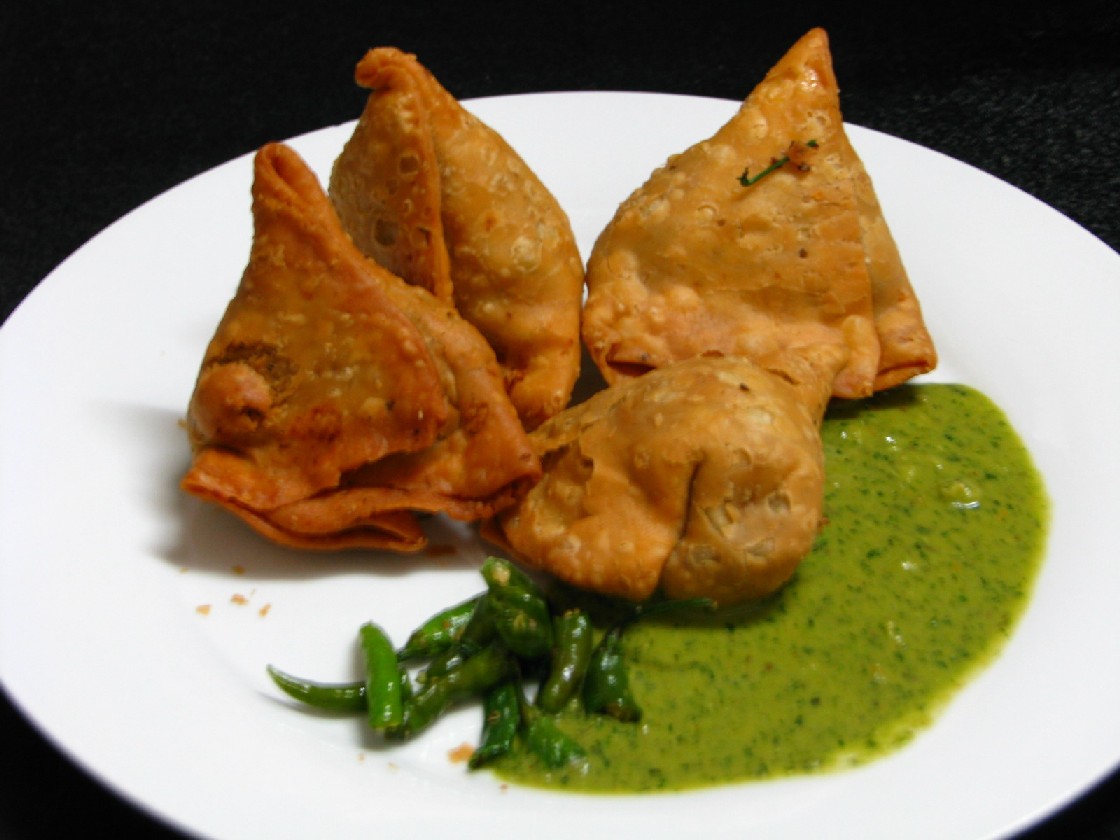
    Chaat is known to be the favourite ethnic snack of the quintessential north Indian. What makes Agra’s chaat so different are two features: firstly, its entire preparation in desi ghee (clarified butter), and secondly, the bhalla, which is the city’s answer to aloo ki tikki. The bhalla is made by mashing boiled potatoes and chickpeas together in a flat, round disc, after adding pieces of paneer, dried fruits, nuts, and sometimes, beetroot chunks. It is deep fried, and then smashed open from the centre, and served with a garnishing of shredded ginger, spices, chutney, and if you want, curd. There are two variants when it comes to chutneys, saunth, a sweet, thick, brown chutney made from tamarind, or the spicy, green chutney made from chillies and coriander. In addition to this, samosas, deep fried savouries stuffed with potato and other fillings, and khastas, small, spice-filled deep-fried breads, are also served in Agra, primarily in the evenings. Bhagat Halwai, Deviram Sweets, Dauji Mishthan Bhandar, and Sadar Bazaar are some of the best places to relish chaat in the city.


    4. Parantha

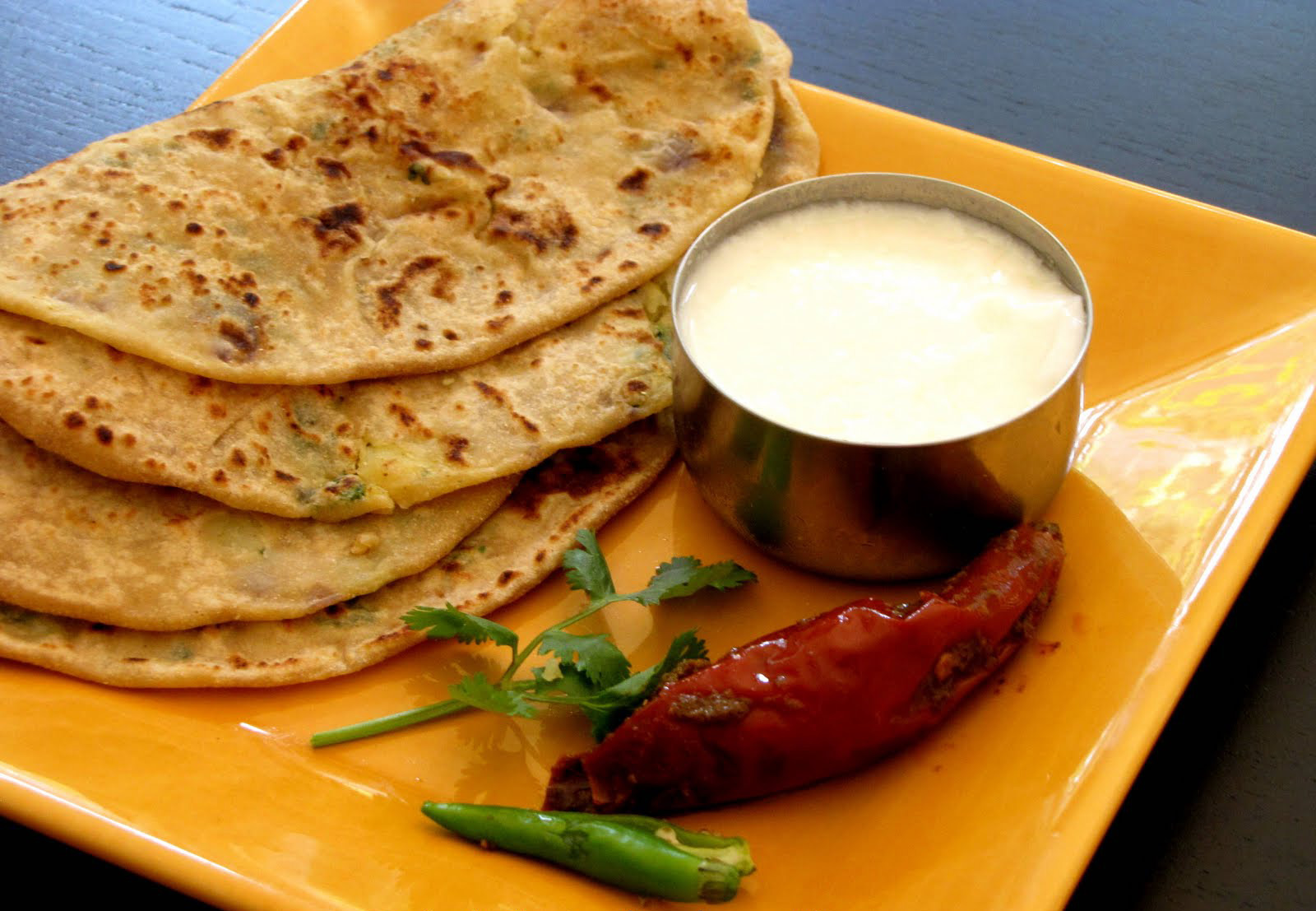
    Made by frying wheat dough discs on the traditional Indian tawa (pan), parantha forms the staple of most of the north Indian states, from Punjab to Uttar Pradesh. Since the majority of people living in Agra are vegetarians, the parantha here does not serve the all-exclusive non-vegetarian. Available in many variants, the paranthas in Agra are stuffed with various fillings such as potato, cauliflower, radish, and many more, and served in a thali (large round plate) with various sabzis (vegetable preparations) and chutneys. Rambabu Paranthe Wale is a popular food establishment with the locals, and many flock to the restaurant on weekends to have this dish.


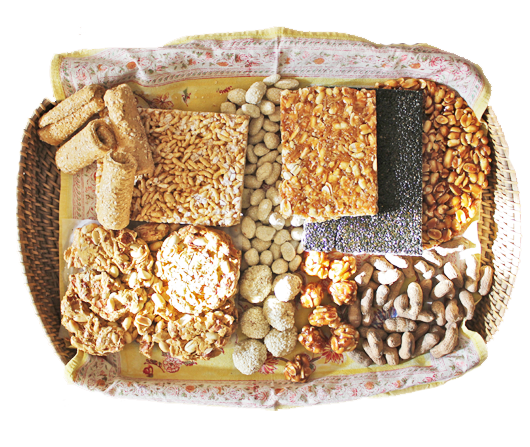
    5. Gajak and Chikki

    A sweet and dry sweet made mainly in the winter months, gajak is made by layering til (sesame seeds), sugar, gur (jaggery) and oil. Gajak is an instant fix for anyone feeling cold in the chilly months of December and January, and provides immediate warmth on consumption. It is also served in the small and more easy to munch form of rewadis, which are small, round, bite-sized pieces of gajak. Chikki, more popular with the children, is a variant of this sweet and uses groundnuts instead of til. Both are served in flat sheets, and sold in boxes and packages on a large scale in the city. Bedariya Ram Gajak Wale and Manohar Lal Daulat Ram Garg Gajak Wale are some of the oldest gajak manufacturers and sellers in the city.


    6. Mughlai cuisine

    And last, but not the least, you have to have Agra’s Mughlai preparations if you love meat. These dishes use various meats such as chicken, mutton, and lamb, which are marinated overnight in curd, ground spices, and herbs, and then made into delicious creamy and buttery curries. Garnished with coriander, butter, cream, and occasionally dried fruits and nuts, these delicacies instantly transport the non-vegetarian foodie into gastronomic heaven at first bite. You will find a variety of these dishes on the menus of many restaurants, korma, shahi, malai, butter, and keema all included. The best dine out places for Mughlai food in the city are Pinch of Spice and Kwality Restaurant, although you can find many small non-vegetarian open-air eating joints towards the cantonment area of the city.

  • Snack-Time: Part 1

    Snack-Time: Part 1

    By definition, a snack is a term coined for the portion of food that is generally smaller than a proper meal and is eaten between the meals. Originally, snacks were prepared from simple ingredients that would easily be available at any house-hold. Traditionally, leftovers, fruits, salads, cold-cut sandwiches, nuts and similar simple-to-make food items were consumed as snacks.  With the globalization of cultures and industrialization taking over, packaged food and processed items started filling up the shelves of the snack-section in markets. Potato chips, chocolates, sausages, yogurts and smoothies are just to name a few.

    In the series of articles titled ‘Snack-Time’, this is the first of the three where in we covered two popular snacks from the North-American continent. Read on for all that information you need to know about how some of your favorite snacks came to be known in their present worth.

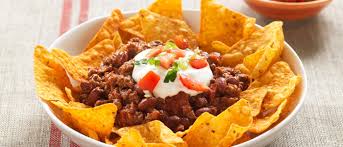
    Nachos

    images (12)

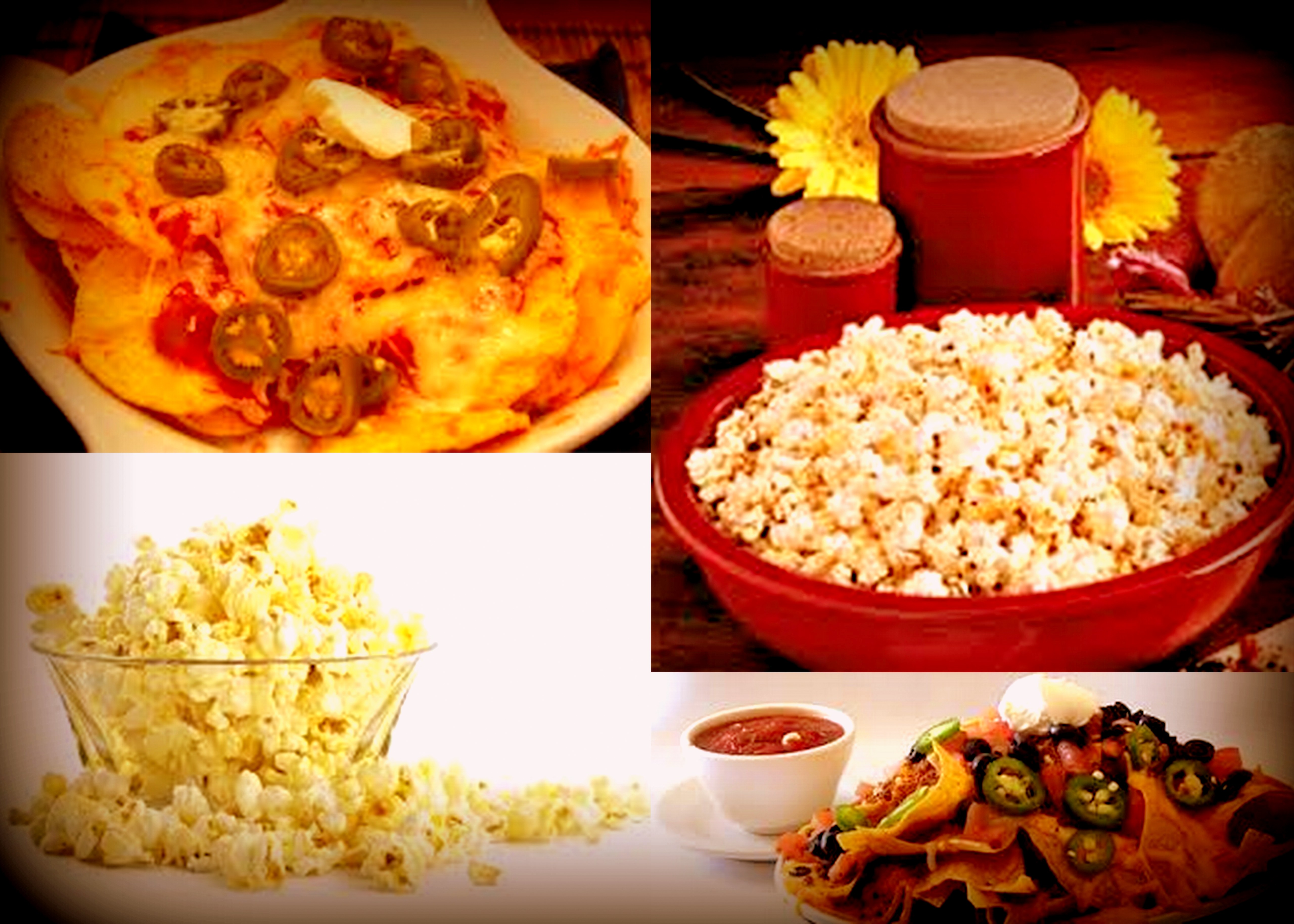
    Most of us Indians have developed a palate for spicy food and hence many of us are fond of Mexican food. The perfect blend of spice and flavours, ranging from that of spicy peppers to tangy sauces makes it a perfect blend for visual satisfaction and for quenching ones’ huge appetite. One such popular Mexican snack is Nachos. Nachos is a originally dish of tortilla chips topped with cheese or cheese-based dressings. Be it the movies or the football matches, nachos form an integral part at the menus of the snack-shop at stadiums and movie halls. THe traditional nacho recipe makes ones’ mouth water just by the mere mention. The salty crunch of the chips, the delectable flavours of the sauces, the creaminess of the cheese dressing and the fresh crisp of the jalapenos make it the best possible savory snack using cheese and chips. This appetizer can easily be transformed into a meal sized portion by jazzing it up as per your taste.

    download (8)

    The Mexican treat does not have a very ancient history. There are numerous tales about how this dish came into existence. Accounts claim that Nachos originated in Mexico, in the city of Piedras Negras, Coahuila. It is said that in the early 1940s, around 1943, a few number of ladies while on a shopping trip went to the Victory Club restaurant, located just south of Eagle Pass, Texas, after it had closed for the day. Reluctant to turn paying guests away, the maitre d’hotel, Ignacio Anaya, assembled a simple dish with whatever ingredients were available in his kitchen: tortilla chips and cheese, and coined a new name for it that read, ‘Nacho’s Especiales.’ He cut the tortillas into triangles, shredded cheddar cheese and tossed it in and heated them quickly. He then sliced some pickled jalapeno peppers and added them before serving it to the bunch of the women. As the word spread the name of the dish was changes. The apostrophe was dropped and it became ‘special nachos’. The popularity of this dish spread all over through Texas and the Southwest. Anaya also worked at the Moderno Restaurant which follows the original recipe till date. He went on to open his own restaurant which he called the ‘Nacho’s restaurant’ in Piedras Negras. Who knew that these tiny canapes of tortilla chips topped with cheese and a few pickled jalapeno peppers could take him that long a way.

    Popcorn

    download (6)

    Buy a ticket for the 2.00 p.m. show of a movie and enter the multiplex. You are welcomed by the pleasant aroma of corn and a long queue; a queue not crazy enough to enter the hall, but eager enough to grab a large bag of pop-corn! Popping corn, or better called as Popcorn is basically a variety of corn or maize that puffs up from the kernel when heated, due to expansion.

    The history of popcorn dates back to the before Christ era. As per the records, Popcorn was first cultivated on the Mexican lands around 9,000 years ago. It was derived from a wild grass. The evidence of popcorn being cultivated from 3600 B.C. was found in New Mexico. A few centuries later it was then domesticated on agricultural lands across Central and South America as well thus gaining popularity. It is one of the oldest forms of corn known and cultivated by human dwellings. Corncobs were also found at two atavistic sites in the country, Peru viz.  Huaca Prieta and Paredones  and it is claimed that they may belong to a time as early as 4700 B.C. This fact implies that people dwelling along the coast of northern parts of  Peru had already been introduced to the concept of popcorn by this time.

    download (7)

    The narrative that the British settlers  travelled to America in the 16th and 17th centuries and hence, carried what they learned about popping corn from the Native Americans is claimed to be a myth. There is no proof that the natives from the coast of North American cultivated or even knew about popcorn so early.

    Popcorn gained popularity during the Great Depression as it was inexpensive and costed nothing as compared to other food items. It thus became a common domestic commodity. During the World War II, prices of candy soared as sugar cultivation and consequently, manufacturing processes of candy became highly priced. This is when the Americans consumed almost thrice the amount of popcorn they used to use earlier.

    Mushroom_and_butterfly_popcorn

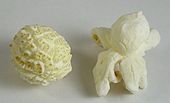
    A popped kernel of the corn is known as a flake, which can either be shaped as a butterfly (right) or as a mushroom (left) as shown in the picture. Popcorn can either be eaten with salted toppings like butter and spices or with toffee or caramel toppings as a sweetened snack. Many other versions like cheese flavoured popcorn  are also widely available these days. The snack has gained popularity all over the globe and is also taken as breakfast cereal.

    download (9)

    These are two famous snacks that the North Americans introduced us to. The other two parts shall cover a few more snacking options from the other cultures. Till then, keep crunching on those spicy nachos and these soft melt-in-the-mouth popcorns! Snack away!


  • Winter Delights: Gajar Ka Halwa and Gujarati Meethi Kadhi

    Winter Delights: Gajar Ka Halwa and Gujarati Meethi Kadhi

    The frigid winter months of December and January are bearing down upon us, and all anyone wants to do right now is to curl up cosily in their heavy blankets and eat tons of hot, rich food. The harsh weather right now makes the human body crave even more for nutrition, and it is not surprising that some of the best dishes that we know of taste the best in these freezing days. Compared to the year long summer heat in most parts of India, we have a greater appetite for food in the winters. It is in these few weeks that we look with great curiosity towards our kitchens, and wait impatiently for our mothers to emerge out of the area with some aromatic and delicious gastronomic work. Be it sarson ka saag and makke di roti, gulab jamuns, hot coffee, or ginger tea, all of these dishes and more never fail to tickle our tastebuds during the cold season. Here are two easy to cook recipes, one for gajar ka halwa, and the other for Gujarati meethi kadhi, in case you ever need a hot fix for your winter woes.


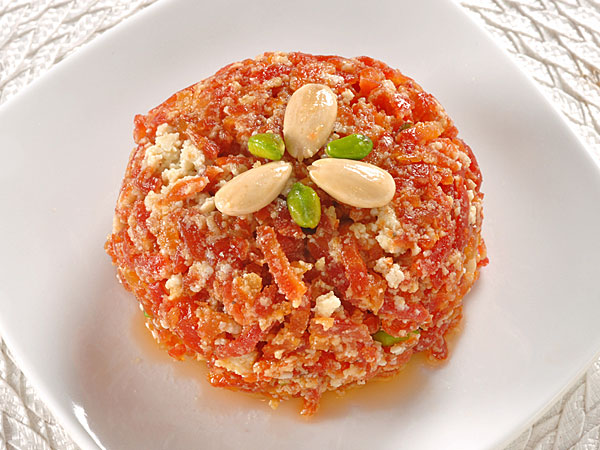
    Gajar ka Halwa

    Also known as gajrela, gajar ka gajrela, and carrot halwa, gajar ka halwa is a South Asian dessert pudding and a winter delicacy in north Indian states. Made by cooking grated carrots, milk, ghee (clarified butter), and nuts together, this dessert is eaten on many festive occasions in both India and Pakistan apart from being available round the year in most sweetmeat shops of the subcontinent. A completely vegetarian preparation, gajar ka halwa is a dish enjoyed by all people, and has been subject to a number of culinary innovations, some of which are a vegan version, red velvet gajar ka halwa, similarly flavoured doughnuts topped with the same, a cream cheese and halwa combination which is the desi counterpart to the carrot cheesecake.

    The dish dates back to the ancient Mughal times, and the word “halwa”, meaning sweet, is itself derived from the Arabic language. Gajar translates to carrot from the Hindi language. While gajar ka halwa may seem like a particularly difficult preparation to pull off in the kitchen, it is actually not. Although the ingredients do take a considerable amount of time to cook fully, gajar ka halwa is a very easy recipe to make provided you have all the cooking materials you need ready at your disposal.

    Recipe (serves three-four)

    Ingredients required:

    • 1 kg of grated carrots, cleaned and peeled beforehand
    • 100 ml of condensed milk
    • Cleaned, preferably roasted, dried fruits and nuts (cashews, almonds, raisins, pistachios)
    • ½ kg of khoya
    • 4 big tablespoons of desi ghee (clarified butter)
    • 1 cup of castor sugar
    • 4 cups of milk
    • Cardamom seeds. Alternatively, you can use one-third of a teaspoon of cardamom powder.

    The steps needed:

    • Put the shredded carrots and milk in a heavy-bottomed pan or a wok on medium flame.
    • Let the carrots soak in the milk to a considerable amount. Let the mixture turn a rich golden-orange colour.
    • Add condensed milk and cardamom and stir for some time.
    • When it is cooked halfway, add khoya, after putting aside some for garnishing. Also add ghee.
    • Once everything is properly mixed, add sugar on a low flame. Take note of the flame and ensure that the sugar does not caramelize in the halwa.
    • Add dried fruits from above, garnish with a little khoya, and serve in bowls. You can also add varakh (the silver food foil) for an aesthetic look.


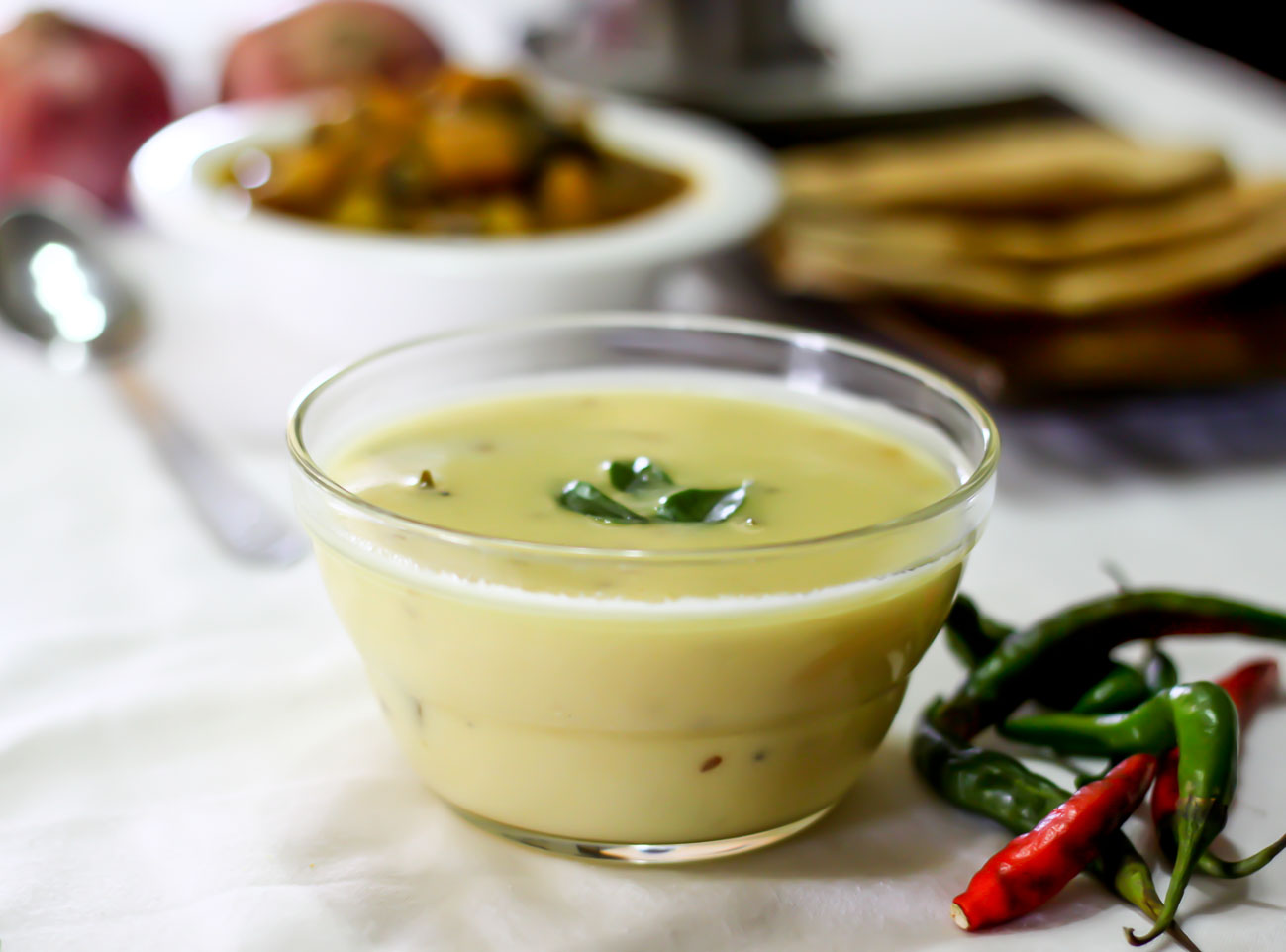
    Gujarati Meethi Kadhi

    Kadhi is an Indian main course dish of desert origins, and was first made in Rajasthan. However, it quickly grew popular with people from other regions of India, and now has different variants according to different states, belonging to Punjab, the Sindh area of Pakistan, Gujarat, Uttar Pradesh, and Maharashtra. While it is a dish best served hot, kadhi itself is derived from curd and yoghurt, which ironically taste best when cold.

    Gujarati cuisine is known for its sweetness, and its kadhi carries the same quality. In our household, Gujarati meethi (Hindi for “sweet”) kadhi is a winter favourite, and its recipe has passed on from one generation to the next, with a few modifications by each. This dish can be had as a drink, and since we already have the salty kadhi of Uttar Pradesh, complimented with besan pakodas (fillets), Gujarati meethi kadhi is served as a hot and sweet beverage mostly in the evenings. It hardly takes much time and effort to prepare, and is the perfect heavy snack that will fill your stomach in between meals. All you need is a bowl, a saucepan, and some easily accessible cooking materials, and a time period of fifteen minutes to spare.

    Recipe (serves two)

    Ingredients required:

    • 2 big tablespoons of besan (gram flour)
    • 1½ glasses of curd
    • Half a cup of water
    • Turmeric
    • Curry leaves
    • Asafoetida
    • A teaspoon of rai (mustard seeds)
    • Two teaspoons of sugar
    • Salt
    • Whole, dried red chillies
    • 2 teaspoons of oil

    The steps needed:

    • Add the besan and curd slowly in a big bowl, stirring slowly so that no lumps are formed.
    • Put a pinch of turmeric in this mixture. Also, add salt according to taste.
    • In a separate pan, put oil and let it heat on a slow flame.
    • To the hot oil, add rai, a little hint of asafoetida, and some curry leaves. Be careful to not let the curry leaves blacken completely because of excessive heat.
    • On a low flame, add red chillies to the pan.
    • Take the besan and curd paste, and pour it in the pan.
    • Stir continuously so that no lumps are formed while keeping the pan on a medium flame.
    • Let the mixture boil, and then pour it in glasses.
    • Top with a few curry leaves and serve hot.
  • Safe and Tasty Winter!!

    Safe and Tasty Winter!!

    Winters in India are cold, heavy and damp. It brings with it an ironic feeling, where with one heart winter is welcomed after the scratching October heat, with the other heart it is cursed for bringing with it the viral fever. But the most important thing-to-do in this winter season is have a proper winter diet. All of us need some winter hacks because the only eatable winter foods otherwise is Spinach, dry fruits and green tea! Here are few of the winter food hacks, both important as well as delicious ones that would lead you to a warm, happy and safe winter. Food that is not only tasty, but also safe to be eaten in this season, simply because you cannot afford to fall sick every time. This is a time, when we need to follow certain rules to prevent ourselves from being sick and also go against the rules(sometimes) to enjoy the cold weather with a hot and spicy way. But there is a routine that should be followed every day to stay fit so that you can have a taste of delicacies as well.

    Here goes the routine:

    1. Have a glass of warm water the first thing you wake up in the morning, to stimulate a healthy bowel movement.

    2. If you have tea, it should comprise of ginger, clove and cinnamon and herbs to keep you away from sore throat.

    3. Lunch must include Steamed vegetables, warm soup with ghee and whole wheat unyeasted bread.

    4. And the dinner should be done early to ensure proper metabolism.

    Your daily diet must include leafy vegetables, cut them, eat them raw, fry them or make a delicious recipe. But one leafy vegetable every day is the must-have in winters. Also, eat lot of dry-fruits; it will keep the body warm, against the cold weather outside.

    To make a Winter-special tea at home:

    Ingredients:

    • 6 cups water • 2 cinnamon sticks • 4 whole cloves • 5 tea bags of green, black, or ginger tea • ¼ cup freshly squeezed orange juice • ¼ cup fresh lemon juice • Honey to taste

    winterTea

    Recipe:

    Boil the cinnamon sticks and cloves in water for few minutes. Remove from heat. Add tea bags. Cover and let it steep for 10 minutes. Discard tea bags. Add orange and lemon juices to tea mixture. (Can be prepared 1 day ahead. Serve hot.(Source: http://www.drsinatra.com/spiced-winter-tea-recipe/)

    These are the daily must-follow hacks for the season. But the body craves for tasty and zesty food. The street food and sweets and all the lip-smacking dishes are the most desired.

    This is something, from around the country, the most appealing dishes to binge on in this season! One would go against the above mentioned rules for fulfilling their craving:

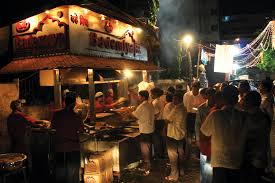
    1. The Kebab’s at Bade Miyan (Mumbai): On the coast of the sea, in every heart of the city lies this delicious eatery. Bade Miyaan is famous for its Biryaani’s and Kebabs. When you are cold, experience the mutton-roll of this roadside eatery near Colaba Causeway.

    bademiy

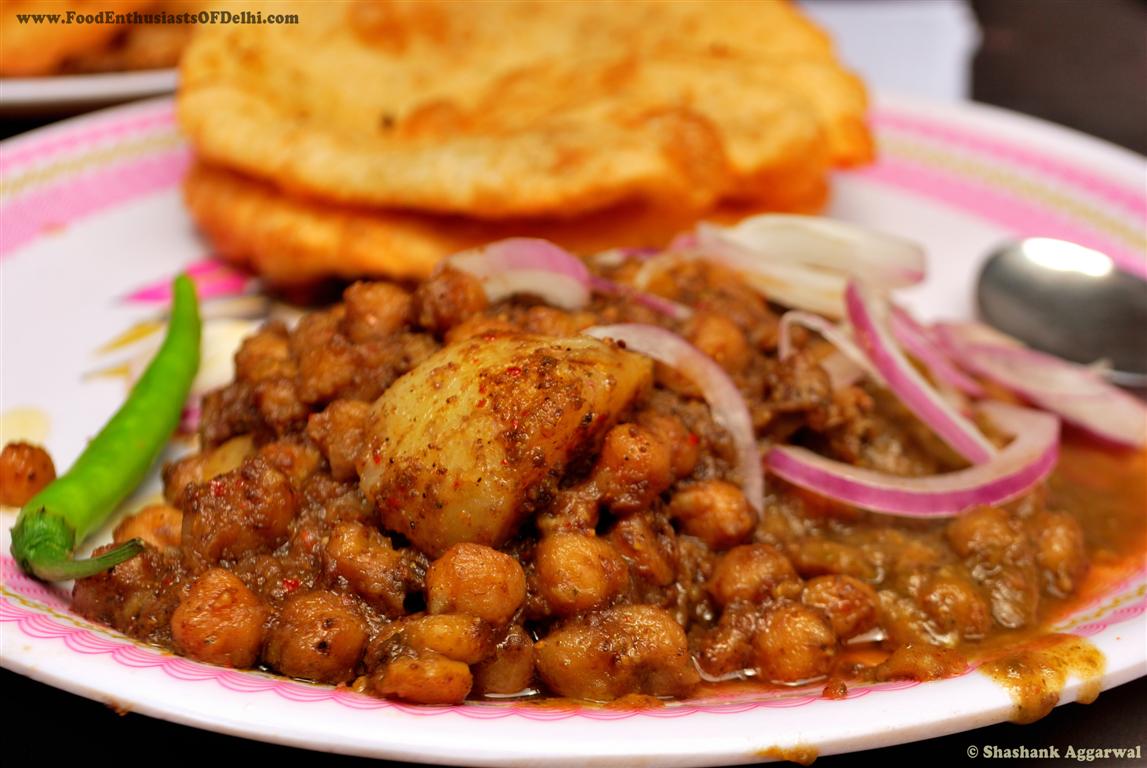
    2. Chole Bhature in Delhi: The best place to have street-food is the capital of the country! Chole-bhature along with rajma-chawal and parathe are the most eaten breakfast and lunch dishes here, which makes it very famous in the other urban cities of India as well. Drool in when you are cold and enjoy this steaming and spicy treat in the city!

    Chacha Chhole Bhature 3

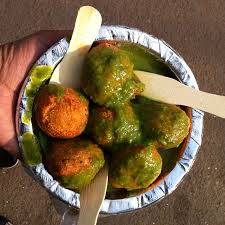
    3. Ram Ladoos in Alkanand Market in Delhi: Crunchy, tasty, fluffy laddoos in the market served with tasty green chutney is a great treat to beat the coolness. Enjoy it with the spicy chutney in Delhi.

    ram ladoo

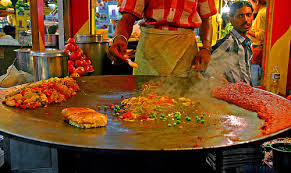
    4. Pav Bhaji in Mumbai: Come to Mumbai and not have the street Pav Bhaji is a very bad decision. This spiced dish along with the zesty tawa pulav will evaporate the cold off anyone.

    pavbhaji

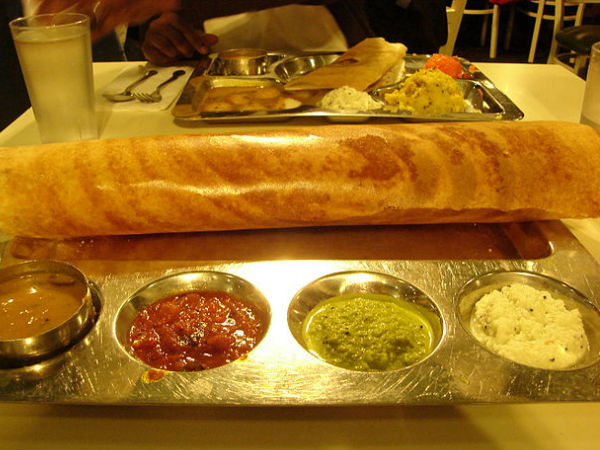
    5. Idli-Sambhar-Dosa in Bangalore: Bangalore has always been famous for its cool weather. The days are cold and the nights even colder. Taking a walk on Bangalore streets in the nights would almost freeze you, but there is one aspect that never goes missing, the amazing dosa stalls on Bangalore streets that are open in the night and serve hot food to blow away the cold.

    01-dosa11

    6. Dabeli in Ahmedabad: A fabulous roadside chat, very famous in Mumbai and Pune, originated in the Kutch, Gujarat.

    dabeli

    7. Gajar ka Halwa with Dry fruits: Mostly made in Rajasthan, as their winter delicacy. Easy-to-make, mouth-watering sweet. Add it up with dry fruits, isn’t it a tasty and healthy way to beat the winter?

    gajar halwa

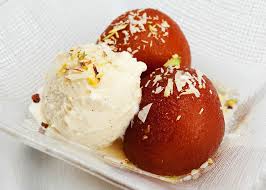
    8. Hot Gulab Jamuns: Hot gulab jamuns with ice cream is a treat on wintry nights.

    gulab jamun

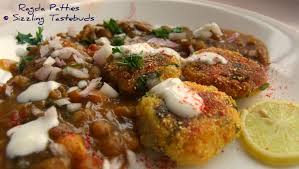
    9. Mirchi Bhaji and Ragda Pattice: The favourite chat in almost all the cities- Bangalore, Mumbai, Pune, etc. that has its origin in Hyderabad.

    ragda

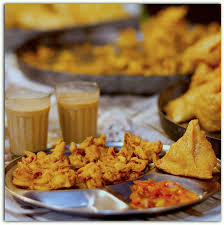
    10. Chai Pakora: Think of Cold, think of rain and one thing you would always picturize is having a hot cup of tea with onion and potato pakoras! A treat to self if you have a good book to go with it.

    chai

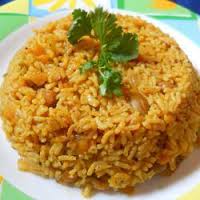
    11. Masala Khichdi : A traditional, light weighted meal to keep you healthy. Winters are enjoyable when you take care of yourself, follow a proper diet. Cheating the diet once in a while is always permissible. Make lot of use of fruits, vegetables, ginger, cinnamon, leafy vegetables, sesame oil and dry fruits in your diet to keep you active and going fit throughout the season.

    khichdi


    Winters are enjoyable when you take care of yourself, follow a proper diet. Cheating the diet once in a while is always permissible. Make lot of use of fruits, vegetables, ginger, cinnamon, leafy vegetables, sesame oil and dry fruits in your diet to keep you active and going fit throughout the season. Stay safe. Stay blessed 🙂

  • Spinach Delights !

    Spinach Delights !

    Misty morning fog , delightfully low temperature & hot cups of tea or coffee reminds me of my favourite season Winters. The best part of winters is that laziness is justified . As winters have arrived its time for some awesome food and gossip sessions with friends . I still remember during my childhood we use to have varieties of dishes made by my mum and we use to desperately wait for meal times so that we could relish those mouth watering dishes. Winters are meant for foodies like me and trust me few non-

    foodies too show their interest to grab some crunch to their palette.Variety of veggies and fruits also brings in the the opportunity for us to cook umpteen number of dishes and impress our loved ones. The appetite increases with great food and variety in food . winter is the season of bell peppers , carrots , cauliflowers , radish , spinach and many more nutrient full vegetables. Variety in fruits is also not less and true happiness lies in blending these natures delights in mouth watering recipes and bring in joyful of bowl to the dining table and watch everyone silently eating with smiles on their faces. Its truly a bliss for someone to loves cooking and tries to happy their family and friends with
    awesome relishes. Happy and satisfied faces on dining table makes them feel on cloud 9.Variety in vegetables and fruits bring in variety for your meals. Its simpler to try different stuffs when ingredients are easily available and cheaper in rate. Among those few blissful vegetables and fruits my pick would be Spinach . Immensely rich in vitamins , minerals , Iron . Great in texture, colour , and taste. A large variety of dishes can be prepared which are very basic and simple to cook yet so delicious and nutritious. It can be blended with rice , flours, curries, fries, yoghurt, salads & soups. It is a highly recommended natural food resource by the physicians and very helpful for anaemic patients. Best thing about spinach is you can just purée it and prepare numerable dishes out of that purée . Few relishes are not only healthy but very appetising.

    Today I am sharing a whole lot of such relishes with you guys that you have may be eaten several times but didn’t try . The recipes are very simple and less elaborate which you would easily be able to follow and make . So grab your apron and rush to your kitchen with this bundle of delight named Spinach .

    download

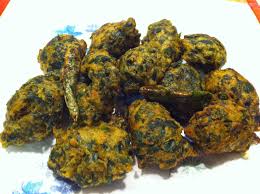
    Palak Pakora :

    Ingredients : 2 cups finely chopped Spinach , 1 cup gram flour (besan), 1 teaspoon carom seeds, 1 teaspoon Asafoetida, 1 teaspoon red chilly powder, 2 large green chilly chopped, 1 teaspoon turmeric powder, 1/2 tablespoon coriander chopped, water as required for batter, Oil for deep frying.

    Servings : 4 (One overfilled platter of delight )

    Method : Mix all the ingredients with water to get thick flowing consistency. Leave it for 30
    minutes.With the help of a large spoon drop small drops into the heated oil of the drying pan and fry till golden brown . Do not fry in high flame else it will remain uncooked in the centre. Fry in medium or slow flame. Once golden brown Pakoras are ready serve them hot with your favourite dip and hot coffee or tea.

    IMG_7218

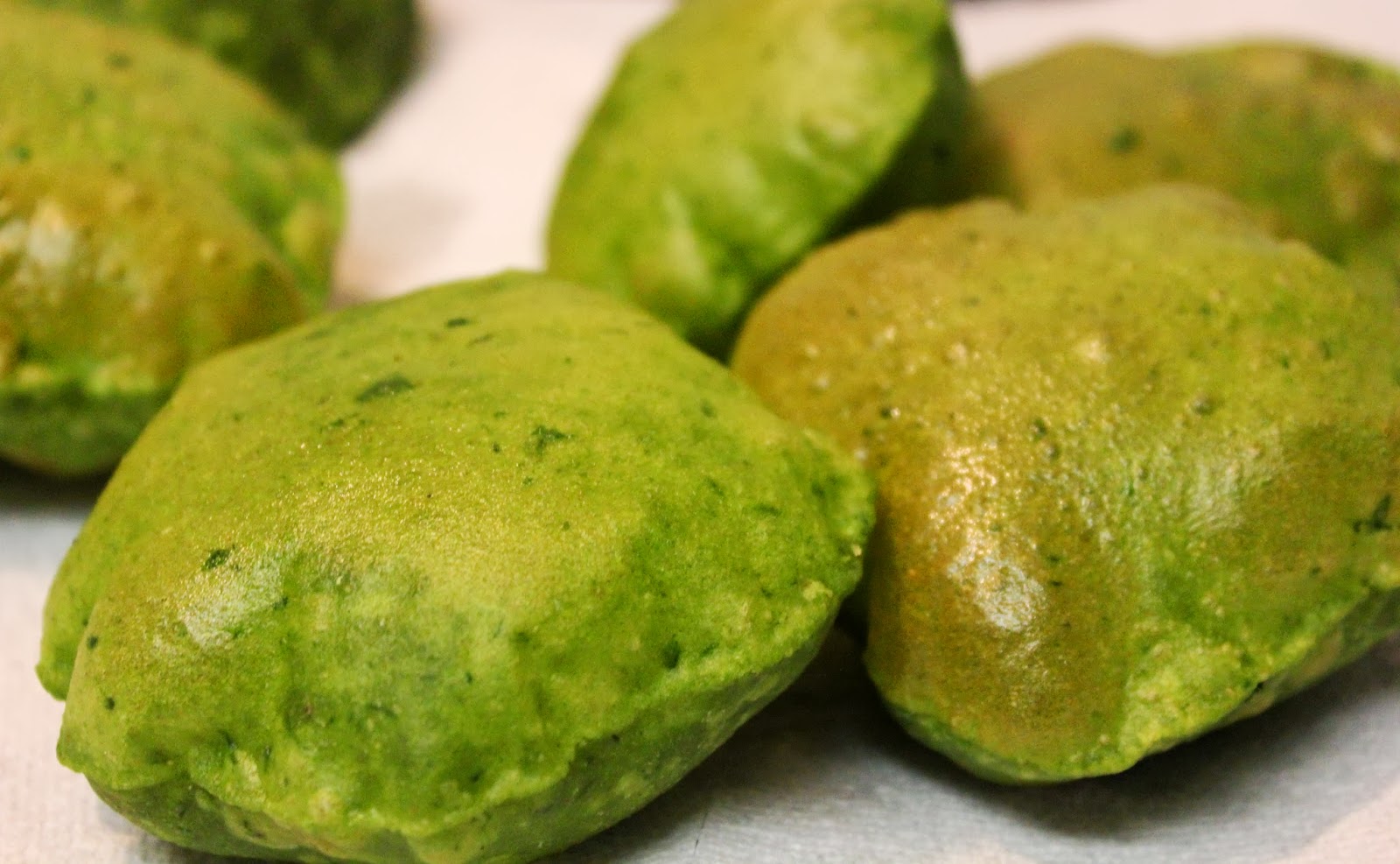
    Palak Puri :

    Ingredients : 2 cups of whole wheat flour , 1/2 a bundle of spinach roughly cut de-rooted and washed,1 teaspoon oil for moistening of the dough , 1 teaspoon red chilly powder, 1 teaspoon Asafoetida, 1 teaspoon carom seeds, salt to taste, 1 teaspoon of green chilly paste. Water if required for dough, Oil for deep frying.

    Servings : 2 to 3

    Method : Firstly take a pan and boil water into it. Put the washed spinach leaves into the boiling water and boil till the stem of the leaves are tender. Immediately put the boiled spinach in icy cold water so that overheating does not soil the colour of spinach. Once the spinach cools down blend it in form of thick puree. Now Mix all the ingredients into a fine and soft dough . Try using less water to make a dough as puree itself has a lot of moisture to bind the flour and spices.Keep the dough for 30 minutes and then make small rounds of it with the help of rolling pin . deep fry it till it pops out of the oil and once ready serve hot with any curry or chutney.

    Palak-Paneer

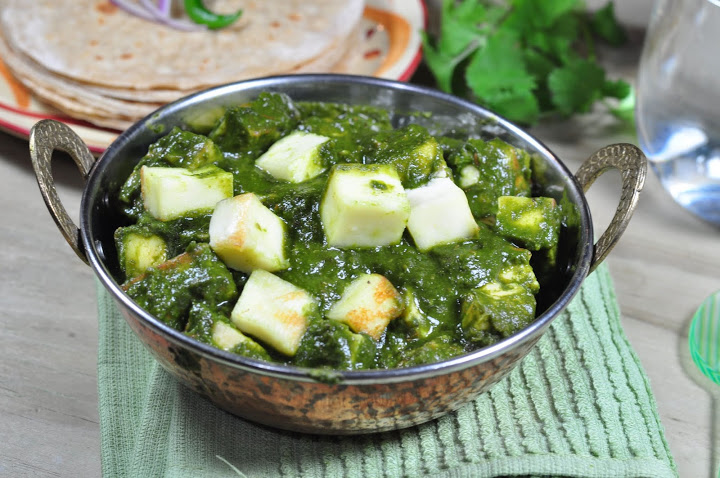
    Palak Paneer :

    Ingredients : 2 cups of palak puree (prepare it as per the recipe given above for the puree), 200 g of paneer cubes (cottage cheese), 1 cup tomato puree, 1 tablespoon garlic paste, 1 teaspoon cloves, 1 teaspoon black pepper corns, 1 cinnamon stick , 1 teaspoon garam masala powder, 1 teaspoon red chilly powder, Salt to taste, 1 tablespoon ghee.

    Servings : 4

    Method : Take a deep pan and add ghee , cloves, black pepper corns, cinnamon stick and fry it till it stops spluttering. Now add Garlic paste and stir it for a minute. Stir in Tomato purée cook it for another 4 to 5 minutes until it separates oil . Now add dry spices red chilly powder, salt and garam masala powder in it and sauté it for a minute . Add Spinach purée and cook it for 2 minutes until a boil and immediately add paneer cubes and close the flame . Just gently mix the paneer cubes in it and cover the lid of the pan . Keep it this way for another 5 minutes (without flame ). Serve Hot with any assorted breads or Jeera rice .

    SpinachRaita

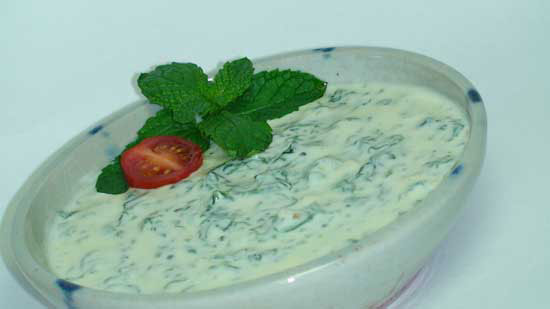
    Palak ka  Raita :

    Ingredients : 1 cup finely thinly chopped spinach leaves, 1 cup curd, 1 teaspoon salt, 1 teaspoon roasted cumin crushed into powder, I teaspoon roasted sesame seeds, I teaspoon red chilly powder, I teaspoon Cumin seeds, 1 whole dry red chilly, 1/2 tablespoon oil.

    Servings : 2 to 3

    Method : Take a pan and heat oil in it. Add cumin seeds and whole dry red red chilly. stir till it stops spluttering, Then add spinach , red chilly powder and salt to it. Sauté for a minute and switch of the flame. Add this tadka to the bowl of curd and add roasted cumin powder and roasted sesame seeds into it. Mix it well and serve as a side dish with any. meal.