Tag: meat

  • What makes Delhi, Dilli – 2

    What makes Delhi, Dilli – 2

    In the last tour de Delhi, we hopped onto some of the binges of Delhi, how the love affair of the nation started with Delhi, the great repertoire of Architectural marvels in Delhi and a touched the tip of the iceberg as to what makes you melt with love, when you hear the word Delhi. Today, we explore more.

    The Bedmi and Nagori:
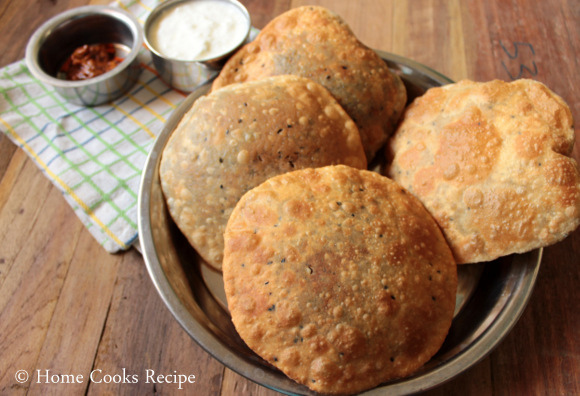
    be

    One relatively less known delicacy but nevertheless enjoyed to its zenith by the  few loyal customers, the bedmi is a variety of Khasta Kachori smaller in size and more khasta by all means. This is what one could call the Kachori’s  younger cousin. Filled in the epicentre with Semolina, carom seeds and grated peas, this delicacy melts in your mouth. Served along with our beloved aloo ki sabzi and halwa, you might have an oddity treat and might as well try mixing the two side dishes (The halwa and the aloo ki sabzi). This queer combination will make you reminiscent of the sweet and sour soup gone terribly wrong, but it’s a taste nevertheless. The Nagori is the youngest of the brood of Kachoris and more closely resembles the papadi that you get at a chaat stall. This also served along with aloo ki sabzi and halwa will give you plentiful of energy (And not to mention a truckload of calories) to roam the rest of Chandni Chowk with me.

    The Punjabi Diaspora:

    bangla

    Delhi is borderline Punjab. Geographically and literally. Once you enter Delhi, you’ll see an equal number of turbans as you will see bare heads. That because, there was a huge exodus from the Punjab region during Delhi’s early industrialization days and also during the Punjab conflict periods. Thus there’s a mini Punjab residing in Delhi. And with their amazing good humor and tantalizing cuisines come along the mighty and revered Gurudwaras. Gurudwaras are the worship place for Sikhs. Here Sikhs spend quite a lot of time serving other people as they faithfully believe in the quote “ Service to mankind is Service to God.” There are a plenty of Gurudwaras in and around Delhi and the best part of visiting them is the tasteful  ‘Langar’.  Langar is the lunch that is served in Gurudwaras to everyone who visits them. Large langars are organized where people sit on elongated jute mats on the floor and eat out of leaf plates. The langar, anywhere, in any gurudwara is something to be DEFINITELY had if you ever get the lucky chance to visit Delhi. Daal is a must in every Langar. Along with it Halwa, aloo ki sabzi and poori make your lunch hearty and eventful. There are two large Gurudwaras in Delhi to which people flog on from places far and beyond. These are The SeesGanj Sahib and The Bangla Sahib. Both are lakes of tranquillity and you will feel emancipated from all your worries and ill humoured feelings, once you enter the complex. Visit these if you are looking for serenity and a meal full of love and affection.

    Kareem’s and Khan Chacha:

    Chicken = Kareem’s.              Kareem’s = Chicken.

    Chicken = Khan Chacha.     Khan Chacha = Chicken.

                         Kareem’s = Chicken = Khan Chacha.
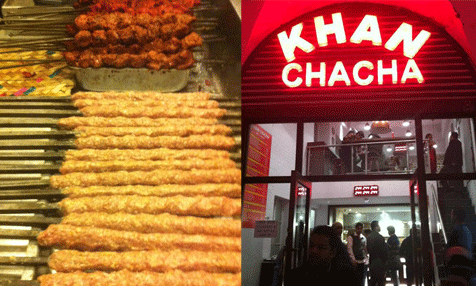
     

    tn_6284_khan1-1374305008

    One’s trip to Delhi will be wasteful, if he goes to Delhi but does not visit any of the above mentioned place. Both these places have been established in Delhi for the last 100 years or so and have been constantly providing the people of Delhi with an indispensable service ever since. The service of good food. Or more specifically, the service of Great Chicken. Khan Chacha and Kareem’s both are known for their Mughal style Chicken which they both offer in Chandni Chowk. The shop is tiny but the crowd of buyers: mammoth. Both of them provide exceptional Tandoori Chicken and Kebabs. Their extraordinary skills lie in providing with dry chicken variety. They specialize in Seekh kebab, Shammi kebab, mutton burra kebab, mutton stew and the rann (goat’s leg). These leave you with the exact smoky flavour that should be left after having a tandoori meal and also bestows upon you the feel of the grill.

    Connaught Place:
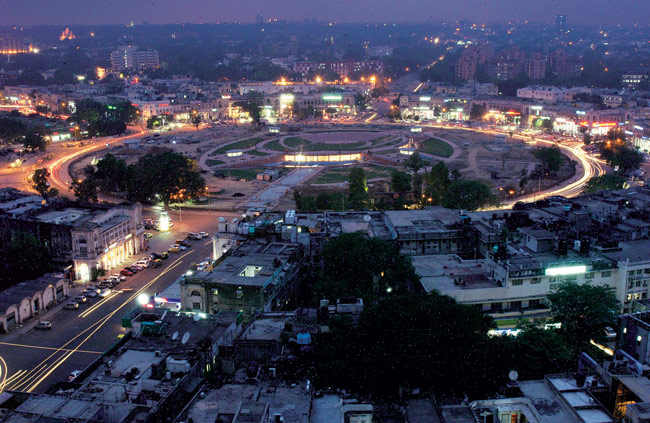
    cp-650_081714012910

    What makes Delhi, Dilli you ask. One of the reasons of Delhi’s uniqueness is Connaught Place. Two British Built market places in circular shape around a gigantic park in between. Sounds confusing? Well, it is. But in earnest Connaught Place is one stop destination for all the top notch brands anywhere in the world. Until one hasn’t a shop in Connaught Place, he/she is too amateur to go global. A beautiful set of buildings all dressed up in white just like a catholic wife-to-be in circular shape mark the inner circle and the outer circle. A market place to take a stroll ith your friends or go bridal shopping; A day to enjoy Delhi in one glance and a hurried shopping session; everything happens at Connaught Place.

    ‘THE’ Palika Bazaar:
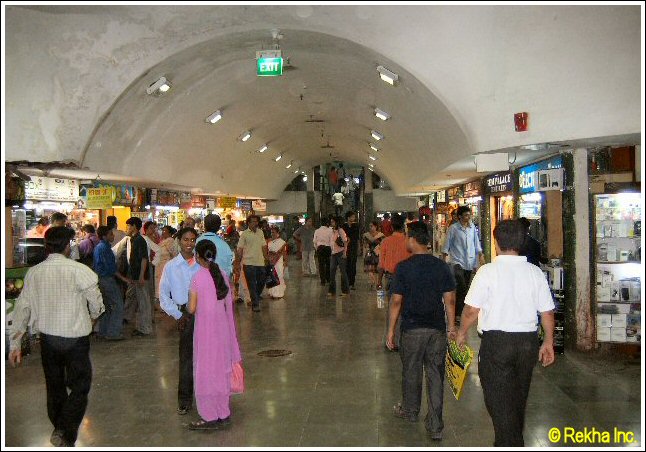
    pal

    Ever heard of an underground market place? Palika is one. No, it is not underground as in illegal, it is underground as in, it is literally 400 bunch of shops UNDER-the –GROUND. Remember how the Connought Place is circled around a gigantic park? Well this is a market place under that gigantic park. Palika is every women’s dream destination. Because you get the best of fashion labels at throw away prices. Loads of accessories, clothing, body tattoo shops throng the Palika. Men, don’t be disappointed. There’s something for you too, down there. Palika has men’s fashion outlets too, but more amazingly it has an entire bunch of shops that sell cheap China built Electronics gadgetry. So, next time you want a pen camera or a big grizzly transforming car, you can always go to the underground market.

    So, we made a tiny bit of progress in learning about Delhi. But don’t get tired yet, there’s more of Delhi to come.. Stay tuned.
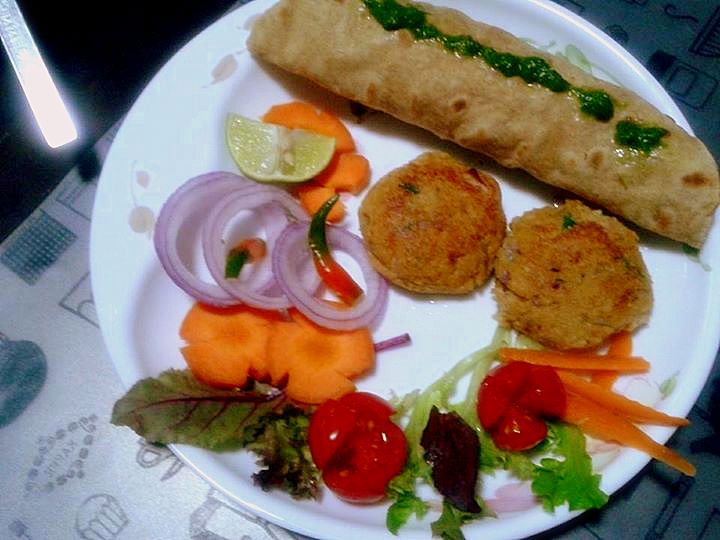
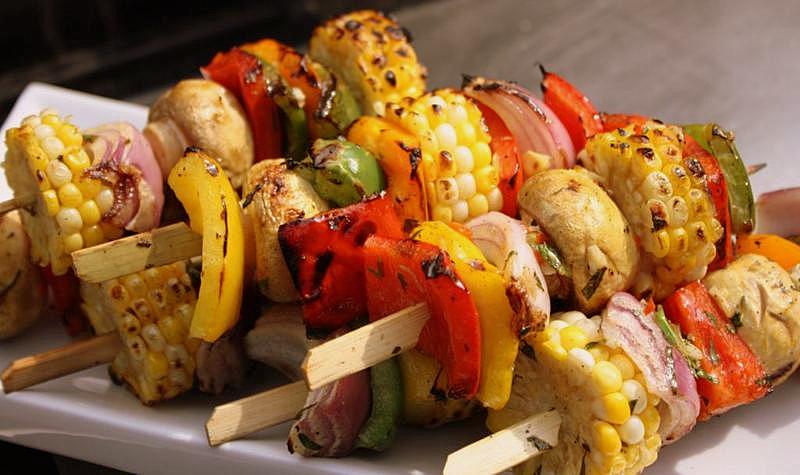
  • A Platter of Vegetarian Kebabs

    A Platter of Vegetarian Kebabs

    Originating in the coastal countries of the eastern Mediterranean area, kebab is a versatile dish made by roasting and grilling pieces of meat, fish, and vegetables, over a skewer or a spit. The dish quickly spread in popularity and consumption throughout the nations of the Middle East, and then central Asia. The kebab traces its historic roots to before the 17th century B.C., and even the ancient Greek poet Homer mentions an erstwhile archaic dish resembling the same, and enjoyed all over his country in his works. However, a Turkish script by Kyssa-i Yusuf which dates back to around 1377, first properly mentions the culinary concept of the word, which is derived from the Persian language, and literally means “fry”, and sometimes “fry and burn”. Legend has it that the kebab was invented by medieval Persian soldiers who grilled meat on their swords over open-air fires in the battlefield. It quickly gained favour of both the classes and the masses, being served as the royal fare in various Islamic states over the ages, and as a much sought after and easily accessible snack or main course dish for many commoners, and the trend continues even today.

    Although lamb is the traditional choice of meat for making the kebab, there are many variants available in different meats and vegetables all over India due to religious constraints and direct or indirect dietary restrictions. Indian kebabs, whether they are vegetarian or non-vegetarian, have a unique and popular flavour of their own, owing to the wide spectrum of masalas (spices) and herbs native to the subcontinent. Apart from the numerous Indian innovations in the art of kebab making, the sheesh, shammi, tikka, and shawarma, original types of kebabs are also available everywhere, and can be found easily in small roadside eating joints as well as in top notch restaurants and hotels. The cities of Lucknow and Hyderabad are famous all over the country, owing to their thousands of decades-old, local eateries and food establishments which sell different types of primarily meat kebabs, ranging from tunday to kalmi and tangdi to reshmi, and have thus contributed a lot to culture, food, tourism, and economy.

    While you can get non-vegetarian kebabs from anywhere, the vegetarian types are a rarity to find outside one’s house, and they are generally overpriced in the restaurants they are available in. Vegetarian kebabs can be easily made at home, with simple ingredients, and less elaborate methods than their non-vegetarian counterparts. This article will provide you with three novel recipes, all made wonderfully by my favourite chef in the world, my grandmother, for these lesser known variants, namely, shalgam ke kebab, kela chane kebab, and chukandar ke kebab.


    Shalgam ke Kebab (serves 4-6 people)

    Ingredients needed:

    • 7-8 bulbs of turnips
    • 2 tablespoons of roasted besan (gram flour)
    • Finely chopped onions
    • Finely shredded coriander, chilli, and ginger
    • 2 medium sized boiled potatoes
    • Salt to taste
    • 1 small teaspoon of garam masala powder
    • Vegetable oil

    Steps required:

    • Thoroughly wash the turnip bulbs, and then carefully peel their outer skins off.
    • Put the skinned turnips in a pressure cooker and steam thoroughly.
    • Once the turnips cool down, mash them and drain out the excess water.
    • Mash the boiled potatoes and mix them with the turnips. Add coriander, chilli, ginger, and onion to the mixture and be careful to make it consistent with dough.
    • Add garam masala and salt accordingly.
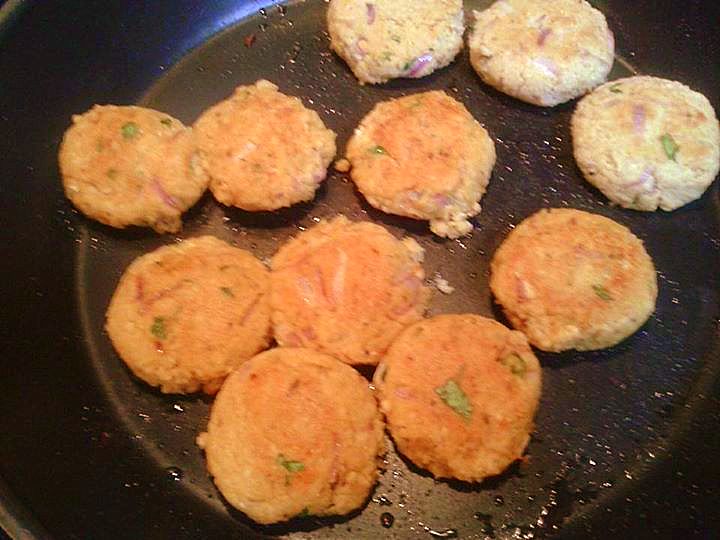
    • Make small balls of the prepared dough and flatten it into small cutlets or flattened disc shaped portions.
    • Shallow fry on a tawa (pan) until the kebabs are thoroughly cooked and are a rich golden-brown in colour.
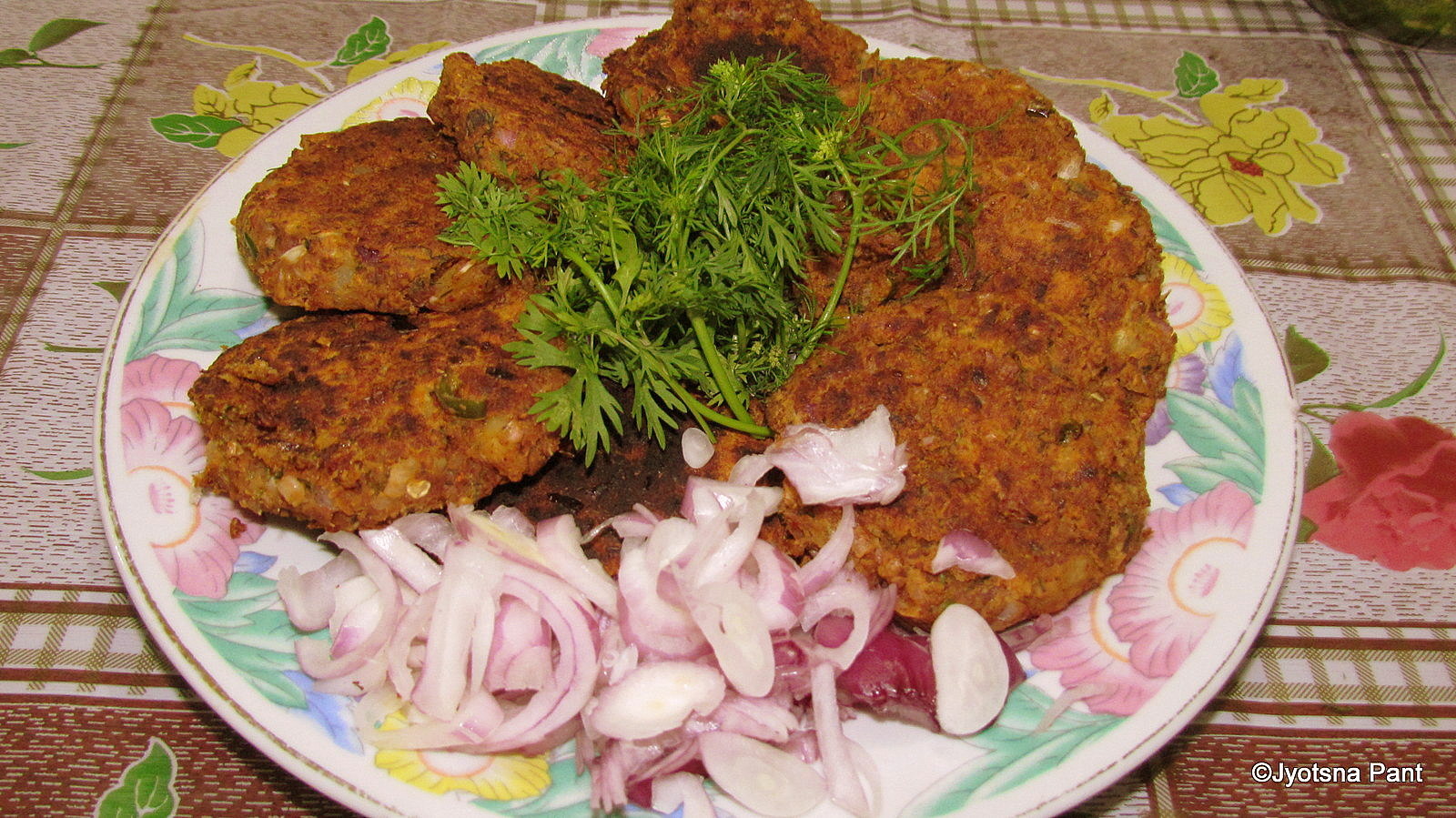
    • Top with sprigs of coriander and rings of onion. Serve hot, with a chutney of your choice.


    Kela Chane ke Kebab (serves 4-6 people)

    Ingredients needed:

    • 5 clean green unripe bananas
    • 1 bowl of soaked chana dal (gram beans)
    • Finely chopped onions
    • Finely shredded coriander, chilli, and ginger
    • Salt to taste
    • 1 small teaspoon of garam masala powder
    • Vegetable oil

    Steps required:

    • Make sure to wash the bananas thoroughly with fresh water before beginning. Once they are clean, steam them in a pressure cooker with their skins intact.
    • Steam the dal separately to a soft consistency.
    • Once both ingredients cool down, peel the bananas, and mash together with the dal to make a dough.
    • Add garam masala and salt. You can also add other spices such as red chilli powder if you prefer.
    • Shallow fry on a pan.
    • Garnish with sprigs of coriander, and serve with onions and chutney.


    Chukandar ke kebab (serves 4-6 people)

    Ingredients needed:

    • 7-8 beetroots
    • 2 tablespoons of roasted besan (gram flour)
    • 2 boiled potatoes
    • 250 grams of paneer
    • A few whole clean leaves of cabbage
    • Finely chopped onions
    • Finely shredded coriander, chilli, and ginger
    • Salt to taste
    • 1 small teaspoon of garam masala powder
    • Vegetable oil

    Steps required:

    • Steam the beetroots thoroughly after cleaning them.
    • Mash the beetroots to a dough-like consistency. If necessary, add a little bit of boiled potatoes as well. Add roasted besan to this mix.
    • In a separate bowl, mash potatoes and mix them with paneer chunks.
    • Add coriander, chilli, ginger, and onion to the beetroot dough.
    • Make miniature balls of the paneer and potato mix after adding salt and garam masala to it.
    • Wrap them in a leaf of cabbage.
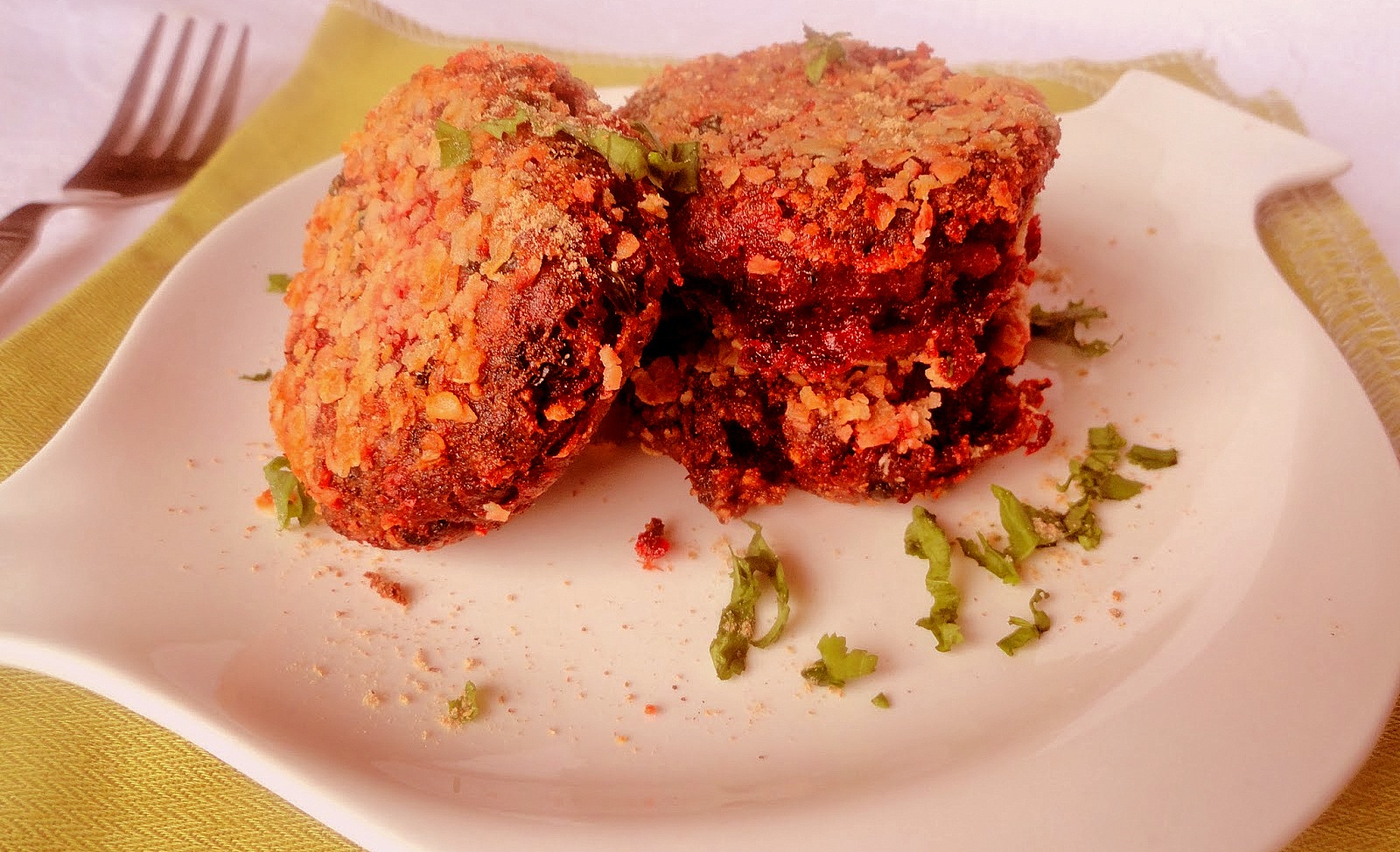
    • Encase this in an even layer of beetroot dough. Make it firm with more besan if required.
    • Shallow fry on a pan until the kebabs are thoroughly cooked.
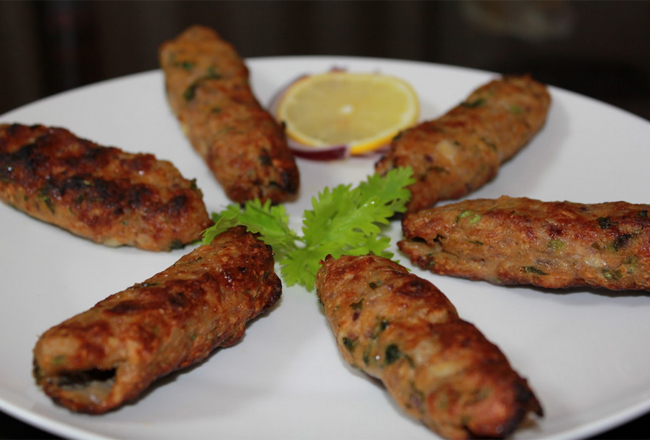
    • Cut the kebabs open from the centre, top with coriander, and serve hot with chutney.
  • Hyderabadi Haleem recipe

    Hyderabadi Haleem recipe

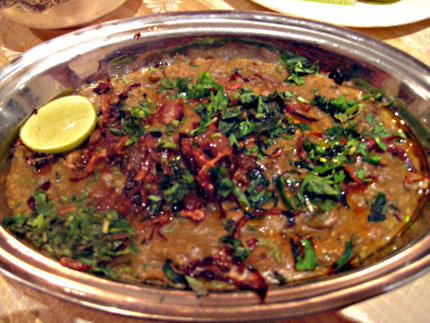
    Haleem is a dish that is made out of wheat, barley, meat ( Generally made up of mutton ) but sometimes it is made out of chicken along with the lentils and spices.Generally this dish takes too much time for preparation around seven to eight hours, so that it leads to the formation of a very soft paste like substance by blending the flavors of spices, meat, barley and wheat.This dish is very famous around south east and central Asia.The preparation of it varies from region to region and is mostly prepared during the Ramadan season.

    Hyderabadi Haleem
    Hyderabadi Haleem

    History:

                      This delicious South Asian dish is originated from the Arabs during the rule of the Nizams.This is a Arabic dish which is consisting of meat and it is containing pounded wheat as the chief ingredients.From the original dish slight variations are introduced in taking flavors that resulted in the distinct taste from other types of haleem.

    Hyderabad special haleem history
    Hyderabad special haleem history

    Ingredients:

    1) Take one kg of boneless mutton or with bone

    2) Take 200 grams of broken wheat

    3) Take four teaspoons of ginger garlic paste

    4) Take one cup of urad daal

    5) Take one cup of chana daal

    6) Take one teaspoon of red chilli powder

    7) Take half tea spoon of turmeric powder

    8) Take one to half cup of curd

    9) Take two cups of onions that are length wise sliced and make a deep fry so that they change their color to deep brown.

    10) Take two to three cardamom pieces

    11) Take two small cinnamon sticks

    12) Take four cloves

    13) Take one tea spoon of coriander powder

    14) Take one fourth the teaspoon of Garam masala powder

    15) Take one fourth the teaspoon of jeera powder

    16) Take half teaspoon of black pepper corns

    17) Take one teaspoon of ghee

    18) Take half the cup of fresh coriander leaves

    19) Take half the cup of fresh mint leaves

    20) Take four green chillies

    21) Take one finely chopped tomato

    22) Take half the cup of  cashew nuts

    23) Take salt that is sufficient for taste

    24) Take oil that is required

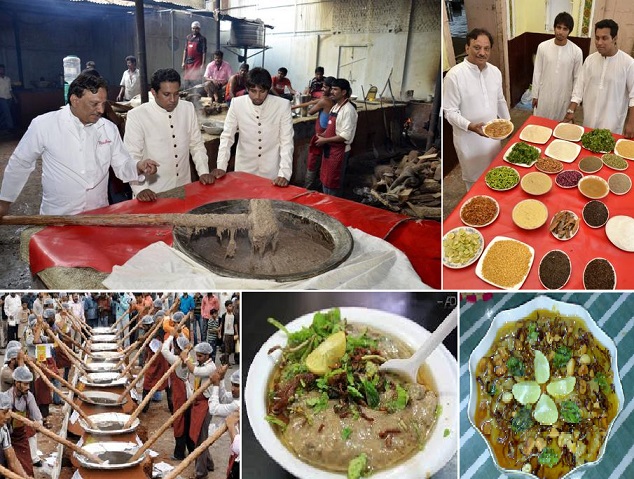
    Ingredients and preparation of Haleem
    Ingredients and preparation of Haleem

    Preparation:

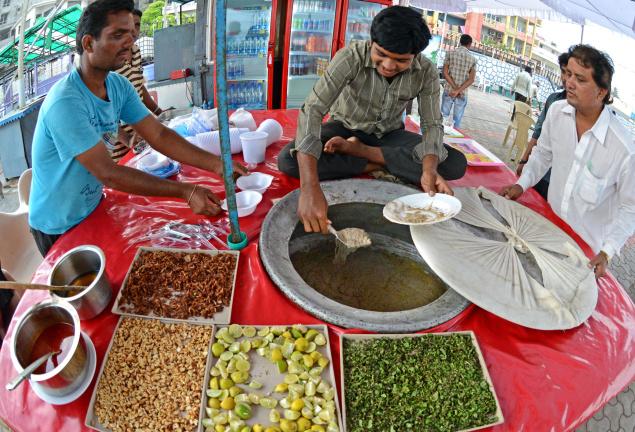
                            This is a dish that looks as if it is a signature of the festive month of Ramadan.This is a very long process of preparation and it takes about seven to eight hours for preparing it.This is a dish mostly available during the month of Ramadan where most of the Muslims do fasting.It is very popular dish especially Hyderabadi Haleem is very famous around the world and it has international demand for this product.This is a dish that is the best for those Muslims to break their fast with absolute delicious taste.Apart from Hyderabad dum biryani this is the most taken food item.There is a lot of hard work involved in the making of this dish.

    Step 1:

    Take a bowl and mix the broken wheat along with urad and chana daal and let this mixture soak in water for at least 4 hours.The water that is taken for soaking this mixture must be double the quantity of dal and wheat mixture.

    Step 2:

    Take a cup of long and thin sliced onions pieces in a cooker and make a deep fry in fortune rice bran oil.Fry them until their color changes to dark brown.While making a fry of onions along with it put cardamom cinnamon and clove pieces also and fry for about two minutes.

    Step 3:

    Now take the mutton pieces and wash them thoroughly.Put them in a cooker and add one fourth tea spoon of turmeric powder, one  tea spoon of red chilli powder and add one cup of water.All of them are stirred continuously until they mix well and close the lid of the cooker.Let the flame be continued until five whistles.

    Step 4:

    After taking it from cooker separate the bones and meat.Now meat separated from bones is placed in a cooker and add one teaspoon of salt, one teaspoon coriander powder, one fourth teaspoon of Garam masala and jeera powder.Also add four green chillies, half cup coriander  leaves, mint leaves and the fine chopped tomato pieces.To this add curd and a cup of water and mix all the contents well.The cooker is allowed to cook for 20 minutes on a high flame.

    Step 5:

    While the meat is being cooked take a pan on other side and put the well soaked broken wheat, urad and chana dal mixture in it.To this mixture add two glasses of water and mix well.

    Step 6:

    The bones that are separated at step 4 are taken in a container along with dal, wheat mixture and one fourth teaspoon of turmeric powder.Add salt to it and allow it to cook for about 20 minutes and stir it continuously.

    Step 7:

    After the bones are cooked for twenty minutes it is taken out and the bones are mashed using a wooden churner for at least five minutes.

    Step 8:

    In a container take the meat that is cooked and is added to the dal mixture and turn on the flame and let it be cooked for one hour on a low flame.Continuous stirring should be done for every three minutes for the complete one hour.

    Ste 9:

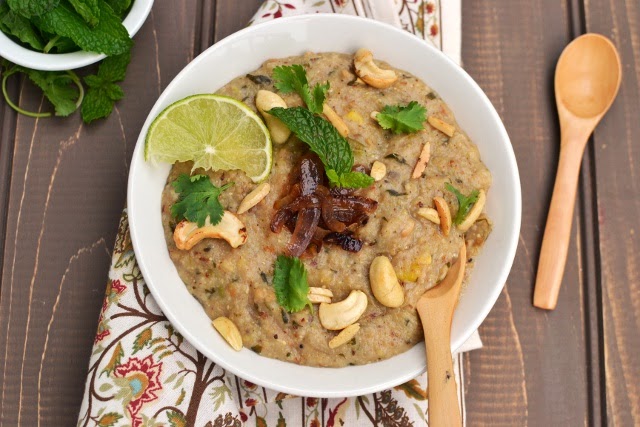
    After the completion of one hour check whether it is like a thick paste or not.Don’t overcook as the taste and feel will be spoiled and the color becomes brown.So we must turn off the flame when it is golden yellow in color.That’s it tasty spicy Ramadan season special Haleem is ready it can be garnished with fried onions, cashew nuts, coriander and can be served in a serving bowl. 

    Hyderabadi Haleem is ready
    Hyderabadi Haleem is ready
  • Food Walk – Part I

    Food Walk – Part I

    Photo Walk.

    Sure.

    But how many of you have heard of “FOOD WALK”?


    Food Walk (definition):

    You walk. You go places. You try out different delicacies. You eat, eat and eat.

    Your knowledge of food increases tenfold. Your waist-line – not so much, since you are literally walking the whole way and that makes up for all the calories you intake.


    Going around the city with my friends from college, I have learnt a great deal about my Kolkata and its food culture. We, more often, hit the old cabins of the yesteryears than the posh Park Street restaurants – because, well, we are students at the end of the day with just enough cash for our endeavors.

    One of the very first places we went to was Das Cabin, situated in Gariahat. We googled it’s speciality : Moghlai , Kosha Mangsho( Spiced Chicken/Mutton) with Roti and Kobiraji. And the foodies that we are, we ordered all three. The prices were quite reasonable and the food was impeccable. The Moghlai was small and soft with a considerable amount of filling. I would have to say I have had better – in South Pole, to be precise, which is also in Gariahat(Note: South Pole serves Moghlai only after 3 p.m.). The Kosha Mangsho was delicious and can give good competition to the one in the famous Golabari in Shyambazar. And the Kabirajio the kabiraji! – was crisp, made with the right amount of spice in the patty and with each bite, you could literally hear the angels sing.


    A try-at-home recipe –


    Fish Kobiraji

    fish_kabiraji

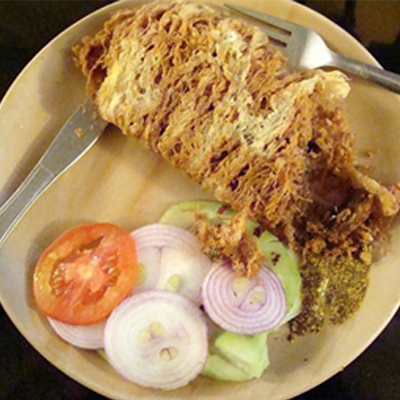
    Ingredients: 10 bhetki fillets, ½ tsp mustard powder, ½ tsp black pepper powder, 1 tsp red chili powder, 1 tsp coriander and mint leaves (chopped), 10 Eggs, 2 tbsp cornflour, 2 tsp Breadcrumbs (optional), Juice of one lemon, Salt

    Direction: Wash the bekti fillet under running water, pat them dry and soak in salt and lemon juice for 20 minutes. Mix the mustard powder, red chili powder, black pepper powder, coriander and mint leaves together and apply on the each side of the fillets evenly and refrigerate it for another 20 minutes. Beat the eggs and mix the cornflour, breadcrumbs with salt. Heat some oil in a pan and add two tablespoons of egg mixture. As soon as it becomes fluffy add the marinated fish fillet and quickly cover it with the egg mixture. Fry on low to Medium heat till done. Serve hot with kasundi (Bengali mustard sauce) and salad.


    Another day, we decided to walk from Presidency University to New Market, from there to Sudder Street and thereby, in the end, landing up in Park Street. If you walk to the right of Presidency University, a little near College Square, you will find a tiny old cabin reminiscing its old world charms. Favourite Cabin is a cabin which has tales etched in all its nooks and corners; oft frequented by the older generation, it felt amazing to sit there, the only people below 55, sipping 3-rupees-milk-tea, biting into crunchy Cream Roll and observing the theatric conversations buzzing around us.

    Sudder Street, however shady it may be, has quite a few good food places – Blue Sky Café and Spanish Café being the most popular ones. I’m yet to visit Blue Sky Café but having chanced upon Spanish Café, I got to say it serves reasonably priced and yummilicious food. Their Café Bombon is a must-have! The Chocolate Pancake is simply a piece of ambrosia. The Mint Tea is refreshing – the way you feel when you hear Richard Stoltzman’s The Maid With Flaxen Hair. In short, you absolutely must try them!


    Here are the home-made alternatives –


    Chocolate Pancake

    Chocolate_Pancake

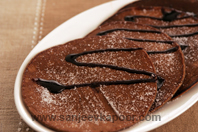
    Ingredients: 1 cup refined flour (maida), 3 tbsp chocolate grated, 1/3 cup cocoa powder, ½ tsp  soda, 1 cup Milk, 2 tbsp butter melted, 1 egg, ¼ cup  sugar, ½ tsp salt, Castor sugar (to sprinkle)

    Direction: Sieve together flour, baking soda, cocoa powder into a bowl. Add milk, melted butter, egg, sugar, salt and mix well. Heat the skillet and pour a ladleful of batter on the skillet and cook on both sides until brown. Serve hot sprinkled with caster sugar and grated chocolate on top.


    Mint Tea

    tea

    Ingredients: 2 tbsp fresh mint leaves (pudina), 2 tea bags or 2 tsp tea leaves, 2 and half cups of water (each cup being equal to 250 ml), milk, sugar (as per taste)

    Direction: Wash the mint leaves in water. In a tea pan or tea maker, add water. Add the mint leaves. Boil the water for 3-4 minutes till the flavors and aroma of the mint starts infusing in the water. The water will start becoming green. Let the quantity of green color in the water increase considerably. Add the tea leaves. Add sugar. Add milk and let the tea come to a boil. Serve the mint tea with light tea-time biscuits. If using tea bags, then put off the burner. In the hot water, dip the tea bags for 2-3 mins. Add sugar and hot milk. Stir and serve.


    (To be continued)


  • Essential Muscle Nutrients Which Are Found Only in Animal Food

    Essential Muscle Nutrients Which Are Found Only in Animal Food

    Muscles are every much important for the human body as they perform several essential functions such as breathing and allow us to do physical labor. Every man today wants to have a body full of muscles so that they can look attractive and powerful. Muscles burns calories and so if you are planning to build a powerful body you need to pay special attention towards the food that you eat as the consumption of right food is very important. In order to build and later maintain these muscles there are some essential nutrients which your body requires and more importantly these nutrients are only found in the animal food. For the non-vegetarian people this is not a problem as they eat flesh but the vegetarian people look around for the replacement of this option. So they go for supplements which are available in the market today. These supplements are made up of artificial ingredients which causes harm to the body if you take it regularly. So it is recommend that if you want to build muscle and maintain your body, then you should start eating meat. Hereby we are mentioning some of the nutrients which are only found in animal food i.e. meat and are essential for muscle building.


    Creatine:

    fotolia_1101516_XS

    Creatine is extremely important for the body and is one of the most popular supplements used for the muscle building. If your body has adequate amount of Creatine in it, then it not only improves the mass of your muscles but also the strength. Creatine forms the energy reserve in the muscles which helps in its maintenance. The energy in the body is provided by the Adenosine Triphosphate and the cells in the body have them in limited quantity. In the process of building muscles, people perform complex and vigorous exercises and so the amount of Adenosine Triphosphate in their body is not enough to last long. Creatine provides the phosphate in the cells and helps in producing the required extra energy. Although human body produces Creatine on its own but it is not enough and you need them in your diet. All the vegetarian foods are deprived of Creatine. So you should go for the meat and other animal foods.


    Carnosine:

    Muscle-Building-Foods

    Carnosine is a dipeptide made with the help of the two amino acids. These amino acids are beta-alanine and histidine. Carnosine is highly popular as one of the wonderful anti-aging food supplement which stops the degenerative processes in the body and helps in maintaining the muscles. They are also required to keep your muscles in shape. When you perform intense workout the body releases lactic acid which stops the muscles from functioning normally and you experience fatigue. Carnosine is required as it helps in stopping the formation of this acid in the body by acting as a buffer. If the formation of the lactic acid is kept in check, there is no hindrance in the functioning of the muscles and you can carry out with your work with ease. This nutrient is only found in the animal food or else you will have to take supplements.


    Animal Protein:

    Meat-Hen-Beef-Pork-1024x768

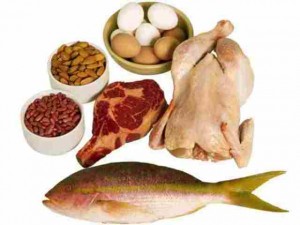
    Proteins are the basic building blocks of muscles and they themselves are made up of amino acids. In total there are 21 essential amino acids required by the human body to synthesize proteins. Out of which only few of these amino acids can be produced by the body itself, rest all are provided in the diet. Those amino acids which the body cannot produce on its own are called as the essential amino acids. The best source of all these essential amino acids is animal food. Fish, meat and eggs have tremendous amount of proteins in them and they can easily compensate for the amino acids which the body requires. The proteins found in the plants lack some of the amino acid profiles and so the animal food is essential. Simply a vegetarian diet cannot provide you with the proteins that your body requires.


    Vitamin D3:

    1

    Vitamin D3 is extremely essential for the human body. The proper functioning of the muscles and other body organs are very much dependent on it. There should be adequate amount of Vitamin D3 in the bloodstream. If your body is deprived of Vitamin D3, your muscles will decease and they will stop functioning properly. Although supplements are available to maintain the amount of Vitamin D3 in the body, the best source of this essential nutrient are fatty and the cod fishes. Moreover if you stay in such a place which receives less sunlight then you must start eating animal foods as the plants foods do not offers Vitamin D3.


    Saturated Fats and Cholesterol:

    shutterstock_89265397

    Generally people believe that saturated fats and cholesterol are very much harmful for the human body and they are also the reasons for various dysfunctions in the body. So people opt for the low fat foods. But such food items have tendency to reduce the testosterone hormone in the body which is very much essential for muscle building and their maintenance. The testosterone hormone is required to increase the muscle mass and libido. The animal foods have large amount of saturated fats and cholesterol required for muscle building and that is why you should eat them.

  • Red Meat: Is it really bad for your health?

    Red Meat: Is it really bad for your health?

    Red meat is certainly one food item which has created a lot of controversies and people are divided on the basis of their opinions id it sis good or bad for the health. When the red meat is raw, it is of red color and moreover its color does not change to white after it is cooked. There had been many reports lately suggesting that red meat is not good for the human health and so people should immediately stop eating it. These reports have been prepared on the basis of observational studies.  Almost all the meat which is obtained from the body of mammals is red meat as they have a high concentration of myoglobin in it. The red meat lovers are in dilemma that whether they should eat their favorite food or skip it for the sake of their health. Some people have claimed that these reports are not correct and if you eat unprocessed i.e. the fresh raw meat then there is no harm. You just have to pay attention towards the fat content and the preparation of the dishes made out of red meat as it is the best way you can stay protected and enjoy your favorite food. The processed red meats are the ones which undergo various processes such as the smoking, adding preservatives etc. after it is obtained from the animal’s body. Here we are discussing if the red meat is actually bad for the health or it is just a myth that people have.

    4

    Talking about the red meat it is a wonderful source of many essential nutrients and minerals which the human body needs. It is in fact the most nutritious food which is available. If you measure 100 grams of red meat, it will have the following minerals and nutrients in it. Vitamin B12 (Cobalamin), Vitamin D, Vitamin B3 (Niacin), Vitamin B6 (Pyridoxine), Phosphorus, Iron (12 % of RDA), Zinc (32 % of RDA), Selenium (24 % of RDA), Creatine, Riboflavin, Thiamin and Lipoic acid. It also has the high calories and about 10 grams of fats in it. Those people who are vegetarians are deprived of certain nutrients such as Carnosine and Creatine. Red meat is a rich source of both these proteins which is essential for the timely development of human body. Red meat also increases the hemoglobin count in the blood and also helps in building and repairing of the muscles. The meat obtained from the body of the chickens, pigs and rabbits are actually white meat and it is also completely safe to eat.

    2

    There has been so many research conducted to verify if the red meat actually causes the so called cardiovascular diseases and diabetes which results into the death of the person. And every research has given us the report that these are just a myth and there is no evidence which can support these claims. But the catch here is that you should eat only those red meats which are unprocessed one. The processed red meats are unhealthy and they can therefore lead to you all these diseases. You have to clearly understand the distinction between the two and choose accordingly.

    1

    Another myth that people generally have is that red meat is one such food items whose consumption can increase the chances of cancer in the body. Generally people relate colorectal cancer with the red meat which is one of the most common cancers in today’s time. Although the careful studies conducted by the experts suggests that there is weak link between these two but since there is not enough evidence as the studies which have been conducted so far are the observational ones and so they cannot say that eating red meat will cause you colorectal cancer and this is actually a myth that people generally have.

    5

    Now for those people who love to eat red meat we hereby recommend that when you prepare any red meat dish, cook it at moderate temperature. The high temperature cooking can lead to the formation of the harmful compounds such as AGE, HA and PAH. These compounds can then harm your health. Any food item if cooked at high temperature will lead to the formation of these compounds in it. So go for the options such as the steaming and stewing. Further if you want to cook gravy dishes with red meat then first marinate it with the garlic or olive oil or red wine as this will reduce the formation of the HCA to a larger extent. When you start cooking, make sure that the meat is not overcooked and none of the pieces are burnt because of it. The burnt pieces must be thrown away. All these methods that have been mentioned here are for precautions. So eat unprocessed red meat by cooking it gently and make sure that they are not charred. Red meat is actually very healthy and if you are eating it frequently then I bet you will have a healthier body.

  • La Cucina Romana

    La Cucina Romana

    When in Rome, do as The Romans do.  Meaning it is polite, and possibly advantageous, to stand by the customs of a society when one is a visitor. But of course, if you’d rather literally do as The Romans do, whether or not in Rome, the best place to start is food.

    Tasting the various flavours of the place you are visiting is one of the best ways of saying “I come in peace” and also, the best way to enjoy. All you need to know is what you are eating and all you need to do is try to find out how it is made.

    Roman cuisine is the cuisine of the city of Rome, in Italy. Rome is city that is generally referred to as an empire. Though size has a major role to play in that title, it is also so called due to the widely spread culture. Roman food has grown through centuries of social, political, and cultural changes. The city became a chief gastronomic centre during the ancient times. Since Rome was, in many ways, a derivative of Greece, ancient Roman cuisine was highly influenced by Ancient Greek culture. The empire’s constant and enormous expansion exposed its people to new culinary habits and cooking techniques.

    The most original and traditional Roman food can still be found in Testaccio Rione. Gladly, you needn’t go all the way.


    rome-banner


    PASTA

    Pasta is one major constituent of Roman food. There are various shapes of pasta, the most common being Spaghetti. There are others like Fusilli, Gemelli, Lasagna, Linguine, Macaroni, Orecchiette, Penne, Ravioli, Riccioli, Rotini, Tortellini, Tripolini, Vermicelli, Tubini, Zitti and many, many more.

    However, the diversity in pastas doesn’t come from their shape alone, but also from their sauces.

    Agrodolce is a traditional sweet and sour sauce. Its name comes from “agro” meaning “sour” and “dolce”, meaning “sweet”. Agrodolce is made traditionally using vinegar and sugar. Sometimes, additional flavouring is added, such as wine, fruit, or even chocolate. It is served over rigatoni or wide noodles, such as pappardelleand can also be served with salmon or lamb meat.

    agrodolce


    INGREDIENTS

    • 2 tablespoons olive oil
    • 2/3 cup balsamic vinegar
    • 1 teaspoon sugar
    • 1 tablespoon unsalted butter


      METHOD

    1. Heat 2 tbsp of oil in a large skillet over medium-high flame till it shimmers
    2. Sauté onions until they turn golden brown and crisp-tender. This takes 6 to 8 minutes.
    3. Stir in vinegar, sugar, and 1/2 tsp salt
    4. Cook until sauce is syrupy. This usually takes about 2 minutes.
    5. Remove from heat and stir in butter.


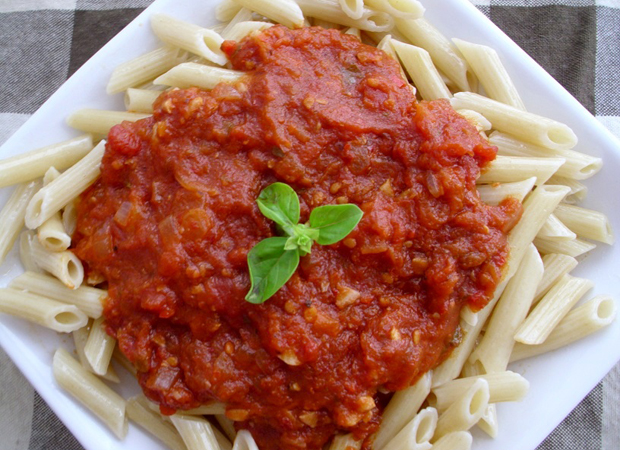
    Arrabbiata sauce is a pasta sauce meaning “angry sauce” in Italian. It is so named because of its spicy nature.

    Arrabbiata sauce with Penne pasta
    Arrabbiata sauce with Penne pasta

    INGREDIENTS

    • 1 tsp Olive Oil
    • 1 cup chopped onion
    • 4 cloves garlic, minced
    • 3/8 cup red wine
    • 1 tbsp white sugar
    • 1 tbsp chopped fresh basil
    • 1 tsp crushed red pepper flakes
    • 2bsps tomato paste
    • 1tbsp lemon juice
    • ½ tsp Italian seasoning
    • ¼ tsp ground black pepper
    • 4 peeled and diced tomatoes
    • 2 tbsps chopped fresh parsley


    METHOD

    1. Heat oil in a large saucepan over medium heat. Sauté onion and garlic in oil for 5 minutes.
    2. Stir in wine, sugar, red pepper, basil, lemon juice, tomato paste, Italian seasoning, black pepper and tomatoes. Bring mixture to boil. Simmer uncovered for about 15 minutes.
    3. Stir in parsley.
    4. Serve with the hot cooked pasta of your choice.


    It is a myth to think that Roman cuisine consists of pasta alone. Sure, they eat pasta all the time, but not as a main course. In Italy, pasta is actually more of a starter (primo). It is eaten in very little quantities, followed by the main course (secondo).


    BREADS

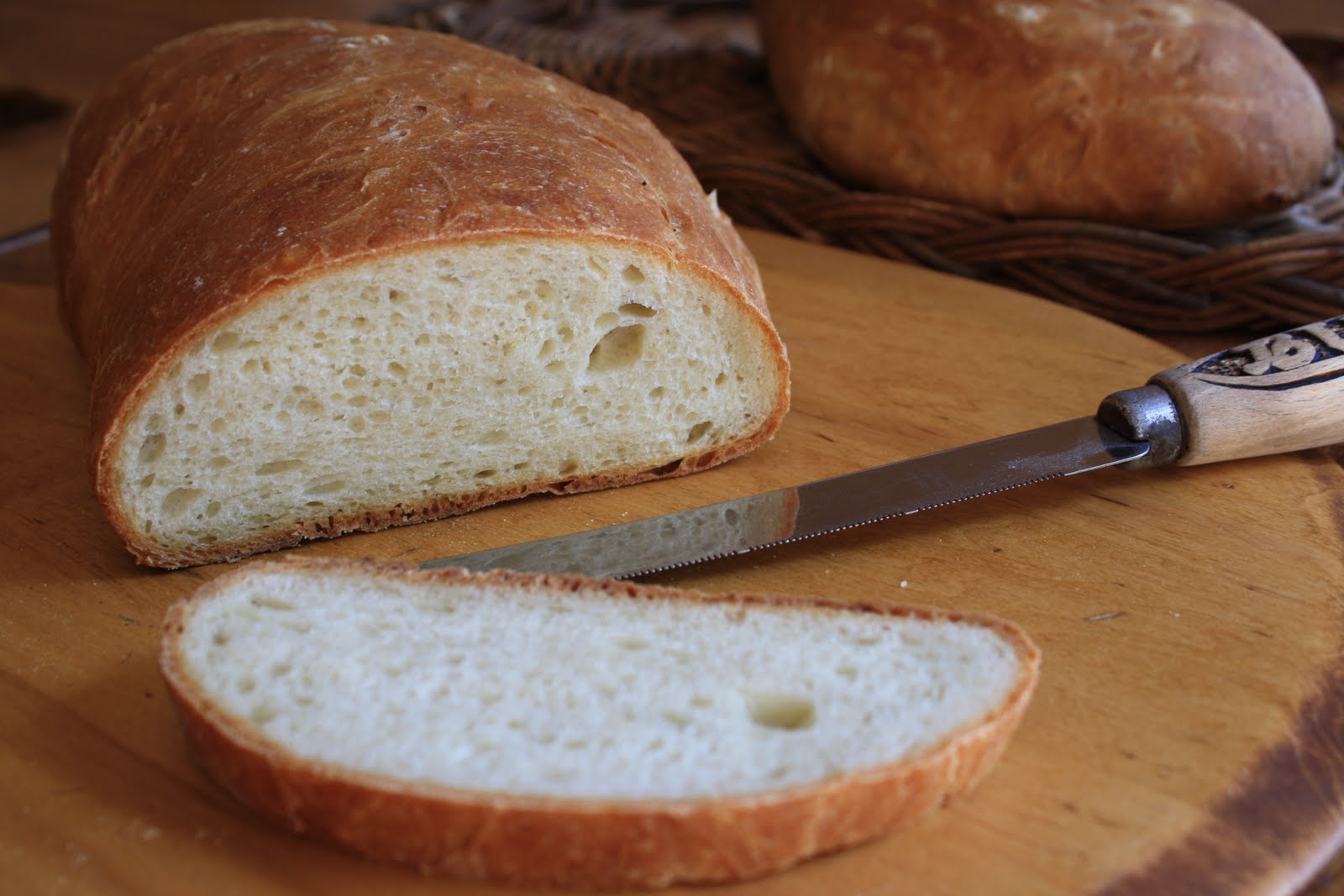
    In Rome, bread varies in quality depending on the flour, which depends on the grain used, the setting of the millstones and the distinction of the sieves. The very best bread is made from wheat flour and the very worst is from bran alone. Traditionally, bread loaves were cylindrical yet somewhat flat, like a coffee cake, but shape is hardly a fixed parameter now.

    Italian Bread

    The types of bread include

    1. Libae—small rolls
    2. Panis Primus—cheap, coarse grain bread
    3. Panis Secondus—Bread one step above Panis Primus
    4. Panis Plebeius—Common Bread
    5. Panis Castrensis— Army Bread
    6. Panis Sordidus—Dark Bread
    7. Panis Rusticus— Country Bread
    8. Siligineus— White Bread.


    Legumes like beans, green peas, chick peas, lentils, etc. were also added to bread.


    FRUITS AND VEGETABLES

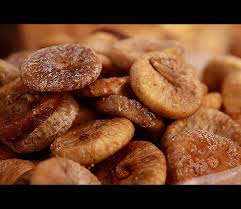
    The common fruits eaten by Ancient Romans are almonds, plums, walnuts, apple, figs, pomegranates, filberts, quinces, grapes, chestnuts, pears. Fruits were generally eaten raw, dried, preserved, and cooked. They were generally dried and preserved for winter. However, this is not the case in modern Rome. Nowadays, all sorts of fruits are eaten all over the world and Rome is no exception. Vegetables were eaten in variety too—artichokes, garlic, beans, lentils, onions, parsnips, peas, pumpkins, radishes, melons, cabbages, cucumbers, lettuce etc.

    dried figs


    BEVERAGES

    Wine was a major beverage, considered as a symbol of richness and prosperity. It was always watered down. Romans never drank wine straight. It was taken in small quantities with breakfast and in moderately large quantities during the main meal—Cena. Cena was taken between lunch and supper. Supper was generally a light affair, but wine was mostly taken during Cena.

    Other beverages included:

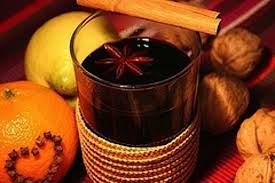
    1. Calda, which was a mixture of warm water and wine laced with spices. It was typically a winter drink.
    2. Mulsum; honeyed wine.
    3. Posca; Vinegar diluted with enough water to make it potable. It was a soldier’s or a slave’s drink.

    calda


    MEAT AND FISH

    Roman meats included Beef & Veal, pork, lamb, sausage, snails, sucking pig, hare, goat kid, venison, mutton, boar, mackerel, mullet, crab, eel, flounder, hake, lobster, rays, octopus, oysters, perch, duck, swordfish, flamingo, fig-peckers, dove, partridge, peacock, pigeon, thrushes, crane, goose, ostrich, etc.

    The poor Romans could seldom afford meat. Out of the listed, pork was considered a great delicacy. Peacocks were served to impress guests at dinner parties and you were considered a happy guest if you belched loudly. It was a “polite” gesture, stating that you enjoyed your meal.

    Well, after having read the scrumptious list of foods the Romans savoured, all one can say is Buon Appetito!


  • Kebabs- something you can drool over.

    Kebabs- something you can drool over.

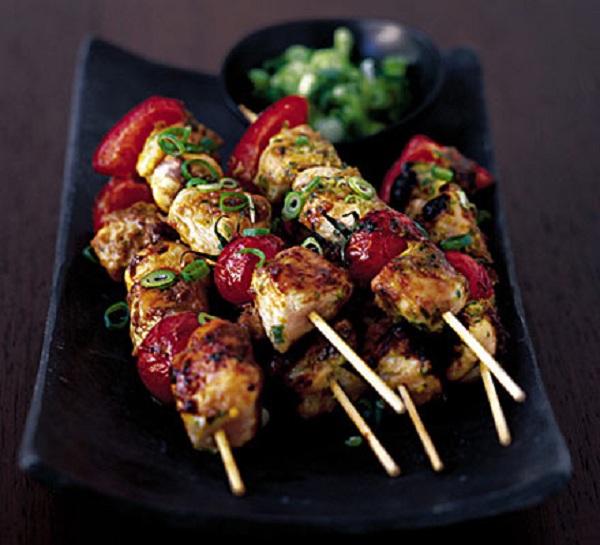
    Kebab is a Middle Eastern dish where pieces of meat or vegetables are grilled or roasted. They can be both vegetarian and non vegetarian. The traditional meat used for the preparation of kebabs was lamb however depending upon local tastes and preferences of the consumers, other options such as beef, chicken and pork also started being used. The kebab was so famous in the Mediterranean and Southeast Asia that it became a part of the everyday cuisine. From the Middle East it travelled to Central Asia and then slowly became a worldwide favourite with time. During the earlier days, the Greeks used portable trays made up of ceramic to grill pieces of meat and vegetables while Persian soldiers used their swords to grill meat over open flames.

    Kebabs can be prepared at home as well. One of the methods for the preparation of chicken kebab is given below. Similar way can be used to make other non veg and vegetarian kebabs by just substituting chicken with any other meat or vegetable.

    4 T

    Chicken  kebab

    Directions:

    • Dilute 2 tablespoon of cornflour in 1 cup of water
    • Clean the chicken and chop the meat in medium size pieces
    • Marinate the chicken with salt, vinegar and black pepper and place it for 15 minutes
    • Add to chicken the cornflour mixture with curd, ginger green chillies and garlic with 1 tablespoon of ghee and mix well
    •  Cover and refrigerate it for about 8-10hours
    • Melt ghee in a pan and slowly add the pieces of chicken on high flame
    • Fry till the piece turn golden brown
    • Once all the pieces are fried, serve with chutney and salad.

     Chicken_Kebab

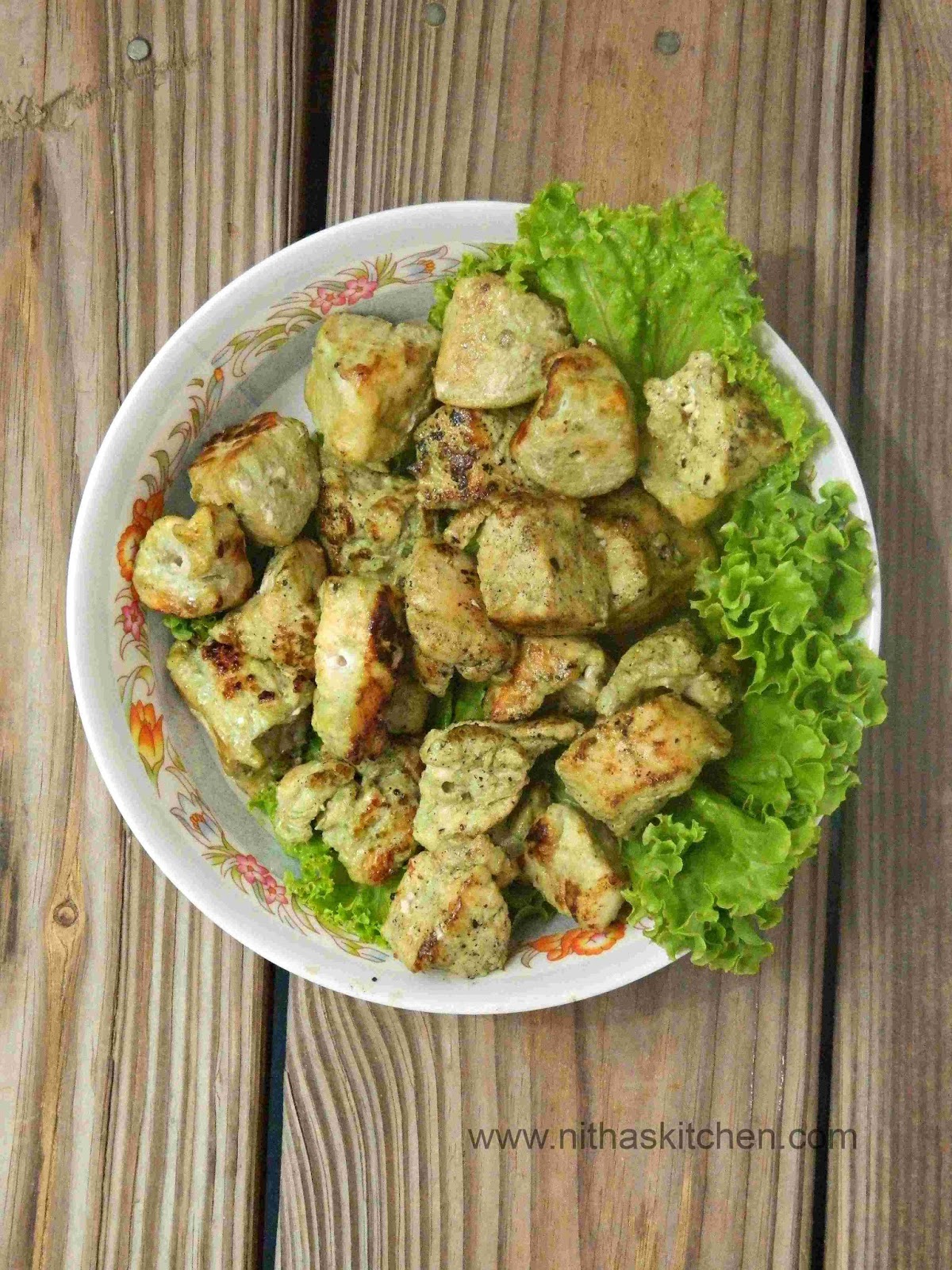
     Green chicken kebab

    This is another recipe for the preparation of chicken kebabs which uses coriander leaves, mint leaves, methi leaves and spinach as well.

    Directions:

    • Wash about 400 grams of chicken and chop them in medium sized pieces
    • Apply salt, lemon, ½ teaspoon chilli powder on the pieces and keep it aside for 10-15 minutes.
    • While the chicken is marinating, chop the methi leaves into thin slices and grind it with mint, coriander, spinach leaves, ginger, garlic and green chillies to form a paste.
    • Now add curd and spices in the paste and mix well.
    • Coat the chicken pieces with the paste and cover it and place it aside for 20 minutes. During this time span the chicken will suck in the smell and flavour of the green paste.
    • After soaking the skewers in normal water for, apply oil and arrange the pieces of chicken onto it. Spread oil over the chicken pieces.
    • Preheat the oven at about 350F for 5 minutes and after that place the skewers in the oven and leave it to grill for 18 minutes.
    • A check has to be kept to see that all the sides of the skewer sticks cook evenly.
    • Once the kebab is ready, remove it from the skewer and arrange it on a serving plate and serve with lemon wedges and spicy green chutney.

    Veg-Chilli-Milli-420

    Veg Chilli Milli Kebab recipe

    This is a vegetarian kebab recipe for the vegetarians out there

    • Mash 4 potatoes in a bowl and at the same time boil spinach for some time then drain and blend the spinach to form a puree.
    • Combine 1tsp of ginger and garlic each with 4 green chillies and capsicum and chop them finely.
    •  Now mix all the items together. The boiled potatoes, the spinach puree and chopped mixture of ginger garlic with chilli and capsicum.
    • To this add red chilli powder, turmeric powder, black pepper, coriander and garam masala powder (1/2 teaspoons each)
    • Also add 2 tablespoon of breadcrumbs and salt to taste.
    • Wash and clean the skewers and then apply oil over them.
    • Preheat the oven at about 350F and arrange the kebabs onto the skewers and then again apply oil over the kebabs.
    • Grill the kebabs for about 20 minutes till they are golden brown and have a crispy crust.
    • Once the kebabs look nice and golden, remove them from the skewer and place it on a serving plate and garnish it with some fried chillies.
    • Your vegetarian kebab is ready to be served.

    sheeshakebabimg4

     Vegetable Seekh Kebab

    This is another vegetarian dish of Hyderabadi cuisine. This dish can be eaten both as a snack as well as a starter. The main ingredients used in this dish are French beans and cabbage and the special fact about this dish is that it is prepared on a stone.

    Directions for cooking:

    • In a pan heat 2 tablespoon of oil and then add chopped french beans, carrot and cabbage on one side of the pan and on the other side add about ¾ cups of green peas and mash them nicely.
    • Mix everything and cook for about 3-4 minutes.
    • In another pan roast gram flour (3 1/2 tablespoon) and caraway seeds for about 2 minutes.
    • Now mix the flour with the vegetables along with ginger garlic paste and green chillies and mix well for half a minute.
    • Add salt, chat masala and cashewnut powder with the flour and mix everything well.
    • Take portions of this mixture and cover it on the skewer and press it around the stick till it’s evenly layered.
    • Put oil on the grill stone and heat.
    • Now place the kebabs on the hot stone for about 3 minutes till all the sides are slightly coloured.
    • Serve the dish by sprinkling it with some chaat masala.

    There are many more of such tasty kebab dishes which can be prepared at home. Earlier kebabs used to be consumed only by the royals but with time it became a favourite of all.

    Georgie Rajan