
Category: Culture

  • Weight loss 101

    Weight loss 101

    heart-cholesterol-fatty-food

    With the comforts offered by the modern technological innovations and the decline of labor-intensive jobs, staying fit and active has become a major challenge.  Rise in cases of obesity and diabetes has created immense pressure on us to constantly adopt life-style changes to stay lean. The flood of slender models and bulked-up dudes on electronic and print media doesn’t help either. In wake of this, the health conscious and even the not-so-conscious try almost everything, they hear or learn from friends and internet about weight-loss, in bits and pieces- dieting, gym, running and what not. And most of the time, even after days and weeks of struggle with their cravings and laziness, they are left disillusioned. So what goes wrong?? Why is losing those few extra pounds so difficult?? The answer is – the lack of understanding of the mechanism of loss. The absence of the complete picture is a major reason why people often make wrong choices while deciding their plan of action. But you need not worry. Coming up in the paragraphs to follow is everything you need to know about body weight, fat and how our body responds when we lose weight.

    download (1)

    The energy generated in our body, from the food that we eat, is utilized for various internal and external activities like walking, running, maintaining metabolism etc. The excess energy that remains unutilized even after successfully carrying all these activities is stored as fat in specialized cells called fat cells or Adipocytes. The fat cells develop in our body during childhood and for the rest of our life, their number remains almost constant. Thus, weigh gain is associated not with the number of fat cells present (since their numerical count remains constant even when we lose/gain weight) but rather with their size. When the body consumes more food than is required and consequently produces more energy than it dissipates (via various physical activities or body functions), more of it gets stored as fats. This causes the fat cells to swell up and appear as bulk.

    download (2)

    Apart from the stored fat, the body has another source of energy stored in the cells called glycogen which is nothing but excess blood sugar acted upon by the enzyme insulin (responsible for regulating blood sugar levels). Whenever, energy shortage occurs in our body, the body first uses this glycogen followed by the utilization of stored fat. The released fat is acted upon by various processes and finally converted into heat, water, carbon dioxide and ATP i.e. adenosine triphosphate (energy). ATP is used by the body to meet its energy requirements, water leaves the body as sweat and urine and carbon dioxide is exhaled. This explains where the lost fat “goes” when we lose weight. So, in order to devour fat, we need to create an energy deficit in our body which can be accomplished in two ways- by consuming less food or by dissipating more energy. This brings us to the universally known mantras of weight loss i.e. dieting and exercising. So far so good.

    images

    Then why these obvious methods don’t seem to work that smoothly?? Why is losing weight so frustrating, so say the least?? Well the answer is that there are related mechanisms that interfere and affect the whole process and if not understood clearly, can greatly reduce the benefits of dieting and exercising.

    1. Firstly, after the commencement of dieting, your body first loses water weight before glycogen and fat is burnt. This is why it is fairly easy to lose weight in the first few weeks and after that, it gets increasingly frustrating each passing day. The key to success here is to stay resilient and not stray in the times of difficulty. Patience always pays off.

    2. When the body senses that it is getting fewer calories, it responds by storing more fat to prepare itself for famine-like situations. So, cutting too many calories or eating too less can prove to be suicidal in these situations. Don’t starve yourself, instead eat healthy food.

    3. Eating too less or not indulging in weight training can make you lose muscles along with fat. This is not good news. Always remember- excess of anything, dieting included, is bad!!

    4. Recent studies also suggest that high calorie and high fat food evoke responses from the brain that are similar to cocaine addiction. Consuming them in greater quantities causes compulsive eating habits. So, abstaining from such food causes very strong cravings for them. Therefore, one must not lose control during the tough times and stick with the diet plan. An alternate way is to never really turn away from such food items completely, rather cut their quantity and restrict their consumption to just once a day.

    5. Weight loss has many other related implications.  It might make you feel sleepy or cause you to lose sleep. Like mentioned above, weight training stresses our body. So, one need not fight sleep too much. Lying lazily for long hours should definitely be avoided but a minimum of 7 to 8 hours of sleep must be ensured so that the body gets the rest it needs. On the contrary, if you are not consuming enough calories, you will find it harder to sleep. A good solution to this problem is to have a hearty (and healthy) dinner or a glass of almond milk before you doze off.

    6. Dieting can cause physical and mental stress. All this can trigger the secretion of the stress hormone cortisol.Thus, it is essential that one indulges in some sort of stress management activity like yoga or meditation.
    Dieting_


    With a little bit of self-control and discipline, you can easily get that flat belly you always wanted. So the next time you decide to put on a saree at a wedding or a bikini on beach, you don’t have to feel conscious. And remember, nutritious and tasty food choices are not mutually exclusive. They can and do go hand-in-hand. Nature has rewarded us with a host food of products that are delicious and healthy at the same time. The choice is ours to make.


  • Cake Decorating

    Cake Decorating

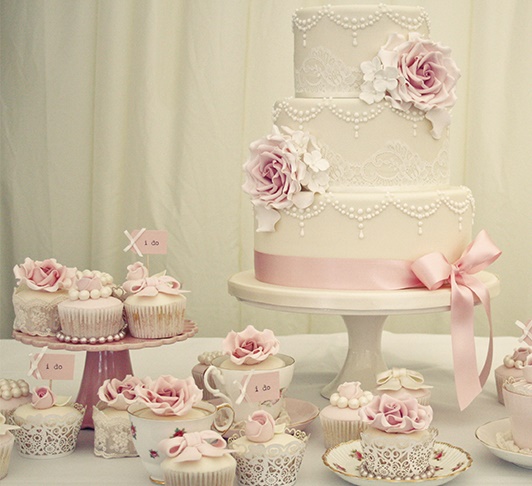
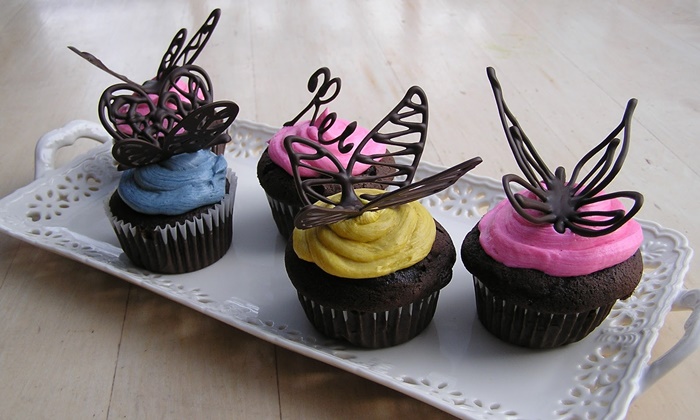
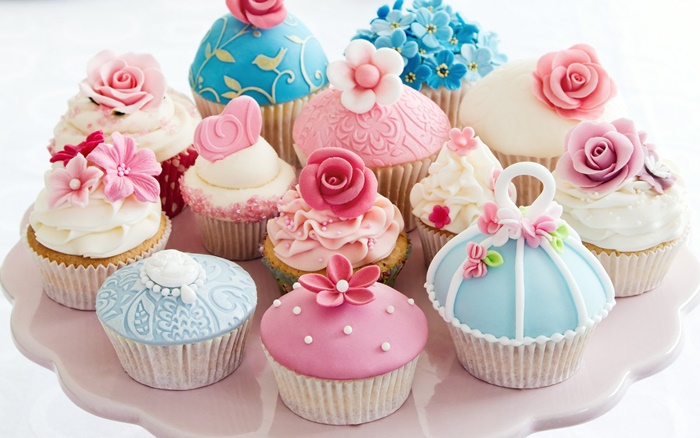
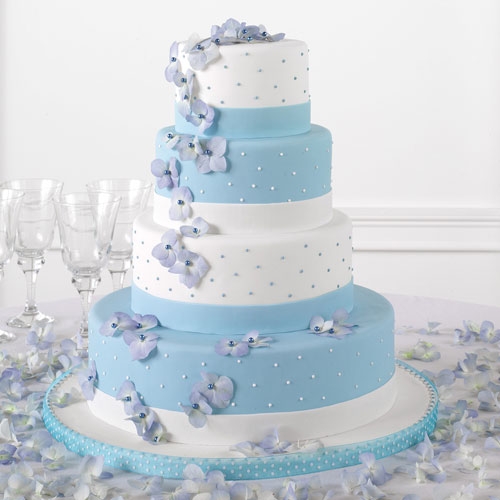
    Cake decorating will appeal to any food lover with artistic inclination. The sight of a beautifully decorated cake is a feast to the eyes. Bright and colourful frostings turn cakes into marvelous pieces of edible art. Moreover, cake decorating is a lot of fun. It is indeed a very thrilling form of artistry. The feeling you will be left with after making a perfectly decorated cake is exceptional. In addition, getting praised for creating a wonderful cake is even more gratifying. Once you start decorating cakes, you can’t get enough of it. There are numerous designs and combinations you can come up with.

    What is Cake Decorating?

    What is Cake Decorating

    Cake decorating is one of the culinary arts. In comparison to other kinds of food preparations, it is rather new. Icing, frosting or other decorative ingredients are used to beautify the cake. Icing is the most important element when it comes to cake decorating. Some most common types of cake icing include simple icing (made by mixing the basic ingredients butter, sugar and flavouring), butter cream, the royal icing and the rolled fondant icing. In general, cake decorating involves covering a cake with icing and adding some embellishments to it.
    Cake Decorating Tools

    Cake Decorating Tools

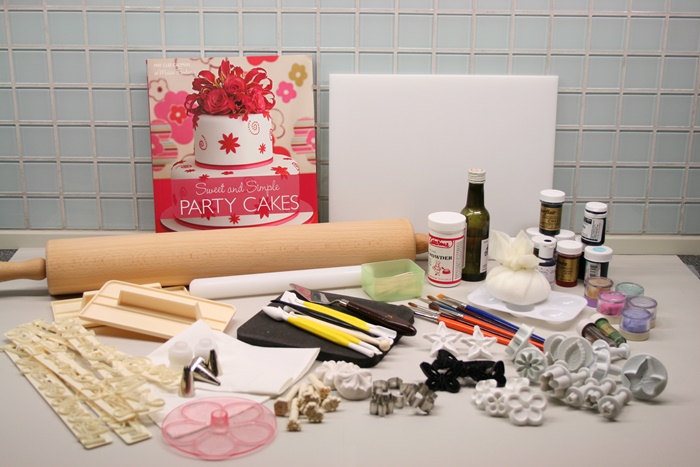
    Even beginners can produce professional cakes using different tools available in the market today. There are few essential supplies that you can get to make cake decorating simpler. An offset spatula is essential for spreading icing on the cake. You can get a smaller one for cup cakes and a larger one for cakes. For rolling out fondant or gum paste, you require a rolling pin. A balloon whisk is useful for preparing icings, fillings and whipped cream. A good mixer is convenient for making icing. Piping bags or pastry bags are necessary for piping decorations. They are of various sizes and made of different materials. They can be disposable or reusable. Different types of decorating tips such as round tips, closed star tips, open star tips, leaf tips, flower tips, basket weave tips, multi-opening tips, ruffle tips and drop flower tips allow a greater scope for creativity while decorating. For beginners or home bakers round tips and star tips are perfectly fine. A long, serrated bread knife is helpful in leveling the cakes and for slicing the cake into layers. Pastry brushes are of use to add water or sugar glue while sticking fondant decorations and to apply luster dust or gel colour to the fondant. Couplers, turntable, pastry scraper, tweezers, gum paste cutters, flower nails, silicone moulds etc, are some handy supplies. There are a large variety of supplies for every aspect of decorating. You can even get a premade kit if you prefer. With these tools you can go all artsy you want!
    Handy Tips for Cake Decorating

    Handy Tips for Cake Decorating

    With a little practice you can decorate cakes like a pro in no time. Here are some handy tips to help you in the process…

    Tip 1# Take out the butter, you are to use for both the cake and icing, from the refrigerator about an hour before you start the process so that it gets to room temperature.

    Tip 2# Let the cake cool completely before icing.

    Tip 3# For thickening the icing, add more powdered sugar. For thinning out the icing, add a little milk or some butter.

    Tip 4# Spread a small amount of icing on the base of the cake so that it sits firmly on the cake stand or the cake board or the serving platter without slipping.

    Tip 5# Apply a thin layer of icing (referred to as a “crumb coat”) to the cake before adding the fondant icing. This makes the surface sticky allowing the fondant to stick.

    Tip 6# Apply the fondant icing to the cake quickly because it dries out very fast. It is better to apply it within 5 minutes after it has been rolled out.

    Tip 7# Take care to avoid fondant icing from drying out. Wrap it in a plastic bag and store in a tightly sealed container. Do not refrigerate the fondant icing.

    Tip 8# If the icing dries out and becomes hard, put it into the microwave for a few seconds and then knead it to make it fluffy again.

    Tip 9# Keep the working surface and rolling pin clean to get a smooth finish.

    Tip 10# To create a black coloured fondant from white fondant, first create a dark green one, then brown and lastly black. This is because it is not possible to colour white fondant into black using black paste as it will turn into gray.

    Tip 11# You can remove air pockets from fondant covered cake by pricking them with a pin and then using the fondant smoother to let out the air.

    Tip 12# Remember that once colour is added it is impossible to remove it. So be careful while creating coloured icing. Add the colour paste or gel colour in small amounts until icing turns into the shade you want.

    Tip 13# For a cake with multiple tiers, it is better to apply icing on them individually and then assemble them together.

    Tip 14# If you are writing on the cake, use a toothpick to apply pin dots on the fondant or icing to form the letters as you want.

    Tip 15# Use a pastry brush and a neat, damp cloth to clean the cake stand or the cake board or serving platter after icing is done.

    cake decorating 1

  • Cooking Classics- Mother’s Day Special

    Cooking Classics- Mother’s Day Special

    While I was busy pulling out the memory strings to think out the best Mother’s day dessert for mum, (of course), I realized how disappointed she’d been with last year’s Choco-mousse with blueberry topping! The reason however, wasn’t my inexperienced cooking skills because surprisingly it came out real good. It was rather my mum’s unbelievable disgust for Chocolate, and yes UNBELIEVABLE is the word. So, I had pledged never to go global, while cooking for her. At least not with desserts. And, that’s when the idea of going traditional clicked my mind. It’s time for not just me but for us all to turn back to the roots and unearth the Indian traditional delish-delights. That’s in vogue, I tell you!

    So, here’s the list of classic desserts from four different states of India that I’d made to decide on my show-stopper. This is for you all, who have mums with similar nationalistic-gastronomic ideas and of course for all those newly-wed wives trying on cooking tricks to impress their in-laws and husband!

     Pineapple Kesari Bath/ Semolina Pudding:

    Pineapple-Kesari11

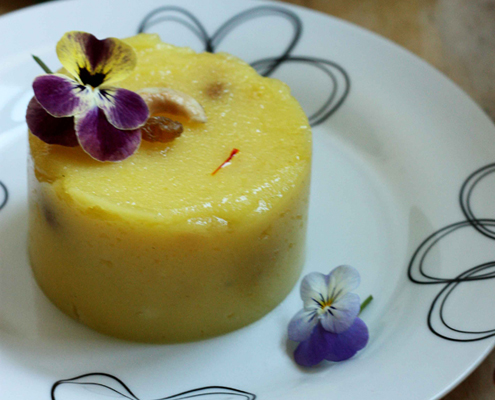
    To start with I present to you this diva of Kannada Cuisine! Served as a prasad on the Satyanarayana Swami pujas, this ‘sweetie’ is indeed an uncommon version of the well-known Suji ka halwa, for its use of pineapple.

    INGRIDIENTS

    1. 1½ cups Semolina/Rava(use chiroti rava for best results/Sooji)
    2. 1¼ -1½ cups Sugar( According to preferrences)
    3. ¾ cups Pineapple, finely diced (you can also puree it if you want)
    4. ¾ -1 cup Ghee (Be generous!)
    5. ¼ tsp. Saffron, soaked in a tbsp. of warm milk or water
    6. 12-15 Cashew Nuts, broken
    7. Around 20-24 Raisins/Sultanas (Optional but recommended)
    8. 5- 6 green cardamoms, powdered (optional)

    METHOD

    1. To speed up things, boil 4 cups of water and keep aside. Heat 2 tbsp of ghee in a heavy bottomed pan and add broken cashews to it. When the colour turn light golden, add raisins or sultanas and fry till golden.Remove with a slotted spoon and keep aside.
    2. Then,dissolve 1 cup of sugar in ½ cup of water and add the finely chopped or pureed pineapple to it. Cook them on medium flame, until all’s cooked through and the liquid is boiling, say about for 5 minutes.
    3. Add a tsp. of ghee to the already greased and hot pan, followed by semolina or sooji,and roast till fragrant and golden.Keep stiring it for around 3-4 minutes and don’t let it turn brown.
    4. Add around that 4 cups of boiling water,you’d kept aside to the roasted rava or sooji and let it cook unperturbed for some 3 minutes on medium flame.
    5. Next, blend in the semolina with remaining sugar, the pineapple and sugar syrup and keep stirring so that no lumps are formed.Do this for some 3-4 minutes.
    6. Be brave and slowly keep adding the ghee, one tbsp at a time, while stirring the mixture alongside. Once you’re ghee indulgence has reached its summit, keep stirring till the grain is tender and gooey, and the ghee starts to separate to the edge of the vessel.
    7. Add the roasted cashews and raisins and the saffron soaked in warm milk,and the powdered cardamom and blend.
    8. Once done with that,don’t stop to catch a breath,and instantly pour in the Pineapple kesari Bhath into a greased plate or a cake tin and spread it well. Now’s the time to hold on to your patience, while it rests for 5-10 minutes. Shape them as desired and serve hot,warm or chilled.You can even top it up with your favourite ice-cream flavour!

    Dudh Puli / Coconut Stuffed Rice Dumpling:

    Dudh Puli_03

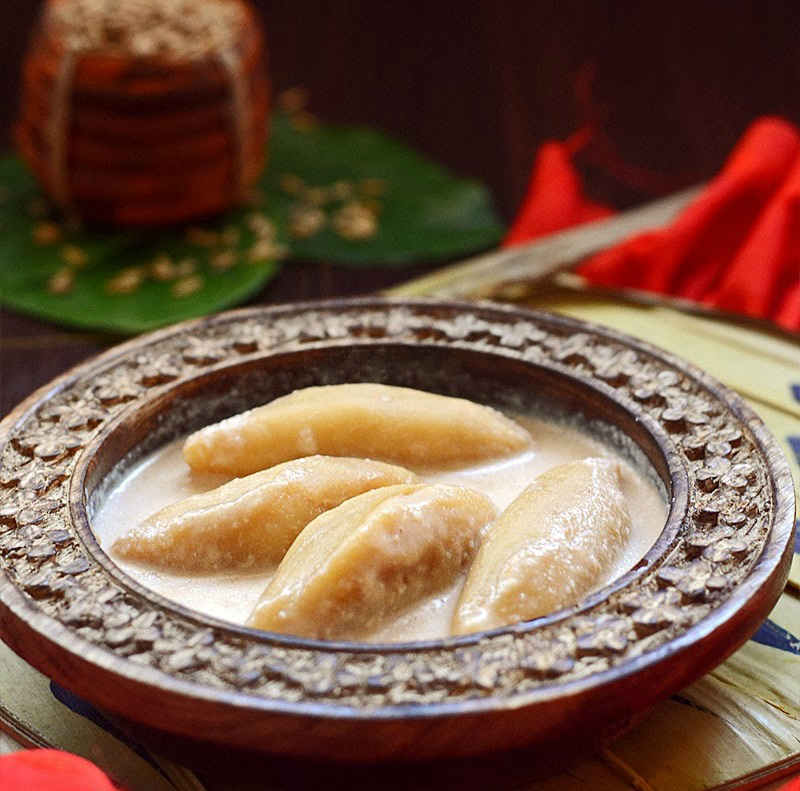
    This traditional (and nostalgic) Bengali dessert(also known as pitha) is especially made for the occasion of Makar/ Poush Sankranti. This sweet-shell puli is something I was about to choose as my show-stopper, till I realized on the very last moment that mum perfected it, and so didn’t dare to move further! However, its awesomeness deserves exposal and so here’s the recipe for it!

    INGREDIENTS : (for around 25-30 Pulis)

    For the kheer or milk

    1. Full cream Milk : 1.5 litre
    2. Palm Jaggery : 8tbsp (Generous alert!)
    3. Green Cardamom :2-3,crushed

    For the stuffing

    1. Grated coconut : 2 cups
    2. Sugar/ Jaggery : 1 cup

    For the outer shell/puli

    1. Rice Flour : 500 gm. (My mum, as per the tradition,mixes boiled rice flour with non-boiled rice flour in 2:1 ration,however to avoid the hassel,you can also opt for the store-bought rice flour)
    2. Salt : a pinch
    3. Lukewarm water to make the dough

    METHOD

    1. For the filling : Make small pieces of the jaggery to help it blend well with the grated coconut. First dry roast the coconut in a wide pan on low flame, and then add jaggery, one tbsp at a time. Keep stirring until the browned mixture starts to stick together. Once the mixture stops sticking to the pan, give a good stir for a minute or two on medium flame and then remove it from heat to cool off. When cool enough to touch, take 2tbsp of the mixture on your palm and start preparing small oval balls. Line them up on a flat plate.
    2. For The Outer shell or puli: Sift in rice flour, and salt in a mixing bowl and make a soft dough, while adding lukewarm water in turns. When the dough soft and nice ,quickly make balls out of it and keep them in the same bowl.Cover it with a cloth or Clingfilm to avoid it from hardening
    3. For the Puli : Now’s the tricky part! Take the dough balls and flatten them with your fingers, on the palm to form the shape of a circular disk. Remember, that the shell should be medium thin. Place the oval-shaped filling balls on them and press the both the edges of the shell together, to form a half moon. Pinch the edges to seal it( a lot like momos!) .Continue this till you’re out of filling and dough balls!
    4. For the sweetened and thickened milk/kheer : In a heavy bottomed saucepan,boil milk and simmer on low flame, until its amount reduces to half. Let it cook for some 10 minutes on very low flame.Bring it to room temperarture and add jaggery (never add it to hot boiling milk at it can curdle the milk).Then slowly start adding the pulis or dumling into it and cook them for 7-10minutes on medium flame. Once the pulis have changed colour and have started to float on top, one by one, its then, and the ‘pull-off’ alert! Remove from flame and add the crushed cardamom and mix,but be carefull not to break the pulis. Continue to cook,there again,for 5-10 minutes,until u’ve reached the desired consistency.However the milk should neither be too thick nor too thin.
    5. Done all this, you’re good to go! Transfer to serving bowl. Garnish with pistachios or saffron if desired and serve fresh (never cold as it would harden the pulis)!

    Thekua/Khajur:

    Thekua Khajur 2

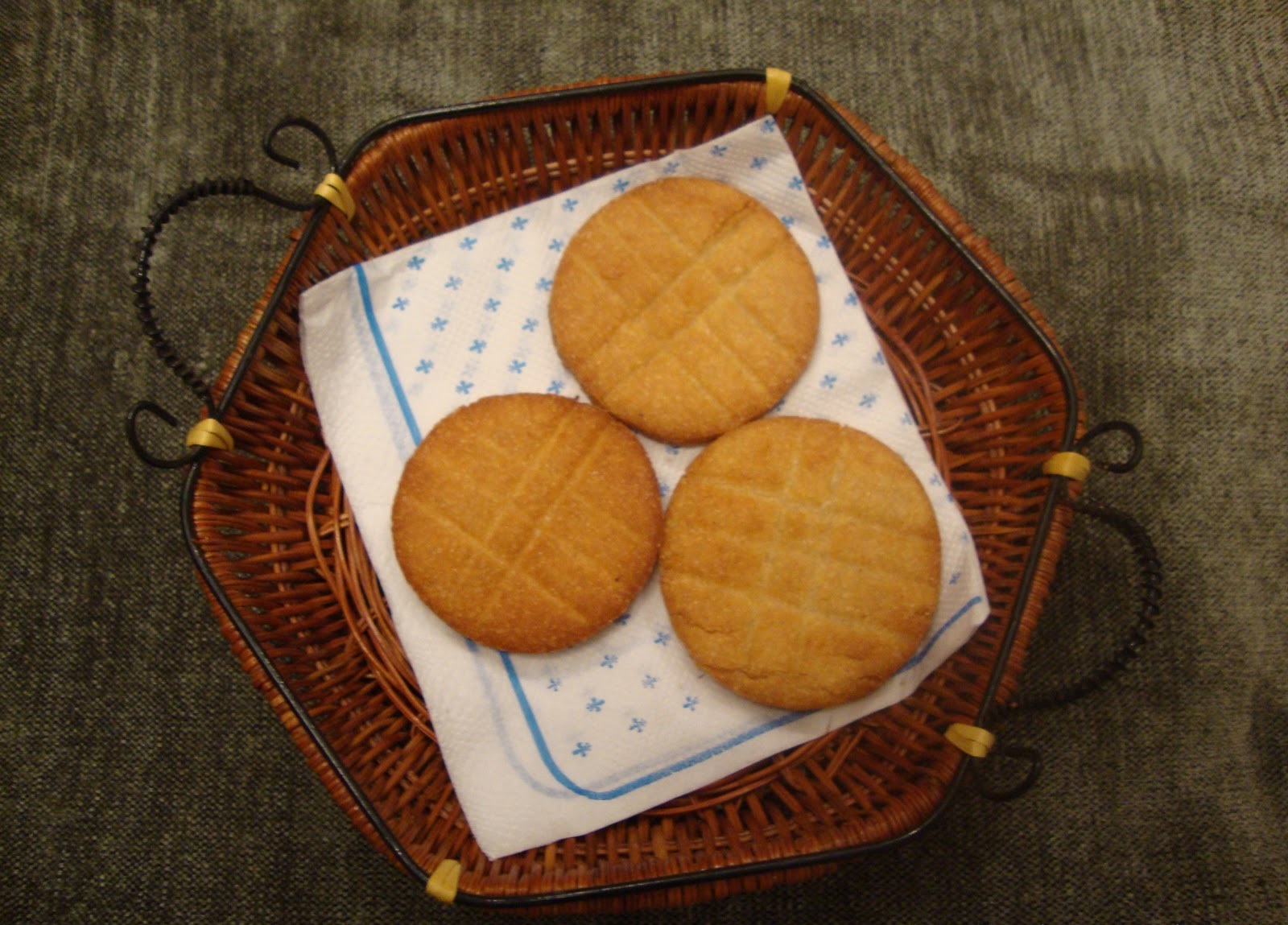
    This is a quintessential Bihari dessert, that dazzles almost every festivity, but is synonymous to the occasion of Chhat Puja. So here’s how you need to proceed:

    INGREDIENTS

    1. Whole wheat flour (preferably hand ground) -500 gm.
    2. Dry Coconut (chopped-rectangular approx.3x5mm ) -2 tbsp
    3. Jaggery or sugar- 300 gm
    4. Green Cardamom( peeled and mashed) – 4
    5. Fennel seeds(optional) – 1 tsp.
    6. Whole pepper seeds(optional) – 1 tsp.
    7. Ghee ( or vegetable oil) – 2 tbsp.
    8. Ghee, for deep frying – 500 gm.
    9. Water – 1½ cup
    10. Mould or Saancha( for making imprint on Thekua cookies)

    METHOD

    1. Melt jaggery, in water and add green cardamom to it. When dissolved, remove from heat allow to cool. It should have syrup consistency
    2. Mix wheat flour, 2tbsp. of ghee, coconut, fennel and whole pepper, in a large mixing bowl
    3. Pour in the jaggery syrup slowly, for making the dough, out of the dry mixture. Remember to use as much jaggery syrup as required, not excess. As you can use the remaining syrup as an optional dip!
    4. Clean and grease you palms with ghee, as it’s time to make balls out of the dough.Take a fistful of it, press it flat on the palm to create an elliptical shape. Once you’re satisfied with the shape, transfer it to the mould by pressing the dough against the mould to imprint the pattern on each side.
    5. Continue this procedure until you’ve used up all your dough.And,now They’re ready to be deeply fried in ghee.Drop the thekuas few at a time,into the hot ghee,and deep fry them on low flame,till light golden and crisp.
    6. Drain it all,and allow to cool,and then their ready to be served or stored in airtight containers

    Rava Cake / Semolina Cake:

    rava cakes

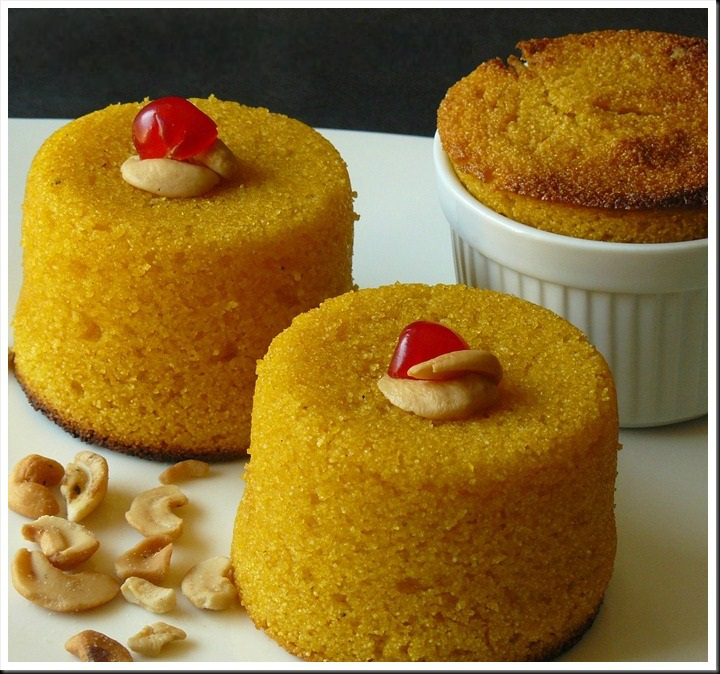
    The ultimate Maharastrian delish delight, that caught me by both surprise and awe! It’s super-simple and light and yet it’s rich authentic flavour, fills you with nostalgia!

    INGREDIENTS

    1. Fine semolina (rava) – 2 cups
    2. Yogurt(regular low fat) – 2 cups
    3. Sugar – 2½ cups
    4. Ghee (or softened butter) – 3tbsps.
    5. Baking soda- 1/4tsp.
    6. Milk( to make the batter) – as required
    7. Cardamom pods (powdered) – 2/3tsp.
    8. Saffron- a pinch
    9. Vanilla extract (optional) – 1/2tsp.
    10. Sliced almonds(optional)-1/4 cup

    METHOD

    1. Mix semolina(rava), yogurt(dahi),ghee or butter and sugar, in a mixing bowl and make a batter while adding milk from time to time to smoothen it( you can add eggs also at this step)
    2. Then, let it rest for 30 minutes to an hour. Only add the baking powder, vanilla extract and almonds, 5 minutes before baking it(or cooking it on gas stove,which is the traditional way)
    3. If you’re cooking it, then pour in the batter into an aluminium cake dish and place it on a frying pan or kadhai.Cover it with another hollow pan or kadhai and cook over high flame.In about 10 minutes,it would be done.
    4. However, (like me) if you love baking,then preheat the oven at 180 degrees and pour in the batter into a greased cake tin. Sprinkle the saffron on top and let it bake for about another 30 minutes.
    5. When done, bring it on a cooling rack and cling on to your patience for 10 more minutes,until its ready to be sliced and served
    6. It’s goes really well as tea party snac,however, I prefer it with ice cream topping!

    Rava Cake-DSC_0082

    I ended up choosing the Pineapple Kesari Bath for the occasion, though I’m in serious love with the others.I tried them on every other event, with a little bit of experimentation and guess what? My mum was never more pleased!

  • Pongal – The Harvest Festival

    Pongal – The Harvest Festival

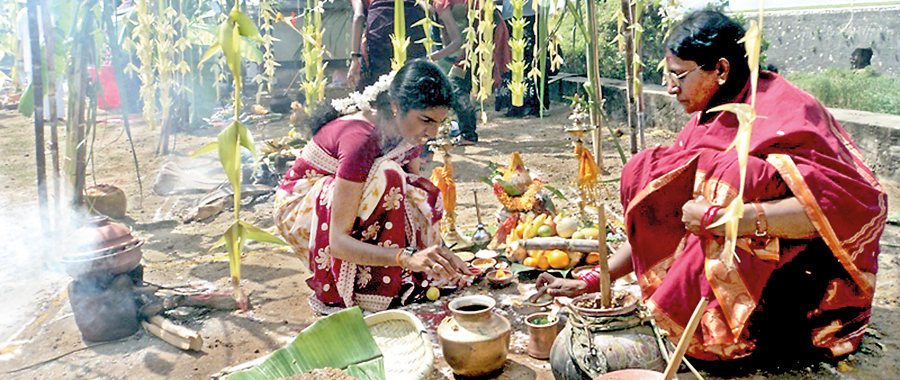
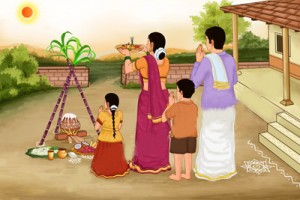
    Pongal is a harvest festival which is celebrated in Tamil Nadu. Being a harvest festival it is also regarded s a festival of thanksgiving. For a farmer the time of harvest is a time of celebration because all his toil and hardwork finally reaps results. Since the farmer depends on the cattle, the monsoons and the sun, it is during this period that he shows his gratitude to the monsoon and the sun god. Pongal is celebrated during the period starting from mid December to mid January. Basically a four day celebration but each day during this period is associated with a specific duty or activity and each day has a special name for it as well. The celebration of this festival starts the beginning of prosperity, peace and happiness. The entire family gathers together to enjoy this festival. From decoration of the house to the preparation of various Pongal dishes, the family does it together. The preparation for this festival starts early and the first task of the day is the making of kolam. Kolam is a design similar to rangoli but done with rice flour on the floor outside the house. Along with it we also find a lump of cowdung which holds a pumpkin flower signifying fertility and offering of love to the deity.

    pongal

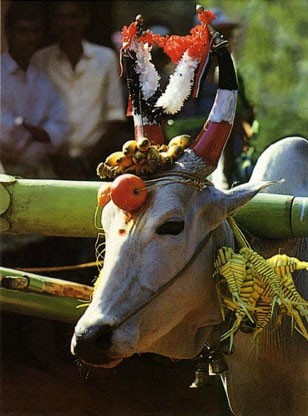
    The first day of this festival is called as Bhogi Pongal and is usually celebrated in the honor of Lord Indra who is the ruler of the clouds that gives rains according to the Hindu mythology. This day is usually meant for domestic activities and spending time with family. The second day is termed as Surya Pongal where prayers are offered to the sun god. It is the most important day of this festive period. The third day is termed as the Mattu Pongal and is the day for the cows. During this day the cows are washed and cleaned and the horns painted. Kanu Pongal which is the fourth part of this festival is celebrated by the sisters for the wellbeing of their brothers. Kanu Pongal is similar to festivals like raksha bandan celebrated in north India.

    Pongal can be traced back to the Sangam Age which existed between 200BC to 300AD. According to Sanskrit Puranas, Pongal is related to the Dravidian festival of harvest however historians believe that this festival was celebrated during the Sangam Age. There are a lot of legends as well associated with his festival. One of the famous tales associated with this festival is related to Lord Shiva and Lord Indra. According to the first tale once Shiva had ordered his bull to inform the mortals of the earth to have an oil massage and bath everyday and to eat only once a month. However the bull informed the wrong message to eat daily and bath once a month. This angered Shiva who cursed and banished his bull to earth and help the people out here to produce food and this explains the connection of cattle with this festival.

    cow

    While pongal is being celebrated in Tamil Nadu, similar harvest festivals are also being celebrated in other states of India as well. In states such as Uttar Pradesh, Maharashtra, and Gujarat pongal is celebrated but with a different name known as Makar Sankranti. In states of Gujarat and Maharashtra, the major activity we find people doing is flying kites. The sky is full of colourful kites of various sizes and shapes. In Gujarat an international kite festival is organized during this period with millions and millions of people coming together to enjoy the festival by flying kites and eating delicious sweets and various dishes. In the state of Uttar Pradesh, the most important ritual which is and should be followed by the locals is to have a dip in the river. This ritual is mandatory because according to a popular belief if a person does not have a dip, he is sure to be born as a donkey in his next birth.

    Since pongal is a harvest festival one can surely expect tasty dishes being made during this time of the year. Recipes of some of the famous dishes is given below so that you can give it a try at home

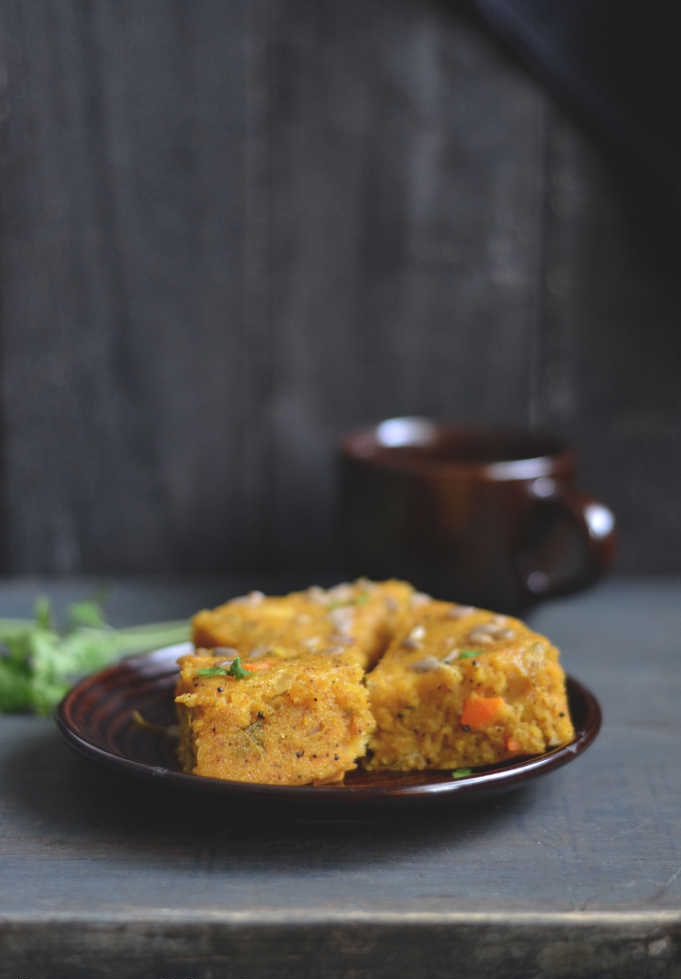
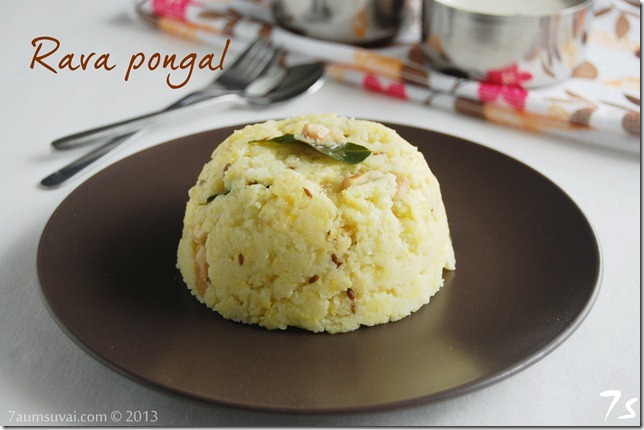
    Rava Pongal

    rava pongal

    Directions

    • Fry 1 cup of Rava without oil in a pan till it’s really hot
    • Fry 1 tsp of black pepper and 1 tsp of cumin seeds in ghee and then make a powder of them
    • Then on a separate pan fry cashewnut with curry leaves and ginger
    • Now cook ½ cup moong dal with 1 cup of water in a pressure cooker. When cooked transfer the content on a pan and add water to it.
    • Add salt and boil
    • To this add the Rava slowly and stir continuously
    • As the Rava cooks add small quantities of ghee.
    • Now to end this dish add to the Rava the pepper and cumin seed mix and the cashewnut, curry leaves and ginger mix.
    • The dish is ready to be served with green chutney.

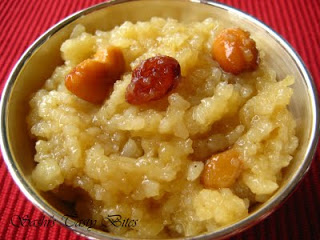
    Sweet Pongal

    sweet ponga;

    Directions

    • Cook rice and roasted green gram dal with 2 ½ cups of water and 1 cup of milk.
    • Dissolve 3 cups of jagery powder in ¾ cups of water and heat till the jagery melts.
    • Now strain the liquid jagery to remove the dirt.
    • Heat the liquid again till it becomes slightly thick and then add the cooked rice and dal.
    • Now fry cashew nuts and raisins in 4 tablespoons of ghee.
    • Add cloves, saffron and nutmeg, mix well and serve hot.

    The festival of pongal is dear to the farmers as it marks the end of the harvest festival. The markets are filled with the new stock of grains, spices and other food items.


  • Onam – A festival of Kerala

    Onam – A festival of Kerala

    Kerala is a place in India which is popularly known as  Gods own country.It has a unique geographic features which made many people get visited and it became most sought destinations in Asia.Kerala is having very rich heritage and culture. Onam is the festival that is celebrated in Kerala,it is a state festival in Kerala and also provide holidays on the four days from the start of Onam.Onam is a festival that falls during the month of August to September( Chimgam ) and it marks the commemoration of Vamana avatara of Vishnu and marks the homecoming of mythical King Mahabali.This festival is generally considered as a harvest festival.

    The major activities that are involved in Onam festival are worship god, music, dances, sports, boat races and Kerala’s special food items.The main highlights of Onam festival are decorations with flowers, elephant processions, thiruvathirakali , traditional dance performances.The word Thiruvonam is derived from a Sanskrit word Shravanam which is also considered as one of the 27 nakshatras or constellations.

    Onam festival in Kerala
    Onam festival in Kerala

    Origin:

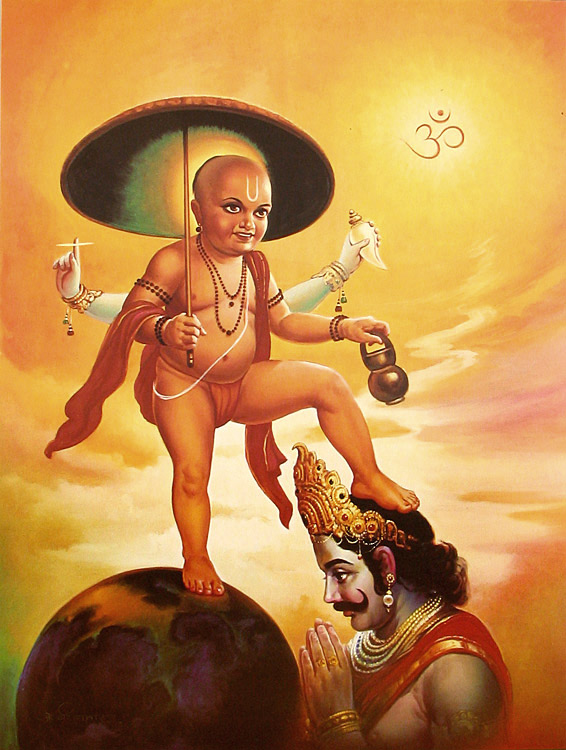
    Onam is originated mainly with the coming of famous demon king Mahabali.The legendary king Mahabali ruled in such a way that the people in his dynasty lived with at most surplus and peace.Apart from being a good ruler he is also a great conquer and he conquered everything like land, sea and the heaven.He conquered everything such that even gods were worried at one point of time and went to Lord Vishnu to seek help.In such instant lord Vishnu descended to earth on Kerala in the form of a dwarf brahmin named Vamana and went to get alms( money or food ) from the King Mahabali.The Demon king Mahabali asked Vamana that how can he help him.Then Vamana asked for three pieces of land that will come from three of his footsteps and certainly the alm was granted by the king Mahabali.As soon as the wish was granted the dwarf brahmin Vamana transformed into Lord Narayana and he covered land, seas with one step and heaven with the second step and he asked the demon king Mahabali were to put his third step,then the king offered his head to keep the third step.Then demon king Mahabali was subjugated and sent to under ground but because of the good will for the king in people he is allowed to visit his land once a year and his coming is celebrated as Onam which is a welcoming of Demon god Mahabali.

    Lord Narayana taking three steps one on land ,sea and second on heaven and third on king Mahabali
    Lord Narayana taking three steps one on land ,sea and second on heaven and third on king Mahabali

    Legends:

    Many legends say that on the day of Onam it is compulsory for everyone to feed the poor people.It got some story behind a boat named Palliodam while sailing it got stuck in a place and the people who are in the boat faced difficulties to reach into main stream.They got frightened and went to the nearby hut to seek help.As soon as they reached the hut they saw a poor widow and her children were crying out of hunger and poverty.The headman of boat hurried and got food for them.After feeding the poor and needy the boat sailed into the main steam.

    Customs of Onam:

     Athachamayam:

    Onam starts with the Athachamyam.It is a event which involves the performances by folk artistes, elephants processions , musical events and dance shows are performed by skill and talented artists.

     Snake Boat Race:

                 This is the event that is practiced just before the eve of Onam.The highlights of this event are long boats that are neatly decorated, water pageants and performing arts etc.The are many boat races held in Kerala during the eve of Onam,but the one that is held in Allepy is very famous.We can find a traditional boat race Aranmula Uthrittathi conducted at a temple and is more about water festival rather than a competition.

    Procession of Decked Elephants:

                           It is a special attraction during the festival of Onam.At this time Elephants are decorated and they go along the streets with their majestic giant and grandeur and the songs, dances are also performed.

    Celebrations at Cheruthuruthy:

                                In Trissur district Cheruthuruthy is a place which is famous for the Kathakali Training Centre.In Onam the festival is highlighted by the performances of Kathakali.

     Pulikali/Kaduvakali Performance:

                    This pulikali is also called as kaduvakali,the performers paint themselves in the form of tiger and enact various tales during Onam festival.This custom is accompanied by the music of udukku and thakil.

     Kummattikali:

                   This is another type of folk dance that is performed at Onam.The people performing this are painted with grass and cover with a huge colorful wooden mask.

    Athapoovu Competitions:

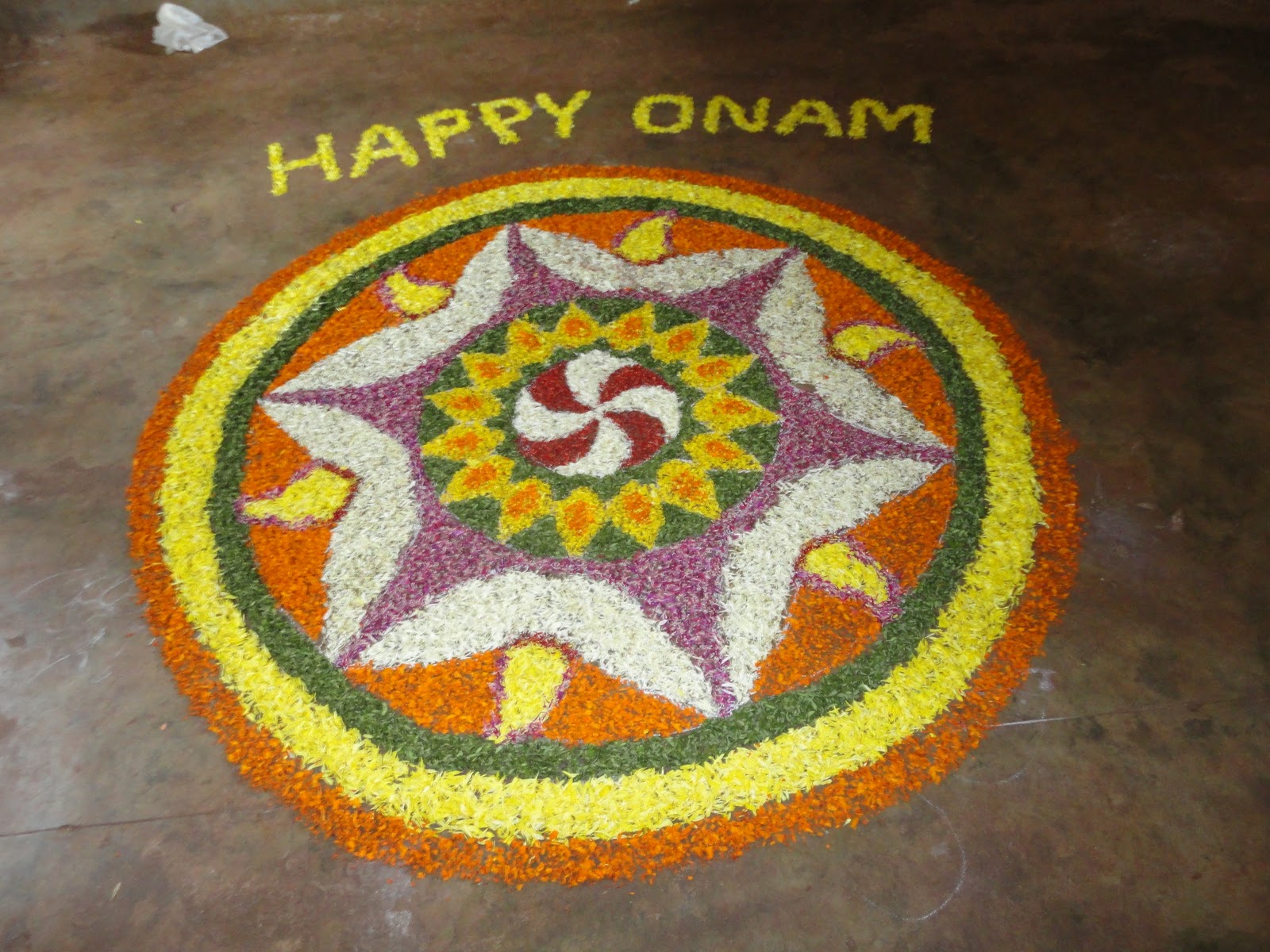
                    This is a flower carpet that is decorated in front of every house to welcome the king Mahabali.There are competitions for decorating pookalam all over the state during Onam.At the center of every pookalam a bronze lamp is lit and females dance around it in their traditional costume of mundu.

    Onakalikal

    There are many traditional games played during Onam and they are popularly known as Onakalikal.The games include Talappanthukali, Kutukutu and combats like Kayyankali and Attakalam.
  • Things I love about Asom!

    Things I love about Asom!

    I am a Rajasthani who was born in Asom (Yes that is how it is pronounced). I could speak Asomiya so fluently that my relatives wouldn’t tell that I am a Rajasthani. Today, I can’t speak the language too well, but can certainly understand it. I miss being in Asom and the years that I spent in the state hold a special place in my heart. I feel lucky that I got an opportunity to experience the best of both worlds, their languages, their cultures, their people, their festivals and their colours. It’s been 15 years now that I have left Asom, but there is a string that still attaches me to the state, I still experience  a sense of belonging when I visit Assam and the love and warmth that I feel when I visit my birthplace  is incomparable .

    So here are some things I totally love about the North-Eastern State:

    The Mekhla Chadar

    mekhlaa

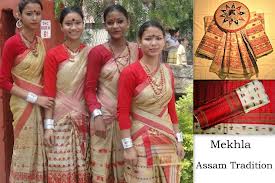
    It’s a traditional dress worn by the women of the state. Initially, it would look like a sari to you, but actually its in two parts. Mekhla is basically an A-line skirt with pleats and the Chadar is like a dupatta draped on the upper half of the body.  Mekhla is one thing you really have to try wearing.

    The Kaziranga Wildlife Sanctuary

    kaziranga-national-park

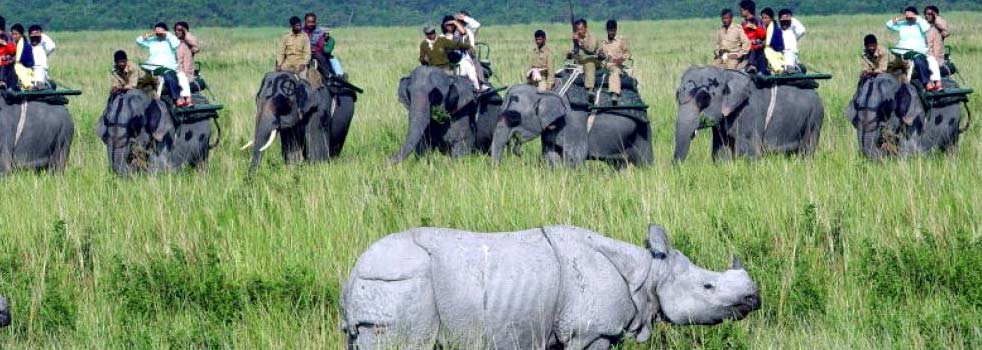
    The place where I saw a rhino for the first time and hid behind my Dad because I was too scared to look at the animal. It’s now that I realize that the place which dad made me visit then is a UNESCO WORLD HERITAGE SITE. 66% of the total rhino population is found here. The sanctuary also has the highest density of tigers in the world. During the migratory season, 250 various species of birds visit the sanctuary. Other animals that can be found here include elephants, swamp deer and birdlife. Visit Kaziranga during this vacation and try spotting a rhino. Trust me; you will come back with an experience that you will cherish for the rest of your life.

    The Talatal Ghar

    talatal

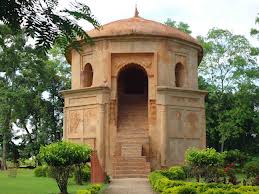
    Talatal Ghar means the “royal palace”. This masterpiece of Assamese architecture was built in round the 18th century. The palace won’t look typically plush or grand to you. Maybe it’s because of the multiple renovations it has undergone since the time it has been built. Nevertheless, it’s a seven story structure and you wouldn’t want to miss it while you are on a visit to Asom.

    Sibsagar

    sibsagar

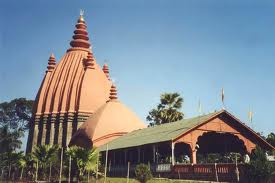
    ‘Sib’ means Lord Shiva. Sagar is the Ocean. Literally, the name translates to ‘Ocean of Lord Shiva’. The town has been influenced by several cultures over the years. You can easily find the multicultural influences in the architecture of its palaces, temples, tanks etc. The Panihiding Bird Sanctuary is in Sibsagar. There is lot to see in Sibsagar and you would have to spend a long time here to experience the beauty of this town.

    Bihu

    TH14BIHU_1052740f

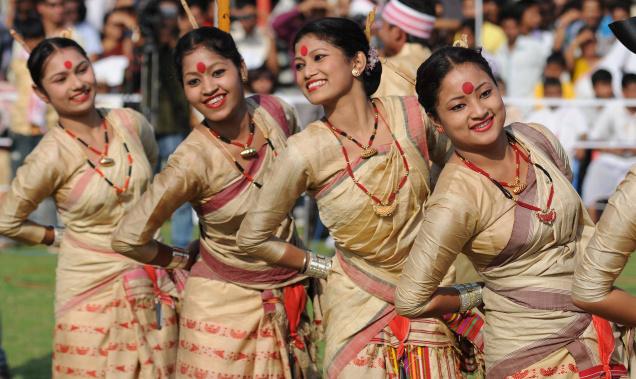
    The ever so beautiful festival of Asom. Bihu is major agriculture festival of the state. The joyous festival of Bihu is celebrated three times a year. Rongali Bihu is the festival of Merriment where the people welcome New Year. Kati Bihu is celebrated on the completion of sowing of seeds in the fields.  And finally, Magh Bihu comes celebrating the end of harvesting period.Visit Asom during the time of Bihu celebrations. Be a part of the colourful revelry and you wouldn’t want to return home.

    Majuli

    majuli

    Majuli is one of the largest river islands in the world. It is located in the midst of the Brahmaputra River that flows across Asom. Initially, the island was spread across and area of more than 1200 sq. km. Land erosion has resulted in the area now becoming just 420 sq.km. However, the island is a beautiful bio-reserve. Several migratory birds visit it each year and it is a fantastic place was birdwatchers. You will find people selling tribal masks and pots here. The native tribes that inhibit this land are skilled at mask making and pottery.

    Manas National Park

    langur

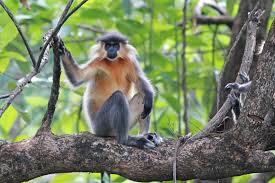
    Manas National Park is situated between the Himalayan foothills and is a UNESCO World Heritage Site and a Project Tiger Reserve. The river Manas flows through the reserve and hence the name. Rare species of fauna, such as the Pygmy Hog and the Golden Langur are found here. Spotting a tiger is not a difficult task here as there is a high density of tigers in the sanctuary. Take a safari into the sanctuary and it will give you glimpse of such rare and amazing sights which will remain with you for a very long time.

    Charaideo

    charaideo-assam

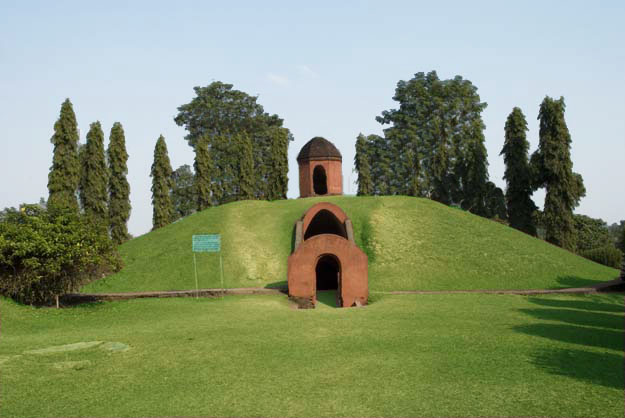
    Charaideo is a small town, located some 30km away from the city of Sibsagar.  It is situated near the hills of Nagaland. The name literally means ‘a city atop a hill.’ The town is of great historic significance as it was once the capital of the Asom kingdom. There are many historic tales which echo in the ruins and remains of the town. You can also find some really ancient tombs of old kings and queens here. These tombs are sometimes referred to as the “pyramids of Assam”. This place is secluded but you will surely find an old world charm here when you visit it.

  • Wine Of The Dairy Industry- Yogurt

    Wine Of The Dairy Industry- Yogurt

    download                                                                download (1)

    Yogurt is the wine of the dairy world. This is because, just as the wine is made from fermented grapes, yogurt is made by fermenting lactose, the milk sugar. The bacteria used to make yogurt is known as “ yogurt culture”. The yogurt is a creamy and smooth, internationally popular product. Nowadays, yogurt is consumed all over the world, both as a food as well as beverage, and sometimes as an ingredient in other dishes.

    Yogurt is generally made from cow’s milk, but it can also be prepared from sheep and goat milk. The earliest yogurts were often fermented from bacteria, living on goatskin bags carried upon by shepherds. These shepherds, first prepared yogurt in order to preserve milk, in the seventh century.

    In ancient Indian records, combination of honey and yogurt was known as “ food of the Gods”. Some accounts suggest that Indian emperor Akbar, would use mustard seeds and cinnamon to add flavor to yogurt.

    images


    It is an versatile ingredient used in preparation of other dishes. Its naturally acidic, and is perfect for marinating meat, chicken and fish, which acts as an tenderizing agent. Yogurt is used as a fat substitute in baking of cakes and muffins.

    As a beverage, yogurt can be mixed with variety of flavors to make refreshing drinks. In Turkey, Bulgaria and Greece ingredients like salt, water and yogurt are mixed together to make a popular beverage called as Ayran. In Iran, Armenia yogurt is blended with mint and salt, to make a carbonated beverage called Doogh. In Turkey, Georgia and Armenia, a cultured milk product is made from mare’s milk and yeast, is known as Kefir. In India and Pakistan, a frothy drink made in both salty and sweet taste is known as Lassie.

    The most obvious and yummiest reason for eating yogurt is its taste, but there is more to it. There are also many nutritional reasons for having it. It is low in fat, and high in protein content. Thus, yogurt can be greatly used by people of all ages and nutritional requirements.

    A single serving of yogurt contains 10 gm of protein, calcium, phosphorus, potassium, magnesium, minerals and vitamins like riboflavin and vitamin B 12. Though, it is low in fats but depends on the type of milk used.

    Basic yogurt recipe-

    download (2)

     1. 4 cup milk

    2. 1 cup plain, natural yogurt with active cultures

    Bring the milk to the boil, and remove from flame. Set aside to cool and pour this milk into sterilized bowl. Now, mix in the yogurt with milk till it gets properly combined. Transfer this to a yogurt maker and follow the instructions, or cover with cloth all around for 3-4 hrs at room temperature to set the yogurt aside. Refrigerate it before serving.


    Some yogurt recipes-

    1. Greek yogurt pancakes 

    download (3)

    1.  Non-fat Greek yogurt
    2.  1 tbsp baking soda
    3.  1/2 cup all-purpose flour
    4.  1/2 cup fresh blueberries

    Mix Greek yogurt and egg in a bowl and blend until smooth. Add flour and baking soda and stir properly until the batter is evenly distributed and thick.

    Preheat large pan to medium heat. Use an ice-cream scoop or cup to add batter into pan. Spread the batter on the pan in circular motion. Dot blueberries on top of the pancake. Cook for 3 min until golden brown, then toss other side to cook it for 2 min.

    Serve it additional fruits or syrup.

    download (4)

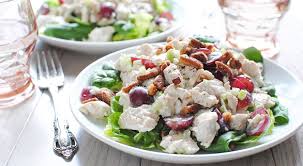
    2. Greek yogurt chicken salad-

    download (7)

     A. 1 large chicken breast, cooked and chopped

    B. 1/2 cup plain Greek yogurt

    C. Lemon juice

    D. 1 celery stick, diced

    E. 4 celery leaves, minced

    F. 2 red onion, diced

    G. 1/2 cup apples, chopped

    H. Grapes, sliced in half

    I. Walnuts chopped

    J. Raisins

    In a large bowl, mix all the ingredients chopped and add chicken breast to it. Mix them well. Now add yogurt over it, and mix them all well and serve it decorated in a dish or bowl.


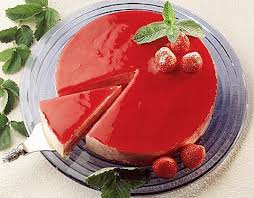
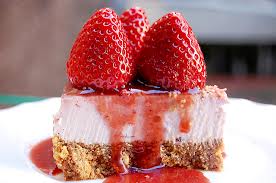
     3. Yogurt cheesecakes –

    images (6)

     A. 1 1/2 cup yogurt

    B. 1/2 cup tofu

    C. Salt

    D. 1 1/2 tbsp vanilla extract

    E. 5 tbsp flavored syrup, sweetener

    F. 2 1/2 tbsp corn starch

    G. 2 tbsp sugar

    images (7)

    For homemade yogurt, place a strainer lined with cheesecloth over a pot and pour the contents of plain, vanilla or unsweetened yogurt. Refrigerate it overnight, and then discard the liquid at the bottom of the pot, to get homemade Greek style yogurt.

    For the cheesecake, preheat oven to 350 F. Now, combine all the ingredients and blend them until completely smooth. Pour it in any prepared crust and bake it for 30-40 min, and them remove from oven. Allow it to cool for an hour, before removing it from the crust. Now keep it refrigerated for 8 hours.

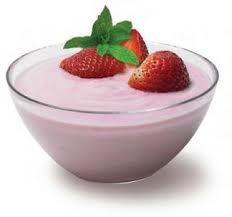
    Now, serve it dressed with syrup and strawberries.


  • What They Write When They Write About Food?

    What They Write When They Write About Food?

    Food in Literature


    It all started when I was reading J. R. R. Tolkien’s The Hobbit where one can find description of food and feast on every third page. The word-ly delights guided me to see the divine connection between food and literature.

    Well, this reference of food in literature is not new at all. It has been there since the very beginning of written and verbal art. Homer’s Greek epic Odyssey has extensive descriptions of sacrificial food and wine in every chapter. Early Roman literature is full of food and festivity. Bible too is not untouched by this. Remember that bread and wine miracle?

    In literature, food is not only a means of survival but also a medium of interaction in society, a plot twist, reunion, symbol of change and what not. Food, in general, is a reflection of culture as a whole. No doubt writers have utilized this device of representation to their best.

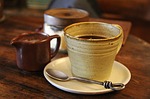
    tea

    “Take some more tea,” the March Hare said to Alice, very earnestly.
    “I’ve had nothing yet,” Alice replied in an offended tone: “so I can’t take more.”
    “You mean you can’t take less,” said the Hatter: “it’s very easy to take more than nothing.”
    … Alice did not quite know what to say to this: so she helped herself to some tea and bread-and-butter.

                    This has been my favourite way of asking people have some tea. Alice comes to terms with the world around her through this little tea party. Lewis Carroll has effectively used food, in both of his books Alice’s Adventure in Wonderland and Through the Looking-Glass, to represent as well as critique on social behavior and ideals of Victorian society.

    Queen said. “The rule is, jam to-morrow and jam yesterday—but never jam to-day.”
    “It must come sometimes to ‘jam to-day,’ ” Alice objected.
    “No it can’t,” said the Queen. “Its jam every other day: to-day isn’t any other day, you know.”

                    As we are talking about a society’s critique, Tolstoy’s opinion of the excesses of nineteenth-century Russian aristocrats can be seen in Anna Karenina where the characters Levin and Oblonsky share a meal of three dozen oysters, soupe printanière, turbot with sauce Beaumarchaise, roast beef, poulard à l’estragon, parmesan cheese, macédoine de fruits, vodka, champagne, and two bottles of Chablis.

    A person’s eating habits also shows his character. In world’s most unread classic, James Joyce’s Ulysses, the protagonist Leopold Bloom’s description is like this:

    Mr. Leopold Bloom ate with relish the inner organs of beasts and fowls. He liked thick giblet soup, nutty gizzards, a stuffed roast heart, liverslices fried with crustcrumbs, fried hencods’ roes. Most of all he liked grilled mutton kidneys which gave to his palate a fine tang of faintly scented urine.

                    Our protagonist is a man of tremendous appetite and similarly in later part of the story, we can hear his belly grumbling. As the story ends and he reaches his home, all he asks his wife to do before falling asleep at her feet is to make him some breakfast.

    One of my favourite story A Christmas Carol by Charles Dickens also has a special role of food in it. First when the Second Spirit brought Scrooge to Bob Cratchit’s dwellings and at the end of the story when Scrooge sent a turkey to Bob Cratchit’s place.

    “Do you know the Poulterer’s in the next street but one, at the corner ?” Scrooge inquired.
    “I should hope I did,” replied the lad.
    “An intelligent boy!” said Scrooge. “A remarkable boy! Do you know whether they’ve sold the prize Turkey that was hanging up there?—Not the little prize Turkey: the big one?”
    I’ll send it to Bob Cratchit’s,” whispered Scrooge, rubbing his hands, and splitting with a laugh. “He shan’t know who sends it. It’s twice the size of Tiny Tim. Joe Miller never made such a joke as sending it to Bob’s will be!”

                    In Scrooge’s story it is shown as a first step towards change. Still my all-time favourite dining table moments are following:-

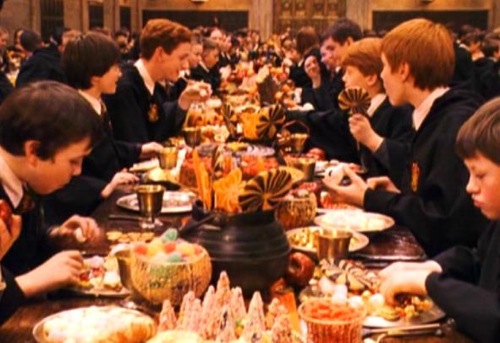
    First would be the Harry Potter’s feast in Hogwarts. For both Harry and reader it was the most amazing experience. A new world for Harry, where his life truly begins.

    Hogwarts-Feast

    “He had never seen so many thing he liked to eat on one table: roast beef, roast chicken, pork chops and lamb chops, sausages, bacon and steak, boiled potatoes, roast potatoes, fries, Yorkshire pudding, peas, carrots, gravy, ketchup, and for some strange reason, peppermint humbugs.” (Harry Potter and the Sorcerer’s Stone, J. K. Rowling)

                    Last but not the least, we will go back to the starting point, that is, Tolkien’s The Hobbit which is full of Hobbit-love for food but the best isthelittle feast right at the beginning of story which decides the future of Bilbo Baggins.

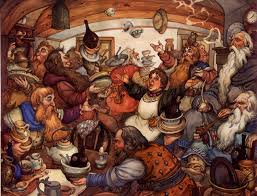
    images

    Already it had almost become a throng. Some called for ale, and some for porter, and one for coffee, and all of them for cakes; so the hobbit was kept very busy for a while.
    A big jug of coffee had just been set in the hearth, the seed-cakes were gone, and the dwarves were starting on a round of buttered scones, when there came- a loud knock.
    “Now we are all here!” said Gandalf, looking at the row of thirteen hoods- the best detachable party hoods- and his own hat hanging on the pegs.
    “Quite a merry gathering!I hope there is something  left for the latecomers to eat and drink! What’s that? Tea! No thank you! A little red wine, I think for me.”
    “And for me,” said Thorin.
    “And raspberry jam and apple tart,” said Bifur.
    “And mince-pies and cheese,” said Bofur.
    “And pork-pie and salad,” said Bombur.
    “And more cakes- and ale- and coffee, if you don’t mind,”
    called the other dwarves through the door.
    “Put on a few eggs, there’s a good fellow!” Gandalf called after him, as the hobbitstumped off to the pantries. “And just bring out the cold chicken and pickles!”

    There are so many references that it is impossible to put together all of them. So the story ends here. Next time you pick up a book, pay attention to the food too as it tells a story in itself.

  • Halloween and the Soul Cake

    Halloween and the Soul Cake

    Halloween is a western festival which is celebrated on the eve of the Christian feast of All Hallows day which is on 31 October. Though a western festival, it’s now celebrated all around the world. Halloween can also be termed as All Hallows Eve or All Saints Eve and marks the beginning of hallow tide which is the time of the year where we remember the dead, the martyrs and the departed souls. While some believe that Halloween is influenced by the Celtic harvest festival others believe it has originated independently and has no relation with any other festival or rituals. Nicholas Rogers, a famous historian, conducted research to find out the true origination of this festival and stated that he had found its origins in the Roman festival of Pomona which involved the prayers given to the goddess of fruits and seeds and in the festival of the dead known as Parentalia however stronger links were found to the Celtic festival of Samhain. An important day according to the Gaelic calendar Samhain is considered a day for celebration and fun in Ireland, Scotland as well.

    halloween
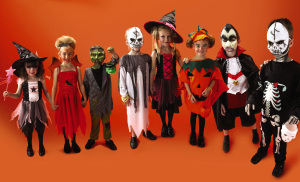
    Halloween is celebrated by people from all age groups. Children and teenagers celebrate this festival by wearing scary and spooky costumes while the adults decorate their houses and prepare halloween dishes. From the evil witch of the east to thirsty vampires to the invention of the mad scientist- Frankenstein, you can find all the evil you can ever read about in live action. Wearing these costumes children go from door to door mumbling chants and songs and demanding for treats. This ritual of going house to house with costumes goes back to the 16th century. People from different households would then welcome them and offer them with sweets and food. Here the main idea behind this is that the children represent the souls who have been given the authority to wander the earth on this day to meet their loved ones and to finish their unfinished duties. In Scotland children used to over their face with masks or used to paint themselves black in order to represent the ashes from the scared bonfire. In Wales people used to dress as the opposite gender. So we see that different countries had different styles of dressing during this day. So this custom of wearing costumes and playing pranks spread to England by the 20th century. Pumpkins were used to represent evil faces and goblins by carving out the eyes and the evil smile and came to be known as jack-o-lanterns. So in all Halloween is all about attending costume parties, exchange of sweets and goods, decorating, bonfire, visiting haunted destinations and playing pranks etc however other than all these celebrations many families visit churches and burn candles on the graves of their loved ones on this day.

    halloween_costumes
    There are many tasty food items prepared during this day. From sweets to cakes to pancakes to fruits, everything has a place on the table. Some of the famous dishes prepared especially for this day are the soul cake and the blood soup. The name itself sounds so cool that trying it once is a need. These dishes are easy to prepare and can be made at home as well. The recipes for the same are given below

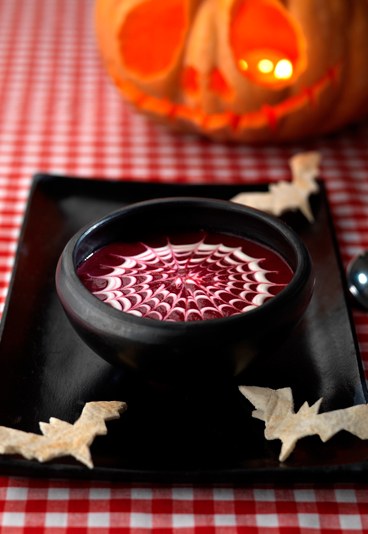
    Blood soup

    blood soup
    Directions

    • Take a large pan and heat oil. Add onions and garlic and fry for about 15 mins over medium flame.
    • Fry until soft and then add diced beetroot to it and mix well.
    • Allow it to simmer for about 20-25 minutes before taking it out from the heat and then allow it to cool down.
    • Liquidize the soup but putting the contents in a food processor and add sugar and mix well
    • Reheat the soup but don’t allow it to boil and serve immediately with crusty bread or a swirl of vanilla as a topping.

    Soul cake

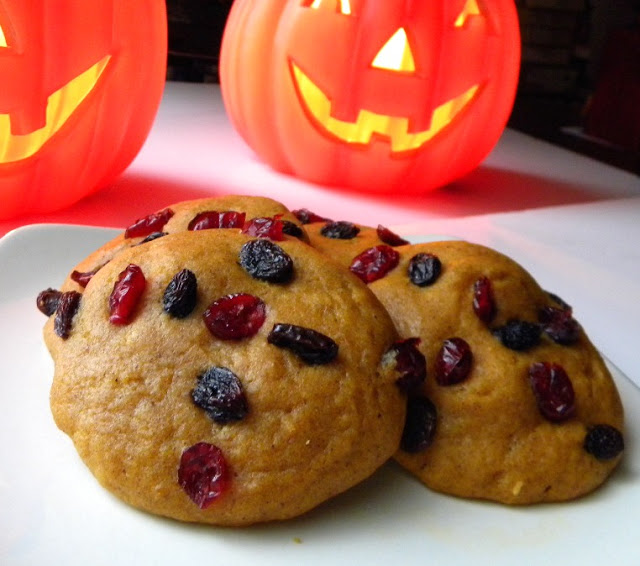
    soul cake
    Soul cakes are one of the famous dishes which are prepared on this day. A lot of stories and tales are attached to this dish. Earlier this cake was prepared and thrown in front of animals with a belief to satisfy the souls who were cursed to roam the earth in an animal form. Later these were given to poor and homeless people who used to visit houses for arms during this day. The idea behind this was to give the cake to the poor so that they would bless the house as well as ask for peace for the departed.

    Directions for preparation

    • Preheat the oven to about 400F
    • Mix 2 cups of flour with nutmeg, cinnamon and salt (1/2 teaspoon each) and mix well
    • Now take a pinch of saffron and heat it till they become aromatic but make sure not to burn it and then add milk to it. Heat for some time and then remove from the heat. You will find that the milk has turned yellow in colour.
    • Mix butter and ½ cup of sugar together in a bowl after which add 2 egg yolks and blend.
    • Now add the spiced flour and mix nicely till the mixture becomes dry and crumbly.
    • Start adding the saffron milk inside the mixture and blend well. Keep this process going till the dough becomes nice and soft. Then transfer it to floured counter and knead till the dough becomes uniform.
    • Once we get the required nature, roll out the dough to a thickness of ½ inches and using a biscuit cutter cut as many circles as possible and then set them on an ungreased baking sheet.
    • Decorate the soul cake with nuts or currants and then brush with the beaten egg yolk. Bake for about 15 minutes, until just golden and shiny.
    • Your soul cake is ready. Serve warm, with cold pumpkin juice.

    A sure must try at home these can be prepared at any time and not necessarily when Halloween is around the corner.

  • Mouth-watering Kolkata Street Food

    Mouth-watering Kolkata Street Food

    Kolkata. The City of Joy.
    Kolkata. The land of literature and poetry.
    Kolkata. The land of ‘tok-jhal-mishti’.
    Kolkata. The city of history and heritage.
    Kolkata. The Cultural Capital of India.
    Kolkata. The city of street food.

    Food as we know goes hand in hand with culture. Street food- the very culture of which began in Kolkata and it holds great importance in the city. Unlike other cities where there are particular areas where you can expect to find chaat-walla, gol-guppa walla and nimbu-pani wale bhaiya, in Kolkata you will find road-side vendors at every nook and crack of the city selling some or the other snack. Once you have lived in Kolkata and if you move out, more than your family you will miss the food- this is a popular belief. I was born and brought up in this city and I have explored all the possible street food items that are available here, being the foodie that I am. So here is a list of the 16 most delicious and mouth-watering street food items found in the City of Joy which sure will leave all of you wanting for more.

    1. The all-time favourite: Puchka and Churmur.

    110

    This is one of the most iconic street food items and it is an all-time favourite. As we know it, puchka belongs to the Gol-guppa or the Paani puri family, which are the other variations found in other parts of the country. But puchka, as called in Kolkata is thought to be the King of all variations. It contains numerous spices and comes in lot of variations like- ‘Doi puchka or dahi puchka’ which has curd. This is one of the specialities of Kolkata. The spiced mashed potato along with the tamarind or ‘misthti jol’ (Sweet water) in the crunchy puri is sure to make you drool.

    2. Jhalmuri

    24

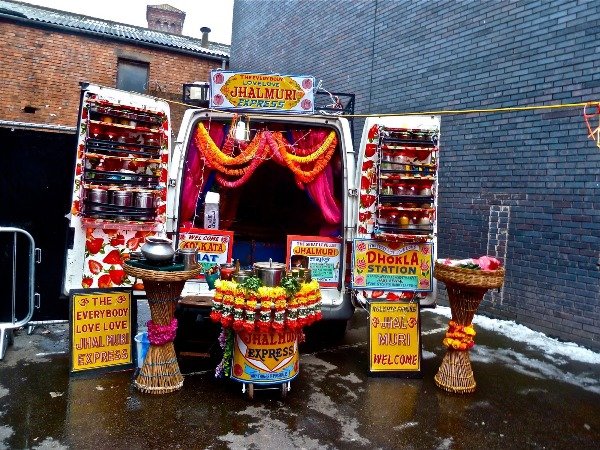
    This is another speciality of Kolkata. This is so famous that it has made a mark for it across continents. It consists of puffed rice, spices, chanachur or bhujia, chopped onions, chilly and nuts. It might also have coriander, tomatoes and a coconut slice. This is a food item which can be modified according to the customer’s choice. Jhalmuri is served in old newspaper cones, something which has been an old tradition now.

    3. Roll

    35

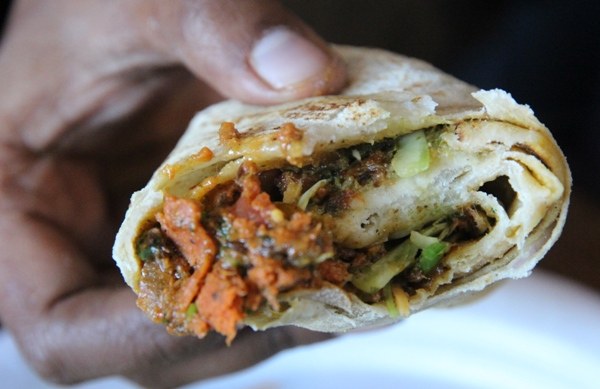
    The rolls found in Kolkata are definitely the most delicious ones you will ever eat. The Kathi roll is again a speciality of this city. Basically a parantha is filled with the stuffing of one’s choice (for example Aloo, paneer, tandoori chicken, egg, etc.) and it rolled up, which the customer is supposed to hold in the hand and eat. Rolls are a favourite of the students or office-workers because it is not only tasty, it is also filling and affordable.

    4. Samosa or Shinghara

    samosa_full

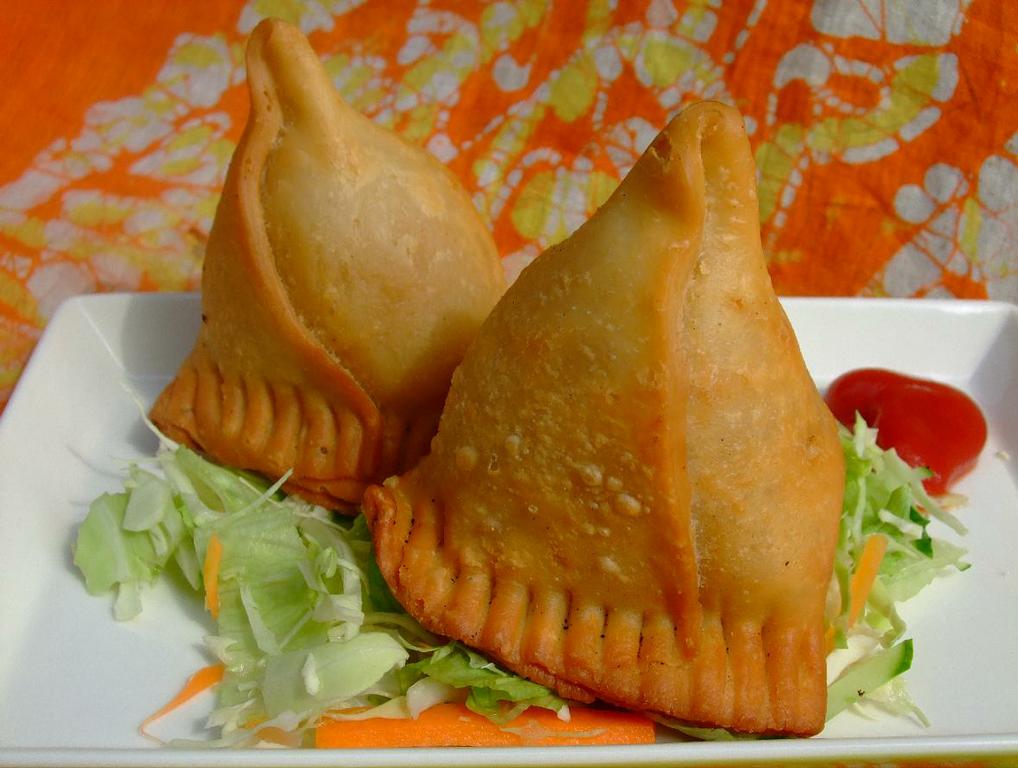
    Usually it is an evening snack, enjoyed with a cup of hot tea. It is a triangular shaped baked of fried pastry and it has a stuffing of mashed potatoes and is served with mishti chutney. They may have variations where the stuffing comprises of paneer, minced mutton, keema, etc.

    5. Telebhaja

    43

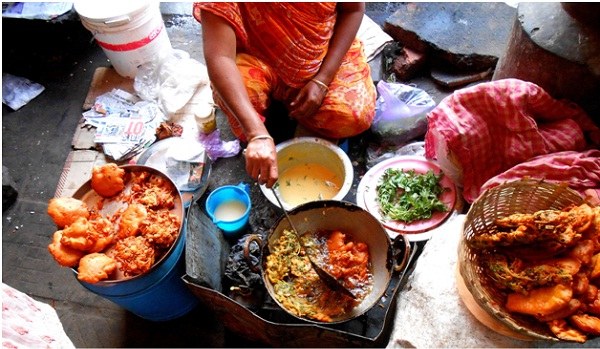
    Quintessentially Bengali, telebhaja means fried items. In every corner of the street you will find small road-side stalls selling fried items such as ‘Beguni, aloo’r chop, pyaaji, phuluri, etc. They are excessively oily but they taste heavenly. This is one item every Calcuttan definitely misses when they leave.

    6. Ghoogni

    54

    This is a typical Bengali dish and it comprises of Yellow dried peas, onions, chilly, coriander, tomatoes, and seasoned with spices. One may also add sliced carrots and coconut. It is mixed with the peas and served hot in a dry leaves bowl. Some Bengalis also enjoy ghoogni with puffed rice.

    7. Chowmein

    1CBF89791CF653CE125AE1CB2A5E7_h498_w598_m2

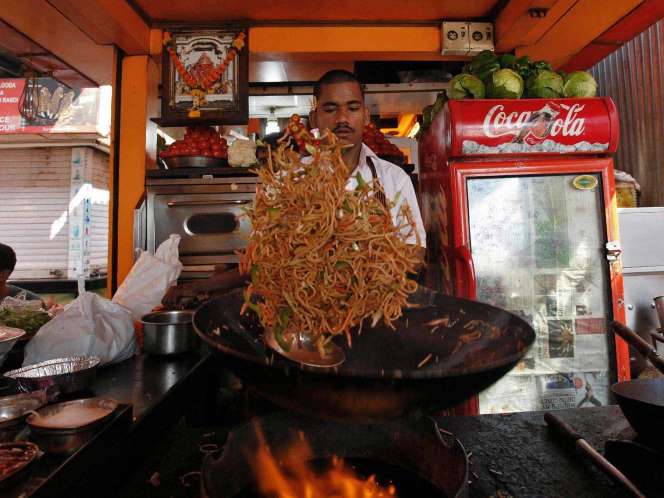
    You might be wondering how this dish is street food? Well in Kolkata it is. You will find street-side stalls where hot and spicy chow is pan fried or stir fried with added vegetables or egg or chicken and served in plastic plates. You have to try it and then you will never want to have chow in a restaurant again.

    8. Jalebi or Jilipi

    112

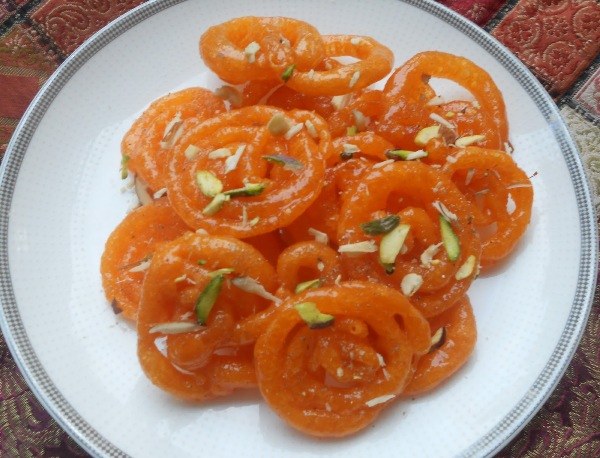
    Jilipi as Bengalis love to call it, it a unique type of sweet. One can never say what it exactly taste like because it is crispy, chewing, and soft all the same time. Kolkata has a special variation of jalebi called the ‘Channa’r jilipi’ which is made of channa or thick, fresh cottage curd cheese.

    9. Fish Cutlet or fish fingers

    132

    As we all know it, Bengalis love fish. Fish and even chicken cutlets once again can be found in and around every street corner and is enjoyed by all. These are really tasty snacks which are mouth-watering and very inexpensive.

    10. Cha, Chaai in Earthen cups

    175

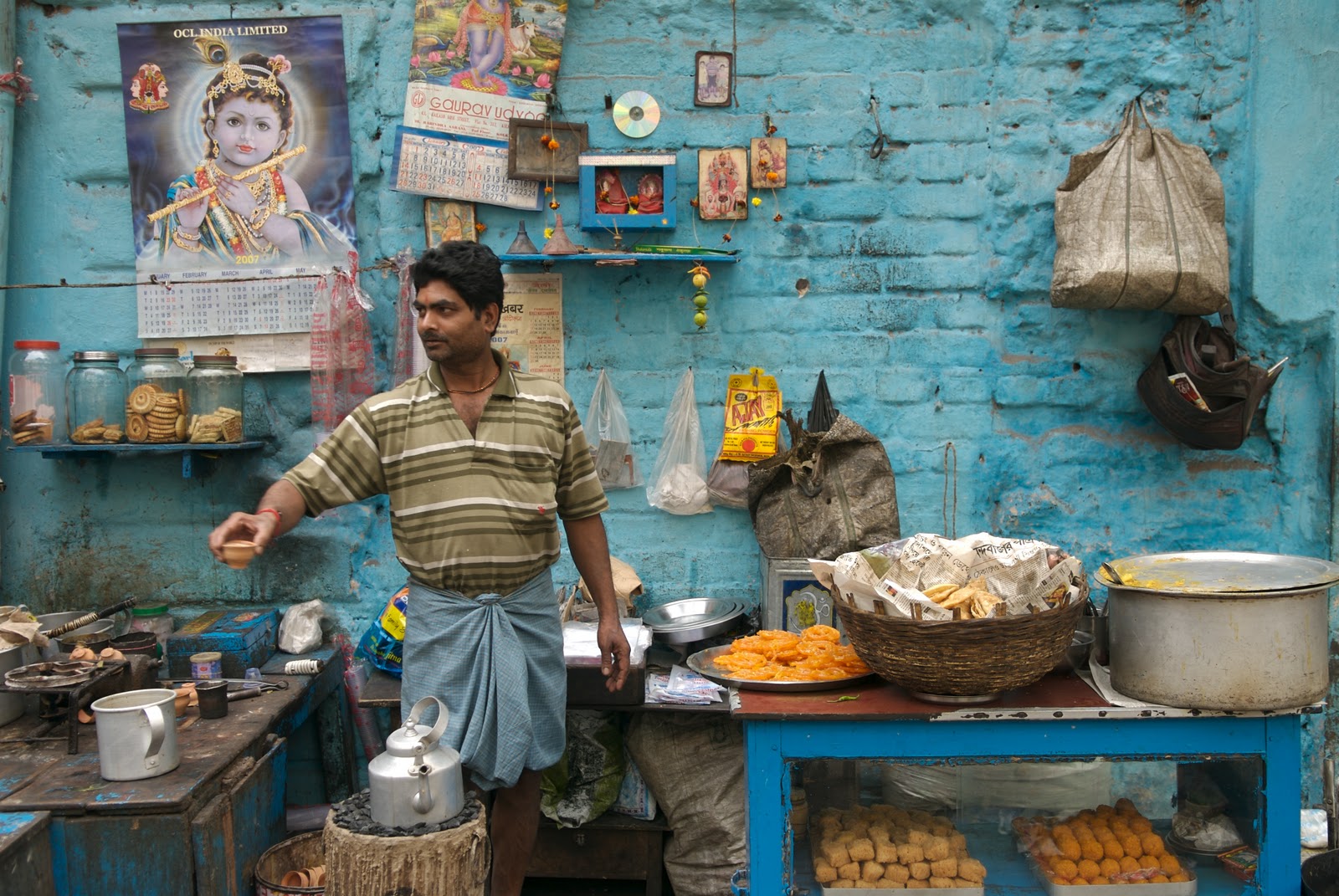
    Chai is available everywhere in the country. Then what makes Kolkata’s chai so special? The USP of the tea served here is that it is served in ‘Bhaanr’ or earthen cups. Every Calcuttan who has had chai in earthen cups will know that it adds a characteristically different flavour to the tea. The road-side vendors do add spices if the customer demands.

    These are the list of 10 street-food items which are delicious and will totally satisfy your taste buds. So all the foodies out there, next time plan a trip to Kolkata and trust me you will not be disappointed!