Category: Culture

  • Bengalis and their obsession with Fish

    Bengalis and their obsession with Fish

      ‘Mach’. ‘Dal’. ‘Bhat’. The three monosyllabic words represent a paradisiacal abode for the good people of Bengal. Bengal, being near the coast, is abundant in a variety of fishes and thus the emergence of a myriad of ever-popular fish delicacies has taken place.

    It is said that a Bengali cannot live without his fish. Wherever he may go, however far he may travel, his love for fish –bag and baggage- travels with him.

    Truth be told, this is just another stereotyped belief. Being a Bengali myself, I prefer ‘Tandoori Chicken’ over any fish dish. I’m just not crazy about fishes. As simple as that. But my brother, who lives in Peterborough, London, still has his ‘mach-dal-bhat’. Finding fishes from Bengal in a London market is a Herculean task. But when there’s a will, there’s a way. And there are millions and millions of crazy Bengalis like him all around the world. Another example is my friend Roon studying in Christ University, Bangalore. Every term break she escapes to Kolkata to fulfill and consume her quota of Bengal fishes. One Month. No Chicken. No Mutton. No Paneer. Just heavenly Fish.


    “In the hands of an able cook, fish can become an inexhaustible source of gustatory pleasures”

    -Jean-Antheleme Brillat-Savarin, ‘the Physiology of Taste’


    Hence, I jotted down the three most popular and most celebrated fish dishes of Bengal:
     

    maxresdefault

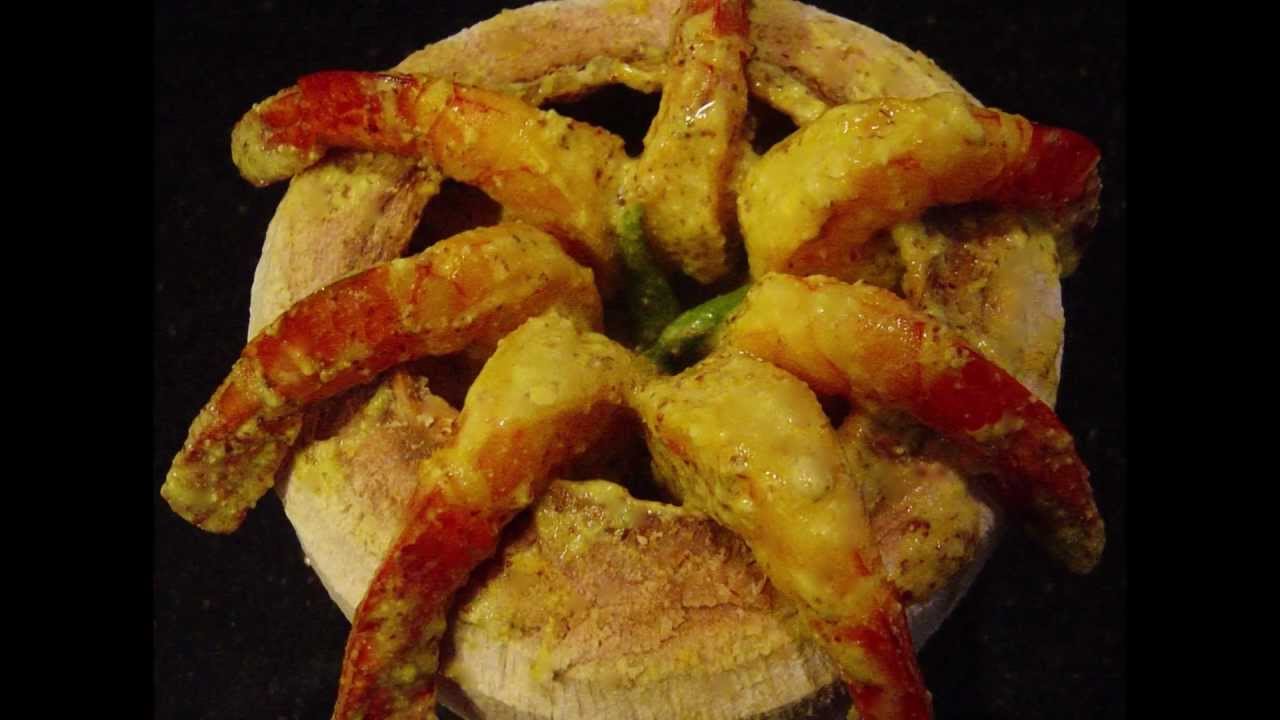
    Dab Chingri (Prawns flavored with ‘paanch phoron’ and cooked in a tender coconut shell)

    Cooking Time – 30 to 40 minutes

    Servings – 4

    Ingredients –  1 cup Prawns ( peeled and deveined), 1 small tender coconut, Salt (to taste), ¼ tsp turmeric powder, 1 tbsp mustard oil, ½ tsp ‘panch phoron’ (a mixture of equal quantities of five spices: cumin seeds, mustard seeds, fennel seeds, fenugreek seeds and onion seeds), 2 medium onions (sliced), 1 tsp ginger paste, 1 ½ tsp garlic paste, 4-5 green chilies (slit), ¼ cup coconut (scraped), ¼ cup tender coconut flesh(malai) chopped, whole wheat flour (as required)

    Directions – Cut off an inch from the top of the tender coconut, drain the water and scoop out the flesh. Retain the top to act as a lid. Preheat oven to 220°C. Add salt and turmeric powder to the prawns. Mix and set aside. Heat mustard oil to smoking point. Cool slightly and add ‘paanch phoron’. When the seeds splutter add onions and sauté. Add ginger and garlic pastes, green chilies and coconut and continue to sauté for two minutes. Add one cup of water and stir. Add prawns and stir. Add coconut flesh and adjust salt. Transfer the mixture into tender coconut shell. Cover with the lid and seal with dough. Place in the preheated oven and cook for about twenty minutes. Open the lid and serve hot.
     

    From Mas Kitchen_aid802_2

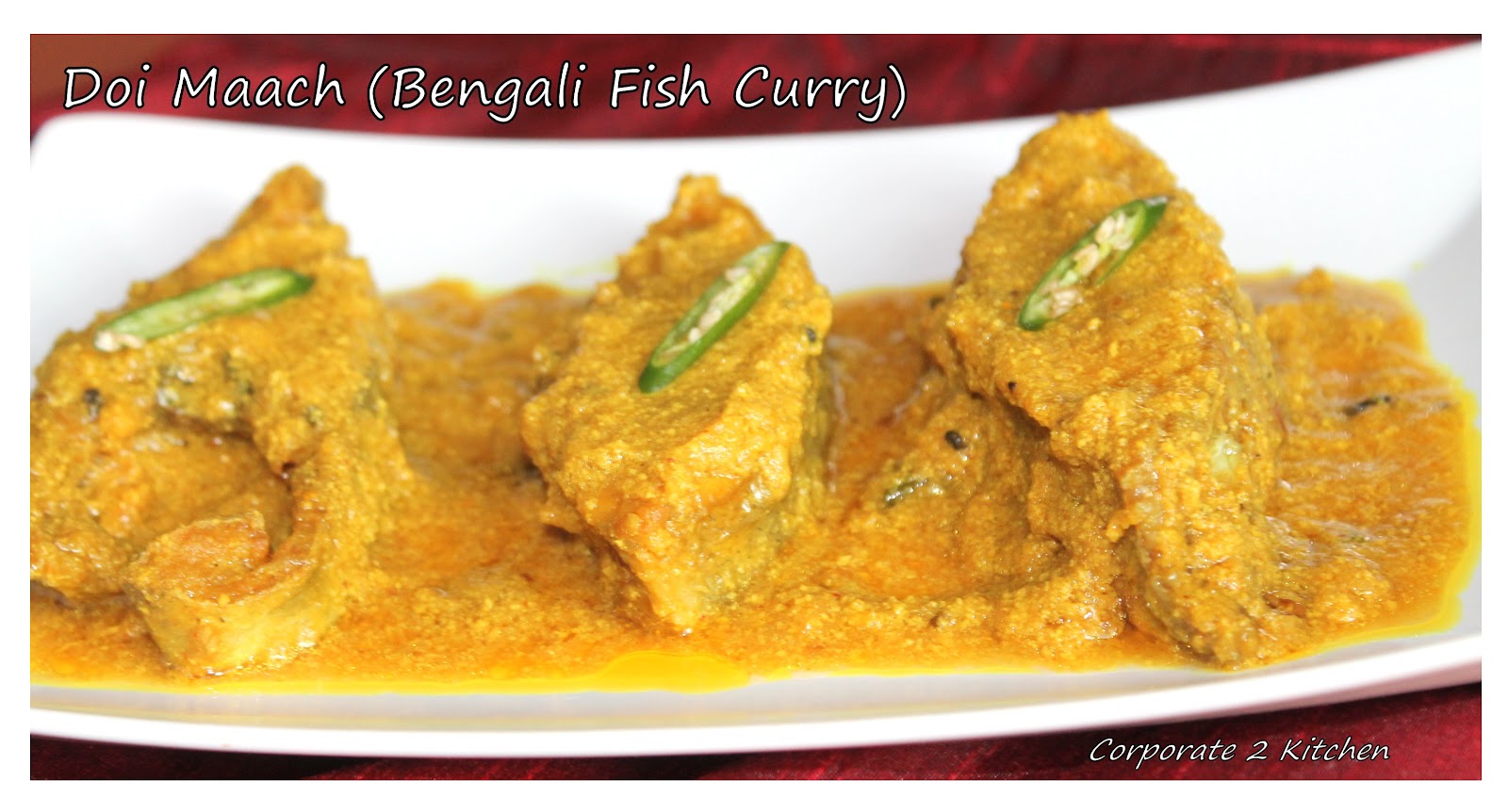
    Shorshe Ilish (Hilsa cooked in mustard gravy)

    Cooking time – 30 to 40 minutes

    Servings – 4

    Ingredients – 1 medium Hilsa (1/2 inch darnes), ½ cup mustard seeds, salt (to taste), ½ tsp turmeric powder, 2 green chilies, 4 tbsp oil, 1 large potato (cut into fingers), ¼ tsp onion seeds

    Directions – Wash fish pieces and marinate with salt and turmeric powder and set aside for ten to fifteen minutes. Grind mustard seeds with green chilies to a fine paste using water as required. Heat oil in a pan and lightly fry the marinated fish pieces on both sides till lightly browned. Drain and set aside on a plate. In the same oil fry the potato fingers till lightly browned. Drain and set aside. In the remaining oil add onion seeds and sauté till fragrant. Add the ground paste and sauté for a minute. Add a cup of water and bring it to a boil. Add turmeric powder and salt. Add potato fingers and simmer till they are done. Add fish, cover and simmer for two minutes. Serve hot with boiled rice.
     

    maxresdefault (1)

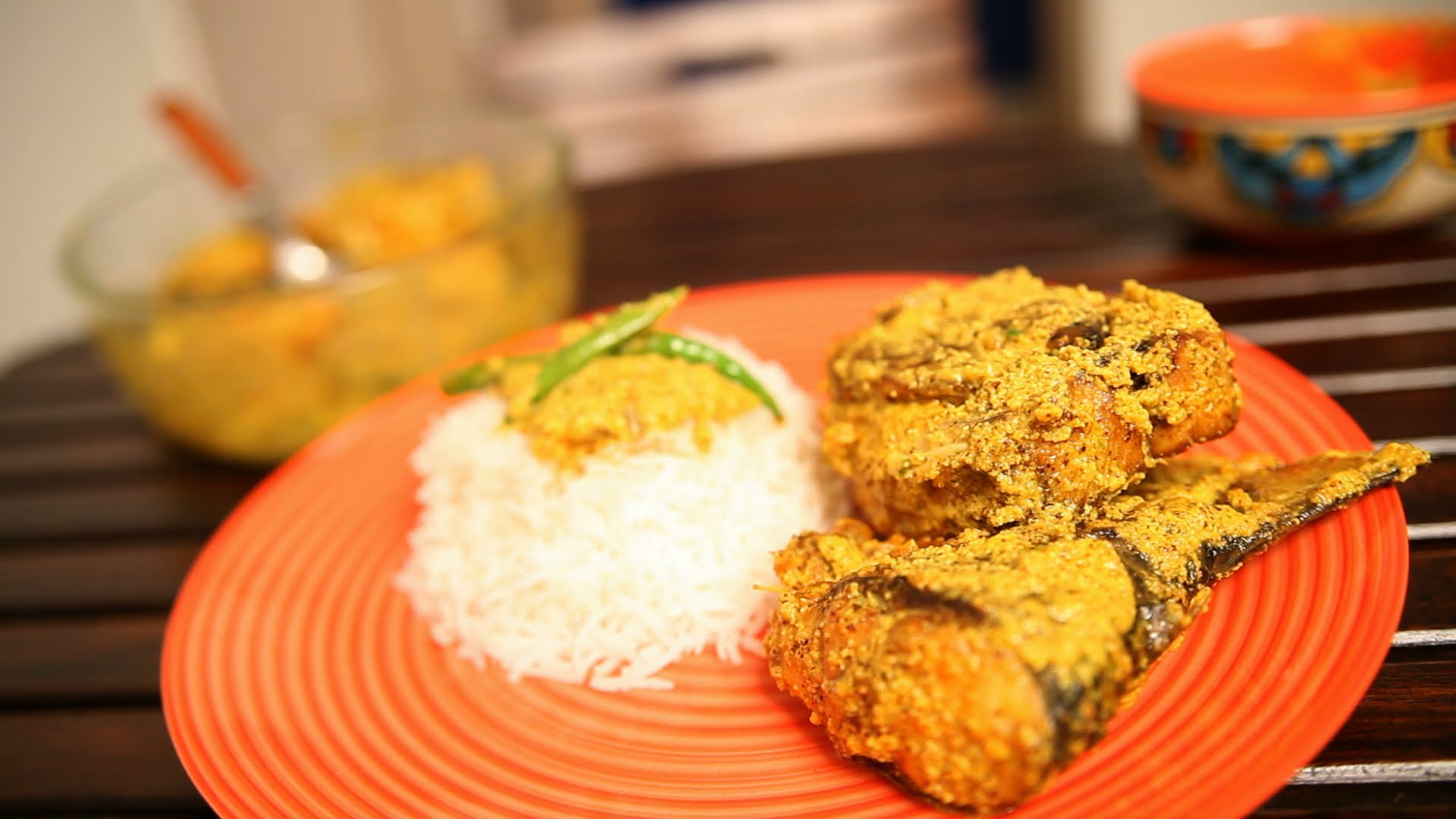
    Doi Mach (rohu fish cooked in curd)

    Cooking Time – 30 to 40 minutes

    Servings – 6

    Ingredients – 5 to 6 medium large rohu fish/bhetki, salt to taste, 2 tsp turmeric powder, 2 to 3 medium sized onions, 3 to 4 pods garlic, 1/3 tsp ginger paste, 4 tbsp of oil, 4 green chilies, 2 tbsp plain yogurt, 10 raisins, 1 bay leaf, ½ cinnamon stick, 4 cloves, 3 green cardamom, 1 tsp cumin powder, 1 tsp coriander powder, 1 cup water, 1 tsp sugar

    Directions – Take the slices of fish and wash them thoroughly. Salt them and rub 1 teaspoon of turmeric powder. Set aside for 10 minutes. Cut Onions into big slices. Cut the garlic pods into pieces. On a hot skillet, heat 2 table spoons of oil. Add the fish pieces and fry well. Take the fish out and set aside. In the remaining oil fry the onion garlic and ginger for 2-3 minutes with 2 green chilies. Take them out. Cool them for a minute or so. Put the fried onion, garlic, ginger chilies back into a mixer and grind it with 2 table spoons of yogurt. Heat remaining oil in the skillet. Add raisins and bay leaf. Then add cinnamon, cloves and cardamom in the hot oil. Let it splutter, add the ground paste of onion, garlic, ginger and chilies. Stir it for 2-3 minutes. If it dries up may add a sprinkle of water. Add 1 teaspoon of turmeric powder, 1 teaspoon of cumin powder and 1 teaspoon of coriander powder. Keep stirring for 3 minutes. Add 1 cup of water and mix well. Let it simmer. Add salt to taste, sugar and the remaining 2 chilies. After it comes to a boil, add fish pieces and cover on medium heat. Keep cooking till the fish gets cooked through. Adjust salt and sugar according to taste. Serve hot with rice.


    Picture Courtesy – corporate2kitchen, ahomemakersdiary.com
  • Bengali Food Culture

    Bengali Food Culture

    Bengalis as a community are known to find pleasure in food. Even the average Bengali will be able to give you a thorough lecture on the exact proportion of what spices should (or should not) be present in a chilli potato curry, and with extreme confidence at that! Their tastes are often simple yet singular. The wide ranging array of Bengali food is mouth-watering; ranging from the spicy ‘Machher Jhol’ (Fish curry) as a complement to the main course , to ‘Payesh’ (Sweetened rice-milk pudding) as dessert. Bengalis will never compromise when it comes to matters of the tummy. After all, ‘The way to a man’s heart is through his stomach’.

    Having taken this to heart, Bengalis pay the utmost importance to food-breakfast, lunch, dinner and mid-night snacks as such. Food is served heartily this side of the Ganges as everyone here is a foodie at heart and a ‘Babumoshai’ in thought. And dare I say they are toughest among critics as well!
    A typical Bengali meal can qualify as a dietician’s nightmare any day and consists of items rich in taste (‘Chingri Machher Malaikari’), indulgence (‘Nolen Gurer Roshogolla’) and sinfulness (‘Mishti doi’ anyone?).But don’t be scared! Let us take a look at some of the dishes that the average Bengali eats.

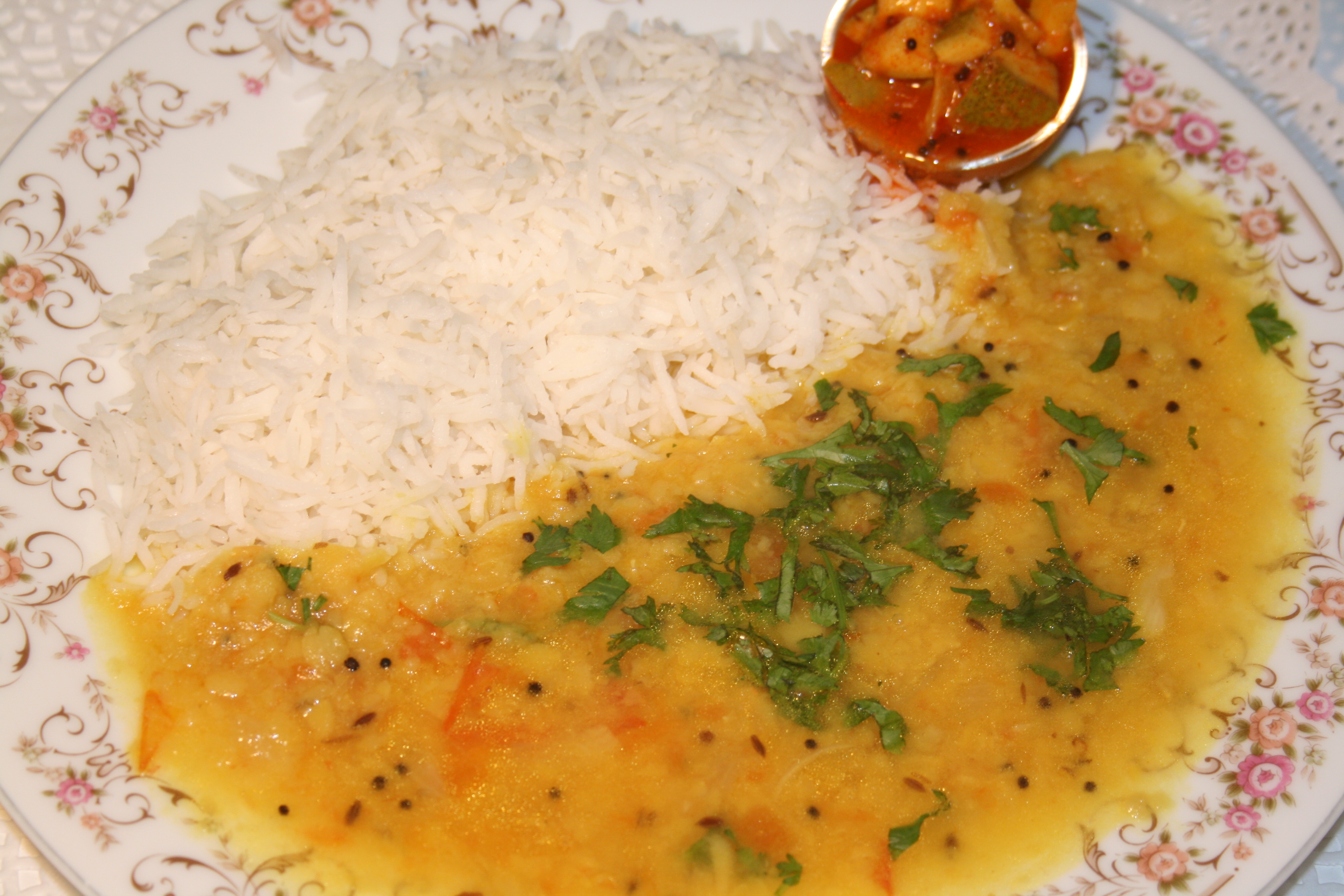
    (1) ‘Bhaat’ (Steamed rice): The first thing served on your platter- a steaming ladleful of hot rice, its aroma being smelt 3 houses away; with a mysterious vapour rising in the sky in its wake. A dash of salt and a slice of lemon are thrown in on the side (for good luck maybe!). This is their staple diet, their food for all seasons and maybe a cause of their paunch. It’s good for digestion purposes as well as it keeps the stomach cool and has a good water content which is extremely essential for the humid climate in India and most places of Asia too where people eat rice.

    rice

    (2) ‘Saak’: This is a dish served as a starter to your meal along with rice. It mainly consists of the fried leaves of many plants cooked in various ways. One should always eat a spoonful of this dish as it is high in dietary fibre, roughage, and vitamins (especially Vitamin C). Moreover, it acts as a wonderful appetizer. Whether it’s ‘Laal Saak’ with a hint of ‘Kasandi’ to heighten its taste or ‘Methi Saak’ with a green look and bitter aftertaste, these come in a variety of flavors and are considered a must on the menu.

    (3)’Ghonto’: The literal translation of this Bengali word would be ‘chaos’ or ‘cacophony’. In the gastronomic sense, it symbolizes a mixture of sweet potato, brinjal, jhinga (ridged gourd), ’potol’, ‘seetaphal’ (Pumpkin) and foliage bursting forth into a rich array of greenish-yellow colour and bringing a taste meant to make your taste buds tingle in a way that only Bengali food items can.

    (4) ‘Shukto’: This dish acts as the unifying factor of a Bengali meal. It tastes best when had with rice. It is basically an array of assorted vegetables (brinjal, sweet potato, ‘potol’, etc. ) cooked in a special mixture of milk, poppy and mustard seeds that enhance its flavor manifold. Does it taste bitter, sweet, pungent or salty? Try some to be sure!

    (5) ‘Bhetki Maacher Paturi’: Bengalis simply CANNOT do without their daily dose of fish. A dedicated Bengali always prefers fish to other non-veg fare. In this culinary marvel, the fish is de-boned and cut into square pieces, dipped in a special paste and wrapped tightly in banana leaves which are typically tied up with string. These are then steamed for an appropriate period and served hot, smoking and ready to eat!

    (6) ‘Shorshe Ilish’: The ‘Ilish’ (or Hilsa fish) is considered to be the king of fish. Many Bengalis vouch for it blindly based on its superior taste. This is a fish preparation where the pieces are prepared in a special curry of mustard seeds which heighten the flavor and give it a golden-yellow cover. By personal experience, it has been known to leave all people partaking of it licking their fingers for good!
    P.S. : This item is also healthy as it is a rich source of Omega 3 fats; considered to be good for the heart.

    (7) ‘Payesh’: A good meal simply cannot end without a fabulous dessert!
    Here, ‘Payesh’ is the key. It is similar to ‘Kheer’ except that it contains rice. It is a mixture of milk, sugar, rice and sometimes ‘Gur’ (jaggery, for the uninitiated) in just the right proportions- thick, creamy and succulent. It acts as a very good digestive as well.

    (8) ‘Roshogolla’: This is a boiled Bengali sweet dish available everywhere and sundry. A perennial favourite of all Bengalis, it comes dipped in sugar syrup and seems milky white (the pure ‘Kheer’ variety) or a rustic brown (‘Nolen Gur’, anyone?). Almost all Bengali meals end with this round ball-like-item which you are supposed to grasp (not squeeze) and put into your mouth, sticky syrup and all.
    Chew, sit back and enjoy friends, you have tasted a food fit for the ages!


    rasgulla

    (9) ‘Sondesh’: A dry usually square-shaped sweetmeat differing widely in appearance and taste. It is basically ‘Kheer’ flavoured with a variety of things such as jaggery (‘Nolen Gur’) in wintertime, mango during the summer months and coconut, almonds, nuts, cashew nuts, and what not added to it. All these contribute to the essential flavor of the dish and make it a mouth-watering condiment.

    sandesh

    From the traditional to the trendy, every Bengali has a say here in matters of the heart. And food is the closest that it gets. So, sit back, close your eyes and let your taste buds do the talking when it comes to Bengali food.
    This article is written in a light-hearted manner and is not meant to be offensive on any account to any Bengali person or otherwise.

  • The World’s Food Festivals

    The World’s Food Festivals

    foodfest1

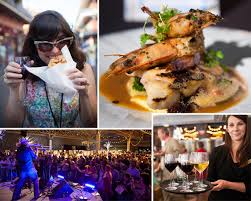
    Travelling is a stress-buster for many people. They cherish going to new places, meeting new people, knowing new cultures, listening to new languages and their nuances, and of course trying new and exotic cuisines. Eating while travelling is a high for most foodies but the chance to travel to eat is as irresistible as it can get.

    Food Festival is one such alluring event where we travel to an entirely new place, sometimes a new country to taste the authentic bites as well as some of the best international foods which are showcased by the best in the business. Food Festivals happen round the year in all parts of the world but there are certain food festivals in the world which are known for their uniqueness as well as for their wide range of mouth-watering cuisines showcasing some of the best foods in the world specially prepared by the best chefs.

    There are several food festivals across the globe, and some of the most unique and popular one’s are listed here :


    1.Mendzona Wine Harvest Festival, Argentina, South America

     mendoza

                   Food is such an important part of South America’s culture such that most festivals in South America would include lots of food, fun and party. There is a saying that in the Latin America “You will never go home hungry”. South America boasts of some of the world’s most colorful carnivals and food festivals, especially in Argentina, Brazil, Peru, Uruguay and Bolivia. Among these festivals, The Mendzona Wine Harvest Festival is one of the most popular food festivals in all of South America. This annual harvest festival in Argentina’s wine province is an opportunity for its eighty communities to come together and celebrate the food and harvest season which makes this event very special. It is a festival that is celebrated over all the 18 departments which make up the Mendoza Province. The event begins in December and goes on until the first weeks of March.

    Here, you can spend the day wandering the grounds trying some of the most fabulous wine you will ever get to taste and the wine chocolates are a specialty of this festival. The food festival has a carnival atmosphere and there is a lot more to look out for during this festival

    2.Taste of Melbourne, Australia

    tasteofmel

    Australia has one of the world’s most cosmopolitan societies and the “Taste of Melbourne” highlights this fact even more. Every year thousands of food lovers visit Melbourne to take part in the annual food festival “Taste of Melbourne”. The people come here to enjoy the brilliant sunshine, have a drink or two and walk around the thousands of stalls which are lined up serving food from some of the city’s best restaurants and also some of the world’s favorite dishes prepared by the best chefs themselves.

    This is a three day event which takes place during the month of November during which the city develops a special craving for food and many people can be seen visiting these food festivals with family and friends. The taste of Melbourne’s success has resulted in springing up of many new food festivals in other major cities like “The Taste of Sydney”, “The Taste of Perth” and so on. The food and wine varieties in these festivals are abundant and are a must for any foodie who visits Australia during the months of November.

    3.The New Orleans Food and Wine Experience, USA

    neworleans1

    The New Orleans often called the most “unique” city in USA is located in the state of Louisiana. The New Orleans Wine and Food Experience is called a feaster’s fantasy by many people because of the out of the box eatery options provided to the people during these festivals. They include eating in food trucks and sipping glasses of grape in a typical street party atmosphere.

    neworleans2

    The Mardi Gras of food fest, this May marks New Orleans’ 22nd annual foray into food and wine with “The New Orleans Food and Wine Experience”. This event unlike other food festivals which offer just different types of food adds a whole new perspective by organizing seminars about food and also organizes events like “The Big Gateaux Show” display which shows the areas affinity for desserts.

    4.Versoix Chocolate Festival, Switzerland

    chocfest

    The Versoix Chocolate Festival, Switzerland is definitely one of its kind. The entire festival is dedicated to chocolates and it is a dream for any chocolate lover. There are two different areas to the festival. As you walk out of the Versoix train station you head into a tunnel and at the end of this tunnel you can either take a left or a right. The left turn heads downhill to the Favarger chocolate factory while the right turn heads to a White tent of chocolaty goodness. There are other vendors outside the tent for those who seek substantial food in addition to the sugar overload.  I think the vendors end up selling more water and items to drink than food, as it is a necessity to have something after a few minutes of consistent chocolate tasting.  The festival provides an excellent opportunity to sample the different varieties of chocolate available from the many chocolate makers in the Geneva area. You also enjoy seeing the many different Easter bunny creations made by these shops.

    The fact that Switzerland is known for its chocolates is known, but the Versoix Chocolate festival is a rich experience and one which should not be missed by anyone who has a “sweet-tooth” for chocolates.

    Festival of Happiness

    foodfest

    Festivals generally bring a lot of joy and happiness to people, and it reminds us of the special festival sweets and savories our mom’s make. But if the festival itself is dedicated to FOOD, then there can’t be a greater happiness. Enjoy the food, Enjoy the festival and when they come together never miss them.

  • A Dinner at Kenyan Shore of Lake Victoria

    A Dinner at Kenyan Shore of Lake Victoria

    Well, if you had expected this piece of writing to talk about the restaurants alongside the shore of Lake Victoria, then you might be getting wrong!! Kenya, one of the major hubs for tourism sport and wildlife safaris in Africa, is well known for its exotic culture and lifestyle. However it may turn out to one’s dismay to know that none of the restaurants in Kenya serve its traditional dishes. To taste them, you would have to visit the local Kikuyu, Abaluhya and Luo tribes. If that sounds too difficult a task, then here’s the easy way – learn the recipe and DIY….. Now that sounds exciting, doesn’t it – an evening dinner prepared by yourself at the lakeshore!!


    A traditional Kenyan dinner can be separated into two menus – one with the Irio as the main course, and the other with the Ugali as the main course.  The first menu is as follows –

    The starter, The Oyster Mombasa

    Steak and Irio with sauce dishes and salad relish

    The dessert, Coupe Mt. Kenya

    Kenyan tea or coffee

    The second menu also called the Abaluhya menu has the Ugali as the main dish with the Maziwa Ya Kuganda (sour skimmed milk) as the dessert.  Here’s how each of these recipes are made:

    THE OYSTER MOMBASA

    oyster mombasa

    Ingredients:

    3 dozen oysters (smallest available)

    Wine garlic sauce:

    ½ cup melted butter

    4 cloves garlic, finely minced

    1 cup Chablis (French white wine)

    4 tbsp chopped parsley

    1 tsp salt

    1 tsp freshly ground pepper

    Few drops Tabasco (hot sauce made from Tabasco peppers, vinegar and salt)


    Method of preparation:

    Open 32 small oysters, leave them on the half shell and place on baking sheets.

    To prepare wine garlic sauce, combine melted butter, minced garlic, Chablis wine, chopped parsley, salt, pepper and Tabasco sauce.

    Ladle half of the above sauce on each of the oysters.

    Bake at 350’F for 6 to 8 minutes.

    Ladle the remaining sauce over the oysters again.

    Serve immediately with lemon wedges.


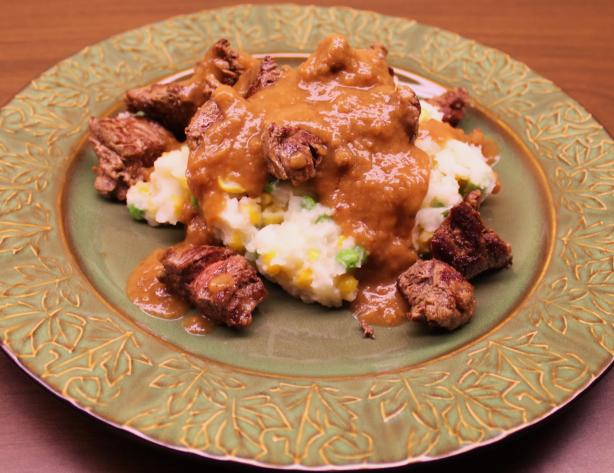
    STEAK AND IRIO

     steak-irio

    Method of preparation

    Drain peas and measure the liquid.

    Put the peas through a vegetable mill or sieve to make a puree.

    Drain kernel corn and add the liquid to that of the peas.

    In a 2-quart saucepan:

    Prepare 4 cups instant mashed potatoes following package directions and using the vegetable liquors as part of the required liquid.

    Add 3 tbsp butter, 1 tsp salt and ¼ tsp pepper.

    Blend the puree of peas into the mashed potatoes until a smooth green color results.

    Fold in the drained kernel corn.

    The consistency should be that of firm mashed potatoes.

    The Steak:

    In a large skillet:

    Cut 3 lbs fillet mignon (or any steak) in 2 x 1/2 x 1/2-inch strips.

    Sauté in 4 tsp margarine oil until lightly browned.

    Remove the steak from the skillet.

    Blend in 6 tbsp flour to make a roux.

    Add 2 cups onion soup made from a packaged mix and cook to medium-sauce consistency.

    Correct the Seasoning with salt, pepper, and a little Tabasco.

    Return the steak to the sauce.

    Make a large mound (about 1 cup) of Irio in center of dinner plate.

    Form a hole in the center about 2 inches in diameter.

    Fill the hole with 1/2 cup of the sautéed steak and gravy.

    Smooth around edges of the Irio so it looks like a volcano.


    EAST AFRICAN SALAD RELISH

    saladi

    Method of preparation

    Combine  2 cups cabbage, finely shredded with ½ cup carrots in very, very thin slices, ½  cup sweet onions (Bermuda or Spanish or scallions), and ½  cup green pepper in fine strips.

    Fluff the mixture up.

    Fill small sauce dishes, allowing about 1/3 cup per person.


    COUPE MOUNT KENYA

    coupe-mount-kenya

    Method of preparation

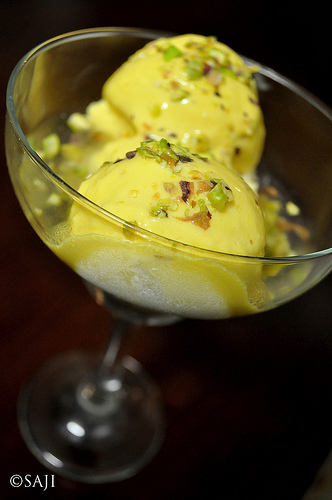
    Any fruit ice cream will serve for the Coupe Mount Kenya, especially peach ice cream. Fruit sherbet may also be used. Canned pineapple may be substituted for the fresh, but it does not have the same zing.

    Mash 4 or 5 ripe mangoes, peeled and pitted. There should be 2 cups.

    Whip 1 cup heavy cream with ½ cup sugar until stiff.

    In a bowl, combine 2 cups mashed mangoes, 2 tbsp lemon peel cut in tiny ribbons, ½ cup condensed milk, and ½  tsp salt.

    Fold in the whipped cream.

    Pour into freezer trays or a 6-cup mold and freeze.

    PINEAPPLE RUM SAUCE

    In a 1-quart sauce pan,

    Simmer 1 cup pineapple juice (canned) and 1 cup sugar until it dissolves and syrup is formed.

    Add 1/2 cup white rum. Let to cool.

    In a 2-quart bowl:

    Cut 3 cups fresh pineapple in ½ inch dice.

    Pour the Pineapple Rum Sauce over the pineapple.

    Marinate for several hours.

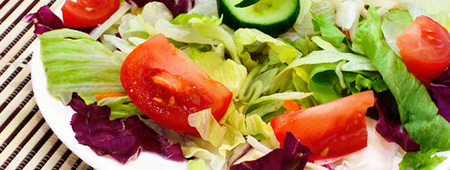
    Place 1 scoop mango ice cream in a wine glass.

    Top with pineapple rum mixture

    Garnish with 1 tbsp pistachio nuts, coarsely chopped.


    UGALI

    ugali

    Measure and bring to boil 4 cups of water in the saucepan.

    Add the corn flour slowly while stirring with a wooden cooking utensil. This can involve a 10 to 20 minute process of slowly adding cornmeal and stirring, then adding more as needed.

    Continue adding corn flour while still stirring to a thickened consistency. Use the cooking utensil frequently as the dough thickens.

    Cook to a desired texture. The texture is usually thicker than mashed potatoes and is best cooked until the dough pulls from the side of the pot. Take care, as it can be very hot.

    Turn the cooked ugali onto a serving plate. Use a wooden spoon to transfer it.


    With its beautiful rock-lined shore and sparkling lake view, an evening meal at Lake Victoria should not be missed from your list of to-dos while holidaying in  Kenya!


    (Recipe sources from  http://www.africa.upenn.edu)

  • Anybody can Cook – Your one step Guide to become a Good Cook

    Anybody can Cook – Your one step Guide to become a Good Cook

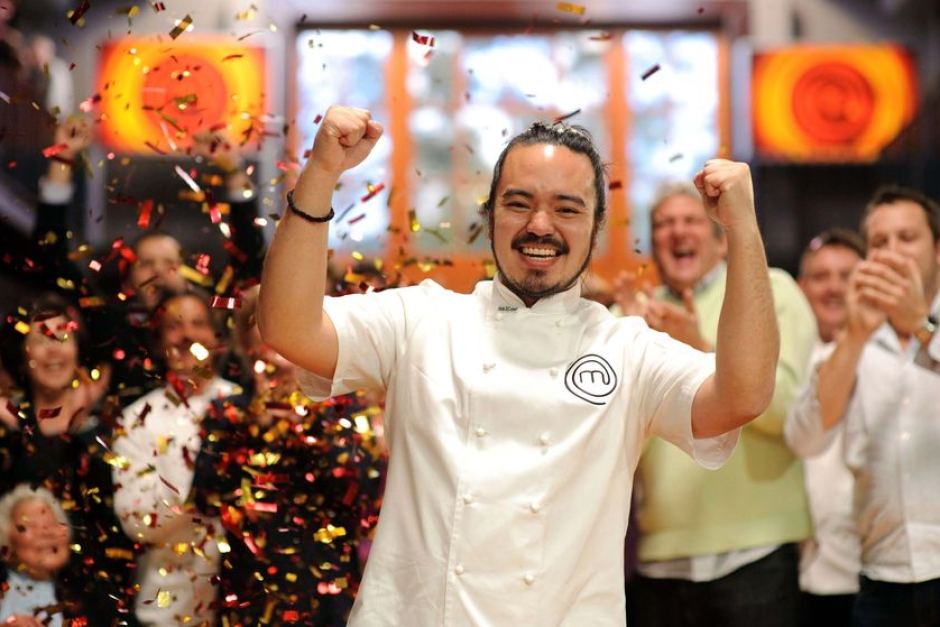
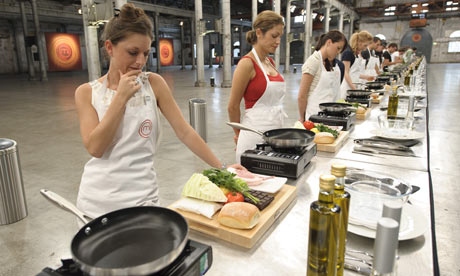
    World cuisine is a term that has always been fantasized by all the foodies out there. Many of us are even well aware of the history, developments and latest trends in each of those cuisines.  Well, this article is not going to talk about anything of that sort. On a general basis, many of us reading this article would agree if I say that ‘Masterchef Australia’ shows which aired on Star World channel had a major part in teaching culinary lessons and also about world cuisine! Being an Indian and watching ‘Masterchef Australia’, there were days when we used to go out on a hunt for the so-called ‘Australian’ cooking ingredients, which had all been in vain. While watching these shows, there was a moment of realization and understanding about how simple many of these cuisines were, and how the life and culture of a region affected the development of its cuisine.  Personally, Italian cuisine had a major impact on my cooking style which turns out to be a combined version of Indian and Italian – may be termed as Indo-Italian! Well, the point here is that, it is always good to have one’s own theories and inspirations about cooking.

    masterchef

    One important lesson that these shows taught most of its audiences was the presentation of a dish – an area which was not explored much by many of us, especially housewives. And that helped in changing the perspective of cooking among many of them. Most of the Indian housewives consider cooking as a part of their ‘duty’ as a housewife, rather than a passion. Though they give uttermost care during the process of making a dish, presentation was not among their primary concerns. But after the advent of such shows, there seems to be a slight change in attitude. Such cooking shows aired on television do a great deal in evoking that spirit of cooking within the most unlikeliest of people, including myself. Though the start-off dishes were the Australian and Italian dishes – mostly by name and not by its taste – the Indian ones were pulled off easily later on, after acquiring the basic understanding about cooking as an art. Cookery shows like ‘Masterchef Australia’, rather than being a mere competition, also teach a lot of culinary skills. Well, I can proudly say that I learnt to cook the perfect mashed potato after watching the former season of Masterchef Australia.

    dish-masterchef

    Another side to this is the remade and dubbed versions of the original ones. It is very rare to find such remade versions growing to become a success in their respective languages. In many of those versions, the spirit of cooking is rather overshadowed by an emotional drama among the contestants, turning a competition into a mega serial show. Cooking when seen as an art and passion, and not just a mere daily routine, can give a lot of self-satisfaction and joy of creating something of your own. And to see such a growing passion in children at such a young age is more than just heartening. In this age of video games and advancements in the Internet technology, amongst kids who have simply lost the spirit of outdoor games and traditions, it is a good sign to see a bunch of young kids out there showing a great deal of interest in developing culinary skills. Kudos to all those Masterchef shows, and kudos, without any doubt, to all the parents who support them!!

    And to end it all, many among us feel that cooking is an art and great sense of taste does not just to come to anyone. Well, here is good news: ‘Anybody can cook’; people who watched the movie Ratatouille would know that!! It’s just a passion that can be developed by anyone. But once that is done, and then you are sure to find yourself in an eternal relationship with food!!

  • Malnutrition in India

    Malnutrition in India

    “What the people of the world want most and have always wanted is bread and peace.”
    – Patricia Young, UN General Assembly

    Food is an integral part of festivities, marriage and just any other function. It’s the food and only the food that gets talked about. It is said people when fed to satisfaction shower blessings and utter auspicious words.

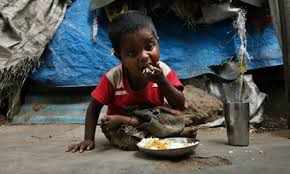
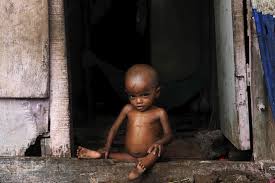
    We the fortunate ones get to eat and waste all we want. Who would now console that mother who lost her son because of malnutrition? Who would comfort the pregnant mother who found out she and the kid are anemic and is unable to do a thing? Who would tell the little Ravi his share of milk can’t be afforded? These people need answers. Give it to them before it is too late.
    They say life is precious and rarest amongst all the creations of god. India today faces highest number of infant deaths because of malnutrition. But no one seems to care.

    They say we are on par with other western countries in terms of technology and education, but are we human enough to see the uglier and attention needed part of this country? That part of the society that doesn’t need the branded jeans you have. That part of the society that doesn’t need your BMW. That part of the society that doesn’t need your riches. That part of the society that only wants enough food to survive and enough water to quench it’s thirst. The  laws they say fix the amount of wage, but did they forget to rise it amidst the inflation? They conveniently did so. They have salaries that could feed a family of 30, why would they care?

    images

    A nation is only as rich as its citizens. If a toddler is deprived of his required meal, which I am sure wouldn’t cost more than a meal at any fancy restaurant I wonder where we are headed. The nation housing world’s top B-school does nothing when it loses a child to malnutrition. The nation that rewards the cricket players with huge chunk of money for bringing home the world cup does nothing for the anemic children. The country that is tagged to be under-developing will remain so if it continues to ignore. The nation known for it’s rich culture is unable to feed it’s own people. The nation which is known for it’s Gandhi and it’s Ambani has just lost it’s  son somewhere. The nation known to be humane has turned ruthless.

    It is estimated that 7000 people die in a day in India because of hunger. It is such irony to find a rich man run to digest his meals and his poor counterpart run to earn his meal. The meal which god alone knows would land in his hand or that of the cruel landlord. His plight and his cries are just down in his rags.

    index

    It is such a shame to see the so-called heads show nepotism in the ration sold at a lower price for the people below poverty line. It is trenchant how there is compulsory education and no help for people who can’t afford 2 meals a day. The turmoils of society are often to the women of the family.By being a wife she house the responsibility of feeding the family. What would she cook if there are no grains? All she can do is see hunger in the eyes of her kids and have  a knife digging her heart each time she looks at their eyes.  It is conventional to see the men get bottles of rum around the newspapers when their little one needs a packet of milk. Don’t blame the drunkard man. He buys liquor because it is easily available and cheaper than the vegetables and rice his family would have fed on. This has to change, and it will ONLY change when people make effort.

    The world is in a mad race. Everyone runs. They have no time to pause and look around. To help those in need. To enjoy the simple pleasures of giving. To see the happiness of that kid you just gave your chocolate to. To just buy a packet of milk to that kid that hasn’t seen it’s meal in 3 days. But again who would care? It’s not their kid anyway. Society measures you in the Villa you buy, the car you drive, the clothes you wear and not in the smiles you spread or the life you changed.

    indexn

    Well you don’t worry. Go to a pizzeria. Order your favorite pizza and don’t you forget extra cheese! Eat till your heart and stomach is loaded . Go to that fancy buffet you always dreamed of and eat all you want. Oh, do waste food because you can afford to and don’t have to lose a life to malnutrition.

  • The Brahmin Weddings

    The Brahmin Weddings

    Marriages they say, are made in heaven. The bonds that last a life time and follows you throughout the seven circles of life you are supposed to complete.

    The weddings in the traditional Brahmin households are extravagant. Traditionally the weddings would last a good 19 days. With the ever evolving present, it is exclusively celebrated for 3 days. It is usually organized by the bride and her family.

    indexk

    Pre – wedding rituals

    Nischitartham – It is a formal announcement of the bride and the groom being engaged in front of the elders and other family members. Gifts and clothes are exchanged. The horoscopes of the bride and the groom is matched and an auspicious day in the future is fixed for the marriage.

    Devarasamardhna – It is a function where in the bride and the groom separately worship the sacred fire and seek blessings from the lord. They pray for a healthy and auspicious life ahead. The mantras are usually chanted in Sanskrit.

    Vara pooja – The groom is formally welcomed to the marriage hall, by the bride and her family. He is showered with gifts and clothes


    THE WEDDING

    The respective houses of the bride and the groom are decorated using mango leaves and flowers. Colourful lights are also added.

    The hall where the marriage is to take place houses a mandapam. This mandapam is filled with the voices of the scholars reciting the auspicious sanskrit mantras.  The bride offers prayers to lord Ganesha and goddess Gowri and her gothram (which is the identity of her father’s family) is then changed to that of the groom family.

    The groom on the other hand performs a ritual called kashiyatra. Here the groom says he is above all the worldly pleasures and wants to go the holy city of Kashi. He is then stopped by the bride’s father and her cousins and is swayed to take the responsibilities of the household.

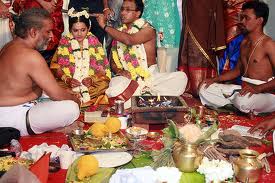
    After the ritual the bride is accompanied by her maternal uncles and brother and brought to the mandapam. Then a ritual called Kanyadanam is performed. The feet of the groom who is believed to be the incarnation of lord Vishnu is washed. The bride and the groom are not allowed to see each other before muhurtam . At the pre decided time ( during nischitartam) the bride and the groom place seeds of cumin and jaggery on each other’s head. This symbolizes the hand over of the bride to the groom.

    After this the sacred fire is worshiped and the mangalyam is tied around the neck of the bride. Then a small portion of bride’s saree and a small portion of the grooms outfit is tied. They walk  seven steps around the fire hand in hand , promising to be there through the good and bad times. The groom then adorns the bride’s feet with silver toe rings.

    The wedding ceremonies comes to an end when the bride and the groom share their first exquisite meal on the plantain leaf together.