Category: Culture

  • Mumbai Foods you cant live Without!

    Mumbai Foods you cant live Without!

    Mumbai, the financial capital of country has always been the home to many immigrants, who brought with them their culinary treasure. This city has emerged and grown from a fishing village to a metropolis, giving rise to its unique food culture. It is a perfect blend of all the Indian customs and traditions; Muslim, Gujarati,South Indian, Goan, Maharashtrian and also its own Mumbai style! Here are a few meals that will everyone residing in and visiting the city must have!

    1. Street food:

    Mumbai street food is the most unavoidable and essential food for every Mumbaikar. Found in every nook-and-cranny of the city, it is totally different from the other versions of chaat found in other parts of the country. It includes bhel, pani puri, ragda pattice, wada-pav, samosa chaat, dabeli, frankie and much more. There are stalls on the Mumbai streets and every bhel wala his own fan following. Famous among them include,the chaat stalls at Juhu Chowpatty, Girgaum chowpatty and stalls at the beaches. There also are juice centers and sandwich centers that contribute to the street food. Wada pav is the most liked and a staple food of all the Mumbaikars. Very much suitable for this fast-paced city, people can eat wada-pav at any meal time of the day. We also serve Indian version of Chinese food at Chinese food stalls. Bade-Miyaan (it now has a restaurant) at Colaba causeway, Ayubs at Kalaghoda and other non vegetarian food joints serve the best kebabs, mutton rolls and non-vegetarian delicacies in Mumbai. Pav-Bhaji is another specialty on the by-lanes of Mumbai. People from all over India come to Mumbai to eat Pav-Bhaji.

    street food

    2. Coastal Meal:

    Situated by the konkani coast, the city has a coastal food tradition of both: Malvani cuisine as well as Gomatak (Goan) cuisine. It includes fish, mainly; prawns, pomphret, Bombay duck, surmai and much more. It tastes best when it is served as fish curry. The taste of these cuisines is spicy, coconut-y, tangy and is served with rice. There are particular restaurants in the city that serve amazing coastal food. You will never have enough of it and will have you coming back everytime you leave having one. Goa house in Juhu, Satkar in Goregaon, Highway Gomantak are few restaurants that are very popular on the charts for serving the best sea-food!
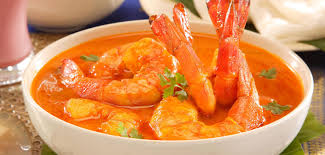
    coastal food

    3. Maharashtrian cuisine:

    Come to Mumbai,  and not have the Maharashtrian cuisine is impossible. When we talk of Maharashtrian cuisine it includes; a proper traditional Maharashtrian thali having  varan-bhat (dal made up of cooked lentils in ghee, served with rice), vegetables made using special Maharashtrian masala and chapati. The other dishes include

    • Zhunka bhakar: A very traditional dish, the zhunka is made using chopped onions tempered with mustard seeds and kadipatta leaves mixed with chickpea flour and is dry. It is eaten with jowar bhakri or roti). There are many midnight stalls open that serve it.
    • Puran-poli: A traditional festive dish made by the Maharashtrians on holi and dusshera; made using yellow gram along with jaggery or sugar. after drying, Palm sized balls of this paste are stuffed into wheat flour dough and rolled out to be roasted on a tawa frying pan with a little ghee or butter.
    • Misal-pav: Having its origin in , this dish is made as a curry of sprouted lentils, topped with potato, poha (rice flakes), chivda, farsan, raw chopped onions and tomato and is eaten with bread. Maharashtrian cuisine is said to be truly soul-satisfying and tasty. There are many more dishes and recipes that contribute to the it, one will have to visit Mumbai to try all of them out. But then, all of it will be irresistable. (Aaswad and Prakash eateries in Dadar are the highly recommended ones for having Maharashtrian food).
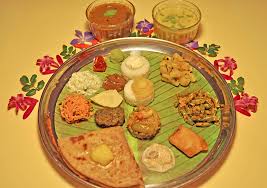
    marathi

    4. South-Indian Cuisine:

    There is authentic udupi served in many udupi restaurants in Mumbai. Many of them serve in their authentic style: on leaves. Mumbai is the only place where you will find plenty of versions of South Indian cuisine. Must-have’s among them include Chinese dosa, Spring dosa, Schezwan dosa, Masala Idli and many such dishes mainly on restaurants and on street-stalls. The most recommended restaurants around the city are Ramanayaka’s Udupi(it is the most famous one), Udupi Idli house, Cafe Madras and Manis lunch home(famous for its thalis). This image is from the south Indian food cooking classes in Andheri.
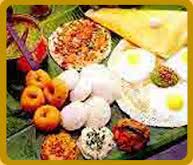
    south

    5. The Mangalorean meal:

    Mangaolrean dishes tend to be slightly meaty. They have adequate proportion of seafood and meat in their diet. The neer dosa, chicken roti, Kori roti from the Mangalorean cuisine is among the hot favourites of Mumbai people. There are few recommendations of restaurants like Mahesh Lunch home, apoorva lunch home, Pratap lunch home are few of the oldest restaurants that are highly popular for this treat.
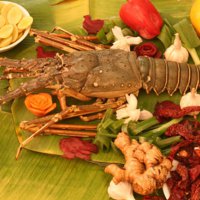
    mangalore-mahesh

    6. The Iranian treat:

    South Bombay is the home to the Parsi community who with them have brought their amazing culture. The town side of Mumbai also is a place of many old and popular bakeries and Irani cafe houses. Irani cafes today, offer simple signature Parsi dishes like Salli boti, Kheema ghotala, freshly baked bread with scrambled eggs, khaaris, cakes,sweet milk tea and much more. It is one of the tasty and essential-to-have treat in the city. The most popular cafe houses today are Kyani, Yazdani, Ideal corner, Jimmy boy.

    yazdani

    7. International servings:

    Mumbai food list would be incomplete if we do not include the American, continental cuisine. There are restaurants like Indigo deli that serve a slightly upmarket standards. today, many such restaurants are found in every mall. Poptates/Jugheads for Italian cravings, Mainland China for having Chinese treat. The coffee houses like Starbucks and Cafe Coffee Day also suit the same standard.

    poptates

    8. Old Bars:

    There are age old bars in the city that attract many tourists as well as the city dwellers. They have a notified ambiance and food. Leopold cafe, Cafe Churchill, Cafe Mondegar are few of the city’s interest.

    leopold

    Mumbai is a city that is home to people of all cast and creed, it is the city of dreams where everyone coming here brings with him his own culture. And the diverse food culture is the result of the same fact. 🙂

  • A Visit to Akbar’s Tomb, Sikandra

    A Visit to Akbar’s Tomb, Sikandra

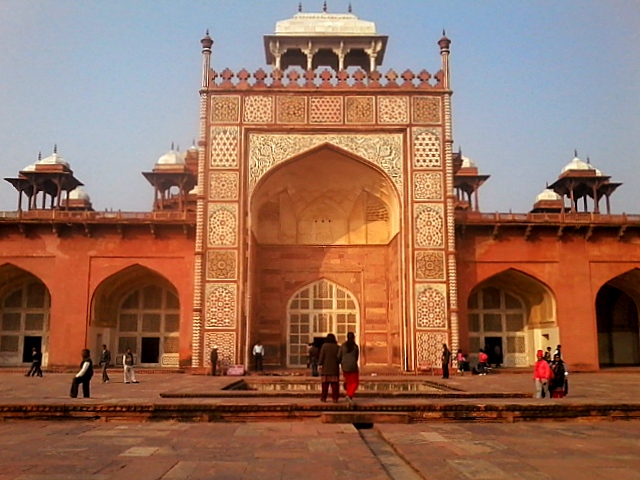
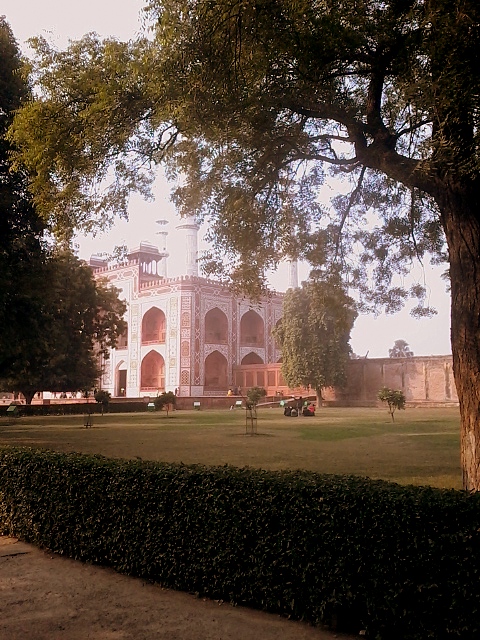
    A few days ago, I had the good fortune of visiting the tomb of the famous Mughal emperor, Akbar the Great. Located in Sikandra, a small suburb on the outskirts of the city of Agra, Akbar’s Tomb goes by much unnoticed by large hordes of tourists, just like the plethora of the city’s numerous other monuments as compared to the universally popular Taj Mahal. Jalaluddin Muhammad Akbar, widely known to be the greatest Mughal emperor by far and one of the most magnanimous rulers of the country prior to its democratic independence, reigned over his vast kingdom from 1555 A.D. to 1605 A.D. At the time of his death, the Mughal Empire stretched from Kabul in the west to Assam in the east, and from Kashmir in the north to Ahmednagar in the south.

    Under Akbar’s rule, the country was united under a peaceful and safely secular co-existence, as he was responsible for abolishing the jiziya tax targeted towards non-believers of his religion, Islam, and bringing in more opportunities for all classes and castes under new, novel institutions, such as the mansabdari system. He united the country under a uniform, cultural, political, and administrative system, accepting its varied diasporas of religions, traditions, cultures, and customs with great tolerance and respect, thus earning the honorary title of “Chakravartin” from the masses, and the epithet of “Akbar the Great” from historians of every age. While Shah Jahan built the Taj and has been remembered by generations for the marvellous creation, the third Mughal emperor was just as illustrious a builder, and is credited with restoring and expanding the Agra Fort as we know it today, and the fabled city of Fatehpur Sikri with all its palaces, massive lawns, and various other royal structures in it, apart from many other monuments.

    Set in over a hundred and twenty acres of open, fertile land, near the Jamuna River, the tomb commenced building in 1605 under Akbar’s behest only after he chose the site and renamed it “Bihishtabad”, which means heavenly abode. Akbar died later that same year, and his son and heir apparent, Jahangir built the monument of deep, red sandstone, as according to plan after that, completing its construction in 1613 A.D. The tomb is planned in the centre of a vast garden enclosed by walls on all sides, with a gigantic gateway on each side. The southern gateway is the largest and most intricate in its design, with two storeys, and four, circular, tapering minarets made from white Makrana marble of Rajasthan. The entrance portal here is 61 feet in height, and is flanked by double alcoves. Just the like the gateway to the Taj, this gateway also possesses Persian scriptures gorgeously furnished in marble relief, and an inlay of precious stones and gems in various designs. The twelve inscribed couplets eulogize Akbar and his tomb, and also reflect his philosophical views, apart from briefly mentioning Abdul Haq Shirazi, the head calligrapher on the project, and the date of the monument’s completion, 1605. The chhatri-styled tower incorporations have been inspired from the Char Minar in Hyderabad, which was built in 1591 A.D. by Muhammad Quli Qutb Shah.

    The internal premises reflect the symmetrical charbagh (four gardens) architectural, which was a hit with the Mughal rulers, and true to its name, the garden is divided into four equal quarters, each separated by a high terrace or a causeway of stone masonry, 75 metres in width with a small water channel running in the centre and raised walkways on its sides. Distinctly raised from the present day deer-populated garden, these walkways can be accessed by staircases, which are accompanied by cascades and lily ponds. However, owing to the issue of devastating wildlife endangerment, the garden area is strictly off-limits for all visitors. In a distinguishing departure from most Mughal architectural pieces, Akbar’s Tomb does not feature any cypress avenues or flowerbeds rising from the causeways. This uniqueness is reflective of character, which is full of dignity, sobriety, and thoughtfulness, and peace, rather than the usual splendour, gaiety, delicacy, and superiority, associated with other Mughal monuments, and has thus been made in accordance with the personality of Akbar.

    The main building is square in its outlay, and has five receding storeys. The ground floor has spacious chambers, with an elaborate marble entry portal to access each. The southern entrance of the tomb leads directly into the vestibule that opens to the main grave chamber. Austere in appearance, this chamber features Quranic verses in stucco and painting, an octagonal tower superimposed by an eight pillar chhatri (roof) and numerous arches. While the monument has been built mostly in sandstone by Akbar, as per old Mughal tradition, Jahangir’s architectural style is also reflected in the seamless incorporation of white marble in the gate minarets, entry portals, and the top storeys of the main building.

    The upper floors of the monument have been cordoned off from the general public, and while it is not visible to the naked eye from the ground, tourist guides also mention a huge open-air square court on the top storey, 70 metres long on each side, and covered by arches. A cenotaph has been placed on the platform in the court, and has 36 Persian couplets praising Akbar carved on it. The tomb building is a four-tiered pyramid, surmounted by a marble pavilion containing the false tomb. The true tomb, as in other mausoleums, is in the basement. Apart from Akbar’s grave, many others of his family were also buried here, including a number of his queens and children, just like other Mughal mausoleums such as the Taj Mahal which contains the graves of both Shah Jahan and his queen, Mumtaz Mahal, for whom it was built. The tomb was severely damaged in the 16th century and was consequently restored by the Archaeological Survey of India between 1902 and 1911.


  • The Indian way Chinese Starters !!!

    The Indian way Chinese Starters !!!

    Indians prefer more of Chinese than Indian (I am including myself ). Chinese food is having all flavours in one bowl spicy ,tangy, oily, saucy, full of veggies, juicy, with gravy , without gravy , full of colours , sometime bland in taste, sweet & sour etc etc. I am not wrong if I say there is no one on earth who doesn’t like Chinese. I have had the opportunity to taste all sorts of Chinese food ….from a classy Chinese restaurant to roadside Chinese junk I have had all. But trust me I liked it all. Its easy to prepare and easy to make , the only task is to assemble  the right ingredients , cut the vegetables in right shape and your dish is done in 5 minutes. Yes! its that simple. From wedding Hi-Tea to birthday party at home we always include a Chinese dish in the menu. B’coz ….its simple tasty and every ones favourite.  Its funny but a trur fact that we Indians have totally customised the Chinese dishes and made it oily spicy “tadka marke” dishes .

    Originally the Chinese recipes our full of veggies & sea food , little bland , more of stock content and sweet & sour in flavour. But we have totally customised it in our homes as per our own taste. You wont believe but I have had egg plant sautéed Hakka noodle once and I loved it (I was being crazy …never mind). My hostel cook use to add curry leaves in chicken Manchurian as he was a South Indian cook and only knew curry leaves as his key ingredient ….so whether it be dosa or noodles curry leaves was must (Its true story ….!!!). But if you our really Chinese food crazy you must eat anything which comes to you in form of noodles and I am being very honest in admitting that I love Chinese and can survive years n years eating only noodle and chilly chicken.

    Chinese dishes originally are non- vegetarian dishes but we being Chinese food crazy and not compromising the taste created loads of veg substitutes of the main menu and made it more popular than the original recipes…classic example would be chilly Paneer/ cottage cheese. Even china would wonder how we managed to create that. But its possible only in India. We kill the original recipe and yet make it tasty and popular…(Aren’t we crazy enough to be dared for anything ). So lets have a mix bag of Chinese starter recipes customised the Indian way.

    photo(17)

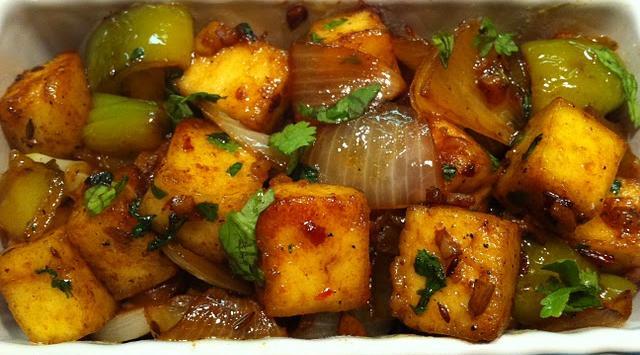
    Chilly Paneer :

    Ingredients : 500 g of cottage cheese / Paneer cut in cubes, 1& 1/2 tablespoon corn starch , 1 tablespoon green chilly diagonally thinly sliced,1 tablespoon celery finely chopped,  2 medium onions diced roughly, 2 medium bell peppers (Red, green & yellow in colour), 1 tablespoon garlic finely chopped, 1 tablespoon ginger juliennes, 1 /2 tablespoon dark soy sauce, 1 tablespoon tomato ketchup, 1/2 tablespoon green chilly sauce, 1 tablespoon olive oil to cook ,salt to taste,1/2 cup water for moistening .

    Servings : 4

    Method : Take a zip lock bag and pour in 1/2 cut of corn starch in it . Add in paneer cubes in the bag and shake it well closing the zip so that starch coats all the cubes evenly from all sides. Now heat a shallow pan and add half of olive oil in it. Slightly toss the paneer cubes in the till it turns golden brown evenly from all sides. Take it out and keep it separate. Now add in the rest of the olive oil heat it on high flame and stir in celery , green chillies, garlic and ginger and sauté it for 1 minutes . Now stir in Onions and diced bell peppers and sauté it again for another 2 to 3 minutes. Add in little salt , tomato ketchup , dark soy sauce , green chilly sauce and mix well for 30 seconds. Add in the shallow fried golden brown paneer cubes in it , mix it well and add water to it. simmer it for 2 minutes and add rest of corn starch in paste (add few drops of water to corn starch )  form to thicken the water and get a glaze on this Paneer dish. Serve it in a flat dish with toothpicks on side . Serve it hot.

    Gobi-Manchurian

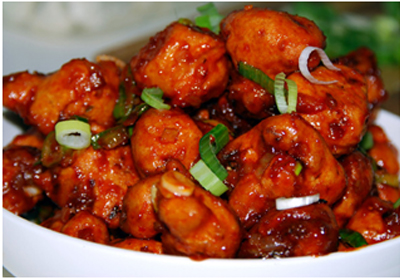
    Gobi Manchurian Dry :

    Ingredients : 1 big cauliflower roughly cut into small pieces, 2 tablespoon corn starch , 1 tablespoon green chilly diagonally thinly sliced,1 tablespoon celery finely chopped,1 tablespoon garlic finely chopped, 1 tablespoon ginger juliennes, 1 /2 tablespoon dark soy sauce, 1 tablespoon tomato ketchup, 1/2 tablespoon green chilly sauce,  olive oil for deep frying & cook ,salt to taste,1 tablespoon chopped spring onions for garnishing.

    Serving: 4

    Method : Firstly we need to slightly blanch in salted water, the cauliflower and then dry it. Once it dried we need to put it in a zip lock pouch with all the corn starch in it and shake it well to coat the cauliflower pieces evenly with corn starch . You may also avoid this process and directly mix the corn starch with blanched cauliflowers and keep it with  for 30 minutes so that it coats well . Now deep fry  the cauliflowers kernels till golden brown . It will be quiet crusty as it was coated with corn starch and its taste is already salty as so addition of extra salt is not required. Now heat a shallow pan , add olive oil in it and on high flame toss, celery , green chilly slices , ginger and garlic. Sauté it for a minute and then add all the sauces …tomato ketchup ,green chilly sauce, and dark soy sauce along with deep fried cauliflower kernels . Stir fry all of this on high flame for 3 to 4 minutes and serve till cauliflower /Gobi absorbs all the sauces. To get a glaze you may pour corn starch solution( a teaspoon only) it is Optional .To get a gravy of this particular dish you just need to add 1 cup of water and a tablespoon of corn starch solution and your side gravy dish is ready. Serve it hot garnishing it with spring onions to enjoy the crispiness of the tempting cauliflower kernels This is a  Indo -Chinese recipe and a very popular dish in India’s Chinese menu.

    There are several such customised Chinese recipes which I want to list down for you guys …will surely write those recipes too till then try out these ones and have a rocking day in kitchen.

  • A Platter of Vegetarian Kebabs

    A Platter of Vegetarian Kebabs

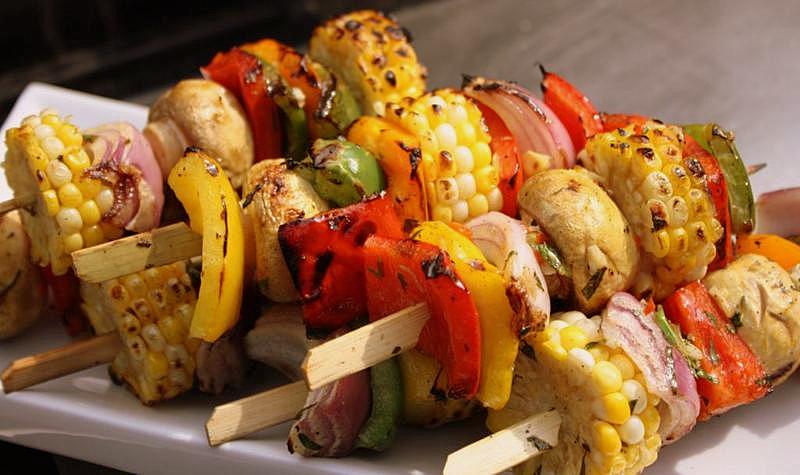
    Originating in the coastal countries of the eastern Mediterranean area, kebab is a versatile dish made by roasting and grilling pieces of meat, fish, and vegetables, over a skewer or a spit. The dish quickly spread in popularity and consumption throughout the nations of the Middle East, and then central Asia. The kebab traces its historic roots to before the 17th century B.C., and even the ancient Greek poet Homer mentions an erstwhile archaic dish resembling the same, and enjoyed all over his country in his works. However, a Turkish script by Kyssa-i Yusuf which dates back to around 1377, first properly mentions the culinary concept of the word, which is derived from the Persian language, and literally means “fry”, and sometimes “fry and burn”. Legend has it that the kebab was invented by medieval Persian soldiers who grilled meat on their swords over open-air fires in the battlefield. It quickly gained favour of both the classes and the masses, being served as the royal fare in various Islamic states over the ages, and as a much sought after and easily accessible snack or main course dish for many commoners, and the trend continues even today.

    Although lamb is the traditional choice of meat for making the kebab, there are many variants available in different meats and vegetables all over India due to religious constraints and direct or indirect dietary restrictions. Indian kebabs, whether they are vegetarian or non-vegetarian, have a unique and popular flavour of their own, owing to the wide spectrum of masalas (spices) and herbs native to the subcontinent. Apart from the numerous Indian innovations in the art of kebab making, the sheesh, shammi, tikka, and shawarma, original types of kebabs are also available everywhere, and can be found easily in small roadside eating joints as well as in top notch restaurants and hotels. The cities of Lucknow and Hyderabad are famous all over the country, owing to their thousands of decades-old, local eateries and food establishments which sell different types of primarily meat kebabs, ranging from tunday to kalmi and tangdi to reshmi, and have thus contributed a lot to culture, food, tourism, and economy.

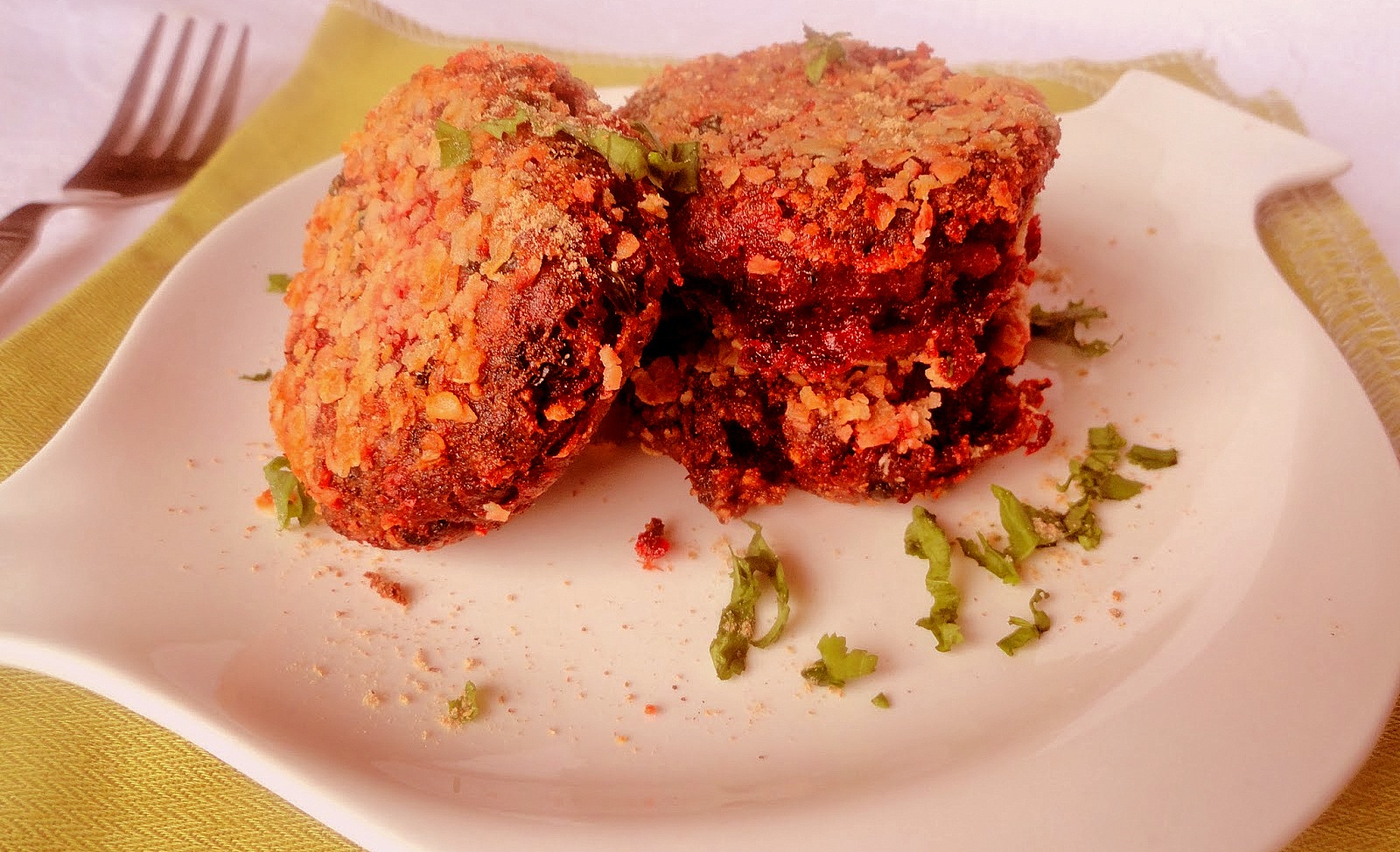
    While you can get non-vegetarian kebabs from anywhere, the vegetarian types are a rarity to find outside one’s house, and they are generally overpriced in the restaurants they are available in. Vegetarian kebabs can be easily made at home, with simple ingredients, and less elaborate methods than their non-vegetarian counterparts. This article will provide you with three novel recipes, all made wonderfully by my favourite chef in the world, my grandmother, for these lesser known variants, namely, shalgam ke kebab, kela chane kebab, and chukandar ke kebab.


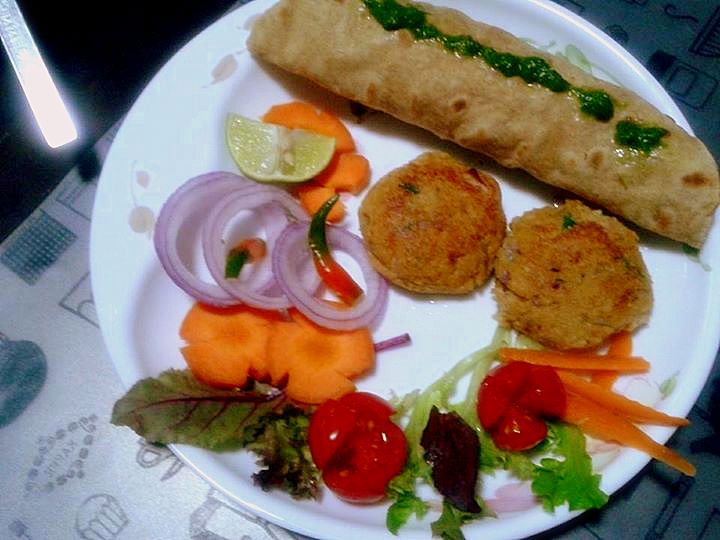
    Shalgam ke Kebab (serves 4-6 people)

    Ingredients needed:

    • 7-8 bulbs of turnips
    • 2 tablespoons of roasted besan (gram flour)
    • Finely chopped onions
    • Finely shredded coriander, chilli, and ginger
    • 2 medium sized boiled potatoes
    • Salt to taste
    • 1 small teaspoon of garam masala powder
    • Vegetable oil

    Steps required:

    • Thoroughly wash the turnip bulbs, and then carefully peel their outer skins off.
    • Put the skinned turnips in a pressure cooker and steam thoroughly.
    • Once the turnips cool down, mash them and drain out the excess water.
    • Mash the boiled potatoes and mix them with the turnips. Add coriander, chilli, ginger, and onion to the mixture and be careful to make it consistent with dough.
    • Add garam masala and salt accordingly.
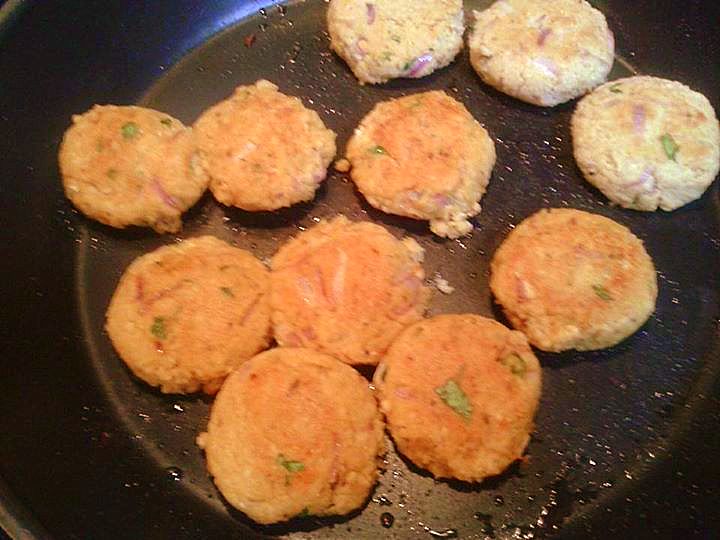
    • Make small balls of the prepared dough and flatten it into small cutlets or flattened disc shaped portions.
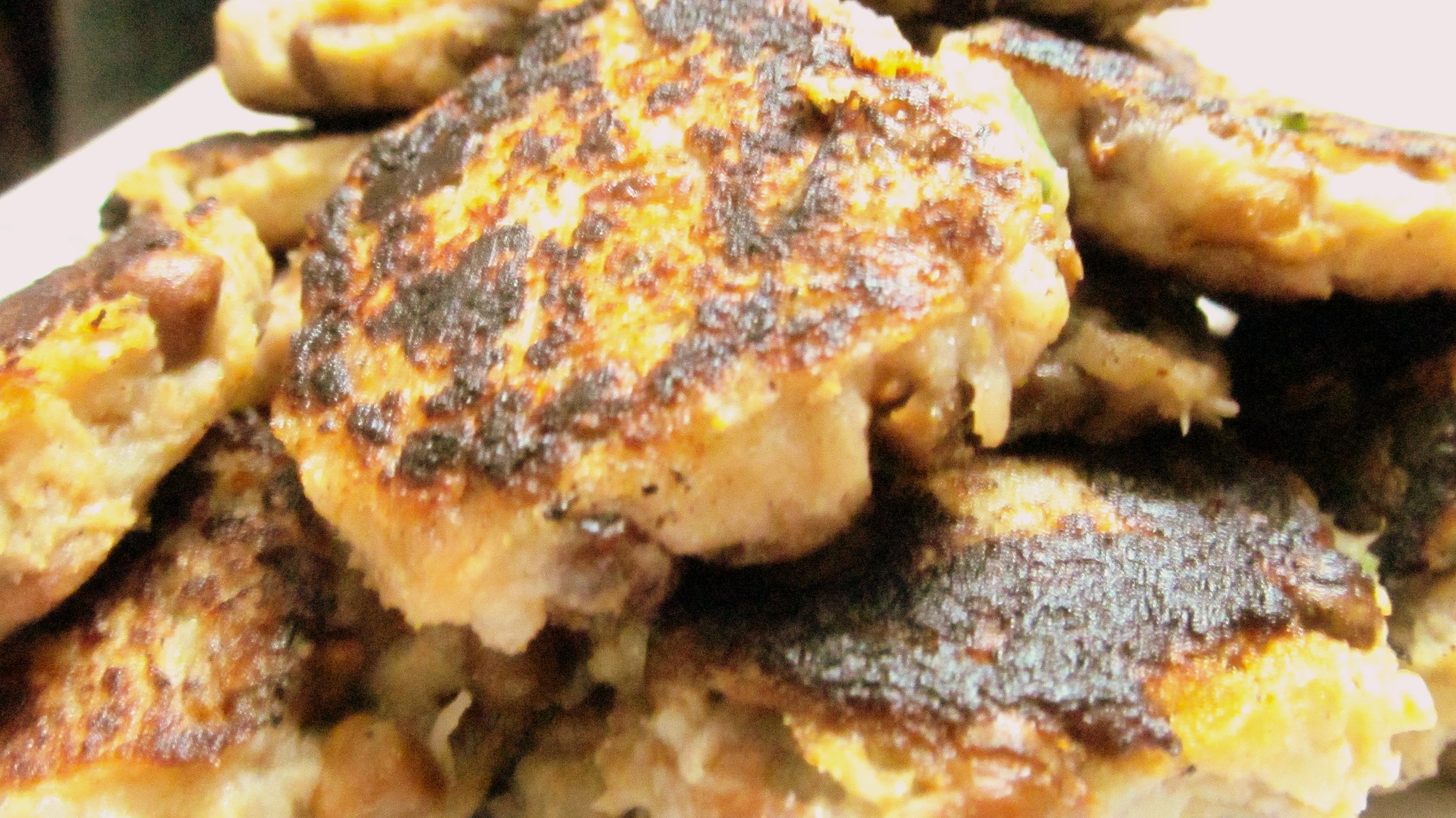
    • Shallow fry on a tawa (pan) until the kebabs are thoroughly cooked and are a rich golden-brown in colour.
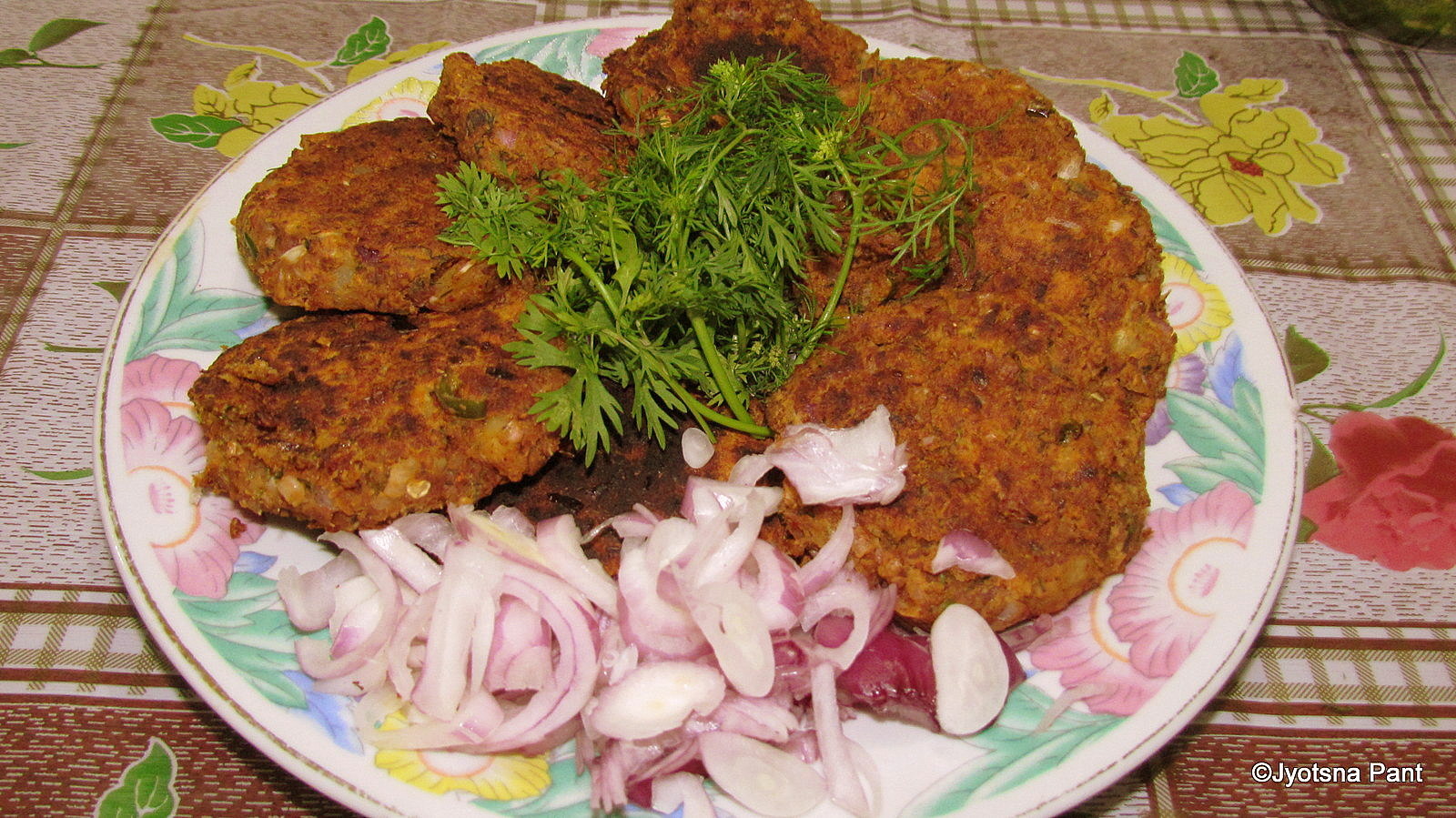
    • Top with sprigs of coriander and rings of onion. Serve hot, with a chutney of your choice.


    Kela Chane ke Kebab (serves 4-6 people)

    Ingredients needed:

    • 5 clean green unripe bananas
    • 1 bowl of soaked chana dal (gram beans)
    • Finely chopped onions
    • Finely shredded coriander, chilli, and ginger
    • Salt to taste
    • 1 small teaspoon of garam masala powder
    • Vegetable oil

    Steps required:

    • Make sure to wash the bananas thoroughly with fresh water before beginning. Once they are clean, steam them in a pressure cooker with their skins intact.
    • Steam the dal separately to a soft consistency.
    • Once both ingredients cool down, peel the bananas, and mash together with the dal to make a dough.
    • Add garam masala and salt. You can also add other spices such as red chilli powder if you prefer.
    • Shallow fry on a pan.
    • Garnish with sprigs of coriander, and serve with onions and chutney.


    Chukandar ke kebab (serves 4-6 people)

    Ingredients needed:

    • 7-8 beetroots
    • 2 tablespoons of roasted besan (gram flour)
    • 2 boiled potatoes
    • 250 grams of paneer
    • A few whole clean leaves of cabbage
    • Finely chopped onions
    • Finely shredded coriander, chilli, and ginger
    • Salt to taste
    • 1 small teaspoon of garam masala powder
    • Vegetable oil

    Steps required:

    • Steam the beetroots thoroughly after cleaning them.
    • Mash the beetroots to a dough-like consistency. If necessary, add a little bit of boiled potatoes as well. Add roasted besan to this mix.
    • In a separate bowl, mash potatoes and mix them with paneer chunks.
    • Add coriander, chilli, ginger, and onion to the beetroot dough.
    • Make miniature balls of the paneer and potato mix after adding salt and garam masala to it.
    • Wrap them in a leaf of cabbage.
    • Encase this in an even layer of beetroot dough. Make it firm with more besan if required.
    • Shallow fry on a pan until the kebabs are thoroughly cooked.
    • Cut the kebabs open from the centre, top with coriander, and serve hot with chutney.
  • Chilled Desserts to Chill you More !!!

    Chilled Desserts to Chill you More !!!

    Its always fun to do something different , something out of the box ….to break the mono type , the stigma , the notion its great to just un-follow the typecast. A very harmless one is to eat which you are not expected to eat. Its very simple….Yes, you just need to have chilled desserts in freezing temperature. Its awesome fun . Fill your pockets with paracetamol’s to get precaution after you do this fun task but surely do this. No matter how much your mum scolds you after this how much you sneeze , just be carefree and dare yourself to do this one. To make it more simpler lets just learn few awesome delicious dessert recipes which can even tempt your parents , your granny , your grandpa to do this fun adventure without even a second thought. Isn’t it just a day our in Disney land type idea… that to without money. Ummmm…you will have to pay for the ingredients though!!!

    We often bring our lives to a point where we de-mark ourselves about the DO’s and the DONT’s. But who are we to decide to live our life in a boring way. Aren’t we just tired of the routine work and monotonous way of leading life. Eating always makes us happy so why not to eat dishes we just love . In that way not only we going to eat it happily its going to affect our minds too & it gets digested easily moreover makes us feel more cheerful and fun loving. You must be thinking is this a psychology class or a article on psychology . No , you are not fully wrong but yes of course good food or favourite food makes you happy . I am not wrong when I say seeing your mother bake your favourite chocolate chip cookie makes you dance within your mind .( I feel like dancing just by the thought of getting a choco-chip cookie …yum!!!). I am still a child when it comes to list down my favourite dishes and they are still the same what i use to eat 2 decades ago. We all are having a child inside and lets not kill the child within our adult bodies or just don’t gaurd your child too much to make them bore enough for future. Just take my dare and do it. I am sure you will just live a day of full happiness . To fight infection there are enough medicines so don’t worry.

    tutti_frutti

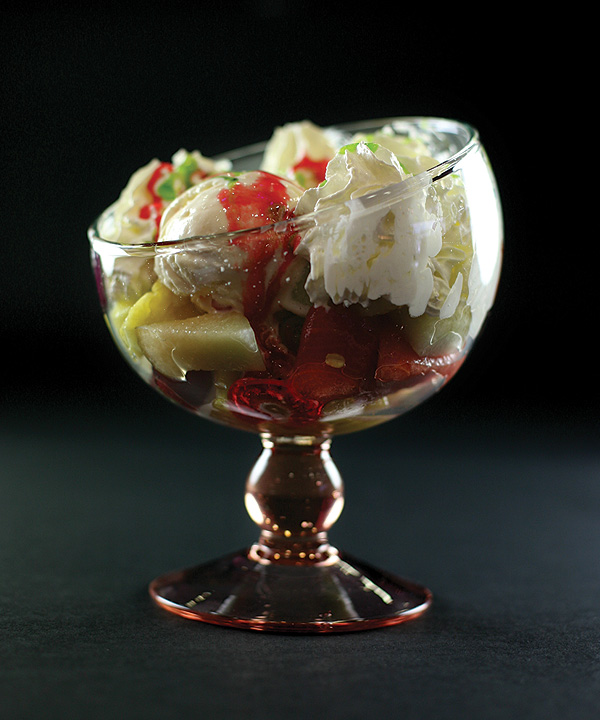
    Frozen Alaska with a twist :

    Ingredients : few slices of fruit cakes,1 scoop of vanilla ice-cream , I scoop of butterscotch ice-cream , 1 cup of chopped bananas, 1 cup of chopped black grapes, 1 cup of chopped strawberries, 1 cup of oranges de-seeded, peeled and skinned out, 1 tablespoon of kiwi crush, 1 tablespoon of strawberry crush, 1 tablespoon of chocolate syrup (optional). A beautiful glassware. To decorate you may choose your own garnish..for example wafers , straws, choco-chips etc , butterscotch nuts, whipped cream.

    Servings : 2

    Method : Take a decorative glass , crumble the slices of fruit cake and pour in the glass and with the help of the finger push it inside the glass making its very first layer of frozen Alaska. Now add in one fruit crush of your choice and then add in a layer of vanilla ice-cream scoop , then layer in chopped bananas and oranges, grapes . Now add butterscotch ice-cream , strawberry crush with chopped strawberries and garnish it with whipped cream and choco-chips. The frozen Alaska is ready to serve. Enjoy it with your loved ones its a perfect fun dare for chilled winter evenings.

    download

     Creamy soft peaks:

    Ingredients : 2 cups of whipping cream , 1 cup chopped strawberries(Its the best available fruit in winters with rich red colour giving a nice look to a delightful creamy dessert, 1 tablespoon caster sugar, 1 teaspoon corn starch solution,1 tablespoon of strawberry crush , few slices of chocolate cake, 1 tablespoon condensed milk, 1 tablespoon fresh cream, 1 teaspoon coffee powder, 1 teaspoon vanilla extract. Oreo biscuit for garnishing .

    Servings : 2

    Method : With the help of a whipper whip the whipping cream . In the whipping process add  vanilla extract to the whipped cream to add on some flavouring to the plain cream. Crumble the chocolate slices and mix it with fresh cream , condensed milk and coffee powder. Heat this mixture until it thickens up without forming a lump. Pout this mixture in the glass you want to serve and making it the base of the dessert. Keep the glass in refrigerator to chill. Divide the whipped cream in two portions. Again heat a pan add in strawberries, caster sugar, strawberry crush and corn starch solution in it. Heat the mixture till it turns out to be a thick lump less sauce. Cool the strawberry sauce and mix it with one portion of whipped cream. Take out the chilled choco-coffee base glass and pour in the two flavoured creams as two different layers in the glass. Garnish it with Oreo biscuit and you are ready to commit the sin.

     download (1)

    Banana Split:

    Ingredients : Two large bananas split into two halves, 1 cup brown sugar, 1 cup condensed milk, Single scoop of three different ice-cream flavours, 1 tablespoon chocolate syrup, few chopped seasonal fruits of your choice, little whipped cream and a happy heart to assemble all this.

    Servings : 2

    Method: Take a dish and place the split slices of ripe bananas. Meanwhile heat a pan and stir in brown sugar and condensed milk till the sugar melts and thickens the mixture without solidifying. Make sure you keep on stirring this caramelized mixture on slow flame.Once its done just simply pour it over the banana slice and keep it to chill for a while. Once its cools down in refrigerator just layer it with fruits scoops of different flavoured ice-creams and whipped cream. Top it with chocolate syrup or any syrup of your choice and just do not wait to eat it .

    Isn’t it a pleasure to dare yourself to have these chilled desserts even in winters and feel heavenly with every bite you sink in through your throat.If you do not believe me try out the recipes we well surely have a common agreement .

  • 10 Elixirs to Keep you Warm this Winter

    10 Elixirs to Keep you Warm this Winter

    Drinking Hot Chocolate on a cold winter night by my electric fire place would be one of my fondest childhood memories. The waft of the same would be enough to warm the cockles of my heart. Waking up to the smell of coffee with a hint of caramel would be reason enough to wake up for school and the after school Masala Chai full of spices like clove, nutmeg and ginger.

    These hot sweet beverages would be source of warmth and fire that kept the clod and cough at bay. Now the addition of something special makes it even better. A shot of rum, a dash of whiskey instantly brings the blush in my cheeks. Many experts argue against the warming properties of alcohol, but in certain countries located in higher altitudes it is an age old custom to welcome guests with a potent shot of whiskey.

    Spices like Ginger, Clove, Cinnamon, Peppercorn and Cardamom help in increasing blood circulation in the body hence resulting in the body heat being distributed properly and more efficiently. The mere addition of any of the spices can transform your every day drink into something quite special.

    I am sure all this talk of mystical magical wonderland-ish drinks has made your quite thirsty, so without further delay i present to you some exotic and interesting drinks for adults which can be made at home, for when you are entertaining or otherwise.

    Alhambra

    alhambra

    This is so simple to make and so delicious. It’s really for grown-ups who never really grew up!

    Ingredients: 5 measures hot cocoa or drinking chocolate; 1 measure Cognac

    Method: Pour the hot cocoa or drinking chocolate into a warmed glass and add the Cognac.

    Brown Betty

    brown betty

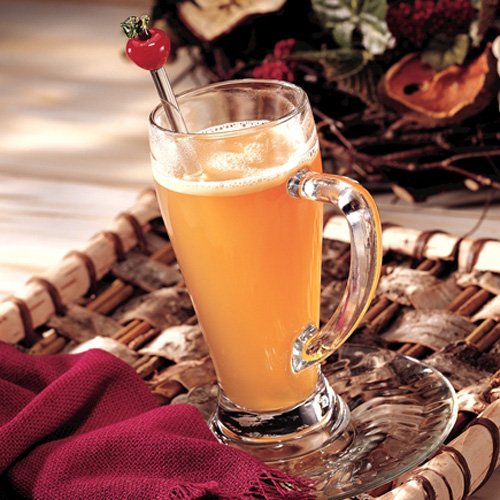
    This is a terrific, hot, beer-based punch. The quantities given will serve around 8 people.

    Ingredients: 1.3 Liters or amber ale; 12 measures brandy; 2 and 1/4th cups water; 1/2 cup brown sugar; 1 lemon sliced; 4 whole cloves; 1 cinnamon stick; 1/2 teaspoon grated nutmeg; 1/2 teaspoon ground ginger.

    Method: In a large saucepan, over a medium heat, add the sugar, lemon slices, cloves, cinnamon, nutmeg,ginger and water. Stir continuously to dissolve the sugar and let the mixture come to the boil. Turn the heat down and let the mixture simmer for around 10 minutes. Add the brandy and the ale, the heat, but do not boil. Serve hot in beer mugs, each garnished with a slice if lemon.

    Bumpo

    bumpo

    This is a quick fix after a long tiring day at work.

    Ingredients: 2 measures hot water; 2 measures rum; 1 measure lime juice; 1 teaspoon sugar; ground nutmeg.

    Method: Dissolve the sugar in the glass with the lime juice and hot water. Add the rum and dust slightly with the ground nutmeg.

    Cafe d’Amour

    cafe damour

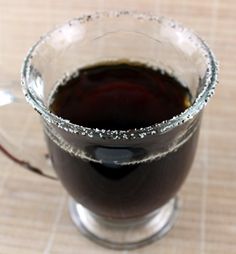
    This is a coffee made without cream- the perfect way to end an intimate dîner pour deux. It is after all, the ‘coffee of love’. Be careful when you heat and ignite the Cognac- the only thing that should be inflamed are your passions, not the kitchen.

    Ingredients: 5 measures hot black coffee; 1 and 1/4th measures cognac; zest of 1/2 lemon; 1 stick of cinnamon; sugar (to rim the cup and to sweeten, if desired)

    Method: Rim the cup with lemon and dip into some sugar. Add the coffee, lemon zest and the cinnamon stick to the saucepan and simmer. Carefully pour the Cognac into a large soup laddle and ignite it. Pour the the flamimg Cognac into the coffee and then extinguish the flame by putting the lid on the saucepan. Remove the lid and strain the mixture into sugar-rimmed cup.

    Colonial Boy

    colonial boy

    This is a wonderful, tea-based hot drink that’s perfect after a long, winter walk.

    Ingredients: 5 measures hot black tea(sweetened to taste); 1/2 measure Irish Whiskey; 1 dash bitters.

    Method: Pour the hot tea into the glass and add the Whiskey and the Bitters.

    English Bishop

    eng bishop

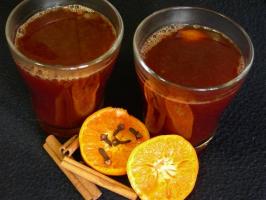
    This is a port-wine drink, made with baked oranges and served hot. This would serve 6 people.

    Ingredients: 1 large orange; 12 cloves; 700 ml inexpensive Port; 1 tablespoon honey; 1 teaspoon allspice; 2 dashes Cognac (optional).

    Method: Stick the cloves into the whole orange and bake it in the oven on a low heat for 30 minutes. Cut the baked orange into quarters and put it in the saucepan. Pour in the Port and add the allspice, honey and Cognac if desired. Over a very low flame, simmer gently for 15-20 minutes- do not boil or the flavor of the Port will be spoiled. Serve in warmed cups.

    Grog

    Grog

    This spiced-rum mix was named after Admiral Sir Edward Vernon, who was nicknamed ‘Old Grog’ because his cloak was made of the coarse material grosgrain. Returning from the Caribbean in 1740, in order to save on costs (or perhaps stretch the rum ration), Old Grog diluted the Crew’s Rum with water, a mixture that was immediately named ‘Grog’. They soon discovered that it tasted better hot.

    Ingredients: 2 measures dark rum; 2 measures water; 2/3 measure lime juice; 1 teaspoon brown sugar (or honey); 2 cloves; 1 cinnamon stick.

    Method: Add all of the ingredients to a small saucepan and heat gently to dissolve the sugar. When hot, strain into a heat-proof cup.

    Hot Buttered Rum

    10213_hot_buttered_rum

    This drink was first published in Life magazine on September 21, 1942. It is especially popular in the fall and winter and is traditionally associated with the holiday season.In the United States the drink can be traced back to the Colonial Days.

    Ingredients: 2 measures Dark Rum; 2 measures water; 1 teaspoon brown sugar (or honey); 1 pinch ground nutmeg; 4 drops vanilla essence; 1 small cinnamon stick; 1 small knob of butter.

    Method: Place the cinnamon stick, nutmeg and vanilla essence in the heat-proof cup. Heat the rum, water and sugar in the saucepan until almost boiling. Remove from the heat and pour into the cup over the spices. Put the knob of butter on top and watch it melt into the mixture.

    Hot Scotch Toddy

    hot toddy

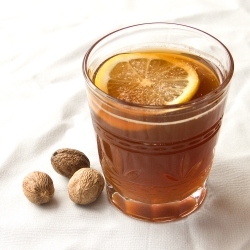
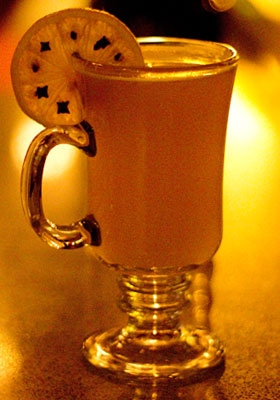
    This drink has various recipes and is traditionally drunk before going to bed, or in wet or cold weather. Some believe the drink relieves the symptoms of the cold and flu — in How to Drink, Victoria Moore describes the drink as “the vitamin C for health, the honey to soothe, the alcohol to numb.”

    Ingredients: 2 measures Scotch; 3 measures boiling water; 1/2 measures lemon juice; 1 teaspoon brown sygar (or honey); 3 drops bitters; 1 slice lemon, studded with cloves; ground nutmeg.

    Method: Put the sugar, bitters, lemon juice and clove-studded lemon slice in the glass. Add the Scotch and pour in the boiling water. Stir to dissolve the sugar and sprinkle with ground nutmeg.

    Royale Coffee

    coffee royale

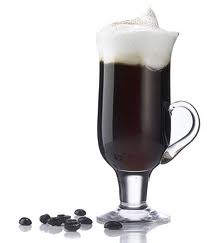
    The most famous hot coffee and liqueur drink topped with whipped cream is Irish Coffee. This uses Irish Whiskey, but there are numerous variations. Try the royale, with Cognac.

    Ingredients: 1 measure Cognac; 5 measures hot black coffee (sweetened to taste); 1 and 1/2 measures whipped cream; grated chocolate.

    Method: To the warmed glass, add the hot coffee and the cognac. Gently float the whipped cream on top and sprinkle with grated chocolate.

    I hope you enjoy making these and may they warm your dreary winter evenings. Salute!

  • The Six Things You should Eat when Visiting Agra

    The Six Things You should Eat when Visiting Agra

    Agra, known all over the world as the hometown of the beautiful Taj Mahal, also has a rich and varied range of cuisines to its credits. Serving as the haven of many communities, Agra is home to Muslims, Marwaris, Jains, Baniyas, and many more, which has culminated into the city being a one stop destination for all kinds of food, delighting the non-vegetarian and vegetarian alike, with all kinds of culinary budgets. While the city has not expanded much in terms of area and general civic infrastructure, the hospitality business sure has boomed greatly, which was an added bonus for the local eateries and restaurants. If you ever visit the city of the Taj, here are some unique local dishes and delicacies you must try:


    1. Petha

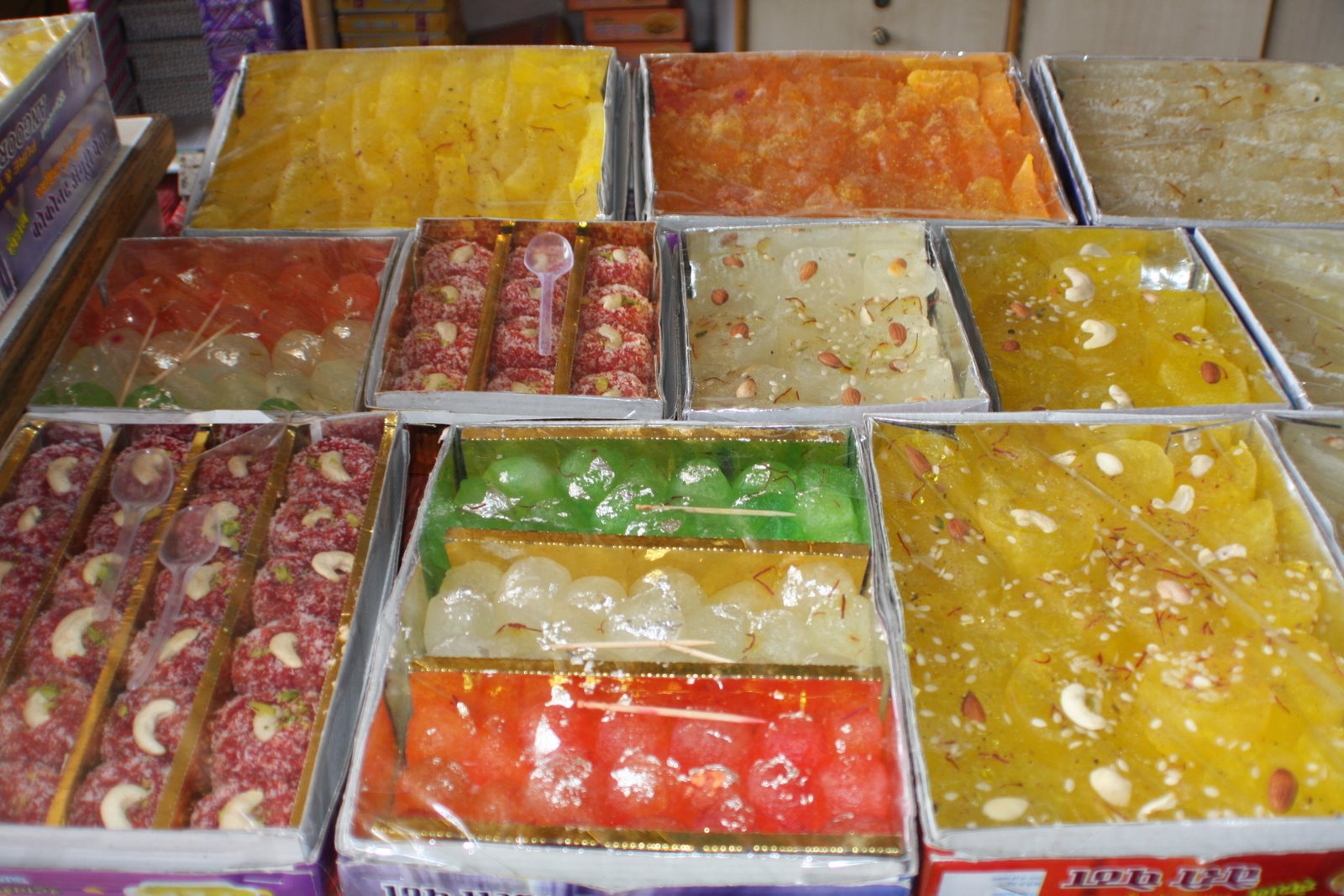
    Probably one of the most famous delicacies to be associated with the city, petha is, and has always been the rage when it comes to the food business here. You will find billboards and railway stations flooded with advertisements for this local sweetmeat, which has been manufactured for centuries in the small bustling galis (alleys) and local mandis (markets). Petha is a translucent, soft, syrupy, and chewy sweet made from ash gourd, also known as white pumpkin or more popularly, squash. While the basic and simplest type of petha comes in small white cubical hunks, you can find many more types, in cylindrical and rectangular shapes, and different flavours ranging from kesar (saffron), chocolate, angoori (grape), and even mango. The most famous petha manufacturing chain here is Panchhi Petha, with its branches spread in every corner of the city.


    2. Dalmoth

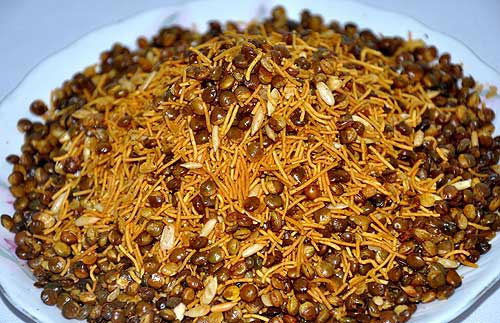
    A traditional north Indian namkeen (salted snack), dalmoth in Agra is synonymous with petha when it comes to taste and fame. Dalmoth consists of a proportionate mixture of fried dal (lentils), dried fruits, nuts, spices, and oil. The lentils used to prepare the snack can be of any kind, the most notable ones being chana (yellow gram), moong dal (green gram), and moth beans. Crispy in texture and sharp in flavour, dalmoth can be customized according to your requirements in many local food eateries. In addition to this, dalmoth also comes packaged in small boxes, which one can find easily at any sweet shop, or halwai, as they are more commonly called in north Indian states. This snack serves as the perfect light munching material with a cup of hot and sweet tea in the evenings.


    3. Bedhai and Jalebi


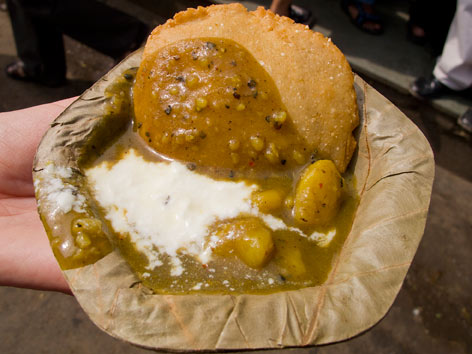
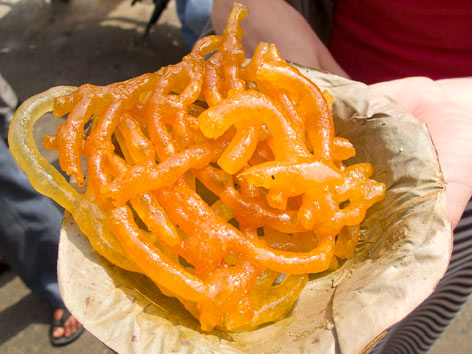
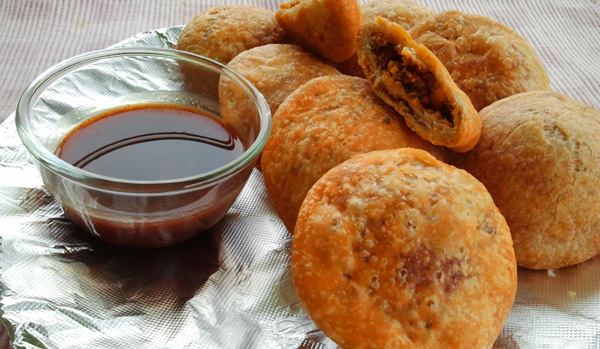
    If you come to Agra and do not have this particular dish, you have missed out on the city’s street food in a major way. Bedhai resembles the kachori, in the way that both are round, flattened breads, deep fried in vegetable oil, but the former contains a delightful stuffing of masala, made of lentils, besan (gram flour), and spices. It is served with a spicy, hot curry of potato chunks and green chillies, and occasionally with a dollop of sweetened curd. You will find many street corners overflowing with early risers treating themselves to bedhai and jalebi for breakfast. Served at many eateries, big and small, the famous North Indian jalebi is served as an accompaniment to bedhai. This sweetmeat is made by deep-frying maida (refined wheat flour) in concentric rings, and then soaking the product in hot sugar syrup. Both bedhais and jalebis are made fresh in enormous quantities each day all over the city, and sold out within a few hours. The two balance each other out perfectly, and also amply fill one’s stomach, making it a must-have on the Agra breakfast menu.


    4. Chaat


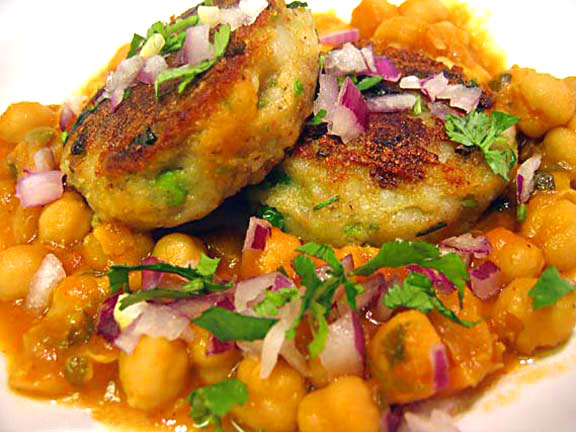
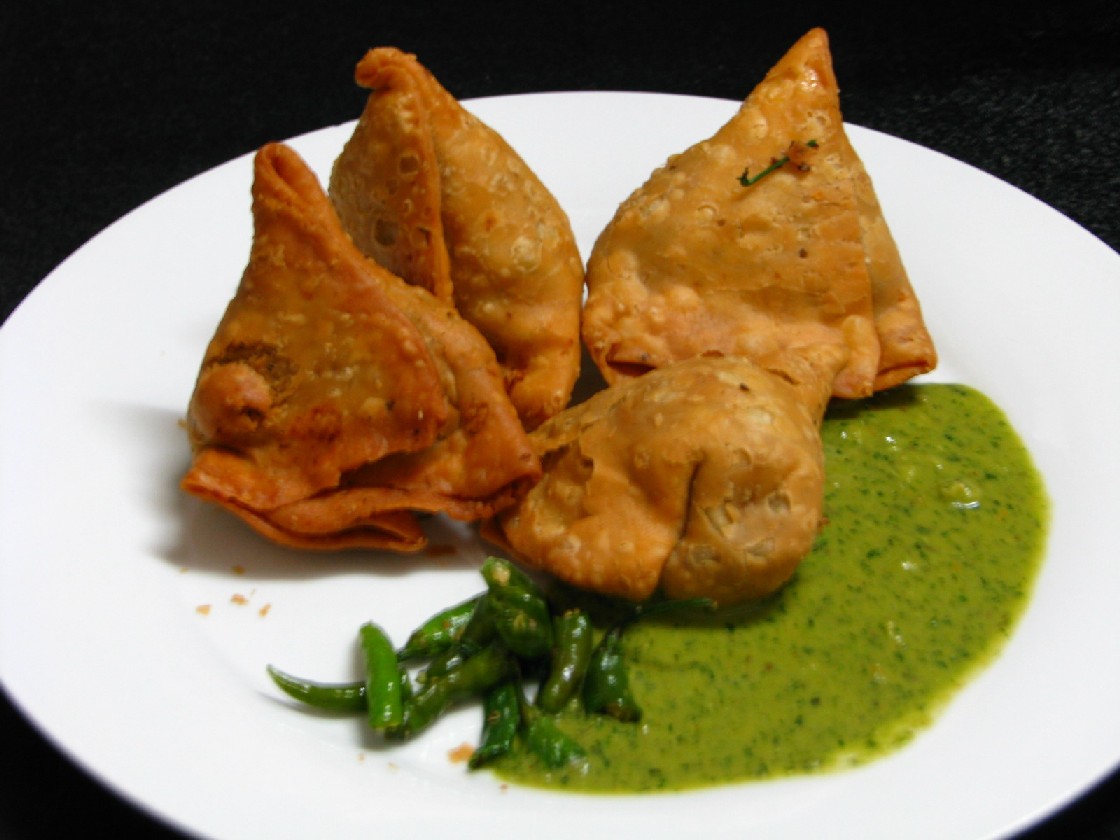
    Chaat is known to be the favourite ethnic snack of the quintessential north Indian. What makes Agra’s chaat so different are two features: firstly, its entire preparation in desi ghee (clarified butter), and secondly, the bhalla, which is the city’s answer to aloo ki tikki. The bhalla is made by mashing boiled potatoes and chickpeas together in a flat, round disc, after adding pieces of paneer, dried fruits, nuts, and sometimes, beetroot chunks. It is deep fried, and then smashed open from the centre, and served with a garnishing of shredded ginger, spices, chutney, and if you want, curd. There are two variants when it comes to chutneys, saunth, a sweet, thick, brown chutney made from tamarind, or the spicy, green chutney made from chillies and coriander. In addition to this, samosas, deep fried savouries stuffed with potato and other fillings, and khastas, small, spice-filled deep-fried breads, are also served in Agra, primarily in the evenings. Bhagat Halwai, Deviram Sweets, Dauji Mishthan Bhandar, and Sadar Bazaar are some of the best places to relish chaat in the city.


    4. Parantha

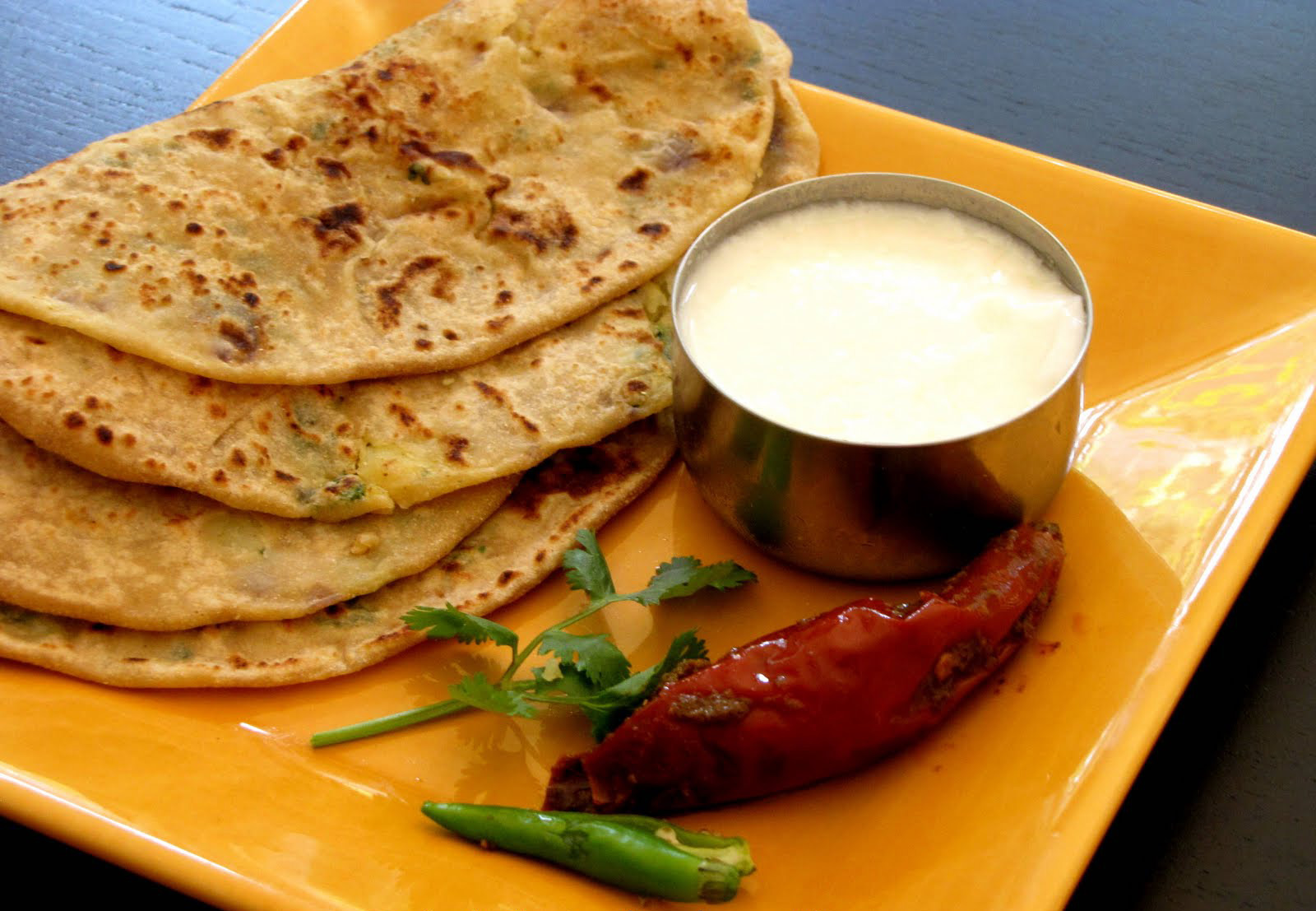
    Made by frying wheat dough discs on the traditional Indian tawa (pan), parantha forms the staple of most of the north Indian states, from Punjab to Uttar Pradesh. Since the majority of people living in Agra are vegetarians, the parantha here does not serve the all-exclusive non-vegetarian. Available in many variants, the paranthas in Agra are stuffed with various fillings such as potato, cauliflower, radish, and many more, and served in a thali (large round plate) with various sabzis (vegetable preparations) and chutneys. Rambabu Paranthe Wale is a popular food establishment with the locals, and many flock to the restaurant on weekends to have this dish.


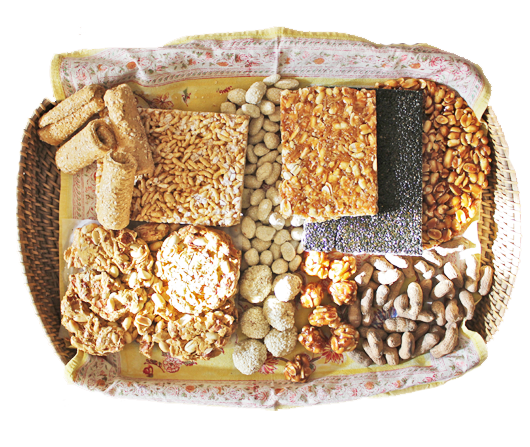
    5. Gajak and Chikki

    A sweet and dry sweet made mainly in the winter months, gajak is made by layering til (sesame seeds), sugar, gur (jaggery) and oil. Gajak is an instant fix for anyone feeling cold in the chilly months of December and January, and provides immediate warmth on consumption. It is also served in the small and more easy to munch form of rewadis, which are small, round, bite-sized pieces of gajak. Chikki, more popular with the children, is a variant of this sweet and uses groundnuts instead of til. Both are served in flat sheets, and sold in boxes and packages on a large scale in the city. Bedariya Ram Gajak Wale and Manohar Lal Daulat Ram Garg Gajak Wale are some of the oldest gajak manufacturers and sellers in the city.


    6. Mughlai cuisine

    And last, but not the least, you have to have Agra’s Mughlai preparations if you love meat. These dishes use various meats such as chicken, mutton, and lamb, which are marinated overnight in curd, ground spices, and herbs, and then made into delicious creamy and buttery curries. Garnished with coriander, butter, cream, and occasionally dried fruits and nuts, these delicacies instantly transport the non-vegetarian foodie into gastronomic heaven at first bite. You will find a variety of these dishes on the menus of many restaurants, korma, shahi, malai, butter, and keema all included. The best dine out places for Mughlai food in the city are Pinch of Spice and Kwality Restaurant, although you can find many small non-vegetarian open-air eating joints towards the cantonment area of the city.

  • Spinach Delights !

    Spinach Delights !

    Misty morning fog , delightfully low temperature & hot cups of tea or coffee reminds me of my favourite season Winters. The best part of winters is that laziness is justified . As winters have arrived its time for some awesome food and gossip sessions with friends . I still remember during my childhood we use to have varieties of dishes made by my mum and we use to desperately wait for meal times so that we could relish those mouth watering dishes. Winters are meant for foodies like me and trust me few non-

    foodies too show their interest to grab some crunch to their palette.Variety of veggies and fruits also brings in the the opportunity for us to cook umpteen number of dishes and impress our loved ones. The appetite increases with great food and variety in food . winter is the season of bell peppers , carrots , cauliflowers , radish , spinach and many more nutrient full vegetables. Variety in fruits is also not less and true happiness lies in blending these natures delights in mouth watering recipes and bring in joyful of bowl to the dining table and watch everyone silently eating with smiles on their faces. Its truly a bliss for someone to loves cooking and tries to happy their family and friends with
    awesome relishes. Happy and satisfied faces on dining table makes them feel on cloud 9.Variety in vegetables and fruits bring in variety for your meals. Its simpler to try different stuffs when ingredients are easily available and cheaper in rate. Among those few blissful vegetables and fruits my pick would be Spinach . Immensely rich in vitamins , minerals , Iron . Great in texture, colour , and taste. A large variety of dishes can be prepared which are very basic and simple to cook yet so delicious and nutritious. It can be blended with rice , flours, curries, fries, yoghurt, salads & soups. It is a highly recommended natural food resource by the physicians and very helpful for anaemic patients. Best thing about spinach is you can just purée it and prepare numerable dishes out of that purée . Few relishes are not only healthy but very appetising.

    Today I am sharing a whole lot of such relishes with you guys that you have may be eaten several times but didn’t try . The recipes are very simple and less elaborate which you would easily be able to follow and make . So grab your apron and rush to your kitchen with this bundle of delight named Spinach .

    download

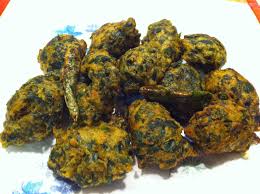
    Palak Pakora :

    Ingredients : 2 cups finely chopped Spinach , 1 cup gram flour (besan), 1 teaspoon carom seeds, 1 teaspoon Asafoetida, 1 teaspoon red chilly powder, 2 large green chilly chopped, 1 teaspoon turmeric powder, 1/2 tablespoon coriander chopped, water as required for batter, Oil for deep frying.

    Servings : 4 (One overfilled platter of delight )

    Method : Mix all the ingredients with water to get thick flowing consistency. Leave it for 30
    minutes.With the help of a large spoon drop small drops into the heated oil of the drying pan and fry till golden brown . Do not fry in high flame else it will remain uncooked in the centre. Fry in medium or slow flame. Once golden brown Pakoras are ready serve them hot with your favourite dip and hot coffee or tea.

    IMG_7218

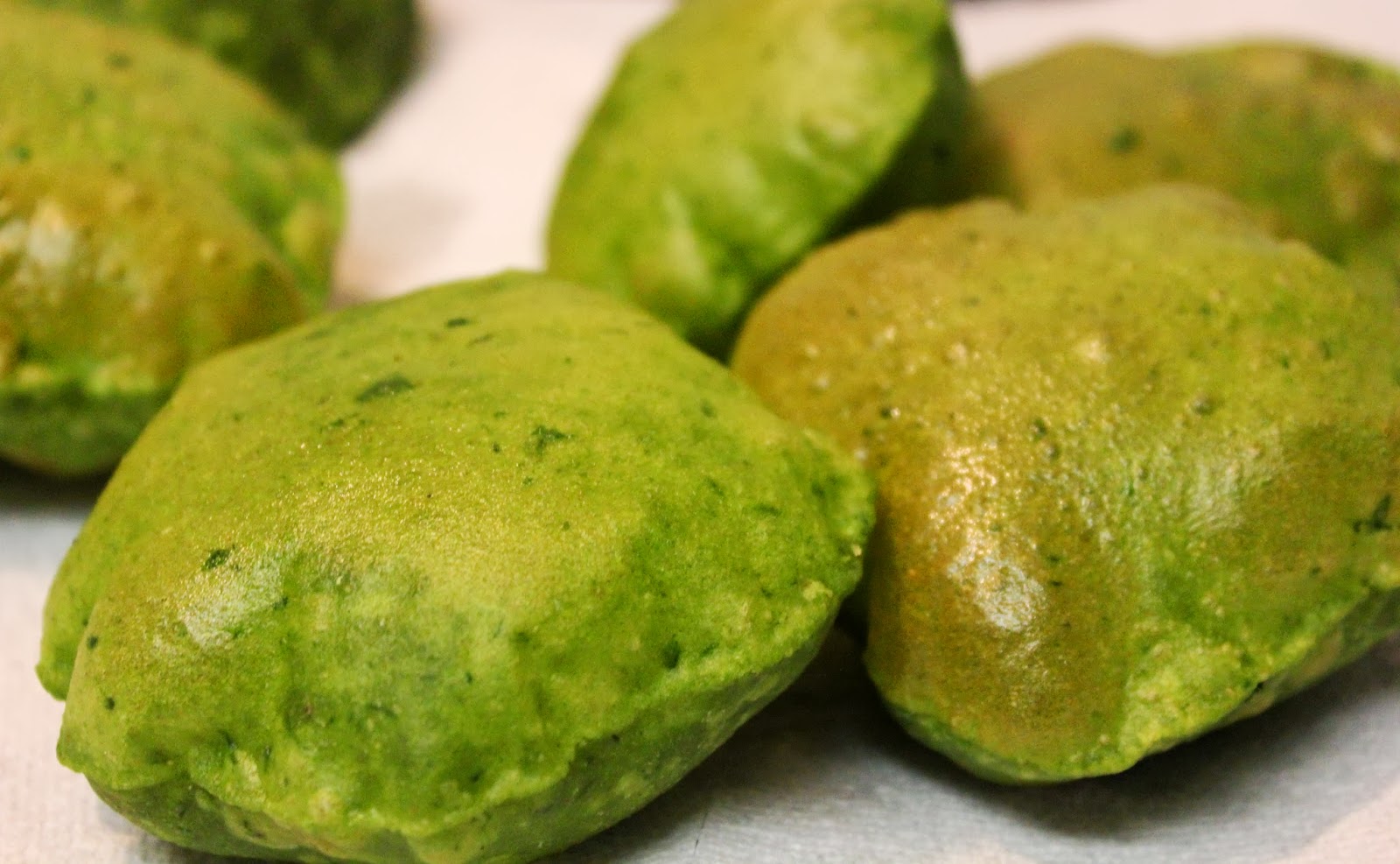
    Palak Puri :

    Ingredients : 2 cups of whole wheat flour , 1/2 a bundle of spinach roughly cut de-rooted and washed,1 teaspoon oil for moistening of the dough , 1 teaspoon red chilly powder, 1 teaspoon Asafoetida, 1 teaspoon carom seeds, salt to taste, 1 teaspoon of green chilly paste. Water if required for dough, Oil for deep frying.

    Servings : 2 to 3

    Method : Firstly take a pan and boil water into it. Put the washed spinach leaves into the boiling water and boil till the stem of the leaves are tender. Immediately put the boiled spinach in icy cold water so that overheating does not soil the colour of spinach. Once the spinach cools down blend it in form of thick puree. Now Mix all the ingredients into a fine and soft dough . Try using less water to make a dough as puree itself has a lot of moisture to bind the flour and spices.Keep the dough for 30 minutes and then make small rounds of it with the help of rolling pin . deep fry it till it pops out of the oil and once ready serve hot with any curry or chutney.

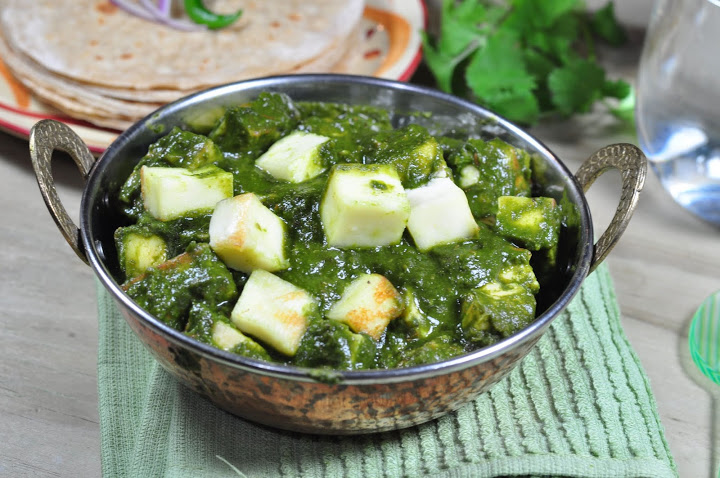
    Palak-Paneer

    Palak Paneer :

    Ingredients : 2 cups of palak puree (prepare it as per the recipe given above for the puree), 200 g of paneer cubes (cottage cheese), 1 cup tomato puree, 1 tablespoon garlic paste, 1 teaspoon cloves, 1 teaspoon black pepper corns, 1 cinnamon stick , 1 teaspoon garam masala powder, 1 teaspoon red chilly powder, Salt to taste, 1 tablespoon ghee.

    Servings : 4

    Method : Take a deep pan and add ghee , cloves, black pepper corns, cinnamon stick and fry it till it stops spluttering. Now add Garlic paste and stir it for a minute. Stir in Tomato purée cook it for another 4 to 5 minutes until it separates oil . Now add dry spices red chilly powder, salt and garam masala powder in it and sauté it for a minute . Add Spinach purée and cook it for 2 minutes until a boil and immediately add paneer cubes and close the flame . Just gently mix the paneer cubes in it and cover the lid of the pan . Keep it this way for another 5 minutes (without flame ). Serve Hot with any assorted breads or Jeera rice .

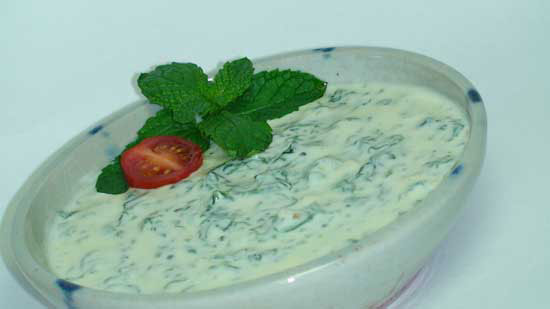
    SpinachRaita

    Palak ka  Raita :

    Ingredients : 1 cup finely thinly chopped spinach leaves, 1 cup curd, 1 teaspoon salt, 1 teaspoon roasted cumin crushed into powder, I teaspoon roasted sesame seeds, I teaspoon red chilly powder, I teaspoon Cumin seeds, 1 whole dry red chilly, 1/2 tablespoon oil.

    Servings : 2 to 3

    Method : Take a pan and heat oil in it. Add cumin seeds and whole dry red red chilly. stir till it stops spluttering, Then add spinach , red chilly powder and salt to it. Sauté for a minute and switch of the flame. Add this tadka to the bowl of curd and add roasted cumin powder and roasted sesame seeds into it. Mix it well and serve as a side dish with any. meal.


  • The Tantalizing Tiramisu

    The Tantalizing Tiramisu

    Talk Europe and you talk culture; a culture so rich and diverse that you cannot possibly learn all about it from a book. Out of the many beautiful countries of Europe is Italy. The shoe shaped country on the political map of Europe is how I used to identify the country as a kid, but as you start learning about this country, you know it has a notable position in the worlds of art, literature, fashion industry, music and food as well. Food is to Italians what water is to fish. The fact that the number of international food chains selling pastas and pizzas is at large and is still growing popularly, is evidence enough to prove that the Italians consider their food to be a token of their cultural identity and national recognition.

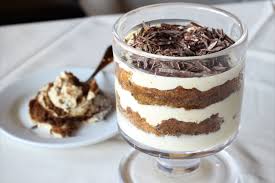
    download

    Though the Italian cuisine has incorporated global food culture and has developed through political and social changes over the centuries, its’ roots can be traced back to ancient Rome. Most of us would know about the pastas, cheeses, wines and gelatos of Italy, but little do we know about the coffee indulgence of these food-loving people. This love for coffee of theirs’ has given rise to a coffee-infused dessert that often forms the star of the dining table on occassions and social gatherings. The tiramisu as the world better knows it, is an iconic Italian dessert. Originally from Veneto, this dessert has now been adapted into a variety of other cakes, ice-creams and other sweet-treats.

    download (3)

    Tiramisu is an Italian phrase which directly translates to ‘pick me up’ or ‘lift me up’. It is said that it was invented in the 1960s in the region of Veneto, Italy. Accounts of origin of this coffee-flavoured dessert claim that it was first made at a restaurant ‘Le Beccherie’ in Treviso in Italy. Alternative theories also propose that it could be a variation of Zuppas Inglese which is another layered dessert.

    images (11)

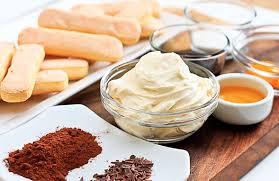
    The original Tiramisu consisted of a small list of ingredients despite its delectable flavour. Finger biscuits or ladyfingers, egg yolks, sugar, coffee, marscaporne cheese cream and cocoa powder were all that were used to make this delicious dessert. As the variations started coming up, liquor, commonly rum became an integral component of the recipe too. The dessert is originally assembled in a circular shape. Though the shape of the lady finger biscuits favors the rectangular or square shaped pan, it can also be assembled in glasses or dessert bowls to show all the layers in the Tiramisu.

    download (4)

    Following is a recipe that lies the closest to the original authentic recipe of Tiramisu.

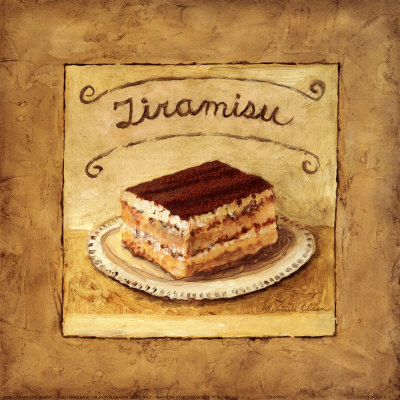
    Tiramisu
    This recipe satiates approximately 12 people .

    images (10)
    Ingredients
    Egg yolks : 6
    white powdered sugar: 1 1/4 cups
    marscapone cheese cream: 1 1/4 cups
    Heavy whipping creap: 1 3/4 cups
    Ladyfinger biscuits: 24 in number
    coffee concentrate (slightly sweetened): 1/3 cup
    Rum: 4 tablespoons (optional)

    Procedure
    **Before you start with the actual procedure, we need to chill the bowl for a few hours in the refrigerator. So it is an advice to keep the bowl well in advance or maybe overnight if possible.**

    Step 1:
    Take a double boiler and prep it up. If you don’t have a double boiler, construct a make-shift double boiler by boiling water in a large vessel and placing another pan on top of this. Combine the egg yolks and the powdered sugar in the pan while whisking it continuously.
    **Reduce the heat to low and remember to constantly stir the egg yolks and the sugar mixture. This process is called coddling of eggs and ensures that the eggs aren’t raw but do not cook hard either. If you do not stir the eggs, they may curdle and cook hard.**

    Step 2:
    After the mixture has been stirred for 10 minutes or so, remove it from heat and keep it aside to cool. After it has cooled down, we need to beat the egg-sugar mixture using a beater. You could use a manual or an electronic beater for this. Whip the mixture till it is thick.

    Step 3:
    Add in the marscapone cream in the whipped egg-sugar mixture and blend well until it forms a smooth mizture.

    Step 4:
    In the chilled bowl that was kept in the fridge a few hours ago, whip the heavy cream till it forms stiff peaks. This is the exact consistency needed.

    Step 5:
    Gently fold in the whipped cream in to the egg-sugar mixture and set this aside.

    Step 6:
    Take the biscuits and split them into half.
    **You could also use vanilla sponge cake if you cannot find lady finger biscuits around. They both lend the same texture.**

    Step 7:
    Soak the biscuits in the coffee (and rum) syrup such that only half of them are dipped into the liquid. Take them out before they turn too moist and line the bottom of your serving dish with a layer of these biscuits.

    Step 8:
    Scoop out a part of the cream filling and spread it evenly over the layer of the biscuits.

    Step 9:
    Layer down another set of biscuits or cake soaked in the coffee concentrate.

    Step 10:
    Layer the filling again. Continue doing this till all the biscuits are over. The top layer should be of the cream filling.
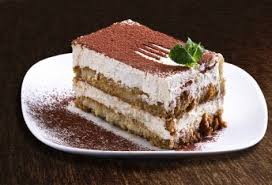
    **You could garnish the top layer by sprinkling instant coffee powder or dark cocoa powder or both. You could even use chocolate shavings or chocolate curls to dceorate.**
    **Refrigerate your tiramisu for several hours before you serve it to your guests.**

    download (5)

    The total time to prepare this delicious dessert should be around 30 minutes if you aren’t preparing the biscuits or the cake yourself.

    images (8)

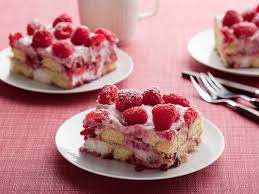
    Tiramisu often marks a special occasion or a matter of celebration in the Italian culture, but with such a simplified and efficient recipe, I am sure you cannot resist making it whenever you have a craving for a gorgeous dessert. Many modern food chains have tried to replicate the dish and create versions of it in different flavours. The chocolate Tiramisu is one famous variant to be named.

    So indulge yourself in this sweet temptation and bless the Italians for it.

  • Being Vegetarian is a Delight!!!

    Being Vegetarian is a Delight!!!

    Non- vegetarians always think the only food which is edible is in form of meat. That’s so unfair for those people who do not eat meat and still have a happy tummy after every meal. Yes ! its a myth that only non vegetarians can survive in other parts of world or even in India. That is completely untrue and so not “The Fact “. Its good that you follow a certain cuisine and prefer to eat meat as its the best form of protein but its totally not true that who doesn’t eat meat is wasting his life or appetite.According to my own research (putting in statistical view point )I have seen a variety of dishes are catered for vegetarians which are full of nutrients and full of taste. They are easy to be made yet so good in appeal. Its not necessary that tandoor food should only have meat else we do not

    consider it to be tandoor. You will be wrong if you taste panner tikka or tandoori Gobi. The variety of curries and appetisers are more in number for a vegetarian than for a non -vegetarian. I am not stating that we should quit non-veg and pledge to be vegetarians (That’s so not the motive of writing this ) but instead appreciate the value of a vegetarian cuisine and just do not crib about having only non-vegetarian dishes only in every meal. The variety , colour , aroma which can be created in a vegetarian recipe is just awestruck and it tastes much better than a non-veg item (Putting this on a serious note).The variety we eat in a marwari wedding is more than a variety we eat in a Bengali wedding (I have attended both so am capable of distinguishing both). I would appeal to my bengali
    friends (Specially) to not crib for non-vegetarian food always and try and appreciate the richness , variety and goodness of veggie’s delight. Give a look to the recipes below and come out of the myth . Stay fir stay blessed.

    VegPakora1

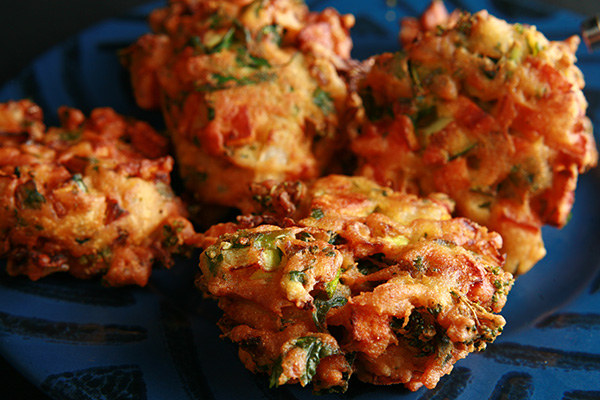
    Mix Vegetable Fried Balls :

    Ingredients : 2 cup roughly chopped onions , 2 cup roughly chopped capsicum , 1/2 cup green peas, 1 cup grated carrot, 1 cup spring onions finely chopped, 1/2 cup grated potato, 1 &1/2 cup gram flour (Besan ), 1 tablespoon green chillies finely chopped, teaspoon carom seeds, 1 teaspoon Asafoetida, 1 teaspoon red chilly powder,1/2 teaspoon of sodium bi-carbonate,1 teaspoon turmeric powder, 1/2 tablespoon coriander chopped, water as required for batter, Oil for deep frying, Chat masala for garinshing

    serving : 4

    Method :Mix all the ingredients with water to get thick flowing consistency. Leave it for 30
    minutes.With the help of a large spoon drop small drops into the heated oil of the drying pan and fry till golden brown . Do not fry in high flame else it will remain uncooked in the centre. Fry in medium or slow flame. Once golden brown vegetable balls sprinkle chaat masala over it and serve with tamarind chutney. Its a dish to be enjoyed with friends and invite those who believe non -veg is the only food possible and surprise them.

    download (1)

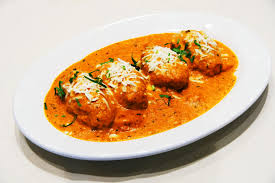
    Panner Kofta :

    Ingredients :

    For Kofta : 200g grated cottage cheese (panner), 3 medium sized potato boiled and mashed, 1 teaspoon Pomegranate seeds (anardana) finely crushed , 1 tablespoon chopped green chillies, 1 tablespoon chopped coriander leaves , Salt to taste, 1 teaspoon kashmiri lal mirch , 1 teaspoon dry mango powder (amchur powder), 1/4 cup resins finely chopped for kofta filling , Oil for frying .

    For gravy: 1 tablespoon cooking oil, 1 teaspoon cumin seeds, 2 to 3 cardamoms, 2 to 3 cloves, 1/2 cup onion paste, 1 tablespoon ginger garlic paste,1/2 cup tomato purée, 2 teaspoon cumin and coriander powder mixture, 1 teaspoon turmeric powder, 3/4 cup fresh cream, 1 teaspoon garam masala, salt to taste. Chopped coriander for garnishing.

    Servings : 4

    Method:

    For kofta: Add all the ingredients except resins, listed for kofta, mix them well and make a smooth dough. Now make even balls out of the dough, filling chopped resins into the kofta balls as a filling and givethe koftas its desired round shapes. Keep it in the refrigerator for 30 minutes. Fry the koftas in medium flame slowly until golden brown and keep it aside.

    For Gravy :
    Heat a deep pan ,add oil, cumin seeds, whole spices , onion paste , ginger and garlic paste and stir it for 3 to 4 minutes until onions separates oil .Add tomato purée and all the dry spices along with little bit of salt keeping in mind that koftas too have salt.Cook until tomato separates oil and add fresh cream and 1/2 cup water. cook the gravy for 4 to 5 minutes and switch off the flame. When its time to serve, then only add fried koftas into the gravy so that koftas doesn’t turn soggy . Isn’t it a recipe which can compete with any non-veg dish .

    1576442059

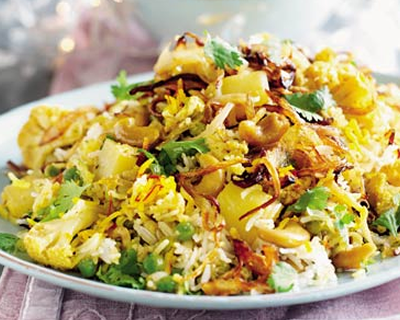
    Vegetable biryani :

    Biryani is such a non-veg recipe and breaking the typecast lets make it a veg dish and it will still be so yummy and mouth-watering which will surprise you to the fullest.

    Ingredients : 1/2 kg basmati rice washed and soaked in water for an hour, 1 cup sliced Onions, 1 chopped carrots , I cup chopped beans , 1 cup diced potato, 1 cup panner cubes, 1 cup yoghurt, 1 cup tomato roughly chopped, 1 cup boiled green peas, 1 tablespoon coriander and mint leaves finely chopped, 1 teaspoon turmeric powder, 1 teaspoon cumin powder, 1 tablespoon ginger and garlic paste, 1 teaspoon red chilly powder, 1 teaspoon garam masala, half a dozen cloves, half a dozen black peppercorns, half a dozen green cardamom, 1 cinnamon stick.

    Servings : 6

    Method :

    Half cook the rice and flatten it on large rice plate and sprinkle a little ghee on top avoiding sticking of rice grains with each other. Take a deep pan with a lid and and separately deep fry all the vegetables (Except Onions and tomatoes) and panner and keep it aside. Pour the remaining ghee into the pan and add all thw whole spices ,half a dozen cloves, half a dozen black peppercorns, half a dozen green cardamom, 1 cinnamon stick .Add Onions and ginger garlic paste to it and stir till onion becomes translucent.Now add Tomato and all powdered dry spices, 1 teaspoon turmeric powder, 1 teaspoon cumin powder,1 teaspoon red chilly powder, 1 teaspoon garam masala, Salt, and green chillies . Sauté it for 5 to 6 minutes stir in all the deep fried vegetables along with panner  and add yoghurt to it. Stir gently for 3 to 4 minutes let the gravy dry a little and then pour out half of the gravy into a separate plate. Now spread half of the cooked rice into the deep pan and garinish on top with chopped green coriander and mint leaves and half of the fried onion slices, Repeat theame step with the remaining gravy and rice. Slow the flame. Close the lid of the deep pan and remove it from the flame. Now place a flat tava/pan on the slow flame and then put the biryani containing deep pan on it . with the help of a tight dough seal the edges of the pan’s lid so that air could not pass through it.This process is know as cooking in Dum. Keep the dum flame on till the dough which is used as a seal looses out moisture and nearly becomes breakable. The Biryani is ready to be serve with your prefered choice of gravy or curry or even a raita.