Category: Culture

  • Savoury indulgence on Eid

    Savoury indulgence on Eid

    Celebration of Id, without haleem on the menu is preposterous! And, this realization dawned upon me, after my acquaintance with a Muslim friend led to the arrival of an invitation for ‘Id ki daawat’ at their place. With no prior information or preparation I felt elated and made my way to their set destination. Having been alien to Islamic customs, however, did not dwindle my enthusiasm rather infuriated it, and after my arrival, when it was time to eat, I was shocked at the array of delicacies laid down on the huge wooden table. All, I had known to expect was many types of kebabs, shorbas, biryani, kormas and basbousas. The table, had taken a plethoric dimension.

    best-ramadan-buffets-2014-part-2_pullman-putrajaya_1malaysia-bazaar-by-the-lake

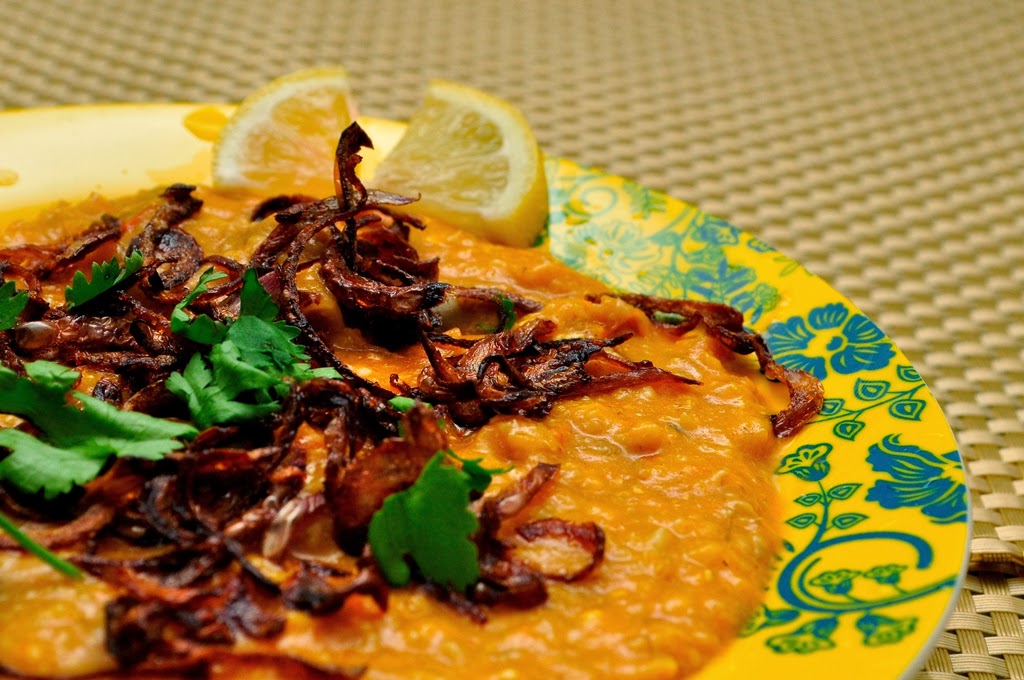
    My friend however, well aware of my palate-fantasies and curiosities, volunteered to introduce me with all of the savoury dishes, laid down there. What intrigued me the most, was their holy dish, Haleem, which was particularly consumed on this day. After further enquiry, with periodical interventions by the elders of the family to add minute details to the conversation, I comprehended that Haleem is a popular stew made out of wheat, barley, meat( which is usually beef, mutton, but also sometimes chicken) lentils and spices. It is slow cooked for almost seven to eight hours in order to unleash its divine taste and qualities, till, it reaches a paste-like thick aromatic consistency.
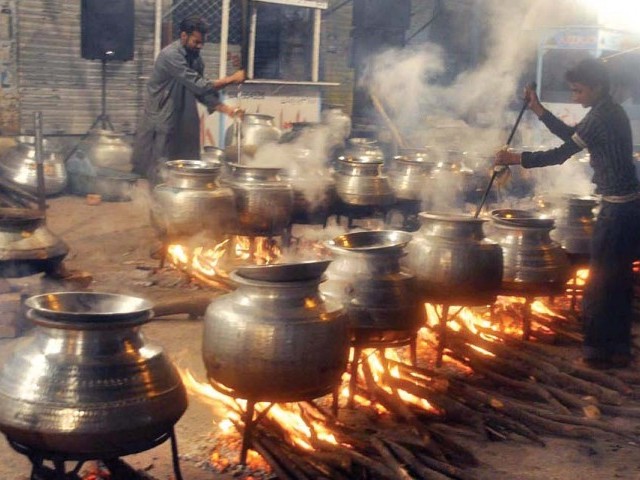
    Preparation-Of-Haleem1

    Its origin, however, is said to be lying in an Arabian dish called Harisah, which is an ancient delicacy, dating back to some 10th century or so, interwoven around an interesting history that I seemed to enjoy listening to, while gulping an extra helping of haleem and kebabs.

    So, according to the oldest member of the family, Dada-jaan, the recipe for Harisah was first put down in a book called Kitab Al-Tabikh (Book of recipes) by Abu Muhammad al-Muzaffar ibn Sayyar which is said to be one of world’s oldest surviving Arabic cookbooks, and that this recipe has many similarities with what, in these contemporary times, Middle East boasts as Haleem. It was said that Harisah, the ancestor of haleem was actually invented by the soldiers of the Hyderabad Nizam’s army, to cater to their gastronomic needs. Something similar to the traditional Harisah is said to be still available in a place called Barkas, Hyderabad, however under the name of Haris.Had never anticipated that a food item, would ever have such an illustrious past. The acquired knowledge aggravated my curiosity, and I vouched to myself, that given the opportunity, I would surely venture to try out the ancient dish Harisah. However, that was still just too distant for me then, and so I chose to retort back to unearthing the secret recipe that Dadee-jaan would mostly boast of. Was it my charm, or vexing curiosity that hung around me, I luckily managed to string it out .But after learning its elaborate preparation, I became sceptical of my capabilities and courage to endanger the cooking gas to prepare this dish, which involved seven to eight hours on the flame. Nevertheless, if you are beyond such scepticism and are willing to dedicate your time, energy and resources for this divine delicacy, here’s a little help I could manage.


    Haleem Recipe
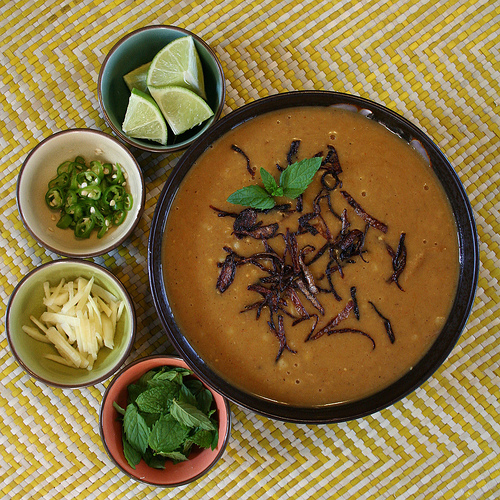
    haleem

    INGREDIENTS

    • Mutton or Beef- 1 ½ kilograms
    • Wheat grains (crushed and soaked for 1 ½ hour) – ½ kilograms
    • Onions (thinly sliced) – 4 large
    • Gram Lentils (soaked and boiled)- 1 cup
    • Garam masala powder- 1 tsp.
    • Turmeric powder- 1 tsp.
    • Coriander powder – 1 ½ tbsp.
    • Red Chilli powder – 2 tbsp.
    • Garlic paste – 1 tbsp.
    • Ginger paste – 1tbsp.
    • Dalda Banaspati or any clarified butter (ghee) – 1 ½ cup
    • A pinch of soda
    • Salt to taste

    For Seasoning

    • Fresh Coriander leaves (finely chopped) – 1 bunch
    • Fresh Mint leaves (finely chopped) – 1 bunch
    • Sliced Onion (large)- 1
    • Ginger root (medium) – 2 pieces
    • Lemons (cut in quarters) – 4
    • Dalda Banaspati or clarified butter (ghee) – 2 cups
    • Green chillies (seeded and finely chopped) – to taste
    • Garam masala powder – 1 tsp.
    • Cumin seeds (roasted and ground) – 1 tsp.

    METHOD

    • In a pan, heat Banaspati or the clarified butter, and add the meat, garlic, garam masala powder, turmeric ,red chilli powder, , coriander powder and salt. Carefully, smear the meat in these spices and let it cook for some time on medium flame.
    • Take another separate pan, and fill it up with water. Boil the wheat grains in it with a pinch of salt. Keep a check over it, and once the water starts to bubble and the grains become tender and squashy, add a pinch of soda in it and cook for some 15-12 minutes more.
    • As the water gets soaked, drain the excess and, mix the grains with the mead. Keep stirring till all of it is mixed properly.
    • In a food processor, grind the lentils, and by adding a few cups of water, bring it to paste-like consistency.
    • Pour in the lentil paste into the meat and wheat grain mixture, and stir continuously. Position the pan, on a griddle or heavy tava, on low flame and cook some 30 to 40 minutes.
    • Sauté the sliced onions in ghee or clarified butter, and drain the excess oil, with the help of a tissue paper. Once the haleem is cooked, spread the fried onions over it, and sprinkle the garam masala powder, fresh mint and coriander leaves. Garnish it with cumin and ginger. While serving it, sprinkle some more seasoning!

    haleem-competition

    Though I haven’t yet tried making it properly due to certain limitations, I have still been engaged with the consumption of Haleem from time to time, and also had the opportunity to witness an actual haleem competition. On the day of Id, this week, I’m planning to once again indulge in its rich and luscious taste, expecting some more company this time!


     

  • The Mr’s and Mrs’s of Food!

    The Mr’s and Mrs’s of Food!

    foodpairs1

    Every hero needs a heroine. Similarly, certain foods taste better when they are served with their other half. There are times when their names itself are synonymous with one another. Every time you order certain foods, you will know they will be served with the other. Some times when they are served alone it doesn’t feel right. Some foods taste incomplete without their mate. They are so desperately in need of the other to look and taste better.

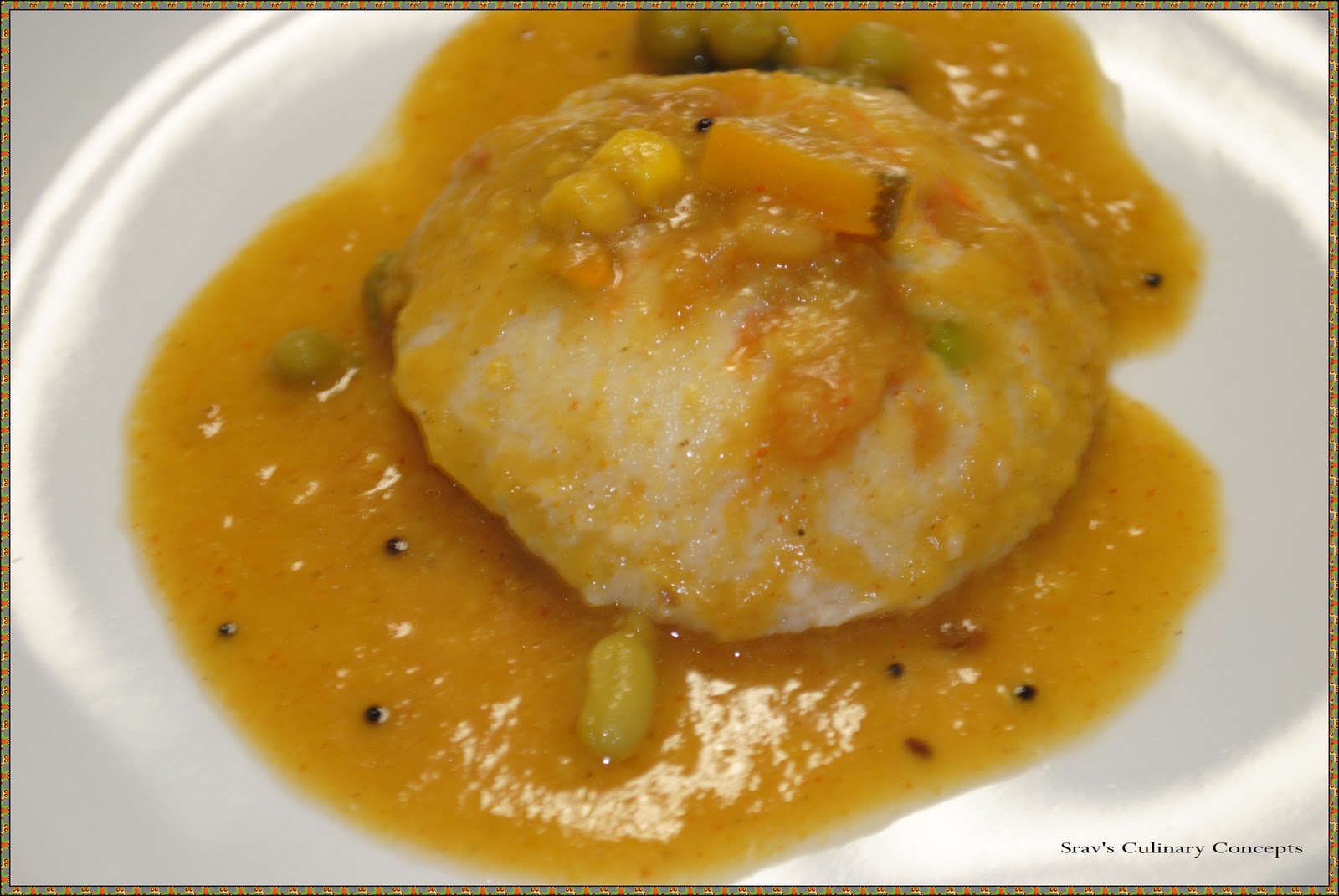
    1.    Idly and Sambar

    foodpairs2

    This is a common South Indian breakfast pair. Idly a steamed rice cake is one of the perennial South Indian breakfast dishes. You will not find any restaurant which serves Idly without sambar. If Idly is served without sambar, there is a high possibility that the customer might walk out of the hotel or create a scene about it. A couple of idlis with sambar is the best way to start your day. Idli sambar, unlike what many people feel is not a monotonous dish by any means. Idli sambar can be served in different ways. You can eat it the traditional way. Put idlis in a plate and sambar in a separate bowl. You can also pour the sambar over idli and sprinkle a little ghee over it to make is taste absolutely delicious. There is also the mini-idlis, where small baby sized idlis are soaked in sambar and eaten until our stomach is full with food and happiness.

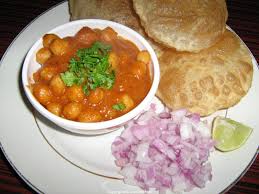
    2.    Poori and Channa

    foodpairs3

    Poori and Channa is another dish which goes hand in hand with one another. Poori is made by mixing atta with salt and little water, and kneading it well until it forms dough. The dough is taken and flattened before being put in oil, and they are taken out within few seconds to prevent them from being burnt. Poori is a little heavy meal, but it is the all time kid’s favorite. Most kid’s who would run away hearing the word food, tend to eat a lot more on “Poori Days”. Poori’s are generally reserved for special occasions and Sundays. Poori is incomplete without its twin side dish “Channa Masala”. Channa masala is another kid’s favorite and it is extremely rich in proteins. According to dieticians, every channa has the same protein content as that of one full egg. The carbohydrates and protein content in Poori-Channa combo is very high and with its fantastic taste it is one of the most favorite vegetarian dish for people in India, especially the children.

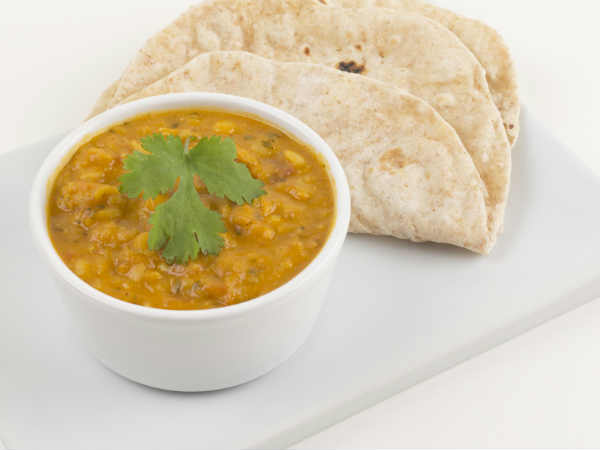
    3.    Roti and Dal

    foodpairs4

    Roti and Dahl in North India, is what Idly and Sambar is to the people in South. It is the common man’s dish. Though roti tastes good with many side dishes like paneer butter masala and butter chicken the elegance it brings with dahl cannot be substituted. Roti is made with atta or wheat flour which is mixed with salt and water. They are made into dough and cooked in a pan or by exposing it to direct flame. Dal has slight variations in different parts of the country. Gujarati Dal is a refreshing change from the usual everyday dal. The flavors are complex, tangy and sweet with a hint of spice.

    4.    Popcorn and Butter

    foodpairs5

    If there was ever a theatrical combination this is it. Popcorn and butter is mostly eaten in theaters and there is nothing like munching on butter popcorn while watching an action flick. Popcorn was discovered by native Americans but became very popular during the Great Depression because of their low cost. Popcorn and butter are bound to be together forever!

    5.    Pizza and Coke

    foodpairs6

    Pizza might be Italian, but it is probably the most popular food across the globe along with noodles. There is nothing like ordering and eating pizza on a Saturday night. Anyone pizza lover will say it definitely tastes better with Coke. The hot pizzas and cold coke is a match made in heaven and one of the most romantic ones definitely. All the pizza chains have their own beverage partner and it is common to see coke being given as a complementary to pizza.

    6.    Burgers and Fries

    foodpairs7

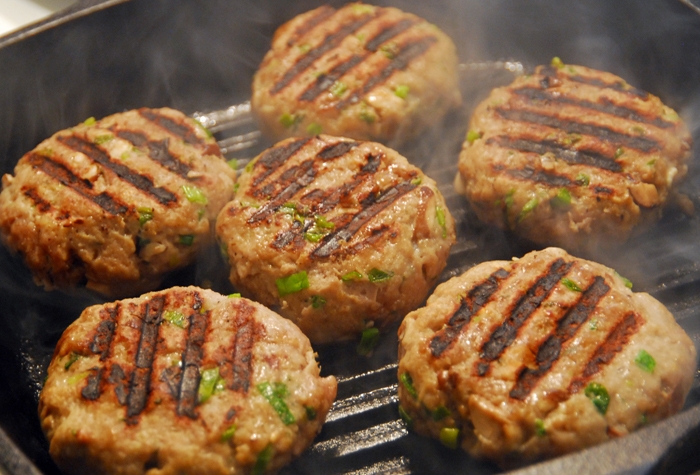
    Although french fries may date back to the 1600s-1700s, their popularity sky rocketed when they began to be sold worldwide through fast food chains, especially McDonald’s. Most fast food chains quickly paired the fries with burgers, creating one delicious meal. Nowadays, burgers and fries are treated like a single meal and even a kiddie meal in most fast foods would serve burgers, fries and an aerated drink. They are inseparable and are meant to be that way!

    7.    Milk and Cookies

    foodpairs8

    The most common western breakfast is a tall glass of milk along with cookies. It is traditionally the most filling and easiest dish to prepare and eat. Milk goes along with all types of cookies, especially the Oreos. It is often dubbed as “Milk’s favorite cookie”. The chocolate cookie along with milk is as tempting as it could get.

    There are a lot of other such food pairs which go hand in hand. These foods are great when eaten separately but the entire experience becomes beautiful when eaten with their pair. Certain foods are meant to be eaten that way to make the feel complete and satisfying. After all, there would be no Tom if there was no Jerry!


  • Foodie Dare- World’s most grotesque ‘delicacies’!

    Foodie Dare- World’s most grotesque ‘delicacies’!

    “Why, sometimes I’ve believed as many as six impossible things before breakfast.” ― Lewis Carroll, Alice in Wonderland

    An inspiration from this was taken by me and my friend, to exercise a daily routine of thinking out six impossible things to eat for breakfast and we both propounded the most disgusting, bizarre and seriously impossible things one could ever gulp in, forget about eating them for a meal. However, the term ‘impossible’ soon seemed problematized when a much unbelievable truth surfaced to our knowledge. Most of the food ( mostly inedible in our perspective) items that we had imagined and put forward in accordance with our morning mental exercise, to our dismay actually were beyond the scope of impossibility and they actually exist to this date!
    It was this idea that triggered us to delve a bit deeper into this context and discover a list of food items that seriously are beyond our scope of consumption, however,it seems like a lot many think unlike us, as the popularity of such weird ‘delicacies’, among the people of respective tribes, intrigues me.So, here’s a list of World’s creepiest and most eccentric vivers!
    *ALERT: Highly hideous, horrendous and taste-jeopardizing content. If you could survive beholding this grotesque gastronomic journey till the end, hats off to you; If you cannot…Well,goodluck!

    Baby Shark Curry

    pangasiusfishcurry2

    A star dish of the Goan cuisine, actually deserves to be called a delicacy, owing to its popularity and its price. However, having to eat a baby shark while contemplating on your experiences of the scenes from the movie ‘Jaws’ would be quite interesting.

    Eri Polu

    Eri-Polu

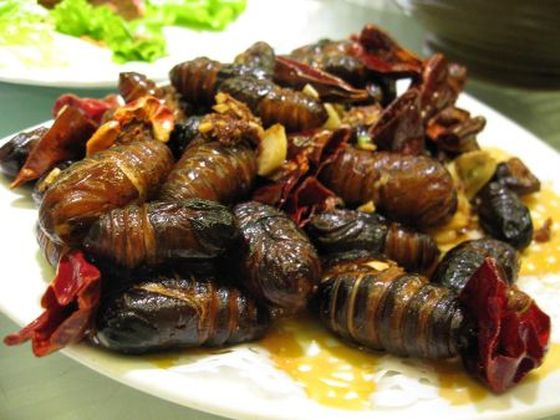
    A famed food ingredient of Assam, which is actually the eri silkworm pupa.Once the silkworm begins encaving the cocoon of eri silk, thus beginning the pupa state of its life cycle,the silk is taken out by boiling the cocoon in hot water, and this is when the ingredient,that is the leftover silkworm is brought to use. This,paired up with Khorisha,another ingredient,an aromatic exotic dish is made.

    Dog Meat

    Dog_meat_hotpot


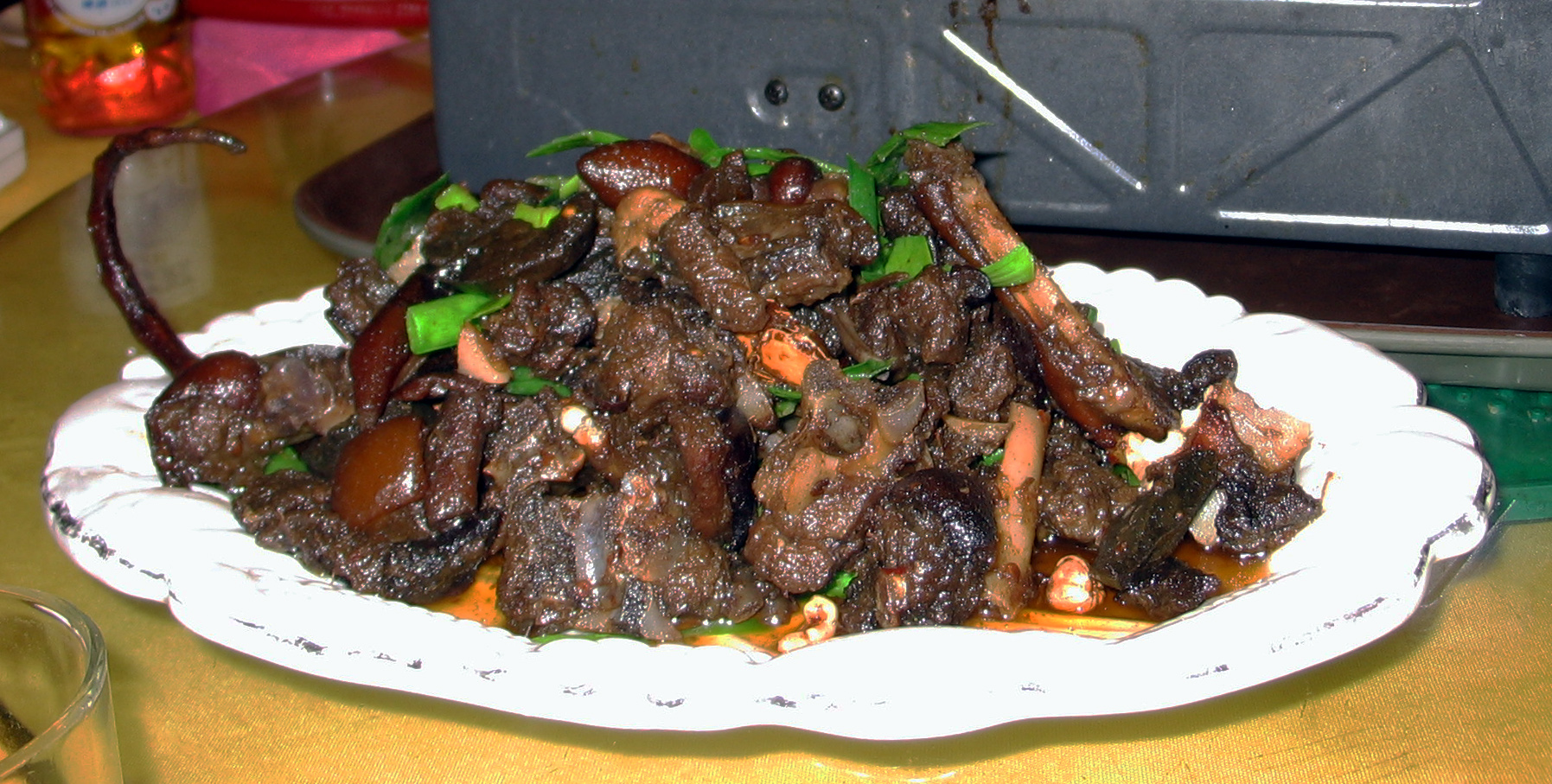
    Ok, if you’re one among the brigade of doggy-lovers, I’m extremely sorry to let you know of this calamity that has befallen over the dogs of Nagaland and Mizoram, who consider dog meat, a much relished part of their cuisine. It’s even disgusting to think that they could fry, grill, smoke, or cook curries out of this poor thing!

    Note: The photos are extremely obnoxious, therefore I have chosen against putting them up here.

    Black Rice

    3_black_rice_salad

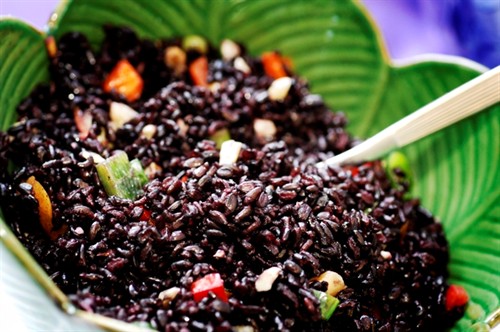
    Deemed to be extremely healthy,it is known by many names, Magic Rice, Forbidden Rice ,Purple Rice, and Black Rice,and is a loved food preparation in Manipur .This type,only found in India and China,is black in colour when harvested,but becomes purple,when cooked.It is also enjoyed with coconut milk in Kerela.

    Phan Pyut

    phan_pyut_the_tasty_rotten_potatoes_image_title_yontl

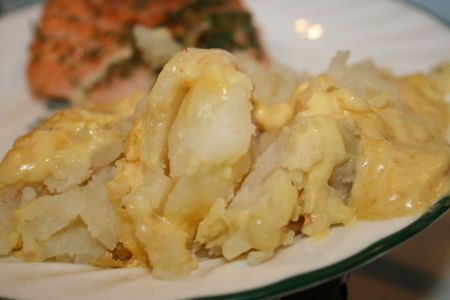
    Is anybody interested to have rotten potatoes for breakfast? Yes right rotten,it is.And, guess what,these people seriously love it to the extent that they do not harvest them when ripe, but leave them to rot, till they can use them for their beloved delicacy. These potatoes,then are pickled ,however some enjoy it raw,in the North East parts of India. And, I was under the impression, that odour of the rotten potatoes in my fridge would choke me to death (which drove me to throw them).

    Chaprah

    chaprah

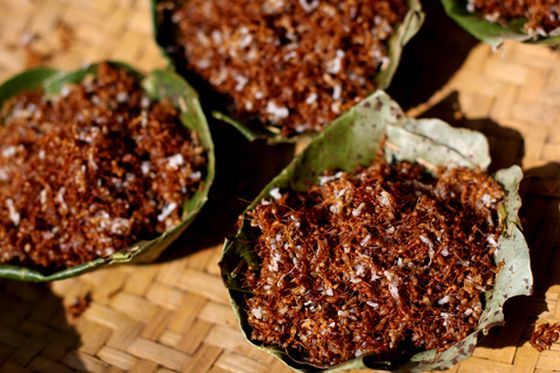
    You’re the kind,who likes it all spicy and hot? Bomb chillies and paprika had been your best friends all this time? Then,let me take you to the next level. In a tribe in Chattisgarh,the people make a very popular chutney that they consume on a daily basis,to add an edge to their meal,it’s called Chaprah.Now, the interesting part,it’s made of red ants and their eggs,yes literally. This preparation is made,by drying the red ants,and making it’s chutney,then spices and sweeteners are added to it,and it’s good to go.Just WOW!

    Black Ivory coffee

    elephant_coffee    article-0-1664776C000005DC-516_634x492

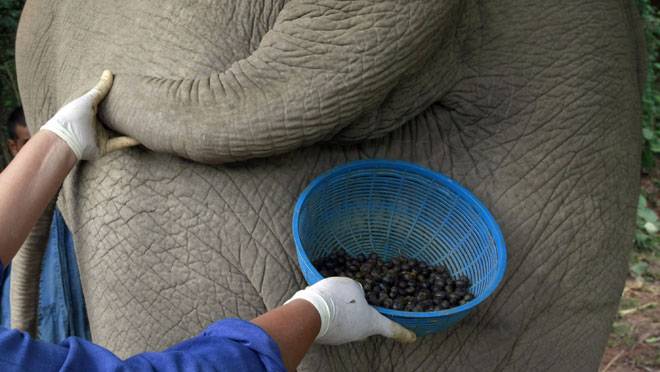
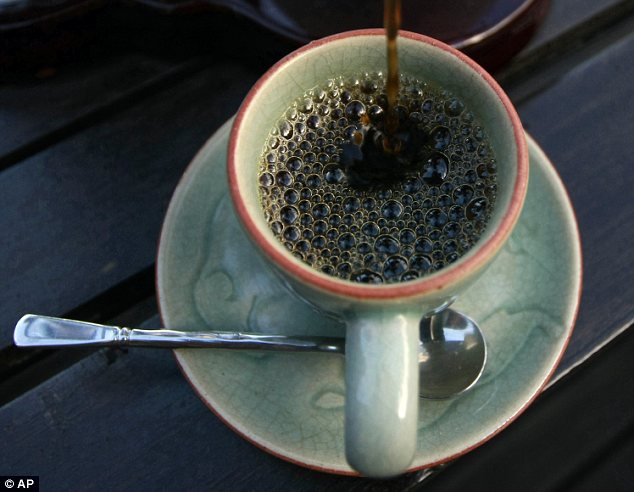
    A coffee that’s the world’s most expensive, about at $1,1000 per kilogram, is made from beans that are eaten by Thai elephants and then plucked from their dung! Yuck!

    Fried Frog Legs

    frog

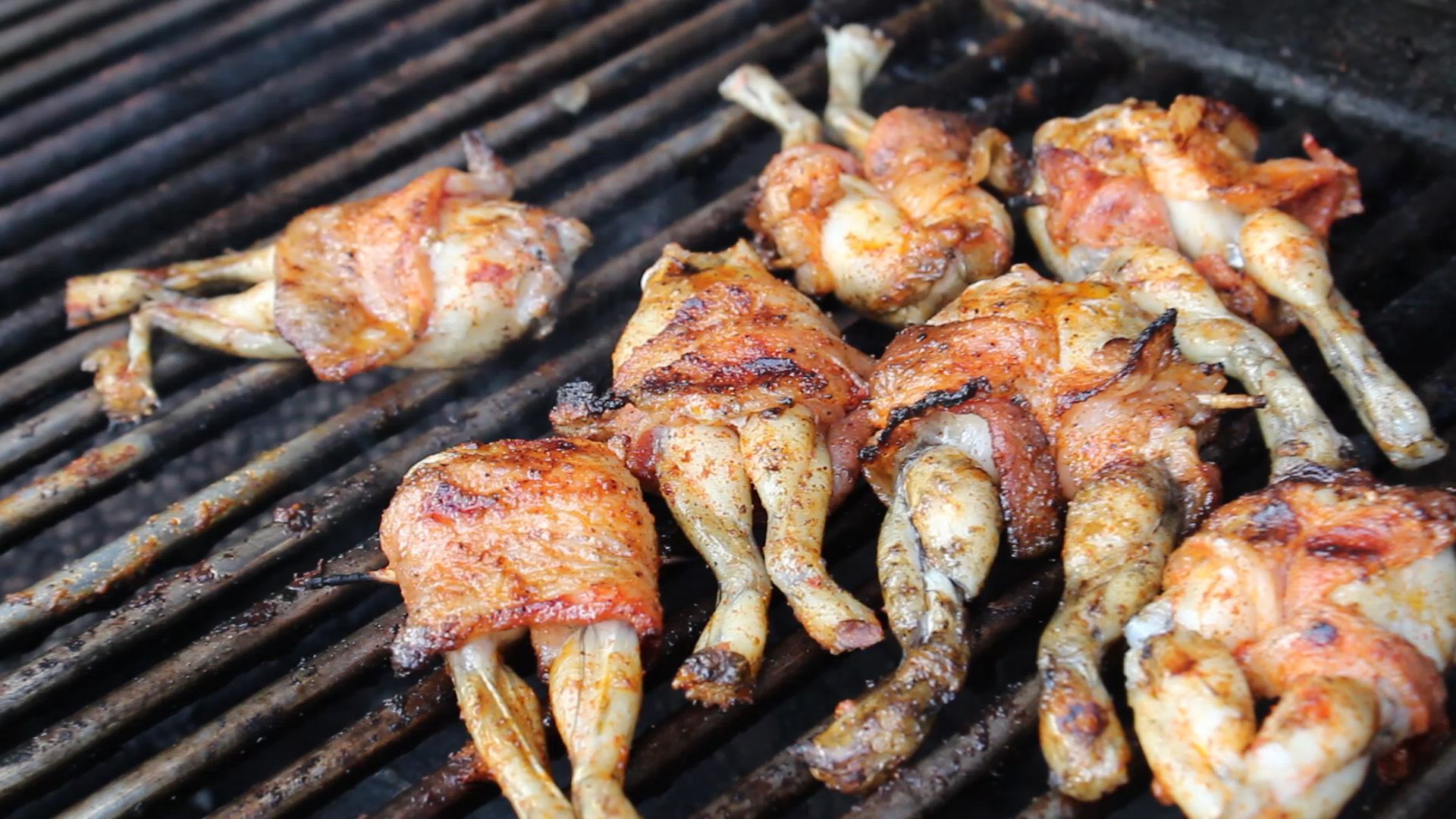
    A Lepcha(Sikkim) tribe delicacy,it is said to be very healthy. However healthy it might be but,gulping in fried legs of the amphibian would seriously be a trest,isn’t it?

    Chicken Blood N Pig Intestines Soup

    Raw blood dish is displayed with cooked entrails at a restaurant in Hanoi

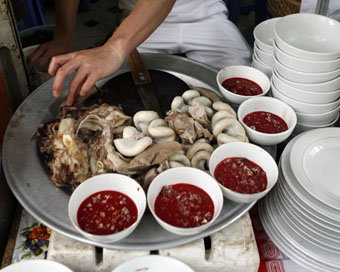
    Time for some bowl-full of real Halloween red soup that is made out of the blood of chicken and pig intestines.Jadoh is the name of this hideous soup that is consumed by the Jaintia tribe of North East.And yep,they even cook it with rice!

     Stir fried Tarantula

    Fried-Tarantulas

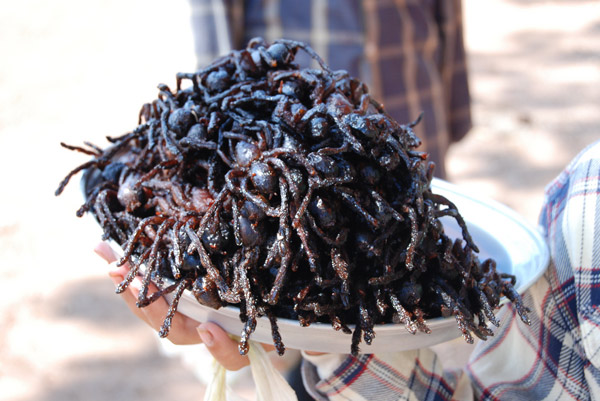
    If spiders had been your greatest fear, then you ought to try this! In Cambodia, this stuff is literally sold on streets.Imagine biting on their eight stir fried legs?!

    Snake wine

    snakewine_3d234b6299

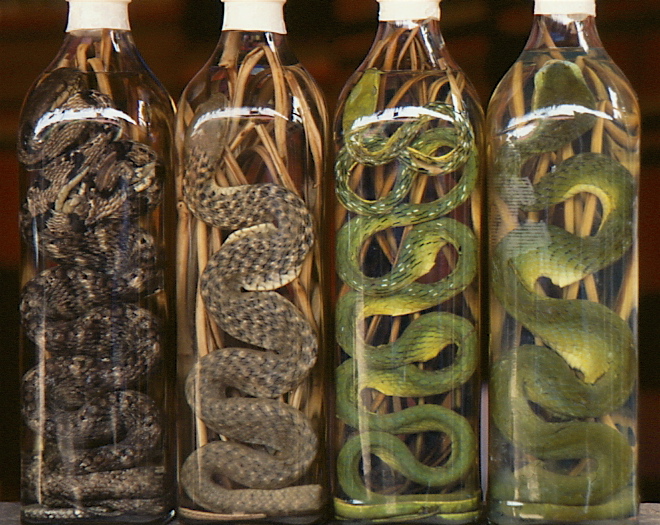
    Love anything scaly? How about try some slithery, pungent, exotic snake wine? A super expensive and popular beverage, snake wine is eulogized to possess restorative qualities and is widely consumed in countries like China and Vietnam. It is prepared in two ways, either by macerating a real snake in rice wine or by simply blending in the bodily fluids of a snake, such as is blood, along with the alcohol. Seriously Whoa!

    Urine-soaked eggs

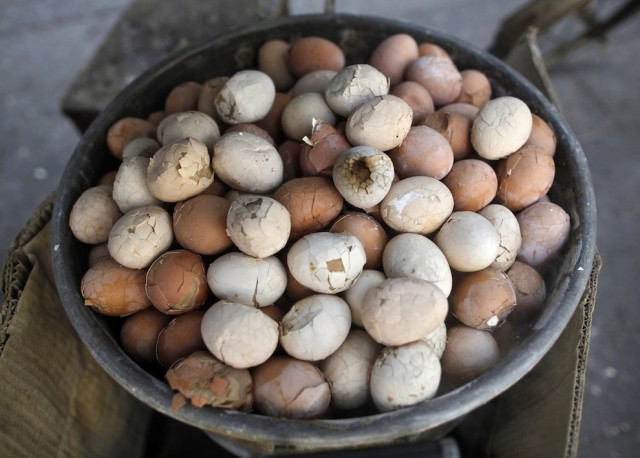
    tumblr_m1sejbmzxp1qdei8m       enhanced-buzz-wide-32656-1333041054-18-640x458

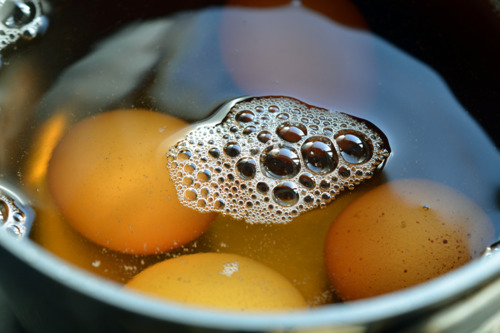
    Yes,no need to twitch your eyes repeatedly,you read it right.So,to end with the gruesome venture,I bring here upon the declaration of the most unpalatable,obnoxious and odious food item ever,the Urine-soaked eggs,popularly known as Tong Zi Dan,which literally means Virgin Boy Eggs . Prepared in Dongyang County which is in the eastern China’s Zhejiang Province, this delicacy is universally acclaimed. For this,vendors,early in the morning traverse the streets to the elementary schools,to collect the urine of young boys. It is then,that they soak the eggs in the urine overnight ,so that it can absorb the unmistakably pungent smell. And,the next day,happy customers barge into the stalls to stuff their bags with these eggs,that promise a radiated energy and prevention from ill- health. Well, despite its ‘believed’ medicinal value,would you ever afford to experience it’s taste?

    My quest, hasn’t yet come to an end, though a temporary halt is imperative. Myths of sautéed cockroaches and lizards, kebabed monkey-heads and many more have started to flicker into the realm of reality. Though I am not sure, if in near future I would ever be brave enough to get a taste of these vivers, however, if chance permits, an experience of witnessing these, would surely be intriguing!

  • Instant Noodles at rescue!

    Instant Noodles at rescue!

    This one’s on an inspiration from a friend who, much to his gastronomic tragedy, is leading an independent life with zero cooking skills in Bangalore. To worsen things for him, he has a staunch dislike for Kannada cuisine. Eating out is obviously an option, and my earlier article which was on the best eating-out places in Bangalore, did seem to help him lot, but that on a regular basis is not a healthy option I suppose.

    So, this friend of mine who, prior to his relocation, was a gluttonic persona, when it came to gulping in plethoric amounts of food, beyond the realms of simplicity and home. Expecting his mother to impersonate a chef, this man now broods at the thought of eating out, after having been seriously down with food poisoning for almost a week.

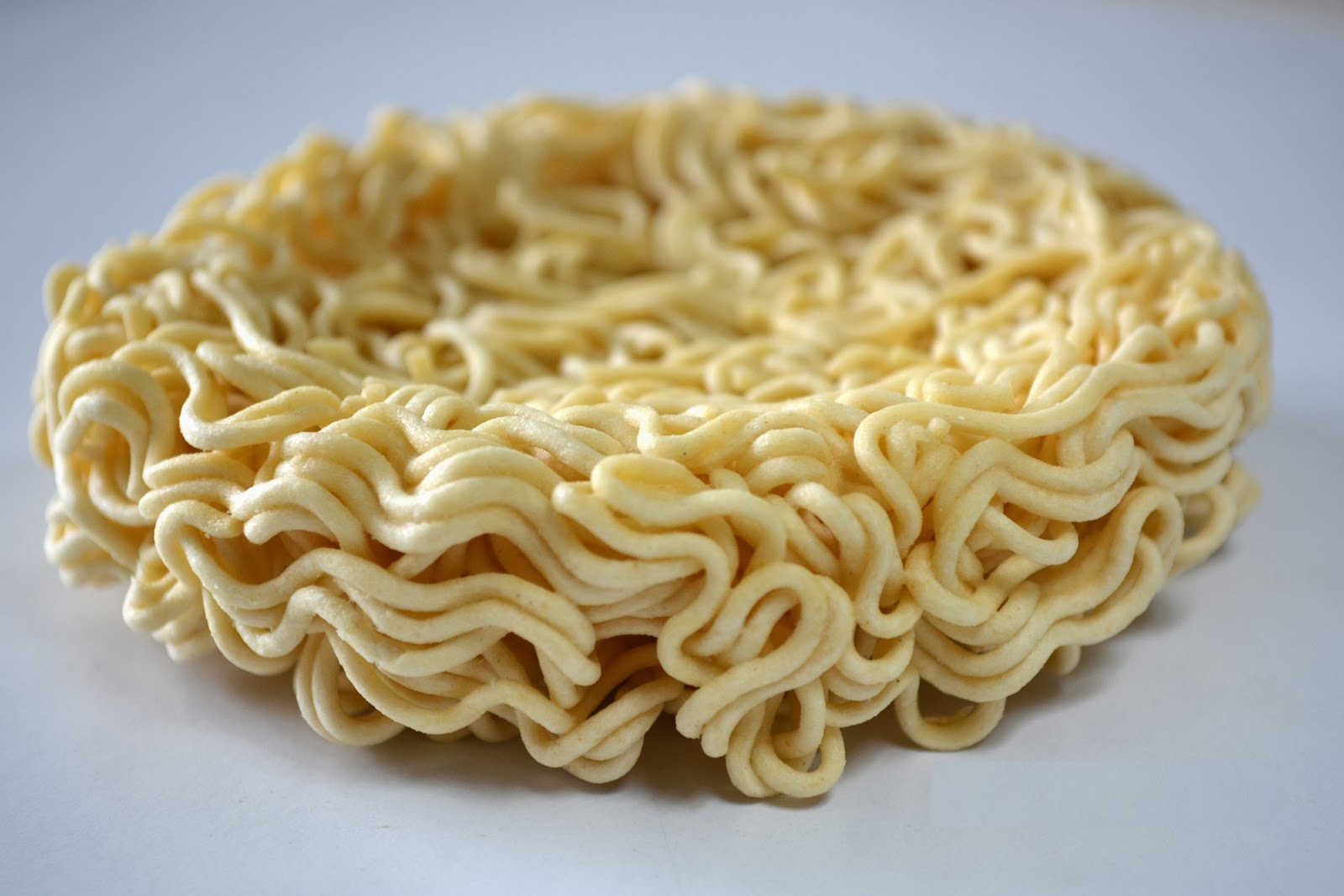
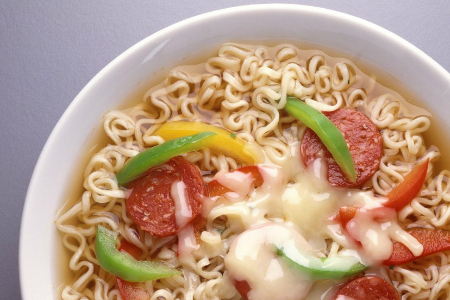
    Therefore, the dilemmic situation where nor his pocket or his health allowed regular meals from restaurants or fast-food centres, he had to take to take it upon himself to start cooking. Instant noodles the only prospective saviour, but that too would be extremely monotonous for every day. So, to start off with we found out a few recipes (some that I had invented out of my love for noodles) that are super easy, simple and divinely delicious. So treat yourself these quick tasty ventures as soon as possible!


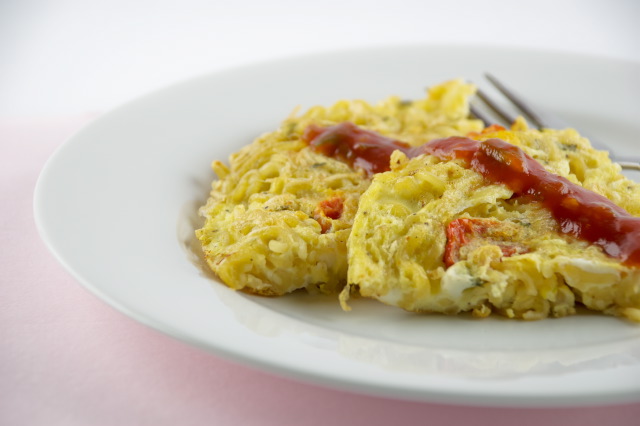
    Maggi (Veg or Non-veg) Omelette

    ramen-noodles-omelette

    INGREDIENTS

    • Maggi Noodles (of course!) – 1 small packet
    • Semolina (rava) – 1 cup
    • Green chillies – 2-3
    • Onion (medium) – 2
    • Besan (Bengal gram flour) – 1 cup
    • Dhania or Coriander leaves
    • Sprouted moong (whole green gram )- ½ cup
    • Grated coconut- ¼ cup
    • Grated carrot- ¼ cup
    • Olive oil- ½ cup
    • Ginger-garlic paste- 1 teaspoon
    • Egg (optional) – 1
    • Grated Cheese
    • Pinch of salt

    METHOD

    • Boil the maggi in 2 cups of water. Drain and set aside. Drizzle a few drops of olive oil to prevent the noodles from sticking to one another.
    • In a bowl, mix besan, rava, and ginger-garlic paste, salt and keep aside.
    • Beat the egg,and put in the noodles,maggi masala, chopped onions,grated carrot and coconut,coriander leaves, green chillies, and mix it with the basen mixture,thouroughly,to make a batter with some water.
    • Take a non-stick dosa pan, and brush some oil onto it and heat it.
    • Pour and spread out the batter, on the pan, to make an omelette.
    • Sprinkle some moong sprouts over the omelette
    • Cover the lid and let it simmer on low heat.
    • Remove after 2 minutes,and garnish with cheese and coriander leaves! Voila!

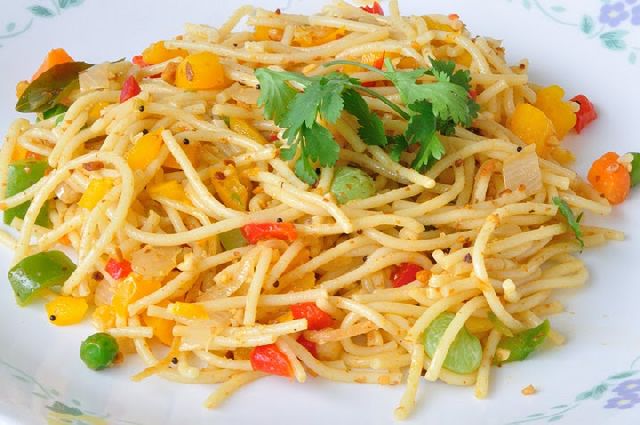
    Noodles Upma

    noodle-upma

    INGREDIENTS

    • Maggi Noodles- 1 packet
    • Finely chopped veggies (carrots, capsicum, beans, etc.)- 1 cup
    • Chopped onions – ¼ cup
    • Chopped green chillies- ½ cup
    • Chopped coriander for garnishing
    • Mustard seeds (rai/sarson) – ¼ teaspoon
    • Olive oil or vegetable oil- 1 tablespoon
    • Curry leaves (Kadi patta) – 5-6
    • Asafoetida (hing) – ¼ teaspoon
    • Salt to taste

    METHOD

    • Put 2-3 drops of oil in a small vessel of water and bring it to boil.
    • Add in the noodles into it and allow it to cook for 2 minutes
    • Remove from heat and drain the excess water
    • In a pan, heat oil and add the mustard seeds, curry leaves and asafoetida.
    • Once the seeds crackle, pop in the onions, and sauté for a minute
    • Add in the green chillies and the veggies. Mix well and sprinkle salt and let it cook for some 5 minutes, till the vegetables have softened.
    • Add the cooked noodles into it and mix.
    • Sprinkle the coriander leaves and serve with cheese (optional)

    Maggi Masala Tikka

    Tikki

    Now, so much of Maggi, might result in some plates of leftovers. For that too, we have a solution. The sticky heap of noodles can be transformed into a quirky evening snack in just 10 minutes.

    INGREDIENTS

    • Maggi noodles – leftover, of almost 1 packet amount
    • Boiled potatoes -2
    • Boiled carrot- 1
    • Chopped onions- 2
    • Chopped coriander leaves
    • Ginger-garlic paste- 3 tsp.
    • Olive oil or vegetable oil- 5 tbsps.
    • Chat masala- 1 tsp.
    • Bread crumbs (optional)
    • Biscuit(powdered)
    • Salt to taste

    METHOD

    • Boil a packet of Maggi in 2 cups of water, or simply use the leftover Maggi
    • Take a medium bowl and grate in boiled potatoes and carrots and bread crumbs into the boiled noodles and mix well. Don’t worry about breaking the noodles, that doesn’t really matter.
    • Add into it, the ginger-garlic paste, chat masala, Maggi masala (optional), salt and coriander, and mix.
    • Once the mixture is done properly, shape them into small flat balls, like tikkas.
    • Dip the tikkas in the biscuit powder for a crispy texture and deep fry or shallow fry them. Soak them in tissue paper to get rid of the excess oil ,sprinkle some more chat masala or Maggi masala and serve with tamarind or dhania chutney. I suggest garlic sauce or tarator sauce(recipe given in my another article)


    Baked Corn and Cheese Maggi

    9bc93e06-f641-469c-97e9-9e8dbef785a3OtherImage

    An inspired version of classic baked Macaroni and cheese, this is one of my favourites. Planning to dip into a silky, gooey and smooth delicacy while flipping through the pages of your favourite book, or while enjoying a film, this is the perfect Friday-evening companion!

    INGREDIENTS

    • Maggi Noodles- 2 packets
    • Shredded mozzarella cheese- 2 ½ cup
    • Water- 1 ½ cup
    • Butter- 2 tbsps.
    • Semi boiled corns- ½ cup
    • Salt to taste

    METHOD

    • In a vessel, pour 2 ½ cups of water and bring it to boil.
    • Add the Maggi noodles into it along with the masala.
    • Pop in the corns and sprinkle the Maggi masala and let it cook. Don’t overcook the noodles, or even leave it too watery.
    • Take a flat baking tray and grease it with few stokes of butter
    • As you see the noodles half cooked, pour it all into the baking tray
    • Level it all and cover the top surface with shredded cheese
    • Sprinkle some fresh herbs (coriander, rosemary or parsley) onto it.
    • Now, slide in the baking tray in a preheated oven and let it bake for some 4- 5 minutes.
    • Once the cheese starts melting, and you can glimpse a light brown crust on top, it’s time to take the take tray out. Serve and dig!

    Bon appetite!

  • Madras Filter Kaapi!

    Madras Filter Kaapi!

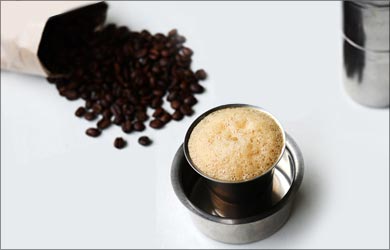
    The coolest hangout for today’s generation is to sip on a coffee in a costly coffee shop. Every street corner has a coffee shop these days, where they serve the regular cappuccinos and hundreds of other varieties of coffee. It is a relatively new trend in India, but people of Chennai and their neighbors are accustomed to this more than anyone else. New age coffee shops, with their swanky couches and bloated prices, may have introduced the culture of drinking coffee to a new audience, but many youngsters have chosen to keep alive a living tradition, where the filter coffee is not just another drink. In a traditional South Indian restaurant, you will see young and old people sipping on their coffee after every meal. The Madras Coffee is the primary stress buster and the perennial favorite drink for most of the people in South India. You will see a lot of self confessed coffee addicts who have travelled around the world say No other coffee can match the taste of the traditional “filter kaapi”. Most people cannot start of their day without drinking “Filter Kaapi” and reading “THE HINDU” newspaper.

    kaapi2

    The Madras Filter Kaapi

    kaapi6

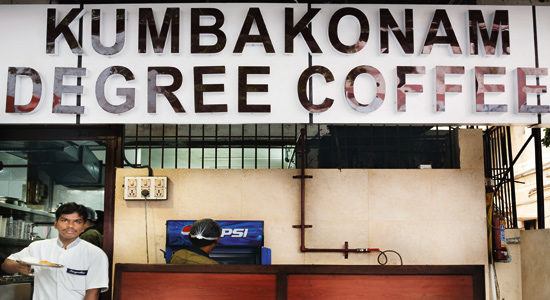
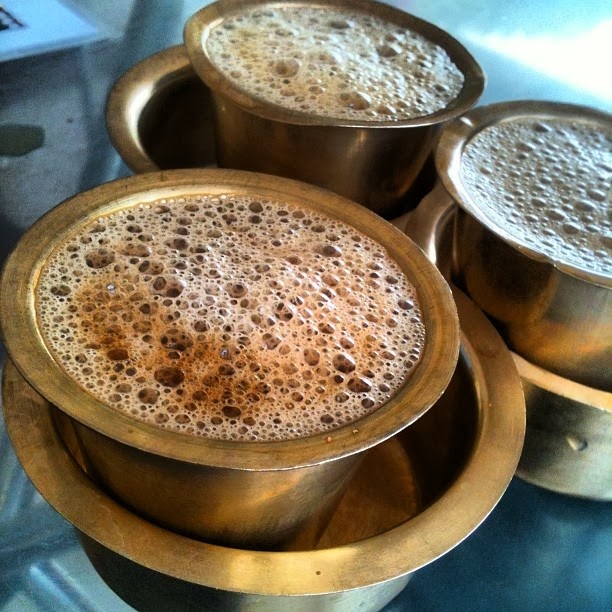
    The Madras Filter Kaapi is a part of South Indian tradition. It is the most widely served drink to visitors in the South Indian states of Tamil Nadu, Kerala, Andhra Pradesh and Karnataka. During the British Rule, all the four South Indian states were under the Madras Presidency and all of them have similar roots and traditions which has a stark variation from other parts of the country. The other common names for “Madras Kaapi” are “Kumbakonam Degree Coffee” and “Mysore Filter Coffee”. The traditional South Indian Coffee used to be served in aluminum tumblers and until the 1960’s it was served with honey or jaggery instead of sugar.

    kaapi5

    Roots

    kaapi7

    The coffee bean itself is a very foreign substance which has its roots in Ethiopia. How coffee made its way to India has several theories. Though it is said to have reached the shores of India, along with tea, in the 17th century, it was not until the end of the 19th century that coffee and it’s ‘cultural other’, tea, became a phenomenon in India. Coffee, unlike tea was mostly a drink for the upper class society. Even thought “filter kaapi” is very much a South Indian specialty, even North Indians especially those who have settled in South India have taken a liking to this wonder drink.

    kaapi3

    The first person to bring Coffee seeds to India was Baba Budan. Folklore has it that, Baba Budan went on a pilgrimage to the Holy City of Mecca and while returning brought seven coffee seeds as a gift for his people. It is said that, he actually smuggled those coffee seeds from Yemen, the biggest coffee bean producer in the world back in the 17th century. These seeds were planted on the Chandragiri Hills, which from that day came to be known as the Baba Budan Hills.

    Indian Coffee Market

    coffeemarket

    When recently, Starbucks, the world’s biggest coffee retail chain decided to open in Chennai, they knew it was one of the biggest battles they would face because of the competition they were likely to face from local rivals like Saravana Bhavan, Kumbakonam Degree Coffee and Café Coffee Day. Chennai is undoubtedly the coffee capital of India. The Indian Coffee Market is an ever growing one, with more number of people taking to coffee every year. According to the Coffee Board of India, over 30,000 metric tons of coffee is consumed per annum in Tamil Nadu with filter coffee cornering 54% of the market and instant coffee 46%. Pan India, over one hundred thousand metric tons of coffee is consumed per annum and this market is growing at 5-6%.

    How to make the Traditional Filter Kaapi?

    coffeemake

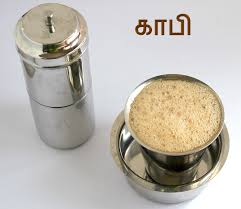
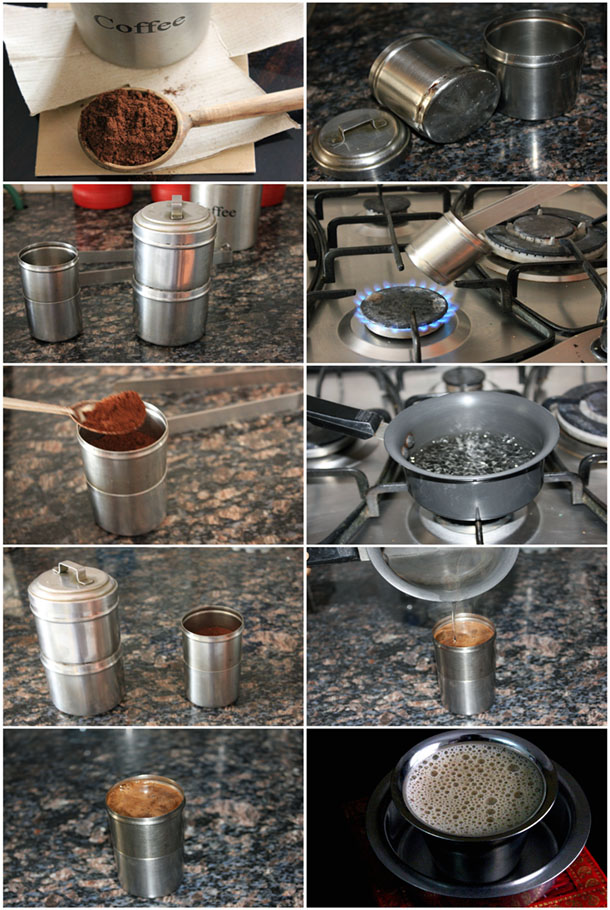
    You’ll need a traditional percolator which is made of 4 parts. Buy grinded coffee powder, if you are not a person who is patient enough to grind the coffee seeds, though I would recommend you to try doing it occasionally. Use a clean filter, remove the lid and umbrella. Put 2 heaped table spoon of coffee powder per person and press it down with a spoon. Keep the umbrella back and gently pour fresh water and wait until the water percolates down slowly depending on the quantity of powder placed. Six to eight table spoons of coffee powder will take the decoction almost 6-8 hours to collect at the bottom. If you’ve put a lot of coffee powder, you wouldn’t have a chance to put enough water to percolate resulting in very concentrated but less quantity of decoction at the bottom. In such a case, you might have to add more water every time and do it repeatedly three or four times.

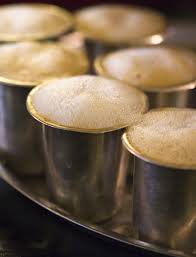
    Now, to prepare the traditional Madras Filter Kaapi take a tumbler(a steel cup) and pour up to 3/4th level milk and add decoction with constant stirring to make a coffee to suit your liking, mild or strong and add sugar if you wish. You can also use jaggery or honey instead of sugar to get the traditional “kaapi” flavor.

    kaapi1

    Traditional kaapi is best served hot. Drink it when it is steaming hot and slowly get lost in the aroma and flavor of the most wonderful drink in the world- The Madras filter Kaapi.

  • Sweet Dishes For Eid-ul-Fitr-

    Sweet Dishes For Eid-ul-Fitr-

    Eid-ul-Fitr is the religious festival of Muslims that marks the end of the holy month of Ramadan during which they fast for 29 or 30 days from dawn to sunset. It is celebrated with great zest around the world and the greeting of “Eid Mubarak” (“Blessed Eid”) is exchanged between the merry-makers. According to some traditions, it is believed to have been initiated in Madinah after the migration of Muhammad from Mecca.

    Eid-ul-Fitr is known for the variety of delicacies prepared especially sweets earning it the name of “sweet Eid”. Depending on the region, the types and forms of the cuisine vary but always include sweet dishes. While local sweets such as Gulaab Jamun, Ras Malai etc have been promptly absorbed in the Eid cuisine in South Asia, Baklava and other types of pastry type sweets are eaten in Turkey. After a month of continuous fast, we believe people have earned this. So let us have a look at some of the wonderful desserts that are prepared in this amazing festival.

    1. SHEER KORMA 

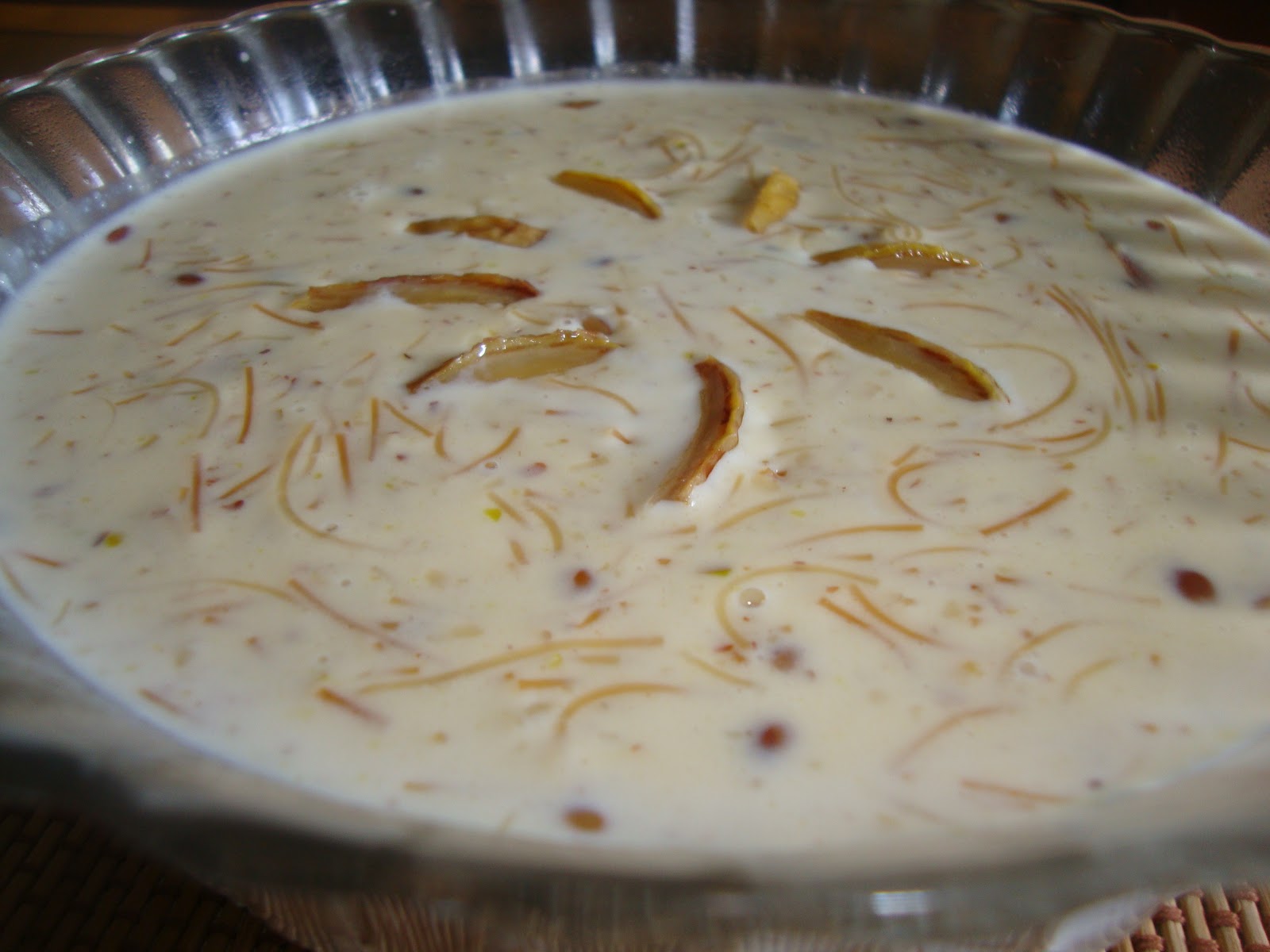
    Sheer Korma is a popular vermicelli (saviyaan) dish which is almost synonymous with Eid-ul-Fitr in India and Pakistan. It is served during the Eid morning after the prayer and then to the guests who arrive throughout the day.  Sheer is Persian for milk and Khurma is Persian for dates. It is simple and easy to prepare.

    1


    Ingredients

    1. 1 Packet vermicelli
    2. 500 ml Milk
    3. 1 cup sugar
    4. 1 tbsp butter
    5. ½ tsp flavoring agent like vanilla or rose water
    6. ½ cup raisins
    7. 20 whole cardamom pods
    8. ½ tsp cardamom powder
    9. 1 cup dry fruits like almond, cashews and pistachios
    10. ½ cup fresh cream
    11. ½ tsp saffron strands
    12. Dates cut in small pieces


    Method of preparation

    1. Melt butter in a pan and fry vermicelli in it till it turns beautiful brown. Make sure that you keep the heat low so that the vermicelli is not burnt. Once ready, the vermicelli will absorb all the butter. Alternatively, fried vermicelli is also available in the market.

    2. Mix ¼ cup sugar in it and then slowly add milk to it while constantly stirring the assembly. Increase the heat to bring the milk to boil.

    3. Now add the raisins, dry fruits, dates, cardamom pods and the remaining sugar and mix everything properly.

    4. Let the milk boil until it is reduced to half its original volume. Reduce the heat and thicken the korma to three-strand consistency.

    5. Quickly add your favorite flavoring agent and fresh cream. Cover it and let it simmer for 10 minutes.

    6. Garnish with saffron strands, and cardamom powder and serve it to the delight of friends, family and guests.

    2. BADAM PHIRNI

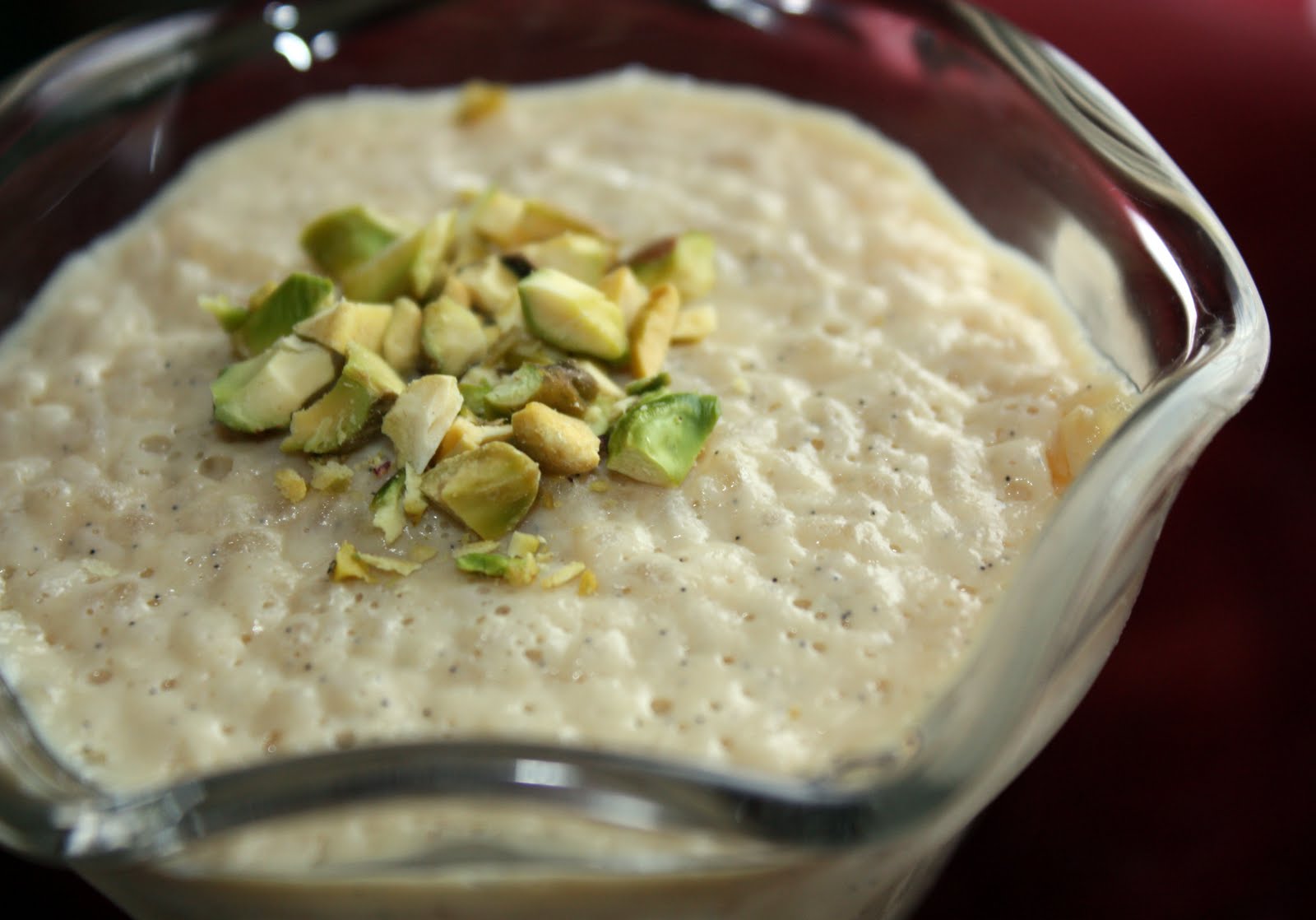
    Phirni is a very popular Indian dessert that is prepared on a variety of occasions including Eid, Diwali etc. There are more than a few versions of Phirni varieties available, for example, Gur aur Badam ki phirni (Jaggery and Almond Phirni), Sugar Badam Phirni etc. Here we will discuss the phirni that uses Sugar.

    2

    Ingredients

    3 cups Milk
    ¼ cup Rice
    2 tbsp Sugar
    1/4th Cup Blanched Almonds (sliced)
    ½  tsp Green Cardamom (crushed)
    1/2 tsp rose water

    Method of preparation

    1. Soak the rice in water few hours before the commencement of preparation. Grind the drained rice into a smooth paste and add a little boiled milk to it.

    2. Boil milk in a non-stick saucepan and bring it to boil. After boiling for a few minutes, reduce the heat to simmer.

    3. Increase the heat to moderate and add cardamom, sugar and rice paste to it while stirring constantly.  Allow it to thicken.

    4. Remove heat and add almonds.

    5. Put it in serving bowls and let it cool. Refrigerate it for some time and then serve.

    3. SUFI MALPUA

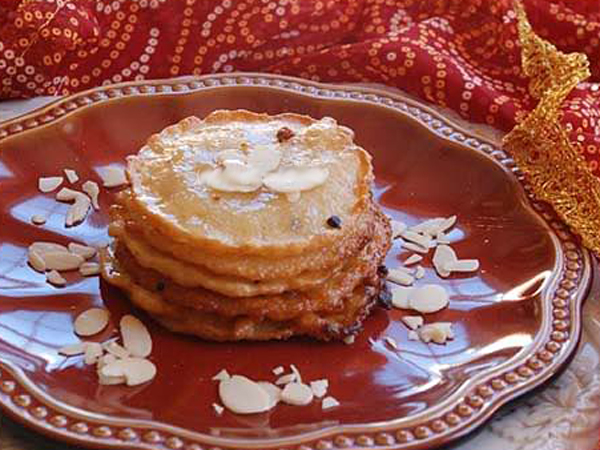
    The delectable Sufi Malpua is somewhat irresistible and that explains it popularity among the Muslim community around the world. It is not only served on the occasion of Eid but also throughout the holy month for iftar (meal to break the fast).  It is easy to prepare and requires but few ingredients.

    3

    Ingredients

    1 liter Milk
    1/4 cup Maida
    1/4 cup Suji
    Ghee
    Water

    Method of preparation

    1. Boil the milk till it reduces to half its original volume.

    2. Roast the suji on a pan on low heat till it turns brown. Take special care so that it does not burn and turn black.

    3. Add the roasted suji and maida to the milk while constantly stirring the mixture. Make sure that no lumps are formed and assembly is of smooth pouring consistency. Pour this batter in a big round bowl.

    4. Boil water in a separate saucepan and bring it to boil. Add sugar to the boiling water and let it brew till it transforms into syrup of 1 thread consistency.

    5. Heat ghee in a pan and pour the batter in it in the form of small pan cakes. Let it cook for a few seconds and then turn it over. Make sure that the Malpuas retain their fluffiness and softness and not turn too hard or crisp.

    6. Dip the Malpuas in the sugar syrup and leave them in it for few minutes so that they absorb the syrup completely. Finally take them out of the syrup and serve!!


  • Feng Shui! Some know-about-it facts!

    Feng Shui! Some know-about-it facts!

    Wikipedia defines Feng Shui as a Chinese philosophical system of harmonizing the human existence with the surrounding environment. It strikes up a correlation and creates a perfect balance between these elements of nature. The term Feng Shui literally translates into ‘wind-water’ in English. The practice of Feng Shui is one of the Five Arts of Chinese Metaphysics, among Chinese Astrology Bazi (Four Pillars of Destiny), Divination, Mian Xiang (Face reading) and the science of Chinese Medicine. It explains and discusses architecture along the lines of metaphorical terms of “invisible forces” that bind the universe, earth, and man together, known as Qi. This ancient art based on the principles of mathematics, geology, philosophy, psychology, intuition, astronomy and astrology, draws together an ideal mix of aesthetic and moral ideas. It can help you grow physically, morally, intellectually and spiritually in fields of profession/ career, academics, personal life, health etc.

    download (1)

    The principles of Feng Shui have existed for millions of years and can be observed in cultural practices of Taosim, Buddhism, Shinto, Confucianism and Vaastu Shastra. As a matter of fact, India and China both lay claim to Feng Shui’s ancestry and origin. Archaeologists have found evidence that date around 5500 years ago to reinforce the presence of Vasstu Shastra (building science). As of present claims, Yangshao (a Neolithic culture that existed extensively along the Yellow River in China) and Hongshan (a Neolithic culture in northeastern China) cultures are said to have evidence of the earliest use of Feng Shui. Astronomy forms the basis of early practices of this ancient art. In 4000 B.C. during the Zhou Era, a constellation called Yingshi (the then Ding) was used to indicate the appropriate time to build a capital city. A grave at Puyang that contains mosaic which actually is a Chinese star map of the Dragon and Tiger asterisms and the Beidou (the Big Dipper) is oriented along a north south axis. The presence of both round and square designs in the Chinese architecture of these times suggest the presence of gaitian cosmography (the belief that Heaven was round and Earth was in the shape of a square) in the Chinese society and its’ influence on ancient Feng Shui.

    download

    The organized body of knowledge of Feng Shui was first studied and practiced in the Tang Dynasty in around 888 A.D. Another exemplary application of Feng Shui was seen during the Han Dynasty (206B.C. to 220A.D.) wherein the expansion of this empire incorporated a multitude of geological zones and climates keeping in mind the principles of Feng Shui. The Great Wall of China was built during 771-476 B.C. keeping in mind the ideas of Feng Shui.

    yangyunsungm55018adownload (3)

    One of the most famous Feng Shui masters is Master Yang Yun Sang, who left a legacy of many classical Feng Shui texts. He is said to be the founder of what is called the Landscape school of Feng Shui. In the nineteenth century AD, Yang Yun Sang collated the first ever physical compilation of Feng Shui principles, systematically describing the characteristics of land and water formations which then became the standard text of the Landscape (or Form) School of Feng Shui. His writings suggest the importance of selecting an auspicious site that has the dragon’s energy or the dragon’s breath and hence emphasizes on careful examination of land formations like hills, mountains, valleys and even water formations. This is because the vital energy or Qi (‘Ch’i) contained in specific parts of the Earth was described as finding the Dragon and it lair. The Form school is the oldest school of Feng Shui.

    download (6)

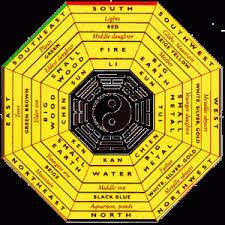
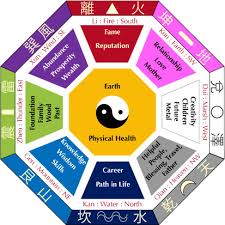
    Almost a century later, another school of thought called the Compass school of Feng Shui became popular. Master Wang Chih was the main influence in this school and he developed his teachings during the Song Dynasty (960 A.D.-1279 A.D.). The ideologies of this school of thought are based on the compass directions and the I-Ching trigrams arranged in the octagonal symbol of the Feng Shui energy map (the Bagua, meaning 8 areas). The Yin-Yang theory and the Theory of Five Elements are some of the other theories that were developed under this school of Feng Shui.


    download (4)

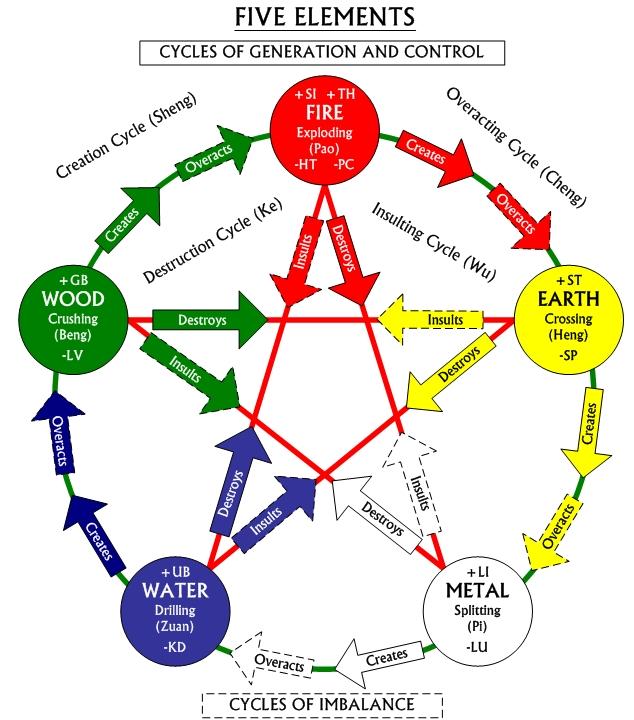
    The theory of Yin and Yang in Chinese philosophy indicates how opposite or contrary forces are actually relative and complementary to each other. Yin (the Moon; feminine) and Yang (the Sun; masculine) are the two opposing cosmic forces of nature that interact to form a dynamic environment of existence where the assembled model is greater than the individual constituents. Another basic principle of Feng Shui is the Theory of Five Elements viz. Wood, Fire, Earth, Metal and Water. These elements interact among themselves through processes what are known as the Productive and Destructive cycles. Colours (derivation of Light) are assigned to each elements and they are said to be identified as the expression of each elements. The colour correspondence of each elements is as follows:

    WOOD: Green, Brown

    FIRE: Red, Strong Yellow, Orange, Purple, Pink

    EARTH: Light Yellow, Sandy/Earthy, Light Brown

    METAL: White, Gray

    WATER: Blue, Black

    Some theories also identify the elements with shapes. The correspondence is as follows:

    WOOD: Rectangular

    FIRE: Triangular

    EARTH: Square

    METAL: Round

    WATER: Wavy

    FiveElementsCycleBalanceImbalance

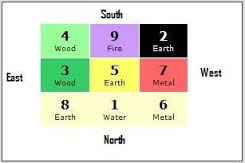
    Some other widely popular concepts of Feng Shui are the Lo-Shou square and the Kua number concept to name some. The Kua number concept was used to determine the most auspicious positions or directions based on the persons’ date of birth. The Lo-Shou square is an ancient theoretical and conceptual tool applied by Feng Shui practitioners till date. The square so mentioned is a 3×3 symmetric square with numbers 1-9 written in the unit squares as shown in the diagram below. Among various stories of the origin of this tool, also called the Magic Square, one of them is the most popular. It is said that Emperor Yu was walking along the river Lo, thus lending it the name. Lo Shou Square literally translates into the Scroll of River Lo. This legend dates back to 650 B.C., when the great floods had hit China.A turtle that emerged from the river had an unusual 3 x 3 pattern on its shell. This thus became the core idea of the Lo Shu Square, a mathematical grid where the sum of numbers from each row, column or diagonal is the same and equals 15 in any direction. As we see from the pattern of the numbers the even numbers (representing the Yin energies) are at the 4 corners of the square and with 5 in the centre, the odd numbers (the Yang forces) form a cross. Each number has a specific energy correspondence to it, say for instance, the number 9 carries a strong fire influence while 1 is a water-associated number.

    download (5)

    This art has thus influenced Asian architecture for millions of years and has now even reached the West. Some basic Feng Shui tips are:

    quote_corrected

    1.)    Declutter!

    If you can get rid of even half the unnecessary stuff in your home and office, it eases the flow of energy in the premises. This is the first step that should compulsorily be followed.

    2.)    Avoid working with your back facing a door.

    If your desk is positioned in a way that your back has to be towards a door, or if there is no way to alter the position, put a mirror above your desk or a reflective surface on your desk that enables you to see the door in the reflection. This fills the work or study atmosphere with positivity and moral strength and security. Also, it lets you concentrate better.

    3.)    Flora Cure!

    Plants symbolize culture, growth, freshness and life besides performing an excellent role in air purification. They also beautify the place. No harm in letting the plants grow where you stay. They always do you good!

    4.)    Keep the Toilet Seat covered!

    The Feng Shui perspective says that a toilet seat is a drain and it lets the good energy in your homes flow away through it. So, keep it covered. There is nothing appealing about an exposed toilet seat!

    5.)    Fix what’s broken!

    Broken things should not be kept at home or in the office as they would neither serve their purpose nor look good. So, try repairing them or if they are beyond repair, I’d suggest discarding them off and getting them replaced.

  • Culture of Mizoram

    Culture of Mizoram

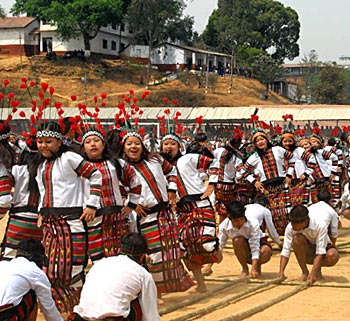
    Mizoram is one of the north-eastern sate of India.Aizawl is the capital city of Mizoram.The name Mizoram is derived from the words “Mi which means people” , “Zo which means hill” and “Ram which means land”.Thus the name itself conveys that it is a land of hill people.It has three bordering states namely Tripura, Assam and Manipur.The state acts as a border for two countries Bangladesh and Myanmar.According to census 2011 the state had a population of about 10,91,014.It is one of the least populous state in the country.It covers an area of approximately 21,087 square kilometer.Before 1987 it is an integral part of Assam.After 1987 it it formed as a 23rd state in India.In Mizoram most of the people are tribal and many of them belong to Christianity.Most of the people took Christianity during 20th century.It is one of the three states in India that is having majority of the people are Christians.People of Mizoram practice shifting cultivation and the crop yields are poor.In recent years, the jhum farming practices are being replaced with horticulture and bamboo products industry.About 20% of the Mizoram’s population lives below poverty line.

    villagers of Mizoram
    Villagers of Mizoram

    Geography:

    MIzoram consists number of hills and valleys.Being on the hills and valleys all the villages are located on the hills itself.About 21 hills are present with an average height of 1000 meters above the sea level.The highest peak in Mizoram is Phawngpui Tlang with a height of 7,250 feet.Most of the area is covered by forests and only eight percent is land.The sate is having the highest risk of getting earthquakes compared to other parts of India.

    Geography of Mizoram villages
    Geography of Mizoram villages

    Climate:

    Mizoram experiences very low temperatures in any season.During summer the temperature ranges from 20 to 29 °C and in winter temperatures ranges from 7 to 22 °C.In monsoons this region experiences heavy rainfall.The average rainfall in Mizoram is about 254 cm in moist tropical to moist sub-tropical regions.Whereas in the capital city Aizawl it is about 215 cm.It is better for the tourists to visit during November to March.

    Most of the time the climate is cool
    Most of the time the climate is cool

    Ethic groups:

    Different types of groups and languages can be seen in Mizoram.As most of the people are tribal, they are known as hill men.Bengali’s who had settled in Mizoram during 16th century are called as Kukis.In Mizoram there are many tribes who are further divided into clans.These clans are again are sub divided into sub-clans.

    Ethic groups of Mizoram
    Ethic groups of Mizoram

    Languages:

    Mizo is the important language widely used by the local people of Mizoram.Along with that English is used in education and other interactions officially.Duhlian dialect was the first language of Mizoram and later it is known as Mizo.It is a mixture of few other languages.The Christian missionaries resided in Mizoram developed the Mizo script.The Writing of this language is a combination of the Roman script and Hunterian transliteration methodology with prominent traces of a phonetics based spelling system.In Mizo there are 25 alphabets they are A, AW, B, CH, D, E, F, G, NG, H, I, J, K, L, M, N, O, P, R, S, T, Ṭ, U, V, Z.In this state Hindi is a compulsory subject for all the students up to eighth standard.Besides Mizo Nepali is also spoken by many of the Nepali immigrants in the state.

    Religion:

    About 87 % of the population in Mizoram are Christians.Among the population of Mizoram, the largest minority is Buddhists.They are followed by Hindus.Apart from them several thousands of people who have converted to Judaism.Muslims in the state are about 1.1% .The remaining 3,000 people in Mizoram state belongs to Sikhs, Jains and other religions.

    Mizoram religion wise population
    Mizoram religion wise population

    Industries:

    In bringing the advancement to the industries Mizoram faces few difficulties.The main drawback for the industries is lack of proper transport.The other problems that are faced by the state are shortage of electricity, capital, telecommunication and export market access. Mizoram is having two industrial estates and one software technology, that is being established in Mizoram university.The state government has acquired 127 acres of land in Khawnuam for development of the Indo-Myanmar border trade township.

    There are two industrial sectors in Mizoram
    There are two industrial sectors in Mizoram

    Educational Infrastructure:

    The christian missionaries have established the primary school in Aizawl during the year 1898.The state has higher literacy rates than average literacy rates for India.In India Mizoram is having the second highest literacy rate.There were about 3,894 schools in Mizoram.There were many educational institutions establishment under the umbrella of the Ministry of Education.It also includes universities, colleges and other institutions.In the Mizoram university there are 29 undergraduate departments including 2 professional institutions affiliated with the university.

    Mizoram university
    Mizoram university

    Traditional festivals:

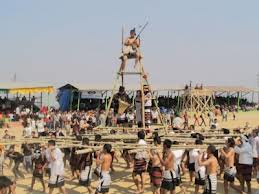
    The traditional festivals in Mizoram are celebrated around various stages of jhum cultivation.In the local language they are call it as Kut.There were many major and minor Kuts such as Chapchar Kut, Thalfavang Kut, Mimi Kut and Pawl Kut.The Chapchar Kut was the festival of spring.Thalfavang Kut was the festival celebrated after the completion of weeding of the jhum crop fields.Mimi Kut was the festival dedicated to ancestors after first maize crop was collected.Pawl Kut is celebrated at the end of harvest i.e., at the start of new year.Later after the Christianity has spread these festivals have slowly vanished.

    Traditional festivals of Mizoram
    Traditional festivals of Mizoram
  • A Healthy Touch To Summer With Curd

    A Healthy Touch To Summer With Curd

    We all want to keep our taste buds happy, and when what we eat scores high on health too – it’s a clear win-win! Curd due to the probiotic activities of the beneficial bacteria it contains, has a good proportion of minerals like calcium  and phosphorus, along with proteins and vitamins, highlighting their efficacy as a good probiotic product. Indeed, curd is a wonder food.

    download (4)

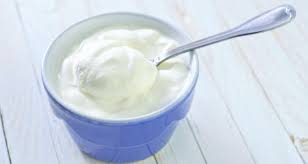
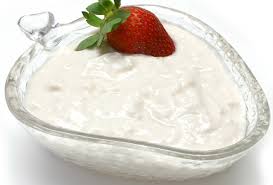
    Curd is prepared from sour milk. It is known to have better nutritive value than milk. It is formed by fermentation of lactic acid present in milk. The curd is highly esteemed for its refreshing taste and smoothness. People who have strong intolerance towards milk, can easily easily have curd without any further problem.

    In ancient India, curd mixed with honey was known as the ‘food of the Gods ‘. Some people explain that curd is known to be the best food for the mankind.

    Curd is popularly known as dahi, in north India while in south people have it mixed in with rice. While in kolkata, curd is popularly known as mishti doi.

    curd

    Some people also consume curd, due to superstitious beliefs. Some people belief that consuming curd mixed with sugar before starting some journey, is auspicious and will ensure safety and good health.

    Here are some reasons why you should add curd to your daily diet, ensuring a lot of health benefits-

    Curd helps improve digestion– curd is prepared by fermentation of lactic acid by lactobacillus bacteria, which helps improve digestion. The other reason attributed is that curd is easy to digest and helps control the heat produce by spicy food.
    Helps boost immunity- curd has the presence of good bacteria, which strengthens the immunity by fighting several microorganisms present in our body. Consuming curd is known to prevent certain infections, especially vaginal yeast infection in women.
    Good for bones and teeth– curd is even more nutritive than milk, with presence of calcium and phosphorus, which promotes growth of bones and makes teeth stronger. Curd is also known to control arthritis and osteoporosis.
    Curd as a milk substitute- people those who are intolerant towards milk, generally lactose intolerance can safely consume curd and also is easier to digest.
    Makes heart healthy– curd is known to keep in control blood pressure and also helps in reducing the blood cholesterol level by preventing thickening of arteries.
    Helps control dandruff problems– curd is an extraordinarily best ingredient known to control dandruff, by mixing it with oil and lemon juice and apply it on scalp. Leave it for an hour, and then wash it with water.
    Makes a good skincare product– curd is an excellent ingredient for making homemade packs, with addition of curd, gram flour and lemon juice to get an attractive and glowing face.


    images (6)

    There are certain additional benefits of curd like, it helps in curing insomnia. It is also believed consuming curd on a regular basis could prevent premature aging. It is also claimed that curd or even yogurt can improve the condition of colon cancer and food poisoning. It can also help in treatment of diarrhea, bowel movement, constipation and gastrointestinal disorders.

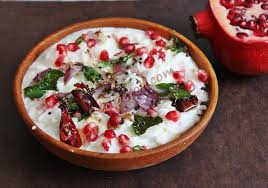
    Curd is also used in preparation of beverages by adding water and sugar, salt or some spices to it. Curd is also widely used in preparation of srikand, which is a semi dry mass of curd sweetened with sugar. This is done by suspending curd in a muslin bag , it is then sugared and colored.


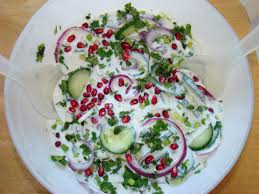
    1. Curd zucchini lime raita –

    images (7)

    A. 1 thinly sliced green zucchini

    B. 1 thinly sliced yellow zucchini

    C. Lime juice

    D. 2 tbs olive oil

    E. 1 tsp red chilly flakes

    F. 1 tsp peppercorns

    G. Salt to taste

    H. 2 cups Greek yogurt

    I. Garlic cloves

    J. 2 scallions, thinly sliced

    In a medium sized bowl, add sliced zucchini with olive oil, lime juice, garlic, chilly flakes, pepper and salt. Toss them and keep it aside to marinate for a few minutes.

    Heat a grilling pan, grease it with the prepared marinade and arrange the zucchini in single layer. Grill the zucchini on both the sides. In another bowl, combine yogurt, salt and pepper. Spoon the yogurt in an even layer on the platter. Layer the grilled zucchini in an alternating pattern as green and yellow over the yogurt, drizzle the remaining marinade over it.

    Serve it, garnished with scallions over it.


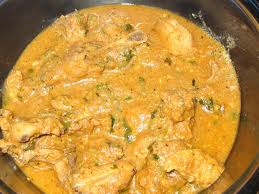
    2. Curd spicy chicken-

    download (5)

    A. 1 kg whole chicken

    B. Garlic clove

    C. Ginger

    D. 2 tsp chili powder

    E. 16 tbsp curd

    F. Salt

    G. 2 tsp black pepper

    H. Soy sauce

    I. 2 tsp coriander powder

    J. 2 tsp cumin seeds

    K. Coriander leaves

    L. Oil

    M. 1 big onion, chopped

    N. Tomato sauce

    Combine tomato sauce, soy sauce, chili powder, garlic, salt, pepper and curd in a bowl and mix well. Marinate the chicken in this mixture and keep aside for 2 hours.

    Heat oil in the pan, and add chopped onion, cumin seeds, coriander powder, ginger and garlic and saute. Add in the chicken with little curd, and cook on low flame till the chicken turns tender. Garnish with coriander leaves and serve.

  • Amazing Apricots

    Amazing Apricots

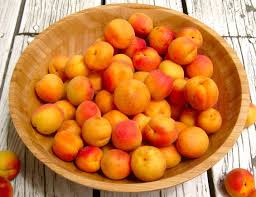
    Apricots or those beautifully orange colored fruits, are small, golden-orange fruit, with a velvety fleshy outer layer which is smooth and sweet. These fruits are full of beta- carotene, which are freshly available in summers. These much prized fruits are known to be brought in to Europe by Greeks, who named them as the ” golden eggs of the sun”.

    download

    Taking the servings of this fruit alone may sound a lot monotonous, but by simply snacking on an apricot, by tossing on an banana with the morning smoothie, and topping off a cup of yogurt with berries and apricots, means you have reached the goal.

    The fruit is known to be originally from China, but is known to reach to Europe from Armenia. The apricot tree is known to come in Virginia in 1720, as the climate their is perfect to culture and grow apricots. The apricots, though consumed as the fresh fruits, can also be consumed as in their dried forms, which could be turned into pastry or could also be eaten as in the jam form.

    Apricots are an excellent source of vitamin A, which is also rich in vitamin C , copper, potassium and dietary fibers. Apricots consist of a number of active anti-oxidants, among which the most popular and important is Lycopene. They also contain carotenoids, which give them a distinctive red, yellow or orange color. The fruit is also known to contain carbohydrates, sodium, vitamins, minerals and amino acids.

    images (2)

    Apricots are rich in many anti-oxidants, and are responsible for certain specific health benefits, which adds to the protective anti-oxidant properties while only adding to the little calories in our diet. A few health benefits of apricots include-

    1. Protects against inflammation- apricots are known to contain phytonutrients which have anti-inflammatory properties, one of them which is catechins. It is known that a single apricot is known to provide 4-5 gm of catechins. This is done as this phytonutrient  inhibits the activity of the enzyme called cyclooxeganse-2, which is critical for inflammation.

    2. Protects eyesight- apricots are rich in carotenoids and xanthophylls both, which are known to protect eyesight from age-related damages. Thus, apricots are known to lower the risk of loss of vision as the age progresses, for the people who take three or more servings of this fruit everyday.

    3. Protects against free radical damage- since apricots are known to contain a number of anti-oxidants, polyphenols and flavinoids, one might not hesitate to rank it as one of the richest fruits. Other important anti-oxidants like catechins, gallic acid, caffeic acid and ferulic acid are known to provide the potential health benefits.

    4. Rich in dietary fiber- apricots are known to be rich in dietary fibers, which helps support the digestive system by the presence of the soluble fibers, which could help control the blood cholesterol levels.

    5. Strengthens bones- apricots are also known to be high with the calcium content, which saves from having the brittle bones and thus strengthens the bones.

    6. Skin benefits- apricots are known to be rich in anti-oxidants, promotes cell growth and maintains a healthy skin. Apricots reduce the aging signs, makes skin glow and shine. The amount of vitamin A in apricots makes the skin free from acne problems and rejuvenates it.

    Therefore, some of the healthy recipes can be derived from apricots which are delicious too. Here are a few apricot dishes with their recipes-

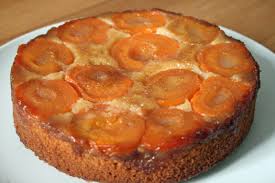
    1. Apricot cake-

    download (2)

    A. Some fresh apricots

    B. 2 3/4 cups all purpose flour

    C. 2 tsp baking powder

    D. 1/2 tsp salt

    E. 1 3/4 cup granulated sugar

    F. 3 eggs

    G. 1 tsp pure vanilla extract

    H. 3/4 cup vegetable cream shortening

    images

    Preheat the oven at 350 F, with a foil spread on the tray. Blanch the fresh apricots in the boiling water for a minute. Remove them from water, with skin removed and seeds removed. Process or blend the apricots, until finely chopped.

    In a bowl, add together flour, baking powder and salt together and keep them aside. In another bowl, add eggs, sugar, vanilla extract, cream shortening and whisk until fluffy. Beat in the both the mixture, with the apricots folded in. Pour in the batter and bake for 30-45 minutes, until it is well baked.

    Cool it at the room temperature, top with the vanilla cream frosting and fresh apricot slices and cut to serve it into desired slices.

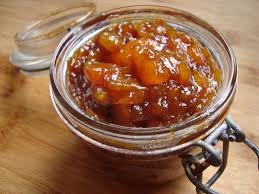
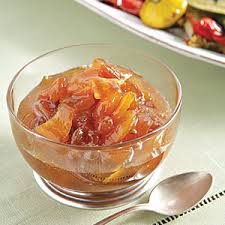
    2. Apricot chutney-

    download (4)

    A. Some pitted apricots

    B. 2 cup raisins

    C. Brown sugar

    D. 1 1/4 tsp salt

    E. 2 cups cider vinegar

    F. 1 tsp turmeric

    G. 3/4 tsp cinnamon

    H. 2 tsp mustard seeds

    I. 1 lb brown onion, peeled and diced

    J. t tbsp olive oil

    K. 1/2 whole head garlic

    download (3)

    All the ingredients should be mixed together in a saucepan. Bring the ingredients to boil, simmer it for about an hour, uncovered, until the juice or mixture has thickened. Stir carefully, because any splashes of chutney will be burning hot.Pour the chutney into warm sterilized jars and seal them.