Category: Food

  • Roll it up the Kolkata way !!!

    Roll it up the Kolkata way !!!

    I am not asking you to practice some yoga trick  , my only motive is to make your tongue roll over your lips when i will share the very classic street food dish “THE ROLLS”. I am a roll admirer….I can any time binge on these crispy ,spicy, tangy, full on masala marke dish. Rolls are very commonly eaten in every part of the world. People survive on alien lands just because to there rescue rolls are on duty 24×7. You get them in all forms , veg , non veg , spicy , mid spicy , non spicy , tangy , saucy , juice , crispy , fried, shallow fried. Just keep on counting you wont be able to recollect its variations at one go. This is winter season and we all eat (Statistically proven ) more than any other seasons. We feel hungry after every hour as in winters we tend to grab more of food to generate heat in our body , even we digest rapidly. Every street in  the cities with offices ,school and college campuses are filled with roll stalls and its busy at any time of the day. Kolkata my city is the city for roll stalls. Trust me , the variety and taste we get to eat here is way much than any part of the world. We keep it quiet unhealthy , very oily , very bulky …but still we commit suicide eating this tasty lethal food. Be it Arselan in park circus , Hot kati roll in Park street or veg roll in Golpark we all just crave for these tasty dynamites of awesomeness and we forget everything about our health (I guess we don’t care about that in this city ). Lets try out these awesome variation of rolls in our own kitchen and feast all our loved one’s to recreate the magic of streets any time at home itself.
    images

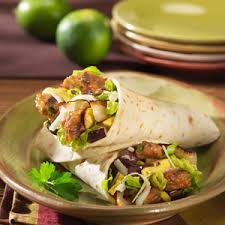
    Chicken Roll :

    Ingredients :

    For chicken filling : 400 g small chicken pieces ,1 tablespoon lemon juice , 1 teaspoon red chilly powder, 1 tablespoon ginger garlic paste, salt to taste, 1 teaspoon vinegar,1 teaspoon green chilly chopped, 1 tablespoon dark soya sauce, 1 tablespoon mustard sauce, 2 cups sliced onions, 2 cups sliced capsicum, 1 teaspoon , cumin powder, 1 teaspoon coriander powder, 1 teaspoon turmeric powder, oil for cooking.

    For the roll Chapati : 2 cups of refined flour, Oil for moistening the roll dough and shallow frying the chapati roll, 1/2 teaspoon sodium bicarbonate , 1 teaspoon of baking powder, Luke warm water for dough.

    Servings : 4 to 5 rolls.

    Method : Mix lemon juice ginger garlic paste , red chilly powder, vinegar, salt with chicken pieces and keep it for 1 hour in that marination. Once its marinated, Heat the oil in a pan ,add green chillies and half cup sliced onions and capsicum (Keep the rest for garnishing). Cook it for 5 to 8 minutes until its cooked completely . Now add all the sauces, tomato ketchup , soya sauce, Mustard sauce, cumin powder, coriander powder, turmeric powder . Cook it for 2 to 3 minutes until the sauces dry up to make a thick filling. Now keep it aside to get cool in room temperature. MIx baking powder, and sodium bicarbonate and 1 teaspoon cooking oil & salt with the refined flour and with gradual addition of Luke warm water make a tight but smooth dough. Keep it aside for 30 minutes. Once the dough is absorbs the moisture well in 30 minutes make round shape chapati’s out of it with the help of a rolling pin. Once all the chapatis are ready just shallow fry it on a hot pan. Once the chapatis are golden and crispy take it out from pan fill it generously but in even proportion with chicken fillings, garnish on top with onions slices , little tomato ketchup , mustard sauce and capsicum and roll it and seal the ends with  butter paper or simple stick the ends with toothpick You are ready to taste the cult Kolkata.
    maxresdefault

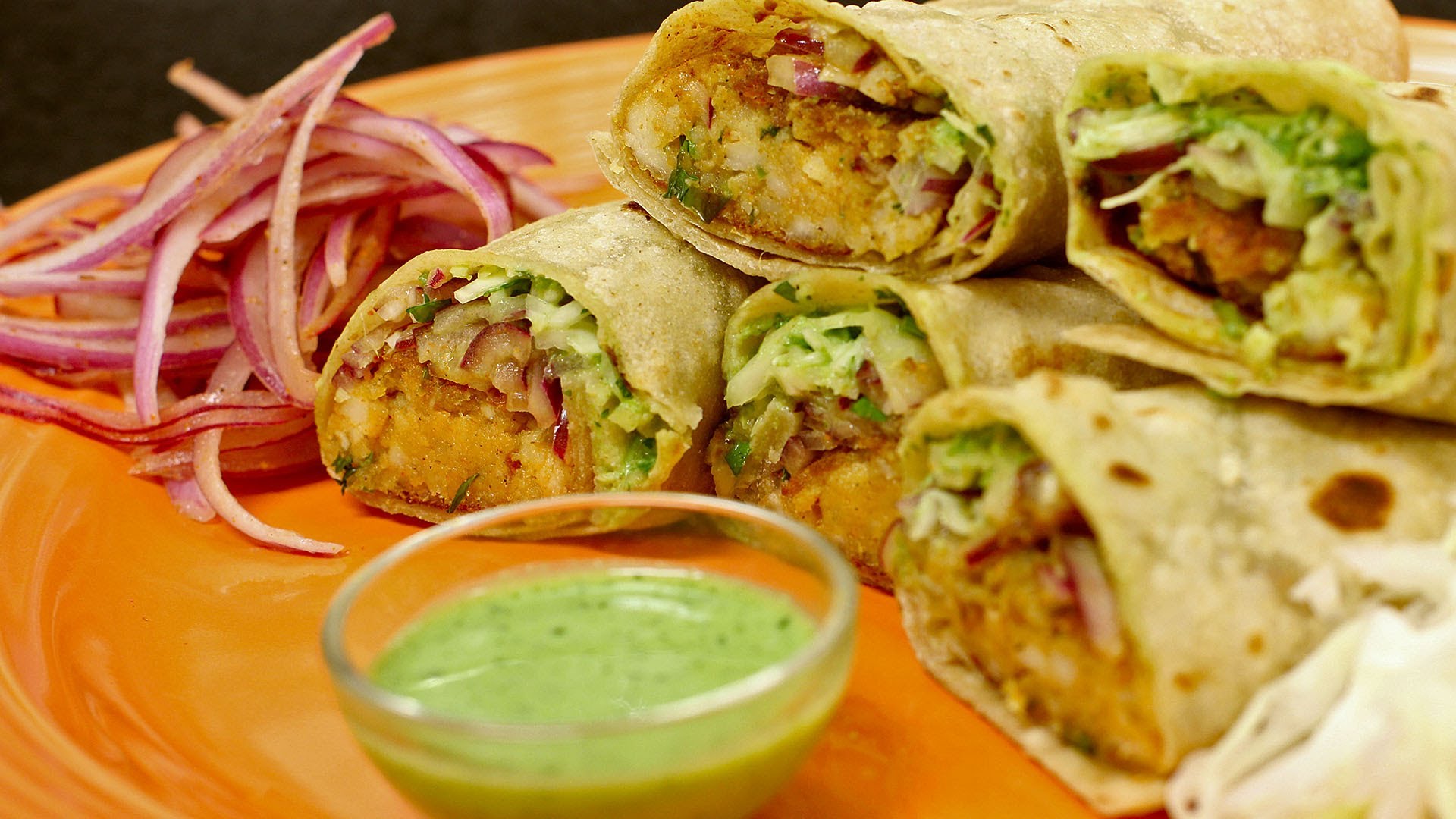
    Paneer tikka roll :Dough making process is the same. The only difference is the filling rest the process is no different than chicken roll.

    Ingredients : For Paneer filling:

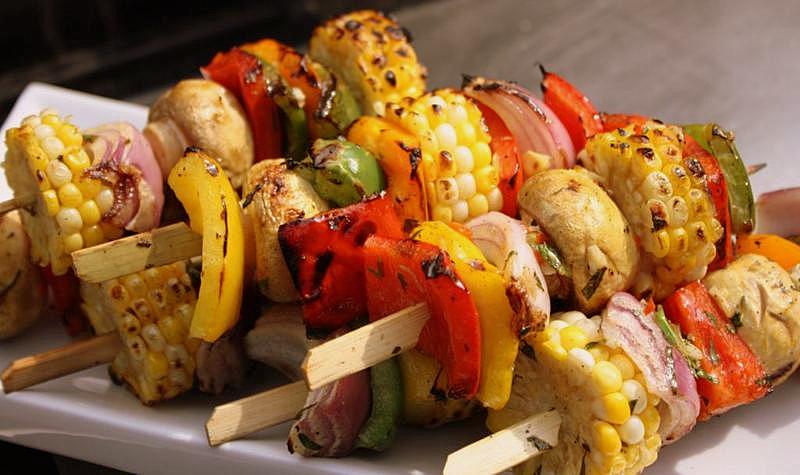
    Paneer tikka marination : 400 g OF Paneer/ cottage cheese cubes, 1 cup yoghurt, 1 tablespoon roasted besan , 1 tablespoon corn starch, 1 teaspoon lemon juice, 1 cup diced onions, 1 cup diced capsicums, 1 cup diced tomato de-seeded, 1 teaspoon red chilly powder, 1 teaspoon turmeric powder, 1 tablespoon ginger garlic paste,salt to taste,  1 teaspoon coriander powder, 1 teaspoon cumin powder, 1 teaspoon chaat masala powder. Skewers / toothpicks for tikka assembling before grill.

    For filling of roll : 1 tablespoon tomato ketchup, 1 tablespoon green chilly sauce, 1 cup sliced onions seasoned with chaat masala , 1 teaspoon black salt for garnishing.

    Roll chapati is similar to chicken roll.

    Servings : 4 to 5 rolls

    Method : Firstly marinate the paneer cubes with 1 cup yoghurt, 1 tablespoon roasted besan , 1 tablespoon corn starch, 1 teaspoon lemon juice,  1 teaspoon red chilly powder, 1 teaspoon turmeric powder, 1 tablespoon ginger garlic paste,salt to taste,  1 teaspoon coriander powder, 1 teaspoon cumin powder, 1 teaspoon chaat masala powder adding 1 cup diced onions, 1 cup diced capsicums, 1 cup diced tomato de-seeded also to the marinate mixture and keep it aside for 30 minutes in refrigerator. Once done assemble it with onions, capsicum and tomato into the skewers and grill it for 15 to 20 minutes changing sides into a griller at around 180 degree celcius. You will get hot steamy paneer tikkas . Once the chapatis are prepared just assemble this paneer tikka evenly on it  with tomato ketchup , chilly sauce , black salt and chaat masala seasoned onion slices and roll it and eat it immediately before someone else snatches it from you.
     images (1)

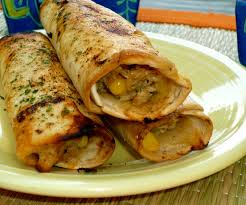
    Bean finger Roll :

    Roll making process is as usual similar lets note down its interesting filling recipe.

    Ingredients :

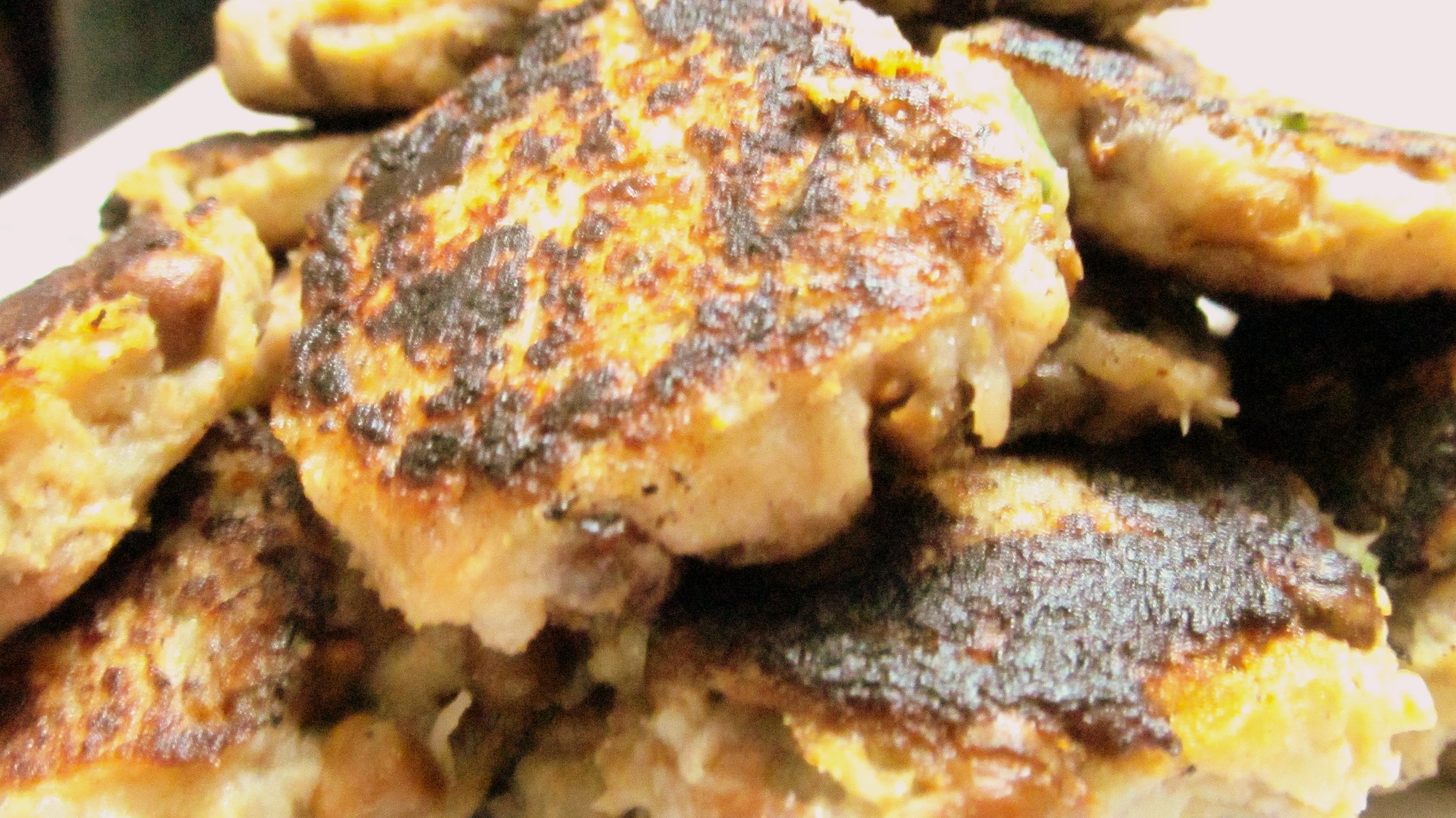
    For bean fingers : 2 cups of kidney bean soaked overnight, boiled and mashed, 1 cup of chopped onions, 1 teaspoon of green chilly powder, 1 cup bread crumbs , 1 cup mashed and boiled potato, 1 egg beaten , 1 tablespoon corn starch, chaat masala powder, 1 teaspoon lemon juice, 1 tablespoon chopped coriander, 1 teaspoon red chilly powder, salt to taste, oil for deep frying the patty.

    For filling the roll : 1 tablespoon tomato ketchup, 1 tablespoon green chilly sauce, 1 cup sliced onions seasoned with chaat masala , 1 teaspoon black salt for garnishing.

    Servings : 4

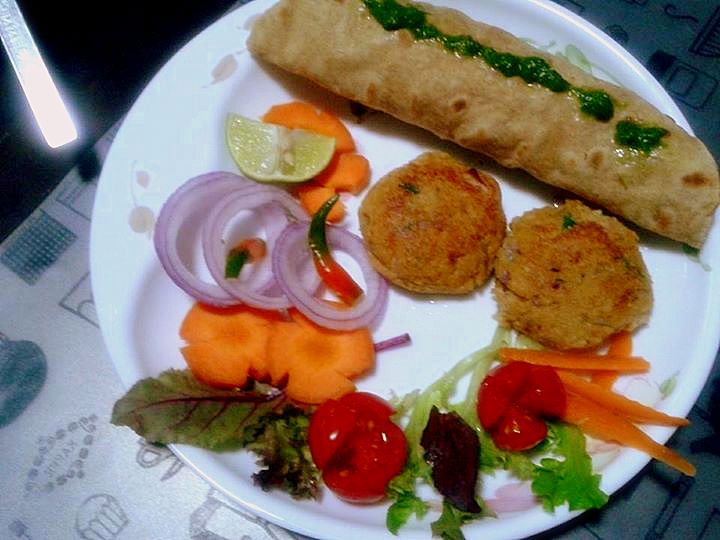
    Method : Mix all the ingredients (Except egg and bread crumbs) and make patties of finger shapes but little thick and long. then each patty is dipped in egg and coated generously with bread crumbs. deep fry the patties. assemble it in the chapati with  tomato ketchup, chilly sauce and onions and black salt as garnish roll it up and enjoy the tasty treat.
  • Happy Meals !!!

    Happy Meals !!!

    Happy meal is believed to make you feel good and tummy full. It goes without any doubt that we consider happy meal to be rich in calorie content , very oily , full of fried stuff. But the reality is that I am not going to discuss combine happy meal with full of calorie and fried stuff instead i will make it healthier and as tasty as French fries. Yes this is not some magical recipe its just getting correct ingredients with correct flavours and proportions. Lets consider this to be a truth and possible to achieve . Happy is a very general term where we really get attached to things which makes us happy. Similar is the situation with food. We often neglect substituting healthy options with calorie containing ingredients. Its best to eat healthy substitutes with same flavours but less in cholesterol or calorie. Lets discuss few magic recipes which are tasty and healthy .

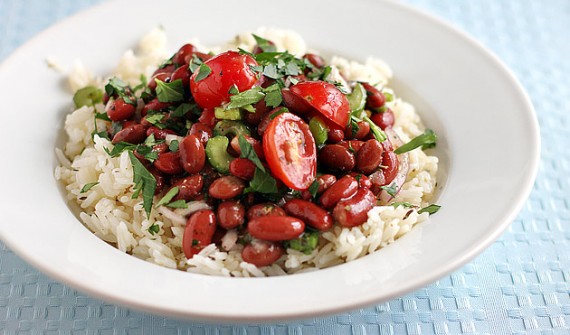
     red-beans-and-rice-salad-4-570x335

    Cajun seasoned Red Bean and Rice Salad :

    Its a very popular Jamaican recipe which is kind of staple food for Jamaican people . You will get to eat a lot of these if you happen to visit Jamaica. If not try this at your own home and get the feel of this international recipe.

    Ingredients :

    For Cajun mix : 1 tablespoon of  garlic powder(available in markets), i tablespoon of onion powder, 2 teaspoon of black and white pepper powder, 1 tablespoon of dried thyme, 1/2 teaspoon dried oregano, 1 & 1/2 teaspoons chilly powder. Mix it all to get Cajun mix.

    For Salad : 3/4 cup long grain rice , salt to taste, 1 tablespoon thyme sprigs , 200 gm red kidney beans soaked, boiled and drained. Do not throw this kidney bean boiled stalk it has  a nice colour and full of protein .1 cup chopped red capsicum or bell pepper, 1 cup sliced spring onions , 1 tablespoon olive oil (Another healthy substitute for cooking stuff), 3 tablespoon white wine vinegar, 2 tablespoon Cajun seasoning mix , Pepper to taste.

    Servings : 4

    Method : Bring 1 cup of Luke warm water  along with the kidney bean stock which was  drained out of boiled kidney beans to boil in a pan .Stir in rice , 1/2 teaspoon of salt , and sprig of thyme, return to boil .Reduce the heat, cover and cook until liquid is absorbed and rice is tender to be eaten. This process takes about 15 to 20 minutes .Avoid overcooking the rice as it will spoil the texture of the salad. Transfer cooked rice to a larger bowl , remove the thyme sprigs and keep it aside for few minutes to cool.Mix in boiled beans , red capsicum and spring onions into rice . Add olive oil, white wine vinegar, Cajun seasoning and rest of the  chopped thyme. Mix it gently but thoroughly. Season it with salt and pepper . Garnish it with thyme and spring onions. Serve with love.

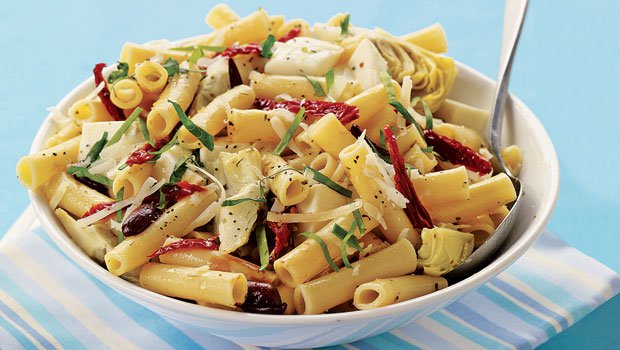
    margherita-pasta-salad1

    Pasta Salad:

    Ingredients : 2 cups of boiled Penne pasta, 1/2 cup of flat noodles, 4 to 5 iceberg lettuce, 1 cup boiled corn kernels, 1 Cup sliced onions, 1/2 cup grated cabbage, 1/2 cup boiled and diced carrots, 1/2 cup boiled and diced potatoes, 1/2 cup shredded cucumber, 1 tablespoon black olives sliced, 1 cup thinly cut capsicum slices, 1 cup boiled chickpeas, 1 cup sprouts, 1 tablespoon mayonnaise, 1 tablespoon mustard sauce, 1 tablespoon tomato chilly sauce, salt and pepper to taste.

    Servings : 6

    Method : Take a salad bowl and roughly chop iceberg lettuce  with hands, mix all the ingredients well in that bowl and season it with salt and pepper. Serve it with hot garlic breads .It simply pleasures your appetite and you come out more hungry after eating it as its the perfect appetiser for a hungry stomach.

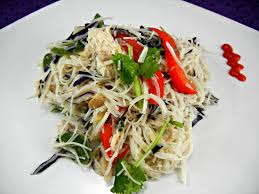
     images (2)

    Thai Noodle Salad :

    Ingredients : 200 g rice noodles, 1 cup shredded cabbage washed and drained, 1/2 medium thinly sliced red and yellow colour bell peppers , I medium carrot thinly cut , 1 cup sliced spring onions, 1/2 cup roasted and coarsely ground peanuts, 1 tablespoon finely chopped green chilly, 1/4 cup vegetable stock , 2 tablespoon rice vinegar, 1 tablespoon brown sugar, 1 tablespoon lemon juice, 1 tablespoon dark soya sauce, 1/2 teaspoon pepper, Salt to taste. For dressing 2 tablespoon sesame oil, 1 tablespoon finely chopped garlic .To garnish Finely chopped , fresh red chillies and celery leaves.

    Servings : 6

    Method : Boil the noodles in water and once breakable drain it out from hot water and wash it in ice cold water . This will prevent further cooking of noodles. Mix well all the ingredients and vegetables with in a large bowl and chill until ready to serve.

    While serving it heat a pan and add sesame oil ,chopped garlic , green chilly and fry for fee seconds. Stir in the stock and the rest of the ingredients , remove from the heat and set aside to cool.Sprinkle peanuts and drizzle the dressing over the chilled salad. Garnish with coriander, chillies and celery leaves.

    potato05

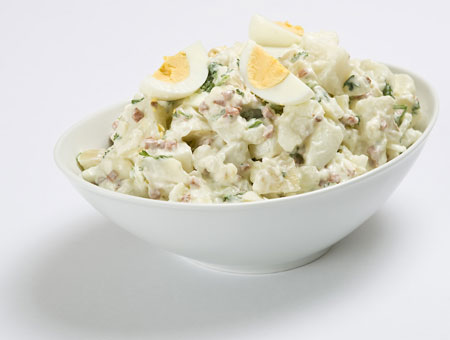
    Potato and Egg Salad :

    Simple to make quick to present and easily finished on a platter …..great way to begin a party.

    Ingredients : 1 cup mayonnaise, 1/4 cup finely chopped spring onion, 6 boiled eggs roughly cut into cubes, 2 cloves garlic crushed, 2 tablespoon finely chopped parsley, 1 tablespoon wine vinegar, salt to taste, pepper powder to taste, 1 tablespoon mustard paste, 500 g potatoes boiled and cut into cubes, 2 to 3 lettuce leaves cut into fine shreds. To garnish chopped parsley.

    Servings : 6

    Method : In a small bowl , mix together mayonnaise, eggs, springs onion, garlic, parsley, wine vinegar, salt, pepper and mustard. Toss the potatoes with this dressing .Chill. Before serving , toss lettuce leaves with salt and pepper and spread them on a serving platter. Pile chilled egg and potato salad on top and garnish with parsley. Serve immediately.

    With these chilled salads you may serve Hot soups, Garlic breads, French toasts, baked beans and toasts, butter toasts, tacos, chips, Lemonades, fruit juices. These variation of serving combinations will heat up your appetite and make you Happy to have Happy meal. Colourful dishes not only attract young ones but also older generations. It makes you hungry and you just eat the right quantity of happiness. You may have this in breakfast , lunch or dinner purpose is always the same to make you happy and content.

  • A Brief History of Bottled Water

    A Brief History of Bottled Water

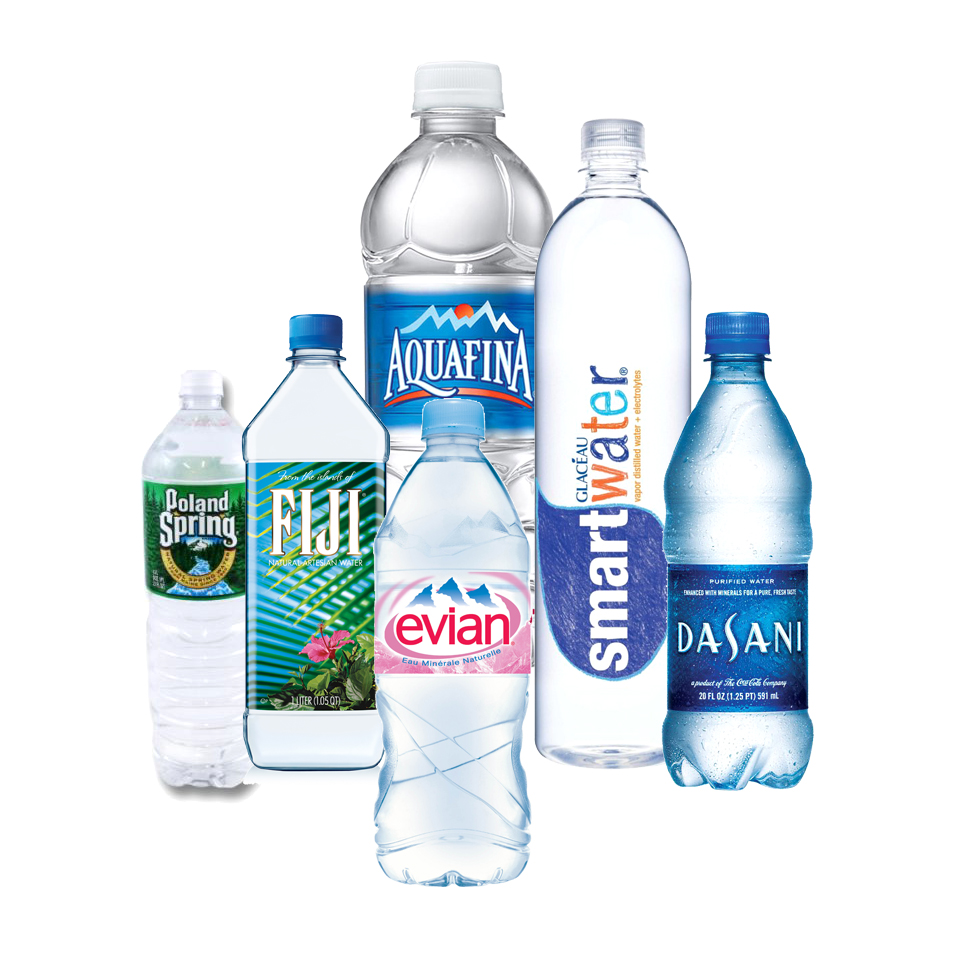
    Bottled water is water in the best combination of potability and portability. When drinking water, taken from any source, be it wells, springs, distillery, or mineral geysers, is packaged in glass and plastic bottles, it is called bottled water. They may or may not be carbonated. Nowadays, you can find water bottles available in various shapes and sizes, ranging from gulp-sized miniature water bottles to enormous carboys for giant water coolers. Bottled or table water can come from underground springs and wells, or taps. It is purified before it is bottled. Natural mineral water and spring water are types of underground water that contain naturally-occurring minerals. Sparkling water has carbon dioxide to make it fizzy. If this occurs naturally, it is often removed and replaced to ensure that it is always at the same level.

    The first bottles were made in sizes that were easy to carry. The 750 ml bottle became the standard size for most types of wine in the 19th century. In the United States of America, this has been the legal size since 1979, even though metric measurements are not widely used there. Some wine and champagne bottle sizes have Biblical names such as Methuselah, Balthazar, Nebuchadnezzar, and many others. The name Jeroboam was used for the four-bottle size as early as 1725 in Bordeaux, and others were soon named in the same way.

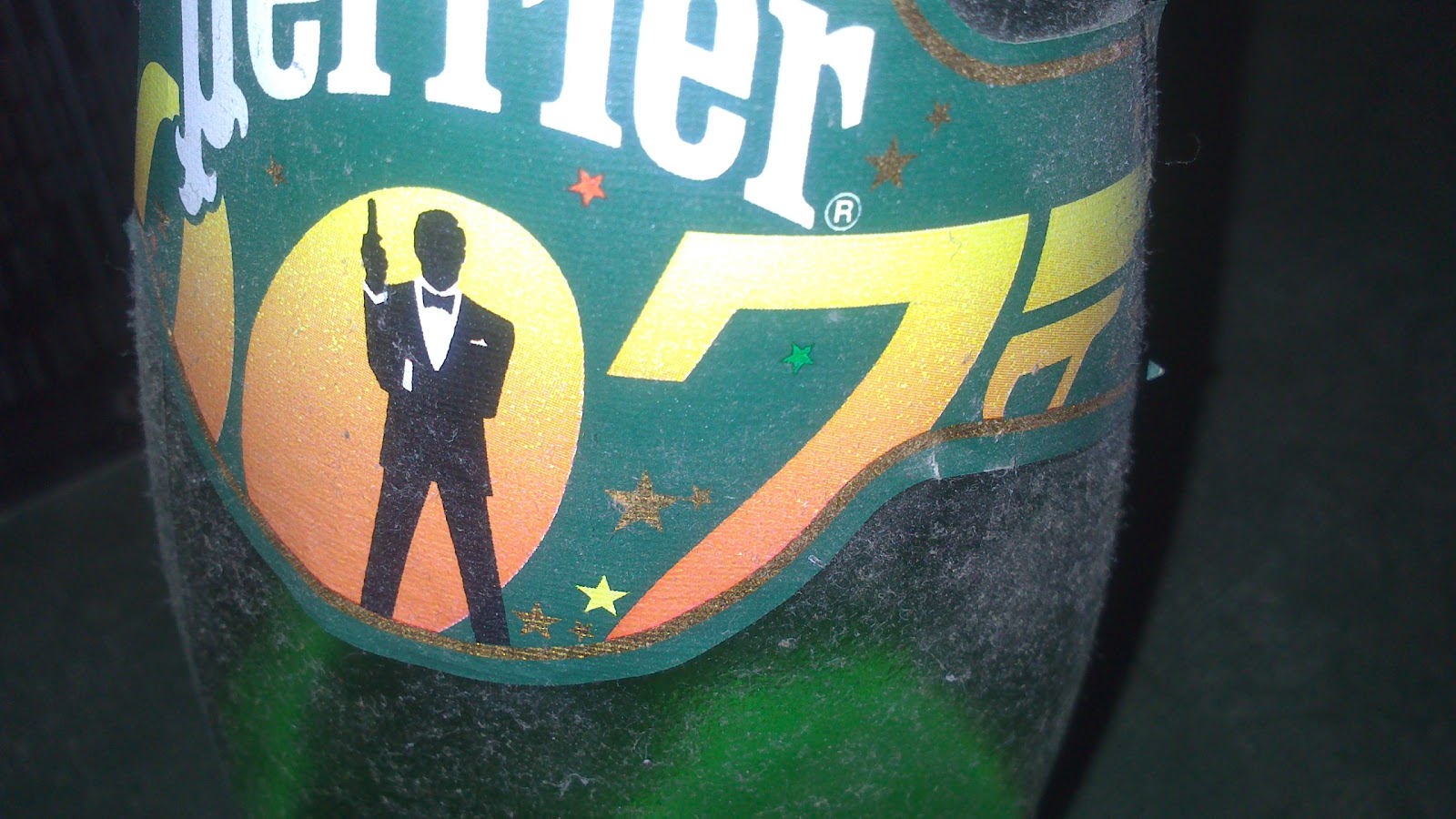
    In the 19th century, contaminated water from taps and pumps spread the killer disease cholera. Bottled water became popular as a safe alternative. In 1741, the English scientist Dr. William Brownrigg created the first artificial mineral water. He added health-giving minerals and carbon dioxide for fizziness. Dr. Brownrigg, incidentally, was also the first scientist to extract the element platinum. In 1792, Joseph Schweppe moved from Vienna to London and began to produce his own brand of artificial mineral water. His company grew to become one of the world’s most famous manufacturers of soft drinks. French doctor Louis Perrier gave his name to Perrier Water, which beamed the best known bottled mineral water in the world. In the 1960 James Bond novel For Your Eyes Only, the titular character insists on drinking only this type of water.

    Now the world drinks over a hundred and fifty billion litres of bottled water every year, which is equivalent to the quantity of water needed to fill sixty thousand Olympic sized swimming pools. In the United Kingdom, people drink more than two billion litres in totality, meaning an approximate of thirty-five litres per person. However, Italians drink more bottled water than any other nation, a hundred and eighty-five litres per person every year. Many people choose bottled water over tap water because it lacks substances such as chlorine, which affect the flavour of tap water, and also because bottles are portable. Bottled water is also produced to strict safety standards, so in some places it may be safer. Bottled water removes billions of litres of water from the underground, while making and transporting the bottles uses huge amounts of energy. Over 2.5 million tonnes of plastic go into the bottles every year and this has to be disposed of. Bottled water may also lack fluoride and other useful minerals found in tap water, so it may also be less healthy than the water in our homes.

    Bottled water is obtained from Artesian wells, the ground water table, bore wells, hot springs, mineral springs and other natural as well as man-made sources of water. This water is taken to huge industrial plants where it can be purified by one or a mix of numerous scientific methods, some of which include ozone purification, distillation, fluorination, sedimentation, multiple membrane disinfection, ultraviolet irradiation, and many others. It is then packaged in standardized quantities in sterilized and appropriately shaped plastic or glass bottles, as per the strict guidelines of the national food and health ministries. While one can find your average Bisleri water bottle in any grocery store, there is also a large plethora of other variants of bottled water, such as the ones available in fruit and sweetened flavours. Regardless of whether it is flavoured or not, bottled water can also contain artificially added minerals, fluorine, carbon dioxide, and other permitted preservatives and artificial flavouring. However, soft drinks such as Pepsi and Coca-Cola are different from the conventional bottled water in the fact that the amount of added substances does not exceed one percent of the amount of the total product, which is water, in the latter, whereas it forms a much bigger part in the former.

    Often stored as an integral part of emergency kits in the possible occurrence of a natural disaster, bottled water is often considered to be a foolproof, good tasting, and microbe-free source of drinking water, with a universally approved stringent set of rules and regulations followed all over the world by all countries. While one can consume bottled water without any significant health risks, it is also just as safe to use it for other purposes such as hand washing, personal hygiene, washing utensils, cleaning clothes, and other cleaning purposes. Bottles produced on a mass scale do not generally have any explicit expiry date on their labels, but rather an optimum amount of time the water should be used in without fear of contamination. Being highly stable, and packaged in the safest of ways, bottled water is without a doubt, a very safe thing to use, and therefore, have an indefinite shelf-life as long as they are not tampered with in any way by damaging, opening, and consequent possible infection.

    In India, bottled water is manufactured by large private companies such as Bisleri, Aquafina, Kinley, Himalaya, and Catch, as well as government bodies such as the Indian Railways Catering and Tourism Corporation. In this age of rampant water pollution, bottled water is not only the first choice of tourists, both foreign and domestic, but is also widely used in households as well. Priced at very nominal rates, and with the bottles being easy to recycle, bottled water seems to be just about the safest and easily obtainable source of drinking water these days.

  • Pickle Juice? Stuffed Mussels? Think Istanbul.

    Pickle Juice? Stuffed Mussels? Think Istanbul.

    Istanbul, where the West meets the East is home to a variety of finger-licking street food. Its not just about their taste, their uniqueness is something that deserves mentioning. Every region and country have their own native, indigenous flavors and recipes. Nothing can be more interesting for a foodie than discovering the secrets of the kitchen of the famous Turks.

    Now, we are going to look at some of the bizarre, different but scrumptious roadside items that you can find on the Turkish streets.

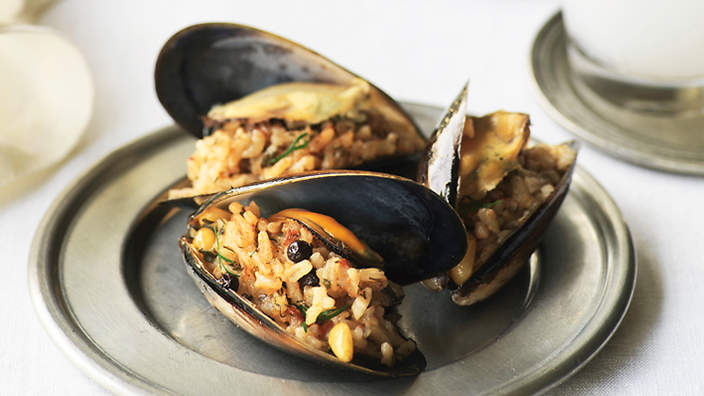
    1. Stuffed Mussels. Yes! There is a dish called stuffed mussels which is quite elegant looking with its oval shape and its bluish-black shells. They have quite hard coverings and they have to be soaked in hot water to be softened.Often stuffed with flavored rice and condiments, they make for excellent appetizers. You have to prise them open with a spoon or knife, squeeze out a trickle of lime juice and finally scoop out the insides from the shell with the other. Live ones can be tastier and quite fresh, only that you have got to have a thing for RAW.

    stuffed_mussels_istanbul

    2. Pickle juice. Everyone knows about the universally famous pickles. But pickle juice? Anything ranging from chili pepper,garlic and onion to beetroot doused in a cup of spicy pickle juice is a special drink of the Turks. Its Turkish name goes by ‘turşu suyu’ and it is considered good for health.It will take quite some time for anyone to get used to this drink! But, it has its own charm.

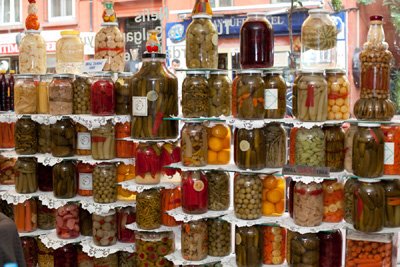
    Apart from the drink, one can find mountains of bottled pickles in just about any shop. They Pickled gherkins, onions, beetroot, garlic, aubergine, carrot, tomato, plums, broccoli, olives ..you name, they have it. They are bottled away in different shapes and sizes of glass jars packed neatly and placed one on top of another.

    pickles

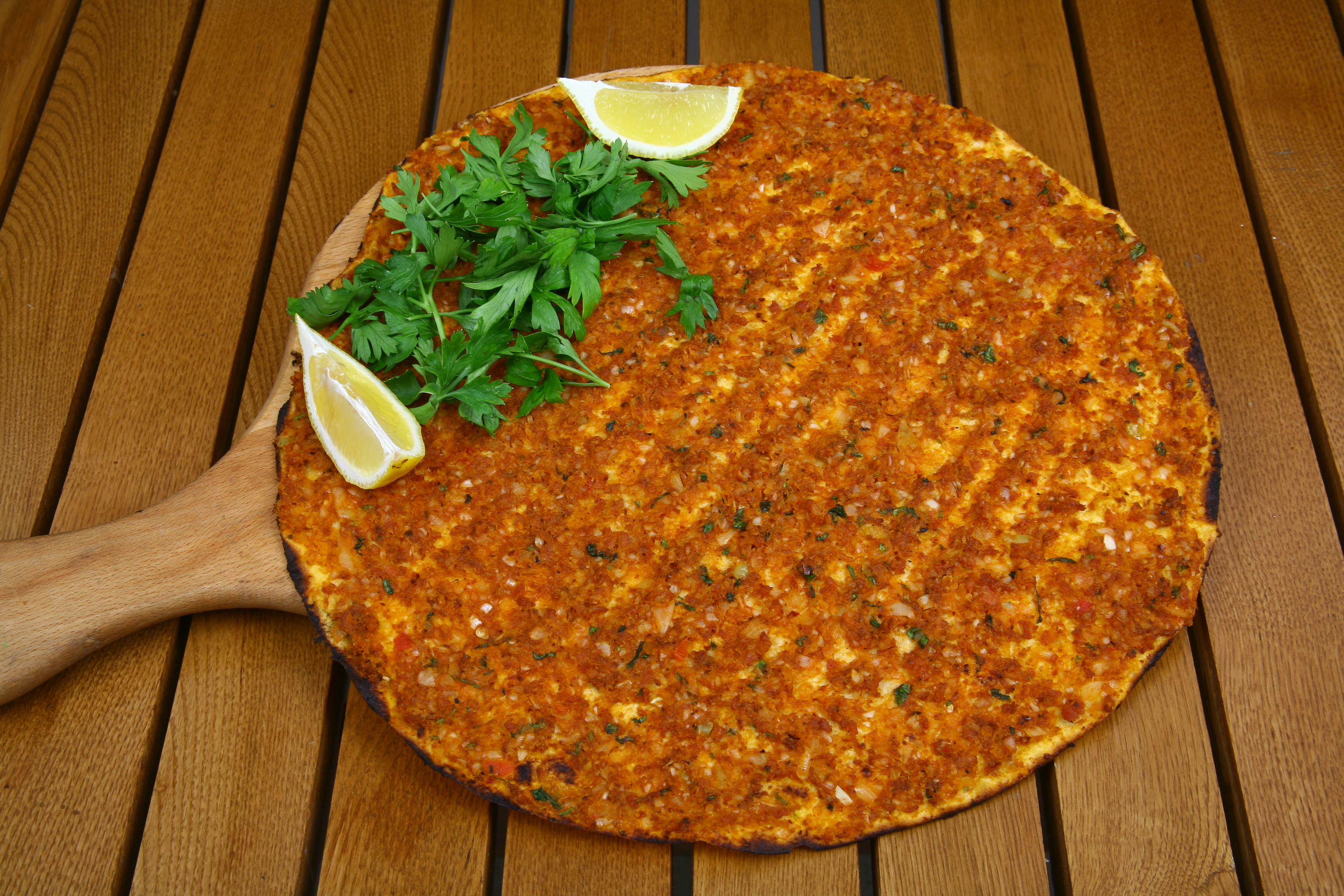
    3. Lahmacun. Pizza is an all-time favorite among, well, everyone if I am not wrong. But then, are you ready for the native Turkish pizza? It looks like our good ol’ pizza and can trick any pizza lover into believing so. It is a circular shaped baked dough topped with a layer of meat of any kind (according to one’s preference), not to mention the mandatory lime juice as flavoring. Once prepared with the above mentioned ingredients, it is put into the oven and heated till it gets crunchy and slightly blackened. Sounds pretty easy but quite difficult to get that right amount of heat to do the trick.

    lahmacun

    Pretty sure that many mouths are watering by now.

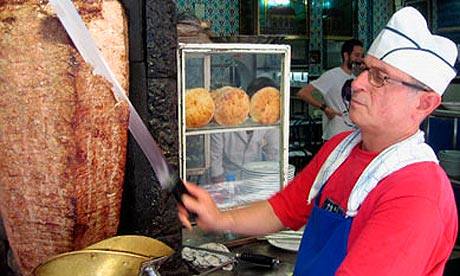
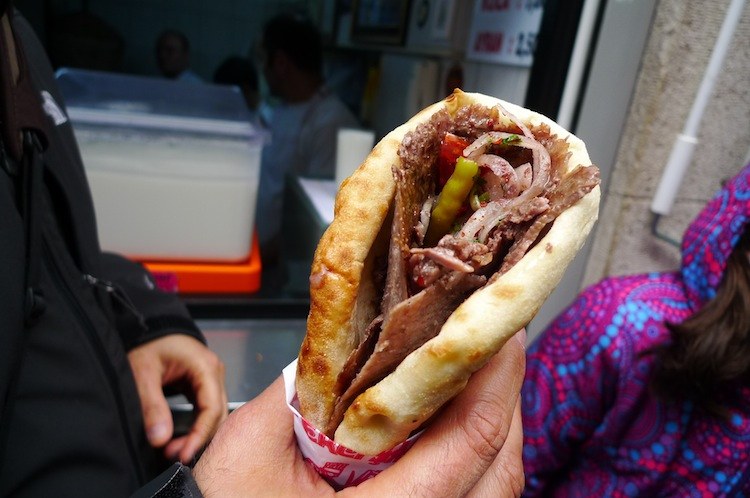
    4. Doner kebab. Aye my non-veg lovers! This is yet another saliva-inducing item of the Turkish kitchens. The meat can be lamb, chicken or beef which is cooked and roasted over a vertical stick that keeps rotating beside the burning embers. It can be seen as a different form of barbecuing. As the stick rotates, the meat is scraped off with a knife from all sides and served hot in various forms. It can be wrapped up in flat bread or served as the stuffing inside a sandwich.

    It is usually spicy; onions, chili pepper and such are served along with the meat. It’s Arabic name ”Shawarma” is known more commonly among people. Another thing to note is that there are plenty other variations of this kebab and can be found in a number of countries starting from the Middle East to the Norwegian regions!

    doner kebab

    Doner-Kebab

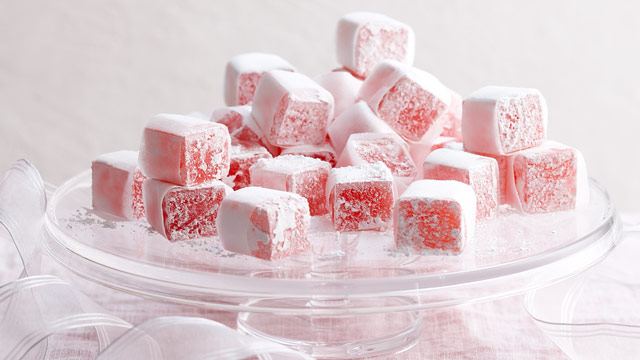
    5. Turkish delight. Invented in the 1777, these are tiny little cubes of delight, literally. Of various hues, they sit cutely on the shelves of the confectioneries. Anyone with a sweet-tooth is sure to be bowled over by these little ones.

    I recently had a chance to taste them when my friend had returned from a world tour. It was my first time that I saw such sweet-looking sweets. Jelly-like, coated and dusted with sugar icing, it can come in different flavors. They come in various types; some have nuts like walnut placed inside them while others are two flavored. They are made of very simple ingredients – corn starch, sugar and water. They are  called as Rahat lokum in the native tongue. Highly praised across the world, this sweet ended up travelling to many regions and thus has multiple varieties.

    turkishdelight

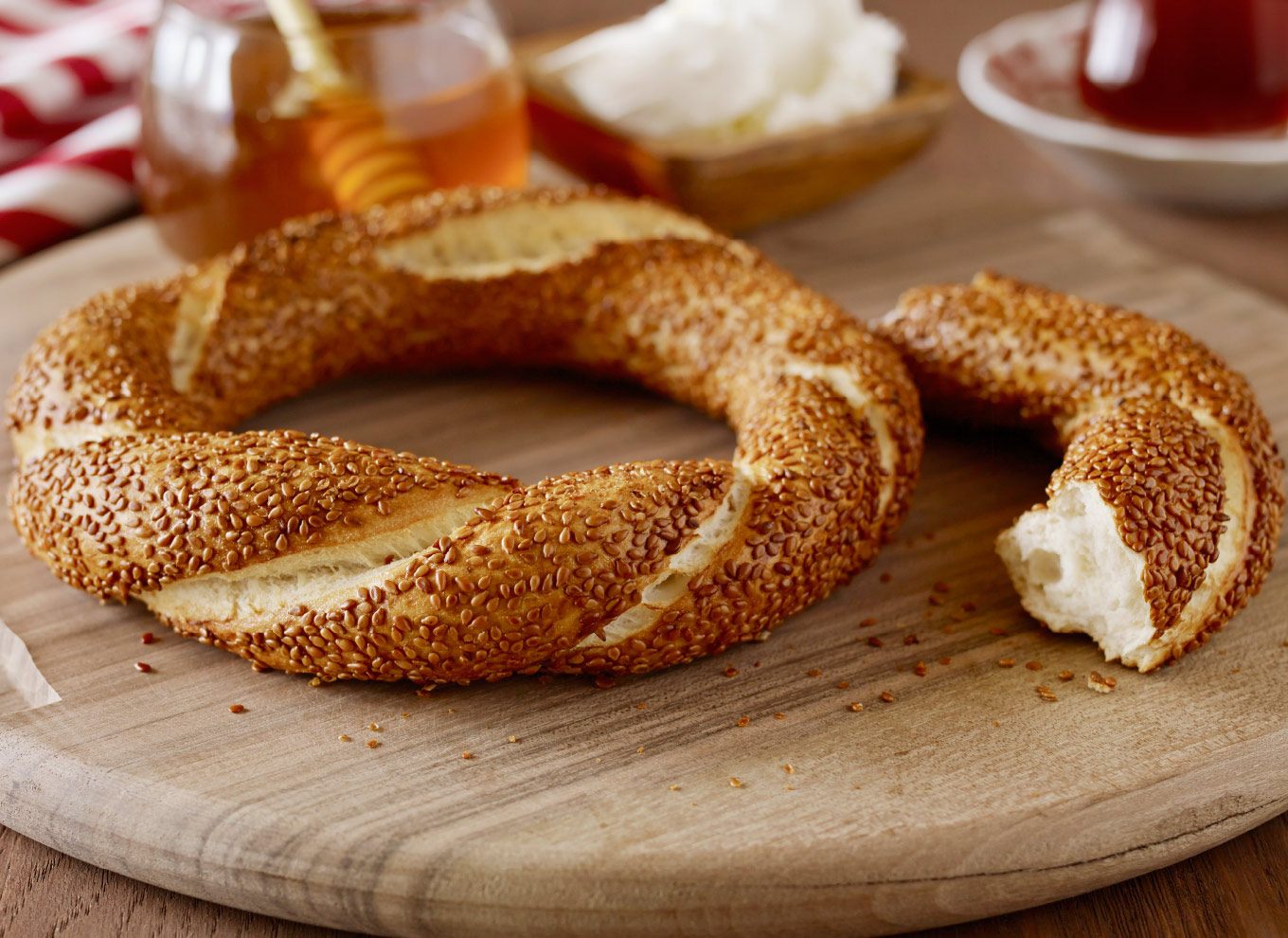
    6. Simit. Its is a sort of circular bread coated with sesame seeds. They look cute too; imagine brown bread rings! It can taste a little sour but quite crispy. One of the favorite items for breakfast of the Turks is this bread ring and it can be accompanied with jam, cheese or jelly. It is popularly called the eastern sister of the popular Bagel.

    simit

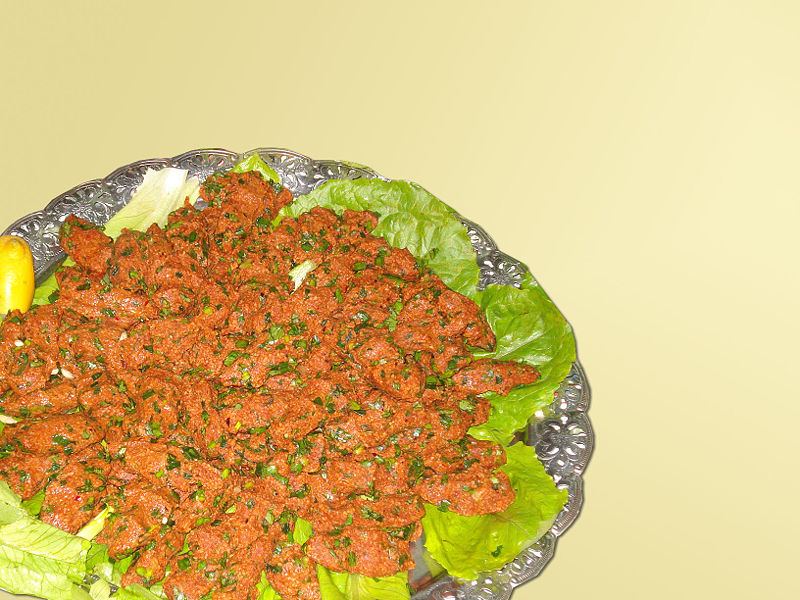
    7. Çiğ köfte. It is a kind of raw meat dish which is usually cooked with the meat of either lamb or beef. ‘Çiğ’ means raw and ‘köfte’ means rissole in Turkish of course. Supposedly very spicy since it requires the kneading of the tender meat with onions, tomatoes, chili pepper,fresh mint, parsley and various other spices. Scrambled eggs can be used instead of the meat if you want to do it vegan style. The whole dish is accompanied with lettuce leaves and lemon. Sometimes this meat is wrapped up in pitas or crackers. The Arabs eat it with bread with a little tomato sauce over it. In Istanbul, it is sold the vegan way since meat from fast-food outlets is not considered hygienic unless you get it hot right out of the oven of a Turk’s home.

    Çiğ_Köfte

    All you chili lovers out there, you have to try this once at least in your life.

    These are the seven major gourmet specialties of the Ottoman kitchen. Apart from its colorful cuisine, Istanbul also boasts about the Blue mosque with 6 minarets! It is a magnificent and grand specimen of Islamic style of architecture with blue-tiled interiors grabbing the limelight. Well, we can keep the architecture for another day.

    Take a break and book a ticket to Istanbul. You don’t want to miss the Pickle juice, do you?

  • Mumbai Foods you cant live Without!

    Mumbai Foods you cant live Without!

    Mumbai, the financial capital of country has always been the home to many immigrants, who brought with them their culinary treasure. This city has emerged and grown from a fishing village to a metropolis, giving rise to its unique food culture. It is a perfect blend of all the Indian customs and traditions; Muslim, Gujarati,South Indian, Goan, Maharashtrian and also its own Mumbai style! Here are a few meals that will everyone residing in and visiting the city must have!

    1. Street food:

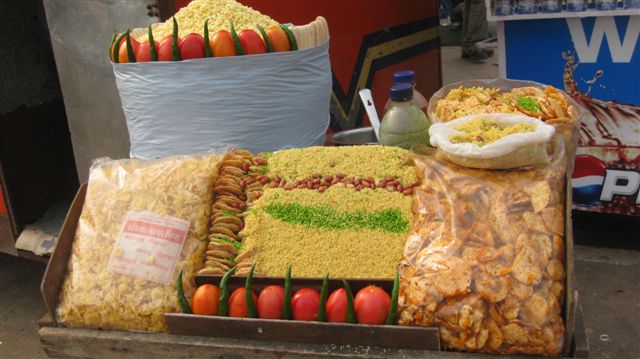
    Mumbai street food is the most unavoidable and essential food for every Mumbaikar. Found in every nook-and-cranny of the city, it is totally different from the other versions of chaat found in other parts of the country. It includes bhel, pani puri, ragda pattice, wada-pav, samosa chaat, dabeli, frankie and much more. There are stalls on the Mumbai streets and every bhel wala his own fan following. Famous among them include,the chaat stalls at Juhu Chowpatty, Girgaum chowpatty and stalls at the beaches. There also are juice centers and sandwich centers that contribute to the street food. Wada pav is the most liked and a staple food of all the Mumbaikars. Very much suitable for this fast-paced city, people can eat wada-pav at any meal time of the day. We also serve Indian version of Chinese food at Chinese food stalls. Bade-Miyaan (it now has a restaurant) at Colaba causeway, Ayubs at Kalaghoda and other non vegetarian food joints serve the best kebabs, mutton rolls and non-vegetarian delicacies in Mumbai. Pav-Bhaji is another specialty on the by-lanes of Mumbai. People from all over India come to Mumbai to eat Pav-Bhaji.

    street food

    2. Coastal Meal:

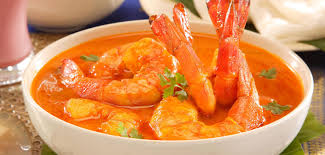
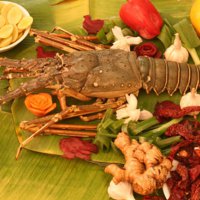
    Situated by the konkani coast, the city has a coastal food tradition of both: Malvani cuisine as well as Gomatak (Goan) cuisine. It includes fish, mainly; prawns, pomphret, Bombay duck, surmai and much more. It tastes best when it is served as fish curry. The taste of these cuisines is spicy, coconut-y, tangy and is served with rice. There are particular restaurants in the city that serve amazing coastal food. You will never have enough of it and will have you coming back everytime you leave having one. Goa house in Juhu, Satkar in Goregaon, Highway Gomantak are few restaurants that are very popular on the charts for serving the best sea-food!

    coastal food

    3. Maharashtrian cuisine:

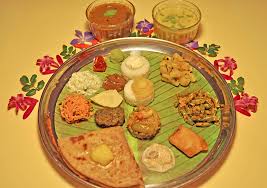
    Come to Mumbai,  and not have the Maharashtrian cuisine is impossible. When we talk of Maharashtrian cuisine it includes; a proper traditional Maharashtrian thali having  varan-bhat (dal made up of cooked lentils in ghee, served with rice), vegetables made using special Maharashtrian masala and chapati. The other dishes include

    • Zhunka bhakar: A very traditional dish, the zhunka is made using chopped onions tempered with mustard seeds and kadipatta leaves mixed with chickpea flour and is dry. It is eaten with jowar bhakri or roti). There are many midnight stalls open that serve it.
    • Puran-poli: A traditional festive dish made by the Maharashtrians on holi and dusshera; made using yellow gram along with jaggery or sugar. after drying, Palm sized balls of this paste are stuffed into wheat flour dough and rolled out to be roasted on a tawa frying pan with a little ghee or butter.
    • Misal-pav: Having its origin in , this dish is made as a curry of sprouted lentils, topped with potato, poha (rice flakes), chivda, farsan, raw chopped onions and tomato and is eaten with bread. Maharashtrian cuisine is said to be truly soul-satisfying and tasty. There are many more dishes and recipes that contribute to the it, one will have to visit Mumbai to try all of them out. But then, all of it will be irresistable. (Aaswad and Prakash eateries in Dadar are the highly recommended ones for having Maharashtrian food).

    marathi

    4. South-Indian Cuisine:

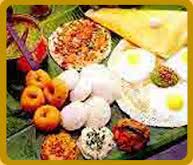
    There is authentic udupi served in many udupi restaurants in Mumbai. Many of them serve in their authentic style: on leaves. Mumbai is the only place where you will find plenty of versions of South Indian cuisine. Must-have’s among them include Chinese dosa, Spring dosa, Schezwan dosa, Masala Idli and many such dishes mainly on restaurants and on street-stalls. The most recommended restaurants around the city are Ramanayaka’s Udupi(it is the most famous one), Udupi Idli house, Cafe Madras and Manis lunch home(famous for its thalis). This image is from the south Indian food cooking classes in Andheri.

    south

    5. The Mangalorean meal:

    Mangaolrean dishes tend to be slightly meaty. They have adequate proportion of seafood and meat in their diet. The neer dosa, chicken roti, Kori roti from the Mangalorean cuisine is among the hot favourites of Mumbai people. There are few recommendations of restaurants like Mahesh Lunch home, apoorva lunch home, Pratap lunch home are few of the oldest restaurants that are highly popular for this treat.
    mangalore-mahesh

    6. The Iranian treat:

    South Bombay is the home to the Parsi community who with them have brought their amazing culture. The town side of Mumbai also is a place of many old and popular bakeries and Irani cafe houses. Irani cafes today, offer simple signature Parsi dishes like Salli boti, Kheema ghotala, freshly baked bread with scrambled eggs, khaaris, cakes,sweet milk tea and much more. It is one of the tasty and essential-to-have treat in the city. The most popular cafe houses today are Kyani, Yazdani, Ideal corner, Jimmy boy.

    yazdani

    7. International servings:

    Mumbai food list would be incomplete if we do not include the American, continental cuisine. There are restaurants like Indigo deli that serve a slightly upmarket standards. today, many such restaurants are found in every mall. Poptates/Jugheads for Italian cravings, Mainland China for having Chinese treat. The coffee houses like Starbucks and Cafe Coffee Day also suit the same standard.
    poptates

    8. Old Bars:

    There are age old bars in the city that attract many tourists as well as the city dwellers. They have a notified ambiance and food. Leopold cafe, Cafe Churchill, Cafe Mondegar are few of the city’s interest.

    leopold

    Mumbai is a city that is home to people of all cast and creed, it is the city of dreams where everyone coming here brings with him his own culture. And the diverse food culture is the result of the same fact. 🙂

  • The Indian way Chinese Starters !!!

    The Indian way Chinese Starters !!!

    Indians prefer more of Chinese than Indian (I am including myself ). Chinese food is having all flavours in one bowl spicy ,tangy, oily, saucy, full of veggies, juicy, with gravy , without gravy , full of colours , sometime bland in taste, sweet & sour etc etc. I am not wrong if I say there is no one on earth who doesn’t like Chinese. I have had the opportunity to taste all sorts of Chinese food ….from a classy Chinese restaurant to roadside Chinese junk I have had all. But trust me I liked it all. Its easy to prepare and easy to make , the only task is to assemble  the right ingredients , cut the vegetables in right shape and your dish is done in 5 minutes. Yes! its that simple. From wedding Hi-Tea to birthday party at home we always include a Chinese dish in the menu. B’coz ….its simple tasty and every ones favourite.  Its funny but a trur fact that we Indians have totally customised the Chinese dishes and made it oily spicy “tadka marke” dishes .

    Originally the Chinese recipes our full of veggies & sea food , little bland , more of stock content and sweet & sour in flavour. But we have totally customised it in our homes as per our own taste. You wont believe but I have had egg plant sautéed Hakka noodle once and I loved it (I was being crazy …never mind). My hostel cook use to add curry leaves in chicken Manchurian as he was a South Indian cook and only knew curry leaves as his key ingredient ….so whether it be dosa or noodles curry leaves was must (Its true story ….!!!). But if you our really Chinese food crazy you must eat anything which comes to you in form of noodles and I am being very honest in admitting that I love Chinese and can survive years n years eating only noodle and chilly chicken.

    Chinese dishes originally are non- vegetarian dishes but we being Chinese food crazy and not compromising the taste created loads of veg substitutes of the main menu and made it more popular than the original recipes…classic example would be chilly Paneer/ cottage cheese. Even china would wonder how we managed to create that. But its possible only in India. We kill the original recipe and yet make it tasty and popular…(Aren’t we crazy enough to be dared for anything ). So lets have a mix bag of Chinese starter recipes customised the Indian way.

    photo(17)

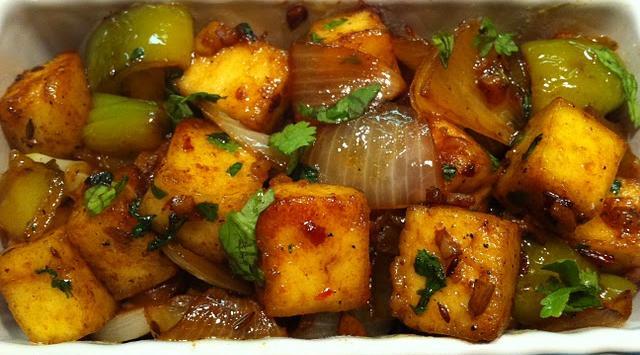
    Chilly Paneer :

    Ingredients : 500 g of cottage cheese / Paneer cut in cubes, 1& 1/2 tablespoon corn starch , 1 tablespoon green chilly diagonally thinly sliced,1 tablespoon celery finely chopped,  2 medium onions diced roughly, 2 medium bell peppers (Red, green & yellow in colour), 1 tablespoon garlic finely chopped, 1 tablespoon ginger juliennes, 1 /2 tablespoon dark soy sauce, 1 tablespoon tomato ketchup, 1/2 tablespoon green chilly sauce, 1 tablespoon olive oil to cook ,salt to taste,1/2 cup water for moistening .

    Servings : 4

    Method : Take a zip lock bag and pour in 1/2 cut of corn starch in it . Add in paneer cubes in the bag and shake it well closing the zip so that starch coats all the cubes evenly from all sides. Now heat a shallow pan and add half of olive oil in it. Slightly toss the paneer cubes in the till it turns golden brown evenly from all sides. Take it out and keep it separate. Now add in the rest of the olive oil heat it on high flame and stir in celery , green chillies, garlic and ginger and sauté it for 1 minutes . Now stir in Onions and diced bell peppers and sauté it again for another 2 to 3 minutes. Add in little salt , tomato ketchup , dark soy sauce , green chilly sauce and mix well for 30 seconds. Add in the shallow fried golden brown paneer cubes in it , mix it well and add water to it. simmer it for 2 minutes and add rest of corn starch in paste (add few drops of water to corn starch )  form to thicken the water and get a glaze on this Paneer dish. Serve it in a flat dish with toothpicks on side . Serve it hot.

    Gobi-Manchurian

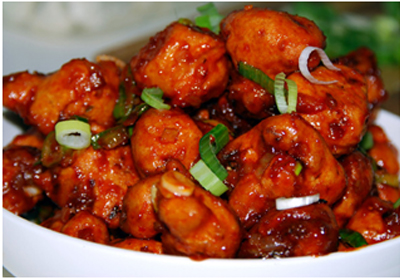
    Gobi Manchurian Dry :

    Ingredients : 1 big cauliflower roughly cut into small pieces, 2 tablespoon corn starch , 1 tablespoon green chilly diagonally thinly sliced,1 tablespoon celery finely chopped,1 tablespoon garlic finely chopped, 1 tablespoon ginger juliennes, 1 /2 tablespoon dark soy sauce, 1 tablespoon tomato ketchup, 1/2 tablespoon green chilly sauce,  olive oil for deep frying & cook ,salt to taste,1 tablespoon chopped spring onions for garnishing.

    Serving: 4

    Method : Firstly we need to slightly blanch in salted water, the cauliflower and then dry it. Once it dried we need to put it in a zip lock pouch with all the corn starch in it and shake it well to coat the cauliflower pieces evenly with corn starch . You may also avoid this process and directly mix the corn starch with blanched cauliflowers and keep it with  for 30 minutes so that it coats well . Now deep fry  the cauliflowers kernels till golden brown . It will be quiet crusty as it was coated with corn starch and its taste is already salty as so addition of extra salt is not required. Now heat a shallow pan , add olive oil in it and on high flame toss, celery , green chilly slices , ginger and garlic. Sauté it for a minute and then add all the sauces …tomato ketchup ,green chilly sauce, and dark soy sauce along with deep fried cauliflower kernels . Stir fry all of this on high flame for 3 to 4 minutes and serve till cauliflower /Gobi absorbs all the sauces. To get a glaze you may pour corn starch solution( a teaspoon only) it is Optional .To get a gravy of this particular dish you just need to add 1 cup of water and a tablespoon of corn starch solution and your side gravy dish is ready. Serve it hot garnishing it with spring onions to enjoy the crispiness of the tempting cauliflower kernels This is a  Indo -Chinese recipe and a very popular dish in India’s Chinese menu.

    There are several such customised Chinese recipes which I want to list down for you guys …will surely write those recipes too till then try out these ones and have a rocking day in kitchen.

  • A Platter of Vegetarian Kebabs

    A Platter of Vegetarian Kebabs

    Originating in the coastal countries of the eastern Mediterranean area, kebab is a versatile dish made by roasting and grilling pieces of meat, fish, and vegetables, over a skewer or a spit. The dish quickly spread in popularity and consumption throughout the nations of the Middle East, and then central Asia. The kebab traces its historic roots to before the 17th century B.C., and even the ancient Greek poet Homer mentions an erstwhile archaic dish resembling the same, and enjoyed all over his country in his works. However, a Turkish script by Kyssa-i Yusuf which dates back to around 1377, first properly mentions the culinary concept of the word, which is derived from the Persian language, and literally means “fry”, and sometimes “fry and burn”. Legend has it that the kebab was invented by medieval Persian soldiers who grilled meat on their swords over open-air fires in the battlefield. It quickly gained favour of both the classes and the masses, being served as the royal fare in various Islamic states over the ages, and as a much sought after and easily accessible snack or main course dish for many commoners, and the trend continues even today.

    Although lamb is the traditional choice of meat for making the kebab, there are many variants available in different meats and vegetables all over India due to religious constraints and direct or indirect dietary restrictions. Indian kebabs, whether they are vegetarian or non-vegetarian, have a unique and popular flavour of their own, owing to the wide spectrum of masalas (spices) and herbs native to the subcontinent. Apart from the numerous Indian innovations in the art of kebab making, the sheesh, shammi, tikka, and shawarma, original types of kebabs are also available everywhere, and can be found easily in small roadside eating joints as well as in top notch restaurants and hotels. The cities of Lucknow and Hyderabad are famous all over the country, owing to their thousands of decades-old, local eateries and food establishments which sell different types of primarily meat kebabs, ranging from tunday to kalmi and tangdi to reshmi, and have thus contributed a lot to culture, food, tourism, and economy.

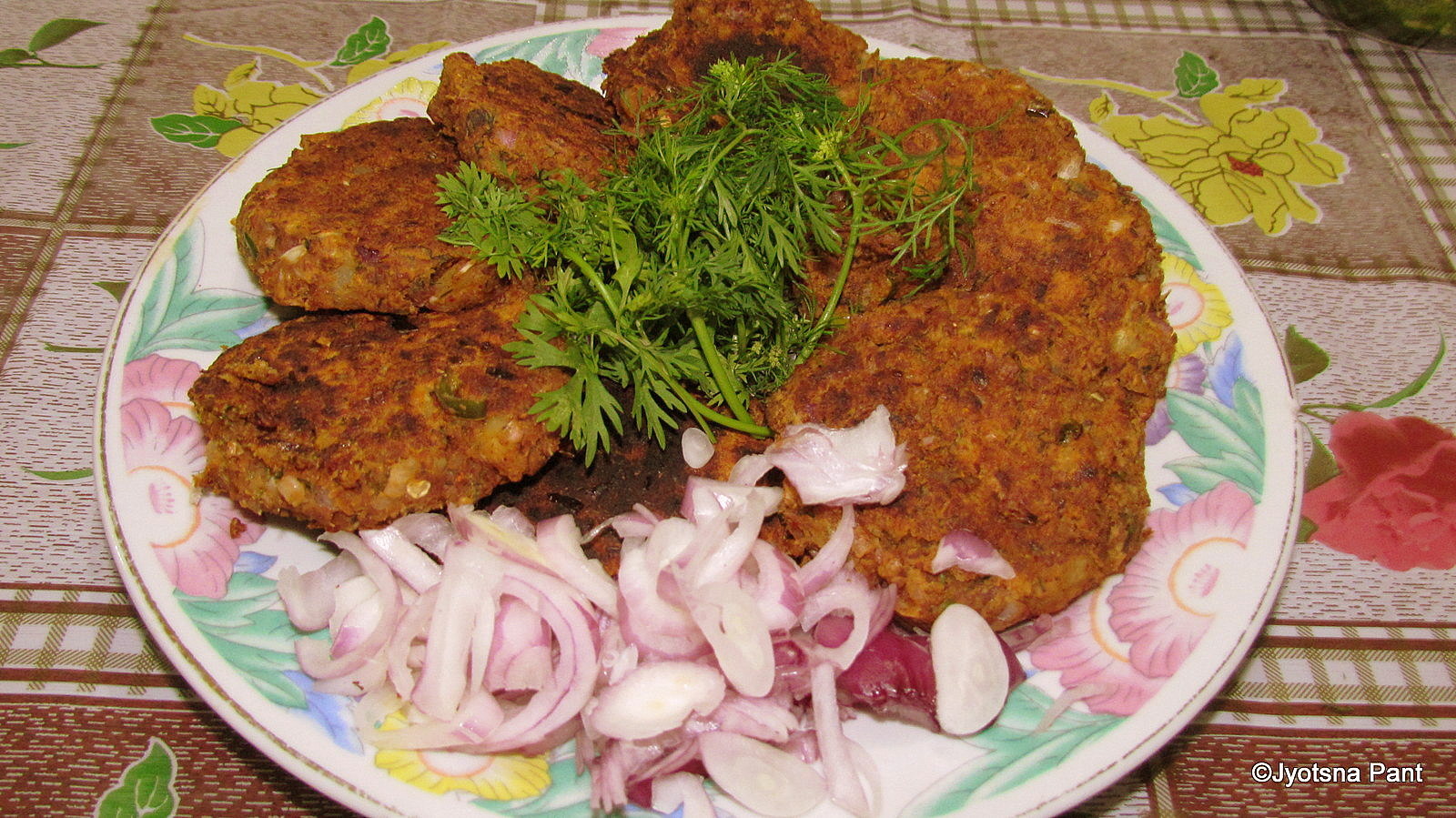
    While you can get non-vegetarian kebabs from anywhere, the vegetarian types are a rarity to find outside one’s house, and they are generally overpriced in the restaurants they are available in. Vegetarian kebabs can be easily made at home, with simple ingredients, and less elaborate methods than their non-vegetarian counterparts. This article will provide you with three novel recipes, all made wonderfully by my favourite chef in the world, my grandmother, for these lesser known variants, namely, shalgam ke kebab, kela chane kebab, and chukandar ke kebab.


    Shalgam ke Kebab (serves 4-6 people)

    Ingredients needed:

    • 7-8 bulbs of turnips
    • 2 tablespoons of roasted besan (gram flour)
    • Finely chopped onions
    • Finely shredded coriander, chilli, and ginger
    • 2 medium sized boiled potatoes
    • Salt to taste
    • 1 small teaspoon of garam masala powder
    • Vegetable oil

    Steps required:

    • Thoroughly wash the turnip bulbs, and then carefully peel their outer skins off.
    • Put the skinned turnips in a pressure cooker and steam thoroughly.
    • Once the turnips cool down, mash them and drain out the excess water.
    • Mash the boiled potatoes and mix them with the turnips. Add coriander, chilli, ginger, and onion to the mixture and be careful to make it consistent with dough.
    • Add garam masala and salt accordingly.
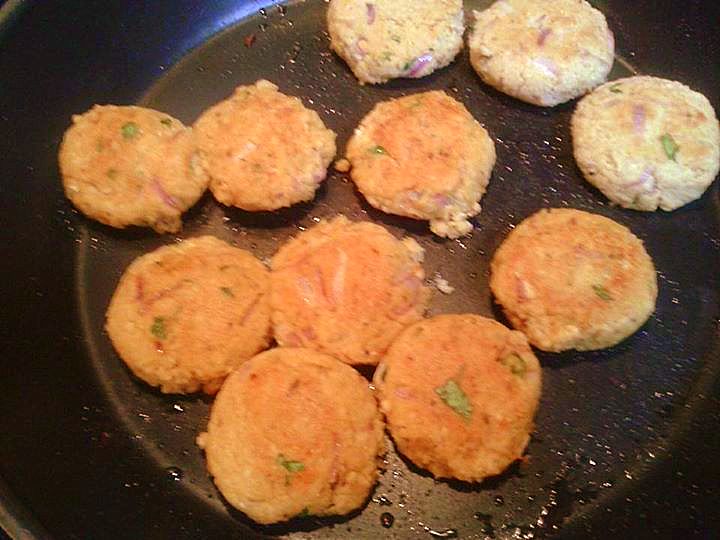
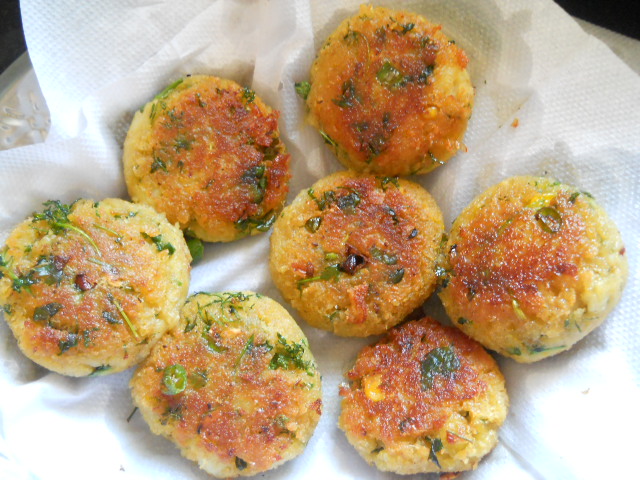
    • Make small balls of the prepared dough and flatten it into small cutlets or flattened disc shaped portions.
    • Shallow fry on a tawa (pan) until the kebabs are thoroughly cooked and are a rich golden-brown in colour.
    • Top with sprigs of coriander and rings of onion. Serve hot, with a chutney of your choice.


    Kela Chane ke Kebab (serves 4-6 people)

    Ingredients needed:

    • 5 clean green unripe bananas
    • 1 bowl of soaked chana dal (gram beans)
    • Finely chopped onions
    • Finely shredded coriander, chilli, and ginger
    • Salt to taste
    • 1 small teaspoon of garam masala powder
    • Vegetable oil

    Steps required:

    • Make sure to wash the bananas thoroughly with fresh water before beginning. Once they are clean, steam them in a pressure cooker with their skins intact.
    • Steam the dal separately to a soft consistency.
    • Once both ingredients cool down, peel the bananas, and mash together with the dal to make a dough.
    • Add garam masala and salt. You can also add other spices such as red chilli powder if you prefer.
    • Shallow fry on a pan.
    • Garnish with sprigs of coriander, and serve with onions and chutney.


    Chukandar ke kebab (serves 4-6 people)

    Ingredients needed:

    • 7-8 beetroots
    • 2 tablespoons of roasted besan (gram flour)
    • 2 boiled potatoes
    • 250 grams of paneer
    • A few whole clean leaves of cabbage
    • Finely chopped onions
    • Finely shredded coriander, chilli, and ginger
    • Salt to taste
    • 1 small teaspoon of garam masala powder
    • Vegetable oil

    Steps required:

    • Steam the beetroots thoroughly after cleaning them.
    • Mash the beetroots to a dough-like consistency. If necessary, add a little bit of boiled potatoes as well. Add roasted besan to this mix.
    • In a separate bowl, mash potatoes and mix them with paneer chunks.
    • Add coriander, chilli, ginger, and onion to the beetroot dough.
    • Make miniature balls of the paneer and potato mix after adding salt and garam masala to it.
    • Wrap them in a leaf of cabbage.
    • Encase this in an even layer of beetroot dough. Make it firm with more besan if required.
    • Shallow fry on a pan until the kebabs are thoroughly cooked.
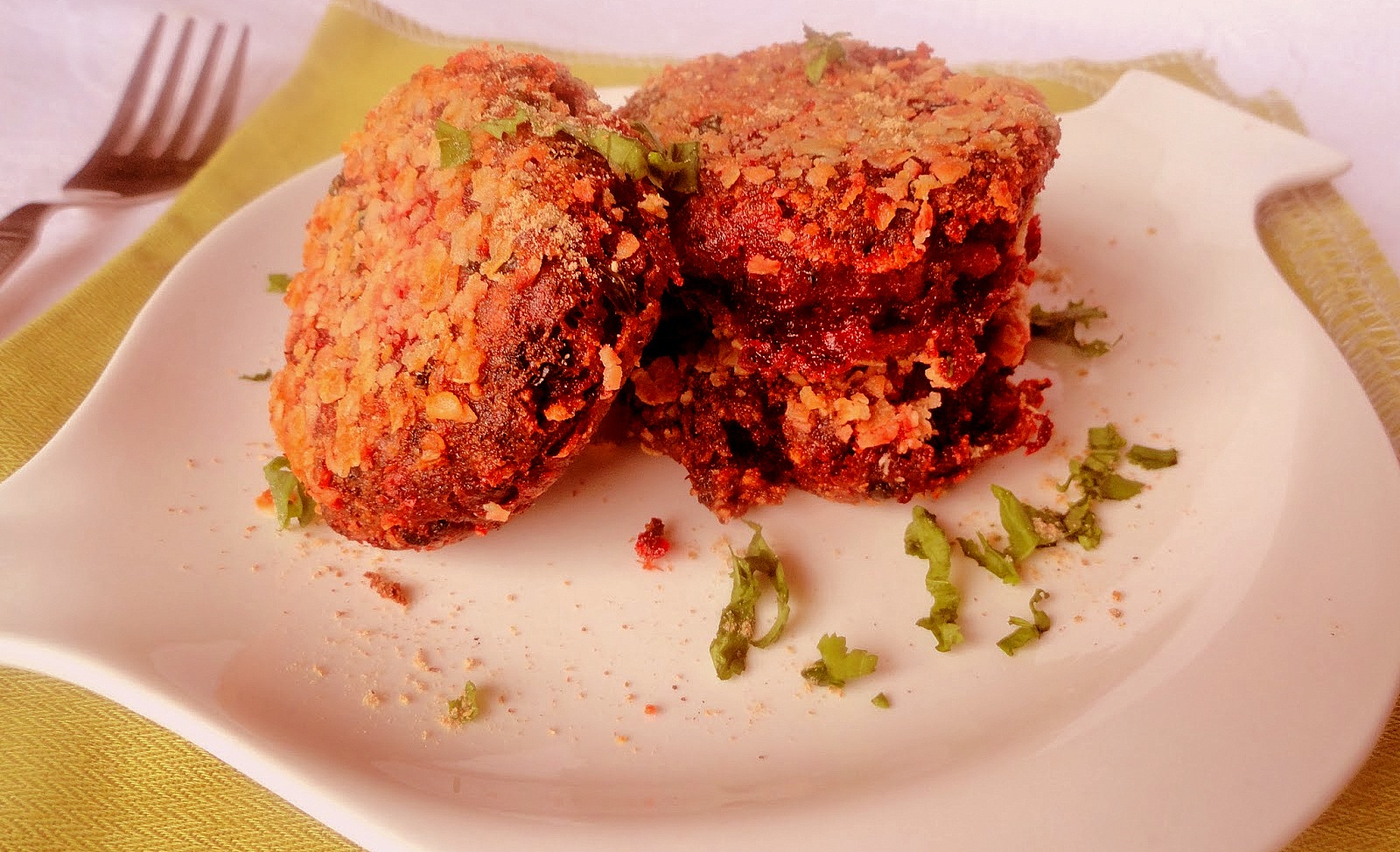
    • Cut the kebabs open from the centre, top with coriander, and serve hot with chutney.
  • Chilled Desserts to Chill you More !!!

    Chilled Desserts to Chill you More !!!

    Its always fun to do something different , something out of the box ….to break the mono type , the stigma , the notion its great to just un-follow the typecast. A very harmless one is to eat which you are not expected to eat. Its very simple….Yes, you just need to have chilled desserts in freezing temperature. Its awesome fun . Fill your pockets with paracetamol’s to get precaution after you do this fun task but surely do this. No matter how much your mum scolds you after this how much you sneeze , just be carefree and dare yourself to do this one. To make it more simpler lets just learn few awesome delicious dessert recipes which can even tempt your parents , your granny , your grandpa to do this fun adventure without even a second thought. Isn’t it just a day our in Disney land type idea… that to without money. Ummmm…you will have to pay for the ingredients though!!!
    We often bring our lives to a point where we de-mark ourselves about the DO’s and the DONT’s. But who are we to decide to live our life in a boring way. Aren’t we just tired of the routine work and monotonous way of leading life. Eating always makes us happy so why not to eat dishes we just love . In that way not only we going to eat it happily its going to affect our minds too & it gets digested easily moreover makes us feel more cheerful and fun loving. You must be thinking is this a psychology class or a article on psychology . No , you are not fully wrong but yes of course good food or favourite food makes you happy . I am not wrong when I say seeing your mother bake your favourite chocolate chip cookie makes you dance within your mind .( I feel like dancing just by the thought of getting a choco-chip cookie …yum!!!). I am still a child when it comes to list down my favourite dishes and they are still the same what i use to eat 2 decades ago. We all are having a child inside and lets not kill the child within our adult bodies or just don’t gaurd your child too much to make them bore enough for future. Just take my dare and do it. I am sure you will just live a day of full happiness . To fight infection there are enough medicines so don’t worry.

    tutti_frutti

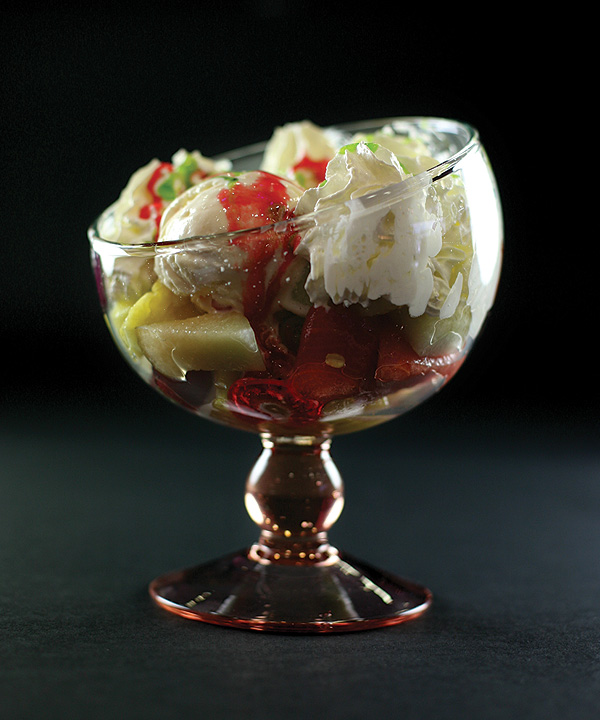
    Frozen Alaska with a twist :

    Ingredients : few slices of fruit cakes,1 scoop of vanilla ice-cream , I scoop of butterscotch ice-cream , 1 cup of chopped bananas, 1 cup of chopped black grapes, 1 cup of chopped strawberries, 1 cup of oranges de-seeded, peeled and skinned out, 1 tablespoon of kiwi crush, 1 tablespoon of strawberry crush, 1 tablespoon of chocolate syrup (optional). A beautiful glassware. To decorate you may choose your own garnish..for example wafers , straws, choco-chips etc , butterscotch nuts, whipped cream.

    Servings : 2

    Method : Take a decorative glass , crumble the slices of fruit cake and pour in the glass and with the help of the finger push it inside the glass making its very first layer of frozen Alaska. Now add in one fruit crush of your choice and then add in a layer of vanilla ice-cream scoop , then layer in chopped bananas and oranges, grapes . Now add butterscotch ice-cream , strawberry crush with chopped strawberries and garnish it with whipped cream and choco-chips. The frozen Alaska is ready to serve. Enjoy it with your loved ones its a perfect fun dare for chilled winter evenings.

    download

     Creamy soft peaks:

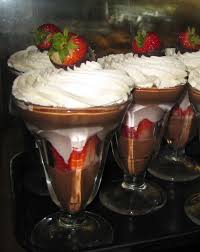
    Ingredients : 2 cups of whipping cream , 1 cup chopped strawberries(Its the best available fruit in winters with rich red colour giving a nice look to a delightful creamy dessert, 1 tablespoon caster sugar, 1 teaspoon corn starch solution,1 tablespoon of strawberry crush , few slices of chocolate cake, 1 tablespoon condensed milk, 1 tablespoon fresh cream, 1 teaspoon coffee powder, 1 teaspoon vanilla extract. Oreo biscuit for garnishing .

    Servings : 2

    Method : With the help of a whipper whip the whipping cream . In the whipping process add  vanilla extract to the whipped cream to add on some flavouring to the plain cream. Crumble the chocolate slices and mix it with fresh cream , condensed milk and coffee powder. Heat this mixture until it thickens up without forming a lump. Pout this mixture in the glass you want to serve and making it the base of the dessert. Keep the glass in refrigerator to chill. Divide the whipped cream in two portions. Again heat a pan add in strawberries, caster sugar, strawberry crush and corn starch solution in it. Heat the mixture till it turns out to be a thick lump less sauce. Cool the strawberry sauce and mix it with one portion of whipped cream. Take out the chilled choco-coffee base glass and pour in the two flavoured creams as two different layers in the glass. Garnish it with Oreo biscuit and you are ready to commit the sin.

     download (1)

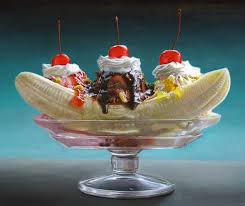
    Banana Split:

    Ingredients : Two large bananas split into two halves, 1 cup brown sugar, 1 cup condensed milk, Single scoop of three different ice-cream flavours, 1 tablespoon chocolate syrup, few chopped seasonal fruits of your choice, little whipped cream and a happy heart to assemble all this.

    Servings : 2

    Method: Take a dish and place the split slices of ripe bananas. Meanwhile heat a pan and stir in brown sugar and condensed milk till the sugar melts and thickens the mixture without solidifying. Make sure you keep on stirring this caramelized mixture on slow flame.Once its done just simply pour it over the banana slice and keep it to chill for a while. Once its cools down in refrigerator just layer it with fruits scoops of different flavoured ice-creams and whipped cream. Top it with chocolate syrup or any syrup of your choice and just do not wait to eat it .

    Isn’t it a pleasure to dare yourself to have these chilled desserts even in winters and feel heavenly with every bite you sink in through your throat.If you do not believe me try out the recipes we well surely have a common agreement .

  • Yummy-Street Food in India!

    Yummy-Street Food in India!

    Loved by everyone and tasted by every Indian at least once in their lifetime, street food in India is always looked forward to. It is mouth watering and delicious. Its aroma is appealing and no one can forget the thwack of the “tawas” and spoons that one can hear during it gets prepared to be served! The jalebi-faafdas of Gujarat, chaat and wada pav famous all over Maharashtra, litti chokha of Bihar, Lassi of Punjab and Idli, dosa, medu wada of the South are well known to attract tourists. Let us take a look at some more delicacies that are best served on Indian streets!

    1. Chaat

    This is my favorite section of street food. Pani puri, bhel, ragada puri, sev batata dahi puri, masal puri, aloo chaat, you can find a lot of variety in Chaat dishes. Everything basically contains three or more of the mentioned ingredients- ragada which is boiled yellow peas, kurmura(puffed rice), onion, tamarind chutney, pudina chutney, potatoes, puris, sev, curd and groundnuts.

     2. Litti chokha

    Litti Chokha is a famous street food in parts of Bihar, Jharkhand and Uttar Pradesh. It is best served in Patna and also made in most houses there. If you love ghee, you’ll go crazy about this dish. Made with sattu, grinded chana, potatoes, brinjals and tomatoes, all dunked in desi ghee, this dish looks quite like Rajasthani daal baatti but yet, tastes peculiar in it’s own way.

     3. Poha

    Even though poha is eaten every now and then at breakfast in a Marathi house, Indore provides the best poha in India. It is served along with jalebi in Indore while this is a weird combo for a Marathi house where poha is eaten with lemon and sev. Poha is actually a local name for rice flakes cooked with spices and oil.

     4. Chhole bhature

    />

    Chhole bhature or choole kurche is a famous dish believed to be Punjabi. However, one can expect to find the best chhole bhature at Delhi. They are as famous as parathas and rajma chawal found there. Spicy chhole eaten with hot bhature is a lip-smacking combination that finds a place in everyone’s breakfast or snack time once or otherwise.

    5. Aloo tikki

    It is a famous snack of North India and is made up of crispy fried potato. We Indians love fried potatoes and can hardly live without them. These tikkis are basically cutlets stuffed with potato filling. Other ingredients that go into the dish are green chilies, bread crumbs, peas, corn and spices. aloo tikkis are again served with colorful chutneys.

     6. Missal pav

    Missal pav is almost a staple food for Maharashtrians. You can find it at every place in the state. As the name suggests, it is served with pav. Missal is a healthy curry that contains matki and spices. It is served with a garnish of chopped onion, sev and lemon. If you like spicy food, you should definitely try missal pav!

     7. Dabeli

    Dabeli was born in Kutch, Gujarat and it slowly dispersed to Ahmadabad, Mumbai, Pune and other cities along with migrated Gujarati population. It is a blend of potatoes and tomato puree mixed with special spices, garnished with pomegranate seeds, sev, groundnuts and chutney and finally stuffed inside a pav.

     8. Wada pav

    Wada pav is an interesting dish made up of potato filling inside besan (gram floor) batter. It differs from pakodas in terms of filling. The wada here is basically composed of “aloo ki subji” coated with besan which is eventually fried and served with chillies, red chutney and pav.

     9. Idli

    Idli is one of the healthiest street foods in India. It is prepared from fermented rice to give it fluffiness. The same batter can also be used to make dosas as dosa only differs in form from Idli. Idli is always served with sambhar and chutney without which it is incomplete. Though it is most popular in the southern states, it has been adopted by most of the other states for it’s deliciousness.

     10. Pakodas

    Pakodas are a hot favorite in the monsoon. You could find different flavors like chilly, onion, potato but the basic batter remains same and is composed of spices, salt, gram floor and water. You could find pakodas in most Indian states. If you talk about Maharashtra, you will get the best pakodas at hill stations and forts in monsoon.

     11. Momos

    You would simply love momos if you love chicken. No doubt that there is a vegetarian version available, but chicken momos have their own place in every eater’s heart. It is served with spicy chutney and contains stuffing inside a maida covering. This dish originated in Nepal and now has spread everywhere in India.

     12. Ragda patties

    This is a colorful dish savored in every Maharashtrian and Gujarathi house. Ragda patties are usually enjoyed with tea. If you are bored of the usual biscuits and toast, go for ragda patties. They add a spicy twist to your tea along with the colorful tamarind, chilly, pudina and other chutneys.

     13. Ghugni

    Served best with pakodas or puffed rice, the ingredients of ghungni include yellow peas, onion, garlic, tomatoes and all other Indian curry contents. This dish is native to eastern part of India and cooked in traditional style by adding Bengali garam masala. It is again served with yummy chutneys.

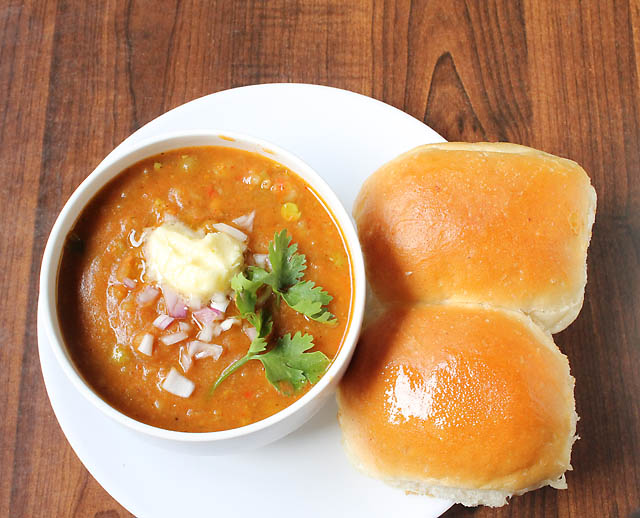
     14. Pav bhaji

    Last but not the least, we have pav bhaji on the list which is one of my personal favorites. Again, a blend of veggies such as potatoes, peas, capsicum, cauliflower, onion, tomatoes served with pav roasted in butter,it becomes even more lip-smacking when eaten with onion and lemon garnish. You will find pav bhaji at almost all cities in Maharashtra, however, it first started in Mumbai and Mumbai still serves the best pav bhaji!


  • The Six Things You should Eat when Visiting Agra

    The Six Things You should Eat when Visiting Agra

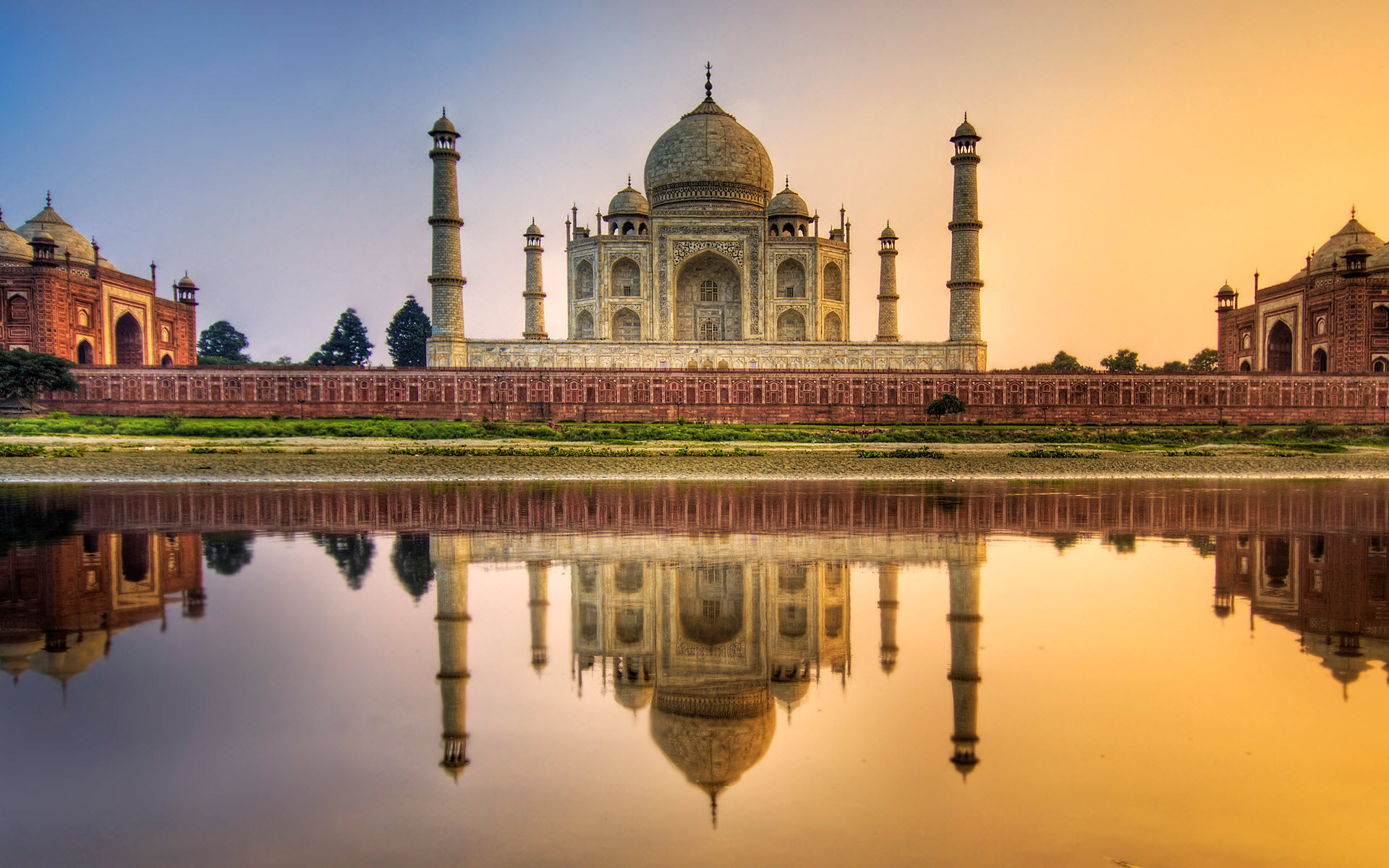
    Agra, known all over the world as the hometown of the beautiful Taj Mahal, also has a rich and varied range of cuisines to its credits. Serving as the haven of many communities, Agra is home to Muslims, Marwaris, Jains, Baniyas, and many more, which has culminated into the city being a one stop destination for all kinds of food, delighting the non-vegetarian and vegetarian alike, with all kinds of culinary budgets. While the city has not expanded much in terms of area and general civic infrastructure, the hospitality business sure has boomed greatly, which was an added bonus for the local eateries and restaurants. If you ever visit the city of the Taj, here are some unique local dishes and delicacies you must try:


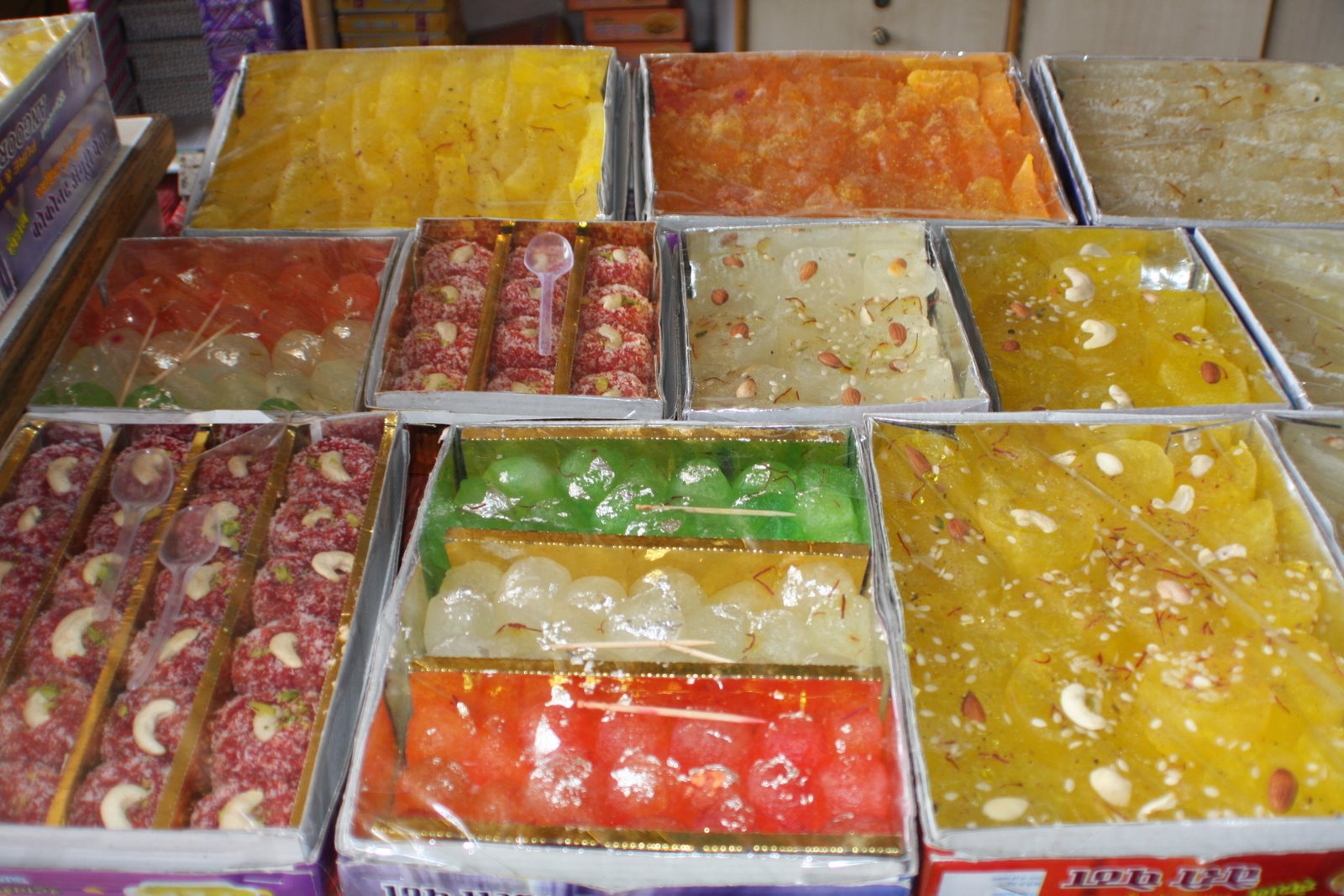
    1. Petha

    Probably one of the most famous delicacies to be associated with the city, petha is, and has always been the rage when it comes to the food business here. You will find billboards and railway stations flooded with advertisements for this local sweetmeat, which has been manufactured for centuries in the small bustling galis (alleys) and local mandis (markets). Petha is a translucent, soft, syrupy, and chewy sweet made from ash gourd, also known as white pumpkin or more popularly, squash. While the basic and simplest type of petha comes in small white cubical hunks, you can find many more types, in cylindrical and rectangular shapes, and different flavours ranging from kesar (saffron), chocolate, angoori (grape), and even mango. The most famous petha manufacturing chain here is Panchhi Petha, with its branches spread in every corner of the city.


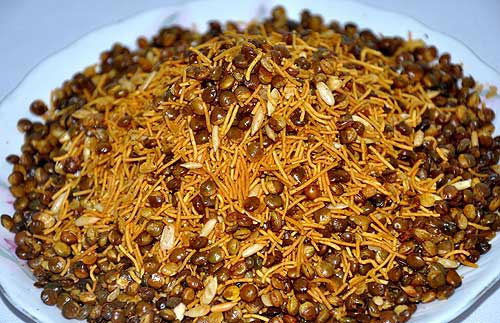
    2. Dalmoth

    A traditional north Indian namkeen (salted snack), dalmoth in Agra is synonymous with petha when it comes to taste and fame. Dalmoth consists of a proportionate mixture of fried dal (lentils), dried fruits, nuts, spices, and oil. The lentils used to prepare the snack can be of any kind, the most notable ones being chana (yellow gram), moong dal (green gram), and moth beans. Crispy in texture and sharp in flavour, dalmoth can be customized according to your requirements in many local food eateries. In addition to this, dalmoth also comes packaged in small boxes, which one can find easily at any sweet shop, or halwai, as they are more commonly called in north Indian states. This snack serves as the perfect light munching material with a cup of hot and sweet tea in the evenings.


    3. Bedhai and Jalebi


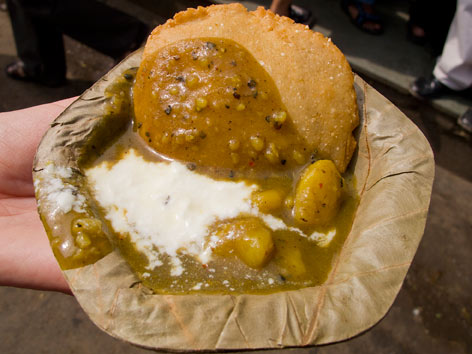
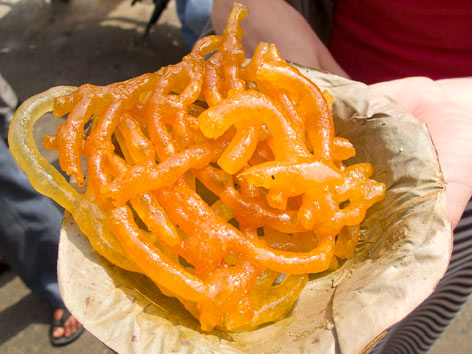
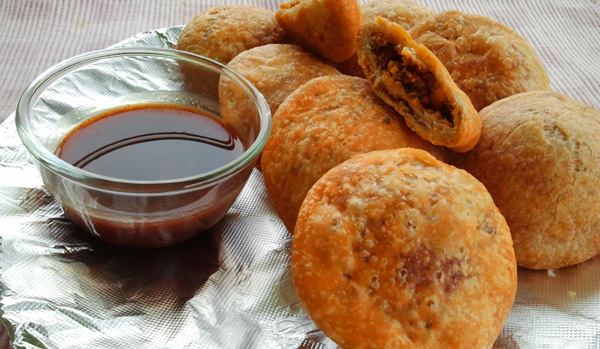
    If you come to Agra and do not have this particular dish, you have missed out on the city’s street food in a major way. Bedhai resembles the kachori, in the way that both are round, flattened breads, deep fried in vegetable oil, but the former contains a delightful stuffing of masala, made of lentils, besan (gram flour), and spices. It is served with a spicy, hot curry of potato chunks and green chillies, and occasionally with a dollop of sweetened curd. You will find many street corners overflowing with early risers treating themselves to bedhai and jalebi for breakfast. Served at many eateries, big and small, the famous North Indian jalebi is served as an accompaniment to bedhai. This sweetmeat is made by deep-frying maida (refined wheat flour) in concentric rings, and then soaking the product in hot sugar syrup. Both bedhais and jalebis are made fresh in enormous quantities each day all over the city, and sold out within a few hours. The two balance each other out perfectly, and also amply fill one’s stomach, making it a must-have on the Agra breakfast menu.


    4. Chaat


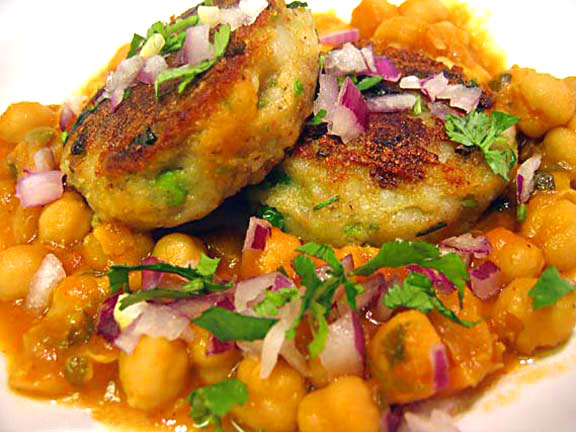
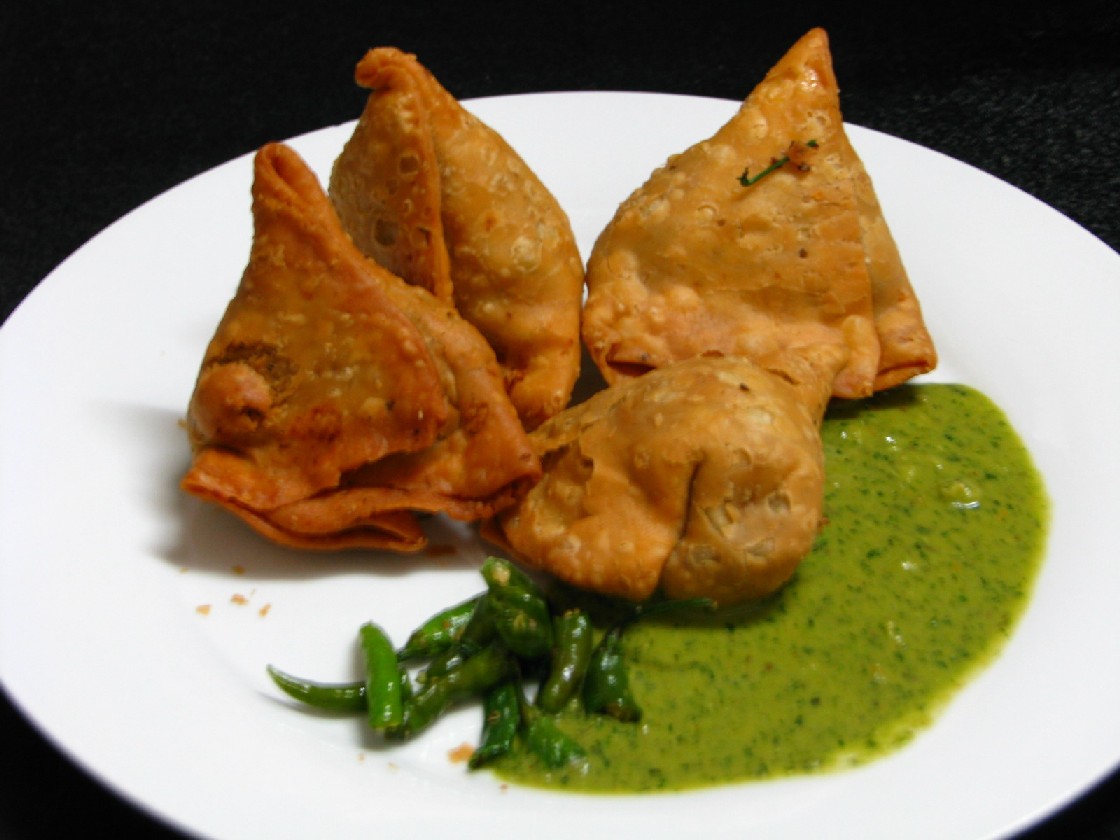
    Chaat is known to be the favourite ethnic snack of the quintessential north Indian. What makes Agra’s chaat so different are two features: firstly, its entire preparation in desi ghee (clarified butter), and secondly, the bhalla, which is the city’s answer to aloo ki tikki. The bhalla is made by mashing boiled potatoes and chickpeas together in a flat, round disc, after adding pieces of paneer, dried fruits, nuts, and sometimes, beetroot chunks. It is deep fried, and then smashed open from the centre, and served with a garnishing of shredded ginger, spices, chutney, and if you want, curd. There are two variants when it comes to chutneys, saunth, a sweet, thick, brown chutney made from tamarind, or the spicy, green chutney made from chillies and coriander. In addition to this, samosas, deep fried savouries stuffed with potato and other fillings, and khastas, small, spice-filled deep-fried breads, are also served in Agra, primarily in the evenings. Bhagat Halwai, Deviram Sweets, Dauji Mishthan Bhandar, and Sadar Bazaar are some of the best places to relish chaat in the city.


    4. Parantha

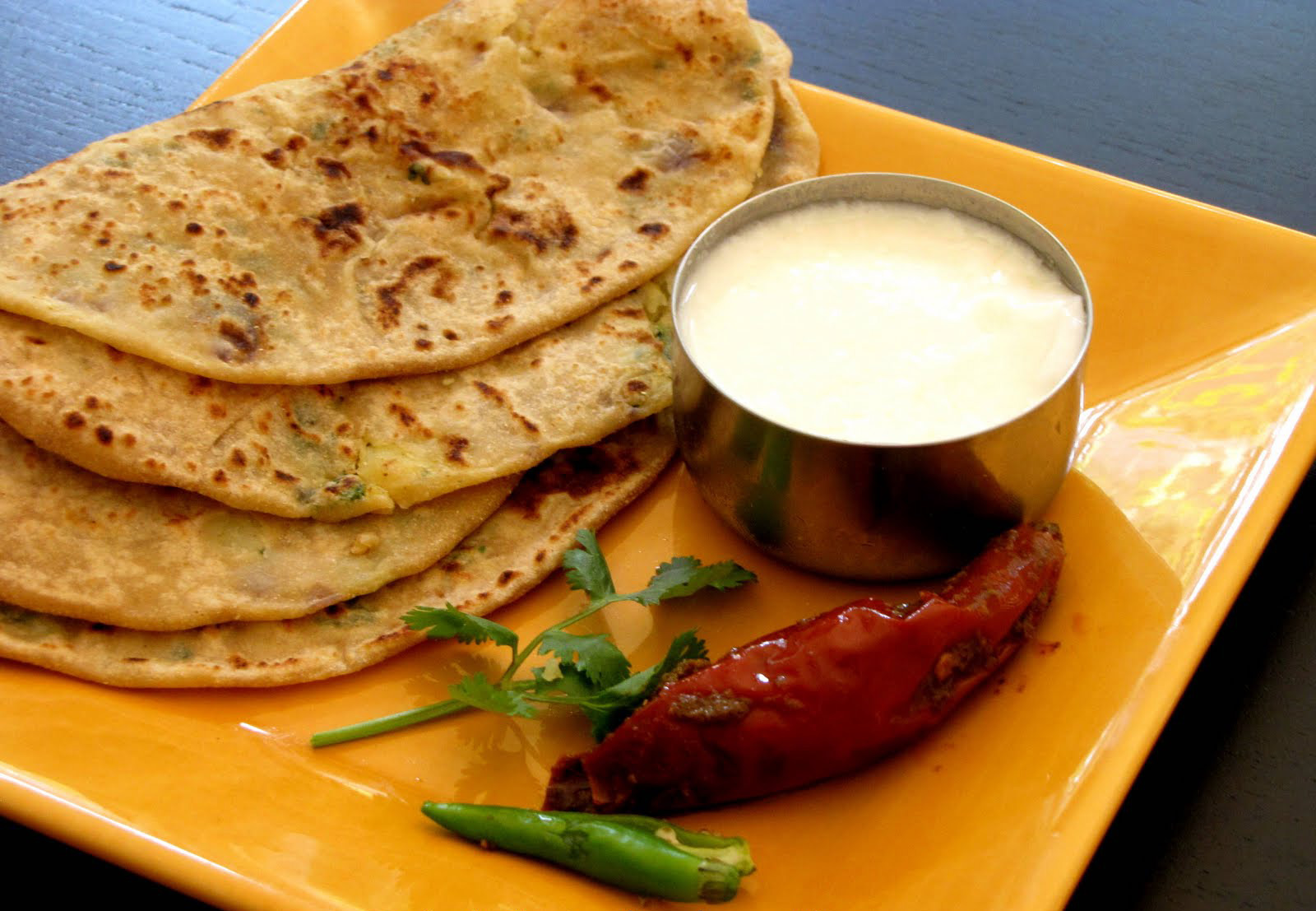
    Made by frying wheat dough discs on the traditional Indian tawa (pan), parantha forms the staple of most of the north Indian states, from Punjab to Uttar Pradesh. Since the majority of people living in Agra are vegetarians, the parantha here does not serve the all-exclusive non-vegetarian. Available in many variants, the paranthas in Agra are stuffed with various fillings such as potato, cauliflower, radish, and many more, and served in a thali (large round plate) with various sabzis (vegetable preparations) and chutneys. Rambabu Paranthe Wale is a popular food establishment with the locals, and many flock to the restaurant on weekends to have this dish.


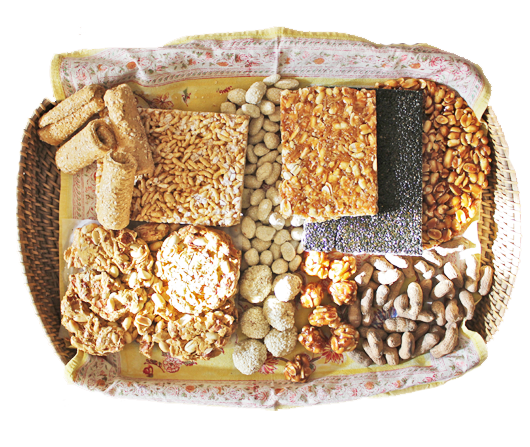
    5. Gajak and Chikki

    A sweet and dry sweet made mainly in the winter months, gajak is made by layering til (sesame seeds), sugar, gur (jaggery) and oil. Gajak is an instant fix for anyone feeling cold in the chilly months of December and January, and provides immediate warmth on consumption. It is also served in the small and more easy to munch form of rewadis, which are small, round, bite-sized pieces of gajak. Chikki, more popular with the children, is a variant of this sweet and uses groundnuts instead of til. Both are served in flat sheets, and sold in boxes and packages on a large scale in the city. Bedariya Ram Gajak Wale and Manohar Lal Daulat Ram Garg Gajak Wale are some of the oldest gajak manufacturers and sellers in the city.


    6. Mughlai cuisine

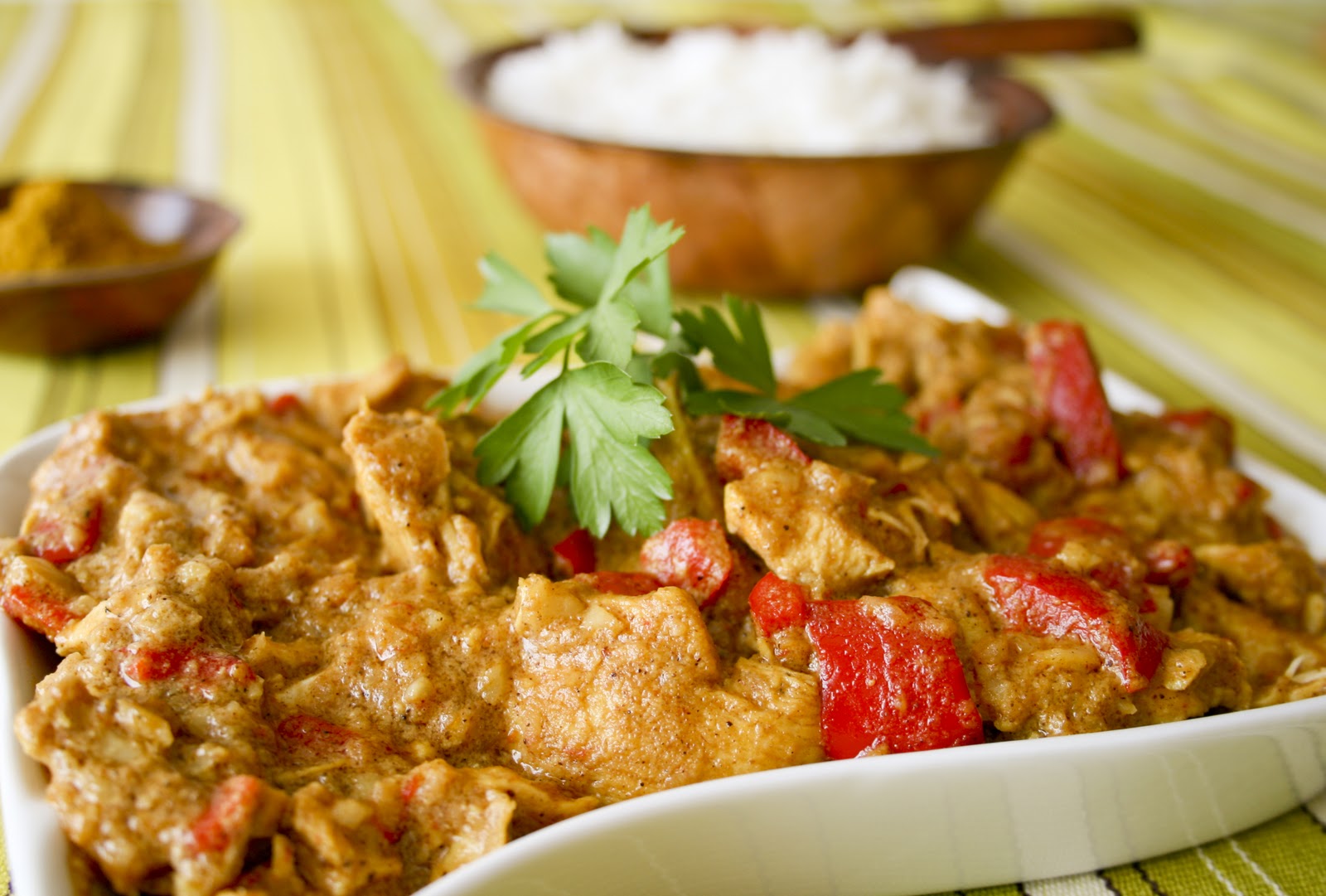
    And last, but not the least, you have to have Agra’s Mughlai preparations if you love meat. These dishes use various meats such as chicken, mutton, and lamb, which are marinated overnight in curd, ground spices, and herbs, and then made into delicious creamy and buttery curries. Garnished with coriander, butter, cream, and occasionally dried fruits and nuts, these delicacies instantly transport the non-vegetarian foodie into gastronomic heaven at first bite. You will find a variety of these dishes on the menus of many restaurants, korma, shahi, malai, butter, and keema all included. The best dine out places for Mughlai food in the city are Pinch of Spice and Kwality Restaurant, although you can find many small non-vegetarian open-air eating joints towards the cantonment area of the city.